Category Archives: Politics

Good’ survivors of genocide and ‘bad’ survivors in the hands of Rwanda’s dictator and his agents by Frank LeFever

552738_559777634095395_592595395_n

In 1994, while working with head-injury patients at Helen Hayes Hospital and preparing to present some of my research at the next meeting of the International Neuropsychological Society, I heard of a genocide in Africa – in Rwanda, a country previously unknown to me – brutal and face-to-face, neighbor against neighbor, unlike the more systematic “impersonal” genocide in Germany a half-century before. I knew enough to reject the idea that it was a primitive “tribal” vendetta and suspected political manipulations exploiting some kind of social-economic rivalry but really could not focus on the details: I had trouble remembering from day to day which group was “Hutu” and which group was “Tutsi.” However, in my retirement (2003), largely through my involvement in the WBAI-FM, the NYC station of the Pacifica Foundation, I have focused a great deal of attention on Rwanda and on what happened and why – as a scientist, going to original sources whenever possible.

Among other things, I have learned how the 1994 Hutu genocide against Tutsis began in 1990 with an invasion by a specific group of Tutsis who grew up in exile in Uganda, an invasion with Uganda’s cooperation. I will not attempt to outline all the complexities of what happened between Oct. 1, 1990, and April 6, 1994, except to say that the story we have been told is incomplete and that Paul Kagame did not ride in like a knight in shining armor to end a genocide; indeed, some, including his former bodyguards and his former chief of staff, have even argued that he caused the genocide. The record is clear that he killed many who stood between him and his goal in his drive to seize Kigali, the capital – Hutus and Tutsis alike. Moreover, he killed more people subsequently in Rwanda and in eastern Congo – typically women, children, sick and elderly – in refugee camps or fleeing through the jungle.

I am moved to write this now because Kagame, having jailed or killed people in Rwanda for saying even less than I have said about this history, is sending his agents to pursue others in Europe and here in the U.S. for the crime of simply saying that not only Tutsis but also Hutus died in 1994. In this pursuit ofdissidents, a disturbing trend has been developing, both within Rwanda and within the Rwandan Diaspora: Kagame’s agents pit survivors of the Rwandan genocide against each other, creating a class of “good” survivors as well as “bad” survivors; I know by name several survivors and have met and come to respect one young man who is now under attack as a “bad” survivor – Claude Gatebuke.

Kagame, having jailed or killed people in Rwanda for saying even less than I have said about this history, is sending his agents to pursue others in Europe and here in the U.S. for the crime of simply saying that not only Tutsis but also Hutus died in 1994. One young man who is now under attack as a “bad” survivor is Claude Gatebuke.

Within the “good survivor” vs. “bad survivor” framework, certain stories from survivors are encouraged, welcomed and embraced. More often than not, these are stories that reinforce the official image of leadership and benevolence of the current Rwandan regime. They praise the current president with having stopped the genocide against Tutsis but dare not mention his crimes prior to the 1994 genocide, his crimes during that period, nor his subsequent crimes, such as genocidal crimes in later years within the Democratic Republic of Congo. Acceptable survivor testimonies are ones that dare not raise the issue of war that was being waged by the current Rwandan ruling party, a war that claimed countless Rwandan lives over the course of four years leading up to the genocide of 1994.

The “bad” survivors are individuals who raise concerns about the current regime’s status as a benevolent hero. They challenge the current regime’s stance on democracy and raise issues of human rights abuse both within Rwanda and outside of Rwanda. Susan Rice, U.S. representative to the U.N., recently told Rwandan authorities that Rwanda is not a democratic country and needs to allow basic freedoms.

Within Rwanda, genocide survivors saying this are targeted with smear campaigns, often exiled and – worse – imprisoned. Deo Mushayidi, a lone survivor from his entire family, an individual with no connection to the current military dictatorship, is serving a life sentence within Rwanda. His crime? Creating a political opposition party. Raising concerns regarding countless deaths committed by the ruling regimes. Speaking out against injustice, in a stifling atmosphere, and having little or no significant community to back him up.

Many other critics have fled to exile, including journalists of independent media. One of the most high profile exiles from Rwanda is Joseph Sebarenzi, former speaker of the House, whose book Claude praises as one of the fairest among many books written about Rwanda.

The Rwandan dictatorship has gone so far as to apply their typical charge of genocide denial against “bad” survivors to descendants of survivors of the Nazi genocide against Jews. The Kigali regime dictates to descendants of Holocaust survivors that they dare not defend “bad” Rwandan survivors, as in the case of the Lantos Foundation’s award to Paul Rusesabagina.

Tom Lantos, the only Holocaust survivor to serve in the U.S. Congress, knew what it means to be imprisoned and beaten because of his ethnic classification, knew the kindness of strangers who sheltered him when he escaped, knew the risks of venturing out of a safe house to serve the underground opposition, and knew the pain of learning that his mother and other family members had been killed, along with 450,000 other Hungarian Jews. His daughter, Katrina Lantos Swett, continues to uphold her father’s human rights legacy through the Lantos Foundation.

Rwandan agents have engaged in a campaign calling her a genocide denier for simply stating the obvious – that the Rwandan government is an authoritarian dictatorship that does not tolerate freedoms. The hate for human rights activists comes from the top, as Paul Kagame has said that he doesn’t “give a damn” about organizations such as Human Rights Watch.

Clearly, Katrina Lantos Swett knows something about genocide and about shielding targets of genocide and has been quick to spot the origins and motives of the smear campaign, saying: “I think if Paul Rusesabagina had not had the determination to draw attention to some of the concerns about what’s happening in Rwanda today, none of this outpouring would have taken place. It didn’t take place when the movie came out … it’s when he began to speak out that suddenly many really questionable and unsubstantiated charges were raised.”

She is also firm in stating that the award was given not only for his doing what he did in 1994, but also for his “continued courage” in speaking out about political oppression in Rwanda: “When you have someone who emerges as a compelling voice that is an irritant to a regime, very often the regime or their supporters or proxies will go to great lengths to discredit that individual.”

“Bad” genocide survivors from Rwanda, without any political baggage or connection to the military dictatorship of Rwanda, are bullied, intimidated and harassed. They are attacked by diplomats at forums and constantly have to deal with questioning of their legitimacy as survivors, despite the trauma they’ve faced and despite the difficulty of speaking out against the regime.

“Bad” genocide survivors from Rwanda, without any political baggage or connection to the military dictatorship of Rwanda, are bullied, intimidated and harassed.

For example, the hero of “Hotel Rwanda,” who saved many Tutsis from attacks by Hutus, Paul Rusesabagina, became Public Enemy No. 1 for simply saying that Hutus also died and for speaking out against the repressive measures of the new regime. He is vilified as a “genocide denier” and as a “double genocide” revisionist – and even as a “genocidaire” intent on overthrowing Kagame and renewing the genocide!

Another on Kagame’s hit list is a much less known genocide survivor whom I have heard speak on panels in New York City and have met personally, Claude Gatebuke. Claude’s personal history and consistent antagonism to all forms and locations of genocide, his passion for peaceful resolution of conflicts and reinstatement of a democratic society in Rwanda and elsewhere – Congo, especially – are impressive.

The agents of the Rwandan government targeting Claude include a Rwandan “diplomat” at the U.N. by the name of Olivier Nduhungirehe, who also goes by the name of Theoneste Rwemalika (translated in English to mean one who kills instantly with one shot). The reasons for attacking Gatebuke include his criticism of the dictatorship in Rwanda as well as his vocal support for peace in the DR Congo and his denouncing of perpetrators of war crimes, crimes against humanity and even possible genocide against more than 5 million Congolese people. The U.N. Mapping Exercise Report for DR Congo released on Oct. 1, 2010, provides evidence for every claim Claude makes about the atrocities in Congo.

Gatebuke demands justice for the victims no matter who they are or where they are from and regardless of the perpetrators and is consistent in this in every forum. This is exactly the reason why the government of Rwanda and their supporters are targeting Gatebuke and denying his story of survival. Had he praised the policies of the Rwandan government or at least remained silent, no one would target Claude with hate speech in an attempt to stop his work.

The Kagame dictatorship’s agents do not limit themselves to verbal smears, vilification and outright lies in public forums and incessant propaganda encouraging hatred for dissidents – especially “bad” survivors. The regime in Kigali led by Paul Kagame is notorious for brutal attacks against those who disagree with them or denounce their crimes. In May of this year, the British police caught assassins sent by the Rwandan government to kill critics of the regime. Similarly, there have been three attempts to assassinate Rwanda’s former army chief of staff in South Africa. In June of 2010, he survived a shooting that lodged a bullet in his stomach.

The Kagame dictatorship’s agents do not limit themselves to verbal smears, vilification and outright lies in public forums and incessant propaganda encouraging hatred for dissidents – especially “bad” survivors. The regime in Kigali led by Paul Kagame is notorious for brutal attacks against those who disagree with them or denounce their crimes.

Many other critics have fled to exile, including journalists of independent media. Those who are in Rwanda are not as fortunate. Journalist Leonard Rugambage was shot dead as he was planning to break a story of the Rwandan regime’s involvement in the assassination attempt in South Africa, while Andre Kagwa Rwisereka, vice president of an opposition party, was found with his head severed and a machete lying next to his dead body. Journalists Agnes Nkusi Uwimana and Saidath Mukakibibi are in jail for 17 and seven years respectively for writing critical reports of the president, while virtually every opposition leader is in jail, including genocide survivor Deo Mushayidi, Victoire Ingabire Umuhoza and Bernard Ntaganda, among others.

The question before us now is: How can we help Claude and Joseph and Paul and Deo and so many other courageous “bad survivors” survive Kagame’s current and future deadly attacks?

Frank LeFever is a retired neuroscientist, a director and past-president of the New York Neuropsychology Group, a non-profit scientific and educational corporation which he helped found in 1979, a member and frequent presenter at annual meetings of the Society for Neuroscience and of the International Neuropsychological Society. He is also active in the governance of Pacifica Foundation’s New York City station WBAI-FM and of The New York Academy of Sciences Psychology Section. He can be reached at fflefever@yahoo.com.

Aba “Banyabwenge” bishuka ko barusha abandi kumva neza ubutegetsi bw’Abamene , aho ntibari muri « cage » nk’iy’ibisimba ?

Chiens en cageItegereze neza iri tungo riri hejuru aha, muri aka kazu Abafaransa bita « cage », abanyarwanda bakakita « IKIBUTI » : Urabona hari ikiziriko kiyirimo ? Urabona hari umuntu uri kuyihata inkoni ? Ubu se ntiwavuga ko iyi mbwa YIGENGA ? Ikaba ndetse yakora icyo ishatse ? Ariko se ubwisanzure bwayo bugarukira he ? Hari utabona ko ubwigenge bwayo bugarukira ku mipaka ya kariya kazu (Cage) ifungiyemo!Ng’uku uko Abanyapolitiki bakorana n’Agatsiko ka FPR babayeho !

Maze gusoma iyi nkuru ya Alain Patrick Ndengera alias Tito Kayijamahe mpita mbona ko ikibazo cya bamwe mu biyita ko bajijutse « mu bya politiki » ari ukutamenya neza imbibi za « Cage » Agatsiko kayoboye FPR -Inkotanyi gafungiramo abanyarwanda badashishoza!

Koko rero FPR-Inkotanyi yarangije kurema « Cage » ishaka kurundamo Abanyarwanda bose cyane cyane abavuga ko barusha abandi gusobanukirwa, bakaba ngo bashaka gufasha u Rwandakubona ibisubizo ariko birengagije IKIBAZO nyakuri : FPR-Inkotanyi si ishyaka rya politiki nk’ayo dusanzwe tuzi,aharanira imibereho myiza y’abenegihugu bose. FPR-Inkotanyi ni UMURYANGO uteye kandi ukora nk’udutsiko tw’iterabwoba (groupes terroristes), ukaba mu by’ukuri udakora politiki ahubwo warifatiye igihugu ho ingwate kugira ngo wikorere « BUSISSES » zikungahaza abagize Agatsiko bonyine(kwambura abaturage, guhinga urumogi, gucura amafaranga, blanchiment d’argent… !) FPR rero kugira ngo igere ku nshingano yihaye, yubatse « cage », rimwe na rimwe isa n’isize zahabu icumbikiramo abiyemeje kuyegera atari uko bayikunze(nayo irabizi !) cyangwa bashaka gufasha abanyarwanda ahubwo bagamije kuyishakaho amaramuko !

 Hari « balises » eshatu z’ingenzi zerekana ko umuntu yahonongeye muri « Cage »  ya FPR:

1.Gusubiramo nka « Gasuku » ikinyoma cy’Iterambere ridasanzwe FPR yazanye mu Rwanda !

Iryo terambere ritagera ku muturage(95%) , ni terambere bwoko ki ? Niba imibare yerekana ibipimo by’iterambere ridasanzwe rya buri mwaka (croissance) atari imihimbano yose, byaba bisobanura ko mu gihugu hari Agatsiko kifitiye ibifaranga byinshi kavana mu gusahura abaturage, guhinga urumogi, gucura amafaranga y’amahanga cyane cyane amadolari, gusahura ubukungu bwa Kongo….ibi byose bikaba bitabujije abaturage gutindahara no kwicwa n’inzara, abanyeshuri ntibarihirwe cyangwa ngo bahabwe inguzanyo, abarimu ntibahembwe agashyitse… Niba iri ariryo terambere bamwe baririmba, nibijyanire ntibazampeho ! Ntabwo ariryo Abanyarwanda bakeneye. Iyo mitamenwa yo n’ubwo ntacyo imariye umuturage muri iki gihe, nikomeze yubakwe ku bwinshi, bapfa gusa kutayiteraho amapine ! Ejo cyangwa ejobundi niba igihari itarahiritswe, ishobora kuzabyazwa umusaruro ikagirira rubanda akamaro !

2.Kwemererwa gutekereza ariko nturenze amaso ingengabitekerezo ya « jenoside yakorewe Abatutsi  bonyine »

Muri iki gihe (2014), gukomeza kubeshya rubanda ko Leta ya FPR yahagaritse « jenoside » kandi ikaba ihangayikishijwe n’uko u Rwanda rutakongera gusubira muri « jenoside » ni ukwiha amenyo y’abasetsi. Iyi Leta ubwayo irashinjwa kuba yaragize uruhare rukomeye muri « jenoside » yarimbuye Abahutu n’Abatutsi, guhera taliki ya 1/10/1990 kugeza na n’ubu. Iyi Leta kandi ibikorwa by’iterabwoba ikomeje gukora mu gihugu no hanze yacyo yica abanyarwanda, abahutu n’abatutsi, ikagerekaho n’abanyamahanga birerekana ko igitegura izindi za jenoside zishobora kuzatugwirira ejo cyangwa ejobundi ! Kugeza uyu munsi byaragaragaye ko « Jenoside yakorewe batutsi bonyine » ifatwa na benshi(Abanyarwanda n’abanyamahanga) nk’ igishoro cy’ubucuruzi cya FPR ,kigamije kwegezayo 80% by’Abanyarwanda, ni ukuvuga ABAHUTU ! Hanyuma bizwi na bose ko Abatutsi bagize amahirwe yo kurokoka Interahamwe na FPR, ariko bakaba batabarirwa mu Gatsiko, bagowe cyane no kwigobotora iyi ngengabitekerezo kuko mu by’ukuri bazi UKURI KOSE ariko bakisanga barafashweho INGWATE ! Bazi neza ko iki kinyoma kitazaramba kandi ko gishobora kuzabagiraho ingaruka zitari nziza.

Umuntu wese wemera kandi wigisha ko ishingiro rya politiki y’u Rwanda  nta yindi atari ugukumira « jenoside » niIGITAMBAMBUGA, UMUSWA cyangwa UMUHASHYI ! Ugusaranganya ibyiza by’igihugu mu butabera , nta buryamirane ni byo byonyine bikumira jenoside , ni naryo shingiro rya politiki y’ukuri. Utabizi , ntacyo yiyumvira.

3.Igishuko cyo kugirana ibiganiro na Leta uri « nyakamwe »

Agatsiko kigaruriye FPR -Inkotanyi ntigashaka ko hagira undi munyarwanda ukora politiki ihinyura amarorerwa kakoze kandi n’ubu kagikora, yaba umuhutu , yaba umututsi ! Ako Gatsiko kibwira ko ariko gafite « monopole » yo gukora politiki konyine, niyo mpamvu kica urubozo,kagafunga cyangwa kagatorongeza abashaka kukagamburuza.

Kubera ko gukora politiki ari uguharanira inyungu rusange, bikaba rero bitakorwa n’umuntu umwe ku giti cye, bisaba ko abantu barenze umwe bishyira hamwe,bakisuganya, bagafatanya. Ishingiro ry’amashyaka ya politiki ni aha riri.Kuba menshi kwayo si ikibazo , ahubwo bishobora kuba igisubizo . Impamvu yo gushyira hamwe niboneka , ntakizayabuza gushira hamwe, igihe kizaba kigeze.

Iyo FPR ishaka kurindagiza abanyarwanda, ibumvisha ko amashyaka ya politiki atari ngombwa, ko Leta yifuza kwiganirira n’umuntu umwe umwe ku giti cye, bivuze ko idashaka ko hagira undi ukora Politiki ! Ministre Mukantabana yigeze kwivamo , abivugira kuri Radiyo BBC-Gahuzamiryango, ngo buri munyarwanda ajye yivugira ikibazo cye ku giti cye, maze Leta ye na FPR igishakire umuti, ngo si ngombwa kubinyuza mu nzira za politiki ! Bivuze ko umunyarwanda FPR yishakira ari umuntu « uharanira utunyungu twe twonyine » , wa wundi igaraguza agati atakira kirengera! Ng’uyu umutego(cage) Alain Patric Ndengera ahonongeyemo izuba riva, none arashaka n’abo yisasira ! Si ubwambere tubonye ingero za bene aba , si n’ubwanyuma! Wagira ngo ntacyo amateka acyigisha Abanyarwanda !

4.Dufate iki ?

FPR yubatse « cage » ishaka gushyiramo Abanyarwanda bose ! Bemererwa gukora « ibyo bashaka byose », nabwo by’igihe gito cyane,  ari uko bemeye kwinjira muri iyo « cage » ! Nabwo kandi bakarutswa utwo batamiriye muri “cage” !

Itegereze kandi uzirikane amwe mu magambo akurikira Alain Patrick Ndengera akoresha, urahita ubona uko umugabo ari kwishuka cyangwa se akaba agambiriye gushuka abandi :

(1)Kurekera aho gushyira icyizere mu mashyaka ya opozisiyo kuko ari baringa ;

(2) « Abantu ku giti cyabo batitwikiriye amashyaka nibo bagomba kwemera dialogue hakubakwa pont ihuza abatavuga rumwe »;

(3) « Iyo groupe de reflexion rero yaratangiye ariko haracyakenewe inkunga y’abandi bantu ku giti cyabo batitwikiriye amashyaka baza gufasha mu gutekereza kurebana na leta ya Kigali aho u Rwanda rwakwerekeza ndetse n’uburyo cyangwa cadre politiki yakorerwamo hatagombye abagomba kubigwamo cyangwa kubifungirwa » .

(4)Kumvikana kuri « les règles du jeu » ;« Niyo mpamvu aho gusimbukira mu kibuga abantu babanza kumvikana ku bintu bimwe na bimwe bikaba clair pour tout le monde ». 

Umwanzuro

Nifurije amahirwe masa uyu mugabo Alain Patrick Ndengera muri « recrutement » yatangiye y’abiyemeje kujya guharanira utunyungu twabo ariko bituriye muri « cage » !

« Les règles du jeu » arota kuganiraho, zashyizweho na FPR kandi ntiteganya kuzihindura ! Kutabibona ni ukuba IMPUMYI idasanzwe, wagira ngo uyu musore ni we wambere winjiye mu kibuga cya politiki y’u Rwanda kuva mu 1990 !

Reka tumwemerere ikuzo ry’uko abaye « EXPLORATEUR », kandi iyi nyandiko ye tuyihe agaciro gakomeye kuko isa na “Charte y’INKOMAMASHYI” !

Igendere amahoro, musore mwiza, “Uwiyishe ntaririrwa” kandi n “Urwishigishiye ARARUSOMA” .

Mukabalisa Solange,

Umunyarwandakazi wabonye ibipfa n’ibikira.

Source: Leprophete.fr

Icyo ntekereza ku nyandiko ya Tito Kayijamahe yo kuwa 8 Mutarama 2014.

65379_431195146929047_75401205_n

“Ishyaka rya politiki ridaharanira ko habaho ubutabera bureba bose mu Rwanda ngo uwakoze icyaha wese agihanirwe riba rivuga rumwe na Leta ya Kigali. Ishyaka ribona ko umuntu akwiye kubuzwa kuvuga iki n’iki ngo aha byakurura umwiryane  riba rivuga rumwe na FPR. ”                                            

Chaste Gahunde; 08 Mutarama 2014

Mu minsi yashize Patrick Ndengera alias Tito Kayijamahe yasezeye ku mugaragaro mu Ishyaka RDI-Rwanda rwiza riyobowe n’umunyapolitiki uzwi cyane Faustin Twagiramungu. Uku kwegura kwaje nyuma gatoya y’aho agiranye ibiganiro na bamwe mu ntumwa za Leta ya Kigali zari ziyobowe na nyakwigendera madame Inyumba Aloyiziya zarimo zizenguruka isi zishaka uburyo zacengeza amatwara ya FPR mu mpunzi cyane cyane mu rubyiruko.

Kayijamahe yaje no kwitabira inama y’umushyikirano yabaye mu kwezi kwa 12 umwaka wa 2013 maze avuyeyo atunyuriramo muri rusange uko yasanze byifashe. Kuri we arasanga ibintu bimeze neza: demokarasi irahari ariko itari iy’abanyaburayi n’ibindi bihugu byateye imbere, amajyambere ariyongera uretse umujyi wa Butare udatera imbere,…

Mu gusoza inyandiko ye, Kayijamahe avuga uburyo abona amashyaka ya opposition mbere yo gufata umwanzuro ko “abanyarwanda baba ab’impunzi ziba mu mahanga ndetse baba n’ababa mu gihugu bagomba guhagarika gushyira ikizere cyabo ku cyitwa amashyaka ya opposition kuko ikitwa opposition ari balinga“. Cyakora arivuguruza akavuga ko ayo mashyaka ya opposition abaho, aha umuntu akibaza noneho icyo Kayijamahe yita balinga icyo aricyo. Umenya yarashakaga kuvuga ko opposition nta mbaraga ifite, kandi nyamara ibura imbaraga kuko abo banyarwanda batayiziha.

Kayijamahe arongera akavuga ko we ahitamo ko abantu baganira kuri politiki ariko batavuye mu mashyaka ya politiki, ikindi ngo bagombye kuganirira hamwe na FPR.

Ndagira ngo nibutse Kayijamahe cyangwa mubwire umenya atari abizi ko abantu ku giti cyabo baganira na FPR babikoze kuva kera. Nibyo byabaye mu ngando zitandukanye biba mu ma club atandukanye, biba muri za diaspora buri munsi…ariko kubera ko FPR iba yo ari ishyaka rya politiki kandi riri ku butegetsi, riba rifite umurongo rigenderaho akaba ari na wo rigeza kuri abo bantu ku giti cyabo. Ibi nta kosa ririmo nyine kuko FPR igomba guharanira gukomera. Ikibazo kirimo ni uko FPR aba ariyo ifite ijambo rifatika bityo iby’abandi bikaburizwamo gutyo.

Kayijamahe avuga ko mu nama y’umushyikirano Abategetsi baba badagadwa ngo kuko umuturage agiye kubaza ikibazo.  Reka mbanze mubwire ko bataba badagadwa kubera uwo muturage. Ikimenyimenyi ni uko iyo umuturage abagiye mu maso bamusuzugura. Ahubwo ikibatera kudagadwa ni Perezida wa Repubulika uba uri aho. Kuba perezida wa repubulika ari na we muyobozi wa FPR bivuga ko ibikorwa n’ibivugwa byose biba bigomba kunyura muri wa murongo wa politiki igenderaho. Reka nibutse ko kimwe mu byo benshi (nanjye ndimo) tunenga FPR ari ubutabera bubogamye, buvangura abicanyi n’abapfuye. Iyi ngingo umuntu wese uyizanye ahita aba umwanzi wa FPR ndetse akitwa umwanzi w’u Rwanda kandi nyamara aba agamije gutanga umuganda.  Hari umuntu uherutse kumbwira ngo ariko kuki tugarura ibyahise, ndamubwira nti none se turekeye aho kwibuka noneho? Abura icyo ansubiza. Aha hari izingiro ry’ibibazo u Rwanda rufite. Hari ibigomba kwibukwa hari n’ibigomba kumera nk’aho bitabayeho. None se Kayijamahe, muri ibyo bibazo abaturage bababjije ni bangahe babazaga igihe inzirakarengane zishwe na FPR zizabonera ubutabera? Ni bangahe babajije igihe impunzi zarasiwe mu makambi zizashyingurwa mu cyubahiro? ni bangahe babajije igihe icyunamo kizajya kiba ariko abazize ubwicanyi bwose bwabaye mu Rwanda bakibukwa? Ibi nawe ubwawe iyo ubibaza wari kuba ugonze rwa rukuta watubwiye, kandi byari kukugora.

Kayijamahe abona ko abantu bakwiye kuganira ku bibazo ku giti cyabo bafatanyije na FPR yarangiza agatanga urugero rw’amakipe ashaka gukoresha amategeko atandukanye. Aha harimo kwivuguruza gukomeye ngira ngo buri musomyi yumve.

Buri muntu ku giti cye agira ibyumviro bye(uko abona ibintu, inyungu ze, iyobokamana rye). Ibi bikaba bivuga ko ku bantu bagera kuri miliyoni 11 b’Abanyarwanda hari ibyiyumviro bijya kwegera uwo mubare. Reka wenda tuvuge ko babiri babiri bahuza ibyumviro. Ni ukuvuga ko tuzagira ibyumviro miliyoni 5 n’igice. Nihabeho ibiganiro rero maze buri wese ahabwe ijambo azana igitekerezo kinyuranye n’icy’undi, ibi nta na hamwe byatugeza kuko kugera kuri synthesis ikenewe byagorana. Aha niho Amashyaka ya politiki agira akamaro. Abahuriye mu ishyaka baba bafite umurongo umwe wo kubona ibintu. Baba barwanira ishyaka ibitekerezo bimwe. Niyo mpamvu ujya kubona ukabona umwe arasezeye kuko aba wenda asanze badahuje. Ni ukuvuga ko ku mashyaka nka 40 haba hari nibura imirongo y’ibitekerezo 40 bityo bikaba byakoroha guhuza iyi mirongo kurusha uko wahuza imirongo miliyoni 11 cyangwa se 5 n’igice.

Amashyaka 21 yose si opposition

Ngendeye ku mibare Kayijamahe aduhaye, amashyaka atavuga rumwe na Leta ni 21. Ariko  nanone Kayijamahe yatwibukije ko hari abashinga amashyaka bagamije kumenyekana gusa. Ibi bisobanuye ko bene abo batari muri opposition. Ahubwo nabagira inama yo gukoresha ubundi buryo bakamenyekana. Hari uburyo bwinshi bwiza ndetse n’ububi bwatuma umuntu amenyekana kurusha n’umunyapolitiki. Kuba muri opposition byagombye kugaragazwa no kutavuga rumwe na FPR mu ngingo zikomeye ishingiraho politiki yayo. Ibi na none bitandukanye no kwicara umuntu akavuga ko atemera iki n’iki, ahubwo aba agomba no kugaragaza alternative we agifitiye. Icyo gihe twavuga ko koko ishyaka ritavuga rumwe na FPR.

Mu by’ukuri njye nsanga opposition ikwiye gushingira ku guharanira ko Abanyarwanda bose babona ubutabera n’ubwisanzure mu bitekerezo. Tugire ubutwari bwo kuvuga ukuri kugira ngo buri wese agerweho n’ibyiza by’igihugu.  Ishyaka rya politiki ridaharanira ko habaho ubutabera bureba bose mu Rwanda ngo uwakoze icyaha wese agihanirwe riba rivuga rumwe na Leta ya Kigali. Ishyaka ribona ko umuntu akwiye kubuzwa kuvuga iki n’iki ngo aha byakurura umwiryane  riba rivuga rumwe na FPR. FPR yumvisha abantu bose ko jenoside yakorewe Abatutsi ari cyo cyaha cyonyine gikwiye guhanwa ko kandi umuntu wese uvuze ko abahutu bapfuye aba ashaka kugarura jenoside. Kayijamahe na we ndabona ariyo nyikirizo azanye!

Kuvuga ko umuntu uvuze ibinyuranye na FPR aba ashaka kuzana jenoside ni ugukabya. Ese iyo jenoside yashoboka ubutegetsi butayishyigikiye? Ko FPR ariyo ifite ubutegetsi ikagira polisi n’igisirikare, iyo jenoside izakorwa na nde niba Leta itayishyigikiye?

FPR ivuga amateka acuritse ikavuga ibiyivuga neza gusa. Nta na rimwe FPR yigeze igaragaza ko igitero cya 1990 cyagize uruhare rubi mu mibanire y’Abanyarwanda, kandi iki gitero cyaje kitagamije guhagarika jenoside kuko nta yabaga. Ahubwo iki gitero cyaje kuvamo intambara yaje kubyara jenoside.

Wigaya opposition ahubwo gaya FPR 

Kayijamahe aravuga ko opposition idashobora guhura ngo igire icyo igeraho. Iki ni igitekerezo cy’umuntu utarigeze akurikirana ibya politiki cyangwa se ngo agerageze gusobanukirwa. Ese ayo mashyaka arahura ngo akore iki niba adahuje ibyumviro? Aho Kayijamahe ntiyaba atekereza nka ba bandi bavuga ko opposition ihuriye ku gukura FPR ku butegetsi gusa? Ese ni nde wahuza ayo mashyaka? Buri shyaka niba ari ryo koko rigomba kuba rishaka ko ibitekerezo byaryo ari byo bikundwa na rubanda maze rigatorwa rikajya ku butegetsi. Ikiyongera ku bitekerezo ni uburyo bwo kubishyira mu bikorwa. Hari abashaka gufata intwaro, hari n’abashaka  ko wenda hakoreshwa ubundi buryo. Kayijamahe azi neza ko FPR ica intege amashyaka atavuga rumwe nayo yaba ari mu Rwanda ndetse n’ari mu mahanga. Irije rifite ibyumviro bitandukanye na FPR ntiryemerewa kwandikwa ngo rijye mu matora. Amashyaka menshi ya opposition ahora avuga ko hakwiye ibiganiro bihuza FPR n’ayo mashyaka atavuga rumwe n’ubutegetsi buri i Kigali. Mu rwego rwo kwikemurira ibibazo twe nk’Abanyarwanda ni twe dukwiye gutegura ibyo biganiro tubinyujije kuri Perezida wa repubulika. Unfortunately, perezida na we ni FPR nsansa, bivuga ko atiteguye kwemera ibiganiro bimwibutsa ko FPR ye yishe abahutu batagira ingano, ndetse ngo abeshyuzwe ku mateka agoreka.

Mu gusoza rero, ndasanga Kayijamahe arimo yikiriza intero iterwa na FPR ishaka ko abantu batibumbira mu mashirahamwe ya politki kugira ngo batazayigamburuza. Ijwi ry’umuntu ku giti cye riba ari rimwe nyamara ijwi ry’ishyaka rya politki riba rivugwa na benshi kuko buri shyaka rigira abayoboke. Bashobora kuba bakeya cyangwa benshi ariko kugeza ubu nta gipimo twagenderaho ngo tumenye uko Abarwanashyaka baba bangana. Ahubwo ndasaba Abanyarwanda aho bari hose kwitabira ibikorwa by’amashyaka ya politiki bibonamo niba kandi bikundira FPR nta kibazo gihari. FPR nishire impumu ifungure urubuga twiyamamaze, na yo itsinde bigaragare, aha ni ho tuzanamenya ko hari ishyaka ritagira abayoboke koko. Kutitabira amashyaka ni politiki ya FPR mu rwego rwo gushaka gufunga urubuga rw’ibitekerezo.

Chaste Gahunde

Ushaka gusoma inyandiko ya Kayijamahe kanda aha hasi:  http://rwandanpolitics.wordpress.com/2014/01/08/amakuru-yo-mu-rwanda/

Inkuru bifitanye isano: http://gahunde.rw-leaks.org/?p=1068


Tito Kayijamahe arikiriza intero ya FPR-Inkotanyi

ndengera

Alain Patrick Ndengera

Netters,

Mu minsi ishize nakoze urugendo mu Rwanda ku buryo nagize amahirwe yo kwitabira inama zinyuranye mu gihugu ziyobowe n’abayobozi bo mu nzego zo hejuru nk’inama nkuru y’umushyikirano, inama zirebana na gahunda za ndi umunyarwanda ndetse nanahuye na bamwe mu bayoboz bo hejuru tugirana biganiro brebana n’aho u Rwanda rugeze haba mu iterambere, muri demokarasi, mu mibereho myiza y’abaturage, mu bukungu bw’igihugu ndetse twanaganiriye no ku mashyaka akorera hanze no ku mpunzi ziri hanze y’igihugu z’abanyarwanda. Ntawabivuga ngo abirangize byose tuzabiganiraho buhoro buhoro ariko ndabaha muri macye uko nabonye u Rwanda n’abanyarwanda.

Kwitabira uru rugendo kwanjye rero byaje bikurikirana na dialogue twagiranye (njye n’abandi bagenzi banjye baba muri Canada) na bamwe mu bayobozi bakuru b’i gihugu mbere gato ya Rwanda Day. Ntibanze cyane kuri ibyo biganiro kuko nabikozeho ikiganiro kuri radio Itahuka ariko navuga ko muri macye aribyo mbarutso. Ikibanzweho cyane muri ibyo biganiro ni ukubaka pont, na climat de confiance hagati y’abatavuga rumwe n’ubutegetsi hamwe na leta ya Kigali.

Leta ya Kigali kuba yaradusabaga kuza gusura u Rwanda tukirebera n’amaso yacu aho u Rwanda rugeze noneho tukajya turuvuga tuvuga ibyo twahagazeho byabanje kudutera ubwoba kubera kutizera umutekano wacu bitewe na position yacu twagiye dufata mu guhangana n’ubutegetsi bwa Kigali. Ariko abayobozi batwijeje umutekano batubwira ko niba ibyo tuvuga byo kubaka climat de confiance no kubaka pont bitagerwaho tutari capable yo gukandagira mu gihugu. Nibwo twafashe inzira turagenda I Kigali turahasura mu mugi I Kigali ndetse njye narakomeje ngera no mu cyaro nganira n’abaturage ku buryo navuyeyo mfite isura nyayo yuko u Rwanda ruhagaze muri iyi minsi.

  1. Iterambere                                           

Mu Rwanda iyo uhageze ucyururuka ku kibuga cy’indege icyo ubona cya mbere ni isuku iranga umujyi wa Kigali ndetse n’imihanda ikoze neza ifite naho abanyamaguru bagendera. Ubu mu mujyi wa Kigali hose hari za feu de circulation ndetse na za parc vert. Icyo nabonye gishya ni imihanda ya racourci yagiye yubakwa hirya no hino ku buryo utagombera gufata za nzira principal ngo ugere za Gikondo, Kicukiro, Nyamirambo, Gisozi, etc.

Ikindi umugi wa Kigali urakura ugana mu cyaro ufashe axe Kigali ugana i Kibungo umugi urakura ugana i Rwamagana, za Kabuga, Kanombe, kuri 15 hose amasambu yarafashwe bari kubaka imitamenwa. Ufashe axe ya Bugesera umuhanda uragenda urimo kaburimbo kugera i Bujumbura. Inzira igana i Nyamata yose hari amazu niho umugi naho ukura usatira. Ufashe axe ya Gitarama umugi urakura ujya ku Ruyenzi. Ba baturage basenyewe mu Kiyovu cy’abakene ubu bimukiye ku Ruyenzi bubatseyo za villa umugi barawufashe. Uzamutse za Ruhengeri ugera za Nyirangarama ubona amazu meza .

Mu migi yindi nabonye umugi utera imbere kandi wihuta ari umugi wa Ruhengeri. Ku buryo nibaza ko ubu ariwo mugi wa kabiri nyuma ya Kigali. Indi migi yateye imbere ni Gitarama, Nyanza, Gisenyi, Rwamagana, ndetse na za Kibuye hariyo ama hotel meza cyane n’ibikorwa bya kijyambere. Umugi nabonye udatera imbere ni umugi wa Butare usanga warasigaye inyuma cyane. Nabonye hotel Ibis ariyo bakozemo etage ya 3 niveaux naho za Faucon zo zirenda guhirima. Ikindi nabonye ni stade Huye iri hafi kuzura. Nanasuye Kaminuza y’i Butare uretse za building ebyiri nshya ziri hafi yaho binjirira nta kindi gishya gihari.

Ku byerekeranye na za infrastructure imihanda imeze neza uva i Kigali ukagera mu mijyi ugenda ku mihanda myiza, amashanyarazi arimo gukwizwa hose mu gihugu ndetse no mu byaro. Masenge wan jye niwe wambwiye ko iwabo mu cyaro za Gitarama hafi ku Rucunshu i Rukaza bacana umuriro ndatangara. Amazi nayo ari gukwirakwizwa hose mu Rwanda. Ariko haracyari ikibazo cy’uko umuriro udahagije hamwe na hamwe ugira utya ukabura. Hari abavuga ko ari imikorere mibi ya Ewsa yahoze ari Electrogaz kera.

Ikindi kibazo gihari ni abanyeshuri barangiza za Kaminuza ntibahite babona akazi. Kera leta niyo yari employeur principal ariko ubu siko bikimeze. Abo banyeshuri basabwa kwihangira imirimo. Kwihangira imirimo bibasaba gushaka inguzanyo muri banque. Kubona inguzanyo muri banque bisaba gutanga ingwate byibuze ya 30% yayo waka. Ibi byababereye insobe. Ariko leta yarabagobotse ubwo yashyizeho ikigega kizajya kibatangira ingwate. Igisigaye ni uko abo banyeshuri bamenya kugana icyo kigega.

Mu buvuzi nabwo hari za mutuel ku baturage barenga 95% ku buryo kwivuza bisigaye byoroshye. Ahubwo ikibazo cyavutse ni abturanyi nk’abarundi n’abacongomani basigaye baza mu Rwanda pour profiter le système de santé.

Guhahirana n’amasoko mpuzamahanga leta y’u Rwanda, Uganda na Kenya bafunguye imipaka u buryo ufite identité y’imwe muri ibyo bihugu ushobora uzenguruka muri ibyo bihugu ukoresheje identité yawe. No ku kibuga cy’indege izo identité ni automatisé ugacishamo imiryango igakinguka ugahita udategereje ku murongo.

Mu buzima busanzwe ubuzima burahenda i Kigali ariko abantu bariruka bari occupé mu gushaka amaramuko. Gushaka umuntu ngo uzamubone ntibyoroshye bari occupé cyane barakora bashakisha ifaranga. Kandi urebye n’ibikorwa by’amajyambere mu migi no mu byaro usanga bitanga umusaruro. Ubu abo mu cyaro nibo bari gutera imbere kubera gukora twa cooperative tubateza imbere. Mu minsi iri imbere barasiga abanyamugi.

  1. Demokarasi

Mu Rwanda umuntu ashatse kugereranya demokarasi nkuko tuyizi muri bino bihugu by’abazungu tubamo wavuga ko nta demokarasi ihari. Ariko iyo ugezemo imbere mu manama nka yayindi y’umushyikirano utangazwa n’ubwisanzure burimo ku buryo abayobozi baba badagadwa kubera ibibazo by’abaturage babaza en direct ku murongo wa telephone, kuri za message texte SMS. Umuturage abaza ikibazo nta kwishisha nuko umuyobozi urebwa n’icyo kibazo agahaguruka akisobanura kuva kuri premier ministre kugera kuwo muyobozi wo hasi.

Ikindi nashoboye kubona mu mitegekere yo mu Rwanda ni uko hari ikintu cyo kurwanya ikintu cyose cyagarura genocide mu Rwanda. Aha niyo mpamvu amashyaka akorera hamwe na FPR usanga icyo kintu bacyumvikanaho ko gahunda bakora zose zitagomba kugarura amacakubiri asubiza u Rwanda mu ntambara z’amoko ndetse bikaba byaganisha no kuri genocide. Rero amashyaka atarumva iyi concept akorera inyuma y’iyo cercle niyo usanga agonga urukuta.

Mu Rwanda habayemo amahano akomeye nka genocide njye nasanze hakiri ibikomere haba mu baturage ndetse no mubayobozi ku buryo no muri gahunda za buri munsi no muri decision zose bose berekeza kuri iyo concept yo guharanira ko ibyo bakora byose bitazaganisha ukundi ku yindi genocide. Ibi nanjye nabyumvise nyuma y’ibiganiro binyuranye n’abayobozi.

Bivuze ko dialogue ari ingenzi kuko imyumvire yabo muri opposition hamwe n’imyumvire y’abari mu buyobozi hari un fossé ishingie ku myumvire. Mu Rwanda bo bifuza ko amashyaka yakorera débat hamwe bagacoca ibitagenda nuko bagafata concessus nuko abanyapolitiki bashaka bagaterana amakofi ariko abaturage batinjijwe muri izo ntambara bigasubiza u Rwanda mu rwobo rwa genocide.

Muri opposition yo hanze no mu gihugu bo bumva demokarasi nko kugira uburenganzira bwo kwishyira ukizana, kuvuga icyo utekereza cyose nta nkomyi no gukoresha meeting mu baturage uko ushatse. Ariko aho batarumva ni uko ibyo bikorwa bigomba kwinjira muri gahunda yo gukumira icyagarura genocide cyose. Ese aba opposition iyi concept barayizi ? Urumva ko izi concept zombi zidahura, bamwe bati ibyo byadusubiza mu bibazo bya genocide kwongera guhanganisha abaturage amashyaka abacamo ibice kandi inyungu ari iz’abanyapolitiki gusa. Birumvikana ko bisaba dialogue ngo abanyarwanda duhuze imyumvire ku miyoborere y’igihugu cyacu kandi tutirengangije amahano yakibayemo nka genocide yakorewe abatutsi muri 94 ndetse n’andi mateka yaranze u Rwanda mbere.

  1. Opposition nyarwanda ihagaze ite ?

Iyo urebye amashyaka akorera hanze y’igihugu ndetse no hagati mu gihugu usanga ayo mashyaka adakomeye na busa ku buryo yazana changement ikomeye mu gihugu nkuko bakomeza kubyizeza impunzi z’abanyarwanda ziba hanze y’igihugu ndetse n’abanyarwanda bo mu gihugu imbere. Dore bimwe mu byerekana ko ayo mashyaka ahuzagurika :

Icya mbere ayo mashyaka avuka na champignons uko bwije uko bukeye ubu akaba abarirwa kuri 21 byerekana ko abashinga amashyaka baba bashaka kugaragara gusa aho kuzana ibitekerezo bishya.

Icya kabiri abakuru bayo mashyaka birirwa baterana cyangwa bajombana ibikwasi hagati yabo. Ibi byerekana ko bitwa abanyapolitiki ku izina ariko batanazi n’umukino bakina uko witwa
Icya gatatu nta bayoboke bagira. Usanga ishyaka rigizwe na ba membres ba comité nyobozi gusa. Mu mashyaka 21 yose ariho harimo nka 19 adafite abayoboke barenze 10.

Icya kane ni uko abayobozi bayo mashyaka 21 badashobora kwicarana mu cyumba kimwe ngo baganire. Kandi iyo buri shyaka risohoye communiqué ugasanga bose baravuga bimwe. Ariko bakwicarana umuriro ukaka.Icya gatanu kuba amategeko mu Rwanda asaba amashyaka gukorera imbere mu gihugu bituma amashyaka yose akorera hanze y’igihugu ahinduka illégal imbere y’amategeko agenga igihugu cy’u Rwanda.

Iyo urebye izi ngingo eshanu zonyine utiriwe ushaka n’izindi bikwereka ko opposition nyarwanda igifite inzira ndende kugirango ibe yakwitwa bya nyabyo une alternative crédible au pouvoir en place.

4. Umuti ni uwuhe ?

Umuti ni uko abanyarwanda baba ab’impunzi ziba mu mahanga ndetse baba n’ababa mu gihugu bagomba guhagarika gushyira ikizere cyabo ku cyitwa amashyaka ya opposition kuko ikitwa opposition ari balinga(bitavuze ko ayo mashyaka agomba kuvaho – nibaza ko uyu mwaka urangira abaye 40). Ahubwo ikigomba gukorwa ni uko abantu ku giti cyabo batangira gukora ikimeze nka Groupe de réflexion itekereza ukuntu yakorana na let aya Kigali nuko bakarebera hamwe uko hakwigwa ubutegetsi bubereye u Rwanda kandi bukurikije amateka igihugu cyanyuzemo navuga nko ku ngoma ya cyami, ingoma y’abakoloni, imyivumbagatanyo yo muri 59, ingoma ya Kayibanda, coup d’état ya 73, ingoma ya Habyalimana, génocide yakorewe abatutsi muri 94, ingoma ya Kagame,etc

Abantu ku giti cyabo batitwikiriye amashyaka nibo bagomba kwemera dialogue hakubakwa pont ihuza abatavuga rumwe, bagasura u Rwanda bakareba uko ruhagaze ubu, bakareba ibigenda neza ndetse n’ibitagenda nabyo bakabireba nuko bakumvikana na leta ya Kigali bagashyiraho cadre y’ibiganiro. Ibyo biganiro nibyo bizubaka transition nziza izatugeza ku Rwanda rwiza abanyarwanda bose abahutu, abatutsi ndetse n’abatwa bibonamo. Iyo dialogue hagati y’iyo groupe de reflexion y’abantu ku giti cyabo na leta ya Kigali niyo yatuma haza ukwizerana ndetse abantu bakaganira uko igihugu gikwiriye kuyoborwa duhereye ku mateka yaranze u Rwanda. Burya ikosa dukora mbere na mbere ni uko dushaka guhurutura iby’abazungu bakoze ngo dukore copiecollé ku Rwanda kandi tudahuje amateka.

Iyo groupe de reflexion rero yaratangiye ariko haracyakenewe inkunga y’abandi bantu ku giti cyabo batitwikiriye amashyaka baza gufasha mu gutekereza kurebana na leta ya Kigali aho u Rwanda rwakwerekeza ndetse n’uburyo cyangwa cadre politiki yakorerwamo hatagombye abagomba kubigwamo cyangwa kubifungirwa. Burya iyo abantu bashaka kugera ku kintu kimwe (imibereho myiza y’abanyarwanda) ariko ntibumvikane ku nzira yo kubigeraho burya baba bagomba kwicara hasi bagakemura icyo bakumvikana kuri principes de bases no kuri concepts zimwe na zimwe za ngombwa mbese bakumvikana kuri règles du jeu.

Twabigereranya nk’amakipe aza jya gukina muri Mundial nuko buri kipe muri 32 igomba kuza ikaza ifite amategeko yayo yo mu gihugu cyayo. Byahinduka akavuyo hatabayeho amategeko rusange areba ayo makipe yose ku buryo buri kipe ikina izi neza ko na bagenzi bayo bumva kimwe les règles du jeu. Ni kimwe na politiki yo mu Rwanda rero uyu munsi ari opposition ari na leta ya Kigali ntabwo bumva kimwe les règles du jeu. Niyo mpamvu aho gusimbukira mu kibuga abantu babanza kumvikana ku bintu bimwe na bimwe bikaba clair pour tout le monde. Ngako aka kazi k’iyo groupe de reflexion yakorana na leta ya Kigali mu kubaka les règles du jeu zizaba nka fondation u Rwanda ruzubakiraho imyaka magana n’amagana.

À suivre

ALAIN PATRICK NDENGERA alias TITO KAYIJAMAHE


Mu Rwanda haranuka umwuka w’ubushyamirane

general-karenzi-karake1

 Hari uwigeze kuvuga ko Paul Kagame afata aba generali be nk’abakozi bo mu gikoni: uyu yafungishijwe ijisho ngo kuko yavuganye na mugenzi we.

Nyuma y’uko Koloneli Karegeya Patrick yiciwe muri Africa y’epfo, ama telephone ye yatwawe n’abishi bikaba bikemangwa ko yahise agezwa i Kigali. Hahise hakorwa igenzura rikomeye kandi ryakozwe na Jack Nziza ubwe mu maso ya Perezida Kagame, ibyavuye muri iryo genzura rikaba ryateje umwuka mubi n’ubwoba mu basirikare. Ikintu kibabaje ariko ni uko umusirikare wese atinya kubiganiraho na mugenzi we kuko ubu nta wizeye undi , cyakora ubwoba burabarya bakagera hirya bakihugikana umusivile bati byashobotse nitutareba neza haraba Rucunshu ya kabiri.

Igenzura ry’amatelephone n’ama site ya interneti Karegeya yakoreshaga ryerekanye abasirikare bo mu rwego rwo hejuru bakoranaga na Karegeya rwihishwa uza ku murongo wa mbere akaba ari General Karenzi Karake ubu wahise afungishwa ijisho. Undi ngo wavuganye na Karegeya ni General Kabarebe cyakora we ntiyafunzwe ngo kuko ibyo yavuganye na Karegeya yabibwiye Afande Kagame.

Birahwihwiswa ko Karegeya mu gutoroka gereza mu mwaka wa 2006 yabifashijwemo na bamwe mu basirikare bakuru barimo na Kabarebe. Ikindi mbere y’uko General Bosco Kazura agirirwa icyizere cyo kuyobora ingabo z’Afurika zishinzwe umutekano muri Mali, na we yamaze igihe kitari gitoya mu gihome azira ko yaje muri Africa y’epfo ngo akaba yaragiranye ibiganiro na Karegeya hamwe na bagenzi be.

Cyakora mu rwego rwo kujijisha abasirikare ngo batisuganya bakagira uko bakwirinda kuzapfa urwa Karegeya, ubu mu Rwanda hatangiye icyunamo kidasanzwe ubundi cyari kimenyerewe muri Mata none ubu kikaba gitangiye muri Mutarama.

Nk’uko Padiri Nahimana Thomas abivuga mu busesenguzi bwe, iki cyunamo kirasa n’indaki Kagame acukuye kugira ngo abashe kwikingamo maze akore ibyo ashaka nta we ugira icyo amubwira. Africa y’epfo niramuka itinyutse kumubaza uburyo yishe Karegeya, arahita ayirega ko ipfobya genocide. Nyamara rero iyi ndirimbo hari abasanga imaze kuva kuri mode. Ikindi ubu abantu barimo kwibaza iyo icyunamo gihujwe na Ndi Umunyarwanda icyo bibyara!

Ubwanditsi.

Death didn’t take a Christmas break in Congo!

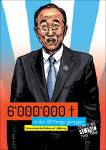
ba-ki-moon

Ban Ki-Moon in the picture is responsible for more than 6 million Congolese killed by Kagame and his proxy war groups

Congo faced an attempted coup on December 30, 2013 and 143 innocent people were killed, not the real perpetrators who are or were part of DRC government but innocents.

Plus, a beloved Congolese colonel was assassinated as a reward for his dedication to protect Congo sovereignty. It was alleged that a rocket hit his car but specialists say that this is false and that the vehicle was burnt after Colonel Mamadou Ndala’s body was riddled with bullets and burnt.
Two Tutsi officers were arrested as suspects.

Moreover, today RFI announces that they managed to get a new UN report that will be released very soon and that shows how Rwanda and Uganda are fuelling the war in DRC through the M23, which is not dead obviously despite a peace accord signed with Congo government in Nairobi lately.

We have many questions: when will this hypocrisy stop? When will those who consider Kagame as a ”darling” stop their support? When will people finally admit that the ones arming Rwanda and Uganda are to be found here in the West and that they need to be held accountable for the millions death in DRC?

You as a people can do something, you need to stand up either by joining Congolese demonstrations when they take place or by signing the petition we launched and that can be found on our website www.dbbtt.org

Congo does not need charity nor tears but JUSTICE!

Source: www.dbbtt.org

Your attitude will sink you in this universe of news…

946385_10151761285532949_1981107414_n

 Via his facebook page, Ismael Mbonigaba is giving hints on how to analyze some situations

Patrick Karegeya’s assassination: Let me lecture my fellow Rwandan journalists and countrymen on some useful tricks about media and communication once a saga of the kind happens.
Focus on governments’ attitudes: (Rwandan government’s attitude, South-African government’s attitude, and Ugandan government’s attitude.)

Naturally, emotions flow spontaneously out of people’s closeness with the deceased. Quite normal, speculations always precede investigations and can sometimes give clues on which track the police should follow… Other speculations are intended to lead astray the investigators.
Here comes now the huge impact of professional communicators. Journalists’ role is to provide an update of the latest developments of the matter. The SA government is now tracking the assassins, The Rwandan government is busy to tarnish the image of its former spy master while the Ugandan literally disowns him.

– What is the level of collaboration between the three governments in the matter?
– Again Rwandan hit men are accused of disturbing SA’s security. Back in 2010, assassination attempts on general Kayumba Nyamwasa led to the severing of diplomatic ties between both countries. What reaction can we expect from SA following the present case?
– Is Rwanda ready to hand wanted suspects over to SA justice?
Focus now on individuals: (Prime Minister Pierre-Damien Habumuremyi, Foreign Affairs Minister Louise Mushikiwabo, the prime suspect Appolo Gafaranga)
Above mentioned government’s high ranking officials have issued their declarations on Twitter. However, the traditional way of communicating government positions is a press release, radio or TV statement, or a press conference. A week has gone now, no press conference!
The prime suspect is said to be in Kigali. He keeps quiet. Why doesn’t he convene a press conference to make public his defense since he has apparently denied any involvement in the murder?

In 2013, Rwandans should learn how to turn to their advantage the work of journalists. Whether you are guilty or not, its your attitude that will sink you in this universe of news.

Ismaïl Mbonigaba

Patrick Karegeya wrote before his death…”The political system marginalizes the majority of the population from political participation”

_72042008_photo2

 Col Patrick Karegeya

Mr. Douglas E. Coe

The Fellowship 1271

Washington Avenue San Leandro,CA 94577

USA

28th December, 2013

Dear Mr. Coe,

Re: Ending the Crisis in Rwanda and the Great Lakes Region through Dialogue On behalf of the Rwanda National Congress (RNC)

I am writing to inform you that the current situation in Rwanda is one of those that ought to be of the greatest and urgent concern to those in the international community who have genuine concern about international peace and security in general and in the Great Lakes region of Central Africa in particular. The majority of the people of Rwanda, we believe, share a common perception that policies of the international community have not reflected principled support for the development of democratic and inclusive institutions, respect for the fundamental rights of citizens and accountability of public officials for gross violations of human rights.

I write this letter to share our views on the political situation in Rwanda and on the role that you can play in advancing freedom and promoting long term stability and peace in Rwanda and the Great Lakes region.

The status of governance in Rwanda

The people of Rwanda have for a very long time been exposed to repressive government, leading to recurrent violent conflict. This violence reached its peak with the genocide of 1994. I have no doubt that you are well aware of the deprivation and immense suffering that recurrent conflict has occasioned to millions of Rwandans. I also acknowledge that the Government of Rwanda has, with the assistance of the international community, made significant progress in restoring public order, re-establishing effective state institutions, and rebuilding the country’s economy during the period since 1994. Unfortunately, the reconstruction efforts that Rwanda has undertaken since the genocide are not rooted in democratic values, respect for human rights and broad inclusion. As stated in the Rwanda Briefing document that four former colleagues of Rwandan President Kagame ( including myself) published in August 2010, “there is more to Rwanda and Paul Kagame than new buildings, clean streets, and efficient government than President Kagame’s famous friends in high places in Europe and America care to admit.

Rwanda is essentially a hard-line, one-party, secretive police state with a façade of democracy …” The ruling party, the Rwandese Patriotic Front (RPF), has closed space for political participation. The RPF does not tolerate political opposition or open competition for power. President Kagame does not allow opposition parties to be registered, let alone operate freely. Media outlets that are critical of the government are either shut down by the government or forced to close operations as a result of attacks against their journalists.

The Government of Rwanda has now closed down all the independent media outlets the country once had. Civil society organizations independent of the government operate under draconian restrictions that make the exercise of their role as watchdogs over government impossible. The people of Rwanda have no liberty to discuss, nor decide, how they should be governed. The Rwanda Government is controlled by a small group of Tutsi military officers and civilians from behind the scenes.

The political system marginalizes the majority of the population from political participation.The Government of Rwanda relies on severe repression to stay in power. The RPF government relies on a wide range of laws, administrative practices and terror to restrict citizens’ enjoyment of political freedoms. Institutions of the state continue to subject real and imagined critics of the government to a wide range of human rights violations including arbitrary arrests and detentions and involuntary disappearances and extrajudicial killings.

The security services, all exclusively controlled by Tutsi military officers, that are responsible for keeping President Kagame in power enjoy absolute impunity for grave human rights abuses. Many members of opposition parties, civil society groups, independent media outlets and individuals suspected of being opponents of the regime have been hunted down, arrested, tortured, imprisoned or killed by agents of the state. Victims of state sponsored terror who have lost their lives over the recent past include Andre Kagwa Rwisereka (Vice-President of the Democratic Green Party of Rwanda), Jean Leonard Rugambagye (Deputy Editor of Umuvugizi Newspaper) and John Rutayisire.

The Rwanda Government has deployed a very large number of intelligence operatives in countries across Africa, Europe and North America to hunt down and kill opponents of the regime. Many members and leaders of opposition parties including ; Bernard Ntaganda, President of the Social Imberakuli Party; Victoire Ingabire President of the FDU-Inkingi Party ( recently sentenced to 15 years in jail; and, Deo Mushayindi of PPD Imanzi Party, remain in detention and so do some innocent relatives of opposition leaders. The Rwanda Government continues its relentless persecution of government critics. The most recent victims of this persecution include independents journalists and opposition leaders, all of whom have been sentenced to long prison terms, some after trials in absentia that did not meet international standards of fair trial.

The climate of repression that prevails in Rwanda has forced many government officials including two former Prime Ministers, two former Speakers of Parliament, and a host of former Ministers, former Judges, senior government officials, Military officers, journalists and Human rights activists to join hundreds of thousands of their compatriots in exile. As a result of the repression that security services helping President Kagame are responsible for, Rwanda is a country engulfed by fear.

Not since the days of Idi Amin have the security services of a state terrorized a nation to the extent to which Rwanda’s security services have visited fear and terror upon the country’s citizens. The climate of fear and terror that prevails in Rwanda does not permit Rwandan society to freely discuss the very grave problems facing the country and to find solutions to those problems.

President Paul Kagame’s leadership

The grave political crisis that Rwanda is facing is largely a result of President Kagame’s relentless pursuit of absolute power. Rwanda’s first post-genocide government included a range of other political groups that had campaigned for democratic reform during the early 1990s. Rwanda’s experience with broad-based multi-party government came to an end after only a year. Then Vice President Kagame drove the opposition leaders who were part of that government from office on account of their criticism of human rights abuses by members of the Rwandese Patriotic Army. From then on, President Kagame embarked on a mission to emasculate all party and state institutions and to craft a state controlled in every aspect by a single person who wields absolute and unaccountable power. Rwanda is not only a one party state; it is also a state governed by one man. President Paul Kagame exerts absolute control over both the ruling party (RPF) and the government.

All institutions of the state are controlled by the President. The country’s political system lacks checks and balances. The judiciary and the legislature do not have any independence. State institutions, especially law enforcement agencies, the judiciary and security services, serve to protect President Paul Kagame’s political monopoly instead of protecting the fundamental human rights of citizens and executing their constitutional mandates. President Kagame’s absolute control of the entire machinery of the state affords him protection from being held accountable for his many serious crimes, some of which have led to horrendous consequences for innocent civilians both inside and outside Rwanda.

President Kagame is one of Africa’s most ruthless dictators. He is a corrupt leader who lives a lavish lifestyle that is out of step with the abject poverty of the majority of the people of Rwanda. President Kagame has used his time in office to amass personal wealth of unprecedented proportions in the Eastern and Southern African region. The business conglomerate (Crystal Ventures formerly Tri-Star Investments, and the military-led Horizon Group) owned by his political party, which for all practical purposes is his personal property, has extensive corrupt business relations with the state. RPF business entities have priority when government is issuing licenses for the most lucrative sectors of the country’s resources. Business entities owned by the RPF and close family and friends of the President receive the bulk of the government’s procurement contracts. Domestic and foreign investors seeking business opportunities in Rwanda are often compelled to go into partnership with the RPF as a condition for being allowed to do business in Rwanda. The RPF finances its various businesses with preferential financial backing from state-owned banks, insurances companies, and the national social security fund. Because they benefit only a small group of people, the business activities of the RPF promote social inequality and undermine national stability. The involvement of the RPF compromises the integrity of very many of its members, including President Kagame, because of the conflict of interest that they are involved in day to day in making official decisions affecting the party’s business interests.

The RPF’s business arm already controls a big part of the country’s economy, about 80% by some credible estimates. One example that demonstrates the depravity of Kagame’s corruption is the case of luxury jets that President Kagame uses for his personal and official trips. The planes, Global Expresses made by Canadian Aircraft manufacturer Bombadier, cost more than US 60 million dollars each.

President Kagame also bears personal responsibility for some extremely serious violations of international humanitarian law and international human rights law, including war crimes and crimes against humanity, that have been committed against innocent civilians in both Rwanda and the Democratic Republic of Congo. President Kagame will not shrink from committing any crime in order to stay in power. He does not have respect for the sanctity of human life and that is why he is always prepared to resort to murder of political opponents ( and Heads of State ) to deal with peaceful challenges to his rule.

President Kagame bears responsibility for Rwanda’s failed transition to democracy and the political impasse that his attempts to cling to unaccountable power has given rise to. President Kagame’s manipulation and abuse of institutions of state to harass political opponents and stifle dissenting opinions continues to be condemned by virtually every reputable international human rights organisation, and many major media outlets and prominent scholars and journalists, including some who have previously been supportive of President Kagame.

Potential consequences of the policies of the Rwanda Government Rwanda, as demonstrated, still face many difficult challenges in its experience of nation building in the aftermath of violent conflict. It is generally acknowledged that Rwandan society remains deeply divided along ethnic lines. The country’s transition to democracy has been unsuccessful.

The human rights situation in the country remains a matter of grave concern. Citizens lack access to fundamental human rights. State security agencies commit grave human rights abuses with impunity. The country is peaceful, but many observers are of the view that recurrence of very violent conflict may be inevitable, at least in the medium to long term. President Kagame claims to have made progress in developing Rwanda, and argues that human rights, including rights relating to political participation, are not a priority for the development process. Nevertheless, concerns over the country’s progress in engendering reconciliation and creating a democratic system of government raise questions about the sustainability of Rwanda’s social and economic advances and the potential for renewed conflict.

The situation that prevails raises serious questions about the country’s future. Are the country’s development achievements sustainable? Can Rwanda continue to be peaceful while the government continues to be repressive and the majority of the people consider the government illegitimate? How do we balance individual freedoms and the requirement for a stable community? How should citizens respond when rulers mistake the state to be their personal estate and deprive their subjects of their inalienable rights?

We firmly believe that the violent conflicts that Rwanda has experienced over the past half century are rooted in issues revolving around governance.

The RPF government, we assert, has failed to effectively address the root causes of conflict in Rwandan society. As a result, Rwanda is in a situation of serious crisis. The only path to sustainable peace and development in Rwanda is a system of government that has popular legitimacy, includes all communities of Rwanda and is committed to the respect of fundamental human rights, especially the integrity of the person and the right to political participation. Economic development in post conflict societies that is not rooted in democratic values, respect for human rights, and broad inclusion is not sustainable.

We are convinced that violent conflict is virtually certain to return to Rwanda if the present government does not heed calls for dialogue and agree to a process of peaceful political reform leading to democracy. The results of the substantial development assistance that the international community has extended to Rwanda since the end of the genocide could be very swiftly undone in the event of such conflict, with grave implications for the whole Great Lakes region and international peace and security.

The role of the international community in supporting democratic change and building sustainable peace in Rwanda

President Kagame has exploited the failure of the West to stop or prevent the 1994 genocide to silence critics of his opposition to democratic change and the human rights practices of his security services. The tolerance that the international community has exhibited towards Paul Kagame’s excesses continues to fuel impunity and is an obstacle to lasting peace and sustainable development in Rwanda and the Democratic Republic of Congo. Western indifference to President Kagame’s human rights record and stand on popular political participation is incomprehensible to the majority of Rwandans, and it alienates them. Stability and development do not substitute for liberty and freedom.

In view of the grave consequences that a return to violent conflict in Rwanda would entail, the RNC and its partners hold the view that peace and security in Rwanda should be a matter of international concern.

The people of Rwanda count on Rwanda’s neighbors, and development partners, to support the promotion of respect for human rights and advancement of democracy. We believe, that Rwanda’s development partners, especially those who have close relations with the current government (the United States and the United Kingdom) have a unique role, if not responsibility, to advance the cause of peaceful change in Rwanda by engaging President Kagame on the need for progress in guaranteeing fundamental human rights and for national dialogue to resolve the country’s crisis.

The international community ought to support the seeking of democratic change, inclusive government and respect for human right in Rwanda on account of several reasons, including the following:

a) Empowering the people of Rwanda to realize the full range of their human rights: The people of Rwanda continue to be deprived of the opportunity to enjoy some of the most fundamental human rights, including rights relating to integrity of the person, freedom of expression and political participation. The Kagame regime relies on repression to maintain this status quo. The people of Rwanda are much entitled to be relieved of this tyranny as citizens of Tunisia, Egypt, Iraq, Afghanistan and Libya whom the international community is supporting to make the realization of their human rights a reality.

b) Promoting international peace and security: In the absence of democratic reforms, the policies of the present government of Rwanda are likely to lead to a return to violence in the country. A system of government that deprives citizens of fundamental human rights, especially the right to political participation and the integrity of the person, cannot last indefinitely. Change in Rwanda is inevitable; the issue is whether change will be negotiated and peaceful, or violent and imposed, again, by the victors of a bloody armed conflict. Political change is necessary to avert violent conflict that repressive government in Rwanda has made almost inevitable. A return to violent conflict in Rwanda would further destabilize the Great Lakes region of Central Africa.

c) Humanitarian considerations: Rwanda is on the precipice of a very serious political and humanitarian crisis. A return to violent conflict in Rwanda is likely to take an ethnic dimension. As was demonstrated after 1994, violent conflict in Rwanda has capacity to lead to massive loss of human life, as well as immense suffering for millions, both inside Rwanda and in other countries in the region. The international community needs to act today in order to prevent the suffering and horrendous loss of life that is likely to result from the outbreak of new violence in Rwanda.

What you can do to help all Rwandans

There are even more important reasons why we, as Christians, are invited to radical inclusion, in truth, that leads to freedom, peace and reconciliation. I have read with a lot of interest the vision and mission of The Fellowship that is inspired from the scriptures: “Once you were not a people, but now are God’s people; once you had not received mercy, but now you have received mercy. “- I Peter 2:10 For a society like ours that has witnessed past and ongoing trauma, with all communities becoming victims and perpetrators, the question of forgiveness and mercy cannot be overemphasized. As brothers and sisters who are otherwise united by one nation and one language, we have sinned against each other.

The alienation from God and from each other has consequently inflicted untold suffering on our society as a whole, and to our neighbors in the region. We can face the future with hope if we talk to each other truthfully and learn to forgive each other. In the words of our Lord and Savior, Jesus Christ: “If your brother sins against you, go and tell him his fault, between you and him alone. If he listens to you, you have gained your brother. But if he does not listen, take one or two others along with you, that every charge may be established by the evidence of two or three witnesses. If he refuses to listen to them, tell it to the church.” – Matthew 18:15-17.

Equally inspired by these words of wisdom from the One we serve, our organization is planning to organize an international conference on Rwanda this coming year, around March, 2014. The idea is to invite stakeholders in Rwandan society (Government, Church, Civil Society and Opposition organizations, including those that are armed, etc..) to talk candidly about the state of affairs in our beloved country and how we can build the future together. Understandably, this is a very difficult proposition, given the fact that such a culture of dialogue, give and take is evidently lacking in our society. Yet, we can only imagine the dangerous alternatives to the dialogue and peace. We have informed the United States Government, and the Governments of France, Belgium, Tanzania and South Africa about this idea. While they all note how difficult this will be, they appreciate how timely, important and urgent it is.

Could you help us in this important endeavor to get Rwandans talk to each other? As we look forward to the coming year, we are reminded of the prophetic words of the Prophet Isaiah, echoed many centuries later by our Lord and King, Jesus Christ: “The Spirit of the Lord GOD is upon me because the LORD has anointed me to bring good news to the afflicted; He has sent me to bind up the brokenhearted, to proclaim liberty to captives, and freedom to prisoners; to proclaim the favorable year of the LORD.” -Luke :18-19.

The hands of the millions of Rwandans who enter 2014 afflicted, brokenhearted, captive in fear, and prisoners beckon all of us to action. It is an invitation we cannot ignore.

I wish you and your family a Happy New Year.

In Christ, Colonel Patrick Karegeya

Co-founder and Member of the Executive Rwanda National Congress (RNC)

E-mail: Tel: Encl: Founding Declaration of the Rwanda National Congress


Unusual genocide commemoration in January: The Kagame’s trench warfare to carry out terrorist acts and killings!

koooooIn reality, apart from Kagame and his RPF’s clique, everybody realizes that the strategy to name the genocide against Tutsi alone while shedding blood of other nationals is outdated. That is why many people are trying to get answers to these questions:

  1. What is the meaning of this abrupt genocide commemoration in the month of January?
  2. What are its real motives?
  3. What link(s) between this commemoration and the death of Colonel Patrick Karegeya that occurred on January 1st, 2014?

 1.                  Let us recall the following:

It has become customary to commemorate the genocide against Tutsi alone (no Hutu is commemorated) from the month of April! And given that this took place for almost twenty years, we had enough time to observe, analyze and fully understand what this unending mourning means.

Although the United Nations concluded that genocide acts took place in Rwanda, and created the international Criminal Tribunal Court in Arusha (Tanzania) to prosecute and try those responsible for genocide crimes, the UN never mentioned that the genocide was committed exclusively against the Tutsi alone, nor did it declare that genocide was committed exclusively by Hutu alone. After numerous contradictions, it is the government led by the RPF that decided to:

  • Discriminate the dead: declaring that only Tutsi should be mourned and commemorated because the genocide was committed against them alone; and that Hutu who were killed should neither be mourned nor commemorated, and have no right whatsoever to be buried in dignity owed to human beings.
  • Discriminate the killers: declaring that a killer emanating from Hutu tribe is the only deadly and thus, must be held responsible for his crimes, for his father’s and for his grandfather’s, and that even little children who have no connection with those killings shall spend their life on knees, asking forgiveness to Tutsi; while a killer from the Tutsi tribe must be treated as a national hero and be crowned. However, investigations carried by the united Nations and reports on massacres committed by the Kagame’s army in the Democratic Republic of the Congo(DRC) have revealed that these killings should be tried in competent courts as genocide crimes against the Hutu.

What is the RPF’S motive in so doing?

1)      The first intention is to cover up the role of RPF in slaughtering Rwandans be Hutu Tutsi or Twa from October 1st, 1990 until now.

2)      Let us remember the testimony of one of RPF’s members, Lt. Abdul Joshua Ruzibiza who repeatedly said that “whoever wants to understand how genocide was prepared and executed should not only look at the role of the then government, but should first look at RPF’s unimaginable killings because it is from RPF that INTERAHAMWE learnt how to torture and kill when the saw how RPF had treated Hutu from Byumba and Ruhengeri”.

It is noteworthy that: the main problem that hinders the true justice in Rwanda, is that the only killers who are held responsible for their crimes are from the Hutu tribe alone, while Tutsi who lead the RPF remain untouchable despite their eminent role in Rwanda’s tragedy. And worse again, the RPF turns the judge in the case it is supposed to be defendant. This contradicts the principle of natural justice that states that “No one shall be a judge in their own cause”  

Why did RPF spend all the 20 years as a judge in their own cause?

It was in the aim to protect the leaders of RPF so that they escape justice. In contrast, the RPF accuse Hutu of what is responsible of in order to create the Rwandan opinion (collective conscience) and more so in the youth’s mind, that Hutu is evil, a killer; while Tutsi is as innocent as a heavenly angel. This is the reason why during the commemoration, the RPF’s acolytes increase the zeal all over in the villages, beating, torturing, abusing and humiliating the Hutu; sending some in prisons  and killing others…In some regions of Rwanda numerous Hutu flee the country during the famous genocide commemoration  and go to Burundi, Tanzania or Uganda to return after. I was once in Gikongoro during that period and I was so shocked seeing how the people are terrorized. And that happens every year after year…Indeed, people can be accustomed of the evil as if it were the good.

Twenty years after, as if that is not enough, now they (RPF) have decided that the commemoration should start on January 7th! One can predict that very soon we will be told that the commemoration will start on January 1st to end on December 31st?!

2. What is the link between the commemoration in January 2014 and Karegeya’s death? 

This unusual commemoration of genocide against Tutsi alone is scheduled in January for a hidden reason. Paul Kagame should be blamed for something else, but can never do any mischief without cautioning the people. It should be recalled that in his speech at the end of year 2013, Kagame told his army that tough things are planned to take place in 2014, and as such, that they should be ready because the year will be very challenging. Before two days elapsed after the speech, Colonel Patrick Karegeya one of opponets of RPF regime was killed, strangled with  a rope and a towel, and so far investigations are indicating that Kagame’s death squad shall be answerable. But as we all know RPF, they commit crimes and they be the first to shiver fearing the consequences. They will definitely face consequences!

For example they know how trying to kill Kayumba Nyamwasa in South Africa created diplomatic tensions between  the two countries and they know how South Africa used to assist Rwanda in many ways. Let’s not forget that South Africa collaborated with Tanzania to send troops to form the UN intervention brigade in DRC and that these two countries are the ones that sabotaged Kagame’s expansionism dream when they destroyed the rebel movement self named M23, a movement of criminals created by Paul Kagame to serve his operations of unimaginable killings and plundering the Congo’s naturals resources.

It is understood that South Africa shall not keep quiet after the investigations will have revealed that killers came from Kigali to destabilise its territory and to kill Patrick Karegeya who was granted  a political refugee status. Kagame and his acolytes know well that this could have dangerous impacts but most of times they think when it is too late.It is ignomnious.

The January’s commemoration as a trench

In order to take cover from the consequences of their terrorist action they have just done in South Africa as well as other terrible actions on agenda during this year of 2014, Kagame and his clique have tactically withdrawn into the trench of unusual commemoration of the genocide against Tutsi alone. Just as the Rwandan old saying goes that “you always keep in suspense the hand with which you killed the partridge”

The main intention is: 

  1. Kagame and his clique will hide behind tears, attract empathy, cry to death showing the world that they do not know how to kill, that only Hutu can kill, that Tutsi are always victims alone because they are the only ones who succumbed during the 1994 genocide; as such they hope that the world will have pity on them and stop charging them for Karegeya’s death while they are mourning theirs.

They have planned that if South Africa shows carelessness and goes ahead to charge them for Karegeya’s death, they will make a case that South Africa is trivializing the genocide against Tutsi of 1994.

  1. Kagame is intending to distract the high ranks in his army so that they do not get time to think about the death of their colleague; while some of them are at the eve of their decapitation as well. In fact, if Kagame does not finish all of them, they could take a time to organize and see what they can do to avoid experiencing Karegeya’s fate.
  2. The intention is to distract Rwandans so that they do not get time to follow up news to know that RPF regime keeps operating like a terrorist movement that kills  Rwandans in their country and follow them up to murder them no matter where they take refuge.

Conclusion:

Kagame has declared that this year of 2014 will be very tough and any time he gives such a message to his army, it is an indication that they should be ready for other wars. It is being rumored that during these months of unusual genocide commemoration, Kagame has planned to kill so many people who oppose his dictatorship, amongst them are cited President Mrisho Kikwete of Tanzania, President Joseph Kabila of DRC and President Peter Nkurunziza of Burundi.

Therefore, no more explanation can be attributed to this unusual genocide commemoration than a trench warfare chosen by Kagame in order to execute terrorism acts and killings.

Opponents of Kagame should be warned, this year of 2014 will not be an easy one, but they should remain determined and resolved and put more energy into joining efforts so that the RPF’s true nature be exposed as it is: A terrorist group that deserves to be listed as such, to be fought by the world, to be dissolved so that Rwandans and their neighbors can breathe.

 Happy new year to all of you who want positive changes

 Father Thomas Nahimana

Le Rwanda et l’Ouganda accusés de soutien au M23 par un nouveau rapport de l’ONU

2012-11-28T172739Z_905289665_GM1E8BT03ZH01_RTRMADP_3_CONGODEMOCRATIC-M23_0

Des rebelles du M23 à Karuba, à l’ouest de Goma, le 28 novembre 2012.

RFI s’est procurée une copie de la version définitive du rapport annuel du groupe d’experts des Nations unies qui enquête sur la situation à l’est de la RDC. Ce document, qui date du 12 décembre dernier, doit être présenté officiellement dans les semaines qui viennent. Comme les précédents rapports, il pointe notamment l’existence d’un soutien du Rwanda et de l’Ouganda aux rebelles du M23.

Les experts des Nations unies évoquent un soutien « constant » du Rwanda aux rebelles du M23, renforcé en période de combats. Ils parlent d’aide au recrutement, de fourniture d’armes et même, ponctuellement, d’une participation directe de l’armée rwandaise aux côtés des rebelles du M23.

C’est ainsi qu’en août dernier, des soldats de Kagame « ont traversé la frontière » pendant de courtes périodes, écrivent les experts. « Des chars rwandais ont [même] tiré en RDC pour appuyer le M23 », en octobre dernier, selon ce document. On y lit également que les recrutements au Rwanda n’ont pas cessé depuis la défaite du M23, d’après des témoignages jugés « crédibles ».

Ce n’est pas la première fois que les experts de l’ONU accusent le Rwanda voisin d’appuyer la rébellion du M23. Le gouvernement de Kigali a toujours démenti.

Les FARDC pas épargnées

L’armée congolaise n’est pas épargnée : les experts ont notamment mis en évidence « des cas de collaboration » au niveau local entre les Forces démocratiques de libération du Rwanda, les FDLR et l’armée congolaise. Ils n’ont en revanche pas pu établir que des membres de ce groupe armé aient directement servi dans l’armée régulière. L’Ouganda est également pointé du doigt. Les experts l’accusent entre autres d’avoir laissé circuler librement sur son territoire des leaders recherchés du M23.

Si la défaite du mouvement rebelle a convaincu plusieurs groupes armés de se rendre ou de négocier leur réintégration dans l’armée congolaise, les experts insistent sur la menace grandissante que représentent les ADF-Nalu pour l’est du Congo. Les rebelles ougandais se sont renforcés en 2013 et ont adopté des méthodes plus « agressives ».

Ce nouveau rapport de l’ONU fait par ailleurs état de « graves violations du droit humanitaire international », notamment l’enrôlement et l’utilisation d’enfants soldats, ou des attaques ciblées contre la population civile. Si les groupes armés ont commis nombre de ces crimes, les FARDC ont été identifiées par les experts des Nations unies comme « partie prenante » de nombreuses violations.

Source: RFI