Présentation du Major Jean Marie Micombero durant le colloque sur le Rwanda tenu le 1er Avril 2014 au Sénat de France.

Présentation du Major Jean Marie Micombero durant le colloque sur le Rwanda tenu le 1er Avril 2014 au Sénat de France.

The thing to know about Rwandan President Paul Kagame is not just that he is a dictator responsible for human rights abuses but that, despite this, he has a great many friends.
Kagame, credited with commanding the rebel force that put an end to Rwanda’s genocide 20 years ago, has made himself a global celebrity. Bill Clinton hails him as among “the greatest leaders of our time.” Tony Blair calls him a “visionary.” Bill Gates works closely with him. Kagame has spoken at Harvard and received honorary doctorates from a number of universities in the United States and Europe. U.N. Secretary General…
View original post 1,130 more words
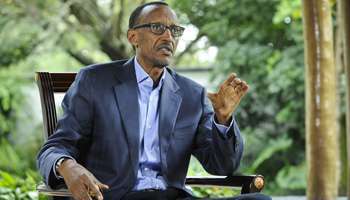
President Kagame has vowed to exterminate whoever dares speak his mind. What he hates the most is when he is reminded that one time he will face trial over his war crimes.
Rwanda and South Africa are still on speaking terms, but only barely – and if Dirco gets its way even this tenuous relationship will be terminated in the next few days. South Africa, finally, has had enough of Rwanda doing its dirty business on South African soil and has expelled three diplomats, with the ambassador to follow shortly. It’s a bold move, but have we thought it through? By SIMON ALLISON.
Relations between South Africa and Rwanda are at an all-time low after South Africa expelled three Rwandan diplomats on Thursday. And relations are about to get even worse.
South Africa, understandably, has had enough of Rwanda doing its dirty business on South African soil. First there was the assassination attempt on the life of Faustin Kayumba Nyamwasa, the former Rwandan general turned vocal critic of President Paul Kagame’s regime, in 2010. Then, earlier this year, there was the murder in a Sandton hotel room of Patrick Karegeya, the one-time head of Rwandan intelligence, who had fled his country looking for political asylum in South Africa.
After this murder, the Daily Maverick observed: “…with that regime’s track record, and South Africa’s undeniable appeal for Rwandan dissidents and exiles, Karegeya’s murder will not be the last such incident to happen within our borders.”
It wasn’t. The final straw came last week, when armed men broke in Nyamwasa’s Johannesburg home in another apparent assassination attempt (Nyamwasa was not home). This time was different, however. Previously, South Africa has not been able to link definitively the Rwandan government to the incidents, which means no public action could be taken against Rwanda – innocent until proven guilty, and all that.
But last week someone must have messed up. According to diplomatic sources, South Africa’s security forces were able to tie the break-in to three Rwandan diplomats working from their embassy in Pretoria (one Burundian diplomat was also involved, apparently).
The department of international relations (Dirco) wasted no time in taking action, revoking the dodgy diplomats’ credentials and sending them packing. Given their diplomatic immunity, this was the most serious punishment available to Dirco. Given that there were only four diplomats in the Rwandan embassy to start with, Ambassador Victor Karega must be feeling a little lonely.
Rwanda was just as quick to respond, with interest. “We have expelled six South African diplomats in reciprocity and concern at South Africa’s harbouring of dissidents responsible for terrorist attacks in Rwanda,” said Rwandan Foreign Minister Louise Mushikiwabo, parroting Rwanda’s official line that South Africa, with its ultra-progressive approach to refugees, provides a safe haven to Rwandan terrorists and genocidaires.
Mushikiwabo may have a point (although not one that justifies extrajudicial, extraterritorial assassination): Neither Nyamwasa or Karega are angels, and are both themselves implicated in the abuses of Kagame’s regime; while there has long been concern that perpetrators of the 1994 Rwandan genocide are hiding out among the Rwandan exile community in Johannesburg.
The row will escalate even further. Speaking anonymously, a senior Dirco official told the Daily Maverick that South Africa was planning to sever all diplomatic ties with Rwanda within 72 hours. “SA will not stand by and watch people be killed on our soil by another government, just because we happen to be opposed to a sitting regime,” the official said, adding that the freeze in relations is likely to continue for as long as the “cowboy” Kagame remains in office.
That could be for quite some time. Kagame’s term expires in 2017, and he’s not constitutionally permitted to run again. However, constitutions can be amended, and Kagame has previously floated the idea of a third term.
The rift between Rwanda and South Africa is likely to have implications far beyond their bilateral relationship. As part of the East African Community, Rwanda maintains very close ties with Kenya and Uganda. If sides must be taken – and it certainly looks like that is what South Africa is angling for – both countries would certainly favour their regional neighbour. Kenya wouldn’t need much convincing, anyway, with the current Kenyan administration already unhappy about South Africa’s stubborn commitment to the International Criminal Court (unsurprising, given that it is led by two men on trial at The Hague),
Of more immediate concern is the Democratic Republic of Congo, where South African troops are part of a United Nations force fighting rebels in the eastern provinces on the border with Rwanda. Those rebels are generally assumed to be supported by Rwanda, making the conflict something of a proxy war. At the moment, the rebels are very much on the back foot, having been overwhelmed by the UN force’s superior military power. The next step is to create some kind of lasting peace, addressing the issues which lie at the root of the conflict – an already difficult task, made exponentially more so if two of the protagonists in the conflict are no longer on speaking terms.
In expelling the three Rwandan diplomats, South Africa has taken a firm, principled stand against an outrageous violation of its sovereignty. But our diplomats must be wary: although they are currently enjoying the moral superiority, this situation could reverberate in uncertain and almost certainly unpleasant ways. Making Kagame an outlaw, and Rwanda a pariah state, risks becoming a self-fulfilling prophecy. DM
Source: http://www.dailymaverick.co.za/article/2014-03-10-south-africa-to-rwanda-dont-touch-us-on-our-sovereignty/#.Ux4WZvl5NLB
Lara Santoro is the author of two novels. She covered Rwanda for the Christian Science Monitor and Newsweek from 1997 to 2003.
Patrick Karegeya’s murder did not come as a surprise. The former Rwandan spymaster, whose network of spooks at one point spanned half a continent, had fallen foul of President Paul Kagame in 2007 and went on to help found the opposition, headquartered in South Africa. But as human rights organizations keep noting, the survival rate among Rwanda’s dissidents is not high .
The country that many in the West associate with brave recovery from genocide in the 1990s has, in the years since, turned into an autocratic state with zero tolerance for dissent. Filip Reyntjens, a leading academic authority on Rwanda, says the central African country is no longer “a state with an army but an army with a state.” It’s a depressing transformation, although true plurality was unlikely to blossom in that country, with a 15 percent ethnic minority effectively in charge.
What did come as a surprise was the way Karegeya was murdered. His strangled body was found in a Johannesburg hotel room Jan. 1. The killers didn’t even bother to tidy up: They left the rope and a bloodied towel behind, as well as a “do not disturb” sign on the door. “It’s Kagame’s impunity,”Theogene Rudasingwa, a former Rwandan ambassador to the United States and one of the leaders of the Rwandan opposition in exile, said in an interview. “He doesn’t care anymore, no one has ever held him accountable, so why should he care?”
Kagame has denied involvement in the murder, but at a recent prayer meeting in the Rwandan capital he said, “You cannot expect to betray your country and get away with it.” Aside from a brief statement by the South African police mentioning strangulation, the circumstances of Karegeya’s death remain mysterious. What is clear, however, is that no one had greater interest in seeing Karegeya dead than Kagame. Experts on the region say that Karegeya’s job description under Kagame included eliminating enemies — potential and actual — which left Karegeya with a lot of sensitive information. “It was pretty clear to everyone what Karegeya’s job was,” professor Brian Endless of Loyola University said in an interview just after the murder. “Even he wasn’t terribly shy about it. He took care of dissidents, in however distasteful a fashion was required.”
When someone was deemed a problem outside Rwanda — be it in Kenya, Congo or other countries — it was Karegeya’s job to get rid of them. (Internally, the job fell to Jack Nziza, whom Rudasingwa called “the most feared man in Rwanda”).
Whatever “problems” Karegeya allegedly eliminated at Kagame’s behest is unknown, but Endless and others have estimated that the number is in the double digits and includes former interior minister Seth Sendashonga, who was gunned down in traffic in Nairobi in 1998.
Such information is public knowledge in Rwanda. When Nziza walks into a room, Rudasingwa told me, people start to shake. The murder of Karegeya does more than silence a potential squealer. It sends a message to the Rwandan opposition and to ordinary citizens: If someone as powerful, rich, competent and cunning as Karegeya can be dispatched, what can be done to the average citizen? Amnesty International and Human Rights Watch attest that the levels of fear in Rwanda are pathologically high: Too many people have vanished and later turned up dead. Karegeya’s death is certain to make the situation worse.
Despite a clear pattern of stifled dissent during his tenure, Kagame is about to receive his latest installment of U.S. bilateral aid. Overall foreign aid to Rwanda — estimated to be about $800 million a year — is roughly 40 percent of its government expenditure, keeping the country afloat. Karegeya’s murder ought to open a debate on whether Rwanda should receive any aid at all.
Kuri uyu wagatandatu Radio Ijwi rya Rubanda yatumiye Abanyamashyaka yose kugira ngo baganire ku makuru ya politiki amaze iminsi avugwa mu Rwanda kuva umwaka wa 2014 watangira.
Nk’uko tubikesha Radio Ijwi rya Rubanda, ingingo ziza kugibwaho impaka no kunguranwaho ibitekerezo ni izi:
Uretse Abanyamashyaka batumiwe, undi wese ubishaka ngo ashobora guhamagara agatanga igitekerezo cye. Dore uburyo wakoresha ngo nawe ugire uruhare mu kiganiro:
Ushobora guhamagara imwe muri izi nimero za telephones: +1 330 303 4200 (USA) cyangwa se
+44 208 133 4417 (UK). Ushobora kandi no gukoresha skype ugahamagara :Ijwiryarubanda
Ntimutangwe kumva uburyo amashyaka ateganya guhangana n’ubwicanyi bwibasiye Abanyapolitiki muri iki gihe.
Ubwanditsi
[Madame Agathe Habyarimana qui n’a pourtant occupé aucune position politique au Rwanda d’avant 1994, est accusée de toutes sortes d’implications dans des dits plans gécidaires contre les Tutsi. On se demande ce qui, après la chutte de Kagame, adviendrait à Madame Jeannette Kagame qui vient de s’engager publiquement dans la politique en suggérant et soutenant le programme de ” Ndi umunyarwanda”! Madame Agathe ne se décourage pas, elle pense que quelque part , quelqu’un a encore un coeur humain! ] Note de La rédaction.
Agathe Habyarimana, veuve de l’ex-président rwandais, accusée d’être impliquée dans le génocide de 1994, a saisi la Cour européenne des droits de l’Homme (CEDH) du refus français de lui accorder un titre de séjour, a annoncé mercredi son avocat à l’AFP.
Mme Habyarimana avait été évacuée du Rwanda dès les premiers jours du génocide par des militaires français vers la France, où elle s’est installée définitivement à partir de 1998.
Après avoir sans succès sollicité l’asile politique en France, elle a demandé en 2009 un titre de séjour. Une requête qui a donné lieu à plusieurs décisions administratives contradictoires.
Au final, le Conseil d’Etat a approuvé en juin 2013 le refus de la préfecture de l’Essonne d’accorder ce titre de séjour. Cette dernière avait notamment estimé que Mme Habyarimana constituait une “menace à l’ordre public”.
Pour l’avocat de la veuve âgée de 71 ans, Me Philippe Meilhac, il s’agissait pourtant d’un “archétype de demande de titre de séjour”.
“Plusieurs des enfants de ma cliente sont en France, avec pour certains la nationalité française”, a indiqué l’avocat. “On applique à Mme Habyarimana un traitement de défaveur pour des raisons politiques car il faut préserver les relations diplomatiques avec le Rwanda.”
En décembre, Mme Habyarimana a donc saisi la CEDH, considérant que la décision du Conseil d?État portait atteinte à son droit au respect de sa vie privée et familiale et violait la Convention européenne des droits de l’Homme.
Agathe Habyarimana est souvent présentée comme l’une des têtes pensantes de l'”akazu”, le premier cercle du pouvoir hutu qui a planifié et mis en ?uvre le génocide rwandais.
La justice française avait refusé en 2011 de l’extrader vers le Rwanda qui la recherche pour “génocide” et “crimes contre l’humanité”. Elle “nie catégoriquement ces accusations”, selon son avocat.
La veuve de l’ancien président rwandais Juvénal Habyarimana fait également l’objet depuis 2008 d’une enquête à Paris pour “complicité de génocide”.
Le Conseil d?État avait indiqué dans son arrêt, consulté par l’AFP, que sa décision n’impliquait “aucune mesure d’exécution”. “Cela signifie que ma cliente n’est ni régularisable, ni expulsable”, a déclaré Me Meilhac.
Juvenal Habyarimana a trouvé la mort dans l’attentat du 6 avril 1994 contre son avion. Cette attaque est largement considérée comme l’événement déclencheur du génocide qui a fait 800.000 morts, essentiellement au sein de la minorité tutsie.
Source: http://www.rtl.be/info/monde/international/1061981/refus-de-titre-de-sejour-agathe-habyarimana-attaque-la-france-devant-la-cedh
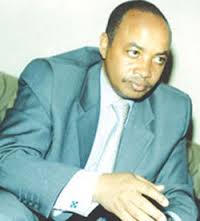
Col Patrick Karegeya
Le 01 janvier 2014 dans l’après-midi, la nouvelle de l’assassinat du colonel Patrick Karegeya qui vivait en Afrique du Sud fut répandue comme une trainée de poudre. Son corps inanimé venait d’être retrouvé dans une chambre de l’hôtel Michelangelo Towers sis dans le quartier huppé de Johannesburg. Ces proches révéleront qu’il s’était rendu à cet hôtel le soir du 31 décembre 2013 pour y rencontrer un de ses contacts venu du Rwanda, un certain Apollo Kiririsi et avec qui ils s’étaient donnés rendez-vous. La police sud africaine se contenta de dire que les enquêtes se poursuivaient mais précisait que le colonel Patrick Karegeya avait été retrouvé étranglé et que son corps inanimé était étendu sur le lit de cette chambre de l’hôtel Michelangelo Towers où il était descendu la veille. Il avait été dépouillé de ses téléphones portables.
Qui était Patrick Karegeya ?
Jusqu’en 2014, Patrick Karegeya avait été Chef des Renseignements Extérieurs du régime du Front Patriotique Rwandais (FPR) qui a conquis militairement le pouvoir en 1994 venant d’Ouganda. Comme la plupart des combattants tutsis du FPR, Patrick Karegeya avait servi dans l’armée ougandaise avant de rejoindre le FPR en 1990. Il gravira alors tous les échelons de la hiérarchie militaire de façon qu’en 2004 il avait atteint le grade de colonel. Il faisait donc, jusqu’à cette date, partie du cercle restreint de l’élite tutsi née ou ayant grandi en Ouganda et qui contrôle le pouvoir tant politique qu’économique et surtout militaire au Rwanda d’après 1994. Il est subitement tombé en disgrâce sans que l’on sache exactement pourquoi et a subi plusieurs sévices dont des détentions dans des lieux secrets, la dégradation, avant d’être rayé des cadres militaires. Il parviendra à quitter le pays et trouver asile en Afrique du Sud. C’est d’Afrique du Sud qu’avec un autre ancien officier du FPR le général Kayumba Nyamwasa, lui aussi exilé dans ce pays, avec d’autres anciens dignitaires du FPR, ils fondèrent le « Rwanda National Congress » (RNC) un parti politique qui entend mener un combat démocratique pour débarrasser le Rwanda de la dictature du FPR personnifiée par le général-président Paul Kagame. Dès le lancement de leur mouvement politique, le RNC, les deux compagnons d’infortune connaîtront des ennuis divers de leur exil sud africain. Le général Kayumba Nyamwasa, ancien Chef d’Etat-major de l’Armée Patriotique Rwandaise échappera à deux tentatives d’assassinat. L’affaire est toujours en cours devant les tribunaux sud africains mais les premiers éléments d’enquêtes montrèrent clairement que le régime de Kigali fut le commanditaire de ces tentatives d’assassinat. Ce 31 décembre2013, le colonel Karegeya n’a donc pas eu autant de chance que son collègue Kayumba Nyamwasa et est donc tombé dans les mains des tueurs téléguidés de Kigali.
Qu’implique cette croisade meurtrière contre les anciens collaborateurs de Paul Kagame ?
Aussi paradoxale que ceci peut paraître, Paul Kagame craint plus les opposants issus des rangs du FPR et de ce cercle restreint des tutsi venus d’Ouganda que toute autre opposition surtout hutu. Il sait qu’il peut à tout moment se débarrasser de n’importe quelle personnalité hutu sans même devoir faire recours à son élimination physique mais tout simplement en l’étiquetant « génocidaire ». On sait que par le passé il n’avait pas hésité à éliminer les Hutu ayant appartenu au FPR avant de s’en écarter comme l’ancien ministre Seth Sendashonga ou le colonel Théoneste Lizindetous les deux abattus dans les rues de Nairobi la capitale du Kenya à la fin des années 90. Il semble que depuis lors, Paul Kagame ait réservé à ses opposants des deux bords (les Hutu comme les Tutsi) de les éliminer pour les uns par l’accusation de « génocidaires » et s’il le faut physiquement et pour les autres purement et simplement physiquement car l’accusation de « génocidaires » ne prendrait pas pour ses frères tutsi. La seule mesure pour les faire taire est de les tuer. Au-delà des divergences politiques qui opposent Kagame à certains de ses anciens camarades et qui le pousserait à vouloir coûte que coûte les faire taire, il faudrait aussi y voir la dimension internationale du cas rwandais. Certaines puissances ayant été complices de Paul Kagame et craignant que certains secrets ne soient révélés par certains qui les détiennent et qui ne sont plus sous le contrôle de leur poulain, le pousserait à tout faire pour faire taire ces voix. Ce n’est peut-être pas Kagamé seul qui a intérêt à ce que ses anciens proches qui l’ont fui soient éliminés avant qu’ils ne parlent. Ainsi depuis deux ans, le colonel Patrick Karegeya clamait partout qu’il voudrait témoigner devant le juge français dans le cadre de l’attentat du 6 avril 1994 car il affirmait connaître exactement le « tracing » des missiles jusqu’à leur site de tir… mais en vain. Il a été tué le 31 décembre 2013 et donc ne parlera jamais.
D’où le dictateur Paul Kagame tire-t-il son impunité et pourquoi le silence de la communauté internationale face à ses crimes ?
Paul Kagame est dans ce domaine particulièrement bien conseillé. Il s’est, pour ce faire, fait entourer de personnalités du monde de la presse et des finances , deux domaines qui à eux seuls mènent le monde au bout de leur baguette. Il a mis la presse internationale sous son boisseau en achetant certains organes connus pour leurs rapports avec l’argent (comme Jeune Afrique) ou en engageant directement des journalistes chargés de promouvoir son image (comme l’ougandais Andrew Mwendwa) ou alors en associant dans son fameux « Presidential Advisers Council » (PAC), le véritable gouvernement qui dirige le Rwanda, des magnats de la presse internationale. C’est dans ce gouvernement-bis (PAC) que l’on retrouve les milliardaires qui sont à la tête de la finance internationale, ou des anciens dirigeants des puissances capitalistes comme Bill Clinton ou Tony Blair. Avec une protection pareille, toute critique contre le dictateur Paul Kagame sera inaudible et quand bien même elle passerait, elle serait qualifiée de non sérieuse et traitée comme telle par les décideurs de ce monde.
Des précédents
Face à ce sombre tableau, les Rwandais peuvent penser que leur cas est unique et qu’ils sont donc condamnés à subir la dictature de Paul Kagamé jusqu’à la fin des temps. Pourtant, l’histoire nous apprend que plusieurs dictateurs ont bénéficié du même traitement de la part des puissances occidentales avant d’être lâchés par ces mêmes puissances. Sans remonter plus loin dans l’Histoire, le maréchal Mobutu du Zaïre fut, pendant une longue période, choyé par les mêmes puissances qui ont précipité sa fin dans les conditions que nous savons. De même Saddam Hussein ne pouvait jamais s’imaginer qu’il serait un jour pendu sur ordre de la même Amérique qui fut longtemps son allié contre ses voisins. Plus près de nous, l’égyptien Moubarak se demande encore s’il est tombé sur la tête quand il découvre que c’est l’Occident, qui a encouragé et applaudi sa chute, lui qui a œuvré pour ce même occident contre vents et marrés au Moyen Orient pendant quatre décennies.
Un cri d’espoir
Paul Kagame est une créature de l’Occident. A lui seul il ne peut rien ni au Rwanda et encore moins dans la région. Il n’est pas de la trempe d’un Mobutu, ou d’un Saddam Hussein et encore moins d’un Hosni Moubarak lâchés par les mêmes Occidentaux laissant les peuples conduire leurs destinées. Il n’arrive même pas à leurs chevilles. Le moment n’est donc pas au défaitisme mais le peuple doit garder l’espoir que l’accident de l’histoire que constitue le FPR de Paul Kagame sur le chemin du peuple rwandais sera bientôt surmonté et qu’il ne sera plus qu’un triste souvenir.
Emmanuel Neretse
06/10/2014

Louise Mushikiwabo, Rwandan Minister of Foreign Affairs
Since January 2nd ,2014, the media both local and international has directed its focus on the case of the Rwandan former spymaster, Colonel Patrick Karegeya found dead, strangled in a luxurious Hotel in Johannesbourg South Africa.
The first reaction that came from the Rwandan opposition suggested that the main suspect in the matter was the government of Rwanda. They based their argument on two main facts:
The government of Rwanda has just revealed its feelings on Karegeya’s death. Via its foreign affairs, the government of Rwanda believes that Karegeya’s death should not spark pity, because he proved to be a strong opponent to RPF regime.

Although Mushikiwabo is commendable for her genuine answer (she expressed her true reality), the public is so shocked since statements like hers could also mean that she wanted Karegeya dead too.
According to Jaques Pauw of the city press “ It seems the Kagame regime will stop at nothing to stamp out dissidents and detractors, even if it means hunting them abroad” before adding that “ How ironic that a maestro of assassination could fall prey to the same plots and ploys he had once used”.
The same regime that former Rwandan external military intelligence chief Colonel Patrick Karegeya defended with blood ostensibly turned on him this week and left him lifeless in a swanky hotel room.
Dissident compatriots of the 54-year-old Karegeya were dumbfounded that the former Rwandan spymaster could so easily be lured into a death trap set for him at Sandton’s Michelangelo Hotel.
A top police unit is now searching for a Rwandan palm oil trader by the name of Apollo Kiririsi, who had a meeting with Karegeya at lunchtime on the last day of 2013.
By the time Karegeya’s body was discovered almost 20 hours later, Kiririsi had vanished. There is no record of him at the hotel as the room was booked under Karegeya’s name.
The Hawks’ Crimes Against the State unit is probing the probability that Kiririsi is a Rwandan agent who had befriended Karegeya over the past year to set him up for murder.
Karegeya had picked Kiririsi up on December 29 at the Sandton Gautrain station and took him to the Michelangelo Hotel.
Kiririsi said he had just flown in from Abu Dhabi. At around 2pm on Tuesday, Karegeya went to the hotel for his fatal meeting.
The slightly chubby Karegeya, a law graduate from Uganda’s Makerere University, fought back. He is said to have been trained by the Mossad and is a veteran of two of Africa’s bloodiest civil wars.
Karegeya was strangled and had no wounds, but there was blood in the room. At least one of his assailants left the hotel wounded”.
After this answer, Mushikiwabo should explain why so many people are in prisons after being accused and proclaimed guilty for having protested to show their happiness when Rwigema, the leader of 1990 Tutsi invasion was killed on October 2nd, 1990.
Chaste Gahunde
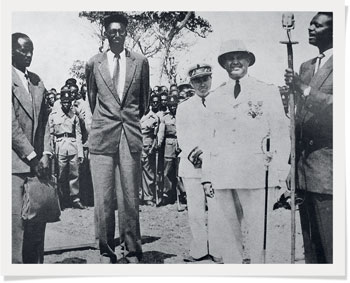
Kwandika amoko mu Ibuku, Umwami basanze ho muri icyo gihe yarabisuzumye asanga ari byiza.
Ngabo,
Wakomeje kwigaragaza nk’aho uri inzobere hafi mu bintu byose, ariko cyane cyane ku byerekeye uRwanda. Ni byiza niba ari nk’ikintu cy’intego wiyemeje kuzagera ho. Nyamara ariko, ndabona hagikenewe igihe kirekire kuko imisingi yose ushaka gushingira ho amateka y’uRwanda yubatse mu gishonyi. Dore ingero:
Uranditse ngo”Njyamara ibi byo kugenda urebuzwa amasura, abanyarwanda ukabashyira mu bwoko ubu n’ubu, mbona na byo ubwabyo ari irondakoko. – Nanjye ubwanjye sinakwihakanira, kuko nakuriye mu Rwanda, kuko, nanjye nabyigishijwe mu mashuri. Ariko icyo nkora, ni ukwirinda kubisohora muri njye, kuko nzi neza ko amasura akenshi atubeshya.”
– Ibyo kurebuza amasura nta gihe bitabaye ho, kandi nta gihe bitazaba ho. Nta wurambagiza inkumi cyangwa ngo yemere umusore atabanje kwitegereza isura ye. Ikibi ni ukugendera ku ngirwahame ngo isura yerekana ubwoko bw’umuntu! Nawe ubwawe uremera ko “amasura akenshi atubeshya.” N’abashatse kubigerageza bapima amazuru, amajosi, intoki. amatako, nb. ntibyabashobokeye. Ni ukwikoza ubusa. Iyo bijya koroha nta Bahutu baba barishwe bitirirwa ubututsi, nta n’Abatutsi bari kwiyoberanya mu Nterahamwe!
-Ikintu giteye amatsiko ahubwo ni ukumenya ukuntu ibyo kurebuza amasura byigishwaga mu mashuri!None se muri buri shuri hari mo ya mafoto atatu yahoze mu nzu ndangamurage yari i Mamba i Butare, ikaba yarerekanaga isura y’Umututsi, y’Umuhutu n’iy’Umutwa? None se mu kigo no mu mashuri wize mo, babigenzaga bate? Hari abo njya numva bavuga ngo abarimu bategekaga “Abatutsi” guhaguruka cyangwa kurema uwabo murongo. Ibi niba byarabaye koko, sinumva ikintu byabaga bigamije. None se ko mu gihe ababyeyi bandikishaga abana babo mu ishuri ari bwo babazwaga ubwoko bwabo, kandi umuntu wese akavuga ubwo ashatse (kimwe no mu mabarura rusange!), hari uwo bigeze guhinyuza bakamutwerera ubwoko atababwiye? No mu guhabwa indangamuntu ni ko byagendaga, babazaga umuntu ubwoko yumva kandi yemera ko ari ubwe, bakaba ari bwo bandika mu ndangamuntu. Haba hari uwo bandikiye ibinyuranye n’ibyo yivugiye ko ari cyo mbona cyari kibi ni uko byari ishingiro ryo “kuringaniza” batitaye mbere na mbere ku bushobozi bwa buri muntu. Ibi rero ni umurage mubi abategetsi b’uRwanda bose bahererekanyije kugeza magingo aya. Ariko ibibi birarutana: abantu bakunze kwamagana igihe cya repuburika ngo hari hari ho poritiki y’iringaniza yageragezaga gusaranganya uduke dushoboye kuboneka, ariko nta n’umwe wibuka ibihe byabanjirije 1959 aho agapande nyamuke mu gice nyamuke cy’abenegihugu kari karikubiye ibintu byose bishobora kuboneka mu gihugu uretse ubukene n’imiruho; nta wujya azirikana ibi bihe turi mo aho agatsiko k’abarerewe mu ngando y’i Nakivala ari ko konyine gacigatiye ibintu byose biri mu Rwanda, ndetse kagasingira n’ibyo mu mahanga!
Urongeye ngo “Muri make rero, ipfundo ry’ikibazo cyacu abanyarwanda, si irondakoko (divisions ethniques et/ou régionales), ikibazo cyacu gikomeye, ni amateka mabi igihugu cyacu cyanyuzemo (igikoloni, ingirwa-revolisiyo yo muri 1959). Ariko aho bibera ikibazo, ni uko abanyarwanda bamwe bo ku ngoma ya Kayibanda n’iya Habyarimana bagisingiza iyi ngirwa-revolisiyo yo muri 1959, aho gusubiza ubwenge ku gihe, ngo babone ko amarorerwa yakozwe n’ababiligi mu Rwanda muri 1959 atari revolisiyo, ko ahubwo bwari uburyo bwo gucamo abanyarwanda ibice.”
Ubyange cyangwa ubyemere, amateka mabi uRwanda rwanyuze mo ntirwayashowemo n’Ababirigi bonyine. Amacakubiri ashingiye ku busumbane bw’ibyiciro by’Abanyarwanda mu rwego rw’ubukungu yatangiye ku ngoma mbi z’abami Yuhi IV Gahindiro, Mutara II Rwogera na Kigeri IV Rwabugiri bashyize ho, ku bw’igitugu, ibikingi, uburetwa n’ubuhake. Ibi bintu uko ari bitatu ni byo byahinduye ubusumbane bw’ubukungu (abakire vs abakene) mu busumbane bw’ubutegetsi (abatware vs abatwarwa), bw‘imibereho (abahungu vs abanyamusozi), hanyuma bukavuka mo ubusumbane bw’amoko (hutu, tutsi, twa). Ibingibi byose Abadage n’Ababirigi barabisanze. Icyo Ababirigi bakoze ni ukubyandika mu ibuku, kuko bari bakeneye gutandukanya abagomba gukora akazi n’abagomba kugasonerwa, abagomba kujya mu ishuri n’abatagomba kurisunuka mo, abagomba gusora n’abagomba gusonerwa, abagomba gutegeka n’abagomba gutegekwa. Umwami basanze ho muri icyo gihe yarabisuzumye asanga ari byiza, nuko ategeka abatware, ibisonga n’abamotsi gukwira imirenge n’udusozi ngo bereke umuzungu Abatutsi, Abahutu n’Abatwa abo ari bo, kuko umuzungu atari abazi! Niba wemera ko amateka ari ko yagenze, kuki ayo marorerwa wayagereka ku Babirigi bonyine? Aha se ni na ho havuye isomo ryo kugereka jenoside ku Bahutu bonyine?
Ubyange cyangwa ubyemere, Revorisiyo ya 1959 ni impinduramatwara nyakuri kandi idateze kuzibagirana, kuko imitegekere n’imibanire y’abantu byahindutse ku buryo bugaragara. Kwihangisha ho kubihakana ni nka bya bindi by’abahakanaga ko isi itazenguruka izuba. Niba kandi ukibishidikanya, urebe uburyo wavuguruza iyi nsobanuro dusanga mu nkoranya yanditswe n’Ababirigi bafatanyije n’Abanyarwanda biganje mo Abatutsi: “REVORISIYO ni umwivumbagatanyo w’abaturage bashaka ivugururwa ry’imitegekere y’igihugu.” Urugero: “Revorisiyo yo mu wa 1959 yatumye rubanda rugufi rwigobotora ingoma ya cyami na gihake [na gikoronize]”(rp. 1922). Niba ari byo biguha ibitotsi n’amahoro ku mutima, ikomereze uyite “ingirwarevorisiyo” ariko nta cyo bizayihindura ho na gito.
Urongeye kandi uti ” Kwirirwa turirimba ngo “twigobotoye ingoma ya gihake n’iya gikolonize“, ibi kandi ari ugusingiza amarorerwa yakozwe/yakoreshejwe n’ababiligi, ni cyo kibazo gikomeye tugifite abanyarwanda… Kuri njye abagisingiza ibi, baba bivuruguta mu mazirantoki y’ababiligi.”
Kimwe n’undi muntu wese, ufite uburenganzira bwo kugaragaza ibitekerezo byawe kandi ntubizire. Ariko se, nta buryo ikinyabupfura cyadufasha kwirinda kwitabaza imvugo nyandagazi igihe cyose tuganisha ku bo tudasangiye ibitekerezo?
Ndi mu basingiza ku buryo budasubirwaho “revorisiyo yatumye twigobotora ingoma ya gihake na gikoronize”.
Iyo iyo revorisiyo itajya kubaho, simba naragiye mu ishuri iryo ari ryo ryose uretse wenda ikibeho cya gatigisimu. Simba narahawe umurimo mu butegetsi bwa Reta, simba narisanzuye nk’uko nabigenje kuva mu wa 1962 kugeza mu wa 1990. None se inkokobotsi yahirahira kumbuza gusingiza revorisiyo ya 1959 yaba iri mu maki?
Sinirengagiza yuko, ku mpamvu zinyuranye, hari abahunze iyo revorisiyo, ndetse bakayirwanya bivuye inyuma kugeza aho bayihirikiye mu wa 1994. Abo bagomba kuba barahekenyaga amenyo nk’uko nanjye nabaye umurakare nkumva ngomba guhunga “SIYASA“, ari yo “gihake na gikoronize” by’uyu munsi. None se mpite mvuga ko abayobotse “Siyasa” bagatatira “revorisiyo” kubera impamvu zinyuranye bari mo kwivuruguta mu mpitwe z’abateretse FPR ku ngoma? Ibyo byaba ari ukurengera uburenganzira bw’ibanze bwa Muntu. Niba inshoza yo “koroherana” yari ituye mu mitima ya twese, nta wakwiriye gutuka no gutoteza uwahise mo ibitandukanye n’ibyacu.
Ugire amahoro.
By DHR
Source: Leprophete- Umuhanuzi
 Press Statement
The international community is laser-focused on the deeply alarming violence in South Sudan. We are all determined to continue standing for the aspirations of a people who have endured far too many years of conflict and sacrificed far too much to allow their young country to plunge back into turmoil. With the world watching and South Sudan’s people yearning for a country marked by peace and prosperity not conflict and division, peace is the only option.
Last night, I called South Sudanese President Kiir and urged him, as president of all of South Sudan, to protect all South Sudanese citizens and work toward reconciliation. We recalled the difficult decisions that led to the remarkable moment when so many stood in long lines for a referendum to give birth to South Sudan, knowing all too well that the toughest decisions were still to come. Now is the time for leadership that makes those decisions through dialogue.
Now is the time for South Sudan’s leaders to rein in armed groups under their control, immediately cease attacks on civilians, and end the chain of retributive violence between different ethnic and political groups. The violence must stop, the dialogue must intensify.
To help facilitate this process, we have asked our U.S. Special Envoy for Sudan and South Sudan, Ambassador Donald Booth, to travel to the region and support regional efforts already underway. He will be departing today.
The United States strongly condemns yesterday’s attacks on the United Nations Mission in South Sudan (UNMISS) base in Akobo County in Jonglei State, South Sudan. We offer our condolences to the UN and victims of this attack. We call on all parties to respect UNMISS, to refrain from any attacks on its personnel, and to help facilitate its mission to protect civilians who have sought shelter from the turmoil secure the delivery of humanitarian assistance to all those in need.
The United States and other partners are committed to the realization of South Sudan’s full political, social, and economic potential, but make no mistake: these cooperative efforts will be undermined if political disputes drag the country back into senseless conflict and strife. Moreover, any armed attack on the capital will be seen as an attempt to achieve an unlawful usurpation of power, which would be universally condemned. Those who seek to take or hold power by violence or division of South Sudanese along ethnic lines will not have our support. Violence today will not pave the way for a more stable or prosperous tomorrow.
PRN: 2013/1611

 GAHUNDE