Category Archives: Economy

Kiliziya Gatolika ihangayikishijwe n’ihohoterwa rikorerwa abacururiza ku gataro.

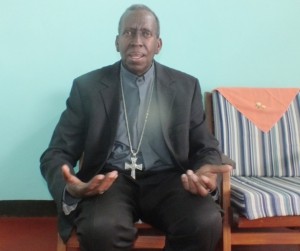
smaragdus-300x251Mu kiganiro kihariye yagiranye na IGIHE kuri uyu Gatatu tariki ya 21 Ukwakira, Musenyeri Smaragde Mbonyintege, Umuyobozi w’Inama Nkuru y’Abepisikopi akaba n’Umuvugizi wa Kiliziya Gatulika mu Rwanda, yavuze ko ababazwa cyane n’uburyo abagore bacuruza agataro bahohoterwa, birukankanwa bakanamburwa.

Musenyeri Mbonyintege ahereye ku bagore akunze kubona hafi ye bakora ubu bucuruzi bw’agataro, yavuze ko akunda kubegera akababaza impamvu babikora. Avuga ko babikora kubera ibibazo by’imibereho, baba bashaka amafaranga yo gutunga abana babo.

Ati “Bakimara kumbwira impamvu ibatera gucuruza ku gataro, numva ntabona umuntu ubahungabanya, ahubwo bakwiye kubumva bakabafasha kubona igisubizo cy’ibibazo bafite.”

Yongeraho ati “Naho kumwirukankana no kumukubita si byo bitanga igisubizo. Ibintu bakora ntabwo bizana umwanda ahubwo begereza serivise sosiyete.”

Musenyeri Smaragde asanga inzego zirukana abo bagore zikwiye kubashakira uburyo bwo gukora neza, aho kubahutaza.

Ati “Uriya ubakubita, si nawe ahubwo nawe aba yatumwe, njye nakwifuza ko uwo ubatuma yakwegera abo bagore, akabashyira hamwe, cyangwa bakabakorera akantu keza bazajya bashyiramo ibicuruzwa byabo, bakabyimukana, bakabizengurukana aho bajya hose.”

Akomeza asobanura ko gufasha abo bagore, ari ugufasha abana babyaye, ndetse sosiyete igomba kubafasha kurera abo bana.

Ati “Ntabwo rero nshyigikiye na gato ihohoterwa rikorerwa bariya bagore bacuruza ku dutebo, ahubwo nshyigikiye ko abantu bicara hasi bagashaka igisubizo cy’ibibazo bafite mu kurwanya inzara y’abana babo no gushyikiriza abantu serivise bakeneye, kuko begereza abantu serivise.”

Nubwo Musenyeri Smaragde yakomeje ku kibazo cy’abacururiza ku dutaro mu gihugu, hari imishinga yashyizweho mu rwego rwo gufasha abakora imirimo iciriritse..

Umwe watangijwe mu kwezi kwa Mata uyu mwaka wa 2015, Urubyiruko rusaga ibihumbi umunani rwo mu turere turindwi rwagenewe inkunga yo kubateza imbere ingana n’amafaranga y’u Rwanda miliyari 1.5, ikazabafasha kwiteza imbere.

Iyi nkunga yatanzwe n’Umuryango w’Ubumwe bw’u Burayi n’abandi baterankunga mpuzamahanga, yagenewe abo mu turere twa Nyarugenge, Kicukiro, Gakenke, Rulindo, Rubavu, Nyabihu na Ngororero, ikazazahabwa urubyiruko rukora imirimo iciriritse irimo nko gucuruza ku gataro, abanyonzi, abacuruza ku mihanda, abakora mu birombe, abayede n’abandi.

Mu mwaka wa 2013 abarenga 2000 bacururiza mu muhanda bahuye n’inzego nkuru z’igihugu baganira ku buryo bakora ubucuruzi bwabo nta muntu ubahutaje, bimwe mu bibazo abenshi muri bo bagiye bagarukaho, ni ukutagira ingwate, kubura igishoro, gukubitwa n’abashinzwe umutekano, kwakwa ruswa, abagore bafungirwa hamwe n’abagabo iyo bafashwe, kwamburwa ibicuruzwa byabo, n’ibindi.

Icyo gihe Minisitiri w’Uburinganire n’Iterambere ry’Umuryango, Odda Gasinzingwa yabasubije agira ati “Ni byo koko ibibazo birahari barabifite, ariko n’ibisubizo birahari, MIGEPROF n’izindi Minisiteri n’Umujyi wa Kigali tugiye gufatanya gushyiraho ingamba zijyanye no kubajijura, abazabishaka bazigishwa imyuga itandukanye, abashaka gukomeza gucuruza nabo bazagirwa inama z’uburyo babikora mu mucyo.”

Ku kibazo kijyanye n’umutekano wabo n’uw’ibicuruzwa byabo bamburwa, Minisitiri Gasinzingwa yavuze ko nta mupolisi utumwa guhohotera abacururiza mu muhanda, ahubwo atumwa kubacungira umutekano, ariko biramutse bigaragaye ko bahohoterwa, inzego zibishinzwe zabyigaho , ariko ikihutirwa ni ukubashakira uburyo bakora ubucuruzi bwabo mu mucyo.

Umuyobozi w’Umujyi wa Kigali, Fidele Ndayisaba yakunze kumvikana mu bitangazamakuru asobanura ko inzego z’ubuyobozi zafashe ingamba zitandukanye mu kubuza aba bajya gucururiza mu mihanda kubikora kuko bitemewe.

Ibarura ryakozwe n’Umujyi wa Kigali muri 2012, ryagaragazaga ko mu mihanda yo mu mujyi wa Kigali hakorera abacuruzi batabyemerewe basaga 6.300.

Abakurikiranira hafi iby’iki kibazo bavuga ko kigoye kubonerwa umuti urambye, kuko abo bacururiza mu mihanda bidashoboka ko bahaguma kuko batwara icyashara abacururiza mu mazu, kandi ari nabo bishyura imisoro.

Richard Dan Iraguha
Source: Igihe.com

Will UK Aid to Rwanda be reviewed after General Karake Karenzi arrest?

There is no guarantee for such outcome.

The case of Rwanda in UK foreign policy seems entrenched within national/ internal priorities in terms of justification of AID to development.

Rwanda is wrongly perceived as a model of success of aid to development throughout the UK political circles, from Labour to Conservatives, the two main political parties.

UK has fallen victim of the Rwandan “economic miracle” promoted by specialist PR companies that Kigali has over the years hired at the cost of millions of $ to portray a fake development of the country where 82% of Rwandans still live under $2 a day.

The Podcast RWANDA: Has Britain been beguiled, which was aired by BBC Radio 4 on Thursday 16/07/15, broadcasts (starting from minute 00.02.23) the context of the arrest of Karake Karenzi.

It emerges from the programme that Britain might not change necessarily its AID policy towards Rwanda because of UK internal political vested interests and despite serious allegations against Karake Karenzi and his RPF colleagues.

Former conservative minister Andrew Mitchell and Cherie Blair leading Karake Karenzi defense team appear convinced that the case in contention should not change the nature of existing relations between the two countries.

Though there are other voices in UK calling for making more conditional to improvement of human rights any aid to development given to Rwanda.

The risingcontinent

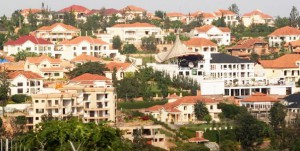
Menya ibyo utari uzi ku mushinga w’iyubakwa rya Nyarutarama FPR yajambije.

nyarutarama-300x151

Nyarutarama yari ikwiye kwitirirwa Nyakwigendera Emmanuel Gapyisi

Nari nabasezeranyije kubagezaho amateka ya Nyarutarama. Nyarutarama yogezwa nk’agahebuzo kakozwe nyuma ya 1994, Nyarutarama agashya ka FPR, Nyarutarama bamwe bakeka ko ari iyabo gusa. Nyamara iyo Nyarutarama ni umushinga wa Emmanuel Gapyisi (wari secrétaire général muri MINITRAP), ni n’umuganda w’abakozi bose ba Leta ba Kigali ba mbere ya 1990, ku mwihariko ni Ishema ry’abakozi ba MINITRAP na ELECTROGAZ.

Igishanga cya Nyarutarama twaragitangatanze, tukirwaniramo n’inzoka z’ubwoko bwose harimo impiri za karahabutaka maze turagitunganya koko ku buryo bushimishije. Ni igikorwa cyerekana ukuntu umuganda uhuza Abanyarwanda mu byishimo byo kwifasha mbere yo kwaka imfashanyo zo mu mahanga. Muri Kigali, muri Capitale yacu (sic!), nyuma y’umuhanda “Boulevard Umuganda” (niba ukitwa gutyo si namenya!), igikorwa cya Nyarutarama ni cyo gikorwa cy’igenzi umuganda watugejejeho kugeza nanubu.

Ubundi mu bindi bihugu byibuka Intwari zose bitavanguye, icyo gikorwa gikwiriye kwitirirwa Emmanuel Gapyisi maze NYARUTARAMA noneho koko igahindura izina ikitwa GAPYISI. Ngiyo indi nzira yo guhuza Abanyarwanda b’ibihe byose, nguko gushima ibikorwa by’ingenzi no gushimira abakozi ba Leta batubangirije, bitanze ngo uru Rwanda tubona ubu rube rufite isura iteje ubwuzu. Kigali rero ntiyikoze umunsi umwe (comme Rome ne s’est pas fait en un jour), Kigali ntiyakozwe n’umuntu umwe, Kigali si iya Kayibanda, si niya Habyarimana, kuyitirira Kagame ni ugufobya amateka y’Urwanda ukima Abanyarwanda agaciro kabo. Kigali ni iyanyu, Kigali ni iyacu, Kigali ni iyacu Abanyarwanda twese! Tureke kuvangura, ntaho twaba tugana. Nta gihugu kitagira amateka yaba meza cyangwa mabi, icya ngombwa ni uko tuyafatanya nta gushyira ibyiza kuri bamwe n’ibibi ku bandi.

Ni iki rero cyo kunenga kuri Nyarutarama yagombye kwitirwa Gapyisi, usibye ko uko narinzi iriya mfura atari kwemera. Nyarutarama abavuye mu buhungiro, ariko nabo b’abanyarwanda, bayishotsemo ituzuye maze umushinga wa Gapyisi baba barawujambije ku buryo budasubirwaho. Muti gute?

Iyo murebye neza ubu Nyarutarama yubatse nka “gereza VIP” ku kirwa kiri hagati y’imihanda ibiri gusa (cyakora aha hoze ikigo cy’abasirikare b’Ababiligi harimo akandi gahanda gato ariko ni ako gusa). Si ko byari biteganyijwe kuko ubundi MINITRAP (urbanisme na nouvelles voiries urbaines) yagombye kuba yarashyizemo ibibanza bikase neza n’imihanda mishya minini. Ibyo byari gukorwa muri 1991 na 1992, Inkotanyi zitera muri 1990 maze imishinga hafi ya yose irahagara. Cyakora hari ibikorwa remezo twari twaratangiye gushyiramo, nk’imiyoboro-fatizo y’amashyanyarazi, iy’amazi ndetse niya téléphone.

Uko rero Nyarutarama yibutse ubu inyuranyigeje n’amategeko agenga imyubakire y’imijyi kandi kubikorosa byatwara amafranga menshi cyane. Icyo nakongeraho, abashotse Nyarutarama bagiye bahafata ibibanza busahuzi tudakoze icyo bita “étude d’impact social et environnemental” harimo cyane cyane ukuntu twari kwimura abari bahatuye. Nti bitangaje rero iyo ujya kumva ukumva ubu Président Kagame ategetse (iyo ikibazo kimugezeho) ko abahihaye ibibanza ku ngufu bishyura ba Gakondo bitaba ibyo ayo mazu akaba ayabo.

Ingero ni nyinshi… ni uko abagirira akabanga! Ubundi kandi hari ikiyaga kinini na za plages byagomba gutunganywa ahegereye terrain ya golf. Ntibyakozwe cyangwa byarapfubye. N’ibindi byinshyi cyane…

Bityo utazi umushinga wa Gapyisi yagirango Nyarutarama ni paradis kandi ahubwo ari fiasco. Tujye tuvuga ibyo tuzi, twogeze ibyo twikoreye ariko kandi tunamamaza ukuri.

Reka ndagize iyi nkuru (itaza gushimisha benshi), nshimira équipe yaba ingénieurs “soviets” bo muri MINITRAP twari tufatanyije mu gushyira mu bikorwa umushinga wa Nyarutarama barimo Martin Ndikumana (chef de division “urbanisme”), Évariste Karekezi (chef de division “nouvelles voiries”), Charles Uramutse (directeur de l’hydraulique urbaine), naho jye nkaba nari chef de division “production et transport d’électricité”. Sinareka kandi kuvuga abari badukuriye mu rwego rwo hejuru mu guhuza ibikorwa bya politiques na stratégies sectorielles, ari bo : Félicien Libanje (directeur général de l’urbanisme et des bâtiments civils), Alphonse Ntirivamunda (directeur général des ponts et chaussés), Télesphore Bizimungu (directeur général de l’eau) na Marcel Nsabimana (directeur général de l’énergie)

victor Manege

Victor Manege Gakoko

Democracy is not a mystifying western plot – it is a universal value

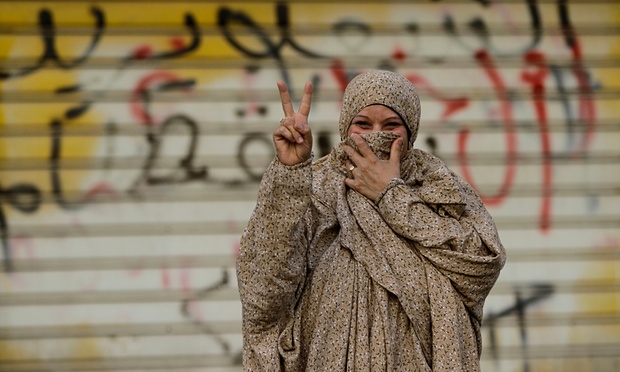
A Bahraini pro-democracy protester gestures in front of a wall sprayed with anti-government graffiti. Photograph: Hasan Jamali/AP

‘The sustainable development goals may not mention democracy, but their focus on the accountability of political institutions will be key to improved governance’

The slow unfolding of the sustainable development goals continued last month with the unveiling of the zero draft that will be negotiated in the runup to the summit in New York in September.

How does the draft of 17 goals look from the perspective of an organisation dedicated to helping countries to strengthen democracy? The answer is not bad, but not good.
On the plus side, it is good that there is a goal 16 at all. The draft goal reads: “Promote peaceful and inclusive societies for sustainable development, provide access to justice for all and build effective, accountable and inclusive institutions at all levels.”

There was no equivalent in the millennium development goals (MDGs), and it is welcome that goal 16 includes a target of ensuring “responsive, inclusive, participatory and representative decision-making at all levels”.

I like all those words, which embody a commendable set of ambitions. The target of “effective, accountable and transparent institutions at all levels” is a good transposition of text from the UN high-level panel report on the post-2015 development agenda co-chaired by the presidents of Liberia and Indonesia and the British prime minister, which included all three adjectives.

On the minus side, there are two main gaps.

First, the word “democracy” itself has not been used, nor any variant such as “democratic accountability”. That is disappointing but not surprising, even though the Millennium Declaration, which formed the basis of the MDGs, did make specific calls for these conditions to be included.
My guess is that the word “democracy”, perhaps less popular now than it was 15 years ago, was blocked by the sensitivities of UN politics.

The second gap is the failure to address the key instruments of representative democracy, namely parliaments or political parties. Again, this is disappointing but not surprising. There is a presumption in the text that the executive are the main actors, rather than the representatives of citizens. Indeed, the high-level panel called for someone (implicitly governments) to grant rights (such as freedom of speech) to people, rather than for people to act to curb the powers of the executive.

So what should be the response of those interested in strengthening democracy? We need to do two things.

First, we should demystify democracy. Democracy is not a western plot, it is a universal value. Virtually all countries have aspects of democratic culture in place to some degree, and absolutely every country has room to strengthen the quality of their democracy.

I would like to build common ground about the aspects of democracy that are important regardless of region or political grouping. That would make work on achieving the targets in goal 16 much more useful.
Second, the Millennium Declaration is still relevant when it says that we should “work collectively for more inclusive political processes, allowing genuine participation by all citizens in all our countries”. We should rebalance our thinking about national responsibilities, taking up that challenge of putting people and their representatives first. This links back to the Universal Declaration of Human Rights. The central task of the declaration, and of the Magna Carta for that matter, was to curb the power of the executive – which, unchecked, tends to be abused.

In the vast majority of countries, we should look at the role of parliaments, the judiciary, civil society and the media, as well as the executive, when considering how to secure objectives encapsulated in goal 16.

A report by Civicus called for new forms of representation and oversight, such as citizens’ panels. Institutions should be “tested on their ability to respond to and achieve progress on issues identified by people rather than just governments”, it added.

The sentiment certainly reflects the level of concern many people feel about traditional representative institutions. Building common ground on what democracy means, and helping to improve the quality of representation in our countries, go hand in hand and are both worth pursuing.

Goal 16 is imperfect and is almost at the bottom of the list of proposed SDGs. But the glass is half full. Politics and the development community have been uncomfortable partners in many ways, and this is a chance to work together to help political systems do a better job. If we succeed, then we will have fulfilled the promise of the Millennium Declaration – citizens of all countries working together to put sustainable development at the centre of the agenda and hold governments to account for their actions.

Anthony Smith

Anthony Smith is chief executive of the Westminster Foundation for Democracy

Source: Guardian Global Development

BRICS Bank open for business

BricsParticipants in the BRICS Finance Ministers and Central Bank Governors’ Meeting, Meeting of the Board of Governors of the BRICS New Development Bank on 7 July 2015 in Moscow, Russia
The long-heralded New Development Bank (NDB) or the BRICS Bank officially commenced business on Tuesday with the first meeting of its board of governors in Moscow.

The NDB with about $50 billion in capital to invest in public infrastructure will compete with institutions where the US has considerably more influence—organizations such as the World Bank and the International Monetary Fund.

The agreement was signed by the bloc’s five members — Brazil, Russia, India, China and South Africa — on July 15 last year during the sixth BRICS summit.

The board of governors appointed members of the BRICS board of directors and the management led by the president, Kundapur Vaman Kamath.

The board meet on Tuesday in Moscow also discussed rules regarding procedures and the bank’s five-year development strategy.

The bank will aim to “promote reform of global economic governance” China’s Finance Minister Lou Jiwei had said earlier.

The inaugural management team will take their posts in Shanghai in mid-July.

The NDB is expected to launch late this year or early next year.

The bank has an initial authorized capital of $100 billion.

Its initial subscribed capital of $50 billion will be equally shared among the founding members.

It will have a three-tier governance structure — a board of governors, a board of directors, a president and vice presidents.

As agreed by the five countries, the first chair of the board of governors has been nominated by Russia, the first chair of the board of directors by Brazil, and the first president by India.

An African regional center of the bank will be based in Johannesburg, South Africa.

“The bank’s establishment will be an important achievement for financial cooperation among BRICS members,” said China’s Finance Minister Lou Jiwei.

The Chinese government is providing $10 billion as prescribed for the initial subscribed capital.

The BRICS central bank governors on Tuesday also signed an operating agreement on the $100 billion monetary fund.

The BRICS Contingent Reserve Arrangement (CRA) will come into force on 30 July, Head of the Russian Central Bank Elvira Nabiullina said after the meet on Tuesday in Moscow.

“Several other documents will be adopted to regulate the operation of governing bodies – the Governing Council and the Standing Committee,” said Nabiullina.

TBP

Source: BRICSPOST

As with Dr. Faustus, who sold his soul to Satan, Kagame’s admirers will be bitterly disappointed.

kagame-and-troops

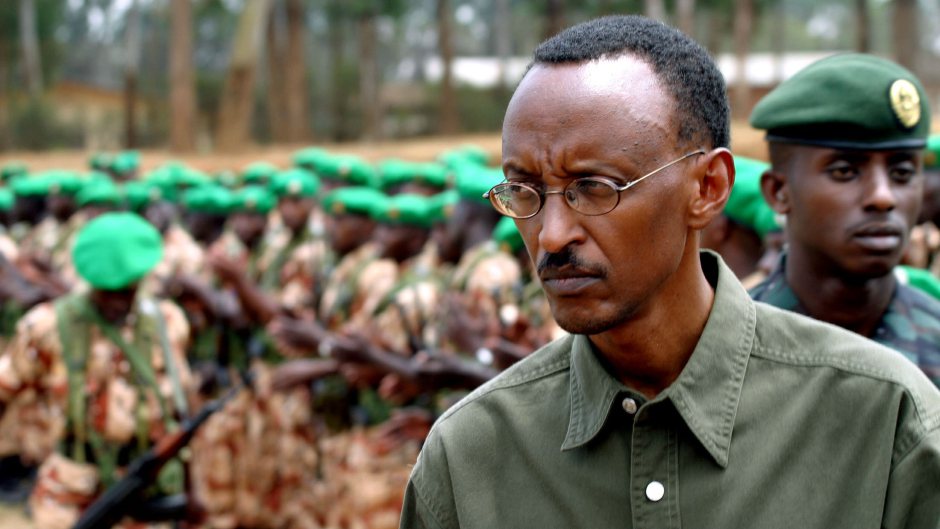
For Western governments, financiers and opinion leaders, Rwandan president Paul Kagame offers a Faustian bargain: Overlook my brutal behavior, and I will offer you a model for economic growth in an African nation.

As with Dr. Faustus, who sold his soul to Satan, Kagame’s admirers will be bitterly disappointed.

While sacrificing human rights on the altar of economic growth, Kagame is delivering neither democracy nor prosperity.

Kagame’s descent into despotism has been documented by respected sources, ranging from Human Rights Watch to the US State Department. In recent years, a growing number of Kagame’s critics have died under mysterious circumstances, even in exile. Opposition political parties and independent newspapers have been suppressed. Many Rwandans have fled the country, while many more have been scared into silence.

All the while, Rwanda receives almost a billion dollars annually in foreign aid from the United States, the United Kingdom and their allies, and Kagame continues to receive invitations to prestigious conferences from Davos to the White House.
While Kagame’s apologists boast that he has achieved an “economic miracle,” Rwanda’s performance remains mired in mediocrity. Having served as Kagame’s head of policy and strategy, I resigned not only because he was tyrannizing the nation, but also because he asked me to tamper with the truth about the economy.
Here are the facts that Kagame can’t falsify: After 14 years of Kagame’s leadership, Rwanda remains one of the smallest economies in East Africa. While Kenya’s annual per capita income is $1,200 and Tanzania’s is $695, Rwanda’s is only $630.
Far from moving forward, Rwanda’s economy remains largely informal, with most of the economically active population of 5.5 million still struggling to survive on subsistence agriculture, just like their parents and grandparents before them. Employment in the formal economy is only a little more than 300,000. Rwanda’s private sector is tiny, with tax-paying firms hovering around 113,200, of which only 354 (or 0.3%) are ”large taxpayers” with an annual turnover of $1.4 million.

Meanwhile, crony capitalism is on the rise. Crystal Ventures Ltd. (CVL), controlled by the investment arm of Kagame’s ruling party, has become, in its own words, “the biggest investment company in the country.” Its holdings include concrete products, construction, real estate development, telecommunications, agriculture, aviation, security services, printing and publishing, furniture trading, manufacturing, property management and engineering.

How does this disappointing economic performance translate into Rwandans’ living standards? On two crucial social indicators—education and health—Rwanda falls short. 

Because of its small tax base, Rwanda is dependent on foreign assistance. Of the national government’s $2.4 billion budget for 2014/2015, $777 million will come from development aid from overseas. Rwanda has the highest foreign aid per capita in east Africa—$77 per person, compared to Burundi’s $53, Kenya’s $61, Tanzania’s $59 and Uganda’s $46.

While foreign governments contribute almost 40% of Rwanda’s budget, foreign direct investment from private sources is small. In 2013, Rwanda received only $110 million in foreign direct investment, compared to $1.8 billion for Tanzania, $1.1 billion for Uganda and $514 million for Kenya.
Far from being a powerhouse in the global economy, Rwanda’s trade deficit is growing, having reached $443.1 million during the last quarter of 2013 alone, while its exports are declining. From January through September 2014, exports were valued at $247 million—a 10.5% decline from the same period in 2013.
How does this disappointing economic performance translate into Rwandans’ living standards? On two crucial social indicators—education and health—Rwanda falls short.

In education, Rwanda may be pursing the quantity of enrollment over the quality of learning. According to the United Kingdom’s Department for International Development (DFID), which has put considerable resources into Rwanda’s education: “To achieve near-universal primary enrollment but with a large majority of pupils failing to attain basic levels of literacy or numeracy is not, in our view, a successful development result. It represents poor value for money…”

Meanwhile, according to the World Health Organization, the ratio of health workers per 10,000 people in Rwanda is 0.6 for physicians, 6.9 for nurses/midwives, and 0.1 for dentists. This is far below the African average: 2.6 physicians, 12 nurses/midwives and 0.5 dentists per 10,000 people.
The failure of Rwanda’s Faustian bargain—trading democracy for development and ending up with neither—should come as no surprise to students of history and human nature.

A dictator who can’t be questioned; an elite that dominates the economy; and an atmosphere of anxiety—these are not the formula for economic growth. In Africa as elsewhere, people do their best work in an environment of freedom, not fear.

By David Himbara, Ph D

Euro hits 12-year low against dollar

_81569337_usd-eur

The euro has fallen to its lowest level against the US dollar in 12 years after the European Central Bank (ECB) began its government bond buying programme.

It fell as low as $1.0560, before recovering a little. But many traders expect it may soon be worth the same as a dollar.

The ECB began its latest round of quantitative easing (QE) on Monday.

It will buy bonds worth €1.14tn over the next 18 months, flooding the market with euros.

Traders have reacted to the ECB’s latest round of QE by selling euros and buying other currencies such as US dollars.

The US currency is appealing because the Federal Reserve looks to have completed its bond-buying programme.

The euro started its slide against the dollar in July last year as traders reacted to the divergence in policy between the ECB and the Fed.

The value of the euro has fallen 22.4% since 1 July, when a euro was worth $1.37.

Positive US data

An upbeat US jobs survey released on Friday provided an additional boost to the dollar.

“This opened up speculation again that the US will raise interest rates in June,” says Jane Foley, senior currency strategist at Rabobank. This would attract foreign capital and boost the dollar.

In the eurozone Greece’s economic woes continue to put downward pressure on the euro, bringing it closer to dollar parity.

The eurozone’s growing current account surplus is encouraging Europeans to invest abroad causing the euro to weaken further, according to Deutsche Bank.

Rwanda refuses to pay its dues and loses its UN General Assembly voting right!

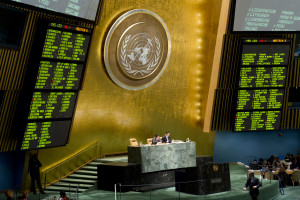
60th plenary meeting of the General Assembly 66th session:

Jan. 26, 2014 – Rwanda and Yemen are among eight countries to have their General Assembly voting rights suspended over non-payment of dues.

These countries have fallen foul of Article 19 of the UN Charter, which states that countries will lose their UNGA vote if their “arrears equals or exceeds the amount of the contributions due from it for the preceding two full years.”

Rwanda completed a two-year stint on the Security Council on Dec. 31, 2014. It is the fifth biggest troop contributor to UN peacekeeping operations.

Minimum payments of $69,948 from Yemen and $7,636 from Rwanda are required to get their voting privileges back, according to a letter from Ban Ki-moon to the president of the General Assembly. Liberia is also listed in Ban’s letter but he has sinceinformed the GA that Monrovia has made the necessary payment.

Macedonia is also among the countries currently without a General Assembly vote. It will have to make a minimum payment of $24,606.

In total, 12 countries are not in compliance with Article 19, but four of those, including Guinea-Bissau and Somalia, can still vote as the GA decided that inability to pay is beyond their control.

The eight countries currently without a vote in the General Assembly:

1. Yemen
2. Grenada
3. Kyrgyzstan
4. Marshall Islands
5. Rwanda
6. The former Yugoslav Republic of Macedonia
7. Tonga
8. Vanuatu

Rwanda has been assessed dues of $54, 271 for 2015 while Yemen’s dues are $271,357 for the year.

Source:UNTRIBUNE

Rwanda: Kubera ibibazo by’ingutu mu bukungu bamwe bakombambehe ba FPR begujwe.

Uretse Louise Karamage ( Louise Mujawayezu Karame) wegujwe kubera ko atabashije guhisha ikibazo cy’abanyeshuri bicwa n’inzara, inama y’aba ministri yo kuwa 15 Ukuboza yemeje:

• Iteka rya Minisitiri w’Intebe ryirukana burundu ku mwanya w’umushinjacyaha Bwana NZIGIYIMANA Chem;

• Iteka rya Minisitiri w’Intebe ryemerera Bwana SEBAZUNGU Alphonse wari intumwa ya Leta ishinzwe Serivisi yo kuburana imanza za Leta muri MINIJUST, kujya mu kiruhuko cy’izabukuru;

• Iteka rya Minisitiri w’Intebe ryemerera Bwana MUTABAZI Jean de Dieu, wari Umuyobozi w’Ishami ry’Imari n’Ubutegetsi muri Special Guarantee Fund (SGF), guhagarika akazi mu gihe kitazwi;

• Iteka rya Minisitiri w’intebe ryemerera Bwana UWASE Aimé, wari Umuyobozi w’Ishami rishinzwe igenamigambi n’Ubushakashatsi muri MINEAC, guhagarika akazi mu gihe kitazwi;

• Iteka rya Minisitiri w’Intebe ryemerera Madamu Louise MUJAWAYEZU Karame( Louise Karamage), wari umuyobozi ushinzwe ishami ry’inguzanyo z’abanyeshuri bo mu mashuri makuru ya Leta muri REB, gusezera burundu ku kazi;

Ibi byose ni ugushakira umuti aho utari. Twibutse ko ingengo y’imari y’umwaka wa 2014/2015 ibura amafranga arenga miliyari 700 kugira ngo igihugu kibashe gukora gahunda zacyo. Mu rwego rwo guhanga n’iki kibazo u Rwanda rukomeje gusabiriza no gushaka guteza indi ntambara muri Kongo ngo rubashe kwiba amabuye y’agaciro.  Nyamara umuti nyawo ni ukogosha ibipusi bibyibushye( Fat cats: imishahara ya ba Minisitiri na Perezida wa Repubulika). Ibi Kagame ntabikozwa dore ko yashimye ka kazina ka Mobayilo Purezidenti uhora mu ndege arya amafranga ava mu misoro ya rubanda. Admin

Dore inkuru ya Aheza.com

KARAMAGE

Louise MUJAWAYEZU Karame (Louise Karamage ) wari ushinzwe inguzanyo muri Rwanda Education Board.

Ibi bibaye nyuma y’uruhuri rw’ibibazo byari bimaze iminsi bivugwa mu ishami yari akuriye. Ibi ni nabyo byabaye intandaro yo guhamagarwa n’ inteko ishinga amategeko umutwe w’ abadepite mu cyumweru gishize bagiye gusobanura ibibazo by’ itangwa ry’ inguzanyo ku banyeshuri b’ amashuri makuru na za kaminuza.

Ubwo Louise KARAMAGE na Minisitiri w’uburezi Prof SILAS RWAKABAMBA,bitabaga  inteko ishinga amategeko, bombi bigurukije ibibazo biri mu itangwa ry’inguzanyo z’abanyeshuri biga muri za kaminuza. Minisitiri RWAKABAMBA yashinje REB guhuzagurika mu gukora intonde z’abagenerwa iyi nguzanyo.Mu gihe Louise KARAMAGE we yari yavuze ko aya mafaranga REB nayo itinda kuyabona. Yagize ati“Gutinda kw’amafaranga hari impamvu nyinshi zibitera. Iya mbere ni bureaucracy ( usanga liste zica muri institution (ibigo) nyinshi kandi REB idafite ho ububasha.”

Ibi byateye impungenge abanyeshuri bibaza niba ubu bwegure butagiye kudindiza ikemurwa ry’ ibibazo basanganwe. Bamwe mu banyeshuri baganiriye na Aheza.com bavuze ko nubwo nta kizere bibaha,babona byari bikwiriye .

Louise Karamage, mu nyandiko ye y’ubwegure yavuze ko yeguye ku mpamvu ze bwite.Ubu bwegure bwa Louise Karamage buje bukurikira: Perezida wa Sena Ntawukuriryayo J. Damascene, Uwari umuyobozi w’akarere ka Kirehe, Murayire Protais ndetse na komite nyobozi y’akarere ka Nyarugenge. Aba bose bakaba baragiye bavuga ko beguye ku mpamvu zabo bwite.

Nsengiyumva Vincent/ Aheza.com

FPR: Agatsiko karya ntigahage na Guverinoma y’umurimbo.

abanyeshuri-ba-kaminuza

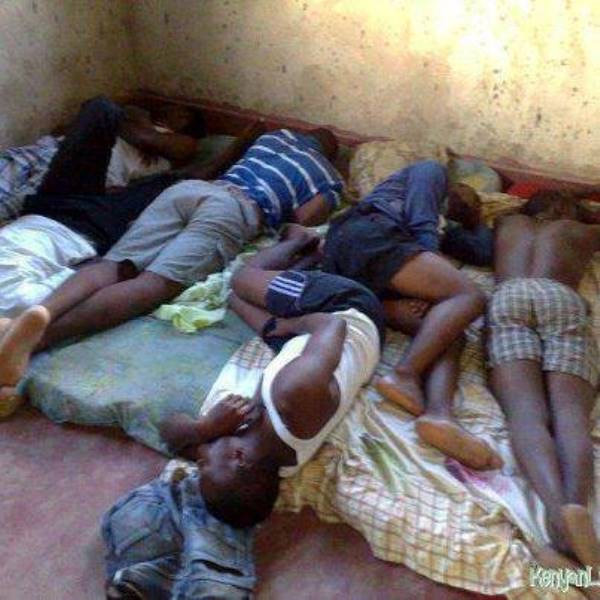
Abanyeshuri ba kaminuza baricwa n’inzara mu gihe agatsiko kiyuzuriza imifuka

Haramutse habayeho igihugu kitagira  ibibazo, icyo gihugu wakibwirwa n’uko kitagira guverinoma. Kuva mu nzego zo hasi kugera hejuru ubuyobozi bwiza bushishikazwa   no gushakira ibisubizo ibibazo by’ingorabahizi byibasiye abo buyobora.  Inshingano ya mbere y’umuyobozi ni ugukora ibishoboka byose birimo: gukoranyiriza hamwe  abashakashasti, impuguke n’inzobere mu nzego zinyuranye kugira ngo zicare zisuzume amavu n’amavuko y’ibibazo by’abaturage mu rwego rwo kubikemura no gukumira ingaruka mbi zabyo mu maguru mashya. Abakurikiranira hafi ibibera mu Rwanda muri iyi myaka ishije bazi neza ko ubushomeri ari kimwe mu bibazo biteye inkeke bizahaje cyane cyane urubyiruko kandi gikomeje kwiyongera.

Ku kibazo cy’ubushomeri guverinoma y’Inkotanyi isa n’iri kuvunira ibiti mu matwi ubundi ikambara amataratara y’izuba ikihandagaza ikajya imbere y’u Rwanda rw’ejo ruhangaye n’inzara iti ‘niba mudafite akazi ni MWHANGIRE IMIRIMO’. Ariko Mana!? Ibi ntaho bitaniye na wa Mwamikazi w’abafaransa babwiye bati nyakubahwa abaturage barashonje nta   umugati bafite, undi nawe arabasubiza ati : “Niba nta mugati bafite ni mubahe brioches”.!!!

Mu buhanzi bwa ma Slogan apfunyiste ubusa rwose FPR ni indashyikirwa. None se waba wifitemo ubushobozi bwo kwihangira umurimo ukiyicisha ubushomeri? Iyo ushishoje usanga iyi mvugo y’icyaduka ya FPR ikubiyemo ubushinyaguzi ndetse no kwihenura gukabije. Muri iyi mvugo birumvikana rwose ko FPR nta mwanya ifite wo guta ku bibazo bya rubanda ahubwo ko bene byo bagomba kubyikemurira. None se iyi guverinoma ya FPR niba itabereyeho   guhangana  n’ikibazo nk’iki gikomereye cyane abo iyobora, ibereyeho nde? Biragaragara ko hari ikindi kiyishishikaje. Ndetse biragaraga ko impamvu guverinoma ya Kagame idashyira ingufu mu gushakira umuti byinshi mu bibazo by’abaturage ari uko akenshi imikorere yayo ariyo nyirabayazana w’ibyo bibazo.

Uruhare rwa FPR mu kibazo cy’ubushomeri bwugarije abaturarwanda

FPR ikimara gufata ubutegesti muri 1994 bimwe  bikorwa bidasobanuste  byayiranze habayeho kwihutira kugurisha ibyinshi mu byahoze ari ibigo bya Leta. Ibyo bigo byagurishijwe ku bitwaga ko bikorera ku giti cyabo. Ku bahanga mu mikorere y’igihugu ibyo bivuga ko ubushobozi bwa leta bwo guhanga imirimo ikoresheje ibyo bigo byayo icyo gihe bwagabiwe abikorera ku giti cyabo.  Cyane cyane ariko icyari gitangaje ni uburyo ibyo bigo byagiye bigurishwa ku giciro cyo hasi cyane ugereranije n’igiciro nyakuri, ku buryo ubyise kubohoza utaba utandukiye cyane. Abenshi bibajije byinshi kuri iyo mikorere ya FPR. Igisubizo cyaje nyuma aho umwuga w’ubucuruzi wa FPR ugiye  ahagaragara  hamwe n’ivuka rya societe y’agatsiko ka FPR yiswe Crystal Ventures. Byinshi muri ibyo bigo byahoze ari ibya leta ( mbese ibya abanyarwanda bose) ubu bifitanye isano ya hafi cyane na Crystal Ventures. Iyi societe kuyitandukanya na guverinoma ya FPR biragoye kuko banyira yo ari nabo bagize guverinoma. Mu by’ukuri iyi Crystal Ventures ntawatinya ku yigereranya n’ikirondwe cya guverinoma uretse ko cyo cyakuze kugeza  n’ubwo kiruta inka, akaba ari na yo mpanvu nta handi ku isi wakumva ishyaka riyobora igihugu rikanakirusha umutungo.

Ubundi muri rusange Igice cyitwa classe moyenne cyangwa middle class, (tugereranije mu rurimi rwacu twavuga  igice cy’abaturage bafite ubushobozi buciriritse), kigizwe n’abakozi ba leta. Bimwe mu bihugu bifatwa ubu nk’ibyateye imbere, mu mateka yabyo habayeho  ko guverinoma  zagombye guhanga imirimo kugira ngo zihe akazi abaturage benshi mu rwego rwo kuzamura imibereho yabo. Birazwi kandi ko guhabwa akazi muri leta bisaba gukurikiza amategeko yumvikanyweho na bose, ibyo bigafasha mu kurwanya ikimenyane no guha amahirwe uwariwe wese wigaragaje ho ubushobosi. Ku bikorera ku giti cyabo bo, gutanga akazi ku kimenyane si ikibazo nta na gitangira ihari.

Niba rero Crytal Ventures ikize kurusha guverinoma kandi byose bigizwe n’agatsiko kamwe, birumvikana ko hari ahashyizwe byinshi kurusha ahandi. Aho hashyirwa byinshi rero (Crystal Ventures, ama enterprises yigenga y’agatsiko, ingirwa ONG z’agatsiko, ibigo byahoze ari ibya leta bigatwarwa n’agatsiko,…) ni naho  hahandi hakorwa n’abantu bakeya cyane baba barize bitabagoye  kandi bakabona akazi bitabagoye. Nyamara abahanze amaso ahashyirwa bicye (buruse zo kwiga ku batishoboye, ibigo by’ubucuruzi by’abadakorera agatsiko, amashuri adashamikiye ku gatsiko,…) ni nabo biga bibagora kuko ya guverinoma yakagombye kubunganira nta bushake ihashyira.  Abo bagenewe  bicye n’iyo bakwiga bakarangiza, amahirwe yabo yo kubona akazi muri iyo guverinoma ni make kuko bahezwa ari benshi  kandi kuri bo amahirwe yo kubona akazi muri business za FPR yo zero.

Umwanzuro

Mwihangire imirimo’ ya FPR iteye inkeke kurusha na ya article 15 ya Mobutu wa Zaire. Nibura muri article 15 yari ihishe amizero (espoir) ko uwarusha abandi umwete  yashoboraga kuzamuka hejuru mu cyiciro.  Mwihangire imiromo y’agatsiko yo nta mizero. Ariko uzi kubaho nta mizero? Mu Rwanda rwa FPR ugize igitekerezo kiguhangira umurimo ndetse benshi bakaba bakuzamukiraho, uwo umunsi icyama kibimenye kirara kikugabye ho igitero kikagucuza ibyo waruhiye ukaba wanahasiga ubuzima. Niyo mpamvu n’ufite igitekerezo cyo kwihangira imirimo akenshi ahitamo kubikorera hanze y igihugu.

Umuti w’ ikibazo cy’ubushomeri uri mbere na mbere mu gusubiza guverinoma ububasha bwo guha akazi abaturage benshi bashoboka ubundi hakagabanywa ubusumbane no mu kugena imishahara. Gusa rero bimaze kugaragara ko agatsiko ka FPR kubakiye ku kinyoma no kwikubira ibyiza by’igihugu katitaye ku baturage cyane cyane urubyiruko rw’abashomeri. Niyo mpamvu igihe kigeze ngo abaturage bahaguruke maze tuvudukane aka gatsiko, ibyo kikubiye tubisaranganye rubanda.

Muhorane Ishema  mu kuri no mu gusaranganya.

Nadine C. kasinge.