Category Archives: Politics

EAC immigrants expulsion faulted

nchimbi

Tanzanian Minister of Home Affairs, Emmanuel Nchimbi

Deportation of undocumented immigrants within the East African member states has been criticised as going against the EAC spirit of integration.

Speaking at the second Peace and Security Conference in Bujumbura yesterday, the minister for Water and Environment in Uganda, Ms Betty Bigombe, said it was not proper for EAC member states to speak of integration while at the same time forcibly repatriating people from other countries in the same region from their countries.

“Historically, the people of EAC are one regardless of their colonial boundaries…therefore, integration should be felt from the grassroots through allowing free movement of people and services,” she said

The statement comes in the wake of Burundi and Tanzania deporting illegal immigrants from countries that make the East African Community.

Speaking on the sidelines of the conference, the minister for Home Affairs, Mr Emmanuel Nchimbi, said the operation was conducted in the country with the aim of ensuring people were living in Tanzania legally.

He said the last operation of that kind was carried out eight years ago. He further added that since it was aimed at repatriating illegal immigrants from Asia, Europe and outside East Africa, people from the region were also affected by the exercise.

“It’s imperative to remember that while the integration is an important element in EAC, member states are still guided by their national immigration laws,” he stressed.

Meanwhile, the permanent secretary, in the ministry of State, President’s Office – East African Affairs, Mr Jean Rigi, has said people entering other member state countries before the integration process is finalised should adhere to laws of the said countries.

He said that while people of Burundi were also affected by the exercise, it would be remiss to forget that Tanzania has been giving citizenship to the EA people who have lived in the country for decades.

Source: The Citizen

Muri iki gihe hakenewe indi “Manifeste des Bahutu”?

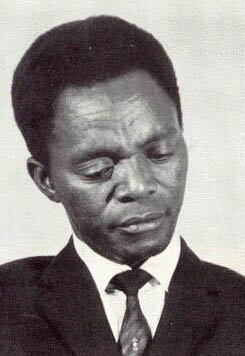
kayibandaGregoire Kayibanda ni we wari uyoboye Ishyaka riharanira Amajyambere y Abahutu.


Hari umuntu wavuze ngo nta gishya munsi y’izuba(Nihil Novo sub Sole). Ngo ibyo tubona byabayeho na mbere. Abandi kandi bemeza ko amateka ari umwarimu w’ibihe( Historia Magistra Vitae est). Iyo ufashe akanya ugasoma inyandiko aba Leaders b’Abahutu bandikiye Umwami mbere gato ya revolisiyo ya 1959 ikaza kwitwa manifeste des Bahutu,  usanga n’ubu hakenewe indi manifeste yakwita ku bibazo by’ihezwa bikomeza gukorerwa Abahutu no kubagira abagererwa mu gihugu bafiteho uburenganzira.

Ikindi kigaragara muri iyo manifeste ni ukwamagana imvugo yavugaga ngo bose ni Abanyarwanda, ngo ni imbaga y’inyabutatu ijya mbere kandi ari amayeri yo kubeshya ko nta vangura ryariho. Iyi tactic yakoreshejwe na FPR mu gihe cy’imyaka 20 kugeza ejobundi aho isanze amazi atakiri ya yandi itangira noneho kwemera ko Abahutu n’Abatutsi bari ho. Cyakora Abatwa bo ntibarakomorerwa barakitwa abasigajwe inyuma n’amateka.

Nawe isomere iyo manifeste umbwire niba hadakwiye indi isa nayo iviguruye.

Kanda hano  ibaruwa bashyikirije Umwami Ndahindurwa ubwe ,kuwa 07 Kanama 1959,


Chaste Gahunde

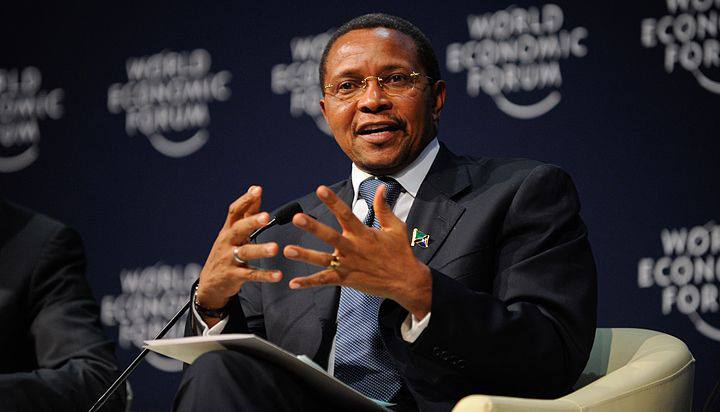
“Ntituzemera kwigizwayo muri EAC… Twatanze byinshi tutahara” Perezida Kikwete.

safe_image.phpNyuma y’iminsi ine Perezida wa Tanzania Kikwete atangaje aho igihugu cye gihagaze ku byerekeye umuryango wa Afurika y’uburasirazuba( East African Community), noneho Kenya yemeje ko izakora ibishoboka byose ngo Tanzania itongera gushyirwa ku ruhande nk’uko bimaze iminsi bigaragara. Avugira I Dar Es Salaam, Madamu Amina Mohammed, Ministri w’ububanyi n’amahanga wa Kenya, yavuze ko igihugu cye kitazongera kwemera ko Tanzania ihezwa mu biganiro  byo kwishyira hamwe kw’ibihugu bya Afurika y’uburasirazuba. Madamu Mohammed wageze I Dar Es Salaam mu ruzinduko rw’akazi rw’iminsi ibiri yavuze ko Kenya yakiriye neza ijambo rya Perezida Kikwete. Uru ruzinduko rufatwa n’abakora ubusesenguzi nk’ikimenyetso cya Perezida Kenyatta cyo gusana umubano hagati y’ibihugu byombi.

Yagize ati: “Kenya  yashimye ririya jambo. Twishimiye uku kureba kure ku muryango w’ibihugu by’Afurika y’Uburasirazuba” Madamu Mohammed kandi yongeye kwibutsa ko azi neza ko Tanzania na Kenya aribo batangiye uriya muryango.

Madamu Mohammed yavuze ko kandi ibi bihugu byombi biramutse bishyize hamwe aribwo bifite amahirwe menshi yo kugera kure bitewe n’amateka yabyo mu bufatanye muri Politiki no mu bukungu.

Kenya ni igihugu cya kabiri mu bishora imari nyinshi muri Tanzania nk’uko bitangazwa n’ikigo Tanzania Investment Centre.

Mu ijambo rye ryo kuwa kane tariki ya 7 Ugushyingo, Perezida Kikwete yabwiye Inteko ishinga amategeko ko Tanzania itazigera na rimwe iva muri uriya muryango, kandi ko izakora ibishoboka byose ngo irokoke imigambi mibisha yo gushyirwa ku ruhande ikorwa na Kenya, Uganda n’u Rwanda.

Yagize ati “ Turi muri uyu muryango kandi tuzawugumamo. Twavuye kure kugira ngo tugere aho turi. Twatanze ibitambo byinshi cyane ku buryo tutabihara ubu. Tuzakora ibiri mu bushobozi bwacu byose kugira ngo uyu muryango urokoke kandi ugere ku ntego zawo zo kwishyira hamwe muri politiki (Political Federation)”.

 Kikwete yagize ati: “Tanzania ifite ishingiro ryo kwibaza ku cyiswe ishyirahamwe ry’abashaka (the coalition of the willing)”. Yongeyeho ati “Twahuriye Arusha ku itariki ya 24 Mata uyu mwaka. Hashize amezi abiri barahura bemeza gushyira mu bikorwa imyanzuro twari twafashe kandi ibi babikora batantumiye. Iki ni ikimenyesto cyo gushaka kwigizayo Tanzania. Ni gute twakwishyira hamwe twigizanyayo?

Bwana Kikwete yavuze iri jambo nyuma y’uko aba perezida Kenyatta wa Kenya, Kaguta wa Uganda na Kagame w’ u Rwanda bakoze inama eshatu zose muri uyu mwaka iherula ikaba yarabereye I Kigali kuwa 28 Ukwakira aho abo baperezida bemeje gutangira gushyira mu bikorwa imishinga y’ibikorwa remezo, politiki ishyize hamwe no guhuza gasutamo, iyi ikaba ari imishinga uyu muryango wari warihaye gukora.

Madamu Mohammed yongeyeho ko bishimiye cyane ko Tanzania itazava muri uyu muryango ngo kandi guverinoma nshya ya Kenya hari ibintu yigiye muri ririya jambo rya Kikwete. Tanzania na yo mu ijwi rya  Minisitri Mmembe yavuze ko yishimiye uko Kenya yabyakiriye.

Uyu muryango watangiye kuzamo agatotsi ubwo Perezida Kikwete yabwiraga Kagame ngo ashyikirane na FDLR mu kwezi kwa gatanu uyu mwaka maze Kagame atangira gutukana. Uyu muryango wakiriye u Rwanda n’u Burundi nyuma y’uko Tanzania, Uganda na Kenya byo byari biwumazemo igihe kirekire. Abakora ubusesenguzi basanga n’ubundi uyu muryango utazagira imbaraga wari ukwiye kugira kubera kutumvikana kuri hagati y’ibi bihugu cyane cyane bishingiye kuri politiki z’imbere muri byo, keretse aba bayobozi nibihatira kugira ibyo bahara( sacrifices).

Abazi gusetsa bo bavuga ko aho Kagame ageze hose haba haraye ariko ko hatirirwa kubera amatiku ye cyane cyane ashingiye ku kwikunda no gukunda kwerekana ko ari we mu perezida w’igihangange muri Afurika. Ibi rero birakaza benshi ndetse harimo na Museveni utumva ukuntu kadogo yatoje yiha kumurusha ubunararibonye mu mitegekere. Mu minsi yashize Kagame yarakariye Kikwete ngo kuko Obama yemeye kumusura nyamara akanga gusura u Rwanda!

Kuri ibi hakiyongeraho ko kubera ibyaha by’intambara Kagame yakoze we aba ashaka gushyiraho politiki yo kumukingira ikibaba mu gihe aba Perezida nka Kikwete wa Tanzania na Nkurunziza  w ‘U Burundi bo nta kibi babarwaho.

Nyuma y’iri jambo rya Kikwete, benshi bakomeje kwibaza niba U Rwanda rugiye guhita rusezera muri EAC cyane cyane ko Ministri Mushikiwabo aherutse gutangaza ko igihugu cye cyasabye kongera gusubira muri CEEAC( Communauté Economique Des Etats de l’Afrique Centrale) cyangwa se ECCAS mu rurimi rw’Icyongereza. U Rwanda rwari rwavue ko rusezeye muri uyu muryango mu mwaka wa 2007 kubera ko rutashakaga kuba mu miryango myinshi maze ruhita rwinjira muri EAC. Ubu noneho se ubwo rushaka gusubiramo kandi ngo amahirwe akaba ari menshi yo kakirwa byaba bivuze ko ruhita risezera muri EAC? ni ko ikinyamakuru The Citizen cyandikirwa muri Tanzania cyibaza.

Chaste Gahunde

M23-RDC: Selon Lambert Mende, Kampala est à blâmer pour l’échec de la signature.

NDLR: Comme anticipé par certains observateurs, les pourparlers antre le M23 considéré comme cadavre et le gouvernment de la République Démocratique du Congo considéré comme fossoyeur, n’ont pas abouti. Raison, le facilitateur, selon Lambert Mende. Ministre Mende semble surpris. Mais à moins qu’il soit moins avisé, Mende devrait savoir que comme il est difficile d’enterrer son enfant, Kampala aurait du mal à voir le fossoyeur content d’avoir creusé pour le M23!

IMG_6393

Le porte-parole du gouvernement congolais, Lambert Mende, accuse la facilitation ougandaise d’être à la base de l’échec de la signature du document qui devrait sanctionner la fin des pourparlers de Kampala entre Kinshasa et les rebelles du M23. Au cours d’un point de presse tenu jeudi 14 novembre, il a expliqué qu’ « il était entendu clairement que le contenu à signer ne devait pas être un accord ».

Lundi 11 novembre, la RDC et le M23 devraient mettre un terme aux pourparlers de Kampala qui ont duré plus de dix mois. Les deux parties n’ont pas trouvé un compromis concernant l’intitulé du document à signer. Kinshasa est favorable à parapher « une déclaration » et non « un accord ».

Lambert Mende prend pour responsable de cet échec la facilitation ougandaise :

« La délégation du gouvernement a été surprise et choquée  de constater que la facilitation n’avait pas tenu compte du compromis qu’elle avait elle-même proposé au gouvernement selon lequel le contenu à signer ne devait pas être un accord ».

Selon le ministre de la Communication et Médias, le préambule du document lui-même ne tenait pas compte de la dissolution du mouvement du 23 mars.

« La facilitation n’avait pas tenu compte, dans le préambule du texte destiné à la signature, la déclaration de renonciation à la rébellion faite par le M23, ni du communiqué du gouvernement de la RDC prenant acte de cette déclaration du M23, comme si cela était contrariant pour elle », a-t-il souligné.

« On ne comprendra jamais pourquoi cela gênait les autorités ougandaises  de reconnaître que le M23 avait été militairement défait » a-t-il ajouté.

De plus, le porte-parole du gouvernement a souligné que la facilitation ougandaise n’avait pas tenu compte de beaucoup de points dont l’évolution de la situation sur le terrain des hostilités :

« Le M23 ne contrôlait plus aucune portion du territoire congolais et cette débâcle militaire du M23 rendait sans objet certaines dispositions préalablement convenues », a indiqué Lambert Mende.

Source:Radio Okapi

“Be ready for a horrific violence in Rwanda”: Charles Kambanda warns Kagame’s junta

196525_1769632394393_2098299_a

Charles Kambanda is known to have a deep critical thinking while analyzing issues that affect today’s Rwanda.Talking about Kagame’s command to all Hutus to apologize to Tutsis, Professor Kambanda via Facebook warns that …” when you have a minority armed group subjecting over 84% of the entire population to these evils, you can only expect such a country to burst into horrific violence any time”.

The following is his full message:

It is now Kagame Junta official position; the Hutu ( of any age, social or official status) must apologize to the Tutsi for the genocide. This was imposed to the nation from a Cabinet and high government officials’ retreat, chaired by Kagame. Questions: (1) Is the crime of genocide inherent in being a Hutu or like any crime, liability for the crime of genocide is personal? (2) Kagame has been telling the world that there are no Hutu, Tutsi or Twa in Rwanda. He abolished national cards bearing people’s ethnic groups. Where did he get this list of the Hutu who must apologize to the Tutsi for the crime of genocide? I hope Kagame’s friends, including President Bill Clinton and former UK Prime minister Tonny Blair who have been promoting Kagame, now realize how deceitful their buddy is!!!! Kagame’s deep seated hatred for the Hutu as a race is open to the world: (a) Kagame is a ” professional” at exterminating the Hutu like flies; he will always create a pretext for his evil intentions. (b) Kagame, under his apartheid-like junta has excluded the Hutu from participating meaningfully in the country social, political and economic life. He has created a second class citizenry of the Hutu; with no rights and freedoms. (c) Kagame has killed the common consciousness of the Hutu; he has convinced the world that the Hutu alone are responsible for the genocide and other crimes of international concern in Rwanda. This is wrong. Some Tutsi ( including Kagame himself) committed genocide and other crimes of international concern against the Hutu. True some Hutu committed genocide and other crimes of international concern against the Tutsi. As between the Hutu and Tutsi in Rwanda, Kagame is institutionalizing an ” evil vs. holy” relationship between the Hutu and Tutsi. On the one hand the Hutu are inherently evil who must apologize to the Tutsi for the genocide and its consequences ( whether they were born before or after the genocide). On the other hand, you have the ” holy” Tutsi – who are inherently holy, innocent and victims of the Hutu – who will be receiving and accepting apology from the evil Hutu!!!! . (d) Kagame is currently subjecting the Hutu, especially in rural areas, to forcible vasectomy. (e) Over 95% of people languishing in prisons are Hutu. (f) A big number of the Hutu in Rwanda is subjected to forced labour under what is officially called ( TIG); they provide free labor to ” communities” and government. For what? To compensate the Tutsi for the genocide and property destroyed during the genocide. (e) the Tutsi survivors and their relations have access to free education and health care. Their Hutu counterparts who were the victims of the the genocide and other crimes committed against some Tutsi are have no such opportunities… When you have a minority armed group subjecting over 84% of the entire population to these evils, you can only expect such a country to burst into horrific violence any time. Kagame’s PR agents, including President Bill Clinton, stand warned!!!! Dictatorship of the majority is as evil as minority dictatorship.

Tumenye neza intwari za Revolution ya 1959 : Nyakubahwa Grégoire Kayibanda.

 kayibanda

Nyakubahwa Grégoire Kayibanda ni muntu ki ?

Grégoire Kayibanda ni mwene Léonidas Rwamanywa na Caroline Nyirambeba. Yavukiye Tare, muri Commune Musambira Prefecture ya Gitarama mu majyepfo y’ u Rwanda kuwa 01 Gicurasi 1924. Amashuri abanza yayize i Tare (1932-1934) kandi ayakomereza Kabgayi (1934-1937). Naho ayisumbuye ayiga mu iseminari nto Saint Léon i Kabgayi (1934-1943). Kuwa 28 Ukuboza 1944 Kayibanda yinjiye mu Iseminari nkuru ya Nyakibanda, kugeza yiyemeje kuyivamo kuwa 15 novembre 1948, kandi agahagarika n’ibyigipadiri ahubwo akerekeza muby’ubwarimu. Yashakanye na Kayibanda Verdianne. Kuwa 20 Mutarama 1949 atangira umwuga w’ubwarimu muri « Institut Léon Classe » kugeza mu 1952. Ibyo kandi akabifatanyaga n’ubuzima busanzwe bwa buri munsi mu gukemura ibibazo binyuranye byari byugarije rubanda rugufi aho atuye. [Paternostre de la Mairieu (1994) 75].

Mu 1953 Kayibanda yoherejwe gukora i Kabgayi muri serivise yo gutegura no kunonosora infashanyigisho zijyanye n’igihe mu biro by’ubugenzuzi bw’amashuri. Guhera muri Kamena muri uwo mwaka kugeza m’Ukuboza 1954 Kayibanda yabaye umwanditsi w’ikinyamakuru « l’AMI».Kayibanda yifashishije itangazamakuru rero, yakomeje guhindura imitekerereze ya rubanda kandi ahindura n’imwe mumikorere y’ubutegetsi itari ihwitse muri icyo gihe. Urugero twatanga ni uko mu gihe itegeko ryabuzaga kwishyira hamwe cyane cyane mubikorwa bya politiki, Kayibanda we yasabaga ko uburenganzira bwo kwishyira hamwe mu m’Asosiyasiyo na Koperative bwahabwa rubanda kandi mu buryo butagabanuweho na gato. [Kayibanda Grégoire, “Notre rôle dans la cité” dans L’ami, n°114, janv.1954 nkuko byandukuwe na Paternostre de la Mairieu].

Ibyo byagize ingaruka nziza cyane mu mitekerereze n’imikorere ya politili. Amashyirahamwe menshi yaravutse kugera ku rwego rwo kuba Amashyaka ya Polilitiki. Hagati aho rero guhera Mu 1955 nibwo Kayibanda yavuye mu bugenzuzi bw’amashuri maze aba : President wa komite ncunga mikorere ya Trafipro (Travail, Fidélité, Progrès), umwanditsi mukuru wa Kinyamateka, yabaye kandi umunyamabanga wihariye wa «Monseigneur Perraudin », ndetse aba n’umwe mu bagize inama ngishwanama yaChefferie ya Marangara. Iyo myanya niyo yafashije cyane cyane Grégoire Kayibanda kumenyekanisha ibitecyerezo bye byiza. Kayibanda aha yari yaramaze kwiyunvamo umuhamagaro wo kuba umucunguzi wa rubanda rugufi nk’uko intego ye yabivugaga : Libertatem filiorum Dei : Tubohore Abana b’Imana.

Uwo muhamagaro kandi ugaragazwa n’amagambo basanze mu ikaye ye (carnet de notes), agira ati : « Mu gihugu aho rubanda ikorerwa ivangura rigaragara kandi ryizweho neza….nsanga kwibanda ku kintu kimwe gusa ntacyo byaba bimaze, ahubwo bidatinze nazasanga nange ntacyo ndicyo…mpisemo rero gukangura igihugu cyanjye kumenya ubushobozi kifitemo…maze nkabafasha kuvumbura ibyo ababakikije bakeneye, nkabasunikira kandi nkabingingira gutanga umusanzu wabo…ntekereza ko ariwo muhamagaro wange mu gihugu kikishakisha, kandi kikireba aho gikwiye guhagurukira hakwiye kandi vuba ». (Paternostre de la Mairieu 1994]. Murunva ko Kayibanda rero yabaye nkurahiye ko agiye gutanga ubuzima bwe bwose mu gufasha rubanda kwibohora.

Kayibanda arongera ati : « Chefu (président du Conseil de chefferie) anfata nk’umuntu warwanya ubutegetsi kandi bigaragara ko hari ukuntu antinya . Yamenyereye kwigirizaho nkana aba sushefu be, ariko njye sinemera amahame ye yose! Intekerezo zanjye zuzuyemo akarengane abantu banjye bagirirwa, kandi sinakwihanganira na gato ubutegetsi butakijyanye n’igihe kandi budashoboye.» Nasomye aya magambo anyibutsa ay’umukambwe Nelson Mandera, wavugaga ko iminyururu iri ku bantu be (abirabura) nawe iba imuriho, ko nta kindi yakora uretse kuyibabohora…kandi ko ari gahunda ndende yiyemeje kugeza ayisohoje cyangwa se kugeza abizize biramutse bibaye ngombwa.

Hari taliki ya 19 Nzeri 1962, Perezida J kennedy wa USa yakira Perezida Grégoire Kayibanda nyuma y’ubwigenge bw’u Rwanda.

Nk’uko bigaragara, Kayibanda yari umugabo utarebera akarengane ngo yituramire, cyangwa ngo yihutire gukemuraibibazo yifashishije inzira ihutaza, cyangwa se, isesa amaraso. Kayibanda yahangayikishijwe cyane n’ikibazo cya rubanda rugufi rwari rwiganjemo abo mu bwoko bw’Abahutu. Abo bari barambuwe uburenganzira bwose bw’ikiremwamuntu, ahubwo bagafatwa nk’ibikoresho. Umuhutu, ntaburenganzira ku mutungo, ku mutekano no kwishyira ukizana yagiraga,emwe no kubaho kwe byabaga ari impuhwe yagiriwe. Kwaka rero no guharanira uburenganzira mbonezamubano n’ubwa politiki n’ubundi bushamikiyeho, murunva ko byo byari inzozi.

Nyamara intwari Kayibanda yakomeje kwitegereza ako karengane kakorerwaga Abahutu kuva aho ubutegetsi bwabo bw’Abahinza butsindiwe n’ingoma nyiginya z’Abatutsi mu gisekuruza cya 15, asanga ataceceka. Nibwo kuwa 24 Werurwe 1957 Kayibanda yegereye bagenzi be aribo: Maximilien Niyonzima, Claver Ndahayo, Isidore Nzeyimana, Calliope Mulindahabi, Godefroid Sentama, Sylvestre Munyambonera, Joseph Sibomana na Joseph Habyarimana ariwe Gitera, maze basinya kandi batangaza kumugaragaro inyandiko bise « Note sur l’aspect social du problème racial indigène au Rwanda ». Iyo nyandiko yari igenewe Umwami Mutara III Rudahigwa hamwe n’abategetsi b’Ababirigi bakolonizaga u Rwanda. Iyo nyandiko yasobanuraga akarengane gakorerwaga rubanda rugufi ndetse n’inzira ako karengane kakemurwamo. Yasabaga by’umwihariko ko ibyiza by’igihugu bikwiye gusaranganywantavangura iryo ariryo ryose rishingiweho mu bana b’ u Rwanda. Iyi nyandiko rero yamenyekanye mu itangazamakuru nka Manifesite y’Abahutu, niyo yabaye intangiriro y’urugamba rw’Umuhutu mukwibohora ingoma ya cyami.

Kayibanda hagati aho, abifashijwemo na «Monseigneur Perraudin », kuwa 09 Nzeri 1957 yoherejwe mu mahugurwa ajyanye n’iby’itangazamakuru mu bwanditsi bw’ ikinyamakuru « Journal Vers l’avenir » cyandikirwaga mu Bubirigi.  Kayibanda yagarutse kuwa 08 Ugushyingo 1958, maze ahita akomereza imirimo ye muri Kinyamateka guhera tariki ya 25 Ugushyingo 1958. [Linden (1999) 325].

Twibutse ko muri Kamena 1957, mbere y’amezi 3 ngo Kayibanda ajye i Burayi, muri ya mahugurwa twavuze, yasize ashinze « Mouvement Social Muhutu» yashingiye programu yayo kuri ya Manifeste y’Abahutu. Hagati aho,Umwami Rudahigwa yaje gutanga kuwa 25 Nyakanga 1959, ikibazo kitarakemuka maze asimburwa na murumuna we wahawe izina rya Kigeli V Ndahindurwa kuwa 28 Nyakanga muri uwo mwaka. Impirimbanyi za Demokarasi zibwiraga ko nibura Ndahindurwa azanye amatwara mashya, niko kumwibutsa ubutumwa bwo guhindura ibintu mu nzira y’amahoro bwari bwarashyikirijwe mukuru we.

Nuko mu ibaruwa bashyikirije Umwami Ndahindurwa ubwe ,kuwa 07 Kanama 1959, bongera gusobanura akarengane k’abahutu ndetse berekana n’ibintu bikwiye guhinduka vuba na bwangu mu mitegekere y’igihugu. Mur’ibyo harimo: kwemera ko umuhutu agomba kugira uruhare mu mitegekere y’igihugu cye, gusaranganya ibyiza by’igihugu no gukuraho abategeka bose batabanye neza rubanda. Iyibaruwa yagaragaje rero urukundo intwali za Demokarsi zakundaga rubanda, yagaragaje kandi ukuri n’ubutwalibidashidikanywaho, aba bagabo bari bafite. Muri iyo baruwa baragira bati : «Ibyo duharanira ntitwabihejeje mu rwihisho twabyanditse mubyo amagazeti yise Manifeste y’Abahutu, twabibwiye umwami, twabibwiye Leta, twabwiye intumwa z’Ububirigi, ntitubihisha cyangwa ngo tubishyigikize inzangano no gusebanya. Duhinyura icyo tutabonamo amajyambere rusange y’Abanyarwanda bose tukavuga icyo twifuza ».  Iyo baruwa nayo yashyizweho umukono n’abayobozi ba ya Mouvement twavuze haruguru yaharaniraga uburenganzira bw’Umuhutu, aribo : KAYIBANDA Grégoire (Président Général), NIYONZIMA Maximilien (V/P Général), MURINDAHABI Calliope (Secrétaire général), SIBOMANA Joseph(Trésorier Général).

Reba:http://www.mdrwi.org/rapports%20et%20doc/documents/revolisio%2059/requete%20au%20mwami%20ndahindurwa.pdf

Kayibanda wari ukubutse Iburayi, yaritegereje abona ko ibintu bigeze iwandabaga kandi hakenewe impinduka mu Rwanda. Maze kuwa 19 Ukwakira 1959 ashingaga IshyakaPARMEHUTU (Le Parti du Mouvement de l’Emancipation Hutu). Iri shyaka naryo rikaba ryariyuburuye muri ya«Mouvement social Muhutu ».  PARMEHUTU yaje guhindura izina, yitwa MDR « Mouvement Démocratique Républicain »kandi yiyemeza kwigobotora ingoma ya cyami n’iya gikoronize maze hakajyaho ubuyobozi bushingiye kuri Demokarasi na Repubulika mu Rwanda. [Paternostre de la Mairieu (1994) 158].

Muri aya mahindura y’imitegekere, Umwami mushya Kigeli V Ndahindurwa yagaragaje ko ingengabitekerezo ya cyami idahinduka kandi ko agikeneye abahutu ho abagaragu, gusa yibagirwa ikintu kimwe ko « nta wahagarika rubanda yahagurukiye gukora revolusiyo ». Ibi tuzabigarukaho tuvuga iby’uko Revolisiyo yatangiye n’uko yagenze(1/11/1959- 01/7/1962).

Revolisiyo yarangiye Rubanda yerekanye imbaraga yifitemo. Reka twiyibutse aya mataliki y’ingenzi cyane :

*Kuwa 26 ukwakira 1960 habayeho amatora adafifitse yarangiye ashyizeho inteko na Leta by’agateganyo. Nyakubahwa Gregoire Kayibanda aba Ministre w’intebe naho Habyarimana Joseph Gitera ayobora Inteko.

*Ku wa 28 Mutarama 1961 i Gitarama habaye Kongere idasanzwe, ikuraho ingoma ya cyami( monarchie), ica Karinga n’izayo zose, itangiza ubutegetsi bushingiye kuri Repubulika : uwo munsi Nyakubahwa Dominiko Mbonyumutwa yatorewe kuba Perezida wa mbere.

*Ku wa 25 Nzeri 1961 habayeho amatora rusange yiswe Kamarampaka : rubanda ihamya bidasubirwaho ko yanze ubutegetsi butunzwe (ubwami) na Kigali , ko ishaka rwose ubutegetsi bushingiye kuri rubanda : nyuma y’ukwegura ka Mobnyumutwa , Geregori Kayibanda yatorewe kuba Perezida wa Repubulika, ashyiraho Leta yagejeje u rwanda ku bwigenge taliki ya 1/7/1962.

Nyakubahwa Grégoire Kayibanda wari wabaye Président wa Repubulika ya mbere, yongeye gutorerwa manda ya 2 mu 1965, na manda ya 3 ari nayo ya nyuma mu 1969.[Reyntjens (1985) 408].

Nyamara ariko ngo ntawe uneza rubanda kandi ngoubutegetsi buraryoha ! Nyakubahwa Grégoire Kayibanda waharaniye uburenganzira bwa Rubanda nk’uko intwari Nelson Mandela yaharaniye uburenganzira bw’Abirabura bari baratsikamiwe n’abazungu muri Afurika y’Epfo, yaje gukurwa mu mirimo ye kuwa 05 Nyakanga 1973 na kudeta yitiriwe Juvénal Habyarimana n’inshuti ze. Maze Nyakubahwa Grégoire Kayibanda bamugenera igihano cy’urupfu kuwa 26 Kamena 1974. [L’arrêté N° 0001/ 74/ CM de la cour martiale le 29 juin 1974]. Icyo gihano cyaje guhindurwamo gufungwa burundu maze Kayibanda avanwa muri Izari Rwerere aho yari yafungiwe, afungirwa iwe mu rugo i Kavumu ho muri Gitarama kuwa 11 Nzeri 1974, aho yatabarukiye nk’intwari Mahatma Gandhi, kuwa 15 Ukuboza 1976. [Pierre-Célestin Kabanda (2012) 292-294].

Harakabaho intwali za Repubulika.

Umutaripfana Venant Nkurunziza.

Tutsi Congolese? Decency commands to keep quiet.

north-kivu-areas-of-last-fightingsBy BK Kumbi

Mary Robinson said:

”I think there is a recognition that we need to deal with the deeper causes because underneath the rebel group M23 is real grievance of Tutsis who don’t feel at home in their own country, the Congo.

If I had the opportunity to talk to Mary Robinson, I would ask her why and how as Congolese we should take into consideration the grievances of people who do not belong to the Congolese nation?

The Tutsis and their partner in crime, US, GB, Canada and Belgium have continued to find reasons to justify the fact that they were on the Congolese territory. When the argument of the FDLR is not as effective as it should be, they use the argument of ”ethnic minority in danger”.

This argument was the basis for the invasion of Rwanda by the RPF in 1990, and the Rwandan militias, the RCD, CNDP and now M23 also seek to use it to justify their criminal adventure in the Congo.

Why this argument they are all trying to use is particularly misleading? These people and their allies rely mostly on the fact that ordinary people will not, for the most part of them, try to go look at what the official documents governing the issue of nationality say, namely the Constitution here?

As Patrick Mbeko discusses it in his work on Canada in the wars in central Africa, the Congolese constitution, all along in time and despite some back and forth, kept a principle , namely that of a single nationality. This means that when you are Congolese, you can’t hold another nationality.

This principle is enshrined in the Decree-Law No. 197 of 29 January 1999, initiated by Laurent Désiré Kabila to oppose Tutsi Rwandan conflicting inclinations and secure the way Congolese citizenship was granted.

The text of the law states the following in its second chapter:

” Shall be Congolese a person whose ancestors, at least one, who is or was, on the date of June 30, 1960, a member of one of the tribes settled in the territory of the Democratic Republic of Congo in its borders of August 1885, as amended by subsequent agreements.”

Patrick Mbeko also adds that on the 19th of December 2005, the latest version of the Congolese Constitution strengthens the decree of 1999. It says:

”Shall be Congolese persons belonging to ethnic groups whose people and territory constituted what became Congo (now DRC) at the Independence.”

The principle of single nationality laid down by the Congolese Constitution is completely inconsistent with the Code of Rwandan nationality of September 28, 1963, which states in Article 1:

”Shall be Rwandan any person born to a Rwandan father or the possession of Rwandan State is established. ”

Plus the Rwandan Organic Law N° 30/2008 OF 25/07/2008 relating to Rwandan nationality in the Article 6 says:

”Shall be Rwandan any person whose one of the parents is Rwandan,” is again inconsistent with Congolese Law related to Congolese nationality.

One sees in these articles how the legal norm bases (Congolese and Rwandan) citizenship on ius sanguinis (right of blood) but when the Rwandan Organic Law specifies that one can hold two nationalities, the Congolese Law says that one is allowed to hold a single nationality.

Unless the Tutsi Rwandans who claim to be Congolese have given up their Rwandan nationality, they cannot technically be Congolese. Looking back at history, one can assume that James Kabarabe, who was once chief of staff of the Congolese army, Laurent Nkunda (batware) who was welcomed in Rwanda after all the atrocities he has committed in the Congo or Bosco Ntaganda, have never renounced their Rwandan nationality and that their presence on Congolese soil has always been that of foreigners and we can probably say the same thing for Sultani Makenga.

One could further discuss the question of ethnicity and show how, again, Tutsis demands are based on a complete mystification. Counterfeiting history has become a favorite game in Paul Kagame’s Rwanda and one should not be surprised that its militias do the same in the Congo.

The so-called Congolese Tutsi well aware of what is stipulated in the Congolese Constitution often argue that they are an ethnic group called Banyamulenge. One who denied them this claim was … James Kabarebe, a Tutsi and not the least Tutsi! On August 22, 2002, the Chief of Staff of the Rwandan Patriotic Army (RPA), in front of thousands of people, students and teachers from the Free University of Kigali, (ULK) simply said that the Banyamulenge did not exist:

“The Banyamulenge do not exist. The alleged Banyamulenge are, in reality, Rwandans because, they speak the Kinyarwanda, and have Rwandan culture. Unfortunately, they are Rwandans opportunists and cowards.

If James Kabarebe notes that the ”Banyamulenge” people speak Kinyarwanda it is precisely because, and as Mbeko shows it, in Congo each ethnic group is defined, not necessarily by the geographic location it has invested but by the language it speaks and there is a territorial homogeneity in the way these languages are designated. Thus, the Bangala speak Lingala, the Bembe from Kivu speak Kibembe, the Baluba the Chiluba, the Bayanzi the Kiyanzi etc … But it is clear that the Banyamulenge speak neither Mulenge or kimulenge but Kinyarwanda. To this must be added that even the ethnic categorizations made by the Belgians in the Congo do not
state anywhere that there is a people called Banyamulenge.

If there is any truth to all this, it is that Rwanda and Uganda, supported by the United States, invaded Zaire in 1996. This invasion is merely the expression of an enterprise of destabilization that began well before the fall of Mobutu, when we Congolese offered hospitality to a Tutsi population in search of a haven. Today the lies must stop, facing the millions of lives that were lost, Ms. Robinson should keep quiet.

A Demilitarized Rwanda: From an Army with a State to a Nation without Soldiers

Contrary to Europe of the past, post-independence Africa has rarely experienced frequent wars of conquest since the 1960s. As Patrick H. O’Neil and Ronald Rogowski note in Comparative politics,  ‘Africa leaders recognized in the early 1960s that a potentially larger number of groups would want to secede from the states they are presently in, to join others or create entirely new ones. In order to prevent the continent from being thrown into the chaos of large-scale boundary change in which the stability and integrity of any state could be threatened, they created a system of explicit norms, propounded by the Organization of African Unity in 1963, which declared any change in the inherited colonial boundaries to be illegitimate.’ It has been almost fifty years now. With the exception of Eritrea separating from Ethiopia and Southern Sudan more recently, the principle of intangibility of African nations’ boundaries has generally prevailed.

There is a strong argument among scholars in political sciences which suggests that wars have generally played a significant role in state-building. Consequently, the lack of wars intended to change boundaries on the continent may be detrimental in getting to well organized states. In the case of post-genocide Rwanda the question arises of whether not participation of Paul Kagame, Rwandan president, in the two wars of Congo – 1996 and 1998 and persistently entertained hysteria about the threat of FDLR or any other Rwandan rebel movements against Kigali have somehow helped in enhancing the Rwandan state as an institution.

Rwanda is today hailed to be a well functioning state run like an army. There is numerous evidence to confirm that assertion. But the country is not unfortunately a nation-state with a sense of a common national identity. Policies related to education, justice, employment, habitat, land reform, etc that have dominated Kagame’s rule since July 4th, 1994 when his Rwandan Patriotic Front defeated Habyarimana government have made Hutus and Tutsis, respectively 85% and 14% of the Rwandan population alien from each others. Apparent gains in state-building which have been made in the last seventeen years can fall apart instantly and disappear because these two ethnic groups don’t feel sharing a common Rwandan identity. Tutsis are perceived to be more Rwandans than the rest and consequently treated more favorably by the regime in many respects.

A Tutsi army is ruling in Rwanda. Practically all institutions are led by military people, if not directly but surely indirectly. The Hutu population is marching on Kagame’s military orders. Tutsis are neither left out though they are following at a different pace. Under Habyarimana, who was also a military ruler, the country was initially led militarily but moved smoothly and quickly into more civilians participating in the running of public affairs, though there were no political openness in terms of freedom of expression. Under Kagame, Rwandans have an army with a government where military and other public functions are very intentionally intertwined to serve the supreme leader of the country.

Historically, what is the role of the army? Protecting a country against external enemies and making war to others. These are the basic functions of any traditional army. In addition there are characteristics which result from those roles. A country with an army may be perceived as weak or powerful depending on the level of sophistification of its military forces. Its responsibilities can also attract hatred against the country if its military power is being used to oppress its own people or those in directly or indirectly occupied territories of other countries (e.g. Morocco in Western Sahara and Rwanda in Eastern Congo).

The question arises of asking if a country can exist and prosper without an army. There are some cases of countries which don’t entertain any military forces for conquest purpose or at all: Switzerland with its long-standing neutrality does not get involved in armed conflicts, and Japan whose constitution states that the country does officially have no military, but only self-defense forces. With reference to what can emerge from countries coming out of wars, Germany and Japan, as vanquished sides of World War II, on top of being militarily speaking destroyed during the war, they couldn’t think of in the aftermath of rebuilding their military forces. They became occupied by victorious armies. They have since evolved and used their industrial and military genius to become economic giants. Their territorial protection is partially or significantly guaranteed by the fact they are part of military protection pacts which play as guarantor of their safety.

Can Rwanda become a country without an army? Are there any advantages of adopting such policy? Having or not having an army is a political decision that any sovereign country can take or sometime be forced into by circumstances. The destructive capacity that Rwanda has demonstrated over the last seventeen years (genocide in 1994, flows of millions of refugees in the Great Lakes region, more than five million of Congolese and Rwandan Hutu refugees killed in Democratic Republic of Congo, looting of mineral of the latter country, etc) should call the international community to impose to the Rwandan government that it shouldn’t have any army. Additionally, Rwandan security forces, instead of being there to protect citizens, it is regrettable to note that they have been persistently used to oppress, harass and persecute them.

The main advantage for a country of not having an army is that this removes any military threat coming from it towards other nations. Internal oppression against its own people may become less acute or inexistent because of lack of manpower, resources or instruments to apply it. There will be more freedom for its citizens to express themselves and participate fully in all aspects of their country’s life. Political leaders will not have any more platforms to sustain their eventual authoritarian or dictatorial tendencies. Resources usually and excessively allocated to security forces will be channeled into other beneficial programs (education, health, infrastructure, agriculture, technology, retraining the military whose careers would consequently change, etc) for the good of the whole population. There will be eventually more democracy than before.

Switzerland is a country with long-standing neutrality and a limited military force. It is very developed. Rwanda used to be compared to it because of its similar hilly and mountainous geography. Can the small East African nation like its European peer move from its current situation of an army with a government into a prosperous nation without a traditional army with thousands of soldiers? If this path could be seriously looked into by Rwandan politicians seeking positive change and the country’s partners, the benefits could ultimately outnumber the costs for many stakeholders of the prevailing context.

What do you think of the views expressed here?

Source:http://therisingcontinent.wordpress.com/2011/05/16/a-demilitarized-rwanda-from-an-army-with-a-state-to-a-nation-without-soldiers/

PDP-Imanzi vs FPR -Inkotanyi: Intambara ni nk’indi.

pdp-imanzi-rwanda-memoire-ibukaimages

                                                                                                                                                                                                                                                                                                                                                                                                                                                                                                                                                       Mu gihe Ishyaka PDP Imanzi rya Nyakubahwa Mushayidi Deogratias ryari rimaze iminsi ryemerewe gukora congres iritangiza ku mugaragaro, Kagame yategetse ko ubwo burenganzira bukurwaho. Ibi rero bitandukanye n’ibyo Kagame yari aherutse kuvuga ubwo yaganiraga n’urubyiruko mu mbwirwaruhamwe benshi bise Kirimbuzi, aho yategekaga abana b’Abahutu gusaba imbabazi z’ibyaha ba se na ba sekuru bakoze babishaka cyangwa batabishaka. Muri iyi mbwirwaruhame Kagame yavuze ko nta mpamvu yo kwangira ishyaka rya politiki kwiyandikisha, ariko yongeraho ko uzibeshya akavuga ibyo FPR idashaka kumva atazamenya ikimukubise. Ryari iterabwoba asanganywe, ariko Abanyarwanda ntibajya bafata bikino ikintu Kagame avuze kubera ko ibyaha by’ubwicanyi bw’urukozasoni yagiye akora byamuhaye igitinyiro nk’umuntu utagira umutima wa kimuntu. Ngo “ntawe utinya ijoro ahubwo atinya icyo barihuriyemo”.

Iri shyaka PDP-Imanzi ryashinzwe na Deo Mushayidi ryigaragaje ko ryavumbuye hakiri kare ko Kagame atigeze akunda Abatutsi kuva urugamba rwa FPR rwatangira. Uretse kubarasa no kubakubita agafuni kugira ngo abishinje ingabo za Leta ya Habyarimana (na zo ubwazo zanyuzagamo zikamerera nabi Abatutsi), Kagame ntiyigeze agaragaza kwita ku Batutsi babaga mu Rwanda. Kagame icyo yari yimirije imbere kwari ugufata ubutegetsi bwose akabugira ubwe, kandi yari aziko nta ntsinzi itagira ibitambo. “A vaincre sans périr, on triomphe sans gloire”( Uramutse utsinze utagize icyo utakaza, nta gaciro intsinzi iba ifite). Hari benshi bemeza ko Kagame  na we ajya avuga ko utarya umureti (omelette) utabanje kumena amagi.

Kagame akimara gufata ubutegetsi kubyina intsinzi byarushije kunamira abapfuye. Ibi na byo bikagaragaza ko atababajwe n’urupfu Abatutsi bapfuye. Ikindi cyiyongereyeho ni uko iyo witegereje usanga icyo Kagame yamariye abacitse ku icumu ari nta gaciro. Reka dufate urugero ku muntu wacitse ku icumu, aho gushishikarizwa kujya mu ishuri no gukora amahugurwa mu myuga izatuma abasha kubona akazi, ahubwo agahora yibutswa ko nta cyo ari cyo, ko nta cyo yakwimarira( n’ubwo yaba afite amaboko n’ubwenge byo gukora ). Aho kwigishwa kuroba ifi, ahubwo atozwa kwasama ngo Kagame asukemo umufa dore ko umunopfu uba wamaze kugera mu gifu cya nyakubahwa.

Mu myaka yakurikiye genocide wasangaga hirya no hino Abatutsi bahabwa imyanya y’ubuyobozi badashoboye. Aho kugira ngo habeho formule yo kubigisha ngo bagire competitivité, bakomeje kubeshywa ko ubutegetsi ari ubwabo, cyakora bagasabwa gupfukama bagasenga Kagame wabarokoye akabavana mu menyo y’Abahutu. N’uwarokowe n’umuhutu akigishwa ko yakijijwe n’Imana. Ibi nta wabihakana, ariko rero Imana ikoresha abantu. Ibi hari Abatutsi babyemeye ariko Deo Mushayidi ntibyigeze bimubuza kureba kure.

Hamaze igihe gitoya, Abatutsi batangiye kubona ibyiza by’igihugu bigenda byikubirwa n’Abatutsi baturutse muri UGANDA bazwi ku kabyiniriro k’Abasajja. Ubundi ijambo Omusajja mu rurimi rw’ Uruganda risobanura umugabo. Nuko abari barahawe imyanya barayamburwa basigara badafite icyo bimariye ubu abenshi birirwa basabiriza urwagwa none n’urutoki Kagame yararuciye. Tutirengagije ibyo tubona mu Rwanda ntawe utabona ko Abatutsi babaga mu Rwanda mbere y’umwaduko w’Inkotanyi babayeho nabi cyane mu byerekeye no kwiyumvamo ubushobozi n’icyizere cy’ejo hazaza.

Umuntu ashobora kubaho akennye cyangwa akeneshejwe ariko akaba  azi ubwenge azi kandi abona ko ibintu bishobora guhinduka isaha iyo ariyo yose akabaho neza bumuha imbaraga zo guhangana n’ibibazo ahura na byo. Abatutsi barokotse jenoside bo bahinduwe ibiburabwenge n’imburamumaro mu gihe badapfukamye ngo basenge FPR. Kubera icyunamo kidashira bahozwamo binjujijwe mu miryango nka IBUKA, AVEGA, AERG, CNLG, FARG n’izindi gahunda zinyuranye zikorerwa abacitse ku icumu gusa, aba bantu bahora mu ihahamuka, gutera imbere ntibishoboka kuko kuri bo buri munsi aba ari muri 1994. Muri make buri munsi bahora bapfushije. Abazi iby’ubuzima bwo mu mutwe (mental health) bemeza ko gahunda nk’izi Kagame na FPR ye bashyiriyeho Abatutsi barokotse jenoside zifite ingaruka mbi cyane kuko zigabanya ubushobozi bw’ubwonko kandi ibi bishobora no kugera ku bana bazabakomokaho.

Noneho igiherutse kwiyongeraho ni uko umwana w’umuhutu wese ngo agomba gusaba imbabazi. Madame Kagame na we yongeyeho gahunda ngo yitwa “Ndi Umunyarwanda” ngo igamijeko abantu bavuga amateka yabo. Wareba ugasanga abategekwa kuvuga ari Abahutu kandi ubutumwa batanga bukaba bugomba kwerekana ko Leta y’Abahutu ariyo yatumye mu Rwanda inka zidakamwa ayera. Nta wemerewa kuvuga uko FPR yamurasiye abayeyi muri Congo, nta wemerewe kuvuga uko umubyeyi we yafunzwe imyaka myinshi abeshyerwa, nta wemerewe kuvuga ko yavuye mu ishuri kuko atabasha kubona umwanya w’ishuri kuko ahorana indo ku mutwe agemuriye Nyirasenge ufunzwe aregwa kutavuga rumwe na Kagame,… Nategereje ko muri izi gahunda za Madame Jeannette zavugirwamo n’amateka mabi yaranze ingoma zabanjirije iz’Abahutu, amateka ya FPR agafuni n’akandoyi, ubwicanyi Kagame yakoze ndetse n’ubwo abandi batutsi bakoze ku mirenge hirya no hino haba mu gihe cya jenoside na nyuma yayo. Ibi na none bigirira nabi Abatutsi kuko batangira kwishyiramo ko koko nta ho bahuriye n’Abahutu kimwe n’ababakomokaho. PDP Imanzi yo ishaka ko Umuhtu n’Umututsi baganira amashirakinyoma, barangiza bagasurana bagaturana, bagasabana bagatabarana.

download (2)

Deo Mushayidi yahanishijwe igihano cyo gufungwa burundu kuko yashatse gufungura amaso y’Abatutsi

Kuba PDP Imanzi yarashinzwe n’Umututsi wabaga mu Rwanda kandi akagaragaza amayeri Kagame akoresha kugira ngo yigarurire Abatutsi bacitse ku icumu, ni impamvu ikomeye yatuma iri shyaka ridahabwa uburenganzira bwo gukora. Riramutse ryemerewe gukora mu bwisanzure, Abatutsi bose basobanukirwa uburyo FPR ariyo nyirabayanzana w’amabi yagwiriye u Rwanda, kandi ko Umuhutu n’Umututsi bashobora kubana buzuzanya ako kubana baryana. Birasaba ubushishozi bwinshi kugira ngo Umututsi warokotse jenoside yumve ko ashobora kubaho FPR itariho, nyamara ni ukuri. Cyane cyane muri iyi minsi ya nyuma ya FPR, ni ngombwa ko buri wese ahitamo inzira nyayo ikwiye, kuko bimaze kugaragara ko kuba muri iri shyaka ryiyita umuryango ari nk’uwabona igiti bagitema akacyurira ngo arahunga urupfu kuko agumye hasi cyamugwira. Uyu arutwa n’inyoni kuko ngo izizi ubwenge iyo zibonye ibyo biba zitangira kwigurukira.

Uko byagenda kose PDP iramutse idatatiye umurongo wayo yazahangana na FPR kugeza Yesu agarutse ku isi.

Chaste Gahunde

Harmonization before EA Federation – RWANDA, UGANDA & KENYA youth.

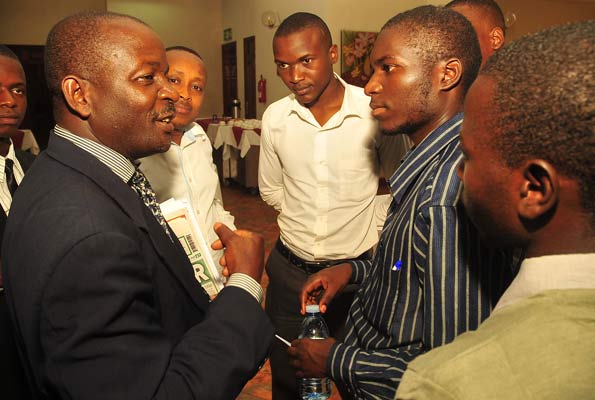
home05pixMakerere University head of Political Science and Public Administration department, Dr Simba Ssali (L), chats with some of the youths after the East African Community youth convention on EAC integration in Kampala recently.

Kampala- Uganda should first restore presidential term limits or forget about the East African federation, youth from East Africa have demanded.
The youth, comprising mainly students, argue that a federation with a country that scrapped off term limits in 2005 would be, “a suicidal move to associate with politically dishonest and unprincipled people”.

They were speaking at a three-day East Africa Community youth convention on East African integration in Kampala yesterday.

Mr Brian Atuheire, a third year student at Makerere University, said Uganda is the main culprit, you cannot tell how power will shift hands.

“As youth, we are demanding that the political questions be put on the table and honest answers given. We don’t want to go into an EAC that will be in shambles,” Mr Atuheire, said.

Mr Juma Omollo, a Kenyan student, called on East African states to first address the political issues.

“Rwanda has two seven-year term limits. They must harmonise those constitutional differences and learn from Kenya and Tanzania, otherwise that will disorganise us in the federation,” Mr Omollo, said.

The more than 100 youth also sounded alarms to Uganda, Kenya and Rwanda in what they termed a ‘tactical move to kill the EAC’.

“Killing the integration by sidelining Tanzania and Burundi is utter selfishness which must end,” Rwanda’s Mr Gashegu Muramira, a former youth ambassador to the EAC, said.

Dr Ssali Simba, the head of political science department at Makerere University advised the students to abandon tribal associations at universities as they don’t augur well for the integration.

“Identity is part of our lives. However, there is no specific problem affecting a Musoga, Muganda or Kikuyu differently. The problems affecting youth in East Africa cut across tribes. Focus on the bigger picture as East Africans rather than these small tribes that divide us,” Mr Simba, said.

Reacting to the youth’s fears that political disparities do not augur well for the federation, Mr Simba said: “Partly yes, partly no. In integration, there are issues that need harmonisation. Governance structures like term limits are extremely dangerous if some states observe them and others don’t. They have to agree on that or else the system won’t function well.”

Mid last month, experts from the East African Community member states convened a two-day forum to draft a constitution for the political federation to guide the future constitution making process which will be presented at the next Heads of State summit.

Source:http://www.monitor.co.ug/News/National/Youth-to-government–Do-not-join-EA-federation/-/688334/2063180/-/fhnxp2/-/index.html