Category Archives: Africa

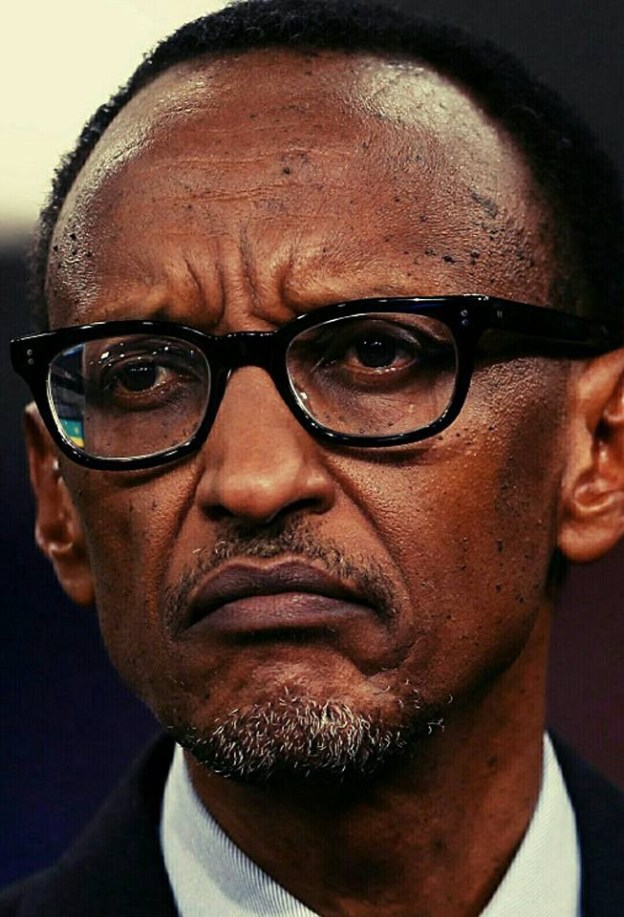
The time for US timidity is over: Rwanda should meet Magnitsky

As I write this, Paul Rusesabagina, the real-life hero of the Oscar-nominated film “Hotel Rwanda,” has been unjustly imprisoned in Kigali, Rwanda, for more than 280 days. In all that time, the administrations of two American presidents have failed to make so much as a statement in support of this humanitarian, who also happens to be a U.S. Permanent Resident and a recipient of the Presidential Medal of Freedom. 

Rusesabagina, an outspoken critic of Rwandan President Paul Kagame, had no intention of going back to his native country. He publicly stated on several occasions that he could not return for fear of retribution. Nevertheless, that is where he found himself last August, when an associate secretly working with the Rwandan government tricked him into getting on a private jet he thought was bound for Burundi. Instead, the plane landed in Kigali, Rusesabagina was held for three days incommunicado, and finally reappeared handcuffed and in the custody of the Rwanda Investigation Bureau (RIB). 

This was a textbook case of enforced disappearance, a clear violation of Rusesabagina’s basic human rights and of the United Nations’ International Convention for the Protection of All Persons from Enforced Disappearance. Put in simpler terms, Rusesabagina was kidnapped. 

These events prompted some outrage among human rights groups and certain lawmakers in the U.S. and Europe, as it well should. But the deafening silence from official government channels has drowned out the chorus of voices calling for action. And what has that silence enabled? More than just the continued abuse and imprisonment of a Belgian citizen and U.S. Permanent Resident, as in the case of Rusesabagina. It has created a template for other dictators and apparently has given them carte blanche to use increasingly audacious methods to capture and arrest their most vocal critics. 

Consider what just happened in Belarus, where President Alexander Lukashenko used military jets to divert – some say hijack – a flight carrying 26-year-old dissident journalist Roman Proasevich, so that he could be arrested and thrown in jail. Only days after this incident, Russian President Vladimir Putin decided to try his own “airplane ploy” and had opposition leader Andrey Pivovarov hauled off an outgoing flight at St. Petersburg Airport.

The Belarusian event took place on May 23; in less than a week, the United States had raised its travel advisory for Belarus to a level 4, “Do not travel” warning and had announced forthcoming sanctions on Belarusian officials involved in the incident. All these actions were warranted and well justified. But it’s worth noting that it took no more than a few days for the U.S. to spring into action and censure Belarus on behalf of a Belarusian national; Rusesabagina, who renounced his Rwandan citizenship in 1996, has languished in prison for the better part of a year without any meaningful action from the countries he calls home.

The U.S. silence in the case of Paul Rusesabagina, and its unwillingness to call Rwanda to account for its human rights abuses, undoubtedly has much to do with the status of President Kagame as the so-called “darling tyrant.” Some hold him up as a paragon of democratic leadership, even against an ever-growing list of critics who have been forcibly disappeared, imprisoned or killed. But the time for timidity is over – we have seen its fruits in Belarus and Russia – and the U.S. no longer can afford to turn a blind eye to Rwanda’s crimes. 

For this reason, the Lantos Foundation for Human Rights & Justice has filed a formal submission to the State Department and Department of Treasury urging Global Magnitsky sanctions to be imposed on two Rwandan officials reportedly complicit in Rusesabagina’s kidnapping: Justice Minister Johnston Busingye and head of the RIB, Col. Jeannot Ruhunga.

Proving culpability in human rights abuses, such as an enforced disappearance, can be challenging. But in this instance, the Rwandan officials named in the sanctions submission have made it surprisingly easy to prove their guilt. Busingye admitted during a televised interview that the Rwandan government paid for the private plane that took Rusesabagina from Dubai to Kigali. Ruhunga not only made public comments about the unilateral “operation” carried out by the RIB (after initially, and falsely, claiming that the arrest was made with international cooperation), but he also was named in the sworn affidavit of Rusesabagina’s jailhouse testimony as one of only two people who had contact with him in an unknown facility during the three days between the flight leaving Dubai and the public news conference announcing the arrest in Kigali.

Rusesabagina faces terrorism charges in a show trial that began in late January and is ongoing. I mention this almost in passing because the charges, which I believe to be trumped up by Kagame and his supporters, are immaterial to this indisputable fact: Paul Rusesabagina was brought to Rwanda illegally under international law. Any individual, government or organization that truly values human rights and the rule of law must recognize this fact and acknowledge that whatever follows Rusesabagina’s kidnapping – the charges or any eventual, predetermined, conviction – is simply fruit of the poisoned tree. 

It is beyond time for the United States to stand up and lead on behalf of a man who once risked his own life to save more than 1,200 people amid the horror of the Rwandan genocide. It is beyond time to put President Kagame on notice that Rwanda’s free pass on human rights abuses has finally, and deservedly, expired. It is time to use targeted Magnitsky sanctions – one of the most potent and powerful tools for human rights – to hold accountable the men responsible for kidnapping Paul Rusesabagina.

Thehill.com

Katrina Lantos Swett, Ph.D., J.D., is president of the Lantos Foundation for Human Rights & Justice. She is a human rights professor at Tufts University and the former chair of the U.S. Commission for International Religious Freedom. Follow her on Twitter @LantosSwettK.
Global Magnitsky sanctions called against Rwandan Justice Minister and investigation chief

Lantos Foundation Calls for Magnitsky Sanctions in Paul Rusesabagina Case

FORMAL PETITION FILED FOR U.S. ACTION AGAINST RWANDAN OFFICIALS COMPLICIT IN HIS KIDNAPPING


June 7, 2021 – The Lantos Foundation for Human Rights & Justice today announced that it has filed a formal submission to the U.S. Department of State and U.S. Department of Treasury recommending Global Magnitsky sanctions against Rwandan Justice Minister Johnston Busingye and head of the Rwanda Investigation Bureau (RIB) Colonel Jeannot Ruhunga for their role in human rights violations committed against Paul Rusesabagina – namely his extraordinary rendition and kidnapping in August 2020.

Paul Rusesabagina, the real-life hero of the Oscar-nominated film Hotel Rwanda and a Presidential Medal of Freedom awardee, was lured to Rwanda last August by an associate secretly working with the Rwandan government. Rusesabagina, a Belgian citizen and U.S. Permanent Resident, has been an outspoken critic of Rwandan President Paul Kagame, who human rights organizations, journalists and policymakers have increasingly characterized as a brutal dictator. Rusesabagina had stated publicly on several occasions that he could not return to his native country for fear of retribution, and last August he believed he was traveling from his home in Texas to a speaking engagement in Burundi. The private jet he boarded after a layover in Dubai in fact transported him to Kigali, the capital of Rwanda, whereupon he was disappeared for three full days before reappearing in the custody of the RIB.

It can sometimes prove difficult to build a case that establishes government officials’ direct involvement in and responsibility for human rights abuses. However, in the case of Paul Rusesabagina’s kidnapping, the complicity and responsibility of both Busingye and Ruhunga is crystal clear. Minister Busingye admitted during a televised interview on Al Jazeera in February 2021 that the Rwandan government had paid for the plane that transported Rusesabagina, without his knowledge, to Kigali. Likewise, Colonel Ruhunga, as head of the RIB, not only oversaw the operation to kidnap Rusesabagina but was also named in a recent jailhouse transcript as one of two people who visited Rusesabagina when he was held incommunicado in an unknown location during the three days between the time he was kidnapped and when he was presented in handcuffs in Kigali.

“For too long, the appalling actions of the Rwandan government under the leadership of Paul Kagame have gone without consequence,” said Lantos Foundation President Dr. Katrina Lantos Swett. “In this instance, there is unequivocal evidence that Minister Busingye and Colonel Ruhunga violated the basic human rights of a humanitarian hero. A strong response by the United States is fully warranted and anything less would only embolden the Rwandan government to continue its abuse.”

The Lantos Foundation’s submission to State and Treasury presents the overwhelming evidence that these two individuals can and should be held responsible for Rusesabagina’s kidnapping – a clear violation of the United Nations’ International Convention for the Protection of All Persons from Enforced Disappearance. The submission calls for the United States to hold Busingye and Ruhunga to account for this violation by imposing Magnitsky sanctions on them. The submission was simultaneously transmitted to officials in the United Kingdom and the European Union for consideration of their own respective sanctions.

Tragically, Paul Rusesabagina is not the first critic of the Rwandan government to find himself in this situation – or one that is even worse. Over the past several years under President Paul Kagame, the Rwandan government has demonstrated an alarming pattern of subjecting its critics to a range of gross human rights violations, including enforced disappearance, imprisonment and extrajudicial killings. Indeed, the Lantos Foundation’s submission includes an attachment that details numerous chilling examples of what has happened to a long string of Kagame’s opponents, among them Patrick Karegeya (assassinated in South Africa), Boniface Twagirimana (disappeared from Rwandan prison), Kizito Mihigo (died in Rwandan prison) and many others. Rwanda bills itself as a vibrant democracy and an inspiring success story, but its repeated and increasingly bold-faced efforts to stifle any form of dissent tell the story of a country that has descended deep into authoritarian rule.

Dr. Lantos Swett said, “The United States was quick to announce its intention to sanction Belarusian officials involved in diverting a commercial airline for the purpose of arresting a prominent Belarusian dissident. Yet, there has been shockingly little action from the U.S. in terms of censuring, let alone holding accountable, the individuals responsible for the unlawful kidnapping of this courageous man: a U.S. Permanent Resident who received our nation’s highest civilian honor and whose story has inspired millions of people around the world. The U.S. government has an important opportunity to right this wrong by moving to impose Magnitsky sanctions on Minister Busingye and Colonel Ruhunga. We must take action now – failure to do so may send the message that the Rwandan government has carte blanche to trample on the rights of Paul Rusesabagina. The consequences of such a message could be tragic and fatal.”

The Lantos Foundation filed its formal submission on May 18, 2021.

###

About the Lantos Foundation for Human Rights & Justice:

The Lantos Foundation was established in 2008 to carry forward the legacy of Congressman Tom Lantos, the only Holocaust survivor ever elected to the U.S. Congress and a leading human rights champion. The Foundation works with a range of partners and often in cooperation with the U.S. Government on issues that span the globe. The Foundation’s key areas of focus include human rights issues related to religious freedom, rule of law, internet freedom and activist art. The Foundation also administers the Lantos Congressional Fellows Program, supports human rights advocates, activists and artists through its Front Line Fund grant program, and awards the annual Lantos Human Rights Prize to honor and bring attention to heroes of the human rights movement. Past recipients of the Prize include His Holiness the Dalai Lama, Professor Elie Wiesel, Israeli President Shimon Peres, Iraqi Parliamentarian Vian Dakhil, “Hotel Rwanda” hero Paul Rusesabagina, and Hong Kong Democracy activist Joshua Wong, among others.

Australian citizen asks for UN’s help to locate missing brothers in Rwanda

An Australian citizen is lodging a complaint to the United Nations over the disappearance of his two brothers in Rwanda.

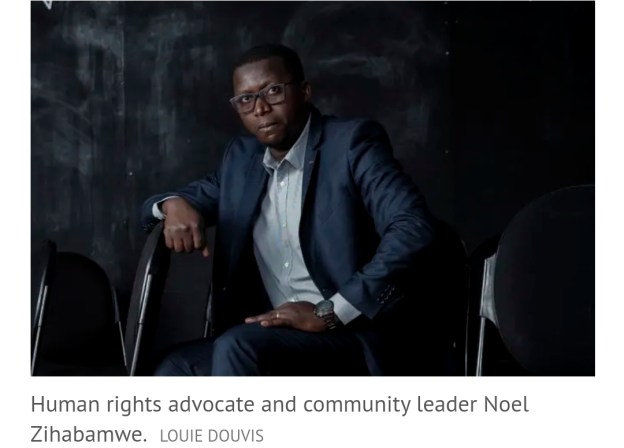
The complaint is being filed by Noel Zihabamwe and has gained the support of human rights barrister Jennifer Robinson, an Australian who is based in London. It also has the backing of the Australian Human Rights Institute at the University of NSW.

Human rights advocate and community leader Noel Zihabamwe.
Human rights advocate and community leader Noel Zihabamwe.CREDIT:LOUIE DOUVIS

The complaint to the United Nations Working Group on Enforced and Involuntary Disappearances over the disappearances of the two men in Rwanda in 2019 alleges their plight represented a violation of basic human rights under the International Covenant on Civil and Political Rights.

Ms Robinson said the UN was being asked to intervene with Rwanda to help locate Mr Zihabamwe’s brothers. Mr Zihabamwe moved to Australia on a humanitarian visa in 2006. He is now an Australian citizen, a human rights advocate, and a member of Sydney’s Rwandan community.

“For too long, Noel and his family have been suffering with the mental anguish of not knowing the fate of his brothers, Jean and Antoine – they simply don’t know if they are still alive or whether they are being unlawfully detained,” she said. “The circumstance of their disappearance suggests there was involvement by the Rwandan state but Noel’s inquiries with Rwanda have so far been met with a wall of silence.

“We are now asking the United Nations to intervene with Rwanda to assist us to locate Jean and Antoine so that Noel and his family can know the truth and, if possible, so that we can take the appropriate action to ensure their safety and liberty.”

Australian independent law firm Corrs Chambers Westgarth is also acting on Mr Zihabamwe’s behalf.

As reported in the Herald last year, Mr Zihabamwe alleges he was approached by representatives of the Rwandan government in 2016 in an effort to recruit him to become an agent of influence for them in Australia. His brothers went missing a month after he shared his story anonymously with the ABC in August 2019.

Mr Zihabamwe has alleged his brothers were abducted by Rwandan police while on a bus in an Eastern Province of Rwanda. He said the men have not been seen since their disappearance.

“I approached the Rwandan police and Rwandan Investigative Bureau in relation to the disappearance of my brothers, however, the Rwandan government continues to deny their abduction,” he said.

The High Commission of the Republic of Rwanda in Singapore has strongly denied Mr Zihabamwe’s claims about his missing brothers as “baseless” and accused him of trying to discredit the government of Rwanda.

In a statement, the High Commission said: “Rwanda remains committed to the safety and wellbeing of its citizens”. “We continue to work tirelessly for the betterment of Rwandan citizens at home and abroad, with the support of the overwhelming majority of all Rwandans,” the statement said.

Justine Nolan, the director of the Australian Human Rights Institute said many enforced disappearances had been reported in the African nation since the Rwandan Patriotic Front came to power around 1994.

A NSW Police spokesman has said the alleged threat against Mr Zihabamwe was initially investigated by North Sydney police who sought advice from the protection operations unit, counter terrorism and special tactics command. It said a prosecution could not be pursued for diplomatic reasons. A DFAT spokesman has said the Australian government took the alleged threats made towards an Australian citizen seriously.

Anna Patty

Musubize inkota mu rwubati.

Iyi nyandiko nyihaye umutwe ukarishye kuko ibyo maze igihe mbona birakarishye. Ndavuga ku bintu bibiri bibabaje, itotezwa rya Madame Kayisire Clarisse tumenyereye nka Mukundente n’ifungwa rya Karasira.

Kayisire Clarisse Mukundente Ariane

1. Kimwe n’abandi nasomye inyandiko zibasira Madame Clarisse Kayisire zimuziza ko yavugiye Karasira ndetse n’abandi. Nta magambo yandi nzivugaho uretse kuvuga ko zigayitse. Ziragayitse kuko zibasira umuntu mu buzima bwe bwite zikanavanga abo mu muryango we mu myumvire ye kandi atari umwana muto ukigendera ku mabwiriza y’abandi. Ibyemezo ni we ubyifatira, agashima ibyo ashaka akagaya ibyo ashaka nta muntu abajije. Kuvanga umuryango we wa hafi n’uwa kure mu mpaka z’imyumvire ye bwite biragayitse rero. Ikindi gituma mbona ko zigayitse, ni uko aho kwibasira ibitekerezo bibasira umuntu kandi nkaba mbona hari ababigize akamenyero. Niba umuntu akubwiye ko ukora nabi kuki wihutira kumubwira ko bene wabo bakennye? Ubukene bwabo buhuriye he n’ibyo akunenga? Arakunenga se ngo ubakize? Ikindi mbona abanyarwanda dusa n’abagize igikangisho ni ugucyurira umuntu ko akomoka mu bakene. Uretse n’umuntu ku giti cye n’u Rwanda rurakennye. Gucyurira umuntu rero ko iwabo bari bakennye ni nko kurega ko atavukanye amenyo kandi twese tuyamera dukuze.
Izi nyandiko ziragayitse na none kuko zitwaza ko zamagana abahakana génocide, icyaha ndengakamere ariko zikibasira abayirokotse zibashinja kuyipfobya. Nsanga bimaze kurambirana, ndetse bitangiye no kuba umuco mubi, ko abantu bibasira abandi bapfa génocide. Génocide ni iki cyiza kirimo cyatuma tuyiziza abantu batayikoze, inyungu tuyifitemo ni izihe koko ? Izo ntambara zo kurengera génocide zitangiye kugaragara nka slogan zikwiye guhagarara. Génocide yarabaye iba izuba riva ihitana abantu. Kuvuga uko umuntu abibona ntabwo bibujijwe, amateka si amahame ya Bibilia kandi abantu bose ntibarokokeye ahantu hamwe ku buryo ibyo wabonye ari byo naba narabonye. Nitworoherane rero tureke gupfa génocide nta cyiza kirimo. Ngo bayipfobeje? bayibujije agaciro? Uretse ubugome bwayiranze akandi gaciro génocide ikwiye ni akahe koko uretse kwamaganwa ngo ntizasubire? Ibi bitotezo twagize ihame se ahubwo si byo bimenyereza abantu kwica abandi nk’ibintu bisanzwe ? Iyo bamenyereye kwica se hari icyo baba bagitinya? Uzi ko inyandiko nk’izi zibasira abantu ahubwo zihembera irari ry’ubwicanyi cyane cyane iyo zandikwa ntihagire uzihanirwa? None se kuvuga ko utemeranwa n’abafunga abantu babarega ibyaha bidasobanutse byitwa gushyigikira ipfobya? Jye nkeneye ko hajyaho ahubwo itegeko rihana abakoresha génocide nk’igikinisho n’igikangisho kuko ni ukwirengagiza ububi bwayo.
Mbabazwa cyane n’uko hari abandika biriya tuziranye cyane cyane ababishyira mu binyamakuru. Mbabazwa n’uko mbazi ari inyangamugayo kera nkaba mbona bakura basubira inyuma mu myumvire. Nanjye ndamagana abahungabanya ubwenge bwabo bakabamanura, ngo aho kurwana n’ibitekerezo bajye barwana n’abantu. Mpumurije Clarise Mukundente mubwira nti ihangane biriya ababikora na bo ubwabo ntibiyizeye n’ikimenyimenyi bamwe ntibigaragaza. Sinirengagiza n’ababiri inyuma bashobora kuba bari na bo mu bo duhura umunsi ku wundi. Nabakangurira kubanza gutekereza ko na bo bafite ubuzima bwite buzwi kandi kuba abantu batumvikana na bo muri politiki babuceceka si iyindi mpamvu ni uko babasumba bagatera umupira aho gutera umurundi.

2.Ngaruke kuri Karasira umaze igihe afunzwe. Karasira batangiye bamurega guhakana génocide no kuyiha agaciro n’impamvu ( justification) .

Nyuma bamureze ko ngo bamusanganye amafaranga adashobora gusobanura aho ava. Ku cyaha cya mbere ndagira ngo nibutse abafunze Karasira ko bari mu batumye Karasira avuga n’ubwo ntarwanya ko umuntu avuga. Bamwambuye akazi yakoraga kandi ashoboye bimuha umwanya. Icya kabiri na none ntekereza ko kuba FPR yariciye Karasira ababyeyi ari umututsi bitakagombye kumubuza kuba uwarokotse génocide. Kuba system yaramuvukije uburenganzira bw’abandi bana barokotse biri mu byatumye ayizinukwa kandi birumvakana. Sinumva impamvu FPR itagira ubutwari bwo kwemera ko mu ntambara yayo hari abantu b’abasivili bayiguyemo barimo n’abatutsi kuko ntibarasaga amashaza nk’uko basanzwe babivuga. Si ngombwa ko ntanga ingero ariko umuryango wa Karasira Karaveri si wo wonyine w’abatutsi baba barazize amasasu ya FPR. Bisaba iki FPR kubyemera ko ari ibintu byabaye izuba riva ahubwo igafasha imfubyi zasigaye? None se kuba Karasira avuze ko yanga FPR n’abayobozi bayo byagombye kugira uwo bitungura? Kumutera umutima mubi hejuru y’agahinda afite se byungura iki FPR? Kumufunga akaborera mu munyururu se kandi na we ubwe avuga ko afite dépression bimaze iki? Kuki se bagejeje iki gihe bataramuvuza hari uwababwiye ko kumufunga ari wo muti? Icya mbere cyagombaga gukorwa ni ukuvuza Karasira no kumufasha kuba mu buzima busanzwe kimwe n’abandi ba Karasira kuko ni benshi mu gihugu bari mu buzima nk’ubwe. Kumufunga ni nko gufata umwenda uriho ikizinga, aho kuwumesa, ugakata ahari ikizinga ugasigamo umwenge.

Karasira Aimable

Ubu noneho ngo basanze afite amafaranga menshi. Amake se ni angahe amenshi ni angahe? Karasira ko bamwirukanye ku kazi, aba rescapés bakishyira hamwe bakamutabara, bwacya n’abanyarwanda muri rusange bakishyira hamwe bakamukusanyiriza amafaranga ngo abeho, ibyo aho gushimisha leta byayibabaza? Mu kanya muti twakiriye miliari 200 za diaspora ubundi muti Karasira afite amafaranga menshi? None se icyo bashaka ni iki? Abanyarwanda bari hanze bahagarike serum batangaga iruta kure inkunga ya Union européenne ku mwaka? Ubu se hari uyobewe ko benshi mu banyeshuri biga i Rwanda ku bufasha bw’abanyarwanda bari hanze? Hari uyobewe ko hari imiryango iteka ari uko umuvandimwe aboherereje bibiri cyangwa bitatu? Karasira se we kuki atabyemerewe? Kuko ari nyakamwe?

Nifuzaga kubwira abagifite amatwi yo kumva, baba babiri baba batatu, ko gutera abantu umutima mubi nta nyungu bakwiye kubibonamo. Nkanababwira ko niba koko bakunda ubutegetsi bakwiye gushishoza mu byo bandika babwira abandi banyarwanda kuko uko byamera kose u Rwanda ruri imber ni urwa twese mu mahoro n’ihumure. Iyi ntambara yo gutoteza abantu ibaziza ko batekereje rero , aho kububakira umutamenwa irabasenyera ibavane n’aho bari bahagaze kandi nta muntu wifuza ko kiriya gihugu cyongera gusandara. Kuko buri wese muri bo afite ubuzima bwite kandi urubyiruko rubisoma ruzabyigana na bo rubibasire. Ni nde uzarokoka? Ni ikihe cyizere abantu bazongera kubagirira? U Rwanda rw’amazimwe ruzagera ku majyambere bwoko ki? Nyamara kubaho ni ukubana tujye tubyibuka kandi kubana bisaba kubahana.
Imana irinde u Rwanda n’abanyarwanda.


Jean Claude Nkubito

Karidinali Antoine Kambanda: Ikiganiro cyaciye benshi umugongo.

Inkuru dukesha Ikinyamakuru “La Croix”, mwashyiriwe mu Kinyarwanda na Albert MUSHABIZI

Icyumweru kimwe nyuma y’imbwirwaruhame ya Emmanuel MACRON mu Rwanda, Karidinali Antoine KAMBANDA, Arikiyesipisikopi wa Kigali, yemereye “La Croix” kuyibwira icyo yayitekerejeho. Yagarutse ku kibazo cy’imbabazi mu myumvire ya Jenoside yakorewe Abatutsi, ibirego bikomeje gushinjwa Paul KAGAME, n’igikwiriye Abapadiri b’Abajenosideri.

Ni ikiganiro yagiranye na Laurent LARCHER, i Kigali.

Ikinyamakuru «La Croix» : Ni iki watekereje ku mbwirwaruhame ya Emmanuel Macron?

Karidinali Antoine KAMBANDA : Nta kibazo twigeze tugirana n’Abafransa, ahubwo twakigiranye na Politiki y’u Bufransa ku gihugu cyacu, ku ngoma ya HABYARIMANA. Ibyo byatezaga urwikekwe hagati yacu abaturage b’ibihugu byombi. Imbwirwaruhame ya MACRON yatanze umucyo kuri iyo ngingo yemera uruhare abamubanjirije bafatanyije n’abadutoteje : ni ikimenyetso cy’ishingiro rya byose.

Ikinyamakuru «La Croix» : Uremeranywa na we ku mvugo y’uko Ingabo z’u Bufransa ntacyo zifite cyo kwishinja ku ibyabaye mu Rwanda ? 

Karidinali Antoine KAMBANDA : Tuzi icyo Ingabo z’u Bufransa zakoze mu gihugu cyacu. Njye ubwanjye, nabiboneye bagenzura amarangamantu kuri za bariyeri ! Bibwiraga ko Abatutsi ari abacengezi ba FPR. Turabizi ko Ingabo za HABYARIMANA zaterwaga akanyabugabo n’ukuhaba kwazo, ko ntacyo zakoze ngo zihagarike ubwicanyi bwakorerwaga Abatutsi hagati y’1990 n’intangiriro za Jenoside, ko zadusize mu biganza by’Abicanyi muri Mata 1994, nk’uko byagenze mu misozi yo mu Bisesero, kuwa 27 Kamena. Turabizi ko Abajenosideri babashije guhunga baciye mu karere zagenzuraga. Ubirebye Emmanuel MACRON ntiyashatse kurakaza bamwe mu Abasirikari b’Abafransa. Icyo kwishimira ni intambwe yateye mu cyerekezo cyacu. 

Ikinyamakuru «La Croix» : Yagombaga gusaba imbabazi mu buryo bweruye ?

Karidinali Antoine KAMBANDA : Yabikoze mu buryo bwa Kinyarwanda, aduhoza ku gahinda twatewe. Mu kwemera ibyo, ari mu nzira yo kudusaba imbabazi. Ni iby’agaciro kuri twe, kubona u Bufransa bubasha kwiyumvisha ukuntu twababaye kubera amahitamo bwagize kuri twe. Uko kubasha kubyiyumvisha ni intambwe y’intango.

Ikinyamakuru «La Croix» : Urashaka kuvuga iki ?

Karidinali Antoine KAMBANDA : Prezida MACRON ndetse na Prezida wacu, bemeranyijwe ko hari intambwe yatewe. Nyuma yo kwemera inshingano z’u Bufransa mu kaga katugwiriye, nyuma yo kuduhoza ku bw’umubabaro twagize, igihe kizashyika adusabe n’imbabazi. Ariko mu maso yanjye, ndetse n’ay’Abanyarwanda batari bake, Prezida MACRON yavuze iby’ingenzi. Kuva magingo aya, rwose dushobora gushyira hamwe mu mwuka w’amahoro n’ituze.

Ikinyamakuru «La Croix» : Imyaka 27 nyuma ya Jenoside, Abanyagatolika b’Abanyarwanda bafite ubwiyunge hagati yabo ?

 Karidinali Antoine KAMBANDA : Kiliziya y’u Rwanda iri mu ishusho ry’Umuryango Nyarwanda. Twakoze umurimo uhambaye wo gusabana imbabazi. Ibyo bitangirana no kwiyunga kwa buri umwe nawe ubwe, ku bw’igicumuro yakoze. Ntabwo byoroshye kwicuza, hari benshi bakinangiye imitima, bagahitamo kwihebera ubugizi bwa nabi, ibiyobyabwenge, ubusinzi… Ariko iyo ubashije iyo nzira, ubwo uba uri mu mwanya wo kwiyunga n’abandi. Iyo niyo nzira twatoye mu Rwanda, ni inzira yerekeza ku buzima, ukwiyubaka no guharanira ahazaza heza. Dufatanye urunana dutera intambwe muri iyo nzira.

Ikinyamakuru «La Croix» : Imiryango Itagengwa na Leta Mpuzamahanga ishinja Paul KAGAME guhutaza uburenganzira bw’ikiremwa-muntu mu gihugu cye.

Karidinali Antoine KAMBANDA : Abavuga ibyo ntacyo bakoze kuri Jenoside yakorewe Abatutsi. Hariho imbaraga ziri hanze y’igihugu, cyane mu Abanyarwanda batuye ibihugu byo hanze, bagifite ingengabitekerezo yo mu w’1994. Bakagira abo babyakuranwa hagati mu muryango nyarwanda wacu. Izo mbaraga ziharanira amacakubiri, ziracyatewe ingabo mu bitugu n’umutima w’ubugizi bwa nabi, mu gihugu cyahuye ku buryo bukabije n’ubugizi bwa nabi buhebuje ubundi bwose. Kuri abo, abantu ntibakwiye kuba ibiburabwenge cyangwa ngo babatinye. Icyo abari hanze bita kutavuga rumwe n’ubutegetsi, tuzi neza imbere mu gihugu ko ari inyegamo ikingira abogeza iby’amoko, bashaka guteza umwiryane, ndetse no gutera ubwoba abacitse ku icumu rya Jenoside.

Ikinyamakuru «La Croix» : Mwumva mute ko Paul KAGAME ari umwicanyi ruharwa w’Akarere k’Ibiyaga Bigari ?

Karidinali Antoine KAMBANDA : Oya yahagaritse Jenoside, we, we wenyine. Na none icyo FPR yakoze muri Zayire (magingo aya Repubulika Iharanira Demokarasi ya Kongo) yari intambara yo ugukurikirana Abajenosideri. Abo bari bisuganyije ngo badutere. Bari kumwe n’abasivili, maze babayobora mu rugendo rw’amakuba rwagati mu mashyamba ya Kongo. Abenshi batakarije ubuzima muri uko guhunga. Ariko ibyo ntaho byakabaye Jenoside, nk’uko Raporo y’Umuryango w’Uburenganzira bwa Muntu ushamikiye ku Umuryango w’Abibumbye ubyumvikanisha. “Mapping report” ni ikinyoma nta n’ubwangamugayo ishingiyeho. Abenshi mu impunzi z’Abanyarwanda zari muri Zayire baratahutse. Ariko abayoboye bakanakora Jenoside yakorewe Abatutsi, n’abafatanyabikorwa babo b’Abakongo bapapiriye icyo kirego. Gisubirwamo, cyizewe n’abo mu Burengerazuba bw’isi. Ariko baba bihinduye ibikoresho by’abafite inyungu mu kwica amaso ku ibyo bakoze hano iwacu. Ndakangurira, abo babafasha ibyo birego, kuza hano mu Rwanda bakibonera ukuri kw’ibiri mu gihugu.

Ikinyamakuru «La Croix» : Ese abapadiri bahamwe na Jenoside mwaba mubakorera iki ?

Karidinali Antoine KAMBANDA : Ikibazo cyabo ntikitaweho mu Igitabo cy’Amategeko Agenga Kiliziya gatolika. Duhora ducukumbura ibikwiye kugira ngo tubashe guhangana n’ingaruka za Jenoside. Mu bizwi neza, hariho abagera kuri batanu bari muri za Gereza, tubakangurira kwicuza. Tugenzura niba abarangije ibihano byabo, niba bataba bagifite akayihoyiho k’umwuka wa Jenoside.

Iyo bitari ibyo, tubakangurira kwiyegurira ubuzima bwo kwicuza, gusenga ngo bacungure ubuzima bwabo, no gutanga umusanzu mu butabera. Abandi bo, tubagarura muri twe, ariko bemeye gucishwa bugufi,  kandi bakiyegurira ubuzima bwo kwicuza.

Ikinyamakuru «La Croix» : Naho abahungiye i Burayi ?

Karidinali Antoine KAMBANDA : Hano ntawe utazi imyitwarire y’urukozasoni y’umubare runaka w’Abapadiri bahawe ubuhungiro i Burayi. Bariyo mu Bufransa, mu Bubiligi, mu Butaliyani na Hisipaniya. Imiryango yabakiriye ntiyatekereza kubabona nk’Abajenosideri ;bityo bagafashwa bakanarindwa. Mu iby’ukuri biragoye kwiyumvisha ko Umupadiri yakora ibikorwa byerekeza kuri Jenoside. Muri Jenoside byose biragoye kubyiyumvisha. Ikintu kimwe rukumbi gikwiye kwifuzwa, ni uko ubutabera bwakora akazi kabwo. Emmanuel MACRO yiyemeje kuri iyo ngingo, ku Urwibutso rwa Jenoside rwa Kigali. Nta kindi gikwiriye kwifuzwa.

Inkuru ya The Rwandan

My story proves Rwanda’s lack of respect for good governance and human rights


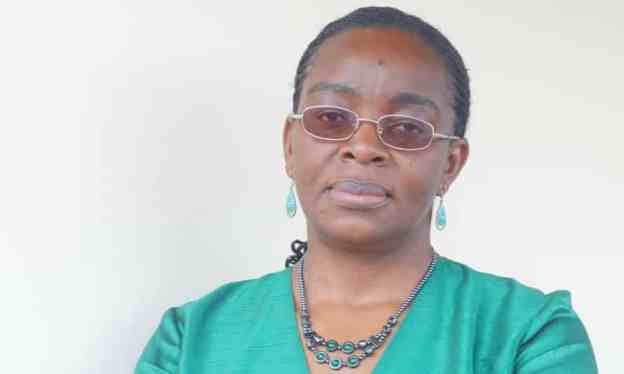
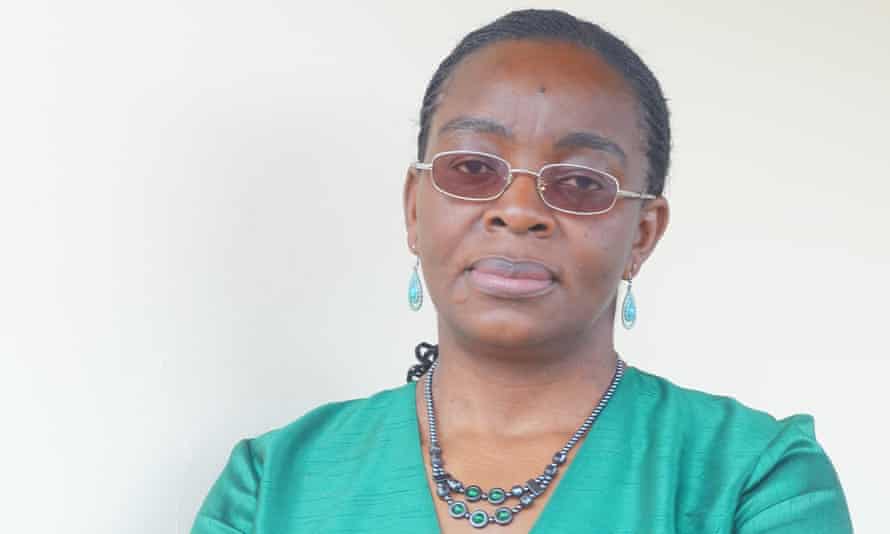
Victoire Ingabire Umuhoza

Responsibility for defending what the Commonwealth stands for must not pass to the country without reforms.

Victoire Ingabire Umuhoza launched the Dalfa Umurinzi party to ‘strive for the rule of law’.

Global development is supported by

Bill and Melinda Gates Foundation

If Rwanda had hosted the Commonwealth heads of government meeting, which has been cancelled for the second time due to Covid-19, the UK was due to hand the country the Commonwealth chair.

Rwanda would have held the responsibility for defending what the Commonwealth stands for – despite violating those same values for decades. When Rwanda was admitted as a member in 2009, I had hoped our government would apply Commonwealth values in its governance. But this did not happen.

In January 2010, I made the decision to leave my family and career in the Netherlands and return to my beloved Rwanda. I intended to register my party, the United Democratic Forces of Rwanda (UDF-Inkingi), and to contest the 2010 presidential elections.

But the Rwandan government does not tolerate dissenting voices. I was arrested and dragged into politically motivated judicial proceedings. After I was sentenced to eight years in jail by the high court, I appealed to the supreme court and the sentence was increased to 15 years. The African Court on Human and People’s Rights cleared me and held that Rwanda had violated my rights to freedom of expression as well as to adequate defence. After eight years’ imprisonment, I was released under presidential grace in 2018.

I spent five years in solitary detention, during which time I wrote a book, Between 4 walls of the 1930 prison: memoirs of a Rwandan prisoner of conscience. In it, I recount the three years between announcing my presidential candidacy to my incarceration in the infamous “1930” maximum security prison. I dedicated my book primarily to all who are engaged in the struggle for democracy in Rwanda, with a special thought for the vice-president of the Democratic Green Party, André Kagwa Rwisereka, who was murdered in 2010 and the former head of intelligence, Patrick Karegeya, who was murdered in 2013.

The more injustice that I and my fellow citizens have endured – including the killing of my close political aides – the more motivated I am to fight for democracy in Rwanda. On my release, I launched the political party Dalfa Umurinzi with a mission to strive for the rule of law and for sustainable development benefiting every Rwandan. Although the constitution provides me with the right to organise a general assembly, I’m not permitted to register my political party or be approved to operate.

The more injustice I and my fellow citizens have endured, the more motivated I am to fight for democracy in Rwanda

In 2019, I received an international award from the Association for Human Rights of Spain (APDHE). I couldn’t travel to Spain to collect the prize because I had no right to leave Rwanda without permission from the justice minister. Two requests to do so have received no response from the authorities. I have not seen my family in the Netherlands for more than 10 years.

There is a pattern of limiting political participation to those affiliated to the ruling party and excluding serious contenders in Rwanda’s presidential elections. This is done by fabricating charges and abusing the judicial system. These acts represent a violation of Commonwealth core principles.Advertisement

They also challenge the claim often advanced by the ruling circle in Rwanda that the established political system is based on power-sharing consensus democracy with the intent of overcoming ethnic divisions and accelerating development.

Rwanda’s oft-repeated development success story is flawed. In 2006, 72% of Rwanda’s debt was written off under the IMF and World Bank’s heavily indebted poor countries initiative, while Rwanda received more overseas development assistance than countries with similar incomes – a total of $17bn (£11bn) from 2000 to 2019.

Despite this, Rwanda remains one of the world’s poorest countries, ranked 160th out of 189 countries in the UN Human Development Index of 2019. The government’s 2000 development agenda, which aimed to transform Rwanda into a middle-income economy by 2020, has not succeeded and delivery has been postponed to 2035.

Although economic growth has been high in Rwanda, it is characterised by low per capita income, low private investment, low exports and high reliance on aid. Since 2012, Rwanda’s borrowing has intensified, increasing indebtedness to 66% of GDP in 2020.

The main economic challenges include an undeveloped private sector, increasing unproductive indebtedness, high youth unemployment and a consistently high poverty rate, as well as a population happiness deficit.

Rwanda’s alleged role in regional political tensions has also prevented economic development. Reconciliation policies, implemented after the civil war and the 1994 genocide, are not inclusive. They weaken the social capital that is needed for our population to trust each other and work together efficiently. The repression of dissenting voices has encouraged Rwanda’s citizens to abstain from participating in social, economic and political decisions.Advertisement

Prior to Covid-19, Rwanda had a cash gap of 15.7% of GDP a year to meet its sustainable development goals by 2030. This has increased to 21.3% of GDP per year. Given that its government was provided with significant financial assistance to support its development plan to transform Rwanda into a middle-income state over the past two decades, and has not succeeded, I would argue that any further financing must be accompanied by radical governance reforms. Current governance in Rwanda – that limits political space, lacks separation of power, impedes freedom of expression and represses critics of the government – cannot lead to sustainable development.

I believe I made the right decision to return to Rwanda. My story, and those of others who have been harassed, jailed, forced into exile or worse for challenging the government, are tangible evidence of a lack of respect for human rights and of good governance, and are violations of the Commonwealth’s fundamental values. Governance reforms should be a prerequisite before Rwanda hosts the next Commonwealth heads of government meeting and takes over the chair.

Victoire Ingabire Umuhoza is president of the Dalfa Umurinzi political party, Rwanda.

The Guardian

Rwanda: abantu 33 bo mu buyobozi bwa FPR barasabirwa ibihano mpuzamahanga.

Guhera mu mwaka wa 2006, umuryango w’abibumbye washyizeho akanama gashinzwe gukurikirana iyubahirizwa ry’ikiremwamuntu ku isi. Buri myaka itanu ako kanama karaterana kagasuzuma aho iryo yubahirirzwa rigeze kandi kagatanga amabwiriza yerekana ibigomba gukorwa mu rwego rwo guteza imbere ubwo burenganzira. Ku Rwanda, bimaze kuba inshuro ya gatatu ruhabwa urutonde rw’ibigomba gutungwanywa, ariko aho kugira ngo bikorwe, ahubwo ku nshuro ikurikiyeho, haboneka ibindi bikorwa byica uburenganzira byiyongera ku bya mbere. Aha ni ho benshi bahera bagira bati, ni ugukurayo amaso, niba hadashyizweho uburyo bukakaye, FPR izakomeza kwica abantu nk’aho nta cyabaye.

Mu ibaruwa ishyaka Ishema ry’u Rwanda ryagejeje ku kanama k’umuryango w’abibumbye gashinzwe umutekano ku isi, iri shyaka rirasaba ko hakurikizwa ingingo ya 41 na 42 zigenga ako kanama , maze hagafatwa ibihano ku bantu bakuriye abandi mu guhungabanya uburenganzira bwa muntu. Abantu 33 basabirwa ibihano bagabanyijemo ibice bitatu: icy’abasirikare, abanyapolitiki, n’abafite imitungo.

Nk’uko ishyaka Ishema ribisobanura, ngo uretse uruhare abanyapoltiki n’abasirikare bagira mu kwica, gufungira ubusa, gutoteza no kubuza amahwemo abenegihugu, uruhare rw’abanyamafaranga ntirukwiye kwirengagizwa. Akenshi usanga aya mafaranga yaribwe mu yagenewe ibikorwa bya Leta kandi agakoreshwa mu kugura ibinyamakuru mpuzamahanga n’ibigo bikora ubuvugizi (Public Relations) kugira ngo bikomeze kubeshya ko mu Rwanda nta kibazo gihari, no kubangamira ibinyamakuru bitangaza amakuru nyayo ajyanye n’ihoohoterwa ry’ikiremwamuntu.

Dore abo bantu basabirwa ibihano:

Abanyapolitiki

  1. Paul KAGAME
  2. Ines MPAMBARA
  3. Tito RUTAREMARA
  4. François NGARAMBE
  5. Johnston BUSINGYE
  6. Edouard BAMPORIKI
  7. Marie Immaculée INGABIRE
  8. Tom NDAHIRO
  9. Anastase SHYAKA
  10. Vincent KAREGA
  11. Donatilla MUKABALISA
  12. Jean-Pierre DUSINGIZEMUNGU
  13. Louise MUSHIKIWABO
  14. Jean Damascène BIZIMANA

Abasirikare

  1. James KABAREBE
  2. Dan MUNYUZA
  3. Jeannot RUHUNGA
  4. Mubarak MUGANGA
  5. Theos BADEGE
  6. Marie Michelle UMUHOZA
  7. Ruki KARUSISI
  8. Fred IBINGIRA
  9. Jean Bosco KAZURA
  10. Willy RWAGASANA
  11. Patrick NYAMVUMBA
  12. Dodo TWAHIRWA

Abanyamitungo

  1. Jeannette KAGAME
  2. Ange KAGAME NDENGEYINGOMA
  3. Bertrand NDENGEYINGOMA
  4. Ivan CYOMORO KAGAME
  5. Sande KABAREBE
  6. Hatari SEKOKO
  7. Denis KARERA

Amasezerano mpuzamahanga ateganya iki?

Iyo hari ubutegetsi butubahirije amahame mpuzamahanga kandi bikaza kugaragara ko ibihano bidashobora gufasha mu guhindura imyitwarire, akanama gashinzwe umutekano ku isi kagomba gutera indi ntambwe mu gufasha abenegihugu guhindura ubutegetsi.

Muri urwo rwego, igice cya VII cy’amasezerano y’umuryango w’abibumbye yemerera akanama k’umuryango w’abibumbye gashinzwe umutekano kwifashisha ibihano n’ingamba, cyangwa igihe gito cyo gukoresha ingufu, mu kubungabunga cyangwa kugarura amahoro n’umutekano mpuzamahanga. Ingingo ya 41 iteganya gukoresha ibihano by’ubukungu no guhagarika itumanaho. Icyakora, akanama gashinzwe umutekano gashobora gusuzuma ubundi buryo butandukanye, ibihugu byose bigize Umuryango w’abibumbye bigomba gushyira mu bikorwa hakurikijwe ingingo ya 25 y’amasezerano y’umuryango w’abibumbye, cyangwa se akanama gashinzwe umutekano gashobora guhamagarira ibihugu ku bushake gutanga ibyo bihano.
Byongeye kandi, ingingo ya 42 y’amasezerano y’umuryango w’abibumbye agaragaza ko niba akanama gashinzwe umutekano kabonye ko ingamba ziteganijwe mu ngingo ya 41 zidatanga umusaruro, cyangwa byagaragaye ko zidahagije, akanama kemerewe gukora ibikorwa byose bibonwa ko ari ngombwa, kugirango habungabungwe cyangwa hongere gushimangirwa amahoro n’umutekano mpuzamahanga.

Ibihano bisabirwa aba bantu 33 birimo kutemererwa gutemberera mu mahanga, gufatira imitungo yabo, no gufatwa bagashyikirizwa ubutabera mpuzamahanga ngo bisobanure ku birego byo guhonyora uburenganzira bw’ikiremwamuntu.

Ubwanditsi

How dictatorships manage their image

Authoritarian states deliberately use a number of tools to manage their image internationally, writes Alexander Dukalskis. Creating positive news, distracting and silencing critique, and shaping elite opinion help make the world safer for dictatorships

Photo: Wikimedia Commons

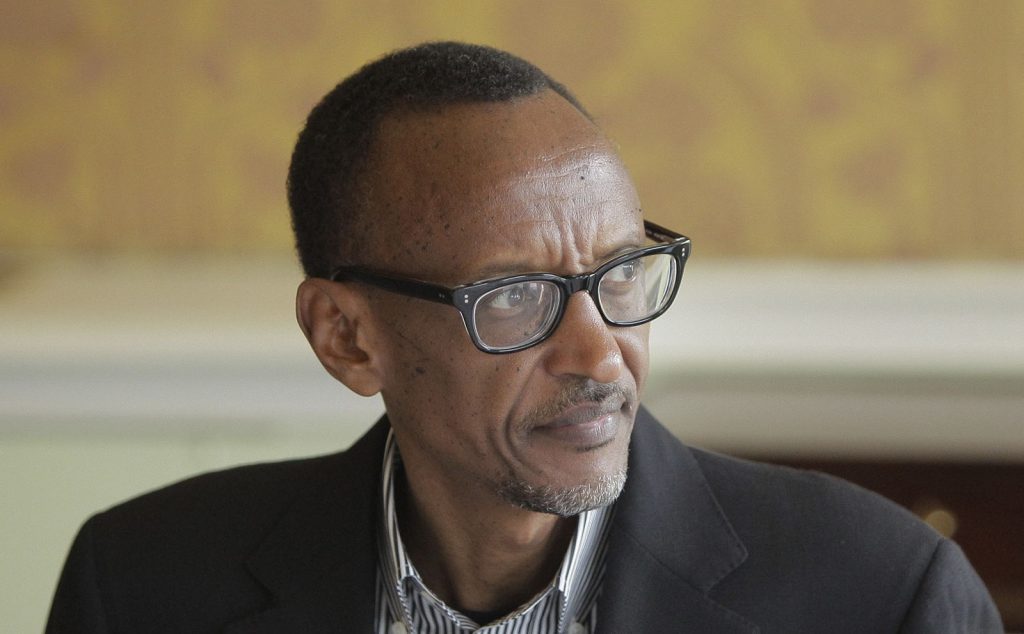
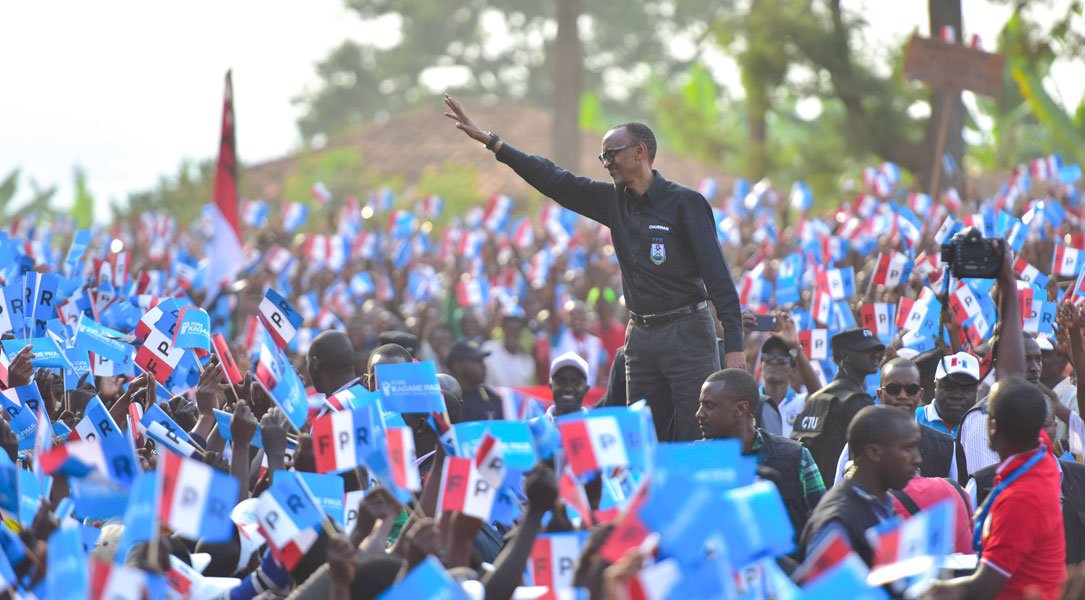
Rwanda’s authoritarian leader Paul Kagame Photo: Wikimedia Commons

In 2012 news broke about a public relations contract between a firm called Racepoint Global and the Rwandan government. The contract involved a plan written by the firm to improve Rwanda’s image internationally, including managing the image of its authoritarian leader, Paul Kagame.

The plan is telling. Of course, it includes the standard public relations stuff like making the country look attractive and Kagame a wise leader. But more interestingly, it details its aims to undermine Rwanda’s critics abroad – including human rights activists.

The plan also aims to cultivate journalists in leading outlets to promote a positive image of Kagame, and Rwanda. Thanks to the US Foreign Agents Registration Act (FARA), you can look up the plan for yourself.

Soft power or image management?

We often think about states promoting a positive image of themselves abroad through ‘soft power’ initiatives. And rightfully so: they do this a lot. But the Rwanda Racepoint memo is a revealing reminder that states – and especially authoritarian ones with an image problem – do a lot of other things to manage their image. These activities are often ethically dubious or sometimes outright illegal – violent, even.

In his excellent book, journalist Ron Nixon details the methods South Africa’s Apartheid regime used to improve its dire image internationally. These included paying lobbyists, and sponsoring ‘look and see’ tours to South Africa for opinion-shapers. The regime even attempted to purchase a newspaper covertly, discrediting critics as closet communists. Many authoritarian states do all these things and more.

Authoritarian image management

In my new book Making the World Safe for Dictatorship, I try to understand what motivates these efforts and how they operate. Focusing on authoritarian states, I create a framework of what I call ‘authoritarian image management.’

Authoritarian states use a range of tactics abroad to burnish their image and stamp out criticism; in short, they try to make their world safe for their dictatorship.

Authoritarian states use a range of tactics abroad to burnish their image and stamp out criticism; in short, they try to make their world safe for their dictatorship. The idea of the book is to put all these different methods into the same conversation. It aims to understand their strengths and weaknesses, and how different states adopt different tactics.

Authoritarian image management has two audiences: mass publics or specific elites. Further, it can have two main forms: promoting positive messages or obstructing criticisms of the state. Put together, you get four types of authoritarian image management, depending on audience and form.

To study these tactics, I use a range of data, including FARA documents, interviews, case study evidence, and video analysis. I also created a publicly available database of all instances in which authoritarian states threatened and/or repressed one of their own citizens abroad between 1991 and 2019.

Creating positive images

Here let me highlight some examples that have transpired since the book came out.

First, perhaps the most salient example of an authoritarian state putting out positive messages designed for a mass audience is covid-related messaging by the People’s Republic of China (PRC).

The Chinese authorities have attempted to present the PRC as successful at home in eliminating the disease and generous abroad in helping other countries meet the pandemic’s challenges.

In a recent paper with my co-author Sam Brazys, we analyse the messaging of Xinhua, China’s main state news agency, and find that it portrays China in positive and generous terms. The idea is to portray China’s authoritarian system as capable domestically and non-threatening internationally.

China’s Xinhua state news agency portrays the country’s authoritarian system as capable domestically and non-threatening internationally

Responding to criticism

Second, authoritarian states don’t just try to present positive images to the general foreign public. They also try to mitigate or distract from bad news or criticism.

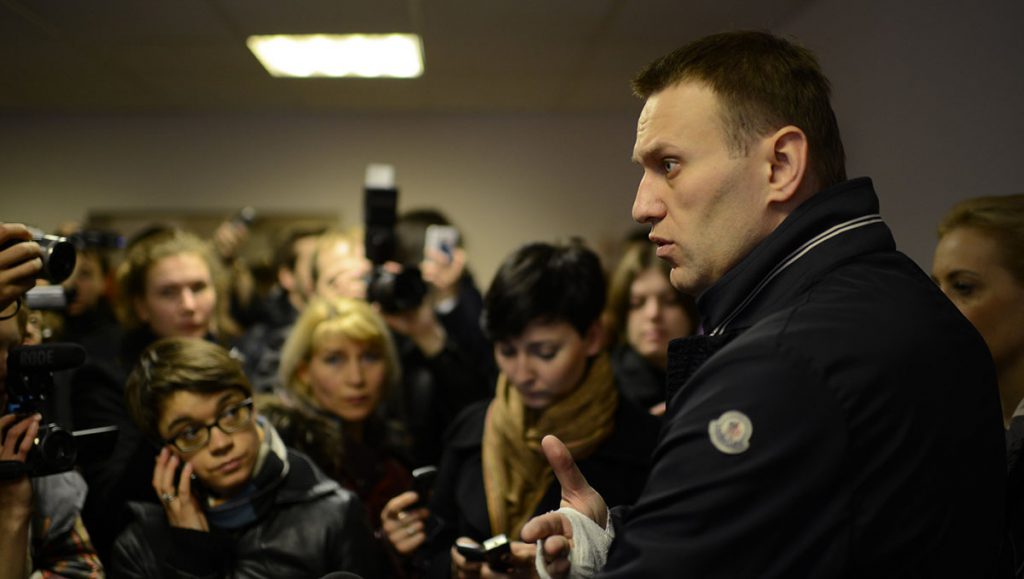
If one examines Russia’s main external TV station – RT – for news about the case of arrested dissident Alexei Navalny, this mode of authoritarian image management is apparent. He is variously portrayed as an extremist or terrorist (or at least terrorist-adjacent), a stooge of foreign powers destined to be defeated, and yet another example of how Russia is reasonable while ‘the West’ is anything but.

Photo: Mitya Aleshkovsky, Flikr
Russian opposition leader Alexei Navalny speaks to journalists after a trial in Kirov, Russia Photo: Mitya Aleshkovsky, Flikr

Someone like Navalny is a public relations problem for Russian authorities, and his global name recognition means that the government can’t just pretend he doesn’t exist. The authorities perceive that they have to respond to the negative press.

Silencing critique

Third, authoritarian states can try to silence specific critics or groups of critics abroad. This tactic involves what scholars call ‘extraterritorial repression’ or ‘transnational repression.’ Freedom House has recently released a major report and underlying data on the subject.

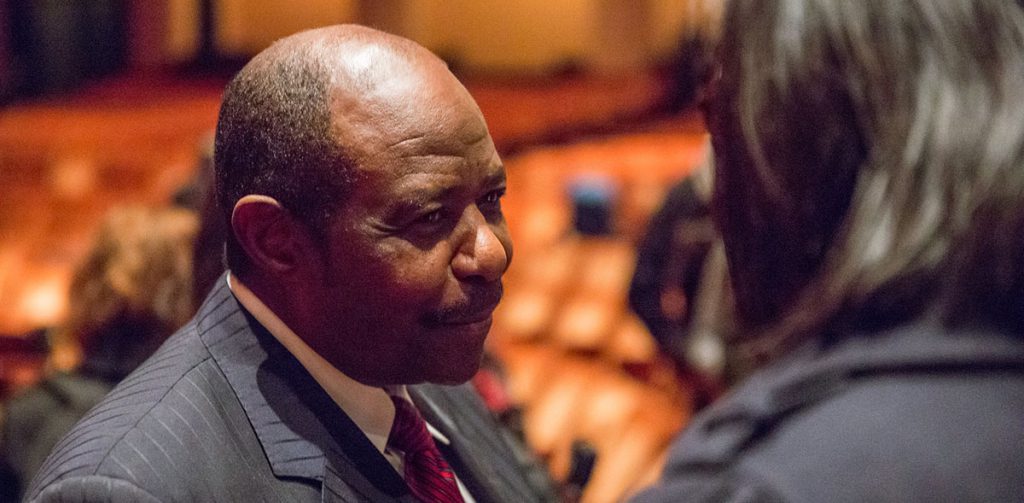
Paul Rusesabagina
Activist and humanitarian Paul Rusesabagina was a prominent critic of Rwanda’s Kagame government Photo: Gerald R. Ford School of Public Policy, Flikr

A controversial and high-profile example is the case of Paul Rusesabagina, portrayed in the movie Hotel Rwanda as saving lives during Rwanda’s 1994 genocide.

From abroad he frequently criticised Kagame’s government. In August 2020 he was apparently deceived into boarding a charter flight and ultimately ended up in Rwanda where he now faces a terrorism trial.

A prominent critic of the Rwandan government is now no longer able to voice his criticisms to international audiences.

Shaping elite opinion

Authoritarian states try to cultivate elite opinion shapers to disseminate positive messages to international audiences. Sometimes this is through direct funding, sometimes through access. It may even stem from ideological affinity.

Authoritarian states try to cultivate elite opinion shapers to disseminate positive messages to international audiences

There are lots of potential examples here and many grey areas. One topic is funding for think tanks. In her recent report on the subject, Nadège Rolland details how authoritarian states try to fund think tanks to shape elite conversation on issues important to them. A similar logic can extend to universities.

These examples are just the tip of the iceberg. Authoritarian image management is about more than just ‘soft power’.

Once you start thinking about the multiple methods available to authoritarian actors abroad it becomes important to see them as tools in a toolkit rather than as unrelated to one another.

Alexander Dukalskis

Source: https://theloop.ecpr.eu

“ISO NI NDE”? – the concern of a whole generation?

“ISO NI NDE”? – the concern of a whole generation?

Gustave Mbonyumutwa , April 21, 2021

On April 8th, 2021, as Rwanda just entered the Commemoration Week, a certain Lonzen RUGIRA released a paper called “ISO NI NDE? The relentlessness of genocide deniers” in what seems to be a rebuttal to JAMBO asbl members, which he considers as “the resurgence of denial of the genocide against the Tutsi”.

First and foremost, let us put the record straight. The attacks on JAMBO asbl have nothing to do with fighting “genocide denial” or “genocide ideology” as it has been repeated ad nauseam these last few years. Had that been the case, The Rwandan Government, CNLG or IBUKA or at least one person in this world, would have already filed a complaint against JAMBO asbl in Belgian courts!

In reality, JAMBO asbl is under constant media attacks since it has been, for over a decade now, one of the most “relentless” exposers, in Europe, of RPF-Inkotanyi mass crimes and Human Rights abuses.

Yet RUGIRA’s paper, published on panafricanreview.rw platform, would have gone unnoticed if the Rwandan Minister of Justice, Johnston BUSINGYE and Communication Advisor in the President’s office, Yolande MAKOLO, had not quoted him in their Tweets.

It is not the first time that Lonzen RUGIRA’s public opinion is valued by the very highest authorities of the Rwandan state. Last year in April 2020, he exposed a Minister of State who dared to express his conception of what a genuine KWIBUKA should mean. A few days later, that Minister was fired by presidential order.

Even the members of the President’s family like and retweet his posts, especially Ange KAGAME, whenever it comes to sustaining RPF’s ideology.

This time, Lonzen RUGIRA is reviling JAMBO asbl and its members while paradoxically inviting them to “embrace the truth as the “currency of forgiveness”” and to enter a “virtuous circle as credible and trusted members deserving the community’s good fortune”.

Before reaching this benevolent conclusion, RUGIRA posed the question “Iso ni nde? (who is your father?)” and developed a cumbersome argumentation trying to reconcile the concept of “individual criminality” with the dogma of “collective responsibility” that JAMBO asbl members should bear.

Once decoded, RUGIRA’s complex paper is revealed to be a message to JAMBO asbl members, which is inviting them to ask for forgiveness for what their parents are supposedly accused of, and thus, avoid social and community consequences, as well as preserve their own descendants from being cursed…

This is interesting. But what if this was a concern for a whole generation and not only for JAMBO asbl members?

A generation whose ascendents are wrongfully or rightfully accused of having committed serious crimes including genocides, crimes against Humanity, war crimes and countless political assassinations.

The good news for JAMBO asbl members is that they are very much familiar with the question “Iso ni nde” and they perfectly know how to deal with it. It seems the more they answer it, the less it gets asked …

RUGIRA’s concern should therefore shift towards the offspring of the “mass murderers” identified by the Mapping Report for instance.

What would the descendants of “genocide perpetrators” indicted in the arrest warrants of the Spanish Judge Fernando MEIRELLES reply to the question: “Iso ni nde”?

What kind of mobilization are they doing to “cleanse their forebearers of the responsibility for genocide”?

What about the heirs of those who are proud to murder anyone who betrays “Umuryango” on the excuse that a famous red line has been crossed? 

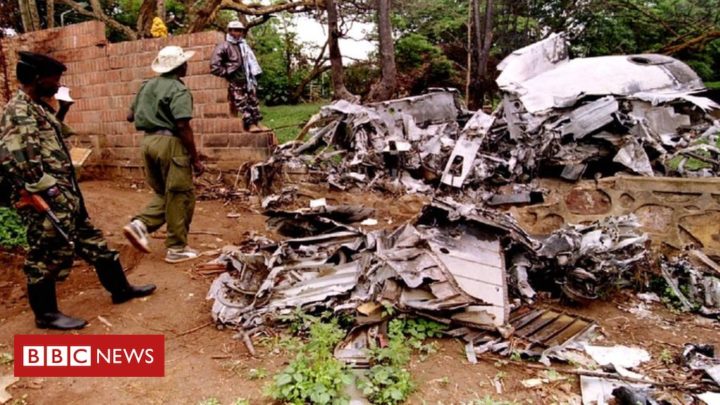
What are the children of those who shot the presidential plane on April 6, 1994 answer concerning their forebearers?

Iso ni nde” is a question that will be asked to every Rwandan more than once in their life, and the offspring of today’s or yesterday’s RPA/RPF criminals will not escape from it.

If Lonzen RUGIRA is truly concerned about answers from descendants of “killer parents and grandparents”, maybe he should write an essay about those whose parents are still killing to remain in power today?

I am sure all Rwandans, at home or abroad, would be interested to read such a paper. 

Who would not want to know how children reacted after their father had confessed on national TV that he was not “apologetic” for murdering former comrades?

Reading Lonzen RUGIRA’s article with a dispassionate mind is an eye-opener. He has nailed a difficult, yet needed debate that must take place between generations, especially within the RPF-Inkotanyi circles.

The key question being: how to preserve innocent children from bearing the criminal record of their forebearers, and ultimately, how to prevent political criminality from passing from a generation to another?

Instead of wasting intellectual energy with virtual assaults against inexistant genocide deniers – is there really anyone refuting that Tutsi in Rwanda were victims of a genocide in 1994? – perhaps RUGIRA should reflect on how the RPF-Inkotanyi will bequeath its criminal record to the next generation, as this is probably the biggest threat to a truly reconciled Rwandan society.

Gustave Mbonyumutwa

http://www.jambonews.net

[1] https://panafricanreview.rw/iso-ninde-the-relentlessness-of-genocide-deniers/

[2] https://www.rwandanlivesmatter.site

[3] https://twitter.com/BusingyeJohns/status/1381834919178084352?s=20

[4] https://medium.com/@david.himbara_27884/kagame-sacked-nduhungirehe-for-mourning-hutu-opposition-leaders-murdered-during-genocide-against-151b73830c9c

[5] https://youtu.be/uV6tkfyue4Y

[6] https://www.jambonews.net/en/actualites/20180212-rwanda-what-crimes-were-committed-against-the-hutus-and-tutsis/

Kabuga’s trial: his court – appointed lawyer refuses to communicate on the deteriorating health status.

Brussels, April 2nd, 2021

Press Release

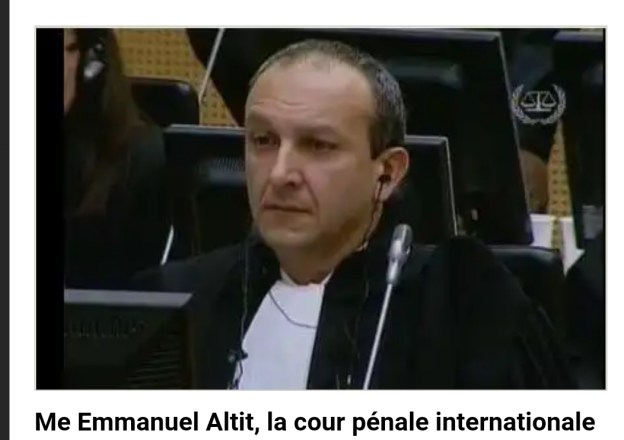
We, the children of Felicien Kabuga are greatly discouraged by out father’s deteriorating health and the lack of information that is shared with us by his court-appointed lawyer, Emmanuel Altit.

On 1 April 2021, the Trial Chamber of the United Nations International Mechanism for Criminal Tribunals issued a decision refusing to dismiss Me. Altit as the lawyer for Felicien Kabuga. Felicien Kabuga had requested that Me. Altit be removed because he refused to share information on his medical condition, and the steps he is taking to protect Mr. Kabuga’s interests, with his children.

Donatien Nshimyumuremyi, the eldest son of Felicien Kabuga, said, “Our father’s health has been deteriorating since he arrived in The Hague and his lawyer, Emmanuel Altit, has not been in contact with our father or his children for more than two months, even after he had an accident within the detention unit and had to go through a major surgery. We feel that our father is being held hostage by his lawyer, who refuses to communicate with him or his family and is not defending him in his best interests.”

We have consulted several international criminal lawyers and have been advised that it is possible, with the consent of our father and the Trial Chamber, for our father’s lawyer to share information on his medical condition, and what he is doing about it, with us. The children have been primarily responsible for the care of their father during recent years and it has been very painful to be excluded by someone who is supposed to be looking out for our father’s best interest.

We note with great concern that our father remains hospitalized in The Hague for more than a month and is so weak and confused that the last status conference had to be only through writing because he was not able to appear. That means, as the lawyer had not seen him for a long time that our father is completely excluded from a proceeding deciding about his fate. He appears to be completely unfit to stand trial. To be without an advocate who can provide us proper information about our father, and what is being done to protect his health and rights, has been devastating. We fear that the lawyer is working with the authorities to put our father on trial regardless of his physical and mental conditions and that our father’s and our human rights are being violated.

We ask that the proceedings in our father’s case be conducted with greater transparency and that he be allowed to have a lawyer who he trusts and who we can be sure will look out for his best interests.

On behalf of Félicien Kabuga Family
Donatien Nshimyumuremyi