Category Archives: History

Merchants of the Rwandan Genocide

Joweri Museveni and Paul Kagame

Metro, a London free paper, wrote on Tuesday, May 3, 2011 that ‘Kathryn Bigelow and Mark Boal have been left mulling over the script for their new film, Kill Bin Laden, after their subject’s death. The pair behind Oscar-winning The Hurt Locker based their script on a failed mission by the US military to capture the al-Qaeda leader. They are now said to be looking at possible changes in light of bin Laden’s death.

On the same day, Linda Melvern, an investigative journalist and author of ‘The Rwandan Genocide 1994: Distortion and Denial,’ presented a talk at the School of African and Oriental Studies about her book. She has widely written and published on what happened in Rwanda, particularly in 1994. The hall is full of international and British students with probably a particular interest in the subject covered. The Rwandan Ambassador in UK, Ernest Rwamucyo, is sitting on the front row.

The writer starts her narrative stating and describing with a dramatic tone the facts. It’s on April 6th and 7th, 1994. After a missile is shot on the presidential plane of Juvenal Habyarimana, which is landing at the International airport of Kanombe – Kigali, immediately the military goes to residences of high rank authorities they knew were in the opposition to the President and kill them. They go door to door searching for Tutsis and start a generalised slaughter. Road blocks are erected starting from that time. The same scenario is immediately replicated in all the provinces of the country. The death toll will be nearly one million of dead within three months. She emphasises the failure of the international community and condemns particularly the role of France with sometimes not pleasant anecdotes towards the French. If I had been French in the room, I would’ve been not very proud of my country.

The presentation is very shot but very effective in its impact on the audience. The planning and methodical execution of the genocide transpires in a visual way from the author’s narrative of events. I don’t think the Rwandan government could’ve done better. The story appears even much more plausible since it is told by somebody else who could be thought neutral. But the distortion of facts becomes clear when people apparently with some prior knowledge of what happened in Rwanda are given an opportunity to ask questions.

I had come to the talk with one specific question. I wanted to hear from an advocate of the Rwandan government’s views what she exactly knew about what I wanted to know. The question was about the significance of documented crimes by the Rwandan Patriotic Front between 1990 and 1994, and immediately after defeating the Hutu government on July 4th, 1994 and then in Democratic Republic of Congo. Latter crimes have been highlighted by the UN Mapping Report which was published on October 1st, 2010. I was planning to add as well the following other questions: Do PR mechanisms erase facts? Aren’t crimes still called crimes no matter how much propaganda is done to diminish their seriousness?

Since the author hadn’t mentioned anything about the situation prior to the assassination of Juvenal Habyarimana, Rwandan president until April 6th, 1994, I asked her instead the following question: ‘Could you tell us the context which was prevailing in the country between 1990 and 1994? To help her in her answer I stated the fact that there was already a civil war which lasted three to four years. I am sure if I hadn’t mentioned it she would’ve overlooked it and talked about something else. In fact, her story had like come from nowhere: people starting killing each other without any clear impulse to be in that state, at least to help understand or give a context to their actions. But I made sure she started by that fact highlighting that there was already a civil war. Unfortunately, she lacked exact elements to back up her narrative. For example she explained that the million of internally displaced who were at the outskirts of Kigali by March 1994, where they had been living in horrible conditions for two or three years, were Tutsi who had been chased by Hutus in 1959 and were returning home. Maybe that’s what the Rwandan government has told her. As we know, for foreigners not aware of prior circumstances of the country before 1994, it is difficult to get the truth out of what Kigali says.

The exact truth about the million of Rwandans which was living miserably around Kigali is that they were Hutu populations from mainly Byumba (North East of Rwanda) and partially Ruhengeri  (North) who had fled atrocities committed by the Rwandan Patriotic Front in areas it had controlled gradually since 1990. There were other questions that the writer avoided answering politely because objective answers would’ve jeopardised any future work she would have with Rwanda, particularly if she wanted to pursue her interests and visit again the country. As we remember, Alison Des Forges, researcher from Human Rights Watch, before her death, had been banned from entering Rwanda because she had started unveiling RPF’s crimes.

For almost ten years, Osama bin Laden has been on radar as an animal that was tracked by the West because of what he represented. Now he is dead. In the case of the Rwandan genocide, a narrative which has been very convenient for its effective planners has prevailed for the last seventeen years. Let’s remember that the International Criminal Tribunal for Rwanda is nearly to close without pointing a finger to the planners of the genocide for political reasons. Those that the tribunal has condemned so far, unfortunately in its one-sided trials, no one has been sentenced for planning the Rwandan genocide but other crimes they committed. When such time comes of knowing who really planned the Rwandan tragedy, the truth will become alive. There will be also reason to celebrate.

Posted on 

Merchants of the Rwandan Genocide

As Rwanda marks genocide, no justice for DR Congo massacres

Rwandan youths carry a flame of remembrance to a ceremony in the town of Kirehe, where villagers from surrounding areas gathered to hear genocide recollections, the symbolic fire is travelling the country as the nation prepares to mark 20 years since the horrific killings that claimed more than 1 million lives. Twenty years after the genocide, the massacres of Hutu civilians who fled across the border into the DR Congo remain a taboo subject in Kigali. PHOTO | FILE

Kigali. Twenty years after the genocide of Rwanda’s Tutsi minority, the massacres of Hutu civilians who fled across the border into the DR Congo remain a taboo subject in Kigali.

In DR Congo’s restive east, however, the memories are painfully acute, of families rounded up and murdered, bodies dumped in mass graves, pregnant women disembowelled.

The Tutsi-led Rwandan government sees as tantamount to negationism any suggestion that the victims of genocide were themselves responsible for mass ethnic killings in 1996-97. Kinshasa has never truly investigated the subject.

But Roberto Garreton of Chile, the first to investigate the slaughter on behalf of the United Nations in April 1997, says he concluded fairly quickly that around 150,000 people had been slain on Congolese soil.

The killings are blamed on forces of the post-genocide government in Kigali who backed a rebel movement led by Laurent-Desire Kabila, the late father of current DR Congo President Joseph Kabila.

“There were many clues showing that the goal was to exterminate those who committed the genocide” against the Tutsis, Garreton told AFP by telephone from Santiago.

But, he added: “It wasn’t possible to say with certainty that there was a genocide,” that is, the wilful extermination of an ethnic group.

Here in Rutshuru in the country’s east, a Congolese Hutu told AFP: “They killed many! They set up barricades and if you had a Hutu name they took you away (and) they killed you!”

A woman who gave her name only as Chiza said: “I saw a pregnant woman whose stomach had been cut open, and the baby was beside her, still attached by the umbilical cord. The woman’s belly was full of flies.”

Located some 50 kilometres (30 miles) from the regional mining hub Goma, Rutshuru and its surrounding area was a major target of killings in 1996.

That was when Laurent-Desire Kabila kicked off his rebellion in North and South Kivu provinces in what was then Zaire.

Kabila’s rebel ADFL army, which would succeed in overthrowing the dictator Mobutu Sese Seko in 1997, was backed by Rwandan troops who poured across the border, where hundreds of thousands of Rwandan Hutu refugees had fled in 1994.

Hiding among them were genocide perpetrators, the so-called Interahamwe militiamen, members of the former Rwandan military and other civilians who took an active part in mass killings. (AFP)

At the same time the Rwandan Patriotic Front, the minority Tutsi force that halted the genocide in Rwanda and took power in Kigali, mounted an operation to halt cross-border incursions into Rwanda by the Interahamwe.

When Kabila’s rebellion took off, the Rwandan soldiers who flooded into Zaire did not simply track down the Interahamwe; according to many residents, they targeted Rwandan as well as Congolese Hutus indiscriminately, including civilians — men, women, old and young alike.

The soldiers from Kigali are accused of having staged phoney reconciliation meetings, only to rob people and then kill them or recruit them as cannon fodder to fight for Kabila.

“A pastor told his flock that if they stayed together in a house Rwandan soldiers would do nothing. But they burned down the house,” recalls one resident.

– No prosecutions –

Later, around 1,500 families at a camp for displaced Hutus in Nyongera, just north of Rutshuru “were all killed,” said Chiza, who belongs to a women’s association.

“They killed educated people. They killed the youth of Rutshuru!”

A Congolese Hutu civil servant recalled how, in late 1996, several dozen people were rounded up one evening at a local official’s house.

“They took groups of five or 10 people, tied them up, brought them here, and killed them with a hoe.”

The man, who requested anonymity, pointed to a spot where the executions allegedly took place and where the bodies were thrown — now covered with weeds.

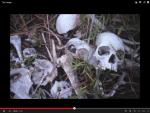
The bones were excavated in 2005.

Another said he escaped a “planned massacre” at the end of 1996 in Rwanguba, east of Rutshuru.

“One morning, when we came back, we found those who didn’t escape: they were bound, and their brains had been hacked out with a hatchet,” he said.

Like others, he said attacks sometimes targeted non-Hutus.

Hutus were allegedly hunted down elsewhere as Kabila’s AFDL fighters advanced on Kinshasa, some 1,000 kilometres (600 miles) to the west.

Hundreds of thousands of Hutus fled ever deeper into the DR Congo for weeks, and mass graves can be found along their route.

The UN probe, which faced continual obstruction from Kinshasa, took years before finally concluding in 2010 that “the apparent systematic and widespread attacks” perpetrated by the AFDL and Rwandan soldiers “reveal a number of inculpatory elements that, if proven before a competent court, could be characterised as crimes of genocide.”

But no prosecutions resulted from the probe, and nearly 20 years later, those responsible for the crimes have not been brought to justice.

Source: http://www.thecitizen.co.tz/News/As-Rwanda-marks-genocide-/-/1840360/2271486/-/item/2/-/589ot5z/-/index.html

Shame on US: The U.S. removed U.N Prosecutor Del Ponte from office when she insisted on prosecuting KAGAME.

Gen. Paul Kagame — even corporate media are now re-evaluating the narrative placing him as “savior”

[The Rwanda Calamity In Perspective]

April 6 marks exactly 20 years since the cataclysmic massacres that claimed hundreds of thousands of lives in Rwanda.

Rwandan Refugees in other East African countries and Diaspora who had enrolled into Uganda President Yoweri Museveni’s National Resistance Army (NRA), now the Uganda People’s Defense Force (UPDF) invaded Rwanda on October 1, 1990.

At the time of the invasion Paul Kagame, who is now President of Rwanda, was the chief of Military Intelligence in Uganda and had been sent by Museveni for U.S. training at Fort Leavenworth, Kansas.

The invasion sparked a destructive chain, including the recurrent invasions of the Democratic Republic of Congo (DRC), that all told may have cost the lives of six million or more Rwandans and Congolese.

To contextualize the calamity, this writer caught up with Peter Erlinder, a law professor at William Mitchell Law College in Saint Paul, Minnesota. Erlinder has a new book “The Accidental Genocide,” that covers the period before and after the massacres that started on April 7, 1994 after the plane carrying the president of Rwanda Juvenal Habyarimana, and Burundi’s Cyprien Ntaryamira was shot down with a missile. Prof. Erlinder’s book relies on U.S. documents and documents from the International Criminal Tribunal for Rwanda (ICTR) where he was a lead defense counsel for the Hutu defendants tried after the war.

The American law professor has been critical of what he calls the “victors’ justice in Rwanda,” contending that RPF soldiers and commanders were never tried for the war crimes that they committed and only the defeated army of Habyarimana.

Erlinder had been arrested in Rwanda where he had traveled to defend the presidential aspiring candidate Victoire Ingabire Umuhoza who had been charged with “genocide denial ideology”.

He tells me: “The winners of the war have told their side of the story, but there is another story, which is reflected in the UN, and the US documents but never came to light”.

Erlinder contends both sides committed the crimes but that a story told by the winner doesn’t reflect the level of culpability.

That’s what he says his book does. The book contains evidence that used in the ICTR trials; copies of the originally suppressed UN and US Government documents related to the assassination of two heads of state, President Habyarimana of Rwanda and Ntaryamira.

The day after the assassination large-scale massacre started and estimates of those killed in the next 100 days range from 800,000 to a million. Later the genocidal killings were exported to the neighbourineighboringc Republic of Congo, the former Zaire; the killings continue in the Congo.

The assassination and the 100 days of killings shattered the Arusha Peace Accord which has established a transitional government of national unity with power-sharing between Habyarimana’s party, another opposition party, and the RPF, which ultimately seized the power.

Q: As we are getting closer to the 20th anniversary of Rwandan Genocide; what does this mean to you?

A: During the past 20 years, we have learned that a UN Tribunal charged with prosecuting all crimes that were committed in Rwanda during 1994 has prosecuted only crimes charged to the defeated and none have been charged to the victors.  This means the four-year war of aggression and invasion of the RPF supported by Uganda [about which there is no dispute] is the first in history in which only the defending side committed crimes, or like Nuremberg and the Tokyo Tribunals, the supposedly neutral UN Tribunal was actually a victor’s tribunal.  As former U.S. Secretary of [Defense] Robert McNamara admitted in the documentary The Fog of War ‘Had the Japanese won the war, those of us who planned the gasoline bombing of Tokyo would have been the war criminals.’ Until a fair assignment of mutual responsibility is reached, long-lasting peace in Rwanda and central Africa will be difficult to achieve.

Q: How would you like people to look at this eventful day April 6 which many believe to have triggered the 1994 genocide and today’s debate and narrative?

A: As early as 1997 UN Prosecutors recommended that Paul Kagame be prosecuted for the assassinations of Presidents Habyarimana and Ntaryamira. The U.S. removed U.N Prosecutor Del Ponte from office when she insisted on doing so on May 15, 2003.  Former Chief of Staff to Kagame, Dr. Theogene Rudesingwa has admitted being involved in the cover-up. The detailed testimony in the ICTR Military-1 case resulted in every Trial Chamber, and the Appeal Chamber, agreeing that the former Rwandan military were not engaged in any criminal conspiracy before the assassination of President Habyarimana…. that would include the assassination itself.  I would like people to look at the same evidence that convinced ALL of the ICTR judges.

Q: People wonder and would like to understand why very few people accused of being perpetrators of Rwandan Genocide have actually been convicted?

A: Many, if not most, have been convicted of crimes committed after the assassination of President Habyarimana. All national leaders have been acquitted of crimes of conspiracy and planning before the assassination because the Kagame regime and UN Prosecutors have no evidence to support their claim that a long-planned conspiracy to commit genocide against Tutsi, or any other civilians actually existed.

Q: Since you were privy to a lot of documents regarding the events that were taking place during the 100 days. Can you give a brief picture of what could have happened based on the documents you managed to access?

A: The main point, according to the UN documents, not me, is that the RPF was the dominant military force capable of seizing power as of February 1993.  This is confirmed by Gen. Dallaire’s Recon Report of September 1993 long before UNAMIR arrived in Rwanda. U.S. documents show it was the RPF that blocked power-sharing in late March 1994, not Habyarimana. The assassinations were committed on the order of Kagame which he was told by the U.S. Ambassador would bring mass violence like Burundi after President Ndadaye was assassinated in October 1993. The RPF assault from April 6 to April 20 took over eastern half of country in a long-planned Blitzkrieg. Only RPF had military power to stop the killings by stopping their military advance….Dallaire said they refused to do so because Kagame was winning the war.

Q: There are people wondering that — how come that the winners of the 1990s Rwandan war lost many people than the losers. How can you explain this theory that, the winner lost many people in the battle whilst the loser lost very few?

A: Actual numbers from Rwandan government and all NGO reports, compiled by [Christian] Davenport and [Allan] Stamm, show that twice as many Hutus were victims as Tutsi — these are best numbers I am aware of.

Q: There are people who still want to get a clear picture. By April 6, what percentage of the country was occupied by the RPF?

A: Less than 10% on April 6.  About  half on April 20th…entire eastern half.

Q: There were these disturbing images; which I believe you have seen before. If you revisit your TV images of bodies of Rwandese were floating on Lake Victoria. People who witnessed these bodies claim this style was common during the National Resistance Army (NRA). There is a general belief that this style of killing could have been borrowed from the NRA war of Luwero in Uganda in the early 1980s. As a person who has gone through many documents that include intelligence information is there a possibility that the RPF could have borrowed this style? Or who trained the Hutus to use the same Luwero style?

A: I am not aware of this comparison but I have heard reports from former RPF fighters that using farm implements rather than bullets was preferred to save ammunition for military battles.

Q: Knowing the geographic area of River Akagera in Rwanda and how its waters flow how did the Hutu manage to kill the Tutsi, ferry the bodies into Akagera River, which is in an area then occupied by the RPF?

A: Because RPF controlled eastern half of Rwanda no later than April 20, it is reasonable that bodies in Akagera are RPF’s responsibility. On May 17, 1994, a UNHCR report makes this explicit by reporting mass killings and bodies floating in the river. The document is in my book.

Q:  There are people out there who want to get the facts, which are consistent with realities. Do you know what was the population of Rwanda? Do you have the knowledge of what was the percentage of Hutus out of the entire population before the genocide?

A: Yes this is in my book, too. And, in the Dallaire Recon Report. The 1991 census and estimates given Dallaire by the parties in 1993 are not too different.

Q: As a person who accessed several documents during your time at the ICTR Court, what arrangements have you made to enable people to know what really transpired in Rwanda?

A: Accidental Genocidewww.rwandadocumentsproject.net

Q: Some people claim that the current Rwandan authority has invested hugely to hunt down and eliminate those perceived to be with the different version from the official known version. How true is this claim? Are there some examples to backup this claim that Kagame has invested hugely to hunt down those who disagree with his views that the Hutus committed the genocide?

Madam Victoire Ingabire Umuhoza’s analysis of the Rwandan genocide. She believes there were double genocide and all the perpetrators should be held to account for their respective actions. Ms. Ingabire also believes that most Gacaca Courts have been used or influenced by Kagame to settle political scores than bringing justice. What is your comment about Ingabire’s analysis?

A: Ms. Ingabire is essentially correct. The problem with the double genocide theory is that it implies planning on both sides. There is no evidence this is true. There is evidence for mass violence committed against Tutsi after the assassination of Habyarimana and Ntaryamira which was predicted to occur, as it did, after the assassination of Ndadaye, but this was not planned, in Burundi or Rwanda. The mass killing of Hutu in Burundi was a government operation and was genocide by the army. The RPF consciously planned for the mass-violence against Tutsi to occur in Rwanda to justify resuming the war and making use of their superior military power, rather than give-up power through the Arusha peace process…This is clear from U.S. State Department documents of April 1, 1994.

Q: Madam Carla De Ponte wrote a book in which she claimed to have advised the arrest and prosecution of RPF officials but was removed from office. It is also believed she went to Washington to tell Obama to investigate Clinton’s behavior and role in the 1994 Rwandan genocide. Why do you think Madam Carla Del Ponte was ignored?

A: She was not only ignored, we know she was removed from office. Her press conference in Arusha announcing Kagame had killed Habyarimana and the RPF had committed mass crimes is what got me interested in the ICTR in the first place in 2003.

Q: We know that the International Criminal Court for Rwanda (ICTR) tried almost all the former Hutu Military and political leaders, but why didn’t it convict anybody of organizing the genocide?

A: Because there is no evidence that the ‘genocide was organized.’ Col Bagosora the supposed architect was convicted of crimes committed by soldiers he did not command, committed on April 7, 8, 9.

Q: For those who want to access the literature of the Rwandan War where can they find it?

A: Most tells the common story, but can be read for background. Robin Philpot’s recent book, Dr. [Helmut[ Strizek, Dr. Davenport, Dr. Stam, Dr. Filip Reyntjens‘ articles and my recent book are the beginning of the narrative based on the acquittals at the ICTR and solid evidence.

The BBC documentary on assassinations in South Africa was quite good, on March 27th I think.


The Accidental Genocide is available for public purchase in hardcopy Research Edition format on Amazon.com

– See more at: http://www.blackstarnews.com/global-politics/africa/narrative-shift-us-lawyer-highlights-kagames-role-in-rwanda-genocide-and#sthash.kQaleXdJ.dpuf

MU RWANDA HABAYEHO IMIRONGO IBIRI GUSA YA POLITIKIi : Uwa LUNARI n’uwa MDR-Parmehutu !

GUHUZA  AMASHYAKA YA “OPPOSITION” NYARWANDA NI NKO KUBAKA UMUNARA WA BABEL !

Maze iminsi mbona kuri izi mbuga abantu basaba bashimitse ko amashyaka ya “opposition” nyarwanda yakwiyunga agafatanyiriza hamwe guhindura ubutegetsi mu Rwanda. Ababivuga babiterwa n’uko bumva byahuriza hamwe ingufu ubu zitataniye mu mashyaka anyuranye atavuga rumwe n’ubutegetsi bwa FPR. Ni icyifuzo cyiza. Gusa ndagira ngo turebere hamwe ireme ry’iki gitekerezo n’ingaruka zacyo. Mu buzima, hari ubwo umuntu yiyungura inama yumva ari nziza, akayishyira mu bikorwa, agatungurwa n’uko ibyaye ingaruka zinyuranye cyane n’izo yatekerezaga. Umuhanzi Nkurunziza yaracuranze ati“bavuga ko amata aryoha ubuki bukarusha, ariko mu busore hari ikibisumba: kurebana akana ko mu jisho n’umugeni. Iyaba bitaherukwaga na sinamenye”. Koko rero hari ubwo imishinga yacu tuyirebera mu ntangiro, tukabona byose bishashagirana. Aba ari igihe cy’akana ko mu jisho. Gusa kuko ubuzima bugira ayabwo, hari ubwo byose birangirira muri “sinamenye”. Ibi mu buzima birashyika kenshi. Muri politiki na ho ni uko. Ni yo mpamvu burya kuyikora ari ubugenge nyabugenge. Kugira ngo twumve akamaro cyangwa ingorane zo kwishyira hamwe, dutangire tureba abajya muri politiki ari bantu ki.

1. Kuki abantu bajya muri politiki?

Icya mbere ngira ngo tubanze duhigike ni ya mareshyamugeni ngo umuntu WESE wiyemeza gukora politiki abiterwa no gushaka kwitangira abandi. Ubushakashatsi bwose bwerekana ko iki ari ikinyoma. Ikimenyimenyi ni uko benshi mu bavuga ko bajyanywe muri politiki no kwitangira abandi, usanga mu buzima busanzwe wenda atari na ba bantu babangukirwa no gufasha. Ugasanga mu buzima bwabo batarafungurira umushonji n’umwe, batazi icyo kurera imfubyi ari cyo, n’ibindi. Ubushakashatsi rero bwo bwerekana ko kenshi abantu bajyanwa muri politiki n’impamvu ebyiri. Gushaka ubutegetsi (power seeking) no kurwanira ishyaka ibitekerezo byabo (policy seeking). Muri make rero, ujya muri politiki aba abifitemo inyungu. Ushaka ubutegetsi aba ashaka ibyubahiro, amakuzo, ubukire n’ibindi bijyana na bwo. Urwanira ibitekerezo aba yumva igihugu hari uburyo kigomba kuyoborwamo. Iyo abigezeho, na we yumva bimuhaye agaciro imbere y’umutimanama we n’imbere y’abandi.

Kuba abantu bajyanwa muri politiki no gushaka ziriya nyungu zombi dusobanuye, hari uwabyita inenge. Si byo. Ahubwo ni byiza. Umunyapolitiki ubyemera aba ari inyangamugayo kandi avugisha ukuri. Aba ari n’umugabo. Hari abashima ubabeshya ko ngo nta nyungu akurikiye. Rubanda irashukika. Ubwabyo ni ikibazo kujya mu bintu bitagira inyungu. Gusa rero inyungu ziri kwinshi. Ntituzigarukirize ku mafaranga n’ubukungu nk’uko bamwe babikora. Burya n’ugiye kwiha Imana muri wa muryango w’ababikira bita ku ndembe, haba hari inyungu akurikiye: umukiro wa roho n’ubugingo bw’iteka. Umunyapolitiki uvuga ko nta nyungu akurikiye, iyo atari umubeshyi aba ari indindagire. Hari na none uwambaza ati “none se uwo muntu ukurikiranye inyungu ze yagirira ate igihugu n’abaturage akamaro?”. Iyo ashaka ubutegetsi, yita ku byo abaturage bifuza kuko ni bo ba nyirabwo. Na bo rero bamuhundagazaho amajwi. Mbese ni mpa nguhe. Iyo arwanira ibitekerezo, akora uko ashoboye ngo yumvishe abaturage agaciro kabyo, bamuhe amajwi, abishyire mu bikorwa. Ng’uko uko umunyapolitiki ukurikiye inyungu bwite ahindukira akagirira abaturage akamaro.

2. Abanyapolitiki bacu wabashyira mu kihe cyiciro?

Ukuri ntikwica umutumirano, reka mbivuge, nta na hamwe. Ingorane u Rwanda rwahuye na yo ni uko rwagize abanyapolitiki badakurikiranye inyungu. Biragoye kumenya icyo bakurikiranye, ariko nshidikanya niba bo baba bakizi. Muti gute ? Duhereye ku kurwanira ibitekerezo, biragoye kumenya umurongo w’abanyapolitiki b’abanyarwanda. Umurongo wa politiki ntituwitiranye n’izina ry’ishyaka. Umurongo wa politiki ni ukugira ibitekerezo kandi abaturage bagasobanurirwa uburyo byahindura imibereho yabo. Reka ntange urugero.

Tumaze imyaka irenga 20 dufite ishyaka ryitwa PSDngo riharanira imibereho myiza y’abaturage. Jya rero mu giturage ubaze umuturage niba arizi. Umubaze niba yaritora n’icyo aritezeho. Ese ni abanyarwanda bangahe bazi icyo PSD yabazanira kitazanwa na FPR, PDC cyangwa PDI?. Muri politiki, umurongo w’ishyaka iyo utazwi n’abaturage (ntitwitiranye kuwumenya no kuwibonamo) uba ntawo. Ikindi kiranga umurongo uhamye w’ibitekerezo, ni ukuba uruhererekane hagati y’ibisekuru. Abiyita ibigugu muri politiki yacu mbanenga kuba nta babyiruka babagwa mu ntege. Byari kuba iyo bagira umurongo w’ibitekerezo uzwi. Bitabaye, biragoye kubajya inyuma utazi aho bagana.

Ushingiye kuri ibi, wasanga u Rwanda kugeza ubu rwaragize imirongo ibiri ya politiki: uwa Runari (UNAR) n’uwa MDR Parmehutu. Twazabigenera akanya tugasesengura iyo mirongo yombi, aho itandukaniye n’aho ishingiye. Gusa tutagiye kure, reka ntange ibimenyetso bitatu.

Iyo uvuze Runari cyangwa MDR, abantu bahita bakubita agatima ku bitekerezo n’imiterere y’ubutegetsi mbere yo kwibuka umuyobozi (Leader) runaka. Abenshi mu babyiruka ubu ushobora gusanga batanibuka abayashinze n’abayayoboye, ariko icyo yarwaniraga cyo barakizi. Iki ni ikimenyetso cy’uko muri ayo mashyaka ibitekerezo byarushaga agaciro amazina y’abayobozi. Iki ni icya mbere kiranga umurongo uhamye wa politiki.

Icya kabiri ni uko, ukoze ubushakashatsi, watungurwa n’uko abato babyiruka basobanukiwe na Runari cyangwa MDR kurusha uko basobanukiwe na PDC kandi ari yo yo muri iki gihe. Icyo ni ikimenyetso cya kabiri.

Icya gatatu ni uko ibitekerezo by’aya mashyaka byambukiranyije ibisekuru (générations). Ibya Lunari biracyariho muri FPR nyuma y’imyaka 50. Ibya MDR na byo ntaho byagiye. N’ubwo ubu nta shyaka ribihagarariye cyangwa ribyiyitirira, biraho bituje. Ikibigaragaza ni uko FPR, mu mikorere yayo, ni byo ihora yikanga, ikabihoza muri “target”. Muzarebe iyo ivuga ibya kamarampaka, rubanda nyamwinshi, ubwigenge n’ibindi byubatswe na MDR, icika ururondogoro.

Dore ikindi gitangaje abantu batitayeho. Nyuma ya jenoside, ishyaka twari twiteze ko risenywa imbere y’amategeko ni MRND, kuko yaregwaga jenoside. Nyamara si ko byagenze. FPR yihutiye gusenya MDR kuko izi ko ari yo ifite umurongo n’ibitekerezo bikomeye bishobora kuzayigora. MRND n’ubwo ubu idahari mu Rwanda, nyamara yo ntiyigeze iregwa mu mategeko ngo iseswe nk’ishyaka. Biratangaje. Ushaka rero kureba ingufu z’ibitekerezo bya MDR azarebe uburyo FPR-Inkotanyi ikora ibyikandga.   ihora ibyikanga. Ngo ntawe utinya ijoro atinya icyo barihuriyemo.Twibutse ko FPR yatangiye yitwa RANU cg UNAR mu gifaransa.

3.Itandukaniro hagati yo gushaka ubutegetsi no gushaka imyanya.

Ni byiza gutandukanya ibi bintu byombi. Umunyapolitiki ushaka ubutegetsi aba afite umurongo n’icyerekezo. Ushaka akanya aba ari umucanshuro. Ushaka ubutegetsi, agira umurongo wa politiki, agaharanira kuwumvisha abaturage ngo nibamutora awushyire mu bikorwa. Ushaka akanya, nta bitekerezo nta n’umurongo. Icyo apfa ni akanya. Akenshi, yisunga abafite ibitekerezo n’umurongo ngo arebe ko bamusagurira. Ngiyo indangagaciro ya byinshi mu byiyita amashyaka biri mu Rwanda muri iki gihe . Kuko nta murongo w’ibitekerezo, bahisemo kwiturira mu ibaba rya FPR, ngo amahanga abone ko ubutegetsi buhuriweho n’amashyaka menshi. FPR na yo yabemereye kutarisha ikiyiko, ahubwo ikajya irisha ikanya ngo hagire utuvungukira dutakara na bo bagire icyo bacyura. Iyi ndwara ariko ushishoje wayisanga no muri opposition.

  1. Amashyaka ya “hobe ibyansize” na “twihangire imirimo”.

Iyo abantu bageze mu buhungiro, ikibazo cya mbere bagira ni icyo kwakira imibereho mishya. Abakiri bato bo biraborohera kuko baba bakiyubaka. Abakuzeho gato, bahura n’ikibazo cyo kwibona muri sosiyete itabaha icyubahiro n’umwanya bari bamenyereye. Reba rero umuntu wari minisitiri cyangwa Jenerali akibona muri ka kumba bacumbikiramo impunzi, yakwaka akazi bakamuha ako kwakira abinjira (réceptioniste) mu nzu y’abasaza cyangwa gucunga umutekano mu isoko. Yatambuka agasanga ntawe umwitayeho kandi yari amenyeye kuramukanywa ibyubahiro. Munyumve neza nta kazi nsuzuguye. Gusa imyumvire yacu ya kinyarwanda n’uko twumva ibyubahiro biradukurikirana. Aha rero ni hamwe haturuka imisusire y’amashyaka yacu. Hari ayo umuntu yakwita “Hobe ibyansize” cyangwa “Twihangire Imirimo”. Ni ishyaka nshinga ngo ntibagirana kandi narigeze gukomera. Mba nteganya ko rimwe mu mwaka BBC izampamagara mu kiganiro mpaka, rimwe mu myaka ibiri tugakora inama, ubundi tugatanga itangazo kuri internet. Ibikorwa bya politiki bikagarukira aho. Iyo izina ryanjye barivuze nka rimwe mu mezi atandatu, numva nanjye nkiri mu ruhando ngo rwa politiki. Ubishidikanya, afate ishyaka rimaze imyaka nk’ 10 rivutse, arebe ibikorwa bya politiki rikora mu mwaka cyangwa ryakoze muri iyo myaka. Nanyomoza nzamushima. Amashyaka nk’aya ntaba agamije kurwanira ubutegetsi cyangwa se kurwanira ibitekerezo. Cyakoze rimwe na rimwe iyo akanya kabonetse ntakitesha. Ngiyo impamvu hari abarangiriza mu Rwanda kwihesha agaciro kandi nyamara batahwemaga gutuka FPR. N’abayituka ubu, ibemereye akanya, hari abarenze umwe bamanuka batakirwambaye.

Kera mu bayahudi, abanyapolitiki b’ukuri bari Abahanuzi. Umuhanuzi rero yagombaga kuba ari umuntu usanzwe yitunze. Impamvu kwari ukugira ngo hatazagira umucyurira ko yaje gushaka amaramuko. Umunsi umwe rero, Amasiya, umusaherezabitambo w’i Beteli, yigeze gushaka kubicyurira umuhanuzi Amosi. Amosi yahagaze yemye ati“mfite amasambu yanjye n’amatungo ahagije. Gusa Uhoraho yarambwiye ati bisige ujye guhanura. Ariko nari nitunze” (Am 7,14-15).

Ese ye, abanyapolitiki bacu mu buhungiro, ni bangahe bashobora gutanga igisubizo nk’iki hagize ubacyurira? Ni yo mpamvu FPR na yo ibihoza ku munwa, ibacyurira gushaka amaramuko. Opposition y’ukuri izatangira umunsi twagize abanyapolitiki bashobora nkwishongora nka Amosi, bati“twari twitunze, dufite akazi aka n’aka, dufite umwuga uyu n’uyu, ariko twarabiretse kuko twiyumvisemo umuhamagaro wo gukora politiki”. Aha rero ni ho hari ibanga ryo guhuza amashyaka ya opposition.

5. Guhuza amashyaka ya opposition ni nko kubaka umunara wa Babel.

Muri politiki, hari ibintu bibiri bituma amashyaka yishyira hamwe. Ni bya bindi n’ubundi navuze: gushaka ubutegetsi no kurwanira ibitekerezo.

Duhere ku mashyaka ashaka ubutegetsi. Ayangaya akunze kwishyira hamwe mu gihe cy’amatora. Ashobora kubikora mbere cyangwa nyuma ho gato. Mbere y’amatora, aba agira ngo adatatanya amajwi ahubwo ayakusanye ashobore kwegukana imyanya ihagije. Nyuma y’amatora, haba hari iryatsinze ariko ridafite amajwi ahagije ngo ritegeke ryonyine. Rishaka irindi byiyunga. Iri rishakisha irindi rito, rinyotewe ubutegetsi, ariko ridafite umurongo w’ibitekerezo ukomeye, kugirango ritazarigora mu guhitamo ibikorwa bya leta. Iyi ni inzira ya mbere opposition nyarwanda yakwihurizamo. Opozisiyo ishatse kujya mu matora, byaba byiza kwegeranya imbaraga. Bitabaye ibyo, kwiyunga wasanga ntacyo byunguye cyane.

Mu buryo bwa kabiri, amashyaka arwanira umurongo w’ibitekerezo yo ashobora kwiyunga igihe icyo ari cyo cyose. Iyo abonye imirongo n’icyerekezo bijya hamwe, hari ubwo ahitamo gukorera hamwe kuko aba yegeranye mu myumvire. Iki rero ni cyo kibuze mu mashyaka ya opposition nyarwanda. Twatangiye tureba uburyo umurongo wayo wa politiki udasobanutse, amwe ndetse akaba atanawugira. Iyo rero abantu bavuga kwishyira hamwe, baba birengagije ko abishyira hamwe bagomba kuba hari ibyo bahuje.

Kugeza ubu, ikigaragara amashyaka ya opposition ahuriyeho ni ubushake bwo gutsinsura ubutegetsi bwa FPR.Gusa rero muri politiki ubushake bwo guhindura ubutegetsi ntibuhagije ngo abantu bishyire hamwe.Igikomeye ni icyo buri wese yumva yabusimbuza n’uburyo yabigeraho. Gukuraho ubutegetsi bwa FPR, ukabusimbuza Repubulika ishingiye ku mahame ya demokarasi, undi akabusimbuza ingoma ya ubwami(monarchie), ni imishinga ibiri inyuranye kuri byinshi.

Igikomeye kurushaho, ni uko hari n’amashyaka atari make agarukira kuri iyo ntambwe ya mbere: guhirika FPR. Ibindi ntubabaze. Byaragaragaye kenshi aho abantu barwanya ubutegetsi, bakabukuraho, nyuma bakayoberwa icyo babusimbuza, ugasanga ntaho bavuye ntaho bagiye. Muzitegereze Kongo nyuma ya Mobutu, Iraki nyuma ya Sadam, Misiri nyuma ya Mubarak n’ahandi.

Ikibazo cy’ukuri opposition nyarwanda ifite si amashyaka menshi cyangwa make. Yego ngo uburo bwinshi ntibugira umusururu, ariko na none ngo ingabo nyinshi ni izongeranya. Ikibazo cy’ukuri ni amashyaka (make cyangwa menshi) ariho ku izina, atagize icyo yunguye usibye gutera icyugazi no gutuma abatabizi bibeshya ngo hari ababitubereyemo, kandi byahe byo kajya! Ikibazo cy’ukuri ni amashyaka (make cyangwa menshi) adafite umurongo wa politiki, muri make atagize icyo amaze.

Hari umunyapolitiki wigeze gucyurira undi, ati: “nemera ko igihugu gikwiye kuyoborwa n’impaka z’ibitekerezo. Ikibazo gusa ni uko n’abadafite ibitekerezo bashaka gutera impaka”. Yarasaze agwa ku ijambo. Abashaka rero guhuza opposition nyarwanda nabagira inama yo kubanza kuyirema. Niba babona ihari, nabagira inama yo kuyicira (kuyikonorera) nk’uko bicira ikawa kuko yuzuye ibyonnyi. Ikibazo si uguhuza amashyaka menshi ya opposition, ikibazo ni ukumenya wahuza ayahe. Hari arenze rimwe azagira akamaro umunsi yasenyutse.

Umwanzuro wo kwisegura.

Ndabizi ko hari uri buntere ibuye ngo nakoze ishyano mvuga ko hari amashyaka ya opposition nyarwanda y’imburamumaro. Hari uwandenganya ngo nsuzuguye abanyapolitiki b’inararibonye kandi basaziye mu mwuga. Mbere yo kwihutira kuntera ibuye, banza unsubize iri hurizo: uburyo FPR yafashe ubutegetsi n’uburyo ibutengamayeho imyaka 19, nyamara idashyigikiwe n’abaturage, kandi ngo dufite inararibonye muri politiki n’amashyaka anigana. Nurangiza, ndatega umutwe. Ntuntere ibuye gusa, ahubwo ndemera ufate n’intosho.Umunyapolitiki Machiavel ni we wanditse ati “ibiriho n’ibyakagombye kubaho birahabanye cyane, ku buryo umuntu wirengagiza ibiriho aba agana ahabi (la distance entre la réalité et l’idéal est tellement grande que celui qui ferme les yeux sur ce qui est, apprends plutôt sa perte que sa survie). Ukuri nguko. Kurarura, ariko guca mu ziko ntigushye.

Edmond Munyangaju.

Leta ya Kagame irahakana ikanapyobya jenoside yakorewe Abatutsi.

louise“urupfu rw’umuntu wigaragaje nk’urwanya igihugu nta mpuhwe ruteye” 

Hon. Louise Mushikiwabo

Minisitiri w’ububanyi n’amahanga akaba n’umuvugizi wa Guverinoma y’u Rwanda


Kuva aho FPR ifatiye ubutegetsi yahuye n’ikibazo kitoroshye cyo kwemeza isi yose ko koko ubwicanyi bwakorewe abatutsi ari jenoside. Abaregwaga mu rukiko mpuzamahanga na bo akenshi bakomezaga gushimangira ko nta jenoside yabaye kugeza aho mu mwaka wa 2006 icyo kibazo gikemuwe bidasubirwaho ko ubwicanyi bwakorewe abatutsi mu Rwanda ari jenoside. Kugeza na n’ubu ubwicanyi bwakorewe abahutu bwo kuva ku itariiki ya 1 Ukwakira 1990 buracyagibwaho impaka, nta rukiko rubifitiye ubushobozi rwari rwafata umwanzuro ko ari jenoside n’ubwo bwose hari ibimenyetso bifatika byerekana ko ari jenoside koko! Ni ukuvuga ngo ni jenoside ititwa jenoside.

Jenoside yakorewe abatutsi ikimara kwemezwa ku buryo budasubirwaho, leta y’u Rwanda yatangiye urugamba rwo kwibasira abantu bakoraga commentaire iyo ari yo yose kuri jenoside. Utararezwe kuyihakana yarezwe kuyipfobya. Guhakana jenoside umuntu agenekereje yavuga ko ari ukuvuga ko itabayeho cyangwa se kwerekana ko yari ngombwa. Cyakora gupfobya byo igisobanuro gikunze kugorana. Mu Kinyarwanda gupfobya bisobanura gusuzugura ikintu, ukakigira gitoya ugamije kwerekana ko nta gaciro gifite.

Imanza zagiye zicibwa zo gupfobya jenoside akenshi wasangaga umuntu aregwa icyo cyaha byo nyine kuko yavuze ko n’abahutu bishwe kandi bakeneye ubutabera.Icyo kikaba icyaha cyo gupfobya jenoside ngo kuko ugereranyije ubwicanyi bwakorewe abatutsi n’ubwakorewe abahutu. Cyakora hari n’ibindi byagiye bifatwa nko gupfobya jenoside: urugero nko kugerageza kwumvikanisha ko ubwicanyi bwakorewe abatutsi bwari bufite ishingiro. Iyo witegereje neza usanga nta tandukanyirizo risobanutse hagati yo guhakana no gupfobya jenoside. Kubera kudasobanuka byageze aho umuhutu wese yirinda gukora commentaire ijyanye na jenoside kuko yashoboraga guhita ashinjwa ibyo byaha twavuze haruguru, ni uko jenoside iragenda iba tabou ku bahutu, ntawe ushobora gutanga igitekerezo.

Tugendeye kuri logique y’uko kugerageza kwerekana ko ubwicanyi bwakorewe abatutsi bwari bufite ishingiro bikaba gupfobya cyangwa guhakana jenoside, turasanga ibyo leta ya Kigali irimo ikora ubu nabyo bihakana cyangwa se bigapfobya jenoside. Reka tubisesengure:

  1.  “Umwanzi w’u Rwanda n’iyo yapfa ntibikwiye kutubuza gusinzira” 

Aya ni amwe mu magambo yavuzwe n’umuvugizi wa guverinoma y’u Rwanda, ministre w’ububanyi n’amahanga Louise Mushikiwabo avuga ku byerekeye urupfu rwa Koloneli Karegeya Patrick. Mushikiwabo avuga ko Karegeya nk’umuntu wagaragaje ko arwanya Leta y’u Rwanda adakwiye kuririrwa n’ubwo yapfa. Ikindi Mushikiwabo yemeza ko Karegeya ari umuntu mubi cyane kuko yafatanyaga n’abarwanya u Rwanda aribo ba FDLR ndetse ngo bakaba barateraga ama grenades mu gihugu bagahitana abanyarwanda. Musihikiwabo yanageze aho avuga ko umuntu urwanya Leta nayo igomba kumurwanya nta kundi byamera.Mu kuvuga ibi Mushikiwabo arerekana ko iyicwa rya Karegeya nta kibazo riteye ndetse ibinyamakuru bitandukanye byo byavuze ko Leta y’u Rwanda irimo guca amarenga ko ariyo yishe Karegeya

download (1)

“Kugambanira igihugu cyakugize uwo uwo uri we bigira ingaruka umuntu agomba kwirengera”

P. Damien Habumuremyi, Ministre w’intebe w’u Rwanda.

Mushikiwabo yunganiwe na Ministiri w’intebe mu kwemeza ko kugambanira igihugu bigomba kugira ingaruka ku muntu wese. Aba bombi bafite imyanya ikomeye muri Leta ni ukuvuga ko ibyo batubwiye ari na byo umukuru wa yo Paul Kagame atekereza. Iyo bitaba ibyo aba yabasabye guhita begura. Byumvikane neza ko iyo Mushikiwabo na Habumuremyi baza kuvuga ko Leta yashakishaga Karegeya ngo arangize ibihano yakatiwe cyangwa se aburane ibirego byo gushaka kuvutsa igihugu umudendezo byari kuba bitandukanye n’uko byitwaye ubu. Reka ibyo tube tubiretse dusubize amaso inyuma gatoya mu myaka 20 ishize.

2. “Umwanzi w’u Rwanda ni Inyenzi Nkotanyi zateye u Rwanda hamwe n’ibyitso byazo”

Iyi ni imvugo yakoreshejwe mu gihe cya jenoside yakorewe abatutsi akenshi yari igamije kwereka abantu ko umututsi wese( icyitso) ari umwanzi w’igihugu bityo akaba nta mwanya afite mu Rwanda. Ni ukuvuga ngo umwanzi w’igihugu aramutse apfuye ntibyabuza igihugu gusinzira. Na nyuma y’uko FPR ifata ubutegetsi abantu benshi ntibigeze bumva impamvu baregwa jenoside kandi nyamara bo barabwiwe ko barimo gutabara igihugu bagikiza umwanzi n’ibyitso bye.

3. Mushikiwabo arahakana akanapfobya jenoside yakorewe abatutsi

Ndabivuga ntya kuko Mushikiwabo asubiye mu mvugo FPR ivuga ko ariyo yakoreshejwe mu gukangurira abantu jenoside. Iyi mvugo yerekanaga ko kwikiza umwanzi (Inkotanyi) n’ibyitso byazo (Abatutsi) nta kibazo cyarimo kabone n’ubwo bwari ubwicanyi. Uwasubira muri aya magambo muri iki gihe cya FPR nta shiti yashinjwa guhakana no gupfobya jenoside kandi koko yaba abikora. None dore Mushikiwabo niyo magambo asubiyemo mu rwego rwo kwerekana ko umwanzi(Karegeya) yagombaga kwicwa. Gukoresha aya magambo ni ukwerekana ko n’amagambo yakoreshwejwe mu gukangurira abantu gukora jenoside yari afite ishingiro. Par conséquent, ni ukwemeza ko jenoside yari ifite ishingiro kuko abantu bikizaga umwanzi n’ibyitso bye.

Aha hari uwavuga ati abatutsi ntibari abanzi. Igisubizo ni ukubanza kumenya ni nde ugena umwanzi w’igihugu. Iyo igihugu cyatewe ubusanzwe leta igira ijambo igeza ku baturage ikanavuga icyo amaperereza yagaragaje ku bijyanye n’umwanzi. Niba Leta yaravuze ko umwanzi ari FPR n’ibyitso( njye sinabyiyumviye) ni ukuvuga ko abavuzwe bafatwa nk’abanzi koko kabone n’aho byaba atari ukuri. Uyu munsi niba umuvugizi wa guverinoma avuze ku mugaragaro ko Karegeya na bagenzi be ari abanzi ndetse leta igomba kubarwanya ni uko bifatwa nyine n’ubwo byaba atari ukuri.

Gushyigkira imvugo abakoze jenoside bitwaje kandi bakaba barumvaga ko bakoraga ibikwiye, ukayisubiramo nawe wemeza ko kwica bikwiye kuko wikiza umwanzi nk’uko abakoze jenoside babivugaga, nta kundi njye nagufata uretse kuvuga ko nawe uhakana jenoside ukanayipfobya.

Namwe mumbwire uko mubyumva.

Chaste Gahunde

Kagame has sacrificed Tutsi to gain power in 1994, Academics affirm.

human-skeletons

Since the 80s the Great Lakes region has experienced genocides, war crimes, crimes against humanity, so much so that the entire area has become like a cemetery with dead on display. There are human skeletons everywhere, some more respected than others

Christian Davenport, Allan C. Stam and Andre Guichaoua are not the only ones to claim that Kagame used the killing of Tutsis by his infiltrated militia, his soldiers, and Hutu interahamwe to access political power in Rwanda. RuzibizaAbdul Joshua in his book – Rwanda: la guerre secrete[Panama, 2005], and Jean Marie Ndagijimana,author of – How Paul Kagame deliberately sacrificed the Tutsis [Paris, 2009] support that view. And they are a few out of many witnesses and analysts who confirm such understanding of the Rwandan genocide. The following extract from the book of Patrick Mbeko – Le Canada dans les guerres en Afrique Centrale, [page 495] indicate what Christian Davenport, Allan C. Stam and Andre Guichaoua explain about Kagame’s attitude towards Tutsis who had remained in Rwanda and why he got them killed and somehow deliberately avoided saving them.

“Researchers Christian Davenport and Allan C. Stam … have, during their research in Rwanda found that members of the Tutsi diaspora who returned back after the conflict had completely lost contact with the reality of the country. They affirm to have been strangely surprised by “the total lack of empathy or knowledge of the other’s condition” that tutsi from the diaspora had towards their peers who had remained in Rwanda. “After all, they write, Tutsis who lived in exile claimed loudly that they had invaded Rwanda from Uganda for the sake of Tutsis of inside – a group that the former seemed to ignore and for which they demonstrate little interest.” According to Davenport and Stam, there is no single doubt that “the primary objective of the [Tutsis] invaders” from the diaspora “was the conquest” of power and “they did not care about the lives of the Tutsis of inside”. Such analysis has been explicitly developed by the expert on Rwanda, professor Andre Guichaoua, who stresses that: “Whatever the strategic hypothesis that prevailed, lets note today that the official narrative of the Rwandan history acknowledged since the end of the war by the victorious side covers up an essential element to the understanding of events: the Tutsi rebel movement did not start war, nor did it engage in it to save Tutsis”, it took power in Kigali by military force in exchange of the lives of its compatriot Tutsis.”

Source: The rising continent


Muri iki gihe hakenewe indi “Manifeste des Bahutu”?

kayibandaGregoire Kayibanda ni we wari uyoboye Ishyaka riharanira Amajyambere y Abahutu.


Hari umuntu wavuze ngo nta gishya munsi y’izuba(Nihil Novo sub Sole). Ngo ibyo tubona byabayeho na mbere. Abandi kandi bemeza ko amateka ari umwarimu w’ibihe( Historia Magistra Vitae est). Iyo ufashe akanya ugasoma inyandiko aba Leaders b’Abahutu bandikiye Umwami mbere gato ya revolisiyo ya 1959 ikaza kwitwa manifeste des Bahutu,  usanga n’ubu hakenewe indi manifeste yakwita ku bibazo by’ihezwa bikomeza gukorerwa Abahutu no kubagira abagererwa mu gihugu bafiteho uburenganzira.

Ikindi kigaragara muri iyo manifeste ni ukwamagana imvugo yavugaga ngo bose ni Abanyarwanda, ngo ni imbaga y’inyabutatu ijya mbere kandi ari amayeri yo kubeshya ko nta vangura ryariho. Iyi tactic yakoreshejwe na FPR mu gihe cy’imyaka 20 kugeza ejobundi aho isanze amazi atakiri ya yandi itangira noneho kwemera ko Abahutu n’Abatutsi bari ho. Cyakora Abatwa bo ntibarakomorerwa barakitwa abasigajwe inyuma n’amateka.

Nawe isomere iyo manifeste umbwire niba hadakwiye indi isa nayo iviguruye.

Kanda hano  ibaruwa bashyikirije Umwami Ndahindurwa ubwe ,kuwa 07 Kanama 1959,


Chaste Gahunde

Tumenye neza intwari za Revolution ya 1959 : Nyakubahwa Grégoire Kayibanda.

 kayibanda

Nyakubahwa Grégoire Kayibanda ni muntu ki ?

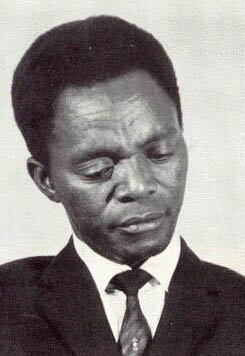
Grégoire Kayibanda ni mwene Léonidas Rwamanywa na Caroline Nyirambeba. Yavukiye Tare, muri Commune Musambira Prefecture ya Gitarama mu majyepfo y’ u Rwanda kuwa 01 Gicurasi 1924. Amashuri abanza yayize i Tare (1932-1934) kandi ayakomereza Kabgayi (1934-1937). Naho ayisumbuye ayiga mu iseminari nto Saint Léon i Kabgayi (1934-1943). Kuwa 28 Ukuboza 1944 Kayibanda yinjiye mu Iseminari nkuru ya Nyakibanda, kugeza yiyemeje kuyivamo kuwa 15 novembre 1948, kandi agahagarika n’ibyigipadiri ahubwo akerekeza muby’ubwarimu. Yashakanye na Kayibanda Verdianne. Kuwa 20 Mutarama 1949 atangira umwuga w’ubwarimu muri « Institut Léon Classe » kugeza mu 1952. Ibyo kandi akabifatanyaga n’ubuzima busanzwe bwa buri munsi mu gukemura ibibazo binyuranye byari byugarije rubanda rugufi aho atuye. [Paternostre de la Mairieu (1994) 75].

Mu 1953 Kayibanda yoherejwe gukora i Kabgayi muri serivise yo gutegura no kunonosora infashanyigisho zijyanye n’igihe mu biro by’ubugenzuzi bw’amashuri. Guhera muri Kamena muri uwo mwaka kugeza m’Ukuboza 1954 Kayibanda yabaye umwanditsi w’ikinyamakuru « l’AMI».Kayibanda yifashishije itangazamakuru rero, yakomeje guhindura imitekerereze ya rubanda kandi ahindura n’imwe mumikorere y’ubutegetsi itari ihwitse muri icyo gihe. Urugero twatanga ni uko mu gihe itegeko ryabuzaga kwishyira hamwe cyane cyane mubikorwa bya politiki, Kayibanda we yasabaga ko uburenganzira bwo kwishyira hamwe mu m’Asosiyasiyo na Koperative bwahabwa rubanda kandi mu buryo butagabanuweho na gato. [Kayibanda Grégoire, “Notre rôle dans la cité” dans L’ami, n°114, janv.1954 nkuko byandukuwe na Paternostre de la Mairieu].

Ibyo byagize ingaruka nziza cyane mu mitekerereze n’imikorere ya politili. Amashyirahamwe menshi yaravutse kugera ku rwego rwo kuba Amashyaka ya Polilitiki. Hagati aho rero guhera Mu 1955 nibwo Kayibanda yavuye mu bugenzuzi bw’amashuri maze aba : President wa komite ncunga mikorere ya Trafipro (Travail, Fidélité, Progrès), umwanditsi mukuru wa Kinyamateka, yabaye kandi umunyamabanga wihariye wa «Monseigneur Perraudin », ndetse aba n’umwe mu bagize inama ngishwanama yaChefferie ya Marangara. Iyo myanya niyo yafashije cyane cyane Grégoire Kayibanda kumenyekanisha ibitecyerezo bye byiza. Kayibanda aha yari yaramaze kwiyunvamo umuhamagaro wo kuba umucunguzi wa rubanda rugufi nk’uko intego ye yabivugaga : Libertatem filiorum Dei : Tubohore Abana b’Imana.

Uwo muhamagaro kandi ugaragazwa n’amagambo basanze mu ikaye ye (carnet de notes), agira ati : « Mu gihugu aho rubanda ikorerwa ivangura rigaragara kandi ryizweho neza….nsanga kwibanda ku kintu kimwe gusa ntacyo byaba bimaze, ahubwo bidatinze nazasanga nange ntacyo ndicyo…mpisemo rero gukangura igihugu cyanjye kumenya ubushobozi kifitemo…maze nkabafasha kuvumbura ibyo ababakikije bakeneye, nkabasunikira kandi nkabingingira gutanga umusanzu wabo…ntekereza ko ariwo muhamagaro wange mu gihugu kikishakisha, kandi kikireba aho gikwiye guhagurukira hakwiye kandi vuba ». (Paternostre de la Mairieu 1994]. Murunva ko Kayibanda rero yabaye nkurahiye ko agiye gutanga ubuzima bwe bwose mu gufasha rubanda kwibohora.

Kayibanda arongera ati : « Chefu (président du Conseil de chefferie) anfata nk’umuntu warwanya ubutegetsi kandi bigaragara ko hari ukuntu antinya . Yamenyereye kwigirizaho nkana aba sushefu be, ariko njye sinemera amahame ye yose! Intekerezo zanjye zuzuyemo akarengane abantu banjye bagirirwa, kandi sinakwihanganira na gato ubutegetsi butakijyanye n’igihe kandi budashoboye.» Nasomye aya magambo anyibutsa ay’umukambwe Nelson Mandera, wavugaga ko iminyururu iri ku bantu be (abirabura) nawe iba imuriho, ko nta kindi yakora uretse kuyibabohora…kandi ko ari gahunda ndende yiyemeje kugeza ayisohoje cyangwa se kugeza abizize biramutse bibaye ngombwa.

Hari taliki ya 19 Nzeri 1962, Perezida J kennedy wa USa yakira Perezida Grégoire Kayibanda nyuma y’ubwigenge bw’u Rwanda.

Nk’uko bigaragara, Kayibanda yari umugabo utarebera akarengane ngo yituramire, cyangwa ngo yihutire gukemuraibibazo yifashishije inzira ihutaza, cyangwa se, isesa amaraso. Kayibanda yahangayikishijwe cyane n’ikibazo cya rubanda rugufi rwari rwiganjemo abo mu bwoko bw’Abahutu. Abo bari barambuwe uburenganzira bwose bw’ikiremwamuntu, ahubwo bagafatwa nk’ibikoresho. Umuhutu, ntaburenganzira ku mutungo, ku mutekano no kwishyira ukizana yagiraga,emwe no kubaho kwe byabaga ari impuhwe yagiriwe. Kwaka rero no guharanira uburenganzira mbonezamubano n’ubwa politiki n’ubundi bushamikiyeho, murunva ko byo byari inzozi.

Nyamara intwari Kayibanda yakomeje kwitegereza ako karengane kakorerwaga Abahutu kuva aho ubutegetsi bwabo bw’Abahinza butsindiwe n’ingoma nyiginya z’Abatutsi mu gisekuruza cya 15, asanga ataceceka. Nibwo kuwa 24 Werurwe 1957 Kayibanda yegereye bagenzi be aribo: Maximilien Niyonzima, Claver Ndahayo, Isidore Nzeyimana, Calliope Mulindahabi, Godefroid Sentama, Sylvestre Munyambonera, Joseph Sibomana na Joseph Habyarimana ariwe Gitera, maze basinya kandi batangaza kumugaragaro inyandiko bise « Note sur l’aspect social du problème racial indigène au Rwanda ». Iyo nyandiko yari igenewe Umwami Mutara III Rudahigwa hamwe n’abategetsi b’Ababirigi bakolonizaga u Rwanda. Iyo nyandiko yasobanuraga akarengane gakorerwaga rubanda rugufi ndetse n’inzira ako karengane kakemurwamo. Yasabaga by’umwihariko ko ibyiza by’igihugu bikwiye gusaranganywantavangura iryo ariryo ryose rishingiweho mu bana b’ u Rwanda. Iyi nyandiko rero yamenyekanye mu itangazamakuru nka Manifesite y’Abahutu, niyo yabaye intangiriro y’urugamba rw’Umuhutu mukwibohora ingoma ya cyami.

Kayibanda hagati aho, abifashijwemo na «Monseigneur Perraudin », kuwa 09 Nzeri 1957 yoherejwe mu mahugurwa ajyanye n’iby’itangazamakuru mu bwanditsi bw’ ikinyamakuru « Journal Vers l’avenir » cyandikirwaga mu Bubirigi.  Kayibanda yagarutse kuwa 08 Ugushyingo 1958, maze ahita akomereza imirimo ye muri Kinyamateka guhera tariki ya 25 Ugushyingo 1958. [Linden (1999) 325].

Twibutse ko muri Kamena 1957, mbere y’amezi 3 ngo Kayibanda ajye i Burayi, muri ya mahugurwa twavuze, yasize ashinze « Mouvement Social Muhutu» yashingiye programu yayo kuri ya Manifeste y’Abahutu. Hagati aho,Umwami Rudahigwa yaje gutanga kuwa 25 Nyakanga 1959, ikibazo kitarakemuka maze asimburwa na murumuna we wahawe izina rya Kigeli V Ndahindurwa kuwa 28 Nyakanga muri uwo mwaka. Impirimbanyi za Demokarasi zibwiraga ko nibura Ndahindurwa azanye amatwara mashya, niko kumwibutsa ubutumwa bwo guhindura ibintu mu nzira y’amahoro bwari bwarashyikirijwe mukuru we.

Nuko mu ibaruwa bashyikirije Umwami Ndahindurwa ubwe ,kuwa 07 Kanama 1959, bongera gusobanura akarengane k’abahutu ndetse berekana n’ibintu bikwiye guhinduka vuba na bwangu mu mitegekere y’igihugu. Mur’ibyo harimo: kwemera ko umuhutu agomba kugira uruhare mu mitegekere y’igihugu cye, gusaranganya ibyiza by’igihugu no gukuraho abategeka bose batabanye neza rubanda. Iyibaruwa yagaragaje rero urukundo intwali za Demokarsi zakundaga rubanda, yagaragaje kandi ukuri n’ubutwalibidashidikanywaho, aba bagabo bari bafite. Muri iyo baruwa baragira bati : «Ibyo duharanira ntitwabihejeje mu rwihisho twabyanditse mubyo amagazeti yise Manifeste y’Abahutu, twabibwiye umwami, twabibwiye Leta, twabwiye intumwa z’Ububirigi, ntitubihisha cyangwa ngo tubishyigikize inzangano no gusebanya. Duhinyura icyo tutabonamo amajyambere rusange y’Abanyarwanda bose tukavuga icyo twifuza ».  Iyo baruwa nayo yashyizweho umukono n’abayobozi ba ya Mouvement twavuze haruguru yaharaniraga uburenganzira bw’Umuhutu, aribo : KAYIBANDA Grégoire (Président Général), NIYONZIMA Maximilien (V/P Général), MURINDAHABI Calliope (Secrétaire général), SIBOMANA Joseph(Trésorier Général).

Reba:http://www.mdrwi.org/rapports%20et%20doc/documents/revolisio%2059/requete%20au%20mwami%20ndahindurwa.pdf

Kayibanda wari ukubutse Iburayi, yaritegereje abona ko ibintu bigeze iwandabaga kandi hakenewe impinduka mu Rwanda. Maze kuwa 19 Ukwakira 1959 ashingaga IshyakaPARMEHUTU (Le Parti du Mouvement de l’Emancipation Hutu). Iri shyaka naryo rikaba ryariyuburuye muri ya«Mouvement social Muhutu ».  PARMEHUTU yaje guhindura izina, yitwa MDR « Mouvement Démocratique Républicain »kandi yiyemeza kwigobotora ingoma ya cyami n’iya gikoronize maze hakajyaho ubuyobozi bushingiye kuri Demokarasi na Repubulika mu Rwanda. [Paternostre de la Mairieu (1994) 158].

Muri aya mahindura y’imitegekere, Umwami mushya Kigeli V Ndahindurwa yagaragaje ko ingengabitekerezo ya cyami idahinduka kandi ko agikeneye abahutu ho abagaragu, gusa yibagirwa ikintu kimwe ko « nta wahagarika rubanda yahagurukiye gukora revolusiyo ». Ibi tuzabigarukaho tuvuga iby’uko Revolisiyo yatangiye n’uko yagenze(1/11/1959- 01/7/1962).

Revolisiyo yarangiye Rubanda yerekanye imbaraga yifitemo. Reka twiyibutse aya mataliki y’ingenzi cyane :

*Kuwa 26 ukwakira 1960 habayeho amatora adafifitse yarangiye ashyizeho inteko na Leta by’agateganyo. Nyakubahwa Gregoire Kayibanda aba Ministre w’intebe naho Habyarimana Joseph Gitera ayobora Inteko.

*Ku wa 28 Mutarama 1961 i Gitarama habaye Kongere idasanzwe, ikuraho ingoma ya cyami( monarchie), ica Karinga n’izayo zose, itangiza ubutegetsi bushingiye kuri Repubulika : uwo munsi Nyakubahwa Dominiko Mbonyumutwa yatorewe kuba Perezida wa mbere.

*Ku wa 25 Nzeri 1961 habayeho amatora rusange yiswe Kamarampaka : rubanda ihamya bidasubirwaho ko yanze ubutegetsi butunzwe (ubwami) na Kigali , ko ishaka rwose ubutegetsi bushingiye kuri rubanda : nyuma y’ukwegura ka Mobnyumutwa , Geregori Kayibanda yatorewe kuba Perezida wa Repubulika, ashyiraho Leta yagejeje u rwanda ku bwigenge taliki ya 1/7/1962.

Nyakubahwa Grégoire Kayibanda wari wabaye Président wa Repubulika ya mbere, yongeye gutorerwa manda ya 2 mu 1965, na manda ya 3 ari nayo ya nyuma mu 1969.[Reyntjens (1985) 408].

Nyamara ariko ngo ntawe uneza rubanda kandi ngoubutegetsi buraryoha ! Nyakubahwa Grégoire Kayibanda waharaniye uburenganzira bwa Rubanda nk’uko intwari Nelson Mandela yaharaniye uburenganzira bw’Abirabura bari baratsikamiwe n’abazungu muri Afurika y’Epfo, yaje gukurwa mu mirimo ye kuwa 05 Nyakanga 1973 na kudeta yitiriwe Juvénal Habyarimana n’inshuti ze. Maze Nyakubahwa Grégoire Kayibanda bamugenera igihano cy’urupfu kuwa 26 Kamena 1974. [L’arrêté N° 0001/ 74/ CM de la cour martiale le 29 juin 1974]. Icyo gihano cyaje guhindurwamo gufungwa burundu maze Kayibanda avanwa muri Izari Rwerere aho yari yafungiwe, afungirwa iwe mu rugo i Kavumu ho muri Gitarama kuwa 11 Nzeri 1974, aho yatabarukiye nk’intwari Mahatma Gandhi, kuwa 15 Ukuboza 1976. [Pierre-Célestin Kabanda (2012) 292-294].

Harakabaho intwali za Repubulika.

Umutaripfana Venant Nkurunziza.