ITANGAZO: Gahunda yiswe “NDI UMUNYARWANDA” NTIYUBAKA, IRASENYA .

kazunguITANGAZO RIGENEWE ABANYAMAKURU

Twebwe abahagarariye amashyaka ya politiki atavuga rumwe n’ubutegetsi buriho mu Rwanda, twahuriye mu mugi wa Denderleeuw ho mu Bubiligi.

  1. Dutangarije Abanyarwanda n’inshuti z’u rwanda ko gahunda yiswe « Ndi umunyarwanda » itunga Abanyarwanda ahubwo ibateranya bikomeye ;

  1. Muri iyo gahunda hemezwa ko « Jenoside yakorewe Abatutsi » yakozwe mu izina ry’Abahutu bose, ko kubera iyo mpamvu, abenegihugu bo mu bwoko bw’abahutu bagomba gusaba imbabazi abenegihugu bo mu bwoko bw’abatutsi ;

  1. Tuributsa Leta y’u Rwanda n’Abanyarwanda ihame ridakuka ry’uko « icyaha ari gatozi ». Nk’uko umukuru wa IBUKA ubwe yabyivugiye kuri radio BBC –Gahuzamiryango, abacitse kw’icumu ntibategereje gusabwa imbabazi n’Abahutu batabahemukiye ; umuntu asaba imbabazi z’icyaha yakoze ;

  1. Niba koko « Ndi umunyarwanda » igamje ukuri n’ubwiyunge bw’Abanyarwanda, kwa kuri gusharira Perezida Paul Kagame yivugiye ubwo yatangizaga iyi gahunda :

  • Hari Abatutsi biciwe

  • Hari Abahutu biciwe

  • Hari Abatwa biciwe

  • Hari Abahutu bishe

  • Hari Abatutsi bishe

  • Hari Abatwa bishe

Abagomba gusaba imbabazi ni bande ?

Abagomba gusabwa imbabazi ni bande ?

Abahagarariye aya mashyaka basanga abagomba gusaba imbabazi ari abakoze icyaha kandi bakazisaba abo bagikoreye, ibyo ntibisaba kuba umututsi, umuhutu cyangwa umutwa, kuko icyaha ari gatozi ;

  1. Kubera iyo mpamvu, turasaba Abanyarwanda, Abahutu, Abatwa n’Abatutsi, kwamaganira kure iyo gahunda no kwirinda kuyitabira ;

  1. Abahagarariye amashyaka twiyemeje kandi gukomeza ibiganiro hagati yacu n’andi mashyaka azabishaka, kugirango dushakire hamwe umuti w’ibibazo byugarije u Rwanda n’Abanyarwanda.

Imana irinde u Rwanda n’abarutuye bose.

Bikorewe Denderleeuw , tariki ya 23 Ugushyingo 2013.

Padiri Nahimana Thomas, Ishema ry’u Rwanda

Munyampeta Jean-Damascène, PDP-Imanzi

Kazungu Nyilinkwaya, PPR-Imena

Ryumugabe Jean-Baptiste, PS-Imberakuri 

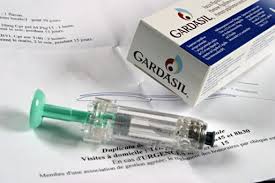
Plainte contre le vaccin du cancer du col de l’utérus

downloadUne jeune femme, originaire d’Aquitaine, a déposé une plainte visant Sanofi Pasteur et l’Agence nationale de sécurité du médicament pour de graves effets secondaires liés selon elle au vaccin Gardasil contre le cancer du col de l’utérus, a indiqué aujourd’hui son avocat.

Me Jean-Christophe Coubris, par ailleurs avocat de victimes de l’antidiabétique Mediator, a indiqué à l’AFP avoir déposé une plainte simple vendredi auprès du parquet du tribunal de Bobigny (Seine-Saint-Denis) pour “atteinte involontaire à l’intégrité de la personne humaine”, confirmant une information de Sud Ouest Dimanche et du Journal du dimanche.

Après deux injections de vaccin Gardasil en octobre puis en décembre 2010, la jeune femme, âgée de 18 ans aujourd’hui, a été hospitalisée à plusieurs reprises en 2011, à Dax (Landes) après des vertiges et vomissements, puis au CHU de Bordeaux, après avoir souffert d’une perte de la vue, de la marche et de paralysie faciale notamment.

D’autres cas saisis

Après un an son état s’est stabilisé en août 2012, mais présente une fatigabilité persistante gênant sa scolarité.

Selon Sud Ouest, une double expertise commandée par la Commission d’indemnisation des accidents médicaux d’Aquitaine a conclu à un “lien de causalité” entre l’injection de Gardasil et une “réaction inflammatoire aiguë du système nerveux central”, qui après la deuxième injection a “décompensé un processus immunitaire”. L’expertise estime que les incidents inflammatoires de la jeune patiente présentent “tous les caractères objectifs d’imputabilité médico-légale”.

L’utilité du vaccin contre le cancer contre le col de l’utérus a régulièrement fait débat en France, où des patientes ont déjà saisi des commissions régionales d’indemnisation des accidents médicaux, pour des effets secondaires liés selon elles au Gardasil, commercialisé par Sanofi pour Merck.

En mars 2012, un groupe d’études de l’Assemblée nationale sur la vaccination avait recommandé “une recherche approfondie sur l’efficacité et les effets du vaccin”.

Selon l’InVS, moins d’un tiers des adolescentes françaises étaient en 2011 vaccinées contre le cancer du col de l’utérus, 12e cancer le plus fréquent chez les femmes (plus de 2800 personnes atteintes en 2011, 1000 décès).

Source: Le Figaro, 24/11/2013.

Most revolutions are not planned; the ones which are usually evolutions.

patrice-lumumba

Until Tuesday 3rd September 2013 I ignored how revolutions started from a personal perspective.

There are times in life when injustices that we face as people get to a certain intolerable level one needs to say that they cannot take it anymore.

I have been active for many years campaigning for human rights issues in Africa and particularly the Great Lakes region where I come from.

What I experienced on the above mentioned day convinced me that Africans needed a revolution, nothing more and nothing less, to change what is wrong with our continent. And we don’t need to ask anyone permission to do that. It is our fundamental right and primarily moral obligation to fix what is not working for us.

What effectively happened?

Since July of this year I have been working tirelessly with colleague activists from different countries but mainly from the Great Lakes region on the initiative we have called Dying in the Great Lakes – A Living Portrait.  It is mainly a live spectacle to be performed in a public place and aimed at touching the indifference of Westerners towards the millions of victims in the mentioned region caused significantly by their governments/ multinationals using local leaders like Paul Kagame, president of Rwanda and Joweri Museveni president of Uganda.

As I write, the event is scheduled to take place on 14th September 2013. Being a public event this requires from the organisers to introduce a request to the authorities in charge of public order in London. Initially, since the event was planned for Central London in Trafalgar Square, when we approached the London Metropolitan Police, they replied saying that the particular location we sought for did not fall under their responsibility. They directed us to the Greater London Authority. This office was immediately contacted.

The Greater London Authority succinctly said that because we planned to show to the British people how victims of genocides and wars in our region die, they could not allow the event because some of their citizens could be distressed seeing that.

“The GLA [Greater London Authority] also has a duty of care to consider any activities that may cause distress to members of the public including families and children who would not be expecting the content that you are proposing. We understand that your proposal is regarding an emotive subject but as stated the GLA has to consider all visitors to the square as it is not a private venue.

Of course the British public can be distressed because they don’t know what their government and multinationals some headquartered in London and others elsewhere are doing to Africans to maintain the standards of living they enjoy.

Then we received the following response from the London Metropolitan Police from which we were seeking permission to hold our event, and apparently saying the same thing.

“…you’ll be exposing children and other potentially venerable people to a sight that some may well misunderstand, not comprehend or quite possibly may find distressing or upsetting, which on receipt of complaint could represent a public order offence, again hardly a sensible thing to do.

When I read this paragraph of their response I thought there was an orthographic mistake on the word venerable. I thought the author wanted to say vulnerable. Then after checking I found out that he meant respected. Maybe these honourable people referred to are the same ones who are shareholders of multinationals playing havoc in the Great Lakes region. As a consequence, an event that can distress them, especially from a region where their businesses are, cannot be allowed.

From a procedural perspective, I could agree at some extent with the points put forward by the Greater London Authority and even the London Metropolitan Police to refuse granting the permission. In their position, I could’ve probably proceeded similarly. But on the other hand, not considering that the cause in question concerns several genocides totalling close to 10 millions of victims in the Great Lakes region, it seems irresponsible to give too much weight the fact that Dying in the Great Lakes as a public event could cause harm or distress to Londoners, when one is aware of the scale of what has been going in the Democratic Republic of Congo, Uganda, Rwanda, and Burundi in the last two decades and does not appear to stop.

Would have, during the second world war or a little bit before because of the persecution, Jews been prohibited from showing to the British public what Hitler was doing to their community for the sake of not distressing people? I don’t think so. The scale of the atrocities we are referring to in the case of the Great Lakes region is far bigger than the Jewish situation. One argument against such comparison would possibly claim that Jewish are different from Africans. I would concede that. However, both communities consisting of  human beings there is no logic they should be treated differently.

What should be the response?

On that very same day I was informed of the position of the London authorities about our event, I had a chance to attend an inspiring conference where the invited speaker Luwezi Kinshasa talked of the necessity of an African revolution to fix what is not going right with Africa. He stressed the imperative requirement for people getting organised and not expecting that forces we are against will let us achieve what we want, since they are only interested in a status quo.

If the Democratic Republic of Congo, Uganda, Rwanda and Burundi all together have been steadily losing their people over the years at the rate of millions so capitalism can prosper, does it really matter to its cheerleaders how many more are killed as long as the status quo prevails? I don’t think so.

As I started stating, most revolutions are not planned. A time comes when all the ingredients come together: people’s understanding of the injustices they are victims of, the readiness for sacrifice to make the expected change happens, and then that is it. In fact, the apparent preparation of a revolution is only a reaction to the level of suffering of the victims of a particular situation.

Support for the African Union International Support Mission in the Central African Republic

usdos-logo-seal

Remarks

John Kerry
Secretary of State

Washington, DC

November 20, 2013

I am deeply concerned by the ongoing crisis in the Central African Republic and the deplorable levels of violence and lawlessness that affect millions of people every day. In the continuing aftermath of the March 2013 overthrow of the government by the Seleka rebel alliance, militia groups are now organizing themselves along increasingly sectarian lines and engaging in a cycle of retaliatory abuses against civilians. At this moment, the United States sees no evidence that the CAR transitional government has the capacity or political will to end the violence, especially the abuses committed by elements of the Seleka rebel alliance that are affiliated with the government.

Pending notification to the United States Congress, the Department of State plans to provide $40 million in assistance to MISCA, the African Union-led peacekeeping mission in the CAR, to help protect civilians and provide security throughout the country. This assistance may provide logistical backing, non-lethal equipment, training, and planning support. In the immediate term, we believe that MISCA is the best mechanism to help quickly address the ongoing violence in the CAR and prevent further atrocities. MISCA is also in the best position to help establish an environment that allows for the provision of humanitarian assistance and an eventual political transition to a democratically elected government.

There are nearly 400,000 internally displaced persons and over 220,000 CAR refugees in neighboring countries, including approximately 68,000 new refugees who have fled in recent months. In the past year, the U.S. government has provided more than $24 million in humanitarian assistance to support programs that provide food, health services, and other aid in the CAR. We have also provided an additional $6 million in humanitarian assistance to specifically support new Central African refugees.

We call on the region and the international community to support and fully deploy MISCA in order to restore security in the country, and we will continue to work with others in the region and the international community to implement a credible political transition and assist the people of the CAR who have suffered so greatly in this conflict.

PRN: 2013/1451

Source: http://www.state.gov/secretary/remarks/2013/11/217822.htm


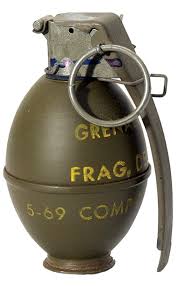
Libya: Umudepite witwaje grenade

download (3)Muri Libya, umudepite uturuka  w’umutegarugori yasobanuriye inzego zishinzwe umutekano ko yitwaje grenade mu gakapu ke mu rwego rwo kwirindira umutekano. Mu gihe yari aje mu mujyi wa Tripoli mu nama  Madamu Souad Soltane yanyujije aka kapu ke mu cyuma cyumviriza intwaro n’ibisasu biturika nuko cyimuvugiriza induru nk’uko bitangazwa ku rubuga rwa facebook rwa’inama rusange (Conseil general) y’ako gace byabereyemo.

Bamubajije ikiri mu gakapu abategarugori bitwaza yahise asubiza atazuayaza ko harimo grenade yitwaje mu rwego rwo kwirindira umutekano. Inama rusange yatangaje ko Madame Soltane yakurikiranye inama amaze gusigira grenade inzego z’umutekano. Inama irangiye Madame Soltane yaharutse gusaba ko bamusubiza ibye ariko abashinzwe umutekano bamutera utwatsi. Ibinyamakuru bitandukanye byari byakwije inkuru ko uyu mudepite yafashwe agafungwa, akaba ariyo mpamvu inama rusange yatangaje iyi nkuru.

Twakwibutsa ko nyuma y’ihirikwa rya Mouammar Kadhari mu kwezi k’Ukwakira 2011, intwaro zitandukanye zakwirakwiye mu gihugu haba mu baturage b’abasivili haba no  mu mitwe yitwaje ibirwanisho. Umutekano uracyabarirwa ku mashyi mu gihugu ndetse kuri uyuwa gatanu ushize imirwano yarubuye ubwo umutwe umwe mu yitwaje intwaro warashe ku bantu bakoraga imyigaragambyo mu buryo butuje bashaka ko uwo mutwe uva mu mujyi wa Misrata. Mu rwego rwo kwhihorera abantu bitwaje intwaro bahise bagaba igitero ku birindiro bikuru by’uwo mutwe hapfa abantu 45 hakomereka abandi barenga 500.

Inkuru dukesha Le Figaro

INTAMBARA Z’ URUDACA MURI KONGO : NI IKI ITSINDWA RYA M 23 RIHINDURA?

Eugene

Eugene Ndahayo yunze mu ryo benshi bamaze iminsi bavuga.

Uko intambara zakurikiranye.

Kuva muri za 60 cyabona ubwigenge, igihugu cya Kongo ntikigeze kigira amahoro arambye. Icyo gihugu cyakunze kurangwa n’intambara zidahosha.

Byagiye bivugwa kenshi ko Abanyekongo babonye ubwigenge batarageza igihe cyo kuba bakwiyoborera igihugu cyabo. Mu ntambara zose zabaye kuva icyo gihe ingabo z’igihugu ntizigeze kandi zishobora ubwazo kurengera ubusugire bw’igihugu, kurinda umutekano no kugarura ihumure. Leta ya Kongo yagiye buri gihe itabarwa n’amahanga. Benshi muribuka uko Pierre MULELE n’agaco ke bafashe Bandundu n’agace kanini k’intara y’uburasirazuba bwa Kongo kagizwe na Uvira na Fizi. Leta y’icyo gihe yagombye kwitabaza ingabo z’amahanga kugirango ibashe guhangana no kwivugana MULELE.

Mu Gushyingo 65, Mobutu, wari serija icyo gihe, yakoze « coup d’Etat ». Muri 67, J SCHRAM yagerageje guhirika MOBUTU aturutse i Bukavu ariko ntiyabigeraho. Ingabo za Kongo na bwo zagombye kwitabaza ingabo z’amahanga kubera kutagira ibikoresho bihagije n’ubuyobozi buhamye (désorganisée). Amahanga yateretse Mobutu ku ntebe y’ubutegetsi ni na yo yamufashije kubushimangira no gukumira abataravugaga rumwe na we.

Uko kwitabaza ingabo z’amahanga bigaragaza bihagije intege nke n’akajagari (désorganisation) mu ngabo za kongo kuva muri za 60 kugeza na n’ubu.

Ikindi kiranga izo ntambara ni uko Abanyekongo bazishoza baba bashaka gufata ubutegetsi babifashijwemo n’ibihugu byo mu karere n’amahanga byabananira intambara bakayihindura iyo gushaka ubwigenge bw’intara bakomokamo.

Ni muri urwo rwego Moïse TSHOMBE yatangaje ubwigenge bwaKatanga ku ya 7 nyakanga 1960. KALONJI na we ni byo yakoze ubwo atangaza Leta yigenga ya KASAI y’Amagepfo. Muri 1976 uwitwa MBUMBA Nathanaël na we yashoje urugamba incuro ebyili muri Shaba ; mu myaka yakurikiyeho,Laurent Désiré Kabila n’ingabo ze bagabye ibitero ubugira kabili muri 1985 ahitwa Moba.

N’ubwo ariko buri gihe hari abanyamahanga babaga bihishe inyuma y’izo ntambara, ntawakwirengagiza ko gupfukirana Abanyekongo, ubuyobozi bubi no guheza bamwe ku mutungo w’igihugu na byo biri mubikurura izo ntambara. Ni uko uduco tuzwi kw’izina rya Mayi-Mayi twagiye tuvuka hirya no hino ari na ko duhindura amazina dukurikije icyo tuvuga ko turwanira, akenshi gishingiye ku bwoko : KATUKU muri Walikale/Bunyakiri, NGILIMA muri Masisi, BATIRI muri Rutshuru, KASINDIENS muri Rwenzori.

Urugamba rwa AFDL muri 1996 rwiswe inkundura yo kwibohora rwari rushingiye ku bibazo by’Abanyekongo ubwabo n’ibibazo batewe n’abaturanyi :

Muri Nyakanga 1994: impunzi z’Abanyarwanda zirenga miliyoni zahungiye muri Zaïre nyuma ya jenoside n’intsinzi ya FPR. Muri izo mpunzi harimo ingabo zahoze ari iz’u Rwanda n’Interahamwe zari zimaze gukora ibara mu gihugu.

Nzeli – Ukwakira 1996 : Ingabo za Kongo n’Abanyamulenge bakozanijeho mu ntara ya Kivu. Ubutegetsi bwa Kongo bwahise burega u Rwanda ko ari rwo rurimo guhembera imyivumbagatanyo mu karere ka Uvira (Kivu y’amajyepfo). Mu minsi yakurikiye, AFDL iyobowe na Laurent Désiré KABILA yatangaje ko ivugira inyeshyamba ziyemeje guhangana na Leta ya Kongo.

17 Gicurasi 1997: Nyuma y’amezi 8 gusa, AFDL yari mu kibaba cy’ingabo z’u Rwanda yafashe ubutegetsi, Laurent Désiré KABILA aba Perezida w’igihugu asimbura MOBUTU wari umaze imyaka 32 ku butegetsi. Muri Nyakanga ni bwo KAGAME yemeye ku mugaragaro ko ari u Rwanda rwapanze rukanayobora intambara yo kuvana Mobutu ku butegetsi.

Urugamba rwa AFDL rwaje mu gihe abaturage ba Kongo n’amashyaka ya politiki yari ahanganye n’ubutegetsi bari bararambiwe igitugu cya MOBUTU na we utari ugifite ijambo mu nteko y’amahanga kuko abamukoreshaga bari bamaze kumukuraho amaboko ; ingabo za Kongo zari zarabaye nk’impehe, zaramunzwe na ruswa kubera kudahembwa, bigaragara ko zidashobora guhangana n’ibitero bya AFDL yari ishyigikiwe n’ingabo z’ibihugu by’u Rwanda na Uganda na byo bishyigikiwe na USA, UK… Muri iyo ntambara ingabo za Kongo ntizigeze zirwana usibye i Kenge muri Bandundu no mu kibaya cya Ruzizi muri Kivu y’amajyepfo.

Bidateye Kabili havutse amakimbirane hagati ya Kabila na Kagame :

Ku ya 2 Kanama 1998 : RCD yashoje intambara muri Kivu. Iyo ntambara yafashe intera ndende kuko yahindutse intambara y’akarere kose ihanganisha ingabo za Kongo zishyigikiwe na Angola , Namibiya na Zimbabwe ku ruhande rumwe na Uganda , Rwanda m’umutwe wa RCD ku rundi ruhande.

Muri Kanama 1999 : hatangiye intambara hagati y’amoko muri ITURI kugeza muri 2006 ihitana inzirakarengane zigera kuri 60.000.

Abashoje Intambara ya Kabili yitiriwe RCD ntaho bari bataniye n’ab’iya mbere usibye ko noneho atari MOBUTU wari ku butegetsi ari KABILA na AFDL bari bahanganye n’abari babateretse ku bugetsi. Aho bitandukaniye ni uko mu maso y’Abanyekongo, iyo ntambara itafashwe nk’iyo kwibohora, ahubwo yabaye intambara yo kuvutsa Kongo ubusugire bwayo no kwigarurira intara zimwe na zimwe z’igihugu, cyane cyane Intara ya Kivu. Ba Runyunyuzi na ba Mpatsibihugu ntibishimiye politiki ya Laurent Désiré KABILA yari ibangamiye inyungu zabo bafata icyemezo cyo kumuvanaho bakoresheje na none u Rwanda na Uganda . Ku ya 16 Mutarama 2001, Laurent-Désiré Kabila yarishwe asimburwa n’umuhungu we, Joseph Kabila.

Kwica KABILA bakamusimbuza umuhungu we ariko ntibyakemuye ibibazo bya Kongo n’ikibazo cy’umutekano mu bihugu byo mu karere.

Ku ya 29 Kamena 2004 : umugi wa Bukavu wafashwe igihe gito n’abasirikare bigometse bayobowe na Laurent Nkunda. Nyuma y’aho muri 2008 umutwe wa CNDP watangije imirwano muri Kivu y’Amajyaruguru.

Muri Mata 2012, bamwe mu basilikare ba CNDP bari barinjijwe mu ngabo za Kongo barivumbagatanyije bitwaje ko amasezerano hagati ya CNDP na Leta ya Kongo atubuhirijwe. Ku ya 6 Gicurasi 2012 bashinze umutwe wa M23. Mu kwezi kwa 11, M23 yafashe Goma iyimaramo iminsi 11.

Mu minsi ishize, hagati y’italiki ya 25 Ukwakira n’iya 5 Ugushyingo 2013, ni bwo Ingabo za Kongo, zibifashijwemo na Monusco zatsinze ruhenu M23.

Ni iki gituma muri Kongo hahora intambara ?

Nk’uko natangiye mbivuga, Kongo yakomeje kurangwa n’intambara z’urudaca ari nako amahanga abyivangamo. Ikibazo akaba ari n’aho kiri : kuki nta ntambara yo muri Kongo itaba irimo amahanga ?

Impamvu nta yindi ni uko Kongo ari igihugu gikize cyane (« fabuleusement riche ») kandi kuri byose. Cyera umwami w’Ababiligi, Léopold II, iyo yavugaga Kongo yongeragaho“ce magnifique gâteau africain”. Koko rero Kongo iri mu bihugu bya mbere kw’isi bikize ku mutungo kamere. Ubutaka bwa Kongo bushobora gutunga abantu bagera kuri miliyari 2 ! Usibye ubukungu mu by’ubuhinzi (ikawa, icyayi, cacao, caoutchouc, amamesa, quinquina, itabi, n’ibindi) Kongo ifite amashyamba manini kandi arimo ibiti bitaboneka henshi ; ifite amabuye y’agaciro y’ubwoko bwose kandi harimo n’akenerwa mu gukora ibyogajuru no muri «technologie» igezweho ; Kongo ifite amazi menshi : urugomero rwa Inga rwonyine rushobora guha umuriro w’amashanyarazi Afrika yose ! Muri iyi minsi habonetse na Peteroli !

Kongo kandi ni « stratégiquement bien situé » ku mugabane w’Afrika.

Ayo mahirwe ni na yo byago bya Kongo kuko ba Mpatsibihugu na ba Runyunyuzi bakora ibishoboka byose ngo bigarurire banagenzure icyo gihugu. Ntibihanganira icyo ari cyo cyose cyahungabanya inyungu zabo cyangwa se cyatuma badashobora kurya kuri « ce magnifique gâteau ». Muri ibyo byose bifashisha bamwe mu Banyekongo, baba abari ku butegetsi cyangwa se abarwanya ubutegetsi buriho. Ni uko Ababiligi bashyigikiye Tshombe, URSS igashyigikira Lumumba, USA, UK na France bikajya ku ruhande rwa Kasavubu na Mobutu. Kubera ko n’akenshi abo Banyekongo baba bahagarariye ubwoko bwabo cyangwa uturere bakomokamo kurusha uko bahagarariye inyungu za Kongo muri rusange, usanga bikurura intambara zishingiye ku moko cyangwa ku turere.

U Rwanda na rwo ni ko rwabigenje rwitwaza ikibazo cy ‘Interahamwe n’umutekano w’Abatutsi bo muri Kongo kugirango rubone impamvu yo kwinjira no kugenzura intara ya Kivu ihana imbibi n’u Rwanda, ari na ko rusahura..

Uko gushyira imbere inyungu z’ubwoko cyangwa akarere bigira ingaruka zikomeye ku miyoborere y’igihugu cya Kongo aho usanga hari imirongo itatu ihanganye muri icyo gihugu : aba « fédéralistes », aba « unitaristes » n’aba « séparatistes ». Amahanga akaba yarakomeje guhembera ayo macakubili kugeza na n’ubu.

Itsindwa rya M23 rizahindura iki ?

Kubera uruhare rukomeye ibihugu nka USA na UK byabigizemo, itsindwa rya M23 kuri Kongo ni intambwe ikomeye mu kurengera ubusugire bw’igihugu, kubungabunga umutekano no kwongera guhuza Abanyakongo.

Mu Rwanda, intambara ya M23 isigiye ubutegetsi bw’i Kigali isura mbi. Amaraporo menshi kandi anyuranye yagaragaje bihagije ko u Rwanda ari rwo rwari ruri inyuma y’inyeshyamba za M23. Aha twavuga raporo y’umulyango w’abibumbye yasohotse muri Kanama 2013 yerekanye ku buryo budasubirwaho inkunga u Rwanda rutera M23 na raporo y’uwo muryango yasohotse muri Nzeri 2013 igaragaza uruhare rw’u Rwanda mu gushora abana mu bikorwa by’intambara byashegeshe Kagame ku buryo bukomeye. Hari na raporo z’umuryango Human Rights Watch. Izo raporo zose, bikubitiyeho no kuba ibyo bihugu byari bimaze kubona ko bishobora guhombera mu kaduruvayo kadashira ko muri Kongo (cyane ko Abashinwa n’ibihugu bya BRICS baticaye ubusa) biri mu byatumye USA na UK bisanzwe bishyigikiye Kagame bihagurukira ikibazo cya Kongo bikanashyira igitsure gikaze kuri Leta y’u Rwanda yari yarakomeje guseta ibirenge ibeshya ko ntaho ihuriye na M23 !

Intambara ya M23 yatumye kandi ibihugu bihuriye mu muryango wa SADC na byo bifata uruhande ku mugaragaro byohereza ingabo muri Kongo guhangana n’iza Kagame na Museveni. Izo ngabo na Monusco zifatanije na FARDC ni zo zatsinze urugamba. Ni ukuvuga rero ko u Rwanda rutazongera kuvogera Kongo uko rushaka kuko bitarugwa neza.

Bamwe mu batavuga rumwe n’ubutegetsi bw’i Kigali bemeza ko amahanga agiye gukomorera FDLR ndetse akanayitiza ingufu ikaba yatsinsura ubutegetsi bwa Kagame ikoresheje imbaraga cyangwa se binyuze mu mishyikirano. Ubu barakora ibishoboka byose ngo babere abavugizi FDLR bamaze imyaka bitaza iyo batayivumiraga ku gahera.

Abavuga ibyo bemeza ko kuba amahanga yarahagurukiye M23 ari ikimenyetso cy’uko ayo mahanga, cyane cyane USA na UK byari bisanzwe bishyigikiye Kagame, yamukuyeho amaboko ndetse ko n’amagambo Perezida Kikwete yavuze muri Gicurasi 2012 akaba yarakuruye amakimbirane akomeye hagati y’u Rwanda na Tanzaniya yari yayatumwe n’ibyo bihugu !

Nyamara iyo witonze ukareba usanga :

  1. Nta cyahindutse kuri USA , UK no ku muryango w’Abanyaburayi (UE) ku buryo babona FDLR : bose bumva ko FDLR ari ikibazo k’umutekano wa Kongo n’akarere k’ibiyaga bigari. Hakozwe amaraporo menshi ashimangira iyo myumvire. Byaba ari byo, byaba atari byo, ni uko bifatwa.

  1. FDLR yatangiye gufatirwa ingamba zikaze zo kuyihashya :

  1. Abayobozi bayo ba politiki barafashwe barafungwa ;

  2. Umugaba w’ingabo zayo arashakishwa na CPI

  1. Ari amasezerano ya Addis-Abeba (accord cadre), ari imyanzuro (résolution) y’Umuryango w’Abibumbye ishyiraho « Brigade d’intervention » … byose bishimangira ko imitwe y’inyeshyamba yose iri ku butaka bwa Kongo, uhereye kuri M23 na FDLR, igomba guhashywa. Ndetse kugirango bigaragare ko atari amagambo gusa, Monusco na « Brigade d’intervention » byahawe ububasha busesuye bwo kurwanya iyo mitwe.Iki kiri mu mpamvu za mbere zatumye M23 itsindwa.Kuva FDLR iri ku butaka bwa Kongo kandi na résolutions mpuzamahanga, cyane kuva aho amahanga ahagurukiye ikibazo cyo muri Kongo, zose zikaba zaragiye zibangikanya ikibazo cya M23 n’icya FDLR, biragoye nyuma y’itsindwa rya M23 ngo amahanga yirengagize ikibazo cya FDLR.

  1. Uko Kagame adashobora gusubira muri Kongo, ni nako FDLR idashobora kuguma muri Kongo. Usibye Kagame wabigize intero n’inyikirizo, ntawe uyobewe ko aho iri FDLR nta cyo itwaye u Rwanda . Abo igitwaye ni Abanyekongo ibereye ku butaka kuko biteza umutekano mucye mu turere iherereyemo kubera ubushyamirane n’indi mitwe y’inyeshyamba batajya imbizi bahurira muri utwo turere ; ntawakwirengagiza kandi ko no kuba ihari biha Kagame urwitwazo rwo kuvogera igihugu cya Kongo yitwaje “guhiga interahamwe zihora zishyugumbwa kongera kumena amaraso y’Abanyarwanda”! Ntawe kandi utarumvise, nyuma y’itsindwa rya M23, amagambo ya Martin KOBLER ukuriye Monusco muri Kongo agaragaza ko ari bo bagiye kurinda umupaka w’u Rwanda na Kongo ngo kugirango FDLR itazabona uko itaha yitwaje intwaro. KOBLER avuga ibyo, Lambert MENDE (Minisitiri w’Itangazamakuru akaba n’Umuvugizi wa guverinoma ya Kongo) na we yari yaraye atangaje ko ingabo za Kongo zigiye kugaba ibitero kuri FDRL zigamije kuyambura intwaro. Itangazo rya Perezida w’Akanama gashinzwe Amakoro kw’Isi ryo ku wa 14 Ugushyingo 2013 na ryo ni ho rigusha. Ibi bishatse kuvuga ko :

  1. kubera ko FDLR idashobora kuguma ku butaka bwa Kongo igifite intwaro, bagiye kuyihatira kwinjira muri gahunda ya DDRRR, abashaka gutaha bagataha, abatabishaka bakareba ibihugu bibakira, abo Kongo yemereye ubwenegihungu bakabimurira kure y’intara ya Kivu.

  1. Kagame atazongera kwinjira muri Kongo yitwaje gukurikirana yo FDLR. Nyuma y’ibi byose rero, kuvuga ko itsindwa rya M23 ari amahirwe kuri FDLR yo kugira imishyikirano na Kagame ni ukwihuta, cyane ko no kugeza ubu nta cyari cyavugwa kuri « deal » Kagame yagiranye na USA na UK (bidasiba gushimangira ko u Rwanda ari igihugu cy’incuti) kugirango adakomeza gushyigikira M23 no kwivanga mu bibazo bya Kongo. Ibyo ari byo byose, n’ubwo tutaramenya ibyo bamwemereye (usibye ko harimo guhita bongera gutanga imfashanyo zari zarahagaze), muri ibi bihe nta mpamvu n’imwe yatuma bamusaba kugirana imishyikirano na FDLR kandi nta ntambara iri mu Rwanda ngo ibe yabangamira umutekano wa Kongo muri iki gihe hari ubushake bugaragara bwo kugarura umutekano muri icyo gihugu. Ahubwo FDLR itarebye neza yamara urubanza, ibyo bamwe bitaga amahirwe bikaba inzira y’umusaraba !

Eugène NDAHAYO

Président a.i

Bayukuwe mu: Akanyamakuru ka FDU, Ugushyingo 2013 

Inkuru bifitanye isano:

« Nyuma ya M23, hagiye kurwanywa FDLR »: Ambasaderi w’Ubufaransa muri 

Inama y’ibihugu bya SADC na ICGL tuyitezeho iki?

Kagame, Kaguta na Kenyatta barezwe mu rukiko!

DnKagameUhuru2506.JPG

Uhereye ibumoso Kenyatta wa Kenya, Kagame w’u Rwanda na Kaguta wa Uganda baregwa kwica amasezerano ya EAC.

Arusha muri Tanzania haravugwa urubanza ruregwamo Perezida Kaguta Museveni, Kagame Paul na Kenyatta Uhuru. Nk’uko tubikesha ikinyamakuru The Citizen mu nyandiko ya Mussa Juma yo kuwa 19 Ugushyingo 2013, aba bagabo bareganwa n’umunyamabanga mukur w’Umuryango w’ibihugu by’Afurika y’Uburasirazuba Bwana Richard Sezibera. Bose uko ari bane bakurikiranweho kwica nkana amasezerano agenga umuryango w’Afurika y’Uburasirazuba East African Community( EAC) mu gihe bakoraga inama zigera kuri eshatu zose bakanga gutumira ibihugu bya Tanzania n’u Burundi kandi nabyo ari ibihugu binyamuryango

Iki kirego cyatanzwe mu rukiko rw’umuryango w’ibihugu by’Afurika y’Uburasirazuba(EAC) kuwa 18 Ugushyingo 2013 n’abagabo batatu ari bo Bwana Ally Msangi, Bwana David Makata, na Bwana Yohani Adam. Barasaba umucamanza ko yagira imfabusa kandi agahagarika ishyirwa mu bikorwa ry’ibyemezo byafashwe mu nama eshatu zitatumiwemo Tanzania n’u Burundi. Izo nama zabaye ku matariki ya 24 na 25 Kamena Entebbe muri Uganda, tariki ya 28 Kanama Mombasa muri Kenya no ku itariki ya 28 Ukwakira I Kigali mu Rwanda zihuza ba Perezida Kagame, Museveni na Kenyatta.

220px-Dr_Richard_Sezibera,_GAVI_board_member,_at_the_GAVI_pledging_event_press_conference

Dr Richard Sezibera umunyamabanga mukuru wa EAC, na we yagizwe ishumi ya ba 3K

Nk’uko The citizen gikomeza kibitangaza, uburanira abarega avuga ko izo nama uko ari eshatu zishe amategeko agenga uyu muryango igice cya 6(a)(b)(d) na (f), igice cya 7(f), igice cya 71(d), igice cya 3 ingingo ya 3 igice cya 1 C(3) z’amasezerano agenga uyu muryango, izi ngingo zikaba ziteganya ko abanyamuryango bose bagomba kugaragara mu ifatwa ry’ibyemezo birebana no kwishyira hamwe(integration).

Urebye uburyo Abanyatanzania bahagaurukiye iki kibazo, biragaragara ko bahangayikishijwe no kubona bashyirwa ku ruhande rw’umuryango biyubakiye. Hari Umunyatanzania twaganiriye ambwira ko iri yegezwa ku ruhande rya Tanzania, rifatwa nk’akagambane kabaye gaturutse kuri Kagame w’u Rwanda, ngo kandi ari bwo akinjira muri uwo muryango.

Mubajije impamvu akeka ko U Burundi nabwo bwaba bwaregejwe yo ambwira ko yakomeje gukurikira ibinyamakuru byandikirwa Kigali agasanga Nkurunziza na Kikwete ngo bashobora kuba bashyirwa ku ruhande ngo kuko ari Abahutu.

Biragaragara ko urukiko ruramutse rukoze akazi karwo neza, ibyemezo bya ba  3K (Kaguta, Kagame na Kenyatta)  biyise ishyirahamwe ry’abashaka ( coalition of the willing) bishobora kuba imfabusa aba bagabo bakaba babaye nka ya Nkorabusa ngo ibagara imigozi. Reka dukomeze tubitege amaso.

Chaste Gahunde

Case against Kenyan, Ugandan and Rwandan govts filed at EACJ

world002pxArusha. Three Tanzanians yesterday (Nov 18, 2013) filed a case at the East Africa Court of Justice against the Kenyan, Ugandan and Rwandan governments and the East Africa Community (EAC) secretary general.

The four are accused of violating the EAC treaty after holding three meetings which sidelined Tanzania and Burundi which are other member states.

Those who filed the case at the Arusha-based court are Mr Ally Msangi, Mr David Makata and Mr John Adam. They pray for judges at the court to suspend the implementation of resolutions reached during the meetings of presidents Uhuru Kenyata of Kenya, Yoweri Museveni of Uganda and Paul Kagame of Rwanda.

Their lawyer Jimm Ubedi said his clients are challenging the three presidents for holding meetings on June 24 and 25 in Entebbe, Uganda, followed by another meeting which was held on August 28 in Mombasa, Kenya, and another meeting which was held on October 28 in Kigali, Rwanda.

According to him, the meetings violated the Section 6 (a) (b) (d) and (f), Section 7 (f), Section 71 (d), Section 3 (3) and Section (1) C (3) c of the EAC treaty, which require all EAC member states to be involved in making decisions with regard to the integration process.

Presidents of Rwanda, Uganda and Kenya met under what was later dubbed as the ‘Coalition of the Willing’ to go ahead and fast-track the East Africa integration to create the East African federation in the shortest possible time.

By Mussa Juma, The Citizen, November 19th, 2013.

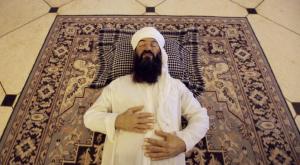
Abou Moussab al-Suri, le nouveau Ben Laden: le disciple qui pourrait être pire que le maître.

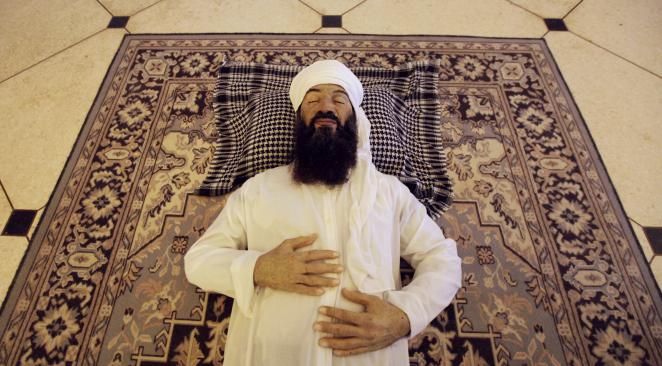
scupture

Une sculpture de Oussama Ben Laden mort créée par les artistes cubains Manolo Castro, Julio Lorente et Alberto Lorente. Crédit Reuters

En 1992, Setmariam Nasar revient s’installer en Espagne. A la demande de Ben Laden, il rejoint Londres en 1994, où il participe à la formation de la représentation d’Al-Qaïda en Europe. Il est à la base de la parution de la revue Al-Ansar, la première publication islamique éditée avec l’aide du GIA algérien. Il participe aussi à la formation du bureau d’étude des conflits islamiques.

En 1997-1998, il part vivre avec sa famille en Afghanistan à Kaboul. Il s’initie au maniement des armes conventionnelles et spéciales dans les camps d’entraînement de Derunta et d’Al-Ghuraba. Son instructeur est Midhat Mersi Al-Sayed Omar, connu sous le nom d’Abou Khabab, le grand artificier d’Al-Qaïda. Ce dernier sera tué par un drone de la CIA au Waziristan le 28 juillet 2008. C’est également en Afghanistan qu’il aurait fait la connaissance d’Abou Moussab Al-Zarqaoui, le futur chef de la branche irakienne d’Al-Qaïda. Ce dernier a été tué par les Américains en 2006.

Lors de son séjour afghan, Nasar rencontre à plusieurs reprises Oussama Ben Laden ainsi que de hauts responsables d’Al-Qaïda. A cette époque, il est soupçonné d’avoir formé des activistes européens venus s’entraîner dans le camp qu’il dirige dans les environs de Kaboul et de les avoir renvoyés dans leurs pays d’origine afin d’y créer des cellules dormantes, notamment en France, en Grande-Bretagne et en Italie. Bien qu’aucune preuve ne vienne étayer cette thèse, ces événements peuvent être rapprochés des tentatives d’attaques à l’arme chimique avortées lancées par Al-Zarqaoui en 2002 en France, contre la représentation diplomatique de Russie, et à Londres, contre divers lieux publics.

Par contre, il joue un rôle clef dans les attentats de Madrid du 11 mars 2004, qui ont fait 202 tués et 1 800 blessés. En effet, c’est lui qui aurait donné, depuis l’étranger, vraisemblablement depuis le Pakistan, les ordres nécessaires à ses lieutenants trois mois avant le déclenchement des opérations. Il avait bien précisé de « frapper peu avant la fin de la campagne électorale ». La désignation des objectifs et l’exécution des actions ont ensuite été laissés à l’initiative des activistes implantés en Espagne. Le résultat est connu : les forces militaires espagnoles ont quitté en catastrophe l’Irak et le gouvernement Aznar a été renversé.

En décembre 2004, il lance sur le net « l’appel à la résistance islamique globale », pavé dans lequel il détaille le manière de constituer des cellules terroristes indépendantes réparties de par le monde. Il y critique également la stratégie adoptée par Al-Qaïda qui ne peut qu’amener la défaite des forces islamiques. En 2005, les services secrets occidentaux apprennent que son épouse et ses enfants sont installés au Koweït. Mais c’est au Pakistan qu’il est finalement appréhendé.

Le fait que Setmariam Nasar soit libre de ses mouvements est très inquiétant car il est l’un des derniers responsables historiques d’Al-Qaïda. Il peut jouer un rôle de tout premier plan au profit de cette organisation. Il est vrai que, pour l’instant, sa présence n’a pas été signalée sur une quelconque terre de djihad. Cela est vraisemblablement dû aux mesures de sécurité qu’il est contraint d’adopter, mais gare à son retour !

Né le 26 octobre 1958 à Alep en Syrie, Nasar possède des cheveux roux (il porte barbe ou moustache), le teint pâle, les yeux verts. Il peut tout à fait passer pour un Occidental et possèderait, en plus de ses passeports syrien et espagnol, des faux papiers britanniques et d’autres nationalités.

Quels changements, tant structurels qu’idéologiques ont été perçus depuis la mort de Ben Laden dans l’organisation? Sont-ils dus à l’influence de ce nouveau leader ?

Le docteur Ayman Al-Zawahiri qui est beaucoup plus actif sur le plan opérationnel que son prédécesseur, a encouragé l’augmentation de la lutte sur les terres de djihad extérieures au Pakistan. Il a beaucoup délégué son autorité, désignant même son second en la personne du Yéménite Nasir Al-Wuhayshi, chef d’Al-Qaïda dans la Péninsule arabique (AQPA) active au Yémen. Il n’hésite pas à communiquer, vraisemblablement en se livrant également à des opérations d’intoxication car il sait que les moyens électroniques sont interceptés (comme celle qui a amené la fermeture d’une vingtaine de représentations diplomatiques américaines et étrangères cet été). Il a arbitré la querelle opposant les émirs de l’Etat Islamique d’Al-Qaïda en Irak et au pays du Levant (EIIL) et le Front Al-Nousra (qu’il a désigné comme branche officielle d’Al-Qaida en Syrie). Certes, al-Bagdadi, le chef d’EIIL s’est opposé à cette décision affirmant que son mouvement continuerait la lutte en Irak mais aussi en Syrie, mais Al-Zawahiri a ainsi fait preuve de son autorité pour l’avenir.

Sur le plan idéologique, Al-Zawahiri a augmenté la pression sur les chiites, Ben Laden se montrant de son temps plus “compréhensif”, sans doute parceque des membres de sa famille se trouvaient réfugiés en Iran (et placés en résidence surveillée sous la houlette des pasdaran).

L’approche d’Abou Moussab al-Suri est-elle radicalement différente de celle d’Oussama Ben Laden ? A-t-il définitivement effacé la figure de chef terroriste saoudien ?

Non puisqu’il n’est pas officiellement réapparu. C’est Zawahiri le grand patron.

La réorganisation du groupe islamiste en fait-il une menace plus dangereuse que celle d’avant 2011 et pourquoi ?

Al-Qaïda en 2012 demeure redoutable. L’organisation peut se découper comme suit :

– “Al-Qaïda central” basé au Pakistan. Cette entité bénéficie de la protection des taliban pakistanais,

– Al-Qaïda en Afghanistan qui est lié directement à “Al-Qaïda central”. Ses activistes coopèrent étroitement avec les taliban afghans du mollah Omar qui reste “la” figure idéologique respectée de l’ensemble d’Al-Qaïda.

– Al-Qaïda dans la Péninsule Arabique (AQPA) qui dame le pion aux autorités locales mais représente aussi une menace à l’international, cette organisation ayant la volonté d’y déclencher des attentats.

– EIIL en Irak qui se bat contre le pouvoir à majorité chiite de Bagdad et, une nouveauté, qui a des vélléités de s’en prendre aux Kurdes de Massoud Barzani. Elle possède des brigades en Syrie (où son chef se trouverait).

– Le Front Al Nousra ; si les chefs de cet front et de l’EIIL ne s’entendent pas, les activistes des deux organisations coopèrent sur le terrain.

– Al-Qaïda au Sinaï qui est en train de se structurer et que représente une menace directe pour Israël dans les années à venir.

– Al-Qaïda au Liban Nord qui s’oppose directement au Hezbollah.

– Al-Qaïda au Maghreb Islamique (AQMI) et le Mujao qui ont éclaté dans les différents pays de la région et qui ont trouvé un nouveau repaire au sud et à l’est de la Libye et qui débordent en Tunisie et représentent désormais une menace pour le Maroc. Ne pas oublier que l’émir d’AQMI, Abdelmalek Droukdel se trouve toujours avec quelques centaines d’hommes à l’est d’Alger.

– Les Shebab somaliens qui sont désormais une menace directe pour les pays avoisinants dont le Kenya.

– Boko Haram et Ansaru qui sont surtout actifs au Nigeria mais qui ont inflitré le nord du Cameroun. Ansaru est très lié idéologiquement à “Al-Qaïda central” ayant adopté sa vision du djihad mondial alors que Boko Haram se contente pour l’instant de combattre sur le sol natal.

– Différents mouvements islamiques en Extrême-Orient et au Caucase mais les liens avec “Al-Qaïda central” semblent être beaucoup plus épisodiques.

Abou Moussab al-Suri prône une stratégie privilégiant les petits groupes et les petites attaques, plus nombreuses mais moins lourdes. Cette stratégie rendrait plus difficile la traque et le démantèlement des réseaux. La lutte contre le terrorisme a-t-elle de ce fait évolué ? Quelles sont les nouvelles pratiques allouées à la lutte contre le terrorisme ?

Il a prôné cette stratégie il y a plusieurs années. Elle n’est donc pas nouvelle. C’est lui qui a “inspiré” l’emploi de “loups solitaires” (même de micro-groupes indépendants de toute liaison directe avec “Al-Qaïda central”).

En gros, l’hydre qu’est Al-Qaïda utilise toutes les méthodes disponibles à sa portée. Les “loups solitaires” sont plus difficiles à déceler mais leur valeur opérationnelle reste limitée en dehors des actions terroristes de petite envergure. A un niveau plus élevé, des groupes plus structurés se livrent à des opérations de guérilla. Quand, ils sont plus puissants comme en Syrie, en Irak, au Yémen et demain en Afghanistan (quand les Américains seront partis), ils pourront passer au troisième niveau, celui  de la guerre conventionnelle.

A savoir que la guerre assymétrique comprend trois niveaux en fonction de l’accroissement de la puissance du mouvement insurrectionnel qui s’y livre :

Niveau 1 : le terrorisme

Niveau 2 : la guérilla

Niveau 3 : la guerre conventionnelle.

Pour reprendre un exemple, AQMI (et le Mujao) s’est d’abord livré à des actes de terrorisme. Se sentant assez puissant, il est passé au niveau 2 de la guérilla puis au niveau 3 quand il a conquis le Nord-Mali. A savoir qu’AQMI, le Mujao et Ansardine ont “livré bataille” à l’armée régulière malienne puis à leur ex-allié du MNLA ; leur erreur a été de vouloir faire la même chose en lançant une offensive “classique” sur Bamako en pensant que l’armée malienne allait s’effondrer (ce qui était bien estimé) mais en négligeant que des forces plus puissantes seraient lancées contre cette initiative (l’opération Serval). Redevenus “faibles”, AQMI et le Mujao sont repassés au niveau 1, celui du terrorisme.

Propos recueillis par Clémence Guinard

Read more at http://www.atlantico.fr/decryptage/abou-moussab-al-suri-nouveau-ben-laden-disciple-qui-pourrait-etre-pire-que-maitre-alain-rodier-902018.html#sRbwrpuwcvIEo3KV.99

Kagame narekeraho kugira abanyarwanda abanyamahanga mu gihugu cyabo.

abaministiri-ndi-umunyarwanda-280x100

Kagame yemeje Abaministri gushyigikira gahunda ya Jeannette Nyiramongi ya “Ndi Umunyarwanda”.

Ngo “Ndi Umunyarwanda,” nk’aho ntari mbizi.

Ariko se ubundi, nari nsanzwe ndi umunyamahanga?

Abazi uko igiti iyo kijya kugwa kivuga gikaka, ndabona prezida Paul Kagame na FPR ye ariho bageze. Nta garuriro pe!!! Ahubwo ababishoboye babari hafi ni ugukiza amagara n’ibintu, ibintu bigishoboka, naho ubundi igiti cy’amarumbo magari gishobora kubagwa hejuru nibatitaza ibintu bikigenda.

Ngo “Ndi Umunyarwanda,” nk’aho ntari mbizi.
Ariko se ubundi abantu, aha ndavuga abahutu kurusha abandi baturarwanda bose, Urabica uberekako atari abantu,
Urabatwara utwabo twose,
Urababuza kwiga,
Urababuza kwivuza,
Urababuza guhinga,
Urababuza kubyara,
Urababuza kuvuga gusoma cg kwandika ibyo bashaka,
Urabafunga umunsi n’ijoro,
Urabicisha inzara uko ubishoboye kose,

MURI MAKE URABABUZA KUBA ABANTU,

Warangiza ngo nibabe abanyarwanda?

KANDI WARANZEKO MBERE NA MBERE YUKO NO KUBA ABANTU UTABIBIFURIZA!!!

Naho se abo iyi myaka yose witaga Abanyarwanda, aha ndavuga abatutsi kurusha abandi baturarwanda bose, baraba iki? Cyangwa nabo warababeshyaga, nabo icyo gihe cyose nti bari Abanyarwanda!!!

Cyangwa ni wowe utari umunyarwanda, ukaba ufite ikibazo cy’ubunyarwanda, kuberako wumva kikuremereye, ukumvako ugifashijwe n’abandi baturarwanda, cyakorohera!!!

Abarera, n’abakirera bafite akazi gakomeye. Kwumvisha abana mu mikurire yabo abo baribo, kugirango mu mikurire yabo, ndetse no misazire yabo, bitazakomeza kubabera ikibazo, ndetse bakaba bagitera n’abandi. Nkuko birikugaragara muri gahunda ya “Ndi Umunyarwanda.”

Kuba umwenegihugu runaka, ntabwo byerekanwa no kubiririmba.
Byerekanwa cyane cyane n’uburenganzira busesuye uwo mwenegihugu aba afite mu gihugu cye. Mu gihe rero Kagame na Leta ye ntabwo baha abaturarwanda benshi, cyane cyane abahutu, ariko n’abatutsi bamwe n’abamwe, ndetse n’abatwa, we n’ubutegetsi bwe nibarekere aho kuvuza iy’abahanda na “Ndi Umunyarwanda.”

Cyakora birababaje pe!!!
U Rwanda rwarahuye koko!!!
Rwarakubititse!!!
Imyaka irenze makumyabiri ni myinshi cyane.

Reka ndekere aha, nirinde kwandika byinshi.
Ngo agahinda ntikica, hica… Kagame na FPR.

Mu mitegekere mishya nyuma ya Kagame, abantu bagomba kuzashyiraho uburyo ubutegetsi butari buzima, bugaragaza ibimenyetso byuko nta kigenda, bigaragara ko rwose burwaye, bwananiwe, buzajya buvaho. Hazaba hakwiye no kureba ndetse no kwerekana ibyo bimenyetso, abantu bose bakabimenya, bakamenyako ubutegetsi bwananiwe bugomba kuvaho.

Ambrose Nzeyimana