Politiki ya « Mutuwele yo kwivuza » cyari igitekerezo cyiza. Ariko cyaje guhinduka icyanzu cyo gusahura rubanda no kubabeshya ngo baravurwa kandi mu by’ukuri batavurwa. Ntibikiri ibanga amafaranga yose batanze nka « Cotisation ya mutuelle »yaranyerejwe . Leta ubwayo yabyemeye mu kwirukana nabi Ministri w’ubuzima Agnes BINANGWAHO ndetse na ba Meya benshi baherutse kwirukanwa bashinjwa kunyereza amafaranga ya Mituweli. Hagati aho abari bayatanze bahitanywe n’icyorezo cya Malariya ku bwinshi, ababyeyi batagira ingano bo bagafungirwa mu bitaro babuze ubwishyu !
(4) Abana bashobora kwiga nta nkomyi ? 3/10
Raporo zinyuranye zikozwe n’inzego z’ubuyobozi bukuru bw’igihugu (Inteko Ishingamategeko …) zakomeje kwemeza ko uburezi buhabwa abana ba rubanda guhera mu mwaka w’1994, mu mashuri abanza, ayisumbuye na kaminuza, nta REME bufite.
Ku ruhande rumwe, igitekerezo cyo gushuka abaturage ko abana bose baziga bagatunga dipolome ariko zitagize icyo zibamariye kiragayitse cyane kandi kizagira ingaruka zikomeye kuri ejo hazaza h’igihugu.
Ku rundi ruhande, bigaragara ko abana b’abategetsi aribo batangwaho umutungo w’igihugu kugira ngo bige mu mashuri y’akataraboneka yo muri Kigali , ndetse bigasozwa no kubohereza mu Bulayi na America . Uku kwikubira ibyiza by’igihugu kurakabije kandi kugomba guhagarara.
Nanone kandi hari ivangura rikaze rikomeje kugaragarira mu gukoresha umutungo w’igihugu hagafashwa abana bamwe barihirwa amashuri , abandi ndetse b’abahanga bakabura ubufasha. Ninde utabona ko iri vangura rishingiye ku irondakoko niridakosorwa amaherezo rizadusenyera igihugu bikomeye !
Uku gusumbanya abana b’igihugu bisa n’ibyimitse politiki ya « apartheid » hagati y’abana b’u Rwanda, FPR yarishyizeho igamije kwimika ubusumbane bukomeye mu gihe kizaza. Ninde wabishima uretse uwanzi w’igihugu ?
(5)Abaturage bafite amazi meza ? 0.5/10
Abaturage badafite amazi meza nta buzima buzira umuze bashobora kugira. Bagira umwanda, bakazongwa n’indwara z’ibyorezo zinyuranye. Ihere amaso iyi videwo ikurikira urebe uko iki kibazo cyazahaje abaturage kandi Leta ya Kagame ikaba idashaka kugikemura!
Yewe ngo n’ahubatswe amariba ya kijyambere , abaturage babanje gutanga imisanzu, nta mazi yigeze ageramo ! Ngiyo rero politiki y’igipindi ye !
(6) Abaturage bafite amashanyarazi mu ngo zabo ? 2.5/10
Reka twibutse ko amashyanyarazi afite uruhare rukomeye mu iterambere ry’igihugu n’abaturage bacyo .
(7) Abaturage bambara ku buryo buboneye ? 2/10
Politiki yo guca « Caguwa » mu Rwanda yagaragaje ko Leta ya Kagame ihora ifata ibyemezo bibangamiye cyane inyungu za rubanda . Bizwi ko U Rwanda rudafite inganda zakora imyenda mishya ihagije. Ikindi kandi abaturage bose ntibaragira ubushobozi bwo kugura imyenda mishya gusa. Iki cyemezo cyo guca caguwa cyagaragaye nko kwishongora bikabije kandi bitarimo ubwenge. Yewe n’ibihugu by’i Bulayi byakataje mu majyambere biracyacuruza imyenda ya caguwa !
Aha urubyiruko rurannyega icyemezo cya Leta cyo guca caguwa.
Aho Leta ya Nyakubahwa Paul Kagame ntiyibwira ko u Rwanda rutuwe n’abaministri n’abaherwe batuye Kigali gusa ? Ndetse twumva ko n’abagizwe abamisitiri bagurizwa amafaranga yo kugura iyo myenda mishya ! Abaturage basanzwe se bo bazagurizwa nande ?
(8)Abaturage barindiwe umutekano : 1/10
Mu Rwanda imbere nta ntambara y’amasasu ihari nyamara inzego zishinzwe gucunga umutekano(Polisi, igisirikari, Inkeragutabara…) ntizisiba kurasa abaturage b’inzirakarengane ku manywa y’ihangu no kubahoza mu iterabwoba ridahuga.
Intambara z’urudaca Leta ihozamo ibihugu duturanye nazo amaherezo zizabyarira Abanyarwanda akarambaraye niba iyi politiki yo kwigira gashozantambara mu karere idahagaritswe .
Urubyiruko nirwo maboko y’igihugu rukaba n’amizero y’iterambere rizaramba. Iyo urubyiruko rwihebye ntiwavuga ko uri kubaka igihugu.
Mu Rwanda urubyiruko ruremerewe cyane n’iterabwoba, ubushomeri n’ubukene. Umugabane ungana na 85 % w’urubyiruko ntacyo Leta ya Kagame ikora ngo irufashe kwikura mu bukene no kwizera ejo hazaza hazima. Icyo Leta ya Kagame imariye urubyiruko ruyikeneyeho ibisubizo ni ukujya kubafungira ku karwa ka IWAWA ; kubashora mu ntambara zo mu bihugu duturanye zibatikiza umusubizo n’uzirokotse agasigara ari igisenzegeri kitazagira icyo cyimarira.
Umwanzuro
Leta ya Paul Kagame abaturage baramutse bayigiriye ubuntu bayiha amanota angana na 15 /100 , ubundi bakayisezerera bwangu . Leta nk’iyi ntabwo ikwiye guhabwa amahirwe yo gukomeza kugaraguza abaturage agati no kwivuga ibigwi itagira . Politiki z’ibipindi Abanyarwanda barazirambiwe. Niyo mpamvu hakenewe IMPINDUKA.
By’umwihariko Urubyiruko rw’u Rwanda rukwiye kwishakamo ubutwari, rugahagurukana impirita maze mu matora ataha ya Perezida wa Repubulika yo mu 2017 n’ay’Intumwa za rubanda yo mu 2018, rukihitiramo abayobozi bashya . Njyewe ndetse ndashishikariza abasore n’inkumi kuzitabira amatora ari benshi kandi bakitorera abakandida ba « Nouvelle Génération » kuko umushinga wacu « Kunga abenegihugu ngo dufatanye kwiyubakira u Rwanda moderne(Together to modernize Rwanda) », ukubiyemo ibisubizo bifatika kuri ziriya ngingo 10 zagaragajwe hejuru, ari nazo zubakirwaho iterambere rirambye ry’igihugu .
Mbifurije mwese guhorana ishema.
Padiri Thomas NAHIMANA,
Umukandida wa Opozisiyo mu matora ya Perezida wa Repubulika yo mu 2017.
Mu kwezi gushize, mbere gato ko ibiruhuko by’abanyehuri bitangira, hari uwahimbye ubutumwa bushekeje abuzengurutsa kuri izi mbuga nkoranyambaga. Yageragezaga gusobanurira abanyeshuri baje mu biruhuko bimwe mu byahindutse ubwo bari bahugiye ku masomo. Yarateruye ati:
“Dore ibyabaye mwaragiye ku mashuri: Mwagiye abasore (Derek na Olvis ) bakundana na ba Miss Teta & Vanessa ubu siko bikimeze. Mwagiye caguwa turi kuzamagana none ubu zizageza muri Vision 2020. Mwagiye Convention Center itaruzura none ubu yaruzuye ndetse yanakiriye aba President 31 mu nama ya AU Summit. Mwagiye muzi ko Knowless afite ubukwe, ubu itariki zaramenyekanye gusa buzatahwa nufite invitation nta muvumbyi wemewe. Mwagiye APR FC itajya itsindwa na Rayon ubugira kabiri none yabaye *4G*. Mwagiye muzi ko baca umugani mu Kinyarwanda ngo *”Active irahitinga daaa!!* ubu noneho baca uwundi ngo “Nta wita Umwana uwo yambariye ukuri”. Mwagiye Primus Guma Guma Superstar itaratangira none igikombe twamenye nyiracyo….”
Munyemerere nanjye nifashishe iyi nganzo mbabwire ibyahindutse hagati aha mu gihe mwari muhugiye muri byinshi binyuranye: “Mwagiye Ambassadeur Eugène Gasana agihagarariye u Rwanda muri Loni. Ngo umwambari w’umwana agenda nka shebuja, mwagiye agenza nka shebuja, agatuka amahanga y’ibihangange nka shebuja ngo mu rwego rwo kwihesha agaciro. Hagati aho ngo yaba yarashyekewe, ibyo kugenza nka shebuja abifata uko (au pied de la lettre), agenza nka we no mu byo atemerewe none dore bimukozeho. Ubu bamutumije i Kigali atinya kuhakandagira, na we bamusezerera ikitaraganya. Ngo yaba aryozwa icyaha gikomeye kijyanye no kubogora amata ya shebuja.
Mwasize Agnès Binagwaho avuna umuheha bakamwongera uwundi bimwe by’umwana uri iwabo. Ubu atangiye kwibagirana kimwe n’abandi bamubanjirije ku ibere. Mwasize Theos Badege yica agakiza muri CID. Ubu ikibazo kigezweho ni ukumenya niba ari we wavuyeho na CID bakajyana, cyangwa niba ari yo yarohamye na we ikamutwara. Mwasize Kagame afite telecomande ayoboza byose mu Rwanda: Guverinoma, Icyama, Ingabo, iperereza, mbese igihugu mu nzego zose. Hagati aha telecomande ye amabuye yarashaje ntiyabimenya. Hagati aho abiru b’Icyama, ba bandi yakoreshaga atubyinisha muzunga, bakoresheje indi bakajya bazapinga (zaping) bucece kugeza igihe Kagame atakimenya canal yerekana amashusho ndetse n’ubwoko bw’ayo mashusho. Nguko uko bamukinnye amayida, bamubeshya ko bagiye kuvugurura itegeko nshinga ngo akaziyamamaza ubuziraherezo. None no kwiyamamaza umwaka utaha bizamubera nk’inshoberamahanga.
1. Ibintu 2 twemeraga kuri FPR none ano mezi atandatu ya 2016 akaba amaze kubisenya.
Icya mbere mu kwemera kwanjye cyahungabanye, kandi nkanibaza no kubyabaye kuri benshi, ni isano iri hagati ya Kagame na FPR. Abatari bake, twitegereje inzira FPR yanyuzemo muri iyi myaka 22 iri ku butegetsi, twemeraga ko yasenyutse, cyangwa se isigaye yubatse kuri Kagame nk’inkingi ya mwamba. Mu yandi magambo byavugwaga ku mugaragaro ko Kagame ari we FPR. Icyo iyi myaka ibiri ya nyuma isize igikuye mu nzira.
Icya kabiri abatari bake twibwiraga ni uko FPR, nyuma yo kugenda ishyira ku ruhande abatari bake mu bigugu byayubatse, yari yaratakaje za ngufu yahoranye zo gupanga, kureba kure, kumenya aho inyungu zayo ziri no guhangana n’ibihe bihinduka. Iki na cyo iyi myaka ya nyuma irakinyomoje. FPR iracyafite abiru bareba kure, bapanga bagapangura, byaba na ngombwa na wa wundi Kagame wigize akari aha kajya he bakamwinjiza muri iyo operation yo gupanga no gupangura, mbese na we akabyinishwa muzunga yibwira ngo ni we uyoboye umudiho.
Gusa na none nta zirumba ngo zibure n’agahaza. Hari icyo twashidikanyaga cyangwa tukacyemera nta gihamya, none kibaye ukuri. Ni ukuba FPR ikora neza neza nk’ubwami bwa kera. Kimwe mu byaranze ubwami mu Rwanda, ni uburyo bwari bwubakitse gihanga. Umwami yafatwaga nk’igikingi cya byose, nyamara imipangu y’ukuri ya politiki yakorwaga n’abiru umwami akinjira muri iyo muzunga atazi na we iyo igana. Ni muri urwo rwego bamurambagirizaga abagore babyita ngo berejwe inzuzi, nyamara wakwitegereza ugasanga byarakorwaga ku munzani w’inyungu z’imiryango 5 ikomeye y’ibibanda, ni ukuvuga ya moko yabyaraga abamikazi. Umwami ntiyanagenaga uzamusimbura. Ashwi da. Kuko uyu musimbura akenshi yatangazwaga ku munsi wo gushyingura se. Bityo, abiru bavugaga ko iryo banga nyakwigendera yari yararibabikije, ndetse ko uwo musimbura yavukanye imbuto, nyamara ubu dufite gihamya nyinshi ko byari umupango. Mu by’ukuri uruhande rurushije izindi ingufu rwashyiragaho uwarwo nuko abiru bakabyita irage ry’umwami watanze.
Na Kagame ibye na FPR birangiye nk’iby’umwami n’abiru. FPR yiyubatse ku cyitegererezo cy’ubwami. Si ku busa FPR yavutse yitwa RANU, ni ukuvuga UNAR mu cyongereza. Iyo UNAR ni rya shyaka ryarwaniraga ubwami. Mu kwiyubaka rero, koko FPR yafashe zimwe mu ngeso nziza n’imbi z’ubwami. Imwe muri zo ni ubwiru. Ni ukugira abantu bitangiye kubaka ingengabitekerezo ya politiki, kubaka umurongo, guharanira guhora bawuhuza n’aho ibihe bigeze, gupanga no kureba kure ngo ikintu cyose cyatera ingaruka zikomeye bakibone mbere y’igihe bagishakire umuti inzira zikigendwa.
Ikindi FPR yakopeye ku bwami, ni umuco w’igitambo. Mu bwami icyari ngombwa ni uko système ikomeza. Ibisigaye bindi byatangwaho igitambo. Iyo byabaga ngombwa, umwami bamuvanaga mu nzira iyo babonaga abangamiye système. Umwamikazi na we bamunyweshaga amata bibaye ngombwa. Mbese buri wese yashoboraga kuba igitambo. Icy’ingenzi cyari ko système ikomeza. Na FPR ni uko. Uwo ari we wese ashobora kuba igitambo ngo système idahungabana. Ikibazo ni uko twajyaga twibeshya ko bireba abandi ukuyemo Kagame. Si byo, na Kagame birashyize bimugezeho.
2. Uko byagenze ibara umupfu.
Bijya gutangira, Kagame yadukanye kuvuga mu ndimi zose ko adakeneye mandat ya gatatu. Yarabivuze arabishimangira mu mpitagihe, mu ndagihe no mu nzagihe. Hagati aho muri FPR abiyumvagamo ko bamubera abasimbura batangiye kwishyira mu myanya. Ngabo ba Musoni, ngabo ba rugize rute n’ibindi. Ukuri ni uko Kagame yagira ngo abarebe. Ubwo abivuyemo nk’inopfu bategereze akazaza. Nyuma yaho gato, binyujijwe ku bamotsi babigize umwuga nka Musa Fazil Harerimana, hatangijwe inkubiri yo gusinya no gusaba ko Kagame ahabwa amahirwe yo kwiyamamaza ubuziraherezo. Ba bandi bari baragaragaje inyota yo kuba basimbura Kagame babonye ko yabagushije mu mutego batazikuramo, ubwo Kagame aba yinjije kimwe zeru. Hagati aho ibya Burundi na byo byari bitangiye gushyuha. Abiru muri FPR batangiye kubona ko Kagame agiye kubera système ikibazo : Gushaka gukomeza kwiyamamaza ubuziraherezo byamwogerera imbaraga ariko amahanga akabakuraho amaboko bityo FPR ikaba igiye mu mage.
Aha rero ni ho hatangiriye undi mukino. Ikibazo gikomeye cyari inzira yo kwigizayo Kagame. Inzira zari nyinshi. Iya coup d’Etat yarageragejwe ariko bigaragara bwangu ko itazashoboka. Ni bwo rero abiru bapanze iyo kumutsinda icya mpaga atazivanamo. Mu gihe abamotsi be baririmbaga ko natiyamamaza u Rwanda ruzubama, barabaretse, bakora umushinga wo kuvugurura itegeko nshinga rikamwemerera kuziyamamaza muri 2017 na nyuma yaho. Kagame n’ababyinnyi be baherutse iyo ngingo, ntibamenye uko abiru babigenje Itegeko Nshinga rishyashya rigasohoka rifungira Kagame inzira yari atezemo amizero. Ubu kugira ngo yiyamamaze byamusaba irindi vugurura, kandi naryo ryasiga rimukojeje isoni bidasanzwe mu maso y’amahanga !
3.Amayida hagati ya Kagame na FPR si ay’ubu, ava kure.
Si ubwa mbere Kagame na FPR bakina uyu mukino. Gusa kugeza ubu Kagame yari yaragiye awutsinda, none urugiye kera ruhinyuza intwari. Amaherezo awutsinzwe ubutazegura umutwe. No muri 2003 inama ya bureau politique yateranye kenshi ishaka umukandida. Inshuro eshatu zose hatowe utari Kagame, kandi abasirikari batariyumvishaga ukuntu umuntu w’umusivili yatwara Afandi uwo mwanya . Ni bwo rero inzego za gisirikari n’iperereza zahagurutse, abantu bakoranyirizwa kuri stade Nyamirambo igitaraganya, Kagame bamwimika bakomye amashyi (désignation par acclamation). Umuntu wese wasoma amategeko ya FPR biroroshye kubona ko ubwo buryo bwakoreshejwe nta hantu buteganyijwe. Kagame rero yari amaze kumenyera gutsinda ibitego none atsindiwe ku iyogi rya nyuma.
4.Abiru ba FPR bateye ibuye rimwe bica inyoni ebyiri.
Ku ruhande rumwe Kagame bamuvanye mu nzira nta nduru. Niyiyamamaza azaba yishyize mu mage, amahanga amwamaganire kure ko yishe itegeko, natsimbarara abe ataye ibaba noneho n’uwatekereza coup d’Etat bibe byagira inzira.
Hagati aho ibanga baba barikojeje Kayumba bati uwo mwari mufitanye amasinde ari mu marembera tangira inzira igaruka mu rugo igihe nikigera uzabe uri mu micungararo ya hafi. Yumva birakwiye, cyane ko système koko atigeze ayivuga nabi. Ba Rudasingwa bagotse bazenguruka isi bavuga ko Kagame na système yose byaboze bati mugiye kutugira injajwa. Ubwo hagati ya Kayumba na Rudasingwa ruba rurambikanye. Kagame avuye mu nzira…RNC ivuye mu nzira.
Harakabaho ubwiru n’abiru.
BIRACYAZA ….
Ubutaha tuzabagezaho uko umupango wakozwe n’amazina y’abawuri ku isonga.
Iyo bamaze kuraswa polisi ibagerekaho ngo kuba bakoranaga n’imitwe ya Kiyislamu yitwara butagondwa nyamara nta kimenyetso na kimwe kibigaragaza, yewe n’inzego z’ubutasi z’ibihugu byateye imbere kandi bikoresha « technologie » ihambaye byagaragaje ko mu Rwanda iyo mitwe itahakorera. Akenshi kandi usanga n’abarasirwa mu Rwanda harimo abatari abayisilamu.
Bityo rero:
Hashingiwe ku ihame ry’uko ukekwaho icyaha wese akwiye gushyikirizwa ubutabera,
Hashingiwe kandi ku ihame ry’uko umuntu utarahamwa n’icyaha aba afatwa nk’umwere mu gihe cyose ataracibwa urubanza ngo ahamwe n’icyaha,
Hashingiwe ko mu Rwanda igihano cy’urupfu cyavuyeho,
Twe abayobozi b’amashyaka yibumbiye mu Ihuriro rya NOUVELLE GENERATION:
Tubabajwe bikomeye n’ubu bwicanyi bukorerwa abenegihugu nta cyaha cyabahamye nta n’ikimenyetso na kimwe cyagaragajwe ko abo bantu koko ari intagondwa cyangwa ko bateguraga ibikorwa by’iterabwoba
Twamaganiye kure ubu bwicanyi kandi tukibutsa ko Itegeko Nshinga ry’u Rwanda ryo mu mwaka wa 2003 nk’uko ryavuguruwe mu mwaka wa 2015, riteganya ko:
“Umuntu wese afite uburenganzira bwo kubaho, ntawe ushobora kuvutswa ubuzima mu buryo bunyuranije n’amategeko” (ingingo ya 12)
“Umuntu ni umunyagitinyiro kandi ni indahungabanywa, Leta ifite ishingano zo kumwubaha, kumurinda no kumurengera” Ingingo ya 13.
Amashyaka ahuriye mu Ihuriro NOUVELLE GENERATION aboneyeho gusaba Leta y’u Rwanda ibi bikurikira.
Guhagarika bwangu ibyo bikorwa by’ubwicanyi,
Guhana by’intangarugero abapolisi barashe bakavutsa ubuzima Channy MBONIGABA ku mugoroba wo kuwa 17 Kanama 2016 i Nyarutarama, mu mujyi wa Kigali kimwe n’abarashe kandi bakica Eric MBARUSHIMANA, Hassan NKWAYA na Mussa BUGINGO mu rukerera rwo kuwa 19 Kanama 2016 mu Bugarama mu Ntara y’Uburengerazuba
Gusezerera ku murimo abayobozi ba gipolisi bayoboye uturere ibyo byaha bigayitse byakorewemo
Kweguza Ministri w’umutekano mu gihugu hagashyirwaho Ministri uzaharanira iyubahirizwa ry’amategeko.
Turasaba Abanyarwanda bose kandi gutinyuka bagaharanira uburenganzira bwabo kuko bigaragara neza ko inzego za polisi zishobora gukomeza kwitwaza ngo hari abashaka guteza umutekano mukeya mu gihugu, nyamara zigamije gucecekesha abanyarwanda baba bifuza kugaragaza ibitekerezo byabo byubaka no kwamagana akarengane FPR ikorera abenegihugu nk’uko babyemererwa n’amategeko u Rwanda rugenderaho ndetse n’amahame mpuzamahanga. Uburenganzira buraharanirwa.
Leta yica abaturage yakagombye kurengera ntikwiye gukomeza kwitwa Leta !
Bikorewe i Paris kuwa 22 Kanama 2016
FFP-URUKATSA: Abdallah AKISHURI,Prezida
ISHEMA Party: Padiri Thomas NAHIMANA, Umunyamabanga Mukuru
Benshi mu banyarwanda basobanukiwe neza umwuka wa gihake wihishe inyuma ya politiki y’ubutaka ya leta ya FPR, ariko ntibashobora kwerura ngo babyamagane ku mugaragaro kuko mbere yo guhuguzwa ubutaka FPR yabanje kubambura umudendezo n’ubwisanzure bwo gutangaza ibyo batekereza. Benshi bakora bivuye inyuma ngo biyubakire amazu, ariko birinda kumva ijwi iryo ari ryo ryose ribibutsa ko kubaka inzu ku butaka ukodesha n’aho byaba byitwa ‘ubukode burambye’ ari nko kubaka ku musenyi. Icyakora, bamwe mu bareba kure ntibiyemerera na gato kugokera ubusa bubaka ku butaka leta ishobora kubambura igihe ishakiye. Ahubwo bakoresha imbuto z’umurimo w’amaboko yabo mu kugira uruhare mu mahinduka azasubiza rubanda uburenganzira busesuye ku butaka bwaba ubwo bihahiye cyangwa ubwo barazwe n’abasekuruza. Bene abo ni abo gushyigikirwa bakaba n’urugero rwiza ku batifuza kuzahora mu bucakara bwa FPR n’abibone bayo.
Mu bucakura bwo mu rwego rwo hejuru bukubiyemo gukoresha amategeko akandamiza, uburiganya, ubuhendo n’igitugu, leta ya FPR yatesheje agaciro ihame ryari risanzwe rigenderwaho ry’uko mu Rwanda ubutaka ari umutungo wa rubanda. Bigaragara neza ko ibi leta ya FPR yabikoze igambiriye kwegurira buhoro buhoro umutungo w’ubutaka agatsiko kayiyoboye n’abambari bako. Ikibazo si uko leta ya FPR yemeye ko abantu ku giti cyabo bahabwa inkondabutaka (= freehold title), ni ukuvuga uburenganzira bwo kugira umutungo bwite w’ubutaka (= inkondabutaka). Ikibazo ni ivangura rigaragaramo, riheza abanyarwanda bafite amikoro aringaniye n’acirirtse n’abafite amikoro ahagije ariko bafatwa nk’aho badakwiye ibyiza nk’ibyo.
Amategeko yimika ubusumbane
Itegeko Ngenga No 03/2013/OL ryo kuwa 16/06/2013 rikuraho Itegeko Ngenga n° 08/2005 ryo kuwa 14/07/2005 rigena imikoreshereze n’imicungire y’ubutaka mu Rwanda mu ngingo yaryo ya 6, igika cya 2 n’icya 4 rigiri riti:
Uburenganzira ku nkondabutaka butangwa gusa ku butaka buriho inyubako n’ubuzikikije bwonyine bukenewe kugira ngo ibyo bwagenewe bishobore kuzikorerwamo.
Iteka rya Minisitiri N° 009/16.01 ryo kuwa 23/08/2011 rigena uburyo bwo kubona impapurompamo z’umutungo bwite w’ubutaka riteganya ibi bikurikira:
Ubutaka burebwa n’iri teka ni ubugenewe INYUBAKO zo guturamo, iz’inganda, iz’ubukungu n’ubucuruzi, iz’imibereho myiza y’abaturage, iz’umuco n’iz’ubumenyi nk’uko biteganywa mu ngingo ya 6 y’Itegeko Ngenga n° 08/2005 ryo kuwa 14/07/2005 rigena Imikoreshereze n’Imicungire y’Ubutaka mu Rwanda.1 (reba ingingo 2).
Mbere y’uko uwasabye impapurompamo z’umutungo bwite w’ubutaka azihabwa agomba kubanza kugirana na Leta amasezerano y’UBUGURE bw’ubutaka asabira impapurompamo z’umutungo bwite. (reba ingingo ya 11).
Ushishoje neza, usanga abashobora kubona inkondabutaka ari abantu bakeya cyane, bujuje nibura ibi bikurikira:
Kuba ari abanyemari ku rugero rwo kwitwa ABASHORAMARI.
Kuba barubatse INYUBAKO zihenze mu bibanza basabira ibyemezo by’inkondabutaka –ibishushanyo mbonera by’imijyi n’ahandi hagenewe guturwa bigaragaza uburyo amazu leta yifuza ko yubakwa arenze kure ubushobozi bwa benshi mu banyarwanda akaba inzozi ku muturage usanzwe.
Kuba baragiranye na Leta amasezerano y’UBUGURE bw’ubutaka –ibi bitandukanye cyane no kugirana na Leta amasezerano y’ubukode (= leasehold).
Mu by’ukuri, ni bake rwose mu banyarwanda bashobora kuzuza ibisabwa abifuza guhabwa inkondabutaka. None se ni bangahe mu baturarwanda bafatwa nk’abashoramari? Ni bangahe bashobora kubaka amazu ahenze kuriya? Ni bangahe leta yakwemerera kugirana na bo amasezerano y’ubugure bw’ubutaka? Ni mbarwa rwose!
Mu gushyiraho umwihariko wa bamwe mu mitungire y’ubutaka mu gihe cya none, leta ya FPR yari igamije kugarura iyo politiki y’ibikingi buhoro buhoro –n’ubwo inkondabutaka bahabwa zitagamije kubegurira ubutaka bwo kororeraho amatungo, kuba bubakaho amazu rubanda ruyakikije ihatirwa gukodesha ntaho bitaniye na gahunda yahozeho mu gihe cy’ubuhake. Nibura bitatu mu bigize ibisabwa abifuza inkondabutaka (kuba usaba inkondabutaka ari UMUSHORAMARI, wubatse INYUBAKO ZIGEZWEHO kandi wamaze kugirana na leta AMASEZERANO Y’UBUGURE bw’ubutaka) byatoranijwe n’abacurabwenge ba leta ya FPR mu bucakura bwinshi bagamije inyungu ebyiri z’ingenzi:
Gushyiraho urukuta rukumira rubanda (= abantu bose bari mu mimerere itabemerera kuzuza ibyo leta isaba abashaka inkondabutaka) mu buryo bwo kubahindura abacakara batunzwe no guhinga ubutaka butari ubwabo bakaba ari nabwo buzima bazaraga abana babo. Ibintu biteye ku buryo nta yandi mahitamo abaturage baba bafite uretse guhinga ibyo bategetswe kuko baramutse batabigenje batyo bakwirukanwa ku butaka bakoreshaga maze bugakodeshwa abiteguye kubaho mu buzima bwa cishwa aha. Ku rundi ruhande, kuberako abacurabwenge ba FPR bazi ko hafi ya buri wese ugize icyo aronka yihutira gushaka uko yakwiyubakira inzu, bateze abo mu cyiciro cy’ubukungu buringaniye umutego wo guhora ibanyunyuzamo amafaranga y’ubukode bw’ibibanza bubatseho kuko n’ubwo baba bafite ubushobozi bwo kubaka amazu babamo n’ayo bakodesha abandi, ayo bubaka ntashobora kuzuza ibisabwa ngo bahabwe inkondabutaka. Abo mu icyiciro cyo hasi n’igiciriritse ntibubaka kuko ababigerageje basenyerwa. Babaho mu BUPAGASI bw’igihe cyose. Umutungo wabo ni uwimukanwa gusa, ugizwe ahanini n’ibyo baba bariye n’ibyo baba banyoye. Iyo barwaye indwara ikaze bahuhurwa no kuba ntacyo bafite bakwitabaza wenda nk’inzu ngo babe bayigurisha bishyure ikiguzi cy’ubuvuzi baba bakeneye.
Guha intore butore (= ba nyir’igihugu) uburyo bwo kwigarurira buhoro buhoro umutungo w’ubutaka ubusanzwe ubarwa nk’umutungo leta itunze ku nyungu za rubanda, bakawuhindura umutungo bwite w’abantu ku giti cyabo. Aba, leta iborohereza kurushaho ibakingira ikibaba mu kunyereza amafaranga ava mu ikode abaturage batanga buri mwaka ku bibanza bibabarurwaho, anyunyuzwa mu baturage mu misoro y’umurengera n’aturuka mu bucuruzi leta ibafashamo kubona amasoko yuzuyemo uburiganya n’ubugome. Amafaranga babonye muri ubwo buryo niyo basubira inyuma bakayagura ubutaka bwa rubanda bakanayakoresha mu kubwubakaho, maze inyubako zakuzura, leta ikabubegurira ubuziraherezo binyuriye mu kubaha inkondabutaka.
Tekereza kuri ibi witonze. Mu mwaka wa 2015, mu turere tw’umujyi wa Kigali uko ari dutatu habaye amahererekanywa y’ubutaka 14,914.2 Niba abegukanye ubutaka bwahererekanijwe muri uwo mwaka baranahawe inkondabutaka, ufatiye ku gipimo mpuzandengo ko ikibanza kimwe mu byahererekanijwe cyaba cyari gifite nibura 25mX20m (= 500km2), uwo mwaka wonyine 10% (= 7.5km2) by’ubutaka bwose bwubatseho amazu y’abaturage mu mujyi wa Kigali (yaba ayo guturamo yaba ay’ubucuruzi cyangwa ay’inganda (= 75km2)), bwaba bwaramaze kwigarurirwa burundu n’abantu ku giti cyabo. Mu yandi magambo, umujyi wa Kigali wazaba waramaze kuba igikingi cy’itsinda rito ry’abantu ku giti cyabo mu gihe kitarenze imyaka 10, byakabya ikaba 20 cyangwa 30. Uko umujyi wazagenda waguka, niko ubutaka ubusanzwe bwagenewe ubuhinzi bukaba ubu budashobora gutangwaho inkondabutaka hakurikijwe amategeko ariho, bwazagenda buhindurwamo ubwo kubakwaho maze na bwo bukigarurirwa na bene muzehe n’abambari babo. Amaherezo benshi mu bagize rubanda bazibona barimo gukodesha amazu n’abantu ku giti cyabo ku butaka bwahoze ari ubwabo cyangwa ubw’abakurambere babo.
Kubera ko abahawe inkondabutaka baba bahawe ubutaka mu buryo bwa burundu, uko iminsi izagenda ihita ni na ko ubutaka ubu bubaruye kuri rubanda mu buryo bw’ubukode burambye buzagenda bwigarurirwa na bene ingoma. Ibyo bazabigeraho bakomeza kwifashisha leta yabo haba mu guhatira abaturage kububagurisha cyangwa mu kububambura hakoreshejwe uburyo bw’amategeko abogamira ku basizwe amavuta y’ubutore, agaheza rubanda. Umuntu yakwitega ko hatagize igihinduka, mu gihe runaka kiri imbere rubanda izaba itakigira uburenganzira ubwo ari bwo bwose ku butaka; ba sebahinzi bakazaba basigaye mu rwangaro rw’igihe cyose, abanyamugisha bagatungwa no gukoropa amagorofa y’intore butore nabwo kandi babanje kubihakirwa!
Niba igihe leta ya FPR yashyiragaho amategeko y’ubutaka agenderwaho ubu itari igambiriye kugarura politiki y’IBIKINGI n’UBUHAKE, niyasubiremo maze ihe abanyarwanda uburenganzira bungana mu bihereranye n’imitungire y’ubutaka.
Amayeri no kujijisha rubanda
Itegeko Ngenga No 03/2013/OL ryo kuwa 16/06/2013 rikuraho Itegeko Ngenga n° 08/2005 ryo kuwa 14/07/2005 rigena imikoreshereze n’imicungire y’ubutaka mu Rwanda mu ngingo yaryo ya 2, igika cya 11 n’icya 16 risobanura ko inkondabutaka ari ‘uburyo bwo gutunga ubutaka buha nyirabwo uburenganzira bwa burundukuri bwo‘ naho ubukode burambye (= leasehold) bukaba ‘amasezerano y’igihe kirekire Leta igirana n’umuntu kugira ngo akoreshe ubutaka anasarura ibibukomokamo, ariko akayishyura igiciro bemeranijweho‘.
Kubw’ibyo, imvugo ngo ‘mfite ubutaka‘ cyangwa ngo ‘naguze isambu‘ mu by’ukuri ikwiye gukoreshwa gusa n’abantu bahawe inkondabutaka. Abahawe impapuro izi zikunze kwitwa ‘ibyemezo bya burundu‘ nyamara ari ‘amazerano y’ubukode‘ bw’ubutaka yakozwe hagati yabo na leta, ntibakwiye gukoresha bene izo imvugo; ahubwo bakabaye bakoresha imvugo ngo ‘nkodesha ubutaka‘, ‘natisha umurima‘, ‘natijwe ikibanza‘ cyangwa ‘naragijwe isambu‘. Ibitari ibyo ni ukwihenda no kugwa mu mutego w’itekinika rya leta ya FPR. Bitinde bitebuke, n’abatabyumva neza ubu bazabisonukirwa maze bumirwe.
Ni koko, ubu abashobora kwivugaho ko batunze ubutaka mu Rwanda, ni abantu bake, bagomba kuba biganjemo intore butore, bamaze kubona impapuro nkondabutaka, nyuma yo kuba baragiranye na leta amasezerano y’UBUGURE bw’ubutaka bubatseho. Ibi bisobanura ko umubare munini w’abanyarwanda badashobora guha abana babo n’ababakomokaho umurage w’ubutaka kuko aho amasezerano y’ubukode azarangirira, leta izaba ishobora kutemera kongera kububakodesha. Abafite inkondabutaka nibo BONYINE bashobora kuraga urubyaro rwabo umutungo w’ubutaka, kuva ku bo bibyariye n’abuzukuru kugera ku bubivi n’ubuvivure n’abazakomoka kuri abo. Buri wese yakwifuza kugira uburenganzira nk’ubu. Niyo mpamvu leta nk’iya FPR, ibugenera bamwe ikabwima abandi, iramutse ivuzweho ko itabereyeho ineza ya rubanda ataba ari amakabyankuru. Ahubwo yagaragaje ko ibereyeho gutetesha intore butore, abandi bagasigara bahatanira kuba INKOMAMASHYI n’ ABATERUZI B’IBIBINDI.
Inama kuri leta ya FPR
Ihame ry’uko leta ishobora gukora ibinyuranye n’icyifuzo cy’umubare munini w’abaturage, ikabikora igamije guteza imbere bamwe, NTIRIRI MU NYUNGU ZA RUBANDA cyane cyane iyo rikoreshwa n’abiyumva ko barusha abandi UBUNYARWANDA. Ni koko kuba intore butore zibwira ko zifite ubushobozi bwo guhanga imirimo, gutekerereza abatarasizwe amavuta y’ubutore no kubabungabungira umutekano, NTIBIZIHA UBUBASHA BWO KWIGARURIRA IBYA RUBANDA. Ihame rikwiye kugenderwaho ni uko abanyarwanda bose bareshya imbere y’amategeko n’ubwo batanganya ubushbozi mu by’ubukungu. Icyemezo icyo ari cyo cyose gikwiye gushyirwa mu bikorwa ari uko gishyigikiwe na benshi mu banyarwanda kandi mu mudendezo n’ubwisanzure.
Kubw’ibyo, abayobozi bahagarariye abaturage bakwiye kuba baratowe mu bwisanzure hashingiwe ku ihame rya demokarasi mu matora ry’uko buri jwi ry’umuntu rigira agaciro nk’ak’iry’undi. Ariko kubera ubwikunde n’ubutamenya bushobora kugaragara ku rwego urwo ari rwo rwose bigatuma iryo hame ry’ibanze rya demokarasi ritubahirizwa, abaturarwanda bakeneye kuba bafite umudendezo wo kubitangaho ibitekerezo, kubyamagana no guharanira ko bihinduka kandi abanyamakuru bagashobora kubitangaza nta mususu cyangwa ubwoba bwo gutotezwa. Ibyo ni ngombwa kugirango ababa bashaka kuriganya abandi mu matora no gushyiraho politiki n’amategeko nsumbanyabantu bacibwe intege no gutinya ko rubanda yabimenya ikabiburizamo. Kuko ubu atari ko bimeze mu Rwanda, ishyaka rya FPR riramutse rishishikajwe n’ineza ya rubanda ryakora ibi bikurikira:
Guhindura mu buryo bwihutirwa amategeko yose agaragaramo ivangura, hakubiyemo n’ay’ubutaka, rigamije gutanga uburenganzira bumwe kuri bose. Ikibazo cy’amategeko asumbanya abantu kimaze gukemuka, hakurikiraho kuyahuza n’ibyo rubanda yifuza. Iyo ntera ya kabiri yakorwa gusa ariko uko ubutegetsi bwa FPR buriho ubu buhinduye imikorere bukemera demokarasi n’ubwisanzure mu gutanga ibitekerezo.
Abakoresha ubutaka bukorerwaho ubuhinzi, n’ubwo ari bo benshi mu gihugu, ntibashobora guhabwa ibyemezo by’umutungo bwite w’ubutaka. IMVUGO IKUNZE GUKORESHWA NA LETA NGO ABATURAGE NIBAJYE GUFATA IBYEMEZO BYA BURUNDU BY’UBUTAKA BWABO YUZUYEMO UBURIGANYA N’UBUHENDO BIKABIJE KUKO ICYO ABATURAGE BAHABWA ARI KONTARO Y’AMASEZERANO Y’UBUKODE, umuntu yagereranya n’inyandiko y’amasezerano yo kwatisha umurima.
Kubera ko umwuka wasunikiye FPR gushyiraho amategeko aheza rubanda mu mitungire y’ubutaka ntaho wagiye, bituma umuntu atakwitega ko izabikosora, niba ufite icyemezo cy’amasezerano y’UBUKODE bw’ubutaka wagiranye na leta ngo ubukoreshe mu buhinzi cyangwa ubworozi, ukwiye kwihatira gusobanukirwa neza ibi bikurikira:
Umutungo wawe utimukanwa ugarukira GUSA ku nyubako cyangwa ibiti biri kuri ubwo butaka. UBUTAKA NYIRIZINA SI UBWAWE NA MBA.
Leta ishobora kubukoresha icyo ishatse igihe cyose imyaka yagenwe mu masezerano y’ubukode mwagiranye yaba irangiye. Ariko na mbere y’uko iyo myaka irangira, leta ihisemo kubukwimuraho (= expropriation) yabikora NTA NGURANE Y’UBUTAKA cyangwa INDISHYI yabwo iguhaye. Uramutse nta nyubako cyangwa ibiti wari ubufiteho, WAGENDA AMARA MASA. Amagambo ya nyakubahwa Ndayisaba Fidèle, wari umuyobozi w’umujyi wa Kigali igihe yayavugaga, aboneka mu kinyamakuru Igihe cyo ku ya 28 Weruwe 2013, agaragaza neza igihagararo cya leta kuri iyi ngingo. Yasobanuye ko mu gihe cyo kwimurwa na leta ubutaka butishyurwa kuko ari ubwayo, maze atsindagiriza ko ibikorwa biburiho ari byo byonyine bitangirwa indishyi cyangwa ingurane.3
Usanze bitabangamiye inyungu zawe mu buryo bumwe cyangwa ubundi, wagerageza kubyaza ubutaka wakodeshejwe umusaruro mwinshi ushoboka, waba inkwakuzi ukanihutira gukora ibishoboka byose ugamije gutera bya biti bibangikanywa n’ibihingwa cyangwa ishyamba ahatubatse amazu hose. Utabigenje utyo, mu gihe byaba bibaye ngombwa ko wimurwa, NTA NGURANE, NTA N’INYISHYU IYO ARI YO YOSE wakwitega guhabwa kuri aho hantu. Ariko nanone wazirikana ko leta ya FPR ifite uburyo bwinshi bwo kunyunyuza imitsi ya rubanda rw’abahinzi n’aborozi no kubajujubya, hakubiyemo n’uburenganzira bwo gufatira ubutaka ku mpamvu yishyiriyeho.4 Bityo hari ababonye ko ibyo byo gutera ibiti n’amashyamba no kubaka amazu nabyo bidahagije cyangwa ko mu mimere imwe n’imwe bishobora gusa nk’aho nta nyungu irimo, maze bahitamo gukora ibindi babona ko bitabashyira mu buja mu mayeri cyangwa ngo bibagushe mu gihombo. Ibyo ari byo byose, nyuma yo kumenya ibi, buri wese, nawe urimo, afite uburyo yagira amahitamo meza mu bihereranye n’imikoreshereze y’ubutaka YATIJWE na leta.
Uramutse uhisemo guharanira ko ibintu bihinduka hagamijwe ko RUBANDA NAYO IHABWA INKONDABUTAKA waba ufashe umwanzuro nyamibwa.
Inama ku bubatse ku butaka bakodesha
Waba uri umuganga, umuhinzi, umusirikari, umupolisi, umucungamutungo, umunyapolitiki, umudipolomate, umushoferi, umunyamategeko, umunyamakuru, umwarimu, umushakashatsi…waba ukorera umushahara, wikorera ku giti cyawe, uri umushomeri cyangwa ukiri umunyeshuri…uwo waba uri we wese, URARUHIRA UBUSA NIBA NTACYO UBONA WAKORA KUGIRANGO UHABWE ICYEMEZO CY’UMUTUNGO BWITE W’UBUTAKA KURI BURI KIBANZA WUBATSEHO CYANGWA UTEGANYA KUBAKAHO. Uku ni ko kuri, n’ubwo kutaryoheye amatwi! Uraruhira ubusa niba ayo winjiza buri kwezi (bikoroheye, wiyushye akuya, bigusizemo imvune ku mubiri no mu bwonko, ugombye gutanga inyoroshyo cyangwa bishobora kuba byanaguteranije n’abavandimwe, inshuti cyangwa abafatanyabikorwa) uyashora mu bikorwa byo kubaka amazu no kugura ibibanza ku butaka bw’u Rwanda…KERETSE wenda niba ubigura ugahita ubigurisha abandi mu buryo bwo kwishakiramo inyungu ya vuba na bwangu. Ariko nabwo abo ubigurisha ari ntacyo bizabamarira ni ukubapfunyikira amazi!
Kutagira inkondabutaka mbere yo kubaka hamwe no gushidikanya ko umuntu yazayihabwa amaze kubaka ni byo byatumye abo leta y’u Bufaransa yasabaga gufatanya nabo kubaka ahahoze ikigo ndangamuco cy’u Rwanda n’u Bufaransa (Centre d’Echanges Culturels Franco-Rwandais) batabyitabira, maze amaherezo izibukira icyo kibanza. Ni koko, inkuru zo mu binyamakuru bitandukanye zigaragaza ko ubwo Ambassade y’u Bufaransa yatumiriraga abashoramari babishaka gufatanya nayo kuhubaka inzu igezweho nk’uko ubuyobozi bw’umujyi wa Kigali bwabisabaga, baciwe intege no kuba batari biteguye gushora imari yabo ku butaka bafiteho ubukode bw’imyaka 30 gusa, maze bakomeza guseta ibirenge kugeza ubwo Leta y’u Rwanda ifashe icyemezo cyo kwisubiza icyo kibanza.5 Uko ni na ko bizagenda ku banyarwanda bafite ibibanza ariko badafite amikoro yo kubyubakamo inzu ziri ku rwego leta ishaka ari nako kutagira inkondabutaka bituma nta n’undi witeguye gufatanya nabo cyangwa ngo abahe inguzanyo ihagije. Urugero, tekereza ku byabaye ku bantu bari barashoye amafaranga yabo mu gace k’ubucuruzi ko mu mujyi wa Butare kitwa ‘mu cyarabu’. Abari bahafite amazu y’ubucuruzi bahatiwe kuyafunga kuzageza igihe bazaba bamaze kuyasimbuza amagorofa agezweho! Mbese, umuntu yakwitega ko abatazabishobora bazemererwa kongera gufungura amazu yabo ngo bayakoreremo? Oya rwose. Ahubwo bashobora kuzafatwa nk’abadashoboye gukoresha neza ubutaka batijwe maze babwamburwe buhabwe abandi biteguye kubuzamuraho amagorofa nk’uko leta ibyifuza.
Clare Rant, impuguke mu by’imitungire y’imitungo itimukanwa, asobanura iby’ubukode bw’ubutaka n’inkondabutaka muri aya magambo: ‘having a leasehold [= ubukode burambye] means a person has the right to use a property for a set period of time, usuallly in return of a rent. At the end of the term, the property reverts back to the freehold owner [= nyir’inkondabutaka]. In contrast, a freehold is where the property is owned for an unlimited period of time‘. Ugenekereje mu Kinyarwanda, mu biheranye n’ubutaka, byavuga ngo ‘ukodesha yemerewe gukoresha ubutaka akodesha mu gihe runaka GIFITE IHEREZO akenshi anatanga amafaranga y’ikode. Nyuma y’icyo gihe uburengazira bwose bwo kubukoresha busubizwa nyirabwo ubufiteho inkondabutaka‘.6 Emma Lunn, umwanditsi w’inkuru y’ikinyamakuru The Guardian yo ku ya 3 Gashyantare 2013 yunze mu rya Clare Rant yifashishije amagambo ya Sebastian O’Kelly, umuvugizi w’ikigo cyazobereye mu by’ubukode burambye, Leasehold Knowledge Partnership, aho asobanura impamvu zo kwitondera iby’ubukode ku mitungo itimukanwa agira ati: ‘naïve leaseholders buy a flat and think that –more or less– they have bought the equivalent of a freehold home. In fact, they have bought a long-term rental…’, bishatse gusobanura ngo ‘abatereba kure bashobora kwibeshya ko kugura ikibanza gikoreshwa mu buryo bw’ubukode bihwanye no kugura ubutaka mu buryo bwa burundu, nyamara baba bibeshya kuko icyo baba baguze ari ubwo bukode nyine bw’igihe runaka‘.7
Inama ni uko warushaho gushakisha uburyo wabonamo inkondabutaka. Kubera ko utakwitega ko bizakorohera kubigeraho cyane ko uwahisemo kuzigenera bamwe akazima abandi ntaho yagiye kandi nta n’ikigaragaza ko azisubiraho agaha abanyarwanda bose uburenganzira bungana. Ushobora gusanga wakungukirwa kurushaho no guharanira ko ibintu bihinduka, maze RUBANDA NAYO IGAHABWA INKONDABUTAKA, aho gukomeza kugoka wubaka ku musenyi. Ni koko kubaka ku butaka udashobora kubonaho inkondabutaka ni ukubaka ku musenyi kubera ko, niba bitaranatangira, igihe kizagera ubwo abantu bazajya baha agaciro amazu yubatswe hakurikijwe imyaka isigaye ngo ubukode bw’ikibanza yubatseho irangire, nk’uko bigenda ahandi.5, 6
Inama ku mpirimbanyi za demokarasi
Bimaze kugaragara ko leta ya FPR igenda ihigika rubanda ku bintu ubusanzwe abaturage bakagombye kuba bafiteho uburenganzira ntayegayezwa. Kubera izo mpamvu, Impirimbanyi za demokarasi n’abandi bafite uburyo bwo gucukumbura no gutangaza uburiganya, ubusambo n’ubuhendo bwa FPR mu bintu binyuranye bigize imibereho y’abanyarwanda, bashobora kwiringira badashidikanya ko nibakoresha ubwo buryo bafite bagafasha rubanda gutahura aho ikwiye kugira amakenga, abanyarwanda batazabura kubibashimira. By’umwihariko, abashobora kubona amakuru yimbitse ku mitangire y’impapuromamo z’ubutaka bazakore icyegeranyo cy’umubare w’abamaze kubona impapuro nkondabutaka n’abatarazibona cyangwa batanemerewe kuzihabwa muturere twose tw’igihugu kandi babitangarize rubanda. Nanone, hazasobanurwe icyo leta ya FPR iba igamije iyo ifashe icyemezo cyo gukura za hegitari z’ubutaka runaka mu mutungo RUSANGE w’igihugu ikabushyira mu mutungo BWITE wayo, niba atari ukwishyiriraho uburyo bwo kuzarangira ibuhaye intore butore zayo (reba itangazo ry’ibyemezo by’inama y’abaminisitiri idasanzwe yo ku wa 24 Kamena 2016, ingingo ya 9, umurongo wa 4)!8 Mu gihe ibyo bitaraba, abirya bakimara ngo bubake mu bibanza bafiteho uburenganzira bw’ubukode gusa bakwiye kubanza kwibaza niba leta izafata inyumbako zabo nk’izabahesha inkodabutaka. Naho ubundi, kwigora wubaka inzu ku kibanza ufiteho uburenganzira bw’ubukode bw’imyaka makumyabiri cyangwa mirongo itatu gusa, ntibitanga icyizere cyane cyane ku muntu uzi neza imikorere ya FPR!
NOTES
*Seburanga J. Leonard ni umwalimu wahindutse impirimbanyi, umwenegihugu wahindutse impunzi, rubanda rugufi wiyemeje gukora politiki. Inyandiko z’ubushakashatsi yakoze zigaragara mu bitangazamakuru mpuzamahanga, birimo ibitangazwa na Elsevier, Springer, Taylor & Francis n’abandi. Yigishaga akanakora ubushakashatsi muri Kaminuza y’u Rwanda kugeza ahunze ubutegetsi bw’igitugu mu Ugushyingo 2015. Ubu aba mu gihugu cy’u Bubiligi.
1Itegeko Ngenga n° 08/2005 ryo kuwa 14/07/2005 rigena Imikoreshereze n’Imicungire y’Ubutaka mu Rwanda ryasimbuwe n’Itegeko Ngenga No 03/2013/OL ryo kuwa 16/06/2013. Nyamara iri tegeko rishya mu ngingo yaryo ya 3 riteganya ko ‘mu gihe atarahindurwa, amategeko, amateka n’amabwiriza yashyiraga mu bikorwa Itegeko Ngenga n° 08/2005 ryo kuwa 14/07/2005 rigena imikoreshereze n’imicungire y’ubutaka mu Rwanda akomeza kubahirizwa mu ngingo zayo zose zitanyuranije n’itegeko rigenga ubutaka mu Rwanda‘.
Ndifuza gusaba Abanyarwanda basonzeye impinduka ko barekera aho kugendera ku mpuha n’amabwire ahubwo abazi gusoma no kwandika bagafata umwanya wo kwisomera ubwabo Itegekonshinga rya Repubulika y’u Rwanda ryo mu 2003 nk’uko ryavuguruwe mu Ukuboza 2015 rigasohoka mu Igazeti ya Leta, nomero idasanzwe yo kuwa 24 Ukuboza 2015. Si ukurisoma gusa ahubwo bagomba no guharanira kumva neza icyo rivuga.
By’umwihariko ndashaka kubwira Abanyarwanda bose cyane cyane abayoboke b’Umuryango wa FPR Inkotanyi, ko na nyuma ya Referendumu ififitse , Itegekonshinga ryavuguruwe mu Ukuboza 2015 ritemerera Nyakubahwa Paul Kagame, kuzongera kwiyamamariza kuba Perezida wa Repubulika nyuma ya manda ye ya kabiri izarangira mu mwaka utaha wa 2017. Ndabagira inama yo gushaka undi mukandida hakiri kare kugira ngo mutazatungurwa . Sinahisha ko ku ruhande rwa Opozisiyo natwe dufite amatsiko yo kumenya hakiri kare umukandida mushya wa FPR twiteguye guhangana na we mu matora yegereje.
1.Twibukiranye icyo Itegeko Nshinga riteganya
Hari ingingo ebyiri zitanga urumuri ruhagije kuri iki kibazo . Iy’ 101 n’iy’ 172.
Ingingo y’101 itarahindurwa yagira ga iti :
» Perezida wa Repubulika atorerwa manda y’imyaka irindwi(7). Ashobora kongera gutorwa incuro imwe. Nta na rimwe umuntu yemererwa gutorerwa manda zirenze 2 ku mwanya wa Perezida wa Repubulika”.
Nk’uko bigaragara, iyi ngingo yari yarashyizweho mu rwego rwo gukumira umuperezida w’umunyagitugu wagerageza kwigundiriza ku butegetsi bityo agahindura Repubulika nk’ingoma ya cyami. Gusa Perezida Paul Kagame n’abambari be bahisemo kwica amatwi maze bakoresha igitugu kidasanzwe kugira ngo iyi ngingo ikomeye ihindurwe bityo Paul Kagame abone icyanzu cyo kuzapfira ku butegetsi.
Ingingo y’101 yaje rero guhindurwa no kwemezwa na Referendumu itekinitse yo mu Ukuboza 2015.
Dore ibyo ingingo nshya y’101 iteganya :
« Perezida wa Repubulika atorerwa manda y’imyaka itanu (5). Ashobora kongera gutorerwa indi manda imwe ».
*Mu Cyongereza :The President of the Republic is elected for a five (5) year term of office. He or she may be re-elected once.
*Mu Gifaransa :Le Président de la République est élu pour un mandat de cinq (5) ans. Il peut être rééluune seule fois.
Nk’uko bigaragara ihindurwa ry’iyi ngingo ubwaryo ntaho ryemerera Perezida Kagame nk’ »ucyuye igihe » kongera kwiyamamaza! Ahubwo icyongeye gushimangirwa ni uko nta Perezida wa Repubulika y’u Rwanda uzemererwa kurenza manda ebyiri. Ikindi ni uko imyaka ya manda ivuye kuri irindwi igashyirwa kuri itanu kugira ngo Perezida wa Repubulika atazongera kurambirana ku butegetsi. Iri ni ivugurwa ryiza cyane kandi rifite ishingiro.
2.Abanditse ingingo y’172 nta mahirwe bashatse guha Perezida Kagame yo kuzongera kwiyamamaza !
Benshi bibwiraga ko Itegekonshinga ryavuguruwe kugira ngo ryemeze ikintu gisa n’irengayobora (Exception) ry’uko Perezida Kagame yakwemererwa kwiyamamariza manda ya gatatu mu mwaka w’2017. Nanone ariko abifuzaga iryo vugururwa nta mpamvu zumvikana bagaragaje uretse kuvuga ngo Kagame niwe wenyine ushoboye kuyobora u Rwanda. Icyabateraga gutanga iyo mpamvu ya nyirarureshwa twese turakizi, ni iterabwoba n’igitugu bashyizweho ! Igishimishije rero ni uko mu kwandika bwa nyuma (version finale) ingingo y’172 hashatswe uburyo bwa gihanga bwo gupfunyikira Paul Kagame ikibiribiri, mu mvugo y’abanyamategeko : uburenganzira yifuzaga barabumwima !
Ngaho nawe isomere witonze, wirebere uko Paul Kagame, nka Perezida ucyuye igihe, yimwa n’iri tegeko ububasha bwo kuzongera kwiyamamaza.
Igika cya mbere : « Perezida wa Repubulika uri ku buyobozi mu gihe iri Tegeko Nshinga rivuguruye ritangira gukurikizwa akomeza manda yatorewe….
Ni ukuvuga manda yatorewe mu 2010 ikaba izarangira mu 2017. Bisobanuye ko iyi ngingo izi neza ko Paul Kagame atari mushya, ahubwo ari Perezida ucyuye igihe, urimo gusoza manda ye ya kabiri .
Igika cya kabiri : « Hatabangamiwe ibiteganywa mu ngingo ya 101 y’iri Tegeko Nshinga, hitawe ku busabe bw’Abanyarwanda bwabaye mbere y’uko iri Tegeko Nshinga rivuguruye ritangira gukurikizwa, bushingiye ku bibazo byihariye u Rwanda rwasigiwe n’amateka mabi rwanyuzemo n’inzira igihugu cyafashe yo kuyivanamo, ibimaze kugerwaho no kubaka umusingi w’iterambere rirambye; hashyizwehomanda imwe y’imyaka irindwi (7) ikurikira isozwa rya manda ivugwa mu gika cya mbere cy’iyi ngingo……
Aha ntabwo itegeko rivuga ngo « tugabiye Paul Kagame manda y’imyaka irindwi y’ubuntu kuko ari umuntu w’akataraboneka « ! Oya, siko rivuga. Rigennye gusa ko kubera ibibazo bishingiye ku mateka, Perezida uzakurikiraho azakenera igihe kingana n’imyaka irindwi kugira ngo abishakire ibisubizo bityo habone gutangira manda z’imyaka itanu (quinquenat) nk’uko biteganywa n’ingingo nshya y’101. Ni ukuvuga ko umukandida wese uzatsinda amatora mu 2017 azaba atorewe manda y’imyaka irindwi. Abaturage nibatugirira icyizere tuzaba dutorewe imyaka irindwi .
Abakwiza impuha ko nta matora azabaho mu 2017 barishuka ! Manda y’Umukuru w’igihugu itandukanye cyane na manda ya Guverineri cyangwa Ambasaderi bajyaho bahawe ibaruwa ya nominasiyo kandi bagakurwaho n’ibaruwa y’uwabashyizeho (Revocation) . Manda ya Perezida wa Repubulika iratorerwa, buri gihe !
Naho abakomeje guteza urujijo ngo mu 2017 nta matora azabaho ahubwo hazashyirwaho Leta y’ « Inzibacyuho » babiterwa no kwitiranya ibidasa . Kuba iyi ngingo y’172 yanditse mu GICE bita « Ingingo zisoza n’iz’inzibacyuho « ( gikubiyemo ingingo zigena ibizakorwa mbere no mu gihe cyo gutangira gukurikiza itegeko rishya) ntawe bikwiye kujijisha; ntaho bihuriye na ya Guverinoma y’Inzibacyuho yateganywaga n’amasezerano ya Arusha!
Igika cya gatatu: « Ibiteganywa mu ngingo ya 101 y’ iri Tegeko Nshinga bitangira gukurikizwa nyuma ya manda y’imyaka irindwi (7) ivugwa mu gika cya kabiri (2) cy’iyi ngingo ».
Aha ni uburyo bwo gusubiramo ko Manda z’imyaka itanu (quinquenat) zizatangira gukurikizwa mu mwaka wa 2024. Perezida uzatorwa icyo gihe (2024)azaba atorewe imyaka itanu , akazaba kandi adashobora gutorwa incuro zirenze ebyiri.
Ku batumva neza ikinyarwanda byaba byiza basomye uko iyi ngingo yanditse mu rurimi rw’Icyongereza ndetse no mu Gifaransa , ntaho rwose iha Paul Kagame uburenganzira bwo kwiyamamariza manda ya gatatu :
*Mu Cyongereza : »
« The President of the Republic in office at the time this revised Constitution comes into force continues to serve the term of office for which he was elected. Without prejudice to Article 101 of this Constitution, considering the petitions submitted by Rwandans that preceded the coming into force of this revised Constitution, which were informed by the particular challenges of Rwanda’s tragic history and the choice made to overcome them, the progress so far achieved and the desire to lay a firm foundation for sustainable development, a seven (7) year Presidential term of office is established and shall follow the completion of the term of office referred to in Paragraph one of this Article. The provisions of Article 101 of this Constitution shall be applicable after the expiry of a seven (7) year term referred to in Paragraph 2 of this Article « .
*Mu Gifaransa :
« Le Président de la République en exercice lors de l’entrée en vigueur de la présente Constitution continue à exercer le mandat pour lequel il a été élu.
Sans préjudice des dispositions de l’article 101 de la présente Constitution, compte tenu des pétitions présentées par le Peuple rwandais avant l’entrée en vigueur de la présente Constitution révisée, basées sur des défis sans précédent résultant du passé tragique qu’ a connu le Rwanda et la voie choisie pour les surmonter, les progrès déjà réalisés et le désir de poser une fondation solide pour le développement durable, un mandat Présidentiel de sept (7) ans est établi et prend effet à l’expiration du mandat visé à l’alinéa premier du présent article. Les dispositions de l’article 101 de la présente Constitution prennent effet après l’expiration du mandat de sept (7) ans visé à l’alinéa 2 du présent article ».
3.Hirya y’ibigaragara
Iyi ngingo y’172 yavuzweho menshi, ndetse bamwe bagashaka kuyivugisha ibyo itavuga . Icy’ukuri ni uko irondogora bitari ngombwa . Ariko icy’ingenzi ni uko isoza itemereye Perezida ucyuye igihe ariwe Paul Kagame kongera kwiyamamaza. Uretse kumwemerera gukomeza no gusoza manda yatorewe mu 2010, igishya iyi ngingo igena ni uko mbere yo gutangiza manda zimara imyaka itanu(quinquenat) ziteganywa n’ingingo y’101 ivuguruye, hazabaho manda imwe y’imyaka irindwi (septenat) izatangira mu mwaka wa 2017. Bishatse kuvuga ko mu matora ya Perezida wa Repubulika ataha, tuziyamamariza manda y’imyaka irindwi.
Nanone ariko iyi ngingo y’172 n’ubwo yibutsa ibikorwa ngo by’agatangaza byagezweho, ntaho igena ko Perezida ucyuye igihe (Paul Kagame) ahawe ububasha busesuye bwo kuziyamamariza iriya manda y’imyaka irindwi.
Nibyumvikane neza rero ko Perezida Paul Kagame naramuka abaye umukandida mu mwaka w’2017 azaba ari Umukandida utemewe n’Itegekonshinga(Candidat anti-constitutionnel) . Abagomba kubimenya barangije kubitera imboni. Abatabizi bo bakicwa no kutabimenya!
N’aya mahanga asanzwe atera inkunga u Rwanda nayo yarangije kubyumva, ategereje gusa igihe gikwiye ngo akoze isoni abibwira ko bashobora kwikorera ibyo bashatse byose batitaye ku mategeko y’ibihugu byabo , amahame n’amasezerano mpuzamahanga Leta zabo zashyizeho umukono.
UMWANZURO
Biratangaje ukuntu benshi mu Banyarwanda bemera buhumyi impuha zakwirakwijwe mu bitangazamakuru, bakibagirwa kujya kureba icyo itegeko ryasohotse rivuga ! Hariho bamwe bishuka ko ibyo bari basomye mu mushingaw’itegeko aribyo biri mu itegeko ryasinywe rigatangazwa mu Igazeti ya Leta yo kuwa 24 Ukuboza 2015! Naho abenshi mu babonye akarindi kabanjirije ivugururwa ry’Itegekonshinga ryo mu kuboza 2015, bo bakomeje kwibwira ko byarangiye, ko Paul Kagame yemerewe kuzaba umwami w’u Rwanda ubuziraherezo! Siko bimeze, Itegekonshinga ryatowe ryagize impfabusa ya makinamico yose tweretswe yo kwikorera ibiseke bijyanwa mu Nteko!
Nizeye ko Perezida wa Repubulika we nibura azi neza ikiri mu ngingo y’101 n’iy’172 y’Itegekonshinga. Niba yararisinye atararisoma , yihutire kubikora kandi ntatungurwe no gusanga ritamuha uburenganzira yifuzaga!
Hagati aho rero tubaye twifurije Paul Kagame kwitegura neza ubuzima bushya agiye kwinjiramo nyuma yo kuba yarakoreye igihugu nka Visi-Perezida na Perezida wa Repubulika imyaka isaga 23 ! Mu by’ukuri aramutse ashaka kongera kwiyamamaza mu mwaka w’2017, nta yindi nzira asigaranye uretse kongera guhindura Itegekonshinga akongeramo ingingo imwemerera kwiyamamaza , akongera agakoresha indi Referendumu itekenitse, akongera agaterera rubanda ku munigo kugira ngo ibyemeze ! Gusa ndabona igihe gisa n’icyamushiranye…..
Amahirwe angana ku bana bose b’u Rwanda,
Padiri Thomas Nahimana, Umuyobozi w’Ishyaka ISHEMA
Umukandida wa Opozisiyo mu matora ya Perezida wa Repubulika yo mu 2017
Ms. Christine Lagarde, Managing Director, The International Monetary Fund, 700 19th St NW, Washington, DC 20431, United States
Dr. Jim Yong Kim, President of the World Bank, 1818 H St NW, Washington, DC 20433, United States
Dear Ms. Lagarde and Dr. Kim,
RE: Cronyism will plunge Rwanda into chaos if left unchecked by the country’s financiers
I begin my letter by thanking you for supporting my home country, Rwanda. In 2016 alone, your two agencies will lend Rwanda nearly a half billion dollars — the World Bank’s loans and grants amount USD285 million while the IMF’s Standby credit totals USD204 million.
The purpose of this open letter, however, is about cronyism in Rwanda. Case in point is the Kigali Convention Centre (KCC), financed by the larger part of the USD400 million Eurobond the Kagame government raised in 2013. Shockingly, a company by the name of Prime Holdings Ltd is a major shareholder with 50% shares.
Now, Prime Holdings Ltd’s notoriety is documented in the IMF’s records, as I discovered when researching for my new book, Kagame’s Economic Mirage(2016). Back in 2006, the IMF concluded that Rwanda’s “adherence to conditionality was poor” because, among other things, “the publication of Prime Holdings’ audit was not met.” At the time, Rwanda was building two major hotels that would be the launchpad of its tourism business. Prime Holdings Ltd was in charge of this project.
In response to the IMF’s findings, the Kagame government admitted that Prime Holdings was corrupt and should not be in business. In a letter dated May 18, 2006, to the then IMF’s Managing Director, Mr. Rodrigo de Rato y Figaredo, Rwanda’s Finance Minister, James Musoni, and Governor of the National Bank of Rwanda, Francois Kanimba, described Prime Holdings Ltd as follows:
“With a view to enhancing transparency related to Prime Holdings’ two hotels, we have published a financial audit and business plan of Prime Holdings in December 2005 (missed end-September performance criterion). As the auditors concluded that “it was not possible to determine if proper books of account were kept by the hotels”, we have canceled the contract with the management company and are in negotiations with the Intercontinental group to take on the management of the hotels.”
So now, how does the discredited Prime Holdings Ltd which the Kagame government terminated a decade ago reemerge to own 50% of KCC? That is not all. Crystal Ventures Ltd (CVL) is also a shareholder in KCC. Owned by the ruling party, the Rwandan Patriotic Front (RPF), CVL is synonymous with cronyism in Rwanda. Without government contracts in building roads, chartering executive jets to President Paul Kagame, or constructing a stadium for a local municipality, CVL would collapse. CVL is the most critical deterrent to domestic and foreign investment in Rwanda — and explains why Rwanda’s top rankings in the World Bank’s Doing Business indicators hardly make a difference.
There is no question that we are witnessing in KCC entrenched cronyism via state capture by the ruling elite in Rwanda. Prime Holdings Ltd is a shadowy front. It does not have an address or website. Prime Holdings’ premises in Kimihurura were turned into military officers’ quarters by President Kagame in 2009. Rwandans thought we had seen the last of this mafia-like company, only to reemerge, in control of even much larger assets — KCC.
As Rwanda’s leading financiers, the IMF and the World Bank have an obligation to hold the Kagame government accountable to transparency. We urge your two agencies to leverage your lending and surveillance powers to intervene before Rwanda’s ruling elite bankrupts the nation.
At the very least, the government of Rwanda should explain how, when, and why it resuscitated Prime Holdings Ltd, after assuring the IMF that the corrupt company closed ten years ago.
1.Nzinduwe no kubatumira mwebwe abacyizera ko impinduka nziza ishoboka mu Rwanda kugira ngo tuzahurire i Buruseli kuri iki Cyumweru taliki ya 31 Nyakanga 2016, guhera saa munani z’amanywa (14:00) , mu cyumba cy’inama kiri Rue Eloy 80, Anderlecht 1070, kugira ngo njyewe n’ikipe dufatanyije tuganire namwe birambuye ku rugendo twiteguye gukora rwo kujya gukorera politiki mu gihugu.
2.Muri iyi imyaka 6 ishize twagerageje kubagezaho ibitekerezo n’ibyiyumviro byacu, twerekana ku mugaragaro uko tubona imiyoborere y’igihugu cyacu muri iki gihe, tugaragaza uko twumva n’ibibazo bikomeye cyane bibangamiye rubanda rugufi, bishingiye ahanini ku butegetsi bw’igitugu bw’Agatsiko kayoboye Umuryango wa FPR- Inkotanyi kahisemo kwiyubakira ku kinyoma, iterabwoba, ivangura n’ukwikubira ibyiza byose by’igihugu.
4.Twerekanye ko kuzahura gihugu cy’u Rwanda bisaba ko haboneka Abanyapolitiki BEMERA kwitanga, bagatsinda iterabwoba kugira ngo begere rubanda bafatanye gukora REVOLISIYO idasesa amaraso ariko yifitemo ububasha bwo gutigisa ibirindiro by’ingoma y’igitugu bityo igashyira u Rwanda mu nzira ikwiye ya demokarasi ari nayo butegetsi bwa rubanda kandi buharanira by’ukuri inyungu rusange.
5. None rero dore igihe kirageze ngo twereke Abanyarwanda ko imvugo yacu ariyo ngiro. Koko igihe kirageze ngo tugere ikirenge mu cy’intwari zatubanjirije , bityo nka Madame Victoire INGABIRE duhaguruke tuve mu buhungiro, dusange rubanda mu gihugu, tutirengagije inzitizi n’ingorane zidutegereje.
6. Tugiye twitwaje Umushinga twateguriye Abanyarwanda dushaka kwerekeza mu rugendo ruhire rwo » Kunga abenegihugu kugira ngo dufatanye kwiyubakira u Rwanda-Moderne »(Together to modernize Rwanda; Rassembler pour moderniser le Rwanda).
7.Bitarenze ukwezi k’Ugushyingo (11) 2016, tuzasesekara mu Rwanda, dufatanye na rubanda rugufi gushinga ISHEMA rizahatanira gutsinda amatora yo mu 2017 na 2018 kugira ngo tuzahabwe ububasha bwo kuyobora u Rwanda mu nyungu za bose.
8. Nk’ababanye namwe mu buhungiro imyaka itari mike, ntidushobora kwirengagiza ko umuganda wanyu ukenewe cyane mu gufasha Abanyarwanda bari ku ngoyi mu gihugu kwiyubakamo ubushobozi bwo guhangana n’ubutegetsi bw’igitugu hagamijwe kwishyiriraho ubuyobozi butanga amahoro n’ituze mu gihugu no mu Karere k’Ibiyaga bigari. Kandi mumenye neza ko urwo ruhare rwanyu nyine arirwo ruzabaha kwigenga mu gihugu cyanyu, abanyu ntibakomeze kugirwa Inkomamashyi n’Abagereerwa mu Urwababyaye, mugatura mugatunganirwe, mutegatemberana ishema mutekanye mu Urwagasabo.
9.Niyo mpamvu mbararitse ngo muzitabire muri benshi iki Kiganiro mbwirwaruhame cya nyuma tuzakorera i Buruseli kuri iki cyumweru kije. Nimwirengagize ibyakunze gutanya Abanyarwanda, muze tujye inama, dushyigikire abiyemeje kwitanga, twirinde kubaca intege.
10.Wowe ugishidikanya ku bushobozi bwacu bwo kuba hari icyo twahindura mu Rwanda, ibuka ubuhanga bwa kinyarwanda bugira buti, « ntawe uvuma iritararenga « , » Na nyina wundi abyara umuhungu » kandi bukongera ngo n’ » Imana ifasha uwifashije » , maze utsinde igishuko cyo gukomeza kwigira »Ntibindeba « .
Umwanzuro
Mbega ukuntu nifuza ko Abanyarwanda twese twakumva ko ibibazo bikomeye dufite ntawe uzamanuka mu ijuru ngo abidukemurire, bityo tukagasobanukirwa neza ko » Nta wundi ubitubereyemo « !
Mbaye nshimiye mbikuye ku mutima abazaza kudushyigikira, Imana izabaha Umugisha kandi nzi neza ko n’igihugu kitibagirwa abakigobotse , mu gihe gikwiye.
Harakabaho Repubulika y’u Rwanda
Ishema ku benegihugu bose nta vangura.
Bikorewe i Paris, 28 Nyakanga 2016.
Padiri Thomas Nahimana,
Umunyamabanga mukuru w’Ishyaka Ishema ry’u Rwanda
Umukandida mu matora y’umukuru w igihugu yo mu 2017.
Nk’uko byatangajwe n’Ubuyobozi bukuru bw’Ishyaka ISHEMA na Nouvelle Génération, bikaba byaranyujijwe mu bitangazamakuru no ku mbuga zinyuranye, umukandida w’Ishyaka ISHEMA ku mwanya wa Prezida wa Repubulika mu matora ateganyijwe m’uw’2017 mu Rwanda, Padiri Thomas NAHIMANA, yatangiye ingendo hirya no hino mu bihugu bitandukanye mu rwego rwo gusezera ku banyarwanda babituye, kumva ibibazo byabo, kubasobanurira no kubakangurira gushyigikira politiki yo kujya gukorera mu Rwanda, aho we n’ikipi azaba ayoboye bazagera m’Ugushyingo 2016 hagamijwe kwandikisha Ishyaka ISHEMA, bikazakurikirwa nyine no kwiyamamaza.
Rero igihugu cya Norvège(Norge, Norway) gitahiwe kuwa gatandatu, 23.07.2016 aho abayobozi bakuru b’Ishyaka ISHEMA bazaza bakaganiriza abanyarwanda, abarundi, abanyekongo ndetse n’abandi babishaka batuye muri iki gihugu ndetse n’ibindi bicyegereye nka Suède na Danemark, ku bibazo bya politiki n’imibereho bigoye abanyarwanda by’umwihariko, ndetse n’abatuye mu karere k’ibiyabaga bigari muri rusange.
(Nairobi) – Rwandan authorities are rounding up poor people and arbitrarily detaining them in “transit centers” across the country, Human Rights Watch said today. The conditions in these centers are harsh and inhuman, and beatings are commonplace. New research indicates that the authorities have made few changes in a center in Gikondo, in the capital, Kigali, despite an earlier Human Rights Watch report on abuses there, and that similar degrading treatment prevails in other transit centers.
A street in Rwanda’s capital Kigali, May 11, 2016.
New Human Rights Watch research in 2016 has found that scores of people, including homeless people, street vendors, street children, and other poor people, are being rounded up off the streets and detained in “transit centers” or “rehabilitation centers” for prolonged periods. Detainees have inadequate food, water, and health care; suffer frequent beatings; and rarely leave their filthy, overcrowded rooms. None of the former detainees Human Rights Watch interviewed were formally charged with any criminal offense and none saw a prosecutor, judge, or lawyer before or during their detention.
“The Rwandan government should close these unofficial detention centers and instead provide voluntary vocational training, help, and protection for vulnerable people,” said Daniel Bekele, Africa director at Human Rights Watch. “Locking poor people up in harsh and degrading conditions and abusing them isn’t going to end their poverty, and it violates both Rwandan and international law.”
Following a September 2015 Human Rights Watch report on abuses at the Gikondo transit center, Human Rights Watch interviewed 43 former detainees from Gikondo and three transit centers in other parts of Rwanda: Muhanga (Muhanga district), Mbazi (Huye district), and Mudende (Rubavu district). Most of these interviews took place in 2016.
Contrary to the designations for these centers, none of the people interviewed had “transited” to other facilities after their most recent arrest and most had not been through any “rehabilitation,” such as professional training or education, at the centers.
“They correct us by beating us with sticks,” one man told Human Rights Watch.
In November, just over a month after Human Rights Watch’s report, the Kigali City Council published a new directive regulating the Gikondo center, creating, for the first time, a specific legal framework. The directive contains provisions for improving conditions and granting certain rights, but leaves the door open for continuous arbitrary and lengthy detention.
Many aspects of the directive have not been implemented and the situation in Gikondo has not significantly improved since 2015, Human Rights Watch found. While some former detainees described minor adjustments to the infrastructure and the provision of some activities, the center continued to be overcrowded, with bad conditions. Arrests and detention were arbitrary and unlawful, and police officers beat detainees.
The new findings on the four centers Human Rights Watch researched – out of at least 28 across the country – were remarkably similar. Police or other groups responsible for security rounded up beggars, street vendors, or petty criminals, mostly in urban areas, and locked them up in the overcrowded, dirty transit centers.
Most detainees in these four centers were not allowed to leave their room, except to go to the toilet only twice a day. In most cases, food was no more than one cup of corn a day, and several former detainees complained about the lack of drinking water or the opportunity to wash.
Many said they had been beaten. In Gikondo and Muhanga, almost all those interviewed said they were beaten by police or by other detainees, often with sticks. Two adults detained in the center in Mbazi, close to the town of Huye, in southern Rwanda, said they were beaten when they arrived.
“Every day, we have the ‘right’ to be beaten twice: in the morning and in the evening,” a former detainee from the Mudende transit center told Human Rights Watch. “That is our ‘right.’” The situation in Mudende, close to the town of Rubavu, in northwestern Rwanda, was particularly serious, with police officers, military, or other detainees beating detainees daily. As soon as detainees arrived, police officers hit them while forcing them to crawl on the ground to the room where they were to be detained.
Human Rights Watch received information about several people who died during or just after their detention in Mudende, allegedly as a result of a combination of injuries from beatings, poor conditions, and lack of medical care. Human Rights Watch shared information about one such case with the Justice Ministry, which expressed willingness to thoroughly investigate the allegations.
Human Rights Watch spoke to 13 children, ages 10 to 18, who had been detained in Muhanga and Mbazi, between June 2015 and May 2016. Most said they were street children. In Muhanga, children were detained in the same building as adults. In Mbazi, they were held in a separate building with slightly better conditions than the adults, but lacked proper hygiene and access to education. Several former detainees from Mudende and Gikondo said they had also seen children in these centers, ranging from infants held with their mothers to children up to about 18. Several former detainees said children were beaten in Gikondo and Muhanga.
“We are seriously concerned about the detention and ill-treatment of children in transit centers,” Bekele said. “This is a negative development, as we were no longer receiving reports of detention of children in Gikondo between mid-2014 and mid-2015. The Rwandan government should order the immediate release of all children detained in transit centers.”
Human Rights Watch wrote to the Rwandan justice minister, Johnston Busingye, in March, May, and June 2016, to share its findings and to comment on the Kigali City Council directive. In a written reply on July 5, the Ministry stated that it is continuing to inquire “to make sure that there are no human rights abuses in Rwanda’s transit centres” and that it has “been assured that no ill-treatment incident has happened neither in Muhanga nor Huye or Mudende.” The Ministry said it would follow up any specific incident reported.
The arbitrary arrest of poor people is part of an unofficial government practice to hide “undesirable” people from view, and contrasts with the Rwandan government’s impressive efforts to reduce poverty, Human Rights Watch said. Street vendors, many of them women, have been among the main targets. On May 25, the mayor of Kigali called street vendors “an impediment to cleanliness” and told them to form cooperatives.
Several other government officials promised measures to improve the situation after Theodosie Mahoro, a street vendor, was killed on May 7, in Nyabugogo bus station in Kigali – illustrating the precarious conditions in which they and other poor people operate. Security guards tried to confiscate Mahoro’s goods and beat her severely, in front of many witnesses. She died almost immediately. The authorities arrested three security guards suspected of causing her death and promised to investigate.
In 2015 and 2016, the National Commission for Human Rights and members of the Rwandan Parliament confirmed some of Human Rights Watch’s findings and endorsed a recommendation for an updated legal framework for all “transit centers.”
“New legislation could be a step in the right direction if it prevents arbitrary detention and guarantees detainees’ rights to full due process and protection from ill-treatment,” Bekele said. “But ultimately, the Rwandan government should close these centers and ensure that abuses are investigated and prosecuted.”
For details, please see below.
New Legal Framework for Gikondo
Following the September 2015 Human Rights Watch report on the Gikondo transit center, Justice Minister Johnston Busingye was quoted in the media denying the existence of any illegal detention center in the country and dismissing Human Rights Watch’s findings. He said the government stood by its policy of “rehabilitation rather than incarceration” and stated that Gikondo “is a transit center and people are held there for a short period before longer term remedial or corrective measures are taken.”
In a positive move, in November, the Kigali City Council adopted a new directive on the Kigali Rehabilitation Transit Center – the official name for the Gikondo center – laying out the center’s objectives and procedures. The directive addresses some of the issues Human Rights Watch had raised, in particular the lack of a legal framework. It also lists the rights of those taken to the center, including the rights not to be subjected to corporal punishment, harassed, or discriminated against, access to hygiene and health care, and the right to visits.
Fundamental concerns remain, however. Rather than eliminating arbitrary detention, the directive seems to embed detention practices that could conflict with Rwanda’s obligations under international human rights law. Under the directive, the center is to receive people whose behavior disturbs public order and security – a broad and vague notion that could be applied to categories of people for whom arrest and detention are not an appropriate or lawful response.
The directive created, at least in theory, a commission consisting of those running the center, representatives of the Justice Ministry, the district hospital, and district authorities, to analyze the problems of those taken to Gikondo and assign them, within 72 hours, to various categories. Based on the designation, within 14 days, the authorities should release them to their families or send them to the judicial police, a re-education center, a hospital, or another place “that could give him back a life that enhances his well-being.”
In theory, therefore, most detainees should leave Gikondo after a maximum of 17 days. However, the directive allows for some to be held longer. Unless they successfully pass a “test” and are released, the commission can decide that detainees should remain in Gikondo for an unspecified longer period to “help readapt those the commission can’t transfer elsewhere.”
On March 4, Human Rights Watch wrote to the Justice Minister requesting, among other things, clarification about elements of the directive and voicing concern about the continued possibility for arbitrary detention in the center for an unspecified and possibly lengthy period. The Justice Ministry replied on July 5 that it appreciated Human Rights Watch’s analysis of the directive and stated that “you cannot deny the fact that the directive contains positive elements and it is a step forward among others to eliminate any form of ill-treatment in transit centres.” It did not provide more detailed responses to the specific points about the directive.
No Fundamental Changes in Gikondo
Since the publication of the directive, Human Rights Watch has interviewed 12 former detainees – seven women and five men – who spent between four days and three months in Gikondo between October 2015 and April 2016. At least two were held for much longer than the period specified in the directive, and a third said she spent about two weeks in the detention center. Others spent an average of about a week in Gikondo.
None said they had seen members of a commission or undergone a test. As far as they could see, police were the only officials “screening” detainees and deciding who could leave.
Former detainees’ descriptions indicated that conditions inside Gikondo have not changed fundamentally. Some mentioned that walls had been repainted and toilet facilities renovated, but overall conditions remained very poor.
Transit Centers in Mudende, Mbazi, Muhanga
Human Rights Watch interviewed 31 people – 13 men, five women, and 13 children – whom the Rwandan authorities detained in three transit centers – Mudende transit center (in Nyabushongo, Rubavu district), Mbazi transit center (in Mbazi, Huye district), and Muhanga transit center (in Mushubati, Muhanga district) – between September 2014 and May 2016.
The 10 interviewed from Mudende had spent between a week and six months there; the 12 from Mbazi spent between one night and three months; and the nine from Muhanga were there between three days and three months.
Most said they were arrested because they couldn’t show identity documents or were street vendors or street children; others were arrested for being drunk or for otherwise disturbing public order.
Most had been arrested and detained in a transit center several times before – a pattern Human Rights Watch had documented in its 2015 report. One said he had been arrested more than 20 times. Another couldn’t even count the number of times he had been arrested and sent to a transit center.
No Transit, No Rehabilitation
Despite the fact that the Rwandan government calls these centers “transit centers” or “rehabilitation centers,” all the people interviewed had been released after their most recent period of detention without being transferred anywhere. Most resumed their old habits or activities as soon as they were released, as they had no alternative way to earn a living.
However, some said that some other detainees had been sent to a rehabilitation center on Iwawa, an island in Lake Kivu. Human Rights Watch spoke to a man who had spent nine months in Gikondo in 2015, was transferred to Iwawa, but was rearrested and taken back to Gikondo – for the sixth time – in April 2016, after his release from Iwawa.
Justice Minister Busingye said in September 2015, in his response to the earlier Human Rights Watch report, that Rwanda had “chosen to focus on rehabilitating and reintegrating them [drug addicts and other criminals] to offer the chance for a better life.” The 2015 directive on Gikondo states that the center will provide activities and courses to encourage good conduct, as well as counseling and other support, but few of the former detainees interviewed had benefited from such activities or services.
Human Rights Watch research in 2016 showed that rehabilitation or reintegration efforts are very limited at the transit centers. The majority interviewed were not aware of or given the opportunity to participate in training or education activities. One former female detainee mentioned that detainees in Gikondo were taught to make baskets; another remembered a presentation about savings. In Mbazi, Muhanga, and Mudende, no training was provided, but some former detainees remembered civic education activities about crime prevention, genocide commemoration, or HIV/AIDS.
A 25-year-old male street vendor who was detained in Gikondo in March said:
They say on the radio that the government is teaching professions in Kwa Kabuga [the unofficial name for Gikondo]. It’s wrong, because no one in our room received any training when I was there. There are no jobs in Kwa Kabuga. We stay in the room the whole day.
Inhuman Conditions
Former detainees’ descriptions of conditions in the four transit centers were remarkably similar. They said that as many as several hundred people were crammed into one room. Some said that there was so little space that they had to sleep standing up. There was poor hygiene, vermin, and difficult and limited access to toilets, causing health problems.
Most former detainees said they received a maximum of one cup of corn a day, sometimes mixed with beans. Some said they had porridge in the morning. Most detainees slept on the floor, others slept on mats or under dirty blankets, which several detainees had to share.
Access to drinking water varied according to the location and period of detention. Some said there was no drinking water, while others said there was sufficient water. In its annual report for 2014-2015, the National Commission for Human Rights documented that in seven transit centers, including Mudende, there was no clean drinking water. Some detainees were unable to wash themselves or their clothes throughout their stay in one of the four centers, while others could wash sporadically or regularly.
A 33-year old female soft-drink vendor described the daily routine and conditions in Gikondo in March:
Inside, life is not good. They wake us up at 3 a.m., then put us in line, count us and write it [the number of detainees] down. They ask us what we owned before the arrest. There is no water. They give us only half a cup of corn. We have difficulties finding water to drink, except when we can go out to wash. We take a shower in the room. They give us a bucket for five people. We wash in front of everyone. We also defecate in front of everyone, as there are no doors. […] In the room, there are mice, lice and fleas. We tried to clean the room, but it didn’t help much. I have scars from scratching.
Most former detainees only left their room to go to the toilet, which they were only allowed to do once or twice a day, in a group. If someone had to use the toilet in between these visits, they had to improvise inside the room.
In Gikondo, some former detainees said they could leave their room for group prayers or exercises, known as mchaka. Others in other centers were only taken out for beatings or when officials counted the detainees.
In these conditions, health problems such as malaria, cholera, and diarrhea were common, the former detainees said. Some said they had access to medication and that a nurse visited, but others received no health care. Some detainees were taken to a dispensary, sometimes handcuffed, for medical treatment. Some were released because they were very sick.
Some former detainees mentioned that visits were allowed twice a week in Gikondo or once a week in Mbazi. But one former detainee from Gikondo said: “They are not real visits. People only come to inquire whether you are there, and then they leave. It is just to inform the family. That’s what they call a visit.”
Absence of Due Process
Most detainees were arrested in public areas in towns or urbanized centers, such as bus stations or markets, by police, military, or by people described as “those who do the rounds” (private security guards in places such as Nyabugogo bus station in Kigali); asinkeragutabara, an auxiliary service of the Rwanda Defense Force; or as members of the District Administration Security Support Organ (DASSO). Several former detainees said that members of all these groups beat certain people during their arrest.
Most detainees were then taken to a police station or post, where some were held for several days, often in bad conditions. The police beat some of them there. Police then transported them to a transit center in a police truck. In May, Human Rights Watch researchers saw a police truck with detainees arriving at the Mudende transit center.
Three people arrested in Kigali were released from a police station after family members or acquaintances bribed the police or after a police officer intervened on their behalf. “Normally those who are taken to Gikondo are vagabonds and street vendors,” a male street vendor said. “[After I was arrested] I was able to inform people from my home area and they came to check my case. They found a (civilian) person of standing and gave him 10,000 Rwandan francs (US$12) that she gave to a police officer. That’s how I was released after three weeks in detention [in the police station].” Other people who had lacked the means to bribe police officers confirmed the practice.
Police administering the transit centers often carried out a very basic registration of detainees before or on arrival at the transit center.
Only one former detainee interviewed, from Mbazi transit center, said he had been questioned by a judicial police officer. None of those interviewed had been taken before a prosecutor or a judge, or officially charged with an offense, before or during their detention. Some Gikondo detainees received a token or a piece of paper indicating their alleged offense – for example “armed robbery” – but were given no opportunity to explain or defend themselves.
Although the right to legal assistance is enshrined in Rwandan and international law, none of those interviewed saw a lawyer before or during their detention, nor did the officials running the center ask them if they wanted legal assistance.
Some families did not know where detainees were held, though most went directly to the police or these transit centers to look for them since it is widely known that poor people are locked up in these centers. Some families were then able to confirm that the detainees were there. In its 2014-2015 report, the National Commission for Human Rights stated that, “The commission has observed that some families who have their [family members] in transit centers were not informed that they were imprisoned there.”
Beatings
All former Mudende detainees interviewed said they had been beaten by the police who administered the center and by other detainees chosen by the police to maintain order inside the center.
The beatings by police started as soon as they arrived. A former detainee said:
After getting out of the vehicle, they ordered us to lie down on our belly on the ground and walk with our hands one after the other, like a snake. When we arrived close to the door of the place where the policemen wash, they beat me with a padlock. They beat me all over.
Further beatings took place during their detention, sometimes daily. Police and military officials sometimes also took detainees out of their room to beat them.
Most former Gikondo or Muhanga detainees had also been beaten there by police or by other detainees. A 40-year-old woman who sold juice and water in Nyabugogo bus station in Kigali was part of a group of people arrested and taken to Gikondo in December. She said:
When we arrived at Gikondo, they made us sit in line. First they beat the street children. They were police officers in uniform. Then they beat the women on their feet, saying […] “Why do you continue to sell in the streets? Why don’t you respect the law?” The men were lying on their belly and were beaten like this by the police on their buttocks. The police beat them with sticks. Me too, I was beaten on my shoulders.
She said she still felt pain from the beatings several months later.
Inside the four detention centers, detainees chosen by the police, and known as “counselors,” beat those who disturbed the order or who didn’t have money to give them. In Mudende, the “counselor” beat detainees with a knotted rope.
A 30-year woman described how the “counselors” treated detainees in Gikondo:
They are very mean, but they are prisoners like us. If we have nothing [no money] on us, we are terribly beaten. I was not beaten myself, as I had 500 Rwandan francs [approximately US$0.60] that I gave immediately. The “counselors” punched others with their fists, to give a “stamp” on their back, or hit them with their elbows.
A former male detainee who was in charge of security in a room in Gikondo in April 2016 said:
The “counselor” was our boss. When someone spoke, he had to put his feet on the wall, like this. [He demonstrated how detainees were forced to stand upside down against the wall.] The punishment would only stop when everyone had to leave the room [for collective sports or toilet visits]. If [the detainee] fell, he was beaten by the “counselor”.
In Mbazi, two of the 12 former detainees interviewed – a man and a woman – said they were beaten, but for them, the conditions in the center were an even greater concern. A former detainee from Mbazi said the conditions were worse than the beatings.
Children in Detention
Human Rights Watch interviewed 13 minors, ages 10 to 18, who had been detained in Muhanga or Mbazi. Former detainees from Mudende and Gikondo also said they had seen children in these centers, including infants held with their mothers.
The presence of children in these transit centers is a step back, as Human Rights Watch had not received reports of children being sent to Gikondo between mid-2014 and September 2015.
In Muhanga, children were held in the same center as adults, while in Mbazi they were held in a separate building, in slightly better conditions. They received more varied food, and a greater quantity, and could move around more freely, but adults who visited the children’s room said there was a lack of proper hygiene and no education.
Most of the children interviewed who had been in Muhanga told Human Rights Watch that they were beaten by police who administered the center or by other detainees. Some former detainees from Gikondo also said they saw children being beaten.
Most children had been arrested because they were street children. Two boys said they had gone to the Mbazi transit center voluntarily, looking for a better life. One ran away a few days after he arrived. A social worker took another boy out of the center, where there were no activities, to place him back in school.
Releases
Most detainees were released on the decision of the police commander in charge of the center, sometimes assisted by other policemen, military, or local government officials. Releases were as arbitrary as the arrests. There were no clear criteria for deciding that someone could leave the center. Some were told they were being released because their room was full, others because they were sick or had apparently spent enough time in the center. Others did not know the reason.
A young man who was detained in Gikondo six times, most recently in April because he wasn’t carrying an identity card, said:
The “screening” is a selection of those that can go [be released] and those who stay. It is the [police] commander who does it. They bring us outside, the street kids, the street vendors, the criminals, everyone with his group. The afande [commander] says: “Street vendors, you go!” or “Street children, you go!” […] For the selection, there are three or four people, but the afande is the boss. The others are policemen in uniform, but the commander decides.
In Gikondo, Mudende, and Muhanga, several detainees were released because they were seriously ill, or after a family member or acquaintance bribed one of the police officers in charge of the center. In some cases, a plea by an influential person led to a release.
Police officers told a former detainee in Mbazi before his release in February 2016: “You saw the conditions here, you have understood. You have to change if you have understood.”
Public Debate
After the publication of the Human Rights Watch 2015 report, several Rwandan and international organizations discussed the situation in transit centers.
In its 2014-2015 annual report, the National Commission for Human Rights described its visits to 28 transit centers across Rwanda. It confirmed several problems in the transit centers, but concluded that human rights were respected. Despite being nominally independent, the commission rarely expresses strong or fundamental criticism of the Rwandan government’s human rights record. In March 2016, the United Nations Human Rights Committee expressed its concern about the selection of the members of the commission and its perceived lack of independence.
After the commission presented its report to parliament in October 2015, and a parliamentary visit to 11 transit centers, members of parliament were quoted in the media in March 2016, calling the transit centers “prisons” and speaking out against prolonged detention, including of minors.
One member of parliament declared in a parliamentary debate broadcast on Voice of America on March 15, 2016:
It isn’t even a transit center! In fact, those who are held in a transit center normally have a destination. That is, those who are held there spend some time, normally a short time, waiting to be transferred elsewhere. But we have become aware that those who are held in these centers spent as long as two months there, and then returned home. They don’t receive any training. In fact, we have realized that it is a prison conceived in another way.
Several Rwandan radio stations broadcast discussions on the topic in late 2015 and early 2016. In a rare expression of critical views and debate – most Rwandan media tend to favor the government’s view – listeners called in and told their personal stories about detention in transit centers, while government officials in the radio studio denied that there were abuses in the transit centers.
In March, the National Assembly endorsed a National Commission for Human Rights recommendation to revise a ministerial order on rehabilitation centers for minors. The Rwandan government is preparing a new legal framework on transit centers. Despite multiple requests to the Justice Ministry, Human Rights Watch has not received any details about this new legislation.
After its March 2016 review of Rwanda’s human rights situation, the UN Human Rights Committee expressed concern about the fact that “homeless people and beggars continue to be detained without charge and without judicial oversight in Gikondo Rehabilitation Transit Centre, allegedly in extremely harsh conditions.” It recommended ending “involuntary detention of homeless people, beggars and other members of vulnerable groups in transit or rehabilitation centres” and abolishing the crime of vagrancy. An upcoming review of Rwanda’s Penal Code could provide a good opportunity to abolish this offense.
After Rwanda’s Universal Periodic Review at the UN Human Rights Council in November 2015, Rwanda accepted a recommendation by the United Kingdom to comply with and implement further legislation on transit centers. It did not accept a suggestion by Ghana to “investigate allegations of arbitrary arrests and maltreatment of detained persons at the Gikondo Transit Centre, and bring the perpetrators to justice.”
Despite the Rwandan justice minister’s public promises to investigate and act on information related to possible human rights abuses, and despite multiple requests for information, Human Rights Watch is not aware of any investigation, prosecution, or other actions by the Rwandan authorities in relation to abuses in transit centers.
1. In order to materialize the plans of ISHEMA Party and the New Generation Coalition of leaders,
2. In order to honor the promise we made unto Rwandans to return to Rwanda to exercise our political rights and work hand in hand with the people as we struggle to build a nation where democracy prevails and based on values of the Truth , Intrepidness and Social justice,
3. Implementing the resolutions of the Congress of Ishema Party held in Brussels, Belgium from the 15th to the 17th of January 2016;
4. Subsequent to the farewell to the Rwandans living in Australia and America,
We are happy to invite all the Rwandans living in European and African countries to the farewell conferences scheduled as follows:
(1) In Oslo, Norway: on Saturday July 23rd 2016 from 2 pm (14h00). All the Rwandans living in Scandinavian countries are welcome. The meeting room will be communicated shortly.
(2) In Brussels, Belgium: on Sunday July 31st 2016 from 2 pm (14h00). We will convene at Rue Eloy 80, 1070 Anderlecht.
(3) In Munich, Germany: on Saturday September 3rd, 2016 from 2 pm (14h00). The meeting room will be communicated very soon.
(4) In Lille, France: on Saturday September 10th 2016 from 2 pm (14h00). The meeting room will be communicated without delay.
(5) In Lusaka, Zambia: on Saturday September 17th, 2016 from 2 pm (14h00). The meeting room will be communicated in few days.
(6) In Capetown, South Africa: on Saturday September 24th, 2016 from 2 pm (14h00). . The meeting room will be communicated shortly.
(7) In Amsterdam, Netherlands: on Saturday October 1st 2016 from 2pm (14h00). The meeting room will be communicated shortly.
During these conferences, Rev Father Thomas NAHIMANA, the candidate of the opposition to the 2017 presidential elections will be joined by a Team of leaders from Ishema Party and the New Generation coalition to launch the campaign manifesto “Together to Modernize Rwanda”.
* The participants will:
Hear testimonies, exchange views and ideas and donate their contribution towards the party registration and electoral campaign.
Ask questions and get proper answers on the manifesto “Together to Modernize Rwanda”.
Discuss the possibility to join us in our journey to Rwanda
All are invited to support the change which is needed by the majority of the Rwandans.


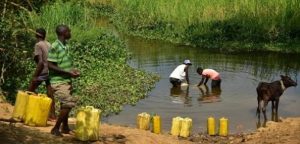



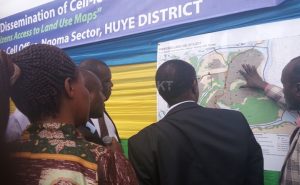


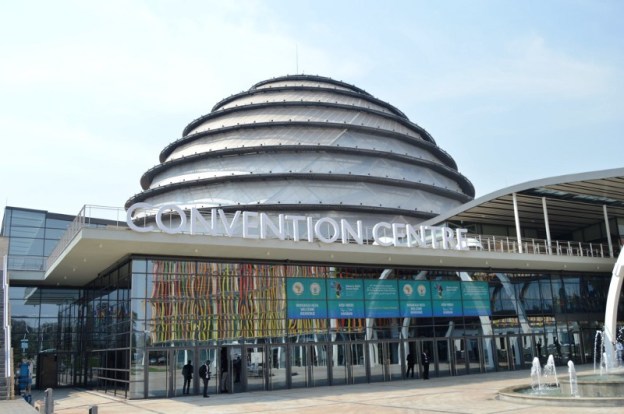
 August 5, 2016





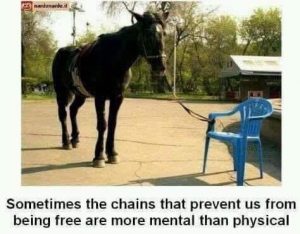
 GAHUNDE