Category Archives: Region

Iby’ingenzi byaranze politiki y’U Rwanda mu kwezi kw’Ukwakira 2014

Burkina Revolutionrevolution

Ukwezi kwa cumi (Ukwakira) 2014 kwaranzwe n’ibintu bitari bikeya.  Reka tuvuge kuri bimwe muri byo.

  1. Cinema Rwanda Untold Story

Nk’uko byari bimaze igihe bitangazwa, ku ya 1 Ukwakira 2014 ku isaha ya saa mbiri z’umugoroba i Londres mu Bwongereza, ikigo ntaramakuru mpuzamahanga BBC kibinyujije ku muyoboro BBC Two, cyerekanye documentary yiswe Rwanda: Untold Story. Umuntu agenekereje yavuga ko ari “ibitaravuzwe ku Rwanda”. Muri iyi cinema nta gishya kirimo:

  • Iravuga ko Kagame yatanze itegeko ryo guhanura indege yari itwaye Habyarimana kugira ngo genocide itangire kandi ko kuyihagarika atari wo mugambi wa FPR. Yongeraho ko atari na FPR yahagaritse jenoside kuko yahageze ubwicanyi bwararangiye. Ibi si ubwa mbere byari bivuzwe. Ruzibiza Abdul yarabyanditse, Ruyenzi arabyemeza, Rudasingwa na Nyamwasa barabishimangira.
  • Iravuga ukuntu urukiko mpuzamahanga rwa Arusha rwananijwe na Leta ya Kigali mu gihe rwari rugiye gufungura amadosiye ku basirikare ba RPF bakoze ibyaha bya genocide, iby’intambara n’ibyibasira ikiremwa muntu. Ibi Del Ponte yarabivuze, abanyamategeko baburaniraga abaregwa Arusha barabivuze, ndetse n’abarimu bakomeye nka Filip Reytjens bari barabivuze. Icyo bakoze muri iyi cinema ni ukongera kubishimangira.

Cyakora muri iyi cinema utuntu nka tubiri ni two umuntu yavuga ko twaba ari dushya:

1. Abashakashatsi b’Abanyamerika Christian Davenport and Allan C. Stam bagaragaye noneho nabo bahabwa ijambo ngo basobanure ibyo babashije kubona ubwo bari mu Rwanda bakora ubushakashatsi kuri genocide. Ntibarya iminwa iyo bageze ku mibare ivugwa y’abapfuye. Bemeza ko:

  • leta ya FPR ivuga ko hapfuye abatutsi bagera kuri miliyoni (1.000.000)
  • Ibarura ryakozwe mbere ya genocide rigaragaza ko Abatutsi bari munsi y’ibihumbi magatandatu (600.000)
  • Ibarura ryakozwe mu mwaka wa 2004 ryekanye ko abatutsi ibihumbi birenga gatoya magatatu (300.000) barokotse, bivuga ko hapfuye abatutsi barenga ibihumbi maganabiri (200.000) ariko batageze ku bihumbi maganatatu (300.000).
  • Bagasoza bemeza ko ufashe miliyoni yapfuye muri jenoside ugakuramo ibihumbi 200 (cyangwa birengaho gatoya) by’abatutsi bapfuye, usanga hafi ibihumbi 800 by’abahutu barahasize agatwe. Bikaba bitangaje cyane ukuntu muri genocide bivugwa ko yakorewe abatutsi abahutu bapfuye ari inshuro hafi enye z’abatutsi!

2 . Icya kabiri umuntu yavuga ko ari gishya, ni uko ikigo mpuzamahanga cy’Abongereza noneho cyemeye gutangaza cinema ivuga ubwicanyi bwa Kagame kandi mu myaka irenga 20 yose kitarigeze kimutunga agatoki kandi nyamara ubu bwicanyi bwari buzwi neza.

  1. U Rwanda rwavuye muri Security Council rusimburwa na Angola.

U Rwanda rwari rumaze muri uyu mwanya igihe kingana n’imyaka ibiri rukaba ruzatanga imihoho mu mpera z’uyu mwaka. Mu ri iki gihe u Rwanda rumaze muri aka kanama, ama raporo avuga ku bwicanyi bwa FPR yarasisibiranyijwe. Iheruka ikaba ari Mapping Report igaragaza neza uburyo FPR yarimarimye impunzi z’abahutu zari muri Congo ibeshya ko ikurikiranye interahamwe na Ex FAR. Indi raporo ikomeye ni iyashinjaga General James Kabarebe kuba commander in chief w’ibikorwa bya M23 akaba ariwe wahaga amategeko General Ntaganda, umunyarwanda wo mu Kinigi (Ruhengeri ) ariko wiyita umunyekongo. Nyuma yaho haje n’and ma raporo ashinja u Rwanda ariko rukayabangamira bikaba iby’ubusa. Imvugo ya génocide rwandais yarahindutse iba génocide Tutsi. Ibi u Rwanda rukaba rwabifashe nk’intsinzi ikomeye.

Angola igiye kurusimbura yagaragaje ko itumva ibintu kimwe n’u Rwanda ku bibazo birebana n’akarere k’ibiyaga bigari. Mu gihe u Rwanda rwagabaga igitero muri Congo mu ntambara yiswe iya kabiri, mu mwaka wa 1998 Angola yarwanaga ku ruhande rwa Kabila mukuru ndetse ifatanyije na Zimbabwe na Namibia nyuma haza kwiyongeraho Tchad na Soudan, mugihe U Rwanda rwo rwafashwaga na Uganda ya Museveni.  Mu gihe gishize kandi Angola yashakaga kujya muri intervention Brigade iyi igizwe na Tanzaniya, Africa y’epfo ndetse na Malawi  ikaba ari nayo yarashe kandi igatsinsura ingabo za Kagame zari muri M23. Byarangiye General Ntaganda ageze i La Haye aho ashinja Kagame kuba ariwe wamuhaga amategeko. Ubwo Angola ifite ijambo rikomeye muri SADC birashoboka ko imyumvire ya SADC ku bibazo by’akarere ari nayo izinjizwa na Angola muri ONU.

  1. Irahizwa rya Perezida wa Sena y’ u Rwanda.

Nyuma gatoya y’uko uwari perezida wa sena y’u Rwanda Dr J. Damascene Ntawukuriryayo yegujwe ku mirimo ye, mubyara wa Paul Kagame, Bernard Makuza niwe washinzwe iyo mirimo nyuma y’igisa n’amatora y’ikinamico. Uyu mugabo Bernard Makuza (uzwi ku kazina ka Turatsinze kuva mu bwana bwe kuko yavutse mu gihe abahutu bari bamaze gutsinda gihake ya Karinga), ntiyatunguye abantu kuko byari byitezwe. Abakora ubusesenguzi bari bamaze gutera imboni ko Makuza ariwe ushobora gufata uyu mwanya ukomeye cyane, bityo akaba ariwe waba afite ubutegetsi mu gihe haba impinduka iyo ariyo yose, haba kwegura kwa Kagame cyangwa ikindi cyatuma adashobora gukomeza imirimo ye. Ikindi uyu mwanya Makuza yawumaza ni ugufasha Kagame kwemeza umushinga wo guhindura itegekonshinga kugira ngo uyu muperezida w’u Rwanda akomeze ategeke u Rwanda dore ko itegeko ritabimwemerera na gato.

Nk’uko tubikesha umunyapolitiki ndetse akaba  umunyamategeko n’umusesenguzi wa politiki Maitre Venant Nkurunziza, hari ingingo ebyiri z’itegekonshinga zitemerera Paul Kagame kongera kwiyamamaza uko yishakiye. Ingingo ya 101 ivuga ko perezida wa repubulika atorerwa imyaka irindwi akaba ashobora kongera gutorwa indi nshuri imwe. Iyi ngingo ikomeza ivuga ko nta na rimwe umuntu yemererwa gutorerwa manda zirenze ebyiri kuri uyu mwanya. Naho ingingo ya 193 yemeza ko ivugururwa ry’ibivugwa mu ngingo ya 101 bigomba kunyura mu matora ya Referendum abaturage bakabyanga cyangwa bakabyemera, ariko uyu mushinga ugomba kuba wabanje kwemezwa n’inteko ishinga amategeko umutwe w’abadepite ndetse n’uwa sena Makuza agiye kuyobora akaba ari na yo mission y’ingenzi yahawe.

Aha ni ho ruzingiye rero : abaturage bamaze kurambirwa ubwikanyize bwa Paul Kagame n’agasuzuguro abahozaho ndetse akagera n’aho we n’abambari be bavuga ko nta wundi muntu washobora kuyobora u Rwanda, mbese nka bya bindi bya kera ngo hari abavukanye imbuto abandi bakavuka bagomba kuba abacakara. Iki ni  igihe umuturage aba yashubijwe ububasha bwose kuko icyo azavuga n’ Imana ni cyo izaba yemeje : Vox populi Vox Dei. Kubera uburyo tuzi busanzwe bukoreshwa mu gutoresha abantu ku ngufu, biragaragara gko abaturage bamaze kurakara bazanga gutoreshwa hanyuma hagira ubatunga urutoki revolisiyo igatangirira aho. Bwarakeye biraba da !   

  1. Ijambo rya Paul Kagame

Mu ijambo yavugiye mu nteko ishinga amategeko mu gihe yarahizaga Makuza nka perezida wa sena, Paul Kagame yagaragaje akamuri ku mutima ubwo yavuganaga ikiniga kidasanzwe ndetse akagaragaza n’imbaraga nkeya z’umubir ubwo yagiraga ati ‘umubiri urananiwe ariko umutima uracyafite imbaraga’. Muri iri jambo Kagame yamaze igihe kinini avuga kuri documentary y’abongereza yemeza ubwicanyi FPR yakoreye abanyarwanda. Kagame aravuga ati ‘ubu nitwe bicanyi’ akongeraho ko abamuteze amatwi badakwiye kuzahunga ngo kuko guhunga ari bibi cyane. Kugeza aha nta wasobanukiwe n’icyatuma bahunga kugeza aho avugiye ko iby’amagamabo abirangije akaba agiye gutangira gukora ibikorwa bifatika. Bamwe mu basesengura bemeza ko agatendo Paul Kagame yavuze ari nka ya apocalypse yo muri 94, cyakora bagasanga byaba ari nko kwiyahura kuko bitamusiga agihumeka.

Bimwe mu bikorwa bifatika Kagame yahisemo ni ugufunga BBC Gahuzamiryango ntiyongere kumvikana mu Rwanda, nyamara iyi filime yerekanywe mu rurimi rw’icyongereza ! Ikindi gikorwa ni ugushora abana mu mihanda ngo barigaragambya bamagana iyo filime nyamara abenshi ntibanayibonye. Babwiwe ko ipfobya jenoside ntibabwirwa ko igituma Kagame ayanga ari uko imuhamya ibyaha yakoreye Abanyarwanda. Nyuma n’abafungwa bagaragaye bamagana iyo filime.

Abenshi muri aba bafungwa barezwe ndetse bemezwa icyaha cya jenoside n’inkiko gacaca. Ingingo ya 76 y’amategeko inkiko Gacaca ivuga ko umuntu nk’uwo hari ibyo atemerewe :

  1. Gutora;
  2. Gutorwa;
  3. Kuba umutangabuhamya mu by’ubuhanga, mu byemezo no mu manza, uretse kuba yasiganuzwa bamupererezaho;
  4. Gutunga no gutwara imbunda;
  5. Kuba umusirikare;
  6. Kuba umupolisi;
  7. Gukora umurimo wa Leta ;
  8. Kuba umwigisha cyangwa umuvuzi mu mirimo ya Leta cyangwa iy’abikorera ku giti cyabo.

Nyuma yo guhindura aba bantu nk’abatakibaho noneho mundebere nibo Kagame yiyemeje gukoresha kandi aziko yabambuye ijambo. Mu yandi magambo yabishe bahagaze.

  1. Icyemezo cya Guverinoma mu gukumira Ebola

Perezida Kagame yasabye Ministiri w’ubuzima gufata ingamba ngo Ebola ikumirwe. Kuwa 19 Ukwakira, Ministri Binagwaho yakoze itangazo avuga ko Abanyamerika n’abanyespanyoli bazajya bashyirwa mu kato nibakandagira mu Rwanda, kandi bakamara iminsi 21 bahamagara kuri telephone kugira ngo bamenyekanishe aho baherereye. Icyo aba bantu bazira ngo ni uko bashobora kuba bafite Ebola ! Nta cyemezo cyafatiwe Abanyafurika baza mu Rwanda cyane cyane abaturuka muri Afurika y’uburengerazuba kandi ariho ubu havugwa icyo cyago. Mu kanya gato perezida yatutse uyu mu ministriti avuga ko uburyo akoramo ibintu bucuramye. Ngo kenshi na kenshi abanza gukora agatekereza nyuma. Ibi byatumye Biangwaho akuraho icyemezo yari yafashe anongeraho ko yari yabikoze ku giti cye. Gusa ngo abanyuze muri Guinea, Liberia, Senegal cyangwa Sierra Leone bazakomeza gusuzumwa mu gihe kitarenze iminsi 22.

Ibi birumvikanisha aho igihugu kigeze kuri wa muteremuko koko, aho umuntu nka ministri afata icyemezo cy’ubuzima ariko akagifata ku giti cye. Nta murongo igihugu kigira kigenderaho ahubwo umuntu afata ibyemezo akurikije uko yarose !? Ariko wenda nta wa mugaya, ahubwo se uwamugize ndetse akamureka agakomeza kuba ministri kandi aziko ‘sometimes’  akora agatekereza nyuma, uwo we harya ngo azatugeza kuki ? Harya ngo ibisa birasabirana ? Hari abaciye umugani ngo nta mwana nta nyina, none uwakongeraho nta mutware nta mugaragu (umuja) ntiyaba yibeshye cyane.

  1. Ihotorwa ry’ururimi rw’Ikinyarwanda

Leta ya FPR ikomeje imigambi yayo yo kubangamira no kurangaza Abanyarwanda. Nyuma yo guhindura indirimbo yubahiriza igihugu, ibendera ryasimbuye Karinga, guhindura amakomine, amaperefegitura amasegiteri n’ama serire, ubu noneho ikiramukiwe ni ururimi. Ikintu kibabaje ni uko abahinduye uru rurimi batanafite ubuhanga mu byerekeye indimi cyangwa se bakaba babikora bagamije gutesha abantu igihe gusa. Urebye mu bibazo igihugu gifite, guhindura ururimi n’amategeko y’imyandikire nta n’ubwo byaza ku rutonde rw’ibikenewe.

Ministri w’umuco na Sport abivugaho yavuze ko byari bikwiye ko habanza kubazwa icyo Abanyarwanda babitekerezaho ngo nyamara ibi ntibyakozwe. Ibi bijyanye neza n’imiyoborere ya FPR ya Top-Down ni ukuvuga guhurutura ibintu mu kirere ugakubita kuri rubanda utababajije icyo batekereza kandi aribo witwa ko ukorera.  Ministri Joe Habineza hari aho yibeshya cyangwa se asa n’uwanga gutoneka abo bireba, aho yavuze ngo arabona hari demokarasi kuko abantu bagaragaje ibyo batekereza ku mategeko mashya agenga Ikinyarwanda. N’ubwo yemeza ko abayasinye ari nabo bayasinyura, umuntu yamwibutsa ko muri demokarasi habanza consultations muri rubanda mbere y’uko icyemezo kibareba gifatwa. Ibinyuranye n’ibi, mu yandi magambo, ibyo FPR ikora ni dictature nsansa. Birakwiye ko aya mabwiriza ahagarikwa hakabanza hakajyaho gahunda yo kumva icyo abanyarwanda batekereza.

  1. Urunturuntu muri EAC, U Rwanda rwasabye kugaruka muri CEEAC

Mu gihe hari hashize imyaka irindwi u Rwanda rusabye kuva mu muryango wa CEEAC (Communaute Economique des Etats De l’Afrique Centrale), muri uku kwezi u Rwanda rubinyujije mu ijwi rya Louise Mushikiwabo ngo rurashaka kugaruka muri uyu muryango. Impamvu yari yaratumye ruvamo ni uko rwinubiraga ururimi rw’igifarans ngo rukaba rwarashakaga kwegerana n’abavuga icyongereza. Nyuma yo kwinjira mu muryango wa Commonwealth of Nations ugizwe n’ibihugu byakolonijwe n’Ubwongereza, ndetse no kwinjira muri EAC (East African Community) ruhuriyemo n’Uburundi, Uganda, Kenya na Tanzania, u Rwanda ruravunyisha muri CEEAC !

Ibyo kandi bibaye mu gihe EAC irangwamo akavuyo ndetse n’urunturuntu ku buryo mu kwezi kw’Ukwakira nta cyemezo inteko ishinga amategeko ya EAC yigeze ifata nyuma yo kumara igihe kitari gito iterana amagambo. Ahubwo bamwe mu ba gize iyo nteko barifuza ko umuyobozi wayo Margaret Nantongo – Zziwa ngo yakurwaho icyizere ngo kuko ari inshuti magara ya Jakaya Kikwete Perezida wa Tanzaniya. Cyakora bitewe n’uko abadepite ba Tanzaniya bagera kuri barindwi batigeze bitabira iyo nama, ibikorwa by’inteko byahagaritswe sine die. Abayobozi b’amakomisiyo bane bo bareguye !

  1. Revolisiyo ya rubanda iratutumba mu Rwanda

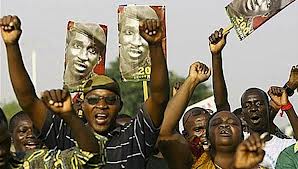
Mbere yo gusoza ukwezi kwa cumi, Abaturage ba Burkina Faso baduhaye impano y’akataraboneka ( cadeau extraordinaire). Iyo nta yindi uretse guhaguruka bakavudukana umunyagitugu wari yarabigizeho akamana ngo ni we wenyine ushobora kuyobora. Mu ijwi ry’abari bayoboye imyigaragambyo, umutegarugori umwe yagize ati hashize imyaka 27 igihugu cyacu kiyoborwa na Compaore nta wundi abana bacu bazi nk’aho nta wundi ufite ubwenge n’ubushobozi. Yongeyeho ati umuntu wese intellectuel  yayobora igihugu.

Uyu mugabo Blaise Compaore wirukanywe ku ntebe  yageze ku butegetsi amaze guhitana Thomas Sankara. Nyuma yaho yagiye ahindagura itegeko nshinga kugira ngo agume ku butegetsi ariko rubanda yamweretse ko ubu noneho bidashoboka, enough is enough. Ni umwe mu ba perezida bashyigikiye FPR mu gihe yarwanaga na Leta ya Habyarimana.

Abakurikiranye iby’iyi revolisiyo bemeye nta shiti koko ko ibyakozwe muri Afurika y’abarabu bishoboka no muri Afurika y’abirabura. Nta mwanya aba dictateurs bagifite ahubwo bafite amahirwe amwe gusa: kuganira n’ababarwanya maze ibihugu bikayoborwa nta  yandi maraso amenetse. Kunyuranya n’ibi ni ukwisurira gupfa imburagihe cyangwa se gusazira mu mahanga, na dukeya twiza twakozwe tukibagirana, abana bawe bakandagara.

By’umwihariko Abanyarwanda bakomeje kugaragaza ko imyiteguro ari yose mu gihe Paul Kagame yaba ashatse kwiyongeza manda abinyujije mu guhindura itegekonshinga. Basanga byaba ari umurongo utukura uyu mugabo aramutse ahinduye itegeko nshinga kugira ngo we ubwe akomeze gutegeka. Byaba ari n’agasuzuguro gakabije. Abenshi bongeraho ko n’ubwo Kagame yatanga ruswa muri Sena no mu badepite ngo batore uwo mushinga, inteko ishinga amategeko ishobora kugurumana inkongi y’umuriro itegeko ritaranatorwa. Muri make ibyabaye muri Burkina Faso mu kwa 10 / 2014 biratutumba mu Rwanda.

Si Abanyarwanda gusa kuko no muri Congo ndetse n’Uburundi ijwi ni rimwe. Nta guhindura itegeko nshinga. Abasore nabo bakomeje kwisuganya ngo imbarutso itazabatungura.                                             Bye bye to Dictators

Chaste Gahunde
Museveni opted for militarism to capture and retain power.

téléchargement


“The culture of capturing and retaining power by the gun is militarism which undermines the culture of democracy.” Former minister Daniel Omara Atubo

Daniel Omara Atubo, a former minister in the ruling NRM government, has said in his new book that his former boss, President Museveni, has kept a firm grip on power through abuse of the military, Constitution and treasury.

In the book titled “Calming The Storm”, Atubo claims that since Museveni took power by the gun in 1986, “the army has been the bedrock of his government, but coated with civilian participation and periodic elections.”

“The culture of capturing and retaining power by the gun is militarism which undermines the culture of democracy.”

Atubo, under Museveni’s regime, served in several capacities, as minister of state and cabinet minister for 10 years, in ministries such as Foreign Affairs, Defence, Lands, Housing and Urban Development and at one time acted as the attorney general. He says the military has aided Museveni’s retention of power.

“The internal rebellion and regional wars allowed Museveni to consolidate his militarism, to amass wealth for elections and to weaken any form of opposition to his regime…if Uganda does not get rid of militarism, we shall continue to pay dearly. Militarism is being promoted and consolidated in our politics, economy, culture, religion, education and social life,” he says, adding that the military is the very antithesis of democracy and competitive multiparty politics.

“Militarism is not only confined to the army but also extends to the intelligence organs, police, prisons and even civilian operatives. The civil police are headed by army generals, thereby imparting military leadership, training and attitudes.”

Atubo’s book comes at a time when there is a heated public debate about the army’s role in politics and its continued representation in Parliament.

NRM-entrenchment

Atubo’s book, dotted with his speeches, contributions to parliamentary debates and official documents he wrote while in government, attempts to show that Museveni’s obsession with power started to manifest itself as early as 1986. In chapter One of the book, he discusses leadership through his personal experience.

He says that during debate on the Legal Notice, which extended the NRA leadership for four years from 1989, he vehemently opposed the move.

“My advice was vigorously opposed and outrightly rejected. I believe NRM missed a great opportunity to lay a foundation to democratise a new Uganda…I realised that the NRM/A was more interested in raw state power than in promoting democracy and promoting institutions.”

Whereas the 1995 Constitution was promulgated to reflect people’s aspirations, Atubo says that no sooner had this Constitution been written than some of its provisions regarding political party activities and presidential two term limits became very contentious. During the Constituency Assembly, Atubo belonged to a group of political activists opposed to the banning of political parties. Although Uganda restored political party politics, he says political parties continued to be weak due to years of confinement and problems relating to leadership, internal democracy, funding and militarism.

“As of now, the Movement is the dominant party, with all resources at its disposal and supported by the state and the military.”

On term limits, he writes that Article 105(2) was a great innovation which limited the president to two five-year terms.

“It was a great tragedy that this provision was removed using corrupt means and amidst strong opposition from me and many others. Ugandans were never consulted as they were during the Odoki Constitutional Commission.”

Atubo joins his cabinet colleagues; Eriya Kategaya and Jaberi Bidandi Ssali to criticise Museveni for removing presidential term limits.

“In his book entitled ‘Impassioned for Freedom’, the late Eriya Kategaya, the former first deputy Prime Minister and Museveni’s childhood friend, wrote on pages 131-132, ‘Of late, I have been told that politicians are people without a sense of shame. All along I trusted President Museveni whenever we agreed on what to do but the kisanja project (deletion of two term limits) has shaken my faith in him. It is not only President Museveni who has shaken my faith and trust in leaders but some of my colleagues in cabinet are equally guilty. It seems the survival instinct overrides everything else’.”

In their autobiographies, Bidandi Ssali and Sam Kalega Njuba, all former ministers, harshly criticised the president for lifting presidential term limits. Although Atubo’s reversal to Museveni’s government in 2007 was publicly criticised as political opportunism, he writes that the politics of opportunism reigns high in today’s politics.

“Principles are sacrificed for survival. Whoever has the money calls the tune. In order to eat, some leaders abandon principles. Buying a leader is high corruption and both the seller and buyer are morally and spiritually dead… What they care about are material things and power,” he writes.

Atubo also says that bad leaders make a country ungovernable after their departure due to failure to build strong institutions.

“While in power, bad leaders survived on patronage, division, creating many small units and personal loyalty within the army and other security organs,” he writes, and asks whether Uganda will be governable after Museveni.

“For 42 years, Gaddafi ruled Libya with an iron fist. Living by his own words, he had to be chased out of power and killed. Gaddafi left the then proud and prosperous Libya in shambles.”

Reception

While launching the book yesterday, Speaker Rebecca Kadaga hailed Atubo for appealing to public lamentation.

“You have addressed this concern… whenever a public figure dies there is lamentation that they have not put down their record,”Kadaga said, adding that the book would be read by members. The foreword by Prof Joe Oloka-Onyango, a lecturer of constitutional law at Makerere University, says Atubo’s book is married to a biography and memoir, because it records important “historical events in which the author was himself involved.”

Who is Atubo?

Born 67 years ago at Ngetta Catholic Mission in Lira, Atubo went to Ngetta primary school, Aloi-Ongom Junior Secondary School and St Mary’s College Kisubi before joining Makerere University to read law in 1969.

He was in the second pioneer class of the Bachelor of Laws at Makerere University and he belonged to the first intake at Law Development Centre for the then newly- instituted bar course of post graduate diploma in legal practice.

After enrolment as an advocate, Atubo worked with the ministry of Justice, rising to the rank of Senior State Attorney and was later seconded to the then Kampala City Council as its first city advocate in 1976. During Amin’s regime, he went to exile and taught law in Tanzania, before getting involved with the Uganda National Liberation Front that was established to oversee the removal Amin.

He was a member of the National Consultative Council, a delegate in the Constituency Assembly, representing Otuke. He was a Member of Parliament for Otuke for three terms, secretary to Bank of Uganda and served as a minister for 10 years. He is married with children.

Source:  http://www.observer.ug/index

East African Community community to create a regional security council: What will it take?

CMA944

East African Community members

“Trust is a serious issue between EAC member states. We have seen these countries in serious wrangles coming out of security interests. First it was Uganda and Rwanda after Congo War Two, but they managed to resolve their differences. Now it is between Rwanda and Tanzania and it has not been resolved.” Stanislaus Kigosi, Diplomacy Analyst.


Talks are at an advanced stage to establish the East African Community (EAC) Security Council, which will be charged with ensuring that peace prevails in the region,The Citizen on Saturday has learnt.

All five EAC member states–Kenya, Uganda, Tanzania, Rwanda and Burundi–currently face security threats, with terrorism topping the list. Kenya has borne the brunt of terrorist attacks from Al Shabaab since it sent troops to assist the Somali government in late 2011. The attacks have left hundreds dead and many others injured. Grenades have been hurled into commuter buses, churches have been raided and a big shopping mall was under siege for three days in that country.

Tanzania has also suffered its share of attacks, especially in the tourist hubs of Zanzibar and Arusha. Two blasts rocked Arusha last month alone. In the first attack, a hand grenade was thrown into a residential house in Majengo area and seriously injured two Muslim clerics who were having a pre-fast Ramadhan meal. In the second attack, by an improvised explosive device, eight people were injured at an Asian restaurant near Gymkhana grounds.   In 2008 Tanzania suffered the first major terrorist attack when the US embassy was bombed.

In an interview with this paper yesterday, the deputy minister for East Africa Cooperation, Dr Abdullah Saadalla, confirmed the development and said the security council would make it possible to share information on peace and security matters and also boost peace and security.

Dr Saadalla added: “Yes, we have started talks on establishing a security council. This body will act like the United Nations’ Security Council. It will generally be charged with the responsibility of ensuring that our region remains peaceful and secure.”

The council will also deal with matters such as management of refugee affairs and immigration. But the minister distanced Tanzania from media reports that there was a plan to establish a regional security force. “We in East Africa have not engaged in such talks,” he explained. “Anyone who suggests such a thing must have another basis for forming such a force… we have no plan to do so.”

But, according to Dr Kitojo Wetengere of the Mozambique-Tanzania Centre for International Co-operation, setting up an East African Security Council will help member states address regional security collectively. He argues that the entire region is not safe as long as any of its member states is targeted by terrorists or experiences insecurity.

“First, each member state should take care of its internal security,” he added. “But, most importantly, you need a body which will take care of the regional community, so the move is laudable.”

The don was quick to caution, though, that the proposed security council should be based on fairness for all member states. He added: “We don’t need a security council like that of the United Nations, which has treated its members unfairly. Remember the UN council has turned a blind eye to what is going on in Syria, but it was quick to act in similar conflicts in Iraq and Libya.”

Diplomacy analyst Stanislaus Kigosi, welcomed the move and said it should have come earlier. He pointed out the challenges and warned that if they are not resolved now, it will not achieve its goals. He added: “Trust is a serious issue between EAC member states. We have seen these countries in serious wrangles coming out of security interests. First it was Uganda and Rwanda after Congo War Two, but they managed to resolve their differences. Now it is between Rwanda and Tanzania and it has not been resolved.”

In such situations, the agency might be used by wrangling member states to spy on each other rather than share vital information. Citizens of member states must also be well informed about the threats and how a regional body can help deal with them. These issues are now discussed at top level, but the people must understand the process and back it with their trust.

But city-based political analyst Erick Mwakibete, questions what the mandate of the agency would be in relation to other structures of the EAC. “The summit of head of states is the highest organ now,” he asserted. “Will the proposed Security Council have more say than it? That’s how the UN Security Council operates. Its resolutions are final and very powerful.”

He cautioned that if the new agency is not well organised and empowered, it might end up being another toothless agency in the  community.  He also questioned the scope and future of the EAC.

“If the goal is to form a political federation, then what is the place of the security council?” he added. “We must have plans that concur with our set targets for the integration process to become a success story.”

Source:

http://www.thecitizen.co.tz/News/EAC-in-talks-over-starting-regional-security-council


Why Ferguson is the Congo ?

 By BK Kumbi

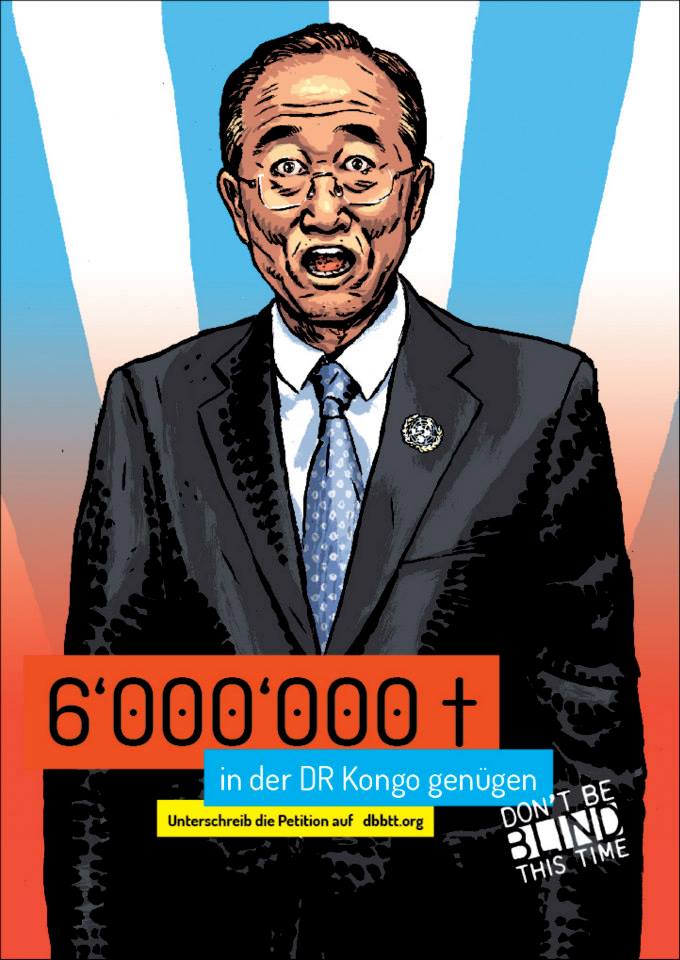
Picture of Ba Ki-Moon, UN Secretary General, by Don't Be Blind This Time

The author of the article that follows starts from an assumption that we all know Ferguson. If I hadn’t been reading recent news feeds on that nth US police brutality case against black people in America I wouldn’t know. I omitted deliberately putting the date when that happened, because it happens every day. Now you know. But where is the link between Ferguson and Congo?

In March 1978 US President Jimmy Carter commissioned a report – NSCM/46 – put together by the National Security Council Interdepartmental Group for Africa. Zbignew Brezinski as National Security Advisor had been tasked with reviewing what was happening in Black Africa from the point of view of possible impacts on the black movement in US. The exercise had to consider:

  1. Long-term tendencies of social and political developments and the degree to which they were consistent with or contradicted US interests
  2. Proposals for durable contacts between radical African leaders and leftists leaders of the US black community
  3. Appropriate steps to be taken inside and outside the country in order to inhibit any pressure by radical African leaders and organizations on the US black community for the latter to exert influence on the policy of the Administration towards Africa

When the report was submitted in the same year it included among other findings these ones:

  1. The mineral resources of the area [Black Africa] continue to be of great value for the normal functioning of industry in the United States and allied countries
  2. If the idea of economic assistance to black Americans shared by some African regimes could be realized by their placing orders in the United States mainly with companies owned by blacks, they could gain a limited influence on the US black community

The recommendations from the report privileged the sanctified principle of divide and rule in order to weaken any emergence of a strong black opposition to dominant policies serving inside and outside US national interests.

  1. Special clandestine operations should be launched by the CIA to generate mistrust and hostility in American and world opinion against joint activity of the two forces [Black America and Black Africa], and to cause division among Black African radical national groups and their leaders
  2. To preserve the present [we were then in 1978 but looking at it today 36 years later the situation has not much changed] climate which inhibits the emergence from within the Black leadership of a person capable of exerting national [or global] appeal.
  3. To support actions designed to sharpen social stratification in the Black community which would lead to the widening and perpetuation of the gap between successful educated Blacks and the poor, giving rise to growing antagonism between different black groups and a weakening of the movement as a whole.

BK Kumbi, Congolese activist, historian and founding member ofDon’t Be Blind This Time, decrypts what such measures and probably many others similar taken over the years by US authorities and allies have had as consequences to black American community and black Africa. She starts her analysis with the intentionally engineered and differing perceptions of the other between the two groups. She moves on the inadequacies that such differences create and the behavior of the white in a well wheeled tragedy where all black as a race becomes a consistent victim. She finds the ultimate exit from the situation to be within the victim itself, or its own humanity.

As Africans our eyes are often turned towards America because for some of us there is the illusion that attracts but for others the eye focuses on how the black man is staged in the American reality. For many black Americans, as for the majority of Americans, Africa is a land of savages and this idea has a particular resonance among the Afro-American population because it shows how they were taught to hate themselves through the figure of a so to say original man, the one that is stored in the sub-humanity. However, when we look at things more closely, one has to ask if there is a real difference of treatment for us all? Imperialist policies affecting African populations are the same as those applied to the black population in the United States precisely because the principle states that the black body shall be exploited alive or dead, it must generate profit. I come from a country, the Democratic Republic of the Congo, where more than 6 million people were murdered and where the killings continue so that the world benefits from the wealth of this country, namely from the coltan, a mineral that is used to make cell phones, but also to manufacture weapons which kill other blacks thousands miles away of my land.

This tragedy is absent from the majority of the American channels or if it is presented, it is to say that there are blacks who kill blacks. There are no questions raised as per the people or the countries who arms those blacks and for what purpose? The corporate media rather prefers to broadcast on the visits of the gang leaders of our region that the United States has hired to do the job and fuel the black on black theory at an international level. What is striking here is how the story is structured or the fact that there is no narrative at all about this issue, just silence. What I want to point out here specifically is the question of how our bodies became objects of spectacles. If there is generally silence that surrounds the Congolese tragedy, there is nevertheless one aspect of this conflict that is portrayed more than the others. The issue of rape used as a weapon of war is the beloved subject of a certain American ”intelligentsia” and it has helped forward the image of some American ‘celebrities’.

The mutilated bodies of Congolese women have become an image that is made pornographic and that it is diffused freely under the idea of a feminist fight and the narrative of this tragedy is assumed by white feminists who actually fight for their own rights in a capitalist environment. This is not done to help the Congolese women and it is also done to spread the idea that this is a femicide and not a genocide. The story of Congolese women is a way to raise funds for these organizations, to write and produce documentaries that will also generate money and, -and this is perhaps the most important, it’s a way to reaffirm the idea that the black man is a savage, a predator whose violence is atavistic, mad and he is therefore the sole instrument of the eradication of his own black being. Is not also the narrative that is served to explain to the Afro- Americans that they are the very instruments of their own annihilation and their own poverty? Is that not what is said when the corporate media uses false images to say that Brown had stolen into a store and that was the reason of his death?

We all need to have our eyes open about the way we are treated and portrayed, and I say we because the image that is conveyed of the African man in Africa necessarily affects the way the Afro-American man is perceived. For those who are looking at us, as if we were in a cage like Lumumba said, there is no difference between a black African or an African-American. We are the ones making this difference because we think that for the white man there are good blacks and there are bad blacks. We don’t look at us through our own eyes but through the eyes of another person who has defined us as not human. When Lewis said that Ferguson is not the Congo, he shows how he is very much inhabited by this idea, he shows that for him there are good and bad Negros. When one really reflects on what is happening in Ferguson, one sees precisely that Ferguson is the Congo. The lesson of this tragedy is how we all rebuild our own histories, how we teach our children to see their lives and the lives of those who look like them as valuable, how we teach them that they are human beings and that they are part of this world even though some want to deny them this right.

Source: http://therisingcontinent.wordpress.com/2014/08/22/why-ferguson-is-the-congo

245,000 est le nombre connu des réfugiés vivant sur le sol congolais


media                                 Un camp de réfugiés près de Goma, dans l’est de la RDC, en 2012.REUTERS/James Akena
 

Pour la première fois, les réfugiés rwandais ont été identifiés et enregistrés. Le Haut commissariat des Nations unies pour les réfugiés estimait jusqu’à présent que le nombre de réfugiés rwandais dans le monde était de 100 000 personnes. Mais ils sont déjà presque 245 000, rien qu’au Congo, à s’être présentés pour se faire enregistrer. C’est le chiffre auquel est parvenu la Commission nationale congolaise des réfugiés qui, avec le soutien du HCR, a réalisé ce recensement.

Sans surprise, c’est dans le Nord-Kivu que se trouvent la plupart de ces réfugiés. Ils sont environ 199 000 dans cette province, et 42 000 au Sud-Kivu. Mais on en retrouve aussi dans le Katanga, au Kasai oriental, dans le Maniema, en Equateur et encore dans une moindre mesure à Kinshasa. Héritage de l’histoire puisque c’est en plein génocide de 1994 que ces populations ont traversé la frontière devant l’avancée des troupes du FPR aujourd’hui au pouvoir au Rwanda. Puis après l’incursion de l’armée rwandaise au Congo, elles ont fui vers l’intérieur du pays.

Beaucoup n’ont jamais connu le Rwanda

Pour avoir plus de détails sur cette étude et notamment la répartition par sexe, âge, il faudra encore attendre la fin de la compilation des résultats, explique la Commission nationale congolaise des réfugiés. Pour l’instant, une certitude : beaucoup, parmi ces populations, sont des jeunes qui n’ont jamais connu le Rwanda.

Un sentiment demeure au sein de cette communauté : les deux tiers de ces 245 000 personnes disent ne pas souhaiter retourner dans leur pays. Une proportion qui pourrait évoluer, explique la Commission nationale des réfugiés, à l’issue d’une campagne de sensibilisation au retour dans lequel sera impliqué le gouvernement rwandais. Kigali ayant demandé depuis longtemps la clause de cessation du statut de réfugiés pour tous les Rwandais vivant à l’extérieur du pays. Depuis 2001, le HCR dit pour sa part avoir rapatrié environ 135 000 Rwandais vivant au Congo.

Ce recensement intervient alors que la pression internationale augmente pour obtenir le désarmement des FDLR, les rebelles hutus rwandais, dont certains leaders sont accusés par Kigali d’avoir participé au génocide de 1994. Les FDLR se présentent comme les protecteurs de ces populations rwandaises réfugiées et estiment que sans ouverture de l’espace politique au Rwanda, elles ne pourront pas rentrer dans de bonnes conditions.

Jointe par RFI, Berthe Zinga, coordinatrice de la Commission nationale pour les réfugiés (CNR) explique l’importance de ce recensement pour ces réfugiés rwandais.

Il était important que l’on fasse cet enregistrement et eux attendaient aussi d’être enregistrés et surtout d’exprimer leurs choix concernant, soit le rapatriement volontaire soit demeurer en RDC.
 

Remarks With Democratic Republic of the Congo President Joseph Kabila Before Their Meeting

Remarks

John Kerry
Secretary of State
Treaty Room
Washington, DC
August 4, 2014


SECRETARY KERRY: I don’t think we need these big, formal podiums, but let me – it’s my great pleasure to welcome President Kabila of the Democratic Republic of Congo to Washington. I’m very, very happy he’s here. He received me in May on my trip to the D.R.C. We then talked about the efforts that he is making with respect to strengthening democracy in the Democratic Republic of Congo.

And we’re very grateful to him for the efforts that he has made, the leadership that they’ve offered to help deal with the problems of the FDLR and the problems with the M23 group, which with his military effort and MONUSCO, they were able to help disarm. That process is continuing and it is a process that will help bring peace and stability ultimately to the region.

We also talked about economic development and the future. We have a lot to work on and we look forward to a good conversation today. Thank you, Mr. President, for being with us. Thank you.

PRESIDENT KABILA: Thanks a lot, Secretary of State. Of course, first of all, I am, myself, and my delegation glad and happy that we finally meet again in Washington, as I promised I would come for this particular summit. And I’m glad that on the sidelines of this particular summit that we’re going to raise, once again, the three or four issues in as far as the situation is concerned, not only in the Congo but the region.

But it’s worth noting that since we met, I believe one, two months ago, the situation has continued to evolve and move forward in the right direction, and that now the Congo is living the era of peace and that we are moving towards stability and long-term stability in all sectors – not only security but also economic development and the development of the region as a whole.

So once again, I’m glad that we’re here as per the invitation, and I hope that in our discussions we definitely are going to raise those issues and chart the way forward in our relations. Thanks a lot.

SECRETARY KERRY: Thank you, my friend. Thank you, sir.

Madamu (cyangwa se da) Bwana Havuganirimfura Ndiyunze arashaka kutubwira iki?


Nyuma y’aho nandikiye inyandiko nise “Ese FDLR yashyize intwaro hasi cyangwa ni tactique militaire?”  uwitwa Haganirimfura Ndiyunze yansubije asa n’ugaragaza ko hari ingingo zo muri iyo nyandiko atishimiye. Kutagira ibyo twumvikanaho nta gitangaza kirimo, ikibazo cyaba ari ukundi bimeze. Ariko ubisuzumiye hafi usanga icyo yari agamije mu nyandiko ye mu by’ukuri  aho kuvuguruza izo ngingo yarazishimangiye. Cyakora ibi yabikoze mu buryo na we adasobanukiwe.

  1. Ingingo ya mbere yamubabaje ngo ni uko Gahunde yavuze ko FDLR nta base arriere ifite.

Na we ni ko abyemeza ariko agasubiza amaso inyuma mu myaka 20 ishize akavuga ko FDLR yateye ibitero bigera kuri 200 ku Rwanda ngo ndetse ibigera ku 10 byagarukiye ku Ruyenzi na Kamonyi! Niba ibi byaranabayeho, byitwa kurata inkovu z’imiringa. Muvandimwe Haganirimfura rero ndabizi umutima usobetse amaganya ntusobanura amagambo. Ariko rero jya ugerageza kuvangura impitagihe, indagihe n’inzagihe. Iyo base arriere kuba yarabayeho sibyo biteye ikibazo ahubwo wagombye kwerekana ko uyu munsi ihari. Sinkeneye ko umbwira aho iherereye, ibyo si business yanjye, icyo nkeneye cyanshimisha kigashimisha n’abandi Banyarwanda ni ukuvuga uti twebwe twihaye gahunda yo kubohoza u Rwanda none twagabye ibitero 200 dufata Gisenyi  cyangwa se dufata u Rwanda maze tugushimire ko mwageze ku ntego mwiyemeje. Naho kuvuga ngo tumaze imyaka 20 tugaba ibitero ntacyo bigabanya ku bubabare FPR ihoza ku munyarwanda wo muri Nshiri na Giciye, muri Gishoma na Gashora cyangwa se mu Mutara na Mataba.

Hari n’aho uvuga ko FDLR yarinze impunzi. Ni byiza ni ibyo gushimirwa. Ariko rero reka nkwibutse ko intego yayo itari iyo kurinda impunzi mu mashyamba ya Congo (n’ubwo na byo nta wundi wabishoboye). Ahubwo ‘L’ iri muri FDLR isobanura Liberation. Niba Liberation yaragezweho rero bitwereke. Cyakora njye mbona ntayo akaba ariyo mpamvu Ishema ry’u Rwanda ryavutse kugira ngo naryo ritange umusanzu waryo. Ni muri urwo rwego “ Hari ubundi buryo FDLR yafashwa”.

  1. Ngo Gahunde yavuze ko nta politiki FDLR igira!

Muvandimwe Haganirimfura jyewe si ndi umuvugizi wa FDLR. Na we nturi we. Cyakora ubwo wigize we, twereke iyo politiki maze Abanyarwanda bayishungure barebe ko hari aho yabaganisha heza. Mu byo uvuga rero biragaragara ko iyo politiki nta na yo. None se ko uzinduwe no kumvuguruza ukisubiriza ijambo rimwe gusa ngo “irahari” urumva hari iki wunguye abasomyi?  Ngo politiki ya FDLR yatumye babasha kurongorana n’Abanyecongo? Mujye mureka gutera urwenya. Iyo ntego se nayo yari irimo? Cyakora ntibintangaje kuko abasirikare bafite ipeti rya soldat akenshi ntimushobora no gusobanukirwa programme politique igenderwaho. Kubisobanura rero biharire Gen Byiringiro.

  1. Ubutumwa bwa Haganirimfura ni ubuhe mu by’ukuri?

Gutukana: Uyu mugore cyangwa se umugabo yabonye urubuga rwo gutuka abo yise ibihutu by’inda nini. Yahereye kuri Mzee Faustin Twagiramungu ngo wibagiwe icyo ubuhutu ari cyo! Nuko akomereza ku bandi Anastase Gasana, Theobald Rwaka, Habyarimana Mukaru, Pasiteri Bizimungu, Rwigema, Nsengiyaremye Dismas na Kanyarengwe. Reka nibutse ko FDLR yasinye amasezerano yo gukorana na Faustin Twagiramungu mu cyo bise CPC kandi  ngo “ari igihutu cy’inda nini”. Incredible, isn’t it?

Gucecekesha abandi: Mu nyandiko y’uyu mu soldat ngo “Hari abantu batagomba kugira icyo bavuga kuri FDLR”! Ibi niba ari byo utegereje nta byo uzabona. Igihe cyose umuntu ku giti cye cyangwa se ishyirahamwe ryaba irya politiki cyangwa se iricuruza amateke ryigaragaje, ntiriba rigishoboye kwihisha. Iyo ridashaka kuvugwa rifunga ibikorwa byaryo amagambo agashira ivuga. Ngo ni bahindure bajye bandika ku bitareba ubuzima bw’abantu ? Uteye ubute cyane.

Uzongere kwandika urangije amahugurwa, wige kubanza gusoma  hagati y’imirongo ibiri kwandika ikinyarwanda no gusobanukirwa igishushanyo kiri inyuma y’ikigaragara. Ibyo niba bikunaniye rero ikomereze ujye ukomera amashyi mugenzi wawe Sergent Romeo Rugero Jean Paul, wagira ngo ni mwe mwenyine  mugize FDLR. Cyakora n’ubwo hari uwavuze ngo abafana iyo bagiye mu kibuga haba akavuyo, njye ndakeka ko iyo bigenze bityo uwashaka abafana yabakuzamo imigeri, abakinnyi bagakina bisanzuye.

Chaste Gahunde

Ese FDLR yashyize intwaro hasi koko cyangwa ni tactique militaire?

Logo_of_the_FDLR
700px-Flagge_FDLR.svg
Kuva mu mpera z’umwaka ushize wa 2013, umutwe witwaje intwaro urwanya leta ya Kagame FDLR (Forces Démocratiques pour la Libération du Rwanda) watangiye gahunda yo guhagarika intambara y’amaasu ugatangira urugamba rwa politiki. Iyo gahunda yashyigikiwe n’abantu batandukanye ndetse n’umuryango w’abibumbye. Gusa Leta ya Kagame ntiyigeze ishira amakenga iyo strategie kuko yakekaga ko ari ukuyobya uburari cyangwa se tactique militaire.
Biri mu nyungu za FDLR  kwemeza amahanga ko koko ari gahunda yemejwe yo guhagarika intambara. Amwe mu mashyaka atavuga rumwe na FPR cyane cyane ayashyize imbere urugamba rudasesa amaraso yishimiye icyo cyemezo cya FDLR nyamara hari n’andi  yakomeje kugaragaza ko intambra ari yo ashyigikiye ariko akaba atagaragaza uburyo iyo ntambara yarwanywa: nta base arriere, nta mafaranga yo kugura ibikoresho, nta politique na ideologie militaire,politiki mpuzamahanga n’iy’akarere ntibishyigikiye, abenegihugu benshi bararangaye ntibashigikiye iyo gahunda,…
Hari n’abantu ku giti cyabo bigaragaza nk’abafana barebera kure umukino bakeka ko FDLR itakora icyo bo bita ikosa ryo gushyira hasi intwaro. Kuri bo intwaro ni zo zizakiza u Rwanda. Mu bwenge bwabo buciriritse ntibanatekereza ko tacticques zishobora kuvangwa!! Maze bakumva umuntu uvuze ibyo badasobanukiwe bakamwita umwanzi. FDLR yo izi icyo ikora kandi nk’abakinnyi bari mu kibuga bazi neza aho bagana. Ikibazo ni abafana bashaka kwigira abakinnyi.
Mu itangazo rimaze gusohoka ridasinye ( tract)cyakora rikaba ryatewe ho ikirangantego cya FDLR rivuga ko umuyobozi mukuru wa FDLR -FOCA (utivuga amazina) asaba Abanyarwanda gukomera ku rugamba. Aha aramara impungenge abashidikanyaga ko FDLR itashyize intwaro hasi koko aho agira ati: “Twe twiyemeje urugamba rwa Politiki kandi ruri kugenda neza, twarwiyemeje kugira ngo twerekane ko ibyo batwagiriza gukora muri RDC , atari byo, ko atari twe tubangamiye amahoro, ahubwo ko natwe twiyemeje kubafasha kugera ku mahoro arambye no kugarura umutekano mu karere k’ibiyaga bigari, biciye mu mishyikirano ya Leta ya Kagame na FDLR ndetse n’andi mashyaka atavuga rumwe n’iyo Leta , atari mu ntambara y’amasasu, ko icyo dushaka ari uguharanira uburenganzira bw’abanyarwanda bapyinagajwe n’ubutegetsi bwa Kigali, batagira ijambo n’uruhare ku butegetsi”.
Twese turashimira FDLR na gahunda yayo yo gushyira intwaro hasi tukarwana urugamba rwa politiki, ariko ibi ntibivuga ko politiki itakenera ibiyunganira!
Nimwisomere iryo tangazo riteyeho ikirangantego cya FDLR ariko ritagira umukono! Turarikesha ikinyamakuru veritasinfo.fr
images (2)
FDLR Biyemeje gushyira hasi ntwaro atari uko bazibuze, ahubwo bashaka guharanira amahoro! Bravo
UBUTUMWA BW’UMUYOBOZI MUKURU WA FOCA BUGENEWE ABACUNGUZI BOSE N’IMPUNZI Z’ABANYARWANDA.
1.Bacunguzi,bacunguzikazi,muri iyi minsi, mu bitangazamakuru binyuranye, umwanzi ari gukwirakwiza ibihuha, ajijisha abadashikamye kuntego twiyemeje, avuga ko” les FDLR” urugamba rwabananiye bakaba barashyize intwaro hasi ngo bajye mumakambi, babacyure bamanitse amaboko ,kandi ko nabategetsi batumvikana.
Mumenye ko ari ibihuha bidafite aho bishingiye, bigamije amacakubili no kudutera igihe,twe twiyemeje urugamba rwa Politiki kandi ruri kugenda neza, twarwiyemeje kugira ngo twerekane ko ibyo batwagiriza gukora muri RDC , ataribyo, ko ataritwe tubangamiye amahoro, ahubwo ko natwe twiyemeje kubafasha kugera kumahoro arabye no kugarura umutekano mu karere k’ibiyaga bigari, biciye mu mishyikirano ya Leta ya Kagame na FDLR ndetse nandi mashyaka atavuga rumwe niyo Leta , atari mu ntambara y’amasasu, ko icyo dushaka ari uguharanira uburenganzira bw’abanyarwanda bapyinagajwe n’ubutegetsi bwa Kigali, batagira ijambo n’uruhare ku butegetsi.
Dushaka rero gukuraho urwitwazo rwabo bose baturwanya kugirango dushobore gushaka abadufasha kumvisha leta ya Kigali kwemera imishyikirano ntayandi mananiza. Urugamba rwacu, nubwo rwahinduye isura, ahubwo ubu niho rurimbanije; abantu bime amatwi abashaka kubayobya nibyo bitangaza-makuru byo gushyushya imitwe biyobya abantu kandi bikorana n’umwanzi. Mugirire ikizere ubuyobozi bwanyu kuko buri maso, intego twiyemeje iracyari yayindi yo kubohoza abanyarwanda bari kungoyi y’agahotoro ,dukoresheje imbaraga zacu zose n’ubwenge bwacu bwose.
Ntitugamije kubaroha cyangwa kubatatanya. Ubu twashyize imbere intambara ya Politiki, ariko siyo kwiyahura mu menyo ya rubamba cyangwa kwisubiza mu mahanga ya kure. Ntabwo rero turwanira guhera ishyanga, ahubwo dushaka gutaha mu rwatubyaye tutari inkomamashyi za Ndiyo bwana.
2.Bacunguzi, bacubguzikazi, musabwe gushishoza no kwirinda gufata amakuru yose ho ukuli, ahubwo mwegere abayobozi banyu ,mu nzego zose, mubabaze ibyo mudasobanukiwe neza; abayobozi nabo, kunzego zose, basabwe kwegera abo bayobora no kubaba hafi buri gihe, babasobanurira ibyiyi ntambara ya politiki turimo, imvano yayo naho twerekeza.
Bacunguzi, bacunguzikazi, mugire umurava mpaka dusoje ikivi cy’urugamba turiho!

UMUYOBOZI MUKURU WA   FOCA.

A new book confirms strong partnership between Hima-Tutsi empire and Anglo-Saxons in Africa

Many do not understand, whichever the leading political parties in the concerned countries, the motives behind US and UK almost unconditional backing of the criminal regimes of Ugandan and Rwandan presidents, respectively Joweri Museveni and Paul Kagame. The support they receive is provided in a variety of forms: development aid, education bursaries, diplomatic facilitation, military equipment and training, etc.

In exchange of these services, Uganda and Rwanda have for mission to fight US and UK wars in Africa and defend their interests across the continent. By Museveni’s and Kagame’s soldiers becoming the ground operatives, no American or British citizens will not anymore be exposed to death fighting in Africa, since they have their African replacements.  Despite the long list of crimes committed by the two leaders in different countries and for so many years, they are and remain in the good favors of their western partners.

In a recently published book called – “La guerre mondiale africaine: la conspiration anglo-américaine pour un génocide au Rwanda. Enquête dans les archives secrètes de l’armée nationale ougandaise,” Noel Ndanyuzwe explains under a new light how since the end of the 80s and early 90s US and UK have been working with Joweri Museveni for regional domination from Egypt to Democratic Republic of Congo.

The indirect control of 11 countries of North/East, East and Central Africa has been under the radar from the indicated period and plans have been strategically worked out and being pursued. The number of victims that the pursuit of that objective of domination has costed to concerned countries amounts to more than 12 millions. This outcome made many to refer to the confrontations caused in different countries as the first African world war.

Ndanyuzwe’s book enables to assess US and UK motives and their levels of involvement. It adds as well an ideological dimension to the territorial expansion of the hima-tutsi empire by exploring its foundations. A Nilotic empire of 6 million square kilometers under anglo-saxon protectorat explains partially how Museveni and Kagame have benefited from impunity. The planned entity will have one currency, speak english, and have one army. The situation in DRC is far from being stabilized. Other countries are targeted in the region, including Tanzania.


To order the book, please go to the following link: http://www.editions-sources-du-nil.com/2014/06/vient-de-paraitre-la-guerre-mondiale-africaine-noel-ndanyuzwe.html

A section from the book: http://www.editions-sources-du-nil.com/2014/07/la-revendication-de-l-identite-juive-par-des-intellectuels-tutsis-une-supercherie-lucrative.html

Thousands of Kenyans gather for rally, day after attacks

Odinga

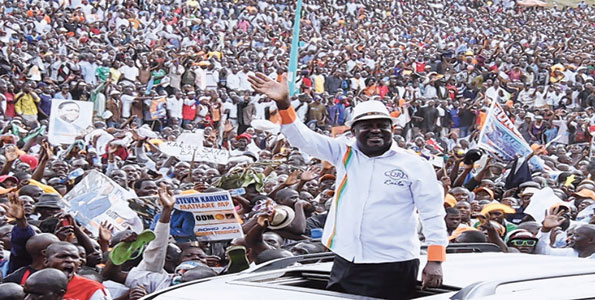
Thousands of Kenyans rallied yesterday for an anti-government demonstration in the capital’s central park amid heavy police presence, with political and ethnic tensions high following weekend attacks in which over 21 were killed. PHOTO | NMG 

Nairobi, Monday. Thousands of Kenyans rallied today for an anti-government demonstration in the capital’s central park amid heavy police presence, with political and ethnic tensions high following weekend attacks in which over 21 were killed.

Opposition leader and former prime minister Raila Odinga has organised the rally to address what he says are major government failures, including worsening crime and insecurity, rising living costs, impunity, corruption and allegations of ethnic favouritism in government appointments.

Police were searching and screening supporters as they entered Nairobi’s Uhuru park, or “Freedom” in Swahili, an AFP reporter said.

The rally, the culmination of a series of countrywide demonstrations, is held on the July 7 anniversary of protests for multi-party democracy in the 1990s, a date heavy with symbolism and known commonly as “Saba-Saba” , or “Seven-Seven” in Swahili.

Police say they have deployed 15,000 officers to ensure the rally passes off peacefully, with the country already on high alert fearing attacks by Somalia’s Al-Qaeda-linked Al-Shabaab gunmen, who have vowed revenge for Kenya’s military presence in Somalia.

The Al-Shabaab claimed twin attacks in Kenya’s coastal region on Saturday night in which at least 21 were killed, the latest in a series of killings, although police blamed the Mombasa Republican Council (MRC), a group that campaigns for independence of the coastal region.

The Al-Shabaab also claimed responsibility for attacks last month at Mpeketoni. Survivors reported how gunmen speaking Somali and carrying Al-Shabaab flags killed non-Muslims.

Kenyan President Uhuru Kenyatta, however, denied that the Al-Shabaab were involved and instead blamed “local political networks” and criminal gangs, saying victims had been singled out because of their ethnicity. (AFP)

Source: http://www.thecitizen.co.tz/News/Thousands-of-Kenyans-gather-for-rally–day-after-attacks/-/1840340/2376062/-/u8v8c0z/-/index.html