MELBOURNE: Twiyemeje gutanga umuganda wacu mu Ishema Party.

Par:Suzana Mwamini

Suzana MWAMINI, Umuyobozi w’Ikipe Ishema ya Melbourne

Ishema ni iryacu i Melbourne .

Nitwa Suzana MWAMINI, ndubatse nkaba umubyeyi w’abana batanu, ntuye mu gihugu cya Australiya. Mfashe icyemezo cyo kujya ahagaragara ngira ngo mvugire na bagenzi banjye tureba mu cyerekezo kimwe.

Twakomeje gukurikirana ibitekerezo byiza by’abashinze Ishyaka Ishema ry’u Rwanda.  Ntitwahwemye kugenzura gahunda bageza kuri rubanda n’ukwitanga kwakomeje kubaranga. Mu cyumweru gishize twagize amahirwe yo gusurwa na Padiri Thomas Nahimana, Umuyobozi w’Ishyaka Ishema akaba n’umukandida Kongere y’ishyaka yatoranyije ngo azarihagararire mu matora y’umukuru w’igihugu azaba mu mwaka w’2017.

Twaganiriye nawe, tumubaza ibibazo byose twari dufite ndetse tubona n’umwanya wo kumugezaho ibitekerezo byacu n’ibyifuzo byacu. Twashimye uko we na mugenzi we Ernest Senga baduhaye ibisobanuro twabasabaga n’uko bakiriye neza ubushake bwacu bwo gutinyuka maze natwe tukaba Abataripfana nyabo bashishikajwe no gutanga umuganda mu mpinduka nziza izageza igihugu cyacu ku buyobozi bukorera inyungu za rubanda rugufi .

Kimwe n’abandi banyarwanda benshi, turambiwe ubutegetsi bw’Agatsiko kigaruriye ibyiza byose by’igihugu , abaturage bakaba bakomeje gusuzugurwa, kuvangurwa, gufungirwa akamama, kwamburwa ibyabo no  kuraswa ku manywa y’ihangu !

Twebwe Abanyarwanda batuye mu mujyi wa Melbourne ho muri Australia twafashe icyemezo cyo gutangiza Ikipe Ishema kugira ngo idufashe kuva mu bwoba , mu bwigunge no mu burangare bityo tugire icyo natwe dukora kiri mu bushobozi bwacu kugirango impinduka ishoboke mu gihugu cyacu kandi ku buryo bwihuse.

Turasanga kandi kimwe mu bituma politiki ya opozisiyo nyarwanda yarakomeje guhura n’inzitizi nyinshi ari uko abari n’abategarugori batitabiriye cyane gukora politiki kubera ahari ko politiki babonye ishingiye ku kinyoma, ku gusahura umutungo w’igihugu  no kwica abaturage yabakuye umutima cyangwa se kubera ko bakomeje guheezwa. Turashishikariza abari n’abategarugori ko igihe kigeze ngo nabo bahagurukane ishema maze barengere igihugu cyabo uko bishoboka kose.

Mu izina ry’Ikipe Ishema mbereye umuyobozi, nsezeranyije Abanyarwanda batuye Melbourne  ko twiteguye kubafasha mu gutsinda iterabwoba, kwihugura mu bya politiki, kubagezaho amakuru anyuranye no kubahuza hagamijwe kungurana ibitekerezo ku cyagarura amahoro mu gihugu cy’u Rwanda.

Kuko bamwe muri twe banyuze mu nzira ndende z’amashyamba ya Kongo, ntidushobora kwibagirwa abavandimwe bacu twasizeyo bakihahurira n’ingorane nyinshi kugeza n’uyu munsi . Turifuza ko hakorwa ibishoboka byose nabo bagafashwa, intambara zenda kongera kubarimbura zigakurwaho ahubwo twese tukazabona amahirwe yo kongera guhurira mu gihugu cyacu, tugafatanya kucyubaka ntawe uhejwe, kandi ntihazagire igice cy’abanyarwanda cyongera kwiyemera ko gifite uburengenzira ku byiza by’u Rwanda kurusha abandi.Turasaba Abanyarwanda benshi ko bashyigikira gahunda z’Ishyaka Ishema kuko dusanga zisobanutse kandi zishobora kuzahura igihugu cyacu.

Mu matora y’umukuru w’igihugu yegereje(2017) , turifuza ko Umukandida w’Ishyaka ryacu mwazamuhundagazaho amajwi bityo abishuka ko aribo bonyine bavukanye imbuto  bakamenyeraho neza ko “Ubutegetsi bwose buturuka kuri rubanda , ikaba ariyo yihitiramo abayobozi bayinyuze biciye mu matora adafifitse”.

Harakabaho u Rwanda rw’a twese,

Harakaramba Ishyaka Ishema ry’u Rwanda,

Mwese muhorane ishema

SUZANA  MWAMINI,

Umuyobozi w’Ikipe ISHEMA ya MELBOURNE.

Telephon no : +61  470 507 749

GDP is a mirror on the markets. It must not rule our lives

male office worker looking through binoculars
‘What is the point of economic growth if it does not make most people better off?’ Photograph: Colorblind/Getty Images

Next month the Office for National Statistics will issue data for the first time on the UK’s wellbeing. In the exercise, the ONS is recognising that GDP, which now includes estimates for the market value of illegal drugs and prostitution, is at best only a partial measure of our economic health. Not that one would draw this conclusion from the political tub-thumping that improved GDP figures bring.

GDP is a measure of economic activity in the market and in the moment. So its key shortcoming is that it collapses time and makes us short-term in focus. It counts investment and consumption in the same way – an extra £100 spent on education is equivalent to the same amount spent on fizzy drinks.

Studies have repeatedly shown that the time horizon of the financial markets in particular is ever more short-term. Shaving about 0.006 seconds off the time it takes computer orders to travel from Chicago to the New Jersey data centre which houses the Nasdaq servers made it worth investing several hundred million dollars in tunnelling through a mountain range to lay the fibre optic cable in a straighter line. More than two-thirds of trades in US equity markets are high-frequency automated orders. How has the search for profit so foreshortened our vision?

It wasn’t always so. The term “Victorian values” now speaks to us of characteristics such as narrow-mindedness, hypocrisy and conformity, but it could also speak of hard work, self-improvement and above all self-sacrifice for the future. The list of the Victorians’ investments in our future is staggering. It includes railways, canals, sewers and roads; town halls and libraries, schools and concert halls, monuments and museums, modern hospitals and the profession of nursing; learned societies, the police, trades unions, mutual insurers and building societies – organisations that have often survived more than a century.

Why the Victorians managed to be so visionary is not entirely clear, but it had something to do with the confidence of an age of discovery both in science and other areas of knowledge, and also in geographical exploration and empire building. They made such strides against ignorance and the unknown, firm in their sense of divine approbation, it seems a belief in progress came naturally to them.

Civic and business leaders in the late 19th century had extraordinary confidence and far-sightedness, even as they too stood at the centre of social and economic upheaval. This Victorian sense of stewardship is something we could usefully remind ourselves of when thinking about how we measure value today. In the late 19th century it was the innovators and the builders of institutions who had standing, and it was the men and women of vision who were understood to be the creators of value.

They still are, even if it is often hard to measure or quantify what they build. Anything of value has its roots in values and vision, as much today as at any time in the past.

Financial markets have their place as a powerful way of harnessing incentives to achieve desirable outcomes. For example, the market in the US for trading permissions to emit sulphur dioxide, which helps cause acid rain, has been a triumphant success in removing what was once a serious environmental harm.

However, there is no sign that the wider public has stopped challenging the ascendancy of markets and money. The bestseller status of Thomas Piketty’s Capital in the 21st Century bears witness to that. It has put the question of the great inequality of wealth in the market economies at the centre of public debate, and it underlines another question: what is the point of economic growth if it does not make most people better off? Or, worse, if growth is actually destroying things that many of us value.

A further problem with GDP is that it obviously includes many things that are value-destroying. Natural disasters are good for GDP growth because of the reconstruction boom afterwards; the destruction of assets and human life is not counted. The metric ignores the depletion of resources, the loss of biodiversity, the impact of congestion, and the loss of social connection in the modern market economy.

People have long proposed alternative measures of progress – recently, environment-adjusted measures, or simply measuring happiness, directly by survey. What could be more straightforward than asking such a direct question? But reported happiness changes very little over time because, whether it’s the joy of a lottery win or the catastrophe of being disabled in an accident, it only takes about two years for people experiencing even a dramatic change in their life to revert to previous levels of happiness.

This takes us back to monetary measures, back to GDP and its inclusion of things that clearly have negative value. It also excludes “informal” activities such as housework and caring, many volunteer activities, and always excludes the full value of innovations. Nathan Mayer Rothschild was the richest man in the world at the time of his death from an infected tooth abscess in 1836. An antibiotic that hadn’t then been invented but now costs just $10 would have saved him. How much would he have paid for that medicine?

• This article is based on an essay Diane Coyle wrote for Vestra Wealth LLP

Source: The Guardian

Jean Paul Romeo aragaba igitero cy’ubwiyahuzi ku ishyaka Ishema

ibendera-ishema ok

Mu nyandiko uwitwa cyangwa uwiyita Jean Paul Romeo Rugero  yise “INTAMBARA VS AMATORA: TUJYA KU NTAMBARA RYARI?”  uyu mugabo avuga utugambo twinshi tuvangavanze ngo aha arifuza gutanga amasomo ku ntambara, kubisobanura bikamubera ingutu, ariko agasoza agwa ku ijambo ashaka gutambutsa twahinira muri izi ngingo zikurikira :

  1. Romeo aragaba igitero cy’ubwiyahuzi ( attaque suicide) ku ishyaka ISHEMA ry’u Rwanda
  2. Arafasha FPR gucengeza iterabwoba mu Banyarwanda abumvisha ko nta revolisiyo ishoboka kuko ngo uwabatsinze ntaho yagiye
  3. Atewe ikibazo ngo n’uko ISHEMA ririmo abatutsi kandi ryakumvikana n’abatutsi
  4. Arahamagarira abasore b’Abanyarwanda kwishora mu ntambara isesa amaraso atakoreye inyigo (study)

Muti gute?

  1. Kugaba igitero cy’ubwiyahuzi (attaque suicide) ku ishyaka ISHEMA ry’u Rwanda.

Mu nyandiko ya Romeo aragaragaza ko ngo yababajwe n’uko mu kiganiro kuri radio Ijwi rya Rubanda cyabaye tariki ya 15 Ugushyingo 2014, Jotham Rwamiheto yahaswe ibibazo akananirwa kwisobanura ku byerekeye inzira yo gufata intwaro yakanguriraga Abanyarwanda. Reka twibutse ko igihe tugezemo atari cya gihe cya za 1990 aho abanyapolitiki bakoreraga mu bwiru’ abantu bakabakurikira buhumyi kugeza n’aho bashyigikiye FPR batazi uko bigenze! No mu myaka 20 ishize hari abanyapolitiki bakomeje kubwira abantu ngo “tubibabereyemo”. Ibiki ??? Ntibagaragazaga umushinga bafite ndetse ngo banerekane uruhare buri wese akwiye kuwugiramo. Uko byagenze ibara umupfu.

Mu kiganiro Romeo avuga, jye nafashe umwanya uhagije nsobanura impamvu ishyaka  Ishema ry’u Rwanda ryahisemo gushyira imbere inzira y’amahoro ishingiye  ku matora cyangwa revolisiyo ya rubanda. Ibisobanuro natanze bishingiye ku bushakashatsi bwimbitse bwakozwe n’ishyaka ISHEMA ry’u Rwanda ribitewemo inkunga n’umuryango mpuzamahanga witwa AIPAD (Association Internationale Paix et Démocratie) ufite icyicaro i Paris mu Bufaransa.

Rwamiheto we avuga ko mu Rwanda revolisiyo ya rubanda itashoboka , ngo ko hashoboka intambara y’amasasu gusa. Abajijwe inyigo yabikozeho ati “ntayo”. Abajijwe uburyo ibyo avuga bishoboka ati “si ndi umunyapolitiki”!!! Ikibabaje ni uko Rwamiheto yasabaga ishyaka ISHEMA, Abataripfana ndetse n’Abanyarwanda bose kureka ibikorwa iri shyaka ryatangiye bakayoboka inzira we ashaka ariko aterekana uko ifunguye n’uko abantu bayinyuramo. Nyamara biragaragara ko  ibikorwa by’ISHEMA aribyo  bitanga icyizere cyo gufasha u Rwanda kuva mu kaga rurimo, ndetse hagacika burundu umuco wa “vaho njyeho” wimakajwe hagati y’abahutu n’abatutsi. Birumvikana ko mu gihe ISHEMA rifite umushinga risobanura neza, abanyarwanda batazemera ko hari umuntu uza ababwira ngo nimureke ISHEMA muze mbereke ahandi mbajyana kandi na we ubwe yigaragaza nk’utazi aho ahagaze n’aho yerekera.

Ikindi kibazo cyabayeho ni uko Rwamiheto amaze gushima no kwemera ko ISHEMA rikora umurimo mwiza wo kumara ubwoba abaturage, yananiwe gusobanura impamvu  inyandiko ye igaragara nk’itera ubwoba Abanyarwanda ndetse ikaba yunganira ideology ikoreshwa na FPR igambiriye ko Abanyarwanda batashira ubwoba ngo bayivudukane!

Uyu musore Romeo wagaragaraga muri studio ntiyagize ubutwari bwo gufata ijambo ngo yunganire umuvandimwe Rwamiheto niba koko bumva ibintu kimwe, ntiyigeze anasaba ko haba ikindi kiganiro ngo iyo ngingo tuyigarukeho, ahubwo na we yihutiye gushishimura inyandiko idasobanutse yikoma ISHEMA. Iki ni igitero cy’ubwiyahuzi Romeo akoze nk’uko ngiye kubigaragaza.

Uwitwa cyangwa uwiyita Jean Paul Romeo Rugero yatangiye kumenyekana mu gihe gito gishize aho yatangiye kujya yandika inyandiko nyinshi cyane zisenya, zisesereza ,zisebya kandi zandagaza abanyapolitiki b’abasaza . Ikibabaje ni uko mu kugaba ibitero kuri aba banyapolitiki bakuze, ntibyabaga bya bindi byo  kunenga ikosa ugamije kubaka, ahubwo yabaga agamije  gucisha umuntu bugufi gusa no kumwangisha rubanda. Imvugo nyandagazi yabinyuzagamo yerekanye ko Romeo yubahuka cyane ku buryo ntawe acyubaha. Ibi bitandukanye n’amahame ya demokarasi duharanira: biragayitse kwikoma umuntu cyangwa kumutesha agaciro witwaje ko afite ibitekerezo utemera. Ikibazo cya Romeo ni aha kiri: aba Bakambwe baramwihoreye yigira igikenya mu isesengura ryuzuyemo ubusa none arishuka ko ashobora gukururira Ishyaka Ishema muri ubwo busa bw’amatiku. Cyakora namugira inama yo kutikorereza Abataripfana kuko bo bazi neza ibyo barimo bakaba nta kindi biyemeje kwitangira uretse gufasha  rubanda kwibohora ku ngoma y’igitugu n’iterabwoba ya FPR Inkotanyi. Bityo rero Abataripfana ntibashobora kwihanganira Inkonkobotsi zitagaragaza uwo zikorera, ngo zisobanure ku buryo bwumvikana gahunda nzima zaba zikurikiranye, ahubwo bikaba bigaragara  ko zigambiriye  gusa gusenya ibyiza abandi bageze kure bubaka.

2.Arafasha FPR gucengeza iterabwoba mu banyarwanda ko nta revolisiyo ya rubanda ishoboka, ngo kuko uwabatsinze ntaho yagiye

FPR yabaye indashyikirwa mu kwica  no gutera ubwoba abaturage. Ikiba kigamijwe  ni ukumvisha abaturage ko Inkotanyi arizo zifite ubutegetsi kandi  ko ntawe uzongera kubuzambura kuko ngo nta n’uwazirwanya ngo azitsinde. Ikibazo gikomeye ni aha kiri. Hari abatari bake bakiriye iyi ngengabitekerezo bati koko nta kindi cyadukiza FPR atari amasasu. Abareba hafi ntibashobora kugira ikindi batekereza, niyo mpamvu badashobora no kwicara ngo  bige uko iyo ntambara yakorwa ahubwo bashimangira igitekerezo ngo FPR yarabivuze nta kundi byagenda.

Twibuke neza ko ikintu cyatumye abahutu bamara imyaka irenga 400 mu bucakara bashyirwagaho n’ingoma ya gihake, ni uko abami bari baremeje buri munyarwanda ko u Rwanda rugomba gutegekwa n’ ibimanuka byaturutse mu ijuru bizanywe no gutegeka no guhaka abahutu, maze bo bakaba bararemewe gutegekwa no kuyoboka. Mu gihe revolisiyo yatangiraga gutegurwa mu myaka ya za 1950, abahutu benshi bari bashyigikiye umwami kuko bumvaga ko ngo u Rwanda rutabaho rudafite umwami, ababyeyi ntibabyara badafite umwami, inka ntizakamwa… Habaye ubutwari bukomeye bw’abarwanashyaka nka Gregoire Kayibanda na bagenzi be bafashije rubanda kumva ko ubutegetsi butavukanwa n’agatsiko k’abatutsi bari ku ngoma ko ahubwo buri mu maboko ya rubanda ishobora kwihitiramo abategetsi bayinyuze.

Uyu munsi wa none, ubutegetsi bwa FPR ntaho butanira na gihake: hari abaturage bemeye ingengabitekerezo ko nta wakura FPR ku butegetsi, ngo kereka ayirushije ubukana bwo kurimbura abaturage benshi akoresheje amasasu, ibifaru n’amabombe.  Muri iki gihe icyo abanyarwanda bakeneye ni abalideri (leaders) bafasha abaturage kumva imbaraga bifitemo, bakava mu bwoba bakazikoresha mu guharanira uburenganzira bwabo kandi bagashirwa bahiritse ubutegetsi bushingiye ku iterabwoba rya FPR.

3.Atewe ikibazo ngo n’uko ISHEMA ririmo abatutsi cyangwa ryumvikana n’abatutsi

Romeo yarakugendeye afata ifoto Padiri Nahimana Thomas yifotoje hamwe n’abanyarwanda mu minsi ishize ubwo yari mu butumwa bw’ishyaka Ishema mu gihugu cya Australia. Icyababaje Romeo ngo ni uko kuri iyo foto hariho umuhungu wa Kayumba Nyamwasa . Romeo avuga ko ISHEMA ryatangiye ryigaragaza nka PARMEHUTU none ararinenga kwifotozanya n’umuhungu wa Nyamwasa! Nashatse akantu k’ubwenge kari aha ndakabura. Icyo PARMEHUTU yaharaniraga ni ugukura rubanda rugufi ku ngoyi ya gihake. PARMEHUTU yarimo abahutu n’abatutsi. Kuba umuyobozi w’ ISHEMA yemera kwifotozanya n’umwana utotezwa na FPR kimwe na twe twese Romeo akabibonamo ikibazo na byo birerekana ko isesengura rye ntaho ryageza Abanyarwanda. ISHEMA rishishikajwe no guharanira ineza y’abanyarwanda bose, cyane cyane abakandamijwe n’ubutegetsi bubi bwa FPR kandi ntiriheza uwo ari we wese kuko ritagamije gushimisha Romeo. Nibimenyekane neza ko Ishema ridateganya kuryoza abana ibyaha bya ba se na ba sekuru nk’uko Romeo abyifuza.  Niyo mpamvu rihora rishyira imbere ko hakenewe « Nouvelle génération » y’Abalideri bataboshywe n’amateka y’u Rwanda kubera uruhare bagize mu guhemukira Abanyarwanda. Na Ange KAGAME ubwe aramutse yibonye muri izi gahunda nziza z’Ishema , agasaba kuryinjiramo nta buhendanyi, Abataripfana bamwakirana ubwuzu ! Utabyumva nkatwe yihangane.

4.Romeo arahamagarira Abasore b’Abanyarwanda kwishora mu ntambara zisesa amaraso atakoreye inyigo (study).

Mu gusoza inyandiko ye, Romeo aremeza ko intambara y’amasasu yonyine ariyo ishobora kudukiza FPR. Hari ikintu mu kinyarwanda twita gupfa kwivugira gusa. Iyi mvugo ikoreshwa iyo umuntu avuze ibintu bigaragara neza ko atabitekerejeho. Ukoresheje iyi mvugo bamucira umugani ugira uti ‘ururimi ntacyo rupfana n’umuntu’. Ibi biragaragarira aho Romeo, nk’umuntu watangiye inkuru ye atubwira ko ari igihangange mu buhanga bw’intambara, mu kuyitegura no kuyirwana, bityo agatuma   dukeka ko agiye kutubwira uko ishoboka, nyamara we agasoza atubaza ngo ‘tuyirwane gute’ !? Ibi ni byo bita kwiganirira cyangwa guteta mu bikomeye.

Romeo aramutse atari  kwiganirira  yaba ari umugome, umugambanyi cyangwa se byombi hamwe. Ni gute wahagurutswa no kwemeza abanyarwanda ko intambara y’amasasu ishoboka muri iki gihe, warangiza ukababaza  ngo tuyirwane gute kandi ari wowe uri kubigisha ibyayo ? Ibi byatumye nkubita agatima ku nkuru http://ikazeiwacu.fr/search/Kuburira%20Abanyarwanda yasohotse mu kinyamakuru Ikazeiwacu, ku itariki ya 13 Ugushyingo 2014,aho uwitwa cyangwa uwiyita Uwimana Joseph yaburiraga abanyarwanda abasaba ubushishozi  bukomeye mu gihe hari abantu babahamagarira kujya mu mitwe ya gisilikari . Dore uko abivuga :

« Nyuma y’aya makuru y’imirambo Ikaze Iwacu yagiye ikora itohoza, ubu rikaba ryerekana koabantu benshi bicwa muri iyi minsi ari abantu bashimutwa na baneko ba DMI, bashuka abaturage cyane cyane urubyiruko bababwira ko bagiye kubajyana mu gisirikari cya FDLR na RNC. Iyo bamaze kwiyandikisha barabarundarunda maze bakabapakira amamodoka bakagenda ubutazagaruka, kubera ko nta nusezera umuryango we, kuko abo ba DMI bababwira ko bigomba kuba ibanga, kugira leta itazabica iryera.

Ibi bikorwa bibisha biri kubera cyane mu ntara y’amajyaruguru n’iy’iburengerazuba. DMI iri gukora iyi gahunda ngo mu rwego rwo kwikiza abo bita « umwanzi w’igihugu ». Banyarwanda, banyarwandakazi, mube maso, kandi mushishoze munirinde abantu babashuka ngo babajyanye mu gisirikari cya FDLR na RNC, kubera ko abaguye muri uyu mutego nibo tubona imirambo yabo mu kiyaga cya Rweru. Umuntu yasaba kandi aya mashyaka FDLR na RNC gushyiraho ingamba zihamye zo kurinda abayoboke bayo bari mu Rwanda no kunoza gahunda zabo zo gushaka abayoboke ».

Byaba ari agahomamunwa abanyarwanda bemeye gushorwa mu migambi batasobanuriwe bakisanga mu kaga batigeze batekereza.

Umwanzuro :

Hari inzira nyinshi zo guhindura ibintu mu Rwanda ariko zimwe muri izo ziragoye kurusha izindi. Ishyaka ISHEMA ry’u Rwanda ryavutse rije gutanga umusanzu wo gufasha abaturage gutekereza ku nzira iri mu bushobozi bwabo, abaturage bafitemo uruhare kuko aribo ba nyirubutegetsi, kandi ikaba isaba ibitambo bikeya kurusha izindi. Ni inzira y’amahoro ishingiye ku matora cyangwa revolisiyo ya rubanda. Koko rero Bibiliya  ivuga ko  hari ibintu  bitatu umwana w’umuntu adashobora  guhagarika :1) Imvura y’amahindu yazindukiye kugwa ; 2) Umukobwa washatse kurongorwa, 3) n’abaturage bahagurukiye gukora revolisiyo !

Hari abantu nka Romeo ahari batekereza bati nimube muretse mutazadutanga umushi. Uwo mushi Romeo amutanguranwa na nde ? Imyaka 20 yose ishize  ISHEMA ritaravuka Romeo yari he ko atatanguranwe uwo mushi ? Ikidushishikaje kurusha byose ni uko akarengane kagirirwa Abanyarwanda karangira kandi vuba bishoboka. Naho gukomeza gutegereza ko hazaza MESIYA Romeo uzadutegurira intambara zisesa amaraso, akatwereka uko tuzirwana, ngo tukazitsinda zitishe abaturage, ndareba ngasanga hari abanyarwanda bakoreshwa n’ihahamuka rikaze, bo bakibwira ko babiterwa n’ubutwari cyangwa ubuhanga budasanzwe.

Imana tugira iwacu ni uko ibuye ryagaragaye ritaba ricyishe isuka!

Nimurebe iyi video

Chaste Gahunde

Umunyamabanga mpuzabikorwa

ISHEMA Party

EALA resumes with motion on Bhanji

By Zephania Ubwani

Arusha. The East African Legislative Assembly (Eala) resumes business in Nairobi next week with the officials tight-lipped on whether an aborted motion to expel a Tanzanian legislator Shy-Rose Bhanji from the Eala Commission for alleged misconduct will be brought up again.

The motion was tabled before the House during its last sitting in Kigali on October 29, but could not sail through for lack of quorum. Only two members from Tanzania were  in the House although other partner states had the required number of MPs, enough to seal the expulsion.

Eala’s Rules of Procedures (13) provide that the quorum of the House shall consist of half of the elected  members provided that such quorum shall be composed of at least three of the elected nine members from each partner state.

Burundi and Kenya had seven legislators each while Rwanda and Uganda had nine and seven MPs respectively when the matter was raised in the House on October 30th by Ms Susan Nakawuki (Uganda) who brought the matter of objection to the quorum to the notice of the Speaker Ms Margaret Natongo Zziwa.

Dora Byamukama (Uganda) tabled the motion on the previous day, calling for the removal of the outspoken  Bhanji, alleging that the Eala Member had exhibited  misconduct while on a European Union benchmarking trip to Brusells in September this year. She further alleges that during the same trip, Ms Bhanji was accompanied by other Eala Members, the legislator from Tanzania made derogatory remarks about some East African Community (EAC) partner states, some members at the Summit of the EAC states and verbally insulted members of the delegation.

She wanted the legislator in question removed from the Commission, the policy organ of Eala, by a way of a secret ballot. The issue was on the Order Paper on the morning of October 30th but the House business was interrupted as the required number of Tanzanian Members did not show up.

Ms Bhanji has denied the allegations, saying until the House was adjourned indefinitely, she had not been served with any written notice on her alleged misconduct from Eala or other authorities.

Source: The Citizen

Policy Choices for a Connected World

usdos-logo-seal

Catherine A. Novelli
Under Secretary for Economic Growth, Energy, and the Environment 

University of Pretoria

Pretoria, South Africa

November 13, 2014

Good afternoon.  I am delighted to be here to speak at this distinguished university and to visit your beautiful country.  Thank you so much for inviting me.  South Africa is the last stop on an Africa trip that included Tanzania and Kenya.  Along the way, I’ve seen incredible energy and dynamism.

I’d like to speak today about a new economic reality and the policy choices we all face.  These choices are in front of every government, business, university, and individual as they determine their economic future.  The reality is, the world is more connected than ever before, with goods, services, information, people, and financial resources crossing borders at an unprecedented rate.

Before this speech and after it – perhaps during it – you will be looking at mobile devices, tapping into the internet, engaging in social media, and conducting business and commercial transactions on line. The object in your hand, perhaps a smart phone, is the result of a manufacturing process that started with innovation and design at various locations around the world, manufacturing at a host of other sites, and distribution and marketing from even different corners of the globe.

That’s the reality of today’s world, whether you are in South Africa, Kenya and Tanzania – as I was in recent days – or Washington, DC, or London or Tokyo.  Global supply chains have come to define the way we do business in today’s economy.

The Connected World

McKinsey Global Institute recently wrote that cross-border flows of goods and services totaled $26 trillion in 2012.  This represents 36 percent of global gross domestic product, more than 50 percent larger than 20 years ago.  About half of those flows are knowledge-intensive, compared to labor-intensive, and the proportion is growing. Intermediate goods – ones that are incorporated into a finished product—have become an ever-increasing proportion of trade.   These goods in turn are fueling exports from the countries that have imported them.  Over a quarter of the total value of global exports is made up of intermediate imports, and this share has nearly doubled since 1970. These statistics bring to light the changing nature of business.  Older models of single-country, soup-to-nuts manufacturing arrangements are giving way to globally integrated supply chains.  Innovation and design come from a worldwide network of research and development.  Raw materials and components flow from site to site, supported by worldwide procurement systems, logistic hubs and warehousing.  Marketing and financial services may be at other locales. Consumers are targeted for sales around the globe.

How Countries Can Take Advantage of Value Chains

So what are the implications for countries, companies and citizens of a world where global value chains are increasingly dominating trade?  What policies should countries follow to benefit the most from value chains? I would suggest that countries need to focus on five policy areas as they enable their citizens to fully reap the benefits of today’s connected world.

First, open markets facilitated by fast customs procedures, international product standards and modern infrastructure is critical. Supply chain production is more complex than traditional export systems, with more import and export transactions for each unit of value added.  This means that as goods and services move across multiple borders on their way to the final market, even small barriers can add up and affect the competitiveness of a product.

In the connected world, policies that may have offered protection to domestic firms in an earlier era, like import substitution, local content requirements, or data localization obligations, now make them less attractive as supply chain partners.  An OECD study of local content requirements, found that local content requirements not only made countries less innovative, these requirements actually harmed the domestic market by raising prices for the public for products of lesser quality.

Because of just-in time production, concentrating on bread and butter trade facilitation issues like customs procedures, transportation and modern infrastructure is all the more important.  Since products need to be sold in many markets, adhering to international standards is essential for their international viability.

Second, countries need to adopt legal and regulatory processes for doing business that are transparent, predictable, streamlined and include input from all stakeholders. The ability for investors to enforce contracts, and high standards for labor and environmental protections along with an intolerance for corruption are all key considerations for businesses in deciding where to locate or source.

I have heard some voices suggest that these “doing business” issues don’t matter, and that companies merely want to find the lowest labor costs.  But in my experience, that’s not true.  The ability to do business transparently matters a great deal to the bottom line.  Morever, branded companies value their brand image, and don’t want to risk harming it due to scandals over labor or environmental conditions. Nor do they want to be in the position of being labor and environment regulators.  Besides the moral issues surrounding poor labor and environmental enforcement, the need to constantly oversee these practices among suppliers when countries are not policing them themselves adds a great deal of cost.

Fostering Global Collaboration Through the Internet

Third, an open Internet, access to broadband, and free flows of data are essential to competitiveness. As I mentioned earlier, global supply chains are dynamic and highly collaborative, with teams of suppliers and purchasers from various stages of the value chain working together across borders to solve design, manufacturing, and marketing problems.   This really is the essence of today’s connected world. This cannot occur without internet.

The best way to unleash the creativity and ingenuity of your people, your companies, and your universities is to let them connect with others to develop new ideas and start new businesses.

There is an inaccurate perception that the Internet mostly benefits industrialized countries.  The truth is that the Internet’s economic benefits are increasingly shifting to the developing world.  The Internet economy is growing at 15 to 25 percent per year in developing countries, double the rate in the developed world.  In Turkey, for example, smaller businesses that use the web have experienced revenue growth 22 percent higher than those that do not.  Here in South Africa, Ronnie Apteker founded the first Internet service provider and enabled countless new technology businesses.  I am looking forward to meeting some of those new entrepreneurs tomorrow.

A recent report by the American think tank, the Brookings Institution, showed how the internet and cross-border data flows are providing opportunities for small and medium-sized enterprises. The report notes that SMEs on eBay are almost as likely to export as large businesses and, in fact, over 80 percent of SMEs export to five or more countries.

Fourth, strong intellectual property protection allows countries to be part of a higher-value global supply chain. At a recent conference in Washington, General Electric noted that it maintains research and development centers in Shanghai, Bangalore, Munich, Rio de Janeiro and New York.  Many other international firms have similar R&D footprints.  This geographic diversity allows for an R&D operation that, given time zones, literally never stops.  Companies look at many factors when considering where to locate their R&D centers, including the level of education, vocational training, and scientific collaboration.  But the level of intellectual property protection is also critical.

Closely related to this is a fifth policy— an open market for services. We often think of trade as the physical movement of goods from place to place.  But in today’s global economy, knowledge-intensive trade and investment, particularly in the services sector, plays an increasingly central role.

Economists from the Organization for Economic Cooperation and Development have found that services now constitute 50% of the manufacturing process.  Insurance, accounting and other financial services, and creative and design services, are all integral parts of supply chains.  But in many countries, markets for these services are closed, or heavily regulated.   If the goal is to maximize participation in global value chains, closed market policies like these no longer make sense.

Regional Trade Liberalization

The policies I have set forth are important, but not sufficient to be globally competitive.  In addition to being islands of good practices, countries need to join together to create regions where those good practices are integrated.

Last August, I chaired a roundtable on global supply chains at the U.S-Africa Leaders Summit in Washington.  We invited corporate representatives as well as trade, investment, and economic ministers from African countries.

One of the most interesting themes was the need to create regional markets in Africa. Companies were clear that the markets in many individual countries in Africa are too small to support operations just for that market. That does not mean that there are no opportunities for smaller countries to benefit from the global supply chain.  In fact, recent research indicates that, on average, regional trade agreements increase member countries’ trade about 86 percent within 15 years.

The European Union is perhaps the largest, best known and most successful example or regional integration.  There is also the North American Free Trade Agreement, which just celebrated its 20th anniversary.  With Asia, we are now negotiating a Trans-Pacific Partnership, and with Europe we have launched talks on a Transatlantic Trade and Investment Partnership.

Arrangements such as these, which lower barriers to trade and investment, deliver a big boost to commerce in member countries. These arrangements also offer ready-made hubs for setting up a global supply chain.  Countries who haven’t established some type of true regional integration will find it harder to compete for the investment that a global supply chain brings.

In Africa, regional organizations like the Economic Community of West African States, the East African Community, and the Southern African Customs Union are working to create regional integration and address barriers so that countries can achieve economies of scale and maximize their comparative advantages.  Nelson Mandela recognized the importance of looking at regional integration when he  conceived of Development Corridors along cross-border  transportation routes.

Africa and Supply Chains

Here in South Africa, I had a wonderful illustration of the connected world yesterday at the Ford factory in Silverton.  It is an American investment, creating jobs in South Africa.  Inputs, like raw materials and components, arrive from various locations around the world.  Local workers assemble those components and the factory exports to other African countries and to European markets.

The United States recognizes Africa as a dynamic continent where economies are growing and innovation is taking root.  Many African countries are reaping the benefits of economic reforms, better governance and social investments.  We would like to be a part of this positive change and contribute to Africa taking its place in the global supply chain, so that the people of Africa can reap the benefits of global growth.

The United States is supporting Africa’s growth through the African Growth and Opportunity Act (AGOA), the Trade Africa Initiative, and similar efforts.  The Millennium Challenge Corporation, for example, has issued grants of almost $10 billion to support projects in sectors like transportation, education, and property rights and land policy.  Through President Obama’s Power Africa initiative, a number of U.S. agencies are making available $7 billion in financial assistance to double access to power in six sub-Saharan African countries.

Some continue to argue that African nations need “protectionism” to compete.  I disagree.  Africans are strong, resilient, and ingenious, and I have seen in my meetings with entrepreneurs, businesses, and students people who can go toe-to-toe with the most competitive companies in the world.  We need to go forward together towards openness, high standards, and opportunity for all of our citizens.

Thank you very much.

Source: US Department of State

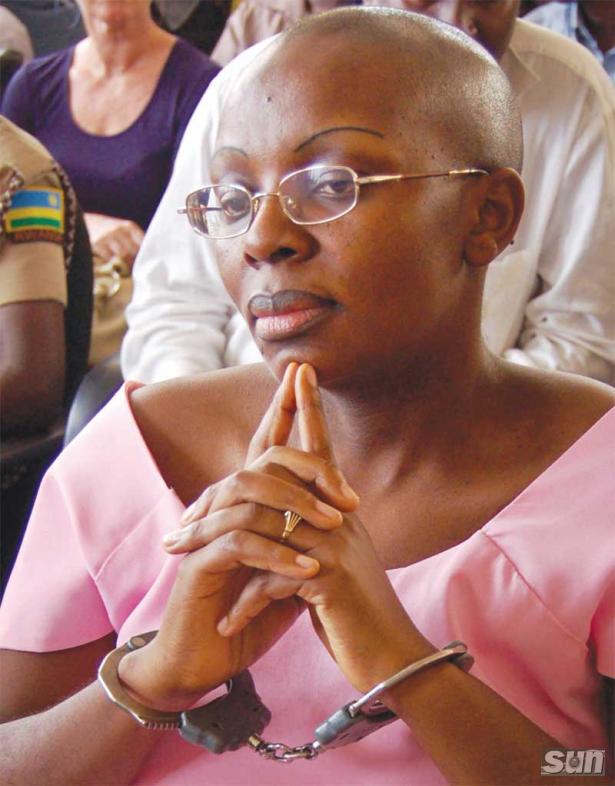
“Criminals” in Rwanda: Kagame Contemplates Indicting the BBC for “Genocide Denial” Peter Erlinder, Victoire Ingabire, and the BBC

carte_rwanda

Peter Erlinder, Victoire Ingabire, and the BBC are all criminals in Rwanda.

President Paul Kagame has accused all three of genocide denial and his Chief Prosecutor may even indict the BBC.

Transcript:

KPFA Weekend News Anchor David Rosenberg: Rwanda’s Chief Prosecutor, Martin Ngoga, and a special Rwandan commission are now investigating the BBC for the crime of – quote unquote – “genocide denial.” Ngoga investigated and indicted US attorney Peter Erlinder after his arrest in Rwanda in May 2010, and Rwandan political prisoner Victoire Ingabire after her arrest in October 2010, also for the crime of so-called “genocide denial.” The BBC, however, is not in prison in Rwanda, as Peter Erlinder was and as Victoire Ingabire remains. KPFA’s Ann Garrison spoke to Peter Erlinder.

KPFA/Ann Garrison: Peter Erlinder, could you explain why you were in prison in Rwanda, in 2010?

T-shirt worn by a Rwandan protesting in Paris, while Peter Erlinder was in jail, 2010

Peter Erlinder: I went to Rwanda to consult with Victoire Ingabire, who was a presidential candidate at that time, who had been charged with genocide denial because she had asked why the Hutu victims weren’t remembered on the memorials to genocide victims. And I found myself charged with genocide denial because of stories and commentary that I had written in the international press and because of statements that I made about the acquittal of the Hutu leaders of the Habyarimana government, who had been acquitted of planning and conspiracy to commit genocide by the International Criminal Tribunal for Rwanda.

KPFA: And you were in prison for how long before the international campaign secured your release?

Erlinder: I was in prison for approximately a month.

KPFA: OK, now I’m going to play a clip including Victoire Ingabire’s voice, from the BBC documentary “Rwanda: The Untold Story”:

BBC: Rwanda’s institutions have been used by Paul Kagame to stifle dissent. Hutu opposition leader Victoire Ingabire returned from exile in 2010 to stand against the president in the last election.

Victoire Ingabire: There is no justice in Rwanda. There is no democracy in Rwanda. People are afraid to say what they think. We have to talk about what happened in Rwanda in 1994.

BBC: Ingabire never made it to the polls. She asked why there were no memorials to the Hutus who died.  She got eight years in prison, for genocide ideology. [Raised to 15 years on appeal.]

KPFA: Now Peter, Rwanda has already banned the BBC’s native Kinyarwanda language broadcast, as it did in 2009, after again, accusing it of genocide denial.

Erlinder: And what I might say about that is that, of course, what that means is that Kinyarwanda speakers cannot hear the debate about the BBC broadcast. So it really doesn’t hurt the BBC, but it does prevent the Rwandan people from hearing the debate about the documentary.

KPFA: And, if Rwandan Chief Prosecutor Ngoga indicts the BBC and/or its producers, they would be unable to do any more on-the ground reporting in Rwanda without risking arrest.

Erlinder: It would cut off the flow of information to the Rwandan people about their own government completely.

KPFA: That was Peter Erlinder on the Rwandan government’s decision to investigate and possibly indict the BBC for “genocide denial.”

Source: http://www.globalresearch.ca

Burkina : comment les chefs d’État africains voient la chute de Compaoré

 Goodluck Jonathan (à g.), Macky Sall et Isaac Zida (centre), le 5 novembre à Ouagadougou.

Goodluck Jonathan (à g.), Macky Sall et Isaac Zida (centre), le 5 novembre à Ouagadougou. © Issouf Sanogo/AFP

D’Alassane Ouattara à Boni Yayi, en passant par Ibrahim Boubacar Keïta, Faure Gnassingbé ou Alpha Condé… Tous n’ont pas le même avis sur le départ de Compaoré.

De tous les chefs d’État africains, le plus affecté par la chute de Blaise Compaoré est certainement l’Ivoirien Alassane Ouattara. Entre les deux hommes, la relation était stratégique. De bonne source, le jour de sa chute, le 31 octobre, Blaise a téléphoné à son ami ivoirien pour lui demander asile et recevoir protection dans sa fuite. Aussitôt, Alassane Ouattara a appelé François Hollande afin que la France prête hélicoptère et avion au fugitif.

Après son arrivée à Yamoussoukro, le Burkinabè a reçu deux fois la visite du président ivoirien, les 1er et 4 novembre. Autre ami très marqué par l’événement, Guillaume Soro, le président de l’Assemblée nationale ivoirienne. Le Front populaire ivoirien (FPI) de Laurent Gbagbo, lui, dénonce “l’exil doré” accordé par la Côte d’Ivoire.

>> Lire aussi : qui pourrait bien prendre la tête de la transition ?

Qui se désole de la chute de Blaise ?

En Afrique centrale, tous les chefs d’État, ou presque. En Afrique de l’Ouest en revanche, très peu de monde. À l’exception d’Alassane Ouattara, bien sûr, et de son homologue togolais, Faure Gnassingbé, qui doit redouter une propagation de l’onde de choc jusqu’à Lomé. “Blaise avait la particularité d’être accessible à tout le monde, confie avec un brin de nostalgie le ministre d’un État d’Afrique de l’Ouest. Quand j’étais dans l’opposition, il me recevait souvent à sa table. Mais ce n’était pas seulement pour mes beaux yeux. Selon lui, tout opposant pouvait faire naître la subversion chez l’un de ses partenaires et l’affaiblir. Le Burkina était riche de ses voisins.”

C’est sans doute au Mali que l’événement est le mieux accueilli. Le Rassemblement pour le Mali (RPM), du président Ibrahim Boubacar Keïta (IBK), “apprécie le geste héroïque du peuple burkinabè […] contre une dictature de plus de vingt-sept ans”. Commentaire d’un proche d’IBK : “Nous ne pardonnons pas à Blaise d’avoir accordé le gîte et le couvert à tous les chefs rebelles du Nord-Mali. Son départ va faciliter les négociations d’Alger.”

> > Lire aussi:

Au Niger, même son de cloche. Sur la BBC en langue haoussa, Mohamed Bazoum, le ministre des Affaires étrangères, a lâché : “Ce qui s’est passé doit servir de leçon aux chefs d’État qui veulent se maintenir trop longtemps au pouvoir.” Mahamadou Issoufou se frotte les mains à l’idée que son opposant Hama Amadou ne puisse plus se réfugier au Burkina Faso.

En Mauritanie, l’Union pour la République (UPR, au pouvoir) félicite les Burkinabè “pour la réalisation du triomphe des peuples africains contre la tyrannie”. Mohamed Ould Abdelaziz se réjouit quant à lui de voir son opposant Limam Chafi, proche conseiller de Compaoré, errer désormais entre Abidjan et Rabat.

> > Lire aussi: Pour Mohamed Ould Abdelaziz, “la solution de la crise viendra des Burkinabè”

Pas de réaction officielle en Guinée, car Alpha Condé était à la fois très proche de Blaise et très inquiet devant son obstination à rester au pouvoir. “Cela va très mal se passer”, prédisait-il ces dernières semaines.

Pas de commentaire non plus au Bénin. Mais subitement, Boni Yayi retrouve des mots simples pour dire qu’il n’essaiera pas de briguer un troisième mandat en 2016. “Je ne toucherai pas à ma Constitution. Je le jure”, a-t-il déclaré le 3 novembre sur France 24. “L’an dernier, à chaque fois qu’il le disait aussi clairement, il recevait un coup de fil menaçant de Ouagadougou, explique l’un de ses proches. Aujourd’hui, Blaise ne peut plus lui pourrir la vie.”

Lire l’article sur Jeuneafrique.com : Burkina Faso | Burkina : comment les chefs d’État africains voient la chute de Compaoré | Jeuneafrique.com – le premier site d’information et d’actualité sur l’Afrique
Follow us: @jeune_afrique on Twitter | jeuneafrique1 on Facebook

AUSTRALIA: Ikibazo si Hutu-Tutsi, Kiga-Nduga. Ikibazo Opozisiyo ifite ni : UKORERA NDE ?

Australia visit

Padiri Nahimana (hagati) yasuye Abanyarwanda muri Australia

Nk’uko byari biteganyijwe kuri gahunda,Umukandida w’Ishyaka Ishema akomeje ingendo zo kuganira n’abanyarwanda batuye hanze y’igihugu. Muri urwo rwego , guhera taliki ya 8/11/2014 ari kuganira n’Abanyarwanda bo mu gihugu cya Australia , barungurana ibitekerezo ku mateka y u Rwanda, ku bibazo bya politiki bihangayikishije Abenegihugu no ku ruhare buri wese yagira kugira ngo impinduka nziza dutegereje igerweho bwangu.

Muri uko kujya impaka no kungurana ibitekerezo, bikomeje kugaragara ko ikibazo kiriho mu Rwanda atari uko turi abahutu cyangwa abatutsi, tukaba dukomoka i Nduga cyangwa mu Rukiga. Birumvikana ko tudakwiye na busa kwirengagiza amateka y’u Rwanda ngo twiyibagize ukuntu ubwoko cyangwa akarere byakomeje gukoreshwa mu gucamo Abanyarwanda bikozwe n’udutsiko tugamije kwikubira ibyiza by’igihugu.

By’umwihariko muri iki gihe, biragaragara ko Agatsiko ka Paul Kagame na FPR ye  ari nako konyine duhanganye, karimbura abanyarwanda muri rusange, baba abahutu cyangwa abatutsi, baba abakiga cyangwa abanyenduga. Isasu ntiritoranya akarere, akandoya ntikarobanura ubwoko.

Nanone kandi bimaze kugaragarira bose ko Agatsiko gakoresha Intore ziganjemo abo mu bwoko bw’Abahutu kugirango bahe utuzi bene wabo b’Abahutu. Agatsiko gakoresha Abatutsi kugira ngo bamene amaraso y’abandi batutsi, babagambanire, babagurishe, babarase, babanigishe ibiziriko, babafungishe, babirukanishe mu kazi….uyu muco mubi wo guteranya Abanyarwanda hagamijwe indonke ukaba udakoreshwa mu giturage gusa ahubwo mu ngabo z’igihugu iyo virusi yo guhakirizwa ugurisha abavandimwe bawe ikaba yarahawe intebe ku buryo buteye isoni.

Niyo mpamvu Abanyarwanda bose , ari abasivili n’abasilikari, bakwiye kubumbura amaso , bakanga kugendera kuri politiki yo gucamo abanyarwanda ibice ya FPR hashingiwe ku bwoko, inkomoko cyangwa amaramuko.

Nanone kugira ngo impinduka nyayo ishobore kugerwaho, abanyarwanda baganiriye n’Umukandida w’Ishyaka Ishema kuri izi ngingo zikurikira kimwe n’izindi zisa nazo :

(1)Hakenewe “generation nshya” y’Abalideri batagendera kuri baranyica kandi bataboshywe n’amateka mabi yashenye igihugu cyacu

(2)Hakenewe guhindura imyumvire bwangu umunyarwanda wese akumva ko politiki itagomba guharirwa Abanyakinyoma, abicanyi n’Abajura, kandi ko abanyarwanda ubwabo bifitemo ubushobozi bwo guhindura ibintu mu gihugu cyabo badategereje ko abazungu aribo bazabibakorera mu gihe bizwi neza ko “ak’imuhana kaza imvura ihise”.

(3)Hakenewe ko buri munyarwanda atinyuka kwinjira mu ishyaka rya politiki rimunyuze , kandi ntibaryinjiremo buhumyi ahubwo bakarijyanwamo  no kugira uruhare mu kuriha ingufu kugira ngo rizabageze ku mpinduka bifuza.

(4)Hakenewe  uburyo  bwo kwihutisha  strategie y’ uko ingufu zubaka zarushaho kwegerana aho gutatana .

(5)Igihe kirageze ko Opozisiyo yaha agaciro amatora y’umukuru w’igihugu ateganyijwe mu mwaka w’2017 kandi ikayagiramo uruhare hagamijwe kuyifashisha kugira ngo hasezererwe ubutegetsi bw’igitugu no gusubiza Abanyarwanda ishema ry’ukwishyira ukizana mu gihugu cyawe aho gukomeza kubaho nk’abacakara, indorerezi, inkomamashyi n’abagerererwa.

(6)Hakenewe ingufu nshya kandi zubatswe ku buryo bwihuse zatuma Impuzi ziri mu mashyamba ya Kongo zitaraswa ahubwo zigahabwa amahirwe yo kwinjira mu buzima bw’igihugu cyabo mu mucyo, badacunaguzwa.

Umwanzuro

Umukandida w’Ishyaka Ishema, Padiri Thomas Nahimana, arashimira Abanyarwanda ba Queensland bamwakiriye neza kandi akaba yarakiriye neza inkunga yose bamusezeranyije. Nawe ntazabatenguha ku bijyanye n’ibitekerezo ndetse n’amasezerano bumvikanyeho.

Ibiganiro birakomeje mu zindi ntara za Australia.

Muragahorana Ishema.

Ernest SENGA, ushinzwe Ishyaka Ishema muri Australia.

Roman Catholic Church calls for revocation of parliamentary suspension

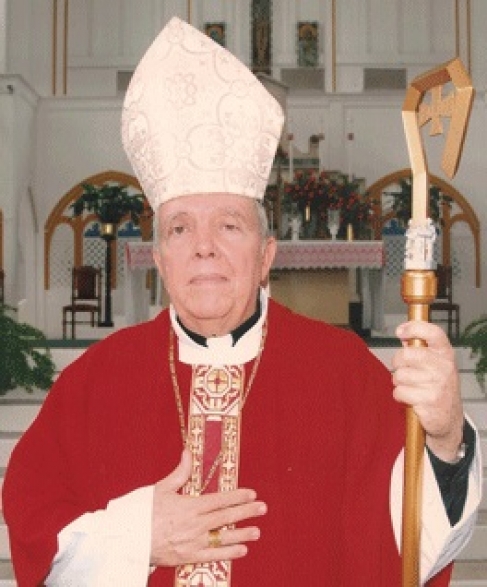
Alleyene

Bishop Farncis Alleyne

The Roman Catholic Church in Guyana on Tuesday broke its more than two-decade long silence on the political environment here by announcing that it woud re-establish a pressure group and calling on President Donald Ramotar to revoke the suspension of Parliament.

“I, therefore, call on all Guyanese and their leaders to ensure that we navigate these uncertain times peacefully, honestly and respectfully with a view to the earliest resumption of parliamentary democracy,” said Bishop Francis Alleyne in a statement.

The Roman Catholic Church, Organisation of American States (OAS) and the local non-governmental organisation, Blue CAPS, separately called on Ramotar to lift the suspension of the Parliament.

Prior to the 1992 general and regional elections that saw the return of the incumbent People’s Progressive Party Civic (PPPC) to office after almost 30 years in opposition due to rigged elections, the Roman Catholic and Anglican Churches had been harshly critical of the social, political and economic environments at that time. The President and his ruling PPPC have maintained that the prorogation of the Parliament on Monday would pave the way for dialogue on key national issues rather than the dissolution and calling of fresh elections in 90 days.

The opposition Alliance For Change (AFC) and  A Partnership for National Unity (APNU) have, however, vowed to bring back the no-confidence motion and other pending matters whenever the President lifts the suspension during the maximum allowable six month period.  During that time, he can also dissolve the Parliament at any time and name election day which could be in late January before the list expires at the end of that month.

Bishop Alleyne also used the opportunity to announce the church’s re-establishment of the Justice and Peace Commission, considered in some quarters as a vocal pressure group of the Roman Catholic Diocese. He said Commission members, Gino Persaud and Lawrence Lachmansingh,  have been mandated to engage parishes to pray, reflect, discuss and discern the urgings of the Holy Spirit as it relates to justice and peace in Guyana.

The Bishop urged all Guyanese to join hands and find solutions to both the immediate impasse and the longer-term causes that led to this crisis. He pledged his support for initiatives that bring people together in common cause for their beloved country.

Alleyne admitted that the Catholic Church here has in former times been in the forefront to promote justice and peace in Guyana, but suggested the need for institutional and relational strengthening.”We must find new ways of relating to each other, and better structures to support and encourage those improved relations,” he said.

The Roman Catholic Bishop identified reconciliation and trust as being critical to restoring and building Guyana.

Tabling of the no-confidence motion by the AFC has stemmed from what that party has said has been the Finance Minister’s spending of monies from the Consolidated Fund on projects and programmes that were not approved by the opposition. The AFC and APNU are also upset that the President has refused to assent Bills and honour Motions passed by the opposition-controlled National Assembly.

The AFC has seven seats while APNU has 26, with the remaining 32 occupied by the PPP.

Source:http://caribnewsdesk.com

Kikwete undergoes surgery in US

tezi

President Jakaya Kikwete chats with Dr Edward Shaeffer on arrival at the Johns Hopkins Hospital in the US for surgery.

Dar es Salaam. President Jakaya Kikwete has been successfully operated on in the United States, Ikulu announced yesterday.

An official a statement issued by the Directorate of Presidential Communication said the Head of State had underwent a prostate surgery at the John Hopkins Hospital in Baltimore, Maryland.

Mr Kikwete left the country on Thursday evening for the US for what his handlers said was a medical check-up. The operation under specialist doctors was carried out on Saturday and lasted one and a half hours.

The State House said medical experts who checked the President recommended a surgery.

“The operation took about one hour and a half…..it has been a successful surgery. The President is doing well though he is still in the ward under close supervision of doctors for further observation,” the statement noted.

The communiqué pledged that Tanzanians will be given proper updates with regard to the health of their leader.

The prostate is an organ forming part of the male reproductive system. It is located immediately below the bladder and just in front of the bowel. Its main function is to produce fluid which protects and enriches sperm.

In younger men, the prostate is about the size of a walnut. It is doughnut shaped as it surrounds the beginning of the urethra, the tube that conveys urine from the bladder to the male organ. The nerves that control erections surround the prostate.

Source: http://www.thecitizen.co.tz