Category Archives: Economy

Here Comes Kagame’s Lunatic Express To Dar Es Salaam

Kagame: building his railway to Dar?

I have borrowed the term “The Lunatic Express” from Charles Miller. His humorous book is about the building of the Mombasa-Nairobi-Lake Victoria Railway — the massive British undertaking. In his book, The Lunatic Express, Miller provides details of all sorts of problems the project suffered from: derailments, collisions, disease, tribal raids and the assaults of wild animals. The British managed to complete the railway at a considerable cost — said to be more than £5,000,000.

Kagame, too, has been dreaming about building his own lunatic express from Kigali to Dar Es Salaam. Here is timelines of Kagame’s lunatic express.

Yellow line is Kagame’s lunatic express
  • 1998: The authorities of Rwanda, Tanzania, Burundi expressed an interest in building a railroad to Dar Es Salaam via Isaka that is already connected.
  • 2003: The three countries reaffirmed need for a new Isaka-Kigali/Keza-Musongati railway line.
  • 2006: Kagame recruits an American railway operator and builder, Burlington Northern Santa Fe (BNSF) to build the Kigali to Isaka railway.
  • 2008: Kagame announces that the building of his lunatic railway will soon commence.
  • 2008: US Trade Development Agency provides a grant to support preliminary work performed by BNSF.
  • 2009: Stakeholders meet in Kigali to endorse the lunatic express.
  • 2010: Kagame forgets his lunatic express — goes into violent elections.
  • 2012: Kikwete and his South African counterpart destroy Kagame’s M23 in DRC.
  • 2013: Kagame announces he will hit Kikwete at an opportune moment.
  • 2014: Kagame, Museveni, and Kenya create the coalition of the willing — announce Kigali-Kampala-Nairobi-Mombasa railway.
  • 2016: Coalition of the willing dead. Kagame is dumped by Uganda and Kenya.
  • 2016: Kagame remembers his lunatic express — Rwanda, Tanzania, and Burundi become friends again.

But there is one problem. How will Burundi’s Nkurunziza and Rwanda’s Kagame build a railway, while the latter is sponsoring a militia to remove the former?

I want my lunatic railway

So, will Kagame get his lunatic express? I don’t think so — he has to finish Kigali Convention Centre, Bugesera International Airport, and hopefully build a sewage system — not to mention his war in Burundi.

Source: David Himbara

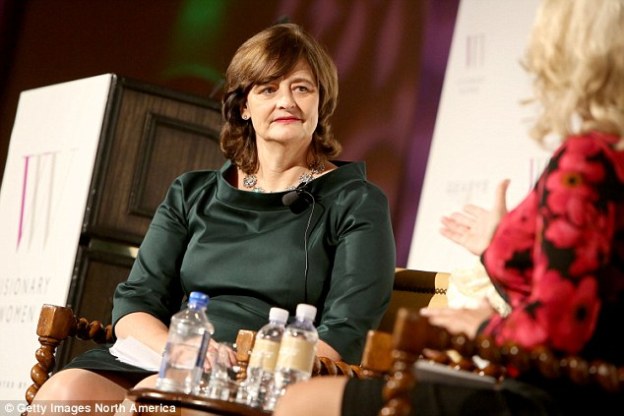
How Cherie cashed in by acting for a ‘war criminal’: Blair’s wife represented Rwandan General accused of ordering massacres

Trading on his impeccable connections in order to earn millions of pounds, Blair soon discovered that life after Downing Street could be a dangerously grubby business.

So when dealing with corrupt governments and companies, he took care to try to distance himself from any public controversy.

Notably, he initally denied having dealings with Qatar — a corrupt dictatorship that supported extremist Muslim groups, suppressed freedom of the Press and was accused of offering bribes to win the FIFA football World Cup in 2022.cherie

In fact, the Qataris had hired Cherie. Amid some acrimony, she resigned from Matrix Chambers — where she worked as a barrister — after her husband ceased to be Prime Minister.

Like him, she’d established two charities — in her case, the Cherie Blair Foundation For Women and the Africa Justice Foundation — alongside a lucrative money- making venture.

With Omnia Strategy, her new commercial business, she then reinvented herself as a consultant advising Middle Eastern and African governments.

Among those grateful for her help was Sheikha Mozah bint Nasser al-Missned, the wife of a Qatari royal.

In 2009, on her behalf, Cherie bombarded Hillary Clinton, then U.S. Secretary of State, with requests to engage in a woman-to-woman meeting to improve relations between the countries.

After an exchange of 19 emails, Clinton finally agreed.

Cherie was jubilant. ‘When I see what a difference you are making,’ she wrote unctuously to Clinton, ‘it reminds me why politics is too important to be left to the bad people.’

Making millions — for their charities or their swelling bank accounts — is a family business for the Blairs.

With her husband’s help, Cherie made it onto the Albanian payroll — an honour she shared with Alastair Campbell — for advice to prime minister Edi Rama.

KARENZI

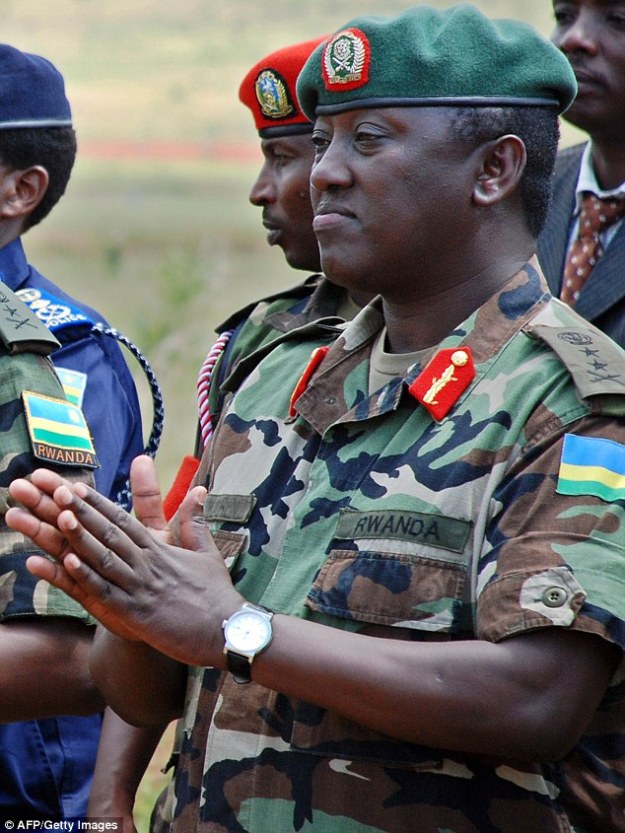
Cherie also represented Rwandan General Karenzi Karake in court following his arrest for on international warrant for ‘war crimes against civilians.

One of the Blairs’ earliest clients was bagged in October 2007.

Cherie had been due to meet the President of Rwanda, Paul Kagame, who was widely accused of being a mass murderer, to discuss the creation of a justice ministry in his impoverished country.

But she didn’t show up to their planned dinner in London. Instead she explained she had an ‘emergency’. ‘I can’t come,’ she said, ‘but Tony says he’d happily join you.’

At the dinner, Blair set out his stall. ‘You are a man with a vision, a leader I’ve always admired,’ he told Kagame. ‘Now you need advisers to show you how to run a government, and I’m your man.’

Kagame agreed to welcome Blair’s team. In return, he was also introduced to the international circuit of leaders’ conferences across America and in Davos, where Blair presented him as Africa’s ‘Mr Clean’.

No one mentioned the continuing massacre of Hutus in the neighbouring Congo by militia dispatched by Kagame.

Nor did they refer to the systematic theft by Kagame’s armed forces of diamonds and gold from Congo.

The following year, Blair visited Kigali, the Rwandan capital, and was flown home on Kagame’s $30 million Bombardier BD-700 ‘Global Express’.

The cost of the round-trip flight? About £280,000. Rwanda’s 11 million people earn an average daily wage of £1.40.

By the time he returned to Kigali again in 2009, the country was in uproar. Any journalist or businessman who was critical of the government was being beaten up, and a UN investigation was due to report that the President was guilty of genocide in Congo.

Blair’s friend won the Rwanda election in 2010 — but the beheaded corpses of leaders of the small opposition party were found strewn about the countryside.

Blair ignored all this and hailed his protégé’s success.

And what of Cherie? Did she see the report sent to Blair by the U.S. Department of State in 2014, describing the murderous oppression in Rwanda? Did she follow the 2015 Congressional hearings in Washington, which denounced the murder of Kagame’s opponents?

That year, General Karenzi Karake, the head of Rwanda’s intelligence service, arrived at Heathrow on an official visit.

To his surprise, he was arrested on an international warrant for ‘war crimes against civilians’, issued in Spain.

To resist his extradition to Spain, he hired… Cherie Blair. She told the magistrate that Karake was ‘a hero in Rwanda and they want him home as soon as possible’.

Karake was released on bail of £1 million. Two months later, he was freed on a legal technicality before the charges could be heard, and flew home.

His opponents were shocked. But Cherie, like her husband, was hailed by Kagame as a hero.

Source: http://www.dailymail.co.uk/news/article-3470400/How-Cherie-cashed-acting-war-criminal.html

Rwanda : inzara iravuza ubuhuha mu ntara y’iburasirazuba

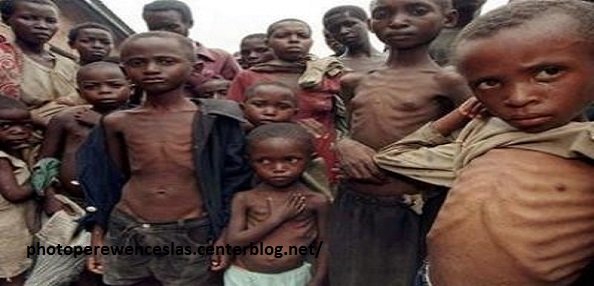
Abaturage  barimo  gusuhuka  berekeza  I  Bugande  kubera  inzara  yibasiye  iyo  ntara. Uretse  iburasirazuba  gusa, nkuko  bigaragalira  buri  wese  utuye  hano  mu  rwa  Gasabo, inzara  irimo  kuvuza  ubuhuha  hafi  impande  zose  z’igihugu  aho  Leta  ya  FPR  ivuga  ko  ayo  mapfa  yatewe  n’izuba  ryacanye  cyane  cyane  mu  Turere  twa  Nyagatare, Kayonza, Kirehe  na  Rwinkwavu   ho  mu ntara  y’uburasirazuba. Andi  mapfa  akaba  yumvikana  mu ntara  y’amajyepfo  mu  bice  by’amayaga   I  Nyanza, Ruhango  na  Kamonyi  basanzwe  bazwiho   kweza  igihingwa  cy’imyumbati, bavuga  ko  imyumbati  yabo  yajemo  indwara  bita   »Kabore ». Bamwe  mu  baturage  batuye  muli  utwo  turere,  dore  ko  n’abakihabarizwa  bavuga ko  ari  ukubura  aho  berekeza, bakaba  baratangiye  gusuhuka  bajya  gushakira  imibereho  hanze  mu  bihugu  by’ibituranyi.

By’umwihariko,dukomeje  Ibiza  biterwa  n’ayo  mapfa  mu  ntara  y’iburasirazuba, ntibyibasiye  abaturage  gusa  ahubwo  n’amatungo  yaho  ntiyorohewe  aho  inka  zipfa  zikabura  abazirya, ugasanga  ziragurishwa  amafranga  ubusanzwe  yakaguze  inkoko  kuko  inka  yapfuye  igura  ibihumbi  bitanu (5.000f)  naho  ikilo  kimwe  cy’inyama  kikagura  200f; izo  ngorane  zose  kuli  ayo  matungo  zikaba  ziterwa  n’ikibazo  cy’amazi  cyabaye  akarande  muli  iriya  ntara  kuva  kera,  aho  amatungo  akoresha  amasaha  arenga  atanu  ngo  agere  ahari  amazi, muri  urwo  rugendo  inyinshi  zigapfira  mu nzira  kubera  kudandabirana,  nazo  zikaribwa  zidapimwe  ariyo  ntandaro  y’ibiciro  byagabanutse, byongeye  kandi  bikaba  bishobora  no  kugira  ingaruka  k’ubuzima  bw’abazirya.

Aborozi  mu  ntara  y’iburasirazuba  bavuga  ko  Ministère  mu  nshingano  zayo  ntacyo  ibamariye  ko  yabatereranye  kandi  bafite  uruhare  rukomeye  mu  iterambere  ry’igihugu, bityo  amatungo  yabo  akaba  yicwa  mu  buryo  bukomeye  kubera  ibura  ry’amazi, bakaba  bashinja  Leta  uburangare  bwo  kutabitaho.Abaturage  twaganiriye  bakomeza  bavuga  ko  nta  mazi  Leta  ya  FPR  yigeze  igeza  ku  borozi  batuye  iyi  ntara  ko  bayaheruka  hakiri  imishinga  y’abaterankunga  yatangaga  amazi  k’uborozi  mbere  ya  1994. Tubibutse  ko  40%  by’inka  igihugu  cyacu  gitunze  bibarizwa  mu  ntara  y’iburasirazuba.

Umuturage  witwa  Burakari  Yohani  ni  umushumba  muli  ako  gace  yagize  ati ’’tubona  nta  ministère  y’ubworozi  ibaho  mu  Rwanda! baratwirengagije  cyane, ati  kera  wabonaga  Leta  ifasha  aborozi  kandi  byari  byiza, yacukuraga  ibyuzi  mu  gihe  k’izuba  ntitugire  ikibazo  aliko  ubu  batuvanyeho  amaboko  nitwe  borozi  tujya  kwishakira  amazi   n’ibindi  byose  birebana  n’ubworozi’’ .

Ministre  Géraldine  ushinzwe  ubuhinzi  n’ubworozi  mu nshingano  ze  nawe  akaba  yiyemerera  ko  ikibazo  gikomeye  ati  aliko  nta mwanzuro  twagifatira  muli  iki  gihe.

Umukuru  w’intara  y’iburasirazuba  Mme  Uwamariya  Odette   we  akaba  asaba  aborozi  bafite  inka  zirembye  kuzigurisha  zitarabapfira  ubusa  kandi  bagahagarara  gitore  mu  gufatanya  na  Leta  gushaka  igisubizo  cy’ayo  mapfa.

Banyarwanda  banyarwandakazi, nkulikije  ibisubizo  by’abo  banyapolitiki  nsanga  Leta  ya  FPR  yarahisemo  kwicisha  inzara  abaturage   ku mpamvu  z’inyungu  zayo  za  politiki, bityo  abanyarwanda  bakaba  bari  bakwiye  guhumuka  kuko  igihe  cyo  kubaho  kiracyahari.

Banyarwanda  banyarwandakazi, mu  gihe  abo  baturage  bugarijwe  n’ayo  makuba  yose  wibaza  kuli  budget  itagereranywa  imaze  iminsi  ikoreshwa  mu  ngirwamatora  atarangwamo  indorerezi  nimwe  ituruka  mu mahanga! ukwongeraho  n’ingendo  za  Prezida  Kagame  adasibamo  mu  mahanga  icyo  zimariye  abanyarwanda! ubundi  umutware  w’urugo  iyo  asanga  ibintu  bicika  niho  agerageza  kujya  iyo  bweze  akagira  nicyo  atahukana  kirengera  urugo! kuli  Prezida  Kagame  we  si  uko  aba  agiye  kwishyilira  ubwenge  ku  gihe  ngo  arebe  uko  guteknica  bihagaze! Ni  akumiro  pe!  Leta  ya  FPR-KAGAME    sinzi  icyo  yaba  itegereje  ngo  ibise  abanyarwanda!

Mugire  amahoro.

Byanditswe  kuwa  27/02/2016, na :
A.BEN  NTUYENABO, KIGALI-RWANDA

http://www.amakuruki.com/20160228-rwanda-inzara-iravuza-ubuhuha-mu-ntara-yiburasirazuba

Paul Kagame Is Facing Serious Economic Challenges According To The World Bank, IMF and His Own Officials

In its Country Report No. 16/24 dated January 2016, the IMF offers some bad economic news for Rwanda. The bad news are mainly centered on three things:

  • Imports continue to grow;
  • Exports are shrinking;
  • Kagame’s prestigious projects are worsening the situation;

Here is what the IMF actually states with regards to King Paul’s economy in January 2016:

“Due to imports growing faster than exports both trade and current account deficits have increased gradually, exacerbated by a trend from external grants to loans. Recent trends in mining contributed to weak exports in 2015 and should continue to do so in 2016… Monetary and exchange rate policies should help contain private import demand, but the purchases and leases of aircraft by RwandAir and imports for the Kigali Convention Center (KCC) will lead to a temporary spike in imports in 2016. Financing for government imports will be provided by donors’ agreement to accelerate 2017 budget support into the second half of 2016, and nonconcessional loans for RwandAir and KCC.”

The table below shows Rwanda imports and exports for selected months in 2012, 2013, 2014, and 2015, according to the IMF data. The red line represents imports while the black line indicates exports. King Paul’s Singapore of Africa looks more like an illusion.

In their letter of the IMF Managing Director Christine Largarde dated December 17, 2015, Rwanda’s Finance Minister Claver Gatete, and Central Bank Governor John Rwangombwa confirmed this grim reality. According to the two, “an unanticipated external shock to Rwanda’s main commodity export has begun to unfold this year. A sharp drop in mineral prices and in global demand for those products has resulted in an unexpected significant loss of export receipts and international reserves of the banking system…”

Gatete and Rwangombwa in their letter to the IMF add more bad news as follows: “Based on export performance for the first three quarters, in particular a halving of mineral export receipts, export projections for 2015 have been revised downward, from US$742 to US$664… The central bank realized the full programmed use of its reserves, which were US$986 million at the beginning of 2015, falling to US$853.4 million by end June. Thanks to some large disbursements of donor budget support that will be moved forward into CY 2015, central bank reserves are expected to meet the end-December program floor of US$ 879 million. However, to sustain imports and activity, commercial banks were also obliged to use a significant amount of reserves. Commercial banks’ NFA of US$ 150.6 million at end December 2014 was reduced to US$92.9 million by end-June and are projected to remain at this level till end December 2015.”

Meanwhile, in its current economic update on Rwanda, the World Bank states the following: “Going forward, the private sector, which is still largely informal, will have to play a bigger role in ensuring economic growth. Poor infrastructure and lack of access to electricity are some of the major constraints to private investment. In addition, reducing the country dependency on foreign aid (30% to 40% of the budget) through domestic resource mobilization is critical.”

In its operational plan for 2011–2016, UK’s Department for International Development (DFID) has an even gloomier picture. In its own words, despite economic growth rates, “huge challenges remain. 63% of the population live on less than $1.25 a day…. Poverty is largely rural and is geographically concentrated and, as a result of population growth, the number of poor people has reduced only marginally. Inequality is reducing, but it is still high and it is constraining sustainable growth and poverty reduction…Given low levels of international investment and a less-than-vibrant private sector it is not clear how much wealth growth will continue to deliver to a fast growing and largely unskilled population.”

The year 2016 should be interesting for King Paul. Let us watch the tragic drama.

David Himbara.

Inzara iraca ibintu mu turere tumwe na tumwe tw’intara y’u Burasirazuba

Imirenge imwe n’imwe mu turere twa Kayonza, Ngoma na Kirehe iravugwamo inzara ahanini yatewe n’uruzuba rwacanye biturutse kuri El Nino nk’uko leta y’u Rwanda imaze iminsi ibitangaje. Ubu hamwe na hamwe abaturage bafite aho basuhukira batangiye gusuhuka.

Uruzuba rwinshi nirwo ntandaro y’iyi nzara yatumye abaturage barumbya imyaka yabo bityo abari  batunzwe n’ubuhinzi bibaviramo gusonza abashoboye bafite aho basuhukira barasuhuka.  Ngo abenshi bahungiye iyi nzara muri Uganda abandi bayihungira mu Mutara.

Bamwe mu baturage bo mu murenge wa Rwinkwavu babwiye abanyamakuru ko bafite ikibazo cy’inzara kubera kurumbya.

inzara

Martha Ndererimana w’imyaka 60 utuye muri uyu murenge ati “Inzara yaratwishe bamwe barasuhutse bagiye Buganda abandi bagiye mu Umutara gupagasa mbese ubuzima ntabwo”.

Mugenzi we witwa Muhirwa Deo ati “Turahinga ariko niyo bimeze bikagera igihe cy’ururabo (ibishyimbo)bigahita byuma, ubu nuko twe tudafite aho dusuhukira tuba natwe twaragiye”.

Ku rundi ruhande ubuyobozi bw’intara y’u Burasirazu buremeza aya makuru y’inzara ariko bugasaba abahuye n’inzara  kwihangana bagahagarara gitore mu gihe hagishakwa izindi ngamba zo kuyihashya.

Odeta

Umuyobozi w’iyi ntara Madame Uwamaliya Odette yabwiye Umuseke ko iki kibazo gihangayikishije Intara gusa ngo hakaba hagiye gushakwa ingamba zirambye.

Ati “Turabizi ko hari ibice binini byahuye n’izuba ryinshi ariko nakubwira ko ubu aricyo kibazo turiho kuri iyi saha. Turimo kureba uko twagikemura ku buryo burambye hatunganywa ibishanga hakaboneka amazi ahoraho, gusa twari twagerageje guha ibiribwa abari bashonje cyane(bamwe)”.

Guverineri Uwamaliya agaya bamwe mu baturage bahungiye mu bindi bihungu, ngo bari bakwiye guhagarara gitore bagafataniyiriza hamwe nk’abanyarwanda hagashakwa igisubizo cy’iyi nzara.

Iki kibazo cy’amapfa cyugarije abatuye cyane cyane mu mirenge ine y’Akarere ka Kayonza ariyo Rwinkwavu, Murama, Mwili na Kabare naho mu karere ka Kirehe aho ivugwa cyane ni mu mirenge ya Nasho na Mpanga, hamwe n’akarere ka Ngoma mu murenge wa Rukumberi.


Alphonse Munyankindi / Bwiza.com

Rwandan schools increase fees as the Ministry of education stops funding

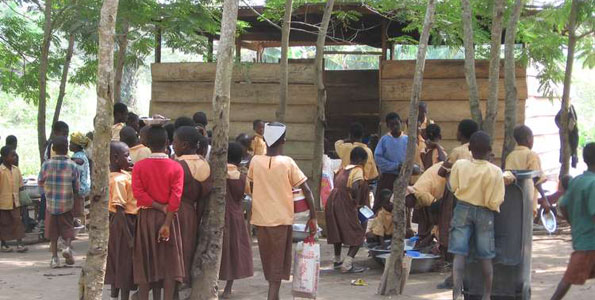
Pupils in a rural school in Rwanda take their meal during the lunch break.  PHOTO | FILE

Pupils in a rural school in Rwanda take their meal during the lunch break. Fee increment in public boarding schools follows a decision by the Education ministry to divert part of its funding to schools so as to support the school feeding programme in 9-12-year education schools. PHOTO | FILE

By Johnson Kanamugire

Rwanda’s public boarding schools have increased fees amid concerns that the move by the Ministry of Education (Mineduc) to withdraw financial incentives could lead to high operating costs.

Rwanda Today has established that major public schools in the country increased fees by between Rwf8,000 and Rwf20,000, pushing the cost of education much higher for struggling poor parents.

The development follows a decision by the ministry to divert part of its funding to schools so as to support the school feeding programme in 9-12-year education schools.

Last year, the issue came to the attention of the Finance Ministry, with Minister Claver Gatete reportedly warning Mineduc officials that the decision could, if not properly thought out, have negative implications.

However, as the new academic year begins, the much-disputed change has forced public schools to increase fees while others are considering convening parents’ meetings to discuss the increment.

“We only increased fees by Rwf9,000 for new students joining senior one and S4 as we plan to hold a parents meeting on March 5 to decide the increment,” said Sr M Goretti Umugwaneza, head of Lycee de Zaza, a public secondary school in Eastern Province.

“If we don’t get the money, students will hardly have food, for Mineduc’s decision came as a surprise when we had not notified parents of a possible change in the fees structure.”

Rwanda Today understands that Mineduc was paying Rwf156 per student per day which, according to school managers, is spent on three meals the student takes at school. The total funding is Rwf9,000 per student per school term, which many educators consider too little and not proportionate to the situation on the market.

Sources say ministry officials decided to stop part of the funding, leaving a student feeding on only Rwf56 as the rest of the fund is used in feeding students from poor families in 9-12-year day schools.

The majority of school authorities, parents and educators are however confused by the changes, with some boarding public schools passing the burden to parents by way of hiking fees while others said they are yet to be issued with the directive to follow.

A spot check by this newspaper revealed that urban public schools raised fees the most, by as much as Rwf20,000, while most rural schools made an increase ranging from Rwf8,000 to Rwf11,000.

While parents sending their children to Lycee Notre Dame de Citeaux in Kigali saw the fees go up from Rwf60,000 to Rwf90,000 in the new academic year, TTC Save in Southern Province augmented fees from Rwf68,000 to Rwf76,500 while Groupe Scolaire Shyogwe raised theirs from Rwf54,300 to Rwf65,300.

Hundreds of affected parents were seen queuing in banks days after other students had headed to school for the new academic year that started on February 1 in blatant rush to pay for their children. Those who could not raise the fees have had to accompany their children to school to plead with the authorities to pay the fees in installments.

Jerome Sebaganje, 55, from Rugera Sector in Nyabihu District on Monday accompanied one of his six school-going children to a school in Gicumbi since he could not immediately get the required Rwf91,100.

“It’s particularly hard for me because one of my children dropped out while in senior five, I could no longer be able to pay for them all,” said Mr Sebaganje, protesting the increase in school fees. “If they fees continue going up, I don’t think I will be able to educate this one unless I get government help.”

In addition to paying Rwf64,000 in school fees, parents at Lycee de Zaza have been footing the bills of two school projects — construction of a Rwf150 million multipurpose hall and removal of asbestos roofs, which will cost Rwf82 million.

Parents will now be required to pay an additional Rwf9,000, taking the fees to Rwf73,000, and Rwf13,000 in the two projects, school officials said.
“Now imagine telling parents that they must pay more money,” Sr Umugwaneza said.

The nun’s sentiments were echoed by Fr J Bosco Mupenzi, head of Groupe Scolaire St Joseph Birambo, a rural secondary school in Karongi, Western Province, who said rural poor parents could find it hard to maintain children in school.

“For us challenges are many because very few parents here can raise the required Rwf57,000,” said Fr Mupenzi.

Source:http://www.theeastafrican.co.ke/Rwanda/News/Rwandan-schools-increase-fees-as-Mineduc-stops-funding/-/1433218/3074456/-/item/1/-/nql6t0z/-/index.html

Rwanda’s economic system to collapse

Despite biased reports that praised the Rwanda’s economic “miracle “, the truth is something else. Since 2009, Rwanda has been spending over US$ 50,000  a month on a bill to block publications that reported on the true economic and poverty situation. On contrary, only “good” reports were brought out praising President Paul Kagame as a “visionary leader”. Some of results can’t be hidden:

  • Right now, Rwanda’s economy is experiencing hard times. Really hard. The country spends three dollars, but only earns one dollar.
  • For five years, from 2010 to 2014, the average current account deficit was almost 9% of the GDP. And then in 2014, the deficit stretched to 11.8% of GDP, its highest level since the mid-1990s.
  • The country had projected, under the Economic Development and Poverty Reduction Strategy (EDPRS II), Rwanda’s development blue-print, to earn slightly higher than $2 billion, in 2015, but it fell short of 45% and earned only $1.121 billion (55%).
  • The traditional exports declined mainly due to a crisis in the mining sector, which earned just $149 million.The sector had earned $226.2m in 2013 and projections were to fetch around $400m by 2017. This is obviously not likely to happen.

“It is a problem and it is hindering the development of our economy,” Makuza said, before we allow the invitees to step on the stage and offer their views.  “We need to discuss it, let’s focus much on giving ideas and suggestions.”

Who will fix Rwanda’s economy?

Policymakers in Rwanda are losing sleep. They have a nagging matter on their table to fix, as matter of priority.

A series of endless meetings, are being held. They call them ‘consultative meetings’.

In these meetings, some make power-point presentations or call them ‘situation analysis’, while others react by asking tough questions and making suggestions as solutions.

The ‘consultative meetings’ are about one thing. Just one; the economy.

Right now, Rwanda’s economy is experiencing hard times. Really hard. Apparently, the country spends three dollars, but only earns one dollar.

For five years, from 2010 to 2014, the average current account deficit was almost 9% of the GDP. And then in 2014, the deficit stretched to 11.8% of GDP, its highest level since the mid-1990s.

Meanwhile, the country had projected, under the Economic Development and Poverty Reduction Strategy (EDPRS II), Rwanda’s development blue-print, to earn slightly higher than $2 billion, in 2015, but it fell short of 45% and earned only $1.121 billion (55%).

According to Finance Minister, Claver Gatete, there are  two main reasons for this poor performance.

First, there is a strong growth in imports while exports remain vulnerable to price fluctuations and lack of economic diversity.

Secondly, there is a sharp decline in public transfers. Basically, the government is cutting spending and embracing frugality.

Indeed, in 2015, the economy was hit harder. The deficit widened even further. Exports fell dramatically.

The value of the export portfolio is heavily dependent on international prices and other geopolitical factors beyond Rwanda’s influence. The traditional exports declined mainly due to a crisis in the mining sector, which earned just $149 million.

The sector had earned $226.2m in 2013 and projections were to fetch around $400m by 2017. This is obviously not likely to happen. “We need to add value to our minerals,” says Evode Imena, State Minister for Natural Resources.

Prices for minerals, particularly Cassiterite and Coltan are declining for several factors. Asian countries such as Burma, have increased production and swarmed the market.

Factories are also recycling used products and making smaller gadgets thus consuming less raw minerals.

The way the market is happy about the decline in oil prices, is the way it is happy with the decline in price for minerals.

“But we still have market,” says Jean Marie Kalim, Director General for Wolfram Mining and Processing Company (WMPC).

Kalim says the industry needs a boost from government in form of waivers.

He said despite the increase to 4% tax from 0%, which the sector has complied to, the government has exempted the 15% withholding, but maintained the ‘principle’ which deters financiers from transferring funds prior to a purchase, yet local banks are reluctant to finance the sector.

Minister Gatete says the matter will be discussed and resolved through a public-private partnership platform.

Uncontrolled factors

Meanwhile, other factors increasing the trade balance deficit include political instabilities in the region, according to Trade Minister Francois Kanimba.

The situation in Burundi is hurting economies of its neighbours so was DRC, which has stabilised recently.

Earlier, the skirmishes in Eastern DRC, which is Rwanda’s major export destination, had affected trade significantly. Now, according to central bank data, the situation had improved.

By the 2nd quarter of 2015, exports which are dominated by milling industries especially food and beverages, edible vegetables, roots and tubers and live animals exported to DRC increased by 28.9% in value and by 30.9% in volume.

But again, that is just a drop in the ocean.

Rwanda’s imports continue to stretch. Such imports include textile, electronics and food products, among others.

Central Bank governor, John Rwangombwa says items such as wheat, sugar and rice continue to widen the deficit.

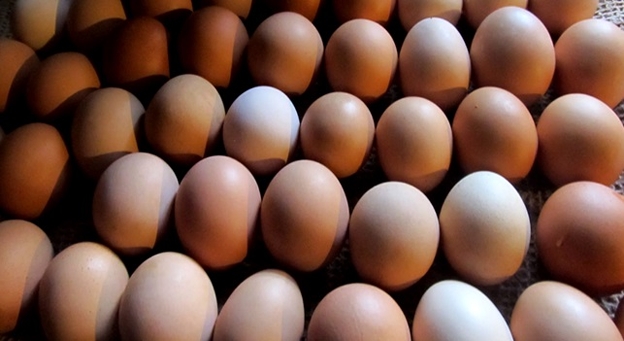
Sadly though, Rwanda imports even items the country should produce. About 300,000 eggs from Uganda alone, are imported per week. More so, chicken is one of the most expensive meats per kilogram in the country.

However, State Minister for Agriculture, Tony Nsanganira says the country now imports 150.000 day-old chicks every month from Uganda, Belgium and Holland hoping this will  close the gap.

Rwanda imports 300,000 eggs from Uganda

The Senate chips in

On Wednesday, the Senate invited strategic institutions including the ministries of trade, finance and economic planning, agriculture, natural resources and the Rwanda development board to digest this daunting challenge.

Senate President, Benard Makuza, presiding over a “consultative’ discussion to cope with the trade balance deficit, said the senate intended to engage various players.

“It is a problem and it is hindering the development of our economy,” Makuza said, before we allow the invitees to step on the stage and offer their views.  “We need to discuss it, let’s focus much on giving ideas and suggestions.”

He indirectly was suggesting there be no blame games, but a candid talk.

Minister Kanimba, before giving suggestions, opened up to some of the biggest obstacles the economy is facing.

First, he said, the main crosscutting constraints to export growth include the lack of access to land or high cost of land acquisition. “We have the free trade zone,” he said, but it is very expensive and is not a competitive advantage compared to other countries in attracting investment.

A square meter costs Rwf40.000. “This is not competitive at all,” he said.

Harder obstacles he said, include low capacity utilization of manufacturing companies due to; inadequate infrastructure, unreliable supply of raw materials, unreliable and expensive electricity, inadequate long-term financing and working capital.

He also said the country faces a serious lack of technological advancement and skilled labour.

For Minister Gatete there are also other major constraints. Rwanda’s foreign assets have

fluctuated, when at the same time export cover is fluctuating with them.

Yet, he added, despite commercial banks foreign assets have increased substantially throughout the most recent period until this year where they were hit substantially by uncertainty and a depreciating Rwandan Franc.

Way forward

Rwanda's Senate President(R) Bernanard Makuza and Trade Minister Francois Kanimba

In Rwangombwa’s view, there is need to go back to the drawing board. “This is real,” he said. “it’s is a real problem. We need to think of tangible solutions with a bigger impact in a shorter period.”

Emphatically, he explained, “Much as we are cutting our budget sufficiently, we are not addressing our balance of trade…we need to put in action what we discuss.”

For example, he offered a solution to food importation. “We have land for growing rice, sugar, and wheat for local consumption.”

Before other ideas were fronted, the Vice Chairperson of the Rwanda Elders Advisory Forum, who was invited to the discussion, wondered how Rwanda exports live cows to, for example, DRC.

“We have an abattoir in Rubavu with capacity for slaughtering 300 cows per day, but we export about 60 cows to DRC..which means the facility operates under capacity,” she said.

“If we slaughter the cows and sell the meat, that is value addition, and also have the skins.”

More ideas came in. Some members from the business community were invited too.

Serial entrepreneur, Sina Gerald, who is entrenched into agro-processing, suggested there be continuous research into better agriculture to facilitate making informed decisions.

The talk went on and on and then Senator Tito Rutaremara broke the ice. “We are sacred (of the imbalance), it is growing wider,” he said.

“We need to think big…let us focus on high value products…for example look at France, it will sell just three Airbus planes and be happy.

He believes Rwanda will face it rough if it continues in the same state. “Let us look at this imbalance at a higher level.”

“I am dreaming” he said. “I am dreaming big, and it your job to execute it.”

Source:http://ktpress.rw/2016/02/who-will-fix-rwandas-economy/


Rwandan agricultural policies hurting the poorest of the poor: study

By Laura Angela Bagnetto
everyone a farmer (Small) c. Neil Dawson_UEA

A new study of smallholder farmers in western Rwanda says the country’s agricultural policy has failed the poorest farmers, making them adapt to government policies, such as mono-cropping, or being forced to sell their land. Some 85 per cent of Rwandans work in the agriculture sector. RFI spoke to study author Dr Neil Dawson from the University of East Anglia, to find out how the Rwandan government’s much-lauded agricultural policy hurts the poorest.

Your study, Green Revolution is sub-Saharan Africa: Implications of Imposed Innovation for the Wellbeing of Rural Smallholders focuses on northwestern Rwanda. According to your study the Rwandan policies that are responsible for creating a viable agricultural society are actually bringing Rwandans down regarding socio-economic growth, culture and even well-being. Can you share some of this with us?

These policies have major implications for smallholder farmers across Africa. They have the potential to benefit the farmers of course, but the results of our study also show that there’s also the potential for negative implications as well. Really, the clue is in the title. These policies are called Green Revolution policies and they do promote revolution in the way that farmers use their land and the way they produce food. And to do that the strategy involves farming crops of approved seeds of a small number of crops that are economically viable and that there are markets for. They are also using chemical fertilizers to support using the growth of those crops. That involves risk for certain people. Some people are able to improve their income substantially. In our study, a third of the participants were able to do that, and they were primarily the wealthier participants. So changing agricultural practice for the poorer farmers involves taking on particular risks. You may have to take credit to use the fertilizers, and so you have to be confident at the end of the season that you can pay that money back, and also in the meantime that you are able to find enough food to feed your family. With that risk, it means that many farmers, instead of taking part in the scheme, end of having to sell their land, because it doesn’t work for them.

One of the issues in your piece is the lack of autonomy by this government because of imposing what crops to grow, or even only one crop to grow that actually leads to less of a feeling of well-being and nutrition problems for smallholder farmers.

Certainly in many countries these policies are being promoted and they provide choice to farmers so they can continue their traditional farming methods or they can choose to take on these modern methods as well. But in countries like Rwanda, that change is not only promoted, but imposed on people. So even if you think that growing maize or wheat is not suitable for your soil or your land, or that you have other priorities that you need to feed your family and grow a variety of other crops, you have no choice to do that, so you have to take that risk. The policies are often assessed as being successful, based on a very limited assessment criteria. And what this study shows is that we need to scrutinize these policies much more, and have a look at the potential negative outcomes of them in order to be able to refine the policies, to improve them, and to mitigate against some of these potential costs. Because where the policies are imposed, in a very top-down manner, and farmers haven’t really been consulted in the way they have been designed, that kind of thinking really needs to be brought into improving the way that they run.

The newer ways of thinking in terms of smallholder farmers is actually to speak to farmers, to consult with farmers, to find out what their results have been in the past. But the way the Rwandan government is structuring their agricultural policy is basically imposed on these people and you have some have some actual interviews within your article.

The policies are commonly assessed using economic data that the government collects, so a lot of the policies across sub-Saharan Africa are shown as being successful on the fact that these limited number of crops they yield in product ion is increasing ten-fold, twenty-fold. And that’s to be expected. Also, they show that perhaps on average the incomes of farmers are increasing. But, what we’ve done is look in a more exploratory way at the kinds of impacts, the broad range of impacts that farmers might suffer so we’ve used the smaller sample size, we had around 200 households that we spoke to and looked at the impact upon them. For a third of these households, they were having benefits and people complied with them, and their incomes were improving substantially. But for many of the other households, and particularly the poorest, their situation was deteriorating. Many of them were losing their land, partly because of these policies.

And one of the policies you point out is those who are required to grow tea. In your study, you interviewed people who had a hard time with growing tea because they couldn’t feed themselves.

Yes, certainly, particularly where a cash crop is involved, a non-edible crop such as tea. And that has an even greater risk. Tea takes three-to-four years before you can harvest it and get any income from it. So the scheme involves those households taking on a lot of credits in the meantime. So they provide funds to them to manage the land. By the time they get the first harvest, they’re in considerable debt. And for many, even from the outset, they will choose to sell their land, partly because of the risk. In Rwanda, if the farmer is not successful in managing their land with the new crop, a landlord has been introduced to show that the government has ultimate control over that land and they can choose to allocate that land to another, wealthier farmer instead. And perhaps there will be a risk of not being compensated by the government, so many people choose to sell it before that comes. Certainly in interviews people would say, “The tea is coming, we know it’s coming to our land. We could be evicted at any moment.” So they see it as a considerable risk.

In your report, you said that more than half of landless labourers (those who sold their land or the indigenous Twa people) fail to afford health insurance, despite nearly a third of households in that category being paid for by government or donors. So these are people who have fallen by the cracks even by their own government.

Again, that’s another policy where people need to pay to participate in. Universal health insurance is promoted, and government and other donors do pay for some of the poorest. But the year that we did the study the price of the health insurance had tripled, for example, and there were some prohibitive parts to that policy, whereby nobody within a household could be seen by a health professional unless everybody in that household had paid their health insurance. Even if they paid for one person and they were sick. Some of these policies do require quite a lot of investment from people to take part in.

Are you saying that basically the governments need to look at all aspects when they are creating this agricultural policy, from, as you said, the poorest of the poor? How would you characterize what needs to be done?

Some of these policies can have potential negative impacts. It’s not just like a development policy where you’re providing this mosquito net to people to combat malaria. They get something for free, it doesn’t really impact the way they live their lives. Where policies hold risk is where they can have impacts on the poor. They need to be assessed and scrutinized very carefully so that they can understand why they may not be benefitting, or even negatively impacting people, so they can be refined and improved. That’s normal, no policy is perfect. Really, it’s understanding and putting accountability onto the policies and the people, that the powerful organizations in the case of these agricultural policies who are promoting these as the major strategies to combat hunger and poverty.

Source:http://www.english.rfi.fr/africa/20160208-Rwandan-agricultural-policies-hurting-poorest-poor-study

UMUTEGO W’IKINYOMA : « IBYAGEZWEHO » N’UBUTEGETSI BWUBAKIYE KURI « VIZIYO 2020 » YA BARINGA NABYO BYARI BARINGA BIRASHYIZE BIGIYE AHAGARAGARA!

Twese tuzi indirimbo yakomeje guterwa n’abambari ba FPR-INKOTANYI, ngo u Rwanda rwageze ku iterambere ry’akataraboneka ku isi; ngo imiyoborere myiza ni agatangaza mu Rwanda rwa nyuma y 1994, ngo kandi nta mugayo ibyo byiza bidasanzwe u Rwanda rubikesha kuba ruyobowe n’Umulideri w’akataraboneka kandi ureba kure (Visionary Leader) ariwe Nyakubahwa Pahulo Kagame!

Iyo ntero kandi niyo yashyizwe imbere n’Intore za Rupiyefu muri uyu mwaka ushize kugira ngo zihindure Itegekonshinga (n’ubwo bibeshye bakarihindura nabi!) bityo Visionary Leader wabo ashobore kuzagwa ku butegetsi, kuko nyine ngo nta wundi washoboraga kuyobora igihugu ngo akigeze ku  » BYAGEZWEHO  » na Kagame !

Gusa rero icyakomeje gutangaza Abanyarwanda benshi n’abanyamahanga bazi neza u Rwanda ni uko ibyo « BYAGEZWEHO  » by’agahebuzo bo ntabyo babona mu Rwanda : guhera mu 1994 abakene bararushaho gutindahara, inzara iravuza ubuhuha mu giturage kandi ku buryo buhoraho, abigeze kuba abatunzi ubu babaye ingarisi; muri make abaturage bangana na 85% ntibazi neza icyo ijambo  » IBYAGEZWEHO BY’AGAHEBUZO » bya Pahulo KAGAME risobanura ! Ariko nyamara Intero ya Visionary Leader igakomeza kwikirizwa n’ibitangazamakuru ndetse n’Imiryango mpuzamahanga itari mike. Yewe byarushagaho kubera benshi urujijo iyo bitegerezaga ingufu zidasanzwe zishyirwa mu kwikiriza iyo ntero n’abahoze ari abategetsi b’ibihugu by’ibihangange nka BILL CLINTON wa Amerika , TONY BLAIR w’ Ubwongereza n’abandi. Birushaho kuba inshoberamahanga iyo hicotseho  » ubuhamya » bw’abavuga ko bakora umurimo w’Imana nka cya gihangange cy’Umupasiteri w’umunyamerika witwa Rick WARREN bitiranya gusingiza Imana no kuramya « the Rwandan Visionary Leader », kuko nyine baba bamutegerejeho amaronko atubutse mu gihe abana ba rubanda bicwa n’inzara na bwaki!

Burya koko ngo ikinyoma ntikiramba! Ubu noneho rero ibyari bihishwe byatangiye gushyirwa ahagaragara. Burya bwose imikorere ya FPR INKOTANYI yubakiye ku gucuruza IKINYOMA, kandi bigahombya u Rwanda nk’ igihugu ku buryo budasubirwaho.

Muri iyi minsi abategetsi ba Leta Zunze Ubumwe z’Amerika bashatse ko tumenye ibyerekeye Kontaro(Contract) yo GUCURUZA IKINYOMA Leta y’ u Rwanda yasinyanye na Sosiyete yigenga y’Abanyamerika yitwa W2 GROUP, Inc. Hari taliki 1/9/2009. Ku ruhande rwa Leta y’u Rwanda iyo Kontaro yasinywe na Ministiri Louise Mushikiwabo naho Sosiyeti isinyirwa na Edward ABELL.

Mbere yo kubabwira ingingo z’ingenzi zikubiye muri ayo masezerano yuje uburiganya, ubujura n’ubugambanyi, twatangajwe no gutahura ko Leta ya Paul Kagame yiyemeje kujya yishyura buri kwezi miliyoni zisaga 35 z’amafaranga y’u Rwanda (50 000$), ni ukuvuga igice cya miliyari buri mwaka kugirango iriya Sosiyeye ijye ivuga ibigwi by’ ibihimbano Leta Rwanda n ‘ umuyobozi wayo Paul Kagame! Ya mafaranga avuye mu misoro ya rubanda, ya mafaranga yamburwa abaturage agashyirwa mu bigega bitagira indiba ( Agaciro Fund ….) ngaho aho azimirira shenge !!! Mu kugura ishusho nziza idahuye n’ukuri kw’akarengane n’ibindi bibi byinshi bibera mu gihugu!

Ngiyo rero ya ngeso ntindi isa n’iyahinduwe itegeko riyobora igihugu na services zose :   “gutanga ibyamirenge ngo ukunde wiraariire wiyerekana uko utari ari nako ukina ku mubyimba rubanda udahwema kugaragaza agati kandi nyamara ariyo igutunze”!

Muri make ibyo Leta ya Kagame yumvikanye n ‘ iriya Sosiyeti bikubiye muri izi ngingo zikurikira:

1. Ikinyoma kigomba gukwirakwiza kiri ukubiri , hari ibyerekeye Igihugu n’ibyerekeye Perezida Pahulo Kagame ubwe:

a)Kumvikanisha ko Igihugu cy’u Rwanda ari intangarugero ku isi hose mu byerekeye umutekano, imiyoborere myiza, ubumwe n’ubwigenge, gucunga umutungo w’igihugu neza, kurwanya ruswa, iterambere ry’akataraboneka mu bukungu, …

b) Gushyira ingufu nyinshi mu kubeshya hose ko Pahulo Kagame ari umuperezida w akataraboneka,ureba kure( Visionary Leader ) uzi ubwenge bwinshi cyane birenze urugero kandi akaburusha n’abandi ba Perezida bose bo muri Afurika ababayeho n’abaza nyuma, utazi kwica abenegihugu, utavangura amoko, ukunda demokarasi n’iterambere ry’abaturage bose …

Rwandan-President-Paul-Kagame-receives-honorary-doctorate-William-Penn-University-051212-300x290

2.Abo ikinyoma kigenewe

a) Iriya Sosiyete yapataniye gucengera inzego zose zifata ibyemezo mu bihugu by’ibihangange nka Leta Zunze Ubumwe z’Amerika n’Ubwongereza n’iz’imiryango mpuzamahanga nk ‘Ubulayi Bwunze Ubumwe (EU) na LONI.

b) Kwigarurira ibitangazamakuru bikomeye cyane ku isi : Radiyo-Televiziyo nka Wall Street Journal, BBC Hard Talk; Ibinyamateka nka The New York Times, The Economist, The Financial Times; Imbuga za interneti(social media) nka Huffington Post , Washington Post, MSNBC,…no kubiha « inyoroshyo » kugira ngo bijye bikomeza bitambutse inkuru zibeshya amahanga ko nta kibazo kindi kikiri mu Rwanda uretse abasize bakoze jenoside bagenda basebya igihugu!

3. Inzira izakoreshwa(Stratégie ) mu kurushaho guha ikinyoma intebe

a)Kubaka inkuta (mûrs électroniques) zibasira Ibitangazamakuru bigaragaza ibibazo nyakuri biri mu Rwanda cyane cyane kugaba ibitero no kubangamira mu buryo bwose bushoboka Imbuga za interneti zikoreshwa n’abatavuga rumwe nubutegetsi (Za Leprophete.fr zumvireho!)

b) Gukwirakwiza amakuru atesha agaciro abanyamahanga babaye mu Rwanda n’abandi bose bazi amakuru y’impamo ku bibera mu Rwanda kandi bafite umurava wo gushaka kuyamenyekanisha!

UMWANZURO

Ngo Umutego w’ikinyoma ushibuka nyirawo akihahagaze ! Babandi bari barigize abacuruzi kabuhariwe n »ABARINZI » b  » IBYAGEZWEHO bya BARINGA  » bamenyereho ko nta kindi bakora uretse guhenera abazi guheengeeza : Umunyamerika wamubeshya rimwe na rimwe ariko agera aho akagutamaza !

Sinasoza ntabwiye « Visionary Leader w’ikibumbano » ko amahirwe asigaranye ari ukwemera kwicarana natwe, tukaganira nta buhendanyi , tukumvikana  igikwiye gukorwa kugira ngo igihugu gishobore kubogorwa amazi atararenga inkombe.

Reka twisabire abenegihugu bashyira mu gaciro ko bakwemera tugafatanya uru rugamba maze tukiha inshingano n’intego yo kugera ahantu hose Leta ya « Visionnary Leader « yageze ihacuruza ikinyoma cy’ITERAMBERE rya BARINGA, tukabagaragariza ukuri ku bibera mu Rwanda ari nako tubereka ibimenyetso bifatika by’uko babeshywe.

Ubutaha tuzabagezaho n’amasezerano yo gusahura u Rwanda « the Rwandan Visionnary Leader » yagiranye na  Tony BLAIR,  Bill CLINTON na Pasteur  Rick WARREN  . Muzumirwa !

Uwemera naze,

Padiri Thomas NAHIMANA, Umuyobozi w’Ishyaka ISHEMA n’Umukandida waryo mu matora ya Perezida wa Repubulika yo muri 2017.

BIRACYAZA. ….

Ngaho nawe isomere uko iyo Kontaro y urukozasoni iteye.  Kanda hasi aho :

Master service agreement


Le Rwanda accusé de manipuler ses chiffres sur la pauvreté

Selon des informations obtenues par France 24, les autorités rwandaises ont manipulé les dernières statistiques officielles sur la pauvreté. Enquête de notre spécialiste Afrique, Nicolas Germain.

La situation économique du Rwanda est-elle vraiment florissante ? Selon un rapport intitulé “Integrated Household Living Conditions Survey” (EICV4), publié en octobre 2015, la pauvreté est en net recul. Sauf que plusieurs sources, qui préfèrent garder l’anonymat pour des questions de sécurité, affirment auprès de France 24 que ces informations sont faussées.

À l’origine de ce rapport, l’institut privé britannique Oxford Policy Management (OPM) a pour habitude de communiquer des chiffres sur la situation économique aux autorités rwandaises, qui ont ensuite la main pour les publier. “Cette fois-ci, il y a eu un désaccord sur la méthodologie utilisée entre l’institut et les autorités”, explique un expert à France 24.

“Le taux de pauvreté a augmenté de 6 %”

Le gouvernement aurait changé les modes de calcul, notamment celui concernant le seuil de pauvreté. “Les paniers de consommation des Rwandais les plus démunis ont été modifiés”, confirme une autre source auprès de France 24. “Ils ont réduit massivement, de plus de 70 %, les quantités de trois ingrédients de base : la patate douce, la pomme de terre irlandaise et la banane”, poursuit-elle. Résultat : la version finale du rapport indique que le taux de pauvreté a diminué “de plusieurs pour cents alors qu’en réalité, il a augmenté de 6 % “, dénonce l’universitaire belge, l’un des meilleurs experts sur le pays, Filip Reyntjens.

Pour justifier ce nouveau mode de calcul, les autorités rwandaises ont expliqué dans le rapport qu’une “mise à jour” s’imposait. Sauf que ces nouvelles données sont comparées avec celles des rapports précédents, qui reposaient sur l’ancienne méthodologie. “Ce n’est pas correct, souligne la source. On ne peut pas se fier au nouveau seuil de pauvreté annoncé.”

Une question qui dérange

Rien ne justifie ce nouveau calcul, estime pour sa part Filip Reyntjens. “Il n’y a pas eu de changement majeur dans la structure de la consommation de ménages. Ils n’ont pas seulement mis à jour la ligne de pauvreté, comme ils le prétendent. Ils l’ont baissée artificiellement pour donner l’impression d’une baisse du taux de pauvreté”, affirme-t-il.

Cela pourrait expliquer pourquoi la version finale du rapport ne fait aucune mention de l’OPM, qui figurait pourtant en tant qu’auteur dans les précédentes études. Ses membres auraient refusé d’être cités, à la suite des changements effectués par Kigali. Interrogé par France 24, la direction de l’OPM confirme avoir collaboré sur ce rapport, sans pour autant s’étendre. “Notre contrat comporte une clause de confidentialité qui nous empêche de donner des informations sur le travail que nous avons fait pour les autorités rwandaises”, a déclaré le directeur Simon Hunt.

Également sollicité par France 24, le National Institute of Statistics of Rwanda, qui figure dans le rapport final en tant qu’auteur, n’a pas souhaité répondre à nos questions. “Le directeur est parti en vacances pour plusieurs semaines”, indique-t-on.

Le Rwanda, dont l’objectif de développement est ancré dans une stratégie intitulée “Vision 2020”, entend devenir un pays à revenu intermédiaire d’ici cinq ans. Pour cela, Kigali doit notamment ramener le taux de pauvreté sous la barre des 30 % et réduire le taux d’extrême pauvreté à moins de 9 %. D’où l’importance de ce rapport EICV4. La diminution de la pauvreté est le principal argument des pro-Kagame lorsqu’ils demandent à l’actuel chef de l’État de se représenter. Chose dorénavant possible depuis que les députés rwandais ont voté à l’unanimité, jeudi 29 octobre, en faveur d’une réforme constitutionnelle annulant la limitation des mandats présidentiels.

Londres ferme les yeux

Alors que le Royaume-Uni figure parmi les plus importants bailleurs de fonds du Rwanda, qui a rejoint le Commonwealth en 2009, le département britannique pour le développement (DFID) au Rwanda a estimé  “que la méthodologie utilisée pour estimer les niveaux de pauvreté dans le rapport EICV4 était justifiée”. Londres est régulièrement accusé d’être trop laxiste avec le régime de Paul Kagame, qui dirige “de facto” le pays depuis plus de 20 ans.

Pourquoi un tel silence des Occidentaux ? “Il y a des intérêts stratégiques, explique un spécialiste du dossier, qui préfère rester anonyme. Avant d’ajouter : “Si le Rwanda affiche de bons indicateurs en matière de développement, cela montre l’efficacité de l’aide du Royaume-Uni”.

Pour Filip Reyntjens “le dossier EICV4 est sérieux car le Rwanda se targue d’être fort dans le domaine du développement. La communauté internationale accepte un compromis entre développement et répression. Mais si ce développement n’est pas basé sur des faits réels, comme cela semble être le cas ici, alors il ne reste plus que la répression”.

Source: France 24