Category Archives: International

Cherie Blair’s Firm Lied Over Maldives Contract: Maldivian Democratic Party

7-Cherie-Blair-AFPGetLike her huband, Cherie Blair makes money to whiten dictators

Soon after getting hired by the Maldives government to ‘improve its image’, Cherie Blair’s Omnia Strategy LLP, sought to distance themselves from any controversy even with many suggesting an end to the democratic process for hiring a third party.

The opposition Maldivian Democratic Party (MDP) on Saturday accused Cherie Blair’s law firm, of lying over its role advising the authoritarian regime of Maldives President Abdulla Yameen.

Initially, Omnia Strategies said their work was limited to “legislative and constitution reform to which the Government is committed.”

“Our objective is to assist the Government in strengthening democracy, rule of law and restoring investor confidence,” Omnia said. They further stated that they would not get involved in domestic politics.

However, on Saturday, Toby Cadman appeared at a press conference in Male’ alongside Foreign Minister Dunya Maumoon, where he revealed Omnia’s actual work involved responding to the claim submitted by President Nasheed to the UN Working Group on Arbitrary Detention.

In the press conference, Cadman made a robust defense of Nasheed’s jailing, and even suggested that his 13-year sentence should have been a life sentence.

Moving away from the truth, Cadman even went as far as suggesting that former president Nasheed’s right to legal counsel was guaranteed. Mohamed Nasheed however, was repeatedly denied the right ot legal council and often appreared without his lawyer in court.

Commenting on Omnia Strategies, MDP Spokesperson Hamid Abdul Gafoor said:

“Omnia Strategies is the very worst kind of mercenary outfit. They are taking possibly millions of dollars in exchange for helping a dictatorship keep a democracy hero in jail.

“Blair and Cadman should be utterly ashamed of themselves. They are no friends of the Maldives.”

Source:Focusnews

Related links:Cherie Blair ‘s firm unethical

Euro hits 12-year low against dollar

_81569337_usd-eur

The euro has fallen to its lowest level against the US dollar in 12 years after the European Central Bank (ECB) began its government bond buying programme.

It fell as low as $1.0560, before recovering a little. But many traders expect it may soon be worth the same as a dollar.

The ECB began its latest round of quantitative easing (QE) on Monday.

It will buy bonds worth €1.14tn over the next 18 months, flooding the market with euros.

Traders have reacted to the ECB’s latest round of QE by selling euros and buying other currencies such as US dollars.

The US currency is appealing because the Federal Reserve looks to have completed its bond-buying programme.

The euro started its slide against the dollar in July last year as traders reacted to the divergence in policy between the ECB and the Fed.

The value of the euro has fallen 22.4% since 1 July, when a euro was worth $1.37.

Positive US data

An upbeat US jobs survey released on Friday provided an additional boost to the dollar.

“This opened up speculation again that the US will raise interest rates in June,” says Jane Foley, senior currency strategist at Rabobank. This would attract foreign capital and boost the dollar.

In the eurozone Greece’s economic woes continue to put downward pressure on the euro, bringing it closer to dollar parity.

The eurozone’s growing current account surplus is encouraging Europeans to invest abroad causing the euro to weaken further, according to Deutsche Bank.

United States Denounces Reported Coup Attempt in The Gambia

usdos-logo-seal

Press Statement

Jeff Rathke
Director, Bureau of Public Affairs, Office of Press Relations
Washington, DC
December 30, 2014

The United States is aware of reports of a coup attempt on December 30 in The Gambia. We strongly condemn any attempt to seize power through extra-constitutional means. We regret the loss of life and call on all parties to refrain from further violence.

Source: US Department of State

Policy Choices for a Connected World

usdos-logo-seal

Catherine A. Novelli
Under Secretary for Economic Growth, Energy, and the Environment 

University of Pretoria

Pretoria, South Africa

November 13, 2014

Good afternoon.  I am delighted to be here to speak at this distinguished university and to visit your beautiful country.  Thank you so much for inviting me.  South Africa is the last stop on an Africa trip that included Tanzania and Kenya.  Along the way, I’ve seen incredible energy and dynamism.

I’d like to speak today about a new economic reality and the policy choices we all face.  These choices are in front of every government, business, university, and individual as they determine their economic future.  The reality is, the world is more connected than ever before, with goods, services, information, people, and financial resources crossing borders at an unprecedented rate.

Before this speech and after it – perhaps during it – you will be looking at mobile devices, tapping into the internet, engaging in social media, and conducting business and commercial transactions on line. The object in your hand, perhaps a smart phone, is the result of a manufacturing process that started with innovation and design at various locations around the world, manufacturing at a host of other sites, and distribution and marketing from even different corners of the globe.

That’s the reality of today’s world, whether you are in South Africa, Kenya and Tanzania – as I was in recent days – or Washington, DC, or London or Tokyo.  Global supply chains have come to define the way we do business in today’s economy.

The Connected World

McKinsey Global Institute recently wrote that cross-border flows of goods and services totaled $26 trillion in 2012.  This represents 36 percent of global gross domestic product, more than 50 percent larger than 20 years ago.  About half of those flows are knowledge-intensive, compared to labor-intensive, and the proportion is growing. Intermediate goods – ones that are incorporated into a finished product—have become an ever-increasing proportion of trade.   These goods in turn are fueling exports from the countries that have imported them.  Over a quarter of the total value of global exports is made up of intermediate imports, and this share has nearly doubled since 1970. These statistics bring to light the changing nature of business.  Older models of single-country, soup-to-nuts manufacturing arrangements are giving way to globally integrated supply chains.  Innovation and design come from a worldwide network of research and development.  Raw materials and components flow from site to site, supported by worldwide procurement systems, logistic hubs and warehousing.  Marketing and financial services may be at other locales. Consumers are targeted for sales around the globe.

How Countries Can Take Advantage of Value Chains

So what are the implications for countries, companies and citizens of a world where global value chains are increasingly dominating trade?  What policies should countries follow to benefit the most from value chains? I would suggest that countries need to focus on five policy areas as they enable their citizens to fully reap the benefits of today’s connected world.

First, open markets facilitated by fast customs procedures, international product standards and modern infrastructure is critical. Supply chain production is more complex than traditional export systems, with more import and export transactions for each unit of value added.  This means that as goods and services move across multiple borders on their way to the final market, even small barriers can add up and affect the competitiveness of a product.

In the connected world, policies that may have offered protection to domestic firms in an earlier era, like import substitution, local content requirements, or data localization obligations, now make them less attractive as supply chain partners.  An OECD study of local content requirements, found that local content requirements not only made countries less innovative, these requirements actually harmed the domestic market by raising prices for the public for products of lesser quality.

Because of just-in time production, concentrating on bread and butter trade facilitation issues like customs procedures, transportation and modern infrastructure is all the more important.  Since products need to be sold in many markets, adhering to international standards is essential for their international viability.

Second, countries need to adopt legal and regulatory processes for doing business that are transparent, predictable, streamlined and include input from all stakeholders. The ability for investors to enforce contracts, and high standards for labor and environmental protections along with an intolerance for corruption are all key considerations for businesses in deciding where to locate or source.

I have heard some voices suggest that these “doing business” issues don’t matter, and that companies merely want to find the lowest labor costs.  But in my experience, that’s not true.  The ability to do business transparently matters a great deal to the bottom line.  Morever, branded companies value their brand image, and don’t want to risk harming it due to scandals over labor or environmental conditions. Nor do they want to be in the position of being labor and environment regulators.  Besides the moral issues surrounding poor labor and environmental enforcement, the need to constantly oversee these practices among suppliers when countries are not policing them themselves adds a great deal of cost.

Fostering Global Collaboration Through the Internet

Third, an open Internet, access to broadband, and free flows of data are essential to competitiveness. As I mentioned earlier, global supply chains are dynamic and highly collaborative, with teams of suppliers and purchasers from various stages of the value chain working together across borders to solve design, manufacturing, and marketing problems.   This really is the essence of today’s connected world. This cannot occur without internet.

The best way to unleash the creativity and ingenuity of your people, your companies, and your universities is to let them connect with others to develop new ideas and start new businesses.

There is an inaccurate perception that the Internet mostly benefits industrialized countries.  The truth is that the Internet’s economic benefits are increasingly shifting to the developing world.  The Internet economy is growing at 15 to 25 percent per year in developing countries, double the rate in the developed world.  In Turkey, for example, smaller businesses that use the web have experienced revenue growth 22 percent higher than those that do not.  Here in South Africa, Ronnie Apteker founded the first Internet service provider and enabled countless new technology businesses.  I am looking forward to meeting some of those new entrepreneurs tomorrow.

A recent report by the American think tank, the Brookings Institution, showed how the internet and cross-border data flows are providing opportunities for small and medium-sized enterprises. The report notes that SMEs on eBay are almost as likely to export as large businesses and, in fact, over 80 percent of SMEs export to five or more countries.

Fourth, strong intellectual property protection allows countries to be part of a higher-value global supply chain. At a recent conference in Washington, General Electric noted that it maintains research and development centers in Shanghai, Bangalore, Munich, Rio de Janeiro and New York.  Many other international firms have similar R&D footprints.  This geographic diversity allows for an R&D operation that, given time zones, literally never stops.  Companies look at many factors when considering where to locate their R&D centers, including the level of education, vocational training, and scientific collaboration.  But the level of intellectual property protection is also critical.

Closely related to this is a fifth policy— an open market for services. We often think of trade as the physical movement of goods from place to place.  But in today’s global economy, knowledge-intensive trade and investment, particularly in the services sector, plays an increasingly central role.

Economists from the Organization for Economic Cooperation and Development have found that services now constitute 50% of the manufacturing process.  Insurance, accounting and other financial services, and creative and design services, are all integral parts of supply chains.  But in many countries, markets for these services are closed, or heavily regulated.   If the goal is to maximize participation in global value chains, closed market policies like these no longer make sense.

Regional Trade Liberalization

The policies I have set forth are important, but not sufficient to be globally competitive.  In addition to being islands of good practices, countries need to join together to create regions where those good practices are integrated.

Last August, I chaired a roundtable on global supply chains at the U.S-Africa Leaders Summit in Washington.  We invited corporate representatives as well as trade, investment, and economic ministers from African countries.

One of the most interesting themes was the need to create regional markets in Africa. Companies were clear that the markets in many individual countries in Africa are too small to support operations just for that market. That does not mean that there are no opportunities for smaller countries to benefit from the global supply chain.  In fact, recent research indicates that, on average, regional trade agreements increase member countries’ trade about 86 percent within 15 years.

The European Union is perhaps the largest, best known and most successful example or regional integration.  There is also the North American Free Trade Agreement, which just celebrated its 20th anniversary.  With Asia, we are now negotiating a Trans-Pacific Partnership, and with Europe we have launched talks on a Transatlantic Trade and Investment Partnership.

Arrangements such as these, which lower barriers to trade and investment, deliver a big boost to commerce in member countries. These arrangements also offer ready-made hubs for setting up a global supply chain.  Countries who haven’t established some type of true regional integration will find it harder to compete for the investment that a global supply chain brings.

In Africa, regional organizations like the Economic Community of West African States, the East African Community, and the Southern African Customs Union are working to create regional integration and address barriers so that countries can achieve economies of scale and maximize their comparative advantages.  Nelson Mandela recognized the importance of looking at regional integration when he  conceived of Development Corridors along cross-border  transportation routes.

Africa and Supply Chains

Here in South Africa, I had a wonderful illustration of the connected world yesterday at the Ford factory in Silverton.  It is an American investment, creating jobs in South Africa.  Inputs, like raw materials and components, arrive from various locations around the world.  Local workers assemble those components and the factory exports to other African countries and to European markets.

The United States recognizes Africa as a dynamic continent where economies are growing and innovation is taking root.  Many African countries are reaping the benefits of economic reforms, better governance and social investments.  We would like to be a part of this positive change and contribute to Africa taking its place in the global supply chain, so that the people of Africa can reap the benefits of global growth.

The United States is supporting Africa’s growth through the African Growth and Opportunity Act (AGOA), the Trade Africa Initiative, and similar efforts.  The Millennium Challenge Corporation, for example, has issued grants of almost $10 billion to support projects in sectors like transportation, education, and property rights and land policy.  Through President Obama’s Power Africa initiative, a number of U.S. agencies are making available $7 billion in financial assistance to double access to power in six sub-Saharan African countries.

Some continue to argue that African nations need “protectionism” to compete.  I disagree.  Africans are strong, resilient, and ingenious, and I have seen in my meetings with entrepreneurs, businesses, and students people who can go toe-to-toe with the most competitive companies in the world.  We need to go forward together towards openness, high standards, and opportunity for all of our citizens.

Thank you very much.

Source: US Department of State

Rwanda vs BBC: Kagame yiyambaje umudepite w’ igisahiranda kugira ngo BBC ibe yanengwa.

paul_kagame170px-EricJoyce_cropped

Paul Kagame yaba yaremereye Eric Joyce agatubutse.

Ku itariki ya 6 Ugushyingo 2014, umudepite w’indakoreka (indiscipliné) yasabye inteko ishinga amategeko y’Ubwongereza gusuzumana ubushishozi impamvu yatumye BBC ihitisha film documentaire yise “Rwanda: Untold story”. Ako kanya ibinyamakuru byo mu Rwanda byahise bisamira hejuru icyo cyifuzo, maze byemeza ko inteko yamaze kwamagana BBC ndetse igashyigikira itsinda ry’abashakashatsi riyobowe na Linda Melvern ryavuze ko iyo film ipfobya genocide yakorewe abatutsi mu mwaka wa 1994.

Nyamara uko ibyifuzo(motions) bigezwa mu nteko n’uko bitorerwa ni ibintu bitandukanye. Buri mudepite ashobora gusaba ko inteko iganira ku kintu iki n’iki ndetse ikagifataho ibyemezo. Ibi bishobora no gukorwa n’itsinda ry’abaturage bishyize hamwe bagashyira umukono ku nyandiko ibisaba. Ariko ntibivuga ko ibyifuzo byose bisabwe byemerwa n’inteko, ahubwo binyuzwa mu matora. Guhita rero umuntu avuga ngo BBC yanenzwe ni ukwihuta cyane. Muri iyi nyandiko ndagerageza gusesengura impamvu zaba zarateye Depite Eric Joyce gusaba ko BBC yakwamaganwa kandi nyamara igihugu cye cyemera uburenganzira n’ubwigenge bw’itangazamakuru.

Birazwi ko kuva FPR yafata ubutegetsi mu Rwanda yakoresheje imbaraga zose cyane cyane iz’ifaranga n’ikinyoma kugira ngo yigarurire imitima y’abantu banyuranye bababajwe n’amateka y’ U Rwanda. Ni muri urwo rwego FPR yakorewe ubuvugizi n’abantu batandukanye b’abanyamerika nka Pasitoro Rick Warren, umunyemari Bill Gates, n’abongereza nka Tony Blair wigeze kuba minisitiri w’intebe w’Ubwongereza n’abandi batandukanye. Uyu mudepite Eric Stuart Joyce na we yaje yiyongera kuri abo.

Eric Stuart Joyce ni muntu ki?

Uyu mugabo w’imyaka 54 yavuye mu gisirikare cy’Ubwongereza mu mwaka wa 1999 afite ipeti rya Major. Mu mwaka wa 2000 kugeza muri 2005 uyu mugabo yabaye depite w’ishyaka Labour party. Kuva mu mwaka wa 2005 ni umudepite w’agace Falkirk. Nyuma yaje kwirukanwa muri iri shyaka kubera imyitwarire mibi cyane yakunze kumuranga kugeza n’ubu ikaba yaramukurikiranye. Turabibona mu kanya.

Depite Joyce kandi yakunze kuregwa icyaha cyo gukoresha nabi umutungo wa leta. Urugero mu mwaka wa 2005-2006, uyu mugabo yasabaga ko inteko imwishyurira  ama pound 174.811 ni ukuvuga miliyoni 190 y’amanyarwanda kandi agera kuri 62% ( hafi miliyoni 120) akaba ngo yari ayo guhemba abakozi b’ibiro bye. Icyo gihe yarahiye ko azagabanya uburyo akoresha amafaranga ya rubanda. Mu mwaka w’inteko wa 2006-2007 yari ku mwanya wa 11 mu gukoresha amafranga menshi cyane. Ariko mu mwaka w’inteko wa 2007-2008 noneho yongeye kuzamura cyane asaba amapound 187,334 ni ukuvuga arenga miliyoni 200 z’amanyarwanda. Muri uwo mwaka yatangaje inteko ubwo yaguraga ibishushanyo (oil paintings) bitatu ku ma pound 180 ni ukuvuga hafi ibihumbi 200 by’amanyarwanda. Bamubajije ibisobanuro, yavuze ko ayo mashusho ari meza.  Mu mwaka wa 2009 yarezwe kutishyura imisoro amaze kugurisha inzu ye I Londres. Mu gihe ibinyamakuru byamubazaga uko azabyitwaramo, yaravuze ngo azicara akore imipango!

Mu mwaka wa 2012 Depite Joyce yarezwe kandi yemera icyaha cyo kugirana ubucuti n’umwana w’umukobwa ufite imyaka 17 wigeze kumukorera mu kwiyamamaza mu mwaka wa 2010. Ibi byarakaje abandi badepite bo muri Labour party cyane cyane uwitwa Johann Lamont watangaje ko atewe ishozi n’uyu mugabo Joyce wakoresheje umwanya afite agakora amahano ndengakamere. Ibi byatumye Joyce avuga ko mu matora ateganyijwe mu mwaka utaha wa 2015 azatanga imihoho.

Uretse ibi kandi uyu mugabo avugwaho n’ubusinzi. Urugero ni aho ku itariki ya 18 Ugushyingo umwaka wa 2010 Depite Eric Joyce yafashwe agafungwa  ndetse akemera icyaha mu rukiko nyuma yo kwanga ko abapolisi bamupima kuko yari atwaye imodoka yasinze. Icyo gihe baramurekuye ariko atanga amande y’ama pound 400 ndetse afatirwa igihano cyo kudatwara imodoka mu gihe cy’umwaka wose. Icyo gihe yahise yegura ku mwanya wo guhagararira Ireland ya ruguru nka “shadow minister”( minisitiri wa opposition) ndetse asaba imbabazi kubera iyi myitwarire.

Nyuma yaho nibwo ku itariki ya 22 Gashyantare 2012 ku isaha ya yine na 50 z’ijoro yongeye gufungwa aregwa cyo gukubita abadepite Stuart Andrew na  Phil Wilson washakaga kumubuza kurwana. Ubwo yahise yadukira Luke Mackenzie na Ben Maney bari bashatse gukomakoma. Abandi bahuye n’umwaku muri ako kavuyo ni Alec Shelbrooke na Kackie Doyle-Price mu gihe bashakaga gukiza. Bukeye bwaho ni bwo yirukanywe mu ishyaka Labour Party aregwa ibyaha bitatu byo guhohotera abandi maze afungurwa atanze ingwate . Ku itariki ya 9 Werurwe uwo  mwaka hongeweho ikindi cyaha maze asabirwa gufungwa cyangwa agatanga amande y’ibihumbi bitatu by’ama paound(miliyoni eshatu n’ibihumbi 300 y’amanyarwanda) n’impozamarira zingana n’amapound 1400( miliyoni n’ibihumbi 540 y’amanyarwanda) kubo yakubise. Yemeye gutanga aya mafaranga kugira ngo adafungwa. Ku itariki ya 12 Werurwe 2012 yasabwe gutanga ibisobanuro mu nteko maze asaba imbabazi avuga ko yamaze kwegura mu ishyaka Labour Party ariko ko yifuza ko bamureka akarangiza manda ye ntazongere kwiyamamaza mu matora yo muri 2015.

Ntibyaciriye aho kuko uyu mugabo urusha ibyaha ingurube yongeye kugaruka mu rukiko kuwa 4 Nyakanga 2012 aregwa guca akagozi  (electronic tag) bari baramuziritse ku kaguru mu rwego rw’igihano. Icyo gihe yahanishijwe ama pound 600 (ibihumbi 656 by’amanyarwanda) y’amande.

Hatarashira umwaka ku itariki ya 14 Werurwe 2013, Joyce yongeye gufatwa aregwa kongera kurwana mu kabari k’inteko ishinga amategeko. Kubera ko bwari bubaye ubwa kabiri, Joyce yahawe igihano cyo kutongera kugura ibinyobwa bisindisha mu tubari umunani tw’inteko ishinga amategeko. Icyo gihe yaregwaga n’ikindi cyaha cyo gukomeretsa ariko atanga amande baramurekura.

Ku itariki ya 19 Werurwe 2013 Joyce yatutse ashaka no kurwana n’abapolisi bo ku kibuga cy’indege cya Edinburgh biturutse kuri telephone mobile ye yari yabuze.  Ku itariki ya 21 Werurwe 2014 nanone  Sebyago Joyce yarezwe kandi yemera icyaha cyo guhungabanya umutekano maze bamuca ama pound 1500( Miliyoni n’ibihumbi 642 y’amanyarwanda) ndetse n’andi 150 (ibihumbi 164 y’amanyarwanda).

Uyu mugabo Eric Joyce yatangiye kwinjira mu bibazo byo karere k’ibiyaga bigari ubwo yinjiraga mu ishyirahamwe ry’abadepite b’abongereza, abantu benshi babona nk’ibisahiranda byari bigamije kurya mu mafaranga aturuka mu mabuye y’agaciro aturuka muri Congo. Iryo shyirahamwe ryatangijwe na Oona King maze aryita  The All Party Parliamentary Group on the Great Region of Africa. Ubu rigizwe n’abadepite barenga 200 baturuka mu nteko ishinga amategeko y ‘Ubwongereza imitwe yombi bakaba bita ku bibazo bireba akarere. Iri shyirahamwe rikura amafaranga mu mpano z’ama ONG ndetse n’abantu ku giti cyabo. Eric Joyce yigeze kuyobora iri shyirahamwe ndetse mu mwaka wa 2008 yayoboye uruzinduko rw’abadepite rwabereye mu Burasirazuba bwa Congo. Bikekwa ko ari muri iki gihe yatangiye gusogongera ku buryohe bwa diyama ndetse na ruswa y’abanyagitugu bo ku karere.

Umwanzuro:

Birashoboka ko uyu mugabo nyuma yo kugira ibibazo by’uruhuri ndetse agatakarizwa icyizere mu nteko no muri sosiyete y’igihugu cye, yaba yemeye gufata ikiraka abandi bose bari baranze. Ibi biragaragazwa n’uko yasinye iyi motion wenyine. Ibiri amambu kandi FPR ntijya itinya gutanga ibiraka nk’iki. Eric Joyce rero uri mu bibazo bikomeye by’ubukene yiyemeje gutanga motion mu nteko  ngo BBC nifatirwe ibyemezo! Aragira ngo arangize manda ye akuyemo agatubutse azajya ashukisha abana b’abakobwa ndetse akabasha kwigurira agatama maze agahondagura abenegihugu. Harahagazwe. Burya koko nta murozi wabuze umukarabya, ariko uyu mukarabya we ndabona asa n’umurozi nyirizina. Cyakora uyu murimo ubanza utazamuhira! Qui vivra verra.

Chaste Gahunde

Iby’ingenzi byaranze politiki y’U Rwanda mu kwezi kw’Ukwakira 2014

Burkina Revolutionrevolution

Ukwezi kwa cumi (Ukwakira) 2014 kwaranzwe n’ibintu bitari bikeya.  Reka tuvuge kuri bimwe muri byo.

  1. Cinema Rwanda Untold Story

Nk’uko byari bimaze igihe bitangazwa, ku ya 1 Ukwakira 2014 ku isaha ya saa mbiri z’umugoroba i Londres mu Bwongereza, ikigo ntaramakuru mpuzamahanga BBC kibinyujije ku muyoboro BBC Two, cyerekanye documentary yiswe Rwanda: Untold Story. Umuntu agenekereje yavuga ko ari “ibitaravuzwe ku Rwanda”. Muri iyi cinema nta gishya kirimo:

  • Iravuga ko Kagame yatanze itegeko ryo guhanura indege yari itwaye Habyarimana kugira ngo genocide itangire kandi ko kuyihagarika atari wo mugambi wa FPR. Yongeraho ko atari na FPR yahagaritse jenoside kuko yahageze ubwicanyi bwararangiye. Ibi si ubwa mbere byari bivuzwe. Ruzibiza Abdul yarabyanditse, Ruyenzi arabyemeza, Rudasingwa na Nyamwasa barabishimangira.
  • Iravuga ukuntu urukiko mpuzamahanga rwa Arusha rwananijwe na Leta ya Kigali mu gihe rwari rugiye gufungura amadosiye ku basirikare ba RPF bakoze ibyaha bya genocide, iby’intambara n’ibyibasira ikiremwa muntu. Ibi Del Ponte yarabivuze, abanyamategeko baburaniraga abaregwa Arusha barabivuze, ndetse n’abarimu bakomeye nka Filip Reytjens bari barabivuze. Icyo bakoze muri iyi cinema ni ukongera kubishimangira.

Cyakora muri iyi cinema utuntu nka tubiri ni two umuntu yavuga ko twaba ari dushya:

1. Abashakashatsi b’Abanyamerika Christian Davenport and Allan C. Stam bagaragaye noneho nabo bahabwa ijambo ngo basobanure ibyo babashije kubona ubwo bari mu Rwanda bakora ubushakashatsi kuri genocide. Ntibarya iminwa iyo bageze ku mibare ivugwa y’abapfuye. Bemeza ko:

  • leta ya FPR ivuga ko hapfuye abatutsi bagera kuri miliyoni (1.000.000)
  • Ibarura ryakozwe mbere ya genocide rigaragaza ko Abatutsi bari munsi y’ibihumbi magatandatu (600.000)
  • Ibarura ryakozwe mu mwaka wa 2004 ryekanye ko abatutsi ibihumbi birenga gatoya magatatu (300.000) barokotse, bivuga ko hapfuye abatutsi barenga ibihumbi maganabiri (200.000) ariko batageze ku bihumbi maganatatu (300.000).
  • Bagasoza bemeza ko ufashe miliyoni yapfuye muri jenoside ugakuramo ibihumbi 200 (cyangwa birengaho gatoya) by’abatutsi bapfuye, usanga hafi ibihumbi 800 by’abahutu barahasize agatwe. Bikaba bitangaje cyane ukuntu muri genocide bivugwa ko yakorewe abatutsi abahutu bapfuye ari inshuro hafi enye z’abatutsi!

2 . Icya kabiri umuntu yavuga ko ari gishya, ni uko ikigo mpuzamahanga cy’Abongereza noneho cyemeye gutangaza cinema ivuga ubwicanyi bwa Kagame kandi mu myaka irenga 20 yose kitarigeze kimutunga agatoki kandi nyamara ubu bwicanyi bwari buzwi neza.

  1. U Rwanda rwavuye muri Security Council rusimburwa na Angola.

U Rwanda rwari rumaze muri uyu mwanya igihe kingana n’imyaka ibiri rukaba ruzatanga imihoho mu mpera z’uyu mwaka. Mu ri iki gihe u Rwanda rumaze muri aka kanama, ama raporo avuga ku bwicanyi bwa FPR yarasisibiranyijwe. Iheruka ikaba ari Mapping Report igaragaza neza uburyo FPR yarimarimye impunzi z’abahutu zari muri Congo ibeshya ko ikurikiranye interahamwe na Ex FAR. Indi raporo ikomeye ni iyashinjaga General James Kabarebe kuba commander in chief w’ibikorwa bya M23 akaba ariwe wahaga amategeko General Ntaganda, umunyarwanda wo mu Kinigi (Ruhengeri ) ariko wiyita umunyekongo. Nyuma yaho haje n’and ma raporo ashinja u Rwanda ariko rukayabangamira bikaba iby’ubusa. Imvugo ya génocide rwandais yarahindutse iba génocide Tutsi. Ibi u Rwanda rukaba rwabifashe nk’intsinzi ikomeye.

Angola igiye kurusimbura yagaragaje ko itumva ibintu kimwe n’u Rwanda ku bibazo birebana n’akarere k’ibiyaga bigari. Mu gihe u Rwanda rwagabaga igitero muri Congo mu ntambara yiswe iya kabiri, mu mwaka wa 1998 Angola yarwanaga ku ruhande rwa Kabila mukuru ndetse ifatanyije na Zimbabwe na Namibia nyuma haza kwiyongeraho Tchad na Soudan, mugihe U Rwanda rwo rwafashwaga na Uganda ya Museveni.  Mu gihe gishize kandi Angola yashakaga kujya muri intervention Brigade iyi igizwe na Tanzaniya, Africa y’epfo ndetse na Malawi  ikaba ari nayo yarashe kandi igatsinsura ingabo za Kagame zari muri M23. Byarangiye General Ntaganda ageze i La Haye aho ashinja Kagame kuba ariwe wamuhaga amategeko. Ubwo Angola ifite ijambo rikomeye muri SADC birashoboka ko imyumvire ya SADC ku bibazo by’akarere ari nayo izinjizwa na Angola muri ONU.

  1. Irahizwa rya Perezida wa Sena y’ u Rwanda.

Nyuma gatoya y’uko uwari perezida wa sena y’u Rwanda Dr J. Damascene Ntawukuriryayo yegujwe ku mirimo ye, mubyara wa Paul Kagame, Bernard Makuza niwe washinzwe iyo mirimo nyuma y’igisa n’amatora y’ikinamico. Uyu mugabo Bernard Makuza (uzwi ku kazina ka Turatsinze kuva mu bwana bwe kuko yavutse mu gihe abahutu bari bamaze gutsinda gihake ya Karinga), ntiyatunguye abantu kuko byari byitezwe. Abakora ubusesenguzi bari bamaze gutera imboni ko Makuza ariwe ushobora gufata uyu mwanya ukomeye cyane, bityo akaba ariwe waba afite ubutegetsi mu gihe haba impinduka iyo ariyo yose, haba kwegura kwa Kagame cyangwa ikindi cyatuma adashobora gukomeza imirimo ye. Ikindi uyu mwanya Makuza yawumaza ni ugufasha Kagame kwemeza umushinga wo guhindura itegekonshinga kugira ngo uyu muperezida w’u Rwanda akomeze ategeke u Rwanda dore ko itegeko ritabimwemerera na gato.

Nk’uko tubikesha umunyapolitiki ndetse akaba  umunyamategeko n’umusesenguzi wa politiki Maitre Venant Nkurunziza, hari ingingo ebyiri z’itegekonshinga zitemerera Paul Kagame kongera kwiyamamaza uko yishakiye. Ingingo ya 101 ivuga ko perezida wa repubulika atorerwa imyaka irindwi akaba ashobora kongera gutorwa indi nshuri imwe. Iyi ngingo ikomeza ivuga ko nta na rimwe umuntu yemererwa gutorerwa manda zirenze ebyiri kuri uyu mwanya. Naho ingingo ya 193 yemeza ko ivugururwa ry’ibivugwa mu ngingo ya 101 bigomba kunyura mu matora ya Referendum abaturage bakabyanga cyangwa bakabyemera, ariko uyu mushinga ugomba kuba wabanje kwemezwa n’inteko ishinga amategeko umutwe w’abadepite ndetse n’uwa sena Makuza agiye kuyobora akaba ari na yo mission y’ingenzi yahawe.

Aha ni ho ruzingiye rero : abaturage bamaze kurambirwa ubwikanyize bwa Paul Kagame n’agasuzuguro abahozaho ndetse akagera n’aho we n’abambari be bavuga ko nta wundi muntu washobora kuyobora u Rwanda, mbese nka bya bindi bya kera ngo hari abavukanye imbuto abandi bakavuka bagomba kuba abacakara. Iki ni  igihe umuturage aba yashubijwe ububasha bwose kuko icyo azavuga n’ Imana ni cyo izaba yemeje : Vox populi Vox Dei. Kubera uburyo tuzi busanzwe bukoreshwa mu gutoresha abantu ku ngufu, biragaragara gko abaturage bamaze kurakara bazanga gutoreshwa hanyuma hagira ubatunga urutoki revolisiyo igatangirira aho. Bwarakeye biraba da !   

  1. Ijambo rya Paul Kagame

Mu ijambo yavugiye mu nteko ishinga amategeko mu gihe yarahizaga Makuza nka perezida wa sena, Paul Kagame yagaragaje akamuri ku mutima ubwo yavuganaga ikiniga kidasanzwe ndetse akagaragaza n’imbaraga nkeya z’umubir ubwo yagiraga ati ‘umubiri urananiwe ariko umutima uracyafite imbaraga’. Muri iri jambo Kagame yamaze igihe kinini avuga kuri documentary y’abongereza yemeza ubwicanyi FPR yakoreye abanyarwanda. Kagame aravuga ati ‘ubu nitwe bicanyi’ akongeraho ko abamuteze amatwi badakwiye kuzahunga ngo kuko guhunga ari bibi cyane. Kugeza aha nta wasobanukiwe n’icyatuma bahunga kugeza aho avugiye ko iby’amagamabo abirangije akaba agiye gutangira gukora ibikorwa bifatika. Bamwe mu basesengura bemeza ko agatendo Paul Kagame yavuze ari nka ya apocalypse yo muri 94, cyakora bagasanga byaba ari nko kwiyahura kuko bitamusiga agihumeka.

Bimwe mu bikorwa bifatika Kagame yahisemo ni ugufunga BBC Gahuzamiryango ntiyongere kumvikana mu Rwanda, nyamara iyi filime yerekanywe mu rurimi rw’icyongereza ! Ikindi gikorwa ni ugushora abana mu mihanda ngo barigaragambya bamagana iyo filime nyamara abenshi ntibanayibonye. Babwiwe ko ipfobya jenoside ntibabwirwa ko igituma Kagame ayanga ari uko imuhamya ibyaha yakoreye Abanyarwanda. Nyuma n’abafungwa bagaragaye bamagana iyo filime.

Abenshi muri aba bafungwa barezwe ndetse bemezwa icyaha cya jenoside n’inkiko gacaca. Ingingo ya 76 y’amategeko inkiko Gacaca ivuga ko umuntu nk’uwo hari ibyo atemerewe :

  1. Gutora;
  2. Gutorwa;
  3. Kuba umutangabuhamya mu by’ubuhanga, mu byemezo no mu manza, uretse kuba yasiganuzwa bamupererezaho;
  4. Gutunga no gutwara imbunda;
  5. Kuba umusirikare;
  6. Kuba umupolisi;
  7. Gukora umurimo wa Leta ;
  8. Kuba umwigisha cyangwa umuvuzi mu mirimo ya Leta cyangwa iy’abikorera ku giti cyabo.

Nyuma yo guhindura aba bantu nk’abatakibaho noneho mundebere nibo Kagame yiyemeje gukoresha kandi aziko yabambuye ijambo. Mu yandi magambo yabishe bahagaze.

  1. Icyemezo cya Guverinoma mu gukumira Ebola

Perezida Kagame yasabye Ministiri w’ubuzima gufata ingamba ngo Ebola ikumirwe. Kuwa 19 Ukwakira, Ministri Binagwaho yakoze itangazo avuga ko Abanyamerika n’abanyespanyoli bazajya bashyirwa mu kato nibakandagira mu Rwanda, kandi bakamara iminsi 21 bahamagara kuri telephone kugira ngo bamenyekanishe aho baherereye. Icyo aba bantu bazira ngo ni uko bashobora kuba bafite Ebola ! Nta cyemezo cyafatiwe Abanyafurika baza mu Rwanda cyane cyane abaturuka muri Afurika y’uburengerazuba kandi ariho ubu havugwa icyo cyago. Mu kanya gato perezida yatutse uyu mu ministriti avuga ko uburyo akoramo ibintu bucuramye. Ngo kenshi na kenshi abanza gukora agatekereza nyuma. Ibi byatumye Biangwaho akuraho icyemezo yari yafashe anongeraho ko yari yabikoze ku giti cye. Gusa ngo abanyuze muri Guinea, Liberia, Senegal cyangwa Sierra Leone bazakomeza gusuzumwa mu gihe kitarenze iminsi 22.

Ibi birumvikanisha aho igihugu kigeze kuri wa muteremuko koko, aho umuntu nka ministri afata icyemezo cy’ubuzima ariko akagifata ku giti cye. Nta murongo igihugu kigira kigenderaho ahubwo umuntu afata ibyemezo akurikije uko yarose !? Ariko wenda nta wa mugaya, ahubwo se uwamugize ndetse akamureka agakomeza kuba ministri kandi aziko ‘sometimes’  akora agatekereza nyuma, uwo we harya ngo azatugeza kuki ? Harya ngo ibisa birasabirana ? Hari abaciye umugani ngo nta mwana nta nyina, none uwakongeraho nta mutware nta mugaragu (umuja) ntiyaba yibeshye cyane.

  1. Ihotorwa ry’ururimi rw’Ikinyarwanda

Leta ya FPR ikomeje imigambi yayo yo kubangamira no kurangaza Abanyarwanda. Nyuma yo guhindura indirimbo yubahiriza igihugu, ibendera ryasimbuye Karinga, guhindura amakomine, amaperefegitura amasegiteri n’ama serire, ubu noneho ikiramukiwe ni ururimi. Ikintu kibabaje ni uko abahinduye uru rurimi batanafite ubuhanga mu byerekeye indimi cyangwa se bakaba babikora bagamije gutesha abantu igihe gusa. Urebye mu bibazo igihugu gifite, guhindura ururimi n’amategeko y’imyandikire nta n’ubwo byaza ku rutonde rw’ibikenewe.

Ministri w’umuco na Sport abivugaho yavuze ko byari bikwiye ko habanza kubazwa icyo Abanyarwanda babitekerezaho ngo nyamara ibi ntibyakozwe. Ibi bijyanye neza n’imiyoborere ya FPR ya Top-Down ni ukuvuga guhurutura ibintu mu kirere ugakubita kuri rubanda utababajije icyo batekereza kandi aribo witwa ko ukorera.  Ministri Joe Habineza hari aho yibeshya cyangwa se asa n’uwanga gutoneka abo bireba, aho yavuze ngo arabona hari demokarasi kuko abantu bagaragaje ibyo batekereza ku mategeko mashya agenga Ikinyarwanda. N’ubwo yemeza ko abayasinye ari nabo bayasinyura, umuntu yamwibutsa ko muri demokarasi habanza consultations muri rubanda mbere y’uko icyemezo kibareba gifatwa. Ibinyuranye n’ibi, mu yandi magambo, ibyo FPR ikora ni dictature nsansa. Birakwiye ko aya mabwiriza ahagarikwa hakabanza hakajyaho gahunda yo kumva icyo abanyarwanda batekereza.

  1. Urunturuntu muri EAC, U Rwanda rwasabye kugaruka muri CEEAC

Mu gihe hari hashize imyaka irindwi u Rwanda rusabye kuva mu muryango wa CEEAC (Communaute Economique des Etats De l’Afrique Centrale), muri uku kwezi u Rwanda rubinyujije mu ijwi rya Louise Mushikiwabo ngo rurashaka kugaruka muri uyu muryango. Impamvu yari yaratumye ruvamo ni uko rwinubiraga ururimi rw’igifarans ngo rukaba rwarashakaga kwegerana n’abavuga icyongereza. Nyuma yo kwinjira mu muryango wa Commonwealth of Nations ugizwe n’ibihugu byakolonijwe n’Ubwongereza, ndetse no kwinjira muri EAC (East African Community) ruhuriyemo n’Uburundi, Uganda, Kenya na Tanzania, u Rwanda ruravunyisha muri CEEAC !

Ibyo kandi bibaye mu gihe EAC irangwamo akavuyo ndetse n’urunturuntu ku buryo mu kwezi kw’Ukwakira nta cyemezo inteko ishinga amategeko ya EAC yigeze ifata nyuma yo kumara igihe kitari gito iterana amagambo. Ahubwo bamwe mu ba gize iyo nteko barifuza ko umuyobozi wayo Margaret Nantongo – Zziwa ngo yakurwaho icyizere ngo kuko ari inshuti magara ya Jakaya Kikwete Perezida wa Tanzaniya. Cyakora bitewe n’uko abadepite ba Tanzaniya bagera kuri barindwi batigeze bitabira iyo nama, ibikorwa by’inteko byahagaritswe sine die. Abayobozi b’amakomisiyo bane bo bareguye !

  1. Revolisiyo ya rubanda iratutumba mu Rwanda

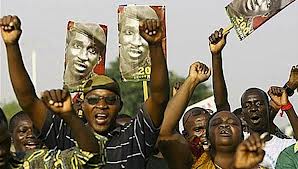
Mbere yo gusoza ukwezi kwa cumi, Abaturage ba Burkina Faso baduhaye impano y’akataraboneka ( cadeau extraordinaire). Iyo nta yindi uretse guhaguruka bakavudukana umunyagitugu wari yarabigizeho akamana ngo ni we wenyine ushobora kuyobora. Mu ijwi ry’abari bayoboye imyigaragambyo, umutegarugori umwe yagize ati hashize imyaka 27 igihugu cyacu kiyoborwa na Compaore nta wundi abana bacu bazi nk’aho nta wundi ufite ubwenge n’ubushobozi. Yongeyeho ati umuntu wese intellectuel  yayobora igihugu.

Uyu mugabo Blaise Compaore wirukanywe ku ntebe  yageze ku butegetsi amaze guhitana Thomas Sankara. Nyuma yaho yagiye ahindagura itegeko nshinga kugira ngo agume ku butegetsi ariko rubanda yamweretse ko ubu noneho bidashoboka, enough is enough. Ni umwe mu ba perezida bashyigikiye FPR mu gihe yarwanaga na Leta ya Habyarimana.

Abakurikiranye iby’iyi revolisiyo bemeye nta shiti koko ko ibyakozwe muri Afurika y’abarabu bishoboka no muri Afurika y’abirabura. Nta mwanya aba dictateurs bagifite ahubwo bafite amahirwe amwe gusa: kuganira n’ababarwanya maze ibihugu bikayoborwa nta  yandi maraso amenetse. Kunyuranya n’ibi ni ukwisurira gupfa imburagihe cyangwa se gusazira mu mahanga, na dukeya twiza twakozwe tukibagirana, abana bawe bakandagara.

By’umwihariko Abanyarwanda bakomeje kugaragaza ko imyiteguro ari yose mu gihe Paul Kagame yaba ashatse kwiyongeza manda abinyujije mu guhindura itegekonshinga. Basanga byaba ari umurongo utukura uyu mugabo aramutse ahinduye itegeko nshinga kugira ngo we ubwe akomeze gutegeka. Byaba ari n’agasuzuguro gakabije. Abenshi bongeraho ko n’ubwo Kagame yatanga ruswa muri Sena no mu badepite ngo batore uwo mushinga, inteko ishinga amategeko ishobora kugurumana inkongi y’umuriro itegeko ritaranatorwa. Muri make ibyabaye muri Burkina Faso mu kwa 10 / 2014 biratutumba mu Rwanda.

Si Abanyarwanda gusa kuko no muri Congo ndetse n’Uburundi ijwi ni rimwe. Nta guhindura itegeko nshinga. Abasore nabo bakomeje kwisuganya ngo imbarutso itazabatungura.                                             Bye bye to Dictators

Chaste Gahunde

EXFILTRATION DE BLAISE COMPAORE PAR L’ELYSEE : Quand la France va contre la volonté du peuple burkinabè

B.COMPAORE_PRW_IMG_4775-copie_0

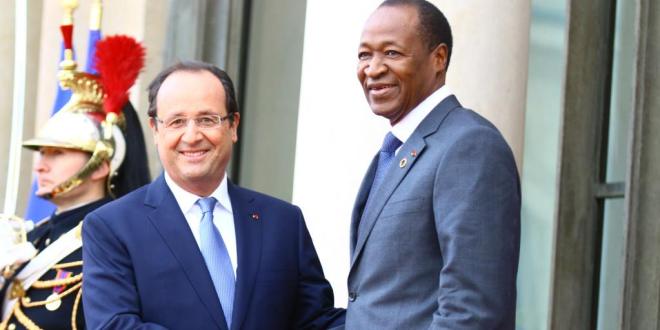
Hollande et Compaore

Une semaine après le départ précipité de Blaise Compaoré du pouvoir, sous la pression de la rue, l’on en sait un peu plus sur le rôle de la France dans cette fuite de l’ex- président burkinabè. En effet, après avoir soutenu, dans un premier temps qu’elle n’avait pas elle-même « évacué » Blaise Compaoré en Côte d’Ivoire où il est réfugié, L’Elysée vient d’admettre qu’elle a joué un rôle actif dans l’exfiltration de l’ex-président du Faso. « Nous avons veillé à ce qu’il soit évacué en mettant à disposition tous les moyens qui pouvaient être utiles », a dit François Hollande lui-même, en réponse à une question sur le sujet, lors d’une conférence de presse à Ottawa au Canada.

Cette attitude de la France montre toute la délicatesse de l’acte qu’elle a posé, à un tournant décisif de l’histoire du Burkina Faso.

Sait-elle seulement qu’en agissant de la sorte, elle va contre la volonté du peuple burkinabè, qui a pris son destin en main, pour chasser un dictateur qui, visiblement, ne reculait devant rien, dans sa volonté de s’accrocher au pouvoir pour un règne ad vitam aeternam ? En tout cas, ils sont nombreux les Burkinabè, à l’instar de ces syndicats qui ont même lancé un appel dans ce sens, qui auraient voulu voir Blaise Compaoré répondre devant la justice, ne serait-ce que pour connaître la vérité dans plusieurs dossiers qui n’ont jamais abouti sous son règne. Mais en l’exfiltrant de la sorte, la France ôte au peuple burkinabè cette possibilité, alors que le sort de Blaise Compaoré devrait incomber, en premier lieu, aux Burkinabè eux-mêmes. Cette action de la France peut être un bien mauvais signal pour les peuples africains, car bien des dictateurs, loin de tirer leçon de la chute de Blaise Compaoré pour s’auto-dissuader et respecter la Constitution de leur pays, pourraient au contraire se convaincre qu’il y a une autre alternative pour eux. En effet, ils pourraient penser qu’en se rendant indispensables à la France, celle-ci pourrait sans doute fermer les yeux sur leur tentative de passage en force, et pourrait, le cas échéant, venir, au dernier moment, les tirer du pétrin pour les mettre à l’abri, si les choses tournaient mal. De ce fait, ils seraient plus à l’écoute de l’Elysée que de leur peuple, et chacun cherchera à faire mieux que Blaise Compaoré, en matière de défense des intérêts de la France, pour bénéficier du devoir de redevabilité de la France à leur égard. Cette nouvelle trouvaille de la France ne sert pas les intérêts des peuples africains.

Le peuple  demandait simplement à Blaise Compaoré de quitter le pouvoir, pas le pays

Nul ne dit qu’il aurait fallu laisser un Blaise Compaoré acculé, à la merci d’une foule déchaînée, avec toutes les conséquences que cela aurait pu avoir d’un côté comme de l’autre, mais cette façon de l’exfiltrer pose quelque part problème, d’autant que le peuple lui demandait simplement de quitter le pouvoir, pas le pays. D’une part, l’Elysée n’a pas tenu compte du regard que porte aujourd’hui le peuple burkinabè sur Blaise Compaoré.  D’autre part, elle réduit les possibilités, pour ce même peuple, de lui demander des comptes. Or, après 27 ans de pouvoir, il est tout à fait normal que Blaise Compaoré rende compte à son peuple de sa gestion, aussi bien en ses points positifs qu’en ses points négatifs. Du reste, s’il en va ainsi au niveau de toutes les structures de l’Etat, il ne saurait en être autrement au sommet de l’Exécutif, aussi bien pour lui que pour ses éventuels successeurs. Autrement, ce serait une prime à l’impunité. Toute chose que le combat actuel des démocrates africains vise à enrayer sur le continent, pour plus de justice et d’équité sociale.

Comme on le voit, la France vient, une fois de plus, de prouver qu’elle n’a pas d’amis, mais des intérêts. Aussi, quand on connaît l’importance du rôle joué par Blaise Compaoré dans la sous-région ouest-africaine, point n’est besoin de dire qu’il a été pratiquement l’homme de la France, pendant plusieurs années, dans cette Françafrique où il est entré timidement, mais a finalement pris énormément de galons, surtout après la disparition des présidents ivoirien Félix Houphouët Boigny, et gabonais Omar Bongo Ondimba. Et c’est ce qui pourrait, du reste, expliquer le jeu trouble auquel la France s’est livrée, quand Blaise Compaoré ne faisait pas mystère de sa volonté de tripatouiller la Constitution de son pays, pour rester au pouvoir. Si la France avait clairement dit à Blaise Compaoré de renoncer à son projet, il y a fort à parier que celui-ci aurait réfléchi par deux fois au moins avant de rêver de tripatouiller la loi fondamentale. Mais, apparemment, elle n’en a eu ni le courage, ni la volonté réelle. Et tout porte à croire qu’elle s’est contentée de condamner du bout des lèvres son acte, et a laissé Blaise Compaoré en faire à sa tête, pour voir si la pilule passerait. Car, quoi qu’on dise, il n’est pas exclu qu’elle tienne encore à l’homme, dans cette sous-région tourmentée où elle n’a pas eu le temps de lui trouver un successeur à sa taille. L’on pourrait donc dire que c’est à contrecœur qu’elle voit son homme partir du pouvoir, surtout que son absence laissera momentanément un vide dans la sous-région. Mais va-t-elle, pour autant, lui tourner définitivement le dos et renoncer à ses services ? Nul ne saurait le dire à l’heure actuelle, en dehors des autorités françaises elles-mêmes.

Outélé KEITA

Source: Le Pays

David Cameron making ‘historic’ mistake over EU, says José Manuel Barroso

The UK prime minister plans to impose restrictions on the free movement of citizens from EU member states.
David Cameron, Jose Manuel Barroso
Outgoing European commission president José Manuel Barroso is warning David Cameron against taking a defensive stance over the EU. Photograph: Yves Logghe/AP

David Cameron is making a “historic mistake” by adopting a defensive approach towards the EU which risks increasing the chances of a British exit, the outgoing European commission president José Manuel Barroso will warn on Monday.

In the strongest attack by Brussels on the Conservatives over their handling of the EU, Barroso will say that the prime minister’s plan to impose an “arbitrary cap” on immigrants from eastern Europe is contrary to EU law and will alienate Britain’s natural allies.

Barroso, the most anglophile commission president of the last 30 years, will give vent to deep frustration at British tactics when he takes the highly unusual step of venturing into internal UK affairs by warning that the Tories should learn from the Scottish referendum and not wait until the final days to make a positive case.

In a speech at Chatham House on Monday, Barroso will sweep aside his usual diplomatic language to say: “My experience is that you can never win a debate from the defensive. We saw in Scotland that you actually need to go out and make the positive case. In the same way, if you support continued membership of the EU you need to say what Europe stands for and why it is in the British interest to be part of it.

“And you need to start making that positive case well in advance, because if people read only negative and often false portrayals in their newspapers from Monday to Saturday, you cannot expect them to nail the European flag on their front door on Sunday just because the political establishment tells them it is the right thing to do.”

The intervention by Barroso, a month before he stands down after a decade as president of the commission, comes amid deep frustration among EU leaders about the way in which Cameron is hardening his approach to the EU in response to Ukip. Barroso was privately appalled when Philip Hammond, the foreign secretary who is meant to be drumming up support for Britain’s EU reform plans across Europe, told MPs on Friday that Tory plans for an in/out referendum amounted to “lighting a fire” under the EU.

The prime minister, who initially instructed his MPs to vote against an in/out referendum before changing his mind in 2012, is embarking on a fresh change of heart as he plans to impose restrictions on the free movement of citizens from EU member states. The prime minister had said the restrictions would be limited to cracking down on benefit tourism.

But the Sunday Times reported that Cameron is planning to cap the number of national insurance numbers issued to EU immigrants with low skills. This would hit the 11 eastern European states that have joined since 2004. National insurance numbers could be issued for a limited period to ensure the prime minister delivers on his pledge to reduce net migration to the tens of thousands.

Grant Shapps, the Tory chairman, told The World This Weekend on BBC Radio 4: “We cannot have an open-ended situation where people are able to always come to Britain in such a lop-sided arrangement.”

Barroso said that Cameron’s proposal would fall foul of EU law which guarantees the free movement of people. The Lisbon treaty of 2007 echoed the EEC’s founding 1957 treaty of Rome as it said “the free movement of persons is ensured”.

The commission president will say that the way in which the Tories have singled out the Poles, whose citizens have travelled to Britain in record numbers over the last decade, is self-defeating.

“It is an illusion to believe that space for dialogue can be created if the tone and substance of the arguments you put forward question the very principle at stake and offend fellow member states. It would be an historic mistake if on these issues Britain were to continue to alienate its natural allies in central and eastern Europe, when you were one of the strongest advocates for their accession.”

Barroso’s remarks are intended to highlight how Cameron is complicating the only route to achieve his goals – amending the Lisbon treaty which has to be approved by all 28 EU member states. He will draw a second parallel with the Scottish referendum as he reminds his audience that he said that Alex Salmond would have faced an immense challenge in negotiating EU membership.

“I created waves in February when asked about the possibility of regions leaving member states, as I pointed out that negotiating an accession treaty is no easy feat. Negotiating any major constitutional change is difficult and very risky. And the uncertainty it creates has a direct and immediate upstream impact on confidence, including the investment decisions of industry.”

Witold Sobków, the Polish ambassador to the UK, indicated that Warsaw would veto any proposal to amend the Lisbon treaty to limit free movement. Sobków told The World This Weekend: “We want the UK to remain in the EU so we will do our best to help the British government introduce some reforms in the functioning of the EU, enabling the UK to remain in the EU… [But] free movement of people is a fundamental freedom of the EU. So there are some things we can do and some things that we shouldn’t do.”

Nigel Farage said that Cameron was seeking to impose a limit on free movement because he is “terrified of Ukip”. The Ukip leader told the BBC: “I don’t often agree with Barroso. But what the prime minister is saying about limiting the number of EU migrants that come to Britain is simply untrue. He is doing it for political reasons because he is terrified of Ukip.”

Barroso will tease Farage by highlighting their contrasting tastes in alcohol to show how different nation states can work harmoniously in the EU. He will say: “For me the answer is a resolute no. I may prefer a glass or two of good red wine than a pint of beer when I am out on the election trail. But I too come from a country with a long history, a trading nation, proud of its culture and tradition. And it may be a revelation to some, but the vast majority of people living in Europe are also rather attached to their national identity – however they may choose to define it.”

Source: The Guardian, October 20th, 2014

U Rwanda ruvuye muri security council, Angola irarusimbuye!

téléchargement

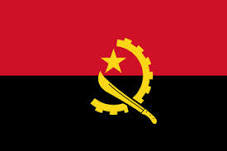
Ibendera rya Repubulika ya Angola

Nk’uko tubikesha BBC, Angola niyo yatorewe gusimbura u Rwanda mu kanama gashinzwe umutekano k’umuryango w’abibumbye (UN Security Council). U Rwanda rwari rumaze muri uyu mwanya igihe kingana n’imyaka ibiri rukaba ruzatanga imihoho mu mpera z’uyu mwaka.

U Rwanda rukinjira muri uyu mwanya byagaragaye ko rwari rufite agenda isobanutse:

  • Gukingira ikibaba ingabo za RDF zahoraga muri Congo zisahurira zahabu na diyama ndetse n’igiti gihenze cyane kizwi ku izina rya mahogan( libuyu).
  • Gukoresha imbaraga uwo mwanya kugira ngo umutwe wa FDLR uranduranwe n’imizi.
  • Gukomeza gushimangira igitekerezo cy’uko Kagame atigeze agira uruhare muri genocide yabaye mu Rwanda.
  • Guharanira ko genocide itongera kwitwa genocide y’u Rwanda( Rwandan genocide/Genocide rwandais) ahubwo ikaba genocide yakorewe Abatutsi.

Iyi agenda ya leta ya Mobile President Paul Kagame siko yose yabashije kugerwaho. Ibi biterwa n’uko mu by’ukuri ibikorerwa muri kariya kanama usanga bifatwaho ibyemezo n’ibihugu by’ibihangange kandi bifitemo umwanya uhoraho ibyo akaba ari Leta zunze ubumwe z’Amerika, Ubwongereza, Ubufaransa, Uburusiya n’Ubushinwa. Cyakora Kagame akoresheje uwo mwanya, yarwanyije yivuye inyuma igitekerezo cyo kohereza drones cyangwa se indege zitagira umu pilote ngo zikore reconnaissance ku mupaka w’u Rwanda na Congo mu rwego rwo gutahura urujya n’uruza rwahakorerwaga. Izi drones nizo zatahuye abantu babaga bikoreye amabuye y’agaciro bavaga muri Congo bakinjira mu Rwanda. Zagaragaje kandi mouvements z’ingabo z’U Rwanda zambukaga zinjira muri Congo gutera akavuyo no gufasha M23. Byatumye u Rwanda ruhatakariza icyizere rwari rwarashyize muri bamwe mu bazungu bashyigikiraga buhumyi umutwe w’iterabwoba FPR na perezida Paul Kagame.

Birazwi ko Kagame yagerageje kurwanya icyemezo cyo kohereza intervention brigade muri Congo kuko iyi brigade yari ifite mandate yo kurasa igihe bibaye ngombwa.Nyamara iyi brigade yaroherejwe ndetse iza irimo ingabo za Tanzaniya, igihugu cyari kimaze kugirana amasinde n’u Rwanda kuko Kagame yasezeranyije Tanzaniya ko azaritura perezida wayo Muheshimiwa Jakaya Kikwete. Ibi nabyo byatumye Tanzaniya irwana nk’iyirwanira, maze ingabo za RDF zishushubikanywa muri Congo ndetse umutwe wa M23 ukubitwa iz’akabwana, urashwiragira, benshi birukira mu Rwanda abandi bitandukanya na wo,  batanga n’ubuhamya bw’uko bajyanywe kurwana ku ngufu.

Kagame na none yakoresheje uyu mwanya kugira ngo buri rapport isohoka ibe isaba ko umutwe wa FDLR ukurwa ku isi. Ni muri urwo rwego mu gihe hari kwigwa ikibazo cyo kurandura M23 yashigikirwaga n’ibihugu by’amahanga (Rwanda na Uganda), abahagarariye u Rwanda muri aka kanama basabye ko M23 itasenywa yonyine ahubwo ko hakurikiraho n’indi mitwe yose. Bityo nyuma ya M23, FDLR yagombaga guhita ikubitwa nabi cyane. U Rwanda rugiye kuva muri aka kanama FDLR itararaswa n’ubwo bwose tutazi uko bizayigendekera.

Mu ri iki gihe u Rwanda rumaze muri aka kanama, ama raporo avuga ku bwicanyi bwa FPR yarasisibiranyijwe. Iheruka ikaba ari Mapping Report igaragaza neza uburyo FPR yarimarimye impunzi z’abahutu zari muri Congo ibeshya ko ikurikiranye interahamwe na Ex FAR. Iyi raporo isoza inavuga ko haramutse habonetse urukiko rukurikirana iki kibazo, ubu bwicanyi bushobora kwitwa genocide. Iyi raporo yahumuye abantu ku kibazo cy’u Rwanda: Urukiko ni rwo ruhamya ko ubwicanyi ubu n’ubu ari genocide. Umuntu wese ushyira mu gaciro ntiyabura kwibaza impamvu, umuryango w’abibumbye mu mwaka wa 1994 wemeje ko mu Rwanda habaye genocide kandi byo nta rukiko rubyemeje !?  Indi raporo ikomeye ni iyashinjaga General James Kabarebe kuba commander in chief w’ibikorwa bya M23 akaba ariwe wahaga amategeko General Ntaganda, umunyarwanda wo mu Kinigi (Ruhengeri ) ariko wiyita umunyekongo. Nyuma yaho haje n’and ma raporo ashinja u Rwanda ariko rukayabangamira bikaba iby’ubusa.

Mu gihe kandi u Rwanda rwari muri aka kanama rwaje kuzamura impaka ku nyito ya genocide yahimbwe na FPR maze ikemezwa na ONU bihagarikiwe n’abafatanyabikorwa , abasangiracyaha n’abinjiracyaha ba FPR na Kagame. Iyo nyito ni genocide Rwandais cyangwa se Rwandan genocide. Muri make u Rwanda rusanga imvugo genocide rwandais yemera mu buryo buziguye ko abahutu n’abatutsi bose bapfuye muri genocide. Hiyongeraho kandi ko iyo mvugo ishobora gushyigikira igitekerezo cya double genocide: ni ukuvuga genocide yakorewe Abatutsi b’Abanyarwanda, genocide yakorewe abahutu b’abanyarwanda, byose wabiteranya bikaba genocide y’abanyarwanda aribyo genocide Rwandais/ Rwandan genocide.

Iyo ubirebeye hafi usanga kuba ubwicanyi bwabaye mu Rwanda bwakwitwa genocide biboneka nk’inyungu FPR yonyine isarura. Harashakishwa ko ibyabaye mu Rwanda byitiranwa n’ibyakorewe Abayahudi mu ntambara ya kabiri y’isi yose. Kubera ko nyuma y’iyi ntambara Abayahudi barokotse babashije kugira mbaraga nyinshi n’imyanya ikomeye  ifatirwamo ibyemezo ku isi bakaba bayirimo, FPR isanga Abayahudi bashobora kugirira impuhwe u Rwanda n’abatutsi in particular maze ibyifuzo bya Kagame bikajya bitambuka Abayahudi bavuga bati Abatutsi dusangiye amateka. Ni muri urwo rwego hari abantu bakorera FPR bari baratangiye gukora opinion yerekana ko Abatutsi bakomoka ku Bayahudi!

Ikindi ni uko FPR itekereza ko uyu mwanzuro ushobora kugenderwaho kugira ngo igihugu gihabwe impozamarira nk’uko Abayahudi bazihawe y’ubwicanyi bwabakorewe. Birimo inyungu rero. Umwe mu bahagarariye u Rwanda muri ako kanama Olivier Nduhungirehe yishimiye cyane uwo mwanzuro yemeza ko ari intsinzi ikomeye ku Rwanda muri aya magambo: ” Twarabirwaniye cyane muri iyi minsi ishize…ariko igitangaje ni uko Abafransa babidufashijemo”. Aha yashakaga kuvuga ko bwari ubwa mbere Ubufaransa buvuga rumwe n’u Rwanda ku kibazo cya genocideyo mu Rwanda.

Angola ni yo igiye kwinjira muri aka kanama gashinzwe umutekano ka ONU. Angola kandi yagaragaje ko itumva ibintu kimwe n’u Rwanda ku bibazo birebana n’akarere k’ibiyaga bigari. Mu gihe u Rwanda rwagabaga igitero muri Congo mu ntambara yiswe iya kabiri, mu mwaka wa 1998 Angola yarwanaga ku ruhande rwa Kabila mukuru ndetse ifatanyije na Zimbabwe na Namibia nyuma haza kwiyongeraho Tchad na Soudan, mugihe U Rwanda rwo rwafashwaga na Uganda ya Museveni.  Mu gihe gishize kandi Angola yashakaga kujya muri intervention Brigade iyi igizwe na Tanzaniya, Africa y’epfo ndetse na Malawi  ikaba ari nayo yarashe kandi igatsinsura ingabo za Kagame zari muri M23. Byarangiye General Ntaganda ageze i La Haye aho ashinja Kagame kuba ariwe wamuhaga amategeko.

Ibindi bihugu bijyanye na Angola ni Espagne,New Zealand, Malaysia na Venezuela naho ibindi bitanu bfite umwanua udahoraho ni Chad, Chile, Yorudaniya, Lithuania na Nigeria. Espagne izwiho kutavuga rumwe na Leta y’u Rwanda cyane cyane ku mateka y’ubwicanyi bwakozwe na FPR, gusa ku nyungu za politiki nta wahamya 100% ko iki gihugu cyashyigikira imyanzuro ijomba ibikwasi u Rwanda. Cyakora abakora diplomacy  bo muri opposition baramutse begereye ibi bihugu wasanga ibibazo byarushaho kumvikana neza no kubonerwa umuti ushimishije.

Umwanzuro:

Birashoboka cyane ko imyitwarire y’akanama k’umuryango w’abibumbye ku bibazo by’akarere k’ibiyaga bigari ishobora guhinduka mu gihe Angola izaba igezemo. Ikindi cyiyongeraho ni uko Angola ifite ijambo rikomeye muri SADC bikaba bishoboka ko imyumvire ya SADC ku bibazo by’akarere ari nayo izinjizwa na Angola muri ONU. Twe se nk’Abanyarwanda Angola tuyitezeho iki? Cyakora ndatekereza ko kizaba kivuguruzanya n’icyo twabonye mu gihe U Rwanda arirwo rwari rufite uyu mwanya. Tubitege amaso.

Chaste Gahunde

UK: MPs vote to recognise Palestinian state, adding to pressure on Israel

Palestine debate
Young Jewish men argue with pro-Palestinian supporters in Parliament Square as MPs debate the recognition of Palestine. Photograph: Leon Neal/AFP/Getty Images

MPs including the Labour leader, Ed Miliband, have voted to recognise Palestine as a state in a symbolic move that will unnerve Israel by suggesting that it is losing a wider battle for public opinion in Britain.

The vote of 274 to 12, a majority of 262, on a backbench motion has no practical impact on British government policy and ministers were instructed not to vote. Labour decided to impose a one-line whip, and the Liberal Democrats, like the Conservatives, gave their backbenchers a free vote.

In possibly the single most important contribution in an emotional debate, Richard Ottaway, the Conservative chairman of the foreign affairs select committee, said the recent annexation of West Bank land by the Israeli government had angered him like nothing else in politics.

The Conservative MP said he had been a supporter of the state of Israel before he became a Tory and had close family connections with the generation that formed the Israeli state. He explained: “The Holocaust had a deep impact on me growing up in the wake of the second world war,” adding that he had been a strong supporter of Israel in the six day war and subsequent conflicts.

He told MPs: “Looking back over the past 20 years, I realise now Israel has slowly been drifting away from world public opinion. The annexation of the 950 acres of the West Bank just a few months ago has outraged me more than anything else in my political life. It has made me look a fool and that is something I deeply resent.”

He said he was not yet convinced that Palestine was fit to be a state due to its refusal to recognise Israel, adding that “in normal circumstances” he would have opposed the motion. But, he said, “such is my anger with the behaviour of Israel in recent months that I will not be opposing this motion. I have to say to the government of Israel: if it is losing people like me, it is going to be losing a lot of people.”

The former foreign secretary, Jack Straw, said the vote was not simply a gesture, because if it were, the Israeli government would not be as worried by the vote.

The Israeli government, he said, wants the recognition of the Palestinian state only at the successful conclusion of any negotiations. But Straw said “such an approach would give the Israelis a veto over whether a Palestinian state should exist”. A vote for recognition would add to the pressure on the Israeli government, he said. “The only thing that the Israeli government, in my view, in its present demeanour under Bibi Netanyahu understands is pressure.”

Straw moved an amendment to the motion setting out that the UK government should recognise Palestine “as a contribution to securing a negotiated two-state solution”.

Sir Malcolm Rifkind, a former Conservative foreign secretary, said it had been British policy for generations that a state is recognised when the territory in question has a government, an army and a military capability.

Conservative James Clappison spoke out against the motion, arguing it would do more harm than good. He said: “I believe that international recognition of a Palestinian state in the terms of the motion would make a two-state solution less likely rather than more likely.

“I don’t see Israel, having faced the challenges it has over the years, caving in to this backbench motion. It might be a gesture on behalf of this house, but it would take the process no further.”

He said Hamas had “set its face against any peace deal with Israel” and undertaken a “campaign of terror”.

The motion had been tabled by Labour’s Grahame Morris, who said it was right to take the “small but symbolically important” step of recognising the Palestinian right to statehood.

Tobias Ellwood, the Middle East minister, said the UK government was a “staunch supporter” of Israel’s right to defend itself, but settlement-building made “it hard for Israel’s friends to make the case that Israel is committed to peace”.

Ellwood said Palestinian statehood could only become a reality when occupation ends

and stressed that the UK believes “this will only come through negotiations”. He added: “The UK will bilaterally recognise a Palestinian state when we judge that it can best help bring about peace.”

SOURCE: The Guardian