Category Archives: Justice

Kizito Mihigo, Cassien Ntamuhanga and Jean Paul Dukuzumuremyi survive police extrajudicial killing.

[Kizito Mihigo, Cassien Ntamuhanga and Jean Paul Dukuzumuremyi went missing for more than a week. Police was contacted on that issue but said they had no news. Different media houses and independent accused the police of trying to kill these three young men but police kept denying. Finally newtimes.co.rw confirms…] Admin

Police arrest Kizito Mihigo, Cassien Ntamuhanga and Jean-Paul Dukuzumuremyi

Rwanda National Police today revealed the arrest of three individuals suspected of offenses against state security.

The three who the Police believe had been recruited by Rwanda National Congress and working for some time in collaboration with the FDLR are: Kizito Mihigo, a musician who was arrested last Friday; Cassien Ntamuhanga, a journalist at Amazing Grace Radio who had earlier been reported missing was arrested this morning; and Jean-Paul Dukuzumuremyi, a demobilised soldier arrested last Saturday.

Mihigo, Ntamuhanga and Dukuzumuremyi are under investigation for involvement in planning terrorist attacks against Rwanda, planning violent overthrow of the government, planning to assassinate government officials and inciting violence among the population.

The three are suspected to be working closely with senior members of Rwanda National Congress (RNC) and the FDLR, and participating actively in a network that has carried out several grenade attacks and continues to plan terrorist action against Rwanda.

Police Spokesperson, ACP Damas Gatare said:

“The Police is in possession of ample evidence including grenades and testimonies obtained from other accomplices arrested during the course of investigation. Kizito Mihigo Cassien Ntamuhanga and Jean-Paul Dukuzumuremyi have admitted to working closely with senior members of RNC and FDLR, an active network that has carried out several grenade attacks in Rwanda.

“The case file will now be submitted to the prosecution. However, investigations continue to arrest other members of the network still at large. We encourage the public to continue to share relevant information with the Police.”

Source:http://www.newtimes.co.rw 14/04/2014

As Rwanda marks genocide, no justice for DR Congo massacres

Rwandan youths carry a flame of remembrance to a ceremony in the town of Kirehe, where villagers from surrounding areas gathered to hear genocide recollections, the symbolic fire is travelling the country as the nation prepares to mark 20 years since the horrific killings that claimed more than 1 million lives. Twenty years after the genocide, the massacres of Hutu civilians who fled across the border into the DR Congo remain a taboo subject in Kigali. PHOTO | FILE

Kigali. Twenty years after the genocide of Rwanda’s Tutsi minority, the massacres of Hutu civilians who fled across the border into the DR Congo remain a taboo subject in Kigali.

In DR Congo’s restive east, however, the memories are painfully acute, of families rounded up and murdered, bodies dumped in mass graves, pregnant women disembowelled.

The Tutsi-led Rwandan government sees as tantamount to negationism any suggestion that the victims of genocide were themselves responsible for mass ethnic killings in 1996-97. Kinshasa has never truly investigated the subject.

But Roberto Garreton of Chile, the first to investigate the slaughter on behalf of the United Nations in April 1997, says he concluded fairly quickly that around 150,000 people had been slain on Congolese soil.

The killings are blamed on forces of the post-genocide government in Kigali who backed a rebel movement led by Laurent-Desire Kabila, the late father of current DR Congo President Joseph Kabila.

“There were many clues showing that the goal was to exterminate those who committed the genocide” against the Tutsis, Garreton told AFP by telephone from Santiago.

But, he added: “It wasn’t possible to say with certainty that there was a genocide,” that is, the wilful extermination of an ethnic group.

Here in Rutshuru in the country’s east, a Congolese Hutu told AFP: “They killed many! They set up barricades and if you had a Hutu name they took you away (and) they killed you!”

A woman who gave her name only as Chiza said: “I saw a pregnant woman whose stomach had been cut open, and the baby was beside her, still attached by the umbilical cord. The woman’s belly was full of flies.”

Located some 50 kilometres (30 miles) from the regional mining hub Goma, Rutshuru and its surrounding area was a major target of killings in 1996.

That was when Laurent-Desire Kabila kicked off his rebellion in North and South Kivu provinces in what was then Zaire.

Kabila’s rebel ADFL army, which would succeed in overthrowing the dictator Mobutu Sese Seko in 1997, was backed by Rwandan troops who poured across the border, where hundreds of thousands of Rwandan Hutu refugees had fled in 1994.

Hiding among them were genocide perpetrators, the so-called Interahamwe militiamen, members of the former Rwandan military and other civilians who took an active part in mass killings. (AFP)

At the same time the Rwandan Patriotic Front, the minority Tutsi force that halted the genocide in Rwanda and took power in Kigali, mounted an operation to halt cross-border incursions into Rwanda by the Interahamwe.

When Kabila’s rebellion took off, the Rwandan soldiers who flooded into Zaire did not simply track down the Interahamwe; according to many residents, they targeted Rwandan as well as Congolese Hutus indiscriminately, including civilians — men, women, old and young alike.

The soldiers from Kigali are accused of having staged phoney reconciliation meetings, only to rob people and then kill them or recruit them as cannon fodder to fight for Kabila.

“A pastor told his flock that if they stayed together in a house Rwandan soldiers would do nothing. But they burned down the house,” recalls one resident.

– No prosecutions –

Later, around 1,500 families at a camp for displaced Hutus in Nyongera, just north of Rutshuru “were all killed,” said Chiza, who belongs to a women’s association.

“They killed educated people. They killed the youth of Rutshuru!”

A Congolese Hutu civil servant recalled how, in late 1996, several dozen people were rounded up one evening at a local official’s house.

“They took groups of five or 10 people, tied them up, brought them here, and killed them with a hoe.”

The man, who requested anonymity, pointed to a spot where the executions allegedly took place and where the bodies were thrown — now covered with weeds.

The bones were excavated in 2005.

Another said he escaped a “planned massacre” at the end of 1996 in Rwanguba, east of Rutshuru.

“One morning, when we came back, we found those who didn’t escape: they were bound, and their brains had been hacked out with a hatchet,” he said.

Like others, he said attacks sometimes targeted non-Hutus.

Hutus were allegedly hunted down elsewhere as Kabila’s AFDL fighters advanced on Kinshasa, some 1,000 kilometres (600 miles) to the west.

Hundreds of thousands of Hutus fled ever deeper into the DR Congo for weeks, and mass graves can be found along their route.

The UN probe, which faced continual obstruction from Kinshasa, took years before finally concluding in 2010 that “the apparent systematic and widespread attacks” perpetrated by the AFDL and Rwandan soldiers “reveal a number of inculpatory elements that, if proven before a competent court, could be characterised as crimes of genocide.”

But no prosecutions resulted from the probe, and nearly 20 years later, those responsible for the crimes have not been brought to justice.

Source: http://www.thecitizen.co.tz/News/As-Rwanda-marks-genocide-/-/1840360/2271486/-/item/2/-/589ot5z/-/index.html

Persistent institutionalised lies and hatred against Rwandan Hutus

Contrary to racism that black people generally fall victims of in the Western society where it is publicly decried, a similar but nasty racism against Rwandan Hutus promoted by the regime of Paul Kagame in Kigali is world widely sponsored and celebrated. The picture of the latter is painted on the canvas of the unspeakable tragedy that the Great Lakes region experiences for more than two decades.

The lies and supporting motives of that racism are many but this note will focus on one and one only: the unspoken killings of the Rwandan Patriotic Front from October 1st 1990 to July 4th 1994. The period which followed until today has been the object of many books, reports and field researches which document the horrendous atrocities that Paul Kagame and his sponsors have committed in the entire region.

Everything happens for a reason. The ongoing covering up of the Rwandan Patriotic Front’s crimes since 1990 is motivated by the important geopolitical and economically strategic interests of US, UK, Germany, Israel, and Belgium in Central Africa. Since World War II it has been the first time that mainstream media and intellectuals of almost all boards have colluded to sustain the lies about an incredible human tragedy [8 million lives in Rwanda and DRC]. However, in the midst of half truths intended to misinform, there have been rare voices which have been raising dissent views. Unfortunately, they have been instantly qualified as revisionists of the official narrative, or even subtly eliminated or imprisoned.

At the start of the story aggressors of Rwanda on October 1st 1990 [after 1994 they became official oppressors] portray themselves as victims. As French writer Pierre Pean explains that reality, RPF had mastered the new real politics of the end of the 80s and early 90s. Its propaganda strategy was built on the power of ONGs against official governments particularly in developing countries. What they advocated for and spread around matters more than what established national institutions could claim. In the case of Rwanda, in 1992 NGOs accused the government of Habyarimana of committing genocide against Tutsis, this long before April 6th 1994. The lie stuck until today.

This wrong accusation was the result of a well orchestrated machination by RPF international lobby which, following an international report on the abuse of human rights during the Rwandan civil war of 90/94, had found the then Rwandan government guilty. Though the report came out in 1992, the reference to genocide was going to become the RPF mantra to silence everyone who would raise any accusation against the regime of Paul Kagame for its numerous crimes either in Rwanda or the Democratic Republic of Congo. Nowadays, several testimonies of RPF insiders affirm that most of atrocities were and even today continue to be committed by its infiltrated agents.

More than twenty years have passed since these initial lies which were concocted with the help of foreign actors interested in the region. More lies were invented during and well after the 1994 genocide; they are mainly aimed at eradicating Hutus politically and physically from the national scene at the extent that those among them who would survive the regime racist policies would only become citizens of second class category. The process is ongoing even more so during the 20th anniversary of 1994. And the recently produced documentary – 7 jours à Kigali, is part of it. The film joins the rally mainstream media is on for almost a quarter of a century disseminating and promoting cynical and criminal propaganda against Rwandan Hutus and other bantu populations living on coveted territories of Central African countries.

In that film, someone who experienced de visu the 90/94 tragedy unfolding could hardly believe what is projected in front of their eyes. What is striking is the role that the producers France Televisions, Ladybirds Films and visibly the Rwandan government make the two sides to the Rwandan conflict to play. On April 6th 1994 when the plane of President Juvenal Habyarimana is shot down above Kigali while approaching the airport for its landing, and the two following days, the Rwandan Patriotic Front is shown as an indecisive military force. It appears from the narrative where the Rwandan Minister of Defence James Kabarebe is the main figure that only RPF intervenes after observing almost powerlessly the massacres of the Tutsi population once the Hutu president was killed.

From the Conseil National de Development – CND building where the Rwandan parliament is located, the cameraman makes the viewer of the documentary have the impression that the Rwandan Patriotic Front was incapable of stopping the massacres which unfolded after the assassination of Habyarimana. The truth is totally something else. After 8.25 pm when the presidential plane went down, RPF started immediately systematic killings in the areas of Remera, Kicukiro and Kacyiru of Kigali. These were close to the CND building where the 600 men RPF battalion was staying. It is important to mention that its presence in the Rwandan capital had been authorised by the Arusha Agreement of August 1993.

The documentary revisits vividly announcements that the journalists of Radio Television des Milles Collines RTLM make at that time where the radio invited the population to track the enemy among them. The producer of the film does not mention anything about the thousands of RPF infiltrated cells that were spread in Kigali and across the country that Valens Kajeguhakwa and Abdul Joshua Ruzibiza talk about in their respective books – Rwanda/De la terre de paix à la terre de sang: et après? and Rwanda, l’histoire secrète. The two Tutsi writers explain extensively how the Rwandan Patriotic Front was able to cruelly and cynically massacre innocent populations Hutus and Tutsis alike in order to achieve what it did in Rwanda.

Hunted Rwandan refugees in DRC in 1997

The film producers do not refer at any time to the massacres of 90/93 by the Rwandan Patriotic Front in the northern parts of the country. Civilian populations and mainly Hutus were massacred in the thousands. By the eve of the assassination of Habyarimana, in the periphery of Kigali, there are almost one million of internally displaced people who fled ethnic cleansing by RPF wherever the rebel group occupied some territory. There were massacres of Tutsis in the Bugesera region, Bagogwe people in the North West – Gisenyi, Hutu politicians – Gapyisi Emmanuel, Bucyana Martin, Felicien Gatabazi, etc. There were explosions of grenades in public places killings tens of civilians for a number of years. These atrocities are well documented and were committed by RPF. But the propagandists select tactfully what to show or not.

When one decides to tell half truths they become worst than a liar, because their intention is to cover up incriminating facts and portray their narrative as the only truth around. At least a complete lie does not lie, in the sense that it tells the whole opposite of the truth. While the Rwandan Patriotic Front is commemorating this year 20th anniversary of the 1994 genocide, the regime is apparently in a fighting mood to cement forever its narrative despite the increasing numbers of voices claiming more and more loudly a different story of what happened at that time or is still ongoing in the country. Understandably all Rwandan institutions are built on the fundamental lie that Paul Kagame stopped the genocide against Tutsis, while the truth is that he steadily prepared the genocide not only of the official victims but as well of Hutus whose ordeal when he is removed from power and racist policies he put in place eradicated.


Source: http://therisingcontinent.wordpress.com/2014/03/27

URUPFU RWA PADIRI EVARISTE: Mwihangane gato maze murebe uko Diyosezi gatolika ya Cyangugu igiye gukoza FPR isoni izuba riva !

Imyaka igiye  kurenga itatu, FPR-Inkotanyi  yihaye Diyosezi gatolika ya Cyangugu  n’umushumba wayo, ibashyiraho “pression” irenze kamere, ibaha amabwiriza adahuye n’ubutumwa bwa Kiliziya, ibagerekaho imizigo y’ibyaha batakoze; FPR yari yarishe kandi padiri Ignace Mubashankwaya arasiwe i Mushaka ku manywa y’ihangu, ifunga abapadiri n’abafaratiri ku maherere, none yongeyeho kujanjagura padiri Evariste Nambaje kandi yajyaga imushuka ko yamuhaye umudari wo kuba umwe mu “Bapadiri bizewe cyane na Leta “! Niba kwizerwa na FPR ari uku birangira, nahitamo guterwa ishema no kwibera ruvumwa mu maso y’iyo ntindi !

Muri iyi myaka itatu ishize umugabo wahoze ari Moniteri-agri witwa Tom Ndahiro, akaba n’umujyanama w’intavamumbere wa Perezida Paul Kagame, yihinduye umunyamategeko n’umucamanza w’ikirenga, yigira umunyamakuru w’akataraboneka, yigaragaza nk’umushakashatsi w’ikimene mu by’amateka, agerekaho no kwihangishaho ibyo kuba Umuhanga wa Kiliziya….maze si ukogera uburimiro kuri Musenyeri Yohani Damaseni Bimenyimana, Umushumba wa Diyosezi ya Cyangugu, yiva imuzi! Inyandiko yanditse mu binyamakuru binyuranye (birimo http://www.umuvugiziwordpress.com, http://www.rushyashya.com, http://www.igihe.com…)ntitwakwirirwa tuzirondora, ni nyinshi kandi zirazwi.  Aho hose yaranzwe n’ikinyoma, kwishongora, kuvangitiranya ibintu, kubeshyera abandi, ariko buri gihe akagwa mu nka nk’izindi ntore zose : intego ye n’umukoresha we yari ukwangisha Abanyarwanda Diyosezi gatolika ya Cyangugu ayigerekaho icyaha baringa cy’ “ingengabitekerezo ya jenoside”, ayiziza ngo kuko idafasha FPR kurimbura abapadiri babiri bashinze ikinyabitekerezo  cyitwa UMUHANUZI cyahisemo guha urubuga abenegihugu barambiwe agakabyo k’ingoma y’igitugu y’Agatsiko kikundira IFARANGA kurusha rubanda. Muri iyi minsi noneho imigambi nyakuri ya FPR kuri Diyosezi ya Cyangugu yarigaragaje , akaba ari nacyo kigiye gukoza isoni abari bamenyereye kwihisha mu NDAKI y’ IKINYOMA!

I.Kongere y’Ishyaka Ishema  yabaye ikibazo ite ?

Padiri Thomas Nahimana yageze aho yumva ko gusenga no kuba umunyamakuru byonyine bidahagije ngo bikureho ingoma y’igitugu ikomeje kuyogoza ibintu mu Rwanda no mu karere k’Ibiyaga bigari. Yumvise neza ko ikibazo nyamukuru gihangayikishije Abanyarwanda ari ikibazo cyo mu rwego rwa politiki, gikomoka ahanini ku butegetsi  bubi kandi budashoboye kuyobora igihugu, bwahisemo kwihisha inyuma y’iterabwoba rikaze rijyana no kunyunyuza imitsi ya rubanda mu buryo burengeje ubukana akarengane kariho ku ngoma ya cyami.

Nibwo rero yahisemo gutera intambwe yo gufatanya n’abandi babyumva kimwe  biyise Abataripfana, bashinga Ishyaka Ishema ry’u Rwanda, taliki ya 28 Mutarama 2013 . Nyuma y’umwaka iryo shyaka ribayeho ryakoze Kongere yaryo isanzwe ya mbere, yabereye i Paris guhera taliki ya 7 kugeza ku ya 9 Gashyantare 2014 . Muri iyo Kongere , Abataripfana 32 bari bayitabiriye baganiriye byinshi bireba igihugu cyacu bityo bafata n’ibyemezo bikomeye birimo kujya gukorera politiki mu Rwanda, kwitabira amatora y’umukuru w’igihugu azaba mu mwaka w’2017,  gutora umukandida uzahagararira Ishyaka Ishema muri ayo matora, no kwemeza italiki ya 28 Mutarama 2016 nk’umunsi ntarengwa wo kugera mu Rwanda.

FPR imaze kumenya ibyemezo by’iyi Kongere, yumvise neza  ko Abanyarwanda bamaze kuyitinyuka bikomeye, bakaba batangiye guhumeka umwuka w’impinduka, ko byanze bikunze Abataripfana nibashyira gahunda yabo mu bikorwa hazahinduka byinshi. Kandi ni koko, uko tuzi Abataripfana barangajwe imbere na Padiri Thomas Nahimana, ibyo biyemeje bazabishyira mu bikorwa.

Kuva uwo munsi hano i Kigali bacuze umugambi wo gukora ibishoboka byose bakaburizamo gahunda y’Ishema Party yo kuza mu gihugu, byabakundira bakica Padiri Thomas nk’uko bishe Patrick Karegeya, byakwanga bagashaka uko bamubangamira mu nzira zose zishoboka. Hano i Kigali bizwi ko n’amafaranga yarangije gutangwa, ndetse ngo hari na miliyoni zigera kuri 15 z’amanyarwanda zagenewe abafasha ba hafi ba Padiri Thomas, zikazahabwa uzafasha  FPR gusenya iryo shyaka !

Mu gihe FPR igishaka inzira zose zo kubuza Padiri Thomas Nahimana kugaruka mu Rwanda, hizwe n’inzira isanzwe ari nyabagendwa yo “gutekinika” amadosiye y’ubutabera . Gusa kubona icyaha washinja padiri Thomas Nahimana agakatirwa mu rukiko ntibyari byoroshe. Ariko kuberako mu bugizi bwa nabi FPR ikomeje kwesa imihigo nk’Indashyikirwa, yaje kunguka igitekerezo : kwica Padiri Evariste Nambaje.

II.Urupfu rwa Padiri Evariste Nambaje nk’icyanzu gifasha FPR kugera ku ntego.


(1)Padiri Evariste Nambaje yari azwi nk’“Umupadiri wizewe na Leta “, kandi ni Tom Ndahiro wamuhaye ako kabyiniriro !

(2)Bizwi ko Padiri Evariste atazuyaje gukora mu isanduku ya Diyosezi agashyira mu Cyama kugira ngo arebwe neza .

(3)Ntiyatinye gufatanya n’umujenerari w’Inkotanyi umushinga w’ubwubatsi bw’inzu y’umutamenwa muri Kigali, gusa uwo mujenerali yaje kumwigarika, ubu inzu arayirya wenyine.

(4)Bizwi ko Padiri Evariste yari afitanye amakimbirane akarishye na Mayor wa Rusizi Oscar Nzeyimana, bapfa ikibanza.

(5)Bizwi ko Padiri Evariste ariwe wakoze uko ashoboye ngo FPR igire imigabane mu mushinga wa Diyosezi wo kubaka Hoteli Malina, ahahoze Ituze, mu gihe Diyosezi yari imaze gushirirwa kubera uburiganya bwaturutse ku mufatanyabikorwa ukomoka mu gihugu cya Israheli,ngo waba yarambuye Diyosezi.

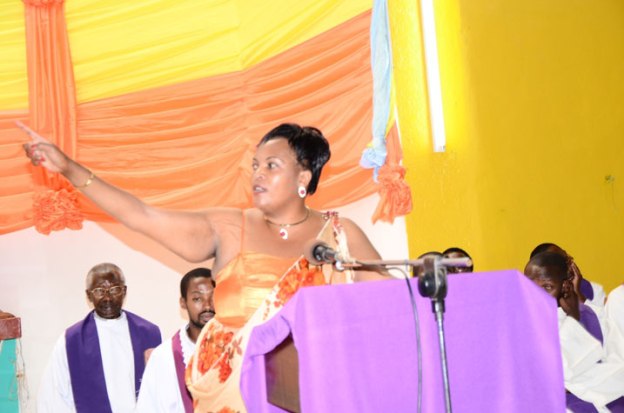
(6)Bizwi ko Padiri Evariste yishwe mu rukerera rwo ku wa 22  Gashyantare 2014, umurambo we ujya gutabwa ku muhanda mu ishyamba rya Nyungwe, aho  waje gutahurwa nyuma y’amasaha arenga 12.  Mu misa y’ishyingurwa rye, Depite Jeanne d’Arc Nyinawase yiyama abantu batabarika bari baherekeje Padiri ngo ntibabeshyere FPR ngo niyo imwishe ngo Inkiko nizo zizagaragaza uwamwishe!

III. Ni nde wishe Padiri Evariste Nambaje?

1. Tom Ndahiro araca amarenga ?

Nk’uko Depite Jeanne d’Arc Nyinawase yakabisezeranyije rubanda, taliki ya 19/3/2013 , ku isaha ya 23h30, Moniteri Tom Ndahiro, umujyanama w’akatavamunzu wa Perezida Paul Kagame, yagarutse mu kibuga, yandika mu kinyamakuru gisanzwe kivugira FPR-Inkotanyi cyitwa igihe.com inkuru ndende yahaye uyumutwe ukurikira : RTLM yasabye Kiliziya gatolika kuyifasha muri Jenoside. Yabonye abayoboke I Cyangugu 

Nk’uko dusanzwe tumuzi, Tom Ndahiro yarikunkumuye yikoza hirya n’ino, avuga ibidahuye n’umutwe w’inkuru ye, ariko aza kugwa ku ngingo yari gambiriye :  gutangira gutegurira rubanda kwakira ikinyoma kizakurikiraho.

(1) Inkuru itangira igira iti : “Abantu basoma amakuru yo kuri Internet, bazi urubuga rwitwa Leprophete. Urwo rubuga rushingiye ku rwango bakanarushimangira, rwatangijwe n’abapadiri babiri ba diyosezi Gatolika ya Cyangugu. Abo bapadiri, Nahimana Thomas na Rudakemwa Fortunatus, ni abapadiri bemewe bagikoresha umwuga wabo gukora ibinyuranye n’ibyo bitwa ko barahiriye”.

(2) Icyo FPR yifuza ko Kiliziya ifata nk’ihame : “Umuhamagaro w’abantu ba leprophete, si uwa Kiliziya Gatolika. Ni uw’abajenosideri. Ikosa ry’abayobozi ba kiliziya ni ukudafatira ibyemezo izi mpuzamugambi. Ni abanyeshuri ba Bucyana Martin, Edouard Bandetse cyangwa Rypa Bantari ? Aya ni amazina y’Impuzamugambi zikomeye mu cyahoze ari Cyangugu”.

(3) Uwo  FPR irwaye inzika kuko ibona ko ari we Nyirabayazana : “Nabyanditse kenshi ariko Musenyeri Bimenyimana Jean Damascene ubayobora, bigaragara ko ntacyo bimubwiye”.

(4) Ishyano FPR yifuza guhindura iturufu : “N’umupadiri Evarist Nambajewari waratinyutse kubamagana, abagizi ba nabi baherutse kumwica. Ubu Nahimana Thomas urupfu rwa Padiri Nambaje ararutwerera FPR azi neza ko nta muntu wangaga nyakwigendera nk’abemera bimwe na ba nyiri “le prophète”.

ICYITONDERWA:

Iyi ngingo ya nyuma (4)  ni ryo bango nyamukuru Tom Ndahiro yari azindukiye gutambutsa: Kwemeza rubanda(préparation de l’opinion) ko Padiri Evariste Nambaje atishwe na FPR yamukundaga bihebuje, ko ahubwo yishwe n’abagizi ba nabi kubera ko yari yaratinyutse kwamagana abapadiri babiri bashinze Leprophete, kandi Musenyeri wabo Bimenyimana akaba abashyigikiye! Ushaka kumva uko amadosiye acurwa inzirakarengane zikagezwa imbere y’inkiko, yahera aho !

Ntibyagarukiye aho!

2. Ikinyamakuru Imirasire.com cyo kiratera indi ntambwe .

Nyuma y’iminsi ibiri gusa, taliki ya 21/3/2014, ku isaha ya 13h39, Ikindi kinyamakuru cya FPR cyitwa Imirasire.com cyakomereje aho Tom Ndahiro yari yashojereje. Cyo nticyiriwe gica i Kibungo, cyahise gitanga ubutumwa bagihaye: “Abagize uruhare mu rupfu rwa Padiri Evariste Nambaje batangiye gukekwa”.

Aha ariko tubyumve neza: nk’uko FPR yabitumenyereje mu mvugo n’ingiro byayo , ukekwa n’uwakoze icyaha ni bamwe . Niyo mpapmvu izina rya Padiri Thomas Nahimana rigomba kuvugwa hakiri kare.

Dore uko ikinyamakuru Imirasire.com kibyitwaramo gishimangira bya birego  byaturutse aho Tom Ndahiro akora  :

(1)”Muri iyi minsi, urupfu rwa Padiri Nambaje Evariste, abantu bakomeje kugira byinshi baruvugaho, ariko abantu bakurikiranira hafi politiki yo mu Karere k’ibiyaga bigari, hari abavuga ko yaba yaragambaniwe na Padiri Nahimana Thomas uyobora le Prophete ubu wibera hanze y’igihugu akabaanagaragaza ko arwanya umutegetsi bw’u Rwanda kandi nawe akaba akomoka mu ntara y’Iburengerazuba.

(2)Hashize iminsi mu bitangazamakuru bitandukanye byo mu Rwanda, bitangaje ko Padiri Nahimana Thomas ashaka kugaruka mu Rwanda kwiyamamariza umwanya wo kuzayobora u Rwanda.

(3)Bivugwa ko Padiri Nambaje Evariste yarwanyaga cyane Le Prophete avuga ko urwo rubuga rusebya igihugu kandi akavuga ko iyobowe na Padiri Nahimana Thomas bityo ngo bituma amugambanira aramwicisha ariko uwamwishe azagaragazwa n’inzego zishinzwe umutekano cyangwa se Urukiko”.

3. Ikindi kimenyetso simusiga cy’ibihe: Ingengabitekerezo y’icyaduka yiswe “Kugarura intama zaheze mu bwone” !

Muri uku kwezi kwa kane 2014, Padiri Ubald Rugirangoga, uw’Imena mu bapadiri bafitiwe icyizere na Leta, akaba wa wundi wishe umuhutu witwa Yohani Sindayiheba w’i Mwezi  ku buryo buzwi na bose ariko hakaba nta rukiko rurabimubaza, ubu yongeye kwegura “inkoni y’ubushumba”: yiyemeje kuzenguruka mu maparuwasi atatu ngo yayobowe n’abashumba babi, bagahamisha intama mu bwone, abo kandi ni ba bapadiri b’Abahutu adakunda, bamwe ahora ashinja gukorana na Leprophete ! Amaparuwasi agomba kujya kwigishamo iryo cengezamatwara rye ni Nyamasheke-NYANZA ( yayoborwaga na Padiri Yakobo Niyibizi);  Mwezi ( yayobowe na Padiri Eugene Dusabirema), Shangi-Ntendezi(yahozemo Padiri Alexis Nshimiyimana). Abo bapadiri uko ari  batatu barimuwe mu buryo busanzwe bava muri ayo maparuwasi, ubu barakora ubutumwa ahandi. Muri buri paruwasi Padiri Ubald azajya amarayo iminsi ine yose (Ndabona bisa na “Visite Pastorale” ubundi ikorwa n’Umwepiskopi! Padiri Ubald yageze muri urwo rwego ryari ko tutabimenyeshejwe!) Nka Nyanza azaba ahari kuva taliki ya 22 kugeza ku ya 25 mata 2014. Ngo andi mataliki azatangazwa nyuma.  Ngo ikigamijwe ni  uko abo Bakirisitu “bamupfukamira bakamusaba imbabazi”, ahari bakanamusenga, bakamusingiza!

Padiri Ubald agiye gukora iki muri ariya maparuwasi  ?


Ntihagire ubyibeshyaho. Igishishikaje Padiri Ubald si iyogezabutumwa. Ikimujyanye nta kindi kitari ugucengeza mu Bakristu  ko bariya bapadiri babayoboye bari abashumba babi, batumye intama zihera mu bwone, kubera ingengabitekerezo ya jenoside yabokamye , ari nayo ibatera gukorana na Leprophete ! Nyuma y’umurimo wa Ubald, Leta nishinja abo “Bapadiri babi” kugira uruhare mu rupfu rwa Padiri Evariste Nambaje, ntawe uzatungurwa!

4.Dore uko biri gupangwa hano i Kigali:

Gushinja Padiri Thomas Nahimana, wibera hanze y’igihugu, icyaha cyo kwica padiri Evariste Nambaje ntibyoroshye. Ariko ashobora gushinjwa “kugambana”! Kandi ntibigoye kubona abafatanyije nawe gucura umugambi wo kwica Padiri Evariste no kuwushyira mu bikorwa. Abo nta bandi, ni ba Nyirurutwerunini basanzwe bogerwaho uburimiro : Ni Musenyeri Bimenyimana Yohani Damaseni, ushinjwa “kumukingira ikibaba” hamwe na bariya Bapadiri batatu ngo basanzwe boherereza leprophete amakuru ! Nibahamywa icyaha n’urukiko,  Padiri Thomas Nahimana  azagira ubwoba bwo gutaha mu Rwanda muri 2017, aje kwiyamamariza umwanya w’umukuru w’igihugu .

Ibi kandi si igitekerezo, umugambi ugeze kure!

Umwazuro

Imyaka irenga 20 irashize, abantu banigwa nk’ intama ntibakopfore. Igihe kibaye kirekire inzirakarengane zicurirwa amadosiye  zikarimburwa n’Urukiko rwakagombye kuzirenganura. Imyaka ibaye myinshi FPR Inkotanyi ikina wa mukino w’intare ikurira umwana ikakurusha kurakara. Trop c’est trop.

Iyi “match” yo si  nk’ izisanzwe. Hari ubwo ku munsi wa rwo  umuhigi wa cyane azinduka mu rukerera uko yabimenyereye ariko akaza kwisanga ari we ubwe wahindutse umuhigo,  “ Mwinda akawa mwindwa”!

Uwishuka ni nde ? Ni uwibwira ko Padiri Evariste Nambaje, mu gitondo yishwemo, yaba yarasohotse mu rugo atavuze umuhamagaye ari na we uzi ibanga ry’uko yishwe!

Twifurije amahirwe masa “abatechniciens” b’amadosiye!

Shema Jeremie,

Umutaripfana w’ Ishema Party, i Kigali. 

Source: Leprophete.fr le 26 Mars 2014.

Prix Victoire Ingabire Umuhoza pour la Paix et la Démocratie- édition 2014

Remise du Prix

Pour la troisième fois, le RifDP  vient de décerner publiquement le Prix Victoire Ingabire Umuhoza  pour la Démocratie et la Paix  à l’occasion de la journée internationale de la Femme.

Ce samedi 8 mars 2014, au cours d’une soirée haute en couleurs et rehaussée de la présence de plusieurs personnalités importantes de la communauté rwandaise de Belgique, des pays limitrophes et d’autres pays aussi lointains que le Canada ou l’Espagne, le Réseau international des Femmes pour la Démocratie et la Paix a décerné, pour la troisième fois consécutive, le Prix Victoire Ingabire Umuhoza pour la Démocratie et la Paix.

Pour rappel, ce Prix, attribué chaque année à l’occasion de la Journée internationale de la Femme, récompense toute personnalité, physique ou morale, qui s’est distinguée dans la promotion de la démocratie, de la paix, du leadership féminin et dans la défense des droits élémentaires, spécialement dans la Région des Grands Lacs africains.

Cette année, le Prix a été attribué à :

1. Ms. Ann Garrison

Ann GarrisonLe Prix lui a été attribué pour son combat pour la promotion de la démocratie, la liberté d’expression et les droits de l’Homme. Ms. Ann Garrison est un journaliste indépendant, elle collabore avec diverses radios et journaux aux USA. Elle y dénonce notamment le pillage des ressources naturelles des pays en guerre en Afrique et les dictatures qui s’installent à la fin de ces guerres.

Elle s’est particulièrement investie de la cause de Mme Victoire Ingabire Umuhoza en couvrant largement son procès et en parlant de son incarcération.

Quelques articles de l’auteur sur Mme Ingabire :

“I am honored and humbled as I will ever be in my life” – Ann Garrison.

Pour plus d’informations, visitez son site internet: www.anngarrison.com

2. Monsieur Pere Sampol i Mas

pere-sampolMonsieur Pere Sampol i Mas, ayant œuvré pour la résolution pacifique des conflits, la promotion de la démocratie, la liberté d’expression, les droits de l’homme et la recherche de la paix en Afrique des Grands lacs. Il est ancien Vice-Président des Iles Baléares, sénateur et politicien espagnol.
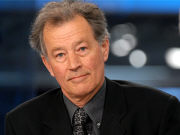
(A lire: Allocution de Mr Pere Sampol après l’attribution du Prix)

Pere Sampol i Mas est né à Mallorca en 1951. Il a été élu membre du Parlement des Iles Baléares en 1991, il a occupé le poste de porte-parole de la commission parlementaire de gauche – nationaliste MHP deux ans plus tard. En 1999, il a été élu vice-président et ministre de l’Economie, du Commerce et de l’Industrie du gouvernement des îles Baléares.

En 2007 il a été choisi par le Parlement des îles Baléares au nom du Bloc “Mallorca – PSM-Vert”, comme sénateur au niveau fédéral, un poste qu’il a occupé jusqu’en 2011. Mr Pere Sampol a été la première haute autorité espagnole à se préoccuper du problème de violation des Droit de l’Homme en Afrique Centrale. Mr Pere Sampol à travers les institutions dans lesquels il a exercé des mandats publics, a collaboré avec Juan Carrero et la Fundació S’Olivar dans des actions en faveur de la vérité et de la justice dans la région des Grands Lacs, entre autres la grève de la faim initiée par Juan Carrero et l’interpellation de Mme Emma Bonino lors de la destruction des camps de réfugiés en RDC en 1996.

Il a en outre participé à plusieurs sessions consacrées au Dialogue interRwandais et s’est rendu en Afrique Centrale pour plaider en faveur d’un Dialogue InterRwandais. Il a aussi interpelé à maintes reprises le gouvernement espagnol afin qu’il se prononce contre la violation des droits de l’Homme en Afrique Centrale.

À qui est décerné ce prix ?

Ce prix est décerné à toute personne physique ou morale, s’étant distinguée par son travail, de manière pacifique, dans le domaine de la promotion de la démocratie, de la paix, de la liberté d’expression, du respect des droits de la personne et qui a contribué de manière significative à instaurer le rapprochement des peuples par le dialogue, le respect de la personne humaine, de la justice sociale dans le but d’améliorer la qualité de vie de la population de la région des grands lacs africains.

Historique

Ce prix a été créé par le Réseau International des Femmes pour la Démocratie et la Paix le 12 mars 2011, en hommage à Madame Victoire Ingabire Umuhoza. Ce prix incarne le courage, le leadership de Victoire Ingabire Umuhoza dans sa démarche pacifique et démocratique de résolution de conflits.

Femme d’un courage exceptionnel, impliquée dans un processus de résolution du conflit qui afflige le peuple rwandais depuis 1994, Victoire Ingabire Umuhoza se démarque par son leadership, son esprit d’abnégation qui dépasse les intérêts de son noyau familial et de son appartenance ethnique et régionale. Elle a pris sur ses épaules le destin de tout un peuple et de toute une nation en décidant d’affronter l’oppression qui règne dans son pays d’origine, dans l’espoir d’offrir au peuple rwandais une alternative de gouvernance démocratique et de paix durable.

Elle est emprisonnée au Rwanda depuis le 14 octobre 2010 pour avoir osé exprimer des opinions différentes de celles du pouvoir en place.

Source:http://www.rifdp-iwndp.org/prix-victoire-ingabire-umuhoza-pour-la-democratie-et-la-paix-edition-2014/


Rwanda, déjà 20 ans : une tragédie devenue une fiction impériale utile. LA RESPONSABILITÉ DE WASHINGTON DANS LE MASSACRE AU RWANDA EN 1994

Rwanda, déjà 20 ans : une tragédie devenue une fiction impériale utile

Image

La responsabilité de Washington dans le massacre au Rwanda en 1994

Le 6 avril 2014 marquera le 20e anniversaire de l’attentat au missile à Kigali qui a abattu l’avion transportant deux chefs d’État africains, Juvénal Habyarimana du Rwanda et Cyprien Ntaryamira du Burundi. Nous savons que ce crime terroriste – sans doute le pire des années 1990 – a déclenché une guerre sans fin, de la destruction et des massacres au Rwanda et au Congo. Or, ce crime n’a jamais été élucidé; personne n’a été amené en justice. Malgré l’aveuglement et l’amnésie volontaires à l’égard du crime le plus critique des tragédies rwandaises et congolaises, des politiciens, des diplomates, des commentateurs, des intellectuels ainsi que des présidents, généraux et premiers ministres à la retraite invoquent constamment le « Rwanda » comme si la seule mention de ce mot accorde de la vérité et de l’autorité morale sur les positions politiques, militaires et impériales qu’ils défendent. On a invoqué spécifiquement le « Rwanda » pour justifier l’intervention militaire violente en Libye, au Soudan, au Mali, en Syrie et en République centrafricaine. « Partout, c’est le ‘Rwanda’ pour l’impérialiste humanitaire », fait remarquer Max Forte dans son livre remarquable, Slouching Towards Sirte, NATO’s War on Libya and Africa.

Voici le récit officiel – et assourdissant – qui leur permettrait d’invoquer le « Rwanda » :

1) de terribles génocidaires Hutus du Rwanda ont préparé et mis en œuvre un plan satanique pour éliminer près d’un million de Tutsis après l’écrasement mystérieux de l’avion transportant le président rwandais le 6 avril 1994;

2) le Front patriotique rwandais dirigé par Paul Kagame, stratège militaire brillant et aujourd’hui président du Rwanda, stationné à la frontière de l’Ouganda au nord-est du pays, a pénétré au Rwanda et marché sur la capitale pour mettre fin au génocide et prendre le pouvoir;

3) la communauté internationale n’a pas levé le petit doigt pendant que des tueurs, semblables aux Nazis, ont exterminé la plupart des Tutsis du Rwanda;

4) Paul Kagame a transformé ce pays déchiré par le génocide en un miracle africain grâce à son leadership visionnaire, quoique sévère.

Nous avons ainsi appris du « Rwanda » que, à l’avenir et au nom de l’humanité, nous – soit les armées de l’Amérique du Nord et de l’Europe – devons intervenir militairement pour empêcher ces peuples de s’entretuer.

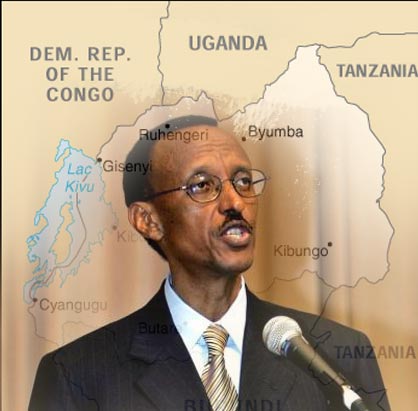
Paul Kagame

 “100 % la responsabilité américaine”—Boutros Boutros-Ghali

Boutros Boutros-Ghali, secrétaire général de l’ONU pendant la guerre rwandaise, fut l’un des premiers à mettre une fissure dans ce récit. Il m’a déclaré en entrevue que, « le génocide Rwandais était à 100 % la responsabilité américaine ». Celui, que les officiels du département d’État des États-Unis appelaient « Frenchie » avant de l’éjecter de son siège à l’ONU, explique : « Les États-Unis, avec l’appui énergique de la Grande-Bretagne, ont tout fait pour empêcher le mise en place au Rwanda d’une force des Nations Unies, et ils y sont parvenus. »

Des documents déclassifiés de l’administration Clinton confirme que l’ambassadrice étasunienne à l’ONU a reçu le 15 avril 1994 des directives du département d’État lui intimant de prendre tous les moyens pour s’assurer du retrait du Rwanda des troupes onusiennes de l’UNAMIR et de s’assurer qu’il n’y a plus de débats ni de résolutions à ce sujet. Ainsi, lorsque le FPR a repris la guerre le 6 avril au même moment où l’avion présidentiel a été abattu, la politique de Washington ne consistait pas à obtenir un cessez-le-feu. Cela qui aurait été la seule politique juste, logique et légitime en vertu de l’Accord de paix d’Arusha, que les deux parties ont signé en août 1993 dans le cadre d’un « processus de paix » que Washington, soutenu par Londres et Paris, avaient parrainé, au nom de l’ONU.

Toutes les preuves sérieuses et des témoignages sous serment indiquent que Paul Kagame et le FPR sont les auteurs de l’attentat du 6 avril contre les présidents du Rwanda et du Burundi. Cet attentat jumelé au blitzkrieg de la reprise de la guerre – ce qui révèle que le FPR était préparé et informé au préalable de l’attentat – dément le récit voulant que le FPR soit descendu du nord du pays pour mettre fin au génocide. C’était « choc et stupeur » sur Kigali.

La politique de Washington, en violation de l’Accord d’Arusha, consistait à créer des conditions d’une victoire décisive de l’armée du FPR – quel qu’en soit le coût. Au diable le partage du pouvoir prévu par l’Accord d’Arusha; cela aurait menotté le FPR et empêché qu’il domine militairement la région des Grands lacs africains. Tandis que les États-Unis et le Royaume-Uni faisaient bloc contre toute tentative de paix, ce qui aurait permis de mettre fin aux tueries, l’histoire officielle serait comme suit : nous avons tous, la « communauté internationale » en entier, avons simplement abandonné les Tutsis au Rwanda; par conséquent, nous devons dire en chœur, sous la direction de Bill Clinton et de Madeleine Albright, dire « Mea culpa, mea culpa; plus jamais ».

D’anciens proches collaborateurs ont dissipé tout doute possible quant à la véracité de cette interprétation de la politique de Washington et du FPR. Théogène Rudasingwa, ancien ambassadeur du Rwanda aux États-Unis et chef de cabinet de Kagame, écrit : « Le FPR sentait qu’une force internationale allait geler la situation et enlever au FPR l’initiative militaire. Gerald Gahima et Claude Dusaidi ont expliqué cette position lors de réunions à Washington et à New York. » Rudasingwa ajoute que, en revanche : « Dans la campagne médiatique du FPR et à la Radio Muhabira, notre stratégie consistait à attaque le communauté internationale pour avoir abandonné le Rwanda. »  (Healing a Nation: Waging and Winning a Peaceful Revolution to Unite and Heal a Broken Rwanda, Createspace, 2014, p. 156).

Le « crime international suprême », sous le tapis

Le récit assourdissant sur le Rwanda enterre une autre vérité capitale, celle de la guerre qui a précédé l’attentat du 6 avril 1994. L’invasion du Rwanda le 1er octobre 1990 par 4000 troupes portant l’uniforme de l’armée ougandaise, qui formerait plus tard le FPR, n’était pas seulement une violation du droit international, elle a été le crime contre la paix, le « crime international suprême » selon les mot du juge Norman Birkett du tribunal de Nuremberg. (Dans sa sagesse infinie, le New York Times Magazine a qualifié l’invasion de « tensions accrues » entre Tutsis et Hutus.) Parmi ceux et celles qui invoquent le « Rwanda » pour justifier une intervention militaire humanitaire, personne ne mentionne ni l’invasion de 1990, ni l’occupation militaire du territoire rwandais, ni la guerre meurtrière qui a perduré pendant plus de 3 ans.

Un rapport de l’ONU sur le Congo d’octobre 2010 confirme que les tueries commises par l’armée rwandaise au Congo revêtaient un caractère génocidaire. Ça aurait dû sonner une autre alarme sur la nature du FPR et de son chef, Paul Kagame. Or, en revisitant la guerre au Rwanda de 1990 à 1994, on s’aperçoit que les tueries de masse ont commencé bien avant avril 1994. Et c’est le FPR qui en était responsable. Les Rwandais ont connu, avant 1994, ce qui les Congolais ont subi à partir de 1996

Une justice des vainqueurs contredit le récit officiel

Qu’en est-il des plans d’exterminer les Tutsis? Personne ne conteste le fait qu’il y a eu des massacres massifs au Rwanda en 1994. Mais le problème pour les défenseurs du récit officiel, c’est que les faits avérés ne sont pas au rendez-vous. Même si l’ONU a établi en 1995 un tribunal des vainqueurs – le Tribunal pénal international pour le Rwanda – doté des pouvoirs et des moyens nécessaires, en ce qui concerne le chef d’accusation fondamental, soit une entente en vue de commettre un génocide, l’homme qui aura été constamment accusé d’être le « cerveau » du génocide, Théoneste Bagosora, ainsi que ses trois accusés ont tous été acquittés de ce chef d’accusation. Après 18 ans de procès, de témoignages sous serment et de preuves, les faits révélés contredisent le récit officiel.

L’armée et les gendarmes rwandais, qui, seuls, auraient été en mesure de mettre fin aux tueries d’avril à juillet 1994, ne pouvaient le faire car ils étaient engagés dans une guerre à finir avec une machine militaire puissante, soit celle du Front patriotique rwandais. Et cette armée jouissait de l’appui politique, diplomatique et militaire de deux pays puissants, les États-Unis et le Royaume-Uni.

Ces deux puissances, soutenus par certains pays laquais, ont ainsi semé la mort et la destruction à une échelle inégalée en Afrique centrale. Mais ces deux pays et deux anciens dirigeants vedettes, Bill Clinton et Tony Blair, ont le front de transformer ces tragédies inouïes en fiction impériale utile pour justifier d’autres interventions militaires, surtout en Afrique.

Robin Philpot

Robin Philpot est l’auteur de Ça ne s’est pas passé en Kigali (Les Intouchables, 2003), dont une version mise à jour et enrichie vient de paraître en anglais :  Rwanda and the New Scramble for Africa, From Tragedy to Useful Imperial Fiction.

Source: http://www.mondialisation.ca     21 Mars 2014

Urupfu rwa Padiri Evariste : FPR-Inkotanyi ntiyica gusa, icunaguza n’umurambo !

Kwica umuntu ni icyaha . Gucunaguza umurambo ni ikindi. Byombi birakomye cyane kandi bihanwa n’amategeko. Iyo abicanyi ba  FPR bamaze kwivugana umuntu, ntibibuza no gukinira ku murambo we bigasa n’aho ariyo “signature” y’uwo mutwe wagaragaje imikorere isa neza n’iya “Mafia”. Uwatanga ingero ntiyabona aho azikwiza. Ibyo bakoreye Musenyeri Phocas Nikwigize, Bagenzi be biciwe I Gakurazo, abajanjaguriwe i  Kibeho, i Byumba, mu Buvumo bwa Bugoyi….ntituribagirwa urwo bahaboneye. Padiri Evariste Nambaje na we yanyoye kuri iyo nkongoro. Signature ya FPR yarigaragaje! Tutiriwe turondora ibiterashozi bamukoreyeho byose, nta wabura kwibutsa ko bagerageje kumujanjagura umutwe bakoresheje ikintu kiremereye, nyuma bakanamutwika igice kimwe cy’umubiri kuko bifuzaga ko ashya agakongoka wese, mbese nk’utarigeze kubaho ! Iyo ni“signature” FPR yihariye, tumaze kuyimenyera ! Reka tubiganireho muzi izi ngingo 3 zikurikira.

1.Gucunaguza umurambo biba bigambiriye gukura umutima abo mu muryango.

FPR ntinyurwa no kwica umuntu gusa, kuko n’isasu rimwe ryaba rihagije. Igomba no kumuhindanya, ikamusukaho ubugome bwose bwuzuye imitima iteye nk’uwa Sekibi: bashishimura umurambo, bakawukoreraho sinama idakwiye abantu bazima ! FPR ntinyurwa no kwica umuntu umwe gusa. Iyo iguhitanye ihita itangira intambara yo gusibanganya ibimenyetso. Niyo mpamvu igira itya igasubira mu bagize umuryango wa Nyakwigendera kimwe n’abo bakoranye bose ikabashyiraho iterabwoba rirenze igipimo, igafungamo bamwe, ikicamo abashobora kuba abatangabuhamya, byaba na ngombwa ntizuyaze kurimbura umuryango wose ! Ingero ni iryaguye.

Mu muryango wa Padiri Evariste Nambaje bararye ari menge. Dore Inkotanyi ntizagize n’isoni zo gufata umukwe wa padiri Evariste (umukwe wa mushiki wa padiri) witwaHABIYAKARE Dominiko zikamuterera ku munigo, zikamufunga nkaho ari we zishaka kugerekaho urupfu rwa Padiri Evariste! Icyo azira nta kindi kitari uko aciye akenge akaba hari icyo yabonye, akaba yari atangiye no gutunga agatoki bamwe muri abo bagizi ba nabi. Kuko byagaragaye ko azi byinshi, FPR igiye kumwirenza, niba abantu badahagurutse ngo bamutabarize, by’umwihariko Diyosezi ya Cyangugu ntiyagakwiye kwituramira ngo itererane uyu muryango!

None se Dominiko Habiyakare, wakoranaga bya hafi na Padiri Evariste, yayoberwa ate inzigo n’umujinya w’umuranduranzuzi Mayor wa Rusizi , Bwana Oscar Nzeyimana, yari afitiye Padiri Evariste bapfa ikibanza padiri yari yaraguze akagihaho impano uyu muramu we, Mayor akaba yarifuzaga kukigira icye byamupfana  agahitamo kukinyuzamo umuhanda mu buryo bwo guhimana, yaregwa mu rukiko agatsindwa! Dominiko yayoberwa ate uko Oscar yahoraga agambanira padiri Evariste kuri FPR kugira ngo bamuhitane ?

Dominiko yayoberwa ate uko FPR yashakaga gusahura amamiliyoni mu mushinga wa Hoteli Malina ya Diyosezi ya Cyangugu (nk’uko basanzwe basahura imishinga yose yo mu gihugu ! ), Padiri Evariste akababera imbogamizi itoroshye,  ibyo byose bikaba byarabaye intandaro yo kumuvutsa ubuzima!

Dominiko yayoberwa ate ibyo umukuru w’ingabo I Nyamasheke aherutse kuvugira mu ruhame ngo Padiri Evariste yarizize, ngo ntiyumvaga, ngo yohererezaga amakuru umupadiri wigumuye….

Ubu Dominiko Habiyakare aho afungiye ari gukubitwa, kwicishwa inzara, kujombwa ibyuma, kubabazwa mu mubiri na roho….natagwayo azasohoka mu gihome yaragizwe igisenzegeri  ntacyo akimariye. Nibitaba ibyo , tuzajya kubona tubone asohotsemo “yemejwe icyaha” ko ariwe wishe muramu we ! Ndetse azagerekeho n’urutonde rw’abo bafatanyije kwica Padiri, ni ukuvuga abo FPR ishaka kwikiza .  Mu bwenge buke bw’abayobozi ba FPR ubwo bazaba bibwira ko rubanda yabyemeye , kuko nyine bacyishuka ko gutekinika amadosiye bizabahira ubuziraherezo ! Imigirire nk’iyi ikurikira urupfu rw’umuntu nayo uwayita gucunaguza umurambo ntiyaba afite ukuri?

2.Ubutabera bw’u Rwanda muri gahunda mbisha yo gucunaguza umurambo.

Mu gihe Padiri Evariste Nambaje yashyingurwaga, Umudepitekazi witwa Jeanne d’Arc Nyinawase yarisiribanze turumirwa : ngo ntitwirirwe dukeka ko ari FPR yamwishe ngo kuko yamukundaga kurusha nyina wamubyaye, ngo ahubwo nidutegereze “Enketi” , ngo ubutabera nibwo buzatubwira uwishe Padiri Evariste ! Icyo nkundira Abaswa bo muri FPR ni uko bibwira ko Abanyarwanda bose ari abaswa nka bo !

Jeanne d Arc Nyinawase

Izo za Anketi uyu mugore arata zigeze zirenganura nde tuzi? Uretse “gutekinika” amadosiye mu bujiji burenze imivugire, ukuri zigeze zishyira ahagaragara ni ukuhe ngo tukumenye? Musenyeri Phocas Nikwigize yarengeye he? Ni nde wishe Padiri Vieco?… Ubu se koko twemere  ko Dominiko Habiyakare ari we wishe muramu we , akajya kumuta mu modoka muri Nyungwe ijagata abasilikari, umurambo wa Padiri ukamaramo amasaha arenga 12 nta musilikari cyangwa umupolisi  urabona ko ahari ? Wakwemeza nde (uretse injiji zitekenika amadosiye!) ko abo basilikari buzuye muri Nyungwe ntacyo bari babiziho?

Inzego z’ubutabera nta muturage n’umwe ukizifitiye icyizere na gito keretse Depite Jeanne d’Arc Nyinawase w’umukombambehe wa FPR, kuko nyine ikinyoma aricyo kimugaburira kikamutungira n’abana.

3.Itangazamakuru rya FPR mu mihango yo gucunaguza imirambo y’Abanyarwanda.

Ku itegeko rya Kagame, itangazamakuru ryo mu Rwanda si irirengera rubanda ni iriyisonga . Ibinyamakuru biri mu mukino mutindi wo gucunaguza Padiri Evariste,  ni FPR yabitangije, ibindi  yarabiguze. Inkuru irambuye kuri icyo kibazo tuzayibagezaho ubutaha.

Byumvikane rero ko ibinyamakuru Igihe.com n’Imirasire.com na Rushyashya.net ari ijwi  ry’ubuyobozi bukuru bwa FPR-Inkotanyi. Ba Ruharwa Jack Nziza nibo babwira buri kinyamakuru icyo kigomba kwandika n’uwo kigomba guharabika .

Sinatunguwe na rero no kubona Ikinyamakuru Igihe.com , mu nkuru cyise RTLM yasabye Kiliziya gatolika kuyifasha muri Jenoside. Yabonye abayoboke I Cyangugu(http://www.igihe.com/politiki/amateka-y-isi/article/rtlm-yasabye-kiliziya-kuyifasha) giha Moniteri Tom Ndahiro ijambo kugira ngo yirize, yigaragure, yigire nyamukubitwa, yerekane ariko anivuguruza kuri buri jambo,  ko rwose FPR yikundiraga padiri Evariste (umupadiri wizewe na Leta!) kurusha Kiliziya gatolika n’umuryango wamwibarutse! Mu buriganya yiringira we wenyine, ngo arasanga nta wundi wagirira Padiri Evariste nabi uretse Abapadiri bashinze leprophete kuko nyine aribo bakoze icyaha cyo guhoraga bamuburira ngo agenze make, hato atazasoza nka wa mugabo wahetse impyisi, abamugira inama yo gukiza amagara ye akabima amatwi, uko byagenze ibara umupfu.

Naje gutungurwa gato n’Inkuru yasohotse mu kinyamakuru Imirasire.com cyatinyutse gushyira mu majwi Padiri Thomas Nahimana , Umuyobozi w’Ishyaka Ishema ry’u Rwanda,  ngo arakekwa mu bishe Padiri Evariste Nambaje. Nibwo nabonye ko igihugu cy’u Rwanda kigeze kure kubi, binyibutsa wa mu gani ngo “iyo inzu ishizemo inyana, imbeba zikinagura mu kirambi “. Abanyarwanda nibakureyo amaso burundu, igihugu kiyobowe n’impumyi zigeretseho no kuba inkozizibibi ! Ubeshya we ntagerageza no gushyiramo akenge !

Nguwo Alphonse Munyankindi, wagurishije ikinyabinyoma Imirasire.com kuri FPR

(Tuzababwira ibye mu nkuru yacu itaha)

Muri kwa kwihuta ariko wayobye, Ikinyamakuru Imirasire (http://www.imirasire.com/Amakuru-Yose/Amakuru-Mashya/Mu-Rwanda-22/article/abagize-uruhare-mu-rupfu-rwa-padiri-nambaje-evariste-batangiye-gukekwa)  kiragira ati :

Muri iyi minsi, urupfu rwa Padiri Nambaje Evariste, abantu bakomeje kugira byinshi baruvugaho, ariko abantu bakurikiranira hafi politiki yo mu Karere k’ibiyaga bigari, hari abavuga ko yaba yaragambaniwe na na Padiri Nahimana Thomas uyobora le Prophete ubu wibera hanze y’igihugu akaba anagaragaza ko arwanya umutegetsi bw’u Rwanda kandi nawe akaba akomoka mu ntara y’Iburengerazuba.

Hashize iminsi mu bitangazamakuru bitandukanye byo mu Rwanda, bitangaje ko Padiri Nahimana Thomas ashaka kugaruka mu Rwanda kwiyamamariza umwanya wo kuzayobora u Rwanda.

Bivugwa ko Padiri Nambaje Evariste yarwanyaga cyane Le Prophete avuga ko urwo rubuga rusebya igihugu kandi akavuga ko iyobowe na Padiri Nahimana Thomas bityo ngo bituma amugambanira aramwicisha ariko uwamwishe azagaragazwa n’inzego zishinzwe umutekano cyangwa se Urukiko.

Muri make Padiri Thomas Nahimana arakekwa mu bishe Padiri Evariste kubera ko :

(1)Ayobora ikinyamakuru Leprophete.fr

(2)Arwanya “umutegetsi” bw’u Rwanda

(3)Akomoka mu ntara y’Iburengerazuba

Impamvu nyamukuru akekwa ni yo ya nyuma :

(4)Arashaka kugaruka mu Rwanda kwiyamamariza umwanya wo kuzayobora u Rwanda

Ngibyo ibimenyetso bishingirwaho hemezwa ko Padiri Thomas Nahimana yaba yaragambaniye mugenzi we. Inkuru igasozwa igira iti: “Ariko uwamwishe azagaragazwa n’inzego zishinzwe umutekano cyangwa se urukiko”.

Ntiturambirwe gutegereza, mu minsi mike izo nzego zishinzwe umutekano cyangwa se urukiko nazo zizafata umwazuro zishingiye ku “ bimaze iminsi bivugwa n’binyamakuru binyuranye”.

UMWANZURO

Ikimwaro nticyica . Niba Padiri Thomas Nahimana ashaka kugaruka kwiyamamariza umwanya wo kuyobora u Rwanda, uwo bari kuzahangana ni Padiri Evariste Nambaje ? Bityo kumwica bikaba hari ikibazo bikemuye ?  Inkotanyi ziranze zibaye umuti w’amenyo ni ukuri !

Ubu se Leta iyobowe n’abantu bakora batya, nayo ikwiye kwitwa Leta ? Iyi niyo Depite Mujawamariya yasabaga rubanda ngo ruyigire icyizere ? Leta yica abenegihugu, ikaqbatsinda mu gihugu imbere, ikambuka n’ imipaka ikajya kubanigira mu buhungiro, ntikwiye gufatwa nk umutwe wi‘iterabwoba ikongerwa ku rutonde rwa bene iyo mitwe, ikarwanywa ityo n’Umuryango mpuzamahanga ? Ni nde Munyarwanda utahaguruka ngo atange umuganda  we mu kurwanya ingirwa-Leta nk’ iyi yazambije igihugu ikimakaza akarengane, iterabwoba no “gutekinika”amadosiye hagamijwe kugirira nabi rubanda ….  Uyayirwanya yaba atarutwa na ya nkingi yitwa Mbonabihita?

FPR-Inkotanyi imaze imyaka ikabakaba 25 ishyidika umuriro w’ umujinya mu mitima y’Abanyarwanda, ahanini biturutse ku KARENGANE n’iterabwoba ihoza kuri rubanda.  Ubu twese dukwiye kwibaza tuti umunsi urugomero rwahombotse rubanda ntizamira bunguri abo bagizi ba nabi bafashe u Rwanda n’abarutuye ho ingwate ? Reka tubihange amaso.

BIRACYAZA……

Shema Jeremie,

Umutaripfana w’Ishyaka Ishema  i Kigali.

Source: http://leprophete.fr/news.php?id=461#.Uy5TMfTuLBs

US Congress writes to John Kerry about Kagame’s persistent criminal actions against his dissidents

Image

On 11 March 2014, Edward R. Royce, chairman of the Committee of Foreign Affairs in the US Congress wrote to the Secretary of State John Kerry highlighting the Congress concerns about Kagame’s criminal actions against Rwandan politicians opposed to his government.

Twenty years have passed that US have been an unconditional sponsor of the Rwandan government because Kigali plays an important role in the defence of American interests in the Great Lakes region even beyond, particularly through UN peacekeeping missions where involvement of Rwandan soldiers benefit more Kagame and US than ordinary citizens. The US backing of RPF has been costly in terms of millions of lives that have been wasted since 1990 in Rwanda and 1996 in the Democratic Republic of Congo.

The question that could be asked is this: Is US now realizing that time has come for regime change in Rwanda? The Chairman of the Foreign Affairs is in his letter saying to the Secretary of State that,

“President Kagame’s actions are louder than our words.”

Does the Congress want that Obama government do more than condemning? Time will tell if this is not another political game of saying one thing but doing the opposite.

From the Media Contact at the House Committee on Foreign Affairs:

Calls for reassessment of relations with Kigali

Washington, D.C. – U.S. Rep. Ed Royce (R-CA), Chairman of the House Foreign Affairs Committee, sent a letter to Secretary of State John Kerry to express his concern for the safety of those speaking out against the Kagame regime in Rwanda.  Specifically, the Chairman urged Secretary Kerry to reevaluate U.S. engagement with Rwanda, including future assistance.

In the letter to Secretary Kerry, Chairman Royce wrote: “I appreciate the State Department condemnation of President Kagame’s remarks and expressions of concern about the “succession” of politically motivated murders of prominent Rwandan exiles. Yet, President Kagame’s actions are louder than our words.  Legitimate opposition figures rightly fear for their lives. Allowing President Kagame’s violent rhetoric and the slaying of dissidents abroad to go unchecked will only embolden the regime. Toward that end, I encourage you to closely reevaluate U.S. engagements with Rwanda and take into account these troubling actions when considering future assistance.”

The signed letter to Secretary Kerry is available HERE.

The text of the letter follows:

March 11, 2014

The Honorable John F. Kerry
Secretary of State
U.S. Department of State
2201 C Street, N.W.
Washington, DC 20520

Dear Mr. Secretary:

I am writing to express my deep concern over the numerous attempted attacks and killings of Rwandan dissidents living outside that country. Any functioning and responsible democracy allows the voices of opposition to be heard. Yet in Rwanda there is a systematic effort to silence – by any means necessary – the voices of those who question the regime in Kigali.

As you know, Patrick Karegeya, a prominent Rwandan opposition figure and former high ranking government official, was killed in South Africa earlier this year. Last week, armed gunmen attacked the home of another popular Rwandan opposition figure in South Africa, Faustin Kayumba Nyamwasa.  This latest attack marks the third assassination attempt against Kayumba in recent years, and has led to the expulsion of Rwandan diplomats from South Africa.  Paul Rusesabagina, the well-known Rwandan humanitarian and anti-genocide activist, has told me of attempts to intimidate and threaten him. Karegya’s murder and the numerous assassination attempts on Kayumba are just the most recent examples of the many Rwandan dissidents who have been killed, exiled, tortured, and unjustly imprisoned over the years.

Rather than condemning targeted attacks against popular opposition figures, President Paul Kagame publicly celebrates them, many times falling just short of taking personal credit. Even while denying accusations of official involvement in the Karegeya assassination, President Kagame told the press, “I actually wish Rwanda did it. I really wish it.” Consistently in public remarks, President Kagame indicates that there will be “consequences” for those who question his authority. During an official visit to Rwanda by Maina Kiai, a U.N. Special Rapporteur tasked with examining a country’s freedom of peaceful assembly, found that “peaceful public disagreement with the [Rwandan] government is equivalent to criminality.”

I appreciate the State Department condemnation of President Kagame’s remarks and expressions of concern about the “succession” of politically motivated murders of prominent Rwandan exiles. Yet, President Kagame’s actions are louder than our words.  Legitimate opposition figures rightly fear for their lives. Allowing President Kagame’s violent rhetoric and the slaying of dissidents abroad to go unchecked will only embolden the regime. Toward that end, I encourage you to closely reevaluate U.S. engagements with Rwanda and take into account these troubling actions when considering future assistance.

While I am cognizant of the strategic role Rwanda’s security forces play in peacekeeping missions throughout the continent, this should not blind us to the regime’s attempts to violently close the political space for opposition voices. As we prepare to mark the twenty year anniversary of the genocide in Rwanda – which claimed the lives of over 800,000 people in just three months and sparked a regional conflict that has yet to be resolved – the friends of Rwanda must ensure that we do not, once again, miss the warning signs of political dysfunction and repression. I appreciate your attention to this matter and look forward to working with you to ensure that Rwandan dissidents can speak freely without fear for their lives.

Sincerely,

EDWARD R. ROYCE
Chairman

Source: http://therisingcontinent.wordpress.com/2014/03/13/us-congress-writes-to-john-kerry-about-kagames-persistent-criminal-actions-against-his-dissidents/

How UN didn’t want you to know facts about Rwanda genocide

French-Judge-Bruguiere-300x199

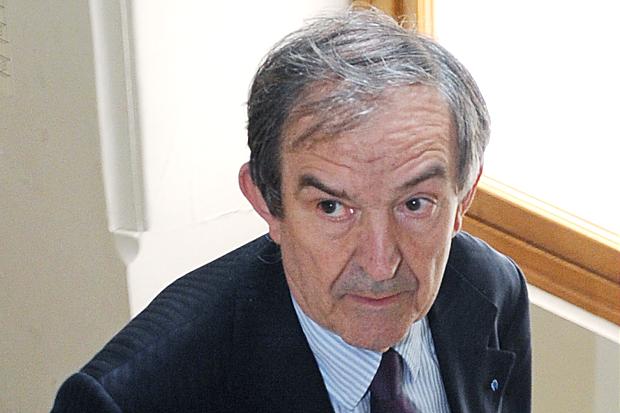
French Judge Bruguiere whose attempts top have President Kagame charged with the assassination of Presidents Habyarimana and Ntaryamira were thwarted by Kofi Annan, among others.

In exactly a month from today, the people of Rwanda will commemorate 20 years since the start of the 1994 genocide that showed the limits to which man can go to eliminate each other. Close to a million people are said to have been massacred in 100 days of frenzied, human degradation by two tribes speaking the same language.

Rwandan President Paul Kagame has been celebrated, wined and dined the world over as the person who brought to an end this carnage and who has since built “a strong and democratic country”. But what is the real story behind what happened in Rwanda on 7 April 1994?

Starting today, The London Evening Post is going to go “behind the scenes” and try to expose what really happened that day. In addition to talking to renowned world academics, we will talk to the people who were there that day and try to go through what happened and how it came about.

We start today with an exclusive interview with Prof Peter Erlinder, professor of law at William Mitchell Law College in St Paul, Minnesota. Author of The Accidental Genocide, Prof Erlinder was arrested in Rwanda in May 2010 while working as a lead defence council for the International Criminal Tribunal for Rwanda (ICTR). He was detained for 21 days after he had travelled to the country to defend then presidential candidate Victoire Ingabire Umuhoza against charges of ‘genocide ideology’. He was charged with ‘genocide denial’ and only released after he faked an attempt to commit suicide, something that the Kagame regime would not permit to happen on his watch.

In this exclusive interview, Prof Erlinder exposes the depth to which the international community has gone in trying to protect the Rwandan government by hiding what exactly happened in Rwanda 20 years ago next month. He exposes what happened when former Rwandan and Burundian presidents Juvenal Habyarimana and Cyprien Ntaryamira lost their lives when their private jet was shot out of the sky when approaching it final destination in Kigali, the Rwandan capital, after talks with the now ruling Rwanda Patriotic Front (RPF) in neighbouring Tanzania.

Prof Erlinder reveals in his book secret documents that he says the UN wanted kept out of the public eye for, can you believe it, 100 years. That’s precisely a time when most of us living today would not be alive any more. The rest is all told here in the interview.

Peter-Erlinder-prosecutor-Jean-Bosco-Mutangana-in-Kigali-courtroom-061410

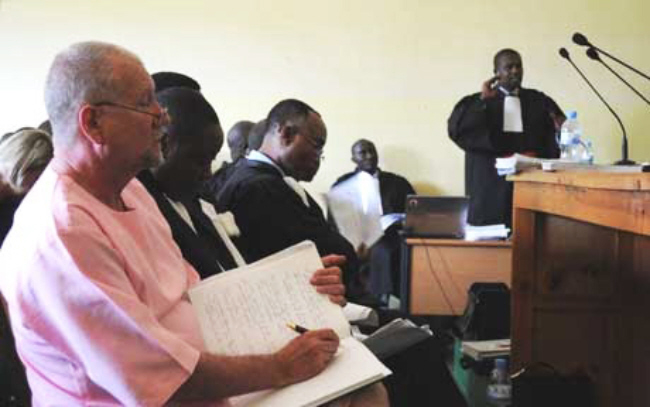
Prof Peter Erlinger appears in court in a prison garb during his imprisonment in Kigali

The London Evening Post:  You say your book – The Accidental Genocide – is the original version made out of UN documents – explaining day-by-day events that followed the 1994 genocide in Rwanda and after.  Please, explain more on this.

Prof. ErlinderDuring the ICTR Bagosora et al trial, I put thousands of pages of original UN documents into evidence that I was able to find in UN files that were not supposed to be released for 100 years.  The UN had dozens of persons reporting daily from Kigali and other places in Rwanda and Dallaire [Roméo Dallaire then UNAMIR Commander] met regularly with Kagame…These documents tell a completely different story than Kagame and the RPF told about the 4 year war and the 100 days of the “genocide”.  As a result, ALL leaders of the Habyarimana government and military were found not guilty of long-term planning of genocide or any other crimes BEFORE the assassination…. this means the mass violence was a reaction to the killing of the president…. NOT planned killing by a “genocidal government.”  The book explains how the mass killing in Burundi in the months before…. made Rwandans susceptible to fear of RPF…and the military superiority of RPF made the fear real.

The LEP: What was the primary objective of the original book?

Prof. Erlinder: To make the evidence that is already on the record at the UN Tribunal for Rwanda that acquitted the members of the Habyarimana government and military of long-planned conspiracy to commit crimes against civilians, including genocide, accessible to the general public using the original documents.

The LEP:  You have persistently rejected the official version about the 1994 Rwandan Genocide. Why? 

Prof. Erlinder: Because I was given access to documents in the UN archives that no other defence lawyer had…and got access to U.S. government documents, which are available to researchers; the documents require a different conclusion than the victors in the four-year war for power in Rwanda would prefer.  Before the Chief UN Prosecutor told the UN Security Council in 2003 that Paul Kagame assassinated President Habyarimana, I got access to these documents…. I believed the same story as everyone else.  The evidence changed my mind and the ICTR judges agreed.  Please see the Appeals Chamber Judgement of December 11, 2011.  Bagosora was found innocent of all crimes except for April 7, 8, 9…and Kagame said he was the “architect” of the genocide…but there was no evidence to support the claim.

The LEP:  The public, which is the majority, would say that you’re on a different page [knowledge about Rwanda Genocide] from what they know or have been told. Are you suggesting the public are disconnected from the truth?

Prof. Erlinder: After every war the winners tell the story – this is normal.  The public has heard the Kagame/RPF story repeatedly for 20-years.  UN and USG (United States Government) documents created at the time events were occurring tell a completely different story.  What is different this time is that documents that were to be secret for 100 years have been exposed, and have been put into evidence in the ICTR to acquit the losing side.

The LEP:  Who is fighting to see that he status quo remains as has been told?

Prof. Erlinder: Certainly the Kagame/RPF side that won the war wants to see that their story dominates.  But they were created and supported by the U.S./U.K…, which have an interest in the story remaining the same.  In 2003, UN Prosecutor Carla del Ponte was removed from her UN position by the U.S./UK when she insisted on prosecuting Kagame for killing Habyarimana and starting the genocide…. according to her own book (Madam Prosecutor) published in 2009.

The LEP: You mention about people in authority who have conspired to hide the truth. How are you prepared if they file a civil suit against you?

Prof. Erlinder: In the US courts, truth is a defense.  All of the statements and conclusions in my published work are supported by documented sources from USG, the UN or sworn testimony.  I merely accumulate and present evidence that is already on the record – which is what makes the publication important, not what I say.

The LEP:  As a human rights lawyer; what is your comment about how justice has been delivered to the perpetrators of the 1994 Rwandan Genocide?

Prof. Erlinder: The UN Tribunal has only prosecuted the crimes of those who lost the war.  The UN Tribunal was supposed to be a neutral body.  This means the Rwanda War was the only war in history in which only ONE side committed crimes OR the UN Tribunal was really a Victor’s Tribunal…. like Nuremberg and the Tokyo Tribunal.  My objection is that it should be recognized AS a victor’s tribunal…. and should NOT be sold to the world as something it was not.

The LEP:  What would you like to see with regards to the dispensing of justice?

Prof. Erlinder: Equal treatment for both sides in the Rwandan War and all national and international conflicts.  This means treating leaders of powerful and weaker nations equally.  The ICC (the International Criminal Court) has prosecuted only African leaders when it is plain that leaders of major powers such as the U.S. U.K, Russia, China, and France are at least as culpable.  We have not yet reached the point in history when the “rule of law” means the same for all leaders.

The LEP:  People would say that you’re on the wrong side. What would you tell such individuals who think, Prof. Peter Erlinder is on the wrong side about the 1994 Rwanda Genocide?

Prof. Erlinder: The evidence put before the ICTR judges caused them to agree with my analysis about whether there was a long-planned genocide by the Habyarimana government.  I have no opinions of my own.  I examine evidence and make conclusions based on the evidence.  It was UN Chief Prosecutor and the evidence that changed my mind…. when others have carefully examined all of the evidence, they might change their minds too.  But this is difficult because the emotions are so strong and it is much easier to respond emotionally than to do the difficult detailed research – which is why the book is based on historical records, not my opinions.

The LEP:  Given the dangers meted to you in Rwanda [experience], what you witnessed and what you’ve gone through as a result of your being involved in Rwanda issues at a level of an attorney in courts, why not just let it go to avoid being hunted by Kagame’s regime and secret agents?

Prof. Erlinder: I believe we all have a responsibility to history, to speak the truth and have to account to our actions to the infinite.  If one happens upon the truth based on evidence and does not speak, no religion in the world can respect that person.

The LEP:  Many people around the world see and consider President Paul Kagame as a saviour who stopped the genocide. In your own words-based on the UN documents you have gone through, how would you describe Kagame to a person who has never had a chance to look at what you have seen?

Prof. Erlinder: My book has a copy of the confession of Paul Kagame’s Chief of Staff Dr. [Theogene] Rudasingwa. He admits he was part of a 20-year cover-up of the killing of Habyarimana.  Former Chief UN Prosecutor Del Ponte has called for his prosecution openly since 2002.  The Chief UN Investigator Michael Hourigan called for his prosecution in 1997.  All of these facts have been covered-up…but they have long been in the public record.  Mr. Kagame tried to assassinate me in 2010 because I put this evidence in the ICTR record.  I think he knows already.

The LEP: Since you published The Accidental Genocide, have you received some kind of threats from Rwanda or from Kagame’s allies? If yes, who are they or what kind of threats did you receive?

Prof. Erlinder: I have been the subject of a personal “Wanted Dead or Alive” order directly from Mr. Kagame since October 1, 2010 after I escaped from Rwanda by pretending I had attempted suicide.  This order was given to all ambassadors, military attaché’ and military leaders.  The book has only refreshed the standing order, I imagine.

The LEP: Has anybody ever contact you to stop the publication of The Accidental Genocide? If yes, who and when?

Prof. Erlinder: No, the method of publication has been taken with precautions.

The LEP:    How do you manage to live this kind of life; watching your back all the time?

 Prof. Erlinder: As the information I have become more public and better understood, I become less important as an individual threat to Kagame. But, it is necessary to take precautions.

The LEP: With such evidences of the Rwanda Genocide coming into public domain, do you see in future; individual (s) taking responsibility to account for the atrocities? If your answer is ‘no’ or ‘yes’, why? 

Prof. Erlinder: In my opinion, Rwanda’s future lies in both sides taking responsibility and both sides mourning their losses.  A South African-style Truth and Reconciliation process is more likely to permit Rwanda to heal than a criminal tribunal process, which will never get the balance exactly right.  MOST important, the US and the UK MUST acknowledge the responsibility for creating and arming the RPF and manipulating the ICTR to make it appear that; the Hutu committed all crimes.  Demonizing a whole people is a form of “political genocide” that must be exposed and denounced as well.  THIS is what the US and UK have done in assisting the cover-up of RPF crimes.

The LEP:  You mean, Mr Paul Kagame issued an order mandating his all-inclusive ambassadors around the world to have you killed or kidnapped?

Prof. Erlinder: This is the report I received from a high-ranking military officer who has defected from the RPF who claimed to have been present at the meeting whose rank was such that he would have been at the meeting, the report was received person to person within days of the meeting from another defector who I know personally.  I must take it seriously just as Gen Nyamwasa [survived two attempt assassination]  and Col Keregeya [his body was discovered on New Year’s Day].


How UN didn’t want you to know facts about Rwanda genocide

French-Judge-BruguiereFrench Judge Bruguiere whose attempts top have President Kagame charged with the assassination of Presidents Habyarimana and Ntaryamira were thwarted by Kofi Annan, among others.

In exactly a month from today, the people of Rwanda will commemorate 20 years since the start of the 1994 genocide that showed the limits to which man can go to eliminate each other. Close to a million people are said to have been massacred in 100 days of frenzied, human degradation by two tribes speaking the same language.

Rwandan President Paul Kagame has been celebrated, wined and dined the world over as the person who brought to an end this carnage and who has since built “a strong and democratic country”. But what is the real story behind what happened in Rwanda on 7 April 1994?

Starting today, The London Evening Post is going to go “behind the scenes” and try to expose what really happened that day. In addition to talking to renowned world academics, we will talk to the people who were there that day and try to go through what happened and how it came about.

We start today with an exclusive interview with Prof Peter Erlinder, professor of law at William Mitchell Law College in St Paul, Minnesota. Author of The Accidental Genocide, Prof Erlinder was arrested in Rwanda in May 2010 while working as a lead defence council for the International Criminal Tribunal for Rwanda (ICTR). He was detained for 21 days after he had travelled to the country to defend then presidential candidate Victoire Ingabire Umuhoza against charges of ‘genocide ideology’. He was charged with ‘genocide denial’ and only released after he faked an attempt to commit suicide, something that the Kagame regime would not permit to happen on his watch.

In this exclusive interview, Prof Erlinder exposes the depth to which the international community has gone in trying to protect the Rwandan government by hiding what exactly happened in Rwanda 20 years ago next month. He exposes what happened when former Rwandan and Burundian presidents Juvenal Habyarimana and Cyprien Ntaryamira lost their lives when their private jet was shot out of the sky when approaching it final destination in Kigali, the Rwandan capital, after talks with the now ruling Rwanda Patriotic Front (RPF) in neighbouring Tanzania.

Prof Erlinder reveals in his book secret documents that he says the UN wanted kept out of the public eye for, can you believe it, 100 years. That’s precisely a time when most of us living today would not be alive any more. The rest is all told here in the interview.

Peter-Erlinder-prosecutor-Jean-Bosco-Mutangana-in-Kigali-courtroom-061410

Prof Peter Erlinger appears in court in a prison garb during his imprisonment in Kigali

The London Evening Post:  You say your book – The Accidental Genocide – is the original version made out of UN documents – explaining day-by-day events that followed the 1994 genocide in Rwanda and after.  Please, explain more on this.

Prof. ErlinderDuring the ICTR Bagosora et al trial, I put thousands of pages of original UN documents into evidence that I was able to find in UN files that were not supposed to be released for 100 years.  The UN had dozens of persons reporting daily from Kigali and other places in Rwanda and Dallaire [Roméo Dallaire then UNAMIR Commander] met regularly with Kagame…These documents tell a completely different story than Kagame and the RPF told about the 4 year war and the 100 days of the “genocide”.  As a result, ALL leaders of the Habyarimana government and military were found not guilty of long-term planning of genocide or any other crimes BEFORE the assassination…. this means the mass violence was a reaction to the killing of the president…. NOT planned killing by a “genocidal government.”  The book explains how the mass killing in Burundi in the months before…. made Rwandans susceptible to fear of RPF…and the military superiority of RPF made the fear real.

The LEP: What was the primary objective of the original book?

Prof. Erlinder: To make the evidence that is already on the record at the UN Tribunal for Rwanda that acquitted the members of the Habyarimana government and military of long-planned conspiracy to commit crimes against civilians, including genocide, accessible to the general public using the original documents.

The LEP:  You have persistently rejected the official version about the 1994 Rwandan Genocide. Why? 

Prof. Erlinder: Because I was given access to documents in the UN archives that no other defence lawyer had…and got access to U.S. government documents, which are available to researchers; the documents require a different conclusion than the victors in the four-year war for power in Rwanda would prefer.  Before the Chief UN Prosecutor told the UN Security Council in 2003 that Paul Kagame assassinated President Habyarimana, I got access to these documents…. I believed the same story as everyone else.  The evidence changed my mind and the ICTR judges agreed.  Please see the Appeals Chamber Judgement of December 11, 2011.  Bagosora was found innocent of all crimes except for April 7, 8, 9…and Kagame said he was the “architect” of the genocide…but there was no evidence to support the claim.

The LEP:  The public, which is the majority, would say that you’re on a different page [knowledge about Rwanda Genocide] from what they know or have been told. Are you suggesting the public are disconnected from the truth?

Prof. Erlinder: After every war the winners tell the story – this is normal.  The public has heard the Kagame/RPF story repeatedly for 20-years.  UN and USG (United States Government) documents created at the time events were occurring tell a completely different story.  What is different this time is that documents that were to be secret for 100 years have been exposed, and have been put into evidence in the ICTR to acquit the losing side.

The LEP:  Who is fighting to see that he status quo remains as has been told?

Prof. Erlinder: Certainly the Kagame/RPF side that won the war wants to see that their story dominates.  But they were created and supported by the U.S./U.K…, which have an interest in the story remaining the same.  In 2003, UN Prosecutor Carla del Ponte was removed from her UN position by the U.S./UK when she insisted on prosecuting Kagame for killing Habyarimana and starting the genocide…. according to her own book (Madam Prosecutor) published in 2009.

The LEP: You mention about people in authority who have conspired to hide the truth. How are you prepared if they file a civil suit against you?

Prof. Erlinder: In the US courts, truth is a defense.  All of the statements and conclusions in my published work are supported by documented sources from USG, the UN or sworn testimony.  I merely accumulate and present evidence that is already on the record – which is what makes the publication important, not what I say.

The LEP:  As a human rights lawyer; what is your comment about how justice has been delivered to the perpetrators of the 1994 Rwandan Genocide?

Prof. Erlinder: The UN Tribunal has only prosecuted the crimes of those who lost the war.  The UN Tribunal was supposed to be a neutral body.  This means the Rwanda War was the only war in history in which only ONE side committed crimes OR the UN Tribunal was really a Victor’s Tribunal…. like Nuremberg and the Tokyo Tribunal.  My objection is that it should be recognized AS a victor’s tribunal…. and should NOT be sold to the world as something it was not.

The LEP:  What would you like to see with regards to the dispensing of justice?

Prof. Erlinder: Equal treatment for both sides in the Rwandan War and all national and international conflicts.  This means treating leaders of powerful and weaker nations equally.  The ICC (the International Criminal Court) has prosecuted only African leaders when it is plain that leaders of major powers such as the U.S. U.K, Russia, China, and France are at least as culpable.  We have not yet reached the point in history when the “rule of law” means the same for all leaders.

The LEP:  People would say that you’re on the wrong side. What would you tell such individuals who think, Prof. Peter Erlinder is on the wrong side about the 1994 Rwanda Genocide?

Prof. Erlinder: The evidence put before the ICTR judges caused them to agree with my analysis about whether there was a long-planned genocide by the Habyarimana government.  I have no opinions of my own.  I examine evidence and make conclusions based on the evidence.  It was UN Chief Prosecutor and the evidence that changed my mind…. when others have carefully examined all of the evidence, they might change their minds too.  But this is difficult because the emotions are so strong and it is much easier to respond emotionally than to do the difficult detailed research – which is why the book is based on historical records, not my opinions.

The LEP:  Given the dangers meted to you in Rwanda [experience], what you witnessed and what you’ve gone through as a result of your being involved in Rwanda issues at a level of an attorney in courts, why not just let it go to avoid being hunted by Kagame’s regime and secret agents?

Prof. Erlinder: I believe we all have a responsibility to history, to speak the truth and have to account to our actions to the infinite.  If one happens upon the truth based on evidence and does not speak, no religion in the world can respect that person.

The LEP:  Many people around the world see and consider President Paul Kagame as a saviour who stopped the genocide. In your own words-based on the UN documents you have gone through, how would you describe Kagame to a person who has never had a chance to look at what you have seen?

Prof. Erlinder: My book has a copy of the confession of Paul Kagame’s Chief of Staff Dr. [Theogene] Rudasingwa. He admits he was part of a 20-year cover-up of the killing of Habyarimana.  Former Chief UN Prosecutor Del Ponte has called for his prosecution openly since 2002.  The Chief UN Investigator Michael Hourigan called for his prosecution in 1997.  All of these facts have been covered-up…but they have long been in the public record.  Mr. Kagame tried to assassinate me in 2010 because I put this evidence in the ICTR record.  I think he knows already.

The LEP: Since you published The Accidental Genocide, have you received some kind of threats from Rwanda or from Kagame’s allies? If yes, who are they or what kind of threats did you receive?

Prof. Erlinder: I have been the subject of a personal “Wanted Dead or Alive” order directly from Mr. Kagame since October 1, 2010 after I escaped from Rwanda by pretending I had attempted suicide.  This order was given to all ambassadors, military attaché’ and military leaders.  The book has only refreshed the standing order, I imagine.

The LEP: Has anybody ever contact you to stop the publication of The Accidental Genocide? If yes, who and when?

Prof. Erlinder: No, the method of publication has been taken with precautions.

The LEP:    How do you manage to live this kind of life; watching your back all the time?

 Prof. Erlinder: As the information I have become more public and better understood, I become less important as an individual threat to Kagame. But, it is necessary to take precautions.

The LEP: With such evidences of the Rwanda Genocide coming into public domain, do you see in future; individual (s) taking responsibility to account for the atrocities? If your answer is ‘no’ or ‘yes’, why? 

Prof. Erlinder: In my opinion, Rwanda’s future lies in both sides taking responsibility and both sides mourning their losses.  A South African-style Truth and Reconciliation process is more likely to permit Rwanda to heal than a criminal tribunal process, which will never get the balance exactly right.  MOST important, the US and the UK MUST acknowledge the responsibility for creating and arming the RPF and manipulating the ICTR to make it appear that; the Hutu committed all crimes.  Demonizing a whole people is a form of “political genocide” that must be exposed and denounced as well.  THIS is what the US and UK have done in assisting the cover-up of RPF crimes.

The LEP:  You mean, Mr Paul Kagame issued an order mandating his all-inclusive ambassadors around the world to have you killed or kidnapped?

Prof. Erlinder: This is the report I received from a high-ranking military officer who has defected from the RPF who claimed to have been present at the meeting whose rank was such that he would have been at the meeting, the report was received person to person within days of the meeting from another defector who I know personally.  I must take it seriously just as Gen Nyamwasa [survived two attempt assassination]  and Col Keregeya [his body was discovered on New Year’s Day].