Category Archives: Justice

Rwanda, déjà 20 ans : une tragédie devenue une fiction impériale utile. LA RESPONSABILITÉ DE WASHINGTON DANS LE MASSACRE AU RWANDA EN 1994

Rwanda, déjà 20 ans : une tragédie devenue une fiction impériale utile

Image

La responsabilité de Washington dans le massacre au Rwanda en 1994

Le 6 avril 2014 marquera le 20e anniversaire de l’attentat au missile à Kigali qui a abattu l’avion transportant deux chefs d’État africains, Juvénal Habyarimana du Rwanda et Cyprien Ntaryamira du Burundi. Nous savons que ce crime terroriste – sans doute le pire des années 1990 – a déclenché une guerre sans fin, de la destruction et des massacres au Rwanda et au Congo. Or, ce crime n’a jamais été élucidé; personne n’a été amené en justice. Malgré l’aveuglement et l’amnésie volontaires à l’égard du crime le plus critique des tragédies rwandaises et congolaises, des politiciens, des diplomates, des commentateurs, des intellectuels ainsi que des présidents, généraux et premiers ministres à la retraite invoquent constamment le « Rwanda » comme si la seule mention de ce mot accorde de la vérité et de l’autorité morale sur les positions politiques, militaires et impériales qu’ils défendent. On a invoqué spécifiquement le « Rwanda » pour justifier l’intervention militaire violente en Libye, au Soudan, au Mali, en Syrie et en République centrafricaine. « Partout, c’est le ‘Rwanda’ pour l’impérialiste humanitaire », fait remarquer Max Forte dans son livre remarquable, Slouching Towards Sirte, NATO’s War on Libya and Africa.

Voici le récit officiel – et assourdissant – qui leur permettrait d’invoquer le « Rwanda » :

1) de terribles génocidaires Hutus du Rwanda ont préparé et mis en œuvre un plan satanique pour éliminer près d’un million de Tutsis après l’écrasement mystérieux de l’avion transportant le président rwandais le 6 avril 1994;

2) le Front patriotique rwandais dirigé par Paul Kagame, stratège militaire brillant et aujourd’hui président du Rwanda, stationné à la frontière de l’Ouganda au nord-est du pays, a pénétré au Rwanda et marché sur la capitale pour mettre fin au génocide et prendre le pouvoir;

3) la communauté internationale n’a pas levé le petit doigt pendant que des tueurs, semblables aux Nazis, ont exterminé la plupart des Tutsis du Rwanda;

4) Paul Kagame a transformé ce pays déchiré par le génocide en un miracle africain grâce à son leadership visionnaire, quoique sévère.

Nous avons ainsi appris du « Rwanda » que, à l’avenir et au nom de l’humanité, nous – soit les armées de l’Amérique du Nord et de l’Europe – devons intervenir militairement pour empêcher ces peuples de s’entretuer.
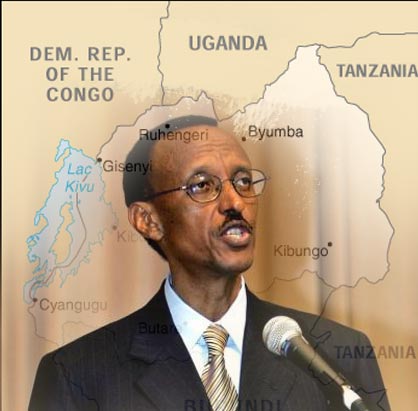
Paul Kagame

 “100 % la responsabilité américaine”—Boutros Boutros-Ghali

Boutros Boutros-Ghali, secrétaire général de l’ONU pendant la guerre rwandaise, fut l’un des premiers à mettre une fissure dans ce récit. Il m’a déclaré en entrevue que, « le génocide Rwandais était à 100 % la responsabilité américaine ». Celui, que les officiels du département d’État des États-Unis appelaient « Frenchie » avant de l’éjecter de son siège à l’ONU, explique : « Les États-Unis, avec l’appui énergique de la Grande-Bretagne, ont tout fait pour empêcher le mise en place au Rwanda d’une force des Nations Unies, et ils y sont parvenus. »

Des documents déclassifiés de l’administration Clinton confirme que l’ambassadrice étasunienne à l’ONU a reçu le 15 avril 1994 des directives du département d’État lui intimant de prendre tous les moyens pour s’assurer du retrait du Rwanda des troupes onusiennes de l’UNAMIR et de s’assurer qu’il n’y a plus de débats ni de résolutions à ce sujet. Ainsi, lorsque le FPR a repris la guerre le 6 avril au même moment où l’avion présidentiel a été abattu, la politique de Washington ne consistait pas à obtenir un cessez-le-feu. Cela qui aurait été la seule politique juste, logique et légitime en vertu de l’Accord de paix d’Arusha, que les deux parties ont signé en août 1993 dans le cadre d’un « processus de paix » que Washington, soutenu par Londres et Paris, avaient parrainé, au nom de l’ONU.

Toutes les preuves sérieuses et des témoignages sous serment indiquent que Paul Kagame et le FPR sont les auteurs de l’attentat du 6 avril contre les présidents du Rwanda et du Burundi. Cet attentat jumelé au blitzkrieg de la reprise de la guerre – ce qui révèle que le FPR était préparé et informé au préalable de l’attentat – dément le récit voulant que le FPR soit descendu du nord du pays pour mettre fin au génocide. C’était « choc et stupeur » sur Kigali.

La politique de Washington, en violation de l’Accord d’Arusha, consistait à créer des conditions d’une victoire décisive de l’armée du FPR – quel qu’en soit le coût. Au diable le partage du pouvoir prévu par l’Accord d’Arusha; cela aurait menotté le FPR et empêché qu’il domine militairement la région des Grands lacs africains. Tandis que les États-Unis et le Royaume-Uni faisaient bloc contre toute tentative de paix, ce qui aurait permis de mettre fin aux tueries, l’histoire officielle serait comme suit : nous avons tous, la « communauté internationale » en entier, avons simplement abandonné les Tutsis au Rwanda; par conséquent, nous devons dire en chœur, sous la direction de Bill Clinton et de Madeleine Albright, dire « Mea culpa, mea culpa; plus jamais ».

D’anciens proches collaborateurs ont dissipé tout doute possible quant à la véracité de cette interprétation de la politique de Washington et du FPR. Théogène Rudasingwa, ancien ambassadeur du Rwanda aux États-Unis et chef de cabinet de Kagame, écrit : « Le FPR sentait qu’une force internationale allait geler la situation et enlever au FPR l’initiative militaire. Gerald Gahima et Claude Dusaidi ont expliqué cette position lors de réunions à Washington et à New York. » Rudasingwa ajoute que, en revanche : « Dans la campagne médiatique du FPR et à la Radio Muhabira, notre stratégie consistait à attaque le communauté internationale pour avoir abandonné le Rwanda. »  (Healing a Nation: Waging and Winning a Peaceful Revolution to Unite and Heal a Broken Rwanda, Createspace, 2014, p. 156).

Le « crime international suprême », sous le tapis

Le récit assourdissant sur le Rwanda enterre une autre vérité capitale, celle de la guerre qui a précédé l’attentat du 6 avril 1994. L’invasion du Rwanda le 1er octobre 1990 par 4000 troupes portant l’uniforme de l’armée ougandaise, qui formerait plus tard le FPR, n’était pas seulement une violation du droit international, elle a été le crime contre la paix, le « crime international suprême » selon les mot du juge Norman Birkett du tribunal de Nuremberg. (Dans sa sagesse infinie, le New York Times Magazine a qualifié l’invasion de « tensions accrues » entre Tutsis et Hutus.) Parmi ceux et celles qui invoquent le « Rwanda » pour justifier une intervention militaire humanitaire, personne ne mentionne ni l’invasion de 1990, ni l’occupation militaire du territoire rwandais, ni la guerre meurtrière qui a perduré pendant plus de 3 ans.

Un rapport de l’ONU sur le Congo d’octobre 2010 confirme que les tueries commises par l’armée rwandaise au Congo revêtaient un caractère génocidaire. Ça aurait dû sonner une autre alarme sur la nature du FPR et de son chef, Paul Kagame. Or, en revisitant la guerre au Rwanda de 1990 à 1994, on s’aperçoit que les tueries de masse ont commencé bien avant avril 1994. Et c’est le FPR qui en était responsable. Les Rwandais ont connu, avant 1994, ce qui les Congolais ont subi à partir de 1996

Une justice des vainqueurs contredit le récit officiel

Qu’en est-il des plans d’exterminer les Tutsis? Personne ne conteste le fait qu’il y a eu des massacres massifs au Rwanda en 1994. Mais le problème pour les défenseurs du récit officiel, c’est que les faits avérés ne sont pas au rendez-vous. Même si l’ONU a établi en 1995 un tribunal des vainqueurs – le Tribunal pénal international pour le Rwanda – doté des pouvoirs et des moyens nécessaires, en ce qui concerne le chef d’accusation fondamental, soit une entente en vue de commettre un génocide, l’homme qui aura été constamment accusé d’être le « cerveau » du génocide, Théoneste Bagosora, ainsi que ses trois accusés ont tous été acquittés de ce chef d’accusation. Après 18 ans de procès, de témoignages sous serment et de preuves, les faits révélés contredisent le récit officiel.

L’armée et les gendarmes rwandais, qui, seuls, auraient été en mesure de mettre fin aux tueries d’avril à juillet 1994, ne pouvaient le faire car ils étaient engagés dans une guerre à finir avec une machine militaire puissante, soit celle du Front patriotique rwandais. Et cette armée jouissait de l’appui politique, diplomatique et militaire de deux pays puissants, les États-Unis et le Royaume-Uni.

Ces deux puissances, soutenus par certains pays laquais, ont ainsi semé la mort et la destruction à une échelle inégalée en Afrique centrale. Mais ces deux pays et deux anciens dirigeants vedettes, Bill Clinton et Tony Blair, ont le front de transformer ces tragédies inouïes en fiction impériale utile pour justifier d’autres interventions militaires, surtout en Afrique.

Robin Philpot
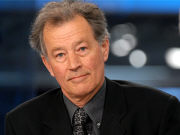
Robin Philpot est l’auteur de Ça ne s’est pas passé en Kigali (Les Intouchables, 2003), dont une version mise à jour et enrichie vient de paraître en anglais :  Rwanda and the New Scramble for Africa, From Tragedy to Useful Imperial Fiction.

Source: http://www.mondialisation.ca     21 Mars 2014
Urupfu rwa Padiri Evariste : FPR-Inkotanyi ntiyica gusa, icunaguza n’umurambo !

Kwica umuntu ni icyaha . Gucunaguza umurambo ni ikindi. Byombi birakomye cyane kandi bihanwa n’amategeko. Iyo abicanyi ba  FPR bamaze kwivugana umuntu, ntibibuza no gukinira ku murambo we bigasa n’aho ariyo “signature” y’uwo mutwe wagaragaje imikorere isa neza n’iya “Mafia”. Uwatanga ingero ntiyabona aho azikwiza. Ibyo bakoreye Musenyeri Phocas Nikwigize, Bagenzi be biciwe I Gakurazo, abajanjaguriwe i  Kibeho, i Byumba, mu Buvumo bwa Bugoyi….ntituribagirwa urwo bahaboneye. Padiri Evariste Nambaje na we yanyoye kuri iyo nkongoro. Signature ya FPR yarigaragaje! Tutiriwe turondora ibiterashozi bamukoreyeho byose, nta wabura kwibutsa ko bagerageje kumujanjagura umutwe bakoresheje ikintu kiremereye, nyuma bakanamutwika igice kimwe cy’umubiri kuko bifuzaga ko ashya agakongoka wese, mbese nk’utarigeze kubaho ! Iyo ni“signature” FPR yihariye, tumaze kuyimenyera ! Reka tubiganireho muzi izi ngingo 3 zikurikira.

1.Gucunaguza umurambo biba bigambiriye gukura umutima abo mu muryango.

FPR ntinyurwa no kwica umuntu gusa, kuko n’isasu rimwe ryaba rihagije. Igomba no kumuhindanya, ikamusukaho ubugome bwose bwuzuye imitima iteye nk’uwa Sekibi: bashishimura umurambo, bakawukoreraho sinama idakwiye abantu bazima ! FPR ntinyurwa no kwica umuntu umwe gusa. Iyo iguhitanye ihita itangira intambara yo gusibanganya ibimenyetso. Niyo mpamvu igira itya igasubira mu bagize umuryango wa Nyakwigendera kimwe n’abo bakoranye bose ikabashyiraho iterabwoba rirenze igipimo, igafungamo bamwe, ikicamo abashobora kuba abatangabuhamya, byaba na ngombwa ntizuyaze kurimbura umuryango wose ! Ingero ni iryaguye.

Mu muryango wa Padiri Evariste Nambaje bararye ari menge. Dore Inkotanyi ntizagize n’isoni zo gufata umukwe wa padiri Evariste (umukwe wa mushiki wa padiri) witwaHABIYAKARE Dominiko zikamuterera ku munigo, zikamufunga nkaho ari we zishaka kugerekaho urupfu rwa Padiri Evariste! Icyo azira nta kindi kitari uko aciye akenge akaba hari icyo yabonye, akaba yari atangiye no gutunga agatoki bamwe muri abo bagizi ba nabi. Kuko byagaragaye ko azi byinshi, FPR igiye kumwirenza, niba abantu badahagurutse ngo bamutabarize, by’umwihariko Diyosezi ya Cyangugu ntiyagakwiye kwituramira ngo itererane uyu muryango!

None se Dominiko Habiyakare, wakoranaga bya hafi na Padiri Evariste, yayoberwa ate inzigo n’umujinya w’umuranduranzuzi Mayor wa Rusizi , Bwana Oscar Nzeyimana, yari afitiye Padiri Evariste bapfa ikibanza padiri yari yaraguze akagihaho impano uyu muramu we, Mayor akaba yarifuzaga kukigira icye byamupfana  agahitamo kukinyuzamo umuhanda mu buryo bwo guhimana, yaregwa mu rukiko agatsindwa! Dominiko yayoberwa ate uko Oscar yahoraga agambanira padiri Evariste kuri FPR kugira ngo bamuhitane ?

Dominiko yayoberwa ate uko FPR yashakaga gusahura amamiliyoni mu mushinga wa Hoteli Malina ya Diyosezi ya Cyangugu (nk’uko basanzwe basahura imishinga yose yo mu gihugu ! ), Padiri Evariste akababera imbogamizi itoroshye,  ibyo byose bikaba byarabaye intandaro yo kumuvutsa ubuzima!

Dominiko yayoberwa ate ibyo umukuru w’ingabo I Nyamasheke aherutse kuvugira mu ruhame ngo Padiri Evariste yarizize, ngo ntiyumvaga, ngo yohererezaga amakuru umupadiri wigumuye….

Ubu Dominiko Habiyakare aho afungiye ari gukubitwa, kwicishwa inzara, kujombwa ibyuma, kubabazwa mu mubiri na roho….natagwayo azasohoka mu gihome yaragizwe igisenzegeri  ntacyo akimariye. Nibitaba ibyo , tuzajya kubona tubone asohotsemo “yemejwe icyaha” ko ariwe wishe muramu we ! Ndetse azagerekeho n’urutonde rw’abo bafatanyije kwica Padiri, ni ukuvuga abo FPR ishaka kwikiza .  Mu bwenge buke bw’abayobozi ba FPR ubwo bazaba bibwira ko rubanda yabyemeye , kuko nyine bacyishuka ko gutekinika amadosiye bizabahira ubuziraherezo ! Imigirire nk’iyi ikurikira urupfu rw’umuntu nayo uwayita gucunaguza umurambo ntiyaba afite ukuri?

2.Ubutabera bw’u Rwanda muri gahunda mbisha yo gucunaguza umurambo.

Mu gihe Padiri Evariste Nambaje yashyingurwaga, Umudepitekazi witwa Jeanne d’Arc Nyinawase yarisiribanze turumirwa : ngo ntitwirirwe dukeka ko ari FPR yamwishe ngo kuko yamukundaga kurusha nyina wamubyaye, ngo ahubwo nidutegereze “Enketi” , ngo ubutabera nibwo buzatubwira uwishe Padiri Evariste ! Icyo nkundira Abaswa bo muri FPR ni uko bibwira ko Abanyarwanda bose ari abaswa nka bo !

Jeanne d Arc Nyinawase

Izo za Anketi uyu mugore arata zigeze zirenganura nde tuzi? Uretse “gutekinika” amadosiye mu bujiji burenze imivugire, ukuri zigeze zishyira ahagaragara ni ukuhe ngo tukumenye? Musenyeri Phocas Nikwigize yarengeye he? Ni nde wishe Padiri Vieco?… Ubu se koko twemere  ko Dominiko Habiyakare ari we wishe muramu we , akajya kumuta mu modoka muri Nyungwe ijagata abasilikari, umurambo wa Padiri ukamaramo amasaha arenga 12 nta musilikari cyangwa umupolisi  urabona ko ahari ? Wakwemeza nde (uretse injiji zitekenika amadosiye!) ko abo basilikari buzuye muri Nyungwe ntacyo bari babiziho?

Inzego z’ubutabera nta muturage n’umwe ukizifitiye icyizere na gito keretse Depite Jeanne d’Arc Nyinawase w’umukombambehe wa FPR, kuko nyine ikinyoma aricyo kimugaburira kikamutungira n’abana.

3.Itangazamakuru rya FPR mu mihango yo gucunaguza imirambo y’Abanyarwanda.

Ku itegeko rya Kagame, itangazamakuru ryo mu Rwanda si irirengera rubanda ni iriyisonga . Ibinyamakuru biri mu mukino mutindi wo gucunaguza Padiri Evariste,  ni FPR yabitangije, ibindi  yarabiguze. Inkuru irambuye kuri icyo kibazo tuzayibagezaho ubutaha.

Byumvikane rero ko ibinyamakuru Igihe.com n’Imirasire.com na Rushyashya.net ari ijwi  ry’ubuyobozi bukuru bwa FPR-Inkotanyi. Ba Ruharwa Jack Nziza nibo babwira buri kinyamakuru icyo kigomba kwandika n’uwo kigomba guharabika .

Sinatunguwe na rero no kubona Ikinyamakuru Igihe.com , mu nkuru cyise RTLM yasabye Kiliziya gatolika kuyifasha muri Jenoside. Yabonye abayoboke I Cyangugu(http://www.igihe.com/politiki/amateka-y-isi/article/rtlm-yasabye-kiliziya-kuyifasha) giha Moniteri Tom Ndahiro ijambo kugira ngo yirize, yigaragure, yigire nyamukubitwa, yerekane ariko anivuguruza kuri buri jambo,  ko rwose FPR yikundiraga padiri Evariste (umupadiri wizewe na Leta!) kurusha Kiliziya gatolika n’umuryango wamwibarutse! Mu buriganya yiringira we wenyine, ngo arasanga nta wundi wagirira Padiri Evariste nabi uretse Abapadiri bashinze leprophete kuko nyine aribo bakoze icyaha cyo guhoraga bamuburira ngo agenze make, hato atazasoza nka wa mugabo wahetse impyisi, abamugira inama yo gukiza amagara ye akabima amatwi, uko byagenze ibara umupfu.

Naje gutungurwa gato n’Inkuru yasohotse mu kinyamakuru Imirasire.com cyatinyutse gushyira mu majwi Padiri Thomas Nahimana , Umuyobozi w’Ishyaka Ishema ry’u Rwanda,  ngo arakekwa mu bishe Padiri Evariste Nambaje. Nibwo nabonye ko igihugu cy’u Rwanda kigeze kure kubi, binyibutsa wa mu gani ngo “iyo inzu ishizemo inyana, imbeba zikinagura mu kirambi “. Abanyarwanda nibakureyo amaso burundu, igihugu kiyobowe n’impumyi zigeretseho no kuba inkozizibibi ! Ubeshya we ntagerageza no gushyiramo akenge !

Nguwo Alphonse Munyankindi, wagurishije ikinyabinyoma Imirasire.com kuri FPR

(Tuzababwira ibye mu nkuru yacu itaha)

Muri kwa kwihuta ariko wayobye, Ikinyamakuru Imirasire (http://www.imirasire.com/Amakuru-Yose/Amakuru-Mashya/Mu-Rwanda-22/article/abagize-uruhare-mu-rupfu-rwa-padiri-nambaje-evariste-batangiye-gukekwa)  kiragira ati :

Muri iyi minsi, urupfu rwa Padiri Nambaje Evariste, abantu bakomeje kugira byinshi baruvugaho, ariko abantu bakurikiranira hafi politiki yo mu Karere k’ibiyaga bigari, hari abavuga ko yaba yaragambaniwe na na Padiri Nahimana Thomas uyobora le Prophete ubu wibera hanze y’igihugu akaba anagaragaza ko arwanya umutegetsi bw’u Rwanda kandi nawe akaba akomoka mu ntara y’Iburengerazuba.

Hashize iminsi mu bitangazamakuru bitandukanye byo mu Rwanda, bitangaje ko Padiri Nahimana Thomas ashaka kugaruka mu Rwanda kwiyamamariza umwanya wo kuzayobora u Rwanda.

Bivugwa ko Padiri Nambaje Evariste yarwanyaga cyane Le Prophete avuga ko urwo rubuga rusebya igihugu kandi akavuga ko iyobowe na Padiri Nahimana Thomas bityo ngo bituma amugambanira aramwicisha ariko uwamwishe azagaragazwa n’inzego zishinzwe umutekano cyangwa se Urukiko.

Muri make Padiri Thomas Nahimana arakekwa mu bishe Padiri Evariste kubera ko :

(1)Ayobora ikinyamakuru Leprophete.fr

(2)Arwanya “umutegetsi” bw’u Rwanda

(3)Akomoka mu ntara y’Iburengerazuba

Impamvu nyamukuru akekwa ni yo ya nyuma :

(4)Arashaka kugaruka mu Rwanda kwiyamamariza umwanya wo kuzayobora u Rwanda

Ngibyo ibimenyetso bishingirwaho hemezwa ko Padiri Thomas Nahimana yaba yaragambaniye mugenzi we. Inkuru igasozwa igira iti: “Ariko uwamwishe azagaragazwa n’inzego zishinzwe umutekano cyangwa se urukiko”.

Ntiturambirwe gutegereza, mu minsi mike izo nzego zishinzwe umutekano cyangwa se urukiko nazo zizafata umwazuro zishingiye ku “ bimaze iminsi bivugwa n’binyamakuru binyuranye”.

UMWANZURO

Ikimwaro nticyica . Niba Padiri Thomas Nahimana ashaka kugaruka kwiyamamariza umwanya wo kuyobora u Rwanda, uwo bari kuzahangana ni Padiri Evariste Nambaje ? Bityo kumwica bikaba hari ikibazo bikemuye ?  Inkotanyi ziranze zibaye umuti w’amenyo ni ukuri !

Ubu se Leta iyobowe n’abantu bakora batya, nayo ikwiye kwitwa Leta ? Iyi niyo Depite Mujawamariya yasabaga rubanda ngo ruyigire icyizere ? Leta yica abenegihugu, ikaqbatsinda mu gihugu imbere, ikambuka n’ imipaka ikajya kubanigira mu buhungiro, ntikwiye gufatwa nk umutwe wi‘iterabwoba ikongerwa ku rutonde rwa bene iyo mitwe, ikarwanywa ityo n’Umuryango mpuzamahanga ? Ni nde Munyarwanda utahaguruka ngo atange umuganda  we mu kurwanya ingirwa-Leta nk’ iyi yazambije igihugu ikimakaza akarengane, iterabwoba no “gutekinika”amadosiye hagamijwe kugirira nabi rubanda ….  Uyayirwanya yaba atarutwa na ya nkingi yitwa Mbonabihita?

FPR-Inkotanyi imaze imyaka ikabakaba 25 ishyidika umuriro w’ umujinya mu mitima y’Abanyarwanda, ahanini biturutse ku KARENGANE n’iterabwoba ihoza kuri rubanda.  Ubu twese dukwiye kwibaza tuti umunsi urugomero rwahombotse rubanda ntizamira bunguri abo bagizi ba nabi bafashe u Rwanda n’abarutuye ho ingwate ? Reka tubihange amaso.

BIRACYAZA……

Shema Jeremie,

Umutaripfana w’Ishyaka Ishema  i Kigali.

Source: http://leprophete.fr/news.php?id=461#.Uy5TMfTuLBs

US Congress writes to John Kerry about Kagame’s persistent criminal actions against his dissidents

Image

On 11 March 2014, Edward R. Royce, chairman of the Committee of Foreign Affairs in the US Congress wrote to the Secretary of State John Kerry highlighting the Congress concerns about Kagame’s criminal actions against Rwandan politicians opposed to his government.

Twenty years have passed that US have been an unconditional sponsor of the Rwandan government because Kigali plays an important role in the defence of American interests in the Great Lakes region even beyond, particularly through UN peacekeeping missions where involvement of Rwandan soldiers benefit more Kagame and US than ordinary citizens. The US backing of RPF has been costly in terms of millions of lives that have been wasted since 1990 in Rwanda and 1996 in the Democratic Republic of Congo.

The question that could be asked is this: Is US now realizing that time has come for regime change in Rwanda? The Chairman of the Foreign Affairs is in his letter saying to the Secretary of State that,

“President Kagame’s actions are louder than our words.”

Does the Congress want that Obama government do more than condemning? Time will tell if this is not another political game of saying one thing but doing the opposite.

From the Media Contact at the House Committee on Foreign Affairs:

Calls for reassessment of relations with Kigali

Washington, D.C. – U.S. Rep. Ed Royce (R-CA), Chairman of the House Foreign Affairs Committee, sent a letter to Secretary of State John Kerry to express his concern for the safety of those speaking out against the Kagame regime in Rwanda.  Specifically, the Chairman urged Secretary Kerry to reevaluate U.S. engagement with Rwanda, including future assistance.

In the letter to Secretary Kerry, Chairman Royce wrote: “I appreciate the State Department condemnation of President Kagame’s remarks and expressions of concern about the “succession” of politically motivated murders of prominent Rwandan exiles. Yet, President Kagame’s actions are louder than our words.  Legitimate opposition figures rightly fear for their lives. Allowing President Kagame’s violent rhetoric and the slaying of dissidents abroad to go unchecked will only embolden the regime. Toward that end, I encourage you to closely reevaluate U.S. engagements with Rwanda and take into account these troubling actions when considering future assistance.”

The signed letter to Secretary Kerry is available HERE.

The text of the letter follows:

March 11, 2014

The Honorable John F. Kerry
Secretary of State
U.S. Department of State
2201 C Street, N.W.
Washington, DC 20520

Dear Mr. Secretary:

I am writing to express my deep concern over the numerous attempted attacks and killings of Rwandan dissidents living outside that country. Any functioning and responsible democracy allows the voices of opposition to be heard. Yet in Rwanda there is a systematic effort to silence – by any means necessary – the voices of those who question the regime in Kigali.

As you know, Patrick Karegeya, a prominent Rwandan opposition figure and former high ranking government official, was killed in South Africa earlier this year. Last week, armed gunmen attacked the home of another popular Rwandan opposition figure in South Africa, Faustin Kayumba Nyamwasa.  This latest attack marks the third assassination attempt against Kayumba in recent years, and has led to the expulsion of Rwandan diplomats from South Africa.  Paul Rusesabagina, the well-known Rwandan humanitarian and anti-genocide activist, has told me of attempts to intimidate and threaten him. Karegya’s murder and the numerous assassination attempts on Kayumba are just the most recent examples of the many Rwandan dissidents who have been killed, exiled, tortured, and unjustly imprisoned over the years.

Rather than condemning targeted attacks against popular opposition figures, President Paul Kagame publicly celebrates them, many times falling just short of taking personal credit. Even while denying accusations of official involvement in the Karegeya assassination, President Kagame told the press, “I actually wish Rwanda did it. I really wish it.” Consistently in public remarks, President Kagame indicates that there will be “consequences” for those who question his authority. During an official visit to Rwanda by Maina Kiai, a U.N. Special Rapporteur tasked with examining a country’s freedom of peaceful assembly, found that “peaceful public disagreement with the [Rwandan] government is equivalent to criminality.”

I appreciate the State Department condemnation of President Kagame’s remarks and expressions of concern about the “succession” of politically motivated murders of prominent Rwandan exiles. Yet, President Kagame’s actions are louder than our words.  Legitimate opposition figures rightly fear for their lives. Allowing President Kagame’s violent rhetoric and the slaying of dissidents abroad to go unchecked will only embolden the regime. Toward that end, I encourage you to closely reevaluate U.S. engagements with Rwanda and take into account these troubling actions when considering future assistance.

While I am cognizant of the strategic role Rwanda’s security forces play in peacekeeping missions throughout the continent, this should not blind us to the regime’s attempts to violently close the political space for opposition voices. As we prepare to mark the twenty year anniversary of the genocide in Rwanda – which claimed the lives of over 800,000 people in just three months and sparked a regional conflict that has yet to be resolved – the friends of Rwanda must ensure that we do not, once again, miss the warning signs of political dysfunction and repression. I appreciate your attention to this matter and look forward to working with you to ensure that Rwandan dissidents can speak freely without fear for their lives.

Sincerely,

EDWARD R. ROYCE
Chairman

Source: http://therisingcontinent.wordpress.com/2014/03/13/us-congress-writes-to-john-kerry-about-kagames-persistent-criminal-actions-against-his-dissidents/

How UN didn’t want you to know facts about Rwanda genocide

French-Judge-Bruguiere-300x199

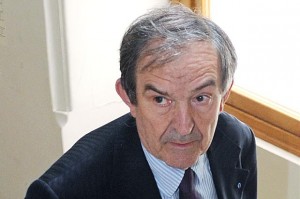
French Judge Bruguiere whose attempts top have President Kagame charged with the assassination of Presidents Habyarimana and Ntaryamira were thwarted by Kofi Annan, among others.

In exactly a month from today, the people of Rwanda will commemorate 20 years since the start of the 1994 genocide that showed the limits to which man can go to eliminate each other. Close to a million people are said to have been massacred in 100 days of frenzied, human degradation by two tribes speaking the same language.

Rwandan President Paul Kagame has been celebrated, wined and dined the world over as the person who brought to an end this carnage and who has since built “a strong and democratic country”. But what is the real story behind what happened in Rwanda on 7 April 1994?

Starting today, The London Evening Post is going to go “behind the scenes” and try to expose what really happened that day. In addition to talking to renowned world academics, we will talk to the people who were there that day and try to go through what happened and how it came about.

We start today with an exclusive interview with Prof Peter Erlinder, professor of law at William Mitchell Law College in St Paul, Minnesota. Author of The Accidental Genocide, Prof Erlinder was arrested in Rwanda in May 2010 while working as a lead defence council for the International Criminal Tribunal for Rwanda (ICTR). He was detained for 21 days after he had travelled to the country to defend then presidential candidate Victoire Ingabire Umuhoza against charges of ‘genocide ideology’. He was charged with ‘genocide denial’ and only released after he faked an attempt to commit suicide, something that the Kagame regime would not permit to happen on his watch.

In this exclusive interview, Prof Erlinder exposes the depth to which the international community has gone in trying to protect the Rwandan government by hiding what exactly happened in Rwanda 20 years ago next month. He exposes what happened when former Rwandan and Burundian presidents Juvenal Habyarimana and Cyprien Ntaryamira lost their lives when their private jet was shot out of the sky when approaching it final destination in Kigali, the Rwandan capital, after talks with the now ruling Rwanda Patriotic Front (RPF) in neighbouring Tanzania.

Prof Erlinder reveals in his book secret documents that he says the UN wanted kept out of the public eye for, can you believe it, 100 years. That’s precisely a time when most of us living today would not be alive any more. The rest is all told here in the interview.

Peter-Erlinder-prosecutor-Jean-Bosco-Mutangana-in-Kigali-courtroom-061410

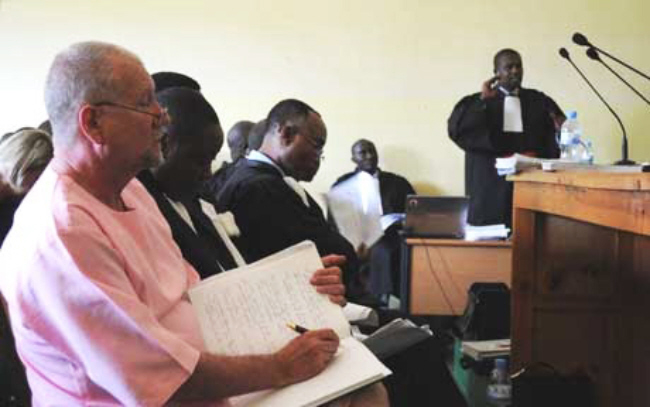
Prof Peter Erlinger appears in court in a prison garb during his imprisonment in Kigali

The London Evening Post:  You say your book – The Accidental Genocide – is the original version made out of UN documents – explaining day-by-day events that followed the 1994 genocide in Rwanda and after.  Please, explain more on this.

Prof. ErlinderDuring the ICTR Bagosora et al trial, I put thousands of pages of original UN documents into evidence that I was able to find in UN files that were not supposed to be released for 100 years.  The UN had dozens of persons reporting daily from Kigali and other places in Rwanda and Dallaire [Roméo Dallaire then UNAMIR Commander] met regularly with Kagame…These documents tell a completely different story than Kagame and the RPF told about the 4 year war and the 100 days of the “genocide”.  As a result, ALL leaders of the Habyarimana government and military were found not guilty of long-term planning of genocide or any other crimes BEFORE the assassination…. this means the mass violence was a reaction to the killing of the president…. NOT planned killing by a “genocidal government.”  The book explains how the mass killing in Burundi in the months before…. made Rwandans susceptible to fear of RPF…and the military superiority of RPF made the fear real.

The LEP: What was the primary objective of the original book?

Prof. Erlinder: To make the evidence that is already on the record at the UN Tribunal for Rwanda that acquitted the members of the Habyarimana government and military of long-planned conspiracy to commit crimes against civilians, including genocide, accessible to the general public using the original documents.

The LEP:  You have persistently rejected the official version about the 1994 Rwandan Genocide. Why? 

Prof. Erlinder: Because I was given access to documents in the UN archives that no other defence lawyer had…and got access to U.S. government documents, which are available to researchers; the documents require a different conclusion than the victors in the four-year war for power in Rwanda would prefer.  Before the Chief UN Prosecutor told the UN Security Council in 2003 that Paul Kagame assassinated President Habyarimana, I got access to these documents…. I believed the same story as everyone else.  The evidence changed my mind and the ICTR judges agreed.  Please see the Appeals Chamber Judgement of December 11, 2011.  Bagosora was found innocent of all crimes except for April 7, 8, 9…and Kagame said he was the “architect” of the genocide…but there was no evidence to support the claim.

The LEP:  The public, which is the majority, would say that you’re on a different page [knowledge about Rwanda Genocide] from what they know or have been told. Are you suggesting the public are disconnected from the truth?

Prof. Erlinder: After every war the winners tell the story – this is normal.  The public has heard the Kagame/RPF story repeatedly for 20-years.  UN and USG (United States Government) documents created at the time events were occurring tell a completely different story.  What is different this time is that documents that were to be secret for 100 years have been exposed, and have been put into evidence in the ICTR to acquit the losing side.

The LEP:  Who is fighting to see that he status quo remains as has been told?

Prof. Erlinder: Certainly the Kagame/RPF side that won the war wants to see that their story dominates.  But they were created and supported by the U.S./U.K…, which have an interest in the story remaining the same.  In 2003, UN Prosecutor Carla del Ponte was removed from her UN position by the U.S./UK when she insisted on prosecuting Kagame for killing Habyarimana and starting the genocide…. according to her own book (Madam Prosecutor) published in 2009.

The LEP: You mention about people in authority who have conspired to hide the truth. How are you prepared if they file a civil suit against you?

Prof. Erlinder: In the US courts, truth is a defense.  All of the statements and conclusions in my published work are supported by documented sources from USG, the UN or sworn testimony.  I merely accumulate and present evidence that is already on the record – which is what makes the publication important, not what I say.

The LEP:  As a human rights lawyer; what is your comment about how justice has been delivered to the perpetrators of the 1994 Rwandan Genocide?

Prof. Erlinder: The UN Tribunal has only prosecuted the crimes of those who lost the war.  The UN Tribunal was supposed to be a neutral body.  This means the Rwanda War was the only war in history in which only ONE side committed crimes OR the UN Tribunal was really a Victor’s Tribunal…. like Nuremberg and the Tokyo Tribunal.  My objection is that it should be recognized AS a victor’s tribunal…. and should NOT be sold to the world as something it was not.

The LEP:  What would you like to see with regards to the dispensing of justice?

Prof. Erlinder: Equal treatment for both sides in the Rwandan War and all national and international conflicts.  This means treating leaders of powerful and weaker nations equally.  The ICC (the International Criminal Court) has prosecuted only African leaders when it is plain that leaders of major powers such as the U.S. U.K, Russia, China, and France are at least as culpable.  We have not yet reached the point in history when the “rule of law” means the same for all leaders.

The LEP:  People would say that you’re on the wrong side. What would you tell such individuals who think, Prof. Peter Erlinder is on the wrong side about the 1994 Rwanda Genocide?

Prof. Erlinder: The evidence put before the ICTR judges caused them to agree with my analysis about whether there was a long-planned genocide by the Habyarimana government.  I have no opinions of my own.  I examine evidence and make conclusions based on the evidence.  It was UN Chief Prosecutor and the evidence that changed my mind…. when others have carefully examined all of the evidence, they might change their minds too.  But this is difficult because the emotions are so strong and it is much easier to respond emotionally than to do the difficult detailed research – which is why the book is based on historical records, not my opinions.

The LEP:  Given the dangers meted to you in Rwanda [experience], what you witnessed and what you’ve gone through as a result of your being involved in Rwanda issues at a level of an attorney in courts, why not just let it go to avoid being hunted by Kagame’s regime and secret agents?

Prof. Erlinder: I believe we all have a responsibility to history, to speak the truth and have to account to our actions to the infinite.  If one happens upon the truth based on evidence and does not speak, no religion in the world can respect that person.

The LEP:  Many people around the world see and consider President Paul Kagame as a saviour who stopped the genocide. In your own words-based on the UN documents you have gone through, how would you describe Kagame to a person who has never had a chance to look at what you have seen?

Prof. Erlinder: My book has a copy of the confession of Paul Kagame’s Chief of Staff Dr. [Theogene] Rudasingwa. He admits he was part of a 20-year cover-up of the killing of Habyarimana.  Former Chief UN Prosecutor Del Ponte has called for his prosecution openly since 2002.  The Chief UN Investigator Michael Hourigan called for his prosecution in 1997.  All of these facts have been covered-up…but they have long been in the public record.  Mr. Kagame tried to assassinate me in 2010 because I put this evidence in the ICTR record.  I think he knows already.

The LEP: Since you published The Accidental Genocide, have you received some kind of threats from Rwanda or from Kagame’s allies? If yes, who are they or what kind of threats did you receive?

Prof. Erlinder: I have been the subject of a personal “Wanted Dead or Alive” order directly from Mr. Kagame since October 1, 2010 after I escaped from Rwanda by pretending I had attempted suicide.  This order was given to all ambassadors, military attaché’ and military leaders.  The book has only refreshed the standing order, I imagine.

The LEP: Has anybody ever contact you to stop the publication of The Accidental Genocide? If yes, who and when?

Prof. Erlinder: No, the method of publication has been taken with precautions.

The LEP:    How do you manage to live this kind of life; watching your back all the time?

 Prof. Erlinder: As the information I have become more public and better understood, I become less important as an individual threat to Kagame. But, it is necessary to take precautions.

The LEP: With such evidences of the Rwanda Genocide coming into public domain, do you see in future; individual (s) taking responsibility to account for the atrocities? If your answer is ‘no’ or ‘yes’, why? 

Prof. Erlinder: In my opinion, Rwanda’s future lies in both sides taking responsibility and both sides mourning their losses.  A South African-style Truth and Reconciliation process is more likely to permit Rwanda to heal than a criminal tribunal process, which will never get the balance exactly right.  MOST important, the US and the UK MUST acknowledge the responsibility for creating and arming the RPF and manipulating the ICTR to make it appear that; the Hutu committed all crimes.  Demonizing a whole people is a form of “political genocide” that must be exposed and denounced as well.  THIS is what the US and UK have done in assisting the cover-up of RPF crimes.

The LEP:  You mean, Mr Paul Kagame issued an order mandating his all-inclusive ambassadors around the world to have you killed or kidnapped?

Prof. Erlinder: This is the report I received from a high-ranking military officer who has defected from the RPF who claimed to have been present at the meeting whose rank was such that he would have been at the meeting, the report was received person to person within days of the meeting from another defector who I know personally.  I must take it seriously just as Gen Nyamwasa [survived two attempt assassination]  and Col Keregeya [his body was discovered on New Year’s Day].


How UN didn’t want you to know facts about Rwanda genocide

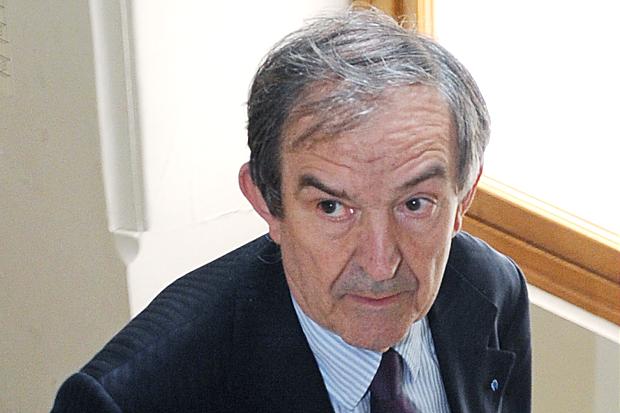
French-Judge-BruguiereFrench Judge Bruguiere whose attempts top have President Kagame charged with the assassination of Presidents Habyarimana and Ntaryamira were thwarted by Kofi Annan, among others.

In exactly a month from today, the people of Rwanda will commemorate 20 years since the start of the 1994 genocide that showed the limits to which man can go to eliminate each other. Close to a million people are said to have been massacred in 100 days of frenzied, human degradation by two tribes speaking the same language.

Rwandan President Paul Kagame has been celebrated, wined and dined the world over as the person who brought to an end this carnage and who has since built “a strong and democratic country”. But what is the real story behind what happened in Rwanda on 7 April 1994?

Starting today, The London Evening Post is going to go “behind the scenes” and try to expose what really happened that day. In addition to talking to renowned world academics, we will talk to the people who were there that day and try to go through what happened and how it came about.

We start today with an exclusive interview with Prof Peter Erlinder, professor of law at William Mitchell Law College in St Paul, Minnesota. Author of The Accidental Genocide, Prof Erlinder was arrested in Rwanda in May 2010 while working as a lead defence council for the International Criminal Tribunal for Rwanda (ICTR). He was detained for 21 days after he had travelled to the country to defend then presidential candidate Victoire Ingabire Umuhoza against charges of ‘genocide ideology’. He was charged with ‘genocide denial’ and only released after he faked an attempt to commit suicide, something that the Kagame regime would not permit to happen on his watch.

In this exclusive interview, Prof Erlinder exposes the depth to which the international community has gone in trying to protect the Rwandan government by hiding what exactly happened in Rwanda 20 years ago next month. He exposes what happened when former Rwandan and Burundian presidents Juvenal Habyarimana and Cyprien Ntaryamira lost their lives when their private jet was shot out of the sky when approaching it final destination in Kigali, the Rwandan capital, after talks with the now ruling Rwanda Patriotic Front (RPF) in neighbouring Tanzania.

Prof Erlinder reveals in his book secret documents that he says the UN wanted kept out of the public eye for, can you believe it, 100 years. That’s precisely a time when most of us living today would not be alive any more. The rest is all told here in the interview.

Peter-Erlinder-prosecutor-Jean-Bosco-Mutangana-in-Kigali-courtroom-061410

Prof Peter Erlinger appears in court in a prison garb during his imprisonment in Kigali

The London Evening Post:  You say your book – The Accidental Genocide – is the original version made out of UN documents – explaining day-by-day events that followed the 1994 genocide in Rwanda and after.  Please, explain more on this.

Prof. ErlinderDuring the ICTR Bagosora et al trial, I put thousands of pages of original UN documents into evidence that I was able to find in UN files that were not supposed to be released for 100 years.  The UN had dozens of persons reporting daily from Kigali and other places in Rwanda and Dallaire [Roméo Dallaire then UNAMIR Commander] met regularly with Kagame…These documents tell a completely different story than Kagame and the RPF told about the 4 year war and the 100 days of the “genocide”.  As a result, ALL leaders of the Habyarimana government and military were found not guilty of long-term planning of genocide or any other crimes BEFORE the assassination…. this means the mass violence was a reaction to the killing of the president…. NOT planned killing by a “genocidal government.”  The book explains how the mass killing in Burundi in the months before…. made Rwandans susceptible to fear of RPF…and the military superiority of RPF made the fear real.

The LEP: What was the primary objective of the original book?

Prof. Erlinder: To make the evidence that is already on the record at the UN Tribunal for Rwanda that acquitted the members of the Habyarimana government and military of long-planned conspiracy to commit crimes against civilians, including genocide, accessible to the general public using the original documents.

The LEP:  You have persistently rejected the official version about the 1994 Rwandan Genocide. Why? 

Prof. Erlinder: Because I was given access to documents in the UN archives that no other defence lawyer had…and got access to U.S. government documents, which are available to researchers; the documents require a different conclusion than the victors in the four-year war for power in Rwanda would prefer.  Before the Chief UN Prosecutor told the UN Security Council in 2003 that Paul Kagame assassinated President Habyarimana, I got access to these documents…. I believed the same story as everyone else.  The evidence changed my mind and the ICTR judges agreed.  Please see the Appeals Chamber Judgement of December 11, 2011.  Bagosora was found innocent of all crimes except for April 7, 8, 9…and Kagame said he was the “architect” of the genocide…but there was no evidence to support the claim.

The LEP:  The public, which is the majority, would say that you’re on a different page [knowledge about Rwanda Genocide] from what they know or have been told. Are you suggesting the public are disconnected from the truth?

Prof. Erlinder: After every war the winners tell the story – this is normal.  The public has heard the Kagame/RPF story repeatedly for 20-years.  UN and USG (United States Government) documents created at the time events were occurring tell a completely different story.  What is different this time is that documents that were to be secret for 100 years have been exposed, and have been put into evidence in the ICTR to acquit the losing side.

The LEP:  Who is fighting to see that he status quo remains as has been told?

Prof. Erlinder: Certainly the Kagame/RPF side that won the war wants to see that their story dominates.  But they were created and supported by the U.S./U.K…, which have an interest in the story remaining the same.  In 2003, UN Prosecutor Carla del Ponte was removed from her UN position by the U.S./UK when she insisted on prosecuting Kagame for killing Habyarimana and starting the genocide…. according to her own book (Madam Prosecutor) published in 2009.

The LEP: You mention about people in authority who have conspired to hide the truth. How are you prepared if they file a civil suit against you?

Prof. Erlinder: In the US courts, truth is a defense.  All of the statements and conclusions in my published work are supported by documented sources from USG, the UN or sworn testimony.  I merely accumulate and present evidence that is already on the record – which is what makes the publication important, not what I say.

The LEP:  As a human rights lawyer; what is your comment about how justice has been delivered to the perpetrators of the 1994 Rwandan Genocide?

Prof. Erlinder: The UN Tribunal has only prosecuted the crimes of those who lost the war.  The UN Tribunal was supposed to be a neutral body.  This means the Rwanda War was the only war in history in which only ONE side committed crimes OR the UN Tribunal was really a Victor’s Tribunal…. like Nuremberg and the Tokyo Tribunal.  My objection is that it should be recognized AS a victor’s tribunal…. and should NOT be sold to the world as something it was not.

The LEP:  What would you like to see with regards to the dispensing of justice?

Prof. Erlinder: Equal treatment for both sides in the Rwandan War and all national and international conflicts.  This means treating leaders of powerful and weaker nations equally.  The ICC (the International Criminal Court) has prosecuted only African leaders when it is plain that leaders of major powers such as the U.S. U.K, Russia, China, and France are at least as culpable.  We have not yet reached the point in history when the “rule of law” means the same for all leaders.

The LEP:  People would say that you’re on the wrong side. What would you tell such individuals who think, Prof. Peter Erlinder is on the wrong side about the 1994 Rwanda Genocide?

Prof. Erlinder: The evidence put before the ICTR judges caused them to agree with my analysis about whether there was a long-planned genocide by the Habyarimana government.  I have no opinions of my own.  I examine evidence and make conclusions based on the evidence.  It was UN Chief Prosecutor and the evidence that changed my mind…. when others have carefully examined all of the evidence, they might change their minds too.  But this is difficult because the emotions are so strong and it is much easier to respond emotionally than to do the difficult detailed research – which is why the book is based on historical records, not my opinions.

The LEP:  Given the dangers meted to you in Rwanda [experience], what you witnessed and what you’ve gone through as a result of your being involved in Rwanda issues at a level of an attorney in courts, why not just let it go to avoid being hunted by Kagame’s regime and secret agents?

Prof. Erlinder: I believe we all have a responsibility to history, to speak the truth and have to account to our actions to the infinite.  If one happens upon the truth based on evidence and does not speak, no religion in the world can respect that person.

The LEP:  Many people around the world see and consider President Paul Kagame as a saviour who stopped the genocide. In your own words-based on the UN documents you have gone through, how would you describe Kagame to a person who has never had a chance to look at what you have seen?

Prof. Erlinder: My book has a copy of the confession of Paul Kagame’s Chief of Staff Dr. [Theogene] Rudasingwa. He admits he was part of a 20-year cover-up of the killing of Habyarimana.  Former Chief UN Prosecutor Del Ponte has called for his prosecution openly since 2002.  The Chief UN Investigator Michael Hourigan called for his prosecution in 1997.  All of these facts have been covered-up…but they have long been in the public record.  Mr. Kagame tried to assassinate me in 2010 because I put this evidence in the ICTR record.  I think he knows already.

The LEP: Since you published The Accidental Genocide, have you received some kind of threats from Rwanda or from Kagame’s allies? If yes, who are they or what kind of threats did you receive?

Prof. Erlinder: I have been the subject of a personal “Wanted Dead or Alive” order directly from Mr. Kagame since October 1, 2010 after I escaped from Rwanda by pretending I had attempted suicide.  This order was given to all ambassadors, military attaché’ and military leaders.  The book has only refreshed the standing order, I imagine.

The LEP: Has anybody ever contact you to stop the publication of The Accidental Genocide? If yes, who and when?

Prof. Erlinder: No, the method of publication has been taken with precautions.

The LEP:    How do you manage to live this kind of life; watching your back all the time?

 Prof. Erlinder: As the information I have become more public and better understood, I become less important as an individual threat to Kagame. But, it is necessary to take precautions.

The LEP: With such evidences of the Rwanda Genocide coming into public domain, do you see in future; individual (s) taking responsibility to account for the atrocities? If your answer is ‘no’ or ‘yes’, why? 

Prof. Erlinder: In my opinion, Rwanda’s future lies in both sides taking responsibility and both sides mourning their losses.  A South African-style Truth and Reconciliation process is more likely to permit Rwanda to heal than a criminal tribunal process, which will never get the balance exactly right.  MOST important, the US and the UK MUST acknowledge the responsibility for creating and arming the RPF and manipulating the ICTR to make it appear that; the Hutu committed all crimes.  Demonizing a whole people is a form of “political genocide” that must be exposed and denounced as well.  THIS is what the US and UK have done in assisting the cover-up of RPF crimes.

The LEP:  You mean, Mr Paul Kagame issued an order mandating his all-inclusive ambassadors around the world to have you killed or kidnapped?

Prof. Erlinder: This is the report I received from a high-ranking military officer who has defected from the RPF who claimed to have been present at the meeting whose rank was such that he would have been at the meeting, the report was received person to person within days of the meeting from another defector who I know personally.  I must take it seriously just as Gen Nyamwasa [survived two attempt assassination]  and Col Keregeya [his body was discovered on New Year’s Day].


Paul Kagame ex-guard Joel Mutabazi rejects Rwanda trial

Joel Mutabazi

Joel Mutabazi fled to Uganda in 2011 and says he was illegally extradited

One of the Rwandan president’s former bodyguards, Joel Mutabazi, is refusing to be tried for alleged terrorism.

He told the court he has no faith in Rwanda’s justice and that he had been illegally extradited from Uganda.

Mr Mutabazi and 15 others are accused of plotting attacks and could face life sentences. Most deny the charges.

Meanwhile, UN special rapporteur Maina Kiai told the BBC that most politicians who are openly critical of the government end up in legal trouble.

Paul Kagame’s government has denied persecuting its opponents.

But earlier this year, following the apparent murder of a prominent dissident in South Africa, the president warned. “There are consequences for betraying your country.”

Patrick Karegeya in 2010
Patrick Karegeya was found dead in his hotel room earlier this month

Mr Mutabazi is facing eight charges including terrorism, formation of an armed group, murder and illegal possession of firearms.

Among the other accused are several members of the opposition Rwandan National Congress (RNC) and eight students. “I’m not ready to give an explanation to the court on the charges against me because I’m not convinced of the legality of my transfer to Rwanda” Joel Mutabazi

The BBC’s Prudent Nsengiyumva in Kigali says many in Rwanda feel this is a political trial, even though it is not clear whether Mr Mutabazi himself is linked to an opposition party.

Mr Mutabazi fled to Uganda in 2011, claiming his life was in danger in Rwanda, but the Ugandan authorities transferred him back to Kigali at the end of last year.

The UN refugee agency (UNHCR) has condemned Kampala’s decision to extradite him as a “clear violation of the asylum principle”.

Appearing in court, he pleaded not guilty and said he would not take part in the trial.

”I’m not ready to give an explanation to the court on the charges against me because I’m not convinced of the legality of my transfer to Rwanda,” he told the judges.

“I was a refugee. I don’t have faith in Rwanda’s justice.”

One of the founders of the RNC, Patrick Karegeya, was found dead in his Johannesburg hotel room earlier this month.

His supporters say he was killed by government agents – charges denied by Kigali.

On Monday, the UN special rapporteur to Rwanda said the prosecution of politicians who disagreed with Mr Kagame’s “consensus politics” sent a “chilling and unacceptable message that peaceful public disagreement with the government is equivalent to criminality”.

He noted that they had been charged with links to violence or corruption, reports the Reuters news agency.

Mr Kiai, speaking after a week-long visit to Rwanda, told the BBC’s Newsday programme that he had met one young man who had been jailed for six years after discussing politics in a bar.

He said he had raised the case, and others, with the government.

Mr Kagame and his allies say that after the 1994 genocide, Rwanda needs “consensus politics” to prevent a return to ethnic conflict.

Source: BBC

Paul Kagame avoue avoir tué Col Patrick Karegeya.

01701201415381800000020140118_kagameLe chef de l’État rwandais, Paul Kagamé, a accordé à Jeune Afrique sa première interview depuis l’assassinat de l’opposant Patrick Karegeya.

Après la mort, le 1er janvier en Afrique du Sud, de Patrick Karegeya, ancien chef des services de renseignement extérieur du Rwanda, le pouvoir de Kigali a immédiatement été pointé du doigt par les opposants en exil et la famille de la victime, et désigné comme responsable, voire coupable.

Le président rwandais a fini par briser le silence, le 10 janvier, avec des responsables lors d’une « breakfast prayer », lors de laquelle il a évoqué les conséquences de la trahison, sans pour autant citer Karegeya.

Dans l’édition de Jeune Afrique à paraître ce dimanche (n°2767, 19-25 janvier 2013), Paul Kagamé répond pour la première fois à une interview sur le sujet. “Le terrorisme a un prix, la trahison a un prix. On est tué comme on a soi-même tué”, répond-il à la question “Qui a tué Patrick Karegeya ?”.

Le dirigeant rwandais précise sa pensée et juge que la communauté internationale applique, pour le Rwanda, une politique du “deux poids, deux mesures”. “Quand il s’agit du Rwanda, l’injonction qu’on nous donne est la suivante : ces individus qui vous combattent et qui ont juré votre perte par tous les moyens, s’il vous plaît, protégez-les. […] Je suis désolé, mais je n’accepte pas cette logique.

Source: http://www.jeuneafrique.com/Article/ARTJAWEB20140117151109/


Rwanda and the New Scramble for Africa: “the Rwandan genocide was 100 percent American responsibility”

By Robin Philpot

“…essential reading.” Edward S. Herman

Baraka BOOKS

An accepted narrative holds that horrible Rwandan Hutu génocidaires planned and executed a satanic scheme to eliminate nearly a million Tutsis after a mysterious plane crash killed the former president of Rwanda on April 6, 1994. Yet former UN Secretary General Boutros-Ghali says, “the Rwandan genocide was 100 percent American responsibility.” Where lies the truth?

Based on vast research, extensive interviews, and close analysis, this fascinating account shows not only that the accepted narrative is false but also that it has been edified to cover-up the causes of the tragedy, protect the criminals responsible for it and then justify the invasion of the Congo.

***

Former UN Secretary General Boutros Boutros-Ghali declared, "The Rwandan genocide was 100% American Responsibility."

Former UN Secretary General Boutros Boutros-Ghali declared, “The Rwandan genocide was 100% American Responsibility.”

The book  comprises three parts. The first part addresses the little-discussed but crucial events preceding the assassination of the presidents of Rwanda and Burundi

Former UN Secretary General Boutros Boutros-Ghali declared, “The Rwandan genocide was 100% American Responsibility.”

on April 6, 1994, which triggered massive killings. These include the invasion in 1990, drawn-out guerrilla and terrorist warfare, imposition of a new political and economic order followed by an ill named “peace process” that sanctified the occupation of the country by the invading army, and the assassination of two African heads of state.

The second part, “The Heart of Dark Imaginations,” shows how popular literature on Rwanda has been built on the old clichés, metaphors, and conventions generated during 400 years of slavery, the slave trade, and colonialism, and helped justify them. The resulting narrative is perfectly crafted for the “new scramble for Africa.”

The third part takes down the so-called international criminal justice as applied to Rwanda and explains how and why the murderous, never-ending war in Congo began.

***

Praise

“Robin Philpot’s Rwanda and the New Scramble for Africa effectively dismantles a remarkable structure of disinformation on an important area and topic and it throws light on the broader thrust of imperial policy. This book is essential reading.” Edward S. Herman, Co-author of Manufacturing Consent (with Noam Chomsky) and The Politics of Genocide (with David Peterson).

“Explosive, very daring and solidly defended … a real bomb that rocks our interpretation of the Rwandan tragedy!” Le Devoir, Montreal

“Philpot’s investigations show that behind all the words can be found an operation to destabilize and remodel the region.” Africa International, Paris

***

In Slouching Towards Sirte, NATO’s War on Libya and Africa Max Forte wrote, “Everywhere is Rwanda for the humanitarian imperialist, which makes one want to know what really happened there in 1994.” This book attempts to answer that question.

Rwanda and the New Scramble for Africa, which is part of Baraka’s Africa, African Diaspora, and International Politics collection, appears as we approach the 20th anniversary of one of the worst tragedies in modern history.

Robin Philpot is a Montréal writer, translator, and publisher. Born in Thunder Bay, Ontario and a graduate of the University of Toronto, he lived and worked in Africa for several years before settling in Montreal, Quebec He is the author of six books on political on international as well as Quebec and Canadian political issues. He is also co-author of A People’s History of Quebec.

***

282 pages | Trade paper $24.95 | ISBN 978-1-926824-94-9 |
13 photos | index | bibliographic information | appendixes
Available in all ebook formats.

Orders: Independent Publishers Group
(800) 888-4741; fax: (312) 337-5985 orders@ipgbook.com

PÉTITION: Pour la protection des rwandais contre les dérives criminelles de leur président dictateur Paul KAGAME

601197_242831905876545_589719825_s

Lors de son discours prononcé le 12 janvier 2014 à l’occasion d’un déjeuner de prières avec les leaders du Rwanda (Rwanda Leaders Fellowship Prayer Breakfast)le président rwandais Paul KAGAME a fait preuve une nouvelle fois de sa volonté féroce d’éliminer à n’importe quel prix tout opposant politique ou toute autre personne désignée comme ennemie par son régime.

Des propos relayés largement par les réseaux sociaux : « Quiconque trahit notre cause ou souhaite du mal à notre peuple en subira des conséquences. Il reste seulement à savoir comment et à quel moment les conséquences s’abattront sur lui ».  Le président Kagame a aussi ajouté lors de ce déjeuner de prières ne pas avoir de scrupules à assumer l’assassinat de ces « ennemis » car il prétend avoir été élu pour protéger le Rwanda et avoir prêté serment pour affronter n’importe quel ennemi (guhangana n’uwo ariwe wese).

CLIIR condamne vigoureusement cette vision criminelle et cette volonté d’exterminer les opposants politiques. CLIIR met en garde le président Paul KAGAME et ses courtisans que ce droit de « neutraliser » les ennemis réels ou supposés dont ils s’arrogent abusivement le pouvoir, aura aussi des conséquences sur le plan judiciaire tôt ou tard. Aucun acte criminel ne restera impuni !

En réaction à ces propos bélliqueux et inacceptables, CLIIR, en complément d’autres actions à mener, a décidé de lancer immédiatement une pétition pour sensibiliser toutes les bonnes volontés du monde à  rassembler un maximum de signatures afin d’appeler la Communauté Internationale à protéger l’ensemble du peuple rwandais contre son président dictateur et mégalomane Paul KAGAME.

Cette pétition s’adresse donc :

– à tous ceux qui souhaitent que le président PAUL KAGAME réponde devant la justice de ses implications dans des assassinats politiques et crimes contre l’humanité dont il est accusé par le  DRC Mapping Report et les différents rapports des ONG qui opèrent dans la Région des grands Lacs ;

– à tous ceux qui refusent que le président  Paul KAGAME s’arroge le droit de tuer en toute impunité quiconque est désigné arbitrairement d’ennemi par lui et ses courtisans

– aux ONG internationales de condamner fermement les propos d’incitation à la violence du président Paul KAGAME qui encourage les fonctionnaires à verser également dans les assassinats pour protéger prétendument le Rwanda de ses ennemis réels ou supposés ;

 – aux sociétés civiles régionales et internationales pour exiger la création d’institutions fortes et indépendantes capables d’exercer un véritable contrôle sur le pouvoir exécutif en  prévenant et sanctionnant ses dérives éventuelles ;

 – aux partis politiques d’opposition pour exercer une pression sans relâche à l’ouverture immédiate de l’espace politique verrouillée par le FPR (Front Patriotique Rwandais), le parti du président Paul KAGAME ;

– aux sponsors et bailleurs de fonds internationaux pour cesser tout soutien financier, militaire et diplomatique au président Paul KAGAME et son régime dictatorial dans leurs activités criminelles ;

– à l’ensemble de la Communauté internationale pour qu’elle sorte enfin de son silence coupable et condamne avec conséquences les dérives criminelles du président Paul KAGAME qui impose depuis 20 ans d’inutiles et atroces souffrances aux populations du Rwanda et de la Région des Grands Lacs.

C’est aujourd’hui que vous pouvez influer sur le changement démocratique dont le Rwanda a grandement besoin en soutenant massivement cette pétition qui sera transmise aux sphères influentes et décisionnelles de la Communauté Internationale.

Avec vos proches, amis et connaissances, soyez parmi ceux qui auront accompli leur devoir citoyen de réclamer la protection des rwandais de l’intérieur et extérieur du pays. En signant cette pétition, vous exigez aussi de la Communauté Internationale sa contribution afin d’instaurer une démocratie et une paix sociale au Rwanda.

C’est la seule garantie du véritable progrès vers une réelle réconciliation entre les rwandais attendue depuis 20 ans. C’est une nécessité fondamentale pour le développement et la stabilité durables du pays.

Nous comptons sur votre signature! Les rwandais ont besoin de votre soutien.

Merci de signer, partager et diffuser largement cette pétition.

CLIIR, un regard impartial

Pétition adressée à :

Mr Ban KI-MOON, Secrétaire Général des Nations Unies
Mme Navanethem PILLAY, Haut-commissaire des Nations Unies aux droits de l’homme
Mme Nkosozana Dlamini ZUMA, Présidente de l’Union Africaine
Mrs Tax Lawrence STERGOMENA, Secrétaire Exécutif de la SADC
Mr Herman Van ROMPUY, Président de l’Union Européenne
Mr Manuel BARROSO, Président à la Commission Européenne
Mr Barack OBAMA, Président des Etats Unis d’Amérique
Mr François HOLLANDE, Président de la République de la France
Mr David CAMERON, Premier ministre de la Grande Bretagne
Mr Jacob ZUMA, Président de la République d’Afrique du Sud
Mr Jakaya Mrisho KIKWETE, Président de la République Unie de Tanzanie ;
Mr Joseph KABILA, Président de la République Démocratique du Congo 
Pour la protection des rwandais contre les dérives criminelles de leur président dictateur Paul KAGAME.

Cordialement,

Pour signer la pétition va sur le link suivant:

http://www.change.org/fr/p%C3%A9titions/pour-la-protection-des-rwandais-contre-les-d%C3%A9rives-criminelles-de-leur-pr%C3%A9sident-dictateur-paul-kagame?share_id=JdOqMFMKFE&utm_campaign=twitter_link&utm_medium=twitter&utm_source=share_petition

The Shroud Over Rwanda’s Nightmare by Michael Dobbs

WASHINGTON — Twenty years ago this Saturday, the commander of United Nations peacekeeping forces in Rwanda wrote a coded cable to his superiors in New York that has come to be known as the “genocide fax.” Citing inside information from a “top-level trainer” for a pro-regime militia group, Brig. Gen. Roméo Dallaire warned of an “anti-Tutsi extermination” plot.

The refusal by United Nations officials to approve the general’s plan for raids on suspected arms caches has been widely condemned as paving the way for one of the worst genocides since the Holocaust. But evidence submitted to the International Criminal Tribunal for Rwanda, some of it still under seal, reveals a murkier, more complicated situation than has often been portrayed.

New details about the mysterious informant known to General Dallaire as “Jean-Pierre” serve as a reminder that history can take a long time to reveal its secrets. Important documents that could shed light on the unresolved mysteries and ambiguities of the Rwanda genocide remain under lock and key.

It is now commonly recognized that the international community failed miserably in its efforts to protect the people of Rwanda. But even 20 years later, there is still much to learn. While the new evidence does not absolve the United Nations and Western governments for failing to take timely action, Jean-Pierre’s story illustrates the challenges that continue to vex decision-makers struggling to make sense of unfolding crises in countries like the Central African Republic or South Sudan.10dobbs-articleInline

The immediate trigger for the Rwandan genocide was the shooting down of a plane carrying President Juvenal Habyarimana on April 6, 1994. Over the next hundred days, Hutu militia groups murdered at least half a million members of the Tutsi minority, along with tens of thousands of “moderate” Hutus. These massacres took place against the backdrop of a war that pitted the Hutu-dominated regime against Tutsi-led insurgents who had invaded Rwanda from neighboring Uganda.

Whether the genocide was planned, and was thus foreseeable, has been hotly debated by scholars, politicians and lawyers. The “genocide fax” has been a key part of this debate. Controversy has surrounded Jean-Pierre’s motives for cooperating with General Dallaire, the reliability of his information, and his fate after his request for protection was rejected by the United Nations.

We now know a lot more about Jean-Pierre Abubakar Turatsinze (his full name was established by the war crimes tribunal). Half-Hutu and half-Tutsi, he operated on both sides of Rwanda’s political and ethnic divide. While his prediction of mass murder of Tutsis by Hutu militia groups proved chillingly accurate, he misled United Nations peacekeepers on some key points.

Important details about his background and eventual fate are contained in a 2003 interview with his wife by tribunal investigators that has never been officially released but is now available. At the time of his marriage, in 1990, he worked as a driver for a senior Rwandan official. In the turmoil following the rebel invasion, Jean-Pierre used his connections to become an intermediary to the Interahamwe militia, whose principal goal was to defend the Hutu-dominated regime.

Curiously, the fact that he was married to a Tutsi and was the product of a mixed Tutsi-Hutu marriage does not seem to have affected his advancement in the Interahamwe, at least until the end of 1993. Around this time, he told his wife that he might have to kill her because the ruling party was planning to carry out “massacres.” As she told investigators, “because I am Tutsi and his mother was Tutsi, I understood this to mean that the massacres were going to be against the Tutsi population.”

Jean-Pierre told General Dallaire’s aides in January 1994 that he had been instructed to register “all Tutsis” living in Kigali, apparently for “their extermination.” He also said that the Rwandan Army had been supplying the Interahamwe with weapons, and identified several arms caches, including one in the headquarters of the ruling party. The Interahamwe went on to commit many of the murders during the genocide.

The Arusha-based international tribunal has found that the Rwandan Army channeled weapons to the Interahamwe and provided military training to militia members. But tribunal judges were not convinced that the purpose of that training was the “extermination” of Tutsis, as Jean-Pierre claimed, rather than preparation for renewed hostilities with the Tutsi-led Rwandan Patriotic Front. They found that the Interahamwe had drawn up lists of “suspected opponents of the regime,” but such lists were “not focused exclusively on ethnicity.”

Evidence submitted to the tribunal showed that Jean-Pierre may have had other motives for seeking United Nations protection. He had fallen out with party leaders who suspected him of selling arms to rebels in Burundi. Some witnesses believe he might have been an agent of the Rwandan Patriotic Front assigned to penetrate the Interahamwe.

While there is no reliable evidence to back the claim that he was an R.P.F. agent in January 1994, it is clear that he had connections to opposition parties allied with the Tutsi-led rebels. According to United Nations cables, a Hutu opposition leader named Faustin Twagiramungu served as Jean-Pierre’s conduit to General Dallaire. These connections caused French and Belgian analysts to suspect that Jean-Pierre might be spreading “disinformation.”

In his 2003 memoir, “Shake Hands With the Devil,” General Dallaire raised the possibility that his informant had “simply melted back into the Interahamwe, angry and disillusioned at our vacillation and ineffectiveness, and become a genocidaire.” Jean-Pierre told the general’s aides at their final meeting in February 1994 that he was planning to go to Zaire, for “commando training.”

Instead, he went to Tanzania where he joined the R.P.F., according to his wife. In late March, two weeks before the president’s assassination, he moved to a rebel-held enclave in northern Rwanda, where he was reported to be “in very good books with senior members of the R.P.F.” In late 1994, a minister in Rwanda’s new Tutsi-led government informed the family that Jean-Pierre had been “killed in battle.”

The circumstances of his death remain a mystery. As his wife told investigators, “I do not know how he died and where.” She was unable even to establish whether he was “surely dead.”

General Dallaire has told the tribunal that he operated on “instinct” in sending the genocide fax, which was followed up by a series of warnings to New York in early 1994 that were rebuffed or ignored. He sensed that the peacekeeping force had to reassert its authority. But his superiors in New York needed something more than their field commander’s instincts to justify aggressive action.

Newly released State Department records show that United Nations officials briefed the United States, Belgium and France on the emerging crisis, but there was zero enthusiasm in the Clinton administration following the “Black Hawk Down” debacle in Somalia in October 1993. Much stronger intelligence would have been necessary to disrupt the passivity of senior decision makers.

The “Jean-Pierre” revelations are a tantalizing indication of how much we still have to learn about the Rwandan genocide. Records that could shed light on whether it could have been prevented are still classified in Washington, New York, Paris, Brussels, Geneva, Arusha and Kigali — unavailable to the public despite pledges by international leaders to fully investigate the tragedy. In order to draw the correct lessons from history, we must first establish all the facts.

Michael Dobbs directs a Rwanda documentation and oral history project for the United States Holocaust Memorial Museum and the National Security Archive.