KURIGISWA NO KWICWA KW’ABATURAGE : ACP BADEGE yasetsa n’uvuye guta nyina !

Biratangaje ariko biranababaje kubona umubare munini w’abaturage ukomeje kurigiswa no kwicwa rubi ! Wagira ngo ntayindi nshingano FPR yihaye uretse KWICA abaturage, kubarasa izuba riva no kurigisa imirambo. Muri iyi minsi hakomeje kuvugwa abenegihugu benshi baburirwa irengero, imiryango yabo ikarira, ikahanagura, igatakamba, igahogora. None aho bigaragariye ko hari imirambo iri gutumburuka mu nzuzi n’ibiyaga, Umuyobozi w’Ishami ry’Ubugenzacyaha muri Polisi y’Igihugu, ACP Theos Badege, yihaye amenyo y’abasetsi mu kwihandagaza agahakana ukuri kugaragarira bose: ngo imirambo si iy’abanyarwanda !

Baravuga ko haturumbutse imirambo 40 we akavuga ko yabonye 2 gusa ! Yabujijwe se nande kureba n’iyo yindi abaturage babona kandi bo badahemberwa kuba abagenzacyaha ???!!!!  

Ariko igiteye isoni kurushaho, ni impamvu cyangwa ingingo (argument) Theos Badege ashingiraho yihakana imirambo y’abenegihugu, akayishinyagurira ngo si iy’abanyarwanda !!!! Ikimenyetso rukumbi ngo cyerekana ko iyo mirambo atari iy’Abanyarwanda , ngo ni uko : “nta muntu n’umwe uhaturiye watatse ko umuntu we yaburiwe irengero !!!”   Namwe munyumvire mwo kagira imana mwe!

Uyu mugenzacyaha rwose ateye amatsiko ! Ariko nyine hagati aho ateye n’ubute ! Ibi se yaba yabivuze kubera ubuswa ? Kubera se gushinyagura? Ahari ni mu rwego  rwo gusisibiranya no kuyobya uburari !

Uretse n’umugenzacyaha wize uko uyu murimo ukorwa, n’umwana w’imyaka 8 yannyega iyi ngingo (argument) ya Badege ! Niba  ntawe uturiye inkengero z’ikiyaga cya Rweru uvuga ko yabuze umuntu we (niba ataracecekeshejwe!) birashoboka ko abishwe baba bakomoka mu zindi ntara z’u Rwanda. Abamaze iminsi barigiswa mu Ruhengeri, Gisenyi, Kigali….uwata imirambo yabo mu kiyaga cya Rweru yakwanga kujyamo ngo ni uko batari batuye hafi yacyo ?

Ahubwo tuboneyeho akanya ko gusaba abamaze iminsi babura benewabo, begere icyo kiyaga barebe ko FPR atariho yabatabye ibanje kubahambirira amabuye ku mugongo, mbese nka kwa kundi yagombye kujya guta ibisigazwa bya Musenyeri Focasi Nikwigize mu kiyaga cya Lac Vert kiri hirya ya Goma. Iyo ngeso barayisanganywe, si ubwa mbere babikoze si nabwo bwa nyuma !!! Imana ikwiye gutabara bwangu umuryango wayo ikawukiza aba bicanyi . Ariko baribeshya tu,  umunsi uzaba umwe , baryozwe ubugome bakoreye rubanda!

Ngaho isomere ayo magambo y’urukozasoni yatangajwe n’Igihe.com, y’umuntu ngo ushinzwe ubugenzacyaha bw’igihugu cyose! (Ubwanditsi )


Imirambo yabonetse muri Rweru si iy’Abanyarwanda- ACP Badege

Ubugenzacyaha bw’u Rwanda bwatangaje ko nta imirambo y’abantu yatahuwe mu Kiyaga cya Rweru kiri ku mbibi z’u Rwanda n’u Burundi atari iy’abaturarwanda.

Mu mpera z’icyumweru gishize, Abarundi batuye mu Ntara ya Muyinga baroba mu Kiyaga cya Rweru bagaragaje ko babonye imirambo ireremba mu kiyaga, ariko ntibashobora kumenya niba abapfuye ari abaturage bo ku ruhande rw’u Rwanda cyangwa u Burundi.

Umuyobozi w’Ishami ry’Ubugenzacyaha muri Polisi y’Igihugu, ACP Theos Badege, yabwiye IGIHE ko nyuma yo kumenya aya makuru, Polisi y’u Rwanda yafatanyije n’iy’u Burundi mu gukurikirana iby’iyo mirambo, babona ibiri yangiritse.

ACP Badege yasobanuye ko nubwo iperereza rigikomeje, ibyakozwe bigaragaza ko abapfuye atari abo ku ruhande rw’u Rwanda kuko nta muntu n’umwe uhaturiye watatse ko umuntu we yaburiwe irengero.

Umuyobozi w’Ubugenzacyaha bw’u Rwanda, ACP Theos Badege

Yagize ati “Kugeza ubu nta nkuru n’imwe y’umuturarwanda waba waraburiwe irengero muri ako gace, yaba umuzima cyangwa se umurambo wabuze.”

Usibye iyo mirambo ibiri, abo barobyi babwiye RFI ko mu cyumweru kimwe babonye imirambo itanu, naho kuva mu kwezi kwa karindwi bamaze kubona imirambo igera kuri 40. Bavuga ko bagiye bayibona ireremba mu kiyaga iboshye.

ACP Badege we yasobanuye ko nubwo hari abavuga ko babonye imirambo 40, Polisi y’u Rwanda yeretswe ibiri gusa ari nayo yatangira amakuru.

Yagize ati“Hari ibyavuzwe, hari n’ibyo twebwe tweretswe. Aho Umupolisi agiriyeyo bamweretse imirambo ibiri.”

Mu itangazo ryashyizwe ahagaragara na Polisi y’Igihugu, ACP Badege yagize ati “Turemeza ko nta Banyarwanda babuze baba babonetse muri iyo mirambo”.

Abayobozi b’uturere twa Ngoma na Kirehe ku ruhande rw’u Rwanda nabo bemeje ko nta baturage babo baburiwe irengero.

ACP Theos Badege yavuze ko binyuze mu mikoranire myiza isanzwe hagati y’igipolisi cy’u Rwanda n’u Burundi, Umuyobozi wa Polisi y’Igihugu mu Ntara y’Iburasirazuba yambutse akajya gukomeza iperereza i Burundi, ndetse no kumenyesha bagenzi be b’Abarundi ko nta bantu baburiwe irengero ku buryo wenda hakekwa ko imirambo yabonetse mu kiyaga yaba ari iy’Abanyarwanda.

fabricefils@igihe.com

Source :http://www.igihe.com/amakuru/u-rwanda/article/u-rwanda-rwagize-icyo-ruvuga-ku

Arrestations de deux ex-officiers rwandais: l’armée s’explique

ob_f4930c_capt-kabuye


David Kabuye et Frank Rusagara (et leurs familles et amis bien sûr) vont agrandir le nombre des opposants farouches à Paul Kagame

Cette semaine, coup sur coup, l’armée rwandaise a annoncé l’arrestation de deux de ses anciens officiers, le général Frank Rusagara et le capitaine David Kabuye, tous deux à la retraite. Ils seraient soupçonnés de crimes mettant en cause la sécurité de l’Etat, a indiqué le général Joseph Nzabamwita, porte-parole de l’armée, à des journaux locaux, insistant sur le fait que les deux hommes étaient innocents jusqu’à ce que leur culpabilité soit prouvée.

Plus que sur le motif des arrestations de Frank Rusagara et David Kabuye – des enquêtes seraient toujours en cours – le porte-parole de l’armée rwandaise a insisté auprès de la presse locale sur le fait que la procédure a été respectée, que les familles ont été dûment notifiées.

« Aucun membre de famille ne s’est plaint des arrestations », leur a assuré le général Joseph Nzabamwita ajoutant qu’« ils n’ont aucun problème avec les préoccupations de nos institutions ». Toujours dans l’entretien publié par la presse locale, le porte-parole de l’armée a conclu sur ce point : « ils sont nos frères et nos soeurs. »

« C’est assez cynique, commente un militant rwandais des droits de l’homme en exil, on ne peut pas se plaindre au Rwanda, surtout pas quand un proche est arrêté, on risque de lui causer davantage d’ennuis, voire même de suivre le même chemin. » Jusqu’à présent, effectivement, seul David Himbara qui avait refusé dans un premier temps de s’exprimer, a posté un commentaire indigné sur le réseau social Facebook : « Pourquoi Frank Rusagara est-il en prison ? Parce que la révolution mange ses enfants », écrit cet ancien conseiller du président Kagame, aujourd’hui en exil, prédisant que d’ici à la présidentielle de 2017, d’autres arrestations du même type auront lieu.

« Nous avons des préoccupations de sécurité nationale comme n’importe quel autre pays », explique une source officielle rwandaise ajoutant que « ce n’était pas à la communauté internationale – qui a fermé les yeux en 94 – ou à David Himbara d’expliquer au gouvernement ce qu’il doit faire pour assurer la sécurité de ses concitoyens. »

Source: http://www.rfi.fr/afrique/20140824-arrestations-deux-ex-officiers-rwandais-rusagara-kabuye-kagame-armee-s-explique/

France: What made the government resign?

French Economy Minister Montebourg attends a news conference at the Bercy Ministry in Paris


Arnaud Montebourg

The french premier Manuel Valls has submitted the government resignation to the President who immediately requested a new list of ministers by Tuesday August 27th, 2014. The main reason is the views expressed by the minister of economy Arnaud Montebourg who last Sunday told the media that France should take a different approach to save euro zone economy.

”The time has come for France to resist Germany’s “obsession” with austerity and promote alternative policies across the euro zone that support household consumption, firebrand French Economy Minister Arnaud Montebourg said on Sunday”. Hours after, the whole government was called to resign and the prime minister is to compose a new team to be presented to the president on Tuesday August 27, 2014.

Here is how Reuters put the story:

Deficit-reduction measures carried out since the 2008 financial crisis have crippled Europe’s economies and governments need to change course swiftly or they will lose their voters to populist and extremist parties, Montebourg told a socialists’ meeting in eastern France.

France is the euro zone’s second-biggest economy, the world’s fifth-greatest power, and it does not intend to align itself, ladies and gentlemen, with the excessive obsessions ofGermany‘s conservatives,” Montebourg said.

“That is why the time has come for France and its government, in the name of the European Union’s survival, to put up a just and sane resistance [to these policies].”

Montebourg said consensus was growing among economists and politicians worldwide on the need for growth-oriented policies and mentioned his German socialist counterpart Sigmar Gabriel and Italy‘s premier Matteo Renzi as potential allies.

He cited former president Charles de Gaulle and former British prime minister Margaret Thatcher as having effectively spoken up to change the course of EU policies they opposed.

Montebourg said he had personally asked President Francois Hollande for “a major re-direction of our economic policy”. The government should now focus less on cutting debt than on supporting households to revive consumption, a traditional economic driver, he said.

Montebourg, who makes no secret of his own presidential ambitions, is known for his frequent attacks on austerity, but his latest comments are likely to embarrass Hollande, who despite mounting pressure said just days earlier he would not back away from his policy based on spending cuts and corporate tax breaks.

Hollande’s business-minded policies have alienated many left-wing lawmakers and voters already frustrated with his failed pledge to curb unemployment. He is now the most unpopular president in over half a century, with an approval score of 17 percent in the latest Ifop poll.

Hollande’s office declined to comment on what Montebourg said. A source close to Prime Minister Manuel Valls said Montebourg had gone too far.

“Firstly, there are declarations on economic policy and secondly, statements on our European partner Germany that are extremely harsh. Therefore, considering the line has been crossed, the prime minister has decided to act,” the source said, giving no further details.

In an interview published on Saturday, Montebourg had already warned the austerity measures pursued by France and its European peers were strangling growth.

Six years after the collapse of banking group Lehman Brothers and the start of the global economic crisis, the United States and Britain have returned to growth while euro zoneeconomies are still shrinking or stagnating, he noted on Sunday.

“There is a disease specific to the euro zone, a serious disease, persistent and dangerous,” Montebourg said, arguing that fiscal and monetary austerity would not help end the crisis but had only worsened and extended it.

“The time has come for us to take on an alternative leadership, to set up an alternative motor and promote ideas and practices alternative to this destructive ideology,” he said.


Le gouvernement français en éclats


Tempête au sommet de l’Etat: la fronde du ministre de l’Economie,Arnaud Montebourg, a provoqué la chute du gouvernement deManuel Valls, qui a été chargé par François Hollande de composer une nouvelle équipe dès mardi.

Après un week-end agité par les déclarations anti-austérité de M. Montebourg dans les pages du Monde et ensuite depuis son fief électoral de Frangy-en-Bresse, le Premier ministre a présenté à François Hollande la démission de l’ensemble du gouvernement.

Manuel Valls, reçu pendant une heure lundi matin par le chef de l’Etat, est désormais chargé de constituer, d’ici mardi, une “équipe en cohérence avec les orientations” que François Hollande “a lui-même définies pour notre pays”, a déclaré l’Elysée dans un bref communiqué.

Rendez-vous avait été pris dès dimanche soir pour ce tête-à-tête à l’Elysée, indique l’entourage du chef de l’Etat, qui sera en fin de matinée à l’île de Sein (Finistère) pour le 70e anniversaire de la Libération du pays.

Dimanche soir, l’entourage de Manuel Valls avait lancé un premier avertissement en déclarant que le ministre de l’Economie avait “franchi une ligne jaune”, dans la mesure où “un ministre de l’Economie ne peut pas s’exprimer dans de telles conditions sur la ligne économique du gouvernement et sur un partenaire européen comme l’Allemagne”.

“Le Premier ministre est décidé à agir”, avait-il mis en garde. Mais l’hypothèse d’un recadrage était privilégiée et personne ne s’attendait à un remaniement.

Arnaud Montebourg, invité sur Europe 1 peu avant l’annonce de la démission du gouvernement, avait persisté dans sa critique du cap fixé par François Hollande, assurant toutefois qu’il ne se plaçait pas “dans l’hypothèse” d’un départ de l’exécutif.

“Il ne me semble pas qu’on se sépare de ministres pour la simple raison qu’ils portent des propositions dans un débat justifié”, avait-il dit, sans regretter ses déclarations. Rejoint dans son analyse par Benoît Hamon, qui était son invité vedette dimanche à Frangy-en-Bresse, il avait estimé qu’il n’y avait “nulle remise en question de la solidarité gouvernementale”.

– La gauche du PS furieuse –

“Ce soir, s’il est encore en poste à l’Economie, il n’y a plus de Premier ministre”, avait au contraire jugé le chef de file des sénateurs écologistes, Jean-Vincent Placé, sur LCI et Radio Classique.

Soutenant la démarche de M. Montebourg, l’un de ses alliés quand elle était au gouvernement, l’ancienne ministre Cécile Duflot a affirmé de son côté: “nous serons nombreux à être aux côtés de tous ceux qui veulent ce changement de cap et de politique économique du gouvernement”.

Aux commandes depuis le printemps d’un grand pôle ministériel économique, Arnaud Montebourg, 51 ans, électron incommode de la famille socialiste, n’a cessé au cours de sa carrière politique de multiplier les coups d’éclat.

Dimanche, a Frangy-en-Bresse, il avait demandé à François Hollande une “inflexion majeure de notre politique économique”, assurant qu’il avait “le devoir” de “ne pas se taire” et “de proposer des solutions alternatives”.

Dans le journal Le Monde il demandait de “hausser le ton” vis-à-vis de l’Allemagne, “prise au piège de la politique austéritaire”, quand François Hollande, mercredi, déclarait ne pas vouloir de “face-à-face” avec Berlin.

Il représentait, avec son collègue de l’Education nationale, Benoît Hamon, la caution de l’aile gauche du gouvernement. Il avait d’ailleurs pris du galon à la faveur du gouvernement Valls en élargisssant son portefeuille à l’Economie, en plus du Redressement productif qu’il détenait depuis mai 2012.

Dimanche soir, Benoît Hamon n’avait pas été visé par le rappel à l’ordre de Matignon.

“On est maintenant devant une situation où la réponse est le durcissement et l’autorité. C’est la ligne désastreuse après ne pas avoir pris l’ensemble des forces de gauche qui avaient fait sa victoire, éliminé les écologistes puis éliminé l’aile récalcitrante qui représente quand même beaucoup de gens au sein du PS, François Hollande se trouve comme un roi nu”, a réagi Marie Noëlle Lienemann sur BFMTV.

Prise de court par l’annonce de la démission du gouvernement, la droite n’avait pas encore réagi à ce séisme politique en milieu de matinée

Kagame’s former security head,diplomat arrested over ‘subversion’


  • Amb. Mutaboba in custody, Mary Baine under probe

Kigali, Rwanda-Brig Gen.Tom Byabagamba, the former President Paul Kagame’s head of the Republican Guard has been arrested for allegedly committing state security offences, Great Lakes Voice has learnt

Brig Gen. Byabagamba was arrested last night; sources told Great Lakes Voice he was arrested trying to rescue his wife Mary Baine from Police intense questioning.

To what sources say its high level intrigue not necessarily linked to Gen Kayumba’s RNC but, simply comments critical to the first family, and opposing government line of thinking. It’s also alleged Gen Frank Rusagara was arrested for almost similar accusations of subversive comments.

Ambassador Mutaboba, Mary Baine and David Kabuye are investigated for the comments made in certain bar in Nyarutarama alleging that First lady, Janet Nyiramongi Kagame may have been involved in Late Inyumba’s death. During the strange statement, after few minutes, they were arrested on spot.

However, sources say Tom Byabagamba was not present but latter came storming CID offices after hearing the news that his wife was at CID for questioning.

Despite news of Brig Gen. Byabagamba’s arrest being in the public domain, police and army officers were evasive and none wanted to go on record.

Police spokesperson ACP Damas Gatare feigned ignorance when contacted about the matter on Sunday evening. He told Great Lakes Voice to cross checking with the army.

“For Mutaboba, you can ask Foreign affairs Ministry and others you can ask army spokesman. You will bear with me; I am not aware of the case,” Gatare said.

The army could not help the matter during press time as the cell phone of army Spokesperson, Brig Gen. Joseph Nzabamwita went unanswered for hours.Tom Byabagamba1

Byabagambi is a brother to Dr. David Himbara who fall out with Kagame recently and turned critic to Kigali establishment. Himbara, who acted as Kagame special adviser on economic policy lived in South Africa then left to Canada after fleeing Kigali in 2011.

His arrest comes after the arrest of Gen Frank Rusagara and Capt David Kabuye on allegations of criminal offences against the state, according to army publicity Brig General Joseph Nzamwita.

Reports from police also indicate that senior diplomat Joseph Mutaboba and Mary Baine have been arrested and conditioned under intense Criminal Investigation Department (CID) questioning. But letter Mary Baine was released after spending the whole night at CID headquarters.

It’s by then Byabagamba was arrested to what Police call ‘obstructing Justice’. Sources say that many more could be arrested by security.

Sources indicate there is a long list of alleged subversive cadres and military officers within the system likely to be arrested one by one to avoid massive arrests at a go.

Amb. Joseph Mutaboba was appointed in 2009 as African Union and United Nations Deputy Joint Special Representative and Deputy Head of the African Union-United Nations Hybrid Operation in Darfur (UNAMID).

Previously the Special Envoy of Rwanda’s President to the Great Lakes region, and Secretary-General in the Ministries of Foreign Affairs and Internal Affairs, he earlier held several senior-level positions as Deputy National Coordinator for Rwanda and Permanent Representative to the United Nations in New York from 1999 to 2001, and as a senior diplomat in Addis Ababa and Washington, D.C.

Mutaboba holds a Master of Philosophy degree in librarian and information science from North London University

 Source: http://greatlakesvoice.com/kagames-former-security-headdiplomat-arrested-over-subversion/

Museveni opted for militarism to capture and retain power.

téléchargement


“The culture of capturing and retaining power by the gun is militarism which undermines the culture of democracy.” Former minister Daniel Omara Atubo

Daniel Omara Atubo, a former minister in the ruling NRM government, has said in his new book that his former boss, President Museveni, has kept a firm grip on power through abuse of the military, Constitution and treasury.

In the book titled “Calming The Storm”, Atubo claims that since Museveni took power by the gun in 1986, “the army has been the bedrock of his government, but coated with civilian participation and periodic elections.”

“The culture of capturing and retaining power by the gun is militarism which undermines the culture of democracy.”

Atubo, under Museveni’s regime, served in several capacities, as minister of state and cabinet minister for 10 years, in ministries such as Foreign Affairs, Defence, Lands, Housing and Urban Development and at one time acted as the attorney general. He says the military has aided Museveni’s retention of power.

“The internal rebellion and regional wars allowed Museveni to consolidate his militarism, to amass wealth for elections and to weaken any form of opposition to his regime…if Uganda does not get rid of militarism, we shall continue to pay dearly. Militarism is being promoted and consolidated in our politics, economy, culture, religion, education and social life,” he says, adding that the military is the very antithesis of democracy and competitive multiparty politics.

“Militarism is not only confined to the army but also extends to the intelligence organs, police, prisons and even civilian operatives. The civil police are headed by army generals, thereby imparting military leadership, training and attitudes.”

Atubo’s book comes at a time when there is a heated public debate about the army’s role in politics and its continued representation in Parliament.

NRM-entrenchment

Atubo’s book, dotted with his speeches, contributions to parliamentary debates and official documents he wrote while in government, attempts to show that Museveni’s obsession with power started to manifest itself as early as 1986. In chapter One of the book, he discusses leadership through his personal experience.

He says that during debate on the Legal Notice, which extended the NRA leadership for four years from 1989, he vehemently opposed the move.

“My advice was vigorously opposed and outrightly rejected. I believe NRM missed a great opportunity to lay a foundation to democratise a new Uganda…I realised that the NRM/A was more interested in raw state power than in promoting democracy and promoting institutions.”

Whereas the 1995 Constitution was promulgated to reflect people’s aspirations, Atubo says that no sooner had this Constitution been written than some of its provisions regarding political party activities and presidential two term limits became very contentious. During the Constituency Assembly, Atubo belonged to a group of political activists opposed to the banning of political parties. Although Uganda restored political party politics, he says political parties continued to be weak due to years of confinement and problems relating to leadership, internal democracy, funding and militarism.

“As of now, the Movement is the dominant party, with all resources at its disposal and supported by the state and the military.”

On term limits, he writes that Article 105(2) was a great innovation which limited the president to two five-year terms.

“It was a great tragedy that this provision was removed using corrupt means and amidst strong opposition from me and many others. Ugandans were never consulted as they were during the Odoki Constitutional Commission.”

Atubo joins his cabinet colleagues; Eriya Kategaya and Jaberi Bidandi Ssali to criticise Museveni for removing presidential term limits.

“In his book entitled ‘Impassioned for Freedom’, the late Eriya Kategaya, the former first deputy Prime Minister and Museveni’s childhood friend, wrote on pages 131-132, ‘Of late, I have been told that politicians are people without a sense of shame. All along I trusted President Museveni whenever we agreed on what to do but the kisanja project (deletion of two term limits) has shaken my faith in him. It is not only President Museveni who has shaken my faith and trust in leaders but some of my colleagues in cabinet are equally guilty. It seems the survival instinct overrides everything else’.”

In their autobiographies, Bidandi Ssali and Sam Kalega Njuba, all former ministers, harshly criticised the president for lifting presidential term limits. Although Atubo’s reversal to Museveni’s government in 2007 was publicly criticised as political opportunism, he writes that the politics of opportunism reigns high in today’s politics.

“Principles are sacrificed for survival. Whoever has the money calls the tune. In order to eat, some leaders abandon principles. Buying a leader is high corruption and both the seller and buyer are morally and spiritually dead… What they care about are material things and power,” he writes.

Atubo also says that bad leaders make a country ungovernable after their departure due to failure to build strong institutions.

“While in power, bad leaders survived on patronage, division, creating many small units and personal loyalty within the army and other security organs,” he writes, and asks whether Uganda will be governable after Museveni.

“For 42 years, Gaddafi ruled Libya with an iron fist. Living by his own words, he had to be chased out of power and killed. Gaddafi left the then proud and prosperous Libya in shambles.”

Reception

While launching the book yesterday, Speaker Rebecca Kadaga hailed Atubo for appealing to public lamentation.

“You have addressed this concern… whenever a public figure dies there is lamentation that they have not put down their record,”Kadaga said, adding that the book would be read by members. The foreword by Prof Joe Oloka-Onyango, a lecturer of constitutional law at Makerere University, says Atubo’s book is married to a biography and memoir, because it records important “historical events in which the author was himself involved.”

Who is Atubo?

Born 67 years ago at Ngetta Catholic Mission in Lira, Atubo went to Ngetta primary school, Aloi-Ongom Junior Secondary School and St Mary’s College Kisubi before joining Makerere University to read law in 1969.

He was in the second pioneer class of the Bachelor of Laws at Makerere University and he belonged to the first intake at Law Development Centre for the then newly- instituted bar course of post graduate diploma in legal practice.

After enrolment as an advocate, Atubo worked with the ministry of Justice, rising to the rank of Senior State Attorney and was later seconded to the then Kampala City Council as its first city advocate in 1976. During Amin’s regime, he went to exile and taught law in Tanzania, before getting involved with the Uganda National Liberation Front that was established to oversee the removal Amin.

He was a member of the National Consultative Council, a delegate in the Constituency Assembly, representing Otuke. He was a Member of Parliament for Otuke for three terms, secretary to Bank of Uganda and served as a minister for 10 years. He is married with children.

Source:  http://www.observer.ug/index

East African Community community to create a regional security council: What will it take?

CMA944

East African Community members

“Trust is a serious issue between EAC member states. We have seen these countries in serious wrangles coming out of security interests. First it was Uganda and Rwanda after Congo War Two, but they managed to resolve their differences. Now it is between Rwanda and Tanzania and it has not been resolved.” Stanislaus Kigosi, Diplomacy Analyst.


Talks are at an advanced stage to establish the East African Community (EAC) Security Council, which will be charged with ensuring that peace prevails in the region,The Citizen on Saturday has learnt.

All five EAC member states–Kenya, Uganda, Tanzania, Rwanda and Burundi–currently face security threats, with terrorism topping the list. Kenya has borne the brunt of terrorist attacks from Al Shabaab since it sent troops to assist the Somali government in late 2011. The attacks have left hundreds dead and many others injured. Grenades have been hurled into commuter buses, churches have been raided and a big shopping mall was under siege for three days in that country.

Tanzania has also suffered its share of attacks, especially in the tourist hubs of Zanzibar and Arusha. Two blasts rocked Arusha last month alone. In the first attack, a hand grenade was thrown into a residential house in Majengo area and seriously injured two Muslim clerics who were having a pre-fast Ramadhan meal. In the second attack, by an improvised explosive device, eight people were injured at an Asian restaurant near Gymkhana grounds.   In 2008 Tanzania suffered the first major terrorist attack when the US embassy was bombed.

In an interview with this paper yesterday, the deputy minister for East Africa Cooperation, Dr Abdullah Saadalla, confirmed the development and said the security council would make it possible to share information on peace and security matters and also boost peace and security.

Dr Saadalla added: “Yes, we have started talks on establishing a security council. This body will act like the United Nations’ Security Council. It will generally be charged with the responsibility of ensuring that our region remains peaceful and secure.”

The council will also deal with matters such as management of refugee affairs and immigration. But the minister distanced Tanzania from media reports that there was a plan to establish a regional security force. “We in East Africa have not engaged in such talks,” he explained. “Anyone who suggests such a thing must have another basis for forming such a force… we have no plan to do so.”

But, according to Dr Kitojo Wetengere of the Mozambique-Tanzania Centre for International Co-operation, setting up an East African Security Council will help member states address regional security collectively. He argues that the entire region is not safe as long as any of its member states is targeted by terrorists or experiences insecurity.

“First, each member state should take care of its internal security,” he added. “But, most importantly, you need a body which will take care of the regional community, so the move is laudable.”

The don was quick to caution, though, that the proposed security council should be based on fairness for all member states. He added: “We don’t need a security council like that of the United Nations, which has treated its members unfairly. Remember the UN council has turned a blind eye to what is going on in Syria, but it was quick to act in similar conflicts in Iraq and Libya.”

Diplomacy analyst Stanislaus Kigosi, welcomed the move and said it should have come earlier. He pointed out the challenges and warned that if they are not resolved now, it will not achieve its goals. He added: “Trust is a serious issue between EAC member states. We have seen these countries in serious wrangles coming out of security interests. First it was Uganda and Rwanda after Congo War Two, but they managed to resolve their differences. Now it is between Rwanda and Tanzania and it has not been resolved.”

In such situations, the agency might be used by wrangling member states to spy on each other rather than share vital information. Citizens of member states must also be well informed about the threats and how a regional body can help deal with them. These issues are now discussed at top level, but the people must understand the process and back it with their trust.

But city-based political analyst Erick Mwakibete, questions what the mandate of the agency would be in relation to other structures of the EAC. “The summit of head of states is the highest organ now,” he asserted. “Will the proposed Security Council have more say than it? That’s how the UN Security Council operates. Its resolutions are final and very powerful.”

He cautioned that if the new agency is not well organised and empowered, it might end up being another toothless agency in the  community.  He also questioned the scope and future of the EAC.

“If the goal is to form a political federation, then what is the place of the security council?” he added. “We must have plans that concur with our set targets for the integration process to become a success story.”

Source:

http://www.thecitizen.co.tz/News/EAC-in-talks-over-starting-regional-security-council


Why Ferguson is the Congo ?

 By BK Kumbi

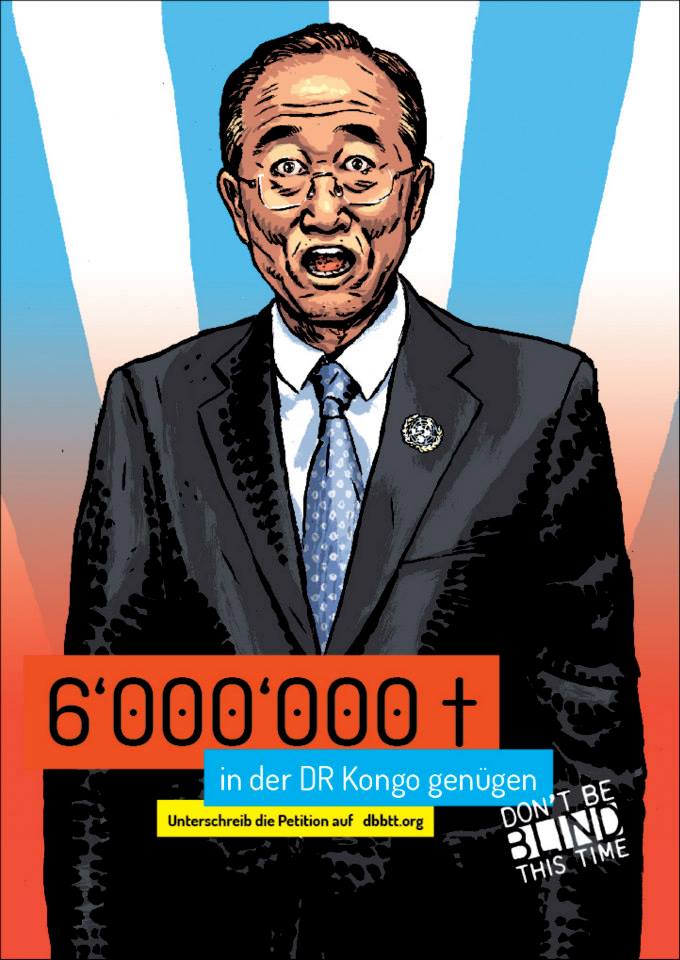
Picture of Ba Ki-Moon, UN Secretary General, by Don't Be Blind This Time

The author of the article that follows starts from an assumption that we all know Ferguson. If I hadn’t been reading recent news feeds on that nth US police brutality case against black people in America I wouldn’t know. I omitted deliberately putting the date when that happened, because it happens every day. Now you know. But where is the link between Ferguson and Congo?

In March 1978 US President Jimmy Carter commissioned a report – NSCM/46 – put together by the National Security Council Interdepartmental Group for Africa. Zbignew Brezinski as National Security Advisor had been tasked with reviewing what was happening in Black Africa from the point of view of possible impacts on the black movement in US. The exercise had to consider:

  1. Long-term tendencies of social and political developments and the degree to which they were consistent with or contradicted US interests
  2. Proposals for durable contacts between radical African leaders and leftists leaders of the US black community
  3. Appropriate steps to be taken inside and outside the country in order to inhibit any pressure by radical African leaders and organizations on the US black community for the latter to exert influence on the policy of the Administration towards Africa

When the report was submitted in the same year it included among other findings these ones:

  1. The mineral resources of the area [Black Africa] continue to be of great value for the normal functioning of industry in the United States and allied countries
  2. If the idea of economic assistance to black Americans shared by some African regimes could be realized by their placing orders in the United States mainly with companies owned by blacks, they could gain a limited influence on the US black community

The recommendations from the report privileged the sanctified principle of divide and rule in order to weaken any emergence of a strong black opposition to dominant policies serving inside and outside US national interests.

  1. Special clandestine operations should be launched by the CIA to generate mistrust and hostility in American and world opinion against joint activity of the two forces [Black America and Black Africa], and to cause division among Black African radical national groups and their leaders
  2. To preserve the present [we were then in 1978 but looking at it today 36 years later the situation has not much changed] climate which inhibits the emergence from within the Black leadership of a person capable of exerting national [or global] appeal.
  3. To support actions designed to sharpen social stratification in the Black community which would lead to the widening and perpetuation of the gap between successful educated Blacks and the poor, giving rise to growing antagonism between different black groups and a weakening of the movement as a whole.

BK Kumbi, Congolese activist, historian and founding member ofDon’t Be Blind This Time, decrypts what such measures and probably many others similar taken over the years by US authorities and allies have had as consequences to black American community and black Africa. She starts her analysis with the intentionally engineered and differing perceptions of the other between the two groups. She moves on the inadequacies that such differences create and the behavior of the white in a well wheeled tragedy where all black as a race becomes a consistent victim. She finds the ultimate exit from the situation to be within the victim itself, or its own humanity.

As Africans our eyes are often turned towards America because for some of us there is the illusion that attracts but for others the eye focuses on how the black man is staged in the American reality. For many black Americans, as for the majority of Americans, Africa is a land of savages and this idea has a particular resonance among the Afro-American population because it shows how they were taught to hate themselves through the figure of a so to say original man, the one that is stored in the sub-humanity. However, when we look at things more closely, one has to ask if there is a real difference of treatment for us all? Imperialist policies affecting African populations are the same as those applied to the black population in the United States precisely because the principle states that the black body shall be exploited alive or dead, it must generate profit. I come from a country, the Democratic Republic of the Congo, where more than 6 million people were murdered and where the killings continue so that the world benefits from the wealth of this country, namely from the coltan, a mineral that is used to make cell phones, but also to manufacture weapons which kill other blacks thousands miles away of my land.

This tragedy is absent from the majority of the American channels or if it is presented, it is to say that there are blacks who kill blacks. There are no questions raised as per the people or the countries who arms those blacks and for what purpose? The corporate media rather prefers to broadcast on the visits of the gang leaders of our region that the United States has hired to do the job and fuel the black on black theory at an international level. What is striking here is how the story is structured or the fact that there is no narrative at all about this issue, just silence. What I want to point out here specifically is the question of how our bodies became objects of spectacles. If there is generally silence that surrounds the Congolese tragedy, there is nevertheless one aspect of this conflict that is portrayed more than the others. The issue of rape used as a weapon of war is the beloved subject of a certain American ”intelligentsia” and it has helped forward the image of some American ‘celebrities’.

The mutilated bodies of Congolese women have become an image that is made pornographic and that it is diffused freely under the idea of a feminist fight and the narrative of this tragedy is assumed by white feminists who actually fight for their own rights in a capitalist environment. This is not done to help the Congolese women and it is also done to spread the idea that this is a femicide and not a genocide. The story of Congolese women is a way to raise funds for these organizations, to write and produce documentaries that will also generate money and, -and this is perhaps the most important, it’s a way to reaffirm the idea that the black man is a savage, a predator whose violence is atavistic, mad and he is therefore the sole instrument of the eradication of his own black being. Is not also the narrative that is served to explain to the Afro- Americans that they are the very instruments of their own annihilation and their own poverty? Is that not what is said when the corporate media uses false images to say that Brown had stolen into a store and that was the reason of his death?

We all need to have our eyes open about the way we are treated and portrayed, and I say we because the image that is conveyed of the African man in Africa necessarily affects the way the Afro-American man is perceived. For those who are looking at us, as if we were in a cage like Lumumba said, there is no difference between a black African or an African-American. We are the ones making this difference because we think that for the white man there are good blacks and there are bad blacks. We don’t look at us through our own eyes but through the eyes of another person who has defined us as not human. When Lewis said that Ferguson is not the Congo, he shows how he is very much inhabited by this idea, he shows that for him there are good and bad Negros. When one really reflects on what is happening in Ferguson, one sees precisely that Ferguson is the Congo. The lesson of this tragedy is how we all rebuild our own histories, how we teach our children to see their lives and the lives of those who look like them as valuable, how we teach them that they are human beings and that they are part of this world even though some want to deny them this right.

Source: http://therisingcontinent.wordpress.com/2014/08/22/why-ferguson-is-the-congo

245,000 est le nombre connu des réfugiés vivant sur le sol congolais


media                                 Un camp de réfugiés près de Goma, dans l’est de la RDC, en 2012.REUTERS/James Akena
 

Pour la première fois, les réfugiés rwandais ont été identifiés et enregistrés. Le Haut commissariat des Nations unies pour les réfugiés estimait jusqu’à présent que le nombre de réfugiés rwandais dans le monde était de 100 000 personnes. Mais ils sont déjà presque 245 000, rien qu’au Congo, à s’être présentés pour se faire enregistrer. C’est le chiffre auquel est parvenu la Commission nationale congolaise des réfugiés qui, avec le soutien du HCR, a réalisé ce recensement.

Sans surprise, c’est dans le Nord-Kivu que se trouvent la plupart de ces réfugiés. Ils sont environ 199 000 dans cette province, et 42 000 au Sud-Kivu. Mais on en retrouve aussi dans le Katanga, au Kasai oriental, dans le Maniema, en Equateur et encore dans une moindre mesure à Kinshasa. Héritage de l’histoire puisque c’est en plein génocide de 1994 que ces populations ont traversé la frontière devant l’avancée des troupes du FPR aujourd’hui au pouvoir au Rwanda. Puis après l’incursion de l’armée rwandaise au Congo, elles ont fui vers l’intérieur du pays.

Beaucoup n’ont jamais connu le Rwanda

Pour avoir plus de détails sur cette étude et notamment la répartition par sexe, âge, il faudra encore attendre la fin de la compilation des résultats, explique la Commission nationale congolaise des réfugiés. Pour l’instant, une certitude : beaucoup, parmi ces populations, sont des jeunes qui n’ont jamais connu le Rwanda.

Un sentiment demeure au sein de cette communauté : les deux tiers de ces 245 000 personnes disent ne pas souhaiter retourner dans leur pays. Une proportion qui pourrait évoluer, explique la Commission nationale des réfugiés, à l’issue d’une campagne de sensibilisation au retour dans lequel sera impliqué le gouvernement rwandais. Kigali ayant demandé depuis longtemps la clause de cessation du statut de réfugiés pour tous les Rwandais vivant à l’extérieur du pays. Depuis 2001, le HCR dit pour sa part avoir rapatrié environ 135 000 Rwandais vivant au Congo.

Ce recensement intervient alors que la pression internationale augmente pour obtenir le désarmement des FDLR, les rebelles hutus rwandais, dont certains leaders sont accusés par Kigali d’avoir participé au génocide de 1994. Les FDLR se présentent comme les protecteurs de ces populations rwandaises réfugiées et estiment que sans ouverture de l’espace politique au Rwanda, elles ne pourront pas rentrer dans de bonnes conditions.

Jointe par RFI, Berthe Zinga, coordinatrice de la Commission nationale pour les réfugiés (CNR) explique l’importance de ce recensement pour ces réfugiés rwandais.

Il était important que l’on fasse cet enregistrement et eux attendaient aussi d’être enregistrés et surtout d’exprimer leurs choix concernant, soit le rapatriement volontaire soit demeurer en RDC.
 

Coup d’etat yo muri 1973: Abishyize hamwe ntakibananira (Igice cya 5 ) :Imvururu zo mu w’1973 mu Rwanda zatewe na nde ?

Camarades du 0507

Tumaze iminsi dusoma ibijyanye n’amateka yaranze u Rwanda, cyane cyane chapitre ya coup d’etat yo muri 1973. Iyi coup d’etat niyo yabaye nyirabayazana w’inzika zabaye hagati y’Abiswe Abanyenduga n’abiswe Abakiga. Nyuma yayo, ibyiza by’igihugu byinshi byikubiwe n’abantu bakomokaga mu turere twa Gisenyi na Ruhengeri cyangwa rimwe na rimwe Byumba. Ibi byatumye mu by’ukuri Abanyarwanda batumva ko bafite uruhare rungana ku gihugu ku buryo byagize ingaruka mu gihe cy’intambara yatangijwe n’inkotanyi mu kwezi kwa 10 umwaka wa 1990.

Byageze aho abanyenduga bamwe bumva ko urugamba rugomba kurwanwa n’abakiga ngo kuko ari bo bari bafite ibyo barwanira! Abasirikare bamwe batorokaga urugamba bakisangira Inkotanyi mu gihe abenshi mu bakiga bo bumvaga koko igihugu bagomba kukitangira kugeza kuwa nyuma. Muri politiki abanyenduga cg abiswe abanyenduga nibo babaye aba mbere mu gushinga amashyaka arwanya leta ndetse afatanya na FPR mu gushegesha Habyarimana. Twagiramungu Faustin yabyukije MDR (ariko iza ari pirate), Mugenzi Justi afatanyije na Lando basinga PL, PSD ntawe utari uyizi ko yari igizwe n’abanyabutare benshi,  Nayinzira Jean Nepomuscene niwe munya gisenyi wenyine washinze ishyaka rirwanya Leta.

Nyuma yaho gatoya ikibazo cyaje gusa n’aho ari abahutu barwana n’abatutsi ariko byari byaratinze, FPR imaze kwemerwa no gushyigikirwa.

Kudasesengura iki kibazo bishobora gutuma dupfobya amasomo akubiyemo maze ejo bundi hagora urundi rugamba ruba ngombwa ugasanga abantu bakomeje ibyo byumviro. Ntawe ushobora gukira igisebe atavuye!

Ubwanditsi.

Parution: Tuesday 19 August 2014, 21:31
Par:Jean de Dieu MUSEMAKWELI

Ese kudeta yo ku wa 5 Nyakanga 1973 ntiyashoboraga kuburizwamo ?

Iyo umuntu yiyemeje gufata ubutegetsi ku ngufu, ntibihagije kuba abyifuza cyangwa afite impamvu ze bwite. Hagomba kuboneka n’izindi mpamvu zituma abantu bibwira ko ingoma ivuyeho yagombaga guhirima koko. Abakoze kudeta mu Rwanda mu w’1973 basanze guteza umutekano muke mu gihugu aribyo byatuma amahanga ndetse n’Abanyarwanda bavuga ko ingoma ya Kayibanda yari inaniwe. Nibwo rero muri Gashyantare 1973 boheje insoresore ngo zirukane Abatutsi mu mashuri yisumbuye n’amakuru ndetse no mu kazi, haba mu biro no mu bigo bya leta cyangwa iby’abikorera ku giti cyabo. Abantu bazi gushishoza bahereyeko babona ko iyo “muyaga” itewe n’abantu bashaka kwifatira ubutegetsi. Hari ibitabo byinshi byagize icyo bivuga kuri iyo “muyaga”. Nyuma y’ubushishozi n’ubushakashatsi bwimbitse, byose bihuriza kuri iyo ngingo. Icyanyuma nasomye kibihamya nta shiti ni icya  Bwana Pierre-Célestin Kabanda cyitwa, Rwanda. L’idéal des pionniers. Les hommes qui ont fait la différence, Ed. Sources du Nil, Lille, 2012, pp.275-277.

Hari abantu badakeneye gusoma ibyo bitabo kugirango bamenye icyateye umutekano muke mu Rwanda mbere ya kudeta yo ku wa 5 Nyakanga 1973. Impamvu ni uko biboneye n’amaso yabo ba nyirabayazana, bakagerageza kuvugana nabo kugirango bisubireho. Bavuganye kandi n’abo iyo nkubiri yari igamije guhitana (ingoma ya Kayibanda), barababurira ; ariko abandi ntibabyitaho. Negereye umwe muri abo bantu, ambwirana agahinda kenshi ukuntu ibintu byagenze, n’ukuntu ubwe nawe yari apfuye Imana igakinga akaboko, maze agakizwa n’amaguru. Ntabwo yifuje ko natangaza amazina ye, niyo mpamvu mpisemo kumwita “Viateur (Viyatori) Nzaramba”, avuka mu cyahoze ari perfegitura ya Gitarama. Yarangije  ishuri rikuru rya gisirikari mu w’1972. Muri 73 yari i Kigali, afite ipeti rya Suliyetona, akora mu bwubatsi bw’ibigo bya gisirikari n’ubw’amazu y’abasirikari, cyane cyane abakuru (officiers). Yakoraga mu cyitwa mu gifaransa “Bâtiment militaire”.

Imvururu zashojwe n’abashakaga kwifatira ubutegetsi

Yarambwiye ati : “Imvururu zabaye muri 1973 kuzishyira kuri perezida Grégoire Kayibanda ni ikinyoma cyambaye ubusa. Muri 1973 nari umusirikari mukuru (officier) nkora mu ubuwubatsi bwa gisirikari (Compagnie des Bâtiments Militaires -BM)  i Kanombe. Twakoreshaga abakozi b’ abasivili benshi aho twubakishaga amazu mu bigo bya gisirikare mu gihugu cyose. Nari nshinzwe kubakisha (chantiers) mu bigo bya Kigali,  Bugesera (abasirikari),  Bugesera (urubyiruko), Gabiro,  Byumba na Butare. Ahandi, imirimo y’ubwubatsi yari iyobowe na Kapiteni Mutabazi na Liyetona Rwabakika bubakisha tuvuge nk’ikigo cy’abapolisi cyo ku Kacyiru.

Imvururu zatangiriye mu bigo by’amashuri, bifata abakozi ba gisivili bo  mu bigo bya gisirikari (Main d’oeuvre civile – MOC), bifata ibigo bya Leta, kuri za ministeri bamanika amalisti ariho amazina y’Abatutsi ngo  be kongera kuhinjira.

Reka mpere ku bindeba aho nari mu bigo bya gisirikare. Nazindukiye ku kazi, nyura ku iperu mu kigo cy’i Kanombe (Base). Tumaze kuzamura ibendera, nagiye mu ibarizo, nsanga akazi kahagaze kubera ko umukuru waryo (Kapita, chef charpentier) n’umwungirije, abakozi babiri kuri bane bakoreshaga amamashini abaza batari baje ku kazi.  Aho basudiraga ibyuma (atelier soudure) naho byari uko. Ubwo poromiye serija (Ier  Sergent) Serugendo nawe aba araje. Ku nyubako z’i Kanombe yari yungirije Liyetona Rwabakika wo mu Ruhengeri. Ati “ Akazi ko kubaka kahagaze, Kapita n’abafundi bababujije kwinjira mu kigo”.  Liyetona Rwabakika na Kapiteni  Mutabazi barambwira ngo nimbyihorere.

Nafashe ikamyo ipakiye isima  njya ku kigo cya Kigali, nsanga naho ni uko, ngo nta Mututsi ugomba kugaruka ku kazi ; kandi abo bose bakoreshwaga na Ministeri y’ingabo z’igihugu n’abapoloisi.  Nagiye aho abasirikari bakuru bicira akanyota (Messe officiers) i Kigali, ntelefona umukuru (Commandant) w’iby’ubwubatsi bwa gisirikari (Compagnie Bâtiments militaires) i Kanombe, umuzungu witwaga Kapiteni Badou, musaba amabwiriza, ati nanjye byanyobeye, Kapiteni Mutabazi wo ku Gisenyi yavuze ko amabwiriza yavuye hejuru, ko ari ibirebana n’umutekano, kandi ko tutabyivangamo”.  Yangiriye inama ko njya kubaza Lizinde wari ushinzwe kwiga imishinga (chef du Bureau d’Etude) muri ministeri y’Ingabo , ko ari byo Kapiteni Mutabazi abwiye Kapiteni Badou. Nagiye kuri ministeri, Lizinde aranyakira, mubwiye ko akazi kahagaze, ko ntumva icyo abo Batutsi bazira, ati : « Ceceka, si wowe ushinzwe umutekano w’igihugu. Mushake Abahutu mubashyire muri iyo myanya Abatutsi bari bafite, niba ntabo mubatoze(formez-les) ».

Ntawe utazi amateka ya Lizinde n’uruhare yagize muri kudeta yo mu w’1973. Mpereye ku mvugo  no ku buryo Liyetona Rwabakika, Kapiteni Mutabazi, na poromiye Serija (IerSergent) Serugendo bitwaye, bose ni Abakiga kandi bari babizi, nahereyeko numva ko hari ikintu. Kubona na poromiye Serija (Ier Sergent) w’umukiga yari azi iyo gahunda yo kwirukana abakozi b’Abatutsi mu bigo bya gisirikare, njyewe w’umunyagitarama, umusirikari mukuru (officier) ntabizi, ari njye wari ufite henshi nubakisha,  naza ngasanga abakozi barahagaritswe ntabizi, Lizinde ati “si wowe ushinzwe umutekano w’igihugu!None se Serugendo wari ubizi ni we wari uwushinzwe ? Cyangwa ni uko yari mu kabanga k’abateguye izo mvururu we na Kapitene Mutabazi na Liyetona Rwabakika?

Mu mashuri : muri koleji ya Mutagatifu Andereya i Nyamirambo, nagiyeyo mpurujwe na Padiri Goffinet wayoboraga icyo kigo, ko murumuna wanjye DD nawe ari uwambere ku rutonde rw’abo komite (comité) y’abanyeshuri yirukanye, akanga kugenda, akaba yahungiye mu biro by’umuyobozi (Directeur) ko ariho bamukingiranye ngo abanyeshuri batamwica. Niba imvururu zarashojwe na Kayibanda, kuki n’Abahutu bakomoka Gitarama birukanwaga, nk’uwo murumuna wanjye bamwirukaniye iki ?  Nageze i Nyamirambo nambaye imyenda y’intambara, ntanga gasopo ko Padiri Goffinet agenda akabwira izo mbwa zizana akajagari ko nizikora kuri murumuna wanjye, zishobora kubona ishyano. Padiri Goffinet yambwiye ko yari yatelefonnye ku kigo cy’abapolisi ngo baze bamutabare, bakamubwira ngo niyivuganire n’umuyobozi mukuru w’abapolisi muri ministeri y’ingabo. Uwo yari Majoro Nsekarije. Padiri Goffinet yagiye kwa Nsekarije, Nsekarije amwirukana mu biro bye. Padiri Goffinet yarongeye arambwira ati :Aka kajagari ni intangiriro za kudeta. Biragaragara ko hari abantu bari gushaka urwitwazo rwo gufata ubutegetsi ku ngufu”. None imvururu zitatewe n’abo bishakiraga ubutegetsi,niba njye njyenyine narabashije kugarura agahenge muri Koleji i Nyamirambo, bo bari bashinzwe umutekano w’igihugu, cyarabahaye n’ibyangombwa byose byo kuwubungabunga,kuki  ntacyo bakoze ?

Nahavuye ndakaye, nyura kwa Kapiteni Bizimana ndabimubwira, ambwira ko umuzungu w’umusuwisi yabwiye Kayibanda ko abasirikare bategura kudeta, ko bazakoresha n’abacanshuro (mercenaires),  avuga n’ahantu (site) abo basirikari n’abo bacanshuro bashobora kuzahurira.

Kudeta yashoboraga kuburizwamo

Ni muri urwo rwego twigeze gukura abasirikare mu kigo cy’i Kanombe, barara amarondo, dushinga ibirindiro (gufata amapozisiyo – positions) dutegereje ka hagira abagerageza kudeta, tukayiburizamo. Kubera ahantu henshi nubakishaga, navuganye na bamwe mu basirikari bo mu bigo bya Kibungo,  Mutara, Byumba,  Bugesera, Ruhengeri, Kommando Bigogwe, kampanyi yambere, iya kabiri n’iya gatatu z’i Kanombe, ndetse n’abo mu bwubatsi bwa gisirikari,  hose biteguye kudukurikira tukaburizamo kudeta.

Ibyo byarakaje cyane Jenerali Majoro Habyarimana, ashinga Majoro Simba Aloys ngo akore itohoza (enquête) amubwire abaraje abasirikare hanze, ngo ntiyumva uko azabagira, ngo nta gihano kiriho azi gikwiranye n’abo bantu. Simba yakoze anketi, ayiha Habyarimana. Njye nemereye Majoro Simba ko nabikoze kandi niteguye kubyongera, nti “ushaka ubutegetsi AZIYAMAMAZE, atorwe n’abaturage, naho uzongera kuzana akajagari, tuzamurwanya”. Nongeyeho ko ntagiye mu gisirikare kugirango murumuna wanjye ye kutiga. Nongeyeho nti “Ese ubundi ari Umuhutu cyangwa Umututsi ni nde Imana yahitishijemo ubwoko avukamo ?” Nahereyeko mvanwa i Kigali igitaraganya, noherezwa mu kindi kigo cya gisirikari mu majyaruguru y’u Rwanda. Ikibabaje ni uko Kayibanda yakomeje kuvuga ngo HABYARIMANA ntiyareka Abakiga ngo bakore kudeta !

Kapiteni Bizimana abwiye Kayibanda ko narakajwe n’uko murumuna wanjye bamwirukanye bamubeshyera ngo ni Umututsi, ko ntumva n’icyo abo Batutsi bazira, Kayibanda yaravuze ngo ese ni njye wakanga Abatutsi, ntikwaba ari ugutuka Verediyana ? Kayibanda amenye ko Nsekarije yanze kohereza Abapolisi, yavuze ko bagomba kumwirukana, ko n’igipolisi kidahosha imvururu ntacyo kimaze. Niyo mpamvu yasheshe igipolisi, akivanga n’ingabo kugirango byose Habyarimana abitegeke, naho Nsekarije na Kanyarengwe bashyirwaga mu majwi bakajyanwa mu mashuri no mu gutegeka ibyayi. Kayibanda yahereyeko ahamagara Habyarimana, amutegeka kwohereza Ingabo kugarura umutekano mu gihugu. Mu bagiye guhosha imvururu, Kapiteni Maniraguha wo mu Ruhengeri na Suliyetona Nyampame nibo bajyanye ingabo zivuye i Kanombe gufatanya n’ipoloto (peloton) y’i Gitarama guhosha imvururu muri Gitarama.

Aho nari naraciriwe, nakomezaga gukurikira amakuru y’ibibera i Kigali. Icyo nabwiwe mu kwezi kwa Gicurasi 1973 na Minani Frodouald ni uko Liyetona  Niyoyita yari amaze gukora urutonde rw’abasirikari bimuriwe igihe kimwe nanjye. Urwo rutonde rwerekanaga neza cyane ukuntu abasirikari b’abasuzofisiye (Sous-officiers) n’abandi batojwe mu kurwanisha intwaro zisanzwe (armes collectives) bakomoka mu majyepfo y’igihugu bari bavanywe i Kigali na Kanombe, bakoherezwa za Cyangugu, Gisenyi, Ruhengeri, Mutara, Kibungo, babasimbuza abakomoka Gisenyi, Ruhengeri na Byumba. Twasabye kubaza perezida icyo abitekerezaho, kuko iyo bamubwiraga ko hari agatsiko k’Abakiga gategura kudeta, yavugaga ko bidashoboka, kuko Habyarimana ari umwana we buzura kandi yizeye. Twasabaga kandi Minani Frodouald kubaza perezida icyo kuriya kwimura abasirikari byerekanaga, impamvu hari ubwikanyize bwa Gisenyi na Ruhengeri mu buyobozi bw’inzego zose zirebana n’umutekano w’igihugu. Twaravugaga kandi tuti: “ko bigaragara ka Abakiga bategura coup d’Etat, kandi nibayikora, bazica Abanyenduga, uwabatanga twe tukayikora, ntitugire uwo twica, ahubwo bamwe tukabafunga?

Dore ko Minani yari aturanye na Kayibanda, yadusize muri salo, anyura mu gikari agiye kureba perezida Kayibanda. Yagarutse hashize isaha. Atubwira ko Habyarimana nta rondakarere cyangwa ubwikanyize bwa Gisenyi na Ruhengeri yazanye mu gisirikare, ko ahubwo kubera ko Ababiligi bari bategetse ko Abatutsi bagomba kuba hagati ya 15 na 20 % mu ishuri rikuru rya gisirikari, we na Balthazar Bicamumpaka, na Calliope Mulindahapi bahisemo ko imyanya yari igenewe Abahutu, mu itsinda rya mbere (première promotion) bayiharira Ruhengeri na Gisenyi, kuko mu yandi maperefegitura bitari byoroshye kumenya umuhutu nyawe, ejo batazavaho basanga imyanya y’Abahtutu yaratwawe n’Umututsi dore ko ngo Abatutsi bakundaga gukubagana mu ngo z’abagaragu babo!

Ku bijyanye no kwimura abasirikari,  perezida Kayibanda yabwiye Minani ko azahamagara  Habyarimana akabimubaza, atabona ibisobanuro akamusaba kubihagarika, dore ko icyo gihe  u Rwanda n’u Burundi byarebanaga ay’ingwe.

Ku birebana na kudeta byo Kayibanda yamuteye utwatsi, amubwirako mu basirikari bakuru, Habyarimana ari we ugerageza (ufite “préparation” ihagije) ; ariko akaba atabona impamvu yatuma Habyarimana  akora Coup d’Etat. Ati Ese ubundi ubutegetsi si we ubufite, si we wampaye Seyanga na Bizimana ngo mbagire ba ministiri, ko njyewe urubyiruko n’amasiporo nashakaga kubishinga Rwagafirita ? Yaramubwiye ngo atubwire ko n’iyo Abakiga bakora  kudeta, we nta maraso ashaka ko tumena ngo turamugarura ku butegetsi, ngo uretse ko n’itegeko nshinga ritamwemerera gukomeza kuyobora igihugu, n’abaganga bakaba baramusabye kuruhuka ; ko kongre itegurwa ariyo izatoranyaumukandida wa MDR uziyamamariza umwanya wa perezida, ikiga ikibazo cy’imvururu zayogoje igihugu, kandi akazasaba kongere gufatira abazishoje ibihano by’intangarugero. Yongeyeho ko Verediana yaba yaravuze ngo “ntakumena amaraso y’abandi Bahutu, Abatutsi bazayamena” ! Ngo dutegereze kongere ibyo byose izabikemura.

“Ntawe urenga nyamunsi”

Ku wa 1 Nyakanga uzi ko kuri stade Nyamirambo basuzuguye perezida Kayibanda izuba riva, nawe ati :“Abashaka gukora kudeta nibayikore, simbitinya”. Nibajije ibyo ari byo, biranyobera. Mfata imodoka mva aho nari naraciriwe, nza i Kigali kureba uko bimeze. Nagiye kwa Kapiteni Bizimana, mpurirayo na Ministiri Frodouald Minani na Kalisa, muramu wa perezida Kayibanda. Mbabaza ibyo nari numviye i Kanombe kuko nahanyuze, ba Liyetona Bikolimana bakambwira bati : “Zana abasirikari ufite mu ….. , tubwire n’abandi basigaye hano mu bacu, maze tuburizemo kudeta bategura kuko ngo bazayikora le 5 Nyakanga”. Ubwo twari le 3 Nyakanga. Bizimana twari turwaniye iwe, kuko nari mvuze ngo “ibya KAYIBANDA tubireke, dukore kudeta, dutange Abakiga”. Kapiteni Bizimana ati : “Ibyo perezida ntabikozwa. Yadutegetse gutegereza kongere ya le 5 Nyakanga, ni yo IZEMEZA cyangwa ikanga umukandida azabasaba gukurikira kuko we ashaka kuruhuka, agakurikirana ishyaka  rya MDR ”.  Ati “iby’abo Bakiga na kudeta zabo ni akajagari bashoje, kariya gatsiko kazafatirwa ibyemezo muri kongere”. Nti “mujye kumubwira amakuru mvanye i Kanombe ko le 5 Nyakanga hazaba kudeta”. Kapiteni Bizimana yaranze, agezeho ajya yo, agarutse ati : “Avuze ko usubira mu …, ugatanga urugero rwo kumvira; ngo “bamundezeho ko nabanje no kwanga kujya mu …., ngo “le 5 Nyakanga azaha Abanyarwanda bose igisubizo muri kongere, ndetse ko n’iyo iyo kudeta bayikora, we yizeye Habyarimana, ko we adashaka ko hagira amaraso ameneka, nta mirwano ashaka mu ngabo z’igihugu ”. Nahise nsubira mu ….. ariko, nyuze i Kanombe, mbwira Bikorimana na Ajida  Habimana ko Kayibanda yategetse ko dutegereza kongere. Bati : “Nutaza, ba Kanyarengwe barakora kudeta kandi nyamara na Habyarimana  abirimo”.

Umwanzuro

Abahakana ko imvururu zitateguwe n’Abasilikari b’Abakiga babanze batubwire impamvu mu bigo by’amashuri komite z’abayoboye kariya kajagari zayoborwaga n’Abakiga. Niba ari Grégoire Kayibanda wabiteguye, basobanure ukuntu aho kugira ngo abe arinjye amenyesha iyo gahunda ku birebana n’abakozi b’Abatutsi mu bwubatsi bwa gisirikari, ko nagendaga kwa Kayibanda, kuki atabimenyesheje ? Yarandenze maze ajya kubimenyesha Kapiteni Mutabazi wo ku Gisenyi, Liyetona Rwabakika wo mu Ruhengeri, na poromiye Serija Serugendo batagenda iwe ?

Muri icyo gihe inama (Congrès) za MDR zarimo zitegurwa. Turi aho abasirikari bakuru biyakirira (Mess Officiers) i Kanombe, twaganiriye uko inzego z’ishyaka ziri kwiga urutonde rw’abashobora gusimbura Kayibanda. Frodouald Minani yacecekesheje umuntu wari uvuze ngo “ariko ubundi kuki KAYIBANDA atakomeza”, ngo “abo bose bashaka gusimbura Kayibanda ni abanyerari”, amubwira ko revolisiyo ya rubanda yaciye ingoma ya cyami, nta butegetsi karande kandi ko na nyirubwite azabyibwirira Congrès”. Ku bwanjye (ni Sulieyetona Viateur Nzaramba ukomeje kuvuga) nabonaga Frodouald Minani ari we wari ubukwiye. Kuri jye, niyo mpamvu abakoze kudeta barigitishije disikuru Kayibanda yari kuvugira muri kongere yari iteganijwe le 05 juillet 1973, kuko igiye ahagaragara bamwara.

Tugaruke ku bya Lizinde wagize ati : “Si wowe ushinzwe umutekano w’igihugu”. Ubundi mu gihugu hari ibyo bita ministeri z’ubusugire bw’igihugu (ministères de souveraineté), ari zo :

1.Ububanyi n’amahanga (Affaires Etrangères, diplomatie).

2.  Ubutegetsi bw’igihugu (Interieur)

3. Kurinda ubusugire bw’igihugu (Défense)

4. Imali y’igihugu (Finances)

Abashinzwe umutekano ni Ministeri 2 :  iy’Ingabo n’iy’ubutegetsi bw’igihugu. Izo ministeri zitegeka ingabo, abapolisi n’inzego z’iperereza (sûreté) zikoreshwa muri ako kazi ko kubungabunga umutekano n’ubusugire bw’igihugu. Mu w’1973 Ingabo, Abaplosi n’inzego z’iperereza byose byari muri Ministeri y’Ingabo. Habyarimana ni we wari ministiri, umugaba mukuru w’Ingabo n’abapolisi.Umuyobozi mukuru w’abapolisi (Directeur géneral de la police) yari Majoro Nsekarije (Gisenyi), umuyobozi mukuru w’iperereza yari liyetona Koloneli Kanyarengwe (Ruhengeri), naho Komanda Lizinde (Gisenyi) akaba umuyobozi w’ibiro by’imishinga n’izindi gahunda (Bureau Etude et Programme). Abo bagabo ni bo bari bashinzwe iperereza no kurinda umutekano. Imvururu zabaye babizi, barabirebera, barareka ziraba. Umuyobozi wa Koleji ya Mutagatifu Andereya yitabaje Abapolisi, Nsekarije ababuza gutabara, nabivuze. Abo bose ni Abakiga, bakoze kudeta bitwaje ziriya mvururu, baburizamo kongere ya MDR yagombaga gutoranya umukandida wari kuziyamamariza umwanya w’umukuru w’igihugu, igasuzuma na kiriya kibazo cy’imvururu zabaye. Bakoze kudeta, bariya bagabo ni bo bafashe imyanya ikomeye :

1.Habyarimana : Umukuru w’igihugu, perezida wa Komite y’ubumwe n’amahoro, ministiri w’ingabo, n’umugaba mukuru wazo.

2. Kanyarengwe : Ministiri w’ubutegetsi bw’igihugu n’abakozi ba Leta (ministeri 2).

3. NSEKARIJE : Ububanyi n’amahanga.

4. LIZINDE = Umuyobozi mukuru w’iperereza.

Uwavuga ko bariya bagabo bane, hamwe na bagenzi babo bashoje imvururu mu gihugu kugirango babyitwaze bakore kudeta, bamara kuyikora bagasibanganya ibimenyetso, bakica Abanyagitarama, bakabubikaho urusyo ngo bari bagiye kuroha Urwanda, ngo Kayibanda yari agiye guhindura itegeko nshinga kugirango ahame ku ubutegetsi, ntiyaba yibeshye. Ikindi kandi, bamwe Badatana bo ku wa 5 Nyakanga (Camarades du 5 juillet) baracyariho   : Koloneli Serubuga, Koloneli Gahimano, Koloneli Ntibitura n’anandi. Bakwiye kugira icyo babivugaho.

BIRACYAZA….

Jean de Dieu Musemakweli