Muri Gereza ya Nyarugenge aho bita muri 1930 hagati y’inkuta enye z’amatafari, aho witegeye ijiuru ririmo inyenyeri, n’umusozi wa jari, namazemo iminsi 1075.
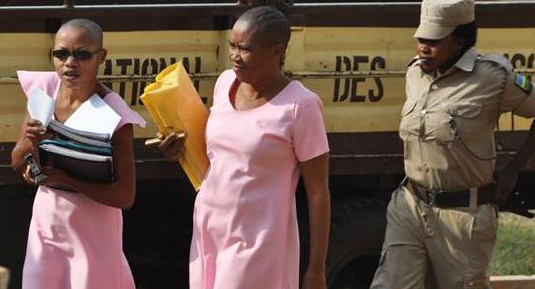
Yari iminsi ikomeye cyane m’ubuzima, bugitangira byarangoye kubyakira cyane ko ntatekerezaga ko nshobora gufungwa n’itangazamakuru mu gihugu kigendera ku mategeko, cyemeza ko gifite itegeko nshinga rya Repubulika rihamya neza ko umunyarwanda afite ubwisanzure mu bitekerezo, n’ubwisanzure bw’itangazamakuru.
Ntanubwo nari niteze gufungwa kuko nahamyaga ko niyo nakora ikosa mu bijyanye n’umwuga hariho Inama nkuru y’Itangazamakuru ifite amategeko ayigenga , ko iyo wabaga wakoze ikosa yagutumizaga ukisobanura ugakosora iyo nkuru mu gihe cyateganyijwe, ndetse hakiyongeraho n’Umuryango uhuza abanyamakuru , n’Inzu y’abanyamakuru, hejuru y’ibbyo byose nari ntarahamagarwa na rimwe ngo nisobanure ku makosa yakorewe mu mwuga, nkuko byagiye bigenda kubandi banyamakuru .
Tumaze gushyikirizwa inyandiko ikubiyemo ikirego, nabonye ko hari urwego ruba rutubahiriza inshingano zarwo kuko mu nkuru Nkusi Uwimana Agnes yaregwaga harimo izo yari yarahamagajwe n’Inama nkuru y’Itangazamakuru, azisabira imbabazi yemera no kuzikosora, ariko ibyo byose ntacyo byamaze nahise ncika intege, ahubwo ibyabaye agahoma munwa nuko izo nkuru yanaziburanye m’urukiko akazigirwaho umwere, ibyo kwiringira urwo rwego byari nk’inzozi.
Ikindi cyari kimaze kuduca intege kurushaho nuko inzego Nkuru (HCM) n’imiryango y’abanyamakuru yari yatugize ibicibwa twarinze tujya kuburana ntawudusuye ngo aduhumurize, ndinze mva muri gereza izo nzego ntanarumwe rurahagera,gusa bamwe muri bagenzi bacu bari basanzwe ari inshuti batugezeho kandi batubaye hafi turabashima Imana izabaduhere Umugisha.
Icya kabiri : Ntihanganiye muri kamere yanjye numvaga nta byaha bisa nibyo banshinje nashoboraga gukora mpereye ku mateka yanjye bwite ndetse n’umuryango wanjye, abanzi neza bo babaye nkabakubiswe n’inkuba iyo nkuru igitambuka mu bitangazamakuru, buri wese ku giti cye yarashidikanyije yibaza niba ari ukumvirana ariko nyuma bumva inkuru ni kimomo ko nafunzwe nzira ibyaha byo Kuvutsa igihugu umudendezo n’amacakubiri, hakiyongeraho Ingengabitekerezo no gusebya Umukuru w’Igihugu. Ubwo by’ari bigitangira ,abantu bacitse umugongo mbese tekereza ukuntu umuryango wanjye wahungabanye , utekereje ko Jenoside yakorewe abatutsi 1994 yawusize ari inkehwe abasigaye araho navutse ndetse naho nashatse babarirwa ku ntoki.
Musaza wanjye Kayinamura Bedwa we yari ataranashyingurwa dore ko yashyinguwe kuya 18/04/2012 kubufatanye bw’Inama Nkuru y’Itangazamakuru mu Rwanda, nkaba mboneyeho no kubashimira by’umwihariko mbikuye k’umutima. Kuko yari umunyamakuru muri Kinyamateka.
Sinabashaga kwihangana mu ntangiro y’uburoko kuko nageze muri gereza ngasangamo abafungiye umuryango wanjye iwacu kwa data , aho mama akomoka ndetse naho nashatse, harimo ababyemera, harimo nabafite ingononwa k’umutima ko barenganyijwe, aba bose twagombaga kubana kandi tukihanganirana muri urwo rugendo rukomeye nari ntangiye mu gihe twari dutegereje kuburana ngo twisobanure kubyo turegwa, tukarenganurwa.
Ntanubwo bya nyoroheye kuko nagiye mpura n’abantu b’ingeri zose bafungiye ibyaha bitandukanye kandi buri wese afite uburyo y’iyumva mu mibereho ya buri munsi , byari bigoye kubana n’abantu bagifite ihungabana ry’ibyabayeho bafungiwe kwihekura, bari kumwe n’abishe cyangwa bagize uruhare muri jenoside yakorewe abatutsi 1994 ku miryango yabo,bahoraga bahangayikishiijwe nuko bamwe mu bo bagiranye ibibazo baba kwena ko ari abicanyi kimwe nabo hakiyongeraho ko bishe abana babyaye, byose bikaba ingararuka za jenoside yakorewe abatutsi 1994.
Kuko mu gihe cyo hambere umwana yatwaraga inda yagira ubwoba agahungira kwa nyirasenge no nyina wabo, aho hose ugasanga ntaho akigira agafata icyamezo cy’ubugome cyo kwihekura.
Ha kiyongeraho abana baba baraje gukorera amafaranga i Kigali, yahagera umukozi bakorana akamutera inda akabura aho ayerekeza, SIDA iri guca ibintu yakwiheba akayikuramo bikarangira ari muri gereza.
Muri rwo ruhurirane rw’ibabazo ihohoterwa ry’abakozi bo murugo Boss akamwihererena,aka mukorera ibya mfura mbi Nyirabuja yagiye ku kazi akaba arayimudometse, yatangira kugaragara bati vuga uvuyaha bakamushyikiriza police bati ya dufatiye umwana ku ngufu , leta ikaba ibonye umutwaro wo kurera no gufunga inzira karengane ,inkiko zikaba iyooo , yaburana akaba umwere amazemo igihe kirekire umwaku wamusingira bakamukatira kubera kubura abunganizi mu mategeko.
Ubuzima bwari bukomeye kubana n’abantu nkabo bibabariye, hakiyongeraho abacuruzaga ibiyobyabwenge , bagatirwa amezi 3,4 barafatanwe amakamyo , uwafashwe arinywa, cyangwa afite udutabi dutanu akatiye imyaka itatu cyangwa se n’ibiri, icyabaga gikomeye kuruta ibindi nuko yumvaga atazareka ku bicuruza kuko ubuzima bwabaga bwaramunaniye , yaracuruje agataro buri munsi bikaba ari i Gikondo kwa Kabuga, byakwanga akishora mu buraya akavanayo Sida, akaba afite umwana ku mugongo inda atazi uwayimuteye, niyo ya mu menya i se akaba atemera uwo mwana, mu gihe babaga bahangayitse kuko utundi twana twabaga twarasigaye mu nzu z’inkodeshanyo bene zo badasiba kuri gereza kuba gusaba ko bagumana na mama wabo, barushagaho guhangayika kuko abo baricuririzaga aribo bari bashinzwe kubafata, kandi ugasanga bene imari ari simbibazwa.
Uburoko bwa ndyaga kurushaho iyo natekerezaga ko abana twasize bashobora kuba baryiyahuza ,wasubiza amaso inyuma ugasanga ari ikibazo gikomeye ku miryango ifunzwe kuko buri gihe wahuraga n’ababyeyi bataka ko abana babo banze ishuri, abandi babuze amafaranga yo kwishyura n’ibindi bisa nabyo , kuko bahitaga biheba bakigira mu muhanda,hakiyongera agahinda k’abana batazi ibyo ababyeyi babo bakoze basabwaga kwishyura ibyo ba se cyangwa ba nyina bangije,mu muri jenoside yakorewe abatutsi 1994, abenhi bari bakiri incuke.hakabamo n’ababyeyi bazi neza ibyo bakoze, bakigira ntibindeba, gusa bagashima Imana ko bakiriho ari impuhwe bagiriwe na FPR ubundi nabo bagombaga kuba barapfuye, bitewe n’ amarorerwa bakoze., aba kandi ntabwo bari bahangayitse cyane kuko nibo bari mu nzego z’ubuyobozi za gereza , ibyo bakeneye byose babibonera igihe bashakiye kuko bavuga rikijyana, abenshi barasurwa buri saa sita n’imiryango yabo, abana babo baba sura buri wa gatandatu wa mbere w’ukwezi , abari mu Burayi baba gezaho ku ma devize.
Hakagorwa abatazi ururo n’icyatsi bagomba kuryozwa ibyo batakoze, Ibi byiciro byose twagombaga kubana kandi buri wese tukamutega amatwi kugirango dusesengure neza ibibazo byari muri gereza cyane ko njye no mubyo nashinjwaga ko navuvuze ko abantu barengana, nagombaga gutegura urubanza nshingiye kubimenyetso narinsanganwe n’ibyo nari gukura kubo turi kumwe.
Muri iyo minsi yo guhangayika twagombaga no gutegura urubanza ,twatangiye kubazwa n’Urwego Rukuru rw’Ubushinjacyaha , nyuma naje guhanagurwaho icyaha cy’Ingabitekerezo, gusebya Umukuru w’Igihugu, kuko Ubushinjacyaha Bukuru bwasanze bitampama, runsigira icyaha cyo Gukurura Amacakubiri, nabyo btarangiye mbibayeho umwere nkuko bigaragara k’urupapauro rumfunga rwanditswe na polise kw’itariki ya 10/07/2010, nabyo birangira nta na kimwe kimpamye, ahubwo bazana ikirego gishya ngo cyo kuvutsa igihugu umudendezo.
Ubutabera
Mu Rukiko Rukuru rwa Kigali na gombaga kwisobanura ku byaha bibiri, Mpagaze imbere y’Urukiko nisobanuye ku cyaha cyo Gukurura macakubiri byari bimpangayikishije nubwo umutima wanjye utanciraga urubanza kandi ntashoboraga no kurota mu nzozi mbikora nkurikije uko nari niyizi, ndetse n’abasanzwe bazi imyitwarire yanjye gusa nisanzuye aho bidashoboka ntanga igitekerezo mu bihe bidakwiye kuko twari twegereje amatora nkurikije ibyo nagiye mbwirwa nyuma yuko tumaze gukatirwa.
Urubanza rwarasomwe mba umwere ku byaha byose naregwaga ,Urukiko rumpamya icyaha cyo kuvutsa igihugu Umudedenzo negetsweho n’ubushinjacyaha Bukuru, bampa igihihano kigifungo cy’imyaka irindwi narumiwe , kuko buri wese ntiyasobanukiwe ,mu gihe abo twaregwaga icyaha kimwe duhanwa n’itegeko rimwe , kandi twaburanishijwe n’Inteko imwe yari iyo bowe n’Umucamanza Pio Mugabo yari imaze guhanisha Ntaganda Bernard imyaka itatu, ihanisha Nkusi Uwimana Agnès imyaka itanu ,iyo nteko irihanukira indwinga imyaka irindwi yose myiza myiza mw’ijambo rimwe yantsindangiye ingana na Mandat y’Umukuru w’igihugu, narabitekereje biransiga si ukubeshya.
Muri rusange urwo rubanza rwarangiye Nkusi Uwimana Agnès bamuhanishije imyaka myinshi 17 ijya gusingira iya Madiba n’amahazabu y’amafaranga y’u Rwanda 250000frw, bampanisha igihano navuze haruguru no gufatanya kwishyura amagarama y’urubanza, twahise tujuririra Urukiko rw’ikirenga, urubanza ruburanishwa umwaka wakurikiyeho , rucibwa kuwa 06/4/2012 bagabanyiriza Nkusi Uwimana Agnès igihano bamuhanisha imyaka ine,bamuhamije icyaha cyo kuvutsa Igihugu umudendezo bakimukatiraho imyaka itatu, n’umwaka umwe wo gutuka Umukuru w’Igihugu, amahazabu akurwaho, nanjye bampanisha igifungo cy’imyaka itatu bampamije icyaha cyo kuvutsa Igihugu Umudendezo, nubwo bari baturenganyije ariko twariruhukije kuko twumvaga iyo myaka yo ibarika tuzayirangiza Imana idutije ubuzima, kuko yaba Nkusi Uwimana Agnès yari afite ikibazo cy’uburwayi budakira, nari maze kuzahazwa n’indwara y’umutima hikubisemo na diyabete, urumva ko twari tumaze kuremererwa n’ibibazo by’igifungo cya gaherere, imiryango yacu twasize dore ko twembi twari abapfakazi abana bagomba no kwiga.
Hakiyongeraho naho twari turi buri wese agucaho agacinya undi urwara ati :dore, ba bagore b’ibyihebe, kandi biyibagije ibyabo, raporo z’urudaca wakorora wacira, tugatumizwa m’ubuyobozi. Hari uwadusekeje rimwe sinzabyibagirwa: yaradutumije ari mugitondo, tugenda twibwira ko ari agakuru keza agiye kutubwira dore ko hari hashize iminsi twandikiye Umukuru w’Igihugu tumusaba ko yakoresha ububasha ahabwa n’itegeko, tunashingiye ku mvugo yari yivugiye ubwo yabazwaga n’abanyamakuru Kampala, ko atamenye ibyifungwa ryacu ngo iyo abimenya tutari dukwiye gufungwa , nuko tuti umenya harimo akajambo,ntitugezeyo imbere y’Umuyobozi wa gereza ati :”niko mwa bagore mwe ngo harya muzazunguza gereza mu kureho amatafari ? cyangwa muzurira mwirenge ? ko tubafiteho ububasha mwa kwemeye mu gafungwa ?”
Ubwo atubwira ibyo bamuturegeye ararangiza, natwe turaruca turarumira habe niyo mu nda ngo irajorora, turumirwa amaze kutubwira icyo atekereza ati : ni munsohokere mu biro, natwe dukizwa nayo twameze ijambo ryiza twari twiteze rirabura tujumarirwa tujya gukora uburoko na Morale nyinshi. Reka mbamare amatsiko y’ukuntu twakuruye uburoko.
TUMAZE GUKATIRWA
Twabayeho ubuzima bugoye birumvikana kuko ntakindi kizere twari dufite cyo kuva muri gereza uretse kurangiza ibihano, ubuzima bw’umufungwa bwari burangiye tubaye abagororwa. Nsobanure ko umufungwa nuba atarakatirwa, umugororwa aba yaramaze kugenerwa ibihano n’inkiko, twagombaga kubahiriza amabwiriza ya gereza uko yakabaye,uhereye m’Umudugugu aho utuye, Akagali no k’Umurenge dore ko haba ubuyobozi nkubwo mu nzego zose zo mu gihugu, gukora isuku, aho utuye ndavuga muri bloc ubamo ariwo mudugudu, ikibuga, urwiyuhagiriro, ubwiherero , mbese byaterwaga naho bagupanze akazi,ariko mu by’ukuri byarashobokaga ko wabonaga umuntu akagusayidira bitewe nuko akubashye, kuko nubwo muri gereza harimo abantu bafunzwe hari abana n’ababyeyi bagifite uburere gusa bahangayikishijwe n’uburemere bw’ibihano bahawe, abategereje kuburana, n’abandi bagifite icyizere cyuko imanza zabo zizasubirwamo.
Aha ariko sinabura kuvuga ko hari abandi batuje bemeye icyaha bagasaba imbabazi ku byaha bakoze muri Jenoside yakorewe abatutsi 1994, bari mu nzego z’ubuyobozi runaka bwa gereza ,aba nabo bafite inshingano zitandukanye barigisha ubumwe n’ubwiyunge usanga bafata iya mbere igihe cy’icyunamo mu gutanga ubuhamya ku byabaye ,bamwe muri bo bagatanga amakuru bigafasha abatarabona imibiri y’abavandimwe babo aho ikijugunwe hirya no hino.bigisha gusoma no kwa ndika, indimi, bakora imilimo inyuranye kuboha, gufuma, abandi nabo bafungiye ibyaha bisanzwe ubasanga mu nzego zunganira abandi mu butabera, imibereho myiza, n’ahandi bakenewe. Aba nabo nubwo bemeye ibyaha bahora mu masengesho y’urudaca ngo Imana izakoreshe Umukuru w’Igihugu adohore atange imbabazi nk’izigeze kubaho , kandi bakifuza ko rya tegeko rya EAC ryo kubara ijoro n’amanywa riramutse rigiyeho ryakorosha ibihano, dore ko itegeko rishya rivuga ko ukatiye burundu yahabwa imbabazi arangije imyaka 20, harimo rero muri abo abakatiye hagati ya 17 na 30 bamaze kurangiza 18 bifuza ko haricyo Uwiteka yabakorera agasubiza amasengesho yabo .
Nkiri mu butabera harimo ya nkuru ya ¼ cyabaye nkaya mabati bategereje amaso ahera mu kirere dore ko abahanga gutanga morale baza bati ni mwandike kuko noneho kizajya gitangwa buri gihembwe, iyo bigeze aho impungure (inkoko) ntizirara kubera morale mbese buri wese ukwije ibyangombwa arara azinga utwangushye, ubwo bwacya bati abakecuru n’abasaza, abarwayi,n’utabashaga kweguka bucya asindagira ngo adasigara abandi bagiye mu ngando bagategereza weeeee …… umwaka ugashira undi ugataha, abapfa bagashyingurwa mu Gatenga .abandi ibihano bikarangira bagataha . ukibaza ya nkuru y’imvugo ngo niyo ngiro ukumirwa .
Hari n’abandi bireze bakemera ibyaha bya nyirareshwa, bakaba bagihishiriye abakoze ibyaha, iyo muganiriye akenshi bakubwira ko banganga kwiteranya n’imiryango yabo, aba ubasanga mu byiciro bibiri :
Iyo yabaga yarashatse mu muryango wahigwaga, maze aho akomoka bakagira uruhare mw’iyicwa ry’umuryango yashatsemo ntiyari kubasha gushinja basaza be na ba se wabo. Hakaba nubwo we aba yarahigwaga agashaka mu muryango wakoze Jenoside 1994 ntiyashoboraga gushinja abo yashatse ngo abana be bataza mwanga ndetse na bene wabo w’umugabo akaba inzigo ariko akirengagiza ko nubwo we bamuhishe ariko hari abandi bahemukiye.Bagiye bayandikira amaso yaheze mu kirere kuko kubona amarangiza rubanza ari ikibazo kingora bahizi ngo hakurikijwe uburyo byashyizwe mu bubiko.
Abandi nabo bahuye n’ikibazo n’abafite abantu benshi bagiye babashinjura , bireze ibyaha bakabisabira imbabazi ariko mu byukuri abo bashinjuye ntibafungurwe kandi nta rundi rubanza baregwamo, ugasanga guhuza ayo madosiye ngo abantu barenganurwe bigoye kuko baba bari mu ma Gereza atandukanye, bityo bakaba bafite inyota yo kurenganurwa,iki kibazo kandi kigora inzego z’ubuyobozi bwa Gereza kuko kigaruka buri munsi , abafungwa basaba Gereza ibidashoboka kuko baba bifuza ko gereza ibakorerea kopi za madosiye kandi yo ifite agapapuro gafunga umuntu gusa, idashobora no kujya kubisaba mu zindi Gereza ngo izo dosiye zihuzwe.
Hakabamo rero n’abinangiye imitima ukaba ufunganye n’umuntu wabeshyeye ubizi neza, akaba atamubohora, ahubwo ugasanga mu gitondo cya kare bazindutse iya rubika bafashe Bibiriya, amapendo n’amashapure barahimbaje birakomeye ,ishapure amasaro bayavuye imizi, kandi uri kumwe n’umuntu afungishije azi neza ko arengana, abo iyo muganiriye ahita akubwira ati : nawe nafungwe yantanzeho amakuru yibwira ko nzafungwa agasigara ,ati nantwaze agatimba, nawe abana be babe impfubyi, ati burundu yanjye agomba kuyimfasha.
Muri uruwo rusobe rw’ibibazo hakiyongeraho abantu bakatiwe n’inkiko bagakora ibihano byabo bakabirangiza imyaka 15,17, n’iri munsi yayo igihe cyo gutaha cyagera dosiye zabo zikabura,ubundi ngo ntizuzuye, ubu bakaba baraheze mu gihirahiro.
ICYAMFASHIJE GUKORA UBUROKO
Ntakindi kintu cyatumaga ndega urugi rwa Gereza uretse kujya gusurwa, kwivuza, ariko abasukuti bonyine iyo habaga hari ibikorwa byabo igihe cyose bishoboka narasohokaga, nkifatanya nabo, kubera ko nararewe mu mu ryango w’abagide b’u Rwanda, mba n’umwe mu bawushinze, muri uwo muryango kandi naha herewe inyigisho zitandukanye , nzamfashaga buri munsi guharanira guhindura isi nziza kuruta uko twayisanze, iyo nabaga ndikumwe n’abasukuti numvaga nezerewe kuruta iminsi yose mba ndikumwe n’abandi bafungwa, ikindi cya nshimishaga nuko mu ba sukuti ntawarebaga kuri mugenzi we, uretse kureba ku kiduhuje, kandi wari umuryango uhuza abasore n’abakobwa bafite ibibazo bitandukanye, ukora mu buryo buwugoye kubera iubukene bw’ibikoresho mu yindi miryango harimo abaterankunga benshi, ariko umuryango w’abasukuti bagombaga kwirwanaho,usibye inkunga bahabwaga na Mgr Aumonier wa Kiriziya Gatorika ukwiye gushimirwa ku bwitange yagaragazaga muri byose, cyane ko rimwe na rimwe ku minsi mikuru yatwiheraga n’umuceri.
Mu bi bikorwa byanshimishije kuruta ibindi n’ingando y’umwaka wa’2013 kuko twakoze mu milima y’imboga za Gereza, kandi tukifatanya n’abamwe mu bemeye icyaha, bagasaba imbabazi,cyabaye igikorwa cy’ubumwe n’ubwiyunge kuko abenshi mu basukuti harimo abakobwa n’abadamu bagizweho ingaruka na jenoside yakorewe abatutsi 1994.aha kandi ndashima ubutwali bwa Mujawamaliya Immaculée kuko atagiraga ipfunwe ryo guca bugufi kubw’icyaha yakoze cya Jenoside yakorewe abatutsi 1994. Ni habaho kudohora imbabazi ziza mugereho.
Ikindi cyamfashaga nugutega amatwi abo turi kumwe, nkagira inshuti nyinshi, kandi nkabana n’abaturage b’ingeri zose nagendanaga kenshi n’aboroheje ndetse n’abarwayi bo mu mutwe, nishimiraga kugira icyo mfasha abandi nubwo bitanshobokeraga kuri byose, ariko hari nanjye n’abamfashaga cyane mu kunkomeza no mu rwego rw’isana mutima, mwumve neza ko ikitwa isengesho sinifuzaga no kumva abasenga kuko natekereza ga iyo Imana basenga , yemeye ko bafunga ndengana ngata abana banjye ngasiga Mama afite imyaka 87, ikemera ko abantu b’abana n’abicanyi babyemera, ikemera gufunga abarengana ababikoze bidegembya, amasengesho rwose yarancumuzaga, hari umu maman wambaye hafi cyane Hon Nirere Béatrice, na Marc Kabandana yampaye Bibiliya Imana izabampere Umugisha , bageze nubwo bampa ibitabo byo gusoma by’Imana, aba nyabwenge bingeri zose, akanganiriza bigeraho bigenda bishira, nkajya nsoma bose ndabashimira, ariko ubwo nari ntandukanye cyane na Nkusi Uwimana Agnès yaramenyereye ajya gusengera mu b’adivantisiti b’umunsi wa karindwi ariga arabatizwa , aba n’umwalimu w’ishuri ry’isabato, saa kumi n’imwe yabaga yageze kw’ihema. Nyuma yaje guhura n’intamabara z’urudaca yari yinjiye ari umunyabwenge agiye gukorana n’aba bandi bavuga ngo yadusanze aha, maze bamunywesha amazi, ibyari amasengesho bihinduka inzangano yakwinjira mw’ihema ba mwe bakisohokera cyakora ahaba intwali abereka ko asenga Imana atari umwana w’umuntu, nubu nasize rwose asenga iminsi irindwi.
Ntitwaretse Itangazamakuru

Twafataga igihe cyacu tukiyumvira Radio kuva saa kumi n’ebyiri z’umugoroba tukarangiza saa tatu z’ijoro, twakundaga kumva Isango STAR ,Radio 10 ,K.FM,BBC.V.O.A. R.F.I. ,mu gitondo tukiyumvira GOOD MOORNING RWANDA, ndetse tukumva FLASH na SALUS mbese twagabanaga amaradio turi bwumve kugirango hatagira iducika. Ku manywa twumvaga Radio Rwanda Inteko, ntabwo twagiraga amahirwe yo kubona ibinyamakuru byo gusoma kuko bata tumaga by’injira muri Gereza bya ri induru, ibyabonekaga mw’isomero rya Gererza n’INkiko Gacaca gusa, bagirana ishyari bakana himbirana ibitabayeho, iyo babona uzavuga amanyanga yabo barakubeshyera ugasubizwa mu gipangu , waba ubarusha ubumenyi mu byo bakora ho ubwo nyine baragutambika.
MU GUSOZA IMINSI YANJYE IGIHUMBI NA MIRONGO IRINDWI N’ITANU
Ndashimira cyane ababyeyi bambaye hafi, bamwe mu bayobozi ba Gereza ba mfashije igihe n’abaga mfite ibibazo by’uburwayi, urubanza, by’ari bigoye kubona ugutega amatwi kuko hari abaduhutazaga batubwira ko turi ibipinga, twigize akaraha kajya he.
Ndashimira mbikuye k’umutima Umuyobozi ndashatse kuvuga izina ariko narabimubwiye arabizi ku mpamvu z’umutekano we yanyeretse ko yarezwe , kandi ari umuyobozi koko ugorora ariko afite n’ubumuntu muri we .Groupe Impessa yo muri Gereza ndabazirikana kandi nzabakorera ubuvugizi aho ijwi ryanjye rizagera.
Ndihanganisha by’umwihariko ababyeyi bagitegereje ko imanza zisubirwamo,ndashima abantu bose babaye intwali bakemera icyaha bagasaba imbabazi babikuye ku mutima kandi bakaba barazihawe n’ubutabera n’imiryango bahemukiye bakaba bakwiye kuyisa ba imbabazi nabo bakazihabwa Perezida wa Repubuika nawe akadohora kuko afite ububasha buseseye ahabwa n’itegeko Nshinga.
Abategereje gusubira mu miryango yabo barangije ibihano Gereza ikwiye gukora ibishoboka ,ikarangiza inshingano zayo kuko gukomeza gufunga igihe kirenze imyaka ibiri n’imisago umuntu warangije ibihano bye binyuranyije n’itegeko, ibi bikajyana n’abo inkiko zahanishije TIG haba ku byaha bya jenoside kimwe n’ibyaha bisanzwe kuko ngo ntahateganyijwe, kandi icyemezo cy’urukiko gisimburwa n’ikindi.
Mu gusoza urugendo rwanjye ndashima ubutwari bwa Nkusi Uwimana Agnès yagaragaje mu burwayi bwe, mu bikorwa bye bya buri munsi, yitangira abandi, kandi ndifuza ko Imana yagira icyo ikora agataha muri cya kane kitagira umunsi n’isaha ,abantu bahora bategerej kuko icyaha gikomeye twaregwaga twakirangije igisigaye ¼ acyemererwa n’itegeko, ndabatashya mwese kandi ndabakumbuye abo twasangiye umuruho, amajoro y’imperi nyinshi, umubabaro wo gutana n’imiryango yacu, ariko mwihangane kandi mukomere nta joro ridacya, n’imvura yo kubwa Nowa yarahise. Hari igihe Imana izaseka mu kumva ngo n’umunsi w’imbabazi inzugi zigakinguka. Hobeee mwese. Kandi ndagusuhuza Sawuli nda kwibuka iyo wa munsi w’ubukwe wageraga.
Imana ibarinde kuko itahe ari ubusa.
MUKAKIBIBI Sayidati
Source : montjali.com