Paris-France: imyigaragambyo yo kwamagana Paul Kagame kuwa 27/02/2015

ob_5b0efc_stop-impunity

Ku wa gatanu taliki ya 27/02/2015 prezida Paulo Kagame azatanga ikiganiro muli UNESCO, i Paris mu Bufransa.Amashyirahamwe nyarwanda n’amashyaka atavuga rumwe na Leta ya Kigali araritse kandi ashishikarije Abanyarwanda bose babishoboye kuzitabira imyigaragambyo iteganyijwe uwo munsi guhera saa saba nyuma ya saa sita.

Imyigaragambyo izatangira saa saba (13:00′) imbere y’ibiro bya posita ili ku masanganzira y’imihanda Avenue de Ségur na Avenue de Saxe 75007 Paris.

Kanda hano ureba carte/map

Abanyarwanda n’abandi bose bakunda ukuri n’ubutabera, abaharanira ubwiyunge bwuzuye hagati y’abanyarwanda no mu bihugu by’akarere k’ibiyaga bigari, bazaboneraho umwanya wo kugeza ubutumwa kuli prezida Kagame n’abamutumiye.

Ubwo butumwa buzibanda ku ngingo zikulikira :

– Gusaba ko ingoma y’igitugu yahinduka hakajyaho ubutegetsi bwa demokrasi isesuye abanyarwanda bose bibonamo, nta vangura moko cyangwa akarere, kandi iha abanyarwanda n’amashyaka ya politike kwishyira ukizana.

– Kwamagana ibikorwa byo gutoteza, kuzimiza abantu, guhohotera uburenganzira bw’ikiremwa muntu mu Rwanda, gufunga no kwica abatavuga rumwe na Leta, mu Rwanda no mu mahanga

– Gusaba ifungurwa, nta mananiza, ry’abanyapolitike bose baborera mu magereza ya Kagame bazira gusa ko basabye uburenganzira bwo gutanga ibitekerezo no gufatanya n’abandi banyarwanda kwubaka urwababyaye.

– Kwibutsa ubwicanyi FPR yakoreye abanyarwanda mu Rwanda n’abanyekongo muli RD Congo (rapport mapping), no gusaba ko abo ubwo bwicanyi bubarwaho bashyikirizwa inkiko mpuzamahanga zibishinzwe.

– Kugaragariza abanyarwanda n’amahanga ko twamagana kandi tutazemera amayeri n’amanyanga prezida Kagame n’agatsiko ke batangiye gukoresha bagamije guhindura Itegeko-nshinga kugira ngo abone uburyo bwo gukomeza kuyobora u Rwanda nyuma ya 2017 mu buryo bunyuranyije n’amategeko.

TUZAZE TULI BENSHI KANDI TWITWAJE BANDEROLLES ZIGARAGAZA UBUTUMWA BWACU KANDI ZISOMEKA NEZA. 

BIKOREWE I PARIS

Komite ishinzwe gutegura imyigaragambyo y’i Paris 27/02/2015

Ufite ibibazo wabariza kuli

– covigla@gmail.com

– Telephone : +336 15 73 15 10

A Letter to the Rwandan People: Erica Barks-Ruggles, United States Ambassador

téléchargement (2)

Ambassador Erica Barks-Ruggles

Muraho? (How are you?). After just one week in Rwanda, my heart has been warmed by the welcome that I have received and the beauty of the Rwandan people.  Each person I have met has greeted me with sincere smiles and well wishes for the next three years serving my country as Ambassador to Rwanda.  I have already sensed the deep hope Rwandans have for their future, and their heartfelt desire that the United States and Rwanda will continue to strengthen our relationship for the good of all Rwandans.

After 23 years serving my country in the State Department, I am honored that President Obama and Secretary Kerry have entrusted me to carry on the leadership of our efforts together as U.S. Ambassador to Rwanda.  At the beginning of my time with you, I wanted to write this letter to introduce myself and answer the question I am asked most often.

Even before arriving in Kigali, people would frequently ask me what my goals are for my term as Ambassador. My primary goal is very simple: I want to strengthen and improve the work we do in partnership with all Rwandans to tackle the joint challenges we face in a globalized world and build a better future for both our countries.

As I told President Kagame and Foreign Minister Mushikiwabo this week, I am eager to travel widely throughout Rwanda and to hear from the all the people of Rwanda how best we can work together on the tough issues of our day. We have accomplished so much together, but there are still many challenges ahead. I want to meet people from all corners of Rwanda in order to learn how we can continue to strengthen our partnership.

From improving healthcare and literacy, to promoting economic growth and energy, from strengthening democratic institutions and good governance, to tackling climate change and improving regional security, we have much to work on together.

Twenty years after the 1994 genocide, the United States continues its long-standing commitment toward acknowledging all of the lives so tragically lost, and urges a spirit of tolerance and respect. For this reason, one of my first visits after presenting my credentials to the President was to the Kigali Memorial Center in Gisozi. There, I was inspired by the courage of ordinary Rwandans who survived – and of those who helped others – during that horrible chapter. And I am inspired each day by the hard work of every citizen to build a bright, secure and prosperous future in which all Rwandans have the opportunity to fulfill their potential.

The United States is proud to partner with Rwanda to support this growth. Our two nations have a deep relationship spanning issues that include economic growth, poverty reduction, public health, and peacekeeping. The United States is Rwanda’s largest bilateral donor, spending about $180 million in Rwanda each year on health, economic development, education, and democracy and governance programs. This assistance, coupled with the commitment of Rwanda to tackling important challenges like HIV/AIDS and education reform, have helped Rwanda make significant progress in its recovery.

My experience in Africa has taught me the value of these partnerships, and I look forward to continuing to strengthen our friendship with the government and people of Rwanda.

As we move forward, I urge everyone to join in the conversation and follow me on Twitter (my handle is @USAmbRwanda), visit the Embassy website and Facebook pages, or come and visit us at the U.S. Embassy’s Information Resource Center or one of our American Corners in Kigali and Rubavu.

I look forward to my time in Rwanda, and to talking with and working with as many of you as I can over the next three years.

Guyana Republic Day Message

John Kerry
Secretary of State
Washington, DC
February 22, 2015
On behalf of President Obama and the American people, I congratulate the people of the Cooperative Republic of Guyana as you celebrate 45 years of independence on February 23.

Your nation will hold national elections this year. I am confident that it will serve as an example of the peaceful exercise of the right to vote. Your actions will strengthen the entire region’s commitment to democratic institutions.

Guyana participates positively in the region through the Caribbean Basin Security Initiative, the Caribbean Community, and the Union of South American Nations.

The United States stands with you as a partner and friend in the Inter-American System and in continuing to strengthen and revitalize the Organization of American States.

We will continue to work together to achieve energy and environmental sustainability, as agreed upon during the recent Caribbean Energy Security Summit.

I wish you all a joyful Mashramani and Guyanese Republic Day.

Kikwete and Kagame break the ice at EAC summit

EAC_presidents

East African leaders from left; President Yoweri Museveni (Uganda), President Uhuru Kenyatta (Kenya), President Jakaya Kikwete (Tanzania), President Paul Kagame (Rwanda), President Pierre Nkurunzinza (Burundi) and Deputy President William Ruto during the 16th Summit of EAC Heads of State at KICC, in Nairobi.

Heart-warming gestures by President Jakaya Kikwete and President Paul Kagame of Rwanda injected hope of a new beginning in the strained relations between the two countries during the East African Community (EAC) Heads of State Summit here yesterday.

Midway through the summit, with President Kikwete having taken the Chair, the Rwandan leader approached the Tanzanian leader and exchanged warm gestures as the latter apparently reported that he had to rush back home.

Packed to capacity, Tsavo Hall at the Kenyatta International Conference Centre briefly went silent as the two presidents spoke in low tones before President Kagame left. President Kikwete appeared quite relieved.

A senior official of the EAC hinted this could be the first time the two leaders have been seen in a friendly mood in public for some time and affirmed that relations between the two Heads of State have always been cordial but not visibly so in public.

President Kagame told the Chair he had to leave for home, having been in Kenya for two days during which he commissioned a 140mw geothermal plant.

Relations between Tanzania and Rwanda have been strained since mid-2013 over the ex-Rwandan rebels operating in eastern DR Congo. At some point, this led to a spat between senior officials of the two EAC member countries.

Despite the leaders having regularly attended EAC Summits and other international meetings outside the bloc, there had been no public and recorded instance of such a friendly gesture.

Summit host Uhuru Kenyatta sat between the Tanzanian and Rwandan leaders at the podium as the 16th ordinary summit started before the Rwandan leader left the hall. His place was taken by his country’s EAC minister, Ms Valentine Rugwabiza.

The Tanzanian leader showered special praise on his predecessor, President Kenyatta, and the EAC secretary general, Dr Richard Sezibera, for steering the regional organisation to the current level that has seen intra-regional trade soar to $5.8billion. “Ambassador Sezibera, thank you for the trust,” he said. “Tanzania will not let down the EAC.”

He said he was impressed by Kenya and Rwanda, which were ahead of other EAC partner states in implementing outstanding decisions of strategic importance to the bloc–as shown in a recent study.

President Kikwete did not waste time after taking the Chair, about three hours behind the scheduled time, in declaring that the Summit of Heads of State, which is the supreme organ of EAC, has now devised a new way of doing things. “We (leaders) consult intensively before the plenary sessions,” he said as he pledged to secure the Community. “We come here after exhausting all the crucial matters to announce the major decisions made.”

The traditional pre-summit consultations of all the five presidents–Mr Kikwete, Mr Kagame, Mr Kenyatta, Mr Pierre Nkurunziza of Burundi and Mr Yoweri Museveni of Uganda–had to be re-rescheduled to early yesterday from Thursday evening.

President Kikwete, with the chairperson’s baton firmly in hand, steered the Summit for about three hours but was categorical that he was stepping down later this year a happier citizen of the bloc though concerned over the slow pace of integration.

“After October, I will be a prominent retired Tanzanian,” he said to applause and noted that the challenges the economic bloc have endured over time had made it much stronger.

Analysts suggested that his reference to stepping down was an indirect message to President Nkurunziza, who is reported to be seeking another five-year term as president of his violence-wracked country–which has raised tensions there.

President Kikwete, as the new EAC Summit Chairperson, alternated the podium with Dr Harrison Mwakyembe, the EAC Cooperation minister who is now the Chairperson of the EAC Council of Ministers and the EAC Secretary General Dr Sezibera.

The Tanzanian leader outlined the main challenges the EAC faces–including infrastructure deficits, non-tariff barriers and threats to peace and security in the region posed by neighbouring countries.

Source: The citizen

Launch of Solar Power Facility in Rwanda

usdos-logo-seal

Press Statement

John Kerry
Secretary of State
Washington, DC
February 18, 2015

I welcome the completion and launch of an 8.5 MW solar installation in Rwanda by Gigawatt Global. This is the first utility-scale solar project to come online under the U.S.-Africa Clean Energy Finance (ACEF) program, which is now an integral part of Power Africa. The project expands electricity generation capacity by more than 6 percent in a country where more than 80 percent of the people live without access to electricity, and is providing enough grid-connected power to supply 15,000 homes.

With continually decreasing costs, minimal maintenance, and no fuel costs, renewable energy makes more sense now than ever before, especially in remote settings.

Projects like Gigawatt Global’s, realized with the support of the U.S. Department of State, the Overseas Private Investment Corporation (OPIC), and the U.S. Trade and Development Agency through ACEF, underscore that the best path to energy access and economic development is also the sustainable path of clean energy.

Source:US Department of State

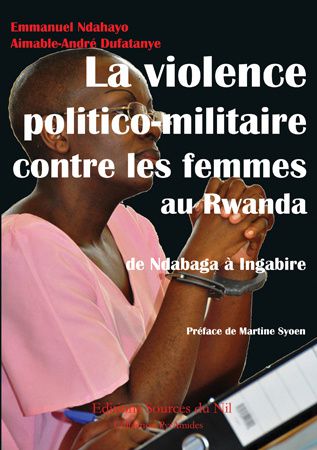
Vient de paraître: La violence politico-militaire contre les femmes au Rwanda: de Ndabaga à Ingabire

Vient de paraître: La violence politico-militaire contre les femmes au Rwanda: de Ndabaga à Ingabire

Emmanuel Ndahayo et Aimable-André Dufatanye, 2015, La violence politico-militaire contre les femmes au Rwanda, Préface de Martine Syoen, Lille, Éditions Sources du Nil, ISBN: 978-2-919201-24-2 ISSN: 2119-3584. Prix 20 euros (frais de port compris).Sortie en librairie le 27 février 2015. Vous pouvez réserver le vôtre en faisant la commande directement sur le sitewww.editions-sources-du-nil.fr ou en envoyant un e-mail àsources_du_nil@yahoo.fr.

Depuis quelques décennies les femmes rwandaises et celles de la région des Grands Lacs sont les cibles principales de la violence des stratèges des guerres nouvelles et des dictatures militaires. Beaucoup de femmes ont été tuées, d’autres ont été violées ou ont vu leurs familles exterminées. Pire encore, ces victimes, tant qu’elles vivent sous un régime qui protège les bourreaux, sont obligées de taire les atrocités qu’elles ont subi ou subissent encore. La plupart de ces femmes végètent sous le poids d’une souffrance psychologique atroce : celle de n’avoir pas pu faire le deuil des leurs. Ce livre essaie de porter la parole de ces nombreuses femmes, dont celles qui nous ont donné leurs témoignages mais justement qui, par peur d’être tuées, ne peuvent le faire à visage découvert.

L’ouvrage analyse également le fonctionnement et la nature du régime actuellement au pouvoir au Rwanda et la manière dont il traite la personne humaine et en particulier les femmes. Alors même qu’il se targue de garantir un chiffre très élevé de femmes au parlement, ce régime est mentionné dans plusieurs rapports internationaux, notamment de l’ONU (Mapping Report) comme ayant commis les crimes les plus horribles contre les femmes à l’Est de la RDC. Le régime n’a cessé d’user de la violence contre les femmes politiques ou journalistes pour peu qu’elles tentent de faire entendre une voix différente. Une partie de cet ouvrage est consacrée à Madame Victoire Ingabire Umuhoza, injustement condamnée à 15 ans de prison. Nous saluons la lutte pour la justice et la démocratie de celle dont on peut justement dire qu’elle représente la force tranquille de la non-violence active.

Les auteurs

Doctorant en sociologie politique, Emmanuel Ndahayo a survécu au génocide et aux crimes contre l’humanité commis au Rwanda et dans la région des Grands Lacs entre 1990 et 2003. Il est témoin de vagues de réfugiés rwandais, conséquence directe de la violence politico-militaire existant dans la région. En Allemagne, son pays d’accueil, il est membre du parlement du Landkreis de Düren.

Docteur en Logique & Epistémologie, de l’ENS de Lyon, Aimable-André DUFATANYE est actuellement Enseignant-Chercheur (MCF) à l’Université Catholique de Lyon. Il est également détenteur d’un Master de Management de la Qualité des Organisations, d’un diplôme de Droit Américain et d’un Master de Philosophie Politique. Il partage son temps entre l’enseignement, la recherche et le consulting en entreprise.

Source: http://editions-sources-du-nil.over-blog.com/2015/02/vient-de-paraitre-la-violence-politico-militaire-au-rwanda-de-ndabaga-a-ingabire.html

“RWANDA: Severe Restrictions on Freedom of Expression and Association, and Intolerance towards Dissent”. Human Right Watch

téléchargement (1)

[In its latest report on human rights, Human Rights Watch declares Rwanda a country where the government continues to:

  • Impose severe restrictions on freedom of expression and association
  • Not tolerate dissent.
  • Extremely limit the political space and independent civil society
  • Weaken the civil society and media remain
  • Contiinue target real or suspected opponents inside and outside the country

Following is the part of the annual report speaking to Rwanda and its dictatorial regime under Paul Kagame] Admin

Rwanda

The 20th anniversary of the 1994 genocide was commemorated in ceremonies and other events across Rwanda, and in many other countries.

Progress in economic and social development remain impressive, but the government continues to impose severe restrictions on freedom of expression and association and does not tolerate dissent. Political space is extremely limited and independent civil society and media remain weak. Real or suspected opponents inside and outside the country continue to be targeted.

Detainees were held unlawfully for several weeks or months in police or military custody, in unrecognized detention centers. Dozens of people were reported disappeared. Some reappeared in prison after prolonged incommunicado detention, but others remain unaccounted for.

Political Opposition

The ruling Rwandan Patriotic Front (RPF) dominates all aspects of political and public life. Opposition parties cannot operate in a meaningful way.

In December 2013, the Supreme Court increased from eight to fifteen years the prison sentence of Victoire Ingabire, president of the FDU-Inkingi opposition party, who had been convicted of conspiracy to undermine the government and genocide denial in 2012. Several other FDU-Inkingi members, including the party’s secretary general, Sylvain Sibomana, also remained in prison.

Bernard Ntaganda, leader of the PS-Imberakuri opposition party, was released in June after serving a four-year sentence for endangering national security and divisionism.

The Democratic Green Party of Rwanda, which was granted registration in 2013, joined the National Consultative Forum of Political Organizations in April. There were no arrests in connection with the murder of the party’s Vice President André Kagwa Rwisereka in July 2010.

Attacks on Opponents Abroad

On January 1, Patrick Karegeya, former head of Rwanda’s external intelligence services and a prominent government opponent exiled in South Africa, was found murdered in a hotel room in Johannesburg. South African authorities launched an investigation, which was ongoing at time of writing. Karegeya was a leading member of the Rwanda National Congress (RNC), an opposition group in exile. Other RNC members have also been attacked and threatened outside Rwanda. The Rwandan government denied any involvement in these attacks, but President Paul Kagame came close to publicly condoning Karegeya’s murder on January 12, 2014, when he said, among other things, “whoever betrays the country will pay the price.”

In August, a South African court convicted two Rwandans and two Tanzanians of the attempted murder of General Kayumba Nyamwasa—a former senior military official and leading RNC member—in South Africa in 2010, and sentenced them in September to eight years’ imprisonment. It acquitted two other Rwandan defendants. The judge stated that the attack was politically motivated and emanated from a group of people in Rwanda.

Civil Society Organizations

Independent civil society organizations remain extremely weak as a result of years of state intimidation and infiltration. The only remaining effective Rwandan human rights group, the Rwandan League for the Promotion and Defence of Human Rights (LIPRODHOR), took legal action in protest at a takeover of its leadership by members sympathetic to the government in 2013. The Rwanda Governance Board, the state body with oversight of national nongovernmental organizations, recognized the new leadership in 2013. After numerous adjournments, a court in Kigali ruled on procedural grounds in August 2014 that the case was unfounded. The ousted LIPRODHOR leaders have filed an appeal.

In September, two police officers were arrested in connection with the murder of anti-corruption activist Gustave Makonene. After initially denying the murder charges, both suspects pleaded guilty in pretrial hearings in October. The trial had not started at time of writing. Makonene, coordinator of Transparency International Rwanda’s Advice and Legal Advice Center in Rubavu, was found dead in July 2013.

In June the pro-government New Times newspaper published an “assessment” of Human Rights Watch’s work in Rwanda by the Ministry of Justice, which grossly misrepresented the organization’s work. Among other allegations, it accused Human Rights Watch of supporting the Democratic Forces for the Liberation of Rwanda (FDLR), a predominantly Rwandan armed group operating in eastern Congo, some of whose leaders participated in the 1994 genocide in Rwanda.

Freedom of Media

Media remained heavily dominated by pro- government views. Most journalists were unable or unwilling to engage in reporting on sensitive issues due to threats, intimidation, and prosecution in previous years. However, some radio stations occasionally broadcast call-in programs in which listeners can raise a broader range of issues and put questions to political leaders.

Agnès Uwimana, editor of Umurabyo newspaper, was released in June after serving four years in prison for endangering national security and defamation, in connection with articles published in the newspaper.

On October 24, the Rwanda Utilities Regulatory Authority (RURA) suspended the British Broadcasting Corporation’s (BBC) Kinyarwanda service’s broadcasts in Rwanda. RURA said it had received complaints of incitement, hatred, divisionism, genocide denial and revision from members of the public after the October 1 BBC television documentary, “Rwanda’s Untold Story” was broadcast. On November 19 a commission of inquiry, established by RURA and headed by former Prosecutor General Martin Ngoga, began investigations into these allegations against the BBC. It was expected to produce its report in three months.

Unlawful Detention and Enforced Disappearances

Dozens of people were held unlawfully, incommunicado in the military Camp Kami and other detention centers, some for several weeks or months. Some were tortured and pressured to confess to alleged crimes or to incriminate others. Some of these detainees were later tried on security-related charges.

From March to time of writing, at least 30 people were reported missing, many in northwestern Rwanda. Some were arrested by state agents and taken to unknown destinations. After several weeks, some of the disappeared reappeared in police detention and were transferred to civilian prisons. Some were among a group of 16 people who appeared before a court in Rubavu in June, accused of endangering state security and collaborating with the FDLR. Government authorities did not acknowledge their unlawful detention or account for their whereabouts during the preceding period, failings which render their detentions enforced disappearances. In a speech on June 5, President Kagame said authorities would continue to arrest suspects and, if necessary, shoot in broad daylight those intending to destabilize the country.

Throughout the year, hundreds of men, women, and children—many of them street children, commercial sex workers, or street hawkers—were detained unlawfully, without charge or trial, in very poor conditions in an unrecognized detention center commonly known as Kwa Kabuga, in the Gikondo area of Kigali. Many were beaten by police, or by other detainees in the presence of police.

Security-Related Trials

The trial of Joel Mutabazi, a former presidential bodyguard forcibly returned from Uganda to Rwanda in October 2013, and 15 co-accused began before a military court in Kigali in January. The defendants were charged with terrorism, murder, forming an armed group, and other offenses, linked to alleged collaboration with the RNC and the FDLR. Mutabazi and several co-defendants stated in court that they had been tortured and forced to sign statements. Mutabazi was found guilty of all charges and sentenced in October to life in prison. Thirteen defendants received sentences ranging from 3 months to 25 years. Two were acquitted.

Well-known singer Kizito Mihigo, journalist Cassien Ntamuhanga, and co-defendants Agnès Niyibizi and Jean-Paul Dukuzumuremyi were arrested in April and charged, among other things, with offenses against the state and complicity in terrorist acts for allegedly collaborating with the RNC and FDLR. Mihigo’s whereabouts were unknown for several days before he appeared in police custody. In November, he confessed to all the charges. Two of his co-defendants, Ntamuhanga and Dukuzumuremyi, pleaded not guilty. The trial was ongoing at time of writing and Niyibizi had not entered a plea.

In August, two senior military officers, retired Brig. Gen. Frank Rusagara and Col.Tom Byabagamba, were arrested and charged with, among other offenses, inciting insurrection and public disorder, and tarnishing the country’s image. The accusations are believed to be related to their alleged contacts with the RNC. They appeared in a military court alongside a third co-defendant, demobilized Sgt. François Kabayiza. They were awaiting trial at time of writing.

Justice for the Genocide

The International Criminal Tribunal for Rwanda was expected to conclude all proceedings by the end of 2014, with the exception of one appeal due to conclude in 2015. Nine suspects wanted by the ICTR continue to evade justice. The ICTR and the United Nations mechanism for international criminal tribunals launched a new initiative in July to track and arrest these remaining fugitives.

Genocide trials took place in the domestic courts of several countries under the principle of universal jurisdiction, and further cases were pending. In the first such prosecution in France, conducted by a newly established war crimes unit, a court in Paris tried former intelligence chief, Pascal Simbikangwa, and sentenced him in March to 25 years in prison for genocide and complicity in crimes against humanity. In February, a court in Germany sentenced former Rwandan mayor, Onesphore Rwabukombe, to 14 years in prison for aiding and abetting genocide.

Key International Actors

The UN special rapporteur on freedom of association and assembly, Maina Kiai, visited Rwanda in January and expressed concern about restrictions on nongovernmental organizations and political parties, among other issues. In his report to the UN Human Rights Council in June, he raised a number of concerns, including the prevailing opposition to vigorous debate and free expression of opinions, the government’s hostility toward peaceful initiatives by its critics and the existence of a legal framework that silences dissent. The Rwandan government refuted several of his findings.

In January, the United States Department of State publicly condemned the murder of Patrick Karegeya. It expressed concern about what appeared to be politically motivated murders of prominent Rwandan exiles and President Kagame’s statements about the “consequences” for those who betrayed Rwanda. In June, a US government press statement expressed concern about the arrest and disappearance of dozens of people and incommunicado detention for periods of up to two months.

To read the whole report please click  

Click to access wr2015_web.pdf

Umwihariko wa Revolisiyo: Kuki ubutegetsi bw’Agatsiko Sajya bugomba gusezererwa ?

image_abbé-300x300

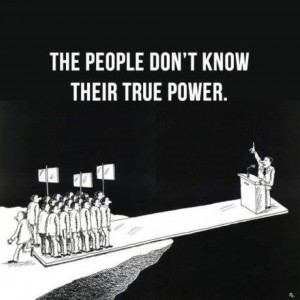
Ni koko Abaturage nibo bafite urufunguzo rw’impinduka mu Rwanda. Paul Kagame n’agatsiko ayoboye bameze nk’uwo munyagitugu uhagaze ku rubaho narwo ruhagaritswe na rubanda. Uko byamera kose umuturage navuga “NO” nta kizatubuza gukoresha ya mvugo y’abakuru ngo “agahuru k’imbwa karahiye”!

IBANGA RYA 34 : Kuki ubutegetsi bw’Agatsiko bugomba gusezererwa ?

Uretse no kuba ubutegetsi bw’Agatsiko bwarashoye igihugu mu mwiryane no mu ntambara z’urudaca, bukagerekaho no gusahura no kwiharira ibyiza byose by’igihugu, hari indi mpamvu simusiga ijyanye n’imiterere ya politiki : Agatsiko kariho karakukuza, karangije kuba KARAHANYUZE !

Burya rero uwakubwira uyu munsi ati « hari impano y’agaciro gakomeye nzaguha niwuzuza imyaka 150 y’amavuko », wahita umuseka n’iyo waba ubona rwose ko afite ubushake bwo kuguha iyo mpano ! Impamvu utazuyaza kumukwena ni uko uba ubona neza ko hari ikintu gikomeye yirengangije : nta muntu ubaho imyaka 150 kuri iyi si ! Ibimera n’ibisimba nabyo bigira imyaka ntarengwa byagenewe yo kugira ubuzima, ahasigaye bigapfa. N’imitwe ya politiki ni uko. Iravuka, igakura, igasaza, igapfa, ndetse imyinshi muri yo igapfa ihagaze !

Niyo mpamvu, mu bihugu byateye imbere hari itegeko rivuga ko nta Mukuru w’igihugu wemererwa kurenza manda ebyiri zikurikiranye (imyaka 8-10 !). Iyo arangije manda ze ebyiri, itegeko rimusaba kudahita yongera kwiyamamaza, akareka abandi nabo bagatorwa, noneho byazamushobokera akazongera kwiyamamaza nyuma. Birazwi neza ko imyaka 10 ihagije ngo n’umutegetsi w’akataraboneka abe ananiwe ! Nyuma y’imyaka 10-15 ikipe iri ku butegetsi iba inaniwe. Igituma politiki nziza yubaka igihugu iramba si ukwihambira ku butegetsi bw’agatsiko kamwe : kenshi na kenshi iyo agatsiko kavuye ku butegetsi gasiga gashenye n’ibyo kari karubatse ! Ibanga rya politiki iganisha igihugu mu iterambere ry’ukuri ryihishe mu muco wo “Gusimburana ku butegetsi” : le principe de l’alternance. Ibihugu by’Abazungu byemera iyo « principe » nibyo biyobowe neza ( Ubufaransa, Amerika, Ubudage…)

Agatsiko k’Indobanure kamaze imyaka irenga 21 ku butegetsi mu Rwanda ! Uretse Paul Kagame wenyine wibwira ko ari umuyobozi w’igitangaza, Abanyarwanda twese tuzi ko nta kindi azamarira Urwanda uretse gukomeza kurukururira ibyago ! Buriya Agatsiko kamugaragiye nako karashaje, imungu yakinjiye mu ngingo : nta gitekerezo gishya kagifite, nta wundi mushinga mushya gahishiye Urwanda. Nta kindi gasigaje uretse gukomeza kwiba, gusubiranyamo no guteranya Abanyarwanda. Mwiyumviye n’ukuriye Agatsiko, Nyakubahwa Paul Kagame, yivugira ubwe ko ubu igihugu akigejeje kuri “mteremko”! Hari le 4/7/2011 mu munsi mukuru wo kwibuka kuri stade Amahoro i Remera imyaka 17 FPR ifashe ubutegetsi ku ngufu. Ntabwo abeshya, Urwanda ruri ku manga, mbese rugeze aharindimuka, niba Agatsiko katarekuye ubutegetsi mu maguru mashya ! Muri make kacyuye igihe cyako kera ! Habuze gusa uwasunika ngo maze twirebere ukuntu ubutindi buhenanguka ! HAKENEWE IMPINDURAMIYOBORERE, bidatinze.

Dore ibintu 12 Repubulika ya 4 izihutira gushyira mu ngiro kugira ngo ishobore kuzahura Urwanda ; Abanyarwanda bongere bahumeke umwuka w’abazima :

IBANGA RYA 35.: Gufungura abafunze

  • Gukingura imiryango ya Gereza na Kasho zose ziri mu gihugu, abo Agatsiko kahejeje mu gihome bagataha.

Abajijutse, abafite imbaraga zo kubaka igihugu, Agatsiko kahisemo kubabika mu buroko kugira ngo kikorere ibyo gashaka ntawe ukanenga ! Abo bose bakwiye gutaha mu ngo zabo, bagasubizwa uburenganzira bwabo, bakagira uruhare mu kubaka Urwanda rwigenga.

*Abambere bazabohorwa ni Abanyapolitiki n’Abanyamakuru Agatsiko kafunze barengana : Madame Victoire Ingabire, Déogratias Mushayidi,Ntamuhanga Cassien,…..

*Abandi bakwiye kurekurwa ni abafunze bamaze imyaka n’imyaniko batagira amadosiye.

*Leta izakora uko ishoboye Abanyarwanda bafungiwe mu mahanga kubera ibyaha bakoreye mu Rwanda, baze gufungirwa mu Rwanda.

*Hazatangwa imbabazi za Perezida wa Repubulika ku bakatiwe bose, kuko harimo benshi bahamijwe ibyaha batigeze bakora kubera ikinyoma cy’Agatsiko.

IBANGA RYA 36 : Gushyingura mu cyubahiro no kwibuka Abanyarwanda bose bishwe nta vangura.

Mu rwego rwo kwimakaza umuco wo kuvugisha ukuri no kwemera (assumer) amateka y’igihugu cyacu Agatsiko katanashaka ko yigishwa urubyiruko :

(2) Ababaye abakuru b’igihugu na ba Leaders bagiriye Urwanda akamaro bazashyingurwa mu cyubahiro kandi bibukwe:

*Ibisigazwa by’umwami Yuhi IV Musinga, bizashakwa bishyingurwe mu Rwanda.

*Umubiri wa Perezida Yuvenali Habyarimana uzacyurwa ushyingurwe mu Rwanda, umuryango we usubizwe imitungo yawo.

*Perezida Grégoire Kayibanda azashyingurwa mu cyubahiro, umuryango we usubizwe uburenganzira wavukijwe.

*Ababaye aba Leaders bazumvikanwaho nabo bashyingurwe mu cyubahiro kandi bajye bibukwa.

(3) Abandi Banyarwanda bishwe nabo bazashyingurwa mu cyubahiro kandi bajye bibukwa :

*Abepiskopi n’Abihayimana bishwe n’Agatsiko,

*Abanyarwanda biciwe i Kibeho,

*Abiciwe mu mashyamba ya Kongo,

*Abagitabitse mu byobo hirya no hino mu gihugu,

*Amagufa y’abacu Agatsiko kanitse ku Gisozi no mu zindi nzibutso zinyanyagiye hirya no hino mu gihugu kubera impamvu y’ubucuruzi, …. Bose bazashyingurwa mu cyubahiro.

IBANGA RYA 37 : Urusengero mpuzamatorero

(4) Hazubakwa Urusengero Mpuzamatorero rwitwa “BAZILIKA Y’UBWIYUNGE” (Basilique de la Réconciliation), izashyingurwamo Abanyarwanda bose bishwe bavuzwe haruguru kandi ijye iberamo amasengesho yo kubasabira no gusabira igihugu cyacu amahoro.

IBANGA RYA 38 : Ibibazo bikomeye biri mu burezi bizakemurwa

(5) Abana bose biga Kaminuza n’amashuri makuru bagomba kugenerwa amafaranga ya Buruse. Na none kandi Leta igomba gutangira amafaranga y’ishuri abana bose b’Abanyarwanda biga amashuri yisumbuye, iyo bigaragaye ko ari abakene cyangwa imfubyi zitishoboye.

Ibi bizaba bigamije guha abana bose b’Abanyarwanda amahirwe angana no guca ivangura Agatsiko kubakiyeho umwiryane mu rubyiruko, biturutse kuri politiki mbi yo gufasha abana b’Abatutsi bonyine, Abahutu Leta ikanga kubitaho.

(6) Guha agaciro ABARIMU b’amashuri abanza, ayisumbuye n’amakuru, bagahabwa umushahara ukwiye.

Koko byose bituruka mu ishuri : « Tout passe par l’école ». Hambere, mwarimu ni we muntu wari wubashywe mu giturage. Niwe washobora kubaka inzu y’amabati, ni we wanywaga byeri…ako gashema kakamutera gukora umurimo we yishimye, abana b’igihugu bakajijuka ndetse ugasanga benshi mu rubyiruko barota « kuba mwarimu ».

Kubera ko Agatsiko kagizwe ahanini n’abatazi icyo ishuri bivuga, mwarimu w’umunyarwanda yateshejwe agaciro, aratindahazwa, ubu « kuba mwarimu » bisigaye ari IGITUTSI. Birumvikana ko iyi ariyo mpamvu y’ibanze yatumye uburere n’uburezi bisubira inyuma cyane muri iyi myaka 21 Agatsiko kamaze ku butegetsi.

Repubulika ya 4 izasubiza “MuaLimu” icyubahiro, ahabwe ibikoresho bikwiye n’imfashanyigisho zijyanye n’umurimo we. Azahabwa umushara watuma ashobora kubaho ndetse umwarimu ukora neza ajye agerekerwaho n’agahimbazamuskyi kuko Urwanda rw’ejo ruturuka mu biganza bya mwarimu.

Mwarimu w’amashuri abanza akwiye gukubirwa incuro 10 umushara w’intica ntikize agenerwa muri iki gihe (24 000 x10 =240 000fr).

IBANGA RYA 39 : Gushyiraho ingabo z’igihugu

(7). Kurema ingabo z’igihugu zidakorera agatsiko (Armée républicaine).

Guhera mu 1973, Ingabo z’igihugu zafashe ubutegetsi, zihigika abasivili, zihitamo gukora politiki. Guhera ubwo igisirikari cyahindutse nk’imitwe y’iterabwoba ikorera inyungu z’Abanyagitugu, kugeza ubwo batagitinya no kurasa Abenegihugu bashinzwe kurinda ! Icyo ubuyobozi bw’abasirikari bwabyaye ni izi ntambara z’urudaca, ni jenoside, ni iterabwoba rihoraho n’akaduruvayo mu nzego zose z’ubuzima bw’igihugu.

Guhera mu 1994 ho byabaye agahomamunwa kuko Ingabo z’Agatsiko k’indobanure zo ziyemeje kuragiza abaturage imbunda nk’ibisimba, ari nako zinyuzamo zikabica amanzaganya, zibarasiye mu ngo iwabo, mu buvumo aho bahungiye, mu mashyamba, n’ahandi ! Nta muturarwanda ucyizera ingabo, turazibona ibikoba bigakuka kuko tuzizi nk’umutwe w’abicanyi n’amabandi ! Nta cyiza zifuriza umuturage, aho kumurindira umutekano nizo ziwuhungabanya, aho kumuhumuriza nizo zimukura umutima, intwaro zigurwa ngo zirengere igihugu nizo zikoreshwa mu kurimbura Abanyagihugu : IKI NI IKIBAZO GIKOMEYE. Kizahabwa igisubizo ryari ?

Muri iyi minsi, iyo wumvise impaka ziriho, ukumva ngo abasirikari barimbaguye Abanyarwanda mu myaka ishize barikunkumuye bahindukamo abanyapolitiki bashishikajwe no kuvugira rubanda, usanga bibabaje. Akabanga numva nakwibira abo basirikari nkakamenyesha n’Abanyarwanda bose ni aka : Politiki n’amatakirangoyi ni ibintu bibiri bidafite aho bihuriye ! Nitureke kuvanga ibintu.

Repubulika ya 4 izasubiza ibintu mu buryo. Politiki izaharirwa Abasivili, Ingabo z’igihugu si urwego rushinzwe gukora politiki. Igisirikari ni IGIKORESHO cya politiki y’igihugu. Inshingano y’ibanze y’ingabo z’igihugu ni ukurinda ubusugire bw’igihugu, gusenya ingufu z’umwanzi, no gutabara Abaturage. Umukuru w’igihugu na Leta y’Abasivili, nibo bafite inshingano yo kugena Umwanzi w’igihugu, no kohereza Ingabo kumurwanya. Ingabo zigomba kumvira Abayobozi b’Abasivili bakorera inyungu za rubanda. Zigomba kwirinda gutiza umurindi umuyobozi wese udakurikiza mategeko agashaka gufata Abenegihugu ho ingwate. Iyo bibaye ngombwa, Ingabo z’igihugu zishobora kunganira abaturage mu gufata umutegetsi uri kwihindura umunyagitugu kugira ngo yigizwe kure y’ubuyobozi bw’igihugu kandi ashyikirizwe ubutabera, naho abaturage bahe ubutegetsi undi bitoreye.

Abasirikari b’Abanyarwanda nibahindure imyumvire, bazinukwe politiki kuko yabananiye. Nibivugurure bareke kugirwa ibikoresho by’udutsiko. Nibiheshe agaciro, bagire ishema ryo kwitwa Ingabo z’igihugu, zikunzwe kandi zizewe n’abaturage .

IBANGA RYA 40 : Amashyaka menshi

(8) Gufungura amashyaka ya politiki agakorera mu bwisanzure busesuye.

Politiki ya humirizankuyobore y’ishyaka rimwe rukumbi (kabona n’aho ryaba rigaragiwe n’udushyaka turiho ku mazina gusa !) nta cyiza ishobora kugeza ku benegihugu. Inshingano y’ibanze y’amashyaka ya politiki si ugushyushya imitwe no gucunga imyanya abayobozi bayo bashobora guhabwa muri guverinoma ! Amashyaka ya politiki afite inshingano yo guhugura abaturage no kubakangurira kugira uruhare mu kubaka no gucunga neza inyungu rusange. Amashyaka menshi niyo ateza igihugu imbere kuko atuma habaho “kuganira no kujya impaka” (DEBAT). Igihugu nticyubakwa na “Ninjye mugabo…”, igihugu cyubakwa n’IBIGANIRO. Igihugu si isambu y’umuntu umwe gusa kabone n’aho yaba perezida wacyo. Urwanda ni urwa twese, ni ngombwa ko abaturage bose, bibumbiye mu mashyaka ya politiki, bahabwa ijambo, bakavuga uko bifuza kubaka igihugu cyabo.

IBANGA RYA 41 : Itangazamakuru

(9). Kubohora Itangazamakuru rigakorera mu bwisanzure busesuye

Iyo abantu bahawe ubwisanzure bwo kuvuga icyo batekereza, umwiryane uragabanuka, intambara zisesa amaraso zigahagarara. Itangazamakuru naryo rikura abaturage mu bujiji iyo ribagezaho amakuru y’ukuri ku bibera mu gihugu Iyo rinenga amakosa y’abategetsi, rituma hari byinshi bikosorwa amazi atararenga inkombe.

IBANGA RYA 42 : Guhugura abaturage

(10). Gushyiraho gahunda idasanzwe yo guhugura abaturage bose mu byerekeye amategeko n’imikorere y’inkiko.

Imyumvire ya gakondo yo kubakira igihugu ku muco gusa, ntikijyanye n’igihe. Imiyoborere y’igihugu n’IMIBANIRE y’Abenegihugu igomba gushingira ku bumenyi bw’AMATEGEKO.

Ntabwo Repubulika ya 4 ishobora kuvugurura igihugu (moderniser le pays), idashyizeho gahunda idasanzwe yo kwigisha abaturage bose amategeko y’ingenzi areba uburenganzira bwabo. Bityo, bazumva n’impamvu ari ngombwa gushishoza mu gihe cyo guhitamo Intumwa za rubanda zishyiraho ayo mategeko.

IBANGA RYA 43 : Amajyambere mu mijyi no mu cyaro

Urwanda na rwo rushobora kurwanya ubukene rugafata gahunda ihamye y’iterambere. Gusa icyo Abanyarwanda badashaka muri iki gihe ni iterambere rirunze mu maboko y’Agatsiko k’abaherwe gusa bituriye mu mujyi wa KIGALI. Icyo bakeneye ni UGUSARANGANYA, ibyiza by’igihugu bikagera kuri bose.

(11) Niyo mpamvu hazashyirwaho porogaramu (Plan) yitwa “Mille collines, Mille Projets” : izarema imishinga 1000 ya rutura, igamije kurwanya ubukene no guteza igihugu imbere mu majyambere. Buri murenge (secteur) uzahabwa nibura umushinga umwe wahemba nk’abakozi bagera ku 1000. Urubyiruko ruzahabwa akazi muri iyo mishinga ku buryo bw’umwihariko.

IBANGA RYA 44 : Imibereho myiza y’abaturage

(12) Mbere na mbere Leta izakora ibishoboka byose kugira ngo :

*Abaturage bose babone amazi meza,

*Buri murenge ugerweho n’umuriro w’amashanyarazi.

Ahari amazi n’amashanyarazi, imishinga irashoboka, ubuzima bwiza bukayoboka abenegihugu.

Icyitonderwa :

Ntihabuze abibaza ngo “aya mafaranga yose azava he ?“. Igisubizo : Nta gihugu gihomba ! Leta ihora ifite ubushobozi bwo gusaba inkunga amahanga, gusaba inguzanyo mu mabanki no mu bigenga mpuzamahanga. Icy’ingenzi ni uko igihugu cyaba gifite ubushake bwo guca umuco mubi wo KWIKUBIRA no kwinjira mu nzira y’iterambere buri mwenegihugu wese yibonamo. Amafaranga azashakwa kandi azaboneka :

*Amafaranga Paul Kagame yasahuye akigurira indege ze bwite, akubakisha amazu n’amahoteli hirya no hino mu mahanga, ayo yarunze ku makonti ye bwite… ubwayo ntaruta 1/2 cy’amafaranga akenewe kugira ngo izi ngingo 12 zishyirwe mu bikorwa ?

*Amafaranga apfushwa ubusa mu kugura ibikoresho bya gisirikari byo kubuza abaturage n’abaturanyi umutekeno,

*Amafaranga atagira ingano akoreshwa muri za maneko no kwica impunzi,

* Amafaranga menshi birenze urugero ameze nka ruswa ahembwa Abamotsi (kugira ngo bicecekere !) bo mu Nteko Ishingamategeko na Guverinoma itagize icyo imariye Abanyarwanda…

Ayo yonyine ntiyadufasha gushyira mu bikorwa biriya byemezo ?

Biracyaza…

Niba ufite icyo ushaka gusobanuza, watwandikira kuri aderesi ikurikira: ishema_party@yahoo.fr cyangwa se ugasura urubuga http://www.ishemaparty.mobi ukatwandikira ukoresheje uburyo bwateganyijwe. Ushobora no gusura imbuga zacu kuri facebook.

Ukraine crisis will not be solved by military means, says Angela Merkel

German chancellor admits, however, that she is unsure whether the current diplomatic push to end the conflict in the east of the country will succeed.

https://embed.theguardian.com/embed/video/world/video/2015/feb/07/weapons-ukraine-angela-merkel-russia-video

Angela Merkel has said the crisis in Ukraine will not be solved by military means, and that the peace agreement struck last September needs to be implemented.

Speaking at the Munich security conference on Saturday, the German chancellor said she wanted to secure peace in Europe with Russia and not against it.

Germany has opposed aiding Ukrainian troops for fear of worsening the conflict, which has already cost more than 5,000 lives, but the idea has many supporters in Washington.

“I cannot imagine any situation in which improved equipment for the Ukrainian army leads to President Putin being so impressed that he believes he will lose militarily,” Merkel said. “I have to put it that bluntly.”

Disagreement has emerged between Europe and the US about how best to confront Putin as Moscow-backed rebels make gains in eastern Ukraine. Barack Obama is under pressure from some in Congress to sent weapons to Kiev.

Nato’s top military commander, US Air Force general Philip Breedlove, gave the strongest signal yet in Munich that he wanted the west to consider sending weapons to Ukraine.

“I don’t think we should preclude out of hand the possibility of the military OPTION,” he said, adding: “There is no conversation about boots on the ground.”

Merkel told the conference she could not be certain the talks she and the French president, François Hollande, held on Friday in Moscow with the Russian leader would result in a peaceful solution to the crisis.

“But it is in my view and the French president’s view definitely worth trying. We owe it to the people affected in Ukraine, at the very least,” she said.

Hollande said: “If we don’t MANAGE to find not just a compromise but a lasting peace agreement, we know perfectly well what the scenario will be. It has a name, it’s called war.”

Advertisement

The Russian foreign minister, Sergey Lavrov, said he hoped sincerely that the latest diplomatic drive would “produce results, and those results will be supported by the parties to this conflict”.

The Ukrainian president, Petro Poroshenko, said a peace proposal aimed at ending clashes with pro-Russian separatists in eastern Ukraine could work.

Merkel is expected to meet the US secretary of state, John Kerry, and Lavrov on Saturday, along with Poroshenko and the US vice-president, Joe Biden.

The focus at the Munich conference is on a new blueprint agreed in overnight talks in Moscow between Putin, Merkel and Hollande. The aim is to reach a solution to the crisis before it turns into a major east-west confrontation.

No details were released about the Moscow talks, but the new plan is likely to be based on the failed September Minsk ceasefire and peace accords that the west accuses Moscow of failing to adhere to.

“Work is under way to prepare the text of a possible joint document to implement the Minsk agreements,” said Putin’s spokesman, Dmitry Peskov, who described the Moscow talks as “substantial and constructive”.

Merkel and Hollande, who both left Moscow late on Friday night, made no public comment after the meeting and are to discuss the plan again with Poroshenko by telephone on Sunday.

German media broadly welcomed the latest initiative on Saturday, saying time was running out to avoid a disaster for Europe.

Spiegel Online said that with Merkel expected to meet Barack Obama on Monday, “this weekend will be crucial for how the crisis in eastern Ukraine and relations with Russia develop”.

“If Merkel fails in Moscow, the US will want to punish Putin,” it said.

Fighting in eastern Ukraine has claimed the lives of five civilians in the past 24 hours, government and rebel officials said.

After a limited truce to allow civilians to escape the violence offered some hope on Friday, the Ukraine government said missiles hit the embattled town of Debaltseve on Saturday.

Source: The Guardian

On World Cancer Day, UN says ‘goal must be equitable access for all patients, in all countries’

Women line up at the Kanungu Health Centre IV in Uganda to receive HIV and cervical cancer counselling and testing.

4 February 2015

As the international community pauses on World Cancer Day to remember the millions of preventable deaths caused by the disease, the head of the UN agency that contributes nuclear techniques to fight cancer said today that a huge percentage of the world’s cancer deaths occurring in developing countries can be prevented.

“The goal must be equitable access for all patients, in all countries, to the highest standards of cancer care, regardless of their country’s level of development,” said Yukiya Amano, Director General of the UN Atomic Energy Agency (IAEA).

“Around 70 percent of the world’s cancer deaths occur in developing countries. Many of those deaths could be prevented if the right facilities, and trained staff, were available,” he told an IAEA-hosted event in Vienna, Austria, marking World Cancer Day to demonstrate that cancer control is ‘Not Beyond Us’ – slogan of this year’s campaign.

To mark the occasion of World Cancer Day, which is marked each year on 4 February, the IAEA’s Programme of Action for Cancer Therapy (PACT) hosted a roundtable panel discussion with notable speakers from around the world to address some of the issues regarding comprehensive cancer control in developing countries.

IAEA also focused on the growing problem of cancer in Afghanistan.

“Like in most developing countries around the whole world, cancer is a growing problem in Afghanistan saidthe agency in a news release describing how it is helping the country to establish a cancer care centre with in-patient and out-patient facilities that include oncology services.

The first and second phases of the project will focus on the population of Kabul and the area surrounding the capital, which is estimated to benefit millions of people.

The IAEA, best known for its work as a the UN nuclear watchdog, said it has been working for decades with a global network of partners such as the UN World Health Organization (WHO) to help countries establish comprehensive cancer control programmes that cover diagnosis, treatment and palliative care.

According to the Geneva-based World Health Organization (WHO), there are 14 million new cases of cancer and over 8 million people die from cancer every year, with 60 per cent of deaths in Africa, Asia and Central and South America.

This year, WHO held a Twitter chat with its cancer expert as part of its activities to raise awareness, and shined the spotlight to recall that tobacco is the single biggest cause of cancer in the world and the leading cause of preventable deaths.

“Every year, 8.2 million people die from cancer; at least 1.6 million or 20% of these are tobacco-related. In total, more than 6 million people will die this year from tobacco-related diseases including cardiovascular diseases, chronic lung diseases and cancer,” wrote Dr. Vera Luiza da Costa e Silva, Head of the Convention Secretariat, Framework Convention on Tobacco Control.

She noted that “televisions, billboards and magazines were covered in advertisements glorifying smoking. Concerts and sporting events were places for the tobacco industry to hand out free products and branded promotional items.

“On World Cancer Day, we must recommit to further reduce tobacco use so that a tobacco-free world becomes a reality,” she said.

And the Pan American Health Organization (PAHO) said nearly half of cancer deaths in the Americas are premature, yet many could be prevented by public policies that support healthy lifestyles and early detection and treatment.

World Cancer Day, organized by the Union for International Cancer Control is an opportunity to highlight the wide range of actions needed to effectively prevent, treat and control the many forms of cancer.

Source:United Nations