Category Archives: Economic Development

Rwanda: Locking Up the Poor New Findings of Arbitrary Detention, Ill-Treatment in “Transit Centers”

téléchargement (1)(Nairobi) – Rwandan authorities are rounding up poor people and arbitrarily detaining them in “transit centers” across the country, Human Rights Watch said today. The conditions in these centers are harsh and inhuman, and beatings are commonplace. New research indicates that the authorities have made few changes in a center in Gikondo, in the capital, Kigali, despite an earlier Human Rights Watch report on abuses there, and that similar degrading treatment prevails in other transit centers.

A street in Rwanda’s capital Kigali, May 11, 2016.

New Human Rights Watch research in 2016 has found that scores of people, including homeless people, street vendors, street children, and other poor people, are being rounded up off the streets and detained in “transit centers” or “rehabilitation centers” for prolonged periods. Detainees have inadequate food, water, and health care; suffer frequent beatings; and rarely leave their filthy, overcrowded rooms. None of the former detainees Human Rights Watch interviewed were formally charged with any criminal offense and none saw a prosecutor, judge, or lawyer before or during their detention.

“The Rwandan government should close these unofficial detention centers and instead provide voluntary vocational training, help, and protection for vulnerable people,” said Daniel Bekele, Africa director at Human Rights Watch. “Locking poor people up in harsh and degrading conditions and abusing them isn’t going to end their poverty, and it violates both Rwandan and international law.”

Following a September 2015 Human Rights Watch report on abuses at the Gikondo transit center, Human Rights Watch interviewed 43 former detainees from Gikondo and three transit centers in other parts of Rwanda: Muhanga (Muhanga district), Mbazi (Huye district), and Mudende (Rubavu district). Most of these interviews took place in 2016.

Contrary to the designations for these centers, none of the people interviewed had “transited” to other facilities after their most recent arrest and most had not been through any “rehabilitation,” such as professional training or education, at the centers.

“They correct us by beating us with sticks,” one man told Human Rights Watch.

In November, just over a month after Human Rights Watch’s report, the Kigali City Council published a new directive regulating the Gikondo center, creating, for the first time, a specific legal framework. The directive contains provisions for improving conditions and granting certain rights, but leaves the door open for continuous arbitrary and lengthy detention.

Many aspects of the directive have not been implemented and the situation in Gikondo has not significantly improved since 2015, Human Rights Watch found. While some former detainees described minor adjustments to the infrastructure and the provision of some activities, the center continued to be overcrowded, with bad conditions. Arrests and detention were arbitrary and unlawful, and police officers beat detainees.

The new findings on the four centers Human Rights Watch researched – out of at least 28 across the country – were remarkably similar. Police or other groups responsible for security rounded up beggars, street vendors, or petty criminals, mostly in urban areas, and locked them up in the overcrowded, dirty transit centers.
Most detainees in these four centers were not allowed to leave their room, except to go to the toilet only twice a day. In most cases, food was no more than one cup of corn a day, and several former detainees complained about the lack of drinking water or the opportunity to wash.

Many said they had been beaten. In Gikondo and Muhanga, almost all those interviewed said they were beaten by police or by other detainees, often with sticks. Two adults detained in the center in Mbazi, close to the town of Huye, in southern Rwanda, said they were beaten when they arrived.

“Every day, we have the ‘right’ to be beaten twice: in the morning and in the evening,” a former detainee from the Mudende transit center told Human Rights Watch. “That is our ‘right.’” The situation in Mudende, close to the town of Rubavu, in northwestern Rwanda, was particularly serious, with police officers, military, or other detainees beating detainees daily. As soon as detainees arrived, police officers hit them while forcing them to crawl on the ground to the room where they were to be detained.

Human Rights Watch received information about several people who died during or just after their detention in Mudende, allegedly as a result of a combination of injuries from beatings, poor conditions, and lack of medical care. Human Rights Watch shared information about one such case with the Justice Ministry, which expressed willingness to thoroughly investigate the allegations.

Human Rights Watch spoke to 13 children, ages 10 to 18, who had been detained in Muhanga and Mbazi, between June 2015 and May 2016. Most said they were street children. In Muhanga, children were detained in the same building as adults. In Mbazi, they were held in a separate building with slightly better conditions than the adults, but lacked proper hygiene and access to education. Several former detainees from Mudende and Gikondo said they had also seen children in these centers, ranging from infants held with their mothers to children up to about 18. Several former detainees said children were beaten in Gikondo and Muhanga.

and Muhanga.

Four Transit Centers in RwandaLAUNCH MAP

Four transit centers in Rwanda © 2016 John Emerson for Human Rights Watch

“We are seriously concerned about the detention and ill-treatment of children in transit centers,” Bekele said. “This is a negative development, as we were no longer receiving reports of detention of children in Gikondo between mid-2014 and mid-2015. The Rwandan government should order the immediate release of all children detained in transit centers.”

Human Rights Watch wrote to the Rwandan justice minister, Johnston Busingye, in March, May, and June 2016, to share its findings and to comment on the Kigali City Council directive. In a written reply on July 5, the Ministry stated that it is continuing to inquire “to make sure that there are no human rights abuses in Rwanda’s transit centres” and that it has “been assured that no ill-treatment incident has happened neither in Muhanga nor Huye or Mudende.” The Ministry said it would follow up any specific incident reported.

The arbitrary arrest of poor people is part of an unofficial government practice to hide “undesirable” people from view, and contrasts with the Rwandan government’s impressive efforts to reduce poverty, Human Rights Watch said. Street vendors, many of them women, have been among the main targets. On May 25, the mayor of Kigali called street vendors “an impediment to cleanliness” and told them to form cooperatives.

Several other government officials promised measures to improve the situation after Theodosie Mahoro, a street vendor, was killed on May 7, in Nyabugogo bus station in Kigali – illustrating the precarious conditions in which they and other poor people operate. Security guards tried to confiscate Mahoro’s goods and beat her severely, in front of many witnesses. She died almost immediately. The authorities arrested three security guards suspected of causing her death and promised to investigate.

In 2015 and 2016, the National Commission for Human Rights and members of the Rwandan Parliament confirmed some of Human Rights Watch’s findings and endorsed a recommendation for an updated legal framework for all “transit centers.”

“New legislation could be a step in the right direction if it prevents arbitrary detention and guarantees detainees’ rights to full due process and protection from ill-treatment,” Bekele said. “But ultimately, the Rwandan government should close these centers and ensure that abuses are investigated and prosecuted.”

For details, please see below.

New Legal Framework for Gikondo
Following the September 2015 Human Rights Watch report on the Gikondo transit center, Justice Minister Johnston Busingye was quoted in the media denying the existence of any illegal detention center in the country and dismissing Human Rights Watch’s findings. He said the government stood by its policy of “rehabilitation rather than incarceration” and stated that Gikondo “is a transit center and people are held there for a short period before longer term remedial or corrective measures are taken.”

A general view of Rwanda's capital Kigali, March 26, 2014.

A general view of Rwanda’s capital Kigali, March 26, 2014. © 2014 Reuters

In a positive move, in November, the Kigali City Council adopted a new directive on the Kigali Rehabilitation Transit Center – the official name for the Gikondo center – laying out the center’s objectives and procedures. The directive addresses some of the issues Human Rights Watch had raised, in particular the lack of a legal framework. It also lists the rights of those taken to the center, including the rights not to be subjected to corporal punishment, harassed, or discriminated against, access to hygiene and health care, and the right to visits.

Fundamental concerns remain, however. Rather than eliminating arbitrary detention, the directive seems to embed detention practices that could conflict with Rwanda’s obligations under international human rights law. Under the directive, the center is to receive people whose behavior disturbs public order and security – a broad and vague notion that could be applied to categories of people for whom arrest and detention are not an appropriate or lawful response.

The directive created, at least in theory, a commission consisting of those running the center, representatives of the Justice Ministry, the district hospital, and district authorities, to analyze the problems of those taken to Gikondo and assign them, within 72 hours, to various categories. Based on the designation, within 14 days, the authorities should release them to their families or send them to the judicial police, a re-education center, a hospital, or another place “that could give him back a life that enhances his well-being.”

In theory, therefore, most detainees should leave Gikondo after a maximum of 17 days. However, the directive allows for some to be held longer. Unless they successfully pass a “test” and are released, the commission can decide that detainees should remain in Gikondo for an unspecified longer period to “help readapt those the commission can’t transfer elsewhere.”

On March 4, Human Rights Watch wrote to the Justice Minister requesting, among other things, clarification about elements of the directive and voicing concern about the continued possibility for arbitrary detention in the center for an unspecified and possibly lengthy period. The Justice Ministry replied on July 5 that it appreciated Human Rights Watch’s analysis of the directive and stated that “you cannot deny the fact that the directive contains positive elements and it is a step forward among others to eliminate any form of ill-treatment in transit centres.” It did not provide more detailed responses to the specific points about the directive.

No Fundamental Changes in Gikondo
Since the publication of the directive, Human Rights Watch has interviewed 12 former detainees – seven women and five men – who spent between four days and three months in Gikondo between October 2015 and April 2016. At least two were held for much longer than the period specified in the directive, and a third said she spent about two weeks in the detention center. Others spent an average of about a week in Gikondo.

None said they had seen members of a commission or undergone a test. As far as they could see, police were the only officials “screening” detainees and deciding who could leave.

Former detainees’ descriptions indicated that conditions inside Gikondo have not changed fundamentally. Some mentioned that walls had been repainted and toilet facilities renovated, but overall conditions remained very poor.

Transit Centers in Mudende, Mbazi, Muhanga
Human Rights Watch interviewed 31 people – 13 men, five women, and 13 children – whom the Rwandan authorities detained in three transit centers – Mudende transit center (in Nyabushongo, Rubavu district), Mbazi transit center (in Mbazi, Huye district), and Muhanga transit center (in Mushubati, Muhanga district) – between September 2014 and May 2016.

The 10 interviewed from Mudende had spent between a week and six months there; the 12 from Mbazi spent between one night and three months; and the nine from Muhanga were there between three days and three months.

Most said they were arrested because they couldn’t show identity documents or were street vendors or street children; others were arrested for being drunk or for otherwise disturbing public order.

Most had been arrested and detained in a transit center several times before – a pattern Human Rights Watch had documented in its 2015 report. One said he had been arrested more than 20 times. Another couldn’t even count the number of times he had been arrested and sent to a transit center.

No Transit, No Rehabilitation
Despite the fact that the Rwandan government calls these centers “transit centers” or “rehabilitation centers,” all the people interviewed had been released after their most recent period of detention without being transferred anywhere. Most resumed their old habits or activities as soon as they were released, as they had no alternative way to earn a living.

However, some said that some other detainees had been sent to a rehabilitation center on Iwawa, an island in Lake Kivu. Human Rights Watch spoke to a man who had spent nine months in Gikondo in 2015, was transferred to Iwawa, but was rearrested and taken back to Gikondo – for the sixth time – in April 2016, after his release from Iwawa.

Justice Minister Busingye said in September 2015, in his response to the earlier Human Rights Watch report, that Rwanda had “chosen to focus on rehabilitating and reintegrating them [drug addicts and other criminals] to offer the chance for a better life.” The 2015 directive on Gikondo states that the center will provide activities and courses to encourage good conduct, as well as counseling and other support, but few of the former detainees interviewed had benefited from such activities or services.

Human Rights Watch research in 2016 showed that rehabilitation or reintegration efforts are very limited at the transit centers. The majority interviewed were not aware of or given the opportunity to participate in training or education activities. One former female detainee mentioned that detainees in Gikondo were taught to make baskets; another remembered a presentation about savings. In Mbazi, Muhanga, and Mudende, no training was provided, but some former detainees remembered civic education activities about crime prevention, genocide commemoration, or HIV/AIDS.

A 25-year-old male street vendor who was detained in Gikondo in March said:

They say on the radio that the government is teaching professions in Kwa Kabuga [the unofficial name for Gikondo]. It’s wrong, because no one in our room received any training when I was there. There are no jobs in Kwa Kabuga. We stay in the room the whole day.

Inhuman Conditions
Former detainees’ descriptions of conditions in the four transit centers were remarkably similar. They said that as many as several hundred people were crammed into one room. Some said that there was so little space that they had to sleep standing up. There was poor hygiene, vermin, and difficult and limited access to toilets, causing health problems.

Most former detainees said they received a maximum of one cup of corn a day, sometimes mixed with beans. Some said they had porridge in the morning. Most detainees slept on the floor, others slept on mats or under dirty blankets, which several detainees had to share.

Access to drinking water varied according to the location and period of detention. Some said there was no drinking water, while others said there was sufficient water. In its annual report for 2014-2015, the National Commission for Human Rights documented that in seven transit centers, including Mudende, there was no clean drinking water. Some detainees were unable to wash themselves or their clothes throughout their stay in one of the four centers, while others could wash sporadically or regularly.

A 33-year old female soft-drink vendor described the daily routine and conditions in Gikondo in March:

Inside, life is not good. They wake us up at 3 a.m., then put us in line, count us and write it [the number of detainees] down. They ask us what we owned before the arrest. There is no water. They give us only half a cup of corn. We have difficulties finding water to drink, except when we can go out to wash. We take a shower in the room. They give us a bucket for five people. We wash in front of everyone. We also defecate in front of everyone, as there are no doors. […] In the room, there are mice, lice and fleas. We tried to clean the room, but it didn’t help much. I have scars from scratching.

Most former detainees only left their room to go to the toilet, which they were only allowed to do once or twice a day, in a group. If someone had to use the toilet in between these visits, they had to improvise inside the room.

In Gikondo, some former detainees said they could leave their room for group prayers or exercises, known as mchaka. Others in other centers were only taken out for beatings or when officials counted the detainees.

In these conditions, health problems such as malaria, cholera, and diarrhea were common, the former detainees said. Some said they had access to medication and that a nurse visited, but others received no health care. Some detainees were taken to a dispensary, sometimes handcuffed, for medical treatment. Some were released because they were very sick.

Some former detainees mentioned that visits were allowed twice a week in Gikondo or once a week in Mbazi. But one former detainee from Gikondo said: “They are not real visits. People only come to inquire whether you are there, and then they leave. It is just to inform the family. That’s what they call a visit.”

Absence of Due Process
Most detainees were arrested in public areas in towns or urbanized centers, such as bus stations or markets, by police, military, or by people described as “those who do the rounds” (private security guards in places such as Nyabugogo bus station in Kigali); asinkeragutabara, an auxiliary service of the Rwanda Defense Force; or as members of the District Administration Security Support Organ (DASSO). Several former detainees said that members of all these groups beat certain people during their arrest.

Most detainees were then taken to a police station or post, where some were held for several days, often in bad conditions. The police beat some of them there. Police then transported them to a transit center in a police truck. In May, Human Rights Watch researchers saw a police truck with detainees arriving at the Mudende transit center.

Three people arrested in Kigali were released from a police station after family members or acquaintances bribed the police or after a police officer intervened on their behalf. “Normally those who are taken to Gikondo are vagabonds and street vendors,” a male street vendor said. “[After I was arrested] I was able to inform people from my home area and they came to check my case. They found a (civilian) person of standing and gave him 10,000 Rwandan francs (US$12) that she gave to a police officer. That’s how I was released after three weeks in detention [in the police station].” Other people who had lacked the means to bribe police officers confirmed the practice.

Police administering the transit centers often carried out a very basic registration of detainees before or on arrival at the transit center.

Only one former detainee interviewed, from Mbazi transit center, said he had been questioned by a judicial police officer. None of those interviewed had been taken before a prosecutor or a judge, or officially charged with an offense, before or during their detention. Some Gikondo detainees received a token or a piece of paper indicating their alleged offense – for example “armed robbery” – but were given no opportunity to explain or defend themselves.

Although the right to legal assistance is enshrined in Rwandan and international law, none of those interviewed saw a lawyer before or during their detention, nor did the officials running the center ask them if they wanted legal assistance.

Some families did not know where detainees were held, though most went directly to the police or these transit centers to look for them since it is widely known that poor people are locked up in these centers. Some families were then able to confirm that the detainees were there. In its 2014-2015 report, the National Commission for Human Rights stated that, “The commission has observed that some families who have their [family members] in transit centers were not informed that they were imprisoned there.”

Beatings
All former Mudende detainees interviewed said they had been beaten by the police who administered the center and by other detainees chosen by the police to maintain order inside the center.

The beatings by police started as soon as they arrived. A former detainee said:

After getting out of the vehicle, they ordered us to lie down on our belly on the ground and walk with our hands one after the other, like a snake. When we arrived close to the door of the place where the policemen wash, they beat me with a padlock. They beat me all over.

Further beatings took place during their detention, sometimes daily. Police and military officials sometimes also took detainees out of their room to beat them.

Most former Gikondo or Muhanga detainees had also been beaten there by police or by other detainees. A 40-year-old woman who sold juice and water in Nyabugogo bus station in Kigali was part of a group of people arrested and taken to Gikondo in December. She said:

When we arrived at Gikondo, they made us sit in line. First they beat the street children. They were police officers in uniform. Then they beat the women on their feet, saying […] “Why do you continue to sell in the streets? Why don’t you respect the law?” The men were lying on their belly and were beaten like this by the police on their buttocks. The police beat them with sticks. Me too, I was beaten on my shoulders.

She said she still felt pain from the beatings several months later.

Inside the four detention centers, detainees chosen by the police, and known as “counselors,” beat those who disturbed the order or who didn’t have money to give them. In Mudende, the “counselor” beat detainees with a knotted rope.

A 30-year woman described how the “counselors” treated detainees in Gikondo:

They are very mean, but they are prisoners like us. If we have nothing [no money] on us, we are terribly beaten. I was not beaten myself, as I had 500 Rwandan francs [approximately US$0.60] that I gave immediately. The “counselors” punched others with their fists, to give a “stamp” on their back, or hit them with their elbows.

A former male detainee who was in charge of security in a room in Gikondo in April 2016 said:

The “counselor” was our boss. When someone spoke, he had to put his feet on the wall, like this. [He demonstrated how detainees were forced to stand upside down against the wall.] The punishment would only stop when everyone had to leave the room [for collective sports or toilet visits]. If [the detainee] fell, he was beaten by the “counselor”.

In Mbazi, two of the 12 former detainees interviewed – a man and a woman – said they were beaten, but for them, the conditions in the center were an even greater concern. A former detainee from Mbazi said the conditions were worse than the beatings.

Children in Detention
Human Rights Watch interviewed 13 minors, ages 10 to 18, who had been detained in Muhanga or Mbazi. Former detainees from Mudende and Gikondo also said they had seen children in these centers, including infants held with their mothers.

The presence of children in these transit centers is a step back, as Human Rights Watch had not received reports of children being sent to Gikondo between mid-2014 and September 2015.

In Muhanga, children were held in the same center as adults, while in Mbazi they were held in a separate building, in slightly better conditions. They received more varied food, and a greater quantity, and could move around more freely, but adults who visited the children’s room said there was a lack of proper hygiene and no education.

Most of the children interviewed who had been in Muhanga told Human Rights Watch that they were beaten by police who administered the center or by other detainees. Some former detainees from Gikondo also said they saw children being beaten.

Most children had been arrested because they were street children. Two boys said they had gone to the Mbazi transit center voluntarily, looking for a better life. One ran away a few days after he arrived. A social worker took another boy out of the center, where there were no activities, to place him back in school.

Releases
Most detainees were released on the decision of the police commander in charge of the center, sometimes assisted by other policemen, military, or local government officials. Releases were as arbitrary as the arrests. There were no clear criteria for deciding that someone could leave the center. Some were told they were being released because their room was full, others because they were sick or had apparently spent enough time in the center. Others did not know the reason.

A young man who was detained in Gikondo six times, most recently in April because he wasn’t carrying an identity card, said:

The “screening” is a selection of those that can go [be released] and those who stay. It is the [police] commander who does it. They bring us outside, the street kids, the street vendors, the criminals, everyone with his group. The afande [commander] says: “Street vendors, you go!” or “Street children, you go!” […] For the selection, there are three or four people, but the afande is the boss. The others are policemen in uniform, but the commander decides.

In Gikondo, Mudende, and Muhanga, several detainees were released because they were seriously ill, or after a family member or acquaintance bribed one of the police officers in charge of the center. In some cases, a plea by an influential person led to a release.

Police officers told a former detainee in Mbazi before his release in February 2016: “You saw the conditions here, you have understood. You have to change if you have understood.”

Public Debate
After the publication of the Human Rights Watch 2015 report, several Rwandan and international organizations discussed the situation in transit centers.

In its 2014-2015 annual report, the National Commission for Human Rights described its visits to 28 transit centers across Rwanda. It confirmed several problems in the transit centers, but concluded that human rights were respected. Despite being nominally independent, the commission rarely expresses strong or fundamental criticism of the Rwandan government’s human rights record. In March 2016, the United Nations Human Rights Committee expressed its concern about the selection of the members of the commission and its perceived lack of independence.

After the commission presented its report to parliament in October 2015, and a parliamentary visit to 11 transit centers, members of parliament were quoted in the media in March 2016, calling the transit centers “prisons” and speaking out against prolonged detention, including of minors.

One member of parliament declared in a parliamentary debate broadcast on Voice of America on March 15, 2016:

It isn’t even a transit center! In fact, those who are held in a transit center normally have a destination. That is, those who are held there spend some time, normally a short time, waiting to be transferred elsewhere. But we have become aware that those who are held in these centers spent as long as two months there, and then returned home. They don’t receive any training. In fact, we have realized that it is a prison conceived in another way.

Several Rwandan radio stations broadcast discussions on the topic in late 2015 and early 2016. In a rare expression of critical views and debate – most Rwandan media tend to favor the government’s view – listeners called in and told their personal stories about detention in transit centers, while government officials in the radio studio denied that there were abuses in the transit centers.

In March, the National Assembly endorsed a National Commission for Human Rights recommendation to revise a ministerial order on rehabilitation centers for minors. The Rwandan government is preparing a new legal framework on transit centers. Despite multiple requests to the Justice Ministry, Human Rights Watch has not received any details about this new legislation.

After its March 2016 review of Rwanda’s human rights situation, the UN Human Rights Committee expressed concern about the fact that “homeless people and beggars continue to be detained without charge and without judicial oversight in Gikondo Rehabilitation Transit Centre, allegedly in extremely harsh conditions.” It recommended ending “involuntary detention of homeless people, beggars and other members of vulnerable groups in transit or rehabilitation centres” and abolishing the crime of vagrancy. An upcoming review of Rwanda’s Penal Code could provide a good opportunity to abolish this offense.

After Rwanda’s Universal Periodic Review at the UN Human Rights Council in November 2015, Rwanda accepted a recommendation by the United Kingdom to comply with and implement further legislation on transit centers. It did not accept a suggestion by Ghana to “investigate allegations of arbitrary arrests and maltreatment of detained persons at the Gikondo Transit Centre, and bring the perpetrators to justice.”

Despite the Rwandan justice minister’s public promises to investigate and act on information related to possible human rights abuses, and despite multiple requests for information, Human Rights Watch is not aware of any investigation, prosecution, or other actions by the Rwandan authorities in relation to abuses in transit centers.

Source: Human Rights Watch

Hakwiye iperereza ku mitungo ya Paul Kagame

mobile president
Perezida wa Repubulika y’u Rwanda, Paul Kagame, mu mpera z’icyumweru gishize tariki ya 28/052016 yagiye mu gihugu cy’u Butaliyani mu mujyi wa Milan, ngo ajyanywe no kureba umupira w’amaguru.
Ibinyamakuru byinshi byagarutse kuri iyi nkuru ndetse bimwe ugasanga bigaya uru rugendo. Nyamara ariko ibi binyamakuru birasa n’ibishakira ikibazo aho kitari, bitavuze ko ikibazo kidahari! Ubwabyo kuba umuntu yafata akanya ko kwishimisha si ikibazo.
Ahubwo ikibazo ni iki:
  1. Kagame amafaranga afite ayabona mu buryo bufututse?
  2. Ese ajya akorerwa igenzura nk’umukuru w’igihugu ngo ibyerekeranye n’umutungo we bijye ahabona?
  3. Iryo genzura ryerekana iki?
  4. Ese ingendo nk’izi zo kujya kwishimisha zishyurwa na nde?
  5. Aramutse ari amafranga ye, yabonye mu buryo bufututse nta mpungenge byatera.

Ni ngombwa ko Paul Kagame atanga ibisubizo kuri ibi bibazo kugira ngo abaturage babone koko ko umukuru wabo atari umunyamurengwe wokamwe n’ingeso yo gukorakora agasabikwa no gusesagura umutungo w’igihugu.

Iyo umukuru w’igihugu adatanga urubuga rw’ubwisanzure ngo inzego zibishinzwe zimukorere Igenzura, zimenye umutungo we n’uburyo ucungwamo, haba hari impungenge ko ashobora gukoresha umwanya afite agasesagura umutungo w’igihugu akenshi uba waturutse mu misoro cyangwa mu nguzanyo igihugu cyafashe zikazishyurwa na buri mwenegihugu. Nko mu minsi ishize byagaragaye ko isanduku ya keta yabuzemo amafranga arenga miliyoni 200 n’imisago, nyamara nta perereza ryakozwe ngo ababikoze babiryozwe. Ni iki cyemeza ko Kagame atakoze muri aya?

Hari inyandiko nyinshi zagiye zigaragazwa n’abamwegereye zigaragaza uburyo uyu mugabo Paul Kagame yaba yigwizaho imitungo kandi akayisesagura mu gihe umuturage usanzwe atabasha kubona ibyo kurya bimuhagije, igihe abakozi badahembwa,igihe abanyeshuri badahabwa inguzanyo ngo babashe kwiga, igihe igihugu gikomeje gutega amaboko inkunga z’amahanga ngo kibashe guhuza icyuho mu ngengo y’imari.
Igitangaje ni uko ingendo z’uyu mukuru w’igihugu ziba zihenze cyane kuko agenda mu ndege ya wenyine (private jet) yishyurwa akayabo, aho ihagarikwa mu gihe imutegereje naho hakishyurirwa, hoteli araramo ikaba ihenze cyane( hagati y’ibihumbi 15 na 20 by’amadolari ku ijoro rimwe),…Ikindi kandi iyi ndege imutwara yanditse ku izina rye, ni ukuvuga ko Leta iyikodesha amafranga akajya kuri compte ye!
Ibi byose iyo byikusanyije niho usanga urugendo rwose akoze rukurura impaka. Hiyongeraho ko muri raporo zimaze iminsi zisohoka zerekana ibigo by’imari bya Paul Kagame bifite amafaranga menshi abitse hanze y’igihugu mu buryo budasobanutse. Kagame ntiyigeze agira icyo abivugaho wenda akibwira ko bizacira aho!?
Umuti:
Ntawe umubujije kwishimisha kuko ni ngombwa mu buzima. Ariko hagomba kubaho urubuga rw’ubwisanzure mu gihugu abantu bakamubaza ibi bibazo nawe akabisubiza niba yumva ntacyo yishisha. Nareke opposition ikore mu bwisanzure izamufasha kwikosora kuko ariyo yonyine yasaba ko audit yigenga ikorwa maze iyo mitungo ye ndetse n’iy’abandi bategetsi ikagaragara ko itanyuze mu bujura n’amanyanga.
Kubera ko mu gihugu hari ubukene bwinshi, ariko bikaba bigaragara ko perezida we butamugeraho, kandi buri wese yifuza kuva mu bukene, byatuma buri wese ashaka kuba perezida wa repubulika. Ibaze abantu miliyoni 12 bose barwanira ubukire ni ukuvuga bashaka kuba ba perezida wa repubulika! Ibi bisobanura intambara mu gihugu ishobora guhanganisha abakize n’abakennye, bamwe bashaka gukomeza kwigwizaho imitungo mu gihe abandi baharanira kuyigira.
Nta majyambere arambye ashoboka mu gihe hatabayeho transparency mu micungire y’imari no mu mitegekere yigihugu.
Ubwanditsi.

Rwanda : vers une solution de l’énergie électrique?

centrale_electrique 2

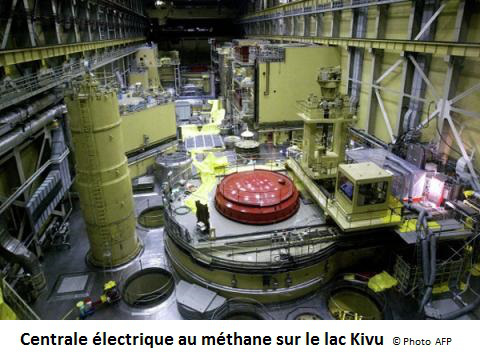
C’est à juste titre que les Rwandais et particulièrement les riverains du lac Kivu, peuvent être fiers de la centrale KivuWatt. D’abord parce que le pompage du méthane réduira le niveau du gaz (potentielle menace à la vie), et ensuite, du fait que ce produit, au départ dangereux, sera transformé en énergie électrique; une première au « pays des mille collines ». Après 14 mois, le Rwanda vient donc, d’inaugurer une nouvelle centrale. Mais, la production est-elle satisfaisante au jour d’aujourd’hui?

Au regard de la situation, on est encore trop loin du compte. Les attentes restent trop élevées, et deux questions pertinentes se posent. Pourquoi un tel retard dans un secteur aussi important? Pourquoi l’électrification n’a pas été parmi les priorités? Ces mêmes questionnements méritent également des solutions dans un autre secteur vital, très en retard, à savoir l’alimentation en eau potable et raccordement au réseau d’eau.

Restons sur le sujet en titre. Il est vrai que 54MW acquis en une année,  ne sont pas négligeables. En mars 2015, c’était la centrale hydro-électrique de Nyabarongo pour produire 28MW, et le 16 mai 2016 c’était l’inauguration de la centrale au méthane sur le lac Kivu, déjà opérationnelle depuis décembre 2015 avec 26 mégawatts. Construite à l’Ouest du pays, cette centrale produit de l’énergie qui s’ajoute à la capacité de production d’environ 160MW dont disposait déjà le pays.

Quel était l’objectif 2020 en électrification?

Le gouvernement rwandais avait tablé sur 563MW d’une valeur de 2.7milliards d’ici 2019-2020. De très bonnes ambitions, mais avec quelles stratégies et capacités financières? Le pays prévoit d’importer 30MW du Kenya (sachant que la distance est de 1350kms) et 400MW de l’Ethiopie (à 2700kms du Rwanda). C’est un projet coûteux et difficile à réaliser dans 3 ans. En 2012, le ministre de l’époque, ayant en charge des infrastructures, avait même promis la production de 1000MW pour 2017!

Selon  geopolitique-electricite.fr, « 700 000 Rwandais avaient accès à l’électricité en 2008, et presque un million en plus début 2013. La proportion est passée de 6 à 17% de la population de 2008 en 2014 ». Un pas a été franchi,  cependant, beaucoup reste à faire. En 2016, on n’a même pas atteint ¼ de la population ayant accès à l’électricité.

Ce ne sont pas des financements qui font défaut!

Selon la Banque mondiale, le programme de déploiement d’électricité au Rwanda, en anglais EARP (Electricity Access Rollout Project) est financé par un crédit de 70 millions de dollars, sans intérêts, de l’Association internationale de développement (IDA), de la Banque mondiale, en partenariat avec la Banque africaine de développement, la Banque arabe pour le développement économique en Afrique, la Belgique, l’Union européenne (UE), le Japon, les Pays-Bas, le Fonds de l’OPEP pour le développement international (OFID) et le Fonds saoudien pour le développement qui ont, au total, mobilisé 348,2 millions de dollars pour ce programme.

nyabarongo 2

Les coupures, problèmes d’entretien, exploitation et le coût élevé

Il y a deux ans, une enquête menée par la Banque mondiale faisait état de 14 coupures d’électricité par mois, c’est-à-dire, une coupure tous les deux jours. Sur une dizaine de centrales inspectées, huit n’étaient pas en état d’entretien régulier, et subissaient des pannes fréquentes. Les inspecteurs auront aussi remarqué que les transformateurs et pylônes n’étaient pas tous intacts. Par ailleurs, la centrale hydro-électrique de Nyabarongo avait été en arrêt quelques mois seulement, suite à la forte diminution du flux liée au manque de stratégies efficaces en faveur de l’écologie.

D’après un responsable de la Commission Economique des Nations Unies pour l’Afrique (UNECA) basé à Kigali, l’électricité est plus chère au Rwanda qu’à ses voisins. En moyenne, le prix est de 0,24 $ le kWh, comparé à 0,15 $ au Kenya, 0,17$ en Ouganda et 0,05$ en Tanzanie. Même en se basant sur une autre source qui indique 0,20$ le kWh, le prix reste plus élevé.

Les experts dans le domaine, estiment qu’il faudrait au moins 1000MW pour satisfaire les attentes de 12millions de Rwandais, en plus des investisseurs étrangers, les ambitions d’aménagement et planification à moyen et long terme.

En toute évidence, les responsables du pays ont du pain sur la planche, pour rattraper le temps perdu, et pour améliorer le système de fonctionnement. L’électricité et l’eau sont des produits de première nécessité. Certains observateurs n’hésitent pas à relever que ces deux secteurs importants n’ont pas retenu l’attention ni la priorité qu’ils méritaient, ni les efforts qu’il fallait.

Au contraire, les investissements ont été orientés vers des secteurs moins urgents, l’objectif étant la belle image du pays, réellement en « trompe l’œil ». L’accent a été mis sur les « gratte-ciel » et la décoration de la capitale! La construction des « buildings » et l’embellissement d’une ville, est une bonne chose, si et seulement si, elle est précédée par le développement de ces deux secteurs vitaux, l’eau et l’électricité. Lors de la CHAN 2016, les organisateurs ont frôlé le scandale. Il suffit de lire les articles des journalistes étrangers venus couvrir l’évènement. Ils n’ont pas manqué de souligner le manque d’eau et les difficultés en électricité. Il est grand temps, de redoubler les efforts et mettre en avant les priorités.

Source: mulijeanclaude.wordpress.com

“The battle against entrenched power is not only a battle for democracy; it is also a battle for efficiency and shared prosperity” J. Stiglitz

Stiglitz

Monopoly’s New Era

NEW YORK – For 200 years, there have been two schools of thought about what determines the distribution of income – and how the economy functions. One, emanating from Adam Smith and nineteenth-century liberal economists, focuses on competitive markets. The other, cognizant of how Smith’s brand of liberalism leads to rapid concentration of wealth and income, takes as its starting point unfettered markets’ tendency toward monopoly. It is important to understand both, because our views about government policies and existing inequalities are shaped by which of the two schools of thought one believes provides a better description of reality.

For the nineteenth-century liberals and their latter-day acolytes, because markets are competitive, individuals’ returns are related to their social contributions – their “marginal product,” in the language of economists. Capitalists are rewarded for saving rather than consuming – for their abstinence, in the words of Nassau Senior, one of my predecessors in the Drummond Professorship of Political Economy at Oxford. Differences in income were then related to their ownership of “assets” – human and financial capital. Scholars of inequality thus focused on the determinants of the distribution of assets, including how they are passed on across generations.

The second school of thought takes as its starting point “power,” including the ability to exercise monopoly control or, in labor markets, to assert authority over workers. Scholars in this area have focused on what gives rise to power, how it is maintained and strengthened, and other features that may prevent markets from being competitive. Work on exploitation arising from asymmetries of information is an important example.

In the West in the post-World War II era, the liberal school of thought has dominated. Yet, as inequality has widened and concerns about it have grown, the competitive school, viewing individual returns in terms of marginal product, has become increasingly unable to explain how the economy works. So, today, the second school of thought is ascendant.

After all, the large bonuses paid to banks’ CEOs as they led their firms to ruin and the economy to the brink of collapse are hard to reconcile with the belief that individuals’ pay has anything to do with their social contributions. Of course, historically, the oppression of large groups – slaves, women, and minorities of various types – are obvious instances where inequalities are the result of power relationships, not marginal returns.

In today’s economy, many sectors – telecoms, cable TV, digital branches from social media to Internet search, health insurance, pharmaceuticals, agro-business, and many more – cannot be understood through the lens of competition. In these sectors, what competition exists is oligopolistic, not the “pure” competition depicted in textbooks. A few sectors can be defined as “price taking”; firms are so small that they have no effect on market price. Agriculture is the clearest example, but government intervention in the sector is massive, and prices are not set primarily by market forces.

US President Barack Obama’s Council of Economic Advisers, led by Jason Furman, has attempted to tally the extent of the increase in market concentration and some of its implications. In most industries, according to the CEA, standard metrics show large – and in some cases, dramatic – increases in market concentration. The top ten banks’ share of the deposit market, for example, increased from about 20% to 50% in just 30 years, from 1980 to 2010.

Some of the increase in market power is the result of changes in technology and economic structure: consider network economies and the growth of locally provided service-sector industries. Some is because firms – Microsoft and drug companies are good examples – have learned better how to erect and maintain entry barriers, often assisted by conservative political forces that justify lax anti-trust enforcement and the failure to limit market power on the grounds that markets are “naturally” competitive. And some of it reflects the naked abuse and leveraging of market power through the political process: Large banks, for example, lobbied the US Congress to amend or repeal legislation separating commercial banking from other areas of finance.

The consequences are evident in the data, with inequality rising at every level, not only across individuals, but also across firms. The CEA report noted that the “90th percentile firm sees returns on investments in capital that are more than five times the median. This ratio was closer to two just a quarter of a century ago.”

Joseph Schumpeter, one of the great economists of the twentieth century, argued that one shouldn’t be worried by monopoly power: monopolies would only be temporary. There would be fierce competition for the market and this would replace competition in the market and ensure that prices remained competitive.

My own theoretical work long ago showed the flaws in Schumpeter’s analysis, and now empirical results provide strong confirmation. Today’s markets are characterized by the persistence of high monopoly profits.

The implications of this are profound. Many of the assumptions about market economies are based on acceptance of the competitive model, with marginal returns commensurate with social contributions. This view has led to hesitancy about official intervention: If markets are fundamentally efficient and fair, there is little that even the best of governments could do to improve matters. But if markets are based on exploitation, the rationale for laissez-faire disappears. Indeed, in that case, the battle against entrenched power is not only a battle for democracy; it is also a battle for efficiency and shared prosperity.

Source: Project Syndicate

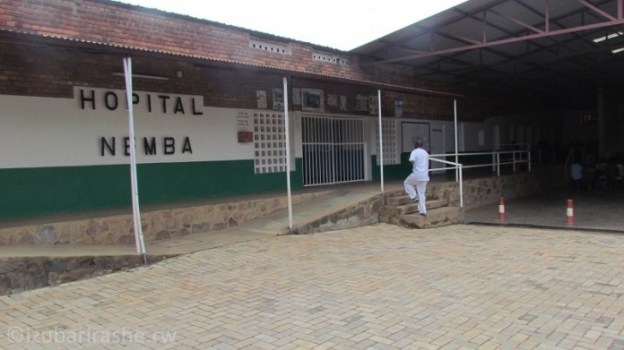
Rwanda: Mu gihe Miliyoni 210 zanyerejwe mu isanduku ya Leta, abaganga basezeye mu bitaro bya Nemba kubera kudahembwa

Igice-kimwe-cyinyubako-zibitaro-bya-Nemba-696x391Abakozi b’ibitaro bya Nemba biri mu Karere ka Gakenke, baratangaza ko kudahembwa bikomeje kubagiraho ingaruka ku buryo hari abahisemo gusezera bajya gushaka akazi ahandi.

Abasezeye ku kazi ku mpamvu bivugwa ko zifitanye isano n’icyo kibazo, harimo abaganga (abadogiteri) barindwi n’abaforomo bane, bikaba kandi bigaragazwa ko abo bakozi batangiye kugenda ‘urusorongo’ kuva aho icyo ikibazo cyatangiriye.

Uko ikibazo giteye, nk’uko bisobanurwa n’abakozi bakora muri serivisi zitandukanye mu bitaro bya Nemba, ngo kuva mu kwezi kwa kabiri kugeza mu mpera z’ukwezi kwa Kane bari batarahembwa.

Cyakora, ngo umushahara w’ukwezi kwa Werurwe wabagezeho mu cyumweru kirangiye.

Bari ‘mu bibazo’

Bamwe mu bakozi b’ibitaro bya Nemba baganiriye n’Ikinyamakuru Izuba Rirashe ariko bagasaba ko amazina ya bo atakwandikwa muri iyi nkuru, ‘kubw’umutekano’ wabo, bahuriza ku kugaragaza urusobe rw’ibibazo bakururiwe no kudahembwa.

Abo bakozi biganjemo abaganga n’abandi bafite imirimo itandukanye bakora mu bitaro bya Nemba, ibibazo bagaragaza ko barimo birimo kuba bamwe inyungu ku nguzanyo basabye muri banki zikomeje kwikuba, kuba abenshi benda gusohorwa mu nzu batuyemo no kuba abana babo baratangiye kwirukanwa mu mashuri kubera ko batabishyuriye amafaranga.

Umwe muri abo bakozi agira ati “Nti turi abahinzi ngo turahinga, icyo dukora ni ukuvura, ibi bitaro ni wo murima duhingamo, n’ubwo baherutse kuduhemba ukwezi kumwe hagasigara ukundi ndakumenyesha ko bamwe nta na make twafashe. Banki zariyishyuye barangije badutera penalty (ibihano) yo kutishyurira ku gihe nk’uko twabisezeranye, nka njye ubwo banki yahise iyakuraho; bashyizeho umushahara w’ukwezi kumwe noneho banki ihita yiyishyurira icyarimwe amezi abiri inongeraho no kumpa ibihano.”

Undi muganga we agira ati “Kubera kudahembwa imyenda yabaye myinshi; ubu umuntu ari kujya kwikopesha umuceri kuri butike bakakubwira ngo ‘banza uzane n’ay’ukwezi gushize’, n’ubwo baduhembye ukwezi kumwe birasa nk’aho ntacyo byamaze kuko twari tumaze abiri tudahembwa.”

Akomeza agira ati “Tekereza nawe kumara amezi abiri nta faranga kandi ukora! Depenses zabaye nyinshi; umuntu aba atega, agakodesha, akishyurira abana amashuri (…) ubu abana bo batangiye kwirukanwa basabwa minerval!”

Umuzi w’ikibazo

Amakuru Ikinyamakuru Izuba Rirashe gikesha Dr. Habimana Jean Baptiste, Umuyobozi w’ibitaro bya Nemba, agaragaza ko ikibazo kiri mu bitaro abereye umuyobozi, gishamikiye ku igabunuka ry’abaterankunga mu by’ubuzima mu gihe ngo ibyo bitaro bifite ubushobozi buke bwo kwibeshaho.

Uyu muyobozi agaragaza ko ko inkunga Ibitaro bya Nemba byagenerwaga na Minisiteri y’Ubuzima(MINISANTE), yavagamo agahimbazamuskyi k’abakozi ingana na miliyoni 25, yagabanijwe guhera mu mwaka wa 2015 maze igirwa miliyoni 7.

Dr. Habimana avuga kandi ko kuba abakozi batishyurwa bikomeje guterwa no kuba amafaranga yo kubishyura adahari, aha uyu muyobozi agaraza ko ibitaro bya Nemba amafaranga bisanzwe biyahabwa na Leta n’imishinga yayo iterwa inkunga n’ikigega cya ‘Global Fund’ ariko ngo yose ntaraboneka.

Ati “Tugira amafaranga ava henshi, ava muri Leta ari nayo menshi ntaraboneka.” Nanone, “ari aya Global Fund ntaraza, ari ayo tugenerwa na guverinoma na yo ntaraza (…) twe ayo twinjiza (ashingiye kuri mituweli) ntiyaduhaza.”

Dr. Habimana akomeza avuga ko ubusanzwe imishahara y’abakozi ibitaro biyihabwa buri gihembwe gusa ngo iyo muri iki gihembwe ibitaro bya Nemba ntibirayibona.

Cyakora umuyobozi w’ibitaro bya Nemba, avuga ko icyo kibazo kiri gushakirwa umuti ku bufatanye bw’inzego zose kireba ku buryo ngo ‘muri iki cyumweru’ kizaba cyakemutse, abakozi bagahabwa umushahara wa bo w’Ukwezi kwa Kane.

Agira ati “Na njye sinsinzira kuko iyo umukozi yakoze aba agomba guhembwa.” Yungamo ati, “Muri iki cyumweru ibibazo by’imishahara y’ukwezi kwa kane biraba byakemutse.”

Source: Izuba rirashe

Inzara iraca ibintu mu turere tumwe na tumwe tw’intara y’u Burasirazuba

Imirenge imwe n’imwe mu turere twa Kayonza, Ngoma na Kirehe iravugwamo inzara ahanini yatewe n’uruzuba rwacanye biturutse kuri El Nino nk’uko leta y’u Rwanda imaze iminsi ibitangaje. Ubu hamwe na hamwe abaturage bafite aho basuhukira batangiye gusuhuka.

Uruzuba rwinshi nirwo ntandaro y’iyi nzara yatumye abaturage barumbya imyaka yabo bityo abari  batunzwe n’ubuhinzi bibaviramo gusonza abashoboye bafite aho basuhukira barasuhuka.  Ngo abenshi bahungiye iyi nzara muri Uganda abandi bayihungira mu Mutara.

Bamwe mu baturage bo mu murenge wa Rwinkwavu babwiye abanyamakuru ko bafite ikibazo cy’inzara kubera kurumbya.

inzara

Martha Ndererimana w’imyaka 60 utuye muri uyu murenge ati “Inzara yaratwishe bamwe barasuhutse bagiye Buganda abandi bagiye mu Umutara gupagasa mbese ubuzima ntabwo”.

Mugenzi we witwa Muhirwa Deo ati “Turahinga ariko niyo bimeze bikagera igihe cy’ururabo (ibishyimbo)bigahita byuma, ubu nuko twe tudafite aho dusuhukira tuba natwe twaragiye”.

Ku rundi ruhande ubuyobozi bw’intara y’u Burasirazu buremeza aya makuru y’inzara ariko bugasaba abahuye n’inzara  kwihangana bagahagarara gitore mu gihe hagishakwa izindi ngamba zo kuyihashya.

Odeta

Umuyobozi w’iyi ntara Madame Uwamaliya Odette yabwiye Umuseke ko iki kibazo gihangayikishije Intara gusa ngo hakaba hagiye gushakwa ingamba zirambye.

Ati “Turabizi ko hari ibice binini byahuye n’izuba ryinshi ariko nakubwira ko ubu aricyo kibazo turiho kuri iyi saha. Turimo kureba uko twagikemura ku buryo burambye hatunganywa ibishanga hakaboneka amazi ahoraho, gusa twari twagerageje guha ibiribwa abari bashonje cyane(bamwe)”.

Guverineri Uwamaliya agaya bamwe mu baturage bahungiye mu bindi bihungu, ngo bari bakwiye guhagarara gitore bagafataniyiriza hamwe nk’abanyarwanda hagashakwa igisubizo cy’iyi nzara.

Iki kibazo cy’amapfa cyugarije abatuye cyane cyane mu mirenge ine y’Akarere ka Kayonza ariyo Rwinkwavu, Murama, Mwili na Kabare naho mu karere ka Kirehe aho ivugwa cyane ni mu mirenge ya Nasho na Mpanga, hamwe n’akarere ka Ngoma mu murenge wa Rukumberi.


Alphonse Munyankindi / Bwiza.com

Rwandan schools increase fees as the Ministry of education stops funding

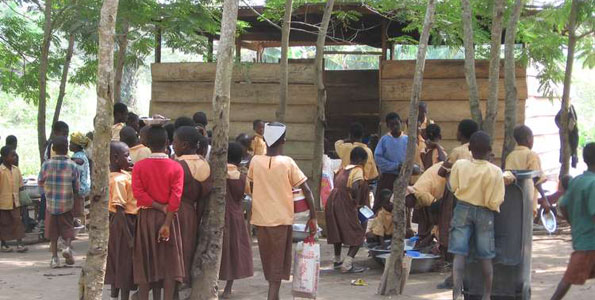
Pupils in a rural school in Rwanda take their meal during the lunch break.  PHOTO | FILE

Pupils in a rural school in Rwanda take their meal during the lunch break. Fee increment in public boarding schools follows a decision by the Education ministry to divert part of its funding to schools so as to support the school feeding programme in 9-12-year education schools. PHOTO | FILE

By Johnson Kanamugire

Rwanda’s public boarding schools have increased fees amid concerns that the move by the Ministry of Education (Mineduc) to withdraw financial incentives could lead to high operating costs.

Rwanda Today has established that major public schools in the country increased fees by between Rwf8,000 and Rwf20,000, pushing the cost of education much higher for struggling poor parents.

The development follows a decision by the ministry to divert part of its funding to schools so as to support the school feeding programme in 9-12-year education schools.

Last year, the issue came to the attention of the Finance Ministry, with Minister Claver Gatete reportedly warning Mineduc officials that the decision could, if not properly thought out, have negative implications.

However, as the new academic year begins, the much-disputed change has forced public schools to increase fees while others are considering convening parents’ meetings to discuss the increment.

“We only increased fees by Rwf9,000 for new students joining senior one and S4 as we plan to hold a parents meeting on March 5 to decide the increment,” said Sr M Goretti Umugwaneza, head of Lycee de Zaza, a public secondary school in Eastern Province.

“If we don’t get the money, students will hardly have food, for Mineduc’s decision came as a surprise when we had not notified parents of a possible change in the fees structure.”

Rwanda Today understands that Mineduc was paying Rwf156 per student per day which, according to school managers, is spent on three meals the student takes at school. The total funding is Rwf9,000 per student per school term, which many educators consider too little and not proportionate to the situation on the market.

Sources say ministry officials decided to stop part of the funding, leaving a student feeding on only Rwf56 as the rest of the fund is used in feeding students from poor families in 9-12-year day schools.

The majority of school authorities, parents and educators are however confused by the changes, with some boarding public schools passing the burden to parents by way of hiking fees while others said they are yet to be issued with the directive to follow.

A spot check by this newspaper revealed that urban public schools raised fees the most, by as much as Rwf20,000, while most rural schools made an increase ranging from Rwf8,000 to Rwf11,000.

While parents sending their children to Lycee Notre Dame de Citeaux in Kigali saw the fees go up from Rwf60,000 to Rwf90,000 in the new academic year, TTC Save in Southern Province augmented fees from Rwf68,000 to Rwf76,500 while Groupe Scolaire Shyogwe raised theirs from Rwf54,300 to Rwf65,300.

Hundreds of affected parents were seen queuing in banks days after other students had headed to school for the new academic year that started on February 1 in blatant rush to pay for their children. Those who could not raise the fees have had to accompany their children to school to plead with the authorities to pay the fees in installments.

Jerome Sebaganje, 55, from Rugera Sector in Nyabihu District on Monday accompanied one of his six school-going children to a school in Gicumbi since he could not immediately get the required Rwf91,100.

“It’s particularly hard for me because one of my children dropped out while in senior five, I could no longer be able to pay for them all,” said Mr Sebaganje, protesting the increase in school fees. “If they fees continue going up, I don’t think I will be able to educate this one unless I get government help.”

In addition to paying Rwf64,000 in school fees, parents at Lycee de Zaza have been footing the bills of two school projects — construction of a Rwf150 million multipurpose hall and removal of asbestos roofs, which will cost Rwf82 million.

Parents will now be required to pay an additional Rwf9,000, taking the fees to Rwf73,000, and Rwf13,000 in the two projects, school officials said.
“Now imagine telling parents that they must pay more money,” Sr Umugwaneza said.

The nun’s sentiments were echoed by Fr J Bosco Mupenzi, head of Groupe Scolaire St Joseph Birambo, a rural secondary school in Karongi, Western Province, who said rural poor parents could find it hard to maintain children in school.

“For us challenges are many because very few parents here can raise the required Rwf57,000,” said Fr Mupenzi.

Source:http://www.theeastafrican.co.ke/Rwanda/News/Rwandan-schools-increase-fees-as-Mineduc-stops-funding/-/1433218/3074456/-/item/1/-/nql6t0z/-/index.html

Rwanda’s economic system to collapse

Despite biased reports that praised the Rwanda’s economic “miracle “, the truth is something else. Since 2009, Rwanda has been spending over US$ 50,000  a month on a bill to block publications that reported on the true economic and poverty situation. On contrary, only “good” reports were brought out praising President Paul Kagame as a “visionary leader”. Some of results can’t be hidden:

  • Right now, Rwanda’s economy is experiencing hard times. Really hard. The country spends three dollars, but only earns one dollar.
  • For five years, from 2010 to 2014, the average current account deficit was almost 9% of the GDP. And then in 2014, the deficit stretched to 11.8% of GDP, its highest level since the mid-1990s.
  • The country had projected, under the Economic Development and Poverty Reduction Strategy (EDPRS II), Rwanda’s development blue-print, to earn slightly higher than $2 billion, in 2015, but it fell short of 45% and earned only $1.121 billion (55%).
  • The traditional exports declined mainly due to a crisis in the mining sector, which earned just $149 million.The sector had earned $226.2m in 2013 and projections were to fetch around $400m by 2017. This is obviously not likely to happen.

“It is a problem and it is hindering the development of our economy,” Makuza said, before we allow the invitees to step on the stage and offer their views.  “We need to discuss it, let’s focus much on giving ideas and suggestions.”

Who will fix Rwanda’s economy?

Policymakers in Rwanda are losing sleep. They have a nagging matter on their table to fix, as matter of priority.

A series of endless meetings, are being held. They call them ‘consultative meetings’.

In these meetings, some make power-point presentations or call them ‘situation analysis’, while others react by asking tough questions and making suggestions as solutions.

The ‘consultative meetings’ are about one thing. Just one; the economy.

Right now, Rwanda’s economy is experiencing hard times. Really hard. Apparently, the country spends three dollars, but only earns one dollar.

For five years, from 2010 to 2014, the average current account deficit was almost 9% of the GDP. And then in 2014, the deficit stretched to 11.8% of GDP, its highest level since the mid-1990s.

Meanwhile, the country had projected, under the Economic Development and Poverty Reduction Strategy (EDPRS II), Rwanda’s development blue-print, to earn slightly higher than $2 billion, in 2015, but it fell short of 45% and earned only $1.121 billion (55%).

According to Finance Minister, Claver Gatete, there are  two main reasons for this poor performance.

First, there is a strong growth in imports while exports remain vulnerable to price fluctuations and lack of economic diversity.

Secondly, there is a sharp decline in public transfers. Basically, the government is cutting spending and embracing frugality.

Indeed, in 2015, the economy was hit harder. The deficit widened even further. Exports fell dramatically.

The value of the export portfolio is heavily dependent on international prices and other geopolitical factors beyond Rwanda’s influence. The traditional exports declined mainly due to a crisis in the mining sector, which earned just $149 million.

The sector had earned $226.2m in 2013 and projections were to fetch around $400m by 2017. This is obviously not likely to happen. “We need to add value to our minerals,” says Evode Imena, State Minister for Natural Resources.

Prices for minerals, particularly Cassiterite and Coltan are declining for several factors. Asian countries such as Burma, have increased production and swarmed the market.

Factories are also recycling used products and making smaller gadgets thus consuming less raw minerals.

The way the market is happy about the decline in oil prices, is the way it is happy with the decline in price for minerals.

“But we still have market,” says Jean Marie Kalim, Director General for Wolfram Mining and Processing Company (WMPC).

Kalim says the industry needs a boost from government in form of waivers.

He said despite the increase to 4% tax from 0%, which the sector has complied to, the government has exempted the 15% withholding, but maintained the ‘principle’ which deters financiers from transferring funds prior to a purchase, yet local banks are reluctant to finance the sector.

Minister Gatete says the matter will be discussed and resolved through a public-private partnership platform.

Uncontrolled factors

Meanwhile, other factors increasing the trade balance deficit include political instabilities in the region, according to Trade Minister Francois Kanimba.

The situation in Burundi is hurting economies of its neighbours so was DRC, which has stabilised recently.

Earlier, the skirmishes in Eastern DRC, which is Rwanda’s major export destination, had affected trade significantly. Now, according to central bank data, the situation had improved.

By the 2nd quarter of 2015, exports which are dominated by milling industries especially food and beverages, edible vegetables, roots and tubers and live animals exported to DRC increased by 28.9% in value and by 30.9% in volume.

But again, that is just a drop in the ocean.

Rwanda’s imports continue to stretch. Such imports include textile, electronics and food products, among others.

Central Bank governor, John Rwangombwa says items such as wheat, sugar and rice continue to widen the deficit.

Sadly though, Rwanda imports even items the country should produce. About 300,000 eggs from Uganda alone, are imported per week. More so, chicken is one of the most expensive meats per kilogram in the country.

However, State Minister for Agriculture, Tony Nsanganira says the country now imports 150.000 day-old chicks every month from Uganda, Belgium and Holland hoping this will  close the gap.

Rwanda imports 300,000 eggs from Uganda

The Senate chips in

On Wednesday, the Senate invited strategic institutions including the ministries of trade, finance and economic planning, agriculture, natural resources and the Rwanda development board to digest this daunting challenge.

Senate President, Benard Makuza, presiding over a “consultative’ discussion to cope with the trade balance deficit, said the senate intended to engage various players.

“It is a problem and it is hindering the development of our economy,” Makuza said, before we allow the invitees to step on the stage and offer their views.  “We need to discuss it, let’s focus much on giving ideas and suggestions.”

He indirectly was suggesting there be no blame games, but a candid talk.

Minister Kanimba, before giving suggestions, opened up to some of the biggest obstacles the economy is facing.

First, he said, the main crosscutting constraints to export growth include the lack of access to land or high cost of land acquisition. “We have the free trade zone,” he said, but it is very expensive and is not a competitive advantage compared to other countries in attracting investment.

A square meter costs Rwf40.000. “This is not competitive at all,” he said.

Harder obstacles he said, include low capacity utilization of manufacturing companies due to; inadequate infrastructure, unreliable supply of raw materials, unreliable and expensive electricity, inadequate long-term financing and working capital.

He also said the country faces a serious lack of technological advancement and skilled labour.

For Minister Gatete there are also other major constraints. Rwanda’s foreign assets have

fluctuated, when at the same time export cover is fluctuating with them.

Yet, he added, despite commercial banks foreign assets have increased substantially throughout the most recent period until this year where they were hit substantially by uncertainty and a depreciating Rwandan Franc.

Way forward

Rwanda's Senate President(R) Bernanard Makuza and Trade Minister Francois Kanimba

In Rwangombwa’s view, there is need to go back to the drawing board. “This is real,” he said. “it’s is a real problem. We need to think of tangible solutions with a bigger impact in a shorter period.”

Emphatically, he explained, “Much as we are cutting our budget sufficiently, we are not addressing our balance of trade…we need to put in action what we discuss.”

For example, he offered a solution to food importation. “We have land for growing rice, sugar, and wheat for local consumption.”

Before other ideas were fronted, the Vice Chairperson of the Rwanda Elders Advisory Forum, who was invited to the discussion, wondered how Rwanda exports live cows to, for example, DRC.

“We have an abattoir in Rubavu with capacity for slaughtering 300 cows per day, but we export about 60 cows to DRC..which means the facility operates under capacity,” she said.

“If we slaughter the cows and sell the meat, that is value addition, and also have the skins.”

More ideas came in. Some members from the business community were invited too.

Serial entrepreneur, Sina Gerald, who is entrenched into agro-processing, suggested there be continuous research into better agriculture to facilitate making informed decisions.

The talk went on and on and then Senator Tito Rutaremara broke the ice. “We are sacred (of the imbalance), it is growing wider,” he said.

“We need to think big…let us focus on high value products…for example look at France, it will sell just three Airbus planes and be happy.

He believes Rwanda will face it rough if it continues in the same state. “Let us look at this imbalance at a higher level.”

“I am dreaming” he said. “I am dreaming big, and it your job to execute it.”

Source:http://ktpress.rw/2016/02/who-will-fix-rwandas-economy/


Rwandan agricultural policies hurting the poorest of the poor: study

By Laura Angela Bagnetto
everyone a farmer (Small) c. Neil Dawson_UEA

A new study of smallholder farmers in western Rwanda says the country’s agricultural policy has failed the poorest farmers, making them adapt to government policies, such as mono-cropping, or being forced to sell their land. Some 85 per cent of Rwandans work in the agriculture sector. RFI spoke to study author Dr Neil Dawson from the University of East Anglia, to find out how the Rwandan government’s much-lauded agricultural policy hurts the poorest.

Your study, Green Revolution is sub-Saharan Africa: Implications of Imposed Innovation for the Wellbeing of Rural Smallholders focuses on northwestern Rwanda. According to your study the Rwandan policies that are responsible for creating a viable agricultural society are actually bringing Rwandans down regarding socio-economic growth, culture and even well-being. Can you share some of this with us?

These policies have major implications for smallholder farmers across Africa. They have the potential to benefit the farmers of course, but the results of our study also show that there’s also the potential for negative implications as well. Really, the clue is in the title. These policies are called Green Revolution policies and they do promote revolution in the way that farmers use their land and the way they produce food. And to do that the strategy involves farming crops of approved seeds of a small number of crops that are economically viable and that there are markets for. They are also using chemical fertilizers to support using the growth of those crops. That involves risk for certain people. Some people are able to improve their income substantially. In our study, a third of the participants were able to do that, and they were primarily the wealthier participants. So changing agricultural practice for the poorer farmers involves taking on particular risks. You may have to take credit to use the fertilizers, and so you have to be confident at the end of the season that you can pay that money back, and also in the meantime that you are able to find enough food to feed your family. With that risk, it means that many farmers, instead of taking part in the scheme, end of having to sell their land, because it doesn’t work for them.

One of the issues in your piece is the lack of autonomy by this government because of imposing what crops to grow, or even only one crop to grow that actually leads to less of a feeling of well-being and nutrition problems for smallholder farmers.

Certainly in many countries these policies are being promoted and they provide choice to farmers so they can continue their traditional farming methods or they can choose to take on these modern methods as well. But in countries like Rwanda, that change is not only promoted, but imposed on people. So even if you think that growing maize or wheat is not suitable for your soil or your land, or that you have other priorities that you need to feed your family and grow a variety of other crops, you have no choice to do that, so you have to take that risk. The policies are often assessed as being successful, based on a very limited assessment criteria. And what this study shows is that we need to scrutinize these policies much more, and have a look at the potential negative outcomes of them in order to be able to refine the policies, to improve them, and to mitigate against some of these potential costs. Because where the policies are imposed, in a very top-down manner, and farmers haven’t really been consulted in the way they have been designed, that kind of thinking really needs to be brought into improving the way that they run.

The newer ways of thinking in terms of smallholder farmers is actually to speak to farmers, to consult with farmers, to find out what their results have been in the past. But the way the Rwandan government is structuring their agricultural policy is basically imposed on these people and you have some have some actual interviews within your article.

The policies are commonly assessed using economic data that the government collects, so a lot of the policies across sub-Saharan Africa are shown as being successful on the fact that these limited number of crops they yield in product ion is increasing ten-fold, twenty-fold. And that’s to be expected. Also, they show that perhaps on average the incomes of farmers are increasing. But, what we’ve done is look in a more exploratory way at the kinds of impacts, the broad range of impacts that farmers might suffer so we’ve used the smaller sample size, we had around 200 households that we spoke to and looked at the impact upon them. For a third of these households, they were having benefits and people complied with them, and their incomes were improving substantially. But for many of the other households, and particularly the poorest, their situation was deteriorating. Many of them were losing their land, partly because of these policies.

And one of the policies you point out is those who are required to grow tea. In your study, you interviewed people who had a hard time with growing tea because they couldn’t feed themselves.

Yes, certainly, particularly where a cash crop is involved, a non-edible crop such as tea. And that has an even greater risk. Tea takes three-to-four years before you can harvest it and get any income from it. So the scheme involves those households taking on a lot of credits in the meantime. So they provide funds to them to manage the land. By the time they get the first harvest, they’re in considerable debt. And for many, even from the outset, they will choose to sell their land, partly because of the risk. In Rwanda, if the farmer is not successful in managing their land with the new crop, a landlord has been introduced to show that the government has ultimate control over that land and they can choose to allocate that land to another, wealthier farmer instead. And perhaps there will be a risk of not being compensated by the government, so many people choose to sell it before that comes. Certainly in interviews people would say, “The tea is coming, we know it’s coming to our land. We could be evicted at any moment.” So they see it as a considerable risk.

In your report, you said that more than half of landless labourers (those who sold their land or the indigenous Twa people) fail to afford health insurance, despite nearly a third of households in that category being paid for by government or donors. So these are people who have fallen by the cracks even by their own government.

Again, that’s another policy where people need to pay to participate in. Universal health insurance is promoted, and government and other donors do pay for some of the poorest. But the year that we did the study the price of the health insurance had tripled, for example, and there were some prohibitive parts to that policy, whereby nobody within a household could be seen by a health professional unless everybody in that household had paid their health insurance. Even if they paid for one person and they were sick. Some of these policies do require quite a lot of investment from people to take part in.

Are you saying that basically the governments need to look at all aspects when they are creating this agricultural policy, from, as you said, the poorest of the poor? How would you characterize what needs to be done?

Some of these policies can have potential negative impacts. It’s not just like a development policy where you’re providing this mosquito net to people to combat malaria. They get something for free, it doesn’t really impact the way they live their lives. Where policies hold risk is where they can have impacts on the poor. They need to be assessed and scrutinized very carefully so that they can understand why they may not be benefitting, or even negatively impacting people, so they can be refined and improved. That’s normal, no policy is perfect. Really, it’s understanding and putting accountability onto the policies and the people, that the powerful organizations in the case of these agricultural policies who are promoting these as the major strategies to combat hunger and poverty.

Source:http://www.english.rfi.fr/africa/20160208-Rwandan-agricultural-policies-hurting-poorest-poor-study

UMUTEGO W’IKINYOMA : « IBYAGEZWEHO » N’UBUTEGETSI BWUBAKIYE KURI « VIZIYO 2020 » YA BARINGA NABYO BYARI BARINGA BIRASHYIZE BIGIYE AHAGARAGARA!

Twese tuzi indirimbo yakomeje guterwa n’abambari ba FPR-INKOTANYI, ngo u Rwanda rwageze ku iterambere ry’akataraboneka ku isi; ngo imiyoborere myiza ni agatangaza mu Rwanda rwa nyuma y 1994, ngo kandi nta mugayo ibyo byiza bidasanzwe u Rwanda rubikesha kuba ruyobowe n’Umulideri w’akataraboneka kandi ureba kure (Visionary Leader) ariwe Nyakubahwa Pahulo Kagame!

Iyo ntero kandi niyo yashyizwe imbere n’Intore za Rupiyefu muri uyu mwaka ushize kugira ngo zihindure Itegekonshinga (n’ubwo bibeshye bakarihindura nabi!) bityo Visionary Leader wabo ashobore kuzagwa ku butegetsi, kuko nyine ngo nta wundi washoboraga kuyobora igihugu ngo akigeze ku  » BYAGEZWEHO  » na Kagame !

Gusa rero icyakomeje gutangaza Abanyarwanda benshi n’abanyamahanga bazi neza u Rwanda ni uko ibyo « BYAGEZWEHO  » by’agahebuzo bo ntabyo babona mu Rwanda : guhera mu 1994 abakene bararushaho gutindahara, inzara iravuza ubuhuha mu giturage kandi ku buryo buhoraho, abigeze kuba abatunzi ubu babaye ingarisi; muri make abaturage bangana na 85% ntibazi neza icyo ijambo  » IBYAGEZWEHO BY’AGAHEBUZO » bya Pahulo KAGAME risobanura ! Ariko nyamara Intero ya Visionary Leader igakomeza kwikirizwa n’ibitangazamakuru ndetse n’Imiryango mpuzamahanga itari mike. Yewe byarushagaho kubera benshi urujijo iyo bitegerezaga ingufu zidasanzwe zishyirwa mu kwikiriza iyo ntero n’abahoze ari abategetsi b’ibihugu by’ibihangange nka BILL CLINTON wa Amerika , TONY BLAIR w’ Ubwongereza n’abandi. Birushaho kuba inshoberamahanga iyo hicotseho  » ubuhamya » bw’abavuga ko bakora umurimo w’Imana nka cya gihangange cy’Umupasiteri w’umunyamerika witwa Rick WARREN bitiranya gusingiza Imana no kuramya « the Rwandan Visionary Leader », kuko nyine baba bamutegerejeho amaronko atubutse mu gihe abana ba rubanda bicwa n’inzara na bwaki!

Burya koko ngo ikinyoma ntikiramba! Ubu noneho rero ibyari bihishwe byatangiye gushyirwa ahagaragara. Burya bwose imikorere ya FPR INKOTANYI yubakiye ku gucuruza IKINYOMA, kandi bigahombya u Rwanda nk’ igihugu ku buryo budasubirwaho.

Muri iyi minsi abategetsi ba Leta Zunze Ubumwe z’Amerika bashatse ko tumenye ibyerekeye Kontaro(Contract) yo GUCURUZA IKINYOMA Leta y’ u Rwanda yasinyanye na Sosiyete yigenga y’Abanyamerika yitwa W2 GROUP, Inc. Hari taliki 1/9/2009. Ku ruhande rwa Leta y’u Rwanda iyo Kontaro yasinywe na Ministiri Louise Mushikiwabo naho Sosiyeti isinyirwa na Edward ABELL.

Mbere yo kubabwira ingingo z’ingenzi zikubiye muri ayo masezerano yuje uburiganya, ubujura n’ubugambanyi, twatangajwe no gutahura ko Leta ya Paul Kagame yiyemeje kujya yishyura buri kwezi miliyoni zisaga 35 z’amafaranga y’u Rwanda (50 000$), ni ukuvuga igice cya miliyari buri mwaka kugirango iriya Sosiyeye ijye ivuga ibigwi by’ ibihimbano Leta Rwanda n ‘ umuyobozi wayo Paul Kagame! Ya mafaranga avuye mu misoro ya rubanda, ya mafaranga yamburwa abaturage agashyirwa mu bigega bitagira indiba ( Agaciro Fund ….) ngaho aho azimirira shenge !!! Mu kugura ishusho nziza idahuye n’ukuri kw’akarengane n’ibindi bibi byinshi bibera mu gihugu!

Ngiyo rero ya ngeso ntindi isa n’iyahinduwe itegeko riyobora igihugu na services zose :   “gutanga ibyamirenge ngo ukunde wiraariire wiyerekana uko utari ari nako ukina ku mubyimba rubanda udahwema kugaragaza agati kandi nyamara ariyo igutunze”!

Muri make ibyo Leta ya Kagame yumvikanye n ‘ iriya Sosiyeti bikubiye muri izi ngingo zikurikira:

1. Ikinyoma kigomba gukwirakwiza kiri ukubiri , hari ibyerekeye Igihugu n’ibyerekeye Perezida Pahulo Kagame ubwe:

a)Kumvikanisha ko Igihugu cy’u Rwanda ari intangarugero ku isi hose mu byerekeye umutekano, imiyoborere myiza, ubumwe n’ubwigenge, gucunga umutungo w’igihugu neza, kurwanya ruswa, iterambere ry’akataraboneka mu bukungu, …

b) Gushyira ingufu nyinshi mu kubeshya hose ko Pahulo Kagame ari umuperezida w akataraboneka,ureba kure( Visionary Leader ) uzi ubwenge bwinshi cyane birenze urugero kandi akaburusha n’abandi ba Perezida bose bo muri Afurika ababayeho n’abaza nyuma, utazi kwica abenegihugu, utavangura amoko, ukunda demokarasi n’iterambere ry’abaturage bose …

Rwandan-President-Paul-Kagame-receives-honorary-doctorate-William-Penn-University-051212-300x290

2.Abo ikinyoma kigenewe

a) Iriya Sosiyete yapataniye gucengera inzego zose zifata ibyemezo mu bihugu by’ibihangange nka Leta Zunze Ubumwe z’Amerika n’Ubwongereza n’iz’imiryango mpuzamahanga nk ‘Ubulayi Bwunze Ubumwe (EU) na LONI.

b) Kwigarurira ibitangazamakuru bikomeye cyane ku isi : Radiyo-Televiziyo nka Wall Street Journal, BBC Hard Talk; Ibinyamateka nka The New York Times, The Economist, The Financial Times; Imbuga za interneti(social media) nka Huffington Post , Washington Post, MSNBC,…no kubiha « inyoroshyo » kugira ngo bijye bikomeza bitambutse inkuru zibeshya amahanga ko nta kibazo kindi kikiri mu Rwanda uretse abasize bakoze jenoside bagenda basebya igihugu!

3. Inzira izakoreshwa(Stratégie ) mu kurushaho guha ikinyoma intebe

a)Kubaka inkuta (mûrs électroniques) zibasira Ibitangazamakuru bigaragaza ibibazo nyakuri biri mu Rwanda cyane cyane kugaba ibitero no kubangamira mu buryo bwose bushoboka Imbuga za interneti zikoreshwa n’abatavuga rumwe nubutegetsi (Za Leprophete.fr zumvireho!)

b) Gukwirakwiza amakuru atesha agaciro abanyamahanga babaye mu Rwanda n’abandi bose bazi amakuru y’impamo ku bibera mu Rwanda kandi bafite umurava wo gushaka kuyamenyekanisha!

UMWANZURO

Ngo Umutego w’ikinyoma ushibuka nyirawo akihahagaze ! Babandi bari barigize abacuruzi kabuhariwe n »ABARINZI » b  » IBYAGEZWEHO bya BARINGA  » bamenyereho ko nta kindi bakora uretse guhenera abazi guheengeeza : Umunyamerika wamubeshya rimwe na rimwe ariko agera aho akagutamaza !

Sinasoza ntabwiye « Visionary Leader w’ikibumbano » ko amahirwe asigaranye ari ukwemera kwicarana natwe, tukaganira nta buhendanyi , tukumvikana  igikwiye gukorwa kugira ngo igihugu gishobore kubogorwa amazi atararenga inkombe.

Reka twisabire abenegihugu bashyira mu gaciro ko bakwemera tugafatanya uru rugamba maze tukiha inshingano n’intego yo kugera ahantu hose Leta ya « Visionnary Leader « yageze ihacuruza ikinyoma cy’ITERAMBERE rya BARINGA, tukabagaragariza ukuri ku bibera mu Rwanda ari nako tubereka ibimenyetso bifatika by’uko babeshywe.

Ubutaha tuzabagezaho n’amasezerano yo gusahura u Rwanda « the Rwandan Visionnary Leader » yagiranye na  Tony BLAIR,  Bill CLINTON na Pasteur  Rick WARREN  . Muzumirwa !

Uwemera naze,

Padiri Thomas NAHIMANA, Umuyobozi w’Ishyaka ISHEMA n’Umukandida waryo mu matora ya Perezida wa Repubulika yo muri 2017.

BIRACYAZA. ….

Ngaho nawe isomere uko iyo Kontaro y urukozasoni iteye.  Kanda hasi aho :

Master service agreement