Category Archives: Justice

IS RWANDA’S ATTORNEY GENERAL AN IMPOSTOR IN LEGAL PRACTICE?

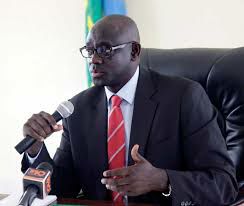
Busingye

Rwanda’s Attorney General and Minister of Justice – Johnson Busingye – did not complete his legal education and never practiced law anywhere.

Kagame’s Attorney General studied his first law degree in Uganda. While a student in Makerere University, Rwanda’s ” Attorney General” was a resident of Livingstone.

A person is said to have completed legal education in Uganda if he/she: ( a) did his law degree from an accredited law school and ( b) successfully completed a legal practice diploma from Law Development Center, ( LDC). People with ” C” degree or PASS are considered failures; they do not qualify for the legal practice diploma in LDC. Rwanda’s Attorney General did not do a higher degree to make up for his ” C” /Pass/” gentleman’s degree”!

Although Rwanda’s Attorney General did his law degree from an accredited law school, Makerere University, Johnson Busingye got a ” C” /PASS degree. Therefore, he did not qualify for LDC legal practice course. Consequently, he did not complete his legal education.

After the 1994 war in Rwanda, Johnston Busingye crossed over to Rwanda where he presented himself as a legal expert. A combination of nepotism and lack of qualified personnel to work for the government of Rwanda contributed to Johnson Busingye’s ” success” as an impostor in Rwanda’s public service.

As an impostor “legal expert”, Johnson Busingye occupied different positions in Kagame’s junta; he later became a “Judge”. Johnson Busing he was promoted to Attorney General and Minister of Justice. A person who got a PASS degree and never completed legal education, became the model and/or symbol of legal education and practice in Rwanda.

Upon his appointment as Attorney General, Mr.Johnson Busingye allegedly ordered Rwanda’s Bar Association to prepare for his swearing in as an advocate by right; because he had to lead a group of lawyers to argue government cases at the East African Court in Arusha.

Dr Charles KAMBANDA

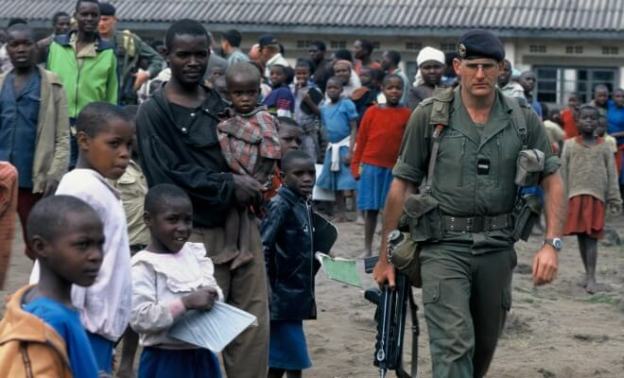
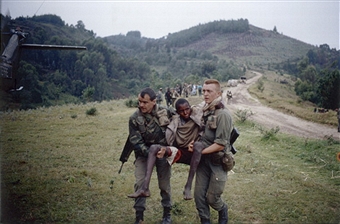
Les “révélations” de la revue XXI sur la France au Rwanda font pschitt Une tribune du colonel Jacques Hogard

Le microcosme médiatique parisien est très agité depuis quelques jours : en effet, la revueXXI, dont les actionnaires sont l’éditeur Laurent Beccaria et Patrick de Saint-Exupéry, annonçait de fracassantes révélations sur la supposée implication française dans le génocide rwandais de 1994. Le tout sous un titre racoleur, « réarmez-les ».

En réalité, l’article de quelques pages, richement orné d’artistiques dessins – auxquels on fait bien entendu dire ce que l’on veut -, ne ressemble en rien, contrairement aux appréciations admiratives de certains journalistes du Figaro, à une « longue enquête » et encore moins à une « enquête fouillée » !

Le Monde ne fait pas vraiment mieux ! Son journaliste écrit : « Intitulé « Réarmez-les », l’article de Patrick de Saint-Exupéry, cofondateur de la revue, s’appuie sur le témoignage d’un haut fonctionnaire qui a pu consulter les archives sur le conflit rwandais. Lorsquel’Elysée annonça en 2015 l’ouverture de ces archives, deux hauts fonctionnaires furent en effet chargés de vérifier leur contenu. L’ancien officier de l’armée de terre Guillaume Ancel est l’un d’eux. Il décrit dans l’article le document officiel donnant l’ordre de réarmer ceux qui viennent de commettre le génocide, pendant l’opération militaire « Turquoise », officiellement organisée par la France pour« mettre fin aux massacres ».

Une drôle de source

Lorsqu’on sait qui est Guillaume Ancel, auquel j’ai consacré quelques pages dans la très récente réédition de mon témoignage sur le Rwanda1, il y a presque de quoi mourir de rire ! Guillaume Ancel, jeune capitaine d’artillerie à l’époque de l’opération Turquoise en 1994, a servi sous mes ordres du 29 juin au 6 août 1994, date de son retour anticipé en France. Il a pris définitivement sa retraite au tout début de 2014, après avoir demandé, sans succès, sa réintégration dans l’armée de terre au terme d’une période de disponibilité de près de 10 ans dans le civil, à la SNCF. C’est alors que, récupéré par les réseaux qui attaquent sans relâche la France et l’armée française pour son rôle au Rwanda depuis l’été 1994, il se découvre une nouvelle carrière de communicant, après 20 ans d’un silence scrupuleusement respecté et qu’il se lance à son tour dans le sillage de son nouveau maître à penser, Patrick de Saint-Exupéry.

Il est par conséquent amusant et particulièrement intéressant de noter ce lapsus du Monde, très vite corrigé par la rédaction dès lors qu’elle se sera aperçue de sa bévue : il est tout de même drôle de penser qu’un média aussi professionnel puisse ainsi citer le nom de Guillaume Ancel et reconvertir ainsi un officier subalterne à l’époque des faits, aujourd’hui dans le privé, en un très hypothétique « haut fonctionnaire » chargé par l’Elysée, rien de moins, de vérifier les archives de l’Etat, et plus étonnant encore, de laisser entendre qu’il puisse ainsi être l’homme qui « décrit » ce fameux « document officiel donnant l’ordre de réarmer ceux qui viennent de commettre le génocide » sans toutefois pouvoir le produire !

Car, ce qu’il faut noter dans cet « insignifiant article de M. Patrick de Saint-Exupéry », ainsi que le qualifie avec pertinence le professeur Bernard Lugan, c’est qu’il ne donne évidemment aucun nom, et en tout cas pas celui du fameux « haut-fonctionnaire » qui se serait confié à Patrick de Saint-Exupéry ! Aucun fac-similé de cet « ordre », (dont aucun des officiers supérieurs de l’opération Turquoise n’a jamais vu la couleur !), aucun fait, aucune date, aucun élément précis à l’appui de ses dires.

Et pour cause : c’est là la manière habituelle de procéder de M. de Saint Exupéry, comme il nous l’a montré en 2004 lors de la parution de son pamphlet  « l’inavouable », réédité en 2009 sous le titre de « complices de l’inavouable ». Ce qui lui vaudra d’ailleurs quelques ennuis avec la justice.

Ladite “responsabilité” de la France sert les intérêts de Kagame

Comme l’explique le professeur Lugan, Patrick de Saint-Exupéry accuse toujours, mais « sans la moindre preuve, sans la publication du moindre document nouveau, et uniquement sur la base de sous-entendus orientés ».

C’est donc un coup médiatique, et rien d’autre qu’un coup médiatique que cet article creux et insipide que M. de Saint Exupéry vient de produire dans sa revue XXI.

Il faut dire que la période s’y prête bien. En France, le président Macron et son Assemblée introuvable viennent d’être élus. Il faut donc bien qu’à Kigali le général-président Paul Kagame teste ce nouveau pouvoir dont la politique étrangère, et notamment africaine n’est pas encore connue. Pour ce faire, le sanglant dictateur a impérativement besoin de ses amis et relais d’influence en France.

Et puis à Kigali précisément, c’est ce même général-président, au pouvoir depuis 1994, mais officiellement élu depuis 2003 et candidat en août à un nouveau mandat de 7 ans, qui a besoin de desserrer l’étau qui se referme inexorablement sur lui. La relance récente par la justice française de la procédure relative aux circonstances de l’assassinat de son prédécesseur le 6 avril 1994 et de son rôle plus que présumé dans cet évènement déclencheur du génocide, est un souci constant pour lui et la vraie raison de son ire contre la France. Cette offensive médiatique organisée dans l’Hexagone autour de la revue XXI arrive à point nommé pour tenter d’étouffer une nouvelle fois l’enquête sur l’attentat contre le Falcon 50 du président Habyarimana qui déclencha le génocide.

Il est surprenant que cette campagne médiatique sans fondement ni éléments nouveaux, soit quasiment alignée sur celle qui se déroule à Kigali, au terme de cette période de l’« Icyunamo », deuil national de 3 mois chaque année, pendant laquelle est inlassablement rappelée la prétendue « responsabilité de la France dans le génocide rwandais ». « Responsabilité » essentielle car elle constitue la seule et dernière légitimité possible pour le régime totalitaire du général-président Kagame.

On comprend mieux les possibles motivations de Patrick de Saint-Exupéry et de ses fidèles : « il faut sauver le soldat Kagame » ! Il faut sauver coûte que coûte le régime totalitaire moribond de Kigali !

Source: https://www.causeur.fr/rwanda-france-revue-xxi-turquoise-45275.html

RWANDA : M. DE SAINT-EXUPÉRY ACCUSE T-IL LA FRANCE AFIN DE PROTÉGER LE GÉNÉRAL KAGAMÉ ?

Communiqué de Bernard Lugan [1]

Fidèle caisse de résonance du régime de Kigali, la presse française donne actuellement une énorme publicité à un insignifiant article de M. Patrick de Saint-Exupéry dans lequel, sans la moindre preuve, sans la publication du moindre document nouveau, et uniquement sur la base de sous-entendus orientés, il accuse la France d’avoir voulu « réarmer » les génocidaires rwandais durant l’été 1994. Plus encore, voilà maintenant la BNP qui est désormais soupçonnée d’être partie prenante dans cette rocambolesque affaire.

L’explication d’une telle campagne orchestrée depuis le Rwanda est pourtant limpide : l’étau se refermant peu à peu sur le régime Kagamé, dans le cadre de l’enquête sur l’attentat contre l’avion du président Habyarimana, ses amis français sont actuellement à la manœuvre afin d’intimider Emmanuel Macron, comme ils avaient si bien réussi à le faire avec Nicolas Sarkozy et François Hollande.

À une différence près : depuis quelques mois, les éléments qui s’accumulent sur le bureau des magistrats français et qui mettent directement en cause le régime de Kigali dans le déroulé des événements de l’année 1994 sont tels qu’il est désormais impossible d’étouffer l’affaire…

Deux points sont établis :

  1. L’attentat du 6 avril 1994 qui provoqua la mort du président hutu Habyarimana fut le déclencheur du génocide.
  2. La thèse du régime de Kigali, à savoir celle du génocide « programmé » et « planifié » par les « extrémistes » hutu, a volé en éclats devant le TPIR (Tribunal pénal international pour le Rwanda). Ce tribunal, créé par le Conseil de sécurité de l’ONU et siégeant à Arusha de 1995 à 2016, a en effet, dans ses jugements concernant les « principaux responsables du génocide » – dont celui du colonel Bagosora présenté comme l’architecte du génocide –, que ce soit en première instance ou en appel, clairement établi qu’il n’y avait pas eu « entente » pour le commettre [2]. Si ce génocide n’était pas programmé, c’est donc qu’il fut spontané, et ce qui le provoqua fut l’assassinat du président Habyarimana.

Voilà pourquoi la question de savoir qui a ourdi cet attentat est primordiale. Or, il n’y a jamais eu d’enquête internationale menée sur ce crime qui coûta la vie à deux présidents en exercice élus, celui du Rwanda et celui du Burundi, qui avaient pris place dans le même avion.

Par les énormes pressions qu’ils exercèrent sur le Conseil de sécurité de l’ONU, les États-Unis et la Grande-Bretagne, alliés indéfectibles du régime de Kigali, réussirent en effet à interdire au TPIR de mener cette enquête.

Au mois de janvier 1997, Madame Louise Arbour, Procureur du TPIR de septembre 1996 à septembre 1999, ordonna ainsi à Michael Hourigan de cesser ses investigations. Ce fonctionnaire de l’ONU avait pourtant été personnellement chargé par elle, d’identifier les commanditaires et les auteurs de l’attentat du 6 avril 1994. Madame Arbour voulait alors étayer l’acte d’accusation rachitique qu’elle était occupée à dresser contre les anciens dirigeants du régime Habyarimana, en montrant que cet attentat avait été commis par des « extrémistes hutu », et qu’en le commettant, ces derniers avaient donné le signal du génocide qu’ils avaient programmé.

Or, sur place, à Kigali, menant son enquête, Michael Hourigan découvrit tout au contraire que les auteurs de l’attentat n’étaient pas des « Hutu extrémistes », mais des Tutsi du FPR… et il obtint même les noms de ceux qui, selon lui, auraient abattu l’avion du président Habyarimana. Il rédigea un rapport qu’il remit personnellement à Madame Arbour qui le somma alors de mettre un terme à ses recherches, exigeant la confidentialité absolue sur ses découvertes. Le contrat de Michael Hourigan avec l’ONU ne fut pas renouvelé.

Saisie par les familles de l’équipage français de l’avion présidentiel abattu, la justice française s’est ensuite risquée sur cette affaire qui fut confiée au juge Bruguière. Bien que le TPIR ait refusé de le lui communiquer, et cela au prétexte qu’il n’existait pas (!), le juge Bruguière obtint malgré tout une copie du « Rapport Hourigan ». Puis, devant le juge, Michael Hourigan authentifia son texte dont il confirma la teneur. Poussant plus loin ses investigations, le juge Bruguière interrogea le capitaine sénégalais Amadou Deme, adjoint de Michael Hourigan et ancien numéro 2 du renseignement de l’ONU au Rwanda. Cet officier lui confirma à la fois les résultats de l’enquête à laquelle il avait personnellement participé, et l’insolite changement d’attitude de madame Arbour à partir du moment où le FPR fut suspecté d’avoir assassiné le président Habyarimana.

Le 16 novembre 2006, au terme de son enquête, le juge Bruguière accusa à son tour le général Kagamé et il lança neuf mandats d’arrêt contre des membres importants de son premier cercle. Après le départ à la retraite de ce magistrat, l’enquête fut reprise par le juge Trévidic, puis par les juges Herbaut et Poux.

Au mois de juillet 2013 puis en janvier 2014, le juge Trévidic interrogea Jean-Marie Micombero, ancien secrétaire général au ministère rwandais de la Défense et qui, le 6 avril 1994, était affecté à une section chargée du renseignement dépendant directement de Paul Kagamé. Le témoin lui confirma les noms des deux membres de l’armée de Paul Kagamé qui, le 6 avril 1994, auraient tiré les deux missiles qui abattirent l’avion présidentiel. Il livra également au juge nombre de détails sur les préparatifs et sur le déroulement de l’attentat [3]. Ces déclarations recoupaient en les confirmant celles recueillies en leur temps par le juge Bruguière auprès d’autres témoins.

La contre-attaque du général Kagamé se fit à travers ses puissants réseaux d’influence français et par le biais d’une presse qui ne cessa jamais de lui servir de porte-voix, notamment Libération, Le Monde et Le Figaro.

Appuyé sur les uns et sur les autres, il tenta de répétitives manœuvres dilatoires destinées à discréditer le travail du juge Bruguière. Mais, au moment où, de guerre lasse, le juge Trévidic s’apprêtait à clôturer son instruction, trois témoins de la plus haute importance se manifestèrent.

Il s’agissait du général Faustin Kayumba Nyamwaza, ancien chef d’état-major de l’APR (Armée patriotique rwandaise, l’armée tutsi), à l’époque responsable du renseignement militaire, du colonel Patrick Karegeya, ancien chef des renseignements du Rwanda, tous deux réfugiés en Afrique du Sud d’où ils accusaient de la façon la plus claire le président Kagamé d’être le responsable de l’attentat du 6 avril 1994 qui coûta la vie au président hutu Habyarimana, et d’Émile Gafarita qui prétendait être l’un des trois membres du FPR qui transportèrent depuis l’Ouganda jusqu’à Kigali les missiles qui abattirent l’avion du président Habyarimana.

Au mois de juin 2010, le général Kayumba survécut par miracle à une tentative d’assassinat dont les auteurs, des Rwandais, furent arrêtés et jugés en Afrique du Sud. Le colonel Patrick Karegeya fut étranglé le 31 décembre 2013 dans sa chambre d’hôtel de Johannesburg.

Émile Gafarita fut quant à lui enlevé à Nairobi le 13 novembre 2014 à la veille de son départ pour la France où il devait être interrogé par le juge Trévidic. Dans la procédure de réouverture d’instruction qui était alors en cours, la teneur de ce que le témoin-acteur allait dire aux juges était accessible à la Défense. Cette dernière informa ses clients de l’existence d’Émile Gafirita et de son prochain témoignage. Avocat de l’État rwandais (Afrikarabia, 19 octobre 2016) et de 6 des 7 mis en examen, Me Léon-Lef Forster, dans un entretien avec la journaliste canadienne Judi Rever [4] l’a reconnu : « J’ai informé les mis en examen, un avocat a l’obligation d’indiquer à ses clients où en est la procédure…il est parfaitement légitime que les clients soient informés des raisons pour lesquelles le dossier est ré-ouvert. »

À partir de ce moment, Émile Gafirita fut en danger de mort [5]. Dans ces conditions, il est pour le moins « insolite » que les juges français qui allaient l’interroger n’aient pas pris la précaution de le mettre sous protection. D’autant plus qu’Émile Gafirita se savait menacé et que, dans l’attente de sa convocation qui arriva le jour de sa disparition, il avait écrit par mail à son avocat, Me Cantier, qu’il souhaitait être entendu : « Le plus vite serait le mieux avant qu’ils ne me fassent taire à jamais. »

Émile Gafirita avait demandé à être entendu sous X avec le statut de « témoin protégé », ce qui ne lui fut pas accordé par le juge Trévidic. Et pourtant, comme l’a révélé plus tard Emmanuel Fansten dans Libération du 4 mars 2015, à la même époque, le juge Trévidic qui enquêtait sur l’attentat de la rue Copernic entendit sous X un ancien membre du groupe Abou Nidal.

Pourquoi une telle différence de traitement ? Le juge Trévidic justifia son refus d’entendre anonymement Émile Gafarita « par le nombre conséquent de manipulations constatées dans l’instruction » (Jeune Afrique, 9 décembre 2014). Cette explication laisse pour le moins perplexe car le juge d’instruction a précisément parmi ses missions celle de faire le tri entre les éléments qu’il recueille. Dans tous les cas, ceux qui enlevèrent Émile Gafirita ne partageaient pas ses doutes…

La justice française a donc été incapable de protéger ce témoin essentiel puisque ses ravisseurs ont été prévenus qu’il était depuis quelques semaines à Nairobi, où il vivait clandestinement sous un nom d’emprunt dans l’attente de son départ pour la France.

Dans son livre La France dans la terreur rwandaise (Editions Duboiris, 2014, page 302), le journaliste Onana rapporte de graves propos tenus par le colonel Karegeya peu avant son assassinat : « (…) tout ce que fait votre juge (Trévidic) se trouve dans les médias, même les noms des témoins qui peuvent ainsi être retournés par Kigali ou assassinés ».

Allons plus loin : certaines sources sud-africaines laisseraient entendre que des fonctionnaires de l’ambassade de France à Pretoria auraient oralement tenté de dissuader, fin novembre 2016, les autorités judiciaires sud-africaines d’accorder aux magistrats français les possibilités d’entraide judiciaire leur permettant d’interroger le général Nyamwasa.

Le 30 novembre 2016, interloquées par cette demande orale insolite, les autorités sud-africaines auraient alors demandé que cette requête soit formulée par écrit… ce qui aurait mis un terme à cette tentative d’entrave à la justice… et, les quatre « visas » des autorités judiciaires sud-africaines nécessaires à l’exécution de l’entraide judiciaire internationale furent accordés aux juges français mi-février 2017. Avant d’être bloqués à la fin du mois à la suite de la visite exceptionnelle faite en Afrique du Sud par le général Joseph Nzabamwita, Responsable des services nationaux de renseignement et de sécurité (NISS), envoyé du général Kagamé.

Dans une enquête très documentée parue dans le « UN », n°140 du 1° février 2017 sous le titre « Récit d’une manipulation », Pierre Péan explique comment, à partir de l’arrivée au pouvoir de Nicolas Sarkozy et jusqu’au départ du juge Trévidic, un groupe comprenant diplomates, magistrats, politiques et hommes de l’ombre, groupe relayé par les réseaux pro-Kagamé français se serait ingénié à saboter l’enquête du juge Bruguière. Cet article n’a été relayé par aucun média français bien qu’il détaille de nombreux et très graves faits d’entrave à la justice.

Quoi qu’il en soit, loin des tumultes et des manipulations médiatiques, un dossier existe et, pour le régime de Kigali, ses avancées pourraient être dévastatrices. Voilà pourquoi ses amis ont reçu l’ordre d’allumer des contre-feux et voilà pourquoi la presse française est actuellement et une nouvelle fois à la manœuvre.

Que contient en effet le dossier des juges Herbaut et Poux ? Les éléments qui figurent dans le dossier d’instruction pèsent plus lourd que les sous-entendus de M. de Saint-Exupéry :

  1. Le dossier donne, entre autres, le lieu du tir des missiles, les noms des deux tireurs et des membres de leur escorte, la marque et la couleur des véhicules utilisés pour transporter les missiles depuis l’Ouganda jusqu’au casernement de l’APR situé au centre de Kigali et de là, jusqu’au lieu de tir à travers les lignes de l’armée rwandaise, ainsi que le déroulé de l’action.
  2. Le dossier contient la preuve que l’avion présidentiel rwandais a été engagé par deux missiles dont la traçabilité a été établie. Grâce à la coopération judiciaire de la Russie, la justice française sait en effet que ces deux missiles dont les numéros de série étaient respectivement 04-87-04814 et 04-87-04835 faisaient partie d’un lot de 40 missiles SA-16 IGLA livrés à l’armée ougandaise quelques années auparavant. Or, Paul Kagamé et ses principaux adjoints furent officiers supérieurs dans l’armée ougandaise avant la guerre civile rwandaise et, de 1990 à 1994, l’Ouganda fut la base arrière, mais aussi l’arsenal du FPR. De plus, devant le TPIR, il fut amplement démontré que l’armée rwandaise ne disposait pas de tels missiles et que l’arme du crime était bien entre les mains du FPR.

D’autant plus qu’au mois d’août 2016, la MONUSCO a saisi en RDC un missile de type SA-16 de la même série que ceux qui furent tirés contre l’avion du président Habyarimana le 6 avril 1994. Or, ce missile avait appartenu à une milice soutenue par le Rwanda. Un rapport officiel de la MONUSCO a été transmis au siège de l’ONU à New-York qui visiblement tarde à le transmettre au juge français malgré les recommandations du rédacteur du rapport en question (Référence : Strictly Confidential, Goma, 20 septembre 2016).

En dépit de toutes les pressions qu’ils subissent et qui vont aller croissant, il faudra bien que, tôt ou tard, les juges fassent la balance entre les éléments que contient le dossier de l’assassinat du président Habyarimana. Or, comme les magistrats instructeurs auraient entre les mains suffisamment d’éléments pour étayer la thèse de la responsabilité du général Kagamé dans l’attentat du 6 avril 1994 qui coûta vie au président Habyarimana, attentat qui fut l’élément déclencheur du génocide, tout va in fine dépendre du Parquet chargé de porter l’accusation à l’audience.

Nous voilà donc revenus à la politique, donc aux réseaux d’influence que Kigali entretient en France et dont la mission est de tenter d’influencer la Justice pour que soit étouffé le dossier car, comme l’a dit Madame Carla Del Ponte qui succéda à Louise Arbour au poste de Procureur du TPIR : « S’il était avéré que c’est le FPR qui a abattu l’avion du président Habyarimana, c’est toute l’histoire du génocide du Rwanda qu’il faudrait re-écrire. » Et de cela, les alliés, les soutiens et les obligés du général Kagamé ne veulent évidemment pas entendre parler.

Notes

[1] Expert assermenté devant le TPIR (Tribunal pénal international pour le Rwanda) dans les affaires Emmanuel Ndindabahizi (TPIR-2001-71-T), Théoneste Bagosora ( TPIR-98-41-T), Tharcisse Renzaho (TPIR-97-31-I), Protais Zigiranyirazo. (TPIR-2001-73-T), Innocent Sagahutu (TPIR-2000-56-T), Augustin Bizimungu (TPIR- 2000-56-T) et commissionné dans les affaires Edouard Karemera (TPIR-98-44 I) et J.C Bicamumpaka (TPIR-99-50-T).

[2] À l’exception du jugement de Jean Kambanda, ancien Premier ministre condamné en 1998, après qu’il eut plaidé coupable contre la promesse d’une peine réduite, procédure qui de facto lui avait fait accepter l’acte d’accusation du procureur. Depuis, il est revenu sur cette reconnaissance.
[3] Voir à ce sujet l’interview recueillie par Pierre Péan intitulée « J’ai assisté à la préparation de l’attentat qui a déclenché le génocide » (Marianne numéro du 28 mars au 3 avril 2014).
[4] Judi Rever « Witness in French inquiry into 1994 Rwanda plane crash disappears », 20 novembre 2014, en ligne.
[5] Le 18 novembre 2014, le professeur belge Filip Reyntjens, juriste spécialiste du Rwanda et expert devant le TPIR, écrivit à M° Bernard Maingain, avocat belge des mêmes officiels rwandais mis en examen par le juge Bruguière : « Si vous avez communiqué le nom de M. Gafirita, qu’on ne verra probablement plus, à vos clients rwandais, vous devriez avoir honte et votre conscience devrait être lourde » (cité par Jeune Afrique, 9 décembre 2014).

This is how Gacaca Courts were used to build an authoritarian regime in Rwanda!

inkiko-gacaca

Often lauded by international observers, Rwanda’s gacaca courts have long been held up by their proponents as a model for successful, post-conflict reconciliation efforts. Confronted with the nearly impossible challenge of rebuilding a country after genocide, Rwanda needed a mechanism to hold those who committed genocide accountable in an efficient and effective manner. The solution was gacaca: a system of 12,000 community-based courts that sought to try genocide criminals while promoting forgiveness by victims, ownership of guilt by criminals, and reconciliation in communities as a way to move forward. While the organizers and leaders of the genocide were mostly sent for trial at the International Criminal Tribunal for Rwanda in Arusha, Tanzania, gacaca courts tried more than  1 million ordinary people who served as the foot soldiers of the genocide.

Relying on dozens of interviews, quantitative analysis of data on genocide crime prisoners, and firsthand observations of gacaca court proceedings in four regions of Rwanda, Anuradha Chakravarty’s new book suggests that the reality of gacaca is much more complicated. In “Investing in Authoritarian Rule: Punishment and Patronage in Rwanda’s Gacaca Courts for Genocide Crimes,” Chakravarty offers a detailed and nuanced look at the ways that Rwanda’s ruling party used the courts to build its own legitimacy, as well as the ways that participants in the courts viewed their role in punishing the guilty through the gacaca process.

Her findings are unsettling and suggest that the gacaca process was far more political and much less conciliatory than the casual observer might want to believe. Chakravarty’s central argument is that Rwanda’s ruling party, the Tutsi-dominated Rwandan Patriotic Front (RPF), used gacaca courts as a tool of patronage to build the new, post-genocide government’s legitimacy, which in turn allowed the RPF to entrench its rule into the virtually unchallenged authoritarian system in Rwanda today.

Chakravarty convincingly demonstrates that the RPF’s post-genocide consolidation of power in Rwanda evolved based on the cooperation of individual Hutus, who constitute the vast majority of Rwanda’s population and many of whom had committed genocide crimes. While the early RPF consolidation of power “depended on the use of blatant force through killings and arbitrary arrests,” as time passed a system of mutual benefit developed between the RPF and the majority Hutu population it sought to rule. Writes Chakravarty:

In denouncing others, submitting self-incriminating confessions, and judging their friends and co-ethnics, thousands upon thousands of individual Hutu acted upon and enforced RPF rules, reinforcing the regime with their cooperation in exchange for reduced sentences, security guarantees, the possibility of private gains in the form of personal vengeance or economic windfalls, and opportunities to access public power and social prestige. The RPF unleashed a stream of individualized benefits and sanctions that made “opportunistic investors” of ordinary Hutu who backed RPF rule in their own interests.

Thus it was that through the strengthening of a form of patronage that provided Hutus with protection from problems and access to opportunities, it was Hutus themselves who built and reinforced the RPF’s authoritarian rule, particularly through participation in and performance at the gacaca courts.

This incentive-based relationship, though, was not without risks. Because the RPF was the only option for any Hutu seeking to gain better status or avoid worse punishment for crimes, those Hutus had no choice but to work within the RPF’s system of patronage, but this did not mean that most Hutus accepted “that the RPF were legitimate rulers with the requisite clean hands.”

Importantly, Chakravarty does not argue that the RPF intended this outcome from the gacaca process; rather, the social processes of clientelism and increasing authoritarian control evolved over time in response to the incentives that  gacaca  and other post-conflict rebuilding processes set in place. She grounds her findings in a deep understanding of the role patronage relationships have played in Rwandan history and argues that clientelism has always driven relationships between powerful and ordinary actors in Rwanda. Thus, the decision to go along with the gacaca proceedings was a case in which “vulnerable individuals implicitly understood that they needed to solicit the protection and good will of this unrivaled patron.”

Unfortunately, these incentives led to negative outcomes for many Rwandans, particularly those who were falsely accused of participation in genocide. Chakravarty shows how Rwandans, faced with competing loyalties to different family and clan members alongside the need to demonstrate commitment to the gacaca courts, made decisions about whom to denounce and at what times to do so. Fortunately, she finds that “gacaca courts had secured some local peace,” preventing further violence and limiting the space for disputes to escalate into more dangerous situations. That limited space is a double-edged sword, however, as authoritarian control is essential to maintaining it.

Chakravarty’s findings suggest the need for much more scholarly work on the “tacit bargains” that govern relations between elites and mass publics in the aftermath of atrocity crimes; as she notes, the bargain expressed in and built through the gacaca process is not an inter-elite legislative or ruling party bargain, but rather “an informal elite-mass social contract that consolidated the new order by tying the new elites to their social constituents, and demonstrating to them (‘clients’) the benefits of cooperating with and advancing within the system.” Of particular interest is a question Chakravarty raises in the context of comparison with Nazi Germany’s postwar accountability and justice processes: the ways that individual citizens having a choice of patrons rather than being forced to rely on a sole patron (as in Rwandan) influences outcomes in modern transitional justice processes.

Chakravarty’s work is an indispensable read for anyone interested in transitional justice, post-conflict reconciliation or Africa’s Great Lakes region. Comments from her subjects on topics ranging from how Hutus and Tutsis perceive the RPF’s dominance to whether the gacaca courts actually provided justice offer invaluable insight into how ordinary Rwandans think about their relationship to their government and whether reconciliation has really happened since the genocide ended. Chakravarty does not evaluate whethergacaca was a success, nor does she claim that gacaca was Rwanda’s only potential path to authoritarian rule, but her findings should compel more scholars to explore comparative cases in which vulnerable populations might respond to incentives that lead to the consolidation of authoritarian rule in the wake of mass atrocities.


Laura Seay is an Assistant Professor of Government at Colby College. She studies African politics, conflict, and development, with a focus on central Africa. She has also written for Foreign Policy, The Atlantic, Guernica, and Al Jazeera English

Source: https://www.washingtonpost.com/news/monkey-cage/wp/2017/06/02/59162/?utm_term=.e3db11738e7b

Guverinoma ikorera mu buhungiro igiye gushyiraho Urukiko rwa Rubanda …

Inama ya Guverinoma yashimye umushinga wa Ministeri y’ubutabera wo gushyiraho URUKIKO RWA RUBANDA rufite ububasha bwo gucira imanza Abategetsi bakoze kandi bakomeje gukora ibyaha byo guhemukira abaturage, ibyaha byibasira inyokomuntu, n’ibyaha by’intambara ariko bakaba batarabasha gushyikirizwa ubutabera bitewe n’uko bakingiwe ikibaba n’ubutegetsi bwa FPR-Inkotanyi.

Itangazo No 006/04/2017

IBYEMEZO BY’INAMA YA GUVERINOMA Y’U RWANDA IKORERA MU BUHUNGIRO YO KUWA 23 MATA 2017

Ku cyumweru tariki ya 23 /04/2017 hateranye Inama isanzwe ya Guverinoma y’u Rwanda ikorera mu buhungiro iyobowe na Nyakubahwa Padiri Thomas NAHIMANA, Perezida.
Ku murongo w’ibyigwa hari ingingo zikurikira :

  1. Gusuzuma, kugorora no kuzuza no kwemeza burundu raporo y’inama ya Guverinoma yateranye ku itariki ya 02/04/2017.
  2. Kurebera hamwe uko gahunda z’icyunamo zagenze
  3. Kungurana ibitekerezo ku mishinga yateguwe na za Ministeri iy’ubutabera, n’iy’ubutegetsi bw’igihugu n’iterambere ry’umurenge.

Izi ngingo zasuzumwe imwe ku yindi :

  1. Inama ya Guverinoma yemeje ibikubiye mu nyandikomvugo y’inama yo kuwa 02/04/2017 imaze kuyikorera ubugororangingo.
  2. Nyakubahwa Perezida wa Repubulika ikorera mu buhungiro yashimiye intumwa za Guverinoma ku butumwa zasohoje zifatanya n’Abanyarwanda muri gahunda zo kwibuka Abanyarwanda bazize jenoside nyarwanda. Inama ya Guverinoma yongeye gutsindagira ko hakwiye kubaho uburyo bushya bwo kwibuka hashyirwa imbere ukubaka ubumwe bw’umuryango nyarwanda kugira ngo babashe kwiteza imbere no kubaka u Rwanda rujya mbere. Gukomeza guhindura abenegihugu imbohe z’amateka ababaje ntibyubaka ahubwo birasenya.
  3. Inama ya Guverinoma yashimye umushinga wa Ministeri y’ubutabera wo gushyiraho URUKIKO RWA RUBANDA rufite ububasha bwo  gucira imanza Abategetsi bakoze kandi bakomeje gukora ibyaha byo guhemukira abaturage, ibyaha byibasira inyokomuntu, n’ibyaha by’intambara ariko bakaba batarabasha gushyikirizwa ubutabera bitewe n’uko bakingiwe ikibaba n’ubutegetsi bwa FPR-Inkotanyi.
    Inama yasabye Minisitiri ufite ubutabera mu nshingano ze kunonosora uwo mushinga afatanyije na Komisiyo ishinzwe uburenganzira bw’ikiremwamuntu, kandi bigakorwa mu gihe kitarambiranye. Abanyarwanda b’ingeri zose bafite uburenganzira bwo kuzaregera uru rukiko. Ibyerekeye imiterere, ububasha n’imikorere y’URUKIKO RWA RUBANDAbizagenwa n’iteka rya Perezida rizatangazwa mu minsi mike itaha.
  4. Inama ya Guverinoma yashimangiye kandi umushinga wateguwe na Ministeri y’ubutegetsi bw’igihugu n’iterambere ry’umurenge isaba ko wakwihutishwa kugira ngo ugezwe ku Banyarwanda.
  5. Mu gusoza, Inama ya Guverinoma yashimiye Abanyarwanda bakomeje kuyitera inkunga kandi yibutsa n’abasigaye ko u Rwanda ruzazamurwa n’amaboko y’abana barwo. Bityo no kugira ngo Guverinoma ibashe kugera ku ntego zayo zo gufasha abenegihugu kugera ku mpinduka nziza bifuza mu gihugu hagomba inkunga ya buri wese.


Bikorewe i Paris, tariki ya 27/04/2017
Chaste GAHUNDE
Minisitiri ushinzwe itangazamakuru


Didas GASANA: A rational inquiry into the ”Tutsi Genocide” and its declining currency as an export.

Something of fundamental importance happened last week in the Ethiopian capital Addis Abbeba. At the AU summit of heads of states, the AU peace and security commission’s proposal to send AU peace keepers to Burundi was unwelcome. That’s the basic message. But beneath the rejection lies a hidden message- that the world is waking up to the commercialization and politicization of a legal term “genocide”. This, assuming you know what underpinned the clamor for AU peacekeepers in Burundi, which has been aptly explained on this forum.

At the center of the trajectory lies a debate- and consequent exporting of it, of a genocide- central of which is what has been referred to as the “Tutsi genocide” of 1994. After the military 1 and 11 trials at the ICTR and the BBC’s untold story, the rejection of the AU PSC’s proposal is yet another indictment of people benefitting from the genocide currency.

In my earlier submissions, i presented a lot of legal literature on why the events of 1994 leave grey areas subject to a rational, legal inquiry. In this note, I intend to examine the events of 1994 from the RPA/F point of view.

To get to this; we need to examine the character of the RPA from the onset of the invasion. It is almost a “judicial notice” that prior to RPA invasion, there was already deadly intrigue within the military ranks of the RPF Tutsi exile community in Uganda. It was clan rivalry that would result in the murder of the first commander, Major General Fred Rwigyema at the hands of Maj. Dr. Peter Bayingana and Maj. Chris Bunyenyezi. Why is this important? It is important because, as my good friend Kalyegira put it, if there was this level of bad blood and struggle for power within the RPF and it could result in the murder of their overall commander so soon into the war, what havoc would these ruthless men inflict on the Hutu civilians they encountered in villages as they made their way into Rwanda after October 1990?

When the RPA invaded Rwanda, they made their rationale very clear. Reported the Uganda government-owned newspaper, the New Vision: “The force which invaded Rwanda on Monday [Oct. 1, 1990] has the prime aim of overthrowing the government of President Juvenal Habyarimana…They say they are not planning an immediate overthrow but a prolonged struggle which would mobilise the people…The RPF has an 8-point programme calling for, among other things, national unity, democracy, a self-sustaining economy and an end to corruption…They said they had no plans as to who should be Rwanda’s president and that the ‘people will choose”. The RPA further said they were prepared for a protracted war: ‘We don’t mind about speed, we mind about getting to the people’” (New Vision, Oct. 4, 1990, p.1, 12).

That was their first formal statement. Even the pro-RPF New Vision admitted that “its aim is to overthrow the government of President Juvenal Habyarimana.” There was no mention or allegation that the Habyarimana regime was massacring or planning to massacre the Tutsi. From there, we realize that had the RPF surely uncovered any plan by Habyarimana to exterminate the Tutsi, it would have been the number one point among the eight. Yet here was the summary of the RPF’s philosophy and goals and there was no single point on averting a genocide or even anything remotely to do with human rights.

Where then does genocide and death at a grisly, monumental level start, since we now know that at the time the RPF invaded Rwanda, there was no plan by the Hutu to massacre the Tutsi? Asks Kalyegira?

In late April 1994, a Kampala radio station, 91.3 Capital FM invited the long-serving Rwandese ambassador to Uganda, Claver Kanyarusoke as a guest on their Sunday evening programme, Desert Island Discs. Kanyarusoke, a Hutu, arrived on a Thursday afternoon for the recording, dressed in a dark brown business suit. At the time, the Rwanda genocide was underway and bodies were floating down the River Kagera from Rwanda into Lake Victoria in Uganda and during the interview, William Pike, then New Vision MD and co-Managing Editor of 91.3 Capital FM, asked Kanyarusoke to explain the massacre of innocent Tutsi civilians.

Kanyarusoke reminded Pike that under the 1993 Arusha peace accords between the Habyarimana government and the RPF guerrillas, Rwanda had been divided into two geographical areas of control, one for the Tutsi and the other for the Hutu. Since the world believed that the Tutsi-dominated RPF was a both a strong and disciplined force, fully in control of its area, Kanyarusoke asked, how were we to explain the fact that all the bodies floating down the river, without exception, were from the RPF-controlled region of Rwanda?

What happened in April 1994? 

Stephen Kinzer, in his book about Rwandan President Paul Kagame, writes that the Habyarimana regime started killing opposition members and presumed RPA sympathizers; indiscriminately. May be or may be not. But the truth of the matter is that in early 1994, as Kalyegira aptly puts it, Kigali saw a sudden rise in violence and insecurity, with many people being killed. Leaders of the opposition Social Democrat Party and Liberal Party, as well as 2,300 other people, were gunned down in the months before April 6, 1994.

The Ugandan newspsper, The Monitor published an interview on March 25, 1994, with Justin Bahunga, who was the Second Counsel at the Rwanda Embassy in Kampala. Bahunga’s answers give us a clue to what the world might be missing as to what happened in 1994. “In whose interests would the government of Habyarimana cause insecurity in Kigali”?

Bahunga further added: “If you want to rule, you can’t rule by insecurity…So the only person who can cause insecurity is the one who wants to make a government fail.”Less than two weeks later, President Habyarimana was dead in an assassination after a surface-to-air missile was fired on the presidential jet. Fighting broke out in Kigali and in many other parts of Rwanda.

Let us read the news reports of the time, starting with the French news agency AFP, in a report from Kigali by Annie Thomas: “Wednesday 13 April 1994, KIGALI – Tutsi rebels fought their way into the Rwandan capital yesterday, sending the government, foreigners and thousands of residents fleeing in fear of a new wave of tribal bloodletting. Below is the whole story:

Intense fighting rocked several parts of the city.

“The Hutu-dominated interim government fled its headquarters in the Hotel des Diplomates in the city centre ‘for a more secure place’, a Rwandan soldier in the hotel said. Unconfirmed reports said the week-old government had moved to the town of Gitarama, south-west of the city. As the rebels closed, residents emerged from hiding and tried to escape an expected wave of revenge killings by the Tutsi forces. ‘It’s going to be carnage,’ predicted a Nairobi-based Rwandan diplomat. 

The last foreign residents seeking to leave the city were escorted to the airport by French and Belgian paratroopers. France, Russia, Germany and the United States said they had evacuated virtually all their nationals from Kigali.

In Kampala, Christine Umutoni, spokeswoman for the Rwandan Patriotic Front (RPF), said its forces had entered Kigali and were about to join a battalion of 600 fellow rebels camped outside the city under a UN-sponsored peace plan approved by the government and the rebels in August.


She said RPF forces were awaiting instructions to seize the capital, where she said ‘government forces had dispersed, many of them surrendering with their arms to the RPF’. The rebels’ entry into the city was later confirmed by the UN in New York.

The RPF has around 20,000 soldiers, against an estimated 30,000 government troops. RPF radio said advancing rebel forces had signed an agreement with UN officials yesterday guaranteeing the evacuation of foreign nationals.”At this juncture, we pause to reflect.

Over the years, President Paul Kagame has railed against the UN and the world community for failing Rwanda in its time of great danger. “Where was the UN?” is a refrain we have heard countless times from Kagame in person and many of the top RPF leadership over the last 15 years.

…………………………………End of the story…………………………………………..

We now see, in the report, that the RPF’s own radio station broadcast a news item saying they had “signed an agreement with UN officials yesterday guaranteeing the evacuation of foreign nationals.” The UN was cooperating with the RPF, not standing by indifferently as we have been told.

Secondly, the first paragraph of this AFP report states that “Tutsi rebels fought their way into the Rwandan capital yesterday, sending the government, foreigners and thousands of residents fleeing in fear of a new wave of tribal bloodletting.”In other words, as the RPF advanced on Kigali, the former Habyarimana government fled. The second paragraph shows the government, still in disarray, fleeing to a “more secure place.”

Clearly the RPF was in a stronger position and was rapidly gaining the upper hand in the days following Habyarimana’s assassination.Thirdly, the AFP report said “In Kampala, Christine Umutoni, spokeswoman for the Rwandan Patriotic Front (RPF), said its forces had entered Kigali and were about to join a battalion of 600 fellow rebels camped outside the city…” The RPF was in Kigali, according to its spokeswoman, within a week of Habyarimanas death.

These news reports were written in the fast-moving atmosphere of the day, and so nobody can claim that because the AFP is a French state news agency, it was somehow doctoring its reports. However, just in case some detractors might dismiss the AFP report, is there any other we can turn to for an alternative angle to this story? Indeed there is.

The Monitor, founded by Kevin Aliro, Wafula Oguttu, James Serugo, Teddy Seezi Cheeye, Richard Tebere, Davi Ouma Balikowa, and Charles Onyango-Obbo was a decidedly pro-RPF Kampala newspaper. There can be no question about it for those who know its history.

Certainly there was a pro-RPF mood in Uganda in 1994, especially in central and western Uganda. So we can now go to a lead story in The Monitor of April 12, 1994, just six days after the shooting down of the Habyarimana plane. The story was written by Monitor reporters Steven Shalita and Dismas Nkunda:

…………………………..the he story here………………………….


“As the looting, indiscriminate killing by the Presidential Guard, regular troops and rampaging Hutu vigilantes went from bad to worse, there were indications that Kigali is about to fall to the rebel Rwanda Patriotic Army (RPA).

Information reaching The Monitor from Kigali said an advance RPA force which had been infiltrated into the capital earlier were poised to take the Post Office and the Central Bank…The RPA, which said it was going into the city to restore order and rescue the battalion of its 600 soldiers who had gone into Kigali as part of the peace process, had ben giving out a call for all foreigners to leave within 12 hours if they could…

Truckloads of reinforcements for RPA rebels could be seen moving to Kigali from their northern stronghold.

By day break [April 11] RPA had easy prey of the Rwanda army. The RPA commander-in-chief Maj. Gen. Paul Kagame told Voice of America (VOA) that his troops had overrun government positions in Mutara, formerly a stronghold for the government forces…

In another interview with the BBC Swahili, Maj. Gen. Kagame boasted ‘We are in Kigali and we have had very little resistance to get here.’

Hundreds of Rwanda government forces are said to be deserting to the RPA to secure positions in the subsequent government when the RPA topples the current interim government under the leadership of Theodore Sindikubwabo which was installed a few days ago. A member of the RPF Poliical Bureau (Maj.) Christine Umutoni yesterday told journalists at Speke Hotel [in Kampala] that the RPA will advance to ‘crush’ any forces which stand in defence of the ‘hoax government’ headed by Theodore Sindikubwabo, whether thos forces are local or foreign.

“If any foreign force comes our way, while we are advancing, we shall regard them as the enemy,’ she said. ‘We are going to crush them.” Though Umutoni could not commit herself to actual distances, she said the RPA forces are ‘very, very close.’ So far, RPA has faced minimal resistance and has reported 3 casualties and no deaths.

Reports from Kigali say that rampant massacres by Habyarimana loyalists have narrowed to specific targets, killing whole families of people opposed to their government. The targets include nearly every Tutsi and what has been described as ‘moderate Hutus.’ Umutoni however told journalists that Kigali remains a horror town and condemned the United Nations for their passive role. ‘The situation about massacres in Kigali now is very horrific,’ she said. ‘The UN has failed to control the situation.’ Maj. Umutoni boasted that the RPA had been capable of taking power as far back as February 8. ‘It was capable long ago…even February 8 when we were 30km from the town [Kigali].

Umutoni said the RPA was recruiting several more forces as it advanced to beef up its more than 20,000 strong man army. Commenting on the military strength of the RPA, she said their main source of armament is the Rwandese forces. “Habyarimana has always been our quarter master. Even now we are going to use those very weapons he bought.”

Once again, we stop and reflect on this story by the Monitor. It is even more revealing than the AFP story.

The reports by AFP and the Monitor showed :

1) The RPF in a position of increasing strength, advancing on Kigali and at various stages of taking control or having already taken control.

2) Hutu government troops either fleeing or surrendering to the RPF and the government in disarray.

The RPF is reported to be at 20,000-strong while the rapidly crumbling government army, the FAR, is at 30,000, so the two armies are at nearly the same strength.


We see, in fact, Christine Umutoni, the RPF spokesperson, “boasting” that the RPF was in a position to capture Kigali as far back as February 1994.

Take a careful look at this Monitor news story: “The overall RPF/RPA commander, Maj. Gen. Paul Kagame talks of the RPF overrunning government bases and positions and, according to the Monitor, boasting to the BBC World Service Kiswahili service that (in his own words) “We are in Kigali and we have had very little resistance to get here.”And then, we have the strange turnabout from Umutoni.

She was the first RPF official to accuse the UN of doing nothing, and yet all other reports, including one by the RPF’s own radio, were speaking of an agreement between the RPF and the UN to ease the humanitarian crisis. Umutoni’s comments at Speke Hotel in Kampala were the first indications of the dishonesty of the RPF. This is why it is so important for research and investigation to become a part of our societies. So much history is distorted and allowed to remain so, because we are not bothered about re-reading and re-searching what we have been told.

Having now seen, both from the AFP and the pro-RPF Monitor, that the RPF was in a position of rising strength and the remnant of the Habyarimana army and government was in disarray and either fleeing or surrendering, we come to the all-important question: What then happened? Remember, the RPF stalwarts Gerald Gahima and Claude Dusaidi had just penned an ultimatum to the UN with a clear threat: There are no Tutsis left to save and there is no need for additional UNAMIR troops to Rwanda (this writer is in possession of their letter to that effect).

It is clear that the RPF was in control, or gaining control, of Kigali and other towns and was unchallenged by the fleeing FAR government army. If, as we have seen too, the Hutu-dominated government was fleeing Kigali, the army also fleeing or surrendering, how then was this government, falling apart and fleeing, able to orchestrate a genocide that claimed more than 800,000 lives, with the 20,000-man RPF army in control or about to be, but not doing anything about it?

If Christine Umutoni told that Speke Hotel press conference that the RPF was strong enough to take power as far back as Feb. 8, 1994, what then prevented the RPA from stopping the genocide, if, as they claim, they knew of a plan by Habyarimana to exterminate the Tutsi minority? The answer begins to appear when we go to the next news excerpt from 1994.


Here once again is the The Monitor’s lead story in its April 15, 1994 edition, headlined: “RPA in trouble?”, written by Steven Shalita and Dismas Nkunda:

————————————–The story by The pro-RPF Monitor——————————–

“What is happening? Eleven days have gone and Rwandese Patriotic Army (RPA) is still in a bloody battle with Rwandese government troops for Kigali.”

Parts of the Rwandese capital remain in the hands of The Presidential Guard, regular troops and paramilitary forces to former president Juvenal Habyarimana who was assassinated in a rocket attack on his plane April 6…Anxiety has gripped supporters of the RPA/F cause who view their ‘delay’ to capture Kigali as a sign of trouble.

On Wednesday afternoon an RPF official told a Monitor reporter at Mulindi, the RPF headquarters, that Kigali would fall in 12 hours, but it did not happen. The rebels have besieged Kigali for almost a week now but have failed to take full control.

There is an estimated force of 18,000 RPA men laying siege to Kigali on three fronts. Latest reports say that some strategic hills around Kigali such as Nyamirambo, are in the hands of RPF.

According to a military analyst, the RPF is being cautious about destroying down-town Kigali. The Monitor was told that RPA was surrounding Kigali leaving only one outlet through Gitarama that could be used by fleeing soldiers.

RPF spokesman Shaban Rutayisire told the journalist at Mulindi that “It is a question of time and tactics so that we rout the murderous Rwanda army.” ‘The puzzlement that Kigali has not fallen is only deepened, because the entire interim cabinet fled Kigali on Tuesday. Interim President Theodore Sindikubwabo and 19 of his ministers fled to Gitarama, 50km, south west of Kigali.

A Uganda military expert told The Monitor yesterday that with the murders of civilians estimated about 20,000 so far, most of them suspected to be pro-RPF and Tutsi, RPA has a political obligation to go in to stop the bloodletting…


Another source watching developments said “The RPA was militarily ready to enter Kigali and there is no doubt they will win the fight within the week, but they were not politically ready.

But, on the face of it, the death of Habyarimana and the blood that flowed the Kigali streets was an ‘opportune time’ for the RPF to enter Kigali.

He said that while RPA had support, it was not clear whether they had the majority of the people on their side; and now that they were bogged down in Kigali, the Hutu hardliners have been given time to mobilise the people with fears of Tutsi massacring them.”

There we have it. The story of the 1994 Rwandan genocide, in crystal clear light at last. There is no question that the RPF held the upper hand militarily by the beginning of 1994.

That much Christine Umutoni was able to tell a public press conference at Kampala’s Speke Hotel. And in case we might want to dismiss her observation as that from a junior official, we have Maj. Gen. Paul Kagame’s own direct and unambiguous words to the BBC Kiswahili service that “‘We are in Kigali and we have had very little resistance to get here.

“Crucially, according to this Monitor news report, the RPF was so comfortably in control of Kigali a week after Habyarimana’s death that they even left the road to Gitarama open so that it “could be used by fleeing soldiers.”

Far from the FAR government army embarking on a mass murder of Tutsi, they were fleeing Kigali, as we have already seen and, in fact, even being helped by the RPF to escape. The comments by the Ugandan military expert to the Monitor fill in all the remaining blanks.

Here is the critical passage in the story by the Monitor on April 15, 1994: “Another source watching developments said ‘The RPA was militarily ready to enter Kigali and there is no doubt they will win the fight within the week, but they were not politically ready.’

But, on the face of it, the death of Habyarimana and the blood that flowed the Kigali streets was an ‘opportune time’ for the RPF to enter Kigali.

He said that while RPA had support, it was not clear whether they had the majority of the people on their side…”It confirms that the RPF was militarily victorious but, being a minority ethnic group, moreover from a foreign, English-speaking country Uganda, they could have walked into Kigali, taken control, but how would they have governed politically?


They had to develop their political standing. How? By resorting to the sinister tactics their mentor President Yoweri Museveni had employed so successfully in Luwero in central Uganda — commit atrocities against the population and then blame them on your adversary and by that make the population believe it was your enemy who carried out the massacre, so that you gain the population’s support, some have argued.

And they are not entirely wrong. Many a times have I expounded Yoweri Museveni’s under-graduate thesis at the university of Dar-El-Salaam where he dwelt on Franz Fanon’s theory of violence. If you have been following, then you know what is being talked about here.

Enter Museveni Yoweri- The mentor

A simple question can answer all this: If Museveni used the tactics of causing havoc in Luwero, dressing his NRA men up in UNLA uniform, in order to convince the population that it was the UNLA killing them, and it worked, leading many Baganda to support the NRA, and we read that Paul Kagame was deeply influenced by the tactics and success of the NRA in Luwero, would the RPF, made up of commanders who had served under Museveni in Luwero, not resort to the tactics they had seen work so well in Luwero when it came to Rwanda?

Let’s get a panoramic view of events: the RPF advances on Kigali and is within distance of gaining power by early February. When Habyarimana is killed on April 6, the government and the Hutu-majority army start to fall apart as the RPF rapidly moves in.

The RPF moves in, takes control or near control, then…..silence. It does nothing. It allows the Hutu soldiers to flee by way of the Kigali-Gitarama road.

It cooperates with the UN in evacuating all foreign nationals. They leave. The RPF is now in charge of Rwanda. But they sit….and do nothing.

For three months from April to July 1994, the RPF is in total charge of Rwanda, including the capital Kigali. A genocide starts to take place.

Bodies are scatterd everywhere. Tens of thousands float down the Kagera River into Uganda.


But this force of Tutsi exiles, most of them born in Uganda, away for 30 years, this force which says it knew of a plan by the Hutu government to massacre hundreds of thousands of Tutsi, is in full control of Kigali, as its own Paul Kagame and Christine Umutoni publicly boast, but it watches…and does nothing.

It is obvious, given all this evidence, given the fact that the RPF was part of the NRA that fought in the central Ugandan region of Luwero in the 1980s, that what was going on from April to July 1994 may prolly have been war crimes by the RPF against the Rwandans so as to have it blamed on the Hutu to acquire the much needed legitimacy.

Don’t rush. Let us cast an eagle’s eye on this.

Where have we heard of this guerrilla tactic before? Certainly in Luwero Triangle in central Uganda during the NRA war.

In the aforementioned book, A Thousand Hills: Rwanda’s rebirth and the man who dreamed it, the American journalist Stephen Kinzer described Kagame’s formative years as a guerrilla in Luwero:

“Central Uganda is a good place to wage guerrilla war. Its heartland, known as the Luweero Triangle, comprises 3,000 square miles of savannah and tropical forests. Enough people live there to provide a social base for rebels, but there are also vast empty areas where fighters can move and hide…This was Paul Kagame’s home for five years. The way the NRA fought made a deep impression on Kagame. It decisively shaped his idea of what a guerrilla force should be and do. The lessons he learned proved invaluable to him when he began to forge, and later emerged to lead, the force that would liberate his homeland.”

So if “The way the NRA fought made a deep impression on Kagame” and it “decisively shaped his idea of what a guerrilla force should be and do” and furthermore “it proved invaluable to him when he began to forge, and later emerged to lead, the force that would liberate his homeland,” we must then go to Luwero to examine what these vital lessons were that left such a mark on Kagame that he would use years later in Rwanda.

For the answer to that, we go — ironically (given his fanatically pro-RPF stance) — to an interview published on April 15, 2005 in the Daily Monitor by its then Political Editor Andrew Mwenda with the former President Milton Obote as he explained the Luwero killings. Said Obote, speaking in Lusaka, Zambia in Oct. 2004:


“Museveni has for the last twenty three years [2004] fought different enemies in different parts of Uganda…In all these wars, the adversaries are different, the theatre of war different, the period different. There are only two elements that are constant: Museveni on the one hand and massive atrocities on the other….It is Museveni who employs atrocities against civilians to achieve military victory, but in a more subtle way by ensuring that his adversary instead takes blame for Museveni’s atrocities.”

This method of fighting, where you commit the atrocities in order to blame them and have them blamed on your adversary, was the central plank of the NRA war in Luwero.

A report on this was published by the Shariat newsletter, a Kampala publication edited in the mid 1990s by Haruna Kanaabi and the late Musa Hussein Njuki.

Said the Shariat, Jan. 24, 1995: “On 6 February, 1981, Yoweri Museveni and a gang of his Rwandese cousins launched a war on the Republic of Uganda. They knew quite well that the people of Ankole where Museveni comes from could never support them in their madness which was a result of Museveni’s insatiable lust for power. They went to Luwero which was a good choice because they knew it had more Rwandese than any other part of Uganda……

A few days ago through Capital Radio’s “Desert Island Program”, Lt. Col. Pecos Kutesa, Museveni’s aide de camp in Luwero, revealed that they killed thousands and thousands of Obote’s soldiers in Luwero. It is also true that they killed thousands and thousands of non-Baganda and some Baganda who could not support them. They blew up buses killing many civilians who were passing through Luwero…

…[Museveni] kept the skulls of those he killed or caused to be killed to use in his campaigns…He knew that if he could keep on telling Baganda that the skulls are the creation of Milton Obote, he could remain a hero for as long as he showed the skulls of UNLA soldiers which he now claims to be of innocent civilians — something he calls ‘heroes’”.

Obote put it more succinctly to Andrew Mwenda:

“At the burial of [UPC stalwart] Adonia Tiberondwa recently [on December 28, 2004], Maj. Gen. Kahinda Otafiire, for example, revealed that the National Resistance Army rebels used to wear UPC colours and then go into villages in Luwero and kill people in order to make the people think these were actions of the UPC government. Otafiire was boasting of the “tricks” NRA employed to win support in Luwero, but was also revealing the sinister side of Museveni and his insurgents… Each time there was a reported case of mistreatment of civilians by the army, we arrested those responsible and punished them severely.

“The truth is that most of the soldiers in the army who were committing atrocities were Museveni’s people. And whenever we zeroed in on them, they would run to join him in the bush in Luwero. Take the example of [Colonel] Pecos Kutesa. He had an interview with William Pike on Capital Radio in Kampala in [January] 1995 in a programme called Desert Island Discs. He told Pike that he was in UNLA but as an NRA infiltrator whose mission was to undermine the credibility of the army from within.

“Pecos Kutesa’s testimony is instructive of how Museveni personally orchestrated the killings of innocent people and the harassment of civilians not just in Luwero but other parts of Uganda as well during the 1980s. His testimony is also important because it fits very well with what Otafiire and Lt. Gen. Elly Tumwine have confessed. Let us listen to Pecos Kutesa, whose interview on Capital Radio Tim has kept as evidence. He told Pike that he used to be at a roadblock in Konge. As a lieutenant, he was the man in charge of that roadblock. According to Pecos Kutesa’s own testimony on Capital Radio, Konge roadblock was the most notorious in harassing civilians, robbing them of their money and killing some. Kutesa says reports reached army headquarters of his harassment of the civilians and Oyite Ojok summoned him to Kampala for disciplinary action. He ran to the bush.” (Daily Monitor, April 15, 2005).

From all the above quotes, we must ask ourselves the all-important question: If this is the way Museveni’s NRA conducted itself in Luwero and according to Stephen Kinzer’s admiring book on Kagame, the methods of guerrilla warfare in Luwero we have just read about left a “deep impression on Kagame”, is there anything more to be said about the way the RPF fought its war under the command of the now Maj. Gen. Paul Kagame between 1990 and 1994?

According to the Citizen newspaper in Jan. 1991, this is late Dec. 1990 and what do we already see, long before the 1994 genocide? Reports of bodies floating down the Kagera River from the RPF-held areas.

Why do the international media, governments, historians, the ICTR in Arusha, and others not want to listen to this side of the story? Why are the Hutu being persecuted when this report plus the one on today’s cover story clearly point to who it was who orchestrated that 1990-94 genocide in order to have it blamed on the Hutu?

Keith Harmon Snow, a controversial war correspondent who has worked in 16 African countries, including conflict areas in Congo, Ethiopia, Rwanda, Uganda and Sudan and a former genocide and war crimes investigator for Genocide Watch, Survivor’s Rights International and the United Nations, who has worked at the International Criminal Tribunal on Rwanda, provides an insight in his essay in Global Research:

“The New York Times led the charge into Rwanda, and the Western media continued to beat the ‘Tutsis as victims’ drum roll. There was, after all, a lot of money to be made. Wall Street vultures began drooling. Military and intelligence operatives like David Kimche (Israel) and Roger Winter (USA) jockeyed for position – organizing logistics, maintaining supply chains, arranging weapons shipments – to support ‘our’ man Kagame and our proxy guerrilla army, the RPF. The Washington Post, Boston Globe, CNN, the Observer all described the RPF guerrillas as a highly ‘disciplined’ army: if any woman was raped or civilian massacred, it was an accident, a rogue soldier, and said soldier would be duly punished (of course, they never were).

Continues Keith: Paul Kagame put into practice what his teachers, the military strategists at the US Army Command and Staff College, Fort Leavenworth, Kansas (USA), taught him: psychological operations and how to overthrow a country. “As the English-speaking ‘Tutsis’ marched into Rwanda they conscripted and lured ‘Tutsi’ youth to the ‘freedom’ cause. These were young French-speaking Tutsis who were also subjected to Kagame’s ruthless modus operandi: many of them were tortured, killed, disappeared, but many survived the initiation into the RPF. Kagame and his elite Ugandan comrades didn’t trust Tutsis who had stayed behind, and they clearly sacrificed the French-speaking Tutsis of Rwanda for the cause of absolute military power.”

Just as Museveni had infiltrated, massacred and terrorized Uganda (1980-1985), the RPF infiltrated soldiers disguised as civilians into Hutu villages, Hutu political parties, even into Hutu youth groups organized to defend Rwanda from the invading terrorist guerrillas. While the RPF used the airwaves to terrorize the people, scapegoat and stereotype enemies real and perceived, and whip up fear of ‘Hutu power’ – the same kinds of nasty propaganda, often sexualized, used by the Kagame regime to demonize its detractors from the West even today – we only even hear about ‘Hutu power’ hate radio, not extremist Radio Muhabura.


Keith concludes: “No such planning or organization of genocidal intent has been proven against the Hutu government of Juvenal Habyarimana – which, in any case, was decapitated on April 6, 1994 – or against the Interim Hutu government that briefly held sway after April 6, 1994, and the judges at the ICTR have found as such. There were indeed hundreds of thousands of French-speaking Tutsis raped, brutalized and massacred in what amount to very real acts of genocide in Rwanda, and these occurred over the now sacred ‘100 days of genocide’. But there were also hundreds of thousands of Hutus killed, and far more Hutu than Tutsi.”

Don’t remind me that Keith is a genocide denier. I have already heard of that. But how about Jonathan Cook- an award winner of the Martha Gellhorn Special Prize for Journalism whose latest books include “Israel and the Clash of Civilisations: Iraq, Iran and the Plan to Remake the Middle East(Pluto Press) and Disappearing Palestine: Israel’s Experiments in Human Despair (Zed Books)?

According to him, Paul Kagame, the hero of the official story of Rwanda’s genocide, was almost certainly the biggest war criminal to have emerged from those horrifying events. Kagame led the Tutsis’ main militia, the RPF. He almost certainly ordered the shooting down of the Rwandan president’s plane, the trigger for a civil war that quickly escalated into a genocide; on the best estimates, his RPF was responsible for killing 80% of the 1 million who died inside Rwanda, making the Hutus, not the Tutsis, the chief victims; and his subsequent decision to extend the civil war into neighbouring Congo, where many Hutu civilians had fled to escape the RPF, led to the deaths of up to 5 million more.

From his own experience covering Israel-Palestine, he says: “I can guess what happened. The reporters on the ground feared straying too far from the consensus in their newsrooms. Rather than telling their editors what the story was (the model of news production most people assume to be the case), the editors were creating the framework of the story for the reporters, based on the official narrative being promoted in political and diplomatic circles. Correspondents who cared about their careers dared not challenge the party line too strongly, even when they knew it to be a lie.”

Are we still in doubt at what happened?

The Hutus have pleaded innocence but world opinion refuses to believe them. May be the world is right. I don’t claim to be right or wrong but rather making a rational inquiry.

In Dec. 2005, a British-based team of investigators, the Sanders Research Associates, published a report that questioned the basis for apportioning blame for the 1994 Rwandan genocide. We already discussed the Stam and Davenport report about the numbers of the dead; supported by the 1991 government census that clearly make the numbers of the Tutsi dead an impossibility.

But there is as well the Sanders report, which stated thus: “There is a stunning lack of documentary evidence of a [Habyarimana] government plan to commit genocide”.

There were no orders, minutes of meetings, notes, cables, faxes, radio intercepts or any other type of documentation that such a plan ever existed. The ICTR, needless to say, confirmed this in military trials 1 and 11. In fact, the documentary evidence establishes just the opposite.” (View from Rwanda: The Dallaire Genocide Fax: A Fabrication, Sanders Research Associated Ltd., December 1, 2005).

Of paramount importance is not only the fact that this story is being revisited but the fact that its export base is declining, as we saw last week in Addis Abbeba. But how about for the sake of historical clarity for the sake of a genuine co-existence between Rwanda’s bi-polar divide? Unless the right questions are asked, the past is blurred and the future is constructed on lies. It’s nigh that right questions should be asked at 10 Downing Street and the Pentagon. Till then!


Didas Gasana


Kagame government blocked criminal probe, former chief prosecutor says

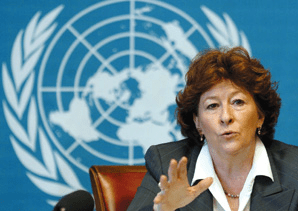
louise-arbour                                                                                                    Louise Arbour, the tribunal’s former chief prosecutor at ICTR

A United Nations criminal tribunal was so hobbled by the hostility of the Rwandan government that it was unable to investigate “very credible allegations” of crimes by the forces of President Paul Kagame, says Louise Arbour, the tribunal’s former chief prosecutor.

Ms. Arbour, a retired Supreme Court of Canada justice, revealed details in an interview with The Globe and Mail of how the Kagame government and its supporters made it difficult for the International Criminal Tribunal for Rwanda to investigate many serious crimes, including the assassination of two presidents – the event that ignited the genocide in which 800,000 Tutsis and moderate Hutus were killed.

The attack on the presidential plane in 1994 was just one of many unsolved crimes in Rwanda before and after the genocide, she said, adding: “I think that remains a very serious failing of international criminal justice.”

Ms. Arbour’s revelations about her three-year stint as the tribunal’s chief prosecutor came after The Globe obtained two documents – a deposition by one of Mr. Kagame’s former top aides and an earlier report by investigators at the UN Rwanda tribunal – pointing to the involvement of Mr. Kagame’s forces in the death of Rwandan president Juvénal Habyarimana.

The missile strike on the night of April 6, 1994, that killed Mr. Habyarimana and Burundian president Cyprien Ntaryamira remains a mystery, but investigating magistrates in France have now reopened their probe to consider the new deposition by the former Kagame aide, who says he heard Mr. Kagame and two other aides admitting that they orchestrated the attack.

The French investigation was precipitated by a case filed by the families of the French crew of the plane carrying the two presidents, but later went into limbo because of a lack of witnesses.

Mr. Habyarimana’s daughter Marie-Rose, now a Canadian citizen, has criticized the UN tribunal for failing to pursue charges in connection with the assassination. “People have closed their eyes,” she told The Globe in an interview this month.

But Ms. Arbour said in her interview that Mr. Kagame’s government “could turn on and off the co-operative tap at will, depending whether they were pleased or not with the work that was being done.”

The tribunal, which closed last December after more than two decades of work, indicted 95 suspects and convicted 61 of them, but all were linked to the former Hutu regime of Mr. Habyarimana, which was driven out of power by Mr. Kagame’s forces after the genocide. Critics have said the tribunal became a form of “victor’s justice.”

The tribunal had the power to investigate crimes during the entire year of 1994, including the period before and after the genocide, but it did not indict anyone linked to Mr. Kagame and his Tutsi-led forces, despite many allegations against them.

“These kinds of very credible allegations have been made time and again,” Ms. Arbour said. “And in the 22 years of its history, the tribunal has never been able to take that on.”

The concerns about the imbalance in the tribunal’s prosecutions are valid, she said.

Ms. Arbour disclosed that she had told her successor, Carla Del Ponte, that the tribunal “had to make some efforts” to investigate “serious allegations of crimes” by “elements or sympathizers” of Mr. Kagame’s forces.

Those investigations “could only be done from outside the country” because of the dangers and difficulties of working inside Rwanda, she told Ms. Del Ponte in 1999, when she left the tribunal to become a Supreme Court justice.

“The office of the prosecutor was sitting right in the middle of the country, where allegedly some of the leadership elements had to be investigated,” Ms. Arbour told The Globe. “That’s not, frankly, very doable.”

Asked whether the tribunal could have investigated the assassination of the two presidents in 1994, she said: “We worked in a very fragile environment. I had a lot of concerns about the safety, the security of our witnesses. I don’t think we had anywhere near the kind of human resources, capacity, know-how, to do that work while we were sitting in that country.”

She drew a comparison to the criminal tribunal for the former Yugoslavia, where she was also the chief prosecutor and where she indicted former Yugoslav president Slobodan Milosevic for war crimes.

“I don’t think we would have managed to do leadership investigations in Yugoslavia had we been, in a sense, hostage to the government of Croatia, Bosnia or Serbia,” she said.

“Without being able to operate safely from the outside [of Rwanda] with a lot of credible, independent, outside investigative support – it’s not an excuse, but it’s in part an explanation as to why maybe this has never been done. It certainly would not have been doable in the first few years of the tribunal.”

The tribunal was “constantly in a conflictual position vis-à-vis President Kagame,” she said. For example, his government insisted that some genocide suspects should be put on trial domestically in Rwanda, rather than sent to the tribunal’s court in neighbouring Tanzania, she said.

“So even in the genocide prosecutions, we were very often – regularly – in conflict with the government, whom we would have thought would have been supportive of our work. So you can imagine what kind of situation we would have been in, sitting in the country needing visas to come in and out. … None of that was feasible without the full co-operation of the government.”

In a forthcoming book by freelance writer Judi Rever, a former senior official at the Rwanda tribunal says it was difficult to ensure the safety of witnesses who had information incriminating Mr. Kagame.

“The problem was that witnesses kept disappearing,” says Douglas Marks Moore, now a judge in Britain who was senior counsel to a team of investigators at the tribunal.

Many witnesses against Mr. Kagame fled to neighbouring countries such as Kenya and Uganda, but were then “extracted, tortured and killed,” he says.

This led to a serious depletion of the witness pool, he says in Ms. Rever’s book, In Praise of Blood, to be published by Random House Canada.

Mr. Marks Moore says it was “unwise” for the tribunal to have prosecuted only “one side” of the crimes in Rwanda.

Another senior investigator at the tribunal, former U.S. Federal Bureau of Investigation agent Jim Lyons, told Ms. Rever that in 1997 the investigators heard detailed evidence from three witnesses who said Mr. Kagame was involved in planning the missile attack that killed the two presidents.

In the forthcoming book, Mr. Lyons says one of the tribunal investigators, Michael Hourigan, took the information to Ms. Arbour in 1997. “Arbour told him to shut down the investigation, that the ICTR had no mandate to investigate the plane crash – it had no jurisdiction,” he says.

Ms. Arbour said she met Mr. Hourigan only once. The information that he brought her about the plane crash “didn’t fall, in my view, within our prosecutorial agenda,” she told The Globe. “I don’t think we had the capacity or the resources, even if I had otherwise felt that we should collect information.”

MICHELLE ZILIO AND GEOFFREY YORK

Source:The Globe and Mail

“Those responsible for war crimes even at the highest levels cannot expect to escape justice” US Dept of State

usdos-logo-seal

Press Statement

John Kirby
Assistant Secretary and Department Spokesperson, Bureau of Public Affairs
Washington, DC
March 22, 2016

The United States welcomes yesterday’s verdict at the International Criminal Court (ICC) in the case against Jean-Pierre Bemba Gombo, a former vice president of the Democratic Republic of the Congo and previously a leader of a Congolese rebel group that committed widespread atrocities in the Central African Republic (CAR) from 2002 to 2003. His conviction for rape, murder, and pillaging as war crimes and crimes against humanity while a rebel leader brings an important measure of justice to the victims of these crimes and in particular advances the fight against impunity for sexual violence in conflict.

Those who are responsible for such heinous acts must be held accountable. Yesterday’s verdict, which recognizes Bemba’s command responsibility for atrocities committed by his forces, demonstrates that those responsible for such crimes—even those at the highest levels—cannot expect to escape justice. Secretary Kerry has reinforced this important principle, stating at the Global Summit to End Sexual Violence in Conflict that “responsibility goes straight to the top, even to the military commanders who knew or should have known about sexual violence and failed to act.”

The United States supports the ICC’s investigations in the Central African Republic, and we commend CAR’s commitment to ensuring accountability for serious crimes, including through its cooperation with the ICC in this matter as well as through domestic efforts to pursue justice. Yesterday’s decision follows other important recent efforts through both national and international judicial processes to begin to change the culture of impunity in the region. Recognizing the importance of this decision to many in Central Africa, we urge all stakeholders to respond in a measured and non-violent manner to this landmark judgment.

N’iki cyaba kihishe inyuma y’ifungwa rya Dr Rose Mukankomeje?

rose-mukankomejeDr Rose Mukankomeje usanzwe ari Umuyobozi w’Ikigo cy’Igihugu gishinzwe kurengera ibidukikije, REMA afunzwe n’inzego za polisi aho akurikiranyweho gushaka gukingira ikibaba abayobozi bakekwaho ibyaha bya ruswa ndetse ngo anagerageza kumena amabanga y’akazi.
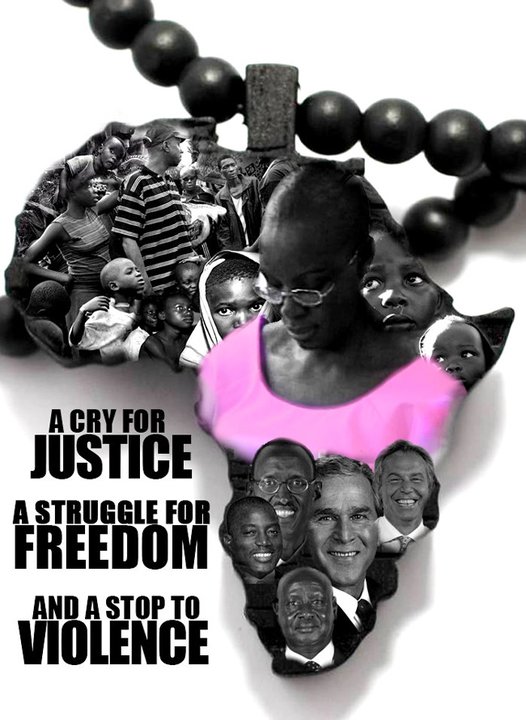
Nk’uko byatangajwe na Polisi Dr Mukankomeje afungiye kuri station ya Polisi ya Kicukiro, ibyaha Mukankomeje akurikiranyweho ngo bifitanye isano n’iby’abahoze ari abayobozi b’Akarere ka Rutsiro. Uwari Umunyamabanga Nshingwabikorwa w’Akarere ka Rutsiro, Murenzi Thomas, yatawe muri yombi na Polisi mu Mujyi wa Kigali mu Ugushyingo 2015.

Ubushinjacyaha buvuga ko Murenzi yatse ruswa y’amafaranga y’u Rwanda agera kuri miliyoni 15 rwiyemezamirimo wari watsindiye isoko ryo kubaka Guest House y’Akarere ka Rutsiro amubwira ko ari ugufasha ingengo y’imari y’Akarere mu gikorwa cy’amatora.

Ngo Murenzi yahise aha uwo rwiyemezamirimo konti ya banki y’umugore we kugira ngo azabe ari ho anyuza ayo mafaranga yitaga ayo gutera inkunga amatora.

Byukusenge Gaspard wayobora Akarere ka Rutsiro yatawe muri yombi tariki ya 2 Werurwe 2016 i Kigali agiye kwitaba Urwego rw’Umuvunyi.

Dr Rose Mukankomeje ni muntu ki?

Dr Rose Mukankomeje uvuka mu cyahoze ari Kibuye. N’ubwo hari bamwe bamuziza kutajenjeka mu kazi ke (mu nshingano yari afite harimo gutanga ibyangombwa byemerera umuntu wese ugiye gutangira umushinga ku butaka bw’u Rwanda ko ibikorwa bye bitazabangamira ibidukikije, kutajenjeka mu gutanga ibi byangombwa ndetse kugeza no ku bikomerezwa nk’abajenerali n’abandi byamukururiye abanzi benshi) ariko ikidashidikanywaho ni uko yari umuntu uzwiho kuba umukozi, kutagira akaboko karekare no kutagaragaza inyota yo gukira.

Abamuzi bavuga ko atari umuntu wemera kogerwaho uburimiro n’ubonetse wese. Urugero ruvugwa na benshi ni uko igihe yari umudepite mu nteko nshingamategeko yagiye mu mirya na bazina we Lt Col Rose Kabuye, abakabya bavuga ko ngo hitabajwe inshyi, amakofe n’ibindi muri iyo mirwano.

Uyu munyarwandakazi bivugwa ko atigeze ashaka ndetse nta n’abana yigeze, amakuru The Rwandan yashoboye kubona avuga ko yari uwihaye Imana muri babandi bita abakobwa ba Musenyeri baba mu nzu kwa Musenyeri, uyu Dr Mukankomeje akaba yari mu bakobwa ba Musenyeri Wenceslas KARIBUSHI wari Umushumba wa Diyosezi ya Nyundo. Yize ibya Sciences muri kaminuza ya Notre Dame de la Paix y’i Namur mu gihugu cy’u Bubiligi. Yabaye mu myanya myinshi y’ubuyobozi mu Rwanda ndetse no mu rwego mpuzamahanga yahawe igihembo nk’umwe bantu bake babaye indashyikirwa mu kurengera amashyamba kw’isi. Uretse iki gihembo yabonye n’ibindi bihembo byinshi bitandukanye bijyanye no kurengera ibidukikije. Twizere ko mu byo azize hatarimo guhabwa ibihembo dore ko mu Rwanda ugomba gushimwa no guhembwa ari umwe gusa, siniriwe muvuga nzamuvumba.

Solidarité Kibuye

Dr Rose Mukankomeje yari mu bashinze umuryango Solidarité Kibuye, uyu muryango abari bawurimo hafi ya bose bakaba barishwe cyangwa barahunze! Twavuga nka Assinapol Rwigara, Assiel Kabera, Ben Rutabana, Joseph Sebarenzi Kabuye, Thomas Sankara Habyalimana n’abandi..

Mu gihe nk’iki abantu nka Assinapol Rwigara bamaze iminsi bishwe umuntu akaba atabura kwibaza niba iri fungwa nta huriro ryaba rifitanye n’iki kibazo.

Ikigega FONERWA

Iki kigega kigamije gutera inkunga imishinga y’amajyambere igamije kurengera ibidukikije ku nkunga y’igihugu cy’u Bwongereza, PNUD.. Dr Mukankomeje yagize uruhare runini mu gushakira iki kigega amafaranga mu baterankunga ndetse akaba yari afite uruhare runini mu kugenzura uburyo umutungo w’iki kigega ukoreshwa.

Ikindi kizwi kuri iki kigega ni uko ari nk’ubushyo bwite bwa Lt Gen Fred Ibingira, kuko niwe ugabira uwo ashatse. Iki kigega kikaba gikunze guha amafaranga imishinga y’abahoze ari abasirikare (demobs) ariko nyine hitawe ku buryo urebwa neza ibukuru.

Muri make iki kigega ni ubwatsi Lt Gen Ibingira yagabiwe hakoreshejwe ingufu za ba Gen James Kabarebe na Gen Jack Nziza kubera ko yari atangiye kuba umurakare, rero iki kigega gisa nk’igikoreshwa ngo kiryoshyaryoshye abahoze ari abasirikare bataba abarakare ngo bajye muri opposition mu gutera inkunga y’amafaranga imishinga yabo n’iyo yaba iya nyirarureshwa.

Murabyumva namwe ko uburyo aya mafaranga atangwa n’uburyo akoreshwa bishobora gutuma bamwe mu bayobozi batabibona neza. Nka Ministre Vincent Biruta ushinzwe umutungo Kamere we yisanganiwe n’ubundi ubwoba yarazibukiriye ariko bivugwa ko Dr Mukankomeje we yakomeje guhanyanyaza asa nk’usaba ko ayo mafaranga yakoreshwa mu byo agenewe. Ubu hari abadashidikanya ko nta kindi azize uretse kwitambika agatuma Lt Gen Ibingira adatanga amafaranga uko yiboneye!

Abasesengura ibibera mu Rwanda bahamya ko umuntu nka Dr Mukankomeje uzwiho kutagira umururumba wo gushaka gukira vuba nta kuntu yari kujya kurya za ruswa iyo za Rutsiro asize akayabo kari muri FONERWA, ahubwo kwanga ko amafaranga atangwa nk’inzoga ibishye ashobora kuba ari byo azize!

Umunyarwanda umwe wakurikiye inkuru y’iri fungwa yagize ati: “Abagabo bararya abagore bakishyura. Imishinga yariwe ko ari myinshi kandi ko  mu bayobozi bakuru nta n’umwe urabibazwa? Abaguze imashini zo guhinga zitigeze zikora na rimwe, abaguze inka mu Buholandi zikamwa litiro ebyeri ku munsi, abatumije inzitiramubu zitujuje ubuziranenge, abashinzwe gutubura imbuto bapfunyikira amazi abahinzi bo ko ntabyo bajijwe…”

Tubitege amaso!

Marc Matabaro/ The Rwandan 22/03/2016

RWANDA-Ingabire Victoire’s case before the African Court on Human and Peoples’ Rights: Headache for the Rwandan Government

ingabire

Mrs. Ingabire Umuhoza Victoire, Chair of UDF-INKINGI opposition political party in Rwanda, detained in Kigali central prison, is to appear before The African Court on Human and Peoples’ Rights in Arusha, on March 4th, 2016. In the meantime, the government of Rwanda, which is a party to trial, is subjecting her to various forms of inhumane and degrading treatment as if to break her morale and make it hard to prepare her case properly.

Since Friday, February 5, 2016, the prison management has once again refused to allow her lawyer GATERA Gashabana to meet her in order to prepare her case.

We would like to recall that since Friday, January 29, 2016, the prison management has reduced the number of people who can visit her from 5 to one person per week. This limitation applies to her only.

On November 30th, 2015, her lawyer GATERA Gashabana, asked the President of the Kigali Bar Association to intervene and ask the Rwandan government to stop all the inhumane and degrading treatment of his client. Nothing has been done so far. In the opinion of lawyer Gatera, the molestation including the search of the lawyer and the reading of his legal notes constitute an unacceptable breach of international principles and rules protecting the legal profession.

Further to the first refusal of lawyer Gashabana’s visit, the conditions of detention of political prisoner Ms. Victoire Ingabire has deteriorated, this includes, painting black the windows of her prison cell in order to stop any natural light filtering into the cell, a vicious measure that we fear could lead to blindness.

While for medical reasons, her meal is brought in from outside the detention facility, the prison management has begun to systematically search the food brought by relatives of Mrs. Victoire Ingabire. Thus, in the process of checking the food under the pretext of looking for weapons or other prohibited items, a prison management official has systematically turns the food around in the container in a way that could make it look unpalatable to her, ostensibly to humiliate her and break her morale.

The paroxysm of the persecution is now the downright refusal of any contact between Mrs. Victoire Ingabire Umuhoza and her lawyer. The UDF- Inkingi sends an SOS message to governments, friends of the people of Rwanda and human rights organizations to:

–        Remind the inalienable and sacred right to a fair trial;

–        Remind the Government of Rwanda of its obligations regarding the treatment of prisoners;

–        Denounce human rights violations suffered by Mrs. Victoire Ingabire;

–        Remind the Rwandan government of its obligation to transport the complainant before her judges to Arusha in the best possible conditions;

–        Remind the Government of Rwanda the absolute right of Mrs. Ingabire to meet and work with her defense team on her case;

–        Support the appeal of FDU-Inkingi to the Commission of the African Union to take into account the obstacles that the Rwandan government imposes the proper judicial process.

Done in London, February 9th, 2016

Justin Bahunga

jbahunga@yahoo.co.uk