Category Archives: News

“Ceux qui ont tué Ghislaine Dupont et Claude Verlon devront payer” L’Elysée

champs_elysees_16La France mettra “tous ses propres moyens en oeuvre” pour que l’assassinat de deux journalistes français au Mali ne reste “pas impuni quels qu’en soient les auteurs”, a déclaré aujourd’hui l’Élysée, interrogé sur une revendication d’al-Qaida au Maghreb islamique (Aqmi).

“La France soutient les efforts du gouvernement malien et met tous ses propres moyens en oeuvre pour que ces crimes ne restent pas impunis quels qu’en soient les auteurs”, a déclaré la présidence française à l’AFP. “La France est engagée sans relâche dans la lutte contre le terrorisme dans la région du Sahel”, a-t-elle ajouté.

Aqmi a revendiqué aujourd’hui l’assassinat, le 2 novembre, des deux journalistes français de RFI dans un communiqué publié par l’agence de presse mauritanienne en ligne Sahara Medias. “Cette opération intervient en réponse aux crimes commis par la France contre les Maliens et à l’oeuvre des forces africaines et internationales contre les musulmans de l’Azawad”, nom donné par les Touareg au nord du Mali, indique ce communiqué.

Aqmi considère aussi que l’assassinat des deux journalistes “constitue le minimum de la facture que (le président français François) Hollande et son peuple doivent payer en contrepartie de leur nouvelle croisade”, conclut le texte.

Ghislaine Dupont, 57 ans, et Claude Verlon, 55 ans, journalistes à Radio France Internationale (RFI), ont été tués à Kidal, (nord-est du Mali), peu après avoir été enlevés par un petit groupe d’hommes armés.

Source: Le Figaro

Israël/Palestine: Le secretaire d’Etat Americain, Kerry veut sauver la paix

download

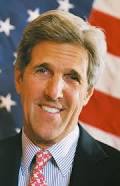
Le secrétaire d’Etat américain John Kerry a démarré aujourd’hui à Jérusalem un nouvelle mission au Proche-Orient avec des entretiens avec le Premier ministre israélien Benjamin Nétanyahou pour tenter de sauver des négociationsisraélo-palestiniennes en crise.

La rencontre Kerry-Nétanyahou devait débuter dans un grand hôtel de Jérusalem en début de matinée. Le secrétaire d’Etat américain se rendra ensuite à la mi-journée à Bethléem, en Cisjordanie, pour s’entretenir avec le président palestinien Mahmoud Abbas.
Ce nouveau round de discussions relancées en juillet, après près de trois ans d’interruption, se déroule dans une atmosphère de crise.

Les Palestiniens ont fait part hier soir de leur refus de poursuivre les négociations tant que la colonisation israélienne continuerait. À la veille de la visite de Kerry, Israël a lancé dimanche des appels d’offre pour construire près de 2.000 logements en Cisjordanie occupée et à Jérusalem-Est annexée.

Source: http://www.lefigaro.fr/flash-actu/2013/11/06/97001-20131106FILWWW00328-israelpalestine-kerry-veut-sauver-la-paix.php

“Abakoze ibyaha mu ntambara yatejwe na M23 bagombe babiryozwe” USA

usdos-logo-seal


Nk’uko tubikesha itangazo rya Leta zunze ubumwe z’America ryo kuwa Kabiri tariki ya 5 Ugushyingo, amasezerano hagati ya Leta ya Kabila n’umutwe wa M23 agomba guteganya uko abakoze ibyaha by’intambara babiryozwa. Icyo gihugu cy’igihangange kandi kirasaba ibihugu byo mu karere kuransura imizi yose yazanye umwiryane muri Repubulika iharanira Demokarasi ya Congo.

Dore uko itangazo rivuga.

Itangazo rigenewe Abanyamakuru

Marie Harf
Uwungirije umuvugizi wa  State Department,

Ibiro by’umuvugizi

Washington, DC

Tariki ya 5 Ugushyingo 2013

Leta Zunze ubumwe z’Amerika zishimiye itangazo ry’umutwe wa M23 rivuga ko uhagaritse ukwigomeka mu Burasirazuba bwa Repubulika iharanira Demokarasi ya Congo. Twishimiye kandi uburyo Leta yakiriye iryo tangazo rya M23, no kuba Leta yiteguye kugaruka I Kampala gushyira umukono ku masezerano ya nyuma.

Dushimiye cyane Perezida wa Uganda Yoweri Kaguta Museveni na Ministri w’ingabo Crispus Kiyonga kuba barabaye abahuza mu biganiro bya Kampala. Turashishikariza impande zose gukurikirana uburyo bwa Politiki buzageza ku masezerano ya nyuma ateganya kwambura intwaro no gusubiza mu buzima busanzwe abagize M23, kandi hagakorwa ku buryo abakoze ibyaha by’intambara n’ibyaha byibasiye inyoko babibazwa. Kugera ku masezerano yumvikanyweho yo kurangiza ukwigomeka, ni intambwe ya mbere ya ngombwa cyane kugira ngo hagerwe ku kurangiza ikibazo cy’umutekano muke muri Repubulika iharanira Demokarasi ya Congo.

Tuboneyeho akanya kandi ko guhamagarira leta zo mu bihugu by’akarere kubakira kuri izi ntambwe nziza mu gutangiza imishyikirano yaguye hagamijwe gushyira mu bikorwa  Amasezerano y’amahoro, umutekano n’ ubufatanye arandura imizi yose yateye umutekano muke wakunze kurangwa muri Repubulika iharanira Demokarasi ya Congo n’ibihugu by’ibiyaga bigari, kandi hagatezwa imbere amajyambere n’ubukungu mu karere. Leta zunze ubumwe z’Amerika tuzakomeza gushyigikira ibi kimwe n’ibindi bikorwa byose bigamije kugera ku mahoro arambye.

Itangazo dukesha Department ya Leta ya Leta zunze ubumwe z’Amerika. Byahinduwe mu Kinyarwanda na Chaste Gahunde.

Tanzania committed to stronger EAC-Mkuchika


mkuchika The minister of State in the President’s Office (Good Governance), Mr George Mkuchika, represented Tanzania in the East African Community’s Council of Ministers meeting in Burundi

Tanzania will play its part to ensure a stronger East Africa Community as envisioned in the treaty that revived the regional body, Cabinet minister George Mkuchika said yesterday. He told a regional ministerial committee meeting held in Burundi on Friday that Tanzania was still committed to seeing the bloc prosper.

  • Mr Mkuchika, the minister of State in the President’s office for Good Governance, was speaking in Bujumbura at the end of the 19th meeting of the Sectoral Council of Ministers responsible for EAC Affairs and Planning.

“The biggest obligation before us is to ensure this cooperation produces results that will improve the livelihoods of the people of East Africa,” the minister said in a statement on Friday.“This will be attained by committing ourselves to implementing decisions and directives that arise through these meetings.”

It was the first time that a Tanzanian minister was attending a top level EAC meeting since questions were raised over the country’s commitment to the unity of the five member countries.

On Wednesday, East African Cooperation minister Samuel Sitta told Parliament in Dodoma that government officials had been advised against taking part in regional meetings until an explanation was forthcoming on the tripartite meetings championed by Rwanda, Kenya and Uganda.

Mr Sitta, who said Tanzania felt “shortchanged” by these meetings, revealed that a higher authority–implying President Jakaya Kikwete–had told Foreign Affairs minister Bernard Membe not to attend a ministerial council meeting held in Nairobi last week.

The minister himself said he had directed his deputy, Dr Abdullah Abdullah, to give Thursday’s Bujumbura meeting a miss. It was not immediately clear if it was this same meeting that Mr Mkuchika attended. His statement made no mention of the current challenges in the bloc or Tanzania’s stand on the Coalition of the Willing–a name coined to describe the tri-lateral arrangement by Kenya, Rwanda and Uganda. “East African cooperation will be attained by committing ourselves to implementing what has been jointly agreed,” he added.

Fears that the EAC could disintegrate rose after Mr Sitta said Tanzania was thinking of forming a rival coalition with Burundi and the Democratic Republic of Congo to counter the grouping of the other three partner states. Leader of the Opposition Freeman Mbowe, also speaking in the same Parliament, cautioned against abandoning the idea of regional integration. EAC boss Richard Sezibera weighed in on the debate on Friday in Bujumbura, saying the concerns raised by Tanzania and Burundi did not necessarily mean a falling-out was on the cards.The secretary general said at the end of the meeting that the secretariat had consulted the five partner states on the state of EAC integration. He added: “East Africans are urged not to be unduly be alarmed because the challenges are being addressed and will be further considered at the forthcoming high level meetings of the Community. There have been persistent press reports, including misrepresentation of the matter.”

Officials of the Arusha-based Secretariat have been reluctant to discuss the new developments in the region. But one of them confided in The Citizen on Sunday that a lot more would emerge during the coming Heads of State Summit in Kampala, which will be preceded by the ministerial and other meetings of senior officials.

Kenya’s President Uhuru Kenyatta on Tuesday also allayed fears that EAC could be headed for collapse. He said all the five EAC member States were committed to integration. “We are focused in our objective of uniting the region and making it prosperous,” he said. “In fact, we are looking forward to our brothers and sisters from South Sudan joining us soon to make our regional bloc stronger.”

According to Mr Kenyatta, the fast-tracking of the Northern Corridor infrastructure projects by Kenya, Uganda and Rwanda arose from the need to solve the problem of cargo transportation from Mombasa to Kampala and Kigali. The coming together of Kenya, Uganda, Rwanda and South Sudan was aimed at addressing the four countries’ unique needs but was not in any way meant to undermine the EAC integration process, he added.President Kenyatta was speaking at a meeting with Kenyans working and living in Rwanda.

Rwandese leader Paul Kagame is expected to take over the chairmanship of the bloc from President Yoweri Museveni of Uganda during the summit.

By Zephania Ubwani, The Citizen

Source: http://www.thecitizen.co.tz/News/Tanzania-makes-U-turn-on-EAC/-/1840392/2058038/-/138ipu4z/-/index.html

Related stories:

Developing: M23 Announce End To Rebellion

By: Alex Masereka

M23 rebel group in the Democratic Republic Congo says it is ending its insurgency, hours after the government claimed military victory.

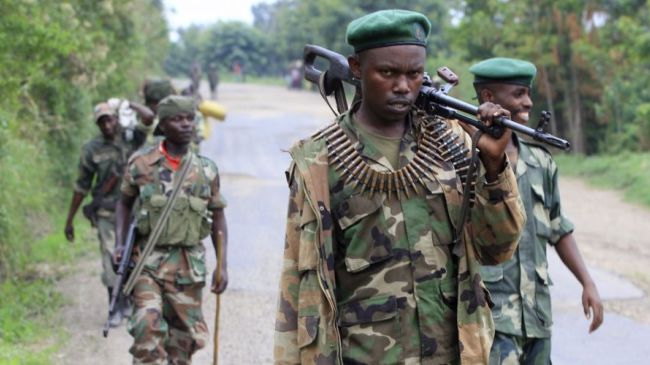
 m231

The M23 rebel group in eastern Democratic Republic of Congo

This comes a day after African leaders wrapped up talks in Pretoria saying a peace deal for the Democratic Republic of Congo could be signed if the M23 movement declared an end to its rebellion.

M23 said in a statement it was going to ”purely political means” to achieve its goals and urged its troops to disarm and demobilise.

The M23 movement had entered peace talks with Kinshasa held in the Ugandan capital Kampala, but they fell apart last month, leading the Congolese army to launch an offensive against the rebels backed by a UN brigade. The M23 was founded by ethnic Tutsi former rebels who had been incorporated into the army under a 2009 peace deal but mutinied in April 2012.

The 3,000-strong UN intervention brigade in eastern DR Congo is drawn from Malawi, South Africa and Tanzania. It joined 17,000 peacekeepers already deployed in the country, but it carries a special mission to help Congo’s army quell the rebellions in the region.

On Monday, the brigade carried out what is believed to be its first direct combat against M23 rebels since the Congolese army began a major assault against the rebellion in late October and seized control of all of the M23 strongholds.

Who are the rebels?

The group is made up of fighters who deserted from the Congolese army in April 2012 following a mutiny.

They are mostly from the Tutsi ethnic group, a minority in eastern DR Congo but with ties to Rwanda’s leaders.

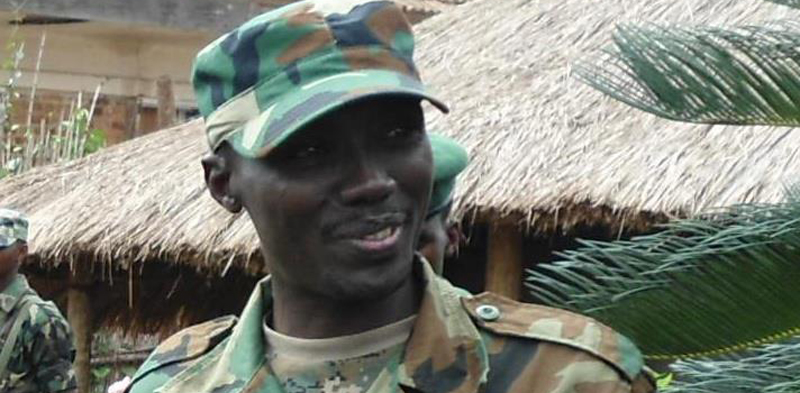
 sultan-makenga

Sultani Makenga, M23 rebel leader

They were led by several top-ranking officers who were members of a former militia called the CNDP – including Col Sultani Makenga and Gen Bosco Ntaganda, who faces war crimes charges at the International Criminal Court.

Their movement is called M23 in reference to a 23 March 2009 peace deal, which the CNDP signed with the Congolese government.

Why did they rebel?

The rebels, also known as the Congolese Revolutionary Army, say the government has not lived up to its promises in the 2009 deal.

They say they were mistreated after being integrated into the army, were not paid enough and that the military lacked vital resources, with soldiers were going hungry.

But analysts believe the real reason for their rebellion stems from comments made by Congolese President Joseph Kabila in January 2012, who under pressure from the ICC, said the Congolese authorities would put Gen Ntaganda on trial.

Where is he now?

Gen Ntaganda, known as “The Terminator”, gave himself up to the US embassy in Rwanda in March 2013, after losing a power-struggle within the M23.

He has since been transferred to the ICC in The Hague.

Is that why they are now on the back foot?

The internal rifts probably didn’t actually make much difference.

Most analysts point to two far more significant developments: Reduced Rwandan support for the M23 and the intervention of a tough new brigade of UN troops.

Although this was always denied by Rwanda, UN investigators have long accused Rwanda of backing the M23.

This led several donors to cut financial and then military aid to Kigali and the UN says Rwandan backing to the M23 has now fallen off.

Meanwhile, the UN has sent a force of some 3,000 well-equipped troops with a tougher mandate than any other peacekeeping force, tasked with disarming and “neutralising” rebels forces in eastern DR Congo.

Their use of helicopter gunships against the rebels is credited with making a huge difference, paving the way for the army to retake the territory seized by the rebels in 2012.

Why did the UN send the extra troops?

The UN has had a huge mission – currently some 18,000 troops – in DR Congo for many years but the unrest never seems to end.

Many Congolese have derided them as “tourists” for many years and in 2012, they were unable to stop the M23 from seizing the regional capital, Goma, before they pulled out under international pressure.

But they remained camped on the outskirts of Goma until their recent reverses.

RDC : l’armée reprend au M23 la colline de Mbuzi

Fullscreen capture 5222013 125418 PM

Les Forces armées de la RDC ont pris lundi  4 novembre la colline de Mbuzi, une des dernières positions des rebelles du M23 retranchés aux confins du Rwanda et l’Ouganda, au Nord-Kivu. Les combats se poursuivent depuis la matinée, malgré le cessez-le-feu unilatéral décrété dimanche par le M23 et l’appel à la retenue de la communauté internationale.

Le porte-parole des FARDC au Nord-Kivu, le colonel Hamuli, a déclaré à Radio Okapi que les combats pour la reprise de Mbuzi ont été très rudes.

« L’ennemi a été délogé après environ 3 jours de combats », a-t-il confié.

Vers 12 heures locales, un détachement de soldats congolais posté à Ntamugenga a laissé éclater sa joie en chantant après avoir reçu un message radio indiquant que leurs frères d’armes ont atteint la crête de la colline de Mbuzi et qu’ils progressent vers le sommet.

Mbuzi est l’une de trois collines qui culminent à environ 2.000 mètres d’altitude où résistent encore quelques centaines d’éléments du M23 depuis la chute deBunagana mercredi dernier.

L’armée a “conquis totalement le collectif montagnard de Mbuzi”, a indiqué à l’AFP un haut responsable militaire ayant requis l’anonymat.

Les militaires congolais considèrent la colline de Mbuzi comme « très stratégique ». Elle donne une vue sur les collines de Chanzu et Runyonyi, encore tenues par les rebelles.

Tôt le matin, trois obus lancés par le M23 depuis la colline de Chanzu ont fait six morts et dix blessés parmi les civils aux quartiers Karambo et Masoro obligeant les habitants de Bunagana à se réfugier en Ouganda. Un autre obus tombé dans ce pays n’a pas fait des victimes.

D’autres obus sont tombés dans la localité de Tchengerero, à environ 4 km de Bunagana. Des sources militaires indiquent qu’une femme et un homme ont été tués.

Dimanche, le président de la branche politique du M23, Bertrand Bisimwa, avait ordonné à ses troupes de «cesser immédiatement les hostilités avec les FARDC». Son ordre est tombé alors que l’armée pilonnait les derniers bastions des rebelles où étaient retranchés 200 à 300 combattants.

Dans un communiqué publié lundi 4 novembre, le porte-parole du gouvernement congolais, Lambert Mende a indiqué « le M23 doit faire une annonce claire, nette et sans ambiguïtés de la fin de la rébellion armée qu’il a lancé depuis 20 mois dans le Nord-Kivu ».

« Ce qui est attendu, ce n’est pas un cessez-le-feu. C’est la fin de toute activité militaire du M23 », précise le texte.

Poursuivre le processus politique

Les envoyés spéciaux des Nations unies, de l’Union européenne, de l’Union africaine et des Etats-Unis pour la région des Grands Lacs ont pour leur part «exhorté le M23 à renoncer à sa rébellion comme déjà convenu». Ils ont également demandé au gouvernement de la RDC de «s’abstenir de toute action militaire à ce stade».

Dans un communiqué publié le lundi 4 novembre, ils ont déclaré avoir pris acte de l’annonce du M23 de mettre fin aux hostilités. Ils considèrent cette annonce comme la première étape indispensable vers la paix.

Les Envoyés spéciaux exhortent le mouvement rebelle et le gouvernement congolais à poursuivre leur engagement pour faire aboutir le processus politique par un accord final et le principe garantissant le désarmement et la démobilisation du M23.

 Source:http://radiookapi.net/actualite/2013/11/04/rdc-larmee-reprend-au-m23-la-colline-de-mbuzi/

Tanzaniya mu nzira zo gushinga undi muryango w’ubukungu mu karere

download

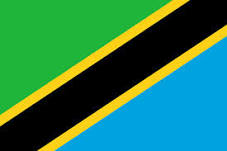
Ibendera rya Repubulika yunze ubumwe ya Tanzania

Kuwa gatatu abayobozi ba Tanzaniya batangaje ko batangije ibiganiro na Repubulika Iharanira Demokarasi ya Congo n’u Burundi kugira ngo bashinge umuryango mushya w’ubucuruzi n’ubukungu, kuko Tanzaniya n’u Burundi byahejwe n’ibihugu bitatu bisanzwe bihuriye muri EAC (East African Community : Umuryango w’Afurika y’i Burasirazuba).

Nyuma y’aho Uganda, Kenya n’u Rwanda bishyizeho imishinga bihuriyeho mu nama zigera kuri eshatu zitagaragayemo Tanzaniya n’u Burundi, ibi bihugu byombi byatangiye kwivovota ko biri guhezwa muri iyo mishinga nyamara bihuriye muri EAC.

Radiyo mpuzamahanga y’Abashinwa yatangaje ko Minisitiri wa Tanzaniya ushinzwe ubutwererane muri Afurika y’i Burasirazuba, Samuel Sitta, yabwiye Inteko Ishinga Amategeko y’igihugu cye i Dodoma, ko Tanzaniya yashyizeho undi mugambi wayo.

Yagize ati : “Mu bukungu, ubu birumvikana gukorana na Repubulika Iharanira Demokarasi ya Congo, kubera ko iki gihugu gifite imbaraga mu bukungu muri aka karere.”

Samuel Sitta yasobanuye ko iyo migambi ari iyo kubaka inzira ya gari ya moshi ihuza Uvinza mu ntara ya Kigoma na Msongati, kugira ngo Tanzaniya na Congo bikorane. Tanzaniya kandi ngo yanisangiye u Burundi kubera ko abashabitsi babwo bahendukirwa no gukoresha icyambu cya Dar es Salaam kurusha icya Mombasa.

Nyuma y’inama zahuje Kenya, Uganda n’u Rwanda ariko ntizigaragaremo Tanzaniya n’u Burundi, abagize Inteko ishinga amategeko ya Tanzaniya, kuri uyu wa kabiri bashyize igitutu kuri guverinoma yabo ngo ive muri EAC cyangwa ivugane n’ibindi bihugu bituranye bikore undi muryango cyangwa nanone ngo ihagarike ibikorwa byose ikorera muri aka karere.

Nubwo u Rwanda, Uganda na Kenya bivuga ko byihariye ku mishinga imwe n’imwe kubera ko Tanzaniya n’u Burundi bigenda biguruntege, igitangazamakuru the Citizen gikorera muri Tanzaniya, cyo cyanditse ko Minisitiri Samuel Sitta, yabwiye Inteko Ishinga Amategeko y’igihugu cye ko Tanzaniya ndetse n’u Burundi bitigeze bitumirwa mu nama yahuje ibihugu bitatu bisanzwe muri EAC ndetse na Sudani y’Efo yitabiriye nk’indorerezi.

Minisitiri Sitta akomeza avuga ati : “Biratubabaza iyo bagenzi bacu badushyira mu kato. Ariko igisubizo natanga ni uko twakwifashisha inama yatanzwe n’uwari Perezida wa Tanzaniya, Ali Hassan Mwinyi ; aho yavuze ko uburyo bwiza bwo gukorana n’umunyakinyoma ari ukumuha rugari.”

Minisitiri Sitta akomeza avuga ko ingamba zafashwe ari uko ubwo Tanzaniya iheruka gutumirwa mu bikorwa bya EAC, yagize amakenga ku bagombanga kuyihagararira.

Urugero atanga ni uko hari inama ibera i Nairobi ariko ubuyobozi bukuru bwabujije Minisitiri w’Ububanyi n’amahanga kuyikurikirana. Avuga kandi ko n’izindi nama zatumirwamo abayobozi, bazijyamo ariko nta ruhare igihugu cyagira mu bikorwa ibyo ari byo byose. Ariko avuga ko hakiri kare gufata umwanzuro wa nyuma no gushinja Kenya, Uganda n’u Rwanda ko ibyo bikora bibangamye.

Guverinoma ya Tanzaniya yahaye inshingano uyoboye inama y’abaminisitiri b’ibihugu bya EAC, ukomoka muri Uganda, zo kugaragaza icyo Kenya, Uganda n’u Rwanda bikora, kandi bikamenyeshwa Tanzaniya n’u Burundi.

Agira ati : “Biteganyijwe ko tuzahurira i Arusha nibura mu byumweru bibiri biri imbere, kumva icyo uyoboye inama y’abaminisitiri azatubwira kuri ibyo. Kuva icyo gihe nibwo tuzafata ingamba z’icyo gukora.”

Umubano w’u Rwanda na Tanzaniya watangiye kuzamo agatotsi hizizwa isabukuru y’imyaka 50 ya Afurika Yunze Ubumwe, ubwo Perezida wa Tanzaniya, Jakaya Kikwete yumvikanishaga ko u Rwanda rugomba kugirana ibiganiro na FDLR.

Si ibyo gusa kandi kuko Tanzaniya yakomeje gushinjwa guca amafaranga y’umurengera ku modoka zituruka mu Rwanda zikoresha imihanda yayo, aho kuva ku Rusumo kugera i Dar es Salaam hishyurwaga amadolari y’Amerika 500 kuri kilometero 100 ; byari imwe mu nzitizi zatumaga ibicuruzwa bihenda. Ibyo byatumye u Rwanda na rwo rushyira kuri icyo giciro nk’icya Tanzaniya ku modoka nini zituruka muri icyo gihugu.

Source: Igihe.com

Iteganyabikorwa ry’Ishyaka Ishema ry’ u Rwanda


ibendera-ishema ok


UKURI- UBUTWARI UGUSARANGANYA

Mu nama yabaye kuri uyu wa gatandatu taliki ya 2 Werurwe 2013, Ubuyobozi bukuru bw’Ishyaka Ishema ry’U Rwanda bwasuzumanye ubushishozi ibibazo bikomeye igihugu cyacu gifite biturutse ahanini ku butegetsi bw’igitugu bw’Agatsiko.  Bityo rero mu rwego rwo kuzahura igihugu no guhumuriza Abanyarwanda, ubutegetsi bwa Repubulika ya kane buzashyira imbere ibi bikurikira:

 1. Tuzavugurura Inzego z’Ubutegetsi kugira ngo zishingire ku mahame ya Demokarasi isesuye.

(1)Hazategurwa Itegekonshinga rishimangira cyane ihame ry’uko Ubutegetsi Nshingategeko , Nyubahirizategeko n’ubutegetsi bw’Ubucamanza bwatandukana ku buryo bugaragara, hateganywe n’uko bwakuzuzanya, nta rwego rwihaye gucecekesha urundi (Principe de séparation nette des trois pouvoirs).

(2)Kugirango Demokarasi ishingiye ku ihame ryo « gusimburana ku butegetsi mu mahoro » (Principe d’alternance politique) ishobore gushinga imizi mu Rwanda, Repubulika ya kane izandikisha mu Itegekonshinga ko Manda ya Perezida wa Repubulika ari imyaka 5; ko nta mpamvu n’imwe yatuma umuntu yemererwa manda zirenze ebyiri;  ko umuperezida uzagaragarwaho no  gushakisha inzira zo guhabwa manda ya gatatu  azahita afatwa agashyikirizwa ubutabera. Hazashyirwaho itegeko ritaganya icyo cyaha gikomeye cyane(crime contre l’Etat), rigene ibihano bikomeye bizahabwa nyirukugikora kandi ryerekane urukiko rudasanzwe ruzamuburanisha n’uzaruregera (la saisine).

(3)Ikipe y’Abaminisitiri izaba igizwe n’abantu 12 gusa. U Rwanda ni agahugu gato, ntigakeneye guverinoma y’abaminisitiri barenze uriya mubare duteganya.

(4)Inteko Ishingamategeko izaba igizwe n’umutwe umwe gusa w’Abadepite. Sena izavaho.

(5)Hazabaho uturere 36 tw’itora (circoscriptions électorales), muri buri karere hajye hatorwa Abadepite babiri . Abo bombi nibo bazaba bashinzwe by’umwihariko kuba abavugizi b’iterambere n’imibereho myiza y’abaturage bo mu karere bahagarariye kugira ngo hatabaho kwibagirana cyangwa kuryamirana hagati y’uturere.

(6) Hazashyirwaho Inama y’Ikirenga ishinzwe kurengera Itegekonshinga (Conseil Constitutionnel), igizwe n’abanyamategeko  6 b’umwuga, hakiyongeraho abakuru b’igihugu bacyuye igihe. Bazaba bashinzwe gukurikiranira hafi uko Itegekonshinga ryubahirizwa, bagenzure ko andi mategeko atarivuguruza, bakore ku buryo n’ibindi byemezo by’abategetsi banyuranye bitaribangamira . Bazajya bagira inama cyangwa basabire ibihano abategetsi batannye bagateshuka ku kubahiriza Itegekonshinga.

 2. Tuzubaka Ubutabera bubereye Abanyarwanda.

(1)Dushingiye ku ihame ry’uko “Leta ikomeza igihe cyose” (Principe de continuité de l’Etat)  Repubulika ya Kane yiteguye gusaba imbabazi ku mugaragaro kubera ibyaha bikomeye cyane Leta yakoreye Abanyarwanda kugeza ubu .

(2)Imfungwa zose za politiki zizahita zifungurwa . Abafungiye mu mahanga bazasabirwa kujyanwa mu Rwanda, ikibazo cyabo abe  ariho cyigirwa.

(3)Abarenganyijwe n’ Inkiko z’Agatsiko bazarenganurwa.

(4)Tuzafatanya n’abanyarwanda bose, Loni n’Urukiko mpuzamahanga mpanabyaha, gushakisha, gufata no gushyikiriza ubutabera abantu bose bafite ibiganza bijejeta amaraso y’abanyarwanda n’abanyamahanga ;bityo tuzarandura burundu politiki yo kudahana yabaye agatereranzamba mu Rwanda.

(5) Hazategurwa  Ibiganiro bihuza Abanyarwanda b’ingeri zose ku byerekeye IMBABAZI ZIDASANZWE cyangwa IBIHANO BYOROHEJE bishobora guhabwa abakoze ibyaha bikomeye, bakaba babyemera, bakaba babisabira imbabazi kandi bakaba biteguye gutanga umuganda wabo mu kubaka igihugu gishya.

3. Mu rwego rwo kwibuka amateka no gukumira umwiryane waranze igihugu cyacu, hazubakwa “INGORO Y’UBWIYUNGE” (Temple de la reconcilation), ishyingurwemo Abanyarwanda bose bazize intambara na jenoside guhera taliki ya 1/10/1990.

(1) Ababaye abakuru b’igihugu bose bazayishyingurwamo.

(2) Imirambo yose yandagaye mu Rwanda no mu mashyamba ya Kongo n’ahandi hashobora kumenyekana izatahurwa ishyigurwe mu cyubahiro muri iyo Ngoro y’Ubwiyunge.

(3)Abantu bazagaragaza ubutwari bukomeye kugeza bamennye amaraso yabo mu bikorwa bigamije gukuraho ingoma mpotozi y’Agatsiko,  nabo bazayishyingurwamo.

4. Politiki y’UBUREZI izagirwa ISHINGIRO rya Repubulika.

(1) Abarimu bazitabwaho ku buryo bw’umwihariko kuko burya “Byose bitangirira mu ishuri” . Mwarimu azahabwa umushara ukwiye ahabwe n’ibikoresho bimufasha gutunganya inshingano ze kandi yongererwe agahimbazamuskyi n’andi mashimo anyuranye, ku bakora neza kurusha abandi.

(2) Abanyeshuri bose b’amashuri abanza n’ayisumbuye bazarihirwa na Leta.

(3)Kugira ngo uburere bw’abana biga mu mashuri yisumbuye ya Leta burusheho kugira ireme, bazacumbikirwa kandi bagaburirwe( Internat).

(4)Abanyeshuri b’amashuri makuru na Kaminuza bazahabwa buruse, inkunga cyangwa inguzanyo mu buryo bwubahirije amategeko, nta gusumbanya abana hashingiwe ku bwoko, akarere cyangwa ubutoni.

(5)Mu rwego rwo guha buri munyarwanda ubumenyi n’ubushobozi bwo kubona umurimo wamubeshaho , yatura mu Rwanda  cyangwa mu mahanga , Leta izashyiraho amashuri y’imyuga ajyanye n’igihe tugezemo.

(6) Aho guhindura Urubyiruko nk’imfungwa mu Rwagasabo, hazabaho politiki rusange yo kuborohereza gusohoka mu gihugu bagiye gukora imirimo mu bihugu duturanye no mu mahanga ya kure hagamijwe kwinjiriza igihugu amadovize menshi yakoreshwa mu kubeshaho neza imiryango yabo no mu iterambere.

(7) Hazashyirwaho Ishuri rikuru ritegura ku buryo bwihariye abazaba abayobozi b’igihugu.

 5.Gusaranganya  imishinga y’amajyambere bizaba itegeko ridakuka:

(1) Buri Murenge uzahabwa  umushinga-fatizo nibura umwe ushobora guhemba abantu 1000.

(2) Hazubakwa umuhanda mugari cyane (Autoroute) uhuza intara zose z’igihugu.

(3)Imyaka ibiri ya mbere ya manda yacu izaharirwa KWIYUBAKA kuri buri Munyarwanda :Nta Munyarwanda uzongera gusabwa imisoro ya hato na hato, abacuruzi ntibazasabwa amahooro. Iki cyemezo kizatuma igihugu gifunguka , abacuruzi bacu bakore neza ntacyo bikanga, abashoramari b’Abanyarwanda n’abanyamahanga bashishikarire kuzana imishinga yabo mu Rwanda. Igihugu cyacu kizahazamukira mu buryo bwihuse .

(4)Hazashyirwaho Komisiyo y’Igihugu yihariye ishinzwe gusuzuma ibibazo bijyanye no guha abana bose b’u Rwanda “Amahirwe Angana”( Commission Nationale Spéciale pour l’Egalité des Chances) : izarwanya ivangura iryo ariryo ryose mu gutanga akazi, amashuri, amashimwe….

(5)Imitungo y’igihugu yanyerejwe ikabitswa mu Rwanda cyangwa igahishwa mu mahanga izakurikiranwa na Leta,  igarurwe mu gihugu.

6. Abihayimana b’amadini yose bakora imirimo ifitiye igihugu akamaro bazahembwa na Leta kandi bagire uruhare mu gucunga no gushyira mu bikorwa imishinga ya Leta ifitiye abaturage akamaro.

7. Amashyaka ya politiki azajya yemererwa gukorera mu gihugu nta mananiza.

Leta izajya itera amashyaka inkunga y’amafaranga akenewe muri gahunda z’ishyaka. Amashyaka azasabwa kugira uruhare rugaragara mu guhugura Abanyarwanda no kubatoza inzira iboneye ya demokarasi, kubasobanurira amategeko ariho mu gihugu n’imikorere y’ubucamanza.

8. Itangazamakuru ryigenga rizahabwa agaciro, rirengerwe n’amategeko y’igihugu kandi Leta iritere inkunga igaragara (guhugura abanyamakuru, imfashanyo y’amafaranga n’ibikoresho)

9. Hazashyirwaho umutwe w’ingabo ibihumbi bitanu gusa (5000) bazobereye mu byerekeye kurinda igihugu .

(1) U Rwanda ntiruzongera gushoza intambara mu bihugu duturanye.

(2) Ingabo zizakurwa mu giturage zituzwe mu bigo bya gisilikari bizwi kandi byemewe n’amategeko.

(3) Urubyiruko rwose rw’abahungu n’abakobwa rugejeje ku myaka 18 rubyemera ruzatozwa ibya gisilikari mu gihe cy’umwaka, mu rwego rwo kwitegura kwirwanaho u Rwanda ruramutse rutewe.

 (4) Umutekano w’imbere mu gihugu uzarindwa na Polisi gusa.

 (5)Abahoze mu ngabo z’igihugu bazoroherezwa kwinjira mu buzima busanzwe : Guhabwa indi imirimo, gusubizwa mu mashuri, kwigishwa imyuga izabafasha kubaho….

 (6)Imitwe y’iterabwoba yiswe Abalokodifensi( Local Defense forces) n’Inkeragutabara izaseswa, kandi abayitwaje mu guhungabanya umutekano n’uburenganzira by’abaturage bakurikiranwe n’ubutabera.

10. Gucyura impunzi no gutuza abanyarwanda aheza bizitabwaho cyane.

(1)Abanyarwanda bose bagizwe Impunzi bazashishikarizwa gutaha ku bwende, bakirwe neza mu gihugu kandi bafashwe gusubirana imitungo yabo.

(2)Hazabaho politiki yizwe neza yo gutuza  Abanyarwanda mu migi iciriritse irimo amazi meza n’amashanyarazi kugirango bashobore kwihangira imirimo kandi haboneke n’ubutaka butazuye bugenewe ubuhinzi n’ubworozi.

 UMWANZURO

Ni nde se utabona  ko ibi byemezo biri mu bushobozi bwacu kandi ko biramutse bishyizwe mu bikorwa, u Rwanda rwahindura isura, ikarushaho kuba nziza, mu gihe gito ?

Muri make, “philosophie” ibiri inyuma yagaragarira buri wese tuyihiniye muri izi ngingo uko ari  umunani :

(1)Ishingiro ry’Igenabitekerezo(Idéologie)  ry’Ishyaka Ishema ni izi ndangagaciro: UKURI-UBUTWARI-UGUSARANGANYA. 

(2) Kugira ngo u Rwanda rugire umutekano nyawo, intwaro za kirimbuzi zigomba kugabanuka mu gihugu (démilitarisation).

(3) Iterambere Abanyarwanda bifuza si iryihariwe n’Agatsiko gato ahubwo ni irisangiwe na bose (Juste redistribution des richesses).

(4) Ishema ry’ubuyobozi bukunzwe n’abaturage, si ukwikanyiza, kunyereza no kwikubira, ahubwo  ni ubutwari bwo kubungabunga no guteza imbere inyungu rusange (Sauvegarde de l’Intérêt général).

(5) Umutekano w’akarere kose k’Ibiyanga bigari ntuzatangwa na politiki ya mpatsibihugu na gashozantambara, ahubwo uzaturuka ku kubaha abaturanyi no gukorana nabo mu mahoro (politique d’intégration pacifique).

(6) Umubano mwiza n’amahanga ntushingirwa ku kwirarira, kwishongora no kuregaguzwa, ahubwo uzashingira imizi ku bushake bwacu bwo kubaka igihugu kitunyuze ariko tukanamenya kandi tukubahiriza inyungu z’abadutera inkunga.

(7) Ubwiyunge bw’Abanyarwanda ntibuzazanwa na disikuru z’ibinyoma n’ibaruzamibare rififitse ahubwo buzaturuka ku kureshya kw’abaturage bose imbere y’amategeko, guha urubyiruko amahirwe angana no guha rubanda ijambo ikavuga ikiyinyuze n’icyo igaya (liberté d’expression).

(8)Iyi gahunda yo kuzahura igihugu nishyirwa mu bikorwa uko yakabaye izakuraho burundu urwitwazo rw’umwiryane hagati y’Abahutu n’Abatutsi washenye byinshi.

Harakabaho u Rwanda rwigenga n’Abanyarwanda bahumeka ituze n’amahoro.


Chaste Gahunde

Umunyamabanga mukuru wungirije ushinzwe Itaramakuru n’itangazamakuru


Nord-Kivu : les FARDC prennent le contrôle de Bunagana

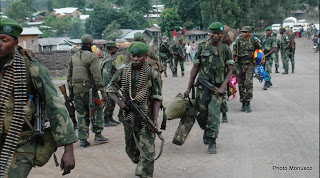
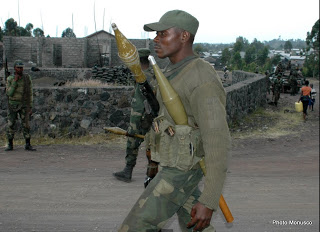
Des militaires congolais en patrouille à Goma (Photo Monusco)

Les FARDC en patrouille à Goma

Les militaires congolais ont pris le contrôle de Bunagana ce mercredi 30 octobre en début d’après-midi. Des témoins assurent que les FARDC ont conquis cette cité sans opposition des rebelles du M23 qui l’occupaient depuis une année. Bunagana, située à la frontière ougandaise, était considérée comme le fief politique de la rébellion.

L’armée congolaise a confirmé la reprise de cette cité sur twitter:

« Depuis un peu plus d’une heure, Bunagana est totalement sous notre contrôle. On a combattu depuis tôt ce matin. Les autres [les rebelles, NDLR] ont décroché et certains se sont repliés sur les collines de Mbuzi et Chanzu, d’autres sont partis en Ouganda, comme Bertrand Bisimwa », le président de la branche politique du M23, a déclaré à l’AFP Lambert Mende, porte-parole du gouvernement congolais.

Des sources dans la région rapportent que les combattants du M23 avaient déjà abandonné la cité avant l’arrivée des FARDC.

Dans la matinée, d’autres avaient révélé que le gros des troupes de la rébellion ainsi que les cadres politico-militaires du mouvement rebelle, n’étaient plus visibles à Bunagana.

Les mêmes sources affirmaient que les rebelles avaient pris position dans les collines de Chanzu, Mbuzi et Runyonyi.

C’est sur ces collines que les FARDC ont lancé un nouvel assaut.

Plusieurs témoignages font état des détonations d’armes lourdes et légères entendues à partir de ces collines cet après-midi.

Zuma calls on Congo rebels to lay down arms.

Jacob+Zuma+Joseph+Kabila+DRC+October+29+2013

Jacob Zuma ( L) and Joseph Kabila (R)

PRESIDENT Jacob Zuma called on rebel groups in the Democratic Republic of Congo (DRC) on Tuesday to lay down their arms.

“I must …express that South Africa remains deeply concerned by the enduring conflict in eastern DRC, perpetrated by local and externally supported armed groups on innocent Congolese civilians,” he said in a speech prepared for delivery at the DRC Parliament.

“Enough is enough, the time for peace is now and to those who would challenge this for their own self interests, we stand firm in the message that your time is now up, lay down your arms, as no longer will the misery you inflict be tolerated.”

In August, Mr Zuma informed the South African Parliament that 1345 soldiers had been deployed as part of the United Nations Force Intervention Brigade in the eastern DRC.

The deployment followed the passing of a UN resolution in March authorising a force to intervene in cases where people’s lives and property were threatened.

Mr Zuma said on Tuesday that South Africa stood in solidarity with the DRC in overcoming the conflict.

“As you will well know, the decision to call upon the sons and daughters of the nation’s defence forces to serve in the face of imminent danger, is always a difficult one,” he said. “Nevertheless, my decision to do precisely this, in support of the international community’s efforts to restore peace to eastern DRC, is one which I firmly believe in.” He said South Africa believed the conflict should be resolved through negotiated, political solutions.

“We commend the government of the DRC on its efforts in the Kampala talks (between it and the M23 rebels). It is nevertheless the case that this optimal strategy cannot take place indefinitely and at all costs,” he said.

“Through the presence of the intervention brigade and indeed through the parallel international forums focused on restoring peace … I am encouraged that now, perhaps more so than at any other time in history, the eventual resolution of the DRC’s eastern security problem is finally in sight.”

Meanwhile the rebels said on Tuesday that the army had forced them to retreat to their mountain holdout near the eastern border with Uganda.

After 36 hours of silence, the rebels published a statement on its website to say that the withdrawal was “in no way a sign of weakness”, but a tactical retreat to Bunagana, the base of its political leaders.

After four days of fierce fighting, which claimed the life of a Tanzanian peacekeeper, the head of the UN mission in the DRC (Monusco) said late on Monday that “practically all M23 positions were abandoned, except for a small triangle at the Rwandan border”.

Martin Kobler told the UN Security Council by video-link that “it is practically the military end of M23”. The Congolese army has the backing of forces of a UN intervention brigade of African troops with a special Security Council mandate to take the offensive against armed movements in eastern DR Congo.

However, Mr Kobler’s optimism was not shared on Tuesday by Fidel Bafilemba, a researcher for the US nongovernmental organisation Enough Project, who said that M23 is “capable of many surprises, even it is pushed back beyond the borders.”

The offensive against the M23 began days after the collapse of peace talks in the Ugandan capital Kampala, where the Kinshasa government refused amnesty to about 80 rebel leaders.

A resident reached by telephone told AFP that M23 fighters were deploying on Tuesday morning on the Chanzu and Mbuzi hills, about 80km north of Goma, capital of the strife-torn, mineral-rich North Kivu province.

The M23 rebellion was born of a mutiny in April 2012 by former mainly Tutsi rebels who had been integrated into the army in 2009 under a peace pact, then accused the Kinshasa government of reneging on the deal.

Kinshasa and the UN both accuse Rwanda and Uganda of supporting the M23, allegations that are strongly denied in Kigali and Kampala.

From Rumangabo, a major military base about 65km north of Goma that was recaptured from rebels on Monday, an AFP journalist could hear nearby mortar fire at about 09.30am GMT.

In the military base built by Belgians before independence in 1960, the reporter also saw large quantities of ammunition, including mortar shells of different calibres, abandoned by the rebels.

The past few days of renewed fighting has sparked international calls for restraint in a country wracked by successive civil wars and where hundreds of thousands have been forced from their homes by the rebellion in the east.

Local transport was back on the road linking Goma to the town of Rutshuru, 80km further north, which was cleared of M23 forces on Sunday. Minibuses and lorries carrying merchandise were moving in both directions.

A scorched tank was left near Kibumba, 25km north of Goma. Lt-Col Olivier Hamuli, the military spokesman in North Kivu province, said the wreck was “the only tank taken by the rebels during the capture of Goma” in November 2012.

M23 was then at its height and occupied the city of a million people for 10 days before withdrawing under regional pressure.

About 100 local people, mainly women and children loaded with their belongings, were trudging back to Kibumba on Tuesday, now that the town was again fully controlled by government forces.

“I am happy to be going home. The war is over. We are going to live under the rule of the government again,” Judith Bora told AFP, carrying her baby.

“Gone the rebellion, finished the harassment. We suffered with the rebels. We want the government to let us live in peace,” said Elias Nzibonera who was leading his goats.

Another resident who had been among thousands to flee into Rwanda last Friday said that he had already returned home. “The situation is calm, there is no problem,” he said by telephone.

“We can’t hear any more explosions but friends in Bunagana and Mbuzi tell me that fighting is under way in their area.”

Sapa-AFP

Source: http://www.bdlive.co.za/africa/africannews/2013/10/29/zuma-calls-on-congo-rebels-to-lay-down-arms