Category Archives: Politics

The Commonwealth Secretariat welcomes Rev Father Thomas NAHIMANA and his delegation.

Commonwealth delegation

The Commonwealth Secretariat welcomes Rev Father Thomas NAHIMANA and his delegation.

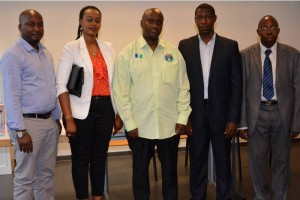
1.After his visits in Australia, Canada, the United States of America and at the European Union office, Reverend Father Thomas NAHIMANA, the presidential candidate of the Rwandan opposition for 2017 elections and his delegation met the Commonwealth Secretariat on July 4th, 2016.

2.It was on the agenda of the trip held in London, UK, from July 3rd to 5th, 2016 on which Rev Fr Thomas NAHIMANA was accompanied by a delegation of six politicians from ISHEMA Party and the New Generation Coalition.

3.The main objective of the visit was to discuss with the officials of the Commonwealth Secretariat the main challenges facing the people of Rwanda, especially the youth, challenges that hinder the promotion of Democracy in Rwanda. These are evidenced by the bad governance style of the leaders and the acolytes of the ruling party, the Rwandese Patriotic Front (RPF) who want to overstay in power and to continue the appropriation of all the national wealth at the expense of the social welfare.

4.A further topic raised was the 2017 presidential elections and the 2018 parliamentarians in which ISHEMA Party and the New Generation Coalition decided to participate. The delegation exposed all the modus operandi used by the RPF in order to block the candidatures of the true opposition.

5.The delegation took the opportunity to present to the officials of the Commonwealth Secretariat the campaign manifesto titled “TOGETHER TO MODERNIZE RWANDA” which will be launched and shared with the Rwandans by Rev Fr Thomas NAHIMANA in upcoming days.

6.It should be recalled that Rwanda joined the Commonwealth in 2009 on the condition that the government of Rwanda should make efforts to abide with the principles and values of the Commonwealth which are Democracy, Good Governance, Rule of Law, Human Rights as well as Social and Economic Development.

7.Rev. Fr. Thomas NAHIMANA and his delegation appreciate the officials of the Commonwealth Secretariat for their hospitality, their attention and their inputs during the discussions held in mutual respect.

Long live ISHEMA Party and the New Generation of Leaders

Long Live the Republic of Rwanda

Long live the Commonwealth

logo-300x135commomwealth logo


Done at Paris, on July 05th, 2016
Chaste GAHUNDE,
Executive Secretary
ISHEMA Party.

KUJYA GUKORERA POLITIKI MU RWANDA: Umukandida wa Opozisiyo Padiri Thomas Nahimana n’ intumwa ayoboye bakiriwe n’Ubuyobozi bwa COMMONWEALTH.


Commonwealth delegation

1. Nyuma y’ingendo z’ingirakamaro zakorewe mu bihugu bya Australia, Leta zunze ubumwe z’Amerika na Canada ndetse no mu muryango w’ubumwe bw’ibihugu by’Uburayi, Nyakubahwa Padiri Thomas Nahimana, umukandida wa Opozisiyo mu matora ya Perezida wa Repubulika azaba mu 2017, hamwe n’intumwa ayobowe bakiriwe n’Ubunyamabanga bw’Umuryango wa Commonwealth, kuri uyu wa mbere taliki ya 4 Nyakanga 2016.

2. Muri uru ruzinduko bakoreye i Londres mu Bwongereza, guhera taliki ya 3 kugeza ku ya 5 Nyakanga 2016, Nyakubahwa Padiri Thomas Nahimana yari aherekejwe na Délégation y’abarwanashyaka batandatu bahagarariye Ishyaka ISHEMA na Coalition ya Nouvelle Génération.

3.Impamvu nyamukuru yagenzaga aba Bataripfana ni ugusobanurira byimbitse ubuyobozi bwa Commonwealth ibibazo bikomeye bihangayikishije abaturage muri iki gihe cyana cyane urubyiruko bikanabuza Demokarasi gutera imbere mu Rwanda, bikaba bishingiye ahanini ku miyoborere mibi y’Abategetsi b’igihugu bakomoka mu Ishyaka rukumbi rya FPR n’abambari baryo batagihisha ko bashaka kwihambira ku butegetsi ubuziraherezo hagamijwe gukomeza kwikubira ibyiza byose by’igihugu.

4.Indi ngingo ibiganiro byibanzeho ni iyerekeye amatora y’ Umukuru w’igihugu n’ay’ Intumwazarubanda ateganyijwe mu mwaka w’2017 n’uw’2018, Ishyaka ISHEMA ry’u Rwanda rikaba ryarafashe umwanzuro udakuka wo kuzayagiramo uruhare. Hasobanuwe inzitizi zose Ishyaka rya FPR Inkotanyi rigenda rishyiraho hagamijwe cyane cyane kubangamira no kwigizayo abakandida nyakuri ba Opozisiyo.

5.Bashyikirije ubuyobozi bwa Commonwealth ingingo z’ingenzi zubakiyeho Umushinga wa politiki witwa  » Together to modernize Rwanda » (Kunga Abanyarwanda kugira ngo bafatanye kwiyubakira u Rwanda-moderne »; Rassembler pour moderniser le Rwanda ) umukandida Padiri Thomas Nahimana ateganya gushyikiriza Abanyarwanda mu minsi ya vuba aha.

6.Reka twibutse ko U Rwanda rwinjiye mu muryango wa Commonwealth mu mwaka w’2009, Leta ya Paul Kagame ikaba yari yijeje uwo muryango ko izakora ibishoboka byose, igashingira imiyoborere y’igihugu ku mahame n’indangagaciro z’uwo muryango arizo Demokarasi (Democracy) imiyoborere myiza ( Good governance), igihugu kigendera ku mategeko abereye abenegihugu ( Rule of law), kubaha uburenganzira bw’ikiremwamuntu (Human rights), n’iterambere rirambye kandi risaranganyijwe ( Social and economic development).

7.Nyakubahwa Padiri Thomas Nahimana na Delegation bajyanye mu butumwa barashimira babikuye ku mutima Abayobozi bakuru ba Commonwealth ku kuba babakiriye neza, bakabatega amatwi, bakaganira mu mutuzo no mu bwubahane.

Harakabaho ISHEMA ry’u Rwanda na Nouvelle Génération,

Harakabaho Repubulika y’u Rwanda,

Harakabaho umuryango wa COMMONWEALTH

logo-300x135commomwealth logo

Twizihize Isabukuru y’ubwigenge duharanira kwitorera abayobozi batunyuze mu 2017

logo-300x135

TWIZIHIZE ISABUKURU Y’UBWIGENGE BW’ U RWANDA DUHARANIRA KWITORERA ABAYOBOZI BATUNYUZE MU 2017.

1.Birakwiye kandi biratunganye kwizihizanya ishema ryinshi isabukuru y’Ubwigenge bw’U Rwanda ku ncuro ya 54. Buri munyarwanda wese, aho ari hose ,akwiye rwose kwerekeza umutima ku mateka y’igihugu cye, akibuka uko cyavuye mu maboko y’Umukoloni, kigahabwa ijambo mu ruhando rw’amahanga, akibukana icyubahiro kandi akishimira Abalideri bitanze ngo ubwigenge bw’u Rwanda bugerweho barimo Nyaguhorayibukwa Gregoire KAYIBANDA na bagenzi be.

2.Ukwigenga k’u Rwanda si amateka akwiye gucamo Abanyarwanda ibice. Utazi aho yavuye ntamenya aho ageze n’aho yerekera. Uwiha guhinyura ubwigenge bw’u Rwanda cyangwa kubunenga ari mu ruhande rw’ikinyoma. Ukutigenga k’u Rwanda nta wundi kwari gufitiye inyungu uretse Umukoloni na gashakabuhake.

Ku isabukuru nziza nk’iyi birakwiye kwibukiranya ibihe by’ingenzi cyane by’amateka yacu tutagomba kwibagirwa.

3.Nyuma y’Italiki ya mbere Nyakanga 1962, abategetsi ba Repubulika ya mbere n’iyakabiri bakoze uko bashoboye bubaka ibikorwa byinshi by’iterambere ryafashije abaturage mu buryo bwinshi: amashuri,amavuriro, imihanda, amazi meza, amashanyarazi, amasoko, ibibuga by’indege, amazu y’ubuyobozi, n’ibindi. Kubihakana ni ukwirengagiza nkana amateka y’u Rwanda.

4.Kuva ku munsi w’ubwigenge kugera mu 1990, abayobozi b’igihugu cyacu bakoze n’amakosa atari make kandi akomeye yaje kugira ingaruka zikomeye mu gusenya ibyiza bari bararushye bubaka. By’umwihariko ntibashoboye gukumira no guhashya burundu amacakubiri ashingiye ku irondakoko n’irondakarere yabangamiye cyane ukwishyira n’ukwizana kwa bamwe mu benegihugu. Kubyirengagiza byasa no guhingira ku rwiri.

5.Naho guhera taliki ya 1/10/1990 igihugu cyinjiye mu ntambara y’amasasu isenya kandi ikica yatangijwe ku mugaragaro n’Ishyaka FPR-INKOTANYI. Guhera uwo munsi ntitwahwemye kwicirwa abacu no gusenyerwa ibyiza by’iterambere. Jenoside, itsembatsemba. ….byatutumazeho abantu hasigara « imfungwa, imfubyi n’amatongo « !

1962_IndependanceRwanda-300x209

6.Nyuma ya Nyakanga 1994 , FPR yifatiye ubutegetsi bwose, iyoboresha igitugu n’iterabwoba rikaze, yibagiza Abanyarwanda igisobanuro cy’ubwigenge baronse taliki ya 1 Nyakanga 1962 n’ukwisanzura kwa buri munyarwanda kwari ngombwa.

7.Hari ibikorwa by’iterambere bitari bike FPR yubatse muri iyi myaka 21 imaze ku butegetsi. Kutabyemera ni ukwigiza nkana cyangwa kwitiranya ibibazo.Ikibazo nyamukuru si ibikorwa byiza biriho kandi bigaragara, ikibazo ni ukumenya neza uwo bifitiye akamaro, no kumenya niba bizaramba!

8.Kuri iyi Sabukuru ngarukamwaka y’ubwigenge bw’u Rwanda, biragaragara kandi ko ikibazo cy’amacakubiri ashingiye ku irondakoko n’irondakarere ntaho cyagiye. Leta ya FPR-INKOTANYI ntiyashoboye kuyakumira no kuyarandura burundu. AHUBWO ndetse bigaragarira bose ko Ubutegetsi bw’igitugu bwa FPR bwakomeje kuyacirira, kuyahembera no kuyongerera ubukana. Ibyemezo byinshi bifatwa n’ubutegetsi bikitwa « Gahunda za Leta » nibyo bishyidika icyo kibazo.

9.Ishyaka ISHEMA ry’u Rwanda rirahamagarira Abanyarwanda cyane cyane urubyiruko kutibagirwa ko ubwigenge bw’igihugu(Independence) n’ « Ukwishyira ukizana kwa buri mwenegihugu (Freedom) arizo ndangagaciro zisumba izindi zituma abaturage bashobora kubana mu gihugu kimwe, bareshya kandi batekanye. Bityo rero ubutegetsi bwose bwimika ubusumbane, ivangura n’iterabwoba bukaba budashobora kugeza igihugu ku iterambere rirambye kandi risangiwe.

10.Aho niho Ishyaka ISHEMA ry’u Rwanda rihera ryemeza ko igihugu cyacu gikeneye Abalideri bashya( Nouvelle Génération) , batagize uruhare mu byaha bikomeye byasenye u Rwanda, cyane cyane ibyaha byo kumena amaraso no gusahura umutungo w’igihugu.

11.Turasaba Abanyarwanda bose kwizihiza Isabukuru y’ubwigenge baharanira mu buryo bwose bushoboka KUZITABIRA amatora ateganyijwe mu 2017 na 2018, bityo bakazitorera Umukuru w’igihugu ndetse n’Intumwa za rubanda zitaboshywe n’imyumvire ishaje yo gutegekesha iterabwoba, ikinyoma no gukubira ibyiza byose by’igihugu mu maboko y’Udutsiko duheeza abandi benegihugu, bagahindurwa Abagereerwa n’Inkomamashyi mu gihugu cyabo. Rubanda igomba kandi kwitegura bihagije kuzarengera amajwi yatanze mu gihe hagira ubagaruraho ka kageso ka « TORA AHA » cyangwa ako kwiba amajwi.

12. Niyo mpamvu twafashe icyemezo cyo gufata inzira tugatahuka mu Rwatubyaye bitarenze ukwezi k’Ugushyingo (11) 2016 kugira ngo dufatanye n’Abanyarwanda bari mu gihugu muri iyo gahunda nziza yo  » Kwunga abenegihugu kugira ngo dufatanye kwiyubakira U Rwanda-Moderne « (TOGETHER TO MODERNIZE RWANDA).

kayibanda

13. Turarikiye Abanyarwanda batuye mu gihugu cy’Ububiligi kuzitabira Igiterane kidasanzwe cyo kubasezeraho tuzakora ku cyumweru taliki ya 31 Nyakanga 2016. Icyo giterane kizabera mu mujyi wa Buruseli, icyumba tuzahuriramo muzakimenyeshwa bidatinze.

14. Twifurije umunsi mwiza umunyarwanda wese, ari uri mu gihugu cyangwa hanze hacyo, ari ufashwe neza n’ubutegetsi buriho cyangwa uwo bwagize nyagupfa, …iyi sabukuru y’ubwigenge ibabere UMUNSI W’AMIZERO : Dore impinduka ngiyi yaje kandi nta kigishoboye kuyisubiza inyuma.

Uwemera nahaguruke aze dufatanye urugendo.

Harakabaho u Rwanda rwigenga
Harahakabaho Abanyarwanda batewe ishema no guharanira ukwishyira ukizaza kwa buri mwenegihugu.

Padiri Thomas Nahimana,
Umuyobozi w’Ishema Party
Umukandida wa Opozisiyo mu matora y’umukuru w’igihugu yo mu 2017

ITANGAZO: ISHYAKA ISHEMA RY’U RWANDA RIRAMAGANA POLITIKI Y’ ICURAMATIKU Y’ISHYAKA PSD.

Dr-Vincent-Biruta-300x243

Dr Visenti Biruta, umukuru wa PSD arasabwa kwihanangiriza Visi Perezida w’ishyaka ryabo.

Nyuma yo kwitegereza neza imikorere ishaje ishingiye kuri politiki yo gucura amatiku, kugambana, gusebanya no kwiyoberanya y’ishyaka PSD nk’uko bigaragazwa n’ibikorwa bya Visi Perezida waryo, Bwana Olivier NDUHUNGIREHE, Komite Nyobozi y’Ishyaka ISHEMA ry’u Rwanda yifuje gutangariza rubanda ibi bikurikira:

1.Abanyarwanda benshi bashobora kwibuka uko Ishyaka ISHEMA ry’u Rwanda ryatangiye taliki ya 28 Mutarama 2013, n’Indangacaciro zihanitse ryahisemo kubakiraho.

2.Ntawe uribagirwa ko kuva mu ntangiriro, Ishyaka ISHEMA ry’ u Rwanda ryerekanye ubushake bwo guca ukubiri na «politiki ishaje» ubwo ryemezaga ku mugaragaro ko ridakeneye kubakira inzego z’ubuyobozi bwaryo ku bantu bafite «ibiganza bijejeta amaraso».

3.Muri urwo rwego, abayobozi bose b’Ishyaka ISHEMA, guhera ku Makipe kugera kuri Komite Nyobozi, batoranyijwe hashingiwe ku kuba bafite «ibiganza byera» ku bibazo by’ingenzi byasenye igihugu cyacu cyane cyane jenoside yakorewe Abatutsi n’ubundi bwicanyi bwarimbuye abenegihugu batagira ingano.

4.Ibwiriza risobanutse kandi rizwi neza n’abayobozi bose b’ISHEMA ry’u Rwanda ni uko uwagaragarwaho n’icyaha cyo kugira uruhare muri jenoside yakorewe Abatutsi cyangwa mu bwicanyi ubwo aribwo bwose agomba «kwamburwa inshingano». Nguwo umwihariko w’ Ishyaka ry’Abataripfana.

5.Bityo rero, turamagana imikorere mibisha n’imyitwarire ya gicancuro y’umugabo witwa NDUHUNGIREHE Olivier, Visi Perezida wa PSD, udatinya gukoresha umuyoboke w’ Ishyaka rya PSD, Bwana HABIMANA Come wahinduye izina akiyita Benoit UWIMANA wigeze gutoranyirizwa kuyobora ikipe imwe y’Ishyaka ISHEMA i Buruseli. Bwana NDUHUNGIREHE ari muri gahunda yo gushuka rubanda mu kwerekana ko bwana HABIMANA Come ari umuntu w’intangarugero n’umuvugizi w’ishyaka ISHEMA atabanje kwiga ngo asobanukirwe imvo n’imvano yo kuba uwo muntu yarakuwe mu nzego z’ubuyobozi bw’ Ishyaka.

komite_yatowe_ikikije_amb._olivier_nduhungirehe-300x200

6.Koko rero Ishyaka PSD rishobora kwinjiza mu nzego zaryo abo rishatse bose rititaye ku bweramutima bwabo ariko nirimenye ko nta shyaka rikorera mu rindi. Nta jambo na rito abayobozi ba PSD bafite ku Ishyaka ISHEMA ry’u Rwanda, kereka niba umurongo mushya wa politiki bihaye ari « uguharabika» Ishyaka ry’Abataripfana.

7.Muri urwo rwego, turasanga ibikorwa Bwana NDUHUNGIREHE Olivier, Visi Perezida wa PSD, ahugiyemo byo « kwitwikira Ambasade y’u Rwanda iri i Buruseli », agacura kandi agakwirakwiza, mu bitangazamakuru no ku mbuga nkoranyambaga amavidewo «atekinitse» yuzuye ibinyoma bigamije kudusebya no kutugambanira, bikwiye gufatwa nk’ibikorwa by’ubushotoranyi n’igitero tugabweho n’Ishyaka PSD.

8.Turasaba Perezida wa PSD, Bwana Vincent BIRUTA, gutanga ibisobanuro bikwiye, Abanyarwanda bakamenya neza niba koko amatiku NDUHUNGIREHE ahugiyemo ari ubutumwa yahawe n’Ishyaka rya PSD.

9.Twongeye kandi kwizeza Abanyarwanda ko Ubushotoranyi bwa Nduhungirehe n’Ishyaka PSD bitazaturangaza cyangwa ngo bitubuze gusohoza inshingano twihaye yo gusanga Abanyarwanda bari mu gihugu ngo dufatanye kwimakaza politiki nshya yubakiye ku ndagagaciro z’UKURI, UBUTWARI N’UGUSARANGANYA ibyiza by’igihugu.

Harakabaho Repubulika y’u Rwanda,
Harakabaho Demokarasi
Harakabaho ISHEMA ry’u Rwanda.

Chaste GAHUNDE, Umunyamabanga Nshingwabikorwa,
ISHEMA .

There is a need of an independent audit into Kagame’s luxurious life.

pk

Last night (28 May 2016) Rwanda’s extravagant, selfish and egocentric king was at it again. Like in the past, an annual habit, he attended last night’s Champion league final between Real Madrid and Atletico Madrid.

While the Country is going through horrendous economic failures and unpleasant poverty; Rwanda’s self-proclaimed king was spending the Country’s meagre resources in feeding his addiction and uncontrolled celebrity lifestyle. The usual habit of living like a King of a petroleum producing state, rather than a ruthless ruler from a banana republic state.

As usual, the government spent the tax payer’s money in hiring a private transport jet from Kagame’s own Crystal Venture Company to take him for this game, the resources spent on hotels for him, his delegation which include advanced and close protection team, the parking airport fee -tax for the plane , the air tax – space tax which include pollution tax, foreign trip allowances for his delegation including his escorts, air tickets for his advanced escort team….etc. All these are paid courtesy of the state.

While the junta was in San Siro enjoying the Champion league, Rwanda’s economy is in a nose dive spiral. Price of commodities is increasing on daily basis, soon it will be uncontrolled inflation. The currency is losing its value, the central bank for long, have failed to stabilise the Rwandan francs against international currencies like the dollar. The government is facing high levels of trade deficit, importing more than it exports and this is due to medieval economic policies agitated by this criminal regime.

There is massive capital flight due to negative business conditions, irresponsible fiscal policies and political interferences, thus, small scale investors, local traders and businessmen are opting to relocate to neighbouring countries like Uganda and Tanzania or the Southern Countries of Mozambique, Zambia, Malawi and Angola. There is total lack of foreign currencies on the market, we all know the economic consequences of this!!

Mortgage foreclosures is rampant and on the increase, this is due to people losing their work – redundancy, business bankruptcies – collapses, inflation and high interest rates of these mortgages.

The country is facing high levels of unemployment especially among the youth and no clear government policy to curb this trend. As the economy continues to contract, the level of unemployment will also continue to increase. Rwanda’s minister of finance – Claver Gatete recently told the IMF that, the country is left with 3 months of reserved cash and it need IMF fund injection to re-boost the dying economy.

As the Junta lives a celebrity life style, the Country is living on credit card, the Country’s borrowing levels 2014 – 15 quadruples that of Burundi, yet both countries have a similar economic base. Rwanda’s credit rating has been down graded due to its loan payment failures, thus making borrowing rates to be high.

For the purpose of getting operational funds for this criminal government, while also maintaining the celebrity lifestyle of the Junta. The governmet has been selling government bonds, the majority of which have been bought/purchased by
financial sharks at exuberant high interest rate. This has put the future generation at risk, the Country will service these debts at high interest rates.

As the Junta was wining and dining, civil servants are receiving salaries which doesn’t reflect the rate of inflation and in most cases salarues and wages being paid late.

Like in any totalitarian regime, as the Junta is enjoying in Milan, his paid apologists with the help of well paid Public Relations firms based in Western World; they will continue to paint doctored picture of Rwanda under Dictator Kagame as a heaven on earth. Just this week, a reknown sycophant and head of National Itorero Taskforce refered to Rwanda’s junta as “god”.

We all know that, Rwanda can’t be heaven when the smell of poverty has engulfed the whole Country. Rwanda can’t be heaven when nepotism, injustice and unfairness are daily occurrences. Rwanda can’t be heaven when inequality is a state norm. Rwanda can’t be heaven when human right abuses are state policies. Rwanda can’t be heaven when all freedoms have been suppressed by all means necessary.

According to Atifete Jahjaga, “Democracy must be built through open societies that share information. When there is information, there is enlightenment. When there is debate, there are solutions. When there is no democracy and sharing of power, there is no rule of law, no accountability, there is abuse, corruption, subjugation and indignation.”

Source:    Great Lakes Post

Talking Policy: Anjan Sundaram on Rwanda

Anjan

Anjan Sundarama has worked as a journalist in Rwanda for years.  He has his story to share: “ The underlying tension that caused the genocide has not been addressed. Kagame’s solution was to say that ethnicity was an invention of the Belgian colonial powers that ruled Rwanda for many decades. And so there’s been a de facto ban on speaking about ethnicity in Rwanda…. but…in private Hutus and Tutsis still speak extremely violently and aggressively about the others’ ethnicity. So I would not say there has been a great deal of true reconciliation in Rwanda”.

Following is his interview with The World Policy Journal.

WORLD POLICY JOURNAL: What did you consider your role or your responsibility to be as a foreign journalist working in Rwanda, and how did the restrictions on the local journalists affect this?

ANJAN SUNDARAM: Local journalists and I worked in very different positions. The local journalists were fighting for their own freedom, and they were taking greater risks than I was because their lives were in danger and their families were in danger. They were hoping that their children could live in a better and freer Rwanda.

My own experience was rather different. I had sympathy for my students, so when my students were in trouble I wanted to help them. Of course I was in less danger than they were, but that also meant that I could take greater risks. So during most of my time in Rwanda I did not publish press articles for fear that I would be thrown out of the country and would not be able to help my colleagues and my students. And that was the biggest trade-off; I had to keep silent for a long time. This book is the result of the information and interviews and experiences I gathered during many years of silence in Rwanda, collecting information patiently trying to help [my journalists] as best as I could.

WPJ: You draw parallels between Rwanda’s current political dynamics and those that existed leading up to the genocide in 1994, particularly in terms of the enforcement of a single state-directed narrative and the silencing of alternative voices. What does this suggest about the degree of change that’s happened in the country since the genocide?

AS: On the surface it looks like there’s been a lot of change and a great deal of progress. There’s a lot of calm in Rwanda, it seems stable, and it’s held up by many foreign donors as the island of stability in a troubled region. But the reality is that the same structures that were in place prior to and during the genocide are still in place today, and they’re being reinforced. And this obviously does not augur well for the Rwandan people.

The level of control is extreme—there is no free press, there are no institutions to speak of. Last week President Kagame announced he would run for a third term, violating previous promises to respect what had been a two-term limit in the constitution. Now he’s saying the country needs him and people have asked him to stay on, like many dictators do. But really Rwanda today is a structurally unstable place and there’s very little likelihood that there’ll be a transfer of power without violence.

WPJ: Kagame played a prominent role at the time of the genocide, and he’s still the main figure in the country now. So how much of the problem is tied directly to him, and how much is just how the system operates?

AS: It’s all tied directly to him, he’s the central power in Rwanda and his power is almost absolute, and even his supporters—those who claim he is somewhat democratic and is doing good for Rwanda—would admit that his power is almost absolute. He’s responsible for all the structures that are in place today in Rwanda. And he is directly responsible for the continuation of the system of control that was used to conduct the genocide. He says he is now using that system, or a similar system, for good, but the risk is always that he might make a bad decision, or leadership in Rwanda might change and that the system in place is incredibly powerful and incredibly catastrophic, as we saw during the genocide in 1994. It’s all very well for Kagame to say he’s a good person and is leading the country with good intentions. The reality is that there are almost no checks and balances, and his government and he are capable of doing a great deal of harm, which goes unreported in Rwanda.

WPJ: Do you think Rwandan society has recovered to any extent from the genocide, to whatever degree that’s even possible, even if the state might not have not changed much at its core?

AS: I think there’s very little sense among Rwandans of the existence of individuals with rights, with possibilities. There’s a small elite in the country who feel the sense of possibility, but for the majority they are under the control of the state and their lives are highly restricted. I think there’s been a natural healing process in the last 20 years coming to terms with what’s happened and understanding why that’s happened, and there is a genuine desire among Rwandans that it does not happen again. I think that’s at the root of the obedience toward the current government—[the people] are worried that were they to oppose the government, or were there to be a rebellion, there would be renewed violence. They’re so traumatized by the experience of extreme violence that they accept a great deal of control and repression from the Rwandan state without fighting back or pushing back. The underlying tension that caused the genocide has not been addressed. Kagame’s solution was to say that ethnicity was an invention of the Belgian colonial powers that ruled Rwanda for many decades. And so there’s been a de facto ban on speaking about ethnicity in Rwanda. That unfortunately has not helped reconcile many of the tensions that led to the genocide, and in private Hutus and Tutsis still speak extremely violently and aggressively about the others’ ethnicity. So I would not say there has been a great deal of true reconciliation in Rwanda.

WPJ: Another issue that you bring up in the book is the role of foreign embassies in supporting the Rwandan government and its repression by providing large sums of aid. What do you think foreign governments should be doing about the current situation in Rwanda, and why are they not doing it?

AS: I think foreign governments are very well aware of the repression in Rwanda, I think there’s a perverse situation right now in which foreign governments are hard pressed to find aid that delivers results worldwide. And Rwanda is one of the few countries where aid plans are actually executed according to plan, largely because of the repressive government. For aid agencies this is a paradise—they come in with their plans and their plans are executed almost as they’ve been drawn up. It’s led to a perverse situation where aid agencies and foreign governments benefit from the repression, so they have no interest in disrupting it. Foreign aid officials are getting promotions and receiving plaudits for excellent management of aid programs, so the repression is actually serving foreign governments’ interests.

The real question is why is the world financing a dictatorship. In the case of an emergency there is no excuse for not intervening. But Rwanda is not in emergency today. The aid that is being provided is for long-term development, and most of it is being channeled through the Rwandan government or for government-supported projects. Foreign donors providing this aid could influence the Rwandan government a great deal but choose not to. Aid that is sent directly to NGOs and independent organizations on the ground would not reinforce the government’s repressive mechanisms in the same way. That already would always be a huge improvement in the way that aid is managed. I think donors or foreign governments have not even begun to assess that they might be doing harm and bolstering the Rwandan government. If there was a way to support the Rwandan people who need support—by alleviating poverty and improving health—without directly going through the Rwandan government, that might be a far more effective and less fraught way of providing foreign aid.

WPJ: The period that the book covers ends in late 2013. Has the state of independent journalism changed at all since that time?

AS: Not at all, there is no free press in the country today. When the Rwandan government held a referendum in the country to decide whether the two-term limit on presidents should be removed, apparently only 10 Rwandans in a country of more than 10 million opposed his run for a third term. This speaks volumes about how little freedom of speech there is in Rwanda, how few people actually dare to speak up. There are good journalists in Rwanda who know how journalism should be practiced, but unfortunately they’re all too scared. They’ve seen too many of their colleagues murdered, imprisoned, tortured, or having to flee the country to save their lives.

The Rwandan government does not understand the benefits that free press would provide to the country’s development. It doesn’t understand how free press needs certain protection and that a free press would criticize the government, and that this is a good thing. It also makes the argument that free press—particularly radio broadcasts—contributed to the genocide in 1994. This is a false argument because while the genocide was happening, any media that spoke up against the killing was shut down. There was only a single voice in the country, much as there is now. During the genocide, that single voice was advocating genocide, and people who opposed it were killed or imprisoned. There’s a very similar situation in Rwanda today, where the government’s voice is the only voice in the country, and journalists know that were they to oppose that voice, the consequences would be dire.

WPJ: Based on your description of the narrative that’s carefully crafted by President Kagame’s regime, your book represents a disruption to the way that the country is typically portrayed, both in domestic media in Rwanda and in international media. What do you think the response in Rwanda—and particularly the government’s response—will  be?

AS: Historically the government has allowed English press to exist in Rwanda, even that which is critical of the government, because English is only spoken by a tiny minority of elite with very little incentive to disrupt the current power structure. I know that my book is being read in Rwanda because I am receiving emails from people who have somehow obtained copies. Because of Kagame’s announcement last week that he will stand for a third term, this is a particularly sensitive time in Rwanda, and the book is disruptive in that sense.

I thought there was almost an obligation to write about what I experienced, even if it’s merely to put on the record what happened. Most of the repression is forgotten. Most of the journalists who have been killed or exiled are simply forgotten. There are many great people who stood up to the Rwandan government, who saw the increasing repression, and knew that this was not the direction in which the country should be heading, particularly in a country with a history of genocide. They knew that the risk was great and they were brave enough to stand up to the government, and they suffered for it. And now they’re mostly forgotten. I wanted to correct that in some way, and record as much as I could of their stories.

Source: World Policy Journal

Arizona: Twiyemeje gusezerera umuco mubi wo kwituramira ibintu bicika!

ARIZONA team

Ikipe izakomeza guhuza abandi.

Nk’uko twari twatumiye Padiri Thomas Nahimana ngo aze kutuganirira ibyerekeye Inzira y ‘amahoro,  koko yaraje kuri iki cyumeru taliki ya 3/4/2016 kandi ikiganiro cyagenze neza. Cyitabiriwe n’Abanyarwanda,  Abarundi n’Abanyekongo benshi. Ngerageje kuvuga muri make ibyo twaganiriye,  nabishyira mu bice bitatu:

I. Twasuzumye uko abantu bakunze kwitwara imbere y’akarengane bagiriwe cyangwa kagiriwe abo.

1.Aha twabonye ko abantu benshi cyane bakunze guhitamo KWITURAMIRA babitewe ahanini n’uko bibona nk’abanyantegenke bityo ubwoba bukabaganza. KWITURAMIRA ni ukutagira icyo ukora,  ni ukutifatanya n’abashaka kugira icyo bakora ngo barwanye akarengane kariho.  Nanone ariko twabonye ko uyu muco ariwo mubi cyane kuko utiza umurindi Abanyagitugu n’abafite ingeso yo kurenganya rubanda.  Abaturamyi nibo bavamo abagambanyi, nibo bahindurwa ibikoresho n’abanyagitugu kugirango rubanda ikomeze ihamishwe ku ngoyi.

2. Twasanze ko hariho n’abantu b’intwari bahitamo KWIHAGARARAHO,  babibonera ubushobozi bagafata intwaro bakarasana n’umunyagitugu . Twabonye ko gufata intwaro ugahangana n’umunyagitugu bisumbije agaciro ukwituramira.  Urwana aba ateye intambwe yo kwanga akarengane n’agasuzuguro bityo akiyemeza guharanira impinduka nziza.  Gusa rero twibajije niba kwirenganura uhutaza abandi bitanga igisubizo gikuraho akarengane. Twasubije amaso inyuma tureba ibyabaye mu bihugu byinshi dusanga abafashe intwaro ngo bakureho ingoma z’igitugu zikandamiza rubanda baragiye bashyiraho ubutegetsi burusha ubugome ubwo bakuyeho.  Twasobanukiwe n’ukuntu kwirenganura ukoresheje Violence, aho gukemura ikibazo cy’akarengane n’urugomo biracyongera ndetse bikabyara Uruhererekana rw’umwiryane udashira (Spirale de violence). Muri make nta gisubizo kirambye wakura mu kwirenganura uhutaza abandi.

3. Twasanze hari indi nzira ishoboka . Iyo nzira ni iy’uko abatemera akarengane BAKWISUGANYA,  bagatangira ibikorwa byo kwanga kujya mu mujishi  (désobéissance civile), bakanga kuyoboka gahunda mbisha z’ubutegetsi cyangwa urwego rubarenganya( Non coopération ) kandi bagategura uko bashyiraho inzego nshya z’ubuyobozi butarenganya rubanda (Alternative ). Gusa kugira ngo iyi nzira itungane igomba kubakirwa ku bushake bwo kutagirira abandi ibikorwa by’urugomo ahubwo igashyira imbere ukuvugisha ukuri,  ugukunda igihugu  n’ukutarenganya abandi. Iyi nzira iyo yitabiriwe na rubanda bwangu,  ikagira umuriri mwinshi niyo yitwa REVOLISIYO ya rubanda.

Icyiza cy’iyi nzira ni uko idasaba amafaranga y’ikirenga cyangwa ibikoresho by’akataraboneka nka byabindi bikenerwa mu ntambara y’amasasu.  Iyo nzira isaba UBUSHAKE N’UKWIYEMEZA kw’abaturage barambiwe gutegekeshwa igitugu n’akarengane. Iyi  nzira kandi itanga igisubizo kirambye kuko isubiza ubutegetsi mu maboko ya rubanda maze abaturage bagasubirana uburenganzira bwo kwihitiramo ababayobora batagombye gushyirwaho agahato.  Iyi nzira yatanga ibisubizo BYIHUSE mu Karere k ibiyaga bigari.

II. Twize gusuzuma no kugendera kure « Politiki yo kuraariira amahuri »

Iyi mvugo shusho yadufashije kumva ibanga rikomeye ryerekeye Opozisiyo ikorwa mu Karere k’Ibiyaga bigari. Mu buzima busanzwe, iyo inkoko yigomwe ibyumweru bitatu byose, idatarabuka, itarya, itanga,  …ibundikiriye amagi yayo, iba yifuza ko ayo magi yaturagwa neza, akavamo imishwi bityo hakabaho kororoka. Iyo inkoko  igize ibyago « ikararira amahuri » atazavamo inkoko iba iruhira ubusa. Ingorane nk’izo zibaho no mu rwego rwa politiki.

Twasanze impamvu zikwega  « Politiki yo kuraariira amahuri’  zakumvikana mu bice bibiri:

1.Hari Abalideri b’imitwe ya politiki n’amashyirahamwe ya politiki bakomeza gushuka rubanda ngo BABIBABEREYEMO, bakabagaburira IGIHUHA gusa,  kandi nabo ubwabo bazi neza ko nta kintu gifatika bakora kugira ngo impinduka zifuzwa zigerweho. Ibi nabyo byagereranywa no  » kurarira amahuri ».

2. Hari abaturage biyemeje guheranwa n’ubwoba, bahitamo kwisubirira mu bucakara,  ku buryo bumva ibyerekeye kwibohoza bitabareba. Bene abo ntacyo bafasha abiyemeje kwitangira impinduka, ahubwo ugasanga banabaca intege.  Bene aba nibo usanga mu mujishi w’ingoma y’igitugu, bakayitera inkunga,  bakayongerera ingufu . Kwitangira kubohoza abadashaka kwibohoza biragoye cyane,  bishobora gusa rwose no « kurarira amahuri ».

III. UMUGAMBI

Abitabiriye iki kiganiro bakomeje kungurana ibitekerezo no gusobanukirwa neza ibibazo bikomeye bigaragara mu Rwanda , mu  Burundi no muri  Kongo muri iki gihe. Twatinze cyane ku ruhare twagira mu kubibonera umuti ukwiye.  Twasanze ubufatanye ari ngombwa kuko nta mahoro arambye ashobora kuboneka muri kimwe muri biriya bihugu mu gihe ahandi byaba bicika. By’umwihariko twasanze ibibazo bivugwa i Burundi bikwiye kumenyekana uko biri nta makabyankuru na propagande z’ibinyoma,  hakamenyekana intambwe nziza ya demokarasi no kubana mu mahoro yari imaze kugerwaho,  hagasuzumwa uruhare rukomeye mu kwenyegeza umuriro rukomoka mu baturanyi….hakabaho gushaka umuti binyuze mu nzira yo  KWICARANA no KUGANIRA, ibikorwa byose by urugomo n’iterabwoba bigahagarara burundu.

Umugambi twafashe ni uko twiyemeje gusezerera umuco mubi wo kwituramira no gushyidika politiki yo « kuraariira amahuri », ahubwo tukaba tugiye kurushaho KWISUGANYA  (Organisation) no kugira icyo twakora. Niyo mpamvu dushyizeho Ikipe izakomeza kuduhuza no kwegera abatabonye umwanya wo kuza mu kiganiro kandi byabyifuzaga.

Turashimira cyane Padiri Thomas NAHIMANA wigomwe byinshi akaza kuufasha kwicarana tukaganira,  dore ko ari ubwambere bibaye hano mu mujyi wacu wa TUCSON  (Arizona/USA), ko twicarana turi ABANYEKONGO,  ABARUNDI N’ABANYARWANDA.  We n’abo bafatanyije turabifuriza amahirwe menshi mu migambi myiza bafite mu Ishyaka ISHEMA  no muri  Coalition ya « Nouvelle Génération  » harimo kwitabira amatora y’Umukuru w’igihugu azaba mu mwaka w’2017 mu Rwanda.

Banyarwanda, Barundi,  BanyeKongo,  tuzakomeza kwituramira kugera ryari ? Nidukanguke,  buri wese agire icyo akora kizima(ni yo kaba agakorwa gato) ngo amahoro arambye asesekare mu bihugu byacu.  Nta wundi uzabidukorera.

John GAHONGAYIRE , Tucson.

Email : gahongayirej@yahoo.fr

Phone:  (001)520-243-3040

Itegeko Nshinga cyangwa Igihango?

FB_IMG_1459194332698-300x187
Hari abemeza ko igihugu kibona abayobozi bagikwiye. Iyo mu gihugu nta bantu bakunda ukuri bigaragaza, gishobora kubakira politiki ku kinyoma bigakunda. Iyo nta bantu bashyira mu gaciro bareba kure kandi b’inyangamugayo amahano ashoboka yose ashobora kukigwira.
Birababaje kubona ubutegetsi bwishimira kugira abaturage b’injiji. Burundamo ingengabitekerezo y’ikinyoma n’ubuswa. Ubundi ukabarinda kumenya ibiba ku isi. Bakarota ko bari muri paradizo , ko igihugu cyabo ari icya mbere muri byose. Ko amahanga yose aza kwigira ku Rwanda. Singapuru ya Afrika
Amashuri akiyongera,abaminuje bakaba akangari, ubuswa n’ubujiji bikarushaho kwimonogoza. Ubundi tukinjiria 2020 mu nzozi. Abitwa ko ari injijuke, inararibonye bakabeshya kurusha uko bahumeka muri raporo z’urudaca zerekana ko ubukungu bwateye imbere. Rubanda Afrika yayimajije amaguru bose barabaye ba “Musuhuke”.
  Nkunzuwimye
Hari abibwira ko iyi mvugo itakijyanye n’igihe kuko twasezereye ingoma ya cyami n’ingoyi mbi ya gihake. Nyamara iyo witegereje mu mitwe y’abanyarwanda benshi ubuhake buracyarimo. Kubaho ni ukuyoboka. Kirazira kuvuguruza umutware. Irivuzumwami. Uvuze ibinyuranye n’iby’umutware bamufata nk’umwiyahuzi. Ni mu gihe kandi muri iyi myaka makumyabiri ishize uwashatse wese kuvuga ibinyuranye n’ibyo Inkotanyi zibona ntibamenya ikimukubise cyangwa ikimuriye. Ingero ntizibuze. Guhera mu mudugudu kugera mu Rugwiro abo ingoma imaze kumira ni benshi. Mu Rwanda kirazira kwitekerereza hari abashinzwe gutekereza abandi bakabishyira mu bikorwa cyangwa bakimuka. Ushobora gukora icyo ushaka ariko kirazira gutekereza no gushyira mu gaciro batabikubwiye.
Urwishe ya nka ruracyayirimo
Mu mateka y’u Rwanda twagize abami b’abasazi n’abasinzi. Iyo umwami yasaraga cyaraziraga kumuvuguruza ngo kuko ari umwami. Akikorera iby’abasazi akarimbagura abantu uko yishakiye kubera ubusazi bwe cyangwa ubusinzi . Ni amahano kwerekana ko umwami yasinze cyangwa yasaze. Igihugu kikayoborwa  n’umusinzi cyangwa umusazi izuba riva.
Ingero ni nyinshi, Mazimpaka yageze n’aho yica umwana we bwite, Musigwa ngo yaganirije abagore be. Cyilima Rujugira, undi muhungu we,  na we iyo adahunga yari agiye kumurahira iyo twinikaga. Uko yapfuye asimbukiye urutare ngo ni ikiyaga, bagatinya kumubuza ngo kuko yari umwami bitwereka amahano ashobora kugwira abemera “irivuze umwami”. Ntibikadutangaze iyo umuntu arimbura imbaga yarangiza akabyigamba, akababazwa n’uko umujinya utashize agakomerwa amashyi.
Rwabugiri utari umusazi ariko bivugwako yari umusinzi byabuze urugero,yirirwaga akindagura abantu kugera no ku bikomangoma. Nyamara byari bizwi ko inzoga ari imfura ikanyobwa n’indi. Ntumbaze niba ubwo Rwabugiri yari imfura. Kuba utari imfura ukaba umwami ni “icyondo mu ishashi”.
 Abazi imibare bahamyako Rwabugiri yaba yarishe umubare munini w’abanyarwanda ugereranije n’uko abari batuye u Rwanda icyo gihe bari hasi ya miliyoni imwe . Iyo wongeyeho abaguye ku Rucunshu, abishwe na Kabare , Ruhinankiko na mushiki wabo  nyuma yaho,  usanga kumena amaraso mu Rwanda ari akarandabazimu. Urwishe ya nka ruracyayirimo. Iyo umuyobozi yidoga kwica no kurimbagura abantu agahabwa amashyi  n’abanyamadini , impuguke,abahanga n’ abanyabwenge benshi bo mu gihugu ubona ko  isuku igira isoko.
Hari ubwo umuntu yakwibwira ko ibyo ari ibya kera abantu batarajijuka.  Reka da abanyarwanda muri rusange bifitemo ubuhake. Uhereye ku bize. Nta burenganzira bubaho kirazira kuvuguruza umuyobozi. Ibi  bigira ingaruka nyinshi mu buzima bw’igihugu. Umuyobozi ntayobora kubera guharanira inyungu za rubanda ahubwo aharanira inyungu z’uwamugabiye. Nta matora abaho habaho kugabana. Ni nayo mpamvu twirirwa twumva inyerezwa ry’umutungo ku nzego zose. Aho bakurikiza amategeko n’uburenganzira bw’abantu unyereje umutungo wa rubanda arawuryozwa. Aho imyumvire y’ubuhake yacengeye mu mitwe y’abantu ibyo ntacyo bitwaye icya ngombwa ni ukurengera inyungu z’uwamugabiye. Iyo bimunaniye baramunyaga yareba nabi akanatangwa. Kuko aba ahemukiye (agomeye), uwamugabiye.
Itegeko Nshinga cyangwa igihango
Gufata u Rwanda nk’igihugu kigendera ku mategeko ni ukubaza amenyo y’inkoko ureba umunwa wayo. N’ubwo ibi Inkotanyi ari byo zaje ziririmba yari amareshyamugeni. Iyi turufu yarariye kuko abanya politiki batagira ingano bayirukankiye, ubu bakaba batubwira ngo barashutswe. Nyamara imbaga y’abanyarwanda abahutu n’abatutsi bazize ubwo buswa n’inda mbi  by’abashutswe.
Mu Rwanda ntihaba amategeko haba igihango. Kandi igihango kiba hagati y’abagabiranye kirenze kure amategeko tuzi. Ari nayo mpamvu iyo winjiye mu buyobozi bw’Inkotanyi hari indahiro ugira y’igihango. Abazi iyo ndahiro y’inkotanyi bazatubwira. Gusa kubigaragara inkurikizi z’iyo ndahiro zo ziraboneka: n’inzigo n’ibitambo. Mu gihugu kigendera ku ngengabitekerezo y’ubuhake nta muyobozi ukosa cyangwa ngo yibeshye keretse iyo bibonywe n’uwamugabiye.
Abazanye Republika bari he?
Umwanzuro
Nkatwe urubyiruko rwibona  muri  mouvance ya « Nouvelle Generation »  dukwiye gukora ibishoboka byose tukipakurura imyumvira ya gihake no guhakirizwa yokamye ababyeyi n’abasokuruza bacu .  Tugomba rwose gushyira imbere indangagaciro yitwa  » Freedom » akaba ariyo duharanira ndetse tukitegura no kuba twayimenera amaraso yacu. Ukwishyira ukizana kuri buri mwenegihu ni zo ngufu zadufasha kubaka Ejohazaza hanogeye buri wese muri twe . Ninde wakwifuza kuzaraga abo abayaye ikiziriko cy’ingoyi nk’iyi ya FPR-Inkotanyi ???
SHIMWA Aurore

Uganda elections: Like Kagame in Rwanda, Museveni sets a poor example for African democracy and governance.

m7

President Yoweri Museveni displays his inked finger after casting his vote during presidential elections on 18 February. Photograph: James Akena/Reuters

Yoweri Museveni has had a good run. Having seized power in Uganda in 1986, he has held the presidency ever since. As guerrilla leader turned politician-statesman, Museveni fitted the late 20th-century leadership profile that predominated in post-colonial Africa. Where once the heinous dictatorship of Idi Amin held sway, the Museveni era brought a democratic reformation. Where once chaos reigned, his strong grip on the fledgling state brought stability and, for many Ugandans, a degree of economic security and gradual social progress.

It is a pity Museveni is jeopardising all that now. By grabbing at a fifth consecutive term at the age of 71, while security forces simultaneously oppress his rivals, beat their supporters and disrupt voting, he risks tarnishing a legacy of achievement that, though modest, might have ensured him a respected place in Uganda’s history. He just cannot let go of power, it seems. He may thus come to be remembered for less creditable reasons.

The disconnect between Uganda’s past and present is obvious. The average age of the country’s 38 million people is 15. Most Ugandans were not even born when Museveni took office. The priorities of this electorate include jobs, education, free speech and open debate, an end to corruption and engagement with the world. They barely know the old man in the State House. His outlook and prejudices, including his notorious anti-gay record, belong to another age. These new citizens take the stability he established for granted, while increasingly balking at the means used to maintain it.

Kizza Besigye, who apparently came second to Museveni in last week’s presidential election, was briefly arrested shortly before the vote. He has already promised a campaign of “defiance” if, as seems certain, he deems the polls not free and fair. Opposition rallies have been disrupted, social media shut down and independent news organisations intimidated and harassed. There appear to have been serious irregularities in the opposition strongholds of Kampala and Wakiso, where voting was delayed or did not proceed at all. On Friday, police raided Besigye’s party headquarters, detaining him again for specious reasons.

Uganda has been here before. Protests after the previous presidential election in 2011 produced a violent security crackdown. Given the apparent margin of the president’s victory, stemming from his traditional, strong support in rural areas where 80% of Ugandans live, and given the extensive state security apparatus – 150,000 military, police and auxiliaries were deployed during the polls – it seems unlikely at this stage that Uganda will suffer the sort of lethal meltdown witnessed in nearby Burundi after elections last year. Besigye and the other leading opposition candidate, Amama Mbabazi, a former prime minister sacked by Museveni, will certainly strive to avoid the sort of extreme divisions seen in South Sudan.

But if the situation deteriorates, and given Museveni’s high-handedness, it is possible that Uganda will face the sort of long-running, damaging post-election instability seen in neighbouring Kenya in 2007 and 2013. Addressing a rally in eastern Uganda last month, Besigye indicated his Forum for Democratic Change party would continue to challenge what he characterised as a complacent, corrupt presidency for life. Besigye lampooned Museveni’s famous slogan celebrating Uganda’s steady progress. “I have not met someone as cynical as Museveni,” he said. “This massive poverty all over the country, he calls it ‘steady progress’. When you go to a hospital and there are no drugs, ‘steady progress’. All the roads are bad, ‘steady progress’.” As Kenyans might testify, making a mockery of a humourless hardman such as Museveni, a latter-day Daniel arap Moi, is a dangerous game.

Museveni’s clinging to power would not matter so much if he were offering a fresh programme mapping Uganda’s road ahead. Instead, he offers more of the same. By dismissing Mbabazi, a respected party technocrat once seen as his heir, he squandered the chance of an orderly transition within the ruling National Resistance Movement. By failing to quash suspicions that he may promote his wife, Janet, or son, Muhoozi Kainerugaba, as successor, he risks accusations of dynasty politics like the Mugabes in Zimbabwe (or the Bushes and Clintons). Like another eternal president, Paul Kagame in next-door Rwanda, Museveni sets a poor example for African democracy and governance. By obstructing Uganda’s changing needs and aspirations with his grimly immovable presence, he does the nation a disservice.

Source: http://www.theguardian.com/commentisfree/2016/feb/21/observer-view-presidential-elections-uganda-museveni