Ihene izabyara isekurume ndwi zose zange konka: ikimenyetso cy’irangira ry’ubutegetsi bwa Rwabujindiri …

Standard

imagesihene7Ihene izabyara isekurume ndwi zose zange konka!

Ubu twandika Bernard Makuza amaze kurahirira kuyobora Sena y’U Rwanda. Akaba aje asimbura mugenzi we
Jean Damascène Ntawukuriryayo uherutse gutegekwa kwegura kuri uyu mwanya. N’ubwo rero Ntawukuriryayo yaregwaga uruhurirane rw’ibyaha bihimbano birimo :

  • Kwigwiza ho imitungo yifashishije umwanya we, nk’aho yakiriye abashyitsi batarenze batatu agatanga fagitire ya miliyoni ebyiri z’amafaranga y’u Rwanda,
  • Gushyira mu nzu ye ibikoresho bifite agaciro gahambaye kandi byose bikishyurwa na leta,
  • Gukorera mu bwiru imwe mu mirimo ashinzwe kandi ntatange na raporo z’amanama amwe n’amwe ajyamo rwihishwa…

ibi byose byavuzwe sibyo Ntawukuriryayo yazize. Azize icyaha kitavuzwe.

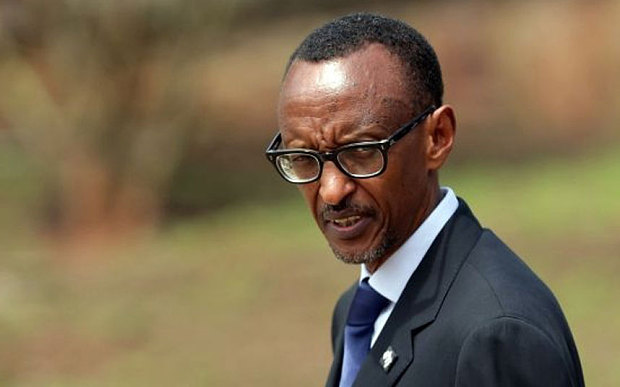
Ntawukuriryayo yazize ko yari yaramaze gutangariza zimwe mu nshuti ze ko adashyigikiye gahunda y’umwami wa Repubulika Paul Kagame yo guhindura itegekonshinga. Ibyo nyamara bikaba byari ikibazo gikomeye kuri Kagame kuko yari kuzahura n’ingorane mu guhindura itegekonshinga kandi Sena ni yo ifite izo nshingano nk’uko biteganwa n’ingingo ya 88 y’Itegekonshinga. Iyo ngingo itegenya ko Sena ifite ububasha bwo « gutora amategeko yerekeye ivugururwa ry’Itegekonshinga ». Ibyo kandi byongera gushimangirwa by’umwihariko n’ingingo ya 193. Iki rero cyabaye ikibazo gikomeye kuri Kagame ugeze mu mayira abiri maze ahitamo kumukura mu nzira inzira zikigendwa.

Kagame yarebye mu muryango we maze abona urangwa n’ibirura, ni ko kwigira inama yo kwigondera na ko kwitabaza mubyara we Bernard Makuza muri iri hurizo rikomeye agezemo ryo kuvuguruza itegekonshinga n’abanyarwanda twese.

Biragoye cyane ku buryo inzira Umwami azitabaza zose zidashobora kumuhira. Dore iyo ingingo Kagame ubwe yiyandikishirije mu itegekonshinga uko ivuga:

« Perezida wa Repubulika atorerwa manda y’imyaka irindwi. Ashobora kongera gutorwa inshuro imwe. Nta na rimwe umuntu yemererwa gutorerwa manda zirenze ebyiri ku mwanya wa Perezida wa Repubulika » (Ingingo ya 101).

Ariko se Kagame n’iyo yavuguruza iyi ngingo byamuhira akongera koko kuyobora Repubulika y’u Rwanda ?
ob_a9eafa_makuza

Nguwo umugabo Bernard Makuza wiyemeje kubimufashamo

IHENE IZABYARA ISEKURUME NDWI (7) ZOSE ZANGE KONGA

Umuhanuzi Magayane ni we wavuze ko : « Ihene izabyara isekurume ndwi zose zange konka ». Ngicyo ikimenyetso kibanziriza icya nyuma mbere y’ihirima ry’ubutegetsi bwa Rwabujindiri rurya ntiruhage. Nibyo koko burya ngo ntakiba Imana itabicishije mu bahanuzi bayo. Ibyo Magayane yavuze byose kugeza ubu byarabaye tukaba dutegereje ivuka ry’izo sekurume ndwi mu minsi ya vuba, maze « Isake igahita ibika ikigera ku mutambiko w’urusenge » ari cyo kimenyetso cya nyuma.

Ihene rero magayane yavugaga biragaragara ko ntayindi atari buriya butegetsi bwiyicaje ku ntebe nk’uko tubizi twese. Naho kubyara isekurume ndwi byo ni uguhindura itegekonshinga maze Kagame akiyongeza indi manda y’imyaka irindwi (7) ari yo isobanura isekurume ndwi. Nyamara ariko izo sekurume zose mu buhanuzi twibuke ko zanze konka ! Ibi rero ni ho bihurira n’ibyo Kagame agiye kwigora akora. Agiye guhindura itegeko nshinga, bizakorwa ariko ntakizavamo. Aziyongeza manda y’imyaka 7 ariko nta mwaka n’umwe azayitegekaho. Kwanga konka bigereranywa no kwanga kwima. Birababaje. Ihene izabyara isekurume ndwi ariko zose zange konka.

Uretse n’ubuhanuzi ariko Kagame na FPR ayoboye bafite urundi rukuta bazahura narwo

Nk’uko byatangajwe n’Abataripfana bo mu Ishyaka Ishema muri kongere yabo yateraniye i Paris guhera tariki ya 07/02 kugeza ku ya 09/02/2014, Abataripfana aho bari hose biyemeje kwitabira amatora y’umukuru w’igihugu kandi bagatangamo n’umukandida ari we Padiri Thomas Nahimana. Ibi rero nabyo ni indi nzitizi ikomereye Kagame na FPR ayoboye guhindura itegekonshinga ntibihagije ahubwo agomba no kwitegura guhangana n’abasore n’inkumi b’abanyarwanda bahagurukiye kandi bashishikajwe no guhindura ibintu mu kuri no mumutuzo.

Nkuko rero bigaragara mu Rwanda rw’uyumunsi, Kagame ari gukora ubusa kuko abanyarwanda barambiwe ingoma mpotozi. Abanyarwanda barambiwe igitugu n’iterabwoba rikabije. By’umwihariko ntibakwihanganira ubwicanyi FPR yazanye guhera tariki ya 01/10/1990 kandi ikaba idashaka kubureka. Kagame nahame yumve urwishigishiye ararusoma, nawe narusome ruramukwiye.

by VENANT MAGAZINE VM

Rwanda: muri Sena uwujuje ibisabwa ni we watowe!

RTEmagicC_087b1b9fea.jpg

Hon. Bernard Makuza Turatsinze

Igihe cy’iminsi 30   ni cyo giteganywa n’itegeko  kugira ngo umuyobozi wa sena weguye asimburwe. Abanyarwanda bari bakomeje kwibaza uza gusimbura Dr Ntawukuriryayo J. Damascene ku buyobozi bw’uyu umutwe. Dr Ntawukuriryayo yegujwe ku mwanya w’ubuyobozi bwa sena ku itariki ya 17 Nzeri 2014 aregwa ibirego byinshi kandi bikomeye. Nyamara n’ubwo ibi birego bikomeye, uyu  mukombozi ntiyigeze asabirwa gukurikiranwa mu butabera, iki kikaba ari ikimenyetso ko mu by’ukuri icyari kigamijwe ari uko atanga umwanya. Ntiwakumva ukuntu umuntu aregwa icyaha cyo kwigwizaho umutungo kandi ari mu nzego zishyiraho amategeko, ndetse yakagombye kuba intumwa ya rubanda ngo maze akomeze yicare mu ntebe nk’aho nta cyabaye. Iyo bigenze bitya biba ari ukumwereka ko agiriwe ikigongwe maze nyuma ye nihagira ukora ikosa nk’iryo yarezwe, uwababariwe aruce arumire kuko afite icyo yishinja.

Utaramenya strategy ya RPF ashatse yakwigira aha: Abanyabyaha babikoze ku buryo buzwi, ababihimbiwe ariko batinya ubutabera (n’ubundi butababuramo urukumbi) ni bo bahabwa ijambo kugira ngo batazinyagambura, kuko kuba batekanye babikesha impuhwe bagiriwe. Hari yewe n’abandi baterwa ubwoba ko bagiye gukurwa mu myanya kandi nta cyo bishinja ariko bareba uko system ikora, bagakubitiraho ubwoba bwabuzuye mu bwenge, bagashima igitekerezo bahawe: kwandika ugasaba imbabazi maze ugasubizwa mu mwanya upfa gusa kutazongera gukora iryo “kosa”. Abasirikare bakuru benshi barabikoze, abayobozi mu myanya myinshi barabikoze….ikibabaje ni uko n’ubundi biba nka bya bindi ngo byo “guhongera umwanzi akakumara ku nka”. Uko byamera kose bigera aho cya cyaha wasabiye imbabazi ukakiryozwa! Kuri Ntawukuriryayo, kuba ataravuzweho byinshi si uko adafite ibyo azasobanurira Abanyarwanda, ahubwo ni uko mu muco wacu atari byiza cyane kuvuga nabi uwatabarutse!

Tutagiye kubeshyana nta we utabona ko muri iki gihe nyuma FPR yatangiye kwitegura amatora yo mu mwaka wa 2017. Bibaye nyuma y’uko ishyaka ISHEMA party rya nouvelle generation rifashe icyemezo cyo kujya gutera ingabo mu bitugu umubyeyi Ingabire Victoire uri ku itabaro. Ibi bikaba bizakorwa abasore b’intarumikwa bamanuka i Kigali ngo na bo batange message y’ uko u Rwanda rudakwiye kuyoborwa nk’akarima k’umuntu ku gite cye, ko ubutabera bugomba kureba buri wese, kandi ko amaraso y’abanyarwanda uwayamennye wese akwiye kubiryozwa; ariko igikuru muri byose kikaba ko Abanyarwanda bakwiye kwishyiriraho ubuyobozi bashaka bitari bya bindi bya “tora aha”.

Ibi rero bitera ubwoba Paul Kagame uzi neza ko aramutse avuye ku butegetsi ashobora gukurikiranwa n’ubucamanza. Ubu bwoba butaha no mu mitima ya ba banyabyaha bamukikije bumva ko akabo karangiye. Igisubizo kuri bo ni ugushaka uko Paul Kagame yakwiyongeza akaguma ku butegetsi,  ndetse nk’uko wa muyobozi w’umutwe FFU (Fanya Fujo Uwone) Mussa Fazil aherutse kubivuga Kagame ntahabwe manda imwe ahubwo agahabwa izitabarika  ( indeterminés).

Umuyobozi mushya agomba kuba yujuje iki?

Umuntu wese ukurikiranira hafi politiki y’u Rwanda arabona ko umuyobozi mushya wa sena agomba gushyira mu bikorwa umushinga wo guhindura itegekonshinga kugira ngo perezida akomeze yicare ku ntebe. Hari conditions umuntu nk’uyu agomba kuba yujuje kugira ngo FPR ifite ubwiganze muri sena imwemere.

  1. Kuba ari ikigwari:

Guhindura itegeko nshinga ni cyo cyonyine cyageza Kagame ku cyo yifuza. Kimwe n’andi mategeko agenga amatora, guhindura itegekonshinga byemezwa na Sena hanyuma bikanyuzwa mu matora ya referendum. Umuntu utari ikigwari ntashobora kwemera guhindura itegeko nshinga cyane cyane ko nta kindi byaba bigamije uretse kwimakaza ingoma ya repubulika-cyami y’Abega.

  1. Kuba afitiye umwenda Abanyarwanda:

Uyu muntu agomba afite inkomanga ku mutima ko u Rwanda ruramutse rugize ubuyobozi bwiza bwazamubaza ibibi yakoreye abenegihugu. Kubera kwitegereza uko Kagame akanira rumwe abamubwiza ukuri, abamuyobotse ndetse n’abamurwanya bose ntagire impuhwe, abantu benshi bibeshya ko wenda n’ubutegetsi buzatorwa butazabagirira ikigongwe. Nyamara nsanga umuntu aramutse yitwaye neza yabibabarirwa dore ko abenshi baba barabiguyemo babishowemo n’igitugu cya system iriho. Cyakora abakoze ibyaha by’indengakamere bo ndakeka bazakenera icyuhagiro. Bityo rero umuntu ugomba kwemera guhindura itegekonshinga ni utinya ko yazabazwa umwenda afitiye Abanyarwanda.

  1. Kuba atemera guhindura ingendo:

Umuntu wemererwa kujya muri uyu mwanya akaba atari ikigwari kandi ntagire umwenda afitiye rubanda, agomba kuba yemera kutazahinduka agakomeza uko ari. Ni ukuvuga ko niba atujuje conditions ebyiri zibanza ariko akaba yemeye kuba muri uyu mwanya agomba kuba atazigera na rimwe ahindura ngo avuge ko yibeshye kuko byatuma yigomeka kuri system akarwanya ihindurwa ry’itegekonshinga. Bene uyu muntu yaboneka mu bantu binjiye muri politiki vuba bataragira bilan ndende. Ikibaranga ni ukutagira indangagaciro bagenderaho ndetse no gutekereza birinda kubikora kuko bafata FPR nk’ubwonko bwabo bo bakaba ingingo zindi : amaguru, amaboko, umunwa, amatwi, intoki, amano, ndetse harin’abo ubonaari nk’uturegeya tw’intoki za FPR.

Ninde wujuje ibi bisabwa?

Bwana Makuza Bernard Turatsinze, Perezida wa Sena.

Uyu mugabo umaze igihe kinini muri politiki ya FPR yujuje zose cyangwa se inyinshi muri conditions maze kuvuga haruguru. Yatsindiye ubugwari ku buryo budasubirwaho igihe yatangaga umusanzu ngo asenye ishyaka rya se MDR ryamuhaye izina Turatsinze (yavutse MDR n’Abahutu bamaze gutsinda gihake). Byatumye ajyamo umwenda Abanyarwanda kandi yiyemeje gukomeza iyo ngendo yanga kugira irindi shyaka ajyamo ngo akomeze abe urugingo rukomeye rwa politiki ya FPR. Kuba ari mubyara wa Kagame bituma benshi batekereza ko ntacyo FPR yamutwara.

Makuza Bernard Turatsinze yamamajwe bwa mbere, Laurent Nkusi yamamazwa bwa kabiri ariko byari ikinamico. Makuza abyemeye, Nkusi yahise avuga ko amuhaye amajwi ye maze kuri 26 batoye, 25 batora Makuza, ijwi rimwe riba imfabusa bikaba bivugwa ko iri ryapfuye ubusa ari umuntu watoye utiyamamaje, nga akaba yabikoze mu rwego rwo kwerekana ko bose batemeye agahato bari bashyizeho mbere ko Makuza ari we wagombaga gutorwa.

Makuza rero niyitegure gukora akazi ko guhindura itegekonshinga ariko namutungira agatoki ko rubanda imureba. Muri referendum bazatora “oya” FPR yibe amajwi revolisiyo itangire. Ibizakurikiraho ni undi mwenda Makuza ashaka kwishyira ku mutwe kandi kuwishyura bizamusaba byinshi adafite.

Chaste Gahunde

ISHEMA Party


RDC – Rwanda : qu’est-ce qui bloque (encore) le désarmement des FDLR ?

Des rebelles FDLR près de Pinga, à 150 km au nord-ouest de Goma, dans l'est de la RDC.
Des rebelles FDLR près de Pinga, à 150 km au nord-ouest de Goma, dans l’est de la RDC. © AFP

Après la neutralisation du M23, la brigade d’intervention des Nations unies devait s’attaquer aux autres groupes armés notamment les rebelles rwandais FDLR. Mais les pays de la région ont décidé d’accorder six mois à ces derniers pour qu’ils se rendent. Trois mois plus tard, zéro reddition…

“Sur le terrain, rien ne bouge”, reconnaît une source onusienne proche du dossier. Le 2 octobre pourtant, trois mois se sont écoulés depuis qu’un ultimatum de six mois a été accordé aux rebelles des Forces démocratiques pour la libération du Rwanda (FDLR) par les États de la région pour qu’ils désarment volontairement.

“Si nous refusons de déposer les armes comme convenu, c’est parce qu’on cherche à nous imposer certaines conditions inacceptables sans nous avoir consulté au préalable”, se défend La Forge Fils Bazeye, porte-parole des FDLR. Et de pointer la Mission de l’Onu pour la stabilisation du Congo (Monusco) : “Nous avons demandé à la Monusco par exemple d’agrandir les deux camps de transit au Nord-Kivu et au Sud-Kivu pour pouvoir recevoir d’autres combattants qui sont prêts à se rendre, mais on exige de les envoyer à Kisangani, ville choisie pour le regroupement de nos hommes sans notre accord.”

À en croire le rapport de Ban Ki-moon, secrétaire général de l’ONU, publié le 24 septembre sur la mise en œuvre de l’accord-cadre entre la RDC et les autres pays de la région, “au 31 août, seuls 103 combattants des FDLR et 202 personnes à leur charge avaient déposé 102 armes et s’étaient rendus dans le Nord-Kivu, tandis que 83 combattants et 236 personnes à leur charge avaient déposé 83 armes dans le Sud-Kivu.” Au total, quelque 186 éléments FDLR seulement se sont rendus jusqu’ici et “se trouvent actuellement dans des deux camps de transit gérés par la Monusco, à Kanyabayongo (Nord-Kivu) et à Walungu (Sud-Kivu)”, précise le texte.

>> Lire aussi : le désarmement des FDLR expliqué à ceux qui ont raté le début

Désarmement au point mort

Autrement dit, depuis la timide vague de reddition fin mai, le désarmement volontaire des FDLR est resté au point mort. La Communauté de développement de l’Afrique australe (SADC) et la Conférence internationale sur la région des Grands Lacs (CIRGL) avaient prévenu que des opérations militaires contre ce groupe armé seraient organisées “au cas où aucun progrès ne serait constaté lors de l’examen à mi-parcours d’octobre”. Un sommet conjoint SADC et CIRGL doit être convoqué dans les prochains jours “pour décider de la marche à suivre”.

Les pays de la région décideront-ils de suspendre l’ultimatum pour engager la traque des FDLR ? En tout cas, la Monusco de son côté se dit prête à neutraliser ces rebelles rwandais. Son chef, Martin Kobler, ne croit plus au désarmement volontaire des FDLR qu’il accuse de bloquer le processus en exigeant l’ouverture d’un dialogue avec Kigali avant de se rendre (une condition “inacceptable” pour les autorités rwandaises). Problème : des troupes qui composent la brigade d’intervention de l’ONU – des soldats tanzaniens, malawites et sud-africains – ne peuvent pas bouger, sans aval de leurs États respectifs, membres de la SADC et/ou de la CIRGL. “Nous attendons le feu vert des pays de la région”, renseigne notre source onusienne.

“L’option militaire doit être remise sur la table”

En attendant, Kigali s’impatiente. “Toutes ces tergiversations doivent cesser”, tonne Olivier Ndurungirehe, représentant adjoint du Rwanda auprès des Nations unies. “Il faut maintenant que la Monusco et la brigade d’intervention mettent en œuvre les décisions du Conseil de sécurité qui demande la neutralisation de tous les groupes armés présents dans l’est de la RDC, y compris les FDRL”, insiste-t-il, dénonçant à son tour “l’absence de volonté des FDLR de se désarmer”.

>> Lire aussi : “la RDC et la Monusco n’ont plus d’excuses pour ne pas neutraliser les FDLR”, selon Olivier Nduhungirehe

En conséquence, “l’option militaire doit être remise sur la table”, suggère le diplomate rwandais. “Pourquoi la brigade d’intervention de l’ONU devrait-elle attendre encore trois mois supplémentaires avant de les traquer alors que ces rebelles ne désarment pas et qu’ils ont même indiqué qu’ils ne le feront pas ?” s’interroge-t-il.

À tort, les dirigeants FDLR considèrent que la RDC devait mettre la pression sur le Rwanda pour que ce dernier accepte d’engager des pourparlers avec eux. C’est une erreur !

Lambert Mende, porte-parole du gouvernement congolais

Du côté de Kinshasa, c’est le même constat : “Il n’y a pas eu de progrès”, reconnaît Lambert Mende. Mais le porte-parole du gouvernement congolais estime que “l’ultimatum de six mois, décidé par les chefs d’État de la région, doit être maintenu jusqu’à son terme”, avant d’engager des opérations militaires contre les FDLR.

Pour Lambert Mende, le blocage constaté dans ce processus de désarmement volontaire ne serait du qu’à une “perception fausse” des dirigeants FDLR sur le rôle que doit jouer Kinshasa. “À tort, ils considèrent que la RDC devait mettre la pression sur le Rwanda pour que ce dernier accepte d’engager des pourparlers avec eux. C’est une erreur ! Dans tous les cas, ils rentreront chez eux de gré ou de force”, conclut le ministre congolais.

________________________

Par Trésor Kibangula

Source: Jeune Africa

This World: Rwanda’s Untold Story, BBC Two, review – ‘intense’

This World: Rwanda’s Untold Story attempted to overturn the consensus view about the 1994 genocide, says Gerard O’Donovan

rwanda_3058898b (1)

The horrifying results of mob violence at its most extreme were revisited by reporter Jane Corbin in This World: Rwanda’s Untold Story (BBC Two). This intense documentary set out to entirely up-end what the world understands happened during the Rwandan genocide in 1994, when a million people were slaughtered in a bloodbath lasting 100 days.

Corbin began by looking at how, 20 years on, Rwanda’s is one of Africa’s fastest growing economies and the country’s president, Paul Kagame, enjoys the support of the international community. There followed an account of the tensions between the minority Tutsi and majority Hutu populations that led to the genocide, and how Kagame – through the intervention of his rebel force, the Rwandan Patriotic Front, came to be seen as the hero who stopped the killing.

That was the last time in the film that anything generally accepted wasn’t called into question. Interviewing academics, survivors and former henchmen of Kagame, Corbin embarked on a forensic deconstruction of the official history of the genocide (which puts the blame entirely on the Hutus). Studies by two American researchers suggested that hundreds of thousands of Hutus could have been killed too, possibly by RPF forces. A UN report expressing similar concerns had allegedly been suppressed. Belgian historian Prof Filip Reyntjens suggested that Kagame could be one of the “most important war criminals still in office today”.

The allegations kept coming: of rigged elections and political oppression, of pressure put on official investigations into the genocide, assassination attempts on Kagame’s exiled ex-colleagues, and Rwanda’s role in the deaths of five million people in the wider conflict in the Congo region. The numbers were mind boggling, the answers few, the claim that the UK is the largest contributor to the near £500 million annual foreign aid that helps keep Kagame in power, deeply concerning.

Source: The Telegraph

U.S. Urges Burundi and Rwanda to Investigate Deaths

usdos-logo-seal

Press Statement

Jen Psaki
Department Spokesperson
Washington, DC
September 25, 2014

The United States expresses its deep concern regarding the discovery of a number of corpses in July and August of this year, some bound and wrapped in plastic, in Lake Rweru, which borders Burundi and Rwanda. We note that several countries also raised their concern about these deaths during the Interactive Dialogue with the Working Group on Enforced or Involuntary Disappearances that was held in conjunction with the United Nations Human Rights Council in Geneva on September 12.

We urgently call on the Burundian and Rwandan Governments to conduct a prompt, thorough, and impartial and concerted investigation of these deaths with the assistance of independent, international forensic experts.

We firmly believe that these victims deserve to be identified, their families deserve to know their fate, and those responsible should be brought to justice.

Source:US Department of State

DESIGNATIONS OF FOREIGN TERRORIST FIGHTERS

us-congress-logo

Media Note

Office of the Spokesperson
Washington, DC
September 24, 2014

As part of the effort to counter the threats posed by foreign terrorist fighters, the Department of State has designated ten individuals and two groups as Specially Designated Global Terrorists (SDGT) under Executive Order (E.O.) 13224, which imposes sanctions and penalties on terrorists and those providing support to terrorists or acts of terrorism. As a result of the designations, all property subject to U.S. jurisdiction in which these individuals or groups have any interest is blocked and U.S. persons are generally prohibited from engaging in any transactions with them or to their benefit.

Formed in February 2013, Jaish al-Muhajireen wal-Ansar (JAMWA) is a Chechen-led terrorist organization based in Syria that consists primarily of foreign fighters. Cooperating with other violent extremist organizations in Syria, including al-Nusrah Front and the Islamic State of Iraq and the Levant (ISIL), JAMWA has launched deadly assaults against civilian communities, and kidnapped civilians and other foreigners in Syria.

Formed in August 2013, Harakat Sham al-Islam (HSI) is a Moroccan-led terrorist organization operating in Syria principally composed of foreign fighters. HSI has carried out terrorist attacks and engaged in kidnappings against civilians with other violent extremist organizations in Syria, including al-Nusrah Front.

As of mid-July 2014, Amru al-Absi was selected as ISIL’s provincial leader for Homs, Syria, in the Aleppo region. As a principal leader of ISIL in Syria, he has been in charge of kidnappings.

Salim Benghalem is a Syria-based French extremist and ISIL member, who carries out executions on behalf of the group. In 2007, Salim was convicted and sentenced to prison in France for a 2001 murder. Today, Benghalem is the subject of a European arrest warrant because of his activities on behalf of ISIL.

In May 2013, Mohammed Abdel-Halim Hemaida Saleh was arrested in Egypt by authorities for plotting to attack Western embassies in Cairo. Saleh is a member of al-Qa’ida and believes in conducting attacks against American and Israeli interests. As of mid-2013, Saleh had been recruiting suicide bombers to send to Syria and had been planning terrorist activities against unspecified targets in Europe.

Lavdrim Muhaxheri is a Kosovar Albanian foreign fighter for ISIL who operates in both Syria and Iraq. Muhaxheri made international headlines in July 2014 after uploading to Facebook graphic photos of himself beheading a young man.

Murad Margoshvili is a well-known Chechen leader in Syria who built a terrorist training base in Syria near the Turkish border, where newly arrived foreign fighters received combat training. He is also the leader of Junud al-Sham, a militant group that fights alongside other extremist groups in Syria.

Nusret Imamovic is a Bosnian terrorist leader operating in Syria. After his arrival, Imamovic actively supported violent extremism, and is now believed to be fighting with al-Nusrah Front.

Muhannad al-Najdi is a Syria-based al-Qa’ida facilitator of Saudi nationality. Prior to traveling to Syria in 2013, al-Najdi was involved in facilitation and operational planning in support of attacks in Afghanistan. Since at least 2010, al-Najdi has also been involved in the development of improvised explosive devices (IEDs) for use in Afghanistan and Syria.

Abdessamad Fateh, also known as Abu Hamza, is a member of a Scandinavia-based network of extremists allegedly linked to al-Qa’ida, and has traveled to Syria.

Abd al-Baset Azzouz has had a presence in Afghanistan, the United Kingdom, and Libya. He was sent to Libya in 2011 by al-Qa’ida leader Ayman al-Zawahiri to build a fighting force there, and mobilized approximately 200 fighters. He is considered a key operative capable of training al-Qa’ida recruits in a variety of skills, such as IED construction.

Maalim Salman was chosen by now-deceased al-Shabaab leader Ahmed Abdi aw-Mohamed (aka Godane) to be the head of African foreign fighters for al-Shabaab. He has trained foreign nationals who were seeking to join al-Shabaab as foreign fighters, and has been involved in operations in Africa targeting tourists, “entertainment establishments,” and churches.

Additionally, the Department of State has nominated several previously-designated foreign terrorist fighters and related entities at the UN 1267/1989 al-Qa’ida Sanctions Committee, including Abdallah Azzam Brigades, Ansar al-Shari’a in Tunisia, Seifallah Ben Hassine, Ibrahim Suleiman Hamad Al-Hablain, Ahmed Abdullah Saleh al-Khazmari al-Zahrani, Azzam Abdullah Zureik Al-Maulid Al-Subhi, and Anders Cameroon Ostensvig Dale. Maalim Salman was also listed at the UN Somalia Sanctions Committee today.

Source:US State Department

WHO IS Andrew MWENDA? And WHAT SHOULD HE DO FOR RWANDANS

andrew_mwenda10308353_605887509531182_2445154976391889442_n

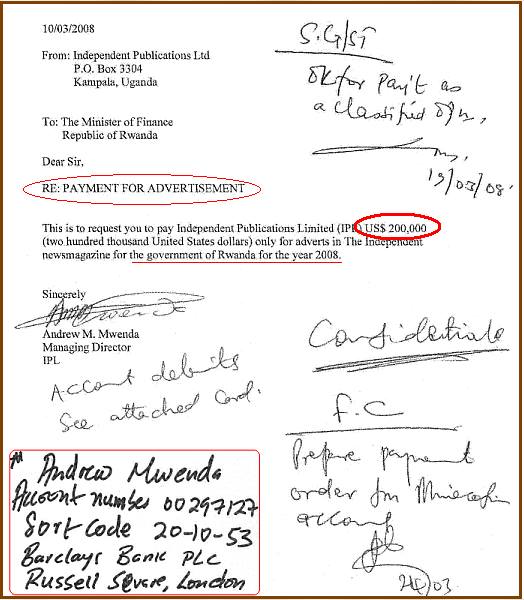
Andrew M. Mwenda is Ugandan journalist who served at the Monitor after founding his owner newspaper the Independent under direct support of kagame’s regime. Why this journalist decided to work and be Kagame’s publicisit? This is another question with a direct answer. The guy was targeting to collect more and more shillings from kagame’s classified account.

Andrew Mwenda is am a journalist who loves where there is a conflict. As a fact, I remember the time when Ouganda (M7) was not in same line with Rwanda (Kagame). This journalist Andrew Mwenda was collecting Rwandan taxpayer’s money by the simple pretext that he can provide any piece of information from M7’s intelligence to Dr Ndahiro Emmanuel who was the head of kagame’s intelligence.

Now, if I can quote one Rwandan writer under names of Rusoke William, Andrew Mwenda is unethical journalist. This can be justified by the way this kagame’s son lives on what he sourced from sowing conflicts. Today, the guy adopted another strategy of harassing some Rwandan refugees by forging different arguments against them. On 22nd September 2014, this journalist dedicated a page to Dr David Himbara as another strategy of praising his boss Kagame. As noted, the journalist mixed up different issues including:

1) Groups where Kagame belongs and influential global leaders who are kagame’s friends but the journalist failed to mention the group in which he can appear;

2) Economic growth but the journalist failed to mention how he is among those who helps Kagame to grab that poor economy,

3) David Himbara as man who wish to be a Rwandan president but the journalist failed to mention where David Himbara served as a politician or a strategist in development,

4) Different statistical data, but the journalist failed to mention his clear basis of his statement.

I think if this journalist loves Rwanda and all Rwandans not only Paul Kagame, he should do or write on the following:

1) Current arrests and disappearances now happening in Rwanda;
2) political crisis fueled by kigali regime
3) Rwandan economic crisis characterized by high rate of inflation and unemployment
4) How RSSB is failing on its mission especially in medical insurance,
5) Fires of each and every minute in Rwanda,
6) Etc…..

 Peter Urayeneza

FDLR echoes JK’s advise to kagame

fdrl

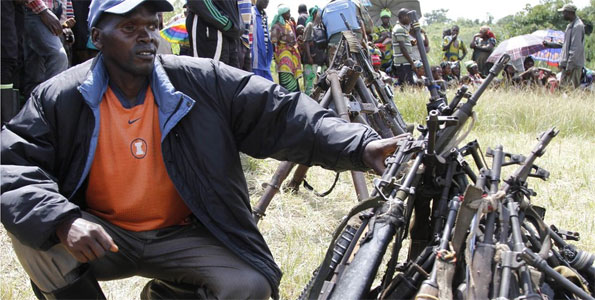
A pile of arms surrendered by FDLR fighters in eastern Congo earlier this year.

As Rwanda pushes for military action against the Democratic Forces for the Liberation of Rwanda (FDLR) even before the six-months deadline for the group’s disarming expires, the Hutu rebel faction has outlined fresh conditions for what it calls lasting peace solutions in the east of the Democratic Republic of Congo (DRC), The Citizen has learnt.

Kigali has been calling for a military offensive against FDLR, which has been operating freely in eastern Congo for two decades, but Tanzania, South Africa and DRC maintain that no military action should be taken until the deadline expires. The stance is also supported by the Southern Africa Development Community (SADC). The deadline for the voluntary disarmament of FDLR fighters is December, this year, according to details gathered by The Citizen.

Both SADC and the International Conference on the Great Lakes Region (ICGLR) want the deadline to elapse before military action is taken against FDLR.

DRC wants the FDLR fighters who want to surrender to do so now or face military action after the deadline expires. The DRC government wants FDLR fighters who surrender to be repatriated to a transit camp in Kisangani, about 900km from South and North Kivu areas where the rebels are based.

But, according to details obtained by The Citizen, Rwanda and the UN want military action now and are strongly opposed to the six-month deadline.

So far, only 183 fighters have surrendered with less than 200 weapons, mostly old guns, handed in.

But in their letter addressed to the SADC chairman, President Robert Mugabe of Zimbabwe, FDLR, among other things, says it would not move its former combatants from Eastern Kivu to Kisangani as agreed earlier.

FDLR says between 2001 and 2002, when its fighters disarmed to pave the way for peace in war-torn DRC, the former combatants were attacked, killed and others forcibly repatriated to Rwanda.

All this, claims FDLR in the letter signed by Major General Byiringiro Victor, who is the president of the rebel faction, happened under the watch of UN peacekeeping forces (Monusco) and Congolese and Rwandese military officers.

Alarmed by what transpired in the past, FDLR has issued key conditions that should be fulfilled if Rwanda, DRC and the international community want lasting peace in eastern Congo.

  • First, the rebel faction wants SADC to be actively involved in the whole peace process by being at the forefront of the efforts.
  • Secondly, the group wants SADC and the African Union (AU) to plead on its behalf in persuading the European Union, United States of America, United Kingdom and Canada to support the peace process in eastern Congo.
  • The third condition, according to the letter obtained by The Citizen, is SADC and AU to make use of both their respective diplomatic and strategic positions and persuade both the US and the UN Security Council to put more pressure on Rwanda’s President Paul Kagame to accept political dialogue between his government and the Hutu rebels.

The US, EU and United Nations still maintain that FDLR is a rebel faction, which, apart from being accused of playing a role in 1994 genocide, has also committed atrocities in eastern Congo during the past two decades.

The Citizen could not independently establish whether Rwanda would accept the proposal to have a political dialogue with FDLR.

When President Jakaya Kikwete suggested that it was time Mr Kagame launched political dialogue with FDLR, Kigali vehemently rejected the idea, straining relations between the two countries.

In its letter, the rebel faction says it is worth noting that the Rwandan problem is a political problem and therefore its solution is not military action, but political dialogue.

It is not clear why FDLR has changed its tone from an armed rebellion to political dialogue, bearing in mind that the group has in the past two decades been fighting to overthrow the Kigali regime.

A senior security officer in the Tanzania government told The Citizen on condition of anonymity, “Our position is that no military action should be taken before the deadline expires…after the expiry then we would make a decision.

“Our problem is that after we defeated the M23, the FDLR rebels, having sensed that they were the next target, decided to abandon combats and use locals as human shields. This situation complicates the military action process because you can’t fight them without killings innocent civilians.”

Last December, a Tutsi-dominated rebel faction known as M23 was militarily dismantled, ending 18 months of fighting in eastern Congo.

The M23 rebel faction, also known as Congolese Revolutionary Army, which was mainly formed by former National Congress for Defence of the People (CNDP) fighters led by Brigadier General Sultan Makenga and General Bosco Ntaganda, mutinied against the Kinshasa regime early in January 2012 and sparked a crisis that lasted for nearly two years.

But the group opted for peaceful means to attain their political goals in DRC following a sustained offensive by the UN Intervention Brigade.

Following the defeat, SADC and ICGLR leaders agreed that the focus should now be on FDLR and other rebel forces that have destabilized eastern Congo for years. Although there are about a dozen rebel factions in eastern Congo alone, FDLR is the most resilient, having operated from Congo for two decades during which it collected taxes and controlled illegal mining activities to fund its operations.

What is the FDLR?

According to documented evidence, FDLR rose from the ashes of the 1994 genocide perpetrators to form a strong Hutu extremist army, thanks to the free handout and safe heaven provided by the United Nations High Commission for Refugees in the DRC’s Kivu Province.

The assassination of former Rwandan president Juvenal Habyarimana in 1994 opened the bloody chapter of the massacre of over 800,000 Tutsis and moderate Hutus, sparking a full-scale offensive by the Rwandan Patriotic Front (RPF) led by Mr Kagame. The formation of FDLR was spearheaded by, among others, Theoneste Bogosora, said to be among the chief architects of the genocide, and General Augustine Bizimungu who was chief of staff of the Rwandese army during the genocide.

At the time of Habyarimana’s assassination, RPF fighters were just 40km outside Kigali, waiting for the implementation of the Arusha peace accord, which, among other things, would have given the Tutsi rebels key positions within the transition government that was to have been announced by Habyarimana.

After months of fierce battle, RPF ended three months of genocide, but also sparked the exodus of refugees who fled Rwanda fearing retaliation by the RPF regime.

In July 1994, an average of 12,000 Rwandan refugees, mainly Hutus, entered DRC every hour through the town of Goma, fleeing the RPF soldiers who had just toppled the Rwandan regime. Among those fleeing were soldiers and Hutu militia known as Interahamwe.

sOURCE:The citizen

Increasing arrests and disappearances rattle Rwandans

Fear is growing in Rwanda as top members of the military are arrested and ordinary people disappear. President Kagame appears to be determined to stifle all opposition. Human rights organizations are alarmed.

President Paul Kagame

About a month ago, in late July 2014, Rwandan president Paul Kagame reshuffled his cabinet. He said a reorganization would bring about a better working climate and promote development and wealth in the East African country. The move triggered a series of events which quickly attracted the attention of international human rights organizations. One such event was the news on Monday (25.08.2014) that three high-ranking members of the armed forces had been arrested, including Rwandan Defense Force Colonel Tom Byabagamba. The reason given for his arrest: crimes against state security.

What is new about this is that it is no longer just supporters of the opposition who find themselves targeted by police, but also people considered to be allies of President Kagame. “Support for him in his own ranks is disappearing rapidly,” Gerd Hankel, an expert in international law at the Hamburg Institute for Social Research, said in an interview with DW. “Kagame is highly controversial. What was promised to the Rwandans and to his own close circle, has not been fulfilled. People are waiting for clear signs of progress.”

Such signs could be a willingness to share power or steps towards a general democratization, Hankel added. But Kagame, who has been in power for 14 years, and his country seem far removed from such prospects.

A newspaper seller in Kigali‘There are no longer any free media in Rwanda’

“We have been closely observing the situation experienced by human rights activists, members of the opposition and also the Rwandan media for several years,” said Gesinde Ames from the Ecumenical Network for Central Africa, an association of German church organizations. “There are no longer any free media in Rwanda,” Ames said. “There is a state organ which is under strict control. And it is the same with opposition movements.” Any attempts to counter Kagame by establishing new political parties were quickly stifled, with “party leaders arrested and sentenced to life imprisonment,” Ames told DW.

People ‘don’t just disappear’

Any meaningful opposition has been reduced to a single party, the Democratic Green Party, which is frequently the target of initimidation attempts. Party leader Damascene Munyeshyaka has been missing since June. The government denies any involvement.

Minister for Internal Security Sheik Mussa Harerimana plays down the case. “These are just accusations intended to tarnish the government’s reputation. People don’t just disappear here,” he told DW. “But there are people who are in prison as the result of criminal activities. While they are in detention awaiting trial, it seems that relatives claim they have disappeared.”

US-based human rights watchdog Human Rights Watch (HRW) sees this differently. A recent report says that dozens of Rwandans have gone missing since March this year. HRW accuses the Rwandan army and police of removing critics of the Kagame regime.

For years observers have criticized moves to suppress any opposition and increasing acts of intimidation. International law expert Hankel says recent events show this has clearly intensified. According to Hankel, Kagame’s enemies are no longer to be found abroad, such as the Rwandan Hutu FDLR militia (Democratic Forces for the Liberation of Rwanda), but close to Kagame himself. “There is a large group of politicians who are not happy with the course Kagame is taking but who have no opportunity of articulating this in public. And so conspiratorial groups are created.”

Diplomacy takes a one-sided view

Members of the Rwandan policeRwandan police are said to be involved in ‘disappearances’ of Kagame critics

Internationally, Rwanda’s economic successes and victories in the battle against corruption are highly praised. But, says Hankel, this is an incomplete picture. “What is not seen is that nothing has changed for ordinary Rwandans. Wealth is concentrated in the hands of just a few.”

Gesine Ames from the Ecumenical Network for Central Africa calls for more straight talking from Europe and from Germany in particular. There is a need for “more discussions between Rwanda and donor nations, especially concerning the human rights situation,” she said. “Human rights are universal and Rwanda must also respect them. The international community has an obligation to remind Rwanda of this.”

Source: DW

“Turasaba Leta y’u Rwanda na l’ ONU gushaka inzira z’ukuri zatuma Abanyarwanda babona amahoro”: CLIIR

1981773_640941909313899_8814842215382593481_n

ITANGAZO K’UMUNSI MPUZAMAHANGA WAHARIWE AMAHORO Y’ABATUYE KU ISI
———————————————————————————–
Ku nshuro ya 30, Isi irizihiza umunsi mukuru washyizweho na ONU buri 21 Nzeri wahariwe amahoro y’abatuye Isi. Kuri iyi nshuro intego n’inyito bya ONU yahaye iyi sabukuru ikaba ari uko « Abaturage bafite uburenganzira ku mahoro n’umutekano ».

Ikigo giharanira kurwanya umuco wo kudahana no kurenganya mu Rwanda (CLIIR) wongeye kunga mu rya ONU wibutsa abayobozi b’U Rwanda ko abanyarwanda bafite uburenganzira bahabwa n’amategeko bwo kugira umutekano n’amahoro bisesuye.

Amahoro aba ku giti cy’umuntu : Umuntu agomba guhabwauburengazira bushobotse mu mibereho ye n’abandi atabangamiye rubanda nkuko nawe atakwifuriza uwamubangamira. Iryo rikaba ihame ridakuka mu Rwanda.

Amahoro ntagurwa kugirango aboneke : Buri muntu agomba kuyiyumvamo, akayaha uwo begeranye noneho amahoro agakwira hose, akanashyigikirwa kuburyo burambye.

Amahoro na Demokarasi birajyana : Iyo kimwe kibuze, ikindi kirahungabana. Ababuze Amahoro na Demokarasi bagatahwa n’ubwoba butuma batagira amahoro yo mu mitima no ku mibiri nkuko bimeze mu Rwanda rw’ubungubu.

Nkuko bigaragagara mu Rwanda nta mahoro akibarizwayo kuko ubona abaturarwanda ntayo bafite. Ibyo bikagaragazwa no guhunga, gushimutwa, kwicwa, ubwoba, urwikekwe gufungwa bya hato na hato, umwana yikanga nyina, umubyeyi akikanga umwana we, inzangano zibarizwa mu miryango abavukana barihakana, …

Ibyo byose birangwa mu gihugu cy’u Rwanda ni ikimenyetso cy’imiyoborere n’ubutegetsi bubi budakorera abaturage, budashishikajwe n’iterambere nyakuri, budatanga amahoro kubo bwakagombye kuyaha. Ntibwubahiriza amasezerano mpuzamahanga bashyizeho umukono n’amahame remezo ya Demokarasi.

CLIIR rero ikaba iboneyeho, gusaba Leta y’U Rwanda, abayobozi bayo, n’umuryango wa ONU gufata iy’ibanze mu gushaka inzira zose z’ukuri Abaturarwanda babona amahoro n’umutekano bisesuye nkuko ari uburenganzira ntakuka bahabwa n’amategeko.

Bikorewe i Buruseli,
21 Nzeri 2014

Alain Duval MUSONI
Komisseri ushinzwe uburenganzira bwa kiremwa muntu
CLIIR