Category Archives: Democracy

KUJYA GUKORERA POLITIKI MU RWANDA: Umukandida wa Opozisiyo Padiri Thomas Nahimana n’ intumwa ayoboye bakiriwe n’Ubuyobozi bwa COMMONWEALTH.


Commonwealth delegation

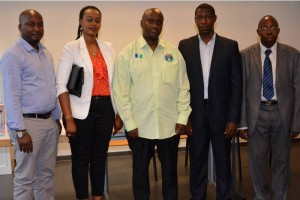
1. Nyuma y’ingendo z’ingirakamaro zakorewe mu bihugu bya Australia, Leta zunze ubumwe z’Amerika na Canada ndetse no mu muryango w’ubumwe bw’ibihugu by’Uburayi, Nyakubahwa Padiri Thomas Nahimana, umukandida wa Opozisiyo mu matora ya Perezida wa Repubulika azaba mu 2017, hamwe n’intumwa ayobowe bakiriwe n’Ubunyamabanga bw’Umuryango wa Commonwealth, kuri uyu wa mbere taliki ya 4 Nyakanga 2016.

2. Muri uru ruzinduko bakoreye i Londres mu Bwongereza, guhera taliki ya 3 kugeza ku ya 5 Nyakanga 2016, Nyakubahwa Padiri Thomas Nahimana yari aherekejwe na Délégation y’abarwanashyaka batandatu bahagarariye Ishyaka ISHEMA na Coalition ya Nouvelle Génération.

3.Impamvu nyamukuru yagenzaga aba Bataripfana ni ugusobanurira byimbitse ubuyobozi bwa Commonwealth ibibazo bikomeye bihangayikishije abaturage muri iki gihe cyana cyane urubyiruko bikanabuza Demokarasi gutera imbere mu Rwanda, bikaba bishingiye ahanini ku miyoborere mibi y’Abategetsi b’igihugu bakomoka mu Ishyaka rukumbi rya FPR n’abambari baryo batagihisha ko bashaka kwihambira ku butegetsi ubuziraherezo hagamijwe gukomeza kwikubira ibyiza byose by’igihugu.

4.Indi ngingo ibiganiro byibanzeho ni iyerekeye amatora y’ Umukuru w’igihugu n’ay’ Intumwazarubanda ateganyijwe mu mwaka w’2017 n’uw’2018, Ishyaka ISHEMA ry’u Rwanda rikaba ryarafashe umwanzuro udakuka wo kuzayagiramo uruhare. Hasobanuwe inzitizi zose Ishyaka rya FPR Inkotanyi rigenda rishyiraho hagamijwe cyane cyane kubangamira no kwigizayo abakandida nyakuri ba Opozisiyo.

5.Bashyikirije ubuyobozi bwa Commonwealth ingingo z’ingenzi zubakiyeho Umushinga wa politiki witwa  » Together to modernize Rwanda » (Kunga Abanyarwanda kugira ngo bafatanye kwiyubakira u Rwanda-moderne »; Rassembler pour moderniser le Rwanda ) umukandida Padiri Thomas Nahimana ateganya gushyikiriza Abanyarwanda mu minsi ya vuba aha.

6.Reka twibutse ko U Rwanda rwinjiye mu muryango wa Commonwealth mu mwaka w’2009, Leta ya Paul Kagame ikaba yari yijeje uwo muryango ko izakora ibishoboka byose, igashingira imiyoborere y’igihugu ku mahame n’indangagaciro z’uwo muryango arizo Demokarasi (Democracy) imiyoborere myiza ( Good governance), igihugu kigendera ku mategeko abereye abenegihugu ( Rule of law), kubaha uburenganzira bw’ikiremwamuntu (Human rights), n’iterambere rirambye kandi risaranganyijwe ( Social and economic development).

7.Nyakubahwa Padiri Thomas Nahimana na Delegation bajyanye mu butumwa barashimira babikuye ku mutima Abayobozi bakuru ba Commonwealth ku kuba babakiriye neza, bakabatega amatwi, bakaganira mu mutuzo no mu bwubahane.

Harakabaho ISHEMA ry’u Rwanda na Nouvelle Génération,

Harakabaho Repubulika y’u Rwanda,

Harakabaho umuryango wa COMMONWEALTH

logo-300x135commomwealth logo

Twizihize Isabukuru y’ubwigenge duharanira kwitorera abayobozi batunyuze mu 2017

logo-300x135

TWIZIHIZE ISABUKURU Y’UBWIGENGE BW’ U RWANDA DUHARANIRA KWITORERA ABAYOBOZI BATUNYUZE MU 2017.

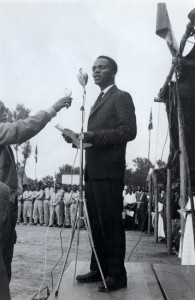
1.Birakwiye kandi biratunganye kwizihizanya ishema ryinshi isabukuru y’Ubwigenge bw’U Rwanda ku ncuro ya 54. Buri munyarwanda wese, aho ari hose ,akwiye rwose kwerekeza umutima ku mateka y’igihugu cye, akibuka uko cyavuye mu maboko y’Umukoloni, kigahabwa ijambo mu ruhando rw’amahanga, akibukana icyubahiro kandi akishimira Abalideri bitanze ngo ubwigenge bw’u Rwanda bugerweho barimo Nyaguhorayibukwa Gregoire KAYIBANDA na bagenzi be.

2.Ukwigenga k’u Rwanda si amateka akwiye gucamo Abanyarwanda ibice. Utazi aho yavuye ntamenya aho ageze n’aho yerekera. Uwiha guhinyura ubwigenge bw’u Rwanda cyangwa kubunenga ari mu ruhande rw’ikinyoma. Ukutigenga k’u Rwanda nta wundi kwari gufitiye inyungu uretse Umukoloni na gashakabuhake.

Ku isabukuru nziza nk’iyi birakwiye kwibukiranya ibihe by’ingenzi cyane by’amateka yacu tutagomba kwibagirwa.

3.Nyuma y’Italiki ya mbere Nyakanga 1962, abategetsi ba Repubulika ya mbere n’iyakabiri bakoze uko bashoboye bubaka ibikorwa byinshi by’iterambere ryafashije abaturage mu buryo bwinshi: amashuri,amavuriro, imihanda, amazi meza, amashanyarazi, amasoko, ibibuga by’indege, amazu y’ubuyobozi, n’ibindi. Kubihakana ni ukwirengagiza nkana amateka y’u Rwanda.

4.Kuva ku munsi w’ubwigenge kugera mu 1990, abayobozi b’igihugu cyacu bakoze n’amakosa atari make kandi akomeye yaje kugira ingaruka zikomeye mu gusenya ibyiza bari bararushye bubaka. By’umwihariko ntibashoboye gukumira no guhashya burundu amacakubiri ashingiye ku irondakoko n’irondakarere yabangamiye cyane ukwishyira n’ukwizana kwa bamwe mu benegihugu. Kubyirengagiza byasa no guhingira ku rwiri.

5.Naho guhera taliki ya 1/10/1990 igihugu cyinjiye mu ntambara y’amasasu isenya kandi ikica yatangijwe ku mugaragaro n’Ishyaka FPR-INKOTANYI. Guhera uwo munsi ntitwahwemye kwicirwa abacu no gusenyerwa ibyiza by’iterambere. Jenoside, itsembatsemba. ….byatutumazeho abantu hasigara « imfungwa, imfubyi n’amatongo « !

1962_IndependanceRwanda-300x209

6.Nyuma ya Nyakanga 1994 , FPR yifatiye ubutegetsi bwose, iyoboresha igitugu n’iterabwoba rikaze, yibagiza Abanyarwanda igisobanuro cy’ubwigenge baronse taliki ya 1 Nyakanga 1962 n’ukwisanzura kwa buri munyarwanda kwari ngombwa.

7.Hari ibikorwa by’iterambere bitari bike FPR yubatse muri iyi myaka 21 imaze ku butegetsi. Kutabyemera ni ukwigiza nkana cyangwa kwitiranya ibibazo.Ikibazo nyamukuru si ibikorwa byiza biriho kandi bigaragara, ikibazo ni ukumenya neza uwo bifitiye akamaro, no kumenya niba bizaramba!

8.Kuri iyi Sabukuru ngarukamwaka y’ubwigenge bw’u Rwanda, biragaragara kandi ko ikibazo cy’amacakubiri ashingiye ku irondakoko n’irondakarere ntaho cyagiye. Leta ya FPR-INKOTANYI ntiyashoboye kuyakumira no kuyarandura burundu. AHUBWO ndetse bigaragarira bose ko Ubutegetsi bw’igitugu bwa FPR bwakomeje kuyacirira, kuyahembera no kuyongerera ubukana. Ibyemezo byinshi bifatwa n’ubutegetsi bikitwa « Gahunda za Leta » nibyo bishyidika icyo kibazo.

9.Ishyaka ISHEMA ry’u Rwanda rirahamagarira Abanyarwanda cyane cyane urubyiruko kutibagirwa ko ubwigenge bw’igihugu(Independence) n’ « Ukwishyira ukizana kwa buri mwenegihugu (Freedom) arizo ndangagaciro zisumba izindi zituma abaturage bashobora kubana mu gihugu kimwe, bareshya kandi batekanye. Bityo rero ubutegetsi bwose bwimika ubusumbane, ivangura n’iterabwoba bukaba budashobora kugeza igihugu ku iterambere rirambye kandi risangiwe.

10.Aho niho Ishyaka ISHEMA ry’u Rwanda rihera ryemeza ko igihugu cyacu gikeneye Abalideri bashya( Nouvelle Génération) , batagize uruhare mu byaha bikomeye byasenye u Rwanda, cyane cyane ibyaha byo kumena amaraso no gusahura umutungo w’igihugu.

11.Turasaba Abanyarwanda bose kwizihiza Isabukuru y’ubwigenge baharanira mu buryo bwose bushoboka KUZITABIRA amatora ateganyijwe mu 2017 na 2018, bityo bakazitorera Umukuru w’igihugu ndetse n’Intumwa za rubanda zitaboshywe n’imyumvire ishaje yo gutegekesha iterabwoba, ikinyoma no gukubira ibyiza byose by’igihugu mu maboko y’Udutsiko duheeza abandi benegihugu, bagahindurwa Abagereerwa n’Inkomamashyi mu gihugu cyabo. Rubanda igomba kandi kwitegura bihagije kuzarengera amajwi yatanze mu gihe hagira ubagaruraho ka kageso ka « TORA AHA » cyangwa ako kwiba amajwi.

12. Niyo mpamvu twafashe icyemezo cyo gufata inzira tugatahuka mu Rwatubyaye bitarenze ukwezi k’Ugushyingo (11) 2016 kugira ngo dufatanye n’Abanyarwanda bari mu gihugu muri iyo gahunda nziza yo  » Kwunga abenegihugu kugira ngo dufatanye kwiyubakira U Rwanda-Moderne « (TOGETHER TO MODERNIZE RWANDA).

kayibanda

13. Turarikiye Abanyarwanda batuye mu gihugu cy’Ububiligi kuzitabira Igiterane kidasanzwe cyo kubasezeraho tuzakora ku cyumweru taliki ya 31 Nyakanga 2016. Icyo giterane kizabera mu mujyi wa Buruseli, icyumba tuzahuriramo muzakimenyeshwa bidatinze.

14. Twifurije umunsi mwiza umunyarwanda wese, ari uri mu gihugu cyangwa hanze hacyo, ari ufashwe neza n’ubutegetsi buriho cyangwa uwo bwagize nyagupfa, …iyi sabukuru y’ubwigenge ibabere UMUNSI W’AMIZERO : Dore impinduka ngiyi yaje kandi nta kigishoboye kuyisubiza inyuma.

Uwemera nahaguruke aze dufatanye urugendo.

Harakabaho u Rwanda rwigenga
Harahakabaho Abanyarwanda batewe ishema no guharanira ukwishyira ukizaza kwa buri mwenegihugu.

Padiri Thomas Nahimana,
Umuyobozi w’Ishema Party
Umukandida wa Opozisiyo mu matora y’umukuru w’igihugu yo mu 2017

ITANGAZO: ISHYAKA ISHEMA RY’U RWANDA RIRAMAGANA POLITIKI Y’ ICURAMATIKU Y’ISHYAKA PSD.

Dr-Vincent-Biruta-300x243

Dr Visenti Biruta, umukuru wa PSD arasabwa kwihanangiriza Visi Perezida w’ishyaka ryabo.

Nyuma yo kwitegereza neza imikorere ishaje ishingiye kuri politiki yo gucura amatiku, kugambana, gusebanya no kwiyoberanya y’ishyaka PSD nk’uko bigaragazwa n’ibikorwa bya Visi Perezida waryo, Bwana Olivier NDUHUNGIREHE, Komite Nyobozi y’Ishyaka ISHEMA ry’u Rwanda yifuje gutangariza rubanda ibi bikurikira:

1.Abanyarwanda benshi bashobora kwibuka uko Ishyaka ISHEMA ry’u Rwanda ryatangiye taliki ya 28 Mutarama 2013, n’Indangacaciro zihanitse ryahisemo kubakiraho.

2.Ntawe uribagirwa ko kuva mu ntangiriro, Ishyaka ISHEMA ry’ u Rwanda ryerekanye ubushake bwo guca ukubiri na «politiki ishaje» ubwo ryemezaga ku mugaragaro ko ridakeneye kubakira inzego z’ubuyobozi bwaryo ku bantu bafite «ibiganza bijejeta amaraso».

3.Muri urwo rwego, abayobozi bose b’Ishyaka ISHEMA, guhera ku Makipe kugera kuri Komite Nyobozi, batoranyijwe hashingiwe ku kuba bafite «ibiganza byera» ku bibazo by’ingenzi byasenye igihugu cyacu cyane cyane jenoside yakorewe Abatutsi n’ubundi bwicanyi bwarimbuye abenegihugu batagira ingano.

4.Ibwiriza risobanutse kandi rizwi neza n’abayobozi bose b’ISHEMA ry’u Rwanda ni uko uwagaragarwaho n’icyaha cyo kugira uruhare muri jenoside yakorewe Abatutsi cyangwa mu bwicanyi ubwo aribwo bwose agomba «kwamburwa inshingano». Nguwo umwihariko w’ Ishyaka ry’Abataripfana.

5.Bityo rero, turamagana imikorere mibisha n’imyitwarire ya gicancuro y’umugabo witwa NDUHUNGIREHE Olivier, Visi Perezida wa PSD, udatinya gukoresha umuyoboke w’ Ishyaka rya PSD, Bwana HABIMANA Come wahinduye izina akiyita Benoit UWIMANA wigeze gutoranyirizwa kuyobora ikipe imwe y’Ishyaka ISHEMA i Buruseli. Bwana NDUHUNGIREHE ari muri gahunda yo gushuka rubanda mu kwerekana ko bwana HABIMANA Come ari umuntu w’intangarugero n’umuvugizi w’ishyaka ISHEMA atabanje kwiga ngo asobanukirwe imvo n’imvano yo kuba uwo muntu yarakuwe mu nzego z’ubuyobozi bw’ Ishyaka.

komite_yatowe_ikikije_amb._olivier_nduhungirehe-300x200

6.Koko rero Ishyaka PSD rishobora kwinjiza mu nzego zaryo abo rishatse bose rititaye ku bweramutima bwabo ariko nirimenye ko nta shyaka rikorera mu rindi. Nta jambo na rito abayobozi ba PSD bafite ku Ishyaka ISHEMA ry’u Rwanda, kereka niba umurongo mushya wa politiki bihaye ari « uguharabika» Ishyaka ry’Abataripfana.

7.Muri urwo rwego, turasanga ibikorwa Bwana NDUHUNGIREHE Olivier, Visi Perezida wa PSD, ahugiyemo byo « kwitwikira Ambasade y’u Rwanda iri i Buruseli », agacura kandi agakwirakwiza, mu bitangazamakuru no ku mbuga nkoranyambaga amavidewo «atekinitse» yuzuye ibinyoma bigamije kudusebya no kutugambanira, bikwiye gufatwa nk’ibikorwa by’ubushotoranyi n’igitero tugabweho n’Ishyaka PSD.

8.Turasaba Perezida wa PSD, Bwana Vincent BIRUTA, gutanga ibisobanuro bikwiye, Abanyarwanda bakamenya neza niba koko amatiku NDUHUNGIREHE ahugiyemo ari ubutumwa yahawe n’Ishyaka rya PSD.

9.Twongeye kandi kwizeza Abanyarwanda ko Ubushotoranyi bwa Nduhungirehe n’Ishyaka PSD bitazaturangaza cyangwa ngo bitubuze gusohoza inshingano twihaye yo gusanga Abanyarwanda bari mu gihugu ngo dufatanye kwimakaza politiki nshya yubakiye ku ndagagaciro z’UKURI, UBUTWARI N’UGUSARANGANYA ibyiza by’igihugu.

Harakabaho Repubulika y’u Rwanda,
Harakabaho Demokarasi
Harakabaho ISHEMA ry’u Rwanda.

Chaste GAHUNDE, Umunyamabanga Nshingwabikorwa,
ISHEMA .

Talking Policy: Anjan Sundaram on Rwanda

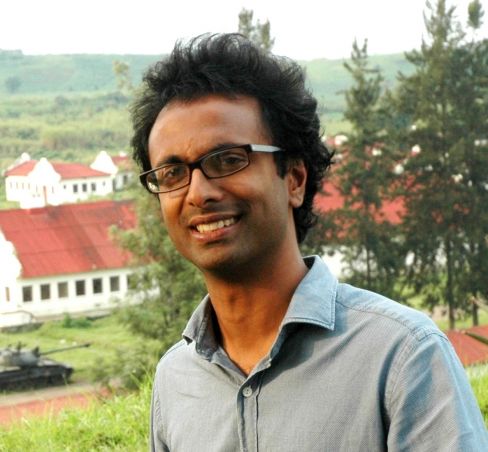
Anjan

Anjan Sundarama has worked as a journalist in Rwanda for years.  He has his story to share: “ The underlying tension that caused the genocide has not been addressed. Kagame’s solution was to say that ethnicity was an invention of the Belgian colonial powers that ruled Rwanda for many decades. And so there’s been a de facto ban on speaking about ethnicity in Rwanda…. but…in private Hutus and Tutsis still speak extremely violently and aggressively about the others’ ethnicity. So I would not say there has been a great deal of true reconciliation in Rwanda”.

Following is his interview with The World Policy Journal.

WORLD POLICY JOURNAL: What did you consider your role or your responsibility to be as a foreign journalist working in Rwanda, and how did the restrictions on the local journalists affect this?

ANJAN SUNDARAM: Local journalists and I worked in very different positions. The local journalists were fighting for their own freedom, and they were taking greater risks than I was because their lives were in danger and their families were in danger. They were hoping that their children could live in a better and freer Rwanda.

My own experience was rather different. I had sympathy for my students, so when my students were in trouble I wanted to help them. Of course I was in less danger than they were, but that also meant that I could take greater risks. So during most of my time in Rwanda I did not publish press articles for fear that I would be thrown out of the country and would not be able to help my colleagues and my students. And that was the biggest trade-off; I had to keep silent for a long time. This book is the result of the information and interviews and experiences I gathered during many years of silence in Rwanda, collecting information patiently trying to help [my journalists] as best as I could.

WPJ: You draw parallels between Rwanda’s current political dynamics and those that existed leading up to the genocide in 1994, particularly in terms of the enforcement of a single state-directed narrative and the silencing of alternative voices. What does this suggest about the degree of change that’s happened in the country since the genocide?

AS: On the surface it looks like there’s been a lot of change and a great deal of progress. There’s a lot of calm in Rwanda, it seems stable, and it’s held up by many foreign donors as the island of stability in a troubled region. But the reality is that the same structures that were in place prior to and during the genocide are still in place today, and they’re being reinforced. And this obviously does not augur well for the Rwandan people.

The level of control is extreme—there is no free press, there are no institutions to speak of. Last week President Kagame announced he would run for a third term, violating previous promises to respect what had been a two-term limit in the constitution. Now he’s saying the country needs him and people have asked him to stay on, like many dictators do. But really Rwanda today is a structurally unstable place and there’s very little likelihood that there’ll be a transfer of power without violence.

WPJ: Kagame played a prominent role at the time of the genocide, and he’s still the main figure in the country now. So how much of the problem is tied directly to him, and how much is just how the system operates?

AS: It’s all tied directly to him, he’s the central power in Rwanda and his power is almost absolute, and even his supporters—those who claim he is somewhat democratic and is doing good for Rwanda—would admit that his power is almost absolute. He’s responsible for all the structures that are in place today in Rwanda. And he is directly responsible for the continuation of the system of control that was used to conduct the genocide. He says he is now using that system, or a similar system, for good, but the risk is always that he might make a bad decision, or leadership in Rwanda might change and that the system in place is incredibly powerful and incredibly catastrophic, as we saw during the genocide in 1994. It’s all very well for Kagame to say he’s a good person and is leading the country with good intentions. The reality is that there are almost no checks and balances, and his government and he are capable of doing a great deal of harm, which goes unreported in Rwanda.

WPJ: Do you think Rwandan society has recovered to any extent from the genocide, to whatever degree that’s even possible, even if the state might not have not changed much at its core?

AS: I think there’s very little sense among Rwandans of the existence of individuals with rights, with possibilities. There’s a small elite in the country who feel the sense of possibility, but for the majority they are under the control of the state and their lives are highly restricted. I think there’s been a natural healing process in the last 20 years coming to terms with what’s happened and understanding why that’s happened, and there is a genuine desire among Rwandans that it does not happen again. I think that’s at the root of the obedience toward the current government—[the people] are worried that were they to oppose the government, or were there to be a rebellion, there would be renewed violence. They’re so traumatized by the experience of extreme violence that they accept a great deal of control and repression from the Rwandan state without fighting back or pushing back. The underlying tension that caused the genocide has not been addressed. Kagame’s solution was to say that ethnicity was an invention of the Belgian colonial powers that ruled Rwanda for many decades. And so there’s been a de facto ban on speaking about ethnicity in Rwanda. That unfortunately has not helped reconcile many of the tensions that led to the genocide, and in private Hutus and Tutsis still speak extremely violently and aggressively about the others’ ethnicity. So I would not say there has been a great deal of true reconciliation in Rwanda.

WPJ: Another issue that you bring up in the book is the role of foreign embassies in supporting the Rwandan government and its repression by providing large sums of aid. What do you think foreign governments should be doing about the current situation in Rwanda, and why are they not doing it?

AS: I think foreign governments are very well aware of the repression in Rwanda, I think there’s a perverse situation right now in which foreign governments are hard pressed to find aid that delivers results worldwide. And Rwanda is one of the few countries where aid plans are actually executed according to plan, largely because of the repressive government. For aid agencies this is a paradise—they come in with their plans and their plans are executed almost as they’ve been drawn up. It’s led to a perverse situation where aid agencies and foreign governments benefit from the repression, so they have no interest in disrupting it. Foreign aid officials are getting promotions and receiving plaudits for excellent management of aid programs, so the repression is actually serving foreign governments’ interests.

The real question is why is the world financing a dictatorship. In the case of an emergency there is no excuse for not intervening. But Rwanda is not in emergency today. The aid that is being provided is for long-term development, and most of it is being channeled through the Rwandan government or for government-supported projects. Foreign donors providing this aid could influence the Rwandan government a great deal but choose not to. Aid that is sent directly to NGOs and independent organizations on the ground would not reinforce the government’s repressive mechanisms in the same way. That already would always be a huge improvement in the way that aid is managed. I think donors or foreign governments have not even begun to assess that they might be doing harm and bolstering the Rwandan government. If there was a way to support the Rwandan people who need support—by alleviating poverty and improving health—without directly going through the Rwandan government, that might be a far more effective and less fraught way of providing foreign aid.

WPJ: The period that the book covers ends in late 2013. Has the state of independent journalism changed at all since that time?

AS: Not at all, there is no free press in the country today. When the Rwandan government held a referendum in the country to decide whether the two-term limit on presidents should be removed, apparently only 10 Rwandans in a country of more than 10 million opposed his run for a third term. This speaks volumes about how little freedom of speech there is in Rwanda, how few people actually dare to speak up. There are good journalists in Rwanda who know how journalism should be practiced, but unfortunately they’re all too scared. They’ve seen too many of their colleagues murdered, imprisoned, tortured, or having to flee the country to save their lives.

The Rwandan government does not understand the benefits that free press would provide to the country’s development. It doesn’t understand how free press needs certain protection and that a free press would criticize the government, and that this is a good thing. It also makes the argument that free press—particularly radio broadcasts—contributed to the genocide in 1994. This is a false argument because while the genocide was happening, any media that spoke up against the killing was shut down. There was only a single voice in the country, much as there is now. During the genocide, that single voice was advocating genocide, and people who opposed it were killed or imprisoned. There’s a very similar situation in Rwanda today, where the government’s voice is the only voice in the country, and journalists know that were they to oppose that voice, the consequences would be dire.

WPJ: Based on your description of the narrative that’s carefully crafted by President Kagame’s regime, your book represents a disruption to the way that the country is typically portrayed, both in domestic media in Rwanda and in international media. What do you think the response in Rwanda—and particularly the government’s response—will  be?

AS: Historically the government has allowed English press to exist in Rwanda, even that which is critical of the government, because English is only spoken by a tiny minority of elite with very little incentive to disrupt the current power structure. I know that my book is being read in Rwanda because I am receiving emails from people who have somehow obtained copies. Because of Kagame’s announcement last week that he will stand for a third term, this is a particularly sensitive time in Rwanda, and the book is disruptive in that sense.

I thought there was almost an obligation to write about what I experienced, even if it’s merely to put on the record what happened. Most of the repression is forgotten. Most of the journalists who have been killed or exiled are simply forgotten. There are many great people who stood up to the Rwandan government, who saw the increasing repression, and knew that this was not the direction in which the country should be heading, particularly in a country with a history of genocide. They knew that the risk was great and they were brave enough to stand up to the government, and they suffered for it. And now they’re mostly forgotten. I wanted to correct that in some way, and record as much as I could of their stories.

Source: World Policy Journal

Uwapfuye yarihuse: Mu Rwanda abasenga Imana barahohoterwa, abasenga Shitani bagahabwa urubuga!

abiyita_intwarane_za_bikiramariya-300x169

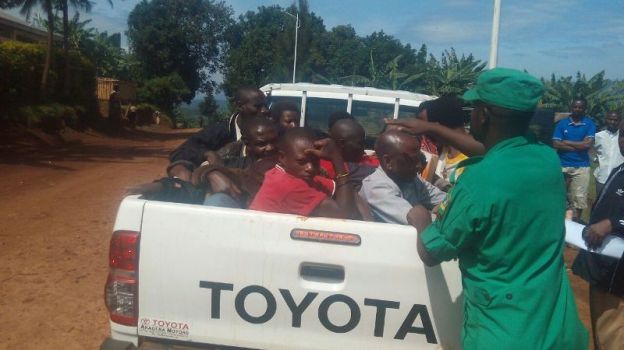
Si ubwa mbere abagize amatsinda y’Intwarane za Mariya bafatwa  na Leta ya Kigali

Mu gihe Leta ya FPR yemerera amadini ya Shitani gukorera ku mugaragaro irafunga, ikica rubozo Intwarane za Yezu na Mariya kuko zidasenga uko FPR ibyifuza.

Mu by’ukuri nta kindi intwarane zizira uretse gutobora zigahanura ko igihugu cyifashe nabi kubera ibikorwa bibi by’ubutegetsi bw igitugu! Baraburira Abanyarwanda ko ibyago bikomeye byenda kubagwa hejuru niba ubutegetsi butaretse ibikorwa bikomeza kurenganya rubanda.

Kubera ko amadini asenga Shitani yo yikundira ibikorwa by’umwijima, niyo afite amahirwe yo gushimagizwa n’ingoma ya Kagame.

Hari ikibazo umuntu yakwibaza: nk’abayobozi b’amadini akomeye bavuga ko nta pfunwe baterwa no kwicarana bakaganira n’Abakozi ba Shitani ariko bakihakana Intwarane, umuntu yabashyira mu kihe gice?


Ngaho nawe isomere iyi nkuru y’Igihe.com maze wirebere uko Intwarane 38 ziri kugaraguzwa agati, zigaharabikwa, zikagerekwaho ibyaha bihimbano,zigafatwa ku ngufu ngo zijye kwicirwa rubozo mu bigo bise iby inzerereziI mu gihe Abasenga Shitani bo bafite ababavuganira hejuru iyo mu Rugwiro!

Fr Thomas NAHIMANA gives lecture on Nonviolent Conflict Resolution

thomassss“Lessons in Nonviolent Conflict Resolution” lecture and discussion to be held at Southwestern 
Coos Bay, OR – Southwestern Oregon Community College is pleased to host “Lessons in Nonviolent Conflict Resolution”, a lecture and discussion being given by Thomas Nahimana, a Rwandan, Catholic priest. The lecture, with a question and answer period to follow, will be held on March 16, 2016 beginning at 7 pm in the Hales Center for the Performing Arts on the Coos campus of Southwestern, 1988 Newmark Ave., Coos Bay. The program is free and open to all in the community.

Thomas Nahimana believes that peaceful conflict resolution and true reconciliation are primarily based on Gandhi and Tolstoi’s principles of nonviolence philosophy (ahisma/satyagraha). These principles are very useful in resolving conflicts at all levels: inter-personal, family, school, community, national and international levels. Moreover, these nonviolence principals can be used not only as a philosophy but also as a strategy and a eans to achieve political and social change.

Participants will learn about “Our Three Attitudes” towards conflict and violence in order to avoid and better meet the challenges of the “spiral of violence”.

Thomas Nahimana is a Rwandan, Catholic priest born in 1971. He grew up in Rwanda and experienced very hard moments of civil war and genocide (1990-1994). He then devoted his life toward peaceful conflict resolution and reconciliation. He launched and monitored the training of 2500 Peace Artisans and Reconciliation Mediators in the Cyangugu Catholic Diocese.

Mr. Nahimana studied in Rwanda and France. He holds degrees in Theology (Bachelors), Law (Masters) and he is finishing his dissertation for a PhD of Philosophy. He holds a diploma as a Nonviolence Trainer delivered by the International Fellowship of Reconciliation (IFOR).

Since December 2005, Thomas has been living in exile in Normandy France where he mainly works in family conflict resolution. In 2013, he and his friends launched a political party, the ISHEMA Party, with nonviolence as a strategy to achieve democratic change in Rwanda. Currently, the ISHEMA Party leads the “New Generation Leadership Movement”. In 2015, Thomas Nahimana was nominated as a presidential candidate by the congress of his party and will soon return to Rwanda in order to register his party and challenge the dictator Paul Kagame in the 2017 presidential elections.


Dushyigikiye DR KIZZA BESIGYE, INTWARI izahora iratwa n’ urubyiruko rw’Abaharanira Demokarasi muri Afurika.

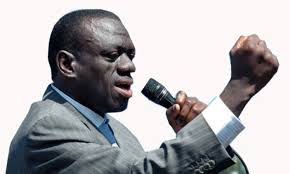
Besigye

Dr KIIZA BESIGYE, Umukandida wa FDC

Twakomeje gukurikiranira hafi akarasisi karanze amatora aherutse kuba mu gihugu cy’abaturanyi cya UGANDA, hari taliki ya 18/2/2016.Twashimye by’umwihariko ibiganiro-mpaka bibiri byahuje abakandida bahataniraga umwanya wa Perezida wa Repubulika : Icyambere cyabaye taliki ya 15/1/2016, icyakabiri kiba ku itariki ya 13/2/2016. Twaribwiraga tuti wabona igihugu cya Uganda giciye agahigo kikaba intangarugero muri demokarasi, abaturage bagasubizwa uburenganzira bwabo bwo kwihitiramo abayobozi bashatse binyuze mu matora adafifitse. Twarishukaga ngo wabona Perezida KAGUTA Museveni umaze imyaka 30 yose ku butegetsi noneho yibutse rya jambo rikomeye yavuze mu mwaka w’1986 ngo » Icyorezo gikomeye kizahaje Afurika si abaturage b’ibihugu ahubwo ni abaperezida bihambira ku butegetsi mu buryo buteye isoni « . Twari twaheranywe n’inzozi twihenda ngo n’ubwo Museveni yahindaguye itegekonshinshinga rya Uganda kenshi kugirango arambe ku butegetsi, ubu noneho nk’umukambwe wabonye ibipfa n’ibikira yashyira mu gaciro akereka abanya Uganda n’isi yose ko inyota y’ubutegetsi nayo igira iherezo.

Twarihendaga.

Nk’uko bigaragarira buri wese, Museveni yiyatse amahirwe yo gusezera ku butegetsi mu nzira yari kuzamuhesha icyubahiro mu minsi itari myinshi asigaje kuri iyi si, none ahisemo kwiyandikisha bidasubirwaho ku rutonde rw’abakuru b’ibihugu badashobotse, barangwa n’ikinyoma gusa, bubakira byose ku kwikunda, igitugu n’iterabwoba, badashishikajwe n’inyungu rusange, batunzwe no gusahura ibya rubanda, bahonyora uburenganzira shingiro bw’abenegihugu, mbese bene babandi bazahora bibukirwa ku mahano y’urukozasoni yaranze ubutegetsi bwabo.

Mu gutekinika amatora yo mu 2016 , mu kogera uburimiro ku mukandida DR KIIZA BESIGYE no guhohotera abo muri Opozisiyo , abarasa, abakubita, abafungira ubusa… Museveni yeretse urubyiruko rwa Uganda ndetse n’urw’Akarere kose k’Ibiyaga bigari ko nta cyizere na gito bakwiye kongera kugirira aba bayobozi bafashe ubutegetsi bamaze kugarika ingogo ! Ahubwo Museveni abaye nk’uhagamariye urubyiruko rukunda Dr KIIZA BESIGYE kurushaho kwisuganya no guhagurukana umuriri bagahangana bagashyirwa bahangamuye ubutegetsi BWIBA AMAJWI izuba riva, bugasuzugura ibyifuzo nyakuri by’abenegihugu.

M7VSDRBESIGYE

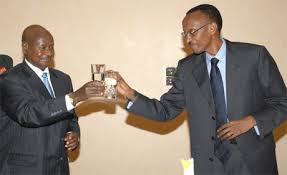
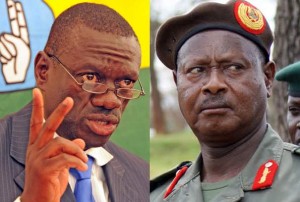
Dr Besigye (ibumoso) na Kaguta Museveni

Muri make, ibidakorwa Perezida Museveni ariho akora i Bugande muri iki gihe, bimutesheje agaciro bidasubirwaho ndetse birasa n’ibitangije ibihe bidasanzwe bya Revolisiyo ya rubanda itazabura guhitana umukambwe Kaguta Museveni ndetse n’abandi banyagitugu nka we bo mu Karere.

Nanone kandi byumvikane ko ibiri kubera mu gihugu cya Uganda bifite igisobanuro n’amasomo menshi arenga kure imbibi z’icyo gihugu . Umuryango mpuzamahanga wo warangije kurunguruka umunyagitugu Museveni no kumukura ho amaboko. Ariko igiteye inkeke kurushaho ni uko Urubyiruko rw’ibihugu bigize Akarere ka Afurika y’Uburasirazuba (EAC) rwarangije kumva neza ko ari ngombwa kwitabaza INTWARO kugira ngo bariya bategetsi bigize INDAKOREKA n’IBIGIRWAMANA bashobore kwigizwayo no gushyirwa mu mwanya bakwiye .

Umwanzuro

KAGAME NA SEWABO

Kaguta Museveni na Kagame Pahulo (iburyo)

Nkatwe twiyemeje guharanira gufasha Abanyarwanda kugera ku mpinduka nziza bakeneye dushyize imbere inzira y’amahoro , turareba tugasanga ibiriho kubera i Bugande bigenura urudutegereje! Niba mu mpera z’umwaka wa 2015, Perezida Pahulo Kagame yarariye isoni akagerageza guhindura Itegekonshinga ( n ‘ubwo byakozwe uko atabishakaga!)kugirango azagwe ku butegetsi, nta cyemeza ko mu matora ya 2017 azibuza kugenza nka Sewabo KAGUTA Museveni ndetse no gukora ibirenzeho kugirango akunde anige ijwi rya rubanda itakimukeneye, bityo akomeze ategeke abatamushaka.Niyo mpamvu rero abifuza kwitangira impinduka nzima mu Rwanda dukwiye gukomeza urugendo nta mususu ariko tukanakura isomo ku biri kubera i Bugande maze tukarushaho kunoza intego n’ingendo kugira ngo tutazatungurwa! Ndongera guhamagarira cyane cyane urubyiruko rw’u Rwanda, ari abari mu gihugu no hanze yacyo, kwitabira  » « RASSEMBLEMENT ANTI-TROISIEME MANDAT » kugira ngo duhamye « Stratégies » zikwiye guhangamura ingoma y’igitugu y’Agatsiko kiyemeje kuduhindura Indorerezi n’Abagereerwa mu gihugu cyacu.


Turashima UBUTWARI bwa Dr BESIGYE n’urubyiruko rwa Uganda rumushyigikiye kandi tukaba tubifuriza ko bakomeza umutsi bagaharanira uburenganzira bwabo batitaye ku bikangisho bya Perezida Museveni kandi ntibakangwa ubugome bwose bashobora kagirirwa. Abafaransa babivuze ukuri ngo : « A vaincre sans péril on triomphe sans gloire ». Tubahanze amaso kandi turabashyigikiye.

Padiri Thomas Nahimana,
Umukandida w’Ishyaka ISHEMA na Nouvelle Génération mu matora ya Perezida wa Repubulika yo mu mwaka wa 2017.

Uganda elections: Like Kagame in Rwanda, Museveni sets a poor example for African democracy and governance.

m7

President Yoweri Museveni displays his inked finger after casting his vote during presidential elections on 18 February. Photograph: James Akena/Reuters

Yoweri Museveni has had a good run. Having seized power in Uganda in 1986, he has held the presidency ever since. As guerrilla leader turned politician-statesman, Museveni fitted the late 20th-century leadership profile that predominated in post-colonial Africa. Where once the heinous dictatorship of Idi Amin held sway, the Museveni era brought a democratic reformation. Where once chaos reigned, his strong grip on the fledgling state brought stability and, for many Ugandans, a degree of economic security and gradual social progress.

It is a pity Museveni is jeopardising all that now. By grabbing at a fifth consecutive term at the age of 71, while security forces simultaneously oppress his rivals, beat their supporters and disrupt voting, he risks tarnishing a legacy of achievement that, though modest, might have ensured him a respected place in Uganda’s history. He just cannot let go of power, it seems. He may thus come to be remembered for less creditable reasons.

The disconnect between Uganda’s past and present is obvious. The average age of the country’s 38 million people is 15. Most Ugandans were not even born when Museveni took office. The priorities of this electorate include jobs, education, free speech and open debate, an end to corruption and engagement with the world. They barely know the old man in the State House. His outlook and prejudices, including his notorious anti-gay record, belong to another age. These new citizens take the stability he established for granted, while increasingly balking at the means used to maintain it.

Kizza Besigye, who apparently came second to Museveni in last week’s presidential election, was briefly arrested shortly before the vote. He has already promised a campaign of “defiance” if, as seems certain, he deems the polls not free and fair. Opposition rallies have been disrupted, social media shut down and independent news organisations intimidated and harassed. There appear to have been serious irregularities in the opposition strongholds of Kampala and Wakiso, where voting was delayed or did not proceed at all. On Friday, police raided Besigye’s party headquarters, detaining him again for specious reasons.

Uganda has been here before. Protests after the previous presidential election in 2011 produced a violent security crackdown. Given the apparent margin of the president’s victory, stemming from his traditional, strong support in rural areas where 80% of Ugandans live, and given the extensive state security apparatus – 150,000 military, police and auxiliaries were deployed during the polls – it seems unlikely at this stage that Uganda will suffer the sort of lethal meltdown witnessed in nearby Burundi after elections last year. Besigye and the other leading opposition candidate, Amama Mbabazi, a former prime minister sacked by Museveni, will certainly strive to avoid the sort of extreme divisions seen in South Sudan.

But if the situation deteriorates, and given Museveni’s high-handedness, it is possible that Uganda will face the sort of long-running, damaging post-election instability seen in neighbouring Kenya in 2007 and 2013. Addressing a rally in eastern Uganda last month, Besigye indicated his Forum for Democratic Change party would continue to challenge what he characterised as a complacent, corrupt presidency for life. Besigye lampooned Museveni’s famous slogan celebrating Uganda’s steady progress. “I have not met someone as cynical as Museveni,” he said. “This massive poverty all over the country, he calls it ‘steady progress’. When you go to a hospital and there are no drugs, ‘steady progress’. All the roads are bad, ‘steady progress’.” As Kenyans might testify, making a mockery of a humourless hardman such as Museveni, a latter-day Daniel arap Moi, is a dangerous game.

Museveni’s clinging to power would not matter so much if he were offering a fresh programme mapping Uganda’s road ahead. Instead, he offers more of the same. By dismissing Mbabazi, a respected party technocrat once seen as his heir, he squandered the chance of an orderly transition within the ruling National Resistance Movement. By failing to quash suspicions that he may promote his wife, Janet, or son, Muhoozi Kainerugaba, as successor, he risks accusations of dynasty politics like the Mugabes in Zimbabwe (or the Bushes and Clintons). Like another eternal president, Paul Kagame in next-door Rwanda, Museveni sets a poor example for African democracy and governance. By obstructing Uganda’s changing needs and aspirations with his grimly immovable presence, he does the nation a disservice.

Source: http://www.theguardian.com/commentisfree/2016/feb/21/observer-view-presidential-elections-uganda-museveni