Category Archives: Genocide

12 Mata 1994

Tariki ya 12 Mata 1994 i Mushubati hatangiye ubusahuzi mu ngo z’abatutsi bari bahunze berekeza Rubengera kuri Commune Mabanza nyuma bagakomeza bajya ku Kibuye. Umu gendarme wari uyoboye ikipe yari kuri paroisse yohereje babiri muri bo ngo banyure mu ngo zari zituranye na paroisse zari zasizwe na ba nyirazo. Icyari kigamijwe ni ukubuza gusenya no gusahura. Hari icyizere ko ibintu bisubira mu buryo abantu bakazagaruka mu ngo zabo. Hari aho byageze aba gendarmes barasa amasasu babuza ubusahuzi. Kubera ibi, umu sergent wari uyoboye aba gendarmes yiswe ko ari icyitso, ko “n’ubundi umwitegereje uhita ubona ko ari umututsi”.

Ubu busahuzi bwibasiye urugo rwo kwa Petero Gashumba, kwa Gatari Epimaque, Rwakana Ananiya, Munyeshuri, bari abarimu. Aba bose n’imiryango yabo bari bahunze. By’umwihariko kwa Gashumba no kwa Rwakana bari bafite abahungu mu Nkotanyi. Bari abasore bakuranye bakura ari abahereza ba Missa. Bageze mu mwaka wa munani, ntibatsinze ikizamini cya leta ababyeyi babo babashyira mu mashuri yigenga bayavamo basanga Inkotanyi.

Hari imiryango imwe y’abatutsi yari yigabanyijemo abahunga n’abihisha mu baturanyi babo b’abahutu. Ku ivuriro (dispensaire ) ya Mushubati hari abatutsi bahihishe babarirwaga nko muri 20. Umwe mu baforomokazi Mukankwiro Véronique w’umututsikazi (Imana imuhe iruhuko ridashira) yari ku izamu ariko kubera ibihe bikomeye izamu ryarakomeje akomeza kwita ku barwayi.
Véronique ndamuzi cyane. Umututsikazi w’umushambokazi. Njye nkomoka mu muryango w’Abashambo b’abanyiginya ariko baje guhinduka abahutu. Uhereye kuri jyewe ugasubira inyuma mu bisekuru iyo ugeze ku cya 10 ugera mu batutsi. Tuzabigarukaho.

Uretse kuba duhuriye ku bushambo, Véronique yari afite umwana w’umuhungu, Karenzi Théoneste data yabyaye muri batisimu. Uyu yaje kurokoka, ubu ariho. Imiryango yacu yarasuranaga ndetse twumvaga wenda bazaza kwihisha iwacu. Abana bamwe ba Véronique, bari kumwe nawe ku izamu, abandi bihishe ahatandukanye.

Ku mugoroba wa tariki 12 Mata 1994, havuze induru nyinshi cyane hanze. Ngo bari babonye umugabo w’umututsi witwaga Tadeyo w’i Rarankuba . Bivugwa ko ngo ashobora kuba yari afite imbunda. Iyo nduru ivuze twasohotse mu nzu duhagarara ku irembo. Induru yaturukaga hakurya muri Cellule Kunini. Hashize akanya twasubiye mu nzu tugiye kumva amakuru y’ikinyarwanda ya saa moya z’umugoroba kuri Radio Rwanda. Hari umusore w’umuturanyi.

Tumaze kumva amakuru naramuherekeje kugira ngo nkinge urugi rwo ku irembo. Tugeze hanze twabonye umuntu wububa ashaka kwinjira mu rugo, turamubaza tuti: “uri nde?”
Biracyaza…

11 Mata 1994

Tariki ya 11 Mata 1994 i Mushubati hiriwe havugwa uburyo abatutsi bari mu Kigarama bahahunze mu ijoro ry’iya 10 rishyira iya 11. Bivugwa ko ku gicamunsi cy’itariki ya 10 Mata insoresore ziganjemo abahoze mu gisirikare bayobowe n’umugabo utazwi wiyitaga Lieutenant, zagabye igitero ku gasozi ka Kigarama ahari abatutsi. Icyo gitero cyagerageje kwegera abatutsi ariko kirananirwa kubera ko birwanyeho. Bari bararunze amabuye menshi cyane ku gasozi inshuro zose igitero cyagerageje kuzamuka, cyashubijwe inyuma birangira nta muntu uhaguye. Bwakeye mu gitondo ba batutsi bikubuye bagiye ariko batasubiye iwabo mu ngo zabo. Ni yo mpamvu abatutsi benshi bavukaga i Mushubati batahiciwe, bari bahunze berekeza ku Kibuye na za Bisesero. Scénario nk’iyi yaje kugaragara ku gasozi kari hakurya ya Bumba. Haje kwitwa Nyamagumba byibutsa Nyamagumba ya Ruhengeri. Tuzabigarukaho.

Kuri iyi tariki kandi nibwo i Mushubati hageze ikipe y’aba gendarmes bane bayobowe n’umu sergent, harimo n’umu caporal n’aba soldats babiri. Bacumbitse Kuri paroisse #Mushubati. Icyatumye baza cyakunze kugirwa ibanga rikomeye cyane cyane hagamijwe kurinda ubusugire n’izina bya Kiliziya Gatolika.
Muti gute ?

Nababwiye ibya Padiri mukuru Clément Kanyabusozo n’uwari umwungirije Robert Matajyabo, bombi bari abatutsi bakaba bariciwe ku Nyundo indege ya Habyarimana imaze guhanurwa. Umudiyakoni wahabaga yabonye imbunda 35 muri plafond ya magasin. Ubusanzwe Robert Matajyabo niwe wari ushinzwe guhaha ukurikije inshingano abapadiri bari bafite, ariko Clément yari yarabimukuyeho avuga ko ajya anywa akayoga kenshi, ko bityo izo nshingano atazivamo. Clément rero niwe wari ufite imfunguzo z’icyo cyumba cyari kibitsemo ibyo kurya. Hashize iminsi Diyakoni yafashe icyemezo cyo kwica urugi kugira ngo ahe abakozi ibyo bateka, muri plafond haza kubonekamo izo mbunda. Izi mbunda zari ubwoko bubiri :23 zari AK47 cyangwa Kalachnikov na 12 za R4.
Diyakoni yabimenyesheje ubuyobozi maze hafatwa icyemezo cyo kohereza aba gendarmes bo kuzitwara ariko hasigara bane barinze aho hantu bafite n’itumanaho.

Byari kuba igisebo gikomeye kuvuga ko Kiliziya yacu yari ibitsemo imbunda.
Uretse patrouille ya police communale yajyaga inyuzamo ikahanyura, hari haherutse kuza igifaru cy’Abafaransa tariki ya 10 Mata gitwara ababikira babaga i Mushubati kibajyana ku Kibuye.

Tugarutse kuri izi mbunda, ukurikije uko byari biteye, biragoye kuvuga ko Clément yari kubika imbunda za Guverinoma. Ahubwo hari ibimenyetso byinshi byerekanaga ko Paroisse yari indiri ya mobilisation ya FPR Inkotanyi.
Aha i Mushubati ni ho Padiri Ruberizesa Innocent, Imana imuhe iruhuko ridashira yari yarandikiye igitabo kizwi ” Nanze kubaho ntariho: Umuti w’agahinda”. Cyakanguriraga abatutsi kwanga kubaho nabi kabone n’aho byaba ngombwa gutanga ibitambo. Padiri Ruberizesa yiciwe muri Paroisse ya Birambo.

Aho i Mushubati abasore babiri baturanye na Kiliziya bari barataye ishuri bajya mu Nkotanyi mu gihe nyamara twe twabonaga ntacyo babaye, ababyeyi babo bari abarimu. Bari inshuti za Padiri Clément Kanyabusozo.
Buri mugoroba abatutsi baturanye na Paroisse bazaga kwa Padiri ngo baje kureba Télévision, bamwe muri bo bemeje ko bajyaga kwiga gukoresha imbunda, ndetse bari bariyise amazina (amapeti ya gisirikare) tukagira ngo ni ukwihangishaho bya gisore. Uwitwaga Egide akiyita Ajida (adjudant) , abandi bakiyita ba Caporal. Mu gihe twakinaga umupira, ukumva umwe arabwira mugenzi we uwugezeho ngo “Murase Kapora” ntitumenye ibyo ari byo.

Izi mbunda zatumye Mushubati ifatwa nk’ahantu stratégique FPR yashoboraga kuza yihutira. Mu nzu ya Paroisse yegereye ivuriro rya Mushubati yabonetse ama stock y’imiceri myinshi Cyane nk’aho hitegurwaga icyiiza. Mu miryango yari ihishe abatutsi bo babazaga niba Padiri Clément ataraza !
Bamaze kumenya ko Clément yishwe nibwo bafashe icyemezo cyo kuva #Mushubati.
Biracyaza…

10 Mata 1994

Tariki ya 10 Mata 1994 wabonaga hari impinduka. Ishyirwaho rya Guverinoma y’Abatabazi ryatumye twumva ko wenda igihugu kigize ubuyobozi ko nta waza kuduhohotera. Ntabwo twongeye kurara mu gasozi.

Kuri uwo munsi nibwo hishwe umututsi wa mbere muri cellule ya Gafumba, yitwaga Andereya bakundaga kwita Kinyuka. Imana imuhe iruhuko ridashira. Twumvise ko abantu bagiye kumwambura inka ye aranga baramwica nayo barayitwara barayirya.

Nk’uko nabyanditse muri poste iheruka, abatutsi benshi ba cellule Kunini bari bahuye n’abandi baturutse hirya no hino muri secteur Mushubati bihindira ku gasozi ka Kigarama, hari cellule Nyakabande. Bari bafite ubwoba bwinshi ariko barundanyije amabuye menshi aho bari bari.

Hari urugo rw’umututsi rumwe muri Mushubati abarutuye batigeze bava iwabo ngo basange abandi. Ni kwa Muhindi Visenti wari juge mu rukiko rwa Kanto ya Rubengera. Imana imuhe iruhuko ridashira. Uyu mugabo yari yararongoye Masenge witwaga Tereza. Tereza yitabye Imana asiga abana batatu abahungu babiri, n’umukobwa umwe. Masenge yari yarapfuye kera bituma Muhindi ashaka undi mugore. Uyu we ariko yari umututsikazi. Yaje gushaka azanye abana babiri umuhungu n’umukobwa twari mu kigero kimwe. By’umwihariko uyu mugore yari yariganye na Mama muri Tronc commun. 94 bombi bari abarimukazi i Mushubati, bari inshuti kandi imiryango yacu yarasuranaga.
Mu gihe abandi batutsi bagiraga ubwoba bakihindira mu Kigarama, Muhindi we yashatse abasore b’abahutu bo kumurinda akazabahemba.

Tugarutse i Gafumba, uretse Andereya wari umaze kwicwa, n’abari bagiye mu Kigarama, abandi batutsi bari bihishe mu baturanyi babo b’abahutu.
Kugeza uwo munsi nta mututsi wari yaza kwihisha iwacu.
Dukomeze twibuke.
Biracyaza…

09 Mata 1994

Tariki ya 09 Mata 1994 i Mushubati abantu bose bari bahiye ubwoba. Bamwe ndetse bari bafashe gahunda yo guhunga. Aho twari dutuye twari twaraye ku gasozi ngo abatutsi bataza kutwica nk’uko inkuru zari zakwiriye ko hari gahunda yo kwica abahutu ngo bakabakurikiza Habyarimana. Uwo munsi hadutse umugabo wambaye gisirikare. Yiyitaga Lieutenant. Yamaze i Mushubati iminsi mike cyane. Kugeza n’uyu munsi nta muntu wigeze amenya uwo mugabo. Yavugaga ko aturutse mu Rutsiro. Cellule twari dutuyemo nta mututsi wari yakwicwa.

Twongeye kurara ku gasozi ka Kamagondo burinda bucya. Iryo joro nta modoka ya polisi yahageze. Hakurya muri cellule ya Kunini, abantu batazwi bitwikiriye ijoro bagaba igitero mu ngo z’abatutsi.

Ingo zagabwemo ibitero ni kwa Gérant wa banque populaire Léonard Ruzigandekwe, kwa Mwarimu Munyandege, kwa Mwarimu Gatari, mwarimu Rwakana, mwarimu Gashumba na Mwarimu Munyeshuri. Kuba ibitero byaragabwe ku batutsi bifashije byatumye hatekerezwa ko ikigamijwe ari ugusahura dore ko ubukene bwari bwinshi mu batari bakeya.

Bivugwa ko aho bageze hose bahasanze amayoga n’ibiryo byinshi ku ma plateaux. Cyakora basanze nta n’umwe uri mu rugo rwe. Mu by’ukuri uko twararaga hanze ngo hatagira uza kutwica, abatutsi nabo bari bahuriye ku gasozi ka Kigarama aba ariho barara. Kuri aka gasozi barahagumye bakajya bagaruka mu ngo gutwara ibyo kurya ariko ntibongera gutatana.

Paruwasi ya Mushubati yayoborwaga na Padiri Clément Kanyabusozo yungirijwe na Padiri Robert Matajyabo bose b’abatutsi. Mu gihe indege yahanurwaga bombi bari mu nama ku Nyundo. Ntitwongeye kubabona ukundi, ntibagarutse. Amakuru yaje kutugeraho ko Clément yaba yarishwe n’abahutu bari bariye karungu hariya mu mirima y’icyayi hafi ya Pfunda arimo agerageza kugaruka i Mushubati.
Paruwasi yasigaye iyobowe n’umudiyakoni wari mu biruhuko yitegura kuba Padiri.
Biracyaza…

08 Mata 1994

Tariki ya 08 Mata 1994 aho twari dutuye hirirwe umutuzo uvanze n’ubwoba no kwibaza byinshi. Nta mututsi wari yakwicwa.

Nk’uko nabyanditse muri poste yindi, abatutsi ba mbere bishwe mu ijoro ry’itariki ya 08 ishyira iya 09 Mata.
Uwo munsi (08/04/1994) hakwiye inkuru ivuga ko Abatutsi baza kwica Abahutu. Ku gasozi kacu twese twavuye mu ngo tujya kurara ku gasozi ka Kamagondo. Abatutsi twari duturanye bo ntibaje aho twaraye.

Uyu mwuka wari wakwiriye wari waturutse ku magambo yari yavugiwe mu kabari , aho umugore w’umututsikazi (Imana imwakire) yari ngo yabwiye abahutu ko akabo kashobotse.
Bigeze mu masaha ya saa munani z’ijoro imodoka ya police communale yaje kuhanyura baraduhumuriza ariko twasubiye mu ngo bukeye. Ni nabo batubwiye ko umuryango wa Murari wishwe n’abantu batazwi.

#Mushubati #Mabanza #Kibuye

Indege igihanurwa Inkotanyi zanyiciye umuryango, abatutsi bari bataricwa.

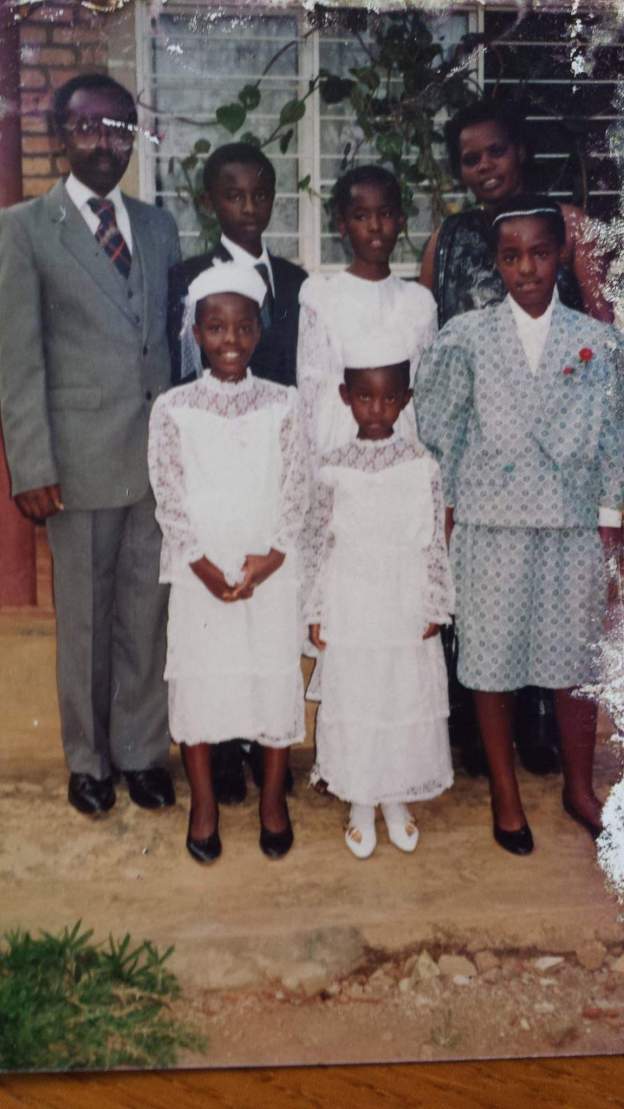
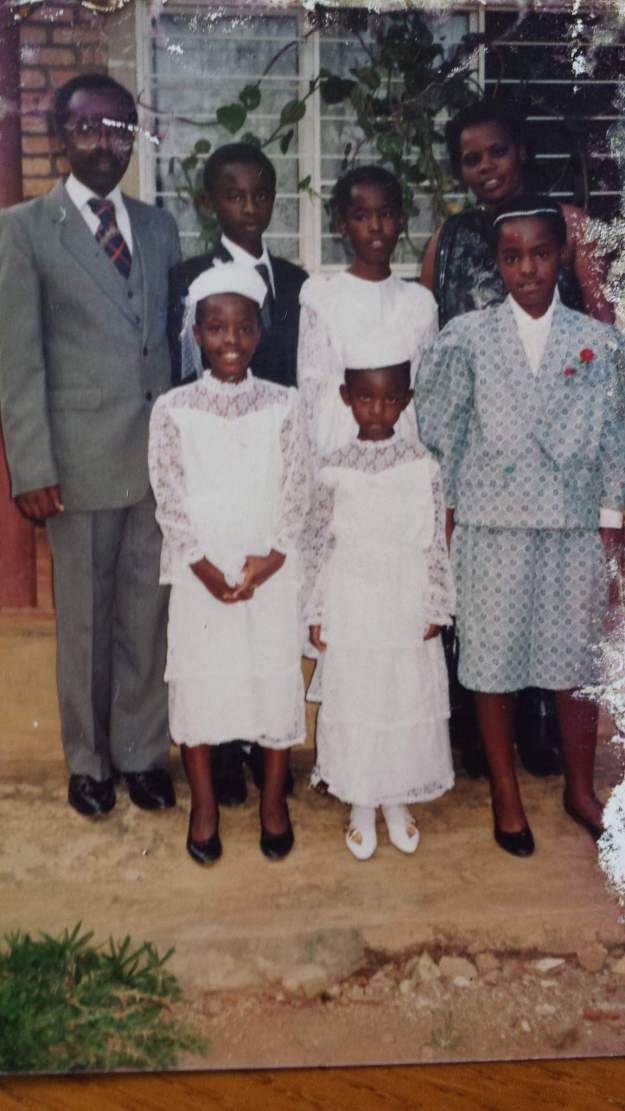
    Mu ijoro ryo ku ya 7 rishyira iya 8 Mata 1994 niho abasirikare ba FPR Inkotanyi bari bavuye ku Kimihurura muri CND binjiye mu nzu iwacu bica urwagashinyaguro abo bahasanze bose. Umuto muri bo, Isabelle, yari agiye kuzuza imyaka 6 (umugufi imbere ku ifoto).

FB_IMG_1554741255296.jpg
Iryo joro n’ayakurikiyeho, inkotanyi zishe imiryango myinshi y’abahutu bitwaga ko “bize” (iyo zashoboye gufata) mu gace kose ka RUKIRI. Icyo gihe ubwicanyi bw’abatutsi ntibwari bwagatangiye.

Inkotanyi zatangiye kwica abantu i Remera nyuma y’amasaaha makeya indege iguye. Ubwo bwicanyi hamwe n’ihanurwa ry’indege ni byo byakongeje ikiswe génocide yakorewe abatutsi mu gihugu cyose.

Imirambo y’abacu, yabanje gukusanyirizwa mu byobo rusange hanyuma mu myaka yakurikiyeho yaje kuhavanwa ijyanwa mu nzibutso aho yavanzwe n’iy’abatutsi ubu nayo yitwa iy “Abatutsi bazize génocide”.

Jye nibaza niba Kagame ajya yibuka ko muri bariya avuga ko ariho yunamira harimo n’abo we ubwe n’ingabo ze biyiciye. Ese iyo abyibutse cyangwa abitekereje yumva ameze ate?
Imyaka 25 irashize abacu bagiye ntuzabibagirwa.
Tuzahora tubibuka.
We miss you so much!

Kasinge

Nadine Claire KASINGE

07 Mata 1994

Reka nunamire abatutsi bishwe mu mwaka wa 1994.

Tariki nk’iyi aho twari dutuye nta bwicanyi bwahabaye. Tariki ya 08/04/1994 mu ijoro nibwo hishwe umuryango wa Murari muri cellule Kunini, abapolisi ba Komine Mabanza bakoraga patrouille banyuze iwacu batubwira ko uwo muryango wishwe n’abantu ngo bari barakajwe n’amagambo umugore wa Murari yari amaze kuvugira ku kabari mu ga centre kitwaga GBK (Jebeka ).

Ngo uwo mugore yageze mu kabari agurira icupa buri wese wari aho , maze arababwira ngo : “Nimunywe mwuzuze ibyo bifu byanyu, ni byo abahutu mwamenyereye ubundi mugende musahure, ariko mumenye ko akanyu kashobotse “.

Ngo yaratashye baramukurikira bamwicana n’umuryango we. Ntibyari bikwiye. #Kwibuka25

#Mushubati #Mabanza #Kibuye

Rwanda : 6 Avril 1994 – 6 Avril 2019, 25 ans de mensonges.

rwanda-map-large-300-3001

6 avril 1994- 6 avril 2019, 25 ans de mensonges, 25 de silence sur l’assassinat de deux chefs d’Etat africains, 25 ans d’impunité et ça continue,…

Celui qui a tiré le missile SAM 16 et pulvérisé le Falcon 50 du chef de l’Etat rwandais court toujours, couché dans une colline de Kigali et buvant une bière de banane, la spécialité rwandaise en temps de chaleur. Tuer deux chefs d’Etat africains et dormir sous le soleil, l’alcool à l’œil est un plaisir que certains savourent encore 25 ans après les faits.

Le pays reçoit, le 7 avril de chaque année, des invités Européens et africains pour pleurer devant des tas de squelettes dont on ne sait s’ils sont ceux des Rwandais ou des Congolais. Ce spectacle macabre et indigne des traditions africaines expose sans pudeur des morts au lieu de les enterrer dans la dignité.

C’est le cercle d’exposition des ossements humains dont le principal objectif est de perpétrer le mensonge sur la tragédie rwandaise et au passage de dissimuler les noms de ceux qui ont commandité et tué deux chefs d’état africains le 6 avril 1994 au Rwanda.

Demain 7 avril 2019, des discours larmoyants seront de mise. Les mouchoirs sortiront des poches pour les caméras de télévision dans le dessein d’émouvoir, de tromper et de mentir à nouveau. Les assassins des deux chefs d’état seront peut-être de la partie, les lunettes noires dissimulant leur regard fuyant et leurs yeux rougis d’insomnie, la mine sombre, les mains moites, la gorge serrée par cette émotion feinte et ambiguë.

Ils feront semblant d’être tristes, d’être touchés et nul ne saura si ce sont les morts qui pèsent sur leur conscience ou si c’est la honte de leur mise en scène. Les médias raconteront la même histoire, 800 000 morts? 1 million de morts ? Plus d’un million de morts ? Tous du même groupe ethnique?

De toute façon, compter les morts avec précision dans ce pays n’a aucune importance puisque ce qui prime, c’est d’imposer un mensonge officiel. Pour les deux présidents africains, personne ne versera de larme. Ils n’étaient rien, ils n’ont pas existé, leur assassinat n’existe donc pas!

Pourtant les Nations Unies soutiennent que c’est leur assassinat qui a déclenché l’apocalypse au Rwanda … Le mensonge étant devenu la première religion de ce pays, il ne faut pas parler de ce qui a déclenché le fameux “génocide” au risque de diviser les Rwandais qui seraient actuellement très unis derrière les commémorations du mensonge.

La machine à mentir gagne l’Europe après avoir structuré les esprit des jeunes rwandais. Ils veulent désormais formater les petits européens au mensonge sur leurs morts qu’ils n’ont toujours pas réussi à compter.

Dr Charles ONANA

Commemorating the Rwandan Genocide : A Senate Resolution in praise of blood

Commemorating the Rwandan Genocide: A Senate resolution in praise of blood
April 5, 2019

by Ann Garrison

Last week New Jersey Sen. Robert Menendez introduced a Senate Resolution commemorating the 25th anniversary of the 1994 Rwandan Genocide. It “calls on the United States and the international community to cooperate in preventing and responding to genocide and crimes against humanity in nations across the globe.”

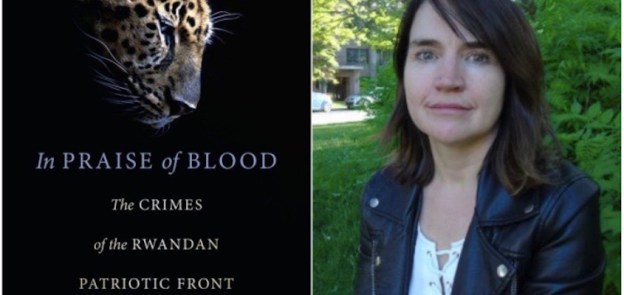
Like the Elie Wiesel Genocide and Atrocities Prevention Act passed in December 2018, the Menendez resolution bolsters the “humanitarian interventionist” argument that U.S. policymakers have deployed to justify bombing, special forces and/or sanctions in Libya, Syria and now Venezuela. It describes the 1994 Rwandan Genocide as the genocide of 800,000 Rwandan Tutsis by Hutu extremists, but Canadian investigative journalist Judi Rever’s “In Praise of Blood: Crimes of the Rwandan Patriotic Front” is just one of the latest books that upends that version of events.

Those previously published books include “Rwanda and the New Scramble for Africa: From Tragedy to Useful Imperial Fiction” by Robin Philpot, “Surviving the Slaughter: The Ordeal of a Rwandan Refugee in Zaire” by Marie Beatrice Umutesi, “Dying to Live: A Rwandan Family’s Five-Year Flight Across the Congo” by Pierre-Claver Ndacyayisenga, “How Paul Kagame Deliberately Sacrificed the Tutsi” by Jean-Marie Ngadimana, “Enduring Lies: Rwanda in the Propaganda System 20 Years On” by Ed Herman and David Peterson, and “The Accidental Genocide,” a compendium of primary-source documents compiled by former ICTR defense attorney Peter Erlinder.

Judi Rever was scheduled to speak about her book at Tarrant County College in Hurst, Texas, on April 1, but some Rwandans in the U.S. protested, calling her a genocide denier. Rwandan war and genocide survivor Claude Gatebuke published a counterargument headlined “Tarrant Community College: Why Author Judi Rever’s Scheduled Presentation Must Go Ahead” in the Black Star News, and the talk went ahead, despite a few protestors wearing t-shirts accusing her of genocide denial.

Kagame’s Rwanda has a longstanding alliance with Netanyahu’s Israel based on their constant equation of the Nazi Holocaust and the Rwandan Genocide, but these two tragedies were in fact not at all similar. The Jews did not invade Germany or any other European nation. They did not seize territory or wage a four-year war. They did not seize state power at the end of a war. The European Jews who perished in the Holocaust were a minority driven to concentration camps and murdered en masse by xenophobic white Christian supremacists.

The Tutsi Rwandan Patriotic Front (RPF) led by Gen. Paul Kagame was in fact a division of the Ugandan Army, and it did invade Rwanda on Oct. 1, 1990. It did wage a four-year war against the Rwandan Army and the civilian population, 85 percent of whom were Hutu. They massacred hundreds of thousands of Rwandan Hutus before seizing power in Kigali on July 4, 1994. So who’s denying genocide?

Hutu and Tutsi genocide

Judi Rever, in “In Praise of Blood: Crimes of the Rwandan Patriotic Front,” did not deny the Tutsi Genocide in which hundreds of thousands of Rwandan Tutsis died between April 6 and July 4, 1994. Nor do any of the other aforementioned authors. They instead add the history and documentation of the Hutu Genocide committed by the Tutsi army before, during and after the Tutsi Genocide in Rwanda.

Rever’s book implicates Gen. Paul Kagame and his Tutsi army in the massacres of both Hutu and Tutsi people. “Kagame did not stop the genocide,” she told the Canadian Broadcasting Corp., “because at the same time that ethnic Tutsis were being killed in Hutu-controlled zones, his Tutsi troops were killing with equal zeal and organization. And in every zone that Kagame’s army entered and controlled, they killed Hutus massively.”

Not only that, Rever writes, Kagame’s army also fueled the genocide against the Tutsi. They infiltrated the Hutu militias very successfully. This is not only well-documented by Rever but is also wholly credible because Hutus and Tutsis are Rwandans who speak the same language, share the same culture, and even marry one another, although the Hutu and Tutsi identity are patrilineal. The sons and daughters of a Tutsi father are Tutsi, the sons and daughters of a Hutu father are Hutu, regardless of their appearance.

According to Rever, the Tutsi infiltrators of Hutu militias baited the violence; they egged it on, and some of their commandos even participated in the slaughter of some Tutsis at roadblocks. Why? Because Kagame and his inner circle knew that the massacre of the Tutsi would later provide an excuse for the dictatorship by the Tutsi minority who would then be able to claim victim status.

That is why the Rwandan government and its supporters encourage the world to believe that the genocide was a Tutsi genocide only and that it occurred in 90 days, between April 6 and July 4, 1994. They would rather no one dwell on the four-year war during which the Tutsi army massacred Hutus, or the ensuing wars in the Democratic Republic of the Congo when Kagame’s army chased and massacred hundreds of thousands of Hutus fleeing across the Congo and caused the death of millions of Congolese as well.

Rever provides documentary evidence from testimony of defectors from Kagame’s Tutsi army, many of whom said that they fueled the genocide against the Tutsis and committed a genocide against the Hutu as well.

In an interview with the CBC, Rever said:

“At least 500,000 Hutus were killed by Kagame’s troops during the genocide and in the months after the genocide. Now, some people have said that figure could be as high as a million.

At least 500,000 Hutus were killed by Kagame’s troops during the genocide and in the months after the genocide. Now, some people have said that figure could be as high as a million.

“The killing in RPF controlled zones was not investigated. And I point out that Human Rights Watch was on the ground after the genocide and didn’t fully investigate the areas that Kagame controlled.

“So, number one, there’s a problem with the human rights organizations that were there.

“Number two, the journalists who were there during the genocide had a very hard time figuring out what was going on at first. And when they did go into RPF zones, they were under RPF escort.

“Number three, we had an incredible campaign of propaganda going on that started with an NGO called African Rights. And they basically primed world opinion and journalistic opinion on what happened during the genocide.

“And this was an organization that, we have learned, was a front organization for the RPF, for Kagame’s political party. This was an organization that received funding from the government, from Kagame’s government, afterwards. And so we’re able to look at how they did research, then how that research from African Rights was absorbed and regurgitated by even Human Rights Watch and by journalists worldwide.”

Western powers, including Canada, the U.K., and the U.S. have sustained that propaganda campaign for 25 years and made it a centerpiece of their “humanitarian” interventionist argument. Now the Senate resolution introduced by New Jersey Sen. Robert Menendez continues what Judi Rever calls their “praise of blood.”

Rever writes: “It seemed that the RPF could now commit crimes out in the open and still receive billions of dollars in aid. And Kagame could continue to receive human rights awards despite these murders, the Spanish indictment and Amnesty’s reports – buoyed by propaganda and protected by powerful friends in the West.

“What were these Western allies supporting? From the point of view of the RPF’s victims, it all seemed to be in praise of blood, an endorsement of mass murder.”

Ann Garrison is an independent journalist based in the San Francisco Bay Area. In 2014, she received the Victoire Ingabire Umuhoza Democracy and Peace Prize for her reporting on conflict in the African Great Lakes region. She can be reached at ann@kpfa.org http://www.therwandan.com/commemorating-the-rwandan-genocide-a-senate-resolution-in-praise-of-blood/


Rwanda : le chemin de vérité, il faut l’emprunter

Nous assistons déjà et assisterons dans les prochains jours à une campagne de propagande macabre et retentissante sur les événements de 1994 au Rwanda. C’est le 25ème anniversaire de la stigmatisation politico-ethnique, du particularisme victimaire et de la discrimination volontaire des victimes dans un pays où Tutsi, Hutu et Twa ont été massacrés de façon atroce et inhumaine. Mais, depuis 25 ans, il n’est question et il n’y a d’attention que pour un seul groupe de victimes et pas pour toutes les victimes. Souvenez-vous au début, tous les médias occidentaux, membres d’ONG et chercheurs nous expliquaient que ce qui s’était produit au Rwanda était un “génocide visant les Tutsi et les Hutu modérés”.

Progressivement, cela a changé. Avez-vous remarqué qu’on ne parle plus des “Hutu modérés”? Que s’est-il donc passé? Pourquoi ont-ils disparu ? N’avaient-ils pas été victimes d’un génocide? Était-ce une erreur initiale de formulation? Même des chercheurs “respectables” les ont rayés d’un trait de plume. Ce n’est pas très humain ni très rigoureux de rétrograder ou d’exclure ainsi du registre des victimes sans préavis ni explication les “Hutu modérés”.

Autre curiosité dans ce dossier à multiples zones d’ombre. Avez-vous jamais entendu parler des Twa? C’est la première minorité au Rwanda. En 1994, ils étaient 1% de la population. Les Nations Unies reconnaissent qu’ils ont été massacrés en masse. N’y a t-il personne pour se préoccuper de leur sort ? Ne sont-ils pas des victimes des crimes contre l’Humanité commis en 1994? Ne sont-ils pas des êtres humains méritant le même traitement que celui réservé à d’autres? Voilà des trous d’air ou des trous noirs qui permettent de douter, sinon du sérieux et de la véracité de l’histoire officielle du “génocide” au Rwanda, du moins des intentions réelles et profondes de ceux qui imposent une version contraire à la réalité.

L’attentat contre deux chefs d’Etat africains le 6 avril 1994 est du même ordre. Il ne compte pas. Il n’existe pas. C’est le principal trou noir et le début de la falsification de l’histoire officielle du “génocide”. Toutes les victimes de cet attentat sont méprisées et ostensiblement ignorées depuis 25 ans. Ceci questionne tout de même ceux qui recherchent de la vérité.

A la différence de beaucoup de chercheurs et de journalistes, je m’intéresse à toutes les victimes de la tragédie rwandaise car je considère qu’elles méritent toutes respect et considération. Ne parler que d’une seule catégorie ou d’un seul groupe est un acte suspect et de discrimination volontaire ou involontaire envers les autres victimes. Parler de la mémoire d’un seul groupe et d’une seule catégorie, c’est instaurer et structurer le rejet et l’exclusion de la mémoire des autres victimes. Après la discrimination des ethnies est-ce désormais la discrimination des mémoires?

J’aimerais d’ailleurs que ceux qui penchent pour un seul groupe et une seule catégorie de victimes aient une petite pensée pour mon ami Déo Mushayidi, victime Tutsi de 1994 en prison actuellement à Kigali pour ses appels à la vérité et à la réconciliation.

La vérité et la réconciliation peinent à progresser au Rwanda tant que l’on refuse de raconter l’histoire des événements de 1994 de façon objective, honnête et impartiale.
Toutes les victimes doivent avoir une sépulture et méritent le recueillement, les Tutsi mais également les Twa et les Hutu. Tous les auteurs de massacres et de crimes contre l’Humanité doivent aussi être identifiés et désignés parmi les Hutu, les Tutsi ou les Twa. Ce n’est pas ce qui se passe depuis 25 ans au Rwanda. Si certains considèrent qu’il y a eu des massacres pour des raisons ethniques dans ce pays, pensent-ils aussi qu’il faut discriminer les victimes pour des raisons ethniques?

En cherchant à satisfaire, à mettre en valeur et à “apaiser” seulement un groupe, pense-t-on qu’on rend service à la paix et à la réconciliation au Rwanda? Quand et comment permettra-t-on l’apaisement des autres groupes et de tous les Rwandais ? Quand comprendra-t-on que l’on est tous égaux devant la souffrance, l’injustice et la mort ? Ma bataille intellectuelle et humaine depuis plus d’une décennie est de faire cesser l’apartheid ou la ségrégation officielle, médiatique et scientifique entre les victimes de la tragédie rwandaise mais aussi entre les bourreaux de celle-ci.

Je conçois parfaitement que cette lecture, apparemment minoritaire et dérangeante, rencontre l’hostilité des esprits réfractaires à la vérité et à la justice pour tous. Je conçois aussi que cette démarche qui ébranle le discours médiatique dominant et quelques certitudes provoque différentes réactions plus ou moins rationnelles.

Elle fait néanmoins son chemin et irrigue malgré tout une partie non encore totalement intoxiquée de l’opinion. Elle finira par s’imposer comme une donnée essentielle et incontournable dans la recherche de la vérité. Il est totalement inutile de vouloir la combattre car les victimes “oubliées” et discriminées du Congo-Zaïre frappent, elles-aussi, vigoureusement à la porte hermétiquement fermée de la vérité.

Il faudra ouvrir cette porte pour expliquer aux Congolais, qui n’ont jamais participé aux massacres de 1994 au Rwanda, l’origine et les raisons de leurs millions de morts et de femmes violées… Dans la vidéo qui suit, j’essaye modestement de contribuer à une relecture objective de l’histoire de la tragédie rwandaise en puisant dans toutes les sources disponibles et en évitant de me réfugier dans le manichéisme, posture apparemment confortable que beaucoup adoptent depuis 25. C’est une démarche très difficile dans un environnement où tous les médias disent la même chose et où le mensonge est tellement répété, construit et distillé, qu’il semble indestructible.

Pour ceux qui ont la mémoire des vérités apparentes, souvenez-vous lorsque le gouvernement des Etats-Unis prétendait avoir des preuves que Saddam Hussein avait les armes de destruction massive, c’était très compliqué voire impossible de dire le contraire sans être attaqué, ridiculisé, marginalisé,… Ce fut encore le cas dans le dossier de crise ivoirienne.

En 2011, lorsque j’ai publié, dans une atmosphère d’hostilité et de conditionnement médiatique des esprits, Côte d’Ivoire le coup d’Etat, il était impossible de faire entendre autre chose que les discours incendiaires sur Laurent Gbagbo et Charles Blé Goudé. Il a fallu 8 ans pour que la Cour Pénale Internationale (CPI), démunie et dépitée, accepte de remettre le chef de l’Etat ivoirien et son ministre en liberté; poussant par ce fait certains à reconsidérer les accusations portées contre l’un et l’autre. La vérité, petit à petit, a pris le dessus malgré la propagande colossale déployée en 2011 et après.

Le dossier du “génocide” de 1994 au Rwanda subira le même sort… Le chemin de la vérité est long mais il est définitivement ouvert et il faudra l’emprunter. C’est une question de temps et ceux qui prendront le temps d’écouter l’émission ci-après ne seront plus des marionnettes de la propagande ambiante sur le “génocide”.

Ils réfléchiront par eux-mêmes pour se faire leur opinion librement. Je ne saurais clore mon propos sans adresser tous mes encouragements à toutes les victimes de la tragédie rwandaise en ce sombre 25ème anniversaire, particulièrement à ma chère Victoire Ingabire (Hutu) et à mon très cher ami Déo Mushayidi (Tutsi) ainsi qu’à tous les Twa que je n’ai pas eu l’occasion de connaître.

Charles ONANA
Politologue