Category Archives: Rwanda

Revealed: Despot Rwanda dictator labelled a ‘visionary’ by Tony Blair falsifies poverty numbers to get more foreign aid and ‘even sent hitmen to Britain to take out rivals’


Priti Patel

Duped: The Department for International Development, overseen by Priti Patel, issued a report boasting of ‘investing’ £64 million aid this year in Rwanda.

president-paul-kagame-7

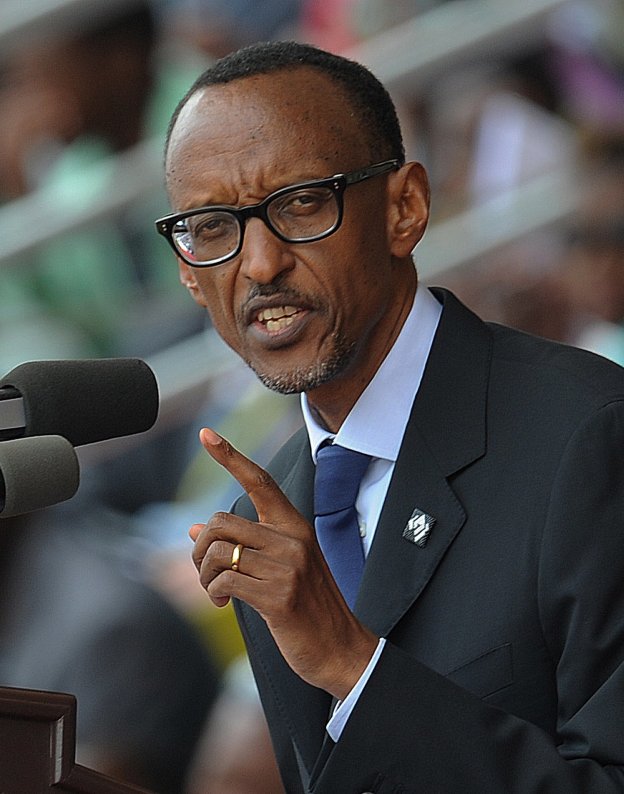
  • Paul Kagame is the President of Rwanda and commanded a rebel force before
  • Britain is the second biggest bilateral donor to Rwanda, giving £64 million a year
  • The Mail on Sunday found that the regime twists records, lying about poverty 
  • Human Rights activist Rene Mugenzi was warned by police that a hit squad from Rwanda had come to the UK to kill him

Emmanuel Gasakure could have enjoyed a comfortable life as a cardiologist in France. But when his native Rwanda was ripped apart by genocide in 1994, he returned to the country.

He helped revive the health service as the nation recovered from terrible trauma and served as President Paul Kagame’s adviser and personal physician for 14 years.

But Gasakure grew disturbed by dark forces wrecking his lifetime’s work. So he confronted the country’s health minister, a friend of Kagame’s wife, over missing funds, stray medical supplies and a mismanaged human resources project. Days later, this patriotic physician was arrested, tortured and then shot dead – by a police officer, reportedly in self-defence, inside a Kigali police station. One more dissident wiped out by a despotic regime. ‘He was executed because he was denouncing corruption in the health sector,’ said a friend. ‘Kagame is a killer.’

Few would now dispute this claim, given Kagame’s lethal interventions in neighbouring nations and the constant stream of critics who have died or disappeared after falling out with his regime.

His foes are not even safe abroad: one was strangled in South Africa, others have been eliminated in East Africa, while British and US authorities have issued warnings over Rwandan death squads.

Yet this bloodstained dictator at the helm of a ruthless one-party state is hailed a hero by Western leaders lavishing torrents of foreign aid on his tiny nation as he prepares for his latest electoral coronation next month.

Tony Blair says Kagame is a ‘visionary’. Bill Clinton called him one of the ‘greatest leaders of our time’. David Cameron proclaimed Rwanda ‘a success story’ that offers ‘a role model for development’.

The United Nations tells other African nations to ‘emulate’ Rwanda. The billionaire philanthropist Bill Gates works with him, the Davos elite fall at his feet and leading universities provide prestigious platforms for him to speak.

Britain is among the biggest cheerleaders, handing over huge sums from taxpayers and ushering Rwanda into the Commonwealth eight years ago.

Rwanda is the ultimate ‘donor darling’, where the barbarity of its vicious regime is brushed aside in a desperate search for an aid success story. And Britain backed the regime even after Kagame overturned the constitution to retain power for another 17 years.

Now, The Mail on Sunday can reveal devastating evidence that Rwanda may have distorted data, exaggerated claims of rapid development and lied about levels of poverty in its bid to shore up its credentials for foreign aid.

Our investigation reveals:

  1. Deaths of mothers and infants have been deliberately ‘unlogged’ to boost mortality statistics, exaggerating health improvements;
  2. Britain boasts its aid helped fund near-universal use of mosquito bed nets, yet corruption and mismanagement by health officials led to a massive malaria outbreak;
  3. Experts allege statistics on poverty are being manipulated to show improvements when it is actually growing worse, not better;
  4. A British firm has withdrawn from helping analyse a key national study used to measure poverty, reportedly due to concerns over data manipulation;
  5. Multilateral partners have confronted Rwanda after discovering its health data is ‘not credible’;
  6. World Bank sources say a famine caused by drought and failed agricultural policies is being covered up by the state;
  7. Dissidents claim Western donors are being duped. ‘Britain ignores reality and chooses to play an openly propagandistic role for the regime,’ said David Himbara, a former Kagame aide.

Some of the most shocking evidence uncovered by this newspaper comes from senior regime insiders who have fled the country. One said he saw the president personally beat a colleague with sticks for buying curtains from a store not owned by the ruling party, which has vast assets and is controlled by Kagame. The victim remains behind bars nine years later.

The MoS investigation was aided by a whistleblowing senior official at a global multilateral agency. ‘I feel like an accomplice to murder,’ said the source.

‘I thought I was working with God but it turned out I was working with the Devil. This kind of regime is pure evil.’

President Kagame sells himself as saviour of Rwanda after ousting Hutu militia accused of slaughtering about 800,000 mainly Tutsi citizens in the genocide, then salvaging a shattered nation. He skilfully exploited Western guilt over the genocide, despite sparking war in the Democratic Republic of Congo that led to possibly five million deaths. His forces carried out terrible atrocities, even on refugees, women and children.

He was due to stand down this year. But Kagame held a referendum to overturn limits on how long he could serve, claiming to be reacting to public opinion and winning almost all the votes. He could now stay in power until 2034.

His last election in 2010 was a sham, with rivals jailed and newspapers closed using state bodies backed by British aid.

One opponent was beheaded – yet Tony Blair, who has borrowed Kagame’s private jet, sent the dictator effusive congratulations. In May this year, an activist called Diane Rwigara declared she would stand against Kagame, bravely arguing ‘people are tired, people are angry’. Her industrialist father died two years ago in a car crash the family fear was a politically-linked murder. Two days later, nude photographs of the 35-year-old were leaked to a newspaper and circulated on social media. Then the electoral commission rejected her bid.

‘Since the ruling Rwandan Patriotic Front took power 23 years ago, Rwandans have faced huge – and often deadly – obstacles to participating in public life and voicing criticism of government policy,’ said Amnesty International regional director Muthoni Wanyeki.

The roll call of dead critics includes an opposition figure who was ordered to meet his village security official in May. A few days later his family were called to collect his corpse from a hospital.

Human Rights Watch also revealed why visitors admire capital Kigali’s neat streets: the police execute petty criminals while ‘undesirables’ such as hawkers and the homeless are held in camps. The group says there is official strategy to spread fear. Yet on Thursday, the Department for International Development, overseen by Priti Patel, issued a report boasting of ‘investing’ £64 million aid this year in Rwanda to ‘build effective government institutions’ and support ‘development of an open and inclusive society’.

It praised Kagame’s ‘strong record of using aid effectively to… produce impressive results’ and insisted his regime ‘plays a progressive role on the world stage’.

Britain is the second biggest bilateral donor to Rwanda. The nation of nearly 12 million people receives the highest levels of aid support per capita in its region – about twice as much per head as Burundi, Kenya or Uganda.

Kagame and his fans love to reel off figures highlighting how he has transformed his country in areas such as healthcare, with life expectancy soaring and sharp falls in child and maternal mortality. But according to former insiders such as Himbara, who served as Kagame’s principal private secretary and then his head of policy and strategy, ‘statistical manipulation is so widespread that hardly anyone knows what the reality is’.

Another well-placed source explained how Rwanda twists child mortality figures. ‘If a researcher goes to a household and finds a child has died, they just go to the next one. This is easy in such a tightly controlled society since no one can complain.’

Vincent DeGennaro, an American doctor, spent 18 months working in Rwanda with a charity and saw how neonatal and maternal deaths went unrecorded. ‘When I first got there, I bought into the narrative,’ he said. But he soon realised there was deliberate miscollection of data.

‘I was seeing babies dying in a hospital that did not get recorded and mothers in health centres whose deaths were not recorded. That was enough to show they were lying.’

Himbara claims Rwanda has only 684 doctors and 99 pharmacists, far lower than both official figures and rates per capita across Africa.

Britain boasts of aiding Rwanda’s health sector and funding distribution of bed nets. But a malaria epidemic with two million cases exposed corruption and purchase of shoddy nets, leading to the dismissal of the health minister and charging of officials.

‘This is proof that whatever statistics they provided were fake,’ said a senior World Bank official. ‘It is impossible to have this size of malaria outbreak if 95 per cent of the population are sleeping under proper bed nets as claimed.

‘Then they covered this up by blaming climate change but there was no other epidemic then in neighbouring countries. We are sure the statistics are false.’

This newspaper understands World Health Organisation officials have also disputed Rwandan statistics. ‘They challenged the data because it was not credible,’ said a source. Filip Reyntjens, a renowned Belgian expert on Rwanda, also raised questions over abuse of statistics. He argued the regime deliberated engineered a decline in poverty figures by changing goods used in a household budget survey.

Oxford Policy Management, a British firm of consultants, withdrew from helping analyse the study reportedly due to ‘a disagreement’ over data manipulation.

Reyntjens said results would otherwise have revealed a significant rise in the proportion of people living below the minimum poverty line between 2010 and 2014.

‘It is surprising the international aid community does not seem to be bothered by major flaws in the evidence on Rwanda’s achievements in two major pet areas of donors: poverty and inequality,’ he wrote on the African Arguments website.

‘This makes clear again that donors and recipients need each other. Donors need success stories, recipients need money and neither wants to rock the boat.’

Reyntjens told me he fears the repression is building dangerous resentments. ‘My concern is Rwanda will explode again.’

His claims were endorsed last month in the Review of African Political Economy.

The fact that two researchers arrive – independently from each other – at the same conclusion, strengthens my belief that… poverty in Rwanda has increased,’ wrote economist Sam Desiere.

There have also been reports of severe hunger in parts of the country, partly blamed on centralised agricultural policies promoting crops such as coffee, tea and flowers to sell abroad. ‘It is a typical famine of a totalitarian state,’ said the World Bank source.

‘They try to hide it but the situation is very serious.’

The author Anjan Sundaram spent almost five years in Rwanda on a journalism training project funded by British and European aid. In Bad News, his devastating exposé of dictatorship, he quotes a diplomat ‘proud’ to be giving money to Kagame.

Yet Sundaram told me donors should have no doubt their cash fuels repression and diminishes hopes of democracy. ‘Rwandans benefit from aid on condition that they do not criticise the Rwandan government,’ he said. ‘Critics are routinely denied benefits of aid-financed healthcare.

‘Worse, they often find themselves imprisoned, tortured, forced to flee the country or dead. Aid money strengthens the government’s repressive machinery.’

Kagame has officials with his Tutsi-dominated party monitoring every household and every village. This can be a force for good – seen with the elimination of plastic bags – but also creates a climate of compliant fear.

The president is thought to control $500 million of assets in Rwanda, from property to milk processing, through Crystal Ventures, the ruling party’s company. Confidants of Kagame were named in the Panama Papers leak of secretive offshore holdings.

Dissidents are dismayed by Western support for a savage and duplicitous regime. ‘Britain knows exactly what is going on,’ said Robert Higiro, a former army major who was asked to kill two of the president’s most hated enemies – one of whom was later murdered. ‘I have friends at DFID. They know the truth.’

Rene Mugenzi, a father of three and human rights activist, was warned six years ago by Scotland Yard that a Kigali hit squad had been sent after him.

‘British support to Rwanda is sustaining an oppressive government, totally contrary to development and aid principles,’ he said. ‘I am a British taxpayer but my government is funding a totalitarian regime that wants my assassination.’

DFID insists that Rwanda uses aid effectively and says it is funding work in the country to improve collection of statistics and reduce poverty. It argues that Britain’s ability to effect change is boosted by engagement.

‘All UK financial support in Rwanda is earmarked for specific programmes only, such as education,’ said a spokesman.

‘In all its dealing with the government of Rwanda, the British Government holds them to account on governance, human rights and development issues.’

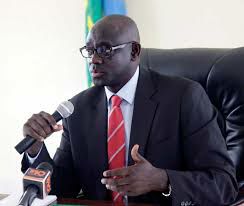
Source: Mail Online


IS RWANDA’S ATTORNEY GENERAL AN IMPOSTOR IN LEGAL PRACTICE?

Busingye

Rwanda’s Attorney General and Minister of Justice – Johnson Busingye – did not complete his legal education and never practiced law anywhere.

Kagame’s Attorney General studied his first law degree in Uganda. While a student in Makerere University, Rwanda’s ” Attorney General” was a resident of Livingstone.

A person is said to have completed legal education in Uganda if he/she: ( a) did his law degree from an accredited law school and ( b) successfully completed a legal practice diploma from Law Development Center, ( LDC). People with ” C” degree or PASS are considered failures; they do not qualify for the legal practice diploma in LDC. Rwanda’s Attorney General did not do a higher degree to make up for his ” C” /Pass/” gentleman’s degree”!

Although Rwanda’s Attorney General did his law degree from an accredited law school, Makerere University, Johnson Busingye got a ” C” /PASS degree. Therefore, he did not qualify for LDC legal practice course. Consequently, he did not complete his legal education.

After the 1994 war in Rwanda, Johnston Busingye crossed over to Rwanda where he presented himself as a legal expert. A combination of nepotism and lack of qualified personnel to work for the government of Rwanda contributed to Johnson Busingye’s ” success” as an impostor in Rwanda’s public service.

As an impostor “legal expert”, Johnson Busingye occupied different positions in Kagame’s junta; he later became a “Judge”. Johnson Busing he was promoted to Attorney General and Minister of Justice. A person who got a PASS degree and never completed legal education, became the model and/or symbol of legal education and practice in Rwanda.

Upon his appointment as Attorney General, Mr.Johnson Busingye allegedly ordered Rwanda’s Bar Association to prepare for his swearing in as an advocate by right; because he had to lead a group of lawyers to argue government cases at the East African Court in Arusha.

Dr Charles KAMBANDA

ITANGAZO RIGENEWE ITANGAZAMAKURU N° 002/07/2017 : MUSHIKIWABO NAREKE GUKOMEZA GUSETSA IMIKARA

Banyarwanda, Banyarwandakazi namwe nshuti z’u Rwanda ;

Tariki ya 11/07/2017 mwabashije gusoma mu kinyamakuru IGIHE.COM gikorera mu kwaha kw’agatsiko ka FPR-Inkotanyi inyandiko http://igihe.com/amakuru/u-rwanda/article/minisitiri-mushikiwabo-yagaragaje-ihurizo-ryatumye-padiri-nahimana-atabasha . Muri iyi nyandiko MUSHIKIWABO yaba yarashatse gutanga ibisobanuro bidafashije, asisibiranya, abeshya Abanyarwanda ndetse n’Abanyamahanga ku mpamvu zaba zarateye   Leta y’agatsiko ka FPR-Inkotanyi guheza Nyakubahwa Padiri Thomas NAHIMANA mu mahanga, akabuzwa atyo uburenganzira bwe bw’ibanze bwo gutahuka mu gihugu cyamwibarutse n’ubwo kwiyamamariza kuba Perezida wa Repubulika nk’uko yari yabitumwe n’ishyaka rye ISHEMA Party.

Muri aka kanya nifuje kongera kubagezaho inkuru y’impamo yerekeye uko FPR yakoze ibishoboka byose ngo ikumire Padiri Thomas NAHIMANA n’ikipe ye ngo batajya mu Rwanda gutangiza ku mugaragaro ishyaka ISHEMA Party no guharanira impinduka inyuze mu nzira z’amahoro na revolisiyo itamena amaraso.

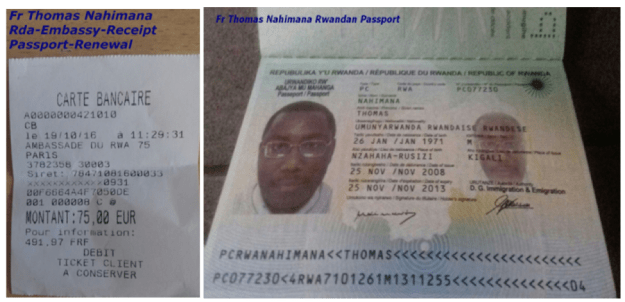
1.Mu kwitegura uru rugendo rwerekeza i Kigali rwo ku itariki ya 23/11/2016, Leta y’u Rwanda yanze guha padiri Thomas Pasiporo nshya y’ u Rwanda yari yarasabye, dore ko iyo yari asanganywe yari yararangiye mu mwaka wa 2013.

  1. Iyo pasiporo nshya Padiri Thomas Nahimana yayisabye muri Ambasade y’u Rwanda i Paris taliki ya 19/10/2016. Aho kumubwira igihe bazayimuhera, Ambasade yamubwiye ko iyo pasiporo nshya azayisanga mu Rwanda!Picture1

3.Ni muri urwo rwego Padiri Thomas Nahimana yafashe icyemezo cyo gusaba visa yo kugenderaho nk’umwenegihugu w’umufaransa. Aha twakwibutsa ko amategeko y u Rwanda atabuza umunyarwanda kuba yagira n’ubundi bwenegihugu(double nationalite), mbese nk’uko Paul Kagame afite n’ubwenegihugu bwa Uganda !Picture2

  1. Leta y’u Rwanda yatinze guha Padiri Thomas NAHIMANA igisubizo kuri iyi visa yasabye u Rwanda. Yewe n’uyu munsi akaba ari ntayo baramuha,kandi bakaba bataranamuhakanira ngo bamubwire ko bayimwimye! Nyamara nk’uko bigaragara ku cyemezo ambassade yamuhaye yagombaga guhabwa iyi visa tariki ya 28/10/2016. Ibi bikaba bigaragaza ubushake bwa Paul Kagame bwo gukomeza kurerega Padiri Thomas NAHIMANA ngo azabure uko agera mu Rwanda mbere y’amatora.                                    Picture3
  2. Ngiyo impamvu yateye Padiri Thomas Nahimana, kwerekeza muri Ambasade ya Kenya iri i Paris, agasaba visa ya East Africa Community yemerera uyifite wese gutembera mu bihugu by’u Rwanda, Uganda na Kenya. Iyo visa nayo yemewe n’amategeko y’u Rwanda niyo yagendeyeho mu ngendo zombi.Picture4

6.Ubwambere Padiri Thomas NAHIMANA n’Ikipe imuherekeje bafashe indege taliki ya 23/11/2016 ariko Leta y’u Rwanda ibatangirira i Nayirobi ishingiye ku masezerano ibihugu bigirana n’amasosiyeti y’indege ibabuza kwinjira mu ndege yagombaga kubageza i Kigali ku isaha ya saa munani n’iminota 55.

  1. Icyo cyemezo cyo kubuza abenegihugu Padiri Thomas Nahimana, Madame Nadine Claire Kasinge, Mahirwe Kejo Skyler na Venant Nkurunziza cyafashwe nk’amahano (scandale) kirasakuza cyane mu bitangazamakuru mpuzamahanga ndetse n’imwe mu miryango mpuzamahanga irakigaya cyane. Byateye Perezida Paul Kagame kugira ikimwaro n’ipfunwe bityo mu buryo bwo kwikura mu isoni atangaza mu ruhame ko atumva neza « ukuntu umwenegihugu nka padiri Thomas Nahimana yabuzwa kwinjira mu gihugu cye ». Benshi baketse ko ari uburyo bwo gufungura amarembo, ko noneho Padiri Thomas n’Ikipe ye baramutse bongeye gufata urugendo bakwakirwa mu Rwanda nta nkomyi.

8.Taliki ya 23 /1/2017 nanone Ishyaka ISHEMA ryongeye kohereza Padiri Thomas Nahimana na Madame Claire Kasinge mu Rwanda kugira ngo bajye kwandikisha ishyaka kugira ngo rizabone uko rigira uruhare mu matora ateganyijwe mu kwezi Kanama 2017.

9.Kubera ko guhera tariki ya 23/11/2016 Leta y’u Rwanda yakomeje kwanga guha padiri Thomas Nahimana Pasiporo nshya y’ u Rwanda, Padiri  yakomeje kwibutsa Ambasade y’u Rwanda i Paris ko yamuha igisubizo kuri visa y’u Rwanda yari yarasabye taliki ya 19/10/2016 kugirango azafate urugendo akoresheje pasiporo ye y’umufaransa kuko yizeraga ko nakandagiza ibirenge mu gihugu azasubirana uburenganzira bwe bwose nk’umwenegihugu w’umunyarwanda. Ambasade igendeye ku mategeko ya Kigali yakomeje kumurerega.

10.Ku wa kane taliki ya 19/1/2017 Padiri Thomas Nahimana yahamagaye muri Ambasade abibutsa ko italiki y’urugendo rwa kabiri yegereje, ko akeneye igisubizo kuri visa yasabye. Ambasade yamusabye ko ayoherereza « réservation » y’indege noneho ngo bakamuha igisubizo muri uwo mugoroba. Nyamara siko byagenze. Ku wa gatanu taliki ya 20/1/2017 ari nawo munsi wa nyuma w’akazi mbere y’italiki y’urugendo, Padiri Thomas Nahimana yongeye kubaza ambasade, imubwira ko Kigali itaratanga uruhushya rwo kumuha visa yasabye.

11.Aha reka twibutse ko Louise MUSHIKIWABO nka Minisitiri w’ububanyi n’amahanga ari we ushinzwe guha amabwiriza za ambasade, bityo izi ntambwe zose zatewe akaba azizi neza. Byongeye kandi, ku mabaruwa yose Ubuyobozi bw’ishyaka ISHEMA bwandikiye abahagarariye ibihugu byabo mu Rwanda kuri iki kibazo, Louise MUSHIKIWABO yahabwaga Kopi.

12.Claire Nadine Kasinge nawe yasabiye visa y’u Rwanda muri Canada aho atuye akoresheje pasiporo ye y’abataliyani ariko banze ku musubiza kandi ubundi abasabiye visa online (Canada) bagomba gusubizwa mu masaha atarenze 72.

13.Hari abandi Bataripfana basabye ibyangombwa byo gutaha mu Rwanda ambasade z’aho batuye zirabibima. By’umwihariko twabamenyesha ko Bwana Vénant Nkurunziza we yari yagombye kubanza gusubiza ibyangombwa bye by’impunzi kugira ngo atahe mu Rwanda.

14.Niyo mpamvu Padiri Thomas Nahimana na Nadine Claire Kasinge nta yandi mahitamo bari bagifite uretse gukomeza urugendo rwabo bagendeye kuri East African tourist visa bari barahawe na Kenya ikaba ibemerera kwinjira mu Rwanda, Uganda na Kenya.

15.Tariki ya 23/01/2017 nanone bahagarikiwe ku kibuga cy’indege i Buruseli mu Bubiligi, ku itegeko ryatanzwe na « Direction Générale de l’immigration » y’u Rwanda mu rwandiko rwanditse mu rurimi rw’icyongereza, rukerekana pasiporo y’infaransa Padiri Thomas NAHIMANA yitwaje na nimero yayo, bakavugamo Pasiporo ya Padiri y’inyarwanda na nimero yayo ; bakavuga ko afite « East african tourist visa », … bagatanga itegeko ko « ibyangombwa byose yaba yitwaje , atagomba kwemererwa kurira indege igana i Kigali ». Hari kandi n’urwandiko nk’urwo rukumira Madame Nadine Claire KASINGE.

Banyarwanda, Banyarwandakazi namwe nshuti z’u Rwanda,

Twibutse ko :

  1. Mu mwaka wa 1990 FPR yo yafashe intwaro igatangiza urugamba rwamennye amaraso y’abanyarwanda batagira ingano ivuga ko irwanya ubutegetsi bwahejeje Abanyarwanda bo mu bwoko bw’abatutsi mu buhungiro.
  2. Agasuzuguro nk’aka FPR-Inkotanyi igaragaza mu kubuza Abanyarwanda gusubira mu gihugu cyababyaye no kubabuza kwiyamamaza mu matora ya perezida wa repubulika gashingiye kuri ya ngengabitekerezo ya kera ngo «hari abavukiye gutegeka abasigaye bakavukira kuba abagaragu n’abagererwa mu gihugu cyabo ».
  3. Gucira abenegihugu ishyanga ni imwe mu mpamvu 20 z’ingenzi zatumye hajyaho Guverinoma y’u Rwanda ikorera mu buhungiro kubera ko Leta ya FPR-Inkotanyi yataye agaciro mu gihe itacyubahiriza uburenganzira bw’umwenegihugu, ikica nkana itegekonshinga ubundi rifatwa nka « contrat » hagati y’abayobozi n’abayoborwa.

Bityo rero, ubwo Kagame Paul atagira abajyanama bazima ahubwo akiringira  abamotsi nka MUSHIKIWABO na bamwe mu basirikare badashyira mu gaciro bakomeza kumufasha mu mugambi mubisha wo kwihambira ku butegetsi ubuziraherezo no kwimakaza akarengane, nibyumvikane neza ko ubutegetsi bwe bwarangije guhinduka « Un régime d’occupation militaire » bityo bukaba bugomba  kurwanywa kugeza buvuyeho. Louise MUSHIKIWABO nareke gukomeza guteza ubwega no kwiyerurutsa, amahano bakorera rubanda isi yose yarangije kuyamenya.

Bikorewe i Paris mu Bufaransa

Tariki ya 12/07/2017

Chaste GAHUNDE

Ministre de l’Information,

GUVERINOMA y’u Rwanda ikorera mu Buhungiro

This is how Gacaca Courts were used to build an authoritarian regime in Rwanda!

inkiko-gacaca

Often lauded by international observers, Rwanda’s gacaca courts have long been held up by their proponents as a model for successful, post-conflict reconciliation efforts. Confronted with the nearly impossible challenge of rebuilding a country after genocide, Rwanda needed a mechanism to hold those who committed genocide accountable in an efficient and effective manner. The solution was gacaca: a system of 12,000 community-based courts that sought to try genocide criminals while promoting forgiveness by victims, ownership of guilt by criminals, and reconciliation in communities as a way to move forward. While the organizers and leaders of the genocide were mostly sent for trial at the International Criminal Tribunal for Rwanda in Arusha, Tanzania, gacaca courts tried more than  1 million ordinary people who served as the foot soldiers of the genocide.

Relying on dozens of interviews, quantitative analysis of data on genocide crime prisoners, and firsthand observations of gacaca court proceedings in four regions of Rwanda, Anuradha Chakravarty’s new book suggests that the reality of gacaca is much more complicated. In “Investing in Authoritarian Rule: Punishment and Patronage in Rwanda’s Gacaca Courts for Genocide Crimes,” Chakravarty offers a detailed and nuanced look at the ways that Rwanda’s ruling party used the courts to build its own legitimacy, as well as the ways that participants in the courts viewed their role in punishing the guilty through the gacaca process.

Her findings are unsettling and suggest that the gacaca process was far more political and much less conciliatory than the casual observer might want to believe. Chakravarty’s central argument is that Rwanda’s ruling party, the Tutsi-dominated Rwandan Patriotic Front (RPF), used gacaca courts as a tool of patronage to build the new, post-genocide government’s legitimacy, which in turn allowed the RPF to entrench its rule into the virtually unchallenged authoritarian system in Rwanda today.

Chakravarty convincingly demonstrates that the RPF’s post-genocide consolidation of power in Rwanda evolved based on the cooperation of individual Hutus, who constitute the vast majority of Rwanda’s population and many of whom had committed genocide crimes. While the early RPF consolidation of power “depended on the use of blatant force through killings and arbitrary arrests,” as time passed a system of mutual benefit developed between the RPF and the majority Hutu population it sought to rule. Writes Chakravarty:

In denouncing others, submitting self-incriminating confessions, and judging their friends and co-ethnics, thousands upon thousands of individual Hutu acted upon and enforced RPF rules, reinforcing the regime with their cooperation in exchange for reduced sentences, security guarantees, the possibility of private gains in the form of personal vengeance or economic windfalls, and opportunities to access public power and social prestige. The RPF unleashed a stream of individualized benefits and sanctions that made “opportunistic investors” of ordinary Hutu who backed RPF rule in their own interests.

Thus it was that through the strengthening of a form of patronage that provided Hutus with protection from problems and access to opportunities, it was Hutus themselves who built and reinforced the RPF’s authoritarian rule, particularly through participation in and performance at the gacaca courts.

This incentive-based relationship, though, was not without risks. Because the RPF was the only option for any Hutu seeking to gain better status or avoid worse punishment for crimes, those Hutus had no choice but to work within the RPF’s system of patronage, but this did not mean that most Hutus accepted “that the RPF were legitimate rulers with the requisite clean hands.”

Importantly, Chakravarty does not argue that the RPF intended this outcome from the gacaca process; rather, the social processes of clientelism and increasing authoritarian control evolved over time in response to the incentives that  gacaca  and other post-conflict rebuilding processes set in place. She grounds her findings in a deep understanding of the role patronage relationships have played in Rwandan history and argues that clientelism has always driven relationships between powerful and ordinary actors in Rwanda. Thus, the decision to go along with the gacaca proceedings was a case in which “vulnerable individuals implicitly understood that they needed to solicit the protection and good will of this unrivaled patron.”

Unfortunately, these incentives led to negative outcomes for many Rwandans, particularly those who were falsely accused of participation in genocide. Chakravarty shows how Rwandans, faced with competing loyalties to different family and clan members alongside the need to demonstrate commitment to the gacaca courts, made decisions about whom to denounce and at what times to do so. Fortunately, she finds that “gacaca courts had secured some local peace,” preventing further violence and limiting the space for disputes to escalate into more dangerous situations. That limited space is a double-edged sword, however, as authoritarian control is essential to maintaining it.

Chakravarty’s findings suggest the need for much more scholarly work on the “tacit bargains” that govern relations between elites and mass publics in the aftermath of atrocity crimes; as she notes, the bargain expressed in and built through the gacaca process is not an inter-elite legislative or ruling party bargain, but rather “an informal elite-mass social contract that consolidated the new order by tying the new elites to their social constituents, and demonstrating to them (‘clients’) the benefits of cooperating with and advancing within the system.” Of particular interest is a question Chakravarty raises in the context of comparison with Nazi Germany’s postwar accountability and justice processes: the ways that individual citizens having a choice of patrons rather than being forced to rely on a sole patron (as in Rwandan) influences outcomes in modern transitional justice processes.

Chakravarty’s work is an indispensable read for anyone interested in transitional justice, post-conflict reconciliation or Africa’s Great Lakes region. Comments from her subjects on topics ranging from how Hutus and Tutsis perceive the RPF’s dominance to whether the gacaca courts actually provided justice offer invaluable insight into how ordinary Rwandans think about their relationship to their government and whether reconciliation has really happened since the genocide ended. Chakravarty does not evaluate whethergacaca was a success, nor does she claim that gacaca was Rwanda’s only potential path to authoritarian rule, but her findings should compel more scholars to explore comparative cases in which vulnerable populations might respond to incentives that lead to the consolidation of authoritarian rule in the wake of mass atrocities.


Laura Seay is an Assistant Professor of Government at Colby College. She studies African politics, conflict, and development, with a focus on central Africa. She has also written for Foreign Policy, The Atlantic, Guernica, and Al Jazeera English

Source: https://www.washingtonpost.com/news/monkey-cage/wp/2017/06/02/59162/?utm_term=.e3db11738e7b

Press release : « WE DECLARE THE GOVERNEMENT OF RWANDA IN EXILE »

« WE DECLARE THE GOVERNEMENT OF RWANDA IN EXILE »

rwanda_people_government_in_exile

We, 30 Rwandans, comprising the representatives of opposition political parties striving for Democracy in Rwanda, members of civil society and individual activists, gathered in an extraordinary retreat on 17-19 February 2017, are concerned with the advent of a democratic rule and people-friendly governance in Rwanda,

I. Having observed that the Government of Rwanda led by General Paul Kagame: 

  1. Has closed political space to guarantee the monopoly of power to the sole political party RPF-Inkotanyi and its chairman Paul Kagame who has been in office for nearly 23 years;
  2. Has taken the shameful decision, in violation of the Constitution and other laws of today’s Rwanda, to deny Rwandan citizens that composed the team of Father Thomas Nahimana the leader of ISHEMA Party and candidate in presidential elections scheduled to take place in August 2017; it has been clear that on November 23, 2016, the Government of Rwanda issued an order pressuring airline companies not to allow Father Thomas Nahimana and his team boarding any flight to Kigali and that, as a consequence, they have been disembarked from Kigali-bound flights, respectively, on November 23, 2016, in Nairobi (Kenya) and on January 23, 2017, in Brussels (Belgium) ;
  3. Rigged the presidential elections of 2003 and 2010 in order to hand Paul Kagame the victory while, in reality, knowingly that he lost elections;
  4. Has, through a maliciously maneuvered referendum, overseen the constitutional reform of December 2015 regarding article 101 of the 2003 Constitution, that clearly stipulated that “no head of state should be allowed to serve for more than two presidential terms of 7 years each”, with the sole purpose of clearing a way for Paul Kagame to hold on power until death;
  5. Arrests, kills (André RWISEREKA) or exiles the leaders of opposition political parties, journalists, members of civil society thriving for respect of human rights;
  6. Has detained and sentenced to life imprisonment Mr. Déogratias MUSHAYIDI for the only “crime” of campaigning for positive change in the governance of his country;
  7. Has arbitrary detained and sentenced to 15 years imprisonment Mrs. Victoire INGABIRE UMUHOZA who returned to Rwanda in 2010 for having shown the intention of registering her political party and the interest in contributing to the betterment of the governance of her country;
  8. Has arbitrary detained Mr. Théoneste NIYITEGEKA, kept Mr. Bernard NTAGANDA in custody for four years and has imprisoned many others for the single reason that they wanted to get involved in the political life of their country;
  9. Has prevented the judiciary from operating independently, transforming the courts of law into tools to imprison a huge number of Rwandans, including those being detained without any due legal procedure, those whose with files made of fabricated lies, and inmates who are still held in prison far beyond the term of their sentences;
  10. Uses security forces in shameful actions of torturing, beating, killing or detaining innocent citizens in underground chambers and other unknown places, therefore, inaccessible to the families of the victims;
  11. Has several times conducted military attacks against unarmed Rwandan refugees, with the intent to exterminate a great number of Rwandan citizens in the Congolese forests;
  12. Maintains its plans to follow the Rwandan refugees and asylum-seekers in their host countries, to destabilize them, sabotaging their security and killing some of them in tragic circumstances (Colonel Patrick KAREGEYA);
  13. Has dispatched soldiers in every corner of the country to cause fear and anxiety among citizens, through its sustained acts of state-sponsored terrorism;
  14. Promotes policies aimed at deliberately impoverishing the people and subjecting them to food insecurity, through demolishing their houses, seizure and confiscation of their land, destroying their crops and ordering them to grow a single crop which does not reflect on their specific needs and interests, and coercively grouping them into cooperatives that do not address their concerns but aim to exploit them;
  15. Has played a big role in provoking the hunger nationally known as « Nzaramba », and, unfortunately, instead of devising policies that would alleviate the suffering of the families whose members are dying because of lack of food, has sought to keep it out of the radars and camera of international community and gloating over citizens’ hardship by claiming that it has brought about development as never seen before;
  16. Has promoted discrimination in the handling employment and education scholarship applications; segregation in the caring for orphans and widows as well as in the delivery of the routine social and administrative services to the people;
  17. Has monopolized all profitable entrepreneurship, beating and shooting in broad daylight at lower-class citizens, who it refers to as ABAZUNGUZAYI (street vendors) trying to sell portable articles with the aim of earning daily bread for their families;
  18. Misappropriates public assets, and wastes the country’s finances by allowing the President of the Republic embezzling states funds to acquire privately-owned jets, and renting these jets and his other property holdings to the Government of Rwanda at exorbitant costs, for his personal and clique’s own interests;
  19. Provokes wars, conflicts and insecurity in neighboring countries, especially in the Democratic Republic of Congo and Burundi, which is against short, mid and long-term interests of Rwanda, now labeled as a country led by warmongers that stand as a real threat to peace and security in the Africa’s Great Lakes Region; the citizens of Rwanda are already suffering from the consequences of these diplomatic flaws and deficiencies;
  20. Has committed other several crimes not listed here;

II. WE TAKE NOTE THAT:

  1. This Government of Paul Kagame has lost all legitimacy and legality in the eyes of the Rwandan citizens because it does not serve their interests and, on contrary, stands as a serious threat to their security and welfare in numerous ways;
  2. The people of Rwanda need a way of overcoming fear, organizing a civil resistance, and demonstrate that their rights are different from the enslavement in which they are forced by this dictatorial Government of Paul Kagame;
  3. The international community and nations friends of Rwanda wish to distance themselves from this Government of violence-promoting leaders that arrogantly violates the Constitution and other laws of Rwanda, tortures, kills citizens it has the duty to protect, and disregards international treaties and agreements to which it is signatory;
  4. From this February 20, 2017, we too consider the Government of Paul Kagame as a Government that is illegitimate and undesirable by the people.

III. DUE TO ALL THOSE FACTS,

We hereby announce to Rwandan citizens, neighbors of Rwanda and the international community the following:

  1. We declare a « Government of Rwanda operating in exile »
  2. We declare a National Council of Seniors
  3. We declare a National Youth Council


IV.DUTIES AND RESPONSABILITIES OF THIS GOVERNEMENT

  1. To stand ready to replace the illegitimate Government led by Paul Kagame.
  2. To advocate for and rescue Rwandan refugees and asylum seekers wherever they are.
  3. To advocate and sound alarm on behalf of the Rwandans who live inside the country under the oppression of the Government of Paul Kagame’s clique.
  4. To do everything possible to compel the Government of Kagame’s clique to halt all violent actions against the citizens and to remove all barriers that prevent Rwandan refugees from returning freely and peacefully.
  5. To request all countries partners of Rwanda to put pressure on Dictator Paul Kagame whose last presidential term according to the 2003 Constitution, comes to an end, so that he leaves the presidential race and allow other Rwandans who are ready and equipped to unite citizens and build a development model shared by all.

In case Dictator Paul Kagame will have chosen to be stubborn and continue to treat citizens with violence and terror:

  1. Call for sanctions by the international community against his illegitimate Government
  2. Encourage the people to organize, rise and put an end to the rule of Paul Kagame and his RPF clique through a non-violent Revolution.

V.The National Council of Seniors

  1. Its doors are open to all Rwandan citizens aged over 35 willingly committed to the cause.
  1. Has the mission to collect the contributions, ideas and constructive advices that can help the Government of the People operating in exile to lead Rwanda and Rwandans into the kind of governance they envision. It is an institutional framework within which the senior citizens of Rwanda may work together contribute to the governance of their country.

VI.The National Youth Council 

  1. Its doors are open to all men and women under age 35 that have interest in playing a role in the positive changes they wish for their country, Rwanda.
  2. It is an institutional framework within which the youth of Rwanda consolidate their strength into a force that allow them contribute, as a group and to more meaningful degree, to the governance of their country in the years to come.

 VII. THE APPOINTED CABINET MEMBERS OF THE GOVERNEMENT OF RWANDA IN EXILE ARE THE FOLLOWING:

1.President of the Republic: Rev Father Thomas NAHIMANA

2.Prime Minister:  Mr. Abdallah AKISHURI

3.Deputy Prime Minister: Mrs. Nadine Claire KASINGE

4.Minister of Culture, Family, and Women’s Welfare: Mrs. Victoire INGABIRE UMUHOZA represented by Mrs. Nadine Claire KASINGE

5.Minister of Foreign Affairs: Mrs. Immaculée KANSIIME UWIZEYE

6.Minister of Justice: Mr. Déogratias MUSHAYIDI represented by Mr. Vénant NKURUNZIZA.

7.Minister of Information:  Mr. Chaste GAHUNDE

8.Minister of Interior and Local Development: Mr. Daniel NDUWIMANA

9.Minister of Finance and Commerce: Mrs. Marine UWIMANA

10.Minister of Education: Mrs. Chantal MUKAMANA MUTEGA

11.Minister in Charge of Refugee Protection and Suppression of the Causes of Asylum: Mrs. Virginie NAKURE

12.Minister of Infrastructure and Housing:  Rev. Father Gaspard NTAKIRUTIMANA

13.Minister of Agriculture, Livestock and Land:  Mr. Jean Léonard SEBURANGA

14.Minister of Health and Social Welfare: Mrs. Spéciose MUJAWAYEZU

VIII. The following commissions were instituted:

 1.Commission of Foreign Affairs

2.Commission of Economic Affairs

3.Commission of Information

4.Commission of Security

IX. The appointed Government Spokespersons are the following:

  1. Mr. Chaste GAHUNDE
  2. Mrs. Immaculée KANSIIME UWIZEYE
  3. Mrs. Marine UWIMANA.

X. It has been appointed six councilors (6)

XI. The Government of Rwanda in exile will create other organs and appoint other authorities if need be. 

CONCLUSION

XII. In the interest of all, and in order to bring about the positive changes that the people so badly need, we urge the undesirable Government led by Paul Kagame:

     1. To urgently accept to hold talks with the Government of Rwanda in exile 

  1. To open up both national borders and political space not later than March 23, 2017, to allow all Rwandans who wish to return do so peacefully, release all political prisoners, remove barriers so that the political parties committed to getting involved in the August 2017 elections be able to register.

In case no action is taken until March 23, 2017:

  1. To postpone the presidential elections that were to be held in August 2017 and reschedule them for August 2019 and move the parliamentarian vote to November 2019. 
  2. To form a transitional government that will comprise the representatives of all political parties, with a 24-month mandate to prepare and oversee the presidential and parliamentarian elections to ensure they are free, fair and transparent. 
  3. We recall that, save for the rumors that are being spread by the under informed, articles 101 and 172 of the Rwanda’s Constitution as reformed in December 2015 do not allow the incumbent president Paul Kagame to run for a third term.

Done in Paris on February 20, 2017

Chaste GAHUNDE

Minister of Information

Spokesperson of the Government of Rwanda in Exile

Contacts: rwandanpeople.gov@gmail.com

Tél : +33643601311 / +33652110445

IBIGANIRO BIRAKOMEJE MBERE YO GUSHYIRAHO « GUVERINOMA Y’U RWANDA IKORERA MU BUHUNGIRO ».

ISHEMA PARTY : ITANGAZO RIGENEWE ABANYAMAKURU

 logo-300x135

IBIGANIRO BIRAKOMEJE MBERE YO GUSHYIRAHO « GUVERINOMA Y’U RWANDA IKORERA MU BUHUNGIRO ».

  1. Ku itariki ya 23/11/2016, Guverinoma y ‘u Rwanda iyobowe na Paul Kagame yashyize igitsure ku makompanyi atwara abantu, iyategeka kudatwara Padiri Thomas NAHIMANA n’ikipe ye bari bajyanye kwandikisha ishyaka ISHEMA ry’u Rwanda mu rwego rwo kwitegura amatora ya Perezida wa Repubulika ateganyijwe mu kwezi kwa munani 2017. Tuributsa ko Padiri NAHIMANA Thomas ari we mukandida ishyaka Ishema ryahisemo kuzarihagararira mu matora ya Perezida wa Repubulika ndetse agashyigikirwa n’abagize impuzamashyaka ya Nouvelle Génération.
  1. Ku itariki ya 11/12/2016, itangazamakuru ryo mu Rwanda ryatangaje ko Perezida Paul KAGAME yamaganye igitekerezo cyo guheza abanyarwanda ishyanga, natwe dutekereza ko ahari yaba yamaze gusubiza ubwenge ku gihe, agasobanukirwa ko uburenganzira bw’abenegihugu budakinishwa. Ni muri urwo rwego twongeye kujya kuri Ambasade zibishinzwe ngo ziduhe ibyangombwa by’inzira bihabwa Abanyarwanda twari twarasabye. Twasanze ibyo Kagame yavuze byari ibinyoma ahubwo akaba yarakekaga ko iterabwoba rye rizatugamburuza ku mugambi wo kujya gukorera politiki mu Rwanda.
  1. Ku itariki ya 23/01/2017, Leta y’u Rwanda ibinyujije ku muyobozi ushinzwe abinjira n’abasohoka, yongeye gutegeka indege zose zigwa mu Rwanda kudatwara Padiri Thomas NAHIMANA n’abo bari kumwe. Tumaze kwerekwa no gutangaza ibikubiye mu ibaruwa iteye isoni uwo muyobozi yandikiye Amakompanyi y’izo ndege, nibwo u Rwanda rwasohoye itangazo ryuzuyemo gucurikiranya utugambo, ariko mu by’ukuri ryekana neza ko Paul KAGAME arenze umurongo utukura mu kugarura wa muco wo ku ngoma ya cyami wo « gucira » abenegihugu bamwe ishyanga. Reka twibutse ko icyemezo nk’iki na Perezida wa Repubulika adafite ububasha bwo kugifata kuko kivuguruza Itegekonshinga n’andi mategeko agenga igihugu cy’u Rwanda.
  1. Mu rwego rwo guhangana n’aka gasuzuguro k’umunyagitugu Paul KAGAME ndetse no gufasha Abanyarwanda , ari abahejejwe ishyanga ari n’abakomeje gusuzugurirwa mu gihugu, guharanira uburenganzira bwabo ku buryo bufite ingufu kurushaho, twatanze igitekerezo cyo gushyiraho Guverinoma y’u Rwanda ikorera mu buhungiro kandi ihuje abanyarwanda b’ingeri zose.
  1. Komisiyo ishinzwe gutegura no kunoza ishyirwaho ry’iyo guverinoma ikomeje kugirana ibiganiro n’abanyarwanda batandukanye baba abasanzwe mu mashyaka ya opozisiyo, sosiyete sivile n’abantu ku giti cyabo. Turashima abakomeje kutugezaho ibitekerezo n’ibyifuzo by’uko babona iyo guverinoma ikwiye kuzaba imeze n’icyo yakorera abanyarwanda bari mu buhungiro n’abari mu gihugu.
  1. Kugeza ubu ibisubizo bitangwa birimo ibice bine : Icyambere kigizwe n’abavuga ko bifitiye UBWOBA bwinshi, ngo baratinya ko baramutse bagize uruhare muri iyo Guverinoma, Paul KAGAME yabamarira ku icumu ! Icyakabiri kigizwe n’abashyigikiye kandi biteguye kujya muri iyo Guverinoma. Icyagatatu kigizwe n’abantu basanzwe bavuga ko batavuga rumwe na Leta y’u Rwanda ariko bakemeza ko ibya Guverinoma ikorera mu buhungiro batabyitayeho ko ahubwo bafite indi imishinga yihutirwa ibashishikaje ! Icyakane kigizwe n’abavuga ko iyo Guverinoma bazayijyamo ari uko imaze kujyaho bakareba uko izakora…. Muri demokarasi duharanira, twubaha ibitekerezo bya buri wese.
  1. Inama ya Komite Nyobozi y’ishyaka ISHEMA ry’u Rwanda yateranye kuwa 29/01/2017 yashimye uko ibiganiro birimo kugenda, ishima abiteguye kugira uruhare muri iyi Guverinoma kuko izaba ari intambwe ikomeye itewe nyuma y’imyaka irenga 23 hakorwa politiki isa n’aho yibanda ku kuvuga ibibazo bitsikamiye Abanyarwanda ariko hakabura ibisubizo na gahunda zifatika ziganisha kuri ibyo bisubizo. Inama kandi iragaya abavuga ko bifitiye izindi nyungu bashyize imbere zitari izo gufasha abanyarwanda guhanga ibitekerezo bishya byabafasha kubona umuti w‘ikibazo cy’ingoma y’igitugu imaze gutagangaza Abenegihugu.
  1. Turasaba Abanyarwanda bose batishimiye ubutegetsi bubi bw’umunyagitugu Jenerali Paul Kagame gukanguka, bakabyutsa umutwe, bagahaguruka bagashyigikira ku buryo bugaragara iyi « Guverinoma y’u Rwanda ikorera mu buhungiro » igiye kujyaho.

Harakabaho Abanyarwanda bunze ubumwe

Harakabaho u Rwanda ruha abana barwo bose amahirwe angana

Chaste Gahunde,

Umunyamabanga Nshingwabikorwa w’Ishyaka ISHEMA ry’u Rwanda

Ashinzwe Itangazamakuru.

Tél : 0033 643 60 13 11

Email : chaste.gahunde@gmail.com

ISHEMA : Hagiye gushyirwaho « Guverinoma y’ u Rwanda ikorera mu buhungiro ».

logo

UKURI – UBUTWARI – UGUSARANGANYA

ITANGAZO RIGENEWE ITANGAZAMAKURU

« NTIDUCOGORA  NGO DUTERERE IYO… »

Banyarwandakazi, banyarwanda, nshuti z’u Rwanda,

  1. Ibintu birashyize birasobanutse. Kuri uyu wa mbere tariki ya 23 Mutarama 2017, guverinoma y’u Rwanda iyobowe na Pawulo Kagame yafashe icyemezo kigayitse kandi kinyuranyije n’amategeko, cyo kubuza umukandida w’ishyaka ISHEMA mu matora y’umukuru w’igihugu ya 2017 n’ikipe ye kurira indege yagombaga kubavana ku kibuga mpuzamahanga cy’indege cya Zaventem i Buruseli mu Bubirigi mu rugendo rwabo bagana i Kigali.
  2. Tuributsa ko iyo guverinoma ya Pawulo Kagame, yongeye kugaragaza ko idaha abenegihugu agaciro bakwiye, ntiyubahe itegeko nshinga ry’u Rwanda n’andi mategeko y’igihugu, habe no kubahiriza amasezerano mpuzamahanga n’ayo mu Karere k’ibiyaga bigari u Rwanda rwashyizeho umukono, ari ubugira kabiri ibuza Padiri Thomas Nahimana n’ikipe ye gutaha mu rwababyaye kuko mu mpera z’umwaka ushize yategetse ko babuzwa kwinjira mu ndege yari kubageza mu Rwanda ibakuye ku kibuga mpuzamahanga cy’indege cya Jomo Kenyatta i Nairobi, hari ku itariki ya 23 Ugushyingo 2016. Icyo gihe, Perezida Pawulo Kagame yari yagerageje kwisobanura nuko anenga mu ruhame abategetsi bari bafashe icyo cyemezo kigayitse cyo kubuza abenegihugu gutaha mu rwababyaye. Twari twibwiye ko ibyo perezida yabikoranye umutima utaryarya. Burya koko iminsi iba myinshi igahimwa n’umwe, ukuri kwe kwagiye ahabona kandi kugaragaje mu buryo budasubirwaho ko twari twamugiriye icyizere adakwiye.

Kubera impamvu zavuzwe haruguru, turatangariza abanyarwanda n’umuryango mpuzamahanga ibi bikurikira :

4.Kubera ko bigaragaye neza ko Umunyagitugu Pawulo Kagame afite ubwoba bukabije bwo gupiganwa muri demokarasi kandi ko, kubera ubwo bwoba, byagaragaye ko yiyemeje kuniga, gufunga, cyangwa gukumira umukandida utavuga rumwe nawe wese abona ko afite amahirwe menshi yo kumwanikira mu matora, ntiduteze kugamburura ngo tuyoboke inzira yo kwituramira, ahubwo tuzakaza umurego ngo turwanye igitugu cye twivuye inyuma.

5.Kubera ko, mu kuboza kwa 2015, Umunyagitugu Pawulo Kagame, yateguye « kamarampaka ififitse » yari igamije kumukuriraho inzitizi zo mu rwego rw’amategeko zateganywaga n’ingingo y’101 y’itegeko nshinga ryo mu mwaka wa 2003 yishakira kugundira ubutegetsi ku nyungu ze bwite, ntidushobora gucika intege ngo dutererane imbaga y’abanyarwanda ngo tubarekere mu maboko y’umunyagitugu wigize indakoreka, utegekesha urugomo n’ubugome butagira rutangira kandi udaterwa ikimwaro no gutindahaza nkana abanegihugu. Kuva ubu, ntituzongera kumuha icyubahiro gikwiye umukuru w’igihugu mwiza kandi ntutuzatinya kwamagana ubushobozi bwe buke bwo kuyobora igihugu nk’uko bimaze kugaragarira bose.

6.Kubera ko Perezida Pawulo Kagame yatatiye ubumwe bw’abanyarwanda yari ashinzwe kubungabunga no guteza imbere, akavangura bamwe abandi akabacira ishyanga, bityo akaba yongeye gushyira u Rwanda mu kaga ko kuba rwagwirirwa n’intamabara zishyamiranya abenegihugu, ntiducitse intege ahubwo turahamagarira abanyarwanda aho bari hose guhagurukira rimwe maze bagategura neza « ingamba ziboneye zo kwibohora no gusubiza Repubulika mu maboko y’abenegihugu ».

 NI YO MPAMVU :

7. Twiyemeje, mu gihe kitarenze ibyumweru bibiri, kujya inama n’amashyaka atavuga rumwe na leta, amashyirahamwe aharanira uburenganzira bwa kiremwa muntu ndetse n’abantu ku giti cyabo ngo turebere hamwe uko tuzashyiraho « Guverinoma y’u Rwanda ikorera mu buhungiro » izaba ifite inshingano zo gutegura izo ngamba no kuvuganira abanyarwanda no gusobanura neza ikibazo cyabo imbere y’Umuryango mpuzamahanga n’imbere y’ibihugu bisanzwe bifite inyungu mu Rwanda.

8. Tuzagirana ikiganiro n’abanyamakuru kuri uyu wa gatatu tariki ya 25 mutarama 2017 i Buruseli tuzasobanuramo mu buryo burambuye imigambi dufite kandi dushyire ku karubanda « amayeri » ya guverinoma ya Pawulo Kagame agamije kwimakaza ingoma y’igitugu no kuburizamo ibikorwa by’abanyarwanda benshi bifuza ko mu Rwanda abategetsi bajya basimburana mu buryo bwa demokarasi no mu mahoro .

9. Turahamagarira abanyarwanda, cyane cyane abarwanashyaka n’inshuti z’ishyaka ISHEMA batuye mu Rwanda bari badutegereje ngo batwakirane ubwuzu kudashya ubwoba no kudaha urwaho uwabashotora, cyane cyane turabasaba kwirinda igikorwa icyo ari cyo cyose cy’urugomo bakorera abandi bantu cyangwa ibyabo.

10. Turashishikariza umuryango mpuzamahanga, by’umwihariko ibihugu bisanzwe bitera inkunga umunyagitugu Pawulo Kagame, ko, ku nyungu z’abanyarwanda n’iz’akarere k’ibiyaga bigari by’Afurika u Rwanda ruherereyemo, bavugurura amasezerano bafitanye na we bakazakomeza kumutera inkunga gusa ari uko afunguye urubuga rwa politiki mu Rwanda kandi akubahiriza amahame ya demokarasi.


Harakabaho Repubulika;

Harakaza amahinduka ya kidemokarasi mu Rwanda.

Bikorewe i Buruseli, kuri iyi tariki ya 23 mutarama 2017

Padiri Thomas Nahimana,

Umuyobozi mukuru w’Ishyaka ISHEMA ry’u Rwanda

Umukandida mu matora y’umukuru w’igihugu ya 2017

logo-300x135

Rwanda : Paul Kagame aux trousses d’un opposant ” fantôme”

Thomas

L’opposant rwandais Thomas Nahimana a été empêché de prendre son vol à Bruxelles (Belgique), ce lundi 23 décembre à destination de Kigali (Rwanda). En novembre dernier, l’opposant, a été aussi refoulé à l’aéroport de Nairobi (Kenya),en partance pour Kigali. Vu la répétition de ces déconvenues, M. Nahimana serait-il un élément  gênant pour les autorités de Kigali ?

Thomas Nahimana a été empêché ce lundi 23 janvier, de prendre son vol en partance de Bruxelles en Belgique pour Kigali, la capitale rwandaise. Au moment où M. Nahimana s’apprêtait à embarquer sur un vol de la compagnie aérienne Brussels Airlines, des employés de cette compagnie sont venus lui notifier l’interdiction de voyage signée des autorités de Kigali.

Il faut souligner que l’opposant rwandais n’en est pas à sa première déconvenue avec le pouvoir de Paul Kagame. En novembre 2016, M. Nahimana, exilé en France depuis 2005, a voulu regagner Kigali via Nairobi. Mais une fois à l’aéroport au Kenya, il a été notifié au Rwandais qu’il ne pouvait pas prendre le vol.

Plus tard ce lundi 23 janvier, les services d’immigration rwandais ont dévoilé les motifs de ces refoulements incessants. Il est reproché à l’opposant de ne pas avoir déclaré sa binationalité et de voyager avec un passeport rwandais expiré. De son côté l’opposant indique que la demande de  renouvellement de son passeport adressée à l’ambassade rwandaise à Paris est restée sans suite.

En réalité, cette guerre que livre Kigali à M. Nahimana semble être d’ordre politique. En effet, Thomas Nahimana, exilé en France depuis 2005, compte rentrer  au pays pour se présenter à la présidentielle de 2017 contre le président Paul Kagame, qui brigue un troisième septennat à la tête de ce petit pays d’Afrique de l’Est. Par ces manières, le chef de l’Etat  montre qu’il a peur d’être concurrencé dans la course à la magistrature suprême. Il est alors prêt à empêcher tout autre prétendant sérieux à se présenter.

M. Nahimana, étant certainement l’une des personnalités dont la candidature allait déranger M. Kagame, celui-ci a simplement préféré ne pas lui permettre de mettre pieds au pays.

Christophe SESSOU-beninmondeinfos.comSource : beninmondeinfos.com

LE PRÉSIDENT KAGAME À DAVOS : UN TROU DE TROP DANS LE BUDGET RWANDA

kagame-davos

Le président Paul Kagame vient d’assister au Forum Economique mondial de Davos (Suisse) qui a ouvert son 47è sommet le 17/01/2017. Il est légitime de se poser la question : que va-t-il y faire ? Car, à voir la configuration du sommet, il n’est pas taillé pour un président d’un pays comme le Rwanda qui a de la peine à financer son budget. Pour cette année 2017, il doit quémander 40% pour combler son déficit budgétaire.

Davos : un gouffre d’argent

Davos est une ville des Alpes suisses. Elle doit sa notoriété au fait qu’elle abrite chaque année  le Forum économique mondial (World Economic Forum, WEF). Celui-ci est une invention de Klaus M. Schwab, professeur d’économie à l’Université de Genève qui, en 1971, invita des centaines de chefs d’entreprises européennes pour un développement d’un nouveau management à l’américaine. Le Forum prit une grande ampleur de telle sorte qu’en 1974, des responsables politiques y sont également invités. La cuvée 2017 a réuni près de 3.000 participants, dont 1200 patrons d’entreprises et une cinquantaine de chefs d’Etat et de gouvernement issus presque tous des pays développés. Le président rwandais est un des rares chefs d’Etat des pays pauvres à y participer : de mauvaises langues, en paraphrasant Jean de la Fontaine, parlent de la grenouille qui veut se faire plus grosse que le bœuf.

De fait le WEF est une question de gros sous : 19.000 dollars de ticket d’entrée à Davos, une cotisation annuelle à la fondation de 52.000 dollars ; 137.000 dollars pour accéder aux rencontres privées ; 263.000 dollars pour un billet d’un accompagnant. Pour un maximum de cinq personnes, il faut  527.000 dollars de cotisation et 95.000 dollars de billets. Sans parler du prix du transport en jets privés, des frais de logement qui peuvent  aller jusqu’à plus de 600 dollars par nuit.

Des dépenses d’apparat

Paul Kagame avec ses deux enfants au sommet de Davos 2016. Les prix ci-haut cités sont dans la normale des choses quand on sait que les participants sont entre autres Bill Gates de Microsoft, Lloyd Blankfein de Goldman Sachs, ou Eric Schmidt de Google, etc. Mais ces prix, ramenés à la taille du budget du Rwanda, sont un gouffre d’argent. De plus, le président Paul Kagame y participe avec une délégation consistante (l’année passée, il était avec ses deux enfants et quelques ministres), ce qui contribue à alourdir la facture. L’on ne peut que déplorer ce gaspillage qui sent une irresponsabilité criante. Il s’agit ni plus ni moins des dépenses d’apparat car les retombées attendues sont inexistantes.

Devos : chantre de la mondialisation

Des critiques de Forum ne manquent d’ailleurs pas : le sommet de Davos a acquis, au fil des années un pouvoir impressionnant qu’il est l’incarnation de l’impérialisme. Qui osera encore alors dire que Paul Kagame est un nationaliste ?

En outre le sommet de Davos prône la mondialisation ultralibérale, et fait en sorte que des dirigeants des multinationales jouent un rôle de plus en plus important dans la prise de décisions importantes dans l’économie des pays au détriment du rôle de régulation des États. Davos œuvre à affirmer la légitimité d’une nouvelle « gouvernance globale » où les entreprises ont de plus en plus tendance, contre toute éthique, et sans une implication citoyenne, à remplacer le rôle des États. Soulignons ici que Paul Kagame s’inscrit bien dans cette gouvernance mondiale. N’a-t-il pas un gouvernement parallèle composé de conseillers internationaux (board advisors), dont l’ex-président américain Bill Clinton, l’ex-premier ministre anglais Tony blair, ou le richissime homme d’affaires Warren Buffet, qui orchestre le contrôle de la région à partir du Rwanda.

Le WEF ne représente pas les intérêts de la population mondiale mais seulement ceux de très grandes entreprises, des banques et des États les plus riches ; il s’arroge le droit de prendre des décisions majeures sur les orientations économiques du monde ; c’est la réunion des nantis, des chantres de la mondialisation économique. Encore une fois Paul Kagame y trouve son compte : son holding, Crystal Ventures rentre bien dans la philosophie du Forum économique de Davos. N’a-t-il pas fait main basse sur l’économie rwandaise (bâtiment, ingénierie, agro-alimentaire, travaux publics, matériau de construction, électricité, granite, café,…) tout  en favorisant des multinationales de s’installer au Rwanda souvent contre des intérêts de la population. Les exemples ne manquent pas : en avril 2011, n’a-t-il pas autorisé la société Merck à administrer le Gardasil à plus de 100.000 fillettes rwandaise sous prétexte de lutter contre le cancer du col utérin alors que l’efficacité de ce vaccin était contestée par certaines études. Ces élèves ont servi en fait de cobayes pour les recherches de la société. Récemment, le Rwanda a autorisé l’entreprise américaine de robotique Zipline, d’expérimenter ses drones au Rwanda sous prétexte de faciliter l’acheminement du sang dans les hôpitaux ; la priorité des hôpitaux rwandais, ce ne sont pas des drones mais des ambulances car la plupart s’en sont pas pourvues. Des centaines d’hectares ont été distribués aux riches hommes d’affaires dans bon nombre de coins du pays. Comme la terre manque cruellement, cela s’est souvent opéré au prix des expropriations sauvages des paysans.

De l’argent jetés par la fenêtre alors que le pays en a besoin

Alors Paul Kagame était en partance pour Davos, le courant électrique de l’université nationale du Rwanda, campus de Butare, a été coupé à cause des factures impayées des 12 derniers mois. Selon certaines études réalisées par des spécialistes de l’économie rwandaise, le Rwanda devra demander de l’aide aux bailleurs de fonds pour équilibrer son budget de 2017 qui accuse un déficit de 40%. Et ce n’est pas tout.

Florilèges : des articles de presse ne cessent de dévoiler des hôpitaux dans lesquels les femmes accouchent sur un éclairage de lampes-torches faute de courant électrique ; des étudiants qui ne peuvent pas poursuivre leurs études faute de bourse ; la famine qui fait rage depuis des années et qui a occasionné des émigrations massives des paysans vers l’Ouganda ; un manque d’eau dans bon nombre de régions dont la capitale Kigali où les moins nantis se contentent des eaux usés des rigoles ou des flaques d’eau comme dans le Mutara, etc.

A ces sommes dépensées à Davos s’ajoutent d’autres dépenses qui déforcent le budget de l’Etat, à savoir celles occasionnées par des voyages incessants du président Paul Kagame. Déjà en ce mois de janvier 2017, il était en Inde du 9 au 12 janvier pour un énième sommet économique ;  du 13 au 14 il était à Bamako au Mali pour le sommet France-Afrique et après ce fut le départ pour Davos. Ce train de vie s’apparente ni plus ni moins aux voyages touristiques tellement le président s’y plaît. Il en a été ainsi pour 2016 : pour le seul mois d’octobre par exemple, il a enchaîné des voyages : Maputo (Mozambique) du 24 au 25 /10/2016 ; du 27 au 28/10/2016 à Brazzaville (Congo) ; 28/10/2016 : Libreville (Gabon), etc.

Le Rwanda n’est pas au bout de ces peines car Paul Kagame, qui va rempiler pour un nouveau mandat de 7 ans cet été 2017, a taillé la Constitution à sa mesure de façon qu’il va rester aux commandes du pays jusqu’en 2034 !

Jean-Charles Murego
20/01/2017

Source: http://www.musabyimana.net/20170120-le-voyage-du-president-kagame-a-davos-un-trou-de-trop-dans-le-budget-rwandais/


COMMUNIQUÉ DE PRESSE: NOUS VOULONS « RASSEMBLER POUR MODERNISER LE RWANDA »

ishema ibenddera

Communiqué de presse

NOUS VOULONS ” RASSEMBLER POUR MODERNISER LE RWANDA” 

  1. “Le but de toute association politique est la conservation des droits naturels et inaliénables de l’homme. Ces droits sont la liberté, la propriété, la sûreté et la résistance à l’oppression” (Art.2 Déclaration des Droits de l’Homme et du Citoyen de 1789).
  2. Le Parti ISHEMA ayant été fondé en conformité avec la lettre et l’esprit de l’article ci-haut mentionné, les médias et associations de la mauvaise propagande qui, par manque d’information, mauvaise foi ou par partisannerie, s’évertuent à présenter notre parti comme un mouvement extrémiste ne pourront plus lutter longtemps contre le verdict de l’évidence.
  3. Car, « RASSEMBLER POUR MODERNISER LE RWANDA » est le seul projet que nous portons et proposerons bientôt au peuple rwandais qui, au moment opportun, ne manquera pas d’en apprécier les bienfaits de court, moyen, et long terme à savoir la paix durable et le développement économique justement partagé.

Pour ces motifs, nous déclarons et portons à la connaissance du peuple rwandais et de la communauté internationale ce qui suit :

  1. Nous  accueillons  avec respect et satisfaction la déclaration historique  de ce dimanche 11 Décembre 2016 faite par le Président de la République Rwandaise, Paul KAGAME, désavouant publiquement et sans ambages les services étatiques ayant pris la décision de bloquer illégalement à l’aéroport international Jomo Kenyatta de   Nairobi, en date du 23 Novembre 2016,  le Leader du Parti ISHEMA, Monsieur l’abbé Thomas NAHIMANA et son équipe , les privant ainsi de leur droit de retour au pays natal dans le but manifeste d’y exercer leurs droits civiques et politiques.
  2. Nous saluons et apprécions à juste titre ce « premier signe d’ouverture et d’apaisement » concédé par le Président de la République à l’opposition démocratique rwandaise à laquelle il revient désormais de s’organiser rapidement de manière responsable et constructive pour pouvoir compter dans l’évolution incontournable et imminente du processus démocratique qui s’annonce.
  3. Nous réaffirmons notre ferme volonté de rentrer au Rwanda pour entreprendre les démarches légales relatives à l’enregistrement de notre Parti ISHEMA en vue de participer aux élections présidentielles du 4 Août 2017 et celles parlementaires de 2018. Cette fois-ci nous serons très heureux d’atterrir à Kigali le lundi 23 Janvier 2017.
  4. Nous exprimons notre profonde gratitude à tous les BATARIPFANA et à tous les sympathisants, anciens et nouveaux, du Parti ISHEMA qui nous ont tant soutenu dans les moments difficiles et leur invitons à disponibiliser rapidement leur contribution pour que notre engagement non-violent puisse irréversiblement inspirer le peuple rwandais dans la construction d’une nation plus unie et davantage réconciliée.
  5. Auprès de la Communauté Internationale nous sollicitons un suivi rapproché et toute aide nécessaire à la libération rapide des prisonniers politiques, à la tenue d’un débat constructif et apaisé et à l’organisation d’élections nationales crédibles.

Vive la République

Que vive le peuple rwandais uni et réconcilié.


Fait à Paris, ce 15/12/2016

Abbé Thomas NAHIMANA,

Leader du Parti ISHEMA,

Candidat aux élections présidentielles de 2017.

logo-300x135