Category Archives: News

2018: “UMWAKA W’IBINYOMA 7 URAGIYE , UMWAKA WO KWIZERA URAJE”


I. Banyarwandakazi,
Banyarwanda,
Baturanyi namwe ncuti z’Abanyarwanda,

Umwaka wa 2017 urahise, uwa 2018 nguyu uratangiye.

Umwaka w’ibinyoma 7 urashize, Umwaka wo KWIZERA uraje.

Umwaka wa 2017 urahise ariko nk’uko twese twakibonye usize wambitse urubindo umunyagitugu Paul Kagame. Hari impinduka zikomeye uyu mwaka weretse Abanyarwanda ku buryo nta wavuga ko atazibonye cyangwa acikwe n’icyo zisobanuye. Izo mpinduka zikomeye mu myumvire y’Abanyarwanda  zabayeho kubera IBINYOMA birindwi by’ingenzi  umwaka wa 2017 usize ukubitiye ahakubuye ari nabyo byabindi nyine Umunyagitugu Paul Kagame yari yarubakiyeho ubutegetsi bwe. Reka tubyibukiranye muri make:

1.Mythe yo kwita Paul Kagame ngo ni Umukiza warokoye abatutsi ishiranye na 2017

Umuntu wese wakurikiranye amateka y’intambara umutwe wa FPR-Inkotanyi washoje mu mwaka wa 1990 ntayobewe uburyo Kagame mu by’ukuri atigeze ashishikazwa n’ubuzima cyangwa imibereho myiza y’abenegihugu bo mu bwoko bw’Abatutsi, uretse kubahinduta ibikoresha n’ikiraro yambukiyeho ashaka kwifatira ubugetsi bwose mu Rwanda. Kuba yarahemukiye Abatutsi benshi, bamwe akabarenganya mu buryo bunyuranye abandi akabica rubi, si nkuru mbarirano,  byinshi twarabyinoneye n’ amaso yacu! Icyakora muri uyu mwaka ushize Paul Kagame yerekanye ko yarenze igaruriro mu kumara kwica muri 2015 umunyemari Rwigara Asinapoli wamufashije bitavugwa, agasubira inyuma akadurumbanya umupfakazi we, akamukoza isoni ntacyo amuhora, akamugaraguza agati imbere y’abana n’abashinyaguzi,  akamujugunya mu buroko amjrenganya, none akaba ariho atera imirwi imitungo ya nyakwigendera, mbese nk’uko n’andi amabandi yose yitwaje intwaro yabigenza.

Ubu bugizi bwa nabi burenze igipimo bwakorewe umuryango wa Rwigara bwakuye umutima Abanyarwanda batagira ingano bituma barushaho kumva neza ko burya bwose  ikibazo nyamukuru gikomereye u Rwanda atari ugusubiranamo hagati y’Abahutu n’Abatutsi. Byatweretse bisasubirwaho ko ahubwo ibice bibiri by’abenegiguhu bihanganye mu Rwanda ari RUBANDA IGOOKA (90%) ibangmiwe bitavugwa  n’ AGATSIKO K ABANYAMUTENGWE BAGASHIZE (10%), babandi barangwa no kurya ibyabo ariko bagakungahazwa n’ibyo bambuye rubanda ku ngufu cyangwa ku mayeri.

Kugeza uyu munsi agakomye kose mu gihugu byasobanurwaga n’ikinyoma ngo ni uko hari Abahutu bishe n’Abatutsi biciwe! Icyo kinyoma umwaka wa 2017 usize ugikubitiye ahakubuye. Munyarwanda kanguka, ibibazo dufite muri iki gihe birakomoka he ? Nta handi hatari kuri aka Gatsiko k’abanyamurengwe bagashize kigaruriye inzego zose za Leta, kagakoresha ingufu z’ubutegetsi muri gahunda yo guhamisha mu butindi, ubucakara n’ubuja RUBANDA igooka.

2.Ikinyoma cya kabiri cyari ukwemeza amahanga ngo ko Paul Kagame ari umuyobozi mwiza kandi ushishoza bidasanzwe (Vionnary Leader ). Umwaka 2017 usize ahubwo umwerekanye nk’umunyagitugu kabuhariwe ugeretseho no kutamenya icyo kuba umukuru n’umubyeyi w’igihugu bivuga! Uyu mwaka uhise usize agaragaye nk’UMUMAMYI utitaye na gato ku mibereho y’abaturage ategeka nk’aho ari ibisimba, ahubwo ushishikajwe cyane no kwikubira amasoko yose y’igihugu, agakoresha inzego za Leta mu gusahura no kubungabunga inyungu ze bwite n’iz’umuryango zonyine.

3.Kubeshya ko Kagame ari Umudemokarate w’akataraboneka, ushyize imbere gahunda yo kubaka inzego zishingiye ku mahame ya kidemokarasi n’imiyoborere myiza, ntawe uzongera kubyemera kereka atariboneye uko Kagame arangiza manda ze 2 yemererwaga n’Itegekonshinga nyamara  akabirengaho akarihindagura mu buryo bugayitse kugirango akunde azapfire mu ntebe ya Perezida wa Repubulika , ngo kuko ari we ushoboye kuyobora u Rwanda wenyine, naho miliyoni 12 z’abandi benegihugu basigaye bakaba ari imbwa z’imirizo gusa.

4.Ikinyoma cya kane cyo kuvuga ko Kagame yagejeje u Rwanda ku iterambere ry’indashyikirwa (Ibyagezweho) nacyo umwaka wa 2017 usize ucyise « politiki mbisha yo gukina rubanda ku mubyimba » mu gihe nyine uwa 2017 usize inzara yiswe “Nzaramba” cyangwa “Warwayeryari” iyogoza ibintu n’abantu mu gihugu cyose.

5.Ariko ikinyoma cyakubitiwe ahareba i Nzega kikababazwa kurusha ibindi ni icyagatanu cyari kimaze imyaka 25 yose kigerageza kutwemeza ko Paul Kagame ari umugabo w’intwari idakangwa urugamba . Umwaka wa 2017 watweretse neza kamere ye nyakuri yo kuba ahubwo ari UMUNYABWOBA n’IKIGWARI kabuhariwe ugera aho atinya guhangana n’undi mugabo mu matora akiyemeza gufungira ABATARIPFANA ho imipaka y’igihugu, agahitamo kubuza amakompanyi y’indege kwinjiza i Rwanda abana b’impinja ngo hato batamubuza kwiyibira amajwi mu matora ya 2017 nk’uko yabigize umwuga.

6.Si abagabo bonyine atinya  ! Bwa bugwari butagira imipaka bwa Paul Kagame bwatumye atinya guhangana na Madamu Victoire Ingabire mu mwaka wa 2010, ni nabwo bwamuteye guhinda imishyitsi imbere y’umwari Diane Shima Rwigara  bityo aho guhangana nawe mu matora ahitamo inzira igayitse yo kwambika uwo mwari ubusa mu bitangazamakuru, kumucuuza imitungo y’umuryango we, kumutesha igihe mu manza zidashinga no kumufungisha mu gihe bizwi na bose ko ari inzirakarengane. Ninde se utabona ko ubu buryo bwo gutegeka igihugu ari urukozasoni?

Aka karengane gakomeje gukorerwa Diane Shima Rwigara  nako kerekanye bidasubirwaho ko u Rwanda rwigaruriwe n’IKIGWARI gitunzwe no kwivuga ibigwi bitari ibyacyo.

7.Ikinyoma cyo kudatinya intambara nacyo cyakubitiwe ahagaragara ku buryo noneho Kagame nawe ubwe yiyemerera mu mbwirwaruhame ko mu gihe abaturage b’imbere mu gihugu bahagurukira kumuvudukana atabasha kubona uko asaza imigeri.

Muri make gutamaza ibi binyoma birindwi turondoye byeretse buri munyarwanda wese ko iby’ubutegetsi bwa Paul Kagame ntaho bigishingiye, ko umwaka wa 2017 uhise ari nka wo mwaka wa nyuma w’ukwidegembya kw’ingoma y’Agatsiko k’Abanyamurengwe bagashize, bityo ubu hakaba hatangiye igihe cyo guhagurutsa ingufu za “Rubanda igooka” zitazabura guhenangura bidatinze iyi ingoma isa neza neza n’iy’Abidishyi.

II.
Banyarwandakazi,
Banyarwanda,
Baturanyi namwe ncuti z’Abanyarwanda,

UYU MWAKA WA 2018 UJE, uzaniye rubanda impamvu ndwi zo KWIZERA, dukwiye kwakira neza no kwicengezamo.

Koko rero umwaka wa 2018, urasa n’uzanye intumbero yo gushyira ahabona Abalideri bashya, barangwa n’imikorere mishya kandi iberanye n’ibihe tugezemo. Muri urwo rwego, Guverinoma y’u Rwanda ikorera mu buhungiro izafasha abanyarwanda kwitabira gahunda y’impinduka banyuze mu NZIRA NSHYA izarangwa n’intambwe 7 z’ingenzi zizubaka icyizere mu mitima y’abanyarwanda bose:
1.Tuzashishikariza Abanyarwanda babyifuza duhereye ku batuye mu bihugu birangwamo ubwisanzure byo mu Bulayi na Amerika, cyane cyane urubyiruko, kwitabira umushinga twatekereje tugasanga wabafasha kwiyongerera ubushobozi mu mutungo kugira ngo bazabone ya maboko yo gutigisa ingoma y’iterabwoba yabambuye ibyabo, irabakenesha, ibahindura inkomamashyi n’abagererwa kandi nyamara bafite igihugu cyakabaye kibaha amahirwe yo kwiteza imbere. Ushaka kwinjizwa muri uwo mushinga yakwihutira kwegera Umujyanama ushinzwe iyo gahunda mu biro bya Perezida wa Guverinoma y’u Rwanda ikorera mu buhungiro. Ntawujuje ibisabwa uzahezwa.

2.Hazaterana Inama mpuzamahanga ku irimburambaga ryakozwe n’umutwe w’ingabo zikora gicancuro za Paul Kagame mu kwezi kwa Mata 1995, mu nkambi y’impunzi i Kibeho. Uwo munsi amahanga azarushaho kumenya neza ishyano u Rwanda rwagushije ryo gufata abana b’intama ukabaragiza ikirura.

3.Urukiko rwa Rubanda ruzatangira kuburanisha imanza z’abategetsi bakidegembya kandi bararimbuye abaturage bakagombye kurinda no kurengera. Ibimenyetso ubushinjacyaha bukuru bumaze gukusanya bikaba byerekena ko Umunyagitugu Paul Kagame azaza ku isonga ry’abazakurikiranwa n’Urukiko rwa rubanda.

4.Hazashyirwaho itangazamakuru ribereyeho guhugura Abanyarwanda mu byerekeye uburenganzira bwabo, kumenya no kwakira amateka agoye yaranze igihugu cyacu , gutabariza abakorerwa urugomo, kuvuganira abarengana, gususurutsa Abanyarwanda, gukomeza kubahumuriza no kubakomezamo icyizere cy’ejo hazaza hatekanye. Iyi « Radiyo-televiziyo uRwanda” tumaze icyumeru kimwe dutangije ku mugaragaro igiye guhabwa ingufu kugirango izagire uruhare rugaragara mu gusohoza iyo nshingano.

5.Mu buryo budasanzwe kandi bwihariye, Guverinoma y’u Rwanda ikorera mu buhungiro izatsura umubano n’Abanyemari bakomeye ku isi bashobora kuzatera inkunga ifatik gahunda nyakuri zo kuzahura ubutunzi bw’abaturage no gufasha Abanyarwanda benshi kwikura mu bukene.

6. Guverinoma y’u Rwanda ikorera mu buhungiro izatera inkunga igaragara umushinga wose ugamije guhirika bwangu “ubutegetsi-bwibano” bwa Paul Kagame n’Agatsiko ke k’Abanyamurengwe bagashize, hashyizwe imbere umutekano w’abaturage n’ubusugire b’igihugu cyacu.

7. Tuzihatira gutsura umubano wihariye n’ibihugu bikikije u Rwanda kugirango dufatanye kubaka ingamba zigamije guhagarika iterabwoba n’umutekano muke wabaye karande mu Karere k’ibiyaga bigari mu gihe bizwi na bose ko imyinshi muri iyi mitwe y’iterabwoba iteza akaduruvayo mu Karere kacu  ishingwa ikanaterwa inkunga na Leta y’umunyagitugu Paul Kagame  wibwiraga ko we, ahari, ari ikigirwamana .

III. UMWANZURO

Banyarwandakazi,
Banyarwanda,
Baturanyi namwe ncuti z’Abanyarwanda ,
Revolisiyo ya rubanda igooka ntikiri umugani, ndetse dore turayikozaho imutwe y’intoki; irashoboka mu Rwanda kurusha uko bamwe bakomeje kubyibeshaho. Kuko twe tuzi neza ko abenegihugu bemera kuyigiramo uruhare bamaze kuba benshi cyane, ndetse n’amahanga afite inyungu mu Rwanda akaba yiteze ko ishobora gutangira umunsi uwo ariwo wose, intambwe igiye gukurikiraho ni uko amatsinda y’abiteguye yatinyuka kandi agatinyurira abandi ibikorwa byo KWIVUMBURA ku butegetsi bw’igitugu bwa Kagame, ku mugaragaro. Ngo ukomeza guhishira umurozi cyane ejo akakumara ku rubyaro.

Uko byamera kose , sinasoza iri ijambo ntifurije umwaka mwiza mwebwe mwese mwifuriza ibyiza igihugu cyacu  cy’u Rwanda:

1.Umwaka mwiza ndawifuriza abenegihugu bahinduwe ABAZUNGUZAYI na politiki mbisha yabambuye ubutaka,ibibanza , amazu…byabo bakabura ahandi berekera. Turifuriza Abazunguzayi umwaka mwiza kuko berekanye ubutwari , mu gutinyuka kumenyekanisha akarengane gakabije bagirirwa. Mufite ingufu zitangaje, ntimugatezuke ku rugamba rwo kurengera uburenganzira bwanyu n’ubw’abanyu.

2.Umwaka wa 2018 uzabe uwo gusubirana ubwigenge ku MFUNGWA zose zikomeje kuborera muri za Kasho zizwi n’izitazwi kimwe no mu magereza anyanyagiye hirya no hino mu gihugu. Abaministri babiri ba Guverinoma y’u Rwanda ikorera mu buhungiro bafunzwe aribo Nyakubahwa Madame Victoire Ingabire na Nyakubahwa Deogratias Mushayidi turabazirikana ku buryo bw’umwihariko kandi tubijeje ko tugiye gushyira ingufu nyinshi mu kubavuganira no guharanira ko bafungurwa bidatinze.

3.Uwa 2018 uzasige ABAHINZI-BOROZI basubiranye ukwishyira ukizana mu guhinga no korora uko babishatse, mu buryo bubafitiye akamaro. Igifitiye umuturage umwe akamaro kikagirira igihugu cyose.

4.Umwaka wa 2018 uzabere ABACURUZI b’abanyarwanda umwaka w’urwunguko rukomeye, bave ku ngoyi y’imisoro inyuranyije n’inyurabwenge, amahoro, amakoro n’impano by’urudaca bitangwa ku ngufu bishyirwa mu bigega bya nyirarureshwa bimena mu mifuka bwite y’Abagize Agatsiko k’Abanyamurengwe bagashize.

5.Uyu mwaka wa 2018 uzasige MWALIMU yashubijwe ishema rimukwiye ngo abone uko arerera u Rwanda rw’ejo ruzira umwiryane n’ubwikanyize.

6.Umwaka mushya wa 2018 uzabere IMPUNZI zose z’Abanyarwanda uwo guharanira gusubira mu gihugu cy’isezerano, nta pfunwe, nta n’iterabwoba bashyizweho.

7.Umwaka wa 2018 uzabere URUBYIRUKO RWAKENESHEJWE umwaka w’amizero yo kuronka umwuga n’umurimo urutunze.

8.Uyu mwaka mushya wa 2018 uzahishurire Ingabo z’igihugu cyacu ibanga rigira riti « ubwenge burarahurwa » bityo nabo bazakore akantu karimo ubwenge, bange agasuzuguro , basigeho gukomeza kuba abacakara b’Umuntu umwe n’abajura kabuhariwe bamukikije,bagaruke ku nshingano yabo y’ibanze yo kubungabunga ubusugire bw’igihugu, kurinda inyungu rusange n’umutekano wa rubanda.

Harakabaho Repubulika y’u Rwanda
Harakabaho ubwisanzure mu Rwatubyaye.

Imana twemera irengere buri munyarwanda kandi ihe umugisha u RWANDA.

Paris , taliki ya 1/1/2018, saa 00:00
Padiri Thomas Nahimana,
Perezida wa Guverinoma y’u Rwanda ikorera mu buhungiro.

ISHEMA PARTY: MUKENGA WILLIAMS UMUYOBOZI W’ISHYAKA ISHEMA I LIEGE.

 Itangazo:
 Gutanga inshingano
 
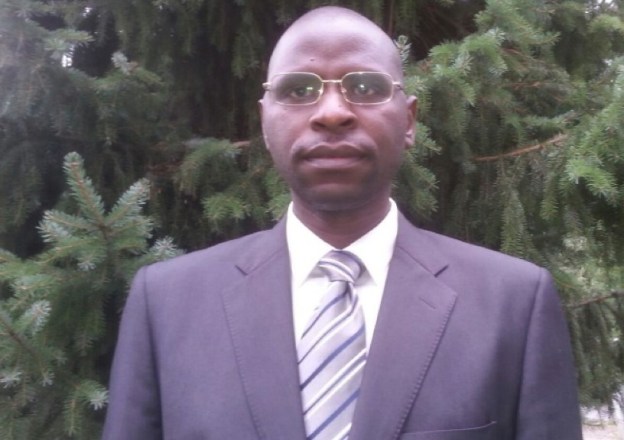
Ishyaka Ishema ry’uRwanda rishimishijwe no kumenyesha  Abanyarwanda muri rusange n’abakunzi baryo by’umwihariko ko ryagennye Bwana MUKENGA  Williams nk’Umuyobozi w’Ikipe Ishema mu mujyi wa LIÈGE ho mu gihugu cy’Ububiligi.
Umutaripfana MUKENGA  Williams, yavukiye mu cyahoze ari Prefegitura ya BUTARE mu 1974. Arubatse ariko ntaragira abana. Amashuli makuru (Université) yayigiye mu gihugu cya Cameroun aho yakoreye Diplôme ya Master en Géologie (2007-2013).
Icyiciro cya gatatu cya Kaminuza yagitangiriye muri Cameroun, agikomereza muri Afrique du Sud.
Ubu ayo mashuli ayakomereje muri Université ya Liège, kandi akaba ari naho atuye.
Mu myaka isaga 2 amaze mu Ishyaka Ishema twamubonyeho imigenzo myiza inyuranye irimo ubutwari, ugutinyuka no kubabazwa cyane nk’akarengane gakabije rubanda ikomeje gukorerwa n’Agatsiko k’Abanyamurengwe bagashize.
Turamushimira byimazeyo ko ateye intambwe yo kujya ahagaragara agafatanya n’abandi bataripfana mu rugamba rwo gutinyura Abenegihugu bashaka impinduka nziza mu gihugu cyacu.
Abifuza kumugezaho ubutumwa ndetse no gufatanya na we mushobora kumugeraho munyuze kuri téléphone igendanwa : 0465/432365 cyangwa kuri e-mail: mukewili@yahoo.fr
Tumwifurije gusohoza neza inshingano.
Bikorewe i Buruseli taliki ya 27/12/2017.
Joseph NAHAYO,
Uhagarariye ishyaka Ishema ry’u Rwanda mu Bubiligi

US ALLY UGANDA ATTACKS CONGO’S BENI TERRITORY

MUSAVULI

An interview with Boniface Musavuli 

The Congo crisis is now one of the greatest humanitarian emergencies in the world and the most underreported. An average of 5,500 people a day flee violence and insecurity, even more than in Iraq, Syria, and Yemen. Unlike Iraq, Syria, and Yemen, however, the Congo wars are undeclared and there’s no front line. There are instead many wars over many concentrations of resource wealth in this immensely resource-rich country, especially in the eastern provinces. For more than 20 years the most rapacious and destabilizing aggressors have been US allies and military partners Uganda and Rwanda. The US is the top bilateral donor to both. Uganda has been led by dictator Yoweri Museveni since 1986, Rwanda by dictator Paul Kagame since 1994.
I spoke to Boniface Musavuli, author of the book “Les Massacres de Beni” about the Ugandan army’s attack on his native corner of Congo, Beni Territory, just in time for Christmas.
Ann Garrison: Boniface, last week Uganda promised to keep its troops on the Ugandan side of the Congolese border. Then its attack aircraft crossed into Congolese territory and began bombing while its troops fired long range weapons from across the border. Should we call this an invasion in violation of international law even though Uganda claims it hasn’t sent any ground troops in yet and the Congolese army is reported to be collaborating with them in this?
Boniface Musavuli: Firstly, this intervention is a violation of the UN charter and the sovereignty of the Congo. Uganda has already been condemned by the International Court of Justice for assaulting and occupying the Congo between 1998 and 2003. We are therefore dealing with an act of recidivism.
The UN Charter prohibits states from using military force on the territory of another sovereign state unless they have a UN mandate or authorization from the government of the country concerned. Until now, however, there has been no Security Council resolution authorizing Uganda to conduct military operations on Congolese territory. Also, in the Congo, there is no official decision from either the government or parliament authorizing the Ugandan army to conduct operations on Congolese territory. Finally, President Joseph Kabila cannot make such a decision because his term in office expired in December 2016. The DRC Constitution does not allow a president whose term of office has expired to invite a foreign army into Congolese territory. So Uganda is violating international law.
AG: Uganda says they’re hunting down the Islamist ADF militia to make sure it doesn’t attack Uganda. They say they fear it will because it attacked the UN’s Tanzanian peacekeepers last week, killing 15 and wounding more than 50. What’s really going on?
BM: This argument is problematic and violates the principles of international law which makes “preventive warfare” illegal. A state cannot conduct operations on the territory of another state because it suspects that a threat will come from that state. Uganda claims to be launching a preventive war against the ADF in Congo, but we know that the attack on Tanzanian peacekeepers was not carried out by the ADF. The ADF has not even existed as a military force since April 2014. The massacres and violence that have been taking place in Beni since 2014 are carried out by certain units of the Congolese army with Rwandan officers and criminals recruited in Rwanda to cause chaos in Beni.
Like Uganda’s President Yoweri Museveni, Congo’s President Kabila wants the world to believe that there is Islamist terrorism in Beni and a security crisis that requires him to remain in power indefinitely. Finally, the base where the Tanzanian peacekeepers were attacked is more than 50 km from the Ugandan border, where the Ugandan army says it is conducting operations against the “ADF positions.”
AG: So the people of Beni have Rwandan officers in their own army, and now they’ve got Ugandan attack aircraft overhead dropping bombs and Ugandan troops shelling them from across their border if they haven’t already moved troops into Congo. Is this the latest phase of the de facto occupation that began when Rwanda and Uganda invaded Congo in the 1990s?
BM: Thousands of Rwandan soldiers were poured into the ranks of the Congolese army following the Goma accords of March 2009. Since 2013, thousands of Rwandans have been sent to Beni where they occupy the territories formerly occupied by the ADF and the southern part of the neighboring province of Ituri. Uganda is currently in conflict with Rwanda and certainly does not welcome the massive influx of Rwandan soldiers and people into this part of Congo bordering Uganda.
AG: Given the current tensions between Rwanda and Uganda, is it possible that the Ugandan attack is in fact an attack on the Rwandan troops wearing Congolese uniforms?
BM: The Rwandans within the Congolese army are always surrounded by real Congolese soldiers. So if the Ugandan army targets the Rwandans, it will not attack the Congolese army directly. I believe that, at first, Uganda wants to reestablish its presence on Congolese soil and try to understand how Rwanda intends to consolidate its grip on this Congolese region. The two countries will monitor each other at first. Of course, officially, it’s all about “fighting the ADF.”
AG: Earlier this week, I wrote to MONUSCO’s Public Information Director to ask what the Tanzanian peacekeepers had been doing in Beni Territory, and she wrote back to say that when the UN Security Council last renewed the Tanzanian troops mandate, they “stressed the importance of neutralizing the Allied Democratic Forces (ADF) among other armed groups.” She also said that they had gone there initially to protect MONUSCO engineers and equipment sent to rebuild the bridge across the Semuliki River after it had been blown up by the “suspected Allied Democratic Forces (ADF).” Once the bridge had been rebuilt in 2015, she said, their temporary base became a permanent operating base and they’ve been there since.
After the December 7 attack, the Congo Research Group said that it had been a battle over control of the Mbau-Kamango road that goes through the Virunga park, crosses the Semuliki River (on the bridge), and leads to the Ugandan border at Nobili.
Now the UN News, the UN’s Radio Okapi, and MONUSCO Chief Maman Sidikoua all blame the ADF for this attack on the Tanzanian peacekeepers. Your response?
BM: The UN Security Council and MONUSCO have been talking about “alleged ADF fighters” for almost three years now, but they know that the real ADF fighters no longer exist. ADF leader Jamil Mukulu was arrested in Tanzania in April 2015 and has been in prison in Uganda since May 2015. All the area once controlled by the ADF has already been recovered by the army and MONUSCO. The attack on the Tanzanian peacekeepers was carried out by a force of several hundred combatants wearing Congolese uniforms in an area under Congolese army control. The ADF, even when they were active, could not carry out such a large-scale operation. Moreover, the number of ADF who survived the 2014 operations is no more than a hundred people scattered throughout the bush without coordination or supplies. How can anyone believe that they could mobilize several hundred combatants, attack a base of 100 highly trained and well armed soldiers from four sides, and sustain the battle for more than three hours?
AG: Several days before the attack, Radio Okapi reported that “Beni civil society” objected to Uganda’s plan to cross the border to go after the ADF because they thought the Ugandans were really coming to occupy Beni Territory and would not leave. They appear to have been the only organization or amalgam of organizations stating the obvious.
BM: Yes they were, and they are the ones being massacred.
AG: Could you say something about the Tanzanian peacekeepers, fifteen of whom died during the December 7 attack?
BM: The Tanzanian peacekeepers were an anomaly. Unlike other UN peacekeepers, they had earned the confidence of Beni’s population. They were the contingent most motivated to actually protect the civilian population, and the population was therefore far more likely to confide in them than in the Congolese soldiers. It must always be kept in mind that most Congolese army units in this part of the Congo are led by Rwandan officers who are hated by the population for their crimes and atrocities.
AG: What about the Tanzanians’ offensive mandate to go after the aggressors? The Tanzanian and South African peacekeepers were the first peacekeepers that the UN ever gave an offensive mandate. That happened back in 2013 when they joined the battle to drive M23 out of North Kivu Province, and the UN Security Council has renewed their mandate every year since. Have the Tanzanians used their offensive mandate in Beni, and if so, how? It’s hard to imagine they don’t know that the real aggressors are the Rwandan officers and soldiers in the so-called Congolese army, the FARDC.
BM: Tanzanian peacekeepers are in an uncomfortable situation. When they arrived in Congo in 2013, their country had all but declared war with Rwanda. The conflict began when former Tanzanian President Jakaya Kikwete called on the Rwandan government to negotiate with the FDLR, the armed group of Hutu refugee in eastern Congo. Kagame digested this proposal very badly and threatened to hit the Tanzanian president. The climate between the two countries became very tense, and Tanzania expelled several thousand Rwandans from its territory. Then when the Tanzanian soldiers arrived in Congo to fight the M23, they found that most of them were not Congolese rebels but Rwandan soldiers under Rwandan command.
AG: Kagame threatened to “hit” Kikwete? You mean assassinate?
BM: Kagame’s exact words were: “I’m going to wait for you in the right place and I’ll hit you!” He said that at a rally in Rwanda in 2013 as though he were speaking to the Tanzanian president.
Then the Tanzanian president, also in a rally, retorted that “he [Kagame] will be hit like a kid.”
After M23’s flight back into Rwanda and Uganda, the Tanzanians found that units of the Congolese army included several thousand Rwandan soldiers, consequent to the agreement agreement signed in Goma on March 23, 2009. Despite their offensive mandate, the Tanzanians were exposed to great risk because they could never trust the Congolese army that they were supposed to be working with. A hidden war between Tanzania and Rwanda has been taking place in Congo.
An incident occurred in May 2015, after the Tanzanian peacekeepers were secretly informed that a massacre was going to be committed in the town of Mavivi. They went there, hid, and waited. When they saw men armed with machetes and guns encircling the houses and taking the families out, they opened fire and killed about twenty of them. When they examined the bodies of the attackers, they saw that they were wearing Congolese uniforms and that they were really Rwandan soldiers who had been “integrated” into the ranks of the Congolese army by the 2009 Goma agreement.
This incident was quickly hidden by the Congolese authorities and even MONUSCO because it would have been a serious scandal. The Congolese government has never acknowledged the presence of Rwandan soldiers in the ranks of its army, and it has always denied that the killers of Beni are members of the army. If it had been made public that the Tanzanians had ambushed these soldiers in Congolese uniforms as they were pulling people out of their homes for a massacre, it would have been impossible to continue to deny it. Other soldiers in Beni might have reacted and regional tensions would have increased.
AG: I remember when Rwandans became part of the Congolese army in Kivu in 2009. It made no sense whatsoever, but American officialdom applauded as though it was a great step towards peace in the region.
BM: That followed a secret agreement between Kabila and Kagame. The Rwandan army returned to Congo officially to fight the FDLR alongside the Congolese army in January 2009. In March 2009, the Rwandan army announced that they had completed their mission and left Congolese soil, but in reality, the majority of the Rwandan soldiers did not return to Rwanda. They stayed in Congo, hidden inside the Congolese army. They were preparing the ground for the new war, that of M23, that broke out in April 2012. This war was part of a secret project to place the eastern Congo under the power of Rwanda. The goal is to balkanize Congo. This is what explains the large number of Rwandan soldiers in the ranks of the Congolese army, and the large numbers of Rwandan peasants who have appeared in Beni and settled on the land that the native people were driven off of. They are there to advance this project, despite the opposition of the Congolese people.
AG: OK, one last question for now. The Tanzanian peacekeepers sound heroic. This is the first time I’ve heard of any UN peacekeepers in Congo who were actually committed to protecting civilians. Their death is a tragedy that should outrage anyone who understands what really happened and how it’s being covered up. Whoever sent them into this very dangerous and deceptive conflict zone with a mandate to go after the ADF should be held accountable, and Tanzanian President John Magufuli has demanded a full investigation. Do you think he will be satisfied if investigators tell him that his soldiers were killed by ghosts of the ADF?
BM: I believe that President Magufuli already knows who killed his soldiers. Tanzanians in Beni are very knowledgeable because they have the confidence of the people, but Magufuli, as president, is obliged to wait for the conclusion of an investigation. Unfortunately, in the Congo, it is very difficult to get an investigation into serious crimes. For example, investigations into the killing of the two UN experts earlier this year are constantly hampered by the authorities. What is unfortunate is that now, the Tanzanians may become passive like other peacekeepers and let the attacks on the population go on without trying to protect them. The message behind this attack was that no real peacekeeping will be tolerated.
Ann Garrison is an independent journalist based in the San Francisco Bay Area. In 2014, she received the Victoire Ingabire Umuhoza Democracy and Peace Prize for her reporting on conflict in the African Great Lakes region. She can be reached at @AnnGarrison orann@kpfa.org 
Boniface Musavuli is a native of Beni Territory now living in political exile in France and author of the books “The Massacres of Beni” and “The Genocides of the Congolese, from Leopold II to Paul Kagame.” He can be reached at bmusavuli@gmail.com
Source: Blackstarnews

Rwanda-Union Africaine: une présidence qui cause problème

Condé-paul-kagamé-768x546

Paul devra succéder à Alpha Condé à la tête de l’UA en 2018 (photo http://www.guineenouvelles.com)

Comme il est de tradition, la présidence en exercice annuelle tournante de l’Union Africaine échoit cette année 2018 au rwandais Paul Kagame. Celui- ci aura, pendant 12 mois, à exprimer les positions de cette organisation devant les autres instances internationales tout comme le suivi sur l’exécution par la Commission des décisions des autres instances de l’organisation.
Or, les positions du président rwandais et de son gouvernement sur certains sujets sensibles et d’actualité sont en contradiction avec celles que l’Union Africaine, comme entité, a adoptées comme siennes. Ainsi :

– L’Union Africaine juge que la ville de Jérusalem doit appartenir à deux états : Israël et Palestine et que toute décision sur son statut doit sortir des négociations. Or Paul Kagame, pour son amitié avec l’état d’Israël et sa fidélité au protecteur américain ( USA), penche pour la reconnaissance de Jérusalem comme capitale de l’Etat d’Israël.

résolution-ONU_jérusalem_twitter-768x658Il l’a montré récemment lors du vote de l’Assemblée Générale des Nations Unies condamnant la décision de l’Administration Trump de reconnaitre Jérusalem comme capitale d’Israël. La plupart des pays membres de l’Union Africaine ont voté pour cette résolution joignant leurs voix aux 127 autres pays, sauf le Rwanda de Paul Kagame qui s’est abstenu tout comme 34 autres pays qui, par la suite, furent vivement remerciés par la Représentante des Etats Unis à l’ONU.
Si donc, à ce moment, Kagame avait représenté l’UA dans cette instance, il aurait voté pour l’annexion de Jérusalem ou refusé de la condamner.

– La Commission de l’Union Africaine est l’organe exécutif de cette organisation. Elle est chargée d’exécuter les décisions prises par les autres instances comme les décisions prises lors des sommets des chefs d’Etats, les jugements et arrêts de la Cour Africaine des Droits de l’Homme et des Peuple. Or, Paul Kagame ne reconnaît pas la compétence de cette Cour et refuse même obstinément d’exécuter les jugements qu’elle a rendus notamment dans l’affaire concernant son opposante notoire Madame Victoire Ingabire qu’il détient en prison irrégulièrement depuis 2010. Maintenant qu’il va présider l’Union Africaine à partir de janvier 2018, va-t-il appeler à l’exécution des décisions de ses instances s’il les juge contraire à ses pratiques politiques ? Ou va-t-il plutôt s’employer pendant, ces 12 mois, à détricoter le tissu des pratiques démocratiques et civilisées que l’UA était péniblement en train de tisser ? Ou travaillera-t-il à imposer son obscurantisme, pour autant qu’il le peut ?

– Le président en exercice de l’UA représente cette organisation lors des grandes rencontres internationales débattant de grands enjeux mondiaux. Or, pour la plupart de ces rendez-vous, les positions de Paul Kagame sont diamétralement opposées à celles de l’Union Africaine en tant qu’organisation défendant les intérêts de l’Afrique. Ainsi au G20, Paul Kagame y est reçu non pas comme chef d’Etat d’un petit pays africain, mais comme un grand agent des multinationales possédant une propriété privée de 26 338 km ² au centre de l’Afrique et chez qui il faut passer pour faire des affaires et réaliser de gros profits dans la Région des Grands Lacs. De même la rencontre annuelle dite France-Afrique que Paul Kagame ne supporte que quand elle peut lui donner une occasion de faire chanter la France afin qu’elle abandonne les poursuites judiciaires engagées contre les auteurs de l’attentat terroriste du 06/4/1994 qui a notamment coûté la vie à trois citoyens français. Autrement dit, ses intérêts à défendre lors de telles rencontres n’ont rien à voir avec ceux des autres membres de l’UA qui, eux, sont préoccupés par le développement de leurs populations et par la paix et la sécurité pour voir dans quelle mesure la France en tant que partenaire pourrait les accompagner.

On le voit, la désignation par ses pairs de Paul Kagame pour présider l’Union Africaine pour 2018, loin d’être un détail diplomatique et protocolaire comme il se devait, pourrait devenir une source de contradictions et d’incohérences regrettables susceptibles d’entamer le peu de crédibilité qu’avait l’UA sur l’échiquier mondial.

Emmanuel Neretse

Echosdafrique

Rwanda Needs to Take Torture Seriously


logoHRW

On December 6, the UN Committee Against Torture released its concluding observations after a routine review of the situation in Rwanda. During the review, committee members raised concerns about serious violations – including torture, extrajudicial executions, enforced disappearances, and intimidation of journalists, human rights defenders and opposition party members – and asked numerous, precise questions about the Rwandan government’s actions.

The Rwandan government’s response was to deny, deny, deny. On illegal detention and abuse in military camps, despite overwhelming evidence to the contrary, the government wrote in its final submission to the committee that, “we want to repeat and insist that there are no unofficial or secret places of detention in Rwanda.”

In October, Human Rights Watch issued a report documenting abuses in military camps around Kigali, the capital, and in the northwest. For at least the last seven years, Rwanda’s military has frequently detained and tortured people, beating them, asphyxiating them, using electric shocks and staging mock executions. Most of the detainees were disappeared and held incommunicado, meaning they had no contact with family, friends, or legal counsel. Many were held for months on end in deplorable conditions. We continue to receive information about new abuses.

Many of those tortured were forced to confess to crimes against state security and later transferred to official detention centers. Instead of keeping quiet, scores of victims dared to speak up at their trials. When the committee asked the Rwandan government why judges did not investigate when defendants said in the courtroom that they had been tortured – which the government is required to do under the Convention against Torture – the government simply presented a table in its report asserting that no one alleged they were tortured in trials from 2013 to 2017.

This stands in stark contrast to the facts. From 2011 to 2016, we documented65 cases in which individuals said in court said they were illegally held in military camps or unlawful safe houses. Of those cases, 36 said they were either tortured, beaten or otherwise forced to confess to crimes they did not commit. These were statements either made publicly in court during trials we monitored or are reflected in official court judgments.

In response to allegations, including by Human Rights Watch, about torture in Kami, a military base outside Kigali, the government wrote in its final report that it needed, “clarifications of these allegations… because the people who alleges [sic] to have been tortured… in The Kami Military Camp are unknown. Those reports did not provide names of victims and suspects; therefore, no investigations were conducted.” To Johnston Busingye, the justice minister who headed the Rwandan delegation at the committee, I say: please see Appendix I, pages 92-98 of our last report.

We provided the case numbers and the identity of those who dared to speak up in court. It is not difficult to confirm. That the government would simply say these people never spoke is the final act of torture. It denies them their right to tell the truth about what happened.

The government maintains it has no political prisoners. The government also says any case of enforced disappearance is investigated. Here again, recent facts tell a different story. Take the case of Théophile Ntirutwa, Kigali representative of the Forces démocratiques unifiées (FDU)-Inkingi, a banned opposition party. Ntirutwa was forcibly disappeared on September 6, after the arrest of several other FDU members the same day, and held incommunicado until September 23. During this period, the police would not confirm to Human Rights Watch or his family whether he was in custody.

He has now been charged with supporting an armed group. On November 21, during a hearing, Ntirutwa said in court, “I was disappeared for 17 days… My family was not informed of where I was, nor were human rights organizations. My wife told the police I had been disappeared. All that time I was blindfolded and handcuffed before it was revealed I was at [a] police station.”

These were words said in a public courtroom. The government should follow through on its obligations, open an investigation, and hold those responsible for this enforced disappearance accountable. But if recent history is any indication, chances are nothing will happen. Ntirutwa had previously been detained on September 18, 2016, allegedly by the military, in Nyarutarama, a Kigali suburb. He said he was beaten and questioned about his membership in the FDU-Inkingi, then released two days later. Accounts of this detention were published, but the government did not investigate.

The committee wrote its final report that it is “seriously concerned” both about Rwanda’s failure to investigate allegations of torture and its “failure to clarify whether or not it opened an investigation into the allegations of unlawful and incommunicado detention.”

The committee’s concluding observations are cause for concern about the situation in Rwanda. While technically Rwanda has made advances in its legislation, in reality it does not seem to take seriously the absolute prohibition on torture. Rwanda is bound by both national law and international treaty obligations to act on allegations of torture and enforced disappearances, and to take steps to prevent such abuses. Instead of denying these abuses exist, it should demonstrate that it is ready to meet those obligations.

Ida Sawyer

Director Human Rights Watch, East Africa

Source: Human Rights Watch

Prof. Galia Sabar traveled to Rwanda and Uganda to hear about the Sudanese and Eritreans’ wretched living conditions — partly courtesy of Israel.

ob_76875b_galia-sabar

Prof. Galia Sabar

The villa in a well-off neighborhood in the Rwandan capital Kigali looks perfectly normal. In recent months, new residents have arrived regularly, but they remain for only a few days. The villa, discovered by Prof. Galia Sabar, is a way station for Eritrean asylum seekers who have agreed to leave Israel for Rwanda.

Sabar, the head of African Studies at Tel Aviv University’s Middle Eastern and African History Department, traveled to Uganda and Rwanda two months ago to learn the fate of these asylum seekers. In Rwanda, the main country where Israel has sent them, Sabar didn’t meet with a single asylum seeker.

That’s because they didn’t remain in Rwanda. They typically spent only a few days there before making their strange trip to neighboring Uganda.

“They land in Kigali and a representative whose name you constantly hear, John, arrives. He knows who’s arriving and how many people, and he helps them go through immigration,” says Sabar, who collected the testimony of 17 people.

In Kigali, the authorities take the laissez passer document that Israel gave them and they’re put in a minivan, she says. They’re told they’re being taken to a hotel. The hotel is that villa in Kigali. At least they have the $3,500 they were given by Israel as a “leaving grant.”

They’re required to pay $10 to $150 for two nights. Once they enter the building, they can’t leave without permission from John. The gate is closed and protected by a guard.

“They were told that it was forbidden to wander around Kigali, and Rwanda in general, without documents; they’d be arrested and put in jail,” Sabar says.

In Uganda, she asked asylum seekers how they got out of Rwanda. After a day or two John would come and say “we’re waiting for at least eight people.” They then had to pay between $250 and $400 to be smuggled over the border to Uganda.

“That means the smuggling is a regular act by that man, who told me he received all his information from the Israel Police,” Sabar says. “He knows exactly who’s coming and how many. He has an entire network that helps get them out.”

They are each allowed to take a small bag. “They reach a certain point in a Rwandan vehicle — of course at night. From there they go on foot, and I have entire descriptions: They’ve told me how they bend down and run” until they cross the border.

“Smugglers are waiting for them on the Ugandan side. They walk again for a bit and another vehicle picks them up on the other side. Everything is totally organized.”

This testimony completely contradicts Israeli claims that the third-party countries the Eritreans and Sudanese are sent to are safe, don’t deport asylum seekers, and let them file asylum requests and work for a living. Two months ago, based on these commitments, Attorney General Yehuda Weinstein approved the request of then-Interior Minister Gilad Erdan to send Eritrean and Sudanese asylum seekers to Rwanda and Uganda — even against their will.

Based on this policy, dozens of asylum seekers at the Holot detention center in the south were told they had to leave Israel within a month. If they refused, they would be jailed at the Saharonim Prison, also in the south, for an indeterminate period.

As far as is known, everyone who has received a deportation order is still being held at Holot — even though the final date for their departure has passed. Earlier this month the Be’er Sheva District Court rejected a petition by human rights groups against the deportation and detention of asylum seekers, saying the petition was premature because the state had not yet jailed asylum seekers who have received deportation notices.

Always the same story

Through last month, more than 1,500 Eritrean and Sudanese had left Israel for third countries as part of the program, says the Population and Immigration Authority. The government has not revealed which countries are involved, but they are widely believed to be Rwanda and Uganda.

Ugandan officials have denied the existence of any agreement with Israel to receive asylum seekers. But Rwandan President Paul Kagame has said Rwanda is in the final phases of crafting such an agreement.

Government sources have told Haaretz that such agreements are indeed in force, but Rwanda and Uganda don’t want them made public, and Israel has agreed.

Over a year ago, Haaretz found that asylum seekers were sent to Rwanda and Uganda without any formal status or basic rights. A report released two months ago by two nonprofit groups — Hotline for Refugees and Migrants and the Assaf aid organization for refugees and asylum seekers — found serious faults with the process of “leaving of their own free will.”

The report, entitled “Where there is No Free Will: Israel’s ‘Voluntary Return’ Procedure for Asylum Seekers,” was based on telephone interviews with dozens of asylum seekers who have left Israel. These people said Rwanda and Uganda did not provide protection, legal status or guarantees for the deportees’ safety.

The testimonies Sabar collected support the findings of both Haaretz and the NGOs. She conducted all her interviews in the Ugandan capital Kampala; the interviews lasted up to three hours. She met with some interviewees more than once.

It was always the same story: Rwanda, John, the villa in Kigali, the smuggling route, and the claim they would be able to find asylum and work legally at a reasonable wage in Uganda. She heard the same story from people with no link to one another.

The Rwandans and Ugandans know that every Eritrean asylum seeker has $3,500 in his pocket, Sabar says. “All the people I interviewed said that at one stage or another a Ugandan official demanded payment from them. Sometimes is was $150 or $200,” she says.

“Three told me about another young man; he got $1,000 taken from him. And if they don’t pay then of course the Ugandan police say they’ll arrest them and put them in prison,” she says.

It sounded amazing to her; the same guy who picked them up at the airport was responsible for the network. So she decided to try to meet John.

“I got his phone number from six or seven asylum seekers,” she says. “He gave them his phone number so they could call him if they had problems while they were still in the villa.”

Her telephone conversation with John was conducted in English, lasted 20 minutes and included long silences. John was very nervous.

“Who sent you?” he asked. “No one, I’m from the university,” answered Sabar.

John refused to meet her. “I don’t want to talk …. I help them …. I can’t talk because it’s a complex system. I don’t want problems,” he said.

Sabar tried to understand exactly what his job was and who he worked for. “I don’t know the entire process. I received a phone call from a policeman in Israel,” he said, probably referring to an official from the Immigration Authority. “He asked me to help them. I only help. I don’t want to talk about it.”

Neighborhoods of mud

Sabar tried to get more information out of him to confirm the stories she heard. “You meet them at the airport?” she asked. “Yes, yes. I come and welcome them. I take the papers they bring and pass them on.”

So Sabar asked to whom he gave the Israeli-issued documents. “I don’t want to talk, I don’t want to get into trouble …. Look, I’m scared all the time,” he said. “That’s what I do. I try to help, to be polite and help. Sometimes they’re so frustrated they blame me.”

Later he told Sabar the Rwandan authorities were sending him to greet the asylum seekers. The precise information on the arrivals he gets from Israel.

Sabar notes the asylum seekers’ living conditions in Kampala. “I was in their homes. I know how much it costs to rent a room for a month, what the cost of living is, transportation — they have no chance to survive,” she says, adding that the migrants were living in Kampala’s “most miserable poor neighborhoods.”

“A communal room without water, sewage, without anything, and these are neighborhoods made out of mud — it’s $65 a month. A room one rung higher that’s reasonable and clean is $300,” she says.

“It’s sort of a long train of rooms, and at the end there are [squatting] toilets and a shower and water that’s communal for all the asylum seekers. I didn’t see anyone with his own room. Men were living there in pairs.”

Very few asylum seekers chose the two higher levels of housing. “Two were real entrepreneurs and took a sort of house in Kampala, which cost something like $600 [a month], but there are eight rooms there, so they’ve sublet to others who came after them,” Sabar says.

“So they’ve opened a kind of hostel. The next level was the Asmara motel, a kind of hotel; there they pay per day. If you’re there for a month, it reaches something like $350 to $400 per bed.”

A very modest standard of living costs $450 a month, assuming the asylum seeker cooks his own very basic food, Sabar says. So the money from Israel can last up to six months.

“I stood in Kampala facing a man in his late 50s, an Eritrean who was in Israel for four years. He spoke amazing Hebrew. He lived most of those years in Eilat and worked for the Isrotel hotel chain,” she says.

When she kept on asking question he said “wait a minute” and ran to his room. “He brought me an outstanding-employee certificate from 2011 and a most-liked-employee certificate from 2012, and an employee-of-the month certificate,” Sabar says.

As she quotes the asylum seeker: ‘Everyone knew I was a good person, honest and liked, and in one day everything was destroyed. I received a summons to Holot and they threw me away like a rag.”

There was also a 21-year-old with incredible Hebrew who lived in Jerusalem and Tel Aviv. Two years ago he took a massage course.

Sabar quotes him: “I came [to Kampala] and said I’ll survive, I’m young, I’m healthy, I have a profession, I have a certificate and everything. At every hotel I went to in Kampala I said I wanted to work in their spa or guesthouse. I showed them the certificate; they were very impressed it was from Israel. I took a test and passed. Then they said: Bring us your refugee documents” — which he didn’t have.

Sabar asked him why he didn’t file an asylum request. He said that at the office of the UN High Commissioner for Refugees in Kampala, he was asked where he came from — and he couldn’t tell the truth. He was afraid that if they knew he came from Israel, they’d send him to Eritrea.

“You see the various stations in this horrible journey for survival,” says Sabar. “And when you think about the road ahead of them — they talked all the time about Libya and crossing from Libya to the sea. What can these people expect?”

Sabar notes how she had already studied asylum seekers in Israel for six or seven years. “But the people I met in Uganda had this burned-out look; the only others I’ve seen with this look were in refugee camps. This is a feeling of no future and no hope.”

Asylum seekers who left Israel for Rwanda describe a hopeless journey – Features

Asylum seekers who left Israel for Rwanda describe a hop…

Prof. Galia Sabar traveled to Rwanda and Uganda to hear about the Sudanese and Eritreans’ wretched living conditions — partly courtesy of Israel.

NTABWO RUBANDA IGOOKA YAKOMEZA KUREKA KAGAME NGO AGENGE U RWANDA NK’AHO ARI URUGO RWE.

Kaga_Nyahu

Banyarwandakazi, Banyarwanda,

Muri iyi minsi haravugwa ikibazo cy’impunzi nyinshi ziri muri Israel no muri Libiya Kagame ku giti cye no mu nyungu ze bwite ashaka kuzana ngo azituze mu Rwanda, mu gihe n’abanyarwanda bangana na miliyoni 12 barira ayo kwarika kubera kubura imirimo n’ubutaka buhagije bwo kubatunga.

Ntabwo nzinduwe no kwinjira mu isesengura rihanitse kuko iki kibazo gikomeje kuvugwaho ku buryo burambuye n’Abanyarwanda bo mu ngeri zose barimo abantu ku giti cyabo, imiryango iharanira uburenganzira bwa kiremwa muntu ndetse n’Abanyapolitiki.

Abo bose rero bavuze uko babona iki kibazo kandi bose bahuriza ku bintu nka bibiri:

 (1) Kagame yishakira amafaranga yo gushyira mu mufuka we

(2) Kagame yaba ari no mu mugambi mureremure wo gushaka abarwanyi bazamufasha mu guhungabanya umutekano mu Rwanda no mu bihugu duturanye nk’u Burundi, Kongo n’ibindi.

Ibyo yaba ateganya byose ntabwo bizamusiga amahoro. Ndagirango ngire icyo mvuga kuri iki kibazo gikomeye cyane cyo kuzana abimukira mu Rwanda, rubanda itabyemeye.

1.Abakurikira politiki y’u Rwanda mwaba mwibuka ko ku italiki ya 23/11/2016. Ishyaka Ishema ryohereje abarwanashyaka baryo kujya mu Rwanda kugirango baryandikishe mu gihugu bityo rizabashe kugira uruhare mu matora yari ateganyijwe y’umukuru w’igihugu yabaye muri Kanama uyu mwaka. Ariko nk’uko mwabikurikiye kuri iyo taliki ya 23/ 11/2017 Nyakubahwa Padiri Thomas NAHIMANA n’intumwa yari ayoboye aribo : Claire Nadine KASIINGE, Skyler KEJO na Vénant NKURUNZIZA bangiwe kurira indege yagombaga kubajyana mu Rwanda kuberako Paul Kagame yari yatanze itegeko rigayitse ko NAHIMANA Thomas n’abo bari kumwe nta ndege igwa i Kigali igomba kubatwara.Ku italiki ya 23/1/2017 Padiri Thomas NAHIMANA na Claire Nadine KASIINGE bakuwe mu ndege i Bruxelles kubera impamvu twavuze haruguru.

2.Ikibazo : Padiri Thomas Nahimana n’abo bari kumwe ntabwo ari abanyarwanda ? Uburenganzira bwo kubabuza gusubira mu gihugu cyabo, Kagame abuhabwa nande ? Tuzi n’abandi benegihugu batari bake bagiye basaba ibyangombwa by’u Rwanda nka Pasiporo n’indangamuntu nyamara Leta y’Agatsiko ka Kagame ikabibima mu buryo butemewe n’amategeko. Buriya mwambwira ko Victoire Ingabire, Deogratias Mushayidi, Diane Shima Rwigara, Kizito Mihigo….bafunzwe bazira iki uretse ubwikanyize bw’ingoma y’Agatsiko gasuzugura abenegihugu birenze urugero ! Ibi byose se ntibyereka Abanyarwanda ko Kagame agenga igihugu cy’u Rwanda nk’aho ari urugo rwe aho ashobora kwinjiza cyangwa gukumira uwo ashaka ?!

3.Ubu noneho Kagame ku gatwe ke, ateye intambwe idasanzwe yo kwiyemeza kwakira ibihumbi birenga 40 by’abanyamahanga ngo baze gutuzwa mu Rwanda.

4.Rwose biragaragara ko Kagame arimo yitiranya u Rwanda n’urugo rwe bwite aho afata icyemezo gikomeye nka kiriya cyo kuzana abantu batari abenegihugu,bitabanje nibura guca mu Ntekonshingamategeko ngo ibifateho umwanzuro n’ubwo bwose dusanzwe tuziko inzego z’igihugu yazujujemo inkomamashyi ! Igihugu yakigize icye, agitwara mu mufuka w’ikoti yambara. Niwe Gouvernement, niwe Parlement, yewe ninawe Butabera ! Uko u rwanda ruyobowe biteye agahinda.

5.Sinasoza ntibukije ko ibyo Kagame arimo akora ubu abiterwa no gushaka KWUKURIRA MU KIMWARO yashyizwemo na MANDA YA GATATU yihaye ku ngufu, kandi yari yarashutse amahanga ko ari Umudemokarate w’akataraboneka§ None ubu bose baramutahuye, ni umunyagitugu wamunzwe n’inyota y’ubutegetsi akoresha yigwizaho imitungo, we n’umuryango we ! Amaraporo ubundi yahishwaga, atangiye kujya ahagaragara  arushanwa gushyira ahagaragara amarorerwa akomeje gukorera Abanyarwanda n’ibihugu duturanye .Ubu rero ari kugitutu cy’ibihugu bikomeye ari nabyo byajyaga bimusingiza ngo ni umutegetsi mwiza. None arakora ibishoboka n’ibidashoboka kugirango ibyo bihugu bimugarukire arebe ko yaguma ku butegetsi yibye rubanda.  Arashaka kwerekana ko ari umuperezida w’igihangange ukemura ibibazo byananiye isi yose. Ariko arishuka, ibuye ryagaragaye ntiryica isuka. Abanyarwanda bafashe igihe cyo kumumenya kurusha uko yiyizi, ubu bamaze kubona neza ko adateganya kuva ku butegetsi mu mahoro no ku neza. Muri uyu mwaka wa 2017, ikibazo cye cyatangiye « kwigwa ».

Umwanzuro :

6.Rubanda igooka niyumve ko itagomba gukomeza kwihanganira Kagame n’Agatsiko ke k’Abanyamurengwe bagashize bishakira amafaranga yo gutunga imiryango yabo naho rubanda yicwa n’inzara, ibaho mu bucakara, ikora ariko ibyo yakoreye bikaribwa n’Agatsiko.

7.Mboneyeho umwanya wo kwihanganisha abaturage bo muri Gicumbi bamaze hafi umwaka bakora badahembwa, abana babo babuze amafaranga batanga ku ishuli abandi ntibakigira icyo bashyira mu gifu.

8.Nka Minisitiri w’ubutegetsi bw’igihugu, umutekano n’iterambere ry’umurenge ndakangurira Rubanda igooka ko igomba kwisuganya mu maguru mashya, igafatanya na Guverinoma ya rubanda ikorera mu buhungiro tukaburizamo imigambi yabo mibisha yo guheza abenegihugu ku ngoyi y’iterabwoba no kubambura ibyabo. Ntabwo twakomeza kurebera nk’aho hari abandi bazabidukorera.

9.« Igihe ni iki, ejo hazaza ni kera », niko twari dukwiye kumva ibintu. Dukomeje kwituramira, tukamureka agakomeza kwikorera ibyo yishakiye, ejo azaba agurisha abana bacu ku manywa y’ihangu, mu isoko ry’abacakara nk’iryagaragaye mu gihugu cya Libiya muri iyi minsi. Nidutinyuka kandi dutinyurane, duhaguruke tumuvudukane, tumwerekeko RUBANDA ariyo ifite ububasha.

10.Abanyarwanda bari mu gihugu cyane cyane mwebwe urubyiruko rwahinduwe abatindi nyakujya nimwe mbaraga z’ibanze zigomba gushyigura Umunyagitugu, ingoma ye igahabwa iherezo. Abanyarwanda bahejejwe hanze y’igihugu natwe biratureba. Buri wese natange umuganda ashoboye, he kugira abigira nka « Bigirankana bya Nirwange wabonye inzu ihiye ati nimunsasire niryamire !!! ».

Murakoze 

Ndi NAHAYO    Joseph

Ministre w’Ubutegetsi bw’igihugu, umutekano n’iterambere ry’umurenge.

Muri Guverinoma ya rubanda ikorera mu buhungiro

Paul KAGAME mu mushinga wo « gucuruza abanyafurika » no gushyira ubuzima bw’Abanyarwanda mu kaga .

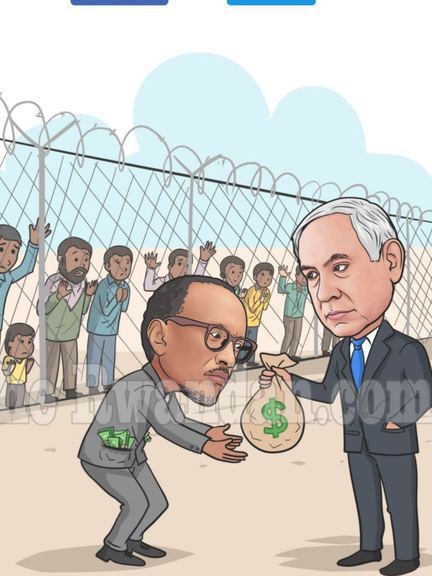
Mu gihe Umunyagitugu Paul Kagame n’Agatsiko ke k’Abanyamurengwe Bagashize bakomeje gahunda mbisha yo gushyiraho amategeko adukumira twebwe abenegihungu ngo tutagaruka mu Rwanda, noneho yadukanye umushinga mubisha wo « gucuruza abantu » abifashijwemo na Ministri w’Intebe wa Israheli Benjamini Natanyahu bagomba kuba basangira amafaranga akomoka muri ubwo bucuruzi bw’amaraso.

Amakuru yasakaye mu binyamakuru byo mu Rwanda no hanze yarwo aremeza ko Paul Kagame yumvikanye na Ministri w’intebe wa Israheli ku isoko ryo kumwoherereza Abanyafurika ibihumbi 40 akabagurisha aho ashaka cyangwa akabakoresha ikindi yishakiye. Benjamini Natanyahu yiyemeje gusenya inkambi ya Holot iri mu gihugu cye, bityo agasumira Abanyafurika bayirunzemo, akaburiza indege, akaboherereza Kagame mu Rwanda. Yemeye kuzajya aha Kagame ibihumbi 5 by’amaeuros ni ukuvuga hafi miliyoni 5 z’amafaranga y’u Rwanda kuri buri munyafurika uzoherezwa mu Rwanda. Nanone kandi biteganyijwe ko na buri wese muri izo ngorwa zigiye koherezwa mu Rwanda ngo azajya ahabwa impamba y’amaeuros ibihumbi 3 na magana atanu ni ukuvuga hafi miliyoni 3 n’igice. Kubera ko Kagame akunda amafaranga kurusha abazima n’abapfuye, ubwo we yarangije kubara ko azabambura n’ariya mafaranga y’impamba bazahabwa. Ngo si ubwambere yaba akoze bene ubwo bwambuzi.

Ngabo ba gica baracura umugambi mutindi wo gutesha agaciro abanyafurika bakabahindura ibicuruzwa!

Abo banyafurika bari mu kaga kandi batagira kivugira bari barinjiye muri Israheli bishakisha ubuhungiro, mu rwego rwo guhunga imidugararo y’urudaca n’ubukene bwokamye ibihugu bakomokamo cyane cyane Erithreya na Sudani y’Amajyepfo . Ariko kubera ko Ministri w’intebe wa Israheli ateye nka Kagame akaba asuzugura bitangaje Abanyafurika, ahisemo kubagurisha na Kagame aho kubasubiza mu bihugu baturutsemo.

Icyo dukwiye kumenya ni uko kugeza ubu mu Rwanda nta tegeko rihari riteganya uko abantu bangana batyo bakwakirwa n’uburenganzira bahabwa mu gihugu kitari icyabo.

Reka twibutse ko abo bantu bataje mu Rwanda nk’impunzi cyangwa ngo babe baje gutura mu Rwanda babyihitiyemo. Ahubwo bazanywe ku gahato kandi mu buryo budakurikije amategeko, bazanywe nk’ibicuruzwa cyangwa ingaruzwamuheto, bazanywe mu gihugu batazi , badakunze kandi badashaka.

Nanone kandi ntawe ukwiye kwirengagiza ko mu Rwanda hari ikibazo gikomeye cy’ubuke bw’amasambu kubera ubwinshi bw’Abanyarwanda (miliyoni 12) n’ubuto bw’ubuso bw’igihugu cyacu(26 336 kilometero kare). Bizwi ko muri iki gihe inzara ya Nzaramba ikomeje guca ibintu mu giturage. Ntitwakwirengagiza kandi ko hakiriho  ibihumbi agahumbagiza by’impunzi z’abanyarwanda zinyanyagiye ku isi Paul Kagame adashaka ko zitahuka i Rwanda.
Mu kwemera kuzana abantu ibihumbi 40 atitaye ku bibazo uruhuri igihugu cyacu gifite, biragaragara ko Paul Kagame adashishikajwe n’ubuzima bw’aba banyafurika bagenzi bacu ahubwo akaba yifitiye irari rikabije ry’amafaranga azakura muri iki gikorwa kigayitse, kandi ayo mafaranga akaba aziyinjirira mu mifuka ye.

Uyu mugambi umenyekanye nyuma y’aho hamaze iminsi hakwirakwizwa video yerakana akaga gakomeye k’abirabura bagurishwa nk’ibicuruzwa mu gihugu cya Libiya. Biravugwa ko Paul Kagame afite n’imigabane muri iryo soko ry’amaraso akaba ari nayo mpamvu atajya atinyuka kubyamagana.

Ikindi kigaragaza ko uyu mugambi wa Kagame si gucuruza « abanyafurika ari mubisha ni uburyo wagizwe ibanga kugeza ku ndunduro, nta wundi Munyarwanda wigeze abazwa icyo awutekerezaho, yewe n’abayobozi bandi b’igihugu, mu Nteko Ishinga amatekego na Guverinoma bakaba batarahawe umwanya wo kugira icyo babivugaho.

Bisobanuye ko ikibazo cyo gucuruza bariya Banyafurika ari ibanga ryihariye riri hagati ya Benjamini Natanyahu na Paul Kagame akaba ari nabo bonyine bakwiye kuzaryozwa ingaruka z’uwo mushinga wabo mubisha

Umwanzuro

Dukwiye twese guhaguruka tukamaganira kure Paul Kagame, tukanasobanurira Abanyafurika imigambi ye mitindi y’ubu bucuruzi buteye isoni yadukanye kandi butazabura kugira inkurikizi mbi kandi nyinshi kuri ejohazaza h ‘igihugu cyacu. U Rwanda si akarima ke bwite agenga uko yishakiye. Nareke kuzana bariya bantu mu gihugu cyacu, dore ko batazabura kuzana ibibazo bishya byiyongera ku ruhuri rw’ibibazo bikomeye twari dusanganywe.
Biragayitse kubona ukuntu uyu munyagitugu Paul Kagame adufungira amarembo akatubuza gusubira mu gihugu cyacu ariko ntazuyaze kwiyemeza kuzana mu Rwanda abantu ibihumbi 40 atazi aho bakomoka n’ uko babayeho .
Abanyarwanda bose dukwiye kuba maso tukumva neza uburemere bw’amarorerwa uyu munyagitugu utava ku izima akomeje kungikanya : nidukomeza gusinzira tuzajya gushiguka Kagame n’Agatsiko ke k’Abanyamurengwe Bagashize bararangije kugurisha igihugu cy’u Rwanda burundu. Igihe kirageze ngo dukanguke twivumbure kuri aka Gatsiko katakigira rutangiira, tugasezerere kataradusenyeraho igihugu burundu.

Nadine

Claire Nadine KASINGE,

Ministre w’Intebe wungirije,
Ministre w’umuryango n’iterambere ry’umwari n’umutegarugori muri
Guverinoma y’u Rwanda ikorera mu buhungiro.

GUVERINOMA YA RUBANDA : MINISTRE MUSHYA W’UBUTEGETSI BW’IGIHUGU,UMUTEKANO N’ITERAMBERE RY’UMURENGE.

Ibyemezo by’inama idasanzwe ya Guverinoma y’u Rwanda ikorera mu buhungiro yo kuwa 19/11/2017

  1. Ku cyumweru tariki ya 19/11/2017 i Paris mu Bufaransa hateraniye inama idasanzwe ya Guverinoma y’u Rwanda iyoborwa na Nyakubahwa Padiri Thomas NAHIMANA, Perezida wa Guverinoma y’u Rwanda ikorera mu buhungiro.

Umurongo w’ibyigwa wariho ingingo ebyiri :

 1) Kunoza inzego zigize Guverinoma,

 2) Raporo y’ibimaze kugerwaho muri Minisiteri y’Ubutabera

  1. Abagize inama bamaze kungurana ibitekerezo bafashe imyanzuro ikurikira:

1.Abagize inama bagejejweho kandi bashima aho imirimo y’inzego za minisiteri y’ubutabera igeze cyane cyane ku bijyanye n’itegurwa ry’amadosiye ya mbere y’abakekwaho ibyaha bikomeye byabangamiye rubanda ku buryo budasanzwe azashyikirizwa Urukiko Rwa Rubanda.Inama ya Guverinoma yasabye Nyakubahwa Minisitiri w’ubutabera kwihutisha ibyo bikorwa, gutunganya inyandiko za ngombwa Guverinoma ikeneye no kuyigezaho bidatinze abakandida ntamakemwa kandi bafite ubushobozi ku mwanya w’Umushinjacyaha mukuru.

2.Abagize inama bose bemeje ko Bwana Joseph NAHAYO agirwa « Minisitiri w’Ubutegetsi bw’igihugu, Umutekano n’Iterambere ry’umurenge ». Bwana Joseph NAHAYO akazarahirira imirimo ye mishya mu gihe kitarenze iminsi irindwi.

III. Joseph NAHAYO ni muntu ki ?

JosephN

Bwana NAHAYO Joseph yavutse taliki ya 12 Ugushyingo mu 1973. Avukira mu Kagari ka SAHARA, Umurenge wa BUSOGO, mu Karere ka MUSANZE, (Ruhengeri),Intara y’Amajyaruguru.

Amashuri abanza yayize i BUSOGO, ayisumbuye ayiga i SHOGWE. Ubu afite impanyabushobozi mu bijyanye n’imboneza mubano (Graduat en assistance sociale) yakuye muri Haute École de la Communauté française de Belgique de Mons, Province du Hainaut. Afite kandi na Master en politiques économiques et sociales yakuye muri Université Catholique de Louvain.

Bwana NAHAYO  Joseph arubatse afite umugore n’abana 3. Ni umugabo w’inyangamugayo, usohoza inshingano ze atiganda, ukomera ku masezerano yagiranye na bagenzi be.

Intego imuhora ku mutima ni : Ugutinyuka, tugatinyurira n’abandi gufatanya na « Rubanda igooka » mu bikorwa byo kwigobotora ingoyi y’ « Agatsiko k’Abanyamurengwe Bagashize ». Iki ni igihe gikwiye cyo guhaguruka tukirwanaho nk’abenegihugu kuko nta wundi ubitubereyemo.

Uwakwifuza kugeza ubutumwa kuri Nyakubahwa Joseph NAHAYO yanyura muri izi nzira:

Tel: 0032496768804

Email: nahayo59@gmail.com

Tumwifurije gusohoza neza inshingano.

IMG-20170227-WA0049


Bikorewe i Paris kuwa 20/11/2017

Chaste GAHUNDE

Minisitiri w’itangazamakuru,

Umuvugizi wa Guverinoma y’u Rwanda ikorera mu buhungiro.


RWANDA : REVOLISIYO YA RUBANDA IRATUTUMBA… (IGICE CYA 1)

I.IBYICIRO BIBIRI by’ABENEGIHUGU BAHANGANYE BYAMENYEKANYE 

1.Uko ndiho mbyerekwa muri iki gihe, Revolisiyo ya rubanda yatangiye mu Rwanda, nta gihe kinini isigaje ngo isandare hanze isi yose ibibone. Amakuru dufite ni uko amatsinda anyuranye y’abaturage b’abasivili, mu gisilikari ndetse no mu gipolisi, akomeje kwijujutira AKARENGANEkagirirwa abaciye bugufi batahwemye gufatwa nk’inkomamashyi n’abagereerwa mu gihugu cyabo. Ayo matsinda kandi arimo kongera cyane ingufu mu kwisuganya, ayobowe n’Abalideri badashaka kwigaragaza kuko bidakenewe. Uko kwisuganya biri gukorwa imbere mu gihugu no hanze yacyo. Mu gihe kitarambiranye Kagame n’agatsiko ke bashobora kuzaryama bajya gukanguka bagasanga barangije gufatwa mpiri batazi n’uko bibagendekeye.

2.Impamvu ingana ururo ?

Akarengane kagiriwe umusore w’umuhanzi witwa Kizito Mihigo, agafungwa atagira icyaha, kababaje abatagira ingano mu bamukundaga, bituma Uwatinyutse kurenganya umusore muzima nk’uriya afatwa nk’igisimba mu bantu.

Deogratias Mushayidi na we yari umunyarwanda ushyira mu gaciro cyane akaba umwe mu bageragezaga guha FPR-Inkotanyi ishusho ya kimuntu: ntiyayinengaga kuko yayangaga, ahubwo yifuzaga ko abategetsi bayo bahindura ingiro bakareka gukomeza kwijandika mu byaha bikomeye byerekeza igihigu mu rundi rwobo. Yasabye Kagame kunamura icumu aho kumwumva aramufunga. Kumucecekesha no kumukatira igifungo cya burundu byahamije FPR muri ya shusho yayo y’Igikoko kitaranganwa umutima w’imbabazi.

Muri iyi minsi, ukugaraguzwa agati mu buryo buteye isoni n’agahinda biri gukorerwa Diane Shima RWIGARA n’umuryango we byahumuye amaso ya benshi mu benegihugu. Kwica umugabo wagufashije urugamba  nka Asinapol Rwigara, ukamwambura ibye, ukagerekaho kwica urubozo, gucunaguza no kwandagaza umupfakazi n’imfubyi asize , byeretse abake bari bagishidikanya ko Kagame n’Agatsiko ke atari abanegihugu nk’abandi, ko ahubwo ari ABACANCURO bigaruriye u Rwanda , bakaba  nta kindi bagamije uretse gusahura igihugu bishyirira mu mifuka yabo, mu by’ukuri ubuzima bwiza bw’umuturage bikaba bitarigeze kuba gahunda ibashishikaje na buke.

Uguhezwa ishyanga n’ugufungwa kw’Abalideri banyuranye ba Opozisiyo, ukwigira indakoreka n’ukwihambira ku butegetsi bya Kagame, ukwikubira ibyiza byose by’igihugu, KUNENA no GUSUZUGURA UMUTURAGE,(=kumunyara hejuru ! ) ni bimwe mu by’ingenzi bishobora gushora u Rwanda mu marira n’amaganya birenze ibyo amateka yatweretse kugeza ubu.

Abicaje amabuno yombi, abadamaraye mwibwiraga ko mwashyikiriye imaragahinda yanyu…muritonde , ibihe bije birasa ukwabyo. Kurwanira guhirika iyi ngoma y’Umunyagitugu utakigira rutangira byo ngibi byaje, ubanza nta kigishoboye kubihagarika. AKARENGANE kari mu Rwanda karenze igipimo.

3.Hari intsinzi yabaho hatabanje kubaho imirwano ?

Uwifuza gusogongera ku byiza by’intsinzi ariko agashaka kugendera kure imirwano, uwo aba ari ikigwari cyangwa umutesi. Gutsinda bibanzirizwa no kwiyemeza kwirwanaho urwaana.

Revolisiyo nayo ni ubwoko bw’intambara igamije impinduka nziza mu miyoborere y’igihugu no mu mibereho y’abenegihugu. Umwihariko wa Revolisiyo ya rubanda ni uko ari intambara y’abakene kuko idakenera intwaro kirimbuzi zikorerwa mu nganda z’abazungu kandi zihenze cyane. Revolisiyo nta batekenisiye baminuje amashuri ikenera. Icyo Revolisiyo ya rubanda isaba gusa ni amaboko, amaguru, umutwe n’UKWIYEMEZA kutajegajega kw’abaturage bahagurukiye kuyikora. Iyo rubanda yahagurutse Umunyagitugu uwo ariwe wese ahinda imishyitsi.

Nk’uko buri wese abizi, imirwano (lutte/combat) yose ihanganisha nibura amatsinda abiri aharanira inyungu zivuguruzanya. Kumenya neza Umwanzi murwana, ukamenya kumutandukanya n’Umwizerwa mufatanyije urugamba, ni intambwe ikomeye yerekeza ku ntsinzi.

4.Ibyiciro by’abenegihugu bihanganye mu Rwanda ni ibihe ?

Muri iki gihe, buri wese yarangije kubona neza ko mu Rwanda hari ibyiciro bibiri by’abenegihugu bihanganye, kabone n’ubwo abafite inyungu mu kurya imitsi ya rubanda bakomeje kubeshya amahanga bavuga ikibazo cy’U Rwanda uko kitari, bakajya bacyita amazina y’utubyiniriro, mbese mu rwego rwo gutoba amateka y’u Rwanda!

Iki ni igihe rero cyo kumenya neza gutandukanya ibyo byiciro nyakuri bihanganye no kwitegura byuzuye intambara ivuza ubuhuha igiye gushyamiranya ibyo byiciro byombi kugeza kimwe muri byo gitsinzwe ruhenu.

Hari uwaba se atabona neza ko hariho icyiciro kigizwe n’«AGATSIKO K’ABANYAMURENGWE BAGASHIZE » hakaba n’icyiciro cya « RUBANDA IGOOKA »!

5.Abagize « AGATSIKO K’ABANYAMURENGWE BAGASHIZE » wababwirwa ni’iki ?


Uwo ni Cyomoro cya Kagame udamaraye mu byo se yambuye rubanda mu gihe bene Rwigara bari kugaraguzwa agati!

Ntabwo bigoye na gato gutandukanya abagize iki cyiciro n’abandi benegihugu kuko nta kibahuza na gito .

« Abanyamurengwe bagashize » ni abakoresha umwanya w’ubutegetsi bicayemobakarya utwabo bakagerekaho n’ibyarubanda ».Mu ijambo rimwe ni « ABARYAMITSIYARUBANDA« .

Umuntu wese ufite inzira yo gutungwa n’ibyo yambuye rubanda akoresheje ingufu cyangwa uburiganya, agakira, agakungahara , akanena kandi agasuzugura rubanda….uwo ni Umunyamurengwe wagashize .

Mu yandi magambo,ABANYAMURENGWE BAGASHIZE ni abajura biyita Intore, bakarangwa no kwishongora kandi mu by’ukuri imigenzereze mitindi yabo ibashyira mu mubare w’abakwiye gufatwa nka ba Ruvumwa. Uzababwirwa n’uko biheshereza agaciro mu byakagombye kubatera isoni!  Ni ubuhe bupfura bundi buri mu kwifashisha umwanya waherewe gufasha rubanda noneho ukawukoresha usahura n’ibitakugenewe ?

Dore ingero zigaragara z’Abanyamurengwe bagashize :

(1)Perezida wa Repubulika ubura gutungwa n’umushahara  utubutse ugeretse ku bindi byinshi Leta imugenera ahubwo agakoresha ubutegetsi afite, agasahura n’ibyagenewe gufasha impfubyi, abapfakazi n’ abakene, akigwizaho imitungo, akigurira indege ze bwite,amakonti ye yo muri Banki zo mu mahanga akayuzuzaho amamiliyoni y’amadolari…uwo si umuntu wo kubahwa, ni umujura mu bandi, akwiye gufatwa akabiryozwa.

(2)Minisitiri w’umuherwe : Niba Minisitiri runaka agaragayeho imitungo y’akataraboneka atari yaragaragaje ko afite mbere y’uko yinjizwa muri Guverinoma, uwo ni umubandi, akwiye gufatwa bwangu agasubiza iby’abandi yanyereje.

(3)Undi muyobozi wese uhemberwa kubungabunga inyungu rusange, ubukungu bwose yaronka akananirwa kwerekana inzira zemewe n’amategeko yaburonsemo, ni igisambo kitagomba gukomeza kureebeerwa . Nafatwe asobanure ibye n’ibyarubanda.

(4)Umusilikari cyangwa umupolisi wabaye umuherwe nyuma y’uko yinjiye muri ako kazi, nta handi yaba yarakuye ayo mafaranga uretse kuba yarayibye rubanda. Bene uwo rubanda iramworohera kugira ngo azagire akahe kamaro kandi ?

(5)Uwihayimana (Padiri, Furera, Mameya, Pasitori …) ugaragaweho no kuba umuherwe , nta handi yerekana yaba yarakuye iyo mitungo . Ko Imana akorera idahemba inoti z’amafaranga, ibyamirenge atunze yaba yarabikuye he handi uretse mu kwambura abaturage no kunyereza ibyari bigenewe rubanda rugufi ?

Muri make, « AGATSIKO K’ABANYAMURENGWE BAGASHIZE » kagizwe ahanini n’aba bantu tumaze kwerekana haruguru. Kandi aba bantu bafite IKIBAHUZA gikwiye kumenywa na bose : Baraziranye; bafite uko basangira ibisahurano; buhuzwa nanone no gushyiraho imitwe y’ABACANCURO bahemberwa kubacungira umutekano, kongeera no kurinda imitungo-myibano yabo. Niyo mpamvu barangwa no kwifata nk’ « UMUTWE w’ABAJURA BITWAJE INTWARO ».

Mu by’ukuri nk’uko bishobora kugaragazwa n’ ibaruzamibare, abagize Agatsiko k’ABANYAMURENGWE BAGASHIZE » ntibarenze 1% by’abaturage bose b’u Rwanda. Nyamara nibo bikubira 95% by’umutungo wose w’’igihugu.  Ni ukuvuga ko kuri miliyoni 12 zituye u Rwanda, abafitanye isano n’Agatsiko k’Abanyamurengwe bagashize ntibarenze ibihumbi 120 , ubariyemo abana babo ,abagore babo, n’Imbwa Zabo Ziryana zirinda ibipangu byabo ngo hatagira uwo muri rubanda igooka uhegera.


6.RUBANDA IGOOKA igizwe na bande?

RUBANDA IGOOKA ntibisobanura gusa abakeneshejwe kurusha abandi.

RUBANDA IGOOKA igizwe n’abenegihugu bakora bakagooka ariko ibyo baruhiye bikajya gutunga ABANYAMURENGWE BAGASHIZE.

(a)Umuhinzi urima umushike, akabiba, ibyeze bigasarurwa na Koperative z’Abanyamurengwe bagashize kandi abana be bicwa n’inzara.

(b)Umucuruzi ukora ijoro n’amanywa ariko inyungu yose ikaba iy’Agatsiko, (c)Umusilikari cyangwa Umupolisi urara rwantambi arwanira kurengera inyungu z’Abanyaremurengwe bagashize, akiyuha akuya abacungiye umutekano, yagira amahirwe amaraso ye ntamenekere mu kazi agahembwa urusenda ndetse akimwa iminsi y’ikiruhuko yo kujya iwe ngo yite no ku muryango we.

(4) Umwarimu ugoka ngo ararerera igihugu ariko akagororerwa kwimwa ibikoresho n’imfashanyigisho, gusuzugurwa akitwa « Gakweto » no guhembwa inticantikize itamwemerera no kugaburira abo yabyaye.

(5) UMULIDERI wese wiyemeza kwitangira kuvuganira « Rubanda Igooka », kabone n’aho yaba yari asanzwe abarurirwa mu Banyamurengwe bagashize, aba ahinduye urugamba, aba ahindutse umwana wa « rubanda igooka », aba abaye umwe nayo.

Muri make RUBANDA IGOOKA ni bariya baturage banyuyuzwa imitsi. Bamburwa ibyabo, bakirukanwa muri gakondo yabo, bakarandurirwa imyaka, bagasenyerwa amazu hakiyongeraho gucibwa imisoro ihanitse, amahooro y’urucantege n’imisanzu by’urudaca…byose bijya mu mifuka y’Abanyamurengwe bagashize!

Ushyize mu mibare usanga icyiciro cya Rubanda igooka kigizwe n’abenegihugu basaga miliyoni 11 n’ibihumbi 800, ubariyemo n’abana babo. Mu by’ukuri iki cyiciro nicyo gifite ingufu gihabwa n’uko kigizwe n’UMUBARE munini cyane w’abenegihugu.


II.NONE SE  KO RUBANDA IGOOKA ARIYO IFITE INGUFU Z’UMABARE MUNINI IRABURA IKI NGO ISUMIRE AGATSIKO K’ABANYAMURENGWE BAGASHIZE BAYIHEJEJE KU NGOYI !?


(BIRACYAZA….)

Padiri Thomas Nahimana