Category Archives: News

Rwanda : vers une solution de l’énergie électrique?

centrale_electrique 2

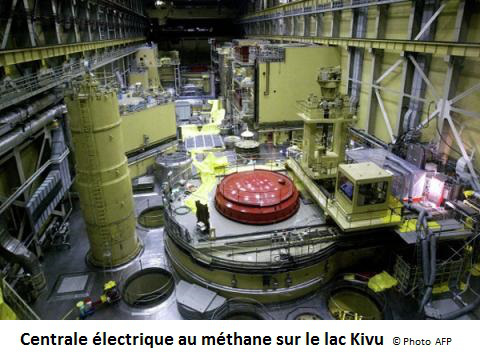
C’est à juste titre que les Rwandais et particulièrement les riverains du lac Kivu, peuvent être fiers de la centrale KivuWatt. D’abord parce que le pompage du méthane réduira le niveau du gaz (potentielle menace à la vie), et ensuite, du fait que ce produit, au départ dangereux, sera transformé en énergie électrique; une première au « pays des mille collines ». Après 14 mois, le Rwanda vient donc, d’inaugurer une nouvelle centrale. Mais, la production est-elle satisfaisante au jour d’aujourd’hui?

Au regard de la situation, on est encore trop loin du compte. Les attentes restent trop élevées, et deux questions pertinentes se posent. Pourquoi un tel retard dans un secteur aussi important? Pourquoi l’électrification n’a pas été parmi les priorités? Ces mêmes questionnements méritent également des solutions dans un autre secteur vital, très en retard, à savoir l’alimentation en eau potable et raccordement au réseau d’eau.

Restons sur le sujet en titre. Il est vrai que 54MW acquis en une année,  ne sont pas négligeables. En mars 2015, c’était la centrale hydro-électrique de Nyabarongo pour produire 28MW, et le 16 mai 2016 c’était l’inauguration de la centrale au méthane sur le lac Kivu, déjà opérationnelle depuis décembre 2015 avec 26 mégawatts. Construite à l’Ouest du pays, cette centrale produit de l’énergie qui s’ajoute à la capacité de production d’environ 160MW dont disposait déjà le pays.

Quel était l’objectif 2020 en électrification?

Le gouvernement rwandais avait tablé sur 563MW d’une valeur de 2.7milliards d’ici 2019-2020. De très bonnes ambitions, mais avec quelles stratégies et capacités financières? Le pays prévoit d’importer 30MW du Kenya (sachant que la distance est de 1350kms) et 400MW de l’Ethiopie (à 2700kms du Rwanda). C’est un projet coûteux et difficile à réaliser dans 3 ans. En 2012, le ministre de l’époque, ayant en charge des infrastructures, avait même promis la production de 1000MW pour 2017!

Selon  geopolitique-electricite.fr, « 700 000 Rwandais avaient accès à l’électricité en 2008, et presque un million en plus début 2013. La proportion est passée de 6 à 17% de la population de 2008 en 2014 ». Un pas a été franchi,  cependant, beaucoup reste à faire. En 2016, on n’a même pas atteint ¼ de la population ayant accès à l’électricité.

Ce ne sont pas des financements qui font défaut!

Selon la Banque mondiale, le programme de déploiement d’électricité au Rwanda, en anglais EARP (Electricity Access Rollout Project) est financé par un crédit de 70 millions de dollars, sans intérêts, de l’Association internationale de développement (IDA), de la Banque mondiale, en partenariat avec la Banque africaine de développement, la Banque arabe pour le développement économique en Afrique, la Belgique, l’Union européenne (UE), le Japon, les Pays-Bas, le Fonds de l’OPEP pour le développement international (OFID) et le Fonds saoudien pour le développement qui ont, au total, mobilisé 348,2 millions de dollars pour ce programme.

nyabarongo 2

Les coupures, problèmes d’entretien, exploitation et le coût élevé

Il y a deux ans, une enquête menée par la Banque mondiale faisait état de 14 coupures d’électricité par mois, c’est-à-dire, une coupure tous les deux jours. Sur une dizaine de centrales inspectées, huit n’étaient pas en état d’entretien régulier, et subissaient des pannes fréquentes. Les inspecteurs auront aussi remarqué que les transformateurs et pylônes n’étaient pas tous intacts. Par ailleurs, la centrale hydro-électrique de Nyabarongo avait été en arrêt quelques mois seulement, suite à la forte diminution du flux liée au manque de stratégies efficaces en faveur de l’écologie.

D’après un responsable de la Commission Economique des Nations Unies pour l’Afrique (UNECA) basé à Kigali, l’électricité est plus chère au Rwanda qu’à ses voisins. En moyenne, le prix est de 0,24 $ le kWh, comparé à 0,15 $ au Kenya, 0,17$ en Ouganda et 0,05$ en Tanzanie. Même en se basant sur une autre source qui indique 0,20$ le kWh, le prix reste plus élevé.

Les experts dans le domaine, estiment qu’il faudrait au moins 1000MW pour satisfaire les attentes de 12millions de Rwandais, en plus des investisseurs étrangers, les ambitions d’aménagement et planification à moyen et long terme.

En toute évidence, les responsables du pays ont du pain sur la planche, pour rattraper le temps perdu, et pour améliorer le système de fonctionnement. L’électricité et l’eau sont des produits de première nécessité. Certains observateurs n’hésitent pas à relever que ces deux secteurs importants n’ont pas retenu l’attention ni la priorité qu’ils méritaient, ni les efforts qu’il fallait.

Au contraire, les investissements ont été orientés vers des secteurs moins urgents, l’objectif étant la belle image du pays, réellement en « trompe l’œil ». L’accent a été mis sur les « gratte-ciel » et la décoration de la capitale! La construction des « buildings » et l’embellissement d’une ville, est une bonne chose, si et seulement si, elle est précédée par le développement de ces deux secteurs vitaux, l’eau et l’électricité. Lors de la CHAN 2016, les organisateurs ont frôlé le scandale. Il suffit de lire les articles des journalistes étrangers venus couvrir l’évènement. Ils n’ont pas manqué de souligner le manque d’eau et les difficultés en électricité. Il est grand temps, de redoubler les efforts et mettre en avant les priorités.

Source: mulijeanclaude.wordpress.com

“The battle against entrenched power is not only a battle for democracy; it is also a battle for efficiency and shared prosperity” J. Stiglitz

Stiglitz

Monopoly’s New Era

NEW YORK – For 200 years, there have been two schools of thought about what determines the distribution of income – and how the economy functions. One, emanating from Adam Smith and nineteenth-century liberal economists, focuses on competitive markets. The other, cognizant of how Smith’s brand of liberalism leads to rapid concentration of wealth and income, takes as its starting point unfettered markets’ tendency toward monopoly. It is important to understand both, because our views about government policies and existing inequalities are shaped by which of the two schools of thought one believes provides a better description of reality.

For the nineteenth-century liberals and their latter-day acolytes, because markets are competitive, individuals’ returns are related to their social contributions – their “marginal product,” in the language of economists. Capitalists are rewarded for saving rather than consuming – for their abstinence, in the words of Nassau Senior, one of my predecessors in the Drummond Professorship of Political Economy at Oxford. Differences in income were then related to their ownership of “assets” – human and financial capital. Scholars of inequality thus focused on the determinants of the distribution of assets, including how they are passed on across generations.

The second school of thought takes as its starting point “power,” including the ability to exercise monopoly control or, in labor markets, to assert authority over workers. Scholars in this area have focused on what gives rise to power, how it is maintained and strengthened, and other features that may prevent markets from being competitive. Work on exploitation arising from asymmetries of information is an important example.

In the West in the post-World War II era, the liberal school of thought has dominated. Yet, as inequality has widened and concerns about it have grown, the competitive school, viewing individual returns in terms of marginal product, has become increasingly unable to explain how the economy works. So, today, the second school of thought is ascendant.

After all, the large bonuses paid to banks’ CEOs as they led their firms to ruin and the economy to the brink of collapse are hard to reconcile with the belief that individuals’ pay has anything to do with their social contributions. Of course, historically, the oppression of large groups – slaves, women, and minorities of various types – are obvious instances where inequalities are the result of power relationships, not marginal returns.

In today’s economy, many sectors – telecoms, cable TV, digital branches from social media to Internet search, health insurance, pharmaceuticals, agro-business, and many more – cannot be understood through the lens of competition. In these sectors, what competition exists is oligopolistic, not the “pure” competition depicted in textbooks. A few sectors can be defined as “price taking”; firms are so small that they have no effect on market price. Agriculture is the clearest example, but government intervention in the sector is massive, and prices are not set primarily by market forces.

US President Barack Obama’s Council of Economic Advisers, led by Jason Furman, has attempted to tally the extent of the increase in market concentration and some of its implications. In most industries, according to the CEA, standard metrics show large – and in some cases, dramatic – increases in market concentration. The top ten banks’ share of the deposit market, for example, increased from about 20% to 50% in just 30 years, from 1980 to 2010.

Some of the increase in market power is the result of changes in technology and economic structure: consider network economies and the growth of locally provided service-sector industries. Some is because firms – Microsoft and drug companies are good examples – have learned better how to erect and maintain entry barriers, often assisted by conservative political forces that justify lax anti-trust enforcement and the failure to limit market power on the grounds that markets are “naturally” competitive. And some of it reflects the naked abuse and leveraging of market power through the political process: Large banks, for example, lobbied the US Congress to amend or repeal legislation separating commercial banking from other areas of finance.

The consequences are evident in the data, with inequality rising at every level, not only across individuals, but also across firms. The CEA report noted that the “90th percentile firm sees returns on investments in capital that are more than five times the median. This ratio was closer to two just a quarter of a century ago.”

Joseph Schumpeter, one of the great economists of the twentieth century, argued that one shouldn’t be worried by monopoly power: monopolies would only be temporary. There would be fierce competition for the market and this would replace competition in the market and ensure that prices remained competitive.

My own theoretical work long ago showed the flaws in Schumpeter’s analysis, and now empirical results provide strong confirmation. Today’s markets are characterized by the persistence of high monopoly profits.

The implications of this are profound. Many of the assumptions about market economies are based on acceptance of the competitive model, with marginal returns commensurate with social contributions. This view has led to hesitancy about official intervention: If markets are fundamentally efficient and fair, there is little that even the best of governments could do to improve matters. But if markets are based on exploitation, the rationale for laissez-faire disappears. Indeed, in that case, the battle against entrenched power is not only a battle for democracy; it is also a battle for efficiency and shared prosperity.

Source: Project Syndicate

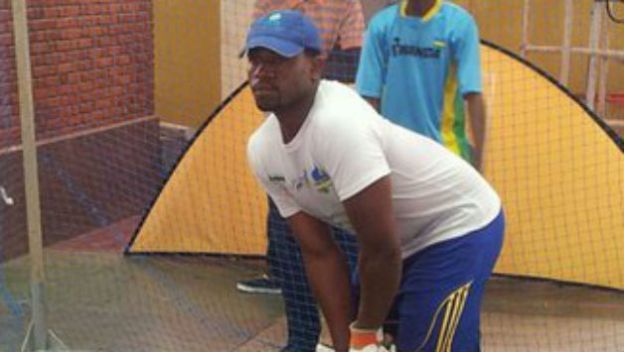
Rwanda cricket captain Eric Dusingizimana creates Guinness record

Eric Dusingizimana on his way to a Guinness record. Photo Courtesy: @NewTimesRwanda Twitter account

Rwandan cricket captain broke the Guinness record of batting for the most number of hours in the nets. Eric Dusingizimana batted for 51 hours in the nets between May 11 to May 13. Rwanda Cricket Board shared a picture of Dusingizimana batting in the nets. He was apparently batting for a cause. He was raising money to build the first ever international ground in Rwanda. The President of the country Paul Kagame was aked to bowl a few deliveries at him, but he did not. Dusingizimana had also tweeted to the President before embarking this mission, but did not get a response. READ: Virag Mare creates Guinness record of batting for 50 hours in nets

“@PaulKagame i’ll be attemptin 2 set a new Guinness World Record of longest batting 51hr from 11-13 May @petitstade, great if you bowled at me,” he tweeted, as reported by bbc.com.

Dusingizimana broke the record of an Indian player, Virag Mare, who set the record of batting for 50 hours in the nets. He batted from December 22 to December 24 for a time of 50 hours. Ahead of this record, English duo Dave Newman  and Richard Wells had the record to their names, batting for 48 hours, according to sportskeeda.com. Mare came from the same academy from where Sachin Tendulkar had graduated. READ: Nagaraju Budumuru aims for Guinness Record of longest net session by an individual

When the English batsmen were batting UK’s Prime Minister David Cameroon cheered the boys on. As far as Dusingizimana is concerned, it will be interesting to see if his efforts has given him enough funds to build an international cricket stadium. The Rwanda Cricket Association is the governing body that controls their cricket. Their headquarters is in Kigali, which is the capital.

Source:Cricketcountry


Sen. Corker holds key to genocide prevention

Claude Gatebuke

It was April 1994 in Rwanda, and I was a 14-year-old boy running for my life. While neighbors and strangers helped save my mother, sisters and me, I can still hear the screams of family members and neighbors who were either hacked to death with machetes or killed by bombs and bullets raining on us like a tropical storm. At the time, we hoped the screams would be loud enough for the whole world to hear. However, the world did nothing until the killing was over.

The Rwandan genocide did not happen in an instant. Rather, it was the tragic culmination of decades of tensions, violence and repression. It was much deeper than Hutu versus Tutsi ethnicity — it was about unresolved grievances and about ignoring the clear warning signs that violence was on its way. A four-year war for control of the country that had displaced more than 1 million people was a clear sign of more violence to come — the genocide could have been prevented.

Twenty-two years later, we found ourselves marking the annual tribute to the victims of Rwanda during Genocide Awareness Month in April. We know now more than ever what the lead-up to mass violence and the outbreak of mass atrocities looks like. We also know how the effects ripple out to the whole world, including the United States, where I moved as a refugee in 1995.

And yet the global community, including the United States, is still very much focused on responding to crises rather than preventing them from breaking out in the first place.

As overwhelming as genocide prevention sounds, something can be done. Right now, the U.S. Senate is considering the Genocide and Atrocities Prevention Act (GAPA), a bipartisan bill that would allow the U.S. government to respond quickly and efficiently to the warning signs of violent conflict.

Our own Sen. Bob Corker is chairman of the Senate Foreign Relations Committee, which has jurisdiction over this bill. Senator Corker has been a champion of a strong U.S. foreign policy and national security and should work to pass this bill out of his committee and send it to the full Senate for a vote.

If passed, GAPA would establish a framework for government agency coordination, training and flexibility that is crucial to stop smoldering tensions from erupting into full-fledged atrocities. GAPA would help ensure the U.S. government takes prevention seriously, and it would save taxpayer dollars, save lives and bolster U.S. national security interests.

However, this is about more than just preventing atrocities or the outbreak of mass violence. By focusing energy on preventing global violence instead of responding to it, we can keep more American soldiers and peacekeepers safe at home rather than immersed in violent conflict.

Every day, I live with the screams and cries for help of Rwandan genocide victims. So do other survivors of mass atrocities, like my friends from the Democratic Republic of Congo, who suffered through a preventable war born out of the Rwandan genocide that devastated that country and took more than 6 million lives.

We can’t change decades-old failures, but we can work to end the screams of mass atrocities and genocide happening around the world right this very minute. We may never be able to completely prevent every outbreak of mass violence in the world. But if one fewer person is exposed to the aftermath of atrocities and mass violence because the right actions created a peaceful solution rather than a violent one, then the Genocide and Atrocities Prevention Act is a strategy worth investing in.

Claude Gatebuke is a survivor of Rwandan war and genocide, and is executive director and co-founder of the African Great Lakes Action Network (AGLAN) in Nashville.

Rwanda: Mu gihe Miliyoni 210 zanyerejwe mu isanduku ya Leta, abaganga basezeye mu bitaro bya Nemba kubera kudahembwa

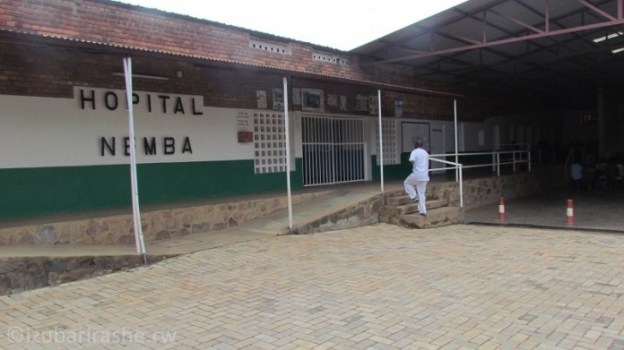
Igice-kimwe-cyinyubako-zibitaro-bya-Nemba-696x391Abakozi b’ibitaro bya Nemba biri mu Karere ka Gakenke, baratangaza ko kudahembwa bikomeje kubagiraho ingaruka ku buryo hari abahisemo gusezera bajya gushaka akazi ahandi.

Abasezeye ku kazi ku mpamvu bivugwa ko zifitanye isano n’icyo kibazo, harimo abaganga (abadogiteri) barindwi n’abaforomo bane, bikaba kandi bigaragazwa ko abo bakozi batangiye kugenda ‘urusorongo’ kuva aho icyo ikibazo cyatangiriye.

Uko ikibazo giteye, nk’uko bisobanurwa n’abakozi bakora muri serivisi zitandukanye mu bitaro bya Nemba, ngo kuva mu kwezi kwa kabiri kugeza mu mpera z’ukwezi kwa Kane bari batarahembwa.

Cyakora, ngo umushahara w’ukwezi kwa Werurwe wabagezeho mu cyumweru kirangiye.

Bari ‘mu bibazo’

Bamwe mu bakozi b’ibitaro bya Nemba baganiriye n’Ikinyamakuru Izuba Rirashe ariko bagasaba ko amazina ya bo atakwandikwa muri iyi nkuru, ‘kubw’umutekano’ wabo, bahuriza ku kugaragaza urusobe rw’ibibazo bakururiwe no kudahembwa.

Abo bakozi biganjemo abaganga n’abandi bafite imirimo itandukanye bakora mu bitaro bya Nemba, ibibazo bagaragaza ko barimo birimo kuba bamwe inyungu ku nguzanyo basabye muri banki zikomeje kwikuba, kuba abenshi benda gusohorwa mu nzu batuyemo no kuba abana babo baratangiye kwirukanwa mu mashuri kubera ko batabishyuriye amafaranga.

Umwe muri abo bakozi agira ati “Nti turi abahinzi ngo turahinga, icyo dukora ni ukuvura, ibi bitaro ni wo murima duhingamo, n’ubwo baherutse kuduhemba ukwezi kumwe hagasigara ukundi ndakumenyesha ko bamwe nta na make twafashe. Banki zariyishyuye barangije badutera penalty (ibihano) yo kutishyurira ku gihe nk’uko twabisezeranye, nka njye ubwo banki yahise iyakuraho; bashyizeho umushahara w’ukwezi kumwe noneho banki ihita yiyishyurira icyarimwe amezi abiri inongeraho no kumpa ibihano.”

Undi muganga we agira ati “Kubera kudahembwa imyenda yabaye myinshi; ubu umuntu ari kujya kwikopesha umuceri kuri butike bakakubwira ngo ‘banza uzane n’ay’ukwezi gushize’, n’ubwo baduhembye ukwezi kumwe birasa nk’aho ntacyo byamaze kuko twari tumaze abiri tudahembwa.”

Akomeza agira ati “Tekereza nawe kumara amezi abiri nta faranga kandi ukora! Depenses zabaye nyinshi; umuntu aba atega, agakodesha, akishyurira abana amashuri (…) ubu abana bo batangiye kwirukanwa basabwa minerval!”

Umuzi w’ikibazo

Amakuru Ikinyamakuru Izuba Rirashe gikesha Dr. Habimana Jean Baptiste, Umuyobozi w’ibitaro bya Nemba, agaragaza ko ikibazo kiri mu bitaro abereye umuyobozi, gishamikiye ku igabunuka ry’abaterankunga mu by’ubuzima mu gihe ngo ibyo bitaro bifite ubushobozi buke bwo kwibeshaho.

Uyu muyobozi agaragaza ko ko inkunga Ibitaro bya Nemba byagenerwaga na Minisiteri y’Ubuzima(MINISANTE), yavagamo agahimbazamuskyi k’abakozi ingana na miliyoni 25, yagabanijwe guhera mu mwaka wa 2015 maze igirwa miliyoni 7.

Dr. Habimana avuga kandi ko kuba abakozi batishyurwa bikomeje guterwa no kuba amafaranga yo kubishyura adahari, aha uyu muyobozi agaraza ko ibitaro bya Nemba amafaranga bisanzwe biyahabwa na Leta n’imishinga yayo iterwa inkunga n’ikigega cya ‘Global Fund’ ariko ngo yose ntaraboneka.

Ati “Tugira amafaranga ava henshi, ava muri Leta ari nayo menshi ntaraboneka.” Nanone, “ari aya Global Fund ntaraza, ari ayo tugenerwa na guverinoma na yo ntaraza (…) twe ayo twinjiza (ashingiye kuri mituweli) ntiyaduhaza.”

Dr. Habimana akomeza avuga ko ubusanzwe imishahara y’abakozi ibitaro biyihabwa buri gihembwe gusa ngo iyo muri iki gihembwe ibitaro bya Nemba ntibirayibona.

Cyakora umuyobozi w’ibitaro bya Nemba, avuga ko icyo kibazo kiri gushakirwa umuti ku bufatanye bw’inzego zose kireba ku buryo ngo ‘muri iki cyumweru’ kizaba cyakemutse, abakozi bagahabwa umushahara wa bo w’Ukwezi kwa Kane.

Agira ati “Na njye sinsinzira kuko iyo umukozi yakoze aba agomba guhembwa.” Yungamo ati, “Muri iki cyumweru ibibazo by’imishahara y’ukwezi kwa kane biraba byakemutse.”

Source: Izuba rirashe

Paul Kagame, intangarugero(rubi) mu kunyereza umutungo w’igihugu

05eec-1wj1kwiuwayaomplhcj7h5q

Muri iyi minsi haravugwa ibyerekeranye no gusahura imitungo ya rubanda bajya guhunika mu bihugu by’amahanga byishyuza umusoro muto cyane w’ayo mafaranga aba yazanywe kubitswa aho, aribyo bita mu rurimi rw’igifaransa “Paradis fiscal” cyangwa mu cyongereza “tax haven“. Ikivugwa cyane ubu niscandale des paradis fiscaux bise “Panama Papers” aribyo bishatse kuvuga mu kinyarwanda “Impapuro z’i Panama” igaragaramo n’agatsiko k’i Kigali karangajwe imbere na Paul Kagame. Ariko ntibitangaje kuko abanyarwanda ntibahwemye kubivuga .

Ndibuka ko nko muri 2013 nigeze kwandika mvuga ziriya ndege zikiri ebyiri zabaga muri Afrika y’Epfo zikaba zarahageze biciye muri imwe mu masosiete ya Kagame atungwa agatoki n’iriya “Panama Papers” yitwa Repli Investments N° 29 (Pty) Ltd. Iyi “sosiyeti ya baringa” (société écran) niyo yajyanye bene ziriya ndege ebyiri za mbere muri Afrika y’Epfo muri compagnie y’indege yitwa “ExecuJet“. Rapport ya “Panama Papers” yasohotse mu kinyamakuru cyo mu Budage kivugamo ziriya. Byahiriranye n’uko tumaze iminsi tubivuga ! Uretse iyo sosiyete y’agatsiko ka Kagame hari n’izindi zizwi navuga nka BCI Group,Capital BrokersCrystal VenturesIntersec SecurityInyangeMutara EntreprisesNexus, n’izindi ntarondoye zizaza ubutaha muri “Panama Papers“. Reka twibukiranye turebe muri make ibyo nari nanditse :  Nari natangiye nsubiza ko Kagame nta gihe atazerera… ko biteye agahinda kumva ngo umukuru w’igihugu asesagura ataretse no gusahura ibya rubanda mu gihe abaturage bishwe n’inzara bikubitiyeho n’ubukene. Narakomeje nti ku byerekeye izo ndege ebyiri ze Kagame yazisahuye kw’ imari y’igihugu akaba anazikodesha na Leta y’u Rwanda yarazihungishije muri Afrika y’Epfo nyuma byamukomerana akazihungisha muri Turikiya zikanagera mu Bugereki. Ku iyindi paragraphe nagize ntya : Ese izo ndege ni izihe ? Ubwo nahise nzisobanura amavu n’amavuko yayo : Mu ntangiriro z’umwaka w’2003 nibwo Kagame yanyarukiye mu ruganda rukora indege arirwo rwita “Bombardier Aerospace” rufite icyicaro mu mujyi wa Toronto ahagura imwe muri izo zari zisanzwe zikora (ikoreshwa n’uruganda) yakozwe mu kwa 04/2000 ikaguruka bwa mbere kuri 27/04/2000 ifite nimero zo muri Canada C-GGJJ ikaba ariyo mu bwoko bwa Bombardier Global Express. Nyuma mu kwa 08/2000 abayobozi bakuru b’urwo ruganda bakomeje kuyikoresha ariko muri Amerika ifite nimero yaho N16FX kugeza ubwo Paul Kagame ayiguze. Niyo ya mbere yari aguze ubwo hari ku ya 8/04/2003. Ubwo ya sosiyete ye yitwa Repli Investments N°29 (Pty) Ltd ifitwe na ba J-Paul NyirubutamwaManasseh Nshuti na Hatari Sekoko (uyu aragaragara muri “Panama Papers”) aba ariyo iyigeza muri Afrika y’Epfo ikambikwa indi nimero zaho ZS-ESA. Nyuma bayinjiza muri sosiyete y’indege ikorera i Lanseria muri Johannesburg ariyo yitwa ExecuJet.

Indi ya kabiri nayo ni Bombardier Global Express yaguzwe ku wa 6/11/2008 ijya muri ya masosiyete navuze haruguru ifite nimero zaho ZS-XRS nyuma yuko nayo yarakoreshejwe kuva yasohoka mu ruganda rwayo i Toronto kuwa 3/08/2007. Icyo gihe isohoka mu ruganda bwa mbere yari ifite nimero zo muri Canada C-FMND nyuma y’ukwezi kuwa 25/09/2007uruganda ruyigurisha mu mujyi wa Richardson muri Texas ifite nimero zo muri Amerika N74ZZ mbere y’uko igurwa na Paul Kagame mu kwa 11/2008. Izo ndege  ebyiri muri Afrika y’Epfo zitwaga ko ari i za Leta y’u Rwanda mu by’ukuri ntaho byanditswe. Banyirazo bashakaga kutishyura imisoro. Kuva aho abantu bari bazi banyirazo batangiye kubitangaza ku mugaragaro nka Lt Gen Kayumba Nyamwasa (Rwanda Briefing) bikaba kimwe mubyo bashakaga kumuhora ngo bamwivugane (28/02/2010) nyirazo w’ukuli n’ibisumizi bye byahise bishya ubwoba ubwo n’Afrika y’Epfo imenya banyirazo itangira kubishyuza n’uko abatypes bahita bazihungisha babanza muri Turikiya bakurikizayo mu Bugereki. Icyo gihe zari zigifite za nimero zo muli Afrika y’epfo : ZS-ESA na ZS-XRS. Muli uko kuzihisha ngo zitazagirwa ingwate na Afrika y’epfo ya société yitwa “ExecuJet” yazikodeshaga yari yatangiye gushaka umuguzi uzagura iriya ya mbere ifite nimero ZS-ESA. Nyuma kuwa 22/04/2011 babonye uyifataho ubukode buzarangira kuwa 30/04/2017 ariyo société ibarizwa mu mujyi wa Jacksonville muli Floride (USA) ariyo “Al Ruchaid Aviation Ltd ”. Ubu yambaye nimero zo muli Amerika N1AR.  Indi yo (ZS-XRS) bari bashoboye kuyibonera sosiyete nayo isa nkaho ari “baringa” (écran) izakoreramo ibarizwa i Athène mu Bugereki yitwa “Gain Jet Aviation” mu kwa12/2010 ikaba ifite nimero zo muli icyo gihugu SX-GJN. Iyo ndege “Bombardier Global Express” (SX-GJN) niyo Mme Kagame cyangwa inshuuti ze ziza nazo gusahura. Izo ngendo zose zikishyurwa na Leta y’u Rwanda amafaranga ajya mw’isanduka ya Kagame. Ubushize twabonye uko ingendo zingana Kagame yakoze azerera isi. Muri make muri uyu mwaka 2016 duhereye kw’itariki ya04/01/2016 kugeza kuri 09/03/2016 twabonye ko amaze kugira igendo zigera 8 bingana n’amasaha 187 indege iguruka. Ikiguzi cyayo kikaba cyaratwaye € 1.212.600 (US$ 1.358.896,81) ubwo bingana n’amanyarwanda arenga Miliyali imwe na miliyoni cumi n’umunani n’ibihumbi magana cyenda makumyabiri ni umwe magana inani mirongo icyenda na tanu (RwF 1.018.921.895,81) ! Umwaka ushize 2015 Kagame yagize igendo zigera 37 bihwanye n’amasaha 514 indege iguruka : 514h x € 8.600 (kw’isaha) = € 4.420.400 (US$ 4.952.949,77) ubwo bingana n’amanyarwanda arenga Miliyali eshatu miliyoni magana rindwi na cumi nane n’ibihumbi magana tatu mirongo itandatu na karindwi na magana rindwi mirongo itandatu na kabiri (RwF 3.714.367.762,36).

Turebe no neho ingendo Kagame yakoze umwaka 2014 n’amasaha byatwaye aguruka :

1. Hagati y’amatariki ya 14 – 15/01/2014 Kagame yagaragaye i Luanda muriAngola mu nama ya 5 isanzwe y’abakuru ba Leta na za guverinoma byo mu karere k’ibiyaga bigari (5e Sommet des Chefs d’Etat et de Gouvernement de la Région des Grands Lacs).

2. Hagati y’amatariki ya 20 – 21/01/2014 Kagame yagaragaye i Naivasha muriKenya mu nama yahuje abakuru b’intara (47) aho bigaga ubufatanye n’imiyoborere myiza (Media Group Governors’ Summit).

3. Hagati y’amatariki ya 22 – 24/01/2014 Kagame yakomereje i Davos muBusuwisi mu nama ya “World Economioc Forum“.

4. Hagati y’amatariki ya 29 – 31/01/2014 Kagame yagaragaye i Addis Abebamuri Ethiopia mu nama ya 22 y’abakuru b’ibihugu na za guverinoma b’umuryango w’Afrika (African Union Summit).

5. Hagati y’amatariki ya 4 – 5/02/2014 Kagame yagaragaye i Praia muri Cape Verde mu nama nyafrika ngarukamwaka ku guhanga ibishya (Africa Innovation Summit).

6. Tariki ya 12/02/2014 Kagame yagaragaye i Los Angeles muri Amerika aho yasuye Fondation Shoah (Shoah Foundation) no munama yiswe “Los Angeles World Affairs Council“.

7. Hagati y’amatariki ya 13 – 14/02/2014 Kagame yakomereje i San Francescoaho yasuye Kaminuza yaho (University of California).

8. Hagati y’amatariki ya 19 – 20/02/2014 Kagame yagaragaye i Kampala muriUganda mu nama ya 4 y’imishinga y’ubufatanye mu muhora w’amajyaruguru (4th Summit of the Northern Corridor integration Projects).

9. Hagati y’amatariki ya 22 – 23/03/2014 Kagame yagaragaye i Dublin muriIrlande mu nama yahuje abagize akanama gashinzwe kwihutisha ikoranabuhanga rya internet inyaruka ku isi (UN Broadband Commission Meeting).

10. Tariki ya 25/03/2014 Kagame yagaragaye kw’incuru ya kabiri i Luanda muriAngola mu nama y’abakuru b’ibihugu byo mu karere k’ibiyaga bigari (Sommet des Chefs d’Etat de la Région des Grands Lacs).

11. Hagati y’amatariki ya 2 – 3/04/2014 Kagame yagaragaye i Bruxelles m’uBubiligi mu nama ya 4 yahuje umuryango w’ubumwe bw’u Burayi n’ibihugu by’Afrika (4e sommet UE-Afrique).

12. Hagati y’amatariki ya 22 – 23/04/2014 Kagame yagaragaye i Boston muriAmerika aho yasuye “Massachusetts Institute of Technology“.

13. Tariki ya 25/04/2014 Kagame yakomereje i San Francisco aho muri Amerikamuri “Stanford Global Speaker Series“.

14. Tariki ya 26/04/2014 Kagame yanyarukiye mu mujyi wa Lake Forest imwe igize akarere ka Los Angeles aho yagaragaye mu Rusengero (Saddleback Church) ruyoborwa n’incuti ye Rick Warren ngo mu gikorwa cyo kwibuka kunshuro ya 20 génocide ibaye mu Rwanda.

15. Hagati y’amatariki ya 27 – 29/04/2014 Kagame yakomeje kuba i Los Angelesmuri Amerika agaragara muri “Milken Institute Conference“.

16. Tariki ya 1/05/2014 Kagame yagaragaye i Nairobi muri Kenya mu nama ya 5 y’imishinga y’ubufatanye mu muhora w’amajyaruguru (5th Summit of the Northern Corridor integration Projects).

17. Hagati y’amatariki ya 7 – 9/05/2014 Kagame yagaragaye i Abuja muriNigéria mu nama ya 24 yiga kubukungu bw’isi (World Economic Forum).

18. Tariki ya 11/05/2014 Kagame yagaragaye i Nairobi muri Kenya mu gikorwa cyo gusinya amasezerano n’u Bushinwa yo kubaka umuhanda wa gari ya moshi uva Mombasa-Nairobi-Kampala-Kigali ukagera n’i Juba muri Sudani y’Epfo.

19. Tariki ya 16/05/2014 Kagame yagaragaye i Genève mu Busuwisi mu Ikigo mpuzamahanga cy’ikoranabuhanga mu itumanaho (World Telecommunication and Information Society).

20. Tariki ya 23/05/2014 Kagame yagaragaye i Libreville muri Gabon mu nama yiswe “New York Forum Africa“.

21. Tariki ya 27/05/2014 Kagame yagaragaye i New-York muri Amerika mu nama rusange y’Inama y’Umuryango w’Abibumbye yita ku bukungu n’imibereho myiza (Economic Social Council Meeting on Sustainable urbanization).

22. Hagati y’amatariki ya 25 – 27/06/2014 Kagame yagaragaye i Malabo muriGuinée Equatorial mu nama ya 23 y’abakuru b’ibihugu na za guverinoma mu muryango w’Afrika yunze ubumwe (23rd Ordinary session of African Union assembly).

23. Tariki ya 8/07/2014 Kagame yagaragaye i Accra muri Ghana ubwo Wole Soyinka yamurikaga igitabo cye yise : “Crucible of the Ages – Essays in Honour of Wole Soyinka at 80“.

24. Hagati y’amatariki ya 3 – 7/08/2014 Kagame yagaragaye i Washington D.C.muri Amerika mu nama y’abayobozi b’ibihugu by’Afrika n’abayobozi ba Leta Zunze Ubumwe z’Amerika (USA-Africa Leaders Summit).

25. Hagati y’amatariki ya 19 – 20/09/2014 Kagame yagaragaye i Atlanta muriAmerika muri “Rwanda Day”.

26. Hagati y’amatariki ya 20 – 27/09/2014 Kagame yakomereje i New-York muriAmerika mu nama Rusange ya Loni (United Nation General Assembly).

27. Tariki ya 1/10/2014 Kagame yakomereje i Dubai mu barabu mu nama ya “Global Business Forum“.

28. Tariki ya 6/10/2014 Kagame yagaragaye i Trieste mu Butaliyani muri yubile y’imyaka 50 y’ikigo mpuzamahanga ku Bugenge cyitiriwe Abdus Salam (50th Anniversary of Abdus Salam international Centre for Theoritical Physics).

29. Hagati y’amatariki ya 7 – 9/10/2014 Kagame yakomereje i Kampala muriUganda aho yitabiriye inama ya 3 igamije gusuzumira hamwe uko hakongerwa ingufu mu bucuruzi n’ishoramari hagati y’Uganda n’u Rwanda (3rd Uganda Rwanda Business Forum) yitabira n’inama ya 7 y’umuhora wa ruguru (7th Northern Corridor Integration Projects Summit) ndetse n’ibirori byo kwizihiza isabukuru ya 52 y’ubwigenge bwa Uganda (52th Anniversary of Uganda Independence).

30. Hagati y’amatariki ya 20 – 22/10/2014 Kagame yagaragaye i London muBwongereza mu nama ku ishoramari mpuzamahanga muri Afrika (Global African Investment Summit).

31. Tariki ya 26/10/2014 Kagame yakomereje i Abu Dhabi mu barabu ari kumwe anaganira n’Igikomangoma cy’Ingoma y’Abu Dhabi akaba na Minisitiri w’Ingabo Sheikh Mohamed bin Zayed Al Nahyan.

32. Tariki ya 28/10/2014 Kagame yakomereje i Busan muri Koreya y’Epfo mu nama ya 19 y’umuryango mpuzamahanga ushinzwe ibijyanye n’ikoranabuhanga n’itumanaho (ITU).

33. Tariki ya 29/10/2014 Kagame yakomereje i Seoul muri Koreya y’Epfo asura ikicaro gikuru cy’itumanaho “Korea Telecom Headquarters“.

34. Tariki ya 31/10/2014 Kagame yakomereje i Jakarta muri Indonesia m’uruzinduko rw’akazi (Visite d’Etat).

35. Hagati y’amatariki ya 4 – 5/11/2014 Kagame yakomereje i New Delhi muBuhinde mu nama mpuzamahanga y’ubukungu “World Economic Forum“.

36. Hagati y’amatariki ya 11 – 12/12/2014 Kagame yagaragaye i Nairobi muriKenya mu nama ya 8 y’umuhora wa ruguru (8th Northern Corridor Integration Projects Summit) ndetse n’ibirori byo kwizihiza isabukuru y’ubwigenge bwa Kenya (Jamhuri Day).

37. Tariki ya 17/12/2014 Kagame yagaragaye i Luanda muri Angolam’uruzinduko rw’akazi (Visite d’Etat).

Amasaha indege yagurutse kuri izi gendo 37 bihwanye n’amasaha 591591h€ 8.600 (kw’isaha) = € 5.082.600 (US$ 5.796.134,88) ubwo bingana n’amanyarwanda arenga Miliyali enye na miliyoni magana abiri mirongo icyenda na tatu n’ibihumbi magana inani mirongo itanu n’icyenda na magana rindwi na makumyabiri (RwF 4.293.859.720,55)

Flavien Lizinde 

Source: The Rwandan 02 Mai 2016

Here Comes Kagame’s Lunatic Express To Dar Es Salaam

Kagame: building his railway to Dar?

I have borrowed the term “The Lunatic Express” from Charles Miller. His humorous book is about the building of the Mombasa-Nairobi-Lake Victoria Railway — the massive British undertaking. In his book, The Lunatic Express, Miller provides details of all sorts of problems the project suffered from: derailments, collisions, disease, tribal raids and the assaults of wild animals. The British managed to complete the railway at a considerable cost — said to be more than £5,000,000.

Kagame, too, has been dreaming about building his own lunatic express from Kigali to Dar Es Salaam. Here is timelines of Kagame’s lunatic express.

Yellow line is Kagame’s lunatic express
  • 1998: The authorities of Rwanda, Tanzania, Burundi expressed an interest in building a railroad to Dar Es Salaam via Isaka that is already connected.
  • 2003: The three countries reaffirmed need for a new Isaka-Kigali/Keza-Musongati railway line.
  • 2006: Kagame recruits an American railway operator and builder, Burlington Northern Santa Fe (BNSF) to build the Kigali to Isaka railway.
  • 2008: Kagame announces that the building of his lunatic railway will soon commence.
  • 2008: US Trade Development Agency provides a grant to support preliminary work performed by BNSF.
  • 2009: Stakeholders meet in Kigali to endorse the lunatic express.
  • 2010: Kagame forgets his lunatic express — goes into violent elections.
  • 2012: Kikwete and his South African counterpart destroy Kagame’s M23 in DRC.
  • 2013: Kagame announces he will hit Kikwete at an opportune moment.
  • 2014: Kagame, Museveni, and Kenya create the coalition of the willing — announce Kigali-Kampala-Nairobi-Mombasa railway.
  • 2016: Coalition of the willing dead. Kagame is dumped by Uganda and Kenya.
  • 2016: Kagame remembers his lunatic express — Rwanda, Tanzania, and Burundi become friends again.

But there is one problem. How will Burundi’s Nkurunziza and Rwanda’s Kagame build a railway, while the latter is sponsoring a militia to remove the former?

I want my lunatic railway

So, will Kagame get his lunatic express? I don’t think so — he has to finish Kigali Convention Centre, Bugesera International Airport, and hopefully build a sewage system — not to mention his war in Burundi.

Source: David Himbara

ADELAIDE: Padiri Thomas Nahimana mu ruzinduko rwo gusezera abo muri Australia mbere yo kujya gukorera politiki mu Rwanda .

Adelaide_Convention_Centre-300x225

Nk’uko ubuyobozi bw’ Ishyaka  ISHEMA ry’u Rwanda bwabitangaje nk’umwe mu myanzuro ya  Kongere yabereye  i Buruseli  kuva taliki ya 15 kugeza  ku ya 17 Mutarama 2016, gahunda yo kujya gukorera politiki mu  Rwanda no kwitabira amatora  yo mu 2017 na 2018  ntikuka. Niyo  mpamvu  Padiri  Thomas  NAHIMANA, Umukandida w’Ishyaka Ishema n’a Nouvelle Génération   atangiye  ingendo  zo gusezera , ubu rero akaba yarangije gusesekara mu gihugu cya Australia.

Hateganyijwe  ko agomba kuganira  n’Abanyarwanda,  Abarundi n’Abanyekongo kuri  ubu  buryo bukurikira :

I. Kuri  uyu wa Gatanu taliki  ya  29/04/2016 , guhera saa kumi n’imwe z’umugoroba kugera saa tatu z’ijoro ( 17h-21h) azaganira n’abatuye  ADELAIDE.

Icyumba  bazahuriramo  kiri muri:

 Mawson Lakes Hotel &Function Centre

10 Main Street,

Mawson Lakes, SA 5095

II. Ku wa Gatandatu  taliki  ya 30/04/2016 , azaganira  n’abatuye  MELBOURNE, guhera saa kumi n’ebyiri z’umugoroba.  ICYUMBA  tuzahuriramo  muzakimenyeshwa.

III. Insanganyamatsiko  y’ikiganiro : « Ibanga ryo gusezerera  ingoma  y’ igitugu no  gushyiraho ubutegetsi butanga amahoro ».

Ushaka amakuru arambuye  yerekeye  gahunda y’uru ruzinduko  n’ibiganiro binyuranye  bizakorwa , yahamagara   tel no  : (+61) 432 547 257.

Twizeye ko muzaza muri benshi kuganira no kugira inama uyu  munyapolitiki wa  Nouvelle Génération.

« Nta wundi  ubitubereyemo ».


Emmanuel Mugenzi ,

Komiseri ushinzwe  Australia na New Zealand

ISHEMA Party.

Talking Policy: Anjan Sundaram on Rwanda

Anjan

Anjan Sundarama has worked as a journalist in Rwanda for years.  He has his story to share: “ The underlying tension that caused the genocide has not been addressed. Kagame’s solution was to say that ethnicity was an invention of the Belgian colonial powers that ruled Rwanda for many decades. And so there’s been a de facto ban on speaking about ethnicity in Rwanda…. but…in private Hutus and Tutsis still speak extremely violently and aggressively about the others’ ethnicity. So I would not say there has been a great deal of true reconciliation in Rwanda”.

Following is his interview with The World Policy Journal.

WORLD POLICY JOURNAL: What did you consider your role or your responsibility to be as a foreign journalist working in Rwanda, and how did the restrictions on the local journalists affect this?

ANJAN SUNDARAM: Local journalists and I worked in very different positions. The local journalists were fighting for their own freedom, and they were taking greater risks than I was because their lives were in danger and their families were in danger. They were hoping that their children could live in a better and freer Rwanda.

My own experience was rather different. I had sympathy for my students, so when my students were in trouble I wanted to help them. Of course I was in less danger than they were, but that also meant that I could take greater risks. So during most of my time in Rwanda I did not publish press articles for fear that I would be thrown out of the country and would not be able to help my colleagues and my students. And that was the biggest trade-off; I had to keep silent for a long time. This book is the result of the information and interviews and experiences I gathered during many years of silence in Rwanda, collecting information patiently trying to help [my journalists] as best as I could.

WPJ: You draw parallels between Rwanda’s current political dynamics and those that existed leading up to the genocide in 1994, particularly in terms of the enforcement of a single state-directed narrative and the silencing of alternative voices. What does this suggest about the degree of change that’s happened in the country since the genocide?

AS: On the surface it looks like there’s been a lot of change and a great deal of progress. There’s a lot of calm in Rwanda, it seems stable, and it’s held up by many foreign donors as the island of stability in a troubled region. But the reality is that the same structures that were in place prior to and during the genocide are still in place today, and they’re being reinforced. And this obviously does not augur well for the Rwandan people.

The level of control is extreme—there is no free press, there are no institutions to speak of. Last week President Kagame announced he would run for a third term, violating previous promises to respect what had been a two-term limit in the constitution. Now he’s saying the country needs him and people have asked him to stay on, like many dictators do. But really Rwanda today is a structurally unstable place and there’s very little likelihood that there’ll be a transfer of power without violence.

WPJ: Kagame played a prominent role at the time of the genocide, and he’s still the main figure in the country now. So how much of the problem is tied directly to him, and how much is just how the system operates?

AS: It’s all tied directly to him, he’s the central power in Rwanda and his power is almost absolute, and even his supporters—those who claim he is somewhat democratic and is doing good for Rwanda—would admit that his power is almost absolute. He’s responsible for all the structures that are in place today in Rwanda. And he is directly responsible for the continuation of the system of control that was used to conduct the genocide. He says he is now using that system, or a similar system, for good, but the risk is always that he might make a bad decision, or leadership in Rwanda might change and that the system in place is incredibly powerful and incredibly catastrophic, as we saw during the genocide in 1994. It’s all very well for Kagame to say he’s a good person and is leading the country with good intentions. The reality is that there are almost no checks and balances, and his government and he are capable of doing a great deal of harm, which goes unreported in Rwanda.

WPJ: Do you think Rwandan society has recovered to any extent from the genocide, to whatever degree that’s even possible, even if the state might not have not changed much at its core?

AS: I think there’s very little sense among Rwandans of the existence of individuals with rights, with possibilities. There’s a small elite in the country who feel the sense of possibility, but for the majority they are under the control of the state and their lives are highly restricted. I think there’s been a natural healing process in the last 20 years coming to terms with what’s happened and understanding why that’s happened, and there is a genuine desire among Rwandans that it does not happen again. I think that’s at the root of the obedience toward the current government—[the people] are worried that were they to oppose the government, or were there to be a rebellion, there would be renewed violence. They’re so traumatized by the experience of extreme violence that they accept a great deal of control and repression from the Rwandan state without fighting back or pushing back. The underlying tension that caused the genocide has not been addressed. Kagame’s solution was to say that ethnicity was an invention of the Belgian colonial powers that ruled Rwanda for many decades. And so there’s been a de facto ban on speaking about ethnicity in Rwanda. That unfortunately has not helped reconcile many of the tensions that led to the genocide, and in private Hutus and Tutsis still speak extremely violently and aggressively about the others’ ethnicity. So I would not say there has been a great deal of true reconciliation in Rwanda.

WPJ: Another issue that you bring up in the book is the role of foreign embassies in supporting the Rwandan government and its repression by providing large sums of aid. What do you think foreign governments should be doing about the current situation in Rwanda, and why are they not doing it?

AS: I think foreign governments are very well aware of the repression in Rwanda, I think there’s a perverse situation right now in which foreign governments are hard pressed to find aid that delivers results worldwide. And Rwanda is one of the few countries where aid plans are actually executed according to plan, largely because of the repressive government. For aid agencies this is a paradise—they come in with their plans and their plans are executed almost as they’ve been drawn up. It’s led to a perverse situation where aid agencies and foreign governments benefit from the repression, so they have no interest in disrupting it. Foreign aid officials are getting promotions and receiving plaudits for excellent management of aid programs, so the repression is actually serving foreign governments’ interests.

The real question is why is the world financing a dictatorship. In the case of an emergency there is no excuse for not intervening. But Rwanda is not in emergency today. The aid that is being provided is for long-term development, and most of it is being channeled through the Rwandan government or for government-supported projects. Foreign donors providing this aid could influence the Rwandan government a great deal but choose not to. Aid that is sent directly to NGOs and independent organizations on the ground would not reinforce the government’s repressive mechanisms in the same way. That already would always be a huge improvement in the way that aid is managed. I think donors or foreign governments have not even begun to assess that they might be doing harm and bolstering the Rwandan government. If there was a way to support the Rwandan people who need support—by alleviating poverty and improving health—without directly going through the Rwandan government, that might be a far more effective and less fraught way of providing foreign aid.

WPJ: The period that the book covers ends in late 2013. Has the state of independent journalism changed at all since that time?

AS: Not at all, there is no free press in the country today. When the Rwandan government held a referendum in the country to decide whether the two-term limit on presidents should be removed, apparently only 10 Rwandans in a country of more than 10 million opposed his run for a third term. This speaks volumes about how little freedom of speech there is in Rwanda, how few people actually dare to speak up. There are good journalists in Rwanda who know how journalism should be practiced, but unfortunately they’re all too scared. They’ve seen too many of their colleagues murdered, imprisoned, tortured, or having to flee the country to save their lives.

The Rwandan government does not understand the benefits that free press would provide to the country’s development. It doesn’t understand how free press needs certain protection and that a free press would criticize the government, and that this is a good thing. It also makes the argument that free press—particularly radio broadcasts—contributed to the genocide in 1994. This is a false argument because while the genocide was happening, any media that spoke up against the killing was shut down. There was only a single voice in the country, much as there is now. During the genocide, that single voice was advocating genocide, and people who opposed it were killed or imprisoned. There’s a very similar situation in Rwanda today, where the government’s voice is the only voice in the country, and journalists know that were they to oppose that voice, the consequences would be dire.

WPJ: Based on your description of the narrative that’s carefully crafted by President Kagame’s regime, your book represents a disruption to the way that the country is typically portrayed, both in domestic media in Rwanda and in international media. What do you think the response in Rwanda—and particularly the government’s response—will  be?

AS: Historically the government has allowed English press to exist in Rwanda, even that which is critical of the government, because English is only spoken by a tiny minority of elite with very little incentive to disrupt the current power structure. I know that my book is being read in Rwanda because I am receiving emails from people who have somehow obtained copies. Because of Kagame’s announcement last week that he will stand for a third term, this is a particularly sensitive time in Rwanda, and the book is disruptive in that sense.

I thought there was almost an obligation to write about what I experienced, even if it’s merely to put on the record what happened. Most of the repression is forgotten. Most of the journalists who have been killed or exiled are simply forgotten. There are many great people who stood up to the Rwandan government, who saw the increasing repression, and knew that this was not the direction in which the country should be heading, particularly in a country with a history of genocide. They knew that the risk was great and they were brave enough to stand up to the government, and they suffered for it. And now they’re mostly forgotten. I wanted to correct that in some way, and record as much as I could of their stories.

Source: World Policy Journal

Uwapfuye yarihuse: Mu Rwanda abasenga Imana barahohoterwa, abasenga Shitani bagahabwa urubuga!

abiyita_intwarane_za_bikiramariya-300x169

Si ubwa mbere abagize amatsinda y’Intwarane za Mariya bafatwa  na Leta ya Kigali

Mu gihe Leta ya FPR yemerera amadini ya Shitani gukorera ku mugaragaro irafunga, ikica rubozo Intwarane za Yezu na Mariya kuko zidasenga uko FPR ibyifuza.

Mu by’ukuri nta kindi intwarane zizira uretse gutobora zigahanura ko igihugu cyifashe nabi kubera ibikorwa bibi by’ubutegetsi bw igitugu! Baraburira Abanyarwanda ko ibyago bikomeye byenda kubagwa hejuru niba ubutegetsi butaretse ibikorwa bikomeza kurenganya rubanda.

Kubera ko amadini asenga Shitani yo yikundira ibikorwa by’umwijima, niyo afite amahirwe yo gushimagizwa n’ingoma ya Kagame.

Hari ikibazo umuntu yakwibaza: nk’abayobozi b’amadini akomeye bavuga ko nta pfunwe baterwa no kwicarana bakaganira n’Abakozi ba Shitani ariko bakihakana Intwarane, umuntu yabashyira mu kihe gice?


Ngaho nawe isomere iyi nkuru y’Igihe.com maze wirebere uko Intwarane 38 ziri kugaraguzwa agati, zigaharabikwa, zikagerekwaho ibyaha bihimbano,zigafatwa ku ngufu ngo zijye kwicirwa rubozo mu bigo bise iby inzerereziI mu gihe Abasenga Shitani bo bafite ababavuganira hejuru iyo mu Rugwiro!