Category Archives: News

Ihigwa bukware ry’Abanyarwanda muri Tanzania: Aho kwica Gitera wakwica ikibimutera.

Normal
0

false
false
false

EN-US
X-NONE
X-NONE

/* Style Definitions */
table.MsoNormalTable
{mso-style-name:”Table Normal”;
mso-tstyle-rowband-size:0;
mso-tstyle-colband-size:0;
mso-style-noshow:yes;
mso-style-priority:99;
mso-style-qformat:yes;
mso-style-parent:””;
mso-padding-alt:0in 5.4pt 0in 5.4pt;
mso-para-margin-top:0in;
mso-para-margin-right:0in;
mso-para-margin-bottom:10.0pt;
mso-para-margin-left:0in;
line-height:115%;
mso-pagination:widow-orphan;
font-size:11.0pt;
font-family:”Calibri”,”sans-serif”;
mso-ascii-font-family:Calibri;
mso-ascii-theme-font:minor-latin;
mso-fareast-font-family:”Times New Roman”;
mso-fareast-theme-font:minor-fareast;
mso-hansi-font-family:Calibri;
mso-hansi-theme-font:minor-latin;}

abirukanywe_tanzaniya-5ba9c

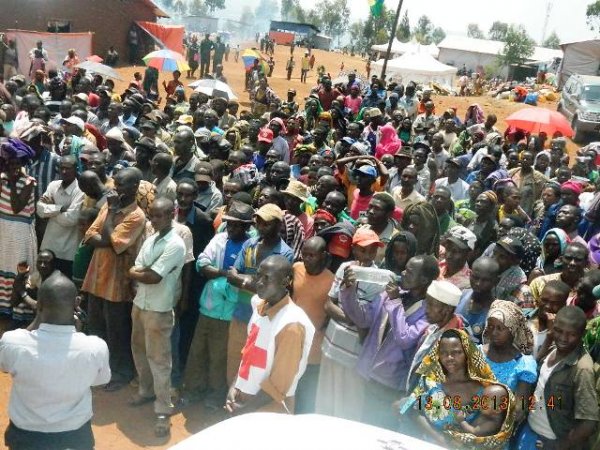
Bamwe mu Banyarwanda birukanywe muri Tanzania

Mu gihe ubu Abanyarwanda benshi barangamiye ibiri kubera ku mpunzi zirukanwa muri Tanzania, habuze umuyobozi muri Guverinoma ugira ijambo mbwirwaruhame ngo agaragaze icyo leta ya FPR ibitekereza ho. Ubusanzwe Leta ifite inshingano zo kurinda no kuvugira buri Munyarwanda wese aho ava akagera, ibi bigakorwa binyujijwe muri Ministeri y’Ububanyi n’amahanga na yo ikoresheje za Ambassades zayo hirya no hino. Ndetse FPR yo yemeza ko hari n’igihe ikoresha intwaro kugira ngo irwanire abantu n’ubwo baba atari Abanyarwanda ariko bakaba bavuga ikinyarwanda! FPR ivuga ko ibi ari byo byakuruye intambara zo muri Congo. Uretse ubu buryo bwa za ambassades kandi, Perezida wa Repubulika ni we wa mbere ushinzwe diplomacy y’igihugu cye. Ibi bisobanuye ko Perezida Kagame ashobora kubazwa icyo yakoze cyangwa se atakoze kuri ibi biri kuba ku Banyarwanda yari ashinzwe kurinda. Ahari wenda ashobora kuba atekereza ati ubundi se ko nta wantoye ndarwana n’iki? Namenye ko iyo wibye ubuyobozi uba wibye n’inshingano zabwo hamwe n’imvune zose zijyana na bwo.

Kuki FPR yaruciye ikarumira?

Ukurikiye ibivugwa n’Abategetsi ba Kigali urasanga nta kintu kigaragaza ko Leta yababajwe n’uko izi mpunzi zirukanwa igitaraganya. Ikivugwa ngo ni uko n’abasigaye bagomba kuza hakiri kare nyamara bakongeraho ko bazi neza ko impunzi zahawe igihe gitoya. Niba koko bizwi ko izi mpunzi zahawe igihe gitoya, Leta ikaba izi ko ibi bibangamiye Abanyarwanda, hakozwe iki kugira ngo nibura bahabwe igihe cyiyongereyeho? Leta yanze kugira icyo ibitangazaho ngo hato itaza kwitwa ko idashaka ko Abanyarwanda bagaruka mu gihugu cyabo. Nyamara iyo umwe mu bayobozi twavuze haruguru asaba Leta ya Tanzania guha igihe cyiyongereyeho kugira ngo Abanyarwanda babanze bitegure, abagurisha inka zabo babikore, abasarura imyaka yabo babone akanya,… nta cyemeza ko Tanzania itari gusuzumana ubwitonzi icyo cyifuzo. Iyo ibi biba Tanzania ikabyanga byari kujya ahagaragara nabyo tukabimenya.  Ikintu kiri mu mitwe y’Abategetsi ba Kigali ni “ Perezida Kikwete waTanzania ni umugome”.

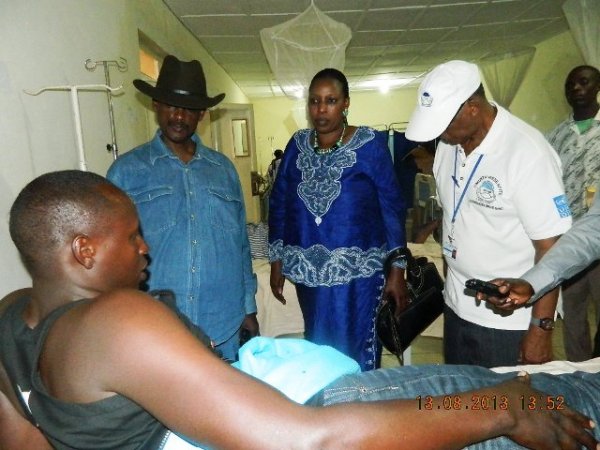
gusura_-2-a2f0aCommission y’uburenganzira bwa Muntu yasuye Umunyarwanda warasiwe muri Tanzania

Ikintu Abanyarwanda ari aba barimo kwirukanwa ari n’abandi babikurikiranira hafi bakwiye kwitondera ni uko bigaragara ko Perezida Paul Kagame yamaze gukora imibare ye neza. Ashaka kubiba urwangano hagati y’Abanyarwanda n’Abanyatanzania kugira ngo igihe yashaka abandi yohereza guhungabanya Tanzania bitazamurushya. Aha birumvikana ko uwo ari we  wese azaba avuga ati tugiye kurwanira imitungo yacu Abanyatanzania basigaranye, tugiye kugaruza amasambu yacu, n’ibindi. Mu by’ukuri mu gihe ku bareba hafi cyane bakeka ko barimo kurenganywa ndetse na Leta ikabumvisha ko barenganyijwe koko, hari ababifitemo inyungu kandi bafite umugambi mutindi bateguye. Dore uko uyu mugambi mutindi njye nywubona:

Amakuru aturuka ahantu hizewe yerekana ko u Rwanda rwohereje Abantu bagera ku bihumbi 35,000 mu gihugu cya Tanzania bagamije guhungabanya umutekano w’icyo gihugu  bitwaje ko ngo FDLR ishobora gutera ariho iturutse. Guhakanira FPR ntibyoroshye bitewe n’amateka ya vuba twese tuyiziho cyane cyane ashingiye ku kinyoma n’urugomo. Icya mbere FPR ifite ibibazo byo kuyoborwa n’umuntu umwe kandi bamwe mu bahoze bayirimo mu nzego zo hejuru bemeza ko uwo muntu atagira umugira inama. Yewe n’Abazungu bikekwa ko ari bo bamushyize ku butegetsi agera aho akabatuka akabandagaza. Yanashwanye na Museveni wamufashije igihe kitari gitoya. Ibi byose ikabihishira ikwiza ikinyoma cyaminuje. Icya kabiri ni uko FPR yakomeje kurangwa n’ubushotoranyi mu bihugu duturanye ku buryo nta wakwizera ko akabaye icwende ubu noneho kamaze koga.

Icyiyongera kuri ibi ngo ni ishyari Perezida Kagame yaba yaragiriye Perezida Kikwete kuva mu mwaka ushize aho yasabaga Perezida Obama kuzasura u Rwanda nyamara aho gusura u Rwanda akihitiramo gusura Senegal, Afurika y’epfo na Tanzania. Kagame we yifuzaga ko ari we mu Perezida ufatwa nk’inkundwa y’Amerika kugira ngo birusheho kumwongerera ubuhangange. Kagame amaze kubona ibi byose yaba yiteguye bidasubirwaho guhungabanya iki gihugu kandi kizwi ho kuba cyarabereye umuturanyi mwiza u Rwanda kuva mu mateka ya kera. Uyu mugambi wa Kagame nta muntu wo muri FPR washoboraga kuwushyigikira mu gihe barimo banamubaza impamvu bakomeje kohereza ingabo gupfira muri Congo. Maze kugira ngo Kagame ashake amaboko mu Banyarwanda aba yifashe ku gahanga ajya muri “mpangara nguhangare” yibasira Perezida wa Tanzania. Ibi Kagame si ibyamugwiririye kuko yabikoze inshuro zirenze imwe, iya mbere akaba yarabivugiye imbere y’Abasirikare mu Nyakinama, akomerezaho imbere y’urubyiruko i Kigali ari naho twese twaje kumenya ko Kagame umugambi yawurangije. Aha benshi mu ntore bamuhaye amashyi kuko mu byo batojwe harimo ko Intore nkuru yavuga ibyiza, yavuga ibibi, igomba guhabwa amashyi n’impundu.

Perezida Kagame yagaragaje ko ibyo yavuze bitamucitse ngo asabe imbabazi dore ko we ahora abwira abandi ngo bazisabe n’ubwo baba batarakoze icyaha. Ndizera ko ba babandi bamaze kuminuza mu gusabira imbabazi abatabibasabye bakwiye kuzisabira Paul Kagame.  Paul Kagame yari azi neza ko Tanzania izagira icyo ikora kandi ko bizahungabanya Abanyarwanda benshi. Nyamara nyine ni byo yashakaga. Tanzania yo yakoze akazi kayo ko kwirinda. Biragoye ku muntu utari Umunyarwanda kumusobanurira ko hari Abanyarwanda babi n’Abanyarwanda beza. Ku baba mu mahanga ngira ngo mwarabibonye. Ube Umututsi, ube Umuhutu, ube Umutwa, mu gihe cyose ufite Ubunyarwanda kuri wowe ntukibeshye ko bazakwizera, bazahora bagukeka ko ushobora kugira nabi. Ibi bituruka ku mateka yacu atari meza y’ubugizi bwa nabi n’ubwicanyi bwaranze Abanyarwanda. Kuri Tanzania biragoye kumenya abari muri bya bihumbi 35 byoherejweyo. Ikindi kibishimangira ni gahunda zimaze iminsi zikorwa mu Rwanda aho Abasore baba mu mahanga binyabya mu Rwanda bagakoreshwa imyitozo ya gisirikare bakongera bagasubizwa aho batuye mu mahanga. Ibi na byo birakemangwa cyane kandi aba basore si Abatutsi gusa si n’Abahutu gusa, bose baravanze. Birakomeye rero kugira ngo Tanzania imenye gutoranya ufite imigambi mibisha n’utayifite.

Icyo Abanyarwanda bakwiye kwirinda muri iyi minsi ni ukugirira inzika Abanya Tanzania kuko ibibabayeho bifite imvano. Ku mugani wa wa mukurambere aho kwica Gitera wakwica ikibimutera.

Ese imyifatire ya H.E Paul Kagame ni inzira yo gukemura ikibazo cy’ubuhunzi?

kagame

Normal
0

false
false
false

EN-US
X-NONE
X-NONE

/* Style Definitions */
table.MsoNormalTable
{mso-style-name:”Table Normal”;
mso-tstyle-rowband-size:0;
mso-tstyle-colband-size:0;
mso-style-noshow:yes;
mso-style-priority:99;
mso-style-qformat:yes;
mso-style-parent:””;
mso-padding-alt:0in 5.4pt 0in 5.4pt;
mso-para-margin-top:0in;
mso-para-margin-right:0in;
mso-para-margin-bottom:10.0pt;
mso-para-margin-left:0in;
line-height:115%;
mso-pagination:widow-orphan;
font-size:11.0pt;
font-family:”Calibri”,”sans-serif”;
mso-ascii-font-family:Calibri;
mso-ascii-theme-font:minor-latin;
mso-hansi-font-family:Calibri;
mso-hansi-theme-font:minor-latin;}

Ese imyifatire ya H.E Paul Kagame ni inzira yo gukemura ikibazo cy’ubuhunzi?

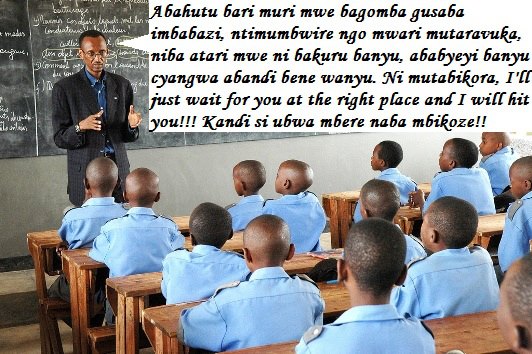
Kuva mu mpera z’ukwezi kwa gatanu uyu mwaka umubano hagati ya Tanzania n’u Rwanda warahungabanye cyane ku buryo byageze n’aho Perezida w’u Rwanda avuga ko azubikira uwa Tanzania akamukindura. (I will wait you at the right place and I will hit you). Ubundi ntibisanzwe ko umuperezida w’igihugu avugira ku Karubanda ko azagirira nabi mugenzi we w’ikindi gihugu. Iri jambo rya perezida Kagame ryakoze amateka ku Banyarwanda ndetse n’Abatuye akarere k’ibihugu bituriye ibiyaga bigari. Inzego z’ubutasi za Tanzania zabihuje n’amakuru zari zisanganywe ko u Rwanda rwohereje abantu benshi muri Congo, Tanzania na Uganda guhungabanya umutekano w’ibyo bihugu ngo hagamijwe kugira ngo u Rwanda rwonyine ruzagaragare ko ari cyo gihugu gifite umutekano usesuye mu karere.

Abagerageza gukora isesengura basanga Perezida Paul Kagame ashobora kuba ananiwe cyane akaba atagishobora gupima uburemere bw’amagambo ye mbere yo kuyavuga. Ndetse hari n’abavuze ko yaba afite uburwayi butuma umuntu atagira ibanga (ngo ubu burwayi akaba anabufatanyije n’uburwayi bwa Cancer y’uruhu). N’ubwo nta gihamya ihari yemeza iby’ubu burwayi, ibikorwa Perezida Paul Kagame akora byatuma koko abantu batekereza ko yaba afite ikibazo, bityo kugeza igihe nta kimenyetso kibivuguruza kandi Kagame agakomeza gukora nk’ibyo akora, benshi bazagera aho babifateho ukuri ko igihugu cy’u Rwanda kiyobowe n’umurwayi. Iyi si inkuru ishimishije kubona igihugu gifite abaturage barenga miliyoni 11 badashobora kwibonamo umuyobozi ufite ubuzima buzira umuze. Ikindi Perezida Kagame yagombye guhabwa umwanya wo kuruhuka dore yakoze byinshi byiza cyangwa bibi kandi bitoroshye ku buryo ikiruhuko ari ngombwa. Indi mpamvu uyu musaza yagombye gufata ikuruhuko cy’izabukuru n’ubwo yari akiri mutoya cyane ugereranyije na Mugabe cyangwa Museveni, ni ingaruka ibikorwa bye bigira kubo yari akwiye kurinda.

Kagame ngo yatekerezaga ko Tanzania yaba ifitanye umubano n’Abarwanya Leta y’u Rwanda ngo kuko yemeye kohereza ingabo mu gikorwa cyo kugarura umutekano muri Congo ikaba izacakiranirayo n’ingabo z’U Rwanda bizwi neza ko zifasha imitwe ihungabanya umutekano cyane cyane umutwe wa M23. Tanzania ntiyigeze ibifata nk’ibyoroshye ahubwo nayo yatangiye gufata ingamba zo kwirwanaho amazi atararenga inkombe. Ingamba ya mbere ni ukwirukana Abanyarwanda bose baba muri Tanzania batujuje ibyangombwa. Amakuru dukesha ibinyamakuru byo muri Tanzania agaragaza ko mu by’ukuri n’ubwo perezida Kikwete yihanganye ntagaragaze uburakari ndetse ntapfe kuvuga irije nka mugenzi we w’u Rwanda, Abasirikare ba Tanzania bo bagize umujinya mwinshi cyane. Perezida Kikwete ubwo yatangaga itegeko ngo bakore operations zo gushakisha abahungabanya umutekano, Abasirikare babonye urubuga rwo kwihimura ku muntu wese uvuka mu Rwanda. Abahunze u Rwanda mu mwaka wa 1959 n’imyaka yakurikiyeho bavuga ko bahunze ubutegetsi bwa Parmehutu nibo Tanzania yahereyeho bacuzwa ibyangombwa bahambirizwa nabi. Abahunze muri 1994 bo n’ubundi abenshi nta byangombwa bari bafite abenshi bafashe inzira bashyira akarago ku mutwe berekeza iya Uganda. Ibi byose bibaye kubera umuyobozi mukuru w’u Rwanda.

safe_image.phpPerezida Kikwete yahaye Abanyarwanda ibyumweru bibiri ngo babe batakiri ku butaka bwa Tanzania

Ubusanzwe si ikibazo ko impunzi itaha iwabo. Ariko rero gutaha ntibyoroha cyane cyane ko impunzi igomba kwizera ko hari umutekano. Ikibazo Abategetsi b’u Rwanda bakunze kwirengagiza ni uko umutekano atari ukuba nta masasu avuga mu gihugu gusa. Habaho n’umutekano w’ubukungu. Bityo dore ibibazo Abategetsi ba Kigali bari bakwiye gusubiza mu gihe cyose bavuga ko ibyangombwa byuzuye kugira ngo ushaka gutaha aze :

1.     Ese uwo muntu mushaka ko atahuka mufite aho mugiye kumutuza ?

2.     Muzamuha akazi cyangwa mumufashe kwihangira umurimo ?

3.     Muzamubonera isambu  akeneye yo gukoreramo ibikorwa yakoraga?

4.     Abana be se muzabarihira ishuri kandi n’abo mufite mwananiwe kubaha bourse ?

5.     Ese umutekano we urarinzwe bihagije ?

Rero ngo ni uko bitaye ku Banyarwanda kandi bakaba bashaka ko bose baba mu gihugu. Aha siho hari ikibazo. Nta we urusha Abanyarwanda kumenya igihugu cyabo ndetse no kugikunda. Abanyarwanda bazi ubwenge kandi bazi aho bashaka gutura. Mu buzima umuntu afata ibyemezo akurikije aho inyungu ze ziri. Bityo rero mu gihe mu Rwanda inyungu z’Umunyarwanda zitaruta izo afite ahandi, bazajya bahatira abantu gutaha ndetse bananyuzemo bakoreshe amasasu ariko nta gisubizo kirambye kizagerwaho. Niba umuntu yumva adatekanye, nta mpamvu yahatirwa gutura aho umutima we udaterera mu gituza.

Uretse Tanzania imaze kohereza abarenga 2000 mu Rwanda,  mu gihugu cya Repubulika iharanira Demokarasi ya Congo na ho Abanyarwanda ntiborohewe kuko inzego zishinzwe iperereza zatanze itegeko ryo gukora umukwabo wo gushakisha abakekwaho gucura umugambi uherutse kuburizwamo wo kwica Perezida Kabila. Ntibyoroshye kumenya niba Kabila yari agiye kwirenzwa n’Abanyarwanda cyangwa se n’aboherejwe na Perezida Kagame nk’uko bikemangwa kubera ko ubundi Kabila asanzwe yigaragaza nk’umuntu ukorera inyungu za FPR yabereye umuyoboke n’umusirikare igihe kitari gitoya. Gusa rero bamwe mu babikurikiranira hafi basanga Kabila asigaye ashaka kumvira umuryango wa SADC kurusha FPR kandi uyu muryango Tanzania ikaba iwufitemo ijambo rikomeye, dore ko Perezida Kikwete ari we ushinzwe ibijyanye na Politiki muri uyu muryango. Ibi rero ngo byaba byaratumye Kagame atangira kwishisha Kabila akaba akeka ko batakomeza gukorana. Abanyarwanda hafi ibihumbi bitatu ubu bafungiwe I Kinshasa bazira gusa kuba bafitanye isano n’u Rwanda kabone n’aho baba batazi iby’umugambi wo kwivugana Kabila. Ese ibi hari icyo bibwiye Abategetsi b’u Rwanda?

Igihugu cya Uganda cyo kiratangaza ko gikomeje kwakira impunzi nyinshi cyane zivuye muri Congo, mu Rwanda no muri Tanzania. Impunzi ziturutse muri Congo ziravuga ko zafatiwe mu Rwanda zikajyanwa kurwana muri M23 zitabishaka. Izituruka mu Rwanda zirimo ingeri nyinshi. Hari abahunga ubukene, hari abahunga itotezwa bakorerwa na FPR, ariko abenshi bakaba ari abahunga kubera icyoba ubu kirangwa mu gihugu.

Ubu noneho ngira ngo Minisitiri Mukantabana yishimye ko ikibazo cy’ubuhunzi Tanzania igikemuye. Ariko nanone ubu buryo gikemuwemo ni inzira y’ubusamo kandi huti huti akenshi ibyara shishi itabona. Iyi nzira y’ubusamo yageragejwe muri 1996 ubwo ibitwaro bya rutura n’abasirikare benshi boherejwe mu nkambi za Congo ngo bice impunzi izidapfuye bazicyure. Uyu mugambi ntiwapfubye uko wakabaye kuko hapfuye impunzi zitagira ingano hagatahuka n’izindi nkeya. Perezida Kagame we yigambye ko ababazwa n’uko hari abamucitse. Nyamara rero inzira y’ubusamo ntitanga igisubizo kirambye. Impunzi zarishwe izindi ziracyurwa ariko ubaze abamaze kongera guhunga wakwibaza icyo FPR yaruhiye! N’ubu haracyariho umugambi wo kurimbura impunzi, aba mbere ngo bashakishwa akaba ari abatavuga rumwe n’ubutegetsi bwa Paul Kagame. Kayumba Nyamwasa ni umwe mu barusimbutse.

Igisetsa na ko igiteye agahinda ni uko abategetsi babwira abantu ngo nibatahe bahora barwanira kohereza abana babo mu mahanga. Kagame yajyaga avuga ngo Abategetsi ba mbere boherezaga abana kwiga mu mahanga kandi aba rubanda batiga, none na we abe bibera muri America mu gihe abo mu gihugu bambuwe bourse yo kwiga. Ubu mu Rwanda umwana wemerewe kwiga muri Universite ni uwarokotse genocide cyangwa se ufite ababyeyi bayirokotse. Utararokotse cyangwa uwarokotse ubwicanyi bwa FPR we ntashobora no guhabwa icumbi, ahubwo hejuru yo kwiyishyurira amafaranga y’ishuri agomba no gutanga umusanzu wa FARG no mu kigega Agaciro Fund. Ese nk’uyu mwana uba adafite akazi baba bumva azatanga amafranga ayakuye he koko? Ariko se abategetsi b’u Rwanda bagira umutimanama koko? Bamwe muri aba bana na bo ababishoboye berekeza iy’ubuhungiro bakajya kongera umubare w’impunzi, uwo ni wo musaruro wo kunyura inzira y’ubusamo.

Ubu Abanyarwanda bakeneye ko Perezida Kagame ajya ahabona akavuga niba yishimiye ibiri kuba ku benegihugu bari batuye muri Tanzania na Congo nyuma y’imyitwarire ye idahwitse, ubundi bakamubaza utundi tubazo tw’amatsiko ariko tutoroshye kubonera ibisubizo.


Bimwe by’ingenzi byaranze politiki y’u Rwanda muri Nyakanga 2013.

Bimwe by’ingenzi byaranze Politiki y’u Rwanda mu kwezi kwa Nyakanga 2013.

1.    1.  Ubwigenge bw’U Rwanda.

Taliki ya 1 Nyakanga 1962- Taliki ya 1 Nyakanga 2013, imyaka 51 irashize u Rwanda rwigenga. Mu gihe ibi byagombye kuba ibyishimo ndetse n’ibirori bikomeye ku gihugu cyose, mu Rwanda si ko byagenze. Ahubwo Perezida Kagame yifatiye indege yigira mu Burundi ngo gufatanya na bo kwibuka ubwigenge. Ibi byavuzweho byinshi: Bamwe bati Kagame agomba kuba adasobanukiwe n’icyo ubwigenge busobanura, abandi bati Kagame abikora abizi agamije kwemeza Abanyarwanda ko nta Rwanda rwigeze rubaho mu gihe Abahutu bayoboraga. Ibi bikajyana na ya ideology imaze iminsi itwibutsa uburyo Abahutu batewe ipfunwe kuva FPR yafata ubutegetsi. Kuri Kagame ubwigenge bw’U Rwanda bwajyaga kugira agaciro iyo buza igihugu kitari mu maboko y’ Abenegihugu bagitsindiye nyuma ya Kamarampaka! Ibi biracyagibwaho impaka nyinshi.

2.     2. Umunsi w’ifatwa rya Kigali

Taliki ya 4 Nyakanga ni umunsi u Rwanda rwibukaho ifatwa ry’mujyi wa Kigali na FPR mu mwaka wa 1994. Kuri FPR n’abambari bayo uyu munsi witwa umunsi wo kwibohoza ndetse wo ukorerwa ibirori bidasanzwe, ibi bigasobanura ko uruta umunsi w’ubwigenge! Nyamara benshi mu Banyarwanda siko babibona. Kuri bo uyu munsi usubiza inkovu z’agahinda ibubisi. Benshi bibuka imbaga itagira ingano yatikiriye mu gikorwa cya gitwari cyo gusohoka muri Kigali muri operation yiswe champagne, aho FPR yashakaga kumarira ku icumu abantu bose bari mu mujyi ariko ingabo za FAR zikabasha gusohora abaturage mu mujyi zinyuze mu Nzove. FPR yo icyo gihe yarimo yohereza ama bombes y’urufaya ntacyo yikoma.  Abandi kandi basanga ifatwa rya Kigali ryarakurikiwe n’ubuzima bubi batigeze batekereza, bityo kubabwira ko babohowe uba ubakina ku mubyimba. Aya ni amateka y’igihugu cyacu atumvikanwaho n’impande zombi akaba ariyo mpamvu ibiganiro bikwiye kubaho ngo abantu babashe kugira icyo bumvikanaho, naho ubundi kwishima kwa bamwe(RPF/RPA) ni ugushenguka kw’abandi(FAR). Ibi bishobora kuzagira ingaruka zikomeye cyane mu gihe kiri imbere. Ntawe nabyifuriza.


3.     3. Kuba Minisitiri mu Rwanda ni nko gusoma urupfu”

Uyu ni umutwe w’inkuru yanditswe n’umwe mu bahoze ari abafasha ba hafi ba Kagame(David Himbara) ashaka gusobanura uburyo Kagame ahinduranya Aba minisitiri nk’uhinduranya imyambaro y’imbere(amakariso cg amasutiye). Mu kwezi kwa Nyakanga Kagame yirukanye Minsitri  ushinzwe imirimo y’Afurika y’Uburasirazuba Monika Mukaruriza n’umunyamabanga  we uhoraho Bill Kayonga ngo ku mpamvu zo kugaragaza ubushobozi bukeya. Nyuma yaho Monika yagaragaye mu nama ya FPR, yateshejwe agaciro cyane, ategekwa gusaba imbabazi mu ruhame. We na Musoni Protazi ndetse na Kayonga Bill bacishijwe bugufi basaba imbabazi, ikibazo kikaba ari ukumenya impamvu Tharcisse Karugarama we atahahingutse ! Iyi style ya Kagame yo gutegeka abantu gusaba imbabazi bamwe babibonamo nk’uburwayi bukomeye bwo mu mutwe aho umuntu ubufite aba ashaka kubona abandi bamupfukamira bamwereka ko ariwe munyamaboko. Ibi bigereranywa n’abana batoya bakirana maze umwe yajya hejuru y’undi akabwira uri hasi ngo emera ko uri imbwa unsabe imbabazi nkuve hejuru. Nuko uri hasi akemera ati ndi imbwa wowe uri umugabo bikaba birangiriye aho. Ikigaragaza ko Perezida Kagame ashobora kuba afite ubu burwayi koko, ni uko umaze gusaba imbabazi akenshi ahabwa akandi kazi kandi mu by’ukuri yari yirukanwe bivugwa ko nta bushobozi afite. Bityo umuntu akibaza niba gusaba imbabazi ukazihabwa bihita bituma ubushobozi bwiyongera ! Ku muntu udasabye imbabazi we ahita abuzwa ubwinyagamburiro no kubona akazi bimubera ikibazo kitoroshye. mbese kimwe n’uko uwamaze gusoma urupfu bitamworohera kugaruka i buntu.

4.    4.  Intambara ya Congo

Ikindi cyagaragaye muri uku kwezi ni intambara M23 yongeye gushoza ku ngabo za Congo, FARDC. Intego y’iyi ntambara ngo kwari ugufata umujyi wa Goma mbere y’italiki ya 30 Nyakanga mbere y’uko Brigade d’intervention y’umuryango w’abibumbye itangira akazi kayo ko kurwanya no kwambura intwaro imitwe irwanira mu karere k’uburasirazuba bwa Congo. Iyi ntambara rero ntiyaguye neza M23 kuko yahakubitikiye ndetse bikaba byaratangaje abantu benshi. Ubusanzwe FARDC yari isanzwe itazwiho ubutwari bwinshi ariko byaragaragaye ko ubu atari bwa bundi. Kabila yagerageje guhagarika FARDC ngo ntikurikirane M23 ariko FARDC yanga kumwumvira ngo kuko baje kuvumbura ko Kabila afatanyije na Kagame mu mugambi witwa Havila cyangwa se Empire Hima –Tutsi. Uyu mugambi ngo uteganya ko ibihugu bya Uganda, Rwanda, Congo, Uburundi na Tanzania bigomba kuyoborwa n’Abatutsi kandi bikagira umwami w’Abami umwe (Emperor).

Icyagaragaye muri iyi ntambara ni uko ari umuryango mpuzamahanga, ari ihihugu by’ibihangange, ari n’itangazamakuru , bamaganye M23 n’igihugu cy’u Rwanda kiyifasha muri iyi ntambara igiye kumarira abana b’u Rwanda mu rugamba rutabafitiye akamaro na busa. Mu nama yabereye ku cyicaro cy’umuryango w’Abibumbye ku itariki ya 25 Nyakanga, ibihugu byose byashyize umukono ku masezerano yo kugarura amahoro mu karere byibukijwe ko bigomba kuyubahiriza. U Rwanda narwo rwavuze ko ruyashigikiye maze ako kanya Congo ihita irushyira mu kizamini cyo guhita rufata abayobozi ba M23 bahungiye mu Rwanda. Dutegereje uko U Rwanda rugiye kubyitwaramo cyane cyane ko bamwe muri abo bayobozi ngo bashobora kuba baremerewe gusubira ku rugamba ndetse bakaba bashobora kuba bararuguyemo. Niba ariko bimeze, Kagame afite ikibazo cyo kuzura abamaze kwigerera mu bundi buzima kandi bakaba badashaka kugaruka mu ntambara z’urudaca yabashoyemo !

5.     5. Kagame yanze kwakira Intwarane za Yezu na Mariya

Muri Nyakanga kandi indi nkuru yavuzwe ni iy’ifatwa n’ifungwa ry’itsinda ryitwa Intwarane za Yezu na Mariya zahohotewe na Polisi y’igihugu zizira ko zavuze ko zifite ubutumwa buvuye mu ijuru bugenewe umukuru w’igihugu. Ubu butumwa nta wigeze ashaka kubutega amatwi ngo kubera ko Intwarane zisanzwe zigira ubuhanuzi buteye ubwoba. Bityo ari Polisi ari n’umukuru w’igihugu bahisemo kureka ubuhanuzi bukabasohoreraho (bakarimbuka) aho kugira ngo bumve ubutumwa bubafashe kwirinda kurimbuka. Umupadiri witwa Eugene Murenzi wo muri paruwasi ya Kibuye nawe yasogongeye ku bubisha bw’igipolisi cya FPR ubwo yabazwaga niba azi Intwarane. Yapfuye kuvuga ko na we ari Intwarane bamushushubikanya shishi itabona no muri cachot ya Kicukiro ngo ba! Ibi byagaragaje ko hashobora kuba hari ikindi Polisi yashakaga kwerekana kuko Padiri Eugene atigeze ajya ku rugo rwa Paul Kagame. Hari n’abaketse ko ubutegetsi bw’agatsiko bwashatse kwibasira uyu mu padiri kubera ko yashinze ikigo KOMERA cyita ku bana bafite ubumuga muri Paruwasi ya Mushubati mu karere ka Rutsiro. Ibi nabyo nta wabihakana cyane kuko ubundi Agatsiko katishimira kubona umuntu yitangira rubanda kuko ko kagamije gutindahaza Abanyarwanda. Aha abantu benshi bibaza aho ubutegetsi butubaha abakozi b’Imana buzageza Abanyarwanda ndetse bamwe bagashimangira ko ubutegetsi butoteza intumwa buba bugeze mu marembera.

6.    6.  Kikwete yashubije Kagame

Muri Nyakanga kandi ubwo Tanzania yizihizaga umunsi w’intwari, mu karere k’Akagera  Kikwete yavuze ijambo benshi bemeza ko yasubizaga perezida Kagame wari umaze iminsi acitswe akinyuramo agatangaza umugambi mubisha afite wo kwirenza Kikwete. Twibutse ko mu minsi yashize tariki 30 Kamena aribwo Kagame yavuze ijambo benshi bise rutwitsi ryari rikubiyemo ibintu ubundi umukuru w’igihugu atari yitezweho. Mu iryo jambo niho Kagame yahishuye umugambi wo guhoza Abahutu mu ipfunwe kugeza igihe ngo basabiye imbabazi( bijyana na bwa burwayi twavuze haruguru). Kagame ni na bwo yavuze ko azubikira Kikwete akamukubita! Abazi uko Kagame akubita ntibafashe iri jambo bikino ahubwo bahise baryoherereza Kikwete. Umukozi wa ministeri y’ububanyi n’amahanga wa Tanzania yasubije ko  ko Kagame aramutse yibeshye yakubitwa inkoni nk’akana gatoya! Yongeyeho ati “niba umuntu adashaka kugirwa inama yicecekeye akareka utugambo yaba iki?”

 Ni uko Kikwete nawe mu kwibuka intwari ati “uzadukinisha wese tuzamwereka uko twagize Idi Amin”.  Abazi amateka ya Idi Amin baribuka uburyo yashatse gufata akarere k’ Akagera ngo akomeke kuri Uganda. Yongeyeho n’agasuzuguro kenshi cyane yandika ibaruwa we yise iy’urukundo ayoherereza Nyerere. Iyo baruwa yagiraga iti: “Nshuti nkunda cyane Nyerere, ndagukunda cyane ndetse ndashaka no kukurongora…”. (Documentary The Rise and Fall of Idi Amin). Aha Idi Amin yemeje ko yabonaga Nyerere ari umugore mu bandi bagore! Ibi byatumye Nyerere agira umujinya cyane yohereza ingabo ze ati “muzagaruke mwakuyeho uwo mwirasi”. Abantu benshi bibaza niba Kikwete nawe yaracaga amarenga ko azohereza ingabo ngo zikureho umwirasi!

Ikinyamakuru Igihe.com cyo, mu ijwi rya Kubwimana ngo gisanga Kikwete yarabwiraga Malawi, cyakora kinavuga ko ngo Tanzania yaba iri kurwana muri Congo ifatanyije na FARDC na FDLR ngo bagamije gufata u Rwanda, nyamara benshi bakaba bakeka ko ukuri kwabyo kugerwa ku mashyi.

Dukomeze turebe aho byerekeza.

//

Five illusions a naïve visitor to Rwanda falls for

rwanda-1513

Five illusions a naïve visitor to Rwanda falls for

ILLUSION 1: Rwanda is an environmental haven

By David Himbara

Hey, I admit it. I am some kind of addict. But not to drugs or ganja or booze as my Rwandan biographers would have it. I am addicted to writing about development and to my family. So here I am writing away for a few minutes in the middle of my sunny holiday.

Upon arrival at Kigali International Airport, and the short drive from there to downtown Kigali, a naïve visitor will have gulped down five illusions. But first, what is an illusion? An illusion refers to perception of something that does not correspond to what exists in the real world. Illusions fool people, including you and me! Magicians use illusions. That is why they are also known as illusionists. Magicians do not perform miracles —they just appear to do so via clever tricks. So what the illusions does the naïve visitor to Rwanda fall for — the things that appear real but are actually fake?

At the airport, plastic bags are taken away from everyone. The justification for this is that Rwanda is an environmental haven and example of best practices to the rest of world on saving mother earth. Even the Doubting Thomas among the visitors gets impressed by the time he/she has reached the Serena Hotel, not least the palm tree-covered highway, and the neat and orderly passers-by and the incredibly clean-looking environment of city of Kigali.

THE REALITY:

The Rwandan Capital City of Kigali is an environmental catastrophe waiting to happen. A city of about one million people, the size of Detroit in United States or Birmingham in the United Kingdom, Kigali does not have a central sewage or a single treatment plant. Every private, commercial and industrial building still uses latrine either in its primitive form of a hole in the earth, or in its modern form – the septic tank, itself often shoddily-constructed. In either case, the human refuse ends into the soil, and subsequently dumped into River Nyabugogo/River Akagera system and off to Uganda, Sudan and Egypt. The Rwandan countryside repeats the pattern sending tons of human refuse into national, regional and international water systems.

WHAT TO DO?

President Paul Kagame, please find US$50million to acquire a treatment plant and a centralized sewage system for Kigali City. As you are well aware, various studies have made convincing options to get the job done. Meanwhile, as you know Your Excellency, the open sewers in parts of Kigali City often send unfortunate old and young Rwandans to their death during the rainy seasons as they become raging rivers. Stop being an illusionist Sir – make this thing a reality. Why don’t you use part of the US$400 million bond to fix this disaster? The Kigali Convention Centre can wait a bit longer and come later into a genuinely clean city after this thing has been fixed. Otherwise right now Kigali is in reality the most environmentally-degraded and dirtiest habit even by regional standards. Right next door in Burundi, Bujumbura has a centralized sewage system – Kigali is a latrine city by contrast. Of course, Sir, the Sewage thing may not be clamorous and show-and-tell kind of thing, but it is essential. Don’t you agree? 

ILLUSION 2: Rwandans are now reconciled

On arrival, our gullible guest to Rwanda has been received by highly courteous immigration officials. And after collecting her luggage downstairs, her plastic bags have been taken away to protect mother earth. And once outside, her taxi drives away towards Serena Hotel on a palm-tree lined boulevard without a single pothole. Who indeed would not be impressed by these things?

The visitor then poses to her taxi driver the one question she has been dying to ask since she set foot on the Rwandan soil. “So tell me, are you a Hutu or Tutsi?” The reply stuns her. “Look Madam, this is a new Republic of Rwanda. We are only Rwandans here. You can in fact go to jail for asking that. We do not tolerate divisionism and such mindsets that breed genocide ideology.” The naïve lady visitor happily settles in the back seat of her taxi, satisfied that a miracle has happened in a country that almost self-destructed via ethnic hatred and genocide back in 1994.

ILLUSION 2:

Rwandans are now reconciled, freed from divisive ethnic labels by a progressive government that is successfully building a united and prosperous future for all Rwandans. Ethnic divisions in Rwanda are no more.

REALITY:

Beyond the generic rhetoric of today’s Rwandan leadership, no one really knows the extent of reconciliation. How can anyone assess and know such a thing in an atmosphere in which almost all issues are deemed taboo to talk about?

Nonetheless, we have a sense of what Rwandans may be feeling. A snap review of the past 19 years since President Paul Kagame has been at the helm of Rwandan political economy, illustrates an unattainable political environment for reconciliation:

  • RPF commits itself in 1994 to power-sharing both inside the party and nationally, with the victorious General Paul Kagame making a strategic concession by taking a position specially created for him – Vice Presidency – which he held together with Minister of Defense, making the General the king-maker;
  • Pasteur Bizimungu becomes President of Rwanda;
  • Things soon unravel by 1997-8;
  • RPF chairman Kanyaregwe is unceremoniously dumped;
  • Vice President Kagame takes over as chairman;
  • Pasteur Bizimungu, the head of state, reduced to Kagame’s deputy in the party;
  • To grasp the absurdity of this machination, imagine Yoweri Kaguta Museveni who is the president of Uganda reduced to deputy president of NRM and Edward Ssekandi, who is the vice president of the country, grabbing party presidency;
  • Fast-track to 2000, President Bizimungu is finally removed (and later imprisoned), Paul Kagame becomes head of state and party;
  • Once Paul Kagame is in the presidency, the post of vice president mysteriously vanishes into thin air never to be heard of again;
  • Fast-track to 2013, no significant senior ministerial post, besides the Presidency, remains in the hands of Hutu leaders – including Finance, Defense, Foreign Affairs, Cabinet Affairs, Justice (both the Minister and Chief Justice), Central Bank, Health, Education, and Local Government. Throw in the chief of police and head of prosecuting authority!

It would be a grave mistake to see the current rule simply as a Tutsi regime, however. It is President Paul Kagame’s regime, a one-man thing demanding total allegiance in which a single diverging/independent thought is enough ground to become ruthlessly purged. The recent removal of former Justice Minister Kagarugama is further evidence, if any were still needed. Karugarama’s crime was, apparently, to hold fast to the Rwandan Constitution which does not allow any head of state to hold power longer than two 7 year terms – 14 years in all.

The post-1994 Rwandan history hardly paints a journey to reconciliation and long-term stability.

ILLUSION 3: Rwanda is a role model in empowering women

As our gullible visitor moves steadily from the airport and reaches the Nyarutarama junction, she is shown by the taxi driver a magnificent set of buildings sitting on top of an imposing hill. The taxi man explains to the visitor that what she is now looking at is the parliamentary complex – the sitting of Rwandan parliamentarians and senators. Excitedly, the lady visitor asks the driver: “is it true women are so empowered and even determine the legislative direction of your country?” To which the taxi driver proudly responds: “Madam – I may not know some of these things, but thanks to our visionary leadership, women are not only empowered, they also form the majority of our representatives in parliament. I hear this over and over again on the radio.”

ILLUSION 3:

Because the majority of Rwandan parliamentarians are female – at 56% – an even higher percentage than in Sweden which is globally recognized for its leadership in this cause, Rwanda is a role model in empowering women.

A real parliament normally has at least four functions – (1) representing the constituency, civil society and citizens at large, including the downtrodden; (2) consolidating the national interest via bipartisanship by giving voice to all its members, regardless whether they are drawn from the ruling party or the opposition; (3) improving governance by legislating and drafting laws; and (4) holding the executive branch accountable in management of public affairs including budgetary resources and public assets.

So now, does it follow that because the Rwandan parliament has female majority, it is somehow an inclusive and innovative legislative body that meets these basic responsibilities, including competencies to improve the lives of women? Whoever answers this in affirmative, he/she should seek immediate mental care.

  • Who do Rwandan parliamentarians represent – their own local constituencies, women, civil society, or Rwandan citizens at large?
  • What type of bipartisanship, pluralistic and tolerant culture is the Rwandan parliament building – if any?
  • Which parliamentary committee is genuinely led by the opposition – including those aspects assigned to the opposition in accordance with Commonwealth practices which Rwanda supposedly adheres to due to its membership of this grouping?
  • What progressive laws, comparatively, has Rwandan parliament passed in favor of women – laws that, for example, have far-reaching impact than in neighboring countries whose parliaments have fewer female legislators?
  • Who controls whom in Rwanda – does parliament oversee the operations of the executive branch or is it the reverse?

The answer to each of these questions, for all intents and purposes, confirms the near-total dominance of the executive over other branches of government in Rwanda, especially the subservient Rwandan parliament.

THE REALITY:

Rwandan parliament, its women majority notwithstanding, is a toothless rubber stamp of the one-man iron-fist rule. This is the very same parliament that shockingly gave President Paul Kagame an ovation in 2010 when he violently stated that he would kill a fly with a hammer referring to exiled former Rwandan army chief of staff and former intelligence chief. Where else but in Kagame’s Rwanda would a head of state openly talk of killing people right inside the very assembly that makes laws against such behavior – and instead receive a prolonged applause and enthusiastic response! Among those cheering-on the Rwandan ruler was the 56% female majority and the female speaker of the lower chamber of the Rwandan parliament, Rose Mukantabana, who was little known when she mysteriously acquired the post in 2008, remains undistinguished in 2013.

The current President of the Rwandan Senate, Jean Damascene Ntawukuriryayo, best illustrates the wretchedness of Rwandan politics. This man has held various ministerial portfolios in the Kagame-led government, including higher education, infrastructure, and health before transiting to parliament as one of its vice presidents. Ntawukuriryayo was one of the few politicians allowed to run against the incumbent Paul Kagame on an essentially same political platform in both the presidential elections of 2003 and 2010. This is why Ntawukiriryayo earned the nickname “the stooge.” The incumbent won the elections by a shocking 93% in 2010 while the stooge came second with 5%. Ntawukuriryayo hastened to congratulate Paul Kagame. President Kagame returned the stooge’s favor by nominating him to the Rwandan Senate where he was soon crowned its president. Guess what!? Under the strange Rwandan Constitution, this unelected stooge would be the ruler of Rwanda, were the incumbent to become incapacitated. Hallelujah, Amen! Meanwhile the former President of the Senate, Vincent Biruta, has been recycled back into the Kagame cabinet, as Minister of Education.

For inspiration in female parliamentary leadership, look across the border – the Republic of Uganda – where women form a mere 31% in parliament. Led by Rebecca Alitwala Kadaga, Ugandan parliament continues to challenge and change the political status quo since Kadaga made history by becoming the first female speaker in May 2011.

 Kadaga’s long public service as a member of parliament, minister, deputy speaker and now speaker gives her considerable exposure and experience at both the national and international spheres. Kadaga’s strength radiates primarily from the very constituency whose lives she is determined to improve – Ugandan women.

Kadaga does not blindly obey the orders of President Yoweri Kaguta Museveni – on the contrary she stands up to the Ugandan ruler in defence of parliamentary responsibilities, even though she is a member of the president’s ruling party, the NRM. Speaker Kadaga’s insistency to preserving neutrality in moderating debates between her own party and the opposition is becoming legendary – and a continuous irritation to the ruling elite. And as is widely reported, Kadage has a formidable informal committee of advisers, including sector experts, lawyers, media professionals, MPs, influential religious leaders, and cultural leaders, whom she regularly consults – which provides the Speaker with a knowledge-base that enables her to withstand executive power plays.

No equivalency of a Rebecca Alitwala Kadaga exists in the so-called female-majority Rwandan parliament. What you have in Rwanda instead is yet another PR-inspired fake branding shamelessly masqueraded as “women empowerment.” A Kagada would simply not happen in Rwanda whereby the Constitution makes the head of state quite literally a monarch who determines almost every career and livelihood in public service on the basis of obsequiousness, as laughably illustrated by the case of the President of the Rwandan Senate.

President Paul Kagame personally launched the “the National Information Communication Infrastructure (NICI) Plan” in 2000, which aimed to transform Rwanda into a knowledge based-economy by the year 2020. Phase 1 of NICI (2000-2005) was to create the enabling environment for building a knowledge economy; Phase 2 (2006-2011) was to build the required IT infrastructure and human capital base; in Phase 3 (2012-2016) IT-based services and products would begin to enter the global market place; Phase 4 (2016-2020) would see Rwanda cruising towards becoming a knowledge-based economy with a middle-income status of US$900 GDP per capita – a figure later increased to US$1,200 GDP per capita.

ILLUSION 4:

Our naïve guest nearing her hotel in downtown Kigali had learnt with great admiration of President Kagame’s tireless efforts in transforming Rwanda into a knowledge-based economy. She has over the years followed with great interest the extensive coverage the Rwandan president receives in global media, not least about the many deserving awards he regularly wins for his remarkable efforts. Now to be in Kigali, in the land of a great African IT head of state was so exciting.

She remembered especially how a leading American journal, Fortune, described the Rwandan President when back in 2007 he had lunch with senior Google executives including CEO Eric Schmidt at the company’s campus in Mountain View in California. That is when the Internet giant announced its plans to make available to Rwanda free of charge its Google Apps-web-based applications – something that would change the face of Rwanda in such critical areas as training staff server-maintenance, in buying PC-based software and in developing and maintaining e-mail systems. Who indeed would not be impressed that a country generally known for violence had already by 2007 achieved such an amazing feat – not only computers but also broadband connections previously unheard of in this part of the world.

REALITY:

Unknown to the gullible visitor, most of this was propaganda hot air. In fact Google never set foot in Rwanda – it went to neighboring Kenya instead. For one thing, a Google server/station would probably need some 50 megawatts of electricity which would have plunged Rwanda into darkness as that was the equivalent to total installed power in the country at the time. Worse still, there were hardly any broadband connections in 2007 – In fact, while President Kagame was having a photo opportunity with Google executives, behind the scenes he was busy sacking Terracom, which was supposedly building “the fastest communications backbone in Africa.”

Here is the Rwandan IT reality and the key stages/outcomes in the implementation of President Kagame’s infamous NICI since he launched it 13 years ago.

  • 2000 – NICI Plan launched; Rwanda Information Technology Authority (RITA) later becomes the implementing agency, located directly in President Kagame’s office;
  • 2003 – New NICI Plan driver installed; this is Sam Nkusi, minister of communications supported by Sem Ochuodho as head of RITA – Nkusi is sacked in 2004;
  • 2004 – Preparations for building IT infrastructure begin; Greg Wyler buys Rwandatel with the goal of using it as a backbone to create Africa’s fastest broadband connections, including the infrastructure on the top of Mt Kalisimbi – Greg Wyler is sacked in 2007 when he tries to team up with ‘the father of telecommunications in Africa’ Miko Rwayitare;
  • 2004 – New NICI Plan driver installed; this is Albert Butare, the new minister in charge of communications – RITA’s Ochuodho sacked in 2006;
  • 2006 – Rwanda’s IT Park for creating IT entrepreneurs, start-ups, IT-bases services and products is established at Telecom House supervised by RITA and Minister in-charge of communications;
  • 2006 – President Paul Kagame begins his global campaign to drum support for his transformation agenda towards knowledge-based economy – wins first award for best head of state in Africa in support of ICT – again in 2007 and after; many awards follow;
  • 2007 – New NICI Plan driver installed as Minister Butare is purged of the communications portfolio for ‘poor performance’ – Romain Murenzi becomes the Minister of IT in Office of the President and David Kanamugire as his Permanent Secretary; Nkubito Bakuramutsa becomes head of RITA;
  • 2007 – Rwandatel, after being re-nationalized after the Greg Wyler disaster, is now sold to the Libyans. The determining fact is not IT but to make more cash for building IT infrastructure;
  • 2007 – Korea Telcom begins to build a 2,300 kilometer fiber-optic cable and Kigali Wireless Broadband;
  • 2009 – New NICI Plan driver installed; Romain Murenzi crashes out and resigns – Ignace Gatare becomes the Minister of IT in Office of the President, with David Kanamugire his PS;
  • 2009 – RITA scrapped as a free standing agency; it is incorporated into the Rwanda Development Board – Nkubito Bakuramutsa sacked and replaced by Patrick Nyirishema;
  • 2011 – The Kagame government announces that it is looking for a private operator to manage the completed IT infrastructure worthy over US$100million;
  • 2011 – Rwandatel collapses and is liquidated to pay back debts worth US$89 million;
  • 2012 – Rwandatel’s masks are purchased by Airtel;
  • 2012 – The post of Minister in the Office of the President in-charge of IT is scrapped – Ignace Gatare reduced from minister to Director General of Science and Technology Commission; strangely, IT is at the same time transferred to Ministry of Youth, and Information, Communication and Technology headed by Minister Jean Philbert Nsengimana;
  • 2013 – Remains of Rwandatel , namely its copper wire and fibre as well as customer base are purchased by Liquid Telcom, whose representative in Rwanda is no other than Sam Nkusi;
  • 2013 – RDB announces that the ICT Park at Telecom House “was really a small level pilot” and that the real ICT city will soon be built at the Kigali Special Economic Zone.

According to NICI plan, Rwanda should right now be exporting IT-based services and products. The then RITA’s head, Sem Ochuodho had claimed in 2006 that “By the time the NICI program concludes, we hope to be able to export software and systems worth $50-100 million every year.”

What sort of export software, systems, or outsourced work then is presently being performed in Rwanda after 13 years of implementing President Kagame’s NICI Plan? How many IT entrepreneurs or start-ups have emerged and distinguished themselves in the domestic or foreign markets? Zero! Zilch! Nothing beyond your routine sim-card selling and internet-surfing services led by RPF’s own MTN Rwanda which continues to thrive, while Rwandatel was sold, re-owned and sold again to provide funds for implementing the juvenile NICI Plan.

Now folks, if you wish to cry for your country, read what the current Rwandan officials in charge of IT are telling you with regards to where the 13 years of NICI Plan have taken Rwanda.

What you read on the RDB website confirms one’s worst fears of who is running Rwanda.

Here are the highlights of what they are saying:

  • “Information and Communication Technology is a central engine to driving Rwanda’s transformation to a knowledge based economy”;
  • Rwanda is “acknowledged by allocating a budget to ICT – as a percentage of its GDP – that is at par with OECD countries.”
  • “Rwanda continues to be one of the fastest growing African countries in ICT;”
  • Rwanda’s ICT Competitive advantage includes “cheap labor compared to other countries in the Region”, “low levels of corruption – Zero tolerance” and “strong & visionary leadership;”
  • Total IT infrastructure investment so far is “US$ 150million.”

Surely assure me that these are not April Fools’ Day sick jokes. How can IT possibly be “the central engine” in the current IT shambles in Rwanda? How can “cheap labour” be a competitive advantage in IT? What has “strong” leadership or “zero tolerance for corruption” have to do with IT? And with a mere US$150million IT infrastructure assets, how can Rwanda possibly belong to the same league as OECD countries – do the people running RDB even understand the term ‘OECD’? I doubt President Kagame’s planners – whom he changes like underwear – have even visited their own East African neighborhood, let alone OECD countries. Let them visit Kenya which is currently building ‘Silicon Savannah’ as a regional hub for the next generation of digital industry leaders.

Nairobi is already a hub in its own right – hosting the biggest brands in the world of technology, including Google, Intel, and Microsoft and doing thriving business in millions of dollars. These global players join local actors, not least Safaricom and its innovative invention of M-Pesa to take advantage of the existing hi-tech entrepreneurs and venture capitalists ready to become part of Konza Technology City, soon to be the home of Silicon Savannah some 60 outside Nairobi. And while Kagame’s Rwanda talks of US$150million IT development, Konza will swallow no less than US$14.5 billion-worth of infrastructure.

Perhaps the biggest insult to Rwandans by Kagame officials is the lie that the IT Park at Telecom House implemented since 2006 “was really a small level pilot” and that the real thing is about to happen in the Kigali Special Economic Zone.”

Where in the world did you ever hear of a seven-year IT pilot project “which would give us an idea of how an ICT city would be”? The arrogant infant abusing our intelligence by feeding us such trash is not aware that great IT companies started in garages, including Amazon, Apple, and Hewlett-Packard. Somebody tell this would-be public servant that it is the brainpower and innovation, stupid – not space!

Our gullible visitor has over the years swallowed the idea that Rwanda is zero-tolerant for corruption.

ILLUSION 5:

That is because every year you see screaming around the world such headlines as “Rwanda is the least corrupt state in the East African Community.” Rwanda’s Public Procurement Law is also said to be the most stringent in Africa. Passed in 2007, this law enforces transparency, competition, and fairness in tendering and procurement processes, making conflict of interest nearly impossible in Rwanda.

REALITY:

Paul Kagame plays three dominant roles that render him quite literally the ‘owner’ of Rwanda thereby making the conception of “conflict of interest” a sick joke:

  1. He is President of the Republic of Rwanda.
  2. He is the Chairman of RPF, the ruling party and in this capacity, the boss of RPF’s business empire; in other words,
  3. He is the real Chairman of RPF’s Crystal Ventures Ltd, the conglomerate that dominates almost all aspects of Rwandan economy.

This is how Crystal Ventures limited describes itself:

  • “Crystal Ventures Ltd (CVL) is an investment company established in 2009 and it acquired most of the assets of another local investment company which was founded in 1995.”
  • “The company is wholly owned by Rwandan business people who pooled resources together to meet challenges of economic recovery and take advantage of growth opportunities in a virgin environment.”
  • “Having made a few good investments especially in telecoms, the company earned decent returns that were reinvested to create what is now the biggest investment company in the country.”
  • “In the beginning the company enjoyed monopoly power in some of its businesses but over time this has diminished.”
  • “The sectors currently invested in include civil works and concrete products, construction and real estate development, telecommunications, agricultural value addition, aviation charter services, security services, printing and publishing, furniture trading and manufacturing, building materials, media systems, property management and engineering services and diversified investment groups.”
  • “CVL employs over 7,000 people of whom over 4,800 are permanent employees.”

But here is the bombshell. President Kagame’s three roles have merged to such outrageous extent that conflict of interest in Rwanda has lost any meaning – conflict of interest in now ‘normal.’ It is therefore no surprise that Crystal Ventures’ wealth mainly comes from Rwandan taxpayers’ money entrusted to Paul Kagame as the President of Rwanda. In other words, Paul Kagame, the corporate giant, makes of almost all his money from Paul Kagame, the President of Rwanda.

These are a few examples that have made the Rwandan President laugh all the way to the bank:

ILLUSION 5: Rwanda is zero-tolerant for corruption

  • CENTRAL BANK OF RWANDA: Crystal Ventures Ltd is renovating the Central Bank of Rwanda – a government entity;
  • NATIONAL STADIUM IN HUYE DISTRICT: Crystal Ventures Ltd has been sub-contracted to build the National Stadium in Huye, Southern Province;
  • KIGALI CAPITAL CITY STREET LIGHTING: Crystal Ventures Ltd was contracted by the Kigali City Council to install street lights in the Rwandan Capital City;
  • KIGALI-RUBAVU HIGHWAY LIGHTING: Crystal Ventures Ltd is installing Kigali-Rubavu highway lighting under ‘rural electrification’ program;
  • BANK OF KIGALI MUHANGA BUILDING: Crystal Ventures Ltd built a five-storey Bank of Kigali building – Bank of Kigali is government-owned; http://www.realcontractorsltd.com/
  • AVIATION CHARTER SERVICES: Crystal Ventures’ executive jets are chartered by the Rwanda government to shuttle President Kagame around the globe.

A key question to ask is this: How does the Rwandan Treasury approve and get away with such expenditures that shockingly contradict every norm and practice of ending the cancer of conflict of interest?

That is easy to answer!

The famously women-dominated parliament is dead. And the Rwandan treasurer and the accounting officer/Permanent Secretary of the Ministry of Finance, Ms Kampeta Sayinzoga, is a scandalous conflict of interest herself – she is the wife of President Paul Kagame’s nephew Byusa, who doubles as the President’s business partner. It is all in the family.

Folks, such acts would, anywhere else in the world, make a government fall.

Dr David Himbara was the Principal Private Secretary to President Paul Kagame in 2000-2002 and 2009. He was the founding chairperson of the Strategy and Policy Unit (SPU), the founding chairperson of Rwanda Development Board (RDB) and the founding chairperson of the Institute for Policy Analysis and Research (IPAR).  A Rwandan-Canadian, David Himbara is an independent reform strategist and an Adjunct Professor at the University of the Witswaterand, South Africa which he has been associated with on-and-off since 1994. Himbara left Rwanda and returned to South Africa in January 2010.

//

The State Department briefing on Democratic Republic of Congo of July 23rd, 2013

Normal
0

false
false
false

EN-US
X-NONE
X-NONE

MicrosoftInternetExplorer4

/* Style Definitions */
table.MsoNormalTable
{mso-style-name:”Table Normal”;
mso-tstyle-rowband-size:0;
mso-tstyle-colband-size:0;
mso-style-noshow:yes;
mso-style-priority:99;
mso-style-qformat:yes;
mso-style-parent:””;
mso-padding-alt:0in 5.4pt 0in 5.4pt;
mso-para-margin-top:0in;
mso-para-margin-right:0in;
mso-para-margin-bottom:10.0pt;
mso-para-margin-left:0in;
line-height:115%;
mso-pagination:widow-orphan;
font-size:11.0pt;
font-family:”Calibri”,”sans-serif”;
mso-ascii-font-family:Calibri;
mso-ascii-theme-font:minor-latin;
mso-fareast-font-family:”Times New Roman”;
mso-fareast-theme-font:minor-fareast;
mso-hansi-font-family:Calibri;
mso-hansi-theme-font:minor-latin;}

index

Ms Jen Psaki is the spokesperson of the United States of America State Department and the former spokesperson for Barack Obama.

QUESTION: Can I follow up on yesterday’s question about the Thursday UN meeting on the Great Lakes and —

MS. PSAKI: Absolutely.

QUESTION: — what you might be able to tell us about the violence in Congo that has driven refugees, to Goma specifically, between the Congolese forces and the M23?

MS. PSAKI: Yeah.

QUESTION: What’s your understanding of that situation?

MS. PSAKI: I can give you an update on that. Thanks for your patience. Let’s see here. I just want to make sure I give you the most up-to-date here, Scott.

Well, let me say first that we, of course, condemn M23’s latest round of attacks on the Democratic Republic of the Congo’s military. M23’s renewed fighting seriously undermines regional and international efforts to peacefully resolve the situation in eastern D.R.C. The Secretary, as you mentioned, is going to be heading to New York on Thursday to chair a meeting of the National Security Council focused on the Congo and focused on the situation in the Great Lakes. I expect I’ll have more to say on that tomorrow in terms of the agenda and what he’s hoping to accomplish while he’s there.

QUESTION: Has the Obama Administration approached its allies in Kigali about their support for the M23?

MS. PSAKI: I just don’t have any update for you on that in terms of contacts.

QUESTION: Well, it’s the allegation of Human Rights Watch that the Rwandan military is directly supporting the M23 both in training —

MS. PSAKI: Mm-hmm.

QUESTION: — and in the recruitment of demobilized Rwandan soldiers. Is that a view that is shared by the United States?

MS. PSAKI: Well, we believe there is a credible body of evidence that supports the key findings of the Human Rights Watch report, including support by senior Rwandan officials to the M23 and of Rwandan military personnel in the D.R.C. We call upon Rwanda to immediately end any support to the M23, withdraw military personnel from eastern D.R.C., and follow through on its commitments under the framework.

QUESTION: Is it your understanding that President Kagame is aware of that, or is this just being done by some senior Rwandan officials?

MS. PSAKI: I don’t have any more specifics on it for you.

QUESTION: I just want —

QUESTION: Call on the senior Rwandan officials to stop – et cetera, et cetera, et cetera – I’m not trying to – I just don’t remember exactly what it was —

MS. PSAKI: To end its —

QUESTION: Yeah.

MS. PSAKI: — to end any support to the M23.

QUESTION: Right. Or what?

MS. PSAKI: Well, that’s what we’re calling for, Matt.

QUESTION: Just out of the goodness of their hearts they should stop doing this, because they’re nice guys?

MS. PSAKI: That’s not at all what I’m suggesting. That’s what we feel needs to happen.

QUESTION: Well, what’s the – I understand. And then how are you prepared to make the case that – how are you prepared to punish them or use leverage to – what kind of leverage are you using to make your case here?

MS. PSAKI: I don’t have any leverage to outline for you today.

QUESTION: In other words, none. It’s kind of just an empty appeal, an empty call.

MS. PSAKI: Well, it was a very powerful case made in the Human Rights Watch report.

QUESTION: Right.

MS. PSAKI: I’m sure it was – raised the eyebrows of others as well. So we’re continuing to call on them to take action.

QUESTION: Do you know if this – if the view that you just expressed is shared over at the White House?

MS. PSAKI: Yes, it is.

QUESTION: It is shared at the White House.

MS. PSAKI: Mm-hmm.

QUESTION: Then why has this Administration not done anything to pressure President Kagame into ending the support for M23?

MS. PSAKI: Well, Matt, I don’t have any context to outline for you. This is a position that’s shared broadly in the Administration. Obviously, the Human Rights Watch report is something that we – I just stated we agree with and we share the concerns with it. But beyond that, I don’t have much more for you.

QUESTION: Jen, can I ask – in the past —

MS. PSAKI: Sure.

QUESTION: — the Administration, and particularly from this podium, you’ve been quite careful to not single out any of the (inaudible) players in that region.

MS. PSAKI: Mm-hmm.

QUESTION: Is it – what is it in the Human Rights Watch report that has led you to this conclusion today that you can specifically call on Rwanda to end any support for the M23?

MS. PSAKI: Well, the Human Rights Watch report was specific about support by senior Rwandan officials to the M23 and Rwandan military personnel in the D.R.C. That’s something, obviously, that raises concerns for us. And that’s why we are calling for Rwanda to immediately end any support to the M23. So it was specific about that issue.

QUESTION: And you believe, generally, that the Human Rights Watch has produced a credible and —

MS. PSAKI: We believe there’s a credible body of evidence presented in the report.

QUESTION: That the – then the – that that – of their report that they compiled that they put together. So in other words, you take them seriously, you take this organization – you respect this organization as a credible rapporteur on human rights issues?

MS. PSAKI: Well, Matt, I know where you’re going with this —

QUESTION: Do you?

MS. PSAKI: — and I’m speaking specifically to this report —

QUESTION: Okay.

MS. PSAKI: — and our agreement with the credible body of evidence —

QUESTION: So – so —

MS. PSAKI: — in this report.

QUESTION: So any concern they might have about other cases – individuals stranded in Russian airports, for example – you wouldn’t necessarily agree with.

MS. PSAKI: I’m not making a sweeping claim here, Matt. I’m speaking to this specific report.

QUESTION: Can I return to that question?

MS. PSAKI: Mm-hmm.

QUESTION: Was so you’re saying that the military believe that the military is supporting these armed rebel – the M23, and that it’s not that Kagame himself does not have a role?

MS. PSAKI: I wasn’t speaking to Kagame himself. I don’t have anything more on that.

QUESTION: Right.

MS. PSAKI: I’m speaking specifically to support by senior Rwandan officials to the M23.

QUESTION: So it’s officials within the military.

MS. PSAKI: And of military personnel.

QUESTION: So usually when the U.S. makes that kind of statement, I mean, it does affect aid to these countries.

MS. PSAKI: Mm-hmm.

QUESTION: I mean, would there be some – would the Secretary be rolling out some kind of plan or warn Rwanda during the Congo – during the Security Council meeting that if they continue doing that, you could withhold aid? Because last year – I just brought up the story on July the 1st – the U.S. called on Rwanda to stop supporting. And they clearly have not.

MS. PSAKI: Mm-hmm.

QUESTION: So this would be the second one in a year —

MS. PSAKI: Mm-hmm.

QUESTION: — that you’d actually warned. Does it have implications for aid?

MS. PSAKI: I don’t have any update on next steps. Obviously, this is of concern. But beyond that, I don’t have any update for all of you.

QUESTION: It might be worth looking at, because Lesley’s absolutely right.

MS. PSAKI: Sure.

QUESTION: You did call for this to happen —

MS. PSAKI: Mm-hmm.

QUESTION: — it didn’t happen. And one of the – and potentially you might want to look at whether one of the reasons that it didn’t happen was that because you didn’t threaten them with anything, you didn’t use any leverage. You just issued this empty call that has no teeth behind it.

MS. PSAKI: We will take that all into consideration.

Source: The State Department, the United States of America.

Intwarane za Yezu na Mariya: Ubutumwa Abategetsi b’u Rwanda badashaka kumva ni ubuhe ??

Normal
0

false
false
false

EN-US
X-NONE
X-NONE

/* Style Definitions */
table.MsoNormalTable
{mso-style-name:”Table Normal”;
mso-tstyle-rowband-size:0;
mso-tstyle-colband-size:0;
mso-style-noshow:yes;
mso-style-priority:99;
mso-style-qformat:yes;
mso-style-parent:””;
mso-padding-alt:0in 5.4pt 0in 5.4pt;
mso-para-margin-top:0in;
mso-para-margin-right:0in;
mso-para-margin-bottom:10.0pt;
mso-para-margin-left:0in;
line-height:115%;
mso-pagination:widow-orphan;
font-size:11.0pt;
font-family:”Calibri”,”sans-serif”;
mso-ascii-font-family:Calibri;
mso-ascii-theme-font:minor-latin;
mso-fareast-font-family:”Times New Roman”;
mso-fareast-theme-font:minor-fareast;
mso-hansi-font-family:Calibri;
mso-hansi-theme-font:minor-latin;}

Itabwa muri yombi ry’Intwarane za Yezu na Mariya  si wo muti w’ibibazo u Rwanda rufite.

Mu gusoza ukwezi kwa Kamena Perezida Kagame yatanze itegeko ku Bahutu bose ryo gusaba imbabazi z’ibyaha kabone n’ubwo baba batarabigizemo uruhare, Rucagu abisamira hejuru Habumuremyi abyita kwibohora ingoyi y’ipfunwe… Intwarane za Yezu na Mariya ku cyumweru gishize zo zashyiriye ubutumwa Paul Kagame ngo natisubiraho azatuma amaraso menshi y’Abanyarwanda ameneka.

Ubusanzwe intumwa ikora akazi ko gutanga ubutumwa yahawe bityo uretse abantu b’abagome, intumwa ntiyagombye kugirirwa nabi. Ahubwo yagombye guhabwa ubundi butumwa ishyira uwayitumye kuko umurimo wayo aba ari ukuba intermediaire hagati y’ uwatanze ubutumwa n’uwo bugenewe. Kuba intumwa yaba ivuga ukuri cyangwa se ibeshya si ikibazo cy’uhabwa ubutumwa. Yego nanone niba ubutumwa buvuga buti “runaka yantumye ngo umpe amafaranga 10,000 mushyire” aha uwagenewe ubutumwa yagombye kwitonda kugira ngo amenye aho ukuri guherereye. Ariko n’iyo utashaka guha agaciro ubutumwa intumwa urayireka igasubirayo ngo ivuge uko byagenze.

Ikibazo cyabayeho ni uko uwagenewe ubutumwa butigeze bunamugeraho. Abamurinda ntibatumye ubutumwa butambuka, Polisi nayo ihuruduka nk’iya Gatera icakira intumwa ishyira mu kagozi. Ku bumvise ubusobanuro commissaire wa Polisi yatanze, we yashinje intumwa ko zakoze imyigaragambyo itemewe ngo kuko aho basengera ari ho bagombaga kuba bari. Ibi bikagaragara ko uyu mugabo ashobora kuba atumva icyari kizinduye Intwarane: Zari zijyanye ubutumwa ntizari zigiye mu Kiliziya.

Commissaire wa polisi akaba mu by’ukuri yatubeshye nkana. None se niba bakurikiranweho gukora imyigaragambyo itemewe n’amategeko abafashwe kandi batarigeze bahakandagiza ikirenge bo barazira iki? Nabo bari mu myigaragambyo? Urugero ni Padiri Eugene Murenzi wafashwe ngo ni uko nawe azi iby’iryo tsinda. Padiri Eugene ntiyigeze ahakana ko nawe ari Intwarane, ariko se kuba intwarane nicyo cyaha? Cyangwa icyaha ni ukujyana ubutumwa( dore ko byo byatekinitswe bigahinduka gukora imyigaragambyo itemewe)? Uko wakwita icyaha kose padiri Eugene ararengana ntaho ahuriye nacyo. Keretse niba bafite akuma kareba imipango iri mu mitima(twakita mipangometre) kakaba kagaragaje ko Padiri nawe yari araye azashyikiriza Paul kagame ubu butumwa.

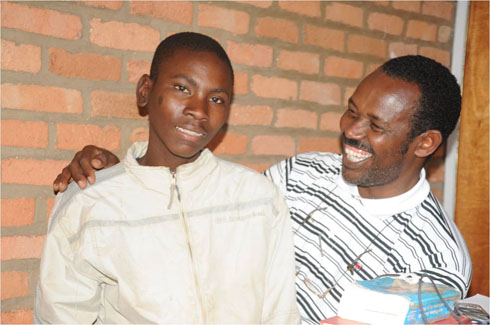
Padiri_Murenzi_Eugene_ari_kumwe_n_umwana_utavuga_copy_copyKu Ifoto padiri Eugene Murenzi ari kumwe n’umwana utavuga

Iri tsinda ryitwa Intwarane risanzwe ngo rizwi kuko ryigeze no kubonana na Arkiepiskopi wa Kigali cyakora akaba yararisabye ko impano zaryo zajyanwa mu nzego zisanzwe za Kiliziya arizo Umuryango remezo na paruwasi zikoreramo. Ikindi Abaturage bazi Intwarane nabo bemeza ko zitaripfana, ngo ndetse no gufungwa ntizibikangwa kuko uwazitumye afite imfunguzo zifunga n’izifungura. Abafunga murabe mwumva!

Ikindi cyongeye gutangaza muri iki kibazo ni uburyo Musenyeri Simaradge yacyitwayemo. Reka tubanze twibutse ko mu kwezi gushize( Kamena 2013)ubwo Simaragde yitabazwaga n’Abakirisitu ngo abafashe kuvugira amasengesho abantu bishwe na FPR yahise avuga ko atavanga iyobokamana na politiki. Ngo gusabira abo FPR yishe ni politiki. Ubu noneho ku byerekeye umupadiri wafunzwe muri kiriya kibazo cy’Intwarane, Simaradge Mbonyintege( bamwe bahimbye Mbuzintege) yagize ati “abakoze ibyaha bagomba kubihanirwa” kandi nyamara azi neza ko Padiri Eugene atari mu mubare w’abagiye ku rugo rwa Paul Kagame.

Ubutumwa abantu badashaka kumva ni ubuhe?

Mbere gatoya y’uko FPR itera u Rwanda, hateye Abahanuzi bagahanura ko babona u Rwanda rugiye gucura imiborogo. Yewe Bikira Mariya nawe yabonekeye abana I Kibeho asaba abantu kwihana kugira ngo bakumire ibyago byari bigiye kugwira u Rwanda. Uwitwa Magayane yahanuriye Habyarimana arabifungirwa. Ubuhanuzi bwabo bwaje gusohora turumirwa. Zimwe mu mpunzi mu gihugu cya Congo zagenderaga ku buhanuzi bwa Magayane cyane. Akantu kose kabaga zageragezaga kugahuza n’ibyo Magayane yavuze. N’ubu hari byinshi Magayane yavuze bamwe bakeka ko bizatinda bigasohora harimo iyicwa ry’uwo yise Rwabujindiri ngo rurya ntiruhage ngo rigakurikirwa n’amaraso menshi azameneka! Nyuma ya Magayane hari abandi baje kumenyekana  harimo n’umusirikare w’umu sergent witwa Nsabagasani, hari n’abandi benshi.

Mu byumweru nka bibiri bishize hari umwana w’umunyeshuri wafatiwe muri Gisenyi arafungwa ngo yatanze ubuhanuzi buteye ubwoba. Uyu mwana na we nta bwoba yagize bwo gutanga ubutumwa yemeza ko yahawe na Yezu Kristu. Mu butumwa bwe nawe yavugaga ko intambara igiye gutangira kandi ko amaraso menshi azameneka. None akurikiwe n’Intwarane za Yezu na Mariya. Ikibazo gikomeye kiri aha: kuki aba bose bagenda bagaruka ku butumwa busa kandi buteye ubwoba? Ubundi umugambi w’ubuhanuzi si ugukura abantu umutima ahubwo ni ukubahwitura ngo bikubite agashyi maze ikibi gikumirwe. Perezida Kagame aherutse kuvuga ati “ushobora kwanga kubwirwa ariko nyamara ntushobora kwanga kubona”! Niba rero aho kureka ngo abo ubutumwa bugenewe babubone bubatere kwikubita agashyi, mfite ubwoba ko iyi polisi ariyo izatuma ibyo biteye ubwoba bibaho. Ndasoza nibaza niba Paul Kagame we atamenye iby’iyi nkuru? Ese ko tuzi ko ari umurwanyi warwanye intambara nyinshi akazitsinda yaba yagize ubwoba bwo guhamagaza Intwarane ngo nibura mbere y’uko zifungwa abanze yumve ubutumwa zari zimuzaniye? Icyo nkundira igihe ni uko gitanga ibisubizo ku bibazo bitajyaga bibonerwa ibisubizo ku buryo bworoshye.

Amacabiranya ya Rucagu ashyize Ruhengeri mu kangaratete

Normal
0

false
false
false

EN-US
X-NONE
X-NONE

/* Style Definitions */
table.MsoNormalTable
{mso-style-name:”Table Normal”;
mso-tstyle-rowband-size:0;
mso-tstyle-colband-size:0;
mso-style-noshow:yes;
mso-style-priority:99;
mso-style-qformat:yes;
mso-style-parent:””;
mso-padding-alt:0in 5.4pt 0in 5.4pt;
mso-para-margin-top:0in;
mso-para-margin-right:0in;
mso-para-margin-bottom:10.0pt;
mso-para-margin-left:0in;
line-height:115%;
mso-pagination:widow-orphan;
font-size:11.0pt;
font-family:”Calibri”,”sans-serif”;
mso-ascii-font-family:Calibri;
mso-ascii-theme-font:minor-latin;
mso-fareast-font-family:”Times New Roman”;
mso-fareast-theme-font:minor-fareast;
mso-hansi-font-family:Calibri;
mso-hansi-theme-font:minor-latin;}

Amacabiranya ya Rucagu ashyize Ruhengeri mu kangaratete

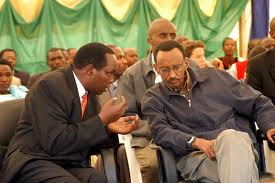
indexRucagu ku ifoto ajya mu matwi Paul Kagame ngo banoze umugambi wo kwibasira Abanyarwanda.

Normal
0

false
false
false

EN-US
X-NONE
X-NONE

/* Style Definitions */
table.MsoNormalTable
{mso-style-name:”Table Normal”;
mso-tstyle-rowband-size:0;
mso-tstyle-colband-size:0;
mso-style-noshow:yes;
mso-style-priority:99;
mso-style-qformat:yes;
mso-style-parent:””;
mso-padding-alt:0in 5.4pt 0in 5.4pt;
mso-para-margin-top:0in;
mso-para-margin-right:0in;
mso-para-margin-bottom:10.0pt;
mso-para-margin-left:0in;
line-height:115%;
mso-pagination:widow-orphan;
font-size:11.0pt;
font-family:”Calibri”,”sans-serif”;
mso-ascii-font-family:Calibri;
mso-ascii-theme-font:minor-latin;
mso-fareast-font-family:”Times New Roman”;
mso-fareast-theme-font:minor-fareast;
mso-hansi-font-family:Calibri;
mso-hansi-theme-font:minor-latin;}

Umugabo Rucagu Boniface akunze kwigaragaza cyane nk’umuntu ukorera FPR ndetse akayikorera kurusha Abayishinze. Byumvikane neza ko kuba umuntu yakwikundira ishyaka iri n’iri akarikorera uko abyumva nta kibazo byari bikwiye gutera. Ikibazo kivuka iyo ishyaka rikandamiza abaturage ku buryo bugaragara maze abantu bagakomeza kuriyoboka no kuritiza umurindi. Biba agahomamunwa iyo abashaka kurebwa neza bashyizeho umurava udasanzwe ndetse bakarusha ba Shebuja kumerera nabi abenegihugu. Umugabo Rucagu Boniface rero wo mu Ruhengeri akaba amaze kurembya abantu abatoteza ngo nibakorere kandi bavuge neza FPR abatabyemeye bagahimbirwa ibyaha bakajugunywa mu gihome.

Rucagu yatangiye kugaragaza kuyoboka kudasanzwe mu myaka yakurikiye ifatwa ry’ubutegetsi na FPR. Abamuzi bemeza ko na mbere ubwo yari muri MRND yajyaga atanga imisanzu rwihishwa muri FPR-INKOTANYI ikiri ku rugamba. Nyuma y’aho mu gihe yari umudepite mu nteko ishinga amategeko bamwe mu badepite b’Abatutsi bamubwiye ko ubutegetsi bwa Habyarimana yarimo bwakoze genocide. Rucagu yaje kuhagirira ikibazo gikomeye akizwa n’ijambo yavuze abwira Abanyaruhengeri ngo nibemere bayoboke rwose baratsinzwe. Iri jambo naryo bamwe barivuzeho byinshi ndetse bamwe berekana ko ririmo amacakubiri: ni ukuvuga ko u Rwanda rurimo abatsinze bagomba kuvuga rikijyana n’abatsinzwe bagomba gukoma amashyi. Perezida Kagame abwira Rucagu ati “ahubwo wowe wemeye kuyoboka ntako usa”. Aba amugabiye Ruhengeri.

Mu gihe Rucagu yari perefe wa Ruhengeri yahinze mu Banyaruhengeri ngo nibinjire muri FPR. Yatangiriye ku bacuruzi n’abanyemari abategeka ko bagomba kurahira kandi bagatanga imisanzu muri FPR. Bukeye kabiri abategeka gukingura imiryango ya business zabo bagaha FPR imigabane. Ng’uko uko FPR yinjiye mu micungire ya buri business ibaho mu Ruhengeri: mu itumanaho, mu mahoteli, mu gutwara abantu n’ibintu, mu ma restaurants,…abari basanzwe bifitiye umutuzo barawubuze kuko FPR aho imaze kwinjira ishaka gucunga byoze yewe n’ubwo yaba ifite imigabane itarenze 15%. Bamwe mu bacuruzi bahisemo guhombya business kugira ngo babone uko FPR ivamo. FPR nayo aho yabonaga hajemo igihombo yahitaga ibwira nyirubwite iti banza ukemure utubazo hanyuma tuzakorana nyuma.

Abandi bantu Rucagu yibasiye ni abize kandi badatinya kugaragaza ibitekerezo byabo. Umwe mubo Rucagu yigirijeho nkana ni Profeseri Faustin Musanganya wigishaga mu ishuri rikuru rya INES RUHENGERI ubu wirirwa azengurutswa mu magereza y’u Rwanda hejuru y’ibyaha Rucagu yamugeretseho ndetse agakomeza no kumukurikirana aho afungiye.

Musanganya Faustin ni muntu ki?

Yavukiye muri Commune ya Kidaho mu Ruhengeri. Arangije amashuri yisumbuye yagiye kwiga amakuru mu gihugu cy’Ububirigi i Louvain aho yakuye impamyabumenyi ihanitse mu ndimi. Nyuma y’amashuri yagarutse mu Rwanda akorera Leta  mu biro bishinzwe inyandiko mu nteko ishinga amategeko. Mu gihe cya Genocide Musanganya n’umuryango we kimwe n’abandi Banyarwanda benshi bahungiye ubwicanyi bwa FPR mu gihugu cya Congo aza kugaruka ubwo impunzi zacyurwanga ku ngufu izindi zikicwa. Ku bw’amahirwe Musanganya yageze mu Rwanda amahoro ariko aho yari atuye i Kigali hari harigaruriwe n’abasirikare ba FPR. Musanganya yagiye ku isambu mu Kidaho maze atangira kwigisha  indimi mu Iseminari ntoya Gatulika ya Nkumba. Uretse kwigisha indimi Musanganya yigishaka imikino njyarugamba( Karate) mu kigo cy’abasirikare cyo mu Ruhengeri. Yaje gukora umushinga Forum des Organisations Rurales(FOR) wari ugamije guteza imbere abahinzi borozi ba Ruhengeri na Gisenyi. Uyu mushinga watewe inkunga na Ambassade y’Ubuholandi bituma utera imbere vuba. Aha rero niho yatangiye kugirana ikibazo na Rucagu. Rucagu yashakaga ko nta wundi muhutu mu Ruhengeri uvugwa atari we. Ikindi yashatse guhatira Musanganya kujya muri FPR ariko aramuhakanira. Icyakurikiyeho ni ukumushinja ingengabitekerezo ya genocide ngo umushinga we ntuha akazi Abatutsi. Musanganya yisobanuye yerekana ko umushinga ukorana n’Abahinzi borozi bose muri Ruhengeri na Gisenyi ko nta muntu wigeze abuzwa amahirwe ye ngo ni uko ari Umututsi.

Byaje gukomeza ariko Rucagu ahora ahonda agatoki ku kandi ngo kuko Musanganya yavuganaga n’Abazungu b’Abaholandi. Mu mwaka wa 2011 mu kwezi kwa kane ubwo hibukwaga jenoside yakorewe Abatutsi ahitwa Gikwege muri Muhoza (Ruhengeri)mu gihe abantu bagendaga batanga ibitekerezo kuri jenoside n’uburyo babona ingaruka zayo zakumirwa, Faustin Musanganya yatanze igitekerezo ko jenoside yagombye guhama Leta niba hagaragaye ko yayiteguye. Iki gitekerezo rero Rucagu yacyuririyeho ashumuriza Musanganya ubucamanza, icyaha kiba ingengabitekerezo ya jenoside ngo Musanganya yashatse kuvugira abakoze jenoside. Ng’uko uko Musanganya Faustin bahise bamutambikana.

Mu gihe itegeko rihana ingengabitekerezo ya jenoside ryagaragaraga ko ridasobanutse (kubera ko ryashyizweho n’ubutegetsi budasobanutse) Musanganya Faustin n’abandi bafunzwe n’iryo tegeko ntacyo Leta yabageneye. Cyakora Rucagu we yatekereje ko Musanganya ashobora kuzasubirishamo urubanza agafungurwa. Niko kumuteza za maneko muri gereza aho yari afungiwe maze si ukumutesha umutwe karahava. Muri gereza bamushinje gukorana n’imitwe irwanya ubutegetsi hamwe n’amashyaka akorera hanze. Bamushinje ko yavuganaga n’abarwanya Leta akoresheje telephone mobile ibi bituma bahora bamuzengurutsa mu magereza y’u Rwanda: Ruhengeri, Gisenyi, Kigali,…Hagati aho ibikorwa by’ubucuruzi bya Musanganya Faustin harimo na Hoteli yarimo yubaka byarahagaze ngo ni uko yanze kumvira Rucagu ngo ajye muri FPR. Ng’iyi impamvu nyamukuru y’akarengane ka Profeseri Musanganya.

Umwanzuro.

Abantu bazi guhakirizwa byaba byiza bagiye bihakirwa ariko ntibahitane roho z’inzirakarengane. Rucagu na nyuma yo kuva ku buyobozi wa Ruhengeri yashatse kwiyerekana nk’umuvugizi w’Abahutu bo mu Ruhengeri. Benshi baricecekeye ariko baramuhigira kuko ibyo abakorera atari byiza. Ubwo Rucagu amaze iminsi avuze ko agiye kubwira Abahutu bagasaba imbabazi Abatutsi, mwitege ishyano rigiye kugwira Abanyaruhengeri kuko amacabiranya ya Rucagu ateye ishozi kandi agiye gushyira Ruhengeri mu kangaratete.


Madame Jeanette Kagame ntavuga rumwe n’umugabo we kuri bimwe mu bintu bikomeye.

Madame Jeanette Kagame ntavuga rumwe n’umugabo we kuri bimwe mu bintu bikomeye.

jennette-kagame3

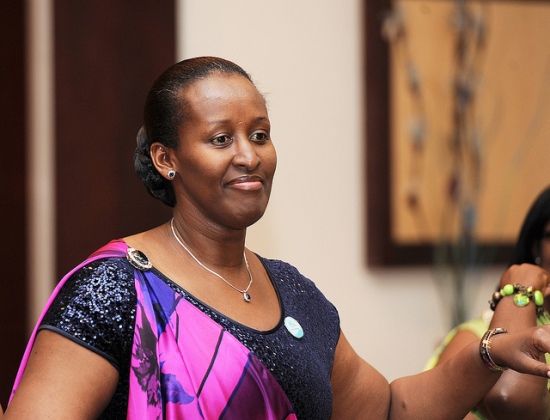
“…tuzi twese ko icyaha ari gatozi ndetse n’abemera Imana bavuga ko “Buri vi rizipfukamira” Madame Jeannette Kagame.  Ifoto dukesha http://www.leprophete.fr/news.php?id=221

Kuwa 30 Kamena uyu mwaka I Kigali hahuriye urubyiruko rukabakaba cyangwa rurenga 1000 ku butumire bwa Imbuto Foundation, umuryango ukuriwe na Madame Perezida Jeannette Kagame. Mu ijambo ritangiza ibiganiro byaranze uwo munsi Madame aratwicikra akajisho uko u Rwanda ruhagaze muri iki gihe ndetse n’uburyo bukwiye bwo gukemura ibibazo mu rwego rwo kubaka ejo hazaza. Reka turebere hamwe ibikubiye muri iri jambo turishime cyangwa turinenge ntawe uhutajwe,turyuzuze cyangwa turicenshure, niyo demokarasi duharanira.
1. Urubyiruko rufite inyota yo kumenya amateka.
Mu ntangiriro y’iri jambo madame yadusubiriyemo ibyo duhora tuvuga. Amateka ni ikintu cya ngombwa cyane , atwigisha ubuzima bw’abatubanjirije, ibibazo bahuye nabyo n’uburyo babikemuye, ibyiza babayemo n’uburyo babigezeho, amakosa bakoze dukwiye kugendera kure, ibi bikadufasha gushushanya isura y’igihugu cyiza kizira umwiryane. Madame abishimangira agira ati : “twemera ko urubyiruko rw’u Rwanda rugomba gusobanukirwa neza amateka y’igihugu cyacu, yaba ameza ndetse n’amabi twanyuzemo”. Nta kuri kuruta uku.

2. Wenda (Igihugu) kizongera gutabarwa n’abato
Madame ntahakana ko U Rwanda rufite ibibazo ahubwo uretse ko we abigereranya n’ibyariho mu gihe FPR yateraga muri 1990. Aragira ati “Ababohoje u Rwanda bangana namwe ndetse hari bamwe bari batoya”. Nuko ati “namwe nimutabare igihugu cyanyu”. Ibi bisobanuye ko bya bindi opposition ivuga isaba abantu guhaguruka (ndlr: bagakora revolution) ariko na Madame abibona. Abo batandukanira ni uko opposition yo ivuga iti bizagerwaho naho Madame we abivuga ameze nk’udafitiye uru rubyiruko icyizere: “Wenda kizongera gutabarwa n’abato” kuko kigeze ku muteremuko.
3. Urubyiruko ntirugomba kwikorezwa ibyo rutagizemo uruhare

Normal
0

false
false
false

EN-US
X-NONE
X-NONE

/* Style Definitions */
table.MsoNormalTable
{mso-style-name:”Table Normal”;
mso-tstyle-rowband-size:0;
mso-tstyle-colband-size:0;
mso-style-noshow:yes;
mso-style-priority:99;
mso-style-qformat:yes;
mso-style-parent:””;
mso-padding-alt:0in 5.4pt 0in 5.4pt;
mso-para-margin-top:0in;
mso-para-margin-right:0in;
mso-para-margin-bottom:10.0pt;
mso-para-margin-left:0in;
line-height:115%;
mso-pagination:widow-orphan;
font-size:11.0pt;
font-family:”Calibri”,”sans-serif”;
mso-ascii-font-family:Calibri;
mso-ascii-theme-font:minor-latin;
mso-fareast-font-family:”Times New Roman”;
mso-fareast-theme-font:minor-fareast;
mso-hansi-font-family:Calibri;
mso-hansi-theme-font:minor-latin;}
Madame Jeannete yasabye abantu ko bakwiye kwicara hamwe bakaganira bavugisha ukuri, bakavuga aho bakomeretse. Yagize ati: « Kera iyo inzara yateraga, ababyeyi bakoraga ku mbuto babikiye ihinga ritaha, bagatekera abana maze bakaramuka kabiri… natwe rero dushonje amahoro asesuye nimuze tujye inama nk’abaryi b’imbuto ».

Aha nahageze mpita nongeraho nti mbese Opposition tutibagiwe na FDLR bakaganira na FPR bakavuga uko bakomeretse. Mbega ukuntu byaba byiza we!? Yongeye no kwibutsa ko niba hari abakibeshya ko bavukanye imbuto nk’uko byakunze kuvugwa ku Bami b’u Rwanda ko cyari ikinyoma cyambaye ubusa. Ati niba hari abibwira ko bazivukanye (imbuto) nibasigeho. Nkunda umuntu ntacyo ampaye!
Ikindi yagize ati: “… tuzi twese ko icyaha ari gatozi ndetse n’abemera Imana bavuga ko “Buri vi rizipfukamira”. Yongeraho ko bityo urubyiruko rudakwiye guterwa ipfunwe n’ibyo ababyeyi baba barakoze.

Byaje gupfira he?
Uyu mubyeyi rero akimara gutangiza iri huriro ngo Abahanga mu by’amateka nibo baganirije urubyiruko. Amateka bavuze yo ni agahomamunwa. Icya mbere cyantangaje rero ni ukuntu ari urubyiruko ari abarugezagaho ayo mateka bose barabeshyanye karahava. Mwese muzi ijambo Perezida Kagame yavuze mu minsi yashize yibutsa ko yohereje Abasirikare muri Congo bakarasa abagomba kuraswa ! Ariko abagabo babiri nako aba jenerali James Kabarebe yunganiwe na Rwarakabije barihanukiriye bati reka nta Munyarwanda ingabo zacu zigeze zica. Rwarakabije nawe ararahira ati: ni ukuri ( kwa Shitani) rwose nanjye nabihagazeho. Abo bombi barangije rero ikindi cyansekeje ni uko hari umwana w’umukobwa warokotse amasasu y’izo ngabo nawe waje ahita rwose ashyira mu ngiro ibyo bamwigishije (byo kubeshya) ati rwose umusirikare yaraje amfata akaboko anyereka inzira igana iwacu! Hahahahaha. Utazi Inkotanyi yageze muri Congo uko yasaga azambaze! Ninde wari kunyomoza uyu mukobwa? Ni Rwarakabije se cyangwa ni Kabarebe? Cyakora uwo mwana yagororewe kuzoroherezwa kwinjira mu gisirikare nyuma y’imyaka itatu yose bamutera utwatsi, bigaragara ko aricyo yari agamije dore ko ubushomeri mu rubyiruko cyane cyane urw’Abahutu buvuza ubuhuha.

Abandi baje kwinjira muri uwo munsi bakavangira Madame Jeannette, ni Rucagu Boniface ndetse n’undi musore usanzwe azwi cyane mu kazi ko gucukura imisarani maze bo bamagana ibyo Madame yari yavuze ko icyaha ari gatozi. Ni uko basaba imbabazi z’ibyaha ngo benewabo b’Abahutu bakoze. Ibi rero Perezida Kagame we yahise abigira itegeko ngo Abahutu bose bagombe basabe imbabazi z’ibyaha benewabo bakoze. Madame Jeannete yagize ubwoba bwo kumwambura micro ngo amwibutse ko icyaha ari gatozi!9059_324602541005074_1952928076_nIfoto dukesha urubuga https://www.facebook.com/urubuga.rwizanews

Perezida Kagame kandi yongeye kuvuga ku kibazo cyo gutesha abantu agaciro cyabaye mu mwaka wa 1973 aho ngo bakorakoraga izuru rya mushiki we ngo bumve uko izuru ry’umututsi rimera. Niba ibi byarabayeho birababaje. Icyo twakwibaza ni iki: Ese turimo kubikumira dute? Ese bitandukaniye he no guhamagara abana b’Abahutu ukababwira ngo nibasabe imbabazi z’ibyaha na Se cyangwa abavandimwe babo bakoze? Ese bitandukaniye he no kwemeza umwana ko ya masasu wamurasaga Bukavu, Masisi, Lubutu, Kisangani, Mbandaka ,…burya batashakaga kumwica kandi ababyeyi be bo yarabahitanye? Nyamara ntibizoroha.
Biragaragara ko u Rwanda rufite ibibazo bikomeye. Urubyiruko bararubeshya narwo rukababeshya kakahava. Nyamara buriya iyo ririya jambo rya Jeannete Kagame rikurikirwa tugasigara dushaka uko ryajya mu bikorwa yari kuba ari intambwe ikomeye. Icy’ingenzi ni ukugira Ubutwari bwo kuvuga Ukuri noneho tugaha igihugu umurongo uzaturinda umwiryane. Ukurikiye neza ijambo rya Jeannette n’irya Kagame uhita ubona ko batavuga rumwe ku bintu bimwe bikomeye.

What really happened in Rwanda in 1994?

Rwandan_Genocide_Murambi_skulls_article

Researchers Christian Davenport and Allan C. Stam say the accepted story of the mass killings of 1994 is incomplete, and the full truth — inconvenient as it may be to the Rwandan government — needs to come out.

University-of-Michigan-Professor-Alan-Stam-Notre-Dame-Professor-Christian-Davenport

The accepted story of the mass killings of 1994 is incomplete. The full truth — inconvenient as it may be to the Rwandan government — needs to come out. (wikipedia.org)

In 1998 and 1999, we went to Rwanda and returned several times in subsequent years for a simple reason: We wanted to discover what had happened there during the 100 days in 1994 when civil war and genocidekilled an estimated 1 million individuals. What was the source of our curiosity? Well, our motivations were complex. In part, we felt guilty about ignoring the events when they took place and were largely overshadowed in the U.S. by such “news” as the O.J. Simpson murder case. We felt that at least we could do something to clarify what had occurred in an effort to respect the dead and assist in preventing this kind of mass atrocity in the future. We were both also in need of something new, professionally speaking. Although tenured, our research agendas felt staid. Rwanda was a way out of the rut and into something significant.

Although well-intentioned, we were not at all ready for what we would encounter. Retrospectively, it was naïve of us to think that we would be. As we end the project 10 years later, our views are completely at odds with what we believed at the outset, as well as what passes for conventional wisdom about what took place.

We worked for both the prosecution and the defense at the International Criminal Tribunal for Rwanda, trying to perform the same task — that is,to find data that demonstrate what actually happened during the 100 days of killing. Because of our findings, we have been threatened by members of the Rwandan government and individuals around the world. And we have been labeled “genocide deniers” in both the popular press as well as the Tutsi expatriate community because we refused to say that the only form of political violence that took place in 1994 was genocide. It was not, and understanding what happened is crucial if the international community is to respond properly the next time it becomes aware of such a horrific spasm of mass violence.

Like most people with an unsophisticated understanding of Rwandan history and politics, we began our research believing that what we were dealing with was one of the most straightforward cases of political violence in recent times, and it came in two forms: On the one hand was the much-highlighted genocide, in which the dominant, ruling ethnic group — the Hutu — targeted the minority ethnic group known as theTutsi. The behavior toward the minority group was extremely violent — taking place all over Rwanda — and the objective of the government’s effort appeared to be the eradication of the Tutsi, so the genocide label was easy to apply. On the other hand, there was the much-neglected international or civil war, which had rebels (the Rwandan Patriotic Front or RPF) invading from Uganda on one side and the Rwandan government (the Armed Forces of Rwanda or FAR) on the other. They fought this war for four years, until the RPF took control of the country.

We also went in believing that the Western community — especially the United States — had dropped the ball in failing to intervene, in large part because the West had failed to classify expeditiously the relevant events as genocide.

Finally, we went in believing that the Rwandan Patriotic Front, then rebels but now the ruling party in Rwanda, had stopped the genocide by ending the civil war and taking control of the country.

At the time, the points identified above stood as the conventional wisdom about the 100 days of slaughter. But the conventional wisdom was only partly correct.

The violence did seem to begin with Hutu extremists, including militia groups such as the Interahamwe, who focused their efforts against the Tutsi. But as our data came to reveal, from there violence spread quickly, with Hutu and Tutsi playing the roles of both attackers and victims, and many people of both ethnic backgrounds systematically using the mass killing to settle political, economic and personal scores.

Against conventional wisdom, we came to believe that the victims of this violence were fairly evenly distributed between Tutsi and Hutu; among other things, it appears that there simply weren’t enough Tutsi in Rwanda at the time to account for all the reported deaths.

We also came to understand just how uncomfortable it can be to question conventional wisdom.

We began our research while working on a U.S. Agency for International Development project that had proposed to deliver some methodological training to Rwandan students completing their graduate theses in the social sciences. While engaged in this effort, we came across a wide variety of nongovernmental organizations that had compiled information about the 100 days. Many of these organizations had records that were detailed, identifying precisely who died where and under what circumstances; the records included information about who had been attacked by whom. The harder we pushed the question of what had happened and who was responsible, the more access we gained to information and data.

There were a number of reasons that we were given wide-ranging access to groups that had data on the 100 days of killing. First, for their part of the USAID program, our hosts at the National University of Rwanda in Butare arranged many public talks, one of which took place at the U.S. embassy in Kigali. Presumably put together to assist Rwandan NGOs with “state-of-the-art” measurement of human rights violations, these talks — the embassy talk, in particular — turned the situation on its head. The Rwandans at the embassy ended up doing the teaching, bringing up any number of events and publications that dealt with the violence. We met with representatives of several of the institutions involved, whose members discussed with us in greater detail the data they had compiled.

Second, the U.S. ambassador at the time, George McDade Staples, helped us gain access to Rwanda government elites —directly and indirectly through staff members.

Third, the Rwandan assigned to assist the USAID project was extremely helpful in identifying potential sources of information. That she was closely related to a member of the former Tutsi royal family was a welcome plus.

Once we returned to the U.S., we began to code events during the 100 days by times, places, perpetrators, victims, weapon type and actions. Essentially, we compiled a listing of who did what to whom, and when and where they did it — what Charles Tilly, the late political sociologist, called an “event catalog.” This catalog would allow us to identify patterns and conduct more rigorous statistical investigations.

Looking at the material across space and time, it became apparent that not all of Rwanda was engulfed in violence at the same time. Rather, the violence spread from one locale to another, and there seemed to be a definite sequence to the spread. But we didn’t understand the sequence.

At National University of Rwanda, we spent a week preparing students to conduct a household survey of the province. As we taught the students how to design a survey instrument, a common question came up repeatedly: “What actually happened in Butare during the summer of 1994?” No one seemed to know; we found this lack of awareness puzzling and guided the students in building a set of questions for their survey, which eventually revealed several interesting pieces of information.

First, and perhaps most important, was confirmation that the vast majority of the population in the Butare province had been on the move between 1993 and 1995, particularly during early 1994. Almost no one stayed put. We also found that the RPF rebels had blocked the border leading south out of the province to Burundi. The numbers of households that provided information consistent with these facts raised significant questions in our minds regarding the culpability of the RPF relative to the FAR for killing in the area.

During this period, we confirmed Human Rights Watch findings that many killings were organized by the Hutu-led FAR, but we also found that many of the killings were spontaneous, the type of violence that we would expect with a complete breakdown of civil order. Our work further revealed that, some nine years later, a great deal of hostility remained. There was little communication between the two ethnic groups. The Tutsi, now under RPF leadership and President Paul Kagame, dominated all aspects of the political, economic and social systems.

Lastly, it became apparent to us that members of the Tutsi diaspora who returned to Rwanda after the conflict were woefully out of touch with the country that they had returned to. Indeed, one Tutsi woman with whom we spent a day in the hills around Butare broke down in tears in our car as we drove back to the university. When asked why, she replied, “I have never seen such poverty and destitution.” We were quite surprised at the degree of disconnect between the elite students drawn from the wealthy strata of the Tutsi diaspora, who were largely English-speaking, and the poorer Rwandans, who spoke Kinyarwanda and perhaps a bit of French. It was not surprising that the poor and the wealthy in the country did not mix; what struck both of us as surprising was the utter lack of empathy and knowledge about each other’s condition. After all, the Tutsi outside the country claimed to have invaded Rwanda from Uganda on behalf of the Tutsi inside — a group that the former seemed to have little awareness of or interest in. Our work has led us to conclude that the invading force had a primary goal of conquest and little regard for the lives of resident Tutsis.

As the students proceeded with the survey, asking questions that were politically awkward for the RPF-led government, we found our position in the country increasingly untenable. One member of our team was detained and held for the better part of a day while being interrogated by a district police chief. The putative reason was a lack of permissions from the local authorities; permissions were required for everything in Rwanda, and we generally had few problems obtaining them in the beginning. The real reason for the interrogation, however, seemed to be that we were asking uncomfortable questions about who the killers were.

A couple of weeks later, two members of our team were on a tourist trip in the northern part of the country when they were again detained and questioned for the better part of a day at an RPF military facility. There the questioners wanted to know why we were asking difficult questions, what we were doing in the country, whether we were working for the American CIA, if we were guests of the Europeans and, in general, why we were trying to cause trouble.

On one of our trips to Rwanda, Alison Des Forges, the pre-eminent scholar of Rwandan politics who has since died in an airplane crash, suggested that we go to the International Criminal Tribunal for Rwanda in Tanzaniato seek answers to the questions we were raising. Des Forges even called on our behalf.

With appointments set and with Mount Kilimanjaro in the distance, we arrived in Arusha, Tanzania, for our meeting with Donald Webster, the lead prosecutor for the political trials, Barbara Mulvaney, the lead prosecutor for the military trial, and others from their respective teams. As we began to talk, we initially found that the prosecutors in the two sets of cases — one set of defendants were former members of the FAR military, the other set of trials focused on the members of the Hutu political machine — had great interest in our project.

Eventually, Webster and Mulvaney asked us to help them contextualize the cases that they were investigating. Needless to say, we were thrilled with the possibility. Now, we were working directly with those trying to bring about justice.

The prosecutors showed us a preliminary database that they had compiled from thousands of eyewitness statements associated with the 1994 violence. They did not have the resources to code all of the statements for computer analysis; they wanted us to do the coding and compare the statements against the data we had already compiled. We returned to the U.S. with real enthusiasm; we had access to data that no one else had seen and direct interaction with one of the most important legal bodies of the era.

Interest by and cooperation with the ICTR did not last as long as we thought it would, in no small part because it quickly became clear that our research was going to uncover killings committed not just by the Hutu-led former government, or FAR, but by the Tutsi-led rebel force, the RPF, as well. Until then, we had been trying to identify all deaths that had taken place; beyond confidentiality issues, it did not occur to us that the identity of perpetrators would be problematic (in part because we thought that all or almost all of them would be associated with the Hutu government). But then we tried to obtain detailed maps that contained information on the location of FAR military bases at the beginning of the civil war. We had seen copies of these maps pinned to the wall in Mulvaney’s office. In fact, during our interview with Mulvaney, the prosecutor explained how her office had used these maps. We took detailed notes, even going so far as to write down map grid coordinates and important map grid sheet identifiers.

After the prosecution indicated it was no longer interested in reconstructing a broad conception of what had taken place —prosecutors said they’d changed their legal strategy to focus exclusively on information directly related to people charged with crimes — we asked the court for a copy of the maps. To our great dismay, the prosecution claimed that the maps did not exist. Unfortunately for the prosecutors, we had our notes. After two years of negotiations, a sympathetic Canadian colonel in a Canadian mapping agency produced the maps we requested.

As part of the process of trying to work out the culpability of the various defendants charged with planning to carry out genocidal policies, the ICTR conducted interviews with witnesses to the violence over some five years, beginning in 1996. Ultimately, the court deposed some 12,000 different people. The witness statements represent a highly biased sample; the Kagame administration prevented ICTR investigators from interviewing many who might provide information implicating members of the RPF or who were otherwise deemed by the government to be either unimportant or a threat to the regime.

All the same, the witness statements were important to our project; they could help corroborate information found in CIA documents, other witness statements, academic studies of the violence and other authoritative sources.

As with the maps, however, when we asked for the statements, we were told they did not exist. Eventually, defense attorneys —who were surprised by the statements’ existence, there being no formal discovery process in the ICTR — requested them. After a year or so, we obtained the witness statements, in the form of computer image files that we converted into optically readable computer documents. We then wrote software to search through these 12,000 statements in our attempts to locate violence and killing throughout Rwanda.

The first significant negative publicity associated with our project occurred in November 2003 at an academic conference in Kigali. The National University of Rwanda had invited a select group of academics, including our team, to present the results of research into the 1994 murders. We had been led to believe that the conference would be a private affair, with an audience composed of academics and a small number of policymakers.

As it turned out, the conference was anything but small or private. It was held at a municipal facility in downtown Kigali, and our remarks would be simultaneously translated from English into French and the Rwandan language, Kinyarwanda. There were hundreds of people present, including not just academics but members of the military, the cabinet and other members of the business and political elite.

We presented two main findings, the first derived from spatial and temporal maps of data obtained from the different sources already mentioned. The maps showed that, while killing took place in different parts of the country, it did so at different rates and magnitudes — begging for an explanation we did not yet have. The second finding came out of a comparison of official census data from 1991 to the violence data we had collected. According to the census, there were approximately 600,000 Tutsi in the country in 1991; according to the survival organization Ibuka, about 300,000 survived the 1994 slaughter. This suggested that out of the 800,000 to 1 million believed to have been killed then, more than half were Hutu. The finding was significant; it suggested that the majority of the victims of 1994 were of the same ethnicity as the government in power. It also suggested that genocide — that is, a government’s attempts to exterminate an ethnic group — was hardly the only motive for some, and perhaps most, of the killing that occurred in the 100 days of 1994.

Halfway into our presentation, a military man in a green uniform stood up and interrupted. The Minister of Internal Affairs, he announced, took great exception to our findings. We were told that our passport numbers had been documented, that we were expected to leave the country the next day and that we would not be welcomed back into Rwanda — ever. Abruptly, our presentation was over, as was, it seemed, our fieldwork in Rwanda.

The results of our initial paper and media interviews became widely known throughout the community of those who study genocides in general and the Rwandan genocide in particular. The main offshoot was that we became labeled, paradoxically, as genocide “deniers,” even though our research documents that genocide had occurred. Both of us have received significant quantities of hate mail and hostile e-mail. In the Tutsi community and diaspora, our work is anathema. Over the past several years, as we have refined our results, becoming more confident about our findings, our critics’ voices have become louder and increasingly strident.

Of course, we have never denied that a genocide took place; we just noted that genocide was only one among several forms of violence that occured at the time. In the context of post-genocide Rwandan politics, however, the divergence from common wisdom was considered political heresy.

Following the debacle at the Kigali conference, the ICTR prosecution teams of Webster and Mulvaney let us know in no uncertain terms that they had no further use of our services. The reasons for our dismissal struck us as somewhat outrageous. From the outset, the prosecution claimed it was not interested in anything that would prove or disprove the culpability of any individuals in the mass killings. Now, they said, the findings we’d announced in the Kigali conference made our future efforts superfluous.

Shortly after our dismissal, however, Peter Erlinder, a defense attorney for former members of the FAR military who were to be tried, contacted us. This was after several others from the defense had also attempted to contact us, with no success.

We had misgivings about cooperating or working with the defense, the gravest being that such work might be seen as supporting the claim we were genocide deniers. After months of negotiating, we finally met Erlinder at a Starbucks in Philadelphia, Pa. The defense could have made a better choice for roping us in. Erlinder, a professor at the William Mitchell College of Law, was an academic turned defender for the least likable suspects.

After we obtained lattes and quiet seats in the back of the coffee shop, Erlinder came straight to the point: He was, of course, interested in establishing his client’s innocence, but he felt it would help the defense to establish a baseline history of what had taken place in the war in 1994. As he explained, “My client may be guilty of some things, but he is not guilty of all the things that any in the Rwandan government and military during 1994 is accused of. They have all been made out to be devils.”

What he asked was reasonable. In fact, he made the same essential offer the prosecution had: In exchange for our efforts at contextualizing the events of 1994, Erlinder would do the best he could to assist us in getting data on what took place. With Erlinder’s assistance, we were able to obtain the maps we’d seen in Mulvaney’s office and the 12,000 witness statements. With this information, we were able to better establish the true positions of both the FAR and RPF during the civil war. This greater confidence of the location of the two sides’ militaries made — and makes — us more certain about the culpability of the FAR for the majority of the killings during the 100 days of 1994. At the same time, however, we also began to develop a stronger understanding of the not insignificant role played by the RPF in the mass murders.

About this time, we were approached by an individual associated withArcview-GIS, a spatial mapping software firm that wanted to take the rather simplistic maps that we had developed and improve them, thereby showing what the company’s program was capable of. Our consultant at Arcview-GIS said the software could layer information on the map, providing, among other things, a line that showed, day by day, where the battlefront of the civil war was located, relative to the killings we had already documented.

This was a major step. In line with the conventional wisdom, we had assumed that the government was responsible for most all of the people killed in Rwanda during 1994; we initially paid no attention to where RPF forces were located. But it soon became clear that the killings occurred not just in territory controlled by the government’s FAR but also in RPF-captured territory, as well as along the front between the two forces. It seemed possible to us that the three zones of engagement (the FAR-controlled area, the RPF-controlled area and the battlefront between the two) somehow influenced one another.

In his book, The Limits of Humanitarian Intervention, Alan Kuperman argued that given the logistical challenges of mounting a military operation in deep central Africa, there was little the U.S. or Europe could have done to limit the 1994 killings. To support his position, Kuperman used U.S. Defense Intelligence Agency information to document approximate positions of the RPF units over the course of the war. We updated this information on troop locations with data from CIA national intelligence estimates that others had obtained through the Freedom of Information Act and then updated it again, incorporating interviews with former RPF members, whose recollections we corroborated with information from the FAR.

Our research showed the vast majority of the 1994 killing had been conducted by the FAR, the Interahamwe and their associates. Another significant proportion of the killing was committed not by government forces but by citizens engaged in opportunistic killing as part of the breakdown of civil order associated with the civil war. But the RPF was clearly responsible for another significant portion of the killings.

In some instances, the RPF killings were, very likely, spontaneous retribution. In other cases, though, the RPF has been directly implicated in large-scale killings associated with refugee camps, as well as individual households. Large numbers of individuals died at roadblocks and in municipal centers, households, swamps and fields, many of them trying to make their way to borders.

Perhaps the most shocking result of our combination of information on troop locations involved the invasion itself: The killings in the zone controlled by the FAR seemed to escalate as the RPF moved into the country and acquired more territory. When the RPF advanced, large-scale killings escalated. When the RPF stopped, large-scale killings largely decreased. The data revealed in our maps was consistent with FAR claims that it would have stopped much of the killing if the RPF had simply called a halt to its invasion. This conclusion runs counter to the Kagame administration’s claims that the RPF continued its invasion to bring a halt to the killings.

In terms of ethnicity, the short answer to the question, “Who died?” is, “We’ll probably never know.” By and large, the Hutu and the Tutsi are physically indistinct from one another. They share a common language. They have no identifiable accent. They have had significant levels of intermarriage through their histories, and they have lived in similar locations for the past several hundred years. In the 1920s and 1930s, the Belgians, in their role as occupying power, put together a national program to try to identify individuals’ ethnic identity through phrenology, an abortive attempt to create an ethnicity scale based on measurable physical features such as height, nose width and weight, with the hope that colonial administrators would not have to rely on identity cards.

One result of the Belgian efforts was to show — convincingly — that there is no observable difference on average between the typical Hutu Rwandan and the typical Tutsi Rwandan. Some clans — such as those of the current president, Paul Kagame, or the earlier Hutu president,Juvenal Habyarimana — do share distinctive physical traits. But the typical Rwandan shares a mix of such archetypal traits, making ethnic identity outside of local knowledge about an individual household’s identity difficult if not impossible to ascertain — especially in mass graves containing no identifying information. (For example, Physicians for Human Rights exhumed a mass grave in western Rwanda and found the remains of more than 450 people, but only six identity cards.)
In court transcripts for multiple trials at the ICTR, witnesses described surviving the killings that took place around them by simply hiding among members of the opposite ethnic group. It is clear that in 1994, killers would have had a difficult time ascertaining the ethnic identity of their putative victims, unless they were targeting neighbors.

Complicating matters is the displacement that accompanied the RPF invasion. During 1994, some 2 million Rwandan citizens became external refugees, 1 million to 2 million became internal refugees, and about 1 million eventually became victims of civil war and genocide.

Ethnic identity in Rwanda is local knowledge, in much the same way that caste is local knowledge in India. With the majority of the population on the move, local knowledge and ethnic identity disappeared. This is not to say that the indigenous Tutsi were not sought out deliberately for extermination. But in their killing rampages, FAR, the Interahamwe and private citizens engaged in killing victims of both ethnic groups. And people from both ethnic groups were on the move, trying to stay out in front of the fighting as the RPF advanced.

In the end, our best estimate of who died during the 1994 massacre was, really, an educated guess based on an estimate of the number of Tutsi in the country at the outset of the war and the number who survived the war. Using a simple method —subtracting the survivors from the number of Tutsi residents at the outset of the violence — we arrived at an estimated total of somewhere between 300,000 and 500,000 Tutsi victims. If we believe the estimate of close to 1 million total civilian deaths in the war and genocide, we are then left with between 500,000 and 700,000 Hutu deaths, and a best guess that the majority of victims were in fact Hutu, not Tutsi.

This conclusion — which has drawn criticism from the Kagame regime and its supporters — is buttressed by the maps that we painstakingly constructed from the best available data and that show significant numbers of people killed in areas under control of the Tutsi-led RPF.

One fact is now becoming increasingly well understood: During the genocide and civil war that took place in Rwanda in 1994, multiple processes of violence took place simultaneously. Clearly there was a genocidal campaign, directed to some degree by the Hutu government, resulting directly in the deaths of some 100,000 or more Tutsi. At the same time, a civil war raged — a war that began in 1990, if the focus is on only the most recent and intense violence, but had roots that extend all the way back to the 1950s. Clearly, there was also random, wanton violence associated with the breakdown of order during the civil war. There’s also no question that large-scale retribution killings took place throughout the country — retribution killings by Hutu of Tutsi, and vice versa.

From the beginning, the ICTR’s investigation into the mass killings and crimes against humanity in Rwanda in 1994 has focused myopically on the culpability of Hutu leaders and other presumed participants. The Kagame administration has worked assiduously to prevent any investigation into RPF culpability for either mass killings or the random violence associated with the civil war. By raising the possibility that in addition to Hutu/FAR wrongdoing, the RPF was involved, either directly or indirectly, in many deaths, we became in effect persona non grata in Rwanda and at the ICTR.

The most commonly invoked metaphor for the 1994 Rwandan violence is the Holocaust. Elsewhere, we have suggested that perhaps the English civil war, the Greek civil war, the Chinese civil war or the Russian civil war might be more apt comparisons because they all involved some combination of ethnic-based violence and the random slaughter and retribution that can occur when civil society breaks down altogether.

Actually, though, it is difficult to make authoritative comparisons when it remains unclear exactly what happened in the Rwandan civil war and genocide.

Contemporary observers — including Romeo Dallaire, the commander of the ineffective U.N. peacekeeping force for Rwanda in 1993 and 1994 — claim that much of the genocidal killing had been planned by the Hutu government as early as two years in advance of the actual RPF invasion. Unfortunately, we have not been able to gain access to the individuals who have information on that score to either corroborate or to refute the hypothesis. The reason? Convicted genocidaires who have been implicated in the planning of the slaughter now reside out of contact with potential interviewers in a U.N.-sponsored prison in Mali.

We wanted to put questions to these planners, specifically to ask them what their goals were. Was the genocide plan an attempt at deterrence, an effort that the FAR leadership thought might keep the RPF at bay in Uganda and elsewhere? Did the FAR government actually hope for war, believing — incorrectly as it turned out — that it would win? Was the scale of the killing beyond its expectations? If so, why do FAR leaders believe events spun so badly out of control, compared to previous spasms of violence in the 1960s, ’70s and ’80s?

Unfortunately, the U.N. prosecutors in Tanzania told us they could not arrange a meeting with the convicted planners and killers, but we were free to go to Mali on our own. We were told we would probably get in to see the prisoners, but the prison is in the middle of nowhere, in a country where we had no contacts. We had to let go.

Even without access to convicted genocidaires, we continued to piece together what had happened in 1994 with the help of a grant from theNational Science Foundation. The grant allowed us to be more ambitious in our pursuit of diverse informants who started popping up all over the globe, to refine our mapping and to explore alternative ways of generating estimates about what had taken place. While our understanding has advanced a great deal since our first days in Kigali, it is hard not to see irony in a current reality: Some of the most important information about what occurred in Rwanda in 1994 has been sent — by the very authorities responsible for investigating the violence and preventing its recurrence, in Rwanda and elsewhere — to an isolated prison, where it sits unexamined, like some artifact in the final scene of an Indiana Jones movie.

Source:http://www.psmag.com/politics/what-really-happened-in-rwanda-3432/