Category Archives: Politique

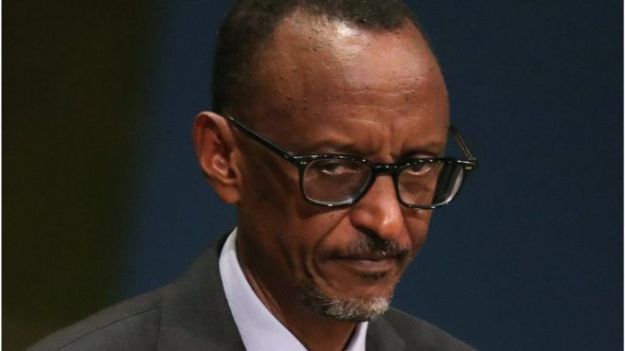
PAUL KAGAME 2017: N’UBWO AFITE UBURAMBE MU KOGA MU MARASO Y’ABAHUTU N’AY’ABATUTSI, NONEHO UBANZA YARANGIJE GUSOMA NKERI!

Kagame final

Nkunda kureba sinema zerekana uko inyamaswa zihiga. By’umwihariko ariko njya nitegereza cyane uko Intare zitwara iyo zirimo guhiga izindi nyamaswa. Sinibuza guseka cyane iyo mbonye intare isimbukiye imbogo ariko byagera aho izindi mbogo zirukaga zihunga zigasa n’iziyunguye agatekerezo, zigahagarara, zikisuganya, zigasubira inyuma gutabara iyazo yasigaye mu nzara z’intare! Nta gishimisha nko kureba ukuntu intare Umwami ishyamba yiruka ibebera, ikimwaro cyayibanye cyinshi!

Muri iyi minsi mwaba muri kwitegereza Paul KAGAME ngo murebe uko asa kandi agenza nk’intare yamwaye ??!!

I.IKIMWARO CYA PAUL KAGAME

Uyu munyagitugu yarabanje avuza iyabahanda, abeshya Abanyarwanda n’ isi yose ngo nibamurebe mu maso ngo ni umudemokarate w’akataraboneka. Ngo nta nyota y’ubutegetsi afite nk’abahutu bamubanjirije. Ngo manda ebyiri yemererwa n’Itegekonshinga nizirangira mu mwaka wa 2017 ntazakenera kurihindura  ngo yihambire ku butegetsi!

Ntibukeye kabiri, yadukana agashya ko kwikoreza abaturage bagowe ibiseke ku ngufu ngo babijyane mu Ntekonshingamategeko kwerekana ko bamukunda byarenze igipimo; akomereza ku kwinginga abakecuru ngo nibaririmbe kandi babyine ko rwose KAGAME ari murumuna wa Yezu Kristu; naho “Abacukuzibimisarani” bo bahindurirwa akazi, bahabwa “mikoro” ngo bazenguruke igihugu cyose bomongana ngo” KAGAME atariho u Rwanda ntirwabaho! Ngo niwe wenyine wavukiye gutegeka, abandi benegihugu bose bakaba bagomba kwiheshereza agaciro mu kumubera abagereerwa n’inkomamashyi”! Ibyo twese twarabibonye turumirwa, Abazungu bari barizeye KAGAME bo baranyonyomba, bikuriramo akabo karenge, umwe umwe nta nduru!

Ingaruka zo gutegekwa n’”Umunyakinyoma utagira indangagaciro n’imwe yubaha”, ubu nizo rero zikomeje kujya ku kabonabose. Kwihishira byarangiye! Reka twibutse bine mu bimenyetso simusiga byagaragaje ko twinjiye mu bihe bidasanzwe:

(1) Mu Ukuboza 2015 KAGAME yategetse ko Itegekonshinga risuzugurwa burundu,kugirango rimwemerere kuzaba umwami w’u Rwanda ubuziraherezo.

(2) Ingingo ya 25 y’Itegekonshinga  igena ko nta mwenegihugu ugomba kubuzwa gutahuka mu gihugu cye, Paul KAGAME yategetse ko itazongera gukurikizwa ukundi. Byagaragaye cyane taliki ya 23/11/2016 ubwo yafataga icyemezo kigayitse cyane cyo gucira ishyanga Padiri Thomas NAHIMANA, Nadine Claire KASINGE,Venant NKURUNZIZA na KEJO MAHIRWE Skyler bari biyemeje gutahuka mu Urwababyaye bagiye gufasha Abanyarwanda guharanira uburenganzira bwabo. Ubwo KAGAME yaduhezaga ishyanga yishuka ko abatuye mu gihugu imbere bose yarangije kubatera ubwoba bidasubirwaho,ko ntawe uzatinyuka kumuhangara mu matora y’umukuru w’igihugu yo mu 2017.

Icyo atamenye ni uko ubushake y’impinduka bwarangije kuzura mu mitima y’abanyarwanda batagira ingano.

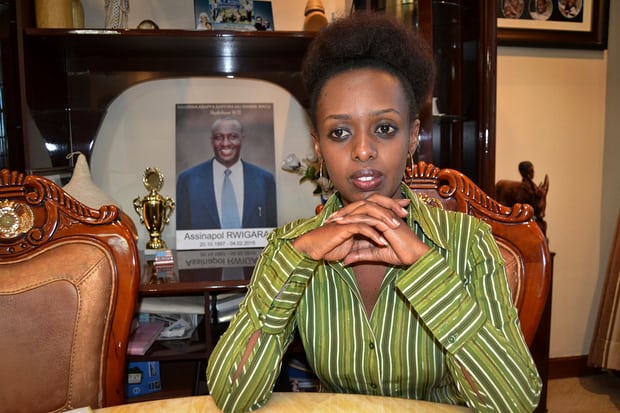
Ntiyamenye aho Diane RWIGARA ateye aturuka, ntiyigeze anamenya uko uwo mwari yatojwe ibya politiki n’amarira y’akarengane yahogoje Abanyarwanda benshi! Kuko batari bamwiteguye, kumucecekesha byakomeje kubera  KAGAME n’Agatsiko ke  ingorabahizi.

diane

  1. AYA MARIRA YATEWE  N’UMUGAMBI MUBISHA WA KAGAME YO KURIMBURA UMURYANGO WA RWIGARA, HARI AHO AHURIYE N’UYU MUKWABU WO GUFUNGA ABAYOBOZI BA FDU BARI I KIGALI?

Gutoteza umuryango wa RWIGARA hagamijwe kuwutindahaza no kuwurimbura bifitanye isano n’umukwabu wo gufata no gufunga abayobozi ba Opozisiyo y’imbere mu gihugu bo mu bwoko bw’Abahutu. Ntiriwe ndondogora reka mbabwire uko tubibona mu tugingo 5 gusa dukurikira.

1.Mu gihe abaturage bari bataribagirwa uko KAGAME yagaraguye mu biziba kandi amurenganya umusore Abanyarwanda twese twakundaga witwa Kizito MIHIGO, yadukiriye Diane RWIGARA n’umuryango we . Mu gutoteza Nyakubahwa Kandida Perezida Diane RWIGARA n’umuryango we ku mugaragaro kandi mu buryo bugayitse cyane, buteye agahinda, ubwoba n’umujinya, Paul KAGAME yivuyemo bidasubirwaho. Yashyize umukono ku bisanzwe bizwi! Yeretse abenegihugu bo mu bwoko bw’Abatutsi, ko amaraso yabo ntacyo amubwiye, ko abatanze utwabo bagatera inkunga umutwe w’Inkotanyi mu ntambara yatangiye ku ya 1/10/1990 nta kandi gaciro bafite mu maso ye, uretse kumubera ibitambo akeneye! Mu yandi magambo KAGAME yahumuye amaso ya ba Batutsi bake cyane bari batarasobanukirwa, bakaba bacyishuka ko KAGAME aribo yarwaniye, ko ari Umukiza wabo! Mu kugaraguza agati umuryango wa RWIGARA ku kabonabose KAGAME noneho yerekanye uwo yariwe kuva mu ntangiriro: icyo yishakiraga ni UBUTEGETSI kugira ngo abwifashishe maze asahure igihugu, yibere umuherwe ndetse w’umunyamurengwe, we n’umuryango we gusa basezere ku bukene, buri mwana we ajye agenda muri LANDCRUISER y’akataraboneka, mu gihe abana ba rubanda itanga imisoro baribwa n’ingona bagiye kuvoma ibiziba byo kunywa!

Umuhanzi-Kizito-Mihigo-yitangiriye-itama-akimara-kumva-imyanzuro-yurukiko

2.Icyatunguye KAGAME, ni ugutahura ko Abanyarwanda bamuzi neza, ko biteguye no kumubwiza inaninarimwe (Résistance à  l’oppression).  Ngira ngo yaguye igihumura abonye neza ko babandi yari yarabeshye ko yakijije bamuzi nk’AKAMASA KAZACA INKA kugeza n’igihe amarira y’umubyeyi uri mu kaga ashyize ahagaragara kwa kuri abanyarwanda bose bazi ariko batinyaga kuvuga kwerekeye Kagame n’Agatsiko ke kitwaje intwaro“MURI INTERAHAWE Z’UBUNDI BWOKO”Mambo kwisha!

3.Dore icyo gufata abayobozi ba Opozisiyo bo mu bwoko bw’Abahutu bisobanuye:

Kagame ni umugome ariko si impumyi, si n’igipfamatwi! Yamaze kubona ko ubutindi bwinshi yashyize muri gahunda yo kurimbura umuryango wa RWIGARA bugiye kumubyarira amazi nk’ibisusa ku buryo budasubirwaho aherako atangira ya “makinamico asanganywe” bo bita “AMAKATA”, mu rwego rwo kuyobya uburari no kurangaza abanyarwanda:

Boniface-TWAGILIMANA

(1)   Mu gufunga abanyapolitiki bo mu bwoko bw’Abahutu, KAGAME agamije kugerageza guhumuriza no kongera guhuma amaso Abatutsi barangije kumubona nk’ “INTERAHAMWE Y’UBUNDI BWOKO”. Arashaka kubabwira ko “atari we mwanzi w’Abatutsi”. Ko umwanzi wabo ari umuhutu wese, wa wundi wabishe kandi n’ubu akaba agifite umugambi wo kubatsemba! Mwibuke “IKIBAZO-NCENGEZAMATWARA” cyuje urwango Paul KAGAME aherutse kwandikisha ku kinyamakuru cye gishya cyitwa INKOTANYI: “Quelle ethnie est considérée comme responsable du génocide des Tutsi en 1994 au Rwanda? « (« Ni ubuhe bwoko buzwiho kuba bwaratsembye Abatutsi mu mwaka w’1994?” Biragaragara neza ko Kagame ari muri « stratégie » y’amacakubiri, agendereye guteranya Abahutu n’Abatutsi kugira ngo hatagira utabara undi mu gihe abagabyeho igitero.

(2)  Gushinja Abayobozi ba FDU ko bari gukorana n’imitwe y’abahutu ishaka gutera u Rwanda iturutse mu gihugu “kitazwi”(!) ni ugushaka kuvumbura ubwoba n’umujinya w’Abatutsi abashyira imbere igikangisho cy’uko Abahutu bashobora kugaruka ku butegetsi. Icyo agamije ni ukugira ngo Abatutsi bamutereye icyizere muri iyi minsi bamugarukire, hato badatera intambwe yo kwiyemeza gufatanya n’Abahutu bo muri Opozisiyo bashaka guhirika ubutegetsi bwe bw’igitugu gikabije.

(3)  Gufungwa kwa bariya Bahutu bo mu ishyaka rya Victoire INGABIRE UMUHOZA uheze muri gereza arengana, ntihagire ubikinisha, kuko mu kandi kanya amaraso yabo araba ashobora kumenwa kuko KAGAME ayakeneye kugira ngo yongere yerekane nyine ko abereyeho kuba Umukiza na Nyagasani urinda umutekano w’Abatutsi. Mu mutwe wa KAGAME ufite uburambe mu kwiyuhagiza amaraso, nta kundi yakoozwa amaraso ya RWIGARA adakarabye aya Bonifasi Twagirimana na bagenzi be!

(4)  Hagati aho birashoboka ko umuryango wa RWIGARA wahabwa agahenge by’akanya gato ariko baritonde…ntabwo KAGAME wacuje RWIGARA ubuzima, agasenya amagorofa n’amazu bye, agafunga inganda, agafatira amakonti, agashyira umupfakazi n’impfubyi mu mapingu agamije kubivugana rwihishwa…ntabwo azabareka gutyo gusa kuko mu by’ukuri bamukojeje isoni!  Intare yamwaye…muyitege!

(5)  Gusa ubwo abanyarwanda bamaze kumenya ufite uburambe mu koga mu maraso yabo, baramutse bagize ubwenge burenze ubw’imbogo ho gato bamuviraho inda imwe, agasoma nkeri cyangwa akibira ubutazuburuka. None se ngo iyo ukomeje guhishiira umurozi ntakumaraho urubyaro?

 UMWANZURO

Ibihe bya politiki iyi ntindi ngo ni “Manda ya gatatu itemewe” yinjijemo Abanyarwanda birakomeye cyane kandi ntibisanzwe. Birasaba ko abanyarwanda barekera aho kuzarira ahubwo bakihutira kugira imyitwarire mishya: bagakanguka, bagahaguruka, bakagira icyo bakora KIDASANZWE.

Mu bihe bisa nk’icyo tugezemo, na YEZU KRISTU ubwe yageze aho abwira Intumwa ze ati: “Ubu noneho… n’udafite inkota nagurishe igishura cye, maze ayigure” Luka 22,36.

Banyarwanda, Banyarwandakazi, iyaba uyumunsi mwakundaga mukumva ijwi rye, ntimunangire imitima yanyu!

 Murakarama.

Padiri Thomas Nahimana.

Perezida wa Guverinoma y’u Rwanda ikorera mu buhungiro.


AMATORA 2017: GUVERINOMA Y’U RWANDA IKORERA MU BUHUNGIRO IRAHUMURIZA RUBANDA

Itangazo rigenewe Itangazamakuru

MU GIHE KITARENZE AMEZI 6 GUVERINOMA YA RUBANDA IKORERA MU BUHUNGIRO IZABA IMAZE GUHANGA INZIRA YO GUSEZERERA « Ikigirwamana »CYIYICAJE KU NGOMA.

Nyuma yo kwitegereza neza no gusesengura bihagije uko u Rwanda rwayobowe guhera taliki ya 1/10/1990 kugeza uyu munsi n’ibyago bikomeye byarugwiririye biturutse ku byemezo n’ibikorwa by’abategetsi babi , by’umwihariko Paul Kagame udaterwa isoni no kugenda arushaho kwerekana koko ko ari « Umunyagitugu w’umwicanyi utaranganwa impuhwe,Umusazi utagifite igaruriro, Umunyamurengwe usonzeye gusengwa nk’ Ikigirwamana » ;

I. Reka tubanze twibutse urugendo twakoze kugeza ubu :

1. Taliki ya 28/1/2013, Abataripfana b’ikubitiro bateraniye i Paris bashinga Ishyaka ISHEMA ry’URWANDA ryihaye intego yo gufasha abanyarwanda kwisubiza « ishema » ry’abenegihugu, bakanga kugirwa inkomamashyi n’abagereerwa mu Rwatubyaye ;

2. Ntibyatinze andi mashyaka ya « Nouvelle Génération » afata icyemezo cyo gushyigikira umushinga w’ishyaka Ishema wo kujya gukorera politiki mu Rwanda hashyizwe imbere « Kunga Abenegihugu kugira ngo bafatanye kwiyubakira u Rwanda rujya mbere »;

3. Twafashe igihe gihagije cyo kuganira , kujya impaka no kungurana ibitekerezo n’Abanyarwanda b’ingeri zose ndetse dukora ingendo zo gusanga impunzi mu bihugu binyuranye;

4. Twagendereye abayoboyi b’ibihugu by incuti tubasobanurira umushinga dufite, barawushima kandi batwizeza kuzawutera inkunga tugeze mu Rwanda ;

5. Hagenwe Ikipe igomba kuva mu buhungiro ikajya mu Rwanda, ihabwa Padiri Thomas Nahimana nk’umukandida mu matora y’umukuru w’igihugu yagombaga kuba muri Kanama 2017;

6. Nyamara uwo mugambi mwiza kandi w’amahoro wakomwe mu nkokora n’Umunyagitugu Paul Kagame wahisemo gukumira Padiri Thomas Nahimana n’Ikipe ye hifashishwa inzira igayitse yo kubasohora mu ndege zabajyanaga mu Rwanda incuro ebyiri zose, ni ukuvuga taliki ya 23/11/2016 i Nayirobi muri Kenya na taliki ya 23/1/2017 i Buruseli ho mu Bubiligi;

7. Icyo gikorwa cy’urugomo cyo guheza Ishyanga abenegihugu batavuga rumwe n’Inkotanyi cyahaye Bwana Paul Kagame, icyanzu cyo « kwiyimika nk’umwami wa Repubulika y’u Rwanda » binyuze mu ikinamico yiswe amatora yo ku ya3-4/8/2017;

II. Kubera izo mpamvu zose n’izindi nyinshi tutiriwe turondora, turatangariza Abanyarwanda n’umuryango mpuzamahanga ibi bikurikira :

1. Guverinoma y’u Rwanda ikorera mu buhungiro yashyizweho taliki ya 20 /2/2017,ikaba ihuriweho n’amashyaka menshi na Sosiyete Sivile, ntiyemera kandi nta gaciro na busa iha « ingirwamatora y’umukuru w’igihugu » yo ku itariki 3-4/8/2017 yahejwemo mu buryo buteye isoni abandi benegihugu bifuzaga kuba abakandida aribo Diane Shima Rwigara na Mwenedata Gilbert;

2.Turamenyesha rubanda ko Paul Kagame atakiri Perezida w’u Rwanda kuko manda ye ya nyuma yemererwaga n’Itegekonshinga yarangiye taliki ya 3/8/2017 bityo akaba atagomba kumvirwa no kuyobokwa nk’umukuru w’igihugu cyacu;

3.Dutangaje ko « Igisanaguverinoma » Paul Kagame yitegura gushyiraho ntaho kizaba gitaniye n’ « Agatsiko k’Abagizibanabi bitwaje imbunda » kagambiriye guheza Abanyarwanda mu iterabwoba no mu bucakara hagamijwe gusa gukomeza kubarya imitsi;

4 . Kuko twakomeje gusaba Paul Kagame ko yafungura imfungwa za politiki zirimo Victoire Ingabire Umuhoza, Deogratias Mushayidi, Theoneste Niyitegega, Padiri Eduwari Ntuliye, Padiri Mategeko Amatus n’abandi….ariko akica amatwi, dutangaje ko tutagikeneye kugirana ibiganiro na we;

5.Guverinoma y’u Rwanda ikorera mu buhungiro irahumuriza abenegihugu bose kandi irabizeza ko igiye gukorera ibishoboka byose kugira ngo mu gihe kitarenze amezi atandatu (6) hazabe habonetse inzira ikwiye yo kugamburuza « Agatsiko k’Abagizibanabi bitwaje imbunda »kaduhinduye twese nk’ingaruzwamuheto;

6.Turasaba Abenegihugu bose muri rusange na buriwese ku giti cye kwihutira gushyigikira mu nzira zose mushoboye Guverinoma yanyu ikorera mu buhungiro kugira umugambi mwiza wo kwibohoza ingoyi y’iterabwoba ry’Agatsiko ugerweho mu buryo bwihuse;

7.Turashimira abategetsi b’ibihugu by’incuti batugaragarije ko bahangayikishijwe n’uburiganya bwa Paul Kagame, bakaba batakimubonamo umukuru w’igihugu ukwiye kwemerwa no kwizerwa, ndetse bakaba biteguye gutera rubanda inkunga mu rugamba rwo kwishyiriraho ubutegetsi bushingiye kuri demukarasi nyakuri;

8.Turasaba umuryango mpuzamahanga gutera intambwe yo guha akato aka « Gatsiko k’Abagizibanabi bitwaje imbunda » no kugafatira ibihano bikakaye byo mu rwego rw ‘ubukungu, urwa politiki ,urwagisilikari n’urw’ubutabera mpuzamahanga  kugira ngo karekure ubutegetsi kibye rubanda, bityo hategurwe amatora y’umukuru w’igihugu adafifitse .

Bikorewe i Paris, taliki ya 10 /8/2017
Padiri Thomas Nahimana,
Perezida wa Guverinoma y’u Rwanda ikorera mu buhungiro

‘Rwanda is like a pretty girl with a lot of makeup, but the inside is dark and dirty’

Diane Rwigara

Diane Rwigara asks to postpone the interview. “My personal adviser is missing,” explains the text message. This is the new normal for Rwigara, who was until recently a loyal scion of Rwanda’s ruling elite.

Since the death of her father in 2015, the 35-year-old businesswoman has become a fierce critic of Paul Kagame, the country’s all-powerful president, and the ruling Rwandan Patriotic Front (RPF).

In May she announced her intention to run against him in the country’s electionon 4 August. For this, she has paid a heavy price.

In her grand, heavily fortified home in the heart of Kigali, the Rwandan capital, the interview goes ahead after her adviser – a close friend – turns up safe.

“He didn’t come home last night,” she explains. A stranger had called the night before and asked him to come for a drink. “He said he could give him some publicity for his newspaper. And you know how it is here: if you’re not part of the government, it’s hard to get publicity.”

He woke up the next day in a hotel room, his phone missing, remembering nothing from the previous night. “I’m used to it,” Rwigara says. Her best friend disappeared last December after she started speaking out against Kagame and the RPF. He has still not reappeared. “That’s life here. I’m just happy this one came back.”

Rwigara’s presidential bid was stillborn. On 7 July the National Electoral Commission barred her from standing on technical grounds, a move that came as little surprise to most. Kagame has ruled the country with an iron fist since sweeping to power after the genocide against Rwanda’s Tutsi minority in 1994. Criticism is barely tolerated, and the history of the past 15 or so years is littered with the names of opponents silenced and dissenters muzzled. To that list Rwigara adds her father, a prominent Tutsi businessman known to have been close to the RPF, at least early on.

“He was targeted because he did not want to continue to do business as usual,” she says. “If you have successful business, the RPF has to be part of it – and eventually get you out. But he did not want to let them in; he did not want to end up working for them. And he did not want to flee the country, though they did all they could to make him. So they had no choice.”

The US-educated Rwigara publicly accused the government of foul play after her father died in a road accident, contacting foreign embassies in Kigali and international human rights organisations, as well as petitioning the president. Many question the allegation, but there has been no official investigation. It is the family’s word against that of the police.

Rwigara’s thwarted candidacy was a brief flash of colour in the otherwise drab landscape of contemporary Rwandan politics. Kagame’s re-election is so certain that he himself claimed victory on the first day of campaigning, citing the overwhelming verdict of a controversial constitutional referendum in 2015 that permitted him to stand for a third term.

The proposed changes passed with a thumping 98% majority. “Pretending not to know the will expressed by the people during the referendum would be a lie, not democracy,” he told cheering crowds at a rally.

But Rwigara exposed cracks in the RPF’s confident facade. Most doubt that she would have been a significant electoral threat, but the lengths to which the authorities went to frustrate her – she claims her supporters were repeatedly threatened, beaten and jailed as they toured the country drumming up support – suggested a nervousness that belied Kagame’s breezy rhetoric.

“The RPF are scared,” Rwigara says. “If they are loved by the people, as they claim, why is that when someone like me announces an intention to run they resort to all these dirty tricks to try to discourage me and silence me? If they were really popular, then they would have let me compete.”

Many in Kigali agree. “Every week that she is not in trouble is progress,” confides one foreign diplomat. “She, not the official opposition, is the ultimate test for them.”

Rwigara represents young, prosperous urbanites who grew up under the RPF and whom it sees as essential to the country’s future. The busloads of young Rwandans who arrived to watch her announce her candidacy, and her packed press conferences, unnerved Kagame and his allies, according to insiders. Nude photos, apparently of her, soon flooded the internet – assumed to be a well-orchestrated smear.

She believes her fearlessness in speaking out is a headache for the RPF, which fastidiously cultivates a rosy image of Rwanda for the outside world. “Rwanda is like a very pretty girl with a lot of makeup,” she says. “Perfect teeth, perfect hair, perfect everything. They spend so much time on the image because they know the inside is dark and dirty.”

Since her candidacy failed, Rwigara has launched what she calls a “movement” to challenge the regime on its human rights record. While her political awakening could be attributed to her father’s death, she makes allegations that go beyond personal grievance. Nobody else inside Rwanda has spoken more frankly about the extrajudicial assassinations that exiled critics and international organisations such as Human Rights Watch claim the government frequently carries out against its enemies.

“Everybody knows somebody who has disappeared, who has been killed,” Rwigara says. “The personal doctor of the president and an army major both died in the same week as my father. And those are the well-known people. You don’t hear about the other people.”

Yet she is also a former insider, and her candidacy could be seen as evidence of emerging fractures within the Tutsi elite who dominate politics and business. The government has made enemies of some of its natural supporters, such as the Rwigara family. After her father’s death, the family’s properties in central Kigali were seized and their hotel demolished.

Diane Rwigara gives a press conference after announcing her plans to run for president
Pinterest
Diane Rwigara gives a press conference in May after announcing her plans to run for president. She was later barred on a technicality. Photograph: Cyril Ndegeya/AFP/Getty Images

If she makes an unlikely spokesperson for the poor farmers who make up the majority of Rwandans, she may be more persuasive as an advocate for women. Kagame is something of a “donor darling” for his commitment to gender equality – half of the supreme court judges are women, and the country’s parliament is 61% female, the highest proportion in the world – but Rwigara dismisses such headline achievements as window-dressing.

“So what if Rwanda has the highest percentage of women in parliament? It’s really just part of the image. Because what do these women do?” she asks.

She says the parliament is little more than a rubber-stamp. There are women in senior positions in government, but none wield real power. And despite its impressive strides, academics have questioned the substance of Rwanda’s gender-equality drive, especially for unmarried women.

“Diane took big risks just being a woman in Rwandan politics – Rwanda is just not ready for that,” says Susan Thomson, assistant professor of peace and conflict studies at Colgate University in the US, adding that the “the way the government sexualised her with those nude photos was frankly disgusting”. But she and others have also noted that it is precisely women like Rwigara – wealthy, predominantly Tutsi, often English-speaking – who have benefited most from the RPF’s empowerment measures.

Rwigara doesn’t see her gender as a hindrance. “They used my being a woman to get to me,” she says. “But even if I’d been a man they’d have found other ways.” In fact, it was her family that had the problem with the idea of women in politics. “Growing up I remember my family members – my mum and my aunt – saying that a girl should not have a political opinion; that a girl should not be politically active. It took me a while to make peace with being a girl who likes politics.”

Is Rwanda ready for a female president? “I think Rwandans themselves are,” she answers. “Because if the regime thought the people would not listen to me because I’m a woman, then they would not have tried to find all these ways to stop me.”

She says she doesn’t fear for her life. “Not for the moment. They know killing me will make too much noise. It’s harder to kill you once you are known, once you’ve been seen.”

Source: The Guardian

Umunyagitugu Paul KAGAME acyuye igihe. Ni iki kitezwe muri politiki y’u Rwanda ?

kagame

Guhera tariki ya 05 /08/2017 Paul Kagame waranzwe no gutegekana igitugu guhera mu mwaka wa 1994 azaba atakiri Perezida wa Repubulika y’u Rwanda. Itegekonshinga yarahiriyeho ryamwemereraga kugeza kuri manda ebyiri gusa kuko nta narimwe umuntu yemererwa kuyobora manda zirenze izo. Umunyagitugu abonye manda ebyiri zirangiye yashatse gukora itekinika ngo itegekonshinga rihindurwe bityo yemererwe kwiyamamaza indi nshuro. Cyakora na nyuma ya referendumu ififitse, Paul Kagame ntiyemerewe kwiyamamaza. Abaza gusoma ibi baribaza bati none se ko tumaze minsi tubona Kagame yiyamamaza, ubwo si uko abyemerewe?

Igisubizo kuri iki kibazo kigaragararira mu gisobanuro, imyitwarire n’imikorere y’umunyagitugu. Kagame nk’umunyagitugu wakuye agahu ku nnyo ntakeneye itegeko iryo ariryo ryose ngo yiyamamaze. Ni umunyagitugu utagendera ku mategeko. Kuri we amategeko icyo amaze ni ukwiyerekana mu rubuga mpuzamahanga ariko mu by’ukuri igifite agaciro ni amabwiriza we yishyiriraho ngo agere kubyo ashatse. None se Abanyapolitiki ntibafungwa mu Rwanda kandi itegekonshinga ribemerara gukora umurimo wa politiki? Kwandikisha amashyaka atavuga rumwe na FPR se ntibyabaye ikibazo kandi nyamara u Rwanda rwemera amashyaka menshi? Abaharanira uburenganzira bw’ikiremwamuntu se bo basiba guhungetwa kandi nyamara u Rwanda rwarasinye amasezerano mpuzamahanga agena uburenganzira bw’amashyirahamwe guhera mu mwaka wa 1975? Abantu se birirwa bicwa buri munsi kandi nyamara igihano cy’urupfu kitaravanyweho mu mategeko y’u Rwanda? Kagame ntacyo amategeko amubwiye we ashaka kwigumanira ubutegetsi ngo akomeze ahonyore abenegihugu uko yishakiye ari nako akomeza kwikubira ibyiza by’igihugu. Na manda Paul KAGAME azategeka guhera ku itariki ya 05/08/2017 ntizaba yemewe n’amategeko niyo mpamvu azaba ari umuperezida utemewe, ufite ubutegetsi butemewe, bugomba gusimburwa vuba na bwangu.

Ni iki kitezwe muri iyi manda ?

  1. Mu rubuga mpuzamahanga: Kagame azaba yamaze guta ibara yitwa umunyagitugu nk’abandi bose, umujura, umunyakinyoma ndetse na bya byaha bye benshi bajyaga batinya kuvuga bazabigarukaho. Bya bigwi n’imidari yajyaga yambikwa ngo yahagaritse jenoside bizahagarara kuko iyo umuntu akoze ibyiza akabirenzaho ibibi byose biba bibi gusa. Niko isi ikora, ni nako tuyibamo.

Cyakora kubera ko Paul Kagame yaryohewe n’ibyo yabonye, azatanga amafranga y’umurengera agure abanyamakuru n’ibigo bikomeye kugira ngo bigerageze kwerekana ko isura ye itari mbi nk’uko igaragara! Hari ibintu bimwe na bimwe batazashobora gukiza Kagame : Nko kuba atihanganira abatavuga rumwe n’ubutegetsi bwe ntazashobora kubihindura. Kuba mu myaka amaze ku butegetsi atarashoboye kureka ngo abandi bagaragaze impano zabo mu miyoborere ntazapfa kubishobora ngo nibura afungure imfungwa za demokarasi Ingabire Victoire, Deo Mushayidi n’abandi. Kuba mu bo batangiranye umugambi benshi baramucitseho bizakomeza kumwokama.

Kagame azakomeza kugerageza kwiyegereza abahutu b’inkomamashyi agamije kugaragaza ko atavangura ariko ntazashyiraho chef d’état-major cyangwa ministiri w’ingabo utari uwo muri FPR. Abatutsi batinyuka kwamagana politiki ya Kagame nka Kizito Mihigo na Diane Rwigara bazakomeza kwitwa abanzi b’igihugu.

  1. Mu rubuga rwa politiki nyarwanda: Abaturage bazakomeza guceceka ngo bategereje ko Imana izabakuriraho Kagame. Amashyaka ya opozisiyo akorera hanze azakomeza kwamagana ubutegetsi bwa Kagame ariko arasabwa gushaka udushya. Abalideri bazakomeza kuba bakeya ndetse abazifuza kuva mu mahanga ngo batashye mu Rwanda gufatanya na rubanda Kagame ntazabemerera. Guverinoma y’u Rwanda ikorera mu buhungiro izarushaho kumvikanisha ibibazo by’u Rwanda ari nako yotsa igitutu ubutegetsi bw’umunyagitugu ngo bwemere gufungura urubuga rwa politiki. Urukiko Mpanabyaha rwa Rubanda rwashyizweho na rubanda ruzakira ibirego rukore kandi ruburanishe amadosiye y’abayobozi bakekwaho ibyaha bya jenoside, ibyibasiye inyokomuntu n’ibyaha by’intambara. Ibihano bazabahwa bizashyikirizwa ibihugu n’umuryango mpuzamahanga kugira ngo aba bantu bafatirwe ibihano. Abazaba bahamwe n’ibyo byaha bazagira ibibazo mu kubona visa zo kwinjira mu bindi bihugu, imitungo yabo iri hanze izafatirwa, kandi ntibazemererwa ubuhungiro mu gihe bazaba babusabye. Uzagerageza gusohoka azafatwa maze ashyirwe aho agomba kurangiriza ibihano. Abitwaje intwaro barwanya Kagame bazaba bafite impamvu yo kugaba ibitero ariko imbaraga zabo zizakomeza kuba nkeya ku mpamvu nyinshi zitandukanye. Ku ruhande rwa APR, abasirikare benshi batangiye urugamba rwa 1990 bazaba bageze mu gihe cy’iza bukuru, bityo Kagame azajya yirukana uwo ashatse yitwaje ibyo.

Ubutegetsi bwa Kagame buzaba butemewe ariko nta munyamahanga uzabukuraho uretse kubuvuga nabi. Abemera iby’ubuhanuzi n’indagu bahamya ko Kgame atazabasha gutegeka iyi myka irindwi igiye kuza, cyakora umupira uri mu kibuga cy’abanyarwanda ubwacu. Turasabwa gukora ibirushije ubukana ibyo twakoraga mbere, gufata ibyemezo bisharira no kwirinda utunyungu tw’abantu ku giti cyabo.

Biracyaza…

Don’t be fooled by those happy campaign rallies. Rwandans live in fear.

Kagame rally Gakenke

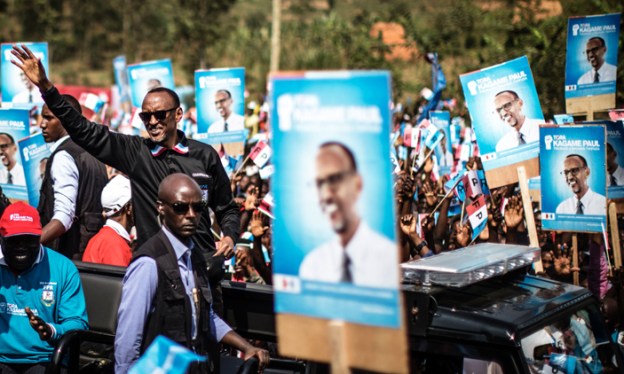
Rwandan President Paul Kagame, left, greets a crowd of supporters as he arrives for a campaign rally on Monday in Gakenke. (Marco Longari/AFP via Getty Images)

By Fred MUVUNYI

Fred Muvunyi, a former chairman of the Rwanda Media Commission, is an editor at Deutsche Welle, Germany’s international broadcaster.

On Friday, Rwandan voters will go to the polls and overwhelmingly reelect Paul Kagame as their president. Kagame himself has said that the result is a foregone conclusion. So where does he get his remarkable self-confidence?

One important clue comes from campaign rallies. Thousands of people, joyously singing and dancing, routinely flock to events staged for the incumbent president by the ruling party. There are two other officially allowed candidates, but almost no one shows up to see them speak.

The stark difference is easily explained. Show up at an opposition rally and you can bet that the authorities will note your presence. Attendance at Kagame’s events, by contrast, is expected — since the president has given orders to all local officials to ensure turnout. The key, in both cases, is one simple word: fear. Anyone who doesn’t show loyalty to Kagame is considered to be “an enemy of the state.”

The supporters of the regime sneer at those who claim that Kagame’s popular support is buttressed by intimidation. The president, they say, is genuinely loved by Rwandans for his success in bringing economic growth, reliable health care and a relatively fair court system, all while reducing corruption to levels many other countries would envy. Plus, through sheer force of personality, he has managed to unite the country after the horrific genocide of 1994, in which close to a million Rwandans — overwhelmingly members of the Tutsi minority — were slaughtered in just 100 days.

Kagame’s positive achievements are genuine. But they can also be seen as the more palatable side of an all-encompassing system of social control that knows few equals in the world. Rwanda’s government, led by Kagame’s ruling Rwandan Patriotic Front (RPF), is a finely meshed organization that reaches down into the smallest villages. Local government officials maintain detailed files on every household, and a dense network of informers keeps track of citizens’ behavior and thinking. Visiting foreigners are rarely aware of this reality, but Rwandans know it well. People from my country often use an idiom in our native language of Kinyarwanda that captures it well: “Even the trees are listening,” they say.

Rwanda has a long history of intrusive government, but it is the experience of genocide — which was finally brought to an end by the invading RPF, then an insurgent group based in neighboring countries — that has given birth to what can only be described as a form of institutionalized paranoia. Kagame and his comrades in the Tutsi-dominated RPF are only too aware that many members of the majority Hutus were once active participants in mass murder. As a result, the current government tends to view any attempt to question the existing system as subversion at best, and often as a first step to a new genocidal conspiracy at worst.

This mentality is reinforced by Kagame’s own background as a former military intelligence officer and rebel leader. During his long years in Ugandan exile, he knew that he and his party would never be able to come to power by peaceful means, and events bore that prediction out. For him, “constructive opposition” is a contradiction in terms. To Kagame and his entourage, criticism always entails a security threat.

Kagame has correspondingly tightened his control of the armed forces. Today, the most respected and outspoken military officers are in prison, exile or dead. To name but one of the most recent examples, Patrick Karegeya, Rwanda’s former intelligence chief, was killed in South African exile on Jan. 1, 2014.

But this grim fate is not restricted to former military men. Journalists, independent businessmen and members of the opposition have all faced various degrees of state-sponsored terror. They range from Charles Ingabire, a reporter who was shot to death in Uganda in 2011, to Pasteur Bizimungu, Kagame’s predecessor as president, who stepped down in 2000, and was later arrested and sentenced to 15 years in prison on charges of embezzlement, inciting ethnic hatred and attempting to form a militia. His defenders say that his real crime was attempting to form his own opposition party. When Rwandans see what can happen to people who once enjoyed power and prestige, they rightly conclude that they are better off keeping their mouths shut.

In 2012, three years before I was forced to leave for an exile of my own, I had the privilege to pay a visit in prison to Victoire Ingabire Umuhoza. In 2010, Ingabire, an outspoken and eloquent woman, had returned to Rwanda from the Netherlands, where she had lived for the previous 17 years, to challenge Kagame. But, as she told me in a voice strikingly subdued, she had failed to reckon with the nature of the Rwandan regime. After four months in Kigali, she was thrown in jail, where she remains today.

Kagame is smart. He knows how to turn his country’s dark history to his own advantage. When westerners try to criticize him for his failure to uphold human rights, Kagame points out that their countries either failed to prevent the genocide or actively abetted it, skillfully using their own feelings of guilt to silence them. So far it’s been a highly effective strategy. But that doesn’t change the reality that Rwanda is a country where fear reigns supreme.

Source: Washington Post


The Government of Rwandan People in Exile: Reshuffle and People’s Tribunal

SAFARI Justin

Mr. Justin SAFARI enters Ministry of Justice which is symbolically led by Déo MUSHAYIDI (in Rwanda’s Prison). The Former Prime Minister, Abdallah AKISHULI becomes the Attorney General of the People’s Tribunal while Ms Immaculée KANSIIME UWIZEYE replaces him keeping at same time the diplomacy portfolio.

DSC_0019

From left: Abdallah AKISHULI, Immaculée KANSIIME UWIZEYE and Thomas NAHIMANA. Photo archives Mininfo GREX.

Press Statement

Cabinet reshuffle within the Government of Rwanda in Exile

  1. By the virtue of the powers conferred upon him by Articles 14, 15 and 16 of the Charter governing the Government of the Rwandese People in Exile signed on 23 February 2017 in Paris, France;
  2. Considering the unbecoming behavior of the Rwandan dictator Paul Kagame who rejected the proposals for the urgent need for the opening up of political space in Rwanda made by the Government of the Rwandan people in exile, thus opting de facto for the way of “an absolute monarchy” under the deceptive image of a republic actually emptied of its true substance;
  3. Implementing the resolution of the Government Council of 23 April 2017, which established the “People’s Tribunal” to investigate crimes against humanity, war crimes and crimes of genocide committed by certain senior political and military officials since 1 October 1990, which until now enjoy unacceptable impunity;
  4. His Excellency the President of the Government of the Rwandese People in Exile, Thomas Nahimana, appointed the High Authorities of the People’s Tribunal as follows:
    1. The Attorney General of the People’s Tribunal: Mr. Abdallah AKISHULI
    2. The Presiding Judge of the People’s Tribunal: Mr. Vénant NKURUNZIZA

5. His Excellency the President of the Rwandan People’s Government in Exile has appointed members of the cabinet of ministers as follows:

    1. Prime Minister: Mrs. Immaculée KANSIIME UWIZEYE
    2. Vice-Prime Minister: Mrs. Nadine Claire KASINGE
    3. Minister of Justice: Mr. Déogratias Mushayidi represented by Minister Justin SAFARI
    4. Minister of Culture, Family and Women Empowerment: Mrs. Victoire INGABIRE UMUHOZA represented by Mrs. Nadine Claire KASINGE
    5. Minister of Information: Mr. Chaste GAHUNDE
    6. Minister of Education: Mrs. Chantal MUKAMANA MUTEGA
    7. Minister of Interior and Local Development: Mr. Daniel NDUWIMANA
    8. Minister of Commerce and Finance: Mrs. Marine UWIMANA
    9. Minister of Agriculture, Livestock and Land: Mr. Jean Léonard SEBURANGA
    10. Minister of Refugee Condition and Eradication of Causes of Asylum: Mrs. Virginie NAKURE
    11. Minister of Infrastructure and Habitat: Reverend Father Gaspard NTAKIRUTIMANA
    12. Minister of Health and Citizen’s Well-fare: Mrs. Spéciose MUJAWAYEZU

6. GOVERNMENTSPOKESPERSONS :

  1. Chaste GAHUNDE
  2. Immaculée KANSIIME UWIZEYE
  3. Marine UWIMANA

Done in Paris on July 31, 2017
Chaste GAHUNDE
Minister of Information, Government Spokesperson

IMG-20170227-WA0049

COMMUNIQUE DE PRESSE: Remaniement ministériel au sein du gouvernement du peuple rwandais en exil

SAFARI Justin

Monsieur Justin SAFARI est le nouveau Ministre au sein du Ministère de la Justice de Monsieur Déo MUSHAYIDI. L’ancien Premier Ministre, Abdallah AKISHULI cède la place à Mme Immaculée KANSIIME UWIZEYE pour devenir le Procureur général du Tribunal du Peuple dont la mission est juger les crimes contre l’humanité, crimes de guerre et de génocide commis par les hautes autorités militaires et politiques qui jusq’aujourd’hui jouissent d’une impunité inacceptable.

 Communiqué de Presse

  1. En vertu des pouvoirs qui lui sont conférés par les articles 14, 15 et 16 de la Charte régissant le Gouvernement du Peuple Rwandais en Exil signé en date du 23 février 2017 à Paris en France ;
  2. Tenant compte du comportement indigne du dictateur rwandais Paul Kagame qui a rejeté les propositions en rapport avec l’urgente nécessité de l’ouverture de l’espace politique au Rwanda formulées par le Gouvernement du peuple rwandais en exil, optant de facto pour la voie « d’une monarchie absolue » sous les dehors trompeurs d’une république en réalité vidée de sa substance ;
  3. Mettant en application la résolution du conseil gouvernemental du 23 avril 2017 qui a institué le « Tribunal du Peuple » avec mission de juger les crimes contre l’humanité, les crimes de guerre et crimes de génocide commis par certains hauts responsables politiques et militaires depuis le 1 octobre 1990 qui, jusqu’aujourd’hui, jouissent d’une impunité inacceptable ;
  4. Son Excellence le Président du Gouvernement du peuple rwandais en exil, Thomas Nahimana, a nommé les hautes autorités du « Tribunal du Peuple » comme suit :
  • Le Procureur Général du « Tribunal du Peuple » : Monsieur Abdallah AKISHULI
  • Le Juge Président du « Tribunal du Peuple » : Monsieur Vénant NKURUNZIZA

5. Son Excellence le Président du Gouvernement du peuple rwandais en exil a remanié le gouvernement comme suit :

  1. Premier Ministre : Madame Immaculée KANSIIME UWIZEYE
  2. Vice – Premier Ministre : Madame Nadine Claire KASINGE
  3. Ministre de la Justice : Monsieur Déogratias MUSHAYIDI représenté par le Ministre Justin SAFARI
  4. Ministre de la Culture, Famille et Promotion de la Condition Féminine : Madame Victoire INGABIRE UMUHOZA représentée par Madame Nadine Claire KASINGE
  5. Ministre de l’Information : Monsieur Chaste GAHUNDE
  6. Ministre de l’Education : Madame Chantal MUKAMANA MUTEGA
  7. Ministre de l’Intérieur et du Développement local : Monsieur Daniel NDUWIMANA
  8. Ministre du Commerce et des Finances : Madame Marine UWIMANA
  9. Ministre de l’Agriculture, Elevage et des Terres : Monsieur Jean Léonard SEBURANGA
  10. Ministre de la Condition des Réfugiés et Eradication des Causes de l’Asile : Madame Virginie NAKURE
  11. Ministre de l’Infrastructure et Habitat : Révérend Père Gaspard NTAKIRUTIMANA
  12. Ministre de la Santé et du Bien-être du citoyen : Madame Spéciose MUJAWAYEZU

DSC_0019

 De gauche à droite: Abdallah AKISHULI? Procureur général, Immaculée KANSIIME UWIZEYE, Premier Ministre et Thomas NAHIMANA, Président .

6. LES PORTE-PAROLES DU GOUVERNEMENT :

  1. Monsieur Chaste GAHUNDE
  2. Madame Immaculée KANSIIME UWIZEYE
  3. Madame Marine UWIMANA


Fait à Paris le 31/07/17

Chaste GAHUNDE
Ministre de l’Information, Porte-Parole du Gouvernement

IMG-20170227-WA0049

ITANGAZO RIGENEWE ITANGAZAMAKURU N° 002/07/2017 : MUSHIKIWABO NAREKE GUKOMEZA GUSETSA IMIKARA

Banyarwanda, Banyarwandakazi namwe nshuti z’u Rwanda ;

Tariki ya 11/07/2017 mwabashije gusoma mu kinyamakuru IGIHE.COM gikorera mu kwaha kw’agatsiko ka FPR-Inkotanyi inyandiko http://igihe.com/amakuru/u-rwanda/article/minisitiri-mushikiwabo-yagaragaje-ihurizo-ryatumye-padiri-nahimana-atabasha . Muri iyi nyandiko MUSHIKIWABO yaba yarashatse gutanga ibisobanuro bidafashije, asisibiranya, abeshya Abanyarwanda ndetse n’Abanyamahanga ku mpamvu zaba zarateye   Leta y’agatsiko ka FPR-Inkotanyi guheza Nyakubahwa Padiri Thomas NAHIMANA mu mahanga, akabuzwa atyo uburenganzira bwe bw’ibanze bwo gutahuka mu gihugu cyamwibarutse n’ubwo kwiyamamariza kuba Perezida wa Repubulika nk’uko yari yabitumwe n’ishyaka rye ISHEMA Party.

Muri aka kanya nifuje kongera kubagezaho inkuru y’impamo yerekeye uko FPR yakoze ibishoboka byose ngo ikumire Padiri Thomas NAHIMANA n’ikipe ye ngo batajya mu Rwanda gutangiza ku mugaragaro ishyaka ISHEMA Party no guharanira impinduka inyuze mu nzira z’amahoro na revolisiyo itamena amaraso.

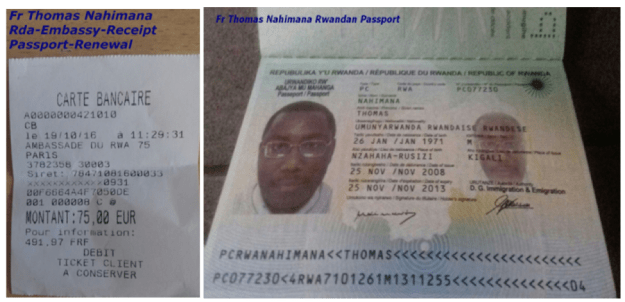
1.Mu kwitegura uru rugendo rwerekeza i Kigali rwo ku itariki ya 23/11/2016, Leta y’u Rwanda yanze guha padiri Thomas Pasiporo nshya y’ u Rwanda yari yarasabye, dore ko iyo yari asanganywe yari yararangiye mu mwaka wa 2013.

  1. Iyo pasiporo nshya Padiri Thomas Nahimana yayisabye muri Ambasade y’u Rwanda i Paris taliki ya 19/10/2016. Aho kumubwira igihe bazayimuhera, Ambasade yamubwiye ko iyo pasiporo nshya azayisanga mu Rwanda!Picture1

3.Ni muri urwo rwego Padiri Thomas Nahimana yafashe icyemezo cyo gusaba visa yo kugenderaho nk’umwenegihugu w’umufaransa. Aha twakwibutsa ko amategeko y u Rwanda atabuza umunyarwanda kuba yagira n’ubundi bwenegihugu(double nationalite), mbese nk’uko Paul Kagame afite n’ubwenegihugu bwa Uganda !Picture2

  1. Leta y’u Rwanda yatinze guha Padiri Thomas NAHIMANA igisubizo kuri iyi visa yasabye u Rwanda. Yewe n’uyu munsi akaba ari ntayo baramuha,kandi bakaba bataranamuhakanira ngo bamubwire ko bayimwimye! Nyamara nk’uko bigaragara ku cyemezo ambassade yamuhaye yagombaga guhabwa iyi visa tariki ya 28/10/2016. Ibi bikaba bigaragaza ubushake bwa Paul Kagame bwo gukomeza kurerega Padiri Thomas NAHIMANA ngo azabure uko agera mu Rwanda mbere y’amatora.                                    Picture3
  2. Ngiyo impamvu yateye Padiri Thomas Nahimana, kwerekeza muri Ambasade ya Kenya iri i Paris, agasaba visa ya East Africa Community yemerera uyifite wese gutembera mu bihugu by’u Rwanda, Uganda na Kenya. Iyo visa nayo yemewe n’amategeko y’u Rwanda niyo yagendeyeho mu ngendo zombi.Picture4

6.Ubwambere Padiri Thomas NAHIMANA n’Ikipe imuherekeje bafashe indege taliki ya 23/11/2016 ariko Leta y’u Rwanda ibatangirira i Nayirobi ishingiye ku masezerano ibihugu bigirana n’amasosiyeti y’indege ibabuza kwinjira mu ndege yagombaga kubageza i Kigali ku isaha ya saa munani n’iminota 55.

  1. Icyo cyemezo cyo kubuza abenegihugu Padiri Thomas Nahimana, Madame Nadine Claire Kasinge, Mahirwe Kejo Skyler na Venant Nkurunziza cyafashwe nk’amahano (scandale) kirasakuza cyane mu bitangazamakuru mpuzamahanga ndetse n’imwe mu miryango mpuzamahanga irakigaya cyane. Byateye Perezida Paul Kagame kugira ikimwaro n’ipfunwe bityo mu buryo bwo kwikura mu isoni atangaza mu ruhame ko atumva neza « ukuntu umwenegihugu nka padiri Thomas Nahimana yabuzwa kwinjira mu gihugu cye ». Benshi baketse ko ari uburyo bwo gufungura amarembo, ko noneho Padiri Thomas n’Ikipe ye baramutse bongeye gufata urugendo bakwakirwa mu Rwanda nta nkomyi.

8.Taliki ya 23 /1/2017 nanone Ishyaka ISHEMA ryongeye kohereza Padiri Thomas Nahimana na Madame Claire Kasinge mu Rwanda kugira ngo bajye kwandikisha ishyaka kugira ngo rizabone uko rigira uruhare mu matora ateganyijwe mu kwezi Kanama 2017.

9.Kubera ko guhera tariki ya 23/11/2016 Leta y’u Rwanda yakomeje kwanga guha padiri Thomas Nahimana Pasiporo nshya y’ u Rwanda, Padiri  yakomeje kwibutsa Ambasade y’u Rwanda i Paris ko yamuha igisubizo kuri visa y’u Rwanda yari yarasabye taliki ya 19/10/2016 kugirango azafate urugendo akoresheje pasiporo ye y’umufaransa kuko yizeraga ko nakandagiza ibirenge mu gihugu azasubirana uburenganzira bwe bwose nk’umwenegihugu w’umunyarwanda. Ambasade igendeye ku mategeko ya Kigali yakomeje kumurerega.

10.Ku wa kane taliki ya 19/1/2017 Padiri Thomas Nahimana yahamagaye muri Ambasade abibutsa ko italiki y’urugendo rwa kabiri yegereje, ko akeneye igisubizo kuri visa yasabye. Ambasade yamusabye ko ayoherereza « réservation » y’indege noneho ngo bakamuha igisubizo muri uwo mugoroba. Nyamara siko byagenze. Ku wa gatanu taliki ya 20/1/2017 ari nawo munsi wa nyuma w’akazi mbere y’italiki y’urugendo, Padiri Thomas Nahimana yongeye kubaza ambasade, imubwira ko Kigali itaratanga uruhushya rwo kumuha visa yasabye.

11.Aha reka twibutse ko Louise MUSHIKIWABO nka Minisitiri w’ububanyi n’amahanga ari we ushinzwe guha amabwiriza za ambasade, bityo izi ntambwe zose zatewe akaba azizi neza. Byongeye kandi, ku mabaruwa yose Ubuyobozi bw’ishyaka ISHEMA bwandikiye abahagarariye ibihugu byabo mu Rwanda kuri iki kibazo, Louise MUSHIKIWABO yahabwaga Kopi.

12.Claire Nadine Kasinge nawe yasabiye visa y’u Rwanda muri Canada aho atuye akoresheje pasiporo ye y’abataliyani ariko banze ku musubiza kandi ubundi abasabiye visa online (Canada) bagomba gusubizwa mu masaha atarenze 72.

13.Hari abandi Bataripfana basabye ibyangombwa byo gutaha mu Rwanda ambasade z’aho batuye zirabibima. By’umwihariko twabamenyesha ko Bwana Vénant Nkurunziza we yari yagombye kubanza gusubiza ibyangombwa bye by’impunzi kugira ngo atahe mu Rwanda.

14.Niyo mpamvu Padiri Thomas Nahimana na Nadine Claire Kasinge nta yandi mahitamo bari bagifite uretse gukomeza urugendo rwabo bagendeye kuri East African tourist visa bari barahawe na Kenya ikaba ibemerera kwinjira mu Rwanda, Uganda na Kenya.

15.Tariki ya 23/01/2017 nanone bahagarikiwe ku kibuga cy’indege i Buruseli mu Bubiligi, ku itegeko ryatanzwe na « Direction Générale de l’immigration » y’u Rwanda mu rwandiko rwanditse mu rurimi rw’icyongereza, rukerekana pasiporo y’infaransa Padiri Thomas NAHIMANA yitwaje na nimero yayo, bakavugamo Pasiporo ya Padiri y’inyarwanda na nimero yayo ; bakavuga ko afite « East african tourist visa », … bagatanga itegeko ko « ibyangombwa byose yaba yitwaje , atagomba kwemererwa kurira indege igana i Kigali ». Hari kandi n’urwandiko nk’urwo rukumira Madame Nadine Claire KASINGE.

Banyarwanda, Banyarwandakazi namwe nshuti z’u Rwanda,

Twibutse ko :

  1. Mu mwaka wa 1990 FPR yo yafashe intwaro igatangiza urugamba rwamennye amaraso y’abanyarwanda batagira ingano ivuga ko irwanya ubutegetsi bwahejeje Abanyarwanda bo mu bwoko bw’abatutsi mu buhungiro.
  2. Agasuzuguro nk’aka FPR-Inkotanyi igaragaza mu kubuza Abanyarwanda gusubira mu gihugu cyababyaye no kubabuza kwiyamamaza mu matora ya perezida wa repubulika gashingiye kuri ya ngengabitekerezo ya kera ngo «hari abavukiye gutegeka abasigaye bakavukira kuba abagaragu n’abagererwa mu gihugu cyabo ».
  3. Gucira abenegihugu ishyanga ni imwe mu mpamvu 20 z’ingenzi zatumye hajyaho Guverinoma y’u Rwanda ikorera mu buhungiro kubera ko Leta ya FPR-Inkotanyi yataye agaciro mu gihe itacyubahiriza uburenganzira bw’umwenegihugu, ikica nkana itegekonshinga ubundi rifatwa nka « contrat » hagati y’abayobozi n’abayoborwa.

Bityo rero, ubwo Kagame Paul atagira abajyanama bazima ahubwo akiringira  abamotsi nka MUSHIKIWABO na bamwe mu basirikare badashyira mu gaciro bakomeza kumufasha mu mugambi mubisha wo kwihambira ku butegetsi ubuziraherezo no kwimakaza akarengane, nibyumvikane neza ko ubutegetsi bwe bwarangije guhinduka « Un régime d’occupation militaire » bityo bukaba bugomba  kurwanywa kugeza buvuyeho. Louise MUSHIKIWABO nareke gukomeza guteza ubwega no kwiyerurutsa, amahano bakorera rubanda isi yose yarangije kuyamenya.

Bikorewe i Paris mu Bufaransa

Tariki ya 12/07/2017

Chaste GAHUNDE

Ministre de l’Information,

GUVERINOMA y’u Rwanda ikorera mu Buhungiro

Les “révélations” de la revue XXI sur la France au Rwanda font pschitt Une tribune du colonel Jacques Hogard

Le microcosme médiatique parisien est très agité depuis quelques jours : en effet, la revueXXI, dont les actionnaires sont l’éditeur Laurent Beccaria et Patrick de Saint-Exupéry, annonçait de fracassantes révélations sur la supposée implication française dans le génocide rwandais de 1994. Le tout sous un titre racoleur, « réarmez-les ».

En réalité, l’article de quelques pages, richement orné d’artistiques dessins – auxquels on fait bien entendu dire ce que l’on veut -, ne ressemble en rien, contrairement aux appréciations admiratives de certains journalistes du Figaro, à une « longue enquête » et encore moins à une « enquête fouillée » !

Le Monde ne fait pas vraiment mieux ! Son journaliste écrit : « Intitulé « Réarmez-les », l’article de Patrick de Saint-Exupéry, cofondateur de la revue, s’appuie sur le témoignage d’un haut fonctionnaire qui a pu consulter les archives sur le conflit rwandais. Lorsquel’Elysée annonça en 2015 l’ouverture de ces archives, deux hauts fonctionnaires furent en effet chargés de vérifier leur contenu. L’ancien officier de l’armée de terre Guillaume Ancel est l’un d’eux. Il décrit dans l’article le document officiel donnant l’ordre de réarmer ceux qui viennent de commettre le génocide, pendant l’opération militaire « Turquoise », officiellement organisée par la France pour« mettre fin aux massacres ».

Une drôle de source

Lorsqu’on sait qui est Guillaume Ancel, auquel j’ai consacré quelques pages dans la très récente réédition de mon témoignage sur le Rwanda1, il y a presque de quoi mourir de rire ! Guillaume Ancel, jeune capitaine d’artillerie à l’époque de l’opération Turquoise en 1994, a servi sous mes ordres du 29 juin au 6 août 1994, date de son retour anticipé en France. Il a pris définitivement sa retraite au tout début de 2014, après avoir demandé, sans succès, sa réintégration dans l’armée de terre au terme d’une période de disponibilité de près de 10 ans dans le civil, à la SNCF. C’est alors que, récupéré par les réseaux qui attaquent sans relâche la France et l’armée française pour son rôle au Rwanda depuis l’été 1994, il se découvre une nouvelle carrière de communicant, après 20 ans d’un silence scrupuleusement respecté et qu’il se lance à son tour dans le sillage de son nouveau maître à penser, Patrick de Saint-Exupéry.

Il est par conséquent amusant et particulièrement intéressant de noter ce lapsus du Monde, très vite corrigé par la rédaction dès lors qu’elle se sera aperçue de sa bévue : il est tout de même drôle de penser qu’un média aussi professionnel puisse ainsi citer le nom de Guillaume Ancel et reconvertir ainsi un officier subalterne à l’époque des faits, aujourd’hui dans le privé, en un très hypothétique « haut fonctionnaire » chargé par l’Elysée, rien de moins, de vérifier les archives de l’Etat, et plus étonnant encore, de laisser entendre qu’il puisse ainsi être l’homme qui « décrit » ce fameux « document officiel donnant l’ordre de réarmer ceux qui viennent de commettre le génocide » sans toutefois pouvoir le produire !

Car, ce qu’il faut noter dans cet « insignifiant article de M. Patrick de Saint-Exupéry », ainsi que le qualifie avec pertinence le professeur Bernard Lugan, c’est qu’il ne donne évidemment aucun nom, et en tout cas pas celui du fameux « haut-fonctionnaire » qui se serait confié à Patrick de Saint-Exupéry ! Aucun fac-similé de cet « ordre », (dont aucun des officiers supérieurs de l’opération Turquoise n’a jamais vu la couleur !), aucun fait, aucune date, aucun élément précis à l’appui de ses dires.

Et pour cause : c’est là la manière habituelle de procéder de M. de Saint Exupéry, comme il nous l’a montré en 2004 lors de la parution de son pamphlet  « l’inavouable », réédité en 2009 sous le titre de « complices de l’inavouable ». Ce qui lui vaudra d’ailleurs quelques ennuis avec la justice.

Ladite “responsabilité” de la France sert les intérêts de Kagame

Comme l’explique le professeur Lugan, Patrick de Saint-Exupéry accuse toujours, mais « sans la moindre preuve, sans la publication du moindre document nouveau, et uniquement sur la base de sous-entendus orientés ».

C’est donc un coup médiatique, et rien d’autre qu’un coup médiatique que cet article creux et insipide que M. de Saint Exupéry vient de produire dans sa revue XXI.

Il faut dire que la période s’y prête bien. En France, le président Macron et son Assemblée introuvable viennent d’être élus. Il faut donc bien qu’à Kigali le général-président Paul Kagame teste ce nouveau pouvoir dont la politique étrangère, et notamment africaine n’est pas encore connue. Pour ce faire, le sanglant dictateur a impérativement besoin de ses amis et relais d’influence en France.

Et puis à Kigali précisément, c’est ce même général-président, au pouvoir depuis 1994, mais officiellement élu depuis 2003 et candidat en août à un nouveau mandat de 7 ans, qui a besoin de desserrer l’étau qui se referme inexorablement sur lui. La relance récente par la justice française de la procédure relative aux circonstances de l’assassinat de son prédécesseur le 6 avril 1994 et de son rôle plus que présumé dans cet évènement déclencheur du génocide, est un souci constant pour lui et la vraie raison de son ire contre la France. Cette offensive médiatique organisée dans l’Hexagone autour de la revue XXI arrive à point nommé pour tenter d’étouffer une nouvelle fois l’enquête sur l’attentat contre le Falcon 50 du président Habyarimana qui déclencha le génocide.

Il est surprenant que cette campagne médiatique sans fondement ni éléments nouveaux, soit quasiment alignée sur celle qui se déroule à Kigali, au terme de cette période de l’« Icyunamo », deuil national de 3 mois chaque année, pendant laquelle est inlassablement rappelée la prétendue « responsabilité de la France dans le génocide rwandais ». « Responsabilité » essentielle car elle constitue la seule et dernière légitimité possible pour le régime totalitaire du général-président Kagame.

On comprend mieux les possibles motivations de Patrick de Saint-Exupéry et de ses fidèles : « il faut sauver le soldat Kagame » ! Il faut sauver coûte que coûte le régime totalitaire moribond de Kigali !

Source: https://www.causeur.fr/rwanda-france-revue-xxi-turquoise-45275.html

RWANDA : M. DE SAINT-EXUPÉRY ACCUSE T-IL LA FRANCE AFIN DE PROTÉGER LE GÉNÉRAL KAGAMÉ ?

Communiqué de Bernard Lugan [1]

Fidèle caisse de résonance du régime de Kigali, la presse française donne actuellement une énorme publicité à un insignifiant article de M. Patrick de Saint-Exupéry dans lequel, sans la moindre preuve, sans la publication du moindre document nouveau, et uniquement sur la base de sous-entendus orientés, il accuse la France d’avoir voulu « réarmer » les génocidaires rwandais durant l’été 1994. Plus encore, voilà maintenant la BNP qui est désormais soupçonnée d’être partie prenante dans cette rocambolesque affaire.

L’explication d’une telle campagne orchestrée depuis le Rwanda est pourtant limpide : l’étau se refermant peu à peu sur le régime Kagamé, dans le cadre de l’enquête sur l’attentat contre l’avion du président Habyarimana, ses amis français sont actuellement à la manœuvre afin d’intimider Emmanuel Macron, comme ils avaient si bien réussi à le faire avec Nicolas Sarkozy et François Hollande.

À une différence près : depuis quelques mois, les éléments qui s’accumulent sur le bureau des magistrats français et qui mettent directement en cause le régime de Kigali dans le déroulé des événements de l’année 1994 sont tels qu’il est désormais impossible d’étouffer l’affaire…

Deux points sont établis :

  1. L’attentat du 6 avril 1994 qui provoqua la mort du président hutu Habyarimana fut le déclencheur du génocide.
  2. La thèse du régime de Kigali, à savoir celle du génocide « programmé » et « planifié » par les « extrémistes » hutu, a volé en éclats devant le TPIR (Tribunal pénal international pour le Rwanda). Ce tribunal, créé par le Conseil de sécurité de l’ONU et siégeant à Arusha de 1995 à 2016, a en effet, dans ses jugements concernant les « principaux responsables du génocide » – dont celui du colonel Bagosora présenté comme l’architecte du génocide –, que ce soit en première instance ou en appel, clairement établi qu’il n’y avait pas eu « entente » pour le commettre [2]. Si ce génocide n’était pas programmé, c’est donc qu’il fut spontané, et ce qui le provoqua fut l’assassinat du président Habyarimana.

Voilà pourquoi la question de savoir qui a ourdi cet attentat est primordiale. Or, il n’y a jamais eu d’enquête internationale menée sur ce crime qui coûta la vie à deux présidents en exercice élus, celui du Rwanda et celui du Burundi, qui avaient pris place dans le même avion.

Par les énormes pressions qu’ils exercèrent sur le Conseil de sécurité de l’ONU, les États-Unis et la Grande-Bretagne, alliés indéfectibles du régime de Kigali, réussirent en effet à interdire au TPIR de mener cette enquête.

Au mois de janvier 1997, Madame Louise Arbour, Procureur du TPIR de septembre 1996 à septembre 1999, ordonna ainsi à Michael Hourigan de cesser ses investigations. Ce fonctionnaire de l’ONU avait pourtant été personnellement chargé par elle, d’identifier les commanditaires et les auteurs de l’attentat du 6 avril 1994. Madame Arbour voulait alors étayer l’acte d’accusation rachitique qu’elle était occupée à dresser contre les anciens dirigeants du régime Habyarimana, en montrant que cet attentat avait été commis par des « extrémistes hutu », et qu’en le commettant, ces derniers avaient donné le signal du génocide qu’ils avaient programmé.

Or, sur place, à Kigali, menant son enquête, Michael Hourigan découvrit tout au contraire que les auteurs de l’attentat n’étaient pas des « Hutu extrémistes », mais des Tutsi du FPR… et il obtint même les noms de ceux qui, selon lui, auraient abattu l’avion du président Habyarimana. Il rédigea un rapport qu’il remit personnellement à Madame Arbour qui le somma alors de mettre un terme à ses recherches, exigeant la confidentialité absolue sur ses découvertes. Le contrat de Michael Hourigan avec l’ONU ne fut pas renouvelé.

Saisie par les familles de l’équipage français de l’avion présidentiel abattu, la justice française s’est ensuite risquée sur cette affaire qui fut confiée au juge Bruguière. Bien que le TPIR ait refusé de le lui communiquer, et cela au prétexte qu’il n’existait pas (!), le juge Bruguière obtint malgré tout une copie du « Rapport Hourigan ». Puis, devant le juge, Michael Hourigan authentifia son texte dont il confirma la teneur. Poussant plus loin ses investigations, le juge Bruguière interrogea le capitaine sénégalais Amadou Deme, adjoint de Michael Hourigan et ancien numéro 2 du renseignement de l’ONU au Rwanda. Cet officier lui confirma à la fois les résultats de l’enquête à laquelle il avait personnellement participé, et l’insolite changement d’attitude de madame Arbour à partir du moment où le FPR fut suspecté d’avoir assassiné le président Habyarimana.

Le 16 novembre 2006, au terme de son enquête, le juge Bruguière accusa à son tour le général Kagamé et il lança neuf mandats d’arrêt contre des membres importants de son premier cercle. Après le départ à la retraite de ce magistrat, l’enquête fut reprise par le juge Trévidic, puis par les juges Herbaut et Poux.

Au mois de juillet 2013 puis en janvier 2014, le juge Trévidic interrogea Jean-Marie Micombero, ancien secrétaire général au ministère rwandais de la Défense et qui, le 6 avril 1994, était affecté à une section chargée du renseignement dépendant directement de Paul Kagamé. Le témoin lui confirma les noms des deux membres de l’armée de Paul Kagamé qui, le 6 avril 1994, auraient tiré les deux missiles qui abattirent l’avion présidentiel. Il livra également au juge nombre de détails sur les préparatifs et sur le déroulement de l’attentat [3]. Ces déclarations recoupaient en les confirmant celles recueillies en leur temps par le juge Bruguière auprès d’autres témoins.

La contre-attaque du général Kagamé se fit à travers ses puissants réseaux d’influence français et par le biais d’une presse qui ne cessa jamais de lui servir de porte-voix, notamment Libération, Le Monde et Le Figaro.

Appuyé sur les uns et sur les autres, il tenta de répétitives manœuvres dilatoires destinées à discréditer le travail du juge Bruguière. Mais, au moment où, de guerre lasse, le juge Trévidic s’apprêtait à clôturer son instruction, trois témoins de la plus haute importance se manifestèrent.

Il s’agissait du général Faustin Kayumba Nyamwaza, ancien chef d’état-major de l’APR (Armée patriotique rwandaise, l’armée tutsi), à l’époque responsable du renseignement militaire, du colonel Patrick Karegeya, ancien chef des renseignements du Rwanda, tous deux réfugiés en Afrique du Sud d’où ils accusaient de la façon la plus claire le président Kagamé d’être le responsable de l’attentat du 6 avril 1994 qui coûta la vie au président hutu Habyarimana, et d’Émile Gafarita qui prétendait être l’un des trois membres du FPR qui transportèrent depuis l’Ouganda jusqu’à Kigali les missiles qui abattirent l’avion du président Habyarimana.

Au mois de juin 2010, le général Kayumba survécut par miracle à une tentative d’assassinat dont les auteurs, des Rwandais, furent arrêtés et jugés en Afrique du Sud. Le colonel Patrick Karegeya fut étranglé le 31 décembre 2013 dans sa chambre d’hôtel de Johannesburg.

Émile Gafarita fut quant à lui enlevé à Nairobi le 13 novembre 2014 à la veille de son départ pour la France où il devait être interrogé par le juge Trévidic. Dans la procédure de réouverture d’instruction qui était alors en cours, la teneur de ce que le témoin-acteur allait dire aux juges était accessible à la Défense. Cette dernière informa ses clients de l’existence d’Émile Gafirita et de son prochain témoignage. Avocat de l’État rwandais (Afrikarabia, 19 octobre 2016) et de 6 des 7 mis en examen, Me Léon-Lef Forster, dans un entretien avec la journaliste canadienne Judi Rever [4] l’a reconnu : « J’ai informé les mis en examen, un avocat a l’obligation d’indiquer à ses clients où en est la procédure…il est parfaitement légitime que les clients soient informés des raisons pour lesquelles le dossier est ré-ouvert. »

À partir de ce moment, Émile Gafirita fut en danger de mort [5]. Dans ces conditions, il est pour le moins « insolite » que les juges français qui allaient l’interroger n’aient pas pris la précaution de le mettre sous protection. D’autant plus qu’Émile Gafirita se savait menacé et que, dans l’attente de sa convocation qui arriva le jour de sa disparition, il avait écrit par mail à son avocat, Me Cantier, qu’il souhaitait être entendu : « Le plus vite serait le mieux avant qu’ils ne me fassent taire à jamais. »

Émile Gafirita avait demandé à être entendu sous X avec le statut de « témoin protégé », ce qui ne lui fut pas accordé par le juge Trévidic. Et pourtant, comme l’a révélé plus tard Emmanuel Fansten dans Libération du 4 mars 2015, à la même époque, le juge Trévidic qui enquêtait sur l’attentat de la rue Copernic entendit sous X un ancien membre du groupe Abou Nidal.

Pourquoi une telle différence de traitement ? Le juge Trévidic justifia son refus d’entendre anonymement Émile Gafarita « par le nombre conséquent de manipulations constatées dans l’instruction » (Jeune Afrique, 9 décembre 2014). Cette explication laisse pour le moins perplexe car le juge d’instruction a précisément parmi ses missions celle de faire le tri entre les éléments qu’il recueille. Dans tous les cas, ceux qui enlevèrent Émile Gafirita ne partageaient pas ses doutes…

La justice française a donc été incapable de protéger ce témoin essentiel puisque ses ravisseurs ont été prévenus qu’il était depuis quelques semaines à Nairobi, où il vivait clandestinement sous un nom d’emprunt dans l’attente de son départ pour la France.

Dans son livre La France dans la terreur rwandaise (Editions Duboiris, 2014, page 302), le journaliste Onana rapporte de graves propos tenus par le colonel Karegeya peu avant son assassinat : « (…) tout ce que fait votre juge (Trévidic) se trouve dans les médias, même les noms des témoins qui peuvent ainsi être retournés par Kigali ou assassinés ».

Allons plus loin : certaines sources sud-africaines laisseraient entendre que des fonctionnaires de l’ambassade de France à Pretoria auraient oralement tenté de dissuader, fin novembre 2016, les autorités judiciaires sud-africaines d’accorder aux magistrats français les possibilités d’entraide judiciaire leur permettant d’interroger le général Nyamwasa.

Le 30 novembre 2016, interloquées par cette demande orale insolite, les autorités sud-africaines auraient alors demandé que cette requête soit formulée par écrit… ce qui aurait mis un terme à cette tentative d’entrave à la justice… et, les quatre « visas » des autorités judiciaires sud-africaines nécessaires à l’exécution de l’entraide judiciaire internationale furent accordés aux juges français mi-février 2017. Avant d’être bloqués à la fin du mois à la suite de la visite exceptionnelle faite en Afrique du Sud par le général Joseph Nzabamwita, Responsable des services nationaux de renseignement et de sécurité (NISS), envoyé du général Kagamé.

Dans une enquête très documentée parue dans le « UN », n°140 du 1° février 2017 sous le titre « Récit d’une manipulation », Pierre Péan explique comment, à partir de l’arrivée au pouvoir de Nicolas Sarkozy et jusqu’au départ du juge Trévidic, un groupe comprenant diplomates, magistrats, politiques et hommes de l’ombre, groupe relayé par les réseaux pro-Kagamé français se serait ingénié à saboter l’enquête du juge Bruguière. Cet article n’a été relayé par aucun média français bien qu’il détaille de nombreux et très graves faits d’entrave à la justice.

Quoi qu’il en soit, loin des tumultes et des manipulations médiatiques, un dossier existe et, pour le régime de Kigali, ses avancées pourraient être dévastatrices. Voilà pourquoi ses amis ont reçu l’ordre d’allumer des contre-feux et voilà pourquoi la presse française est actuellement et une nouvelle fois à la manœuvre.

Que contient en effet le dossier des juges Herbaut et Poux ? Les éléments qui figurent dans le dossier d’instruction pèsent plus lourd que les sous-entendus de M. de Saint-Exupéry :

  1. Le dossier donne, entre autres, le lieu du tir des missiles, les noms des deux tireurs et des membres de leur escorte, la marque et la couleur des véhicules utilisés pour transporter les missiles depuis l’Ouganda jusqu’au casernement de l’APR situé au centre de Kigali et de là, jusqu’au lieu de tir à travers les lignes de l’armée rwandaise, ainsi que le déroulé de l’action.
  2. Le dossier contient la preuve que l’avion présidentiel rwandais a été engagé par deux missiles dont la traçabilité a été établie. Grâce à la coopération judiciaire de la Russie, la justice française sait en effet que ces deux missiles dont les numéros de série étaient respectivement 04-87-04814 et 04-87-04835 faisaient partie d’un lot de 40 missiles SA-16 IGLA livrés à l’armée ougandaise quelques années auparavant. Or, Paul Kagamé et ses principaux adjoints furent officiers supérieurs dans l’armée ougandaise avant la guerre civile rwandaise et, de 1990 à 1994, l’Ouganda fut la base arrière, mais aussi l’arsenal du FPR. De plus, devant le TPIR, il fut amplement démontré que l’armée rwandaise ne disposait pas de tels missiles et que l’arme du crime était bien entre les mains du FPR.

D’autant plus qu’au mois d’août 2016, la MONUSCO a saisi en RDC un missile de type SA-16 de la même série que ceux qui furent tirés contre l’avion du président Habyarimana le 6 avril 1994. Or, ce missile avait appartenu à une milice soutenue par le Rwanda. Un rapport officiel de la MONUSCO a été transmis au siège de l’ONU à New-York qui visiblement tarde à le transmettre au juge français malgré les recommandations du rédacteur du rapport en question (Référence : Strictly Confidential, Goma, 20 septembre 2016).

En dépit de toutes les pressions qu’ils subissent et qui vont aller croissant, il faudra bien que, tôt ou tard, les juges fassent la balance entre les éléments que contient le dossier de l’assassinat du président Habyarimana. Or, comme les magistrats instructeurs auraient entre les mains suffisamment d’éléments pour étayer la thèse de la responsabilité du général Kagamé dans l’attentat du 6 avril 1994 qui coûta vie au président Habyarimana, attentat qui fut l’élément déclencheur du génocide, tout va in fine dépendre du Parquet chargé de porter l’accusation à l’audience.

Nous voilà donc revenus à la politique, donc aux réseaux d’influence que Kigali entretient en France et dont la mission est de tenter d’influencer la Justice pour que soit étouffé le dossier car, comme l’a dit Madame Carla Del Ponte qui succéda à Louise Arbour au poste de Procureur du TPIR : « S’il était avéré que c’est le FPR qui a abattu l’avion du président Habyarimana, c’est toute l’histoire du génocide du Rwanda qu’il faudrait re-écrire. » Et de cela, les alliés, les soutiens et les obligés du général Kagamé ne veulent évidemment pas entendre parler.

Notes

[1] Expert assermenté devant le TPIR (Tribunal pénal international pour le Rwanda) dans les affaires Emmanuel Ndindabahizi (TPIR-2001-71-T), Théoneste Bagosora ( TPIR-98-41-T), Tharcisse Renzaho (TPIR-97-31-I), Protais Zigiranyirazo. (TPIR-2001-73-T), Innocent Sagahutu (TPIR-2000-56-T), Augustin Bizimungu (TPIR- 2000-56-T) et commissionné dans les affaires Edouard Karemera (TPIR-98-44 I) et J.C Bicamumpaka (TPIR-99-50-T).

[2] À l’exception du jugement de Jean Kambanda, ancien Premier ministre condamné en 1998, après qu’il eut plaidé coupable contre la promesse d’une peine réduite, procédure qui de facto lui avait fait accepter l’acte d’accusation du procureur. Depuis, il est revenu sur cette reconnaissance.
[3] Voir à ce sujet l’interview recueillie par Pierre Péan intitulée « J’ai assisté à la préparation de l’attentat qui a déclenché le génocide » (Marianne numéro du 28 mars au 3 avril 2014).
[4] Judi Rever « Witness in French inquiry into 1994 Rwanda plane crash disappears », 20 novembre 2014, en ligne.
[5] Le 18 novembre 2014, le professeur belge Filip Reyntjens, juriste spécialiste du Rwanda et expert devant le TPIR, écrivit à M° Bernard Maingain, avocat belge des mêmes officiels rwandais mis en examen par le juge Bruguière : « Si vous avez communiqué le nom de M. Gafirita, qu’on ne verra probablement plus, à vos clients rwandais, vous devriez avoir honte et votre conscience devrait être lourde » (cité par Jeune Afrique, 9 décembre 2014).