Category Archives: Security

Une soixantaine d’ex-combattants du M23 rapatriés d’Ouganda

Une soixantaine d’ex-combattants du M23 ont été rapatriés mardi 26 février en République démocratique du Congo (RDC), en provenance d’Ouganda, selon les autorités des deux pays.

Ils sont arrivés à Goma en fin de matinée mardi 26 février. Au total, cinquante-sept ex-combattants accompagnés de dix femmes et enfants. Ces anciens rebelles étaient jusqu’à présent cantonnés dans le camp de Bihanga, à 300 km de Kampala, la capitale ougandaise.

Accueillis officiellement par le commandant de la zone militaire du Nord-Kivu, ils ont été conduits dans un centre de transit pour un séjour « bref », explique Patrick Mutombo Kambila, conseiller au Mécanisme national de suivi de l’accord-cadre d’Addis-Abeba. C’est là qu’ils devront, selon lui, choisir « librement » entre être démobilisés pour rentrer dans la vie civile ou intégrer l’armée congolaise, comme l’ont fait certains de leurs ex-compagnons d’armes rentrés en juillet dernier.

En 2013, un accord avait été signé à Nairobi qui devait permettre de régler la situation de ces centaines d’anciens combattants réfugiés dans les pays voisins – Ouganda, Rwanda – au moment de la chute de leur mouvement fin 2012. Mais ils rentrent au compte-gouttes. En Ouganda, ils seraient encore 200 selon Kinshasa, plus d’un millier selon Kampala. A leur retour, ils ont le choix entre retourner à la vie civile ou intégrer l’armée congolaise.

Rapatriements « volontaires » et « sans conditions »

Ces rapatriements, assure Patrick Mutombo Kambila, sont le résultat d’un accord passé en 2017 à Brazzaville entre les 3 chefs d’Etat concernés – Rwanda, Ouganda et RDC – dans lequel ils se sont mis d’accord sur le rapatriement « sans conditions » des ex-combattants disséminés dans la région, pour « mettre fin à la récurrence de la belligérance ».

Des rapatriements « volontaires », insiste le conseiller, même si jeudi dernier dans un communiqué, alors que ces retours se préparaient, Benjamin Mbonimpa, secrétaire exécutif du M23, a dénoncé des « manoeuvres » autour de cette question du rapatriement et assuré que des « personnes n’appartenant pas au M23 se feraient recruter en dehors du camp de cantonnement » en Ouganda, en échange de la « promesse » d’intégrer l’armée congolaise.

Ce que conteste Patrick Mutombo Kambila pour qui certains leaders du M23 chercheraient seulement à manipuler l’opinion et « prendre en otage les jeunes ex-combattants ». C’est déjà en application de cet accord, assure Kinshasa, que, fin novembre, plusieurs centaines d’ex-combattants FDLR, des Rwandais cette fois, ont été rapatriés dans leur pays, et leurs camps fermés par les autorités congolaises.

Source :RFI

BUGESERA: Umuturage yari yirengeje umuyobozi w’umurenge bapfa amafaranga y’irondo!

Abanyarwanda bamaze kuzinukwa imisanzu ya hato nahato bakwa n’ubutegetsi bwa FPR-Inkotanyi kuburyo hari n’abatangiye kwihebera ku bayobozi baza kubishyuza iyo misanzu ubusanzwe babona ko ari nko kubakoresha uburetwa kandi ubukene bubageze kure.

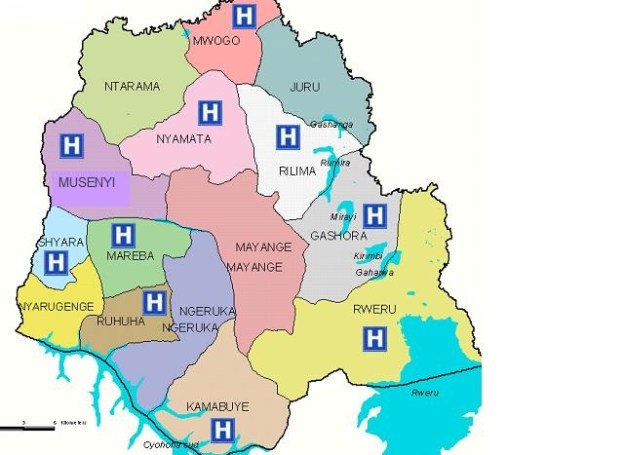
Mu gitondo cyo kuri uyu wa Kabiri taliki ya 26 Gashyantare 2019 Umuturage witwa Daniel BAGARAGAZA yakubise isuka Bwana NIYONZIMA Eliab Umuyobozi w’Umudugudu wa Kibirizi  uri mu Kagari ka Kibirizi ho mu Murenge wa Mayange mu Karere ka Bugesera,Intara y’Uburasirazuba.

Bagaragaza yazindutse ajya guhinga nk’uko bisanzwe, mu gihe umuyobozi w’Umudugudu Niyonzima we yazindutse azenguruka mu bantu yishyuza amafaranga y’irondo ry’Umwuga dore ko n’ukwezi gusigaje iminsi mike kukarangira, ageze kwa Bagaragaza yasanze yagiye guhinga maze yigira inama yo ku musangayo.

Amakuru Ijisho ry’Abaryankuna mu Karere ka Bugesera ryamenye ni uko Bagaragaza yamubwiye ko ntayo afite umuyobozi w’Umudugudu akamubwira ko uyu munsi ari Nyirantarengwa ko niba atayafite agomba kujya kureba icyo agurisha cyangwa bakamujyana kuri polisi. Yakomeje kumuhatiriza amubwira ko atamusiga,nibwo undi gufatwa n’ubushungu,bashungurana ubwo isuka aba arayimwashije!

Abaturage batabaye bahamagara n’abashinzwe umutekano Bagaragaza bamujyana ku biro by’Umurenge wa Mayange naho Niyonzima we yihutanywe ku Kigoderabuzima cya Mayange.

Abaturage bo mu Murenge wa Mayange usibye abo mu kiciro cya mbere, batanga amafaranga 1,000 kuri buri rygo, y’irondo ry’umwuga ( mu gihugu gifite umutekano kurusha ibindi muri Afurika ndetse kikaba kiri no mu byambere ku isi!)

Ayo mafaranga aza yiyongera ku mafaranga 3,000 ya mutuelle kuri buri muntu kubari mu kiciro cya kabiri n’icya gatatu ni mugihe abari mu cya 4 ari 7,000 ku muntu. Si ayo gusa kuko hiyongeraho n’indi misanzu inyuranye nk’ayitwa ay “Umuryango” (FPR-Inkotanyi) n’andi bakwa igihe habayeho igikorwa runaka nk’amatora n’ibindi.

Kuba uyu mugabo yakubise isuka umuyobozi w’umudugudu si urugomo cyangwa kunanirana kundi kuko  yari mu Nyangamugayo mu Kagari akaba yari “Umurokore” ndetse atari n’umurokore usanzwe kuko yari Mwalimu mu Itorero rya ADEPR Karambo,ahubwo abaturage barambiwe ubuzima bwo kuba mu gihugu bagitangamo imisanzu y’umurengera nk’aho ari ingaruzwamuheto.

Ibyabaye none bishobora kuzarushaho kuba niba nta  gikozwe ngo ubu butegetsi buhindurwe kuko kunanirwa ko bwananiwe kera kandi abaturage baraburambiwe kuburyo budasubirwaho!

UWAMWEZI Cécile

Source :Abaryankuna

Tuzirikane amagambo y’iterabwoba Kagame yavuze yikoma Madamu Victoire Ingabire

Kuwa gatatu tariki ya 19/09/2018, Perezida wa Leta y’Inkotanyi yabwiye abadepite n’abandi bategetsi bari bateraniye mu ngoro ya Rubanda, amagambo yo kwikoma, kwihanangiriza no gukanira Madamu Victoire Ingabire, nyuma y’iminsi 4 gusa atangaje ko yamusinyiye uburenganzira bwo kurangiriza igifungo cye hanze ya gereza.

Kimwe n’abandi banyarwanda ndetse n’abanyamahanga benshi, nababajwe cyane no kubona abategetsi b’igihugu n’abiyita intumwa za rubanda bari bateraniye mu ngoro ya rubanda, bose bagiye bamuha amashyi nk’abamwogeza, berekana ko bashyigikiye kandi banejejwe n’uko ahigira umwenegihugu batanganya ingufu n’ubushobozi, umubyeyi nka Victoire ushyira imbere gusa intwaro y’umutima ukunda rubanda byimazeyo n’iyo kugendera ku kuri nta mufifiko.

Njye ikindi kinteye impungenge, ni ukubona Perezida w’igihugu yihandagaza agatinyuka gukanira umwenegihugu ko ashobora kumujugunya hanze akajya kubwerabwera. Kuri njye, ibyo nabyo birenze ukwemera. Nta hantu Itegeko Nshinga, yagombye kurinda no kwubahiriza, riteganya ko hari umuntu ufite uburenganzira bwo gucira abenegihugu mu mahanga. Biragaragara ko Kagame yamaze gushyekerwa no kwirara. Yabikoze atesha agaciro za pasiporo nyarwanda z’abenegihugu bo muri opozisiyo n’abo mu miryango yabo (harimo imiryango y’inkotanyi zamuhunze), abikora yanga guha abandi pasiporo nshya kugira ngo batazashobora kuzigenderaho bataha iwabo, abikora abuza kompanyi zitwara abantu izo arizo zose kuba zatuma Padiri Thomas Nahimana n’abenegihugu 3 bakandagiza ikirenge mu gihugu cyabo… None ubu biragaragaye ko muri gahunda ye yo kwikiza abatemera politiki ye y’igitugu, mubyo ateganya, harimo kujya afata abenegihugu batavuga rumwe na Leta y’Inkotanyi akareba uko yabasunikira hanze y’igihugu ngo batabangamira gahunda y’inkotanyi yo guhoza rubanda mu bucakara n’iterabwoba!  Twibuke ko bigeze no kubikorera impirimbanyi Alexis Bakunzibake wa PS Imberakuri igihe bamujugunyaga mu gishanga mu Buganda bizera ko atazatinyuka kugaruka mu gihugu.

Nabasaba namwe, bavandimwe n’inshuti dusangiye gukunda u Rwanda, kwongera kuzirikana amagambo y’uyu mugabo, maze mukibaza niba ari amagambo ahwitse ku muntu wari ukwiriye kwitwa Umukuru w’Igihugu? Nta burere, nta bupfura, nta rusoni. Ubu se imyaka Kagame amaze ku butegetsi ntiyagombye kuba yaramaze kwipakurura ubunyeshyamba? Genda Rwanda waragendesheje koko!

Dore rero, ijambo ku rindi, uburyo Kagame yakaniye Victoire Ingabire ko yiteguye kumwumvisha:

“…Ariko iyo politiki turayimenyereye, imaze igihe, y’abo bamara kwiba, bamara kugira gute, akiruka, akajya… cyangwa gukora andi makosa, araho, bakiruka bavuga ko ari ibibazo bya politiki, ni uko bakabakira. Ibyo babakorera simbizi.
Ariko bajye banamenya ko batera ikibazo abongabo ariko batera n’ikibazo n’abanyarwanda muri rusange. Kuko, iyo bamaze kugushyiramo ngo uzakora icyaha icyo aricyo cyose, tuzakwakira nta kibazo, kubera ko turabikora mu izina ry’uko dushaka ko ibintu bihinduka hano mu Rwanda. Mu Rwanda, ibintu bizahinduka bikurikije uko tubyifuza, bidakurikije uko abandi babyifuza. (amashyi).
Ejobundi, e-j-o-b-u-n-d-i, mu buryo busanzwe, kuko murabizi ko ataribwo bwa mbere, mu buryo bwo gukemura ibyo bibazo navugaga byacu, hari… tugiramo n’impuhwe ariko bitari impuhwe gusa zo gushaka gutanga impuhwe, ni impuhwe zo gukemura ibibazo. None se iyo bitaza kuba gutyo, ubu tuba dufite abantu bangahe – bishingiye ku kuri – tuba dufite abantu bangahe bicaye muri pirizo. Tuba tugifite amagana, ibihumbi, bicayemo, kubera ko niho bakwiriye kuba bari. Ariko, twe kubera inyungu zo kwubaka igihugu cyacu, tukavuga ngo ariko ntabwo ari ko iteka twabigenza. Turashakisha.
N’uwabaye umunyabyaha n’uwagize ute, dushaka uko tumwubaka kugira ngo nawe na gakeya afite kubake igihugu.(amashyi)
Hein. Ejobundi turekuye aba bantu b’ejobundi twarekuye, barimo ba basitari ba politiki, bishingiye hanze ariko bidashingiye mu gihugu, nibyo ni muri iyo nzira tubikora, ntabwo aribwo bwa mbere. Ukajya kubona ukabona abantu bara…, yeyeyeee, “njyewe ntabwo nasabye imbabazi, njye ntabwo nasaba imbabazi.” Cyangwa ngo “Buriya baturekuye kubera pressure.” Pressure hano? (amashyi).
Ukomeje kubigenderaho urajya kwisanga wasubiyemo. (amashyi). Niba ari ubuhamya bushakwa kugira ngo tukwereke ko pressure atariyo ikora hakora gutekereza neza, urisanga wasubiyemo, cyangwa se urisanga wasubiye hanze kujya kuzerera kuko nta kindi uzakorayo.
Uru Rwanda mureba, aho rwavuye, twavanyemo amasomo atuma abantu batadukanda ngo dukandike. (amashyi). Rero uwashaka yacisha make. (amashyi).
Uwashaka yakora neza agakorana n’abandi ndetse igihugu cyacu twifuza gukorana n’abandi neza, neza: cooperation.
N’amasomo ku isi hose uko bimaze kugaragara biratwereka ko gukorana, kwuzuzanya, kwumvikana, gushakisha inyungu za buri wese aricyo cyonyine gisigaye twakoresha. (amashyi). Naho ibindi by’uko, nkurusha ibi, nkurusha iki, ngomba kugutamika ibyo nshaka ukabimira. Ntabwo ibyo bigikora. Cyane cyane twe twamize byinshi, ntabwo bikidukoraho twebwe. (amashyi) Ntabwo bikunda.
Uwashaka twabana, twagirana inyungu, twatera imbere hamwe.”

Paul Kagame, Perezida wa Leta y’Inkotanyi, muri Parlement y’u Rwanda, tariki ya 19/09/2018.

Banyarwanda namwe nshuti dusangiye gukunda u Rwanda, nyuma yo kuzirikana aya magambo ya Perezida wa Leta y’Inkotanyi, tunazirikana n’ubukana bw’ingoyi yashyize ku banyarwanda muri rusange, numva tudakwiye guhurira gusa ku kuvuga ko tumugaya, ahubwo dukwiye gushyira hamwe tukamwamagana twivuye inyuma.

http://ijwiryarubanda.com/

ABANGA IMPINDUKA ZINYUZE MU MAHORO NI BO UBWABO BIKURURIRA IZINYUZE MU MIVU Y’AMARASO

Nadine

Bataripfanakazi, Bataripfana b’ishyaka ISHEMA ry’u Rwanda,

Banyarwandakazi, Banyarwanda namwe nshuti z’u Rwanda,

  1. « Abanga impinduramatwara zinyuze mu mahoro, ni bo ubwabo batuma habaho impinduka zinyuze mu mivu y’amaraso ». Iyi ni imvugo ya Perezida Kennedy wayoboye Leta zunze ubumwe z’Amerika guhera mu mwaka wa 1961 kugeza yishwe mu mwaka wa 1963. Mu bushishozi bwe, yasanze iyo impinduramatwara igeze igihe, hakagira uwanga ko ibaho mu mahoro, byanze bikunze aba ahamagarira abantu gukora impinduramatwara inyuze mu mivu y’amaraso.
  2. Igihugu cyacu cy’u Rwanda gikomeje kuyoborwa n’abantu bagifashe bugwate bakaba badakozwa na busa amajwi menshi abahamagarira kwemera ko habaho impinduka zisonzewe na bose. Barafunga, bakica cyangwa bagatorongeza uwo ari we wese uvugiye rubanda asaba ko abenegihugu bahabwa ijambo bagahabwa uburenganzira bwo kwihitiramo uko bayoborwa.
  3. Tariki ya 16/01/2010, Nyakubahwa Madame INGABIRE Vctoire yasesekaye I Kigali azanye ijambo ry’amahoro yifuza guhatanira ko ukuri n’ubutabera byadufasha kubaka umuryango nyarwanda wasenyutse biturutse ku mateka n’intambara yashojwe na FPR Inkotanyi. Yaratotejwe, arafungwa ndetse akatirwa imyaka 15 kuko yifuje impinduka zinyuze mu mahoro.
  4. Tariki ya 23/11/2016 jyewe ubwanjye Nadine Claire KASINGE mpetse umwana w’uruhinja, ndi kumwe na Padiri Thomas NAHIMANA na Bwana Vénant NKURUNZIZA twangiwe na FPR Inkotanyi kwinjira mu gihugu cyacu ngo duhatanire ko igihugu cyacu cyayoborwa hakurikije amahame ya demokarasi. Tariki ya 22/02/2017 twongeye gufata urugendo, Paul KAGAME na Leta ye bashyira iterabwoba kuri Kompanyi zose zitwara abagenzi zerekeza mu Rwanda ngo dusohorwe mu ndege tugeze ku kibuga cy’indege i Buruseli, mu Bubiligi. Twabujijwe dutyo kwinjira mu gihugu cyacu ngo dufatanye n’abandi kubaka igihugu nyamara nta ntwaro twari twitwaje kuko dushyize imbere impinduka inyuze mu nzira y’amahoro.
  5. Mu kwezi kwa 05/2017, Diane SHIMA RWIGARA yarahagurutse atangaza ko asanga akarengane gakorerwa Abanyarwanda gakabije, yiyemeza guhatanira kuyobora u Rwanda ngo amahame ya demokarasi ahabwe intebe. Yarafashwe arafungwa n’umubyeyi we, imitungo yabo iribwa n’ibisahiranda bitayivunikiye. Diane SHIMA RWIGARA yaharaniraga impinduka zinyuze mu mahoro.

Bataripfanakazi, Bataripfana b’ishyaka ISHEMA ry’u Rwanda,

Banyarwandakazi, Banyarwanda namwe nshuti z’u Rwanda,

Muri iyi minsi haravugwa imirwano ya hato na hato ishyamiranya abasirikare b’u Rwanda n’imitwe itandukanye yitwaje intwaro. Nkaba mboneyeho kubagezaho ibi bikurikira :

  1. Mu gihe haba koko hari urubyiruko rutagishoboye kubaho ruteze amajosi ngo Inkotanyi ziyateme, rugafata intwaro ngo rwirwaneho ndetse rukure abanyarwanda ku ngoyi, ingaruka zose zizabazwe abafite ubutegetsi muri iki gihe bakomeje kunangira ko impinduka zikorwa mu mahoro.
  2. Intambara zigira ingaruka nyinshi by’umwihariko ku bana n’abategarugori. Nk’umutegarugori ni inshingano zanjye gusaba abarwana kwitonda cyane kandi bakabungabunga uburenganzira n’ubuzima bwa’abana n’abari n’abategarugori. Ndasaba kandi ko abarwana bakwirinda icyahungabanya ubuzima bw’abanyarwanda no kwirinda gushora abasiviri mu mirwano badafitiye imyitozo, ubumenyi n’ubushobozi.
  3. Mu izina ry’ishyaka Ishema ry’u Rwanda mbereye umuyobozi, sinabura kwibutsa Paul KAGAME ko agifite akanya ko kwemera kugirana imishyikirano n’abatavuga rumwe nawe hagamijwe ko intambara zakumirwa amazi atararenga inkombe.


Harakabaho u Rwanda rugendera ku mahame ya Demokarasi

Harakabaho abanyarwanda babanye mu mahoro

Harakabaho ukuri, ubutwari n’ugusaranganya ibyiza by’u Rwanda.

Bikorewe i Montreal, Canada

Kuwa 23/07/18

Nadine Claire KASINGE

Présidente ISHEMA Party

logo ishema

Rwanda : une nouvelle rébellion revendique les attaques au sud du pays

Ce dimanche 15  juillet  2018, le Mouvement rwandais pour le changement  démocratique (MRCD), a revendiqué les incursions armées qui se commettent depuis un mois au sud du Rwanda à la frontière avec le Burundi. Même si dans un discours du 13 juillet 2018, le général-major Paul Kagame a affirmé que le Rwanda était prêt à affronter toute personne qui lui déclarerait la guerre, le lieutenant-colonel Munyengango, porte-parole de l’armée, minimise la menace et qualifie les assaillants de « simples bandits ». Dans son article pour le journal belge Le Soir, Colette Braeckman semble plus alarmiste et suggère le prélude d’une  nouvelle guerre régionale en évoquant notamment un possible soutien de l’Ouganda, du Burundi et de la RDC à ces infiltrations armées au point que, comparant le Rwanda à Israël, « des officiels [rwandais] n’hésitent pas à évoquer la guerre du Kippour… »[1].  L’armée burundaise dément pour sa part les informations et affirme  « qu’aucun mouvement, ni trace d’éléments armés n’ont été constatés par les unités de la FNDB déployées sur la frontière du Burundi avec le Rwanda ».  Retour sur la chronologie des événements.

      – 04 juillet 2017 : Création du MRCD

MRCD-150x150Le  4 juillet 2017, alors que le FPR célèbre la 23ème année de sa prise du pouvoir, le CNRD-Ubwiyunge (Conseil National pour le Renouveau et la Démocratie) et le PDR-Ihumure (Parti pour la Démocratie au Rwanda) annoncent la création d’une nouvelle plateforme, le Mouvement rwandais pour le changement démocratique (MRCD).

Le CNRD est une rébellion rwandaise née d’une scission des FDLR et présidée par Wilson Irategaka. Il est essentiellement composé de jeunes rebelles Hutu qui, bien qu’ayant les mêmes revendications que les FDLR, à savoir un retour au Rwanda dans la dignité et un dialogue politique avec Kigali, divergent sur la stratégie à adopter pour atteindre cet objectif.

Le PDR-Ihumure est un parti politique rwandais opérant en exil et présidé par Paul Rusesabagina,  le héros du film Hôtel Rwanda qui en plein génocide réussit à sauver la vie des 1268 personnes qui s’étaient réfugiées à l’hôtel des Milles collines dont il assurait la gestion.

La nouvelle plateforme se donne pour objectifs de :

  • Combattre la dictature du Front patriotique rwandais et son président, Paul Kagame, pour un changement démocratique;
  • Réconcilier le peuple rwandais meurtri par la guerre de 1990-1994 qui a conduit au génocide et autres crimes contre l’humanité;
  • Résoudre définitivement le problème récurrent des réfugiés rwandais;
  • Instaurer un état de droit avec une vraie démocratie pluraliste;
  • Promouvoir un développement national basé sur les aspirations légitimes du Peuple rwandais ;
  • Développer une politique de bon voisinage et de coopération régionale et internationale basée sur les intérêts mutuels.

      – 27 octobre 2017 : création du MRR

Le 27 octobre 2017 est annoncée, à Londres, la création du Mouvement révolutionnaire rwandais (MRR).

Notamment créé par des dissidents du RNC, le MRR est présidé par  Callixte Nsabimana, alias « Sankara », un jeune rescapé du génocidedes Tutsis dans lequel il a notamment perdu son petit frère. Au Rwanda, il s’était particulièrement distingué lors de ses études universitaires en défendant à plusieurs reprises les intérêts et droits des étudiants, ce qui lui avait valu le surnom de « Sankara ». Progressivement devenu gênant pour les autorités rwandaises, auxquelles il s’opposait régulièrement dans l’intérêt des étudiants et qui devenaient de plus en plus menaçantes, il a été contraint de prendre le chemin de l’exil et s’est réfugié en Afrique du Sud.

A la fin du mois de mars 2018, dans une interview accordée à la radio « Ubumwe » (uniquement en kinyarwanda) animée par Esperance Mukashema, il avait appelé la jeunesse du Rwanda à se lever face au FPR et à réclamer le respect de ses droits et avait expliqué l’essence de son combat.

Le porte-parole du mouvement est Noble Marara, un ancien garde du corps de Paul Kagame, devenu farouche opposant du régime de Kigali. Dans son livre « Derrière les rideaux de la présidence » publié en kinyarwanda et en anglais, il relate une face particulièrement sombre et « largement inconnue » du chef d’Etat qu’il a étroitement côtoyé durant 8 ans.

      –  31 octobre 2017 : évasion de Cassien Ntamuhanga

Le 31 octobre 2017, Cassien Ntamuhanga, ancien animateur de la radio catholique « Amazing grace », activiste de la réconciliation et co-accusé de l’artiste Kizito Mihigo, s’échappe de la prison de Mpanga à Nyanza. Cette évasion  spectaculaire sera plus tard revendiquée par le MRR.

      – 10-11 mars 2018 : Noble Marara menacé (à nouveau) en Grande-Bretagne

Durant le week-end des 10 et 11 mars 2018, la police britannique s’est rendue au domicile de Noble Marara pour le prévenir de nouvelles menaces pesant sur sa vie et étudier les mesures nécessaires à sa protection.

L’intéressé a relaté à RFI le déroulement des faits et les raisons qui seraient derrière ces nouvelles menaces sur sa personne : « Ils sont venus chez moi samedi vers 9h du soir. Ils m’ont dit que le gouvernement rwandais projetait de m’éliminer et que je n’étais pas en sécurité. Ils m’ont dit qu’ils cherchaient à maîtriser ceux qui voulaient me faire du mal et qu’ils voulaient voir avec moi comment me mettre en sécurité.

Il y a plusieurs raisons qui sont, je pense, à l’origine de cette menace, mais je crois que la traduction de mon livre pèse plus que tout ce que j’ai pu faire avant. Nous sommes environ douze millions de Rwandais, deux millions vivent dans le luxe, et croient savoir alors qu’ils ne savent rien, et les autres,  la majorité, ne peut être touchée qu’en langue locale… Or ce livre va derrière le rideau présidentiel, dans les coulisses de la présidence, et c’est pour ça qu’il donne du fil à retordre au gouvernement. Ce livre va parler à l’esprit des Rwandais parce qu’il est écrit dans notre langue locale. Ne me demandez pas comment mais on est train de faire des efforts pour qu’il puisse atteindre chaque Rwandais. »[2]

      – 18 mars 2018, le MRR rejoint le MRCD

      – Le 15 mai 2018 : Herman Nsengimana rejoint le MRCD

Herman Nsengimana, qui vivait jusque-là au Rwanda, apparaît lourdement armé dans une vidéo publiée sur la platforme Youtube et annonce son ralliement au MRCD. Rescapé du génocide et frère de Gérard Niyomugabo, il explique dans cette vidéo ce qui l’a motivé à rejoindre ce mouvement.

Gérard Niyomugabo, un ami de Kizito Mihigo, est également un activiste de la réconciliation nationale qu’il prêchait régulièrement dans ses émissions. En 2014,  durant la même période que celle de l’arrestation de Kizito Mihigo et Cassien Ntamuhanga, et alors qu’il s’apprêtait à publier un livre sur les problèmes auxquels fait face le Rwanda, il a été kidnappé et n’est plus réapparu depuis. Selon son frère, il a été assassiné par les autorités rwandaises.

Dans cette vidéo publiée sur Youtube il explique, à travers notamment des exemples des persécutions dont lui-même et plusieurs membres de sa famille ont été victimes, l’injustice qui selon lui se commet au Rwanda, et face à laquelle « il ne pouvait pas rester assis les bras croisés ».

      – Mai 2018 : menace contre Rusesabagina en Israël

Paul Rusesabagina explique que le 28 mai 2018, alors qu’il s’apprêtait à tenir une conférence à l’Université de Tel Aviv, il a reçu un appel de la police israélienne l’informant qu’elle était en possession d’informations selon lesquelles sa vie était menacée.

Yediot Aharonot, le principal quotidien israélien rapporte que la conférence aura finalement lieu sous haute sécurité, en présence de l’ambassadeur du Rwanda en Israël qui était accompagné de plusieurs jeunes africains dont certains seraient originaires du Kenya. Les échanges auront lieu dans un climat tendu, l’ambassadeur et plusieurs membres du groupe l’accompagnant essayant à plusieurs reprises de discréditer Paul Rusesabagina en le qualifiant notamment de « négationniste ».

      – 10 juin 2018 : attaque d’une patrouille rwandaise dans le Bugarama

Durant la nuit du 10 au 11 juin 2018, une patrouille de militaires rwandais (RDF) est attaquée dans la région de Bugarama, district  de Rusizi à proximité du Sud-Kivu (RDC). Le journal The Rwandan annonce dans la foulée que cette attaque pourrait être l’œuvre du CNRD-Ubwiyunge

       19 juin 2018 : deuxième  attaque

Le 19 juin 2018, une deuxième attaque a lieu dans la zone de Nyabimata, district de Nyaruguru à proximité de la frontière burundaise. Deux civils sont tués, la voiture du secrétaire exécutif de la zone de Nyabimata est brulée et les assaillants attaquent  l’antenne locale de l’agence bancaire du gouvernement appelée « Umurenge SACCO ».

      – 04 juillet 2018 : combats dans la forêt de Nyungwe

Le 4 juillet 2018, de violents combats ont lieu dans la forêt de Nyungwe, tout près du district de Nyaruguru. Le journal The Rwandan affirme avoir été informé par une source au sein des autorités rwandaises de la stratégie adoptée par ces dernières, à savoir garder le silence sur ces attaques.

       8 juillet 2018 : le colonel Muhizi avertit la population

Le 8 juillet 2018, l’armée et la police du district de Rubavu dans la province de l’Ouest convoquent une réunion de la population. Le colonel Muhizi appelle la population à ne pas collaborer avec les assaillants et à les dénoncer aux autorités et se montre menaçant envers quiconque se hasarderait à héberger des membres de la rébellion : «(…) On ne veut rien qui puisse nous mettre en conflit avec la population, on ne veut pas devoir venir chercher les gens qui se cachent dans les maisons hébergées par les paysans (…) car quand tu acceptes d’héberger l’ennemi, tu acceptes que ton domicile soit un des sièges de la lutte armée n’est-ce pas ? (…) Ce sont des choses qu’on connait, qu’on a déjà traversées en 1994,  en 1997 lors de la guerre des abacengezi, à chaque fois qu’un paysan hébergeait un ennemi, il subissait le même sort que lui ».

Plusieurs membres de la population ayant assisté à la rencontre ont réagi au discours et affirmé avoir retenu « la leçon » de la guerre des abacengezi qui fut particulièrement meurtrière pour la population,  les autorités rwandaises allant parfois jusqu’à raser des collines entières lorsque des habitants étaient soupçonnés d’avoir hébergé des assaillants.  L’un des citoyens ayant assisté à la réunion a ainsi déclaré à la Voix de l’Amérique : « Au vu ce qu’on a traversé en 1997, en 1998 dans cette région aucun paysan ne peut souhaiter que ce qu’on a connu se reproduise. »

      – 10 juillet 2018 : de jeunes assaillants aperçus dans la zone de Kitabi

Le 10 juillet 2018, de jeunes rebelles sont aperçus dans la zone de Kitabi  dans le disctrict de Nyamagabe. Selon plusieurs sources en provenance du Rwanda, l’armée rwandaise aurait déployé les forces spéciales en direction de Kitabi pour les combattre.

      – 13 juillet 2018 : l’armée burundaise dément les informations

Dans un communiqué de presse du 10 juillet 2018 mais publié le 13 juillet 2018 sur son compte twitter, la FDNB (Force de défense nationale du Burundi) a réagi aux informations faisant état de « l’existence d’éléments armés qui attaqueraient le Rwanda à partir du Burundi et qui, après leur forfait se replieraient sur le sol burundais ».

L’armé burundaise dément ces informations et affirme « qu’aucun mouvement, ni trace d’éléments armés n’ont été constatés par les unités de la FNDB déployées sur la frontière du Burundi avec le Rwanda.  »

      – 13 juillet 2013 : Paul Kagame réagit et se dit prêt à la guerre s’il y est contraint

Le même jour, dans un discours prononcé à l’occasion de la promotion de 180 nouveaux officiers, Paul Kagame a implicitement réagi à la situation en déclarant que Kigali était prête à la guerre si elle y était contrainte : « Vous avez été préparés à résister dans des circonstances exceptionnelles (il s’agit d’entrer en guerre), le Rwanda ne le souhaite pas mais est prêt à affronter, s’il y est contraint. L’armée est formée pour la guerre mais n’est pas formée pour déclencher la guerre, elle ne souhaite pas la guerre mais est là pour affronter toute personne qui la déclencherait. Quand les autres nous voient comme un problème et nous déclarent la guerre alors nous utiliserons notre conscience, volonté, entrainement et connaissance pour en venir à bout comme il faut. »

Le lieutenant-colonel Innocent Munyengango minimise pour sa part la situation et compare les assaillants à des « bandits » : « Ce n’est pas avec ces provocations que l’armée rwandaise peut entrer en guerre mais ces gens sont des bandits. Il s’agit de petits problèmes habituels concernant les bandits qui viennent voler, d’où qu’ils viennent et quels que soient leurs objectifs nous promettons aux Rwandais qu’ils le sauront, s’il s’agit d’un groupe de malfaiteurs alors il sera puni. »

      – 15 juillet 2018 : le MRCD revendique les incursions armées au Rwanda

Le 15 Juillet 2018, par un communiqué de presse, le MRCD annonce la création d’une force armée dénommée Forces de libération nationale (FNL)  dont la mission est de mettre un terme sans délai « au pouvoir dictatorial FPR-Kagame en utilisant tous les moyens possibles, y compris la lutte armée ». Le porte-parole des FLN, le major Callixte Sankara revendique par la même occasion les attaques menées à Cyangugu, Nyamagabe, Nyaruguru, Bugesera et Huye.

      – 16 juillet 2018 : interview de Sankara sur les ondes de la BBC

Le 16 Juillet 2018, dans l’interview accordée à la radio BBC Gahuza le porte-parole de la FNL Callixte Sankara, affirme que c’est son armée qui mène les opérations militaires  dans le sud du Rwanda contre l’armée rwandaise et indique que  cela va faire un mois que ces combats ont lieu. Il affirme que les rebelles se trouvent dans plusieurs endroits au Rwanda mais essentiellement dans les districts de Nyaruguru et de Nyamagabe, plus précisément dans la forêt de Nyungwe.

A la question de savoir s’ils ont attaqué en provenance du Burundi comme le déclare le Rwanda, il dément catégoriquement et affirme que parmi les rebelles se trouvent des récents déserteurs de l’armée gouvernementale rwandaise (RDF) et de la police, lesquels, suite aux mauvais traitements que Paul Kagame fait subir à la population, se sont organisés pour se défendre. Il termine son interview en expliquant que l’objectif de leur mouvement, qui est composé de toutes les ethnies du Rwanda, est de libérer le Rwanda dans l’intérêt de l’ensemble des Rwandais.

Le même jour, sur les ondes de la Voix de l’Amérique Kinyarwanda (VOA), le nouveau commandant de l’armée rwandaise dans la zone de Nyaruguru, le lieutenant-colonel Nyirihirwe, a confirmé qu’il y avait eu deux attaques armées  dans cette zone. Il a voulu se montrer rassurant et a regretté qu’une partie de la population ait aidé les rebelles en leur fournissant de la logistique et des renseignements. Il les a mis en garde en indiquant qu’ils seront traités comme des assaillants également. Il a déclaré à la population que ces assaillants sont des « vauriens », infectés par des puce-chiques » et « qui ne pourront rien apporter à la population ».

Sur les mêmes ondes de VOA, Callixte Sankara a dénoncé la « stratégie du DMI », le service de renseignement militaire rwandais qui consisterait « à tuer la population à la machette pendant la nuit pour attribuer ces forfaits  au MRCD dans le but de soulever la population contre la rébellion ».

Constance Mutimukeye, Ruhumuza Mbonyumutwa et Grégoire Karekezi

Source: Jambonews.net

[1] « Rwanda : le président Kagame est sur le qui-vive » , Le Soir du 17 juillet 2018.

[2] « Un ancien garde du corps de Paul Kagame menacé en Grande-Bretagne », RFI du 14 mars 2018.

Rwanda deserves to be condemned as much as Russia

After a hard week working as a mental health nurse manager, Noble Marara was relaxing at home with his family when they were visited by two police officers. They warned that he was in grave danger because a foreign government posed an “imminent threat” to his life, and urged him to increase security.

This visit took place as Britain reeled from an assassination attempt involving a Russian-made nerve agent in an English city. Evidence points towards the Kremlin, and there is tough talk of sanctions and sporting boycotts in response.

Yet there is silence over another nation that uses similar sinister tactics to eliminate its enemies. This murder threat was against a man living in Kent, a father and spouse of British citizens. And it was not the first such threat: in 2011, Scotland Yard warned two other men that the same thuggish government had sent a hit squad to kill them.

Like Russia, Rwanda gets away with murder. Literally. It hunts down dissidents wherever they live, killing some, kidnapping and threatening others. It prompted Africa’s worst blood-letting this century in the Democratic Republic of Congo, and still stirs trouble in its neighbours.

Yet its president, Paul Kagame, is seen as our friend. Marara spent nine years as a bodyguard and driver for the Rwandan leader, standing by his side as the east African country started to recover from the trauma of genocide. Like others, he saw this aloof character as the heroic saviour of his land. Now the man he once protected wants him dead.

Is it a coincidence that days before the police warning it was disclosed that Marara’s insights into the ruthless Kagame were to be offered in downloadable book form in the Kinyarwanda language? Regardless, the threat raises again the question of what a despot has to do to stop Britain pumping aid into his pocket. This is, after all, an ultra-repressive one-party state in which the ruling party runs everything down to the most minute level. But we pour in millions each year.

For many years, Kagame fooled the world. He posed as protector of his nation and duped naive democratic leaders, who felt guilty over their failure to stop genocide, into believing that a nasty ethnic dictatorship was an inspirational role model for aid and Africa. The likes of Tony Blair, Bill Clinton and David Cameron heard smooth words and saw clean streets, but they missed the blood dripping from the ruler’s hands.

Decent nations do not order hits on their foes in foreign lands. Yes, Britain should stop washing dirty Russian cash from Putin’s pals. By the same token, we should cut off all support for Kagame.

Ian Birrell is a freelance writer

Source: The Times

US ALLY UGANDA ATTACKS CONGO’S BENI TERRITORY

MUSAVULI

An interview with Boniface Musavuli 

The Congo crisis is now one of the greatest humanitarian emergencies in the world and the most underreported. An average of 5,500 people a day flee violence and insecurity, even more than in Iraq, Syria, and Yemen. Unlike Iraq, Syria, and Yemen, however, the Congo wars are undeclared and there’s no front line. There are instead many wars over many concentrations of resource wealth in this immensely resource-rich country, especially in the eastern provinces. For more than 20 years the most rapacious and destabilizing aggressors have been US allies and military partners Uganda and Rwanda. The US is the top bilateral donor to both. Uganda has been led by dictator Yoweri Museveni since 1986, Rwanda by dictator Paul Kagame since 1994.
I spoke to Boniface Musavuli, author of the book “Les Massacres de Beni” about the Ugandan army’s attack on his native corner of Congo, Beni Territory, just in time for Christmas.
Ann Garrison: Boniface, last week Uganda promised to keep its troops on the Ugandan side of the Congolese border. Then its attack aircraft crossed into Congolese territory and began bombing while its troops fired long range weapons from across the border. Should we call this an invasion in violation of international law even though Uganda claims it hasn’t sent any ground troops in yet and the Congolese army is reported to be collaborating with them in this?
Boniface Musavuli: Firstly, this intervention is a violation of the UN charter and the sovereignty of the Congo. Uganda has already been condemned by the International Court of Justice for assaulting and occupying the Congo between 1998 and 2003. We are therefore dealing with an act of recidivism.
The UN Charter prohibits states from using military force on the territory of another sovereign state unless they have a UN mandate or authorization from the government of the country concerned. Until now, however, there has been no Security Council resolution authorizing Uganda to conduct military operations on Congolese territory. Also, in the Congo, there is no official decision from either the government or parliament authorizing the Ugandan army to conduct operations on Congolese territory. Finally, President Joseph Kabila cannot make such a decision because his term in office expired in December 2016. The DRC Constitution does not allow a president whose term of office has expired to invite a foreign army into Congolese territory. So Uganda is violating international law.
AG: Uganda says they’re hunting down the Islamist ADF militia to make sure it doesn’t attack Uganda. They say they fear it will because it attacked the UN’s Tanzanian peacekeepers last week, killing 15 and wounding more than 50. What’s really going on?
BM: This argument is problematic and violates the principles of international law which makes “preventive warfare” illegal. A state cannot conduct operations on the territory of another state because it suspects that a threat will come from that state. Uganda claims to be launching a preventive war against the ADF in Congo, but we know that the attack on Tanzanian peacekeepers was not carried out by the ADF. The ADF has not even existed as a military force since April 2014. The massacres and violence that have been taking place in Beni since 2014 are carried out by certain units of the Congolese army with Rwandan officers and criminals recruited in Rwanda to cause chaos in Beni.
Like Uganda’s President Yoweri Museveni, Congo’s President Kabila wants the world to believe that there is Islamist terrorism in Beni and a security crisis that requires him to remain in power indefinitely. Finally, the base where the Tanzanian peacekeepers were attacked is more than 50 km from the Ugandan border, where the Ugandan army says it is conducting operations against the “ADF positions.”
AG: So the people of Beni have Rwandan officers in their own army, and now they’ve got Ugandan attack aircraft overhead dropping bombs and Ugandan troops shelling them from across their border if they haven’t already moved troops into Congo. Is this the latest phase of the de facto occupation that began when Rwanda and Uganda invaded Congo in the 1990s?
BM: Thousands of Rwandan soldiers were poured into the ranks of the Congolese army following the Goma accords of March 2009. Since 2013, thousands of Rwandans have been sent to Beni where they occupy the territories formerly occupied by the ADF and the southern part of the neighboring province of Ituri. Uganda is currently in conflict with Rwanda and certainly does not welcome the massive influx of Rwandan soldiers and people into this part of Congo bordering Uganda.
AG: Given the current tensions between Rwanda and Uganda, is it possible that the Ugandan attack is in fact an attack on the Rwandan troops wearing Congolese uniforms?
BM: The Rwandans within the Congolese army are always surrounded by real Congolese soldiers. So if the Ugandan army targets the Rwandans, it will not attack the Congolese army directly. I believe that, at first, Uganda wants to reestablish its presence on Congolese soil and try to understand how Rwanda intends to consolidate its grip on this Congolese region. The two countries will monitor each other at first. Of course, officially, it’s all about “fighting the ADF.”
AG: Earlier this week, I wrote to MONUSCO’s Public Information Director to ask what the Tanzanian peacekeepers had been doing in Beni Territory, and she wrote back to say that when the UN Security Council last renewed the Tanzanian troops mandate, they “stressed the importance of neutralizing the Allied Democratic Forces (ADF) among other armed groups.” She also said that they had gone there initially to protect MONUSCO engineers and equipment sent to rebuild the bridge across the Semuliki River after it had been blown up by the “suspected Allied Democratic Forces (ADF).” Once the bridge had been rebuilt in 2015, she said, their temporary base became a permanent operating base and they’ve been there since.
After the December 7 attack, the Congo Research Group said that it had been a battle over control of the Mbau-Kamango road that goes through the Virunga park, crosses the Semuliki River (on the bridge), and leads to the Ugandan border at Nobili.
Now the UN News, the UN’s Radio Okapi, and MONUSCO Chief Maman Sidikoua all blame the ADF for this attack on the Tanzanian peacekeepers. Your response?
BM: The UN Security Council and MONUSCO have been talking about “alleged ADF fighters” for almost three years now, but they know that the real ADF fighters no longer exist. ADF leader Jamil Mukulu was arrested in Tanzania in April 2015 and has been in prison in Uganda since May 2015. All the area once controlled by the ADF has already been recovered by the army and MONUSCO. The attack on the Tanzanian peacekeepers was carried out by a force of several hundred combatants wearing Congolese uniforms in an area under Congolese army control. The ADF, even when they were active, could not carry out such a large-scale operation. Moreover, the number of ADF who survived the 2014 operations is no more than a hundred people scattered throughout the bush without coordination or supplies. How can anyone believe that they could mobilize several hundred combatants, attack a base of 100 highly trained and well armed soldiers from four sides, and sustain the battle for more than three hours?
AG: Several days before the attack, Radio Okapi reported that “Beni civil society” objected to Uganda’s plan to cross the border to go after the ADF because they thought the Ugandans were really coming to occupy Beni Territory and would not leave. They appear to have been the only organization or amalgam of organizations stating the obvious.
BM: Yes they were, and they are the ones being massacred.
AG: Could you say something about the Tanzanian peacekeepers, fifteen of whom died during the December 7 attack?
BM: The Tanzanian peacekeepers were an anomaly. Unlike other UN peacekeepers, they had earned the confidence of Beni’s population. They were the contingent most motivated to actually protect the civilian population, and the population was therefore far more likely to confide in them than in the Congolese soldiers. It must always be kept in mind that most Congolese army units in this part of the Congo are led by Rwandan officers who are hated by the population for their crimes and atrocities.
AG: What about the Tanzanians’ offensive mandate to go after the aggressors? The Tanzanian and South African peacekeepers were the first peacekeepers that the UN ever gave an offensive mandate. That happened back in 2013 when they joined the battle to drive M23 out of North Kivu Province, and the UN Security Council has renewed their mandate every year since. Have the Tanzanians used their offensive mandate in Beni, and if so, how? It’s hard to imagine they don’t know that the real aggressors are the Rwandan officers and soldiers in the so-called Congolese army, the FARDC.
BM: Tanzanian peacekeepers are in an uncomfortable situation. When they arrived in Congo in 2013, their country had all but declared war with Rwanda. The conflict began when former Tanzanian President Jakaya Kikwete called on the Rwandan government to negotiate with the FDLR, the armed group of Hutu refugee in eastern Congo. Kagame digested this proposal very badly and threatened to hit the Tanzanian president. The climate between the two countries became very tense, and Tanzania expelled several thousand Rwandans from its territory. Then when the Tanzanian soldiers arrived in Congo to fight the M23, they found that most of them were not Congolese rebels but Rwandan soldiers under Rwandan command.
AG: Kagame threatened to “hit” Kikwete? You mean assassinate?
BM: Kagame’s exact words were: “I’m going to wait for you in the right place and I’ll hit you!” He said that at a rally in Rwanda in 2013 as though he were speaking to the Tanzanian president.
Then the Tanzanian president, also in a rally, retorted that “he [Kagame] will be hit like a kid.”
After M23’s flight back into Rwanda and Uganda, the Tanzanians found that units of the Congolese army included several thousand Rwandan soldiers, consequent to the agreement agreement signed in Goma on March 23, 2009. Despite their offensive mandate, the Tanzanians were exposed to great risk because they could never trust the Congolese army that they were supposed to be working with. A hidden war between Tanzania and Rwanda has been taking place in Congo.
An incident occurred in May 2015, after the Tanzanian peacekeepers were secretly informed that a massacre was going to be committed in the town of Mavivi. They went there, hid, and waited. When they saw men armed with machetes and guns encircling the houses and taking the families out, they opened fire and killed about twenty of them. When they examined the bodies of the attackers, they saw that they were wearing Congolese uniforms and that they were really Rwandan soldiers who had been “integrated” into the ranks of the Congolese army by the 2009 Goma agreement.
This incident was quickly hidden by the Congolese authorities and even MONUSCO because it would have been a serious scandal. The Congolese government has never acknowledged the presence of Rwandan soldiers in the ranks of its army, and it has always denied that the killers of Beni are members of the army. If it had been made public that the Tanzanians had ambushed these soldiers in Congolese uniforms as they were pulling people out of their homes for a massacre, it would have been impossible to continue to deny it. Other soldiers in Beni might have reacted and regional tensions would have increased.
AG: I remember when Rwandans became part of the Congolese army in Kivu in 2009. It made no sense whatsoever, but American officialdom applauded as though it was a great step towards peace in the region.
BM: That followed a secret agreement between Kabila and Kagame. The Rwandan army returned to Congo officially to fight the FDLR alongside the Congolese army in January 2009. In March 2009, the Rwandan army announced that they had completed their mission and left Congolese soil, but in reality, the majority of the Rwandan soldiers did not return to Rwanda. They stayed in Congo, hidden inside the Congolese army. They were preparing the ground for the new war, that of M23, that broke out in April 2012. This war was part of a secret project to place the eastern Congo under the power of Rwanda. The goal is to balkanize Congo. This is what explains the large number of Rwandan soldiers in the ranks of the Congolese army, and the large numbers of Rwandan peasants who have appeared in Beni and settled on the land that the native people were driven off of. They are there to advance this project, despite the opposition of the Congolese people.
AG: OK, one last question for now. The Tanzanian peacekeepers sound heroic. This is the first time I’ve heard of any UN peacekeepers in Congo who were actually committed to protecting civilians. Their death is a tragedy that should outrage anyone who understands what really happened and how it’s being covered up. Whoever sent them into this very dangerous and deceptive conflict zone with a mandate to go after the ADF should be held accountable, and Tanzanian President John Magufuli has demanded a full investigation. Do you think he will be satisfied if investigators tell him that his soldiers were killed by ghosts of the ADF?
BM: I believe that President Magufuli already knows who killed his soldiers. Tanzanians in Beni are very knowledgeable because they have the confidence of the people, but Magufuli, as president, is obliged to wait for the conclusion of an investigation. Unfortunately, in the Congo, it is very difficult to get an investigation into serious crimes. For example, investigations into the killing of the two UN experts earlier this year are constantly hampered by the authorities. What is unfortunate is that now, the Tanzanians may become passive like other peacekeepers and let the attacks on the population go on without trying to protect them. The message behind this attack was that no real peacekeeping will be tolerated.
Ann Garrison is an independent journalist based in the San Francisco Bay Area. In 2014, she received the Victoire Ingabire Umuhoza Democracy and Peace Prize for her reporting on conflict in the African Great Lakes region. She can be reached at @AnnGarrison orann@kpfa.org 
Boniface Musavuli is a native of Beni Territory now living in political exile in France and author of the books “The Massacres of Beni” and “The Genocides of the Congolese, from Leopold II to Paul Kagame.” He can be reached at bmusavuli@gmail.com
Source: Blackstarnews

GUVERINOMA Y’ABANYARWANDA IKORERA MU BUHUNGIRO IRAMAGANA AMARORERWA YABEREYE MU MURENGE WA BUGARAMA TARIKI YA 12 WERURWE 2017

rwanda_people_government_in_exileITANGAZO No 2017/03/002 RYA GUVERINOMA Y’ABANYARWANDA IKORERA MU BUHUNGIRO KU MARORERWA  YABAEREYE MU MURENGE WA BUGARAMA TARIKI YA 12 WERURWE 2017
Banyarwanda, Banyarwandakazi Baturanyi b’u Rwanda namwe nshuti z’u Rwanda.

  1. Nk’uko mubizi tariki ya 20 Gashyantare 2017 i Paris mu Bufaransa hasojwe inama yashyizeho Guverinoma y’abanyarwanda ikorera mu buhungiro. Impamvu zatumye iyo Guverinoma ijyaho nuko byamaze kugaragara ko Guverinoma ya FRP-Inkotanyi iyobowe na Paul Kagame yamaze gutakaza icyizere abaturage bari bayifiye. Muri iyo nama hemejwe ko iyo Guverinoma itagifite uburenganzira bwo kuvugira abaturage.
  2. Uyu munsi rero nka Ministre ushinzwe ubutegetsi bw’igihugu n’iterambere ry’umurenge, tuzinduwe no gukomeza kubagaragariza buryo ki iyo Guverinoma iyobowe na Paul Kagame ikomeje gutakaza icyizere ku buryo itagishobora guha abanyarwanda umutekano kandi biri mu nshingano zayo z’ibanze.
  3. Duhereye ku nkuru y’inshamugongo n’agahinda k’ibyabereye mu murenge wa Bugarama akagari ka Ryankana, akarere ka Rusizi intara y’uburengerazuba ,mu ijoro ryo kuwa gatandatu rishyira iryo ku cyumweru tariki ya 12 Werurwe 2017, ubwo abaturage b’inzirakarengane bari ku irondo bahohoterwaga n’abagizi ba nabi kugeza ubu tukaba tumaze kumenya ko hapfuye babiri  aribo Manirafasha Benjamin w’imyaka  31, Ntabanganyimana Jerome w’imyaka 11 ndetse na Saidi  w’imyaka 27 wakomeretse ku kaboko. N’ibyakurikiyeho byo kujujubya abaturage babatwikira amazu, bakabavana mu ngo zabo shishi itabona bakabakusanyiriza ahantu hamwe ari nako babambura amaterefone yabo agendanwa, birerekana  nta shiti ko mu Rwanda nta mutekano uhari.

Banyarwanda,Banyarwandakazi,baturanyi b’u Rwanda namwe nshuti z’u Rwanda,

  1. Ibi byabereye mu murenge wa Bugarama byo kwica abaturage b’inzirakarengane si ubwambere ingabo za FPR-Inkotanyi zibikora kuko murabizi ko mu minsi ishize ingabo za FPR-Inkotanyi ziyobowe na Paul Kagame zarashe  abaturage b’abarundi zikabatsinda mu kiyaga cya Rweru, iby’abayisilamu bakomeje kwicirwa muri Kigali no mu Bugarama, imfungwa ziciwe muri cachot i Mudende, iyicwa rya madame Iragena Illumine wishwe amaze gukorerwa iyica rubozo, iraswa rya Docteur Gasakure, urupfu rwa nyakwigendera Assinapaul Rwigara, imirambo yatoraguwe mu kiyaga cya Rweru mu mwaka 2014 ,  urutonde ni rurerure. Abanyarwanda baburiwe irengero nabo urutonde ni rurerure ntawarurangiza hano. Ikibazo cy’imfungwa zitabalika zifungiwe akamama zimwe zizira ibitekerezo byazo, izindi zifunzwe nta madossier zifite, ndetse n’izarangije ibihano ariko zikaba zidafungurwa. Ibi byose biteza umutekano muke, wabiteranya ukibaza niba u Rwanda ruri mu bihe by’intambara cyangwa niba ruri mu bihe by’amahoro.
  2. Muri iriya nkuru y’ibyabereye mu Bugarama twamenye ko abasirikare b’Inkotanyi bamaze guhuruzwa ,aho kugira ngo baze guhumuliza abaturage ahubwo baje akaba aribo bica inzira karengane nyinshi; aha umuntu akaba yakwibaza niba izo ngabo zibereyeho kurinda abaturage cyangwa zibereyeho kwica abaturage nk’uko zabigenje hariya. Gusa kuba ziriya ngabo aho gutabara ziza zikica abaturage, aho kubalindira umutekano zikababuza epfo na ruguru ntibitangaje kuko ziba zishyira mu bikorwa amasomo ya Perezida wazo Paul Kagame wihandageje akavuga ko yababajwe no kuba atarashoboye kumarira impunzi ku icumu zikamucika zigahungira muri Congo yitwaga Zaire, akongera akavugira i Nyabihu ko ingabo ze zizajya zirasa abaturage ku manywa y’ihangu izuba riva.

Banyarwanda,banyarwandakazi,baturanyi b’u Rwanda  namwe nshuti z’u Rwanda

  1. Kuba inzego zishinzwe kurinda umutekano w’abaturage arizo ziwubabuza mu gihugu kiyobowe na FPR-Inkotanyi na Kagame ntibitangaje kuko ari  ubutegetsi bwagiyeho bukoresheje iterabwoba nyuma yo guhanura indege yari itwaye abakuru b’ibihugu  babibi, aribo Juvenal Habyalimana w’u Rwanda na Perezida Cyprien Ntaryamira w’u Burundi.
  2. Ubu butegetsi bwakwirakwije abasirikare kuri buri gasozi ko mu gihugu kugirango butere abaturage ubwoba, ku buryo ibyo ubu butegetsi bubeshya ko mu gihugu hari umutekano atari byo, ahubwo mu gihugu hose hari ubwoba. Ndetse na Kagame yarabyivugiye ubwo yasozaga umushyikirano ku nshuro ya cumi na kane ubwo yavugaga ko umunyarwanda asigaye abona bukeye akiruhutsa; bisobanura ko buri joro hari  abanyarwanda baba batazi ko buribucye. Ibi birerekana ko Kagame  yamaze kunanirwa n’inshingano yihaye, kuko naba mbeshye mvuze ko yazihawe n’abanyarwanda kuko twese tubizi ko atigeze atsinda amatora ahubwo yayibye.
  3. Ku byabereye mu murenge wa Bugarama biratangaje kumva ko abasirikare bavuze ko abagabye icyo gitero ku bari bari ku irondo bahungiye i Burundi. Ese ko batari bahari ahubwo baje batabajwe babwiwe n’iki ko abo bahungiye i Burundi? Abanyarwanda turambiwe ingeso mbi y’urugomo n’ubushotoranyi Leta ya Kagame na FPR bakomeje kuzana ku bihugu bituranye n’u Rwanda. Iyo bitabaye Congo uyu munsi, ejo biba byabaye u Burundi. Tumaze iminsi twumva ko bikomye n’igihugu cya Uganda ngo kubera abafaransa bariyo. Turashima ubushishozi n’ubunararibonye abategetsi b’u Burundi bakomeje kugaragaza birinda kugwa mu mutego w’ubushotoranyi bategwa n’ubutegetsi  bw’inkoramaraso bwa FPR –Inkotanyi na Kagame.

Banyarwanda,banyarwandakazi baturanyi b’u Rwanda,nshuti z’u Rwanda,

  1. Ntitwarangiza tutihanganishije abaturage bo mu Bugarama babuze ababo kandi bakaba babokomeje kubuzwa epfo na ruguru n’ubutegetsi bw’inkotanyi.
  2. Turihanganisha kandi abanyarwanda bose bo mu turere twose no mu moko yose bahekuwe n’ubutegetsi bubi buyobowe na Kagame.
  3. Turihanganisha abanyarwanda bose kuko twagushije ishyano ryo gutegekwa na Leta mbisha ya FPR-Inkotanyi, yewe tutibagiwe n’ibihugu bituranye n’u Rwanda kuko ubutegetsi buriho mu Rwanda butababaniye neza; cyane cyane u Burundi.
  4. Turasaba abaterankunga ba Guverinoma iyobowe na Kagame kuyihagarikira inkunga kuko igihe gishobora kuzagera abitwaga ko bari abaterankunga bakazitwa abafatanyabyaha.

Bikorewe mu Buholandi

Taliki ya 13 Werurwe 2017

Ministre w’Ubutegetsi bw’Igihugu n’Iterambere ry’Umurenge

Daniel NDUWIMANA

GUTABARIZA TWIZEYIMANA ARONI wanyerejwe n’inzego zishinzwe umutekano !


img-20161025-wa0002

Turatabariza umuturage witwa TWIZEYIMANA Aroni wafashwe n’inzego zishinzwe umutekano akaba afungiwe ahantu hatazwi mu buryo bunyuranyije n’amatageko.

TWIZEYIMANA Aroni  yavutse mu mwaka w’1973 .Yakoraga umurimo w’Ubumotari(gutwara abagenzi kuri moto) . Yari atuye ahitwa ZINDIRO, hafi yo kwa nyakwigendera Nayinzira Nepomuseni; ni mu Mudugudu wa MATWARI, Akagari ka MASORO, Umurenge wa NDERA, Akarere ka GASABO. Se umubyara yitwa GASHUGI, nyina akitwa NYIRANDONDOGOZI.

TWIZEYIMANA Aroni yashakanye na MUKABUGABO Claudine w’imyaka 34, bakaba bafitanye abana batatu.

TWIZEYIMANA Aroni yahagurutse iwe mu rukerera rwo ku italiki ya 11/8/2016 avuga ko agiye gutabara incuti ye yagize ibyago i CYANGUGU . Gusa  urwo rugendo ntiyashoboye kurukomeza kuko yafatiwe n’inzego zishinzwe umutekano i NYABUGOGO. Icyakora hari umugabo Aroni TWIZEYIMANA yatumye kumenyesha umufashawe Claudine MUKABUGABO ko yatawe muri yombi n’ inzego zishinzwe umutekano . Nanone kandi uwo muntu yashyikirije Claudine MUKABUGABO amafaranga  y’u Rwanda ibihumbi 14, amubwira ko ari Aroni wamusabye kuyasubiza mu rugo. Ni ukuvuga ko uwo muntu azi neza ibyabaye kuri Aroni TWIZEYIMANA, akaba kandi atayobewe  uko Aroni yafashwe, abamufashe n’aho bamujyanye . Ubutabera buramutse bushaka gukurikirana iki kibazo bwahera ku buhamya bw’uwo mugabo!

Biratangaje kubona  mu gihugu nk’u Rwanda kivuga ko gikataje mu miyoborere myiza , umuturage  w’inzirakarengane nk’uyu Aroni TWIZEYIMANA afatwa n’inzego zishinzwe umutekano, agafungirwa ahantu hatazwi, akimwa uburenganzira bwo gusurwa n’abo mu muryango we ndetse n’ubwo kugezwa imbere y’umucamanza kugira ngo niba hari ibyaha akekwaho abibazwe mu nzira ziciye mu mucyo kandi ziteganywa n’amategeko. Iyi mikorere idasobanutse , iha igihugu cyacu isura mbi , ikwiye kugawa na bose kandi igacika burundu.

Mu gihe twariho twandika iyi nkuru , twasanze ari ngombwa kujya kubaza Claudine MUKABUGABO uko abayeho muri iki gihe. Yadutangarije ko yazengurutse Gereza zitari nke na Kasho nyinshi  ashakisha umugabo we, ariko akaba yaramubuze . Ikigaragara ni uko n’abayobozi bose guhera mu nzego z’ibanze  ndetse n’iza polisi batashatse kumufasha  gushakisha cyangwa se nibura ngo bamuhe amakuru afatika kugira ngo amenye niba umugabo we akiriho cyangwa se yarishwe . Abana ba Aroni Twizeyimana  nabo  bazonzwe n’agahinda kubera kutamenya neza ibyago byaba byaragwiriye umubyeyi wabo. Baraho batagira kirengera,  barasa n’aho batagishoboye kwiga  ishuri kuko batagifite umubyeyi wabarihiraga .

Hejuru y’ibyo , twamenyeshejwe ko Banki ishaka gusohora Claudine n’abana mu nzu ngo bajye kwangara bityo iyo nzu itezwe cyamunara, kubera ideni Aroni yari yarafashe. Uyu muryango ni uwo gutabarwa.

TWIZEYIMANA Aroni yari azwi nk’umuturage w’umunyamahoro, ntawe yahohoteraga, nta n’umuturage wundi bari bafitanye amakimbirane . Ahubwo ndetse yari umuntu w’umugiraneza wajyaga wibuka gufasha bamwe mu batishoboye urushije ubushobozi.  Abaturanyi be bamukundaga.

UMWANZURO

Turasaba abategetsi bose iki kibazo kireba ko bakora ibishoboka bagasobanurira abaturage iby’aka karengane gakomeje kugirirwa rubanda , bakarekura Aroni TWIZEYIMANA bidatinze agasubira iwe, kandi akarenganurwa .

Gusa nibyumvikane ko iri rigiswa rya hato na hato rikorerwa abenegihugu b’inzirakarengane mu mpande zinyuranye z’igihugu   rimaze gutera umujinya abaturage batari bake.  Rikwiye guhagarara mu maguru mashya.

Turakomeza tubakurikiranire iby’iki kibazo, kugeza ubwo tuzamenya ko cyabonewe umuti .

UMUTONI Aurore,

Kigali, Rwanda .