Author Archives: Chaste Gahunde

Bruxelles 31/7/2016 : Ndabatumiye mwebwe abacyizera ko impinduka nziza ishoboka mu Rwanda.

ikipe

Banyarwandakazi, Banyarwanda,

Bayobozi b’amashyaka ya politiki ya Opozisiyo namwe muyoboye Amashyirahamwe ya Sosiyete sivile nyarwanda,

Nshuti zacu namwe mwese mwikundira igihugu cy’u Rwanda ,

1.Nzinduwe no kubatumira mwebwe abacyizera ko impinduka nziza ishoboka mu Rwanda kugira ngo tuzahurire i Buruseli kuri iki Cyumweru taliki ya 31 Nyakanga 2016, guhera saa munani z’amanywa (14:00) , mu cyumba cy’inama kiri  Rue Eloy 80, Anderlecht 1070,    kugira ngo njyewe n’ikipe dufatanyije tuganire namwe birambuye ku rugendo twiteguye gukora rwo kujya gukorera politiki mu gihugu.

2.Muri iyi imyaka 6 ishize twagerageje kubagezaho ibitekerezo n’ibyiyumviro byacu, twerekana ku mugaragaro uko tubona imiyoborere y’igihugu cyacu muri iki gihe, tugaragaza uko twumva n’ibibazo bikomeye cyane bibangamiye rubanda rugufi,  bishingiye ahanini ku butegetsi bw’igitugu  bw’Agatsiko kayoboye Umuryango wa FPR- Inkotanyi kahisemo kwiyubakira ku kinyoma, iterabwoba, ivangura n’ukwikubira ibyiza byose by’igihugu.

3.Twagize igihe cyo gusesengura,kungurana ibitekerezo no gutangaza agaciro gakomeye duha Inzira y’Amahoro nk’iyafasha Abanyarwanda guharanira  uburenganzira bwabo batagombye kongera kwisenyera igihugu bikabije.

4.Twerekanye ko kuzahura gihugu cy’u Rwanda bisaba ko haboneka Abanyapolitiki  BEMERA kwitanga, bagatsinda iterabwoba kugira ngo begere rubanda bafatanye gukora REVOLISIYO idasesa amaraso ariko yifitemo ububasha bwo gutigisa  ibirindiro by’ingoma y’igitugu bityo igashyira u Rwanda mu nzira ikwiye ya demokarasi ari nayo butegetsi bwa rubanda kandi buharanira by’ukuri inyungu rusange.

5. None rero dore igihe kirageze ngo twereke Abanyarwanda ko imvugo yacu ariyo ngiro.  Koko igihe kirageze  ngo tugere ikirenge mu cy’intwari zatubanjirije , bityo nka Madame Victoire INGABIRE duhaguruke tuve mu buhungiro, dusange rubanda mu gihugu, tutirengagije inzitizi n’ingorane zidutegereje.

6. Tugiye twitwaje  Umushinga twateguriye Abanyarwanda dushaka kwerekeza mu rugendo ruhire  rwo » Kunga abenegihugu kugira ngo dufatanye kwiyubakira u Rwanda-Moderne »(Together to modernize Rwanda; Rassembler pour moderniser le Rwanda).

7.Bitarenze ukwezi k’Ugushyingo (11) 2016, tuzasesekara  mu Rwanda, dufatanye na rubanda rugufi gushinga  ISHEMA rizahatanira gutsinda amatora yo mu 2017 na 2018 kugira ngo tuzahabwe ububasha bwo kuyobora  u Rwanda  mu nyungu  za bose.

8. Nk’ababanye namwe mu buhungiro  imyaka itari mike, ntidushobora kwirengagiza ko umuganda wanyu ukenewe cyane mu gufasha Abanyarwanda bari ku ngoyi mu gihugu kwiyubakamo ubushobozi bwo guhangana n’ubutegetsi bw’igitugu hagamijwe kwishyiriraho ubuyobozi butanga amahoro n’ituze mu gihugu no mu Karere k’Ibiyaga bigari.  Kandi mumenye neza ko urwo ruhare rwanyu nyine arirwo ruzabaha kwigenga mu gihugu cyanyu,  abanyu ntibakomeze kugirwa Inkomamashyi n’Abagereerwa mu Urwababyaye,  mugatura mugatunganirwe, mutegatemberana ishema mutekanye mu Urwagasabo.

9.Niyo mpamvu mbararitse ngo muzitabire muri benshi iki Kiganiro mbwirwaruhame cya nyuma tuzakorera i Buruseli kuri iki cyumweru kije. Nimwirengagize ibyakunze gutanya Abanyarwanda,  muze tujye inama, dushyigikire abiyemeje kwitanga,  twirinde kubaca intege.

10.Wowe ugishidikanya ku bushobozi bwacu bwo kuba hari icyo twahindura mu Rwanda, ibuka ubuhanga bwa kinyarwanda bugira buti,  « ntawe uvuma iritararenga « ,   » Na nyina wundi abyara umuhungu  » kandi bukongera ngo n’  » Imana ifasha uwifashije  » , maze utsinde igishuko cyo gukomeza kwigira »Ntibindeba « .

Umwanzuro

téléchargement

Mbega ukuntu nifuza ko Abanyarwanda twese twakumva ko ibibazo bikomeye dufite ntawe uzamanuka mu ijuru ngo abidukemurire, bityo tukagasobanukirwa neza ko  » Nta wundi ubitubereyemo « !

Mbaye nshimiye mbikuye ku mutima abazaza kudushyigikira, Imana izabaha Umugisha kandi nzi neza ko n’igihugu kitibagirwa abakigobotse , mu gihe gikwiye.

Harakabaho Repubulika y’u Rwanda

Ishema ku benegihugu bose nta vangura.

Bikorewe i Paris, 28 Nyakanga 2016.


logo-300x135

Padiri Thomas Nahimana,

Umunyamabanga mukuru w’Ishyaka Ishema ry’u Rwanda

Umukandida mu matora y’umukuru w igihugu  yo mu 2017.

KUJYA GUKORERA POLITIKI MU RWANDA: Ejo tuzahurire muri NORVEGE!

CONGRES2016

Nk’uko byatangajwe n’Ubuyobozi bukuru bw’Ishyaka ISHEMA na Nouvelle Génération, bikaba byaranyujijwe mu bitangazamakuru no ku mbuga zinyuranye, umukandida w’Ishyaka ISHEMA ku mwanya wa Prezida wa Repubulika mu matora ateganyijwe m’uw’2017 mu Rwanda, Padiri Thomas NAHIMANA, yatangiye ingendo hirya no hino mu bihugu bitandukanye mu rwego rwo gusezera ku banyarwanda babituye, kumva ibibazo byabo, kubasobanurira no kubakangurira gushyigikira politiki yo kujya gukorera mu Rwanda, aho we n’ikipi azaba ayoboye bazagera m’Ugushyingo 2016 hagamijwe kwandikisha Ishyaka ISHEMA, bikazakurikirwa nyine no kwiyamamaza.

Rero igihugu cya Norvège(Norge, Norway) gitahiwe kuwa gatandatu, 23.07.2016 aho abayobozi bakuru b’Ishyaka ISHEMA bazaza bakaganiriza abanyarwanda, abarundi, abanyekongo ndetse n’abandi babishaka batuye muri iki gihugu ndetse n’ibindi bicyegereye nka Suède na Danemark, ku bibazo bya politiki n’imibereho bigoye abanyarwanda by’umwihariko, ndetse n’abatuye mu karere k’ibiyabaga bigari muri rusange.

Inama n’ibitekerezo bya mwese birakenewe, ibisobanuro bizatangwa k’ubyo mwibaza byose.

Ikiganiro kizaba kuwa gatandatu, 23.07.2016 kuva 13.00 kugeza 17.00 mu cyumba cy’inama cya Komini ya Fredrikstad kuri iyi adresse:

Borgeveien 48
1654 Sellebakk
FREDRIKSTAD

Bikorewe muri Norvège none kuwa 14.07.2016

Abahagarariye ikipe y’Ishyaka ISHEMA muri Norvège:

Jeanne MUKAMURENZI(sé)
Jean Bosco HABIYAREMYE(sé)
Sixbert BITANGISHA(sé)

Rwanda: Locking Up the Poor New Findings of Arbitrary Detention, Ill-Treatment in “Transit Centers”

téléchargement (1)(Nairobi) – Rwandan authorities are rounding up poor people and arbitrarily detaining them in “transit centers” across the country, Human Rights Watch said today. The conditions in these centers are harsh and inhuman, and beatings are commonplace. New research indicates that the authorities have made few changes in a center in Gikondo, in the capital, Kigali, despite an earlier Human Rights Watch report on abuses there, and that similar degrading treatment prevails in other transit centers.

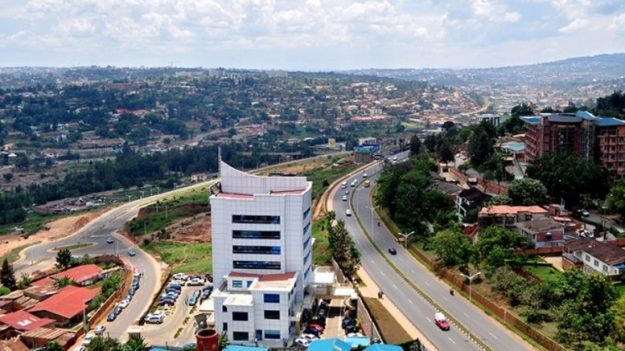
A street in Rwanda’s capital Kigali, May 11, 2016.

New Human Rights Watch research in 2016 has found that scores of people, including homeless people, street vendors, street children, and other poor people, are being rounded up off the streets and detained in “transit centers” or “rehabilitation centers” for prolonged periods. Detainees have inadequate food, water, and health care; suffer frequent beatings; and rarely leave their filthy, overcrowded rooms. None of the former detainees Human Rights Watch interviewed were formally charged with any criminal offense and none saw a prosecutor, judge, or lawyer before or during their detention.

“The Rwandan government should close these unofficial detention centers and instead provide voluntary vocational training, help, and protection for vulnerable people,” said Daniel Bekele, Africa director at Human Rights Watch. “Locking poor people up in harsh and degrading conditions and abusing them isn’t going to end their poverty, and it violates both Rwandan and international law.”

Following a September 2015 Human Rights Watch report on abuses at the Gikondo transit center, Human Rights Watch interviewed 43 former detainees from Gikondo and three transit centers in other parts of Rwanda: Muhanga (Muhanga district), Mbazi (Huye district), and Mudende (Rubavu district). Most of these interviews took place in 2016.

Contrary to the designations for these centers, none of the people interviewed had “transited” to other facilities after their most recent arrest and most had not been through any “rehabilitation,” such as professional training or education, at the centers.

“They correct us by beating us with sticks,” one man told Human Rights Watch.

In November, just over a month after Human Rights Watch’s report, the Kigali City Council published a new directive regulating the Gikondo center, creating, for the first time, a specific legal framework. The directive contains provisions for improving conditions and granting certain rights, but leaves the door open for continuous arbitrary and lengthy detention.

Many aspects of the directive have not been implemented and the situation in Gikondo has not significantly improved since 2015, Human Rights Watch found. While some former detainees described minor adjustments to the infrastructure and the provision of some activities, the center continued to be overcrowded, with bad conditions. Arrests and detention were arbitrary and unlawful, and police officers beat detainees.

The new findings on the four centers Human Rights Watch researched – out of at least 28 across the country – were remarkably similar. Police or other groups responsible for security rounded up beggars, street vendors, or petty criminals, mostly in urban areas, and locked them up in the overcrowded, dirty transit centers.
Most detainees in these four centers were not allowed to leave their room, except to go to the toilet only twice a day. In most cases, food was no more than one cup of corn a day, and several former detainees complained about the lack of drinking water or the opportunity to wash.

Many said they had been beaten. In Gikondo and Muhanga, almost all those interviewed said they were beaten by police or by other detainees, often with sticks. Two adults detained in the center in Mbazi, close to the town of Huye, in southern Rwanda, said they were beaten when they arrived.

“Every day, we have the ‘right’ to be beaten twice: in the morning and in the evening,” a former detainee from the Mudende transit center told Human Rights Watch. “That is our ‘right.’” The situation in Mudende, close to the town of Rubavu, in northwestern Rwanda, was particularly serious, with police officers, military, or other detainees beating detainees daily. As soon as detainees arrived, police officers hit them while forcing them to crawl on the ground to the room where they were to be detained.

Human Rights Watch received information about several people who died during or just after their detention in Mudende, allegedly as a result of a combination of injuries from beatings, poor conditions, and lack of medical care. Human Rights Watch shared information about one such case with the Justice Ministry, which expressed willingness to thoroughly investigate the allegations.

Human Rights Watch spoke to 13 children, ages 10 to 18, who had been detained in Muhanga and Mbazi, between June 2015 and May 2016. Most said they were street children. In Muhanga, children were detained in the same building as adults. In Mbazi, they were held in a separate building with slightly better conditions than the adults, but lacked proper hygiene and access to education. Several former detainees from Mudende and Gikondo said they had also seen children in these centers, ranging from infants held with their mothers to children up to about 18. Several former detainees said children were beaten in Gikondo and Muhanga.

and Muhanga.

Four Transit Centers in RwandaLAUNCH MAP

Four transit centers in Rwanda © 2016 John Emerson for Human Rights Watch

“We are seriously concerned about the detention and ill-treatment of children in transit centers,” Bekele said. “This is a negative development, as we were no longer receiving reports of detention of children in Gikondo between mid-2014 and mid-2015. The Rwandan government should order the immediate release of all children detained in transit centers.”

Human Rights Watch wrote to the Rwandan justice minister, Johnston Busingye, in March, May, and June 2016, to share its findings and to comment on the Kigali City Council directive. In a written reply on July 5, the Ministry stated that it is continuing to inquire “to make sure that there are no human rights abuses in Rwanda’s transit centres” and that it has “been assured that no ill-treatment incident has happened neither in Muhanga nor Huye or Mudende.” The Ministry said it would follow up any specific incident reported.

The arbitrary arrest of poor people is part of an unofficial government practice to hide “undesirable” people from view, and contrasts with the Rwandan government’s impressive efforts to reduce poverty, Human Rights Watch said. Street vendors, many of them women, have been among the main targets. On May 25, the mayor of Kigali called street vendors “an impediment to cleanliness” and told them to form cooperatives.

Several other government officials promised measures to improve the situation after Theodosie Mahoro, a street vendor, was killed on May 7, in Nyabugogo bus station in Kigali – illustrating the precarious conditions in which they and other poor people operate. Security guards tried to confiscate Mahoro’s goods and beat her severely, in front of many witnesses. She died almost immediately. The authorities arrested three security guards suspected of causing her death and promised to investigate.

In 2015 and 2016, the National Commission for Human Rights and members of the Rwandan Parliament confirmed some of Human Rights Watch’s findings and endorsed a recommendation for an updated legal framework for all “transit centers.”

“New legislation could be a step in the right direction if it prevents arbitrary detention and guarantees detainees’ rights to full due process and protection from ill-treatment,” Bekele said. “But ultimately, the Rwandan government should close these centers and ensure that abuses are investigated and prosecuted.”

For details, please see below.

New Legal Framework for Gikondo
Following the September 2015 Human Rights Watch report on the Gikondo transit center, Justice Minister Johnston Busingye was quoted in the media denying the existence of any illegal detention center in the country and dismissing Human Rights Watch’s findings. He said the government stood by its policy of “rehabilitation rather than incarceration” and stated that Gikondo “is a transit center and people are held there for a short period before longer term remedial or corrective measures are taken.”

A general view of Rwanda's capital Kigali, March 26, 2014.

A general view of Rwanda’s capital Kigali, March 26, 2014. © 2014 Reuters

In a positive move, in November, the Kigali City Council adopted a new directive on the Kigali Rehabilitation Transit Center – the official name for the Gikondo center – laying out the center’s objectives and procedures. The directive addresses some of the issues Human Rights Watch had raised, in particular the lack of a legal framework. It also lists the rights of those taken to the center, including the rights not to be subjected to corporal punishment, harassed, or discriminated against, access to hygiene and health care, and the right to visits.

Fundamental concerns remain, however. Rather than eliminating arbitrary detention, the directive seems to embed detention practices that could conflict with Rwanda’s obligations under international human rights law. Under the directive, the center is to receive people whose behavior disturbs public order and security – a broad and vague notion that could be applied to categories of people for whom arrest and detention are not an appropriate or lawful response.

The directive created, at least in theory, a commission consisting of those running the center, representatives of the Justice Ministry, the district hospital, and district authorities, to analyze the problems of those taken to Gikondo and assign them, within 72 hours, to various categories. Based on the designation, within 14 days, the authorities should release them to their families or send them to the judicial police, a re-education center, a hospital, or another place “that could give him back a life that enhances his well-being.”

In theory, therefore, most detainees should leave Gikondo after a maximum of 17 days. However, the directive allows for some to be held longer. Unless they successfully pass a “test” and are released, the commission can decide that detainees should remain in Gikondo for an unspecified longer period to “help readapt those the commission can’t transfer elsewhere.”

On March 4, Human Rights Watch wrote to the Justice Minister requesting, among other things, clarification about elements of the directive and voicing concern about the continued possibility for arbitrary detention in the center for an unspecified and possibly lengthy period. The Justice Ministry replied on July 5 that it appreciated Human Rights Watch’s analysis of the directive and stated that “you cannot deny the fact that the directive contains positive elements and it is a step forward among others to eliminate any form of ill-treatment in transit centres.” It did not provide more detailed responses to the specific points about the directive.

No Fundamental Changes in Gikondo
Since the publication of the directive, Human Rights Watch has interviewed 12 former detainees – seven women and five men – who spent between four days and three months in Gikondo between October 2015 and April 2016. At least two were held for much longer than the period specified in the directive, and a third said she spent about two weeks in the detention center. Others spent an average of about a week in Gikondo.

None said they had seen members of a commission or undergone a test. As far as they could see, police were the only officials “screening” detainees and deciding who could leave.

Former detainees’ descriptions indicated that conditions inside Gikondo have not changed fundamentally. Some mentioned that walls had been repainted and toilet facilities renovated, but overall conditions remained very poor.

Transit Centers in Mudende, Mbazi, Muhanga
Human Rights Watch interviewed 31 people – 13 men, five women, and 13 children – whom the Rwandan authorities detained in three transit centers – Mudende transit center (in Nyabushongo, Rubavu district), Mbazi transit center (in Mbazi, Huye district), and Muhanga transit center (in Mushubati, Muhanga district) – between September 2014 and May 2016.

The 10 interviewed from Mudende had spent between a week and six months there; the 12 from Mbazi spent between one night and three months; and the nine from Muhanga were there between three days and three months.

Most said they were arrested because they couldn’t show identity documents or were street vendors or street children; others were arrested for being drunk or for otherwise disturbing public order.

Most had been arrested and detained in a transit center several times before – a pattern Human Rights Watch had documented in its 2015 report. One said he had been arrested more than 20 times. Another couldn’t even count the number of times he had been arrested and sent to a transit center.

No Transit, No Rehabilitation
Despite the fact that the Rwandan government calls these centers “transit centers” or “rehabilitation centers,” all the people interviewed had been released after their most recent period of detention without being transferred anywhere. Most resumed their old habits or activities as soon as they were released, as they had no alternative way to earn a living.

However, some said that some other detainees had been sent to a rehabilitation center on Iwawa, an island in Lake Kivu. Human Rights Watch spoke to a man who had spent nine months in Gikondo in 2015, was transferred to Iwawa, but was rearrested and taken back to Gikondo – for the sixth time – in April 2016, after his release from Iwawa.

Justice Minister Busingye said in September 2015, in his response to the earlier Human Rights Watch report, that Rwanda had “chosen to focus on rehabilitating and reintegrating them [drug addicts and other criminals] to offer the chance for a better life.” The 2015 directive on Gikondo states that the center will provide activities and courses to encourage good conduct, as well as counseling and other support, but few of the former detainees interviewed had benefited from such activities or services.

Human Rights Watch research in 2016 showed that rehabilitation or reintegration efforts are very limited at the transit centers. The majority interviewed were not aware of or given the opportunity to participate in training or education activities. One former female detainee mentioned that detainees in Gikondo were taught to make baskets; another remembered a presentation about savings. In Mbazi, Muhanga, and Mudende, no training was provided, but some former detainees remembered civic education activities about crime prevention, genocide commemoration, or HIV/AIDS.

A 25-year-old male street vendor who was detained in Gikondo in March said:

They say on the radio that the government is teaching professions in Kwa Kabuga [the unofficial name for Gikondo]. It’s wrong, because no one in our room received any training when I was there. There are no jobs in Kwa Kabuga. We stay in the room the whole day.

Inhuman Conditions
Former detainees’ descriptions of conditions in the four transit centers were remarkably similar. They said that as many as several hundred people were crammed into one room. Some said that there was so little space that they had to sleep standing up. There was poor hygiene, vermin, and difficult and limited access to toilets, causing health problems.

Most former detainees said they received a maximum of one cup of corn a day, sometimes mixed with beans. Some said they had porridge in the morning. Most detainees slept on the floor, others slept on mats or under dirty blankets, which several detainees had to share.

Access to drinking water varied according to the location and period of detention. Some said there was no drinking water, while others said there was sufficient water. In its annual report for 2014-2015, the National Commission for Human Rights documented that in seven transit centers, including Mudende, there was no clean drinking water. Some detainees were unable to wash themselves or their clothes throughout their stay in one of the four centers, while others could wash sporadically or regularly.

A 33-year old female soft-drink vendor described the daily routine and conditions in Gikondo in March:

Inside, life is not good. They wake us up at 3 a.m., then put us in line, count us and write it [the number of detainees] down. They ask us what we owned before the arrest. There is no water. They give us only half a cup of corn. We have difficulties finding water to drink, except when we can go out to wash. We take a shower in the room. They give us a bucket for five people. We wash in front of everyone. We also defecate in front of everyone, as there are no doors. […] In the room, there are mice, lice and fleas. We tried to clean the room, but it didn’t help much. I have scars from scratching.

Most former detainees only left their room to go to the toilet, which they were only allowed to do once or twice a day, in a group. If someone had to use the toilet in between these visits, they had to improvise inside the room.

In Gikondo, some former detainees said they could leave their room for group prayers or exercises, known as mchaka. Others in other centers were only taken out for beatings or when officials counted the detainees.

In these conditions, health problems such as malaria, cholera, and diarrhea were common, the former detainees said. Some said they had access to medication and that a nurse visited, but others received no health care. Some detainees were taken to a dispensary, sometimes handcuffed, for medical treatment. Some were released because they were very sick.

Some former detainees mentioned that visits were allowed twice a week in Gikondo or once a week in Mbazi. But one former detainee from Gikondo said: “They are not real visits. People only come to inquire whether you are there, and then they leave. It is just to inform the family. That’s what they call a visit.”

Absence of Due Process
Most detainees were arrested in public areas in towns or urbanized centers, such as bus stations or markets, by police, military, or by people described as “those who do the rounds” (private security guards in places such as Nyabugogo bus station in Kigali); asinkeragutabara, an auxiliary service of the Rwanda Defense Force; or as members of the District Administration Security Support Organ (DASSO). Several former detainees said that members of all these groups beat certain people during their arrest.

Most detainees were then taken to a police station or post, where some were held for several days, often in bad conditions. The police beat some of them there. Police then transported them to a transit center in a police truck. In May, Human Rights Watch researchers saw a police truck with detainees arriving at the Mudende transit center.

Three people arrested in Kigali were released from a police station after family members or acquaintances bribed the police or after a police officer intervened on their behalf. “Normally those who are taken to Gikondo are vagabonds and street vendors,” a male street vendor said. “[After I was arrested] I was able to inform people from my home area and they came to check my case. They found a (civilian) person of standing and gave him 10,000 Rwandan francs (US$12) that she gave to a police officer. That’s how I was released after three weeks in detention [in the police station].” Other people who had lacked the means to bribe police officers confirmed the practice.

Police administering the transit centers often carried out a very basic registration of detainees before or on arrival at the transit center.

Only one former detainee interviewed, from Mbazi transit center, said he had been questioned by a judicial police officer. None of those interviewed had been taken before a prosecutor or a judge, or officially charged with an offense, before or during their detention. Some Gikondo detainees received a token or a piece of paper indicating their alleged offense – for example “armed robbery” – but were given no opportunity to explain or defend themselves.

Although the right to legal assistance is enshrined in Rwandan and international law, none of those interviewed saw a lawyer before or during their detention, nor did the officials running the center ask them if they wanted legal assistance.

Some families did not know where detainees were held, though most went directly to the police or these transit centers to look for them since it is widely known that poor people are locked up in these centers. Some families were then able to confirm that the detainees were there. In its 2014-2015 report, the National Commission for Human Rights stated that, “The commission has observed that some families who have their [family members] in transit centers were not informed that they were imprisoned there.”

Beatings
All former Mudende detainees interviewed said they had been beaten by the police who administered the center and by other detainees chosen by the police to maintain order inside the center.

The beatings by police started as soon as they arrived. A former detainee said:

After getting out of the vehicle, they ordered us to lie down on our belly on the ground and walk with our hands one after the other, like a snake. When we arrived close to the door of the place where the policemen wash, they beat me with a padlock. They beat me all over.

Further beatings took place during their detention, sometimes daily. Police and military officials sometimes also took detainees out of their room to beat them.

Most former Gikondo or Muhanga detainees had also been beaten there by police or by other detainees. A 40-year-old woman who sold juice and water in Nyabugogo bus station in Kigali was part of a group of people arrested and taken to Gikondo in December. She said:

When we arrived at Gikondo, they made us sit in line. First they beat the street children. They were police officers in uniform. Then they beat the women on their feet, saying […] “Why do you continue to sell in the streets? Why don’t you respect the law?” The men were lying on their belly and were beaten like this by the police on their buttocks. The police beat them with sticks. Me too, I was beaten on my shoulders.

She said she still felt pain from the beatings several months later.

Inside the four detention centers, detainees chosen by the police, and known as “counselors,” beat those who disturbed the order or who didn’t have money to give them. In Mudende, the “counselor” beat detainees with a knotted rope.

A 30-year woman described how the “counselors” treated detainees in Gikondo:

They are very mean, but they are prisoners like us. If we have nothing [no money] on us, we are terribly beaten. I was not beaten myself, as I had 500 Rwandan francs [approximately US$0.60] that I gave immediately. The “counselors” punched others with their fists, to give a “stamp” on their back, or hit them with their elbows.

A former male detainee who was in charge of security in a room in Gikondo in April 2016 said:

The “counselor” was our boss. When someone spoke, he had to put his feet on the wall, like this. [He demonstrated how detainees were forced to stand upside down against the wall.] The punishment would only stop when everyone had to leave the room [for collective sports or toilet visits]. If [the detainee] fell, he was beaten by the “counselor”.

In Mbazi, two of the 12 former detainees interviewed – a man and a woman – said they were beaten, but for them, the conditions in the center were an even greater concern. A former detainee from Mbazi said the conditions were worse than the beatings.

Children in Detention
Human Rights Watch interviewed 13 minors, ages 10 to 18, who had been detained in Muhanga or Mbazi. Former detainees from Mudende and Gikondo also said they had seen children in these centers, including infants held with their mothers.

The presence of children in these transit centers is a step back, as Human Rights Watch had not received reports of children being sent to Gikondo between mid-2014 and September 2015.

In Muhanga, children were held in the same center as adults, while in Mbazi they were held in a separate building, in slightly better conditions. They received more varied food, and a greater quantity, and could move around more freely, but adults who visited the children’s room said there was a lack of proper hygiene and no education.

Most of the children interviewed who had been in Muhanga told Human Rights Watch that they were beaten by police who administered the center or by other detainees. Some former detainees from Gikondo also said they saw children being beaten.

Most children had been arrested because they were street children. Two boys said they had gone to the Mbazi transit center voluntarily, looking for a better life. One ran away a few days after he arrived. A social worker took another boy out of the center, where there were no activities, to place him back in school.

Releases
Most detainees were released on the decision of the police commander in charge of the center, sometimes assisted by other policemen, military, or local government officials. Releases were as arbitrary as the arrests. There were no clear criteria for deciding that someone could leave the center. Some were told they were being released because their room was full, others because they were sick or had apparently spent enough time in the center. Others did not know the reason.

A young man who was detained in Gikondo six times, most recently in April because he wasn’t carrying an identity card, said:

The “screening” is a selection of those that can go [be released] and those who stay. It is the [police] commander who does it. They bring us outside, the street kids, the street vendors, the criminals, everyone with his group. The afande [commander] says: “Street vendors, you go!” or “Street children, you go!” […] For the selection, there are three or four people, but the afande is the boss. The others are policemen in uniform, but the commander decides.

In Gikondo, Mudende, and Muhanga, several detainees were released because they were seriously ill, or after a family member or acquaintance bribed one of the police officers in charge of the center. In some cases, a plea by an influential person led to a release.

Police officers told a former detainee in Mbazi before his release in February 2016: “You saw the conditions here, you have understood. You have to change if you have understood.”

Public Debate
After the publication of the Human Rights Watch 2015 report, several Rwandan and international organizations discussed the situation in transit centers.

In its 2014-2015 annual report, the National Commission for Human Rights described its visits to 28 transit centers across Rwanda. It confirmed several problems in the transit centers, but concluded that human rights were respected. Despite being nominally independent, the commission rarely expresses strong or fundamental criticism of the Rwandan government’s human rights record. In March 2016, the United Nations Human Rights Committee expressed its concern about the selection of the members of the commission and its perceived lack of independence.

After the commission presented its report to parliament in October 2015, and a parliamentary visit to 11 transit centers, members of parliament were quoted in the media in March 2016, calling the transit centers “prisons” and speaking out against prolonged detention, including of minors.

One member of parliament declared in a parliamentary debate broadcast on Voice of America on March 15, 2016:

It isn’t even a transit center! In fact, those who are held in a transit center normally have a destination. That is, those who are held there spend some time, normally a short time, waiting to be transferred elsewhere. But we have become aware that those who are held in these centers spent as long as two months there, and then returned home. They don’t receive any training. In fact, we have realized that it is a prison conceived in another way.

Several Rwandan radio stations broadcast discussions on the topic in late 2015 and early 2016. In a rare expression of critical views and debate – most Rwandan media tend to favor the government’s view – listeners called in and told their personal stories about detention in transit centers, while government officials in the radio studio denied that there were abuses in the transit centers.

In March, the National Assembly endorsed a National Commission for Human Rights recommendation to revise a ministerial order on rehabilitation centers for minors. The Rwandan government is preparing a new legal framework on transit centers. Despite multiple requests to the Justice Ministry, Human Rights Watch has not received any details about this new legislation.

After its March 2016 review of Rwanda’s human rights situation, the UN Human Rights Committee expressed concern about the fact that “homeless people and beggars continue to be detained without charge and without judicial oversight in Gikondo Rehabilitation Transit Centre, allegedly in extremely harsh conditions.” It recommended ending “involuntary detention of homeless people, beggars and other members of vulnerable groups in transit or rehabilitation centres” and abolishing the crime of vagrancy. An upcoming review of Rwanda’s Penal Code could provide a good opportunity to abolish this offense.

After Rwanda’s Universal Periodic Review at the UN Human Rights Council in November 2015, Rwanda accepted a recommendation by the United Kingdom to comply with and implement further legislation on transit centers. It did not accept a suggestion by Ghana to “investigate allegations of arbitrary arrests and maltreatment of detained persons at the Gikondo Transit Centre, and bring the perpetrators to justice.”

Despite the Rwandan justice minister’s public promises to investigate and act on information related to possible human rights abuses, and despite multiple requests for information, Human Rights Watch is not aware of any investigation, prosecution, or other actions by the Rwandan authorities in relation to abuses in transit centers.

Source: Human Rights Watch

Ishema Party and the New Generation Coalition: Invitation to the farewell conferences

Indogobe

1. In order to materialize the plans of ISHEMA Party and the New Generation Coalition of leaders,

2. In order to honor the promise we made unto Rwandans to return to Rwanda to exercise our political rights and work hand in hand with the people as we struggle to build a nation where democracy prevails and based on values of the Truth , Intrepidness and Social justice,

3. Implementing the resolutions of the Congress of Ishema Party held in Brussels, Belgium from the 15th to the 17th of January 2016;

4. Subsequent to the farewell to the Rwandans living in Australia and America,

We are happy to invite all the Rwandans living in European and African countries to the farewell conferences scheduled as follows:

(1) In Oslo, Norway: on Saturday July 23rd 2016 from 2 pm (14h00).  All the Rwandans living in Scandinavian countries are welcome. The meeting room will be communicated shortly.

(2) In Brussels, Belgium: on Sunday July 31st 2016 from 2 pm (14h00). We will convene at   Rue Eloy 80, 1070 Anderlecht.

(3) In Munich, Germany: on Saturday September 3rd, 2016 from 2 pm (14h00). The meeting room will be communicated very soon.

(4) In Lille, France: on Saturday September 10th 2016 from 2 pm (14h00). The meeting room will be communicated without delay.

(5) In Lusaka, Zambia: on Saturday September 17th, 2016 from 2 pm (14h00). The meeting room will be communicated in few days.

(6) In Capetown, South Africa: on Saturday September 24th, 2016 from 2 pm (14h00). . The meeting room will be communicated shortly.

(7) In Amsterdam, Netherlands: on Saturday October 1st 2016 from 2pm (14h00). The meeting room will be communicated shortly.

During these conferences, Rev Father Thomas NAHIMANA, the candidate of the opposition to the 2017 presidential elections will be joined by a Team of leaders from Ishema Party and the New Generation coalition to launch the campaign manifesto “Together to Modernize Rwanda”.

* The participants will:

  • Hear testimonies, exchange views and ideas and donate their contribution towards the party registration and electoral campaign.
  • Ask questions and get proper answers on the manifesto “Together to Modernize Rwanda”.
  • Discuss the possibility to join us in our journey to Rwanda

All are invited to support the change which is needed by the majority of the Rwandans.

“NO ONE ELSE SHALL DO IT ON OUR BEHALF”.

Done in Paris, on July 12th, 2016.

logo-300x135

Chaste GAHUNDE,
Executive Secretary, ISHEMA Party
Email:chaste.gahunde@gmail.com
Tél :00 33 64 36 01 311

Jean Damascene NTAGANZWA,
Vice President, UDFR-IHAMYE
Email: ntaganzwa2001@yahoo.fr
Tél : 00 31 6 20 92 52 49

Abdallah AKISHURI,
President, FPP-URUKATSA
Email:amacumu.acanye@gmail.com
Tél: 00 33 7 58 17 30 72

Igihe kirageze : ISHEMA RY’U RWANDA NA NOUVELLE GENERATION BARABARARITSE MU BIGANIRO MBWIRWARUHAME BYO GUSEZERA KU BANYARWANDA BABA MU BULAYI NO MURI AFURIKA

Decollage-d-un-avion-de-la-Compagnie-Lufthansa-300x168

1. Mu rwego rwo gushyira mu bikorwa gahunda ishyaka ISHEMA na Nouvelle Génération bihaye no kuzuza amasezerano bagiriye Abanyarwanda yo kujya gukorera politiki mu Rwanda kugira ngo twegere rubanda maze dufatanye guharanira ko igihugu cyacu kigira ubuyobozi bushingiye kuri Demokarasi inyuze mu kuri no mu gusaranganya ibyiza by’igihugu,

2. Dushingiye kandi ku myanzuro ya Kongere isanzwe y’ishyaka ISHEMA yateraniye i Buruseli mu Bubiligi guhera tariki ya 15 kugeza kuya 17 Mutarama(1) 2016,

3. Nyuma y’ingendo zo gusezera ku batuye muri Amerika na Australia,

4. Twishimiye gutumira Abanyarwanda bose batuye mu bihugu by’Uburayi n’Afurika mu biganiro mbwirwaruhame byo gusezera biteganyijwe ku buryo bukurikira:

(1)Mu mujyi wa OSLO mu gihugu cya Noruveji (Norvege/Norway):Kuwa gatandatu tariki ya 23 Nyakanga (7) 2016 guhera saa munani z’amanywa (14h00). Hatumiwe abatuye mu bihugu bya Scandinavia bose. Icyumba bazahuriramo bazakimenyeshwa bidatinze.

(2)Mu mujyi wa BURUSELI mu gihugu cy’Ububiligi (Belgique/Belgium): Ni ku cyumweru tariki ya 31 Nyakanga(7) 2016 guhera saa munani z’amanywa (14h00). Tuzahurira kuri iyi aderesi : Rue Eloy 80, 1070 Anderlecht.

3.Mu mujyi wa MUNICH mu gihugu cy’Ubudage: Kuwa gatandatu tariki ya 3 Nzeri (9) 2016 guhera saa munani z’amanywa (14h00). Icyumba tuzahuriramo muzakimenyeshwa byihuse.

4. Mu mujyi wa LILLE mu gihugu cy’Ubufaransa: Kuwa gatandatu tariki ya 10 Nzeri (9) 2016 guhera saa munani z’amanywa (14h00). Icyumba tuzahuriramo muzakimenyeshwa mu minsi ya vuba.

(5) Mu mujyi wa LUSAKA mu gihugu cya Zambia: Kuwa gatandatu tariki ya 17 Nzeri (9) 2016. Icyumba tuzahuriramo muzakimenyeshwa bidatinze.

(6) Mu mujyi wa CAPETOWN mu gihugu cy’Afurika y’Epfo: Kuwa gatandatu tariki ya 24 Nzeri (9) 2016. Icyumba tuzahuriramo muzakimenyeshwa.

(7) Mu mujyi wa AMSTERDAM mu gihugu cy’Ubuholandi : Kuwa gatandatu tariki ya 1 Ukwakira (10) 2016. Icyumba tuzahuriramo muzakimenyeshwa vuba.

Muri ibi biganiro mbwirwaruhame, Padiri Thomas NAHIMANA umukandida wa Opozisiyo ku mwanya wa Perezida wa Repubulika mu matora ateganyijwe umwaka utaha wa 2017 hamwe n’Ikipe y’Abataripfana na Nouvelle Generation bazaganirira Abanyarwanda ku mushinga “Kunga abenegihugu kugira ngo babashe kwiyubakira Rwanda-Moderne”(Together to Modernize Rwanda).

*Hazabaho umwanya wo gutanga ubuhamya, kungurana ibitekerezo no kwakira inkunga yo gushyigikira ibikorwa byo gutangiza Ishyaka mu Rwanda na gahunda zijyanye n’amatora.

*Abafite ibibazo kuri uyu mushinga wo kujya gukorera politiki mu Rwanda bazahabwa umwanya wo kubaza kandi bahabwe ibisubizo bikwiye.

*Abifuza gufatanya natwe urugendo rugana i Rwanda nabo bazaze twumvikane kuri iyo gahunda y’ingirakamaro.

Mwese murararitswe ngo buri wese atange umusanzu we wo gushyigikira impinduka nziza isonzewe n’Abanyarwanda benshi cyane.

Nta wundi ubitubereyemo.

Bikorewe i Paris kuwa 12 Nyakanga (7) 2016.

logo-300x135

Chaste GAHUNDE,
Umunyamabanga nshingwabikorwa, ISHEMA ry’u Rwanda
Email:chaste.gahunde@gmail.com
Tél :00 33 64 36 01 311

Jean Damascene NTAGANZWA,
Visi-Perezida wa UDFR-IHAMYE
Email: ntaganzwa2001@yahoo.fr
Tél : 00 31 6 20 92 52 49

Abdallah AKISHURI,
Perezida wa FPP-URUKATSA
Email:amacumu.acanye@gmail.com
Tél: 00 33 7 58 17 30 72

ISHEMA PARTY : Gutanga inshingano.

yvonne_ishema

Yvonne UWASE wahawe inshingano.

1.Mu rwego rwo gushyira mu bikorwa icyemezo cyafashwe na Kongere y’Ishyaka Ishema ry’u Rwanda  yateraniye i Buruseli kuva taliki ya 15 kugeza ku ya 17 Mutarama  (1) 2016;

2.Dushingiye kandi ku mwanzuro w’inama ya Komite Nyobozi y’Ishyaka Ishema yateraniye  i Paris taliki ya 19 Kamena(6)2016;

3.Turamenyesha Abarwanashyaka bose b’Ishyaka Ishema, abakunzi baryo na rubanda  ko Madame Yvonne UWASE yahawe inshingano  zikurikira:

(a) Komiseri ushinzwe Ubukangurambaga  (Commissaire à la mobilisation)

(b)Umukozi n’umuyobozi w’ibiro by’ubunyamabanga buhoraho ( Secretariat permanent ) bw’ishyaka Ishema guhera taliki ya 1 Nyakanga ( 7 ) 2016

(c)Ushinzwe  Caisse y’Ishyaka ( Caissière ) nk’umufasha w’Umunyamabanga mukuru wungirije ushinzwe umutungo
4.Yvonne UWASE ni muntu ki ?

YVONNE

Yvonne UWASE yavukiye ahahoze ari Byumba taliki ya 28 Ukwakira (10)1990. Amashuri abanza yayigiye mu Rwanda, ayisumbuye ayigira mu gihugu cy’Ubutaliyani. Afite Impamyabushobozi ya Licence muri Pharmacie.  Arubatse. Yvonne UWASE yinjiye mu barwanashyaka  b’Ishyaka Ishema rikimara gushingwa ndetse aza gutorerwa kuba Umuyobozi w’Ikipe Ishema ya Roma muri Kamena(6) 2015.

Madame Yvonne UWASE ni Umutaripfana w’intwari , w’umunyamurava n’umunyamahoro kandi azi kubana neza n’abandi. Akunda bidasanzwe igihugu cye cy’u Rwanda, akababazwa n’amateka y’intambara n’umwiryane yaranze Abanyarwanda, kugeza n’aho ahatakarije ababyeyi be. Yvonne UWASE yiteguye kwitanga mu buryo bwose bushoboka kugira ngo mu Rwanda hagere impinduka nziza, ingoma y’igitugu isimbuzwe ubutegetsi bushingiye kuri demokarasi itagira uwo iheeza.
CONGRES2016
By’umwihariko Yvonne UWASE ni umukobwa ukunda urubyiruko rw’u Rwanda cyane cyane urw’abashomeri,abakene n’indushyi , ahora aruvuganira kandi ntahweme guharanira icyaruteza imbere.

Tumushimiye umuganda ukomeye yiyemeje gutanga  muri uru rugamba rwo  » Kunga Abenegihugu kugira ngo bafatanye kwiyubakira Rwanda-moderne » kandi  twizeye ko muzamufasha gusohoza neza izi inshingano ahawe.

Bikorewe i Paris, kuwa 11 Nyakanga ( 7) 2016

logo-300x135

Padiri Thomas Nahimana,

Umunyamabanga mukuru w’Ishyaka Ishema ry’u Rwanda.


The Commonwealth Secretariat welcomes Rev Father Thomas NAHIMANA and his delegation.

Commonwealth delegation

The Commonwealth Secretariat welcomes Rev Father Thomas NAHIMANA and his delegation.

1.After his visits in Australia, Canada, the United States of America and at the European Union office, Reverend Father Thomas NAHIMANA, the presidential candidate of the Rwandan opposition for 2017 elections and his delegation met the Commonwealth Secretariat on July 4th, 2016.

2.It was on the agenda of the trip held in London, UK, from July 3rd to 5th, 2016 on which Rev Fr Thomas NAHIMANA was accompanied by a delegation of six politicians from ISHEMA Party and the New Generation Coalition.

3.The main objective of the visit was to discuss with the officials of the Commonwealth Secretariat the main challenges facing the people of Rwanda, especially the youth, challenges that hinder the promotion of Democracy in Rwanda. These are evidenced by the bad governance style of the leaders and the acolytes of the ruling party, the Rwandese Patriotic Front (RPF) who want to overstay in power and to continue the appropriation of all the national wealth at the expense of the social welfare.

4.A further topic raised was the 2017 presidential elections and the 2018 parliamentarians in which ISHEMA Party and the New Generation Coalition decided to participate. The delegation exposed all the modus operandi used by the RPF in order to block the candidatures of the true opposition.

5.The delegation took the opportunity to present to the officials of the Commonwealth Secretariat the campaign manifesto titled “TOGETHER TO MODERNIZE RWANDA” which will be launched and shared with the Rwandans by Rev Fr Thomas NAHIMANA in upcoming days.

6.It should be recalled that Rwanda joined the Commonwealth in 2009 on the condition that the government of Rwanda should make efforts to abide with the principles and values of the Commonwealth which are Democracy, Good Governance, Rule of Law, Human Rights as well as Social and Economic Development.

7.Rev. Fr. Thomas NAHIMANA and his delegation appreciate the officials of the Commonwealth Secretariat for their hospitality, their attention and their inputs during the discussions held in mutual respect.

Long live ISHEMA Party and the New Generation of Leaders

Long Live the Republic of Rwanda

Long live the Commonwealth

logo-300x135commomwealth logo


Done at Paris, on July 05th, 2016
Chaste GAHUNDE,
Executive Secretary
ISHEMA Party.

KUJYA GUKORERA POLITIKI MU RWANDA: Umukandida wa Opozisiyo Padiri Thomas Nahimana n’ intumwa ayoboye bakiriwe n’Ubuyobozi bwa COMMONWEALTH.


Commonwealth delegation

1. Nyuma y’ingendo z’ingirakamaro zakorewe mu bihugu bya Australia, Leta zunze ubumwe z’Amerika na Canada ndetse no mu muryango w’ubumwe bw’ibihugu by’Uburayi, Nyakubahwa Padiri Thomas Nahimana, umukandida wa Opozisiyo mu matora ya Perezida wa Repubulika azaba mu 2017, hamwe n’intumwa ayobowe bakiriwe n’Ubunyamabanga bw’Umuryango wa Commonwealth, kuri uyu wa mbere taliki ya 4 Nyakanga 2016.

2. Muri uru ruzinduko bakoreye i Londres mu Bwongereza, guhera taliki ya 3 kugeza ku ya 5 Nyakanga 2016, Nyakubahwa Padiri Thomas Nahimana yari aherekejwe na Délégation y’abarwanashyaka batandatu bahagarariye Ishyaka ISHEMA na Coalition ya Nouvelle Génération.

3.Impamvu nyamukuru yagenzaga aba Bataripfana ni ugusobanurira byimbitse ubuyobozi bwa Commonwealth ibibazo bikomeye bihangayikishije abaturage muri iki gihe cyana cyane urubyiruko bikanabuza Demokarasi gutera imbere mu Rwanda, bikaba bishingiye ahanini ku miyoborere mibi y’Abategetsi b’igihugu bakomoka mu Ishyaka rukumbi rya FPR n’abambari baryo batagihisha ko bashaka kwihambira ku butegetsi ubuziraherezo hagamijwe gukomeza kwikubira ibyiza byose by’igihugu.

4.Indi ngingo ibiganiro byibanzeho ni iyerekeye amatora y’ Umukuru w’igihugu n’ay’ Intumwazarubanda ateganyijwe mu mwaka w’2017 n’uw’2018, Ishyaka ISHEMA ry’u Rwanda rikaba ryarafashe umwanzuro udakuka wo kuzayagiramo uruhare. Hasobanuwe inzitizi zose Ishyaka rya FPR Inkotanyi rigenda rishyiraho hagamijwe cyane cyane kubangamira no kwigizayo abakandida nyakuri ba Opozisiyo.

5.Bashyikirije ubuyobozi bwa Commonwealth ingingo z’ingenzi zubakiyeho Umushinga wa politiki witwa  » Together to modernize Rwanda » (Kunga Abanyarwanda kugira ngo bafatanye kwiyubakira u Rwanda-moderne »; Rassembler pour moderniser le Rwanda ) umukandida Padiri Thomas Nahimana ateganya gushyikiriza Abanyarwanda mu minsi ya vuba aha.

6.Reka twibutse ko U Rwanda rwinjiye mu muryango wa Commonwealth mu mwaka w’2009, Leta ya Paul Kagame ikaba yari yijeje uwo muryango ko izakora ibishoboka byose, igashingira imiyoborere y’igihugu ku mahame n’indangagaciro z’uwo muryango arizo Demokarasi (Democracy) imiyoborere myiza ( Good governance), igihugu kigendera ku mategeko abereye abenegihugu ( Rule of law), kubaha uburenganzira bw’ikiremwamuntu (Human rights), n’iterambere rirambye kandi risaranganyijwe ( Social and economic development).

7.Nyakubahwa Padiri Thomas Nahimana na Delegation bajyanye mu butumwa barashimira babikuye ku mutima Abayobozi bakuru ba Commonwealth ku kuba babakiriye neza, bakabatega amatwi, bakaganira mu mutuzo no mu bwubahane.

Harakabaho ISHEMA ry’u Rwanda na Nouvelle Génération,

Harakabaho Repubulika y’u Rwanda,

Harakabaho umuryango wa COMMONWEALTH

logo-300x135commomwealth logo

Twizihize Isabukuru y’ubwigenge duharanira kwitorera abayobozi batunyuze mu 2017

logo-300x135

TWIZIHIZE ISABUKURU Y’UBWIGENGE BW’ U RWANDA DUHARANIRA KWITORERA ABAYOBOZI BATUNYUZE MU 2017.

1.Birakwiye kandi biratunganye kwizihizanya ishema ryinshi isabukuru y’Ubwigenge bw’U Rwanda ku ncuro ya 54. Buri munyarwanda wese, aho ari hose ,akwiye rwose kwerekeza umutima ku mateka y’igihugu cye, akibuka uko cyavuye mu maboko y’Umukoloni, kigahabwa ijambo mu ruhando rw’amahanga, akibukana icyubahiro kandi akishimira Abalideri bitanze ngo ubwigenge bw’u Rwanda bugerweho barimo Nyaguhorayibukwa Gregoire KAYIBANDA na bagenzi be.

2.Ukwigenga k’u Rwanda si amateka akwiye gucamo Abanyarwanda ibice. Utazi aho yavuye ntamenya aho ageze n’aho yerekera. Uwiha guhinyura ubwigenge bw’u Rwanda cyangwa kubunenga ari mu ruhande rw’ikinyoma. Ukutigenga k’u Rwanda nta wundi kwari gufitiye inyungu uretse Umukoloni na gashakabuhake.

Ku isabukuru nziza nk’iyi birakwiye kwibukiranya ibihe by’ingenzi cyane by’amateka yacu tutagomba kwibagirwa.

3.Nyuma y’Italiki ya mbere Nyakanga 1962, abategetsi ba Repubulika ya mbere n’iyakabiri bakoze uko bashoboye bubaka ibikorwa byinshi by’iterambere ryafashije abaturage mu buryo bwinshi: amashuri,amavuriro, imihanda, amazi meza, amashanyarazi, amasoko, ibibuga by’indege, amazu y’ubuyobozi, n’ibindi. Kubihakana ni ukwirengagiza nkana amateka y’u Rwanda.

4.Kuva ku munsi w’ubwigenge kugera mu 1990, abayobozi b’igihugu cyacu bakoze n’amakosa atari make kandi akomeye yaje kugira ingaruka zikomeye mu gusenya ibyiza bari bararushye bubaka. By’umwihariko ntibashoboye gukumira no guhashya burundu amacakubiri ashingiye ku irondakoko n’irondakarere yabangamiye cyane ukwishyira n’ukwizana kwa bamwe mu benegihugu. Kubyirengagiza byasa no guhingira ku rwiri.

5.Naho guhera taliki ya 1/10/1990 igihugu cyinjiye mu ntambara y’amasasu isenya kandi ikica yatangijwe ku mugaragaro n’Ishyaka FPR-INKOTANYI. Guhera uwo munsi ntitwahwemye kwicirwa abacu no gusenyerwa ibyiza by’iterambere. Jenoside, itsembatsemba. ….byatutumazeho abantu hasigara « imfungwa, imfubyi n’amatongo « !

1962_IndependanceRwanda-300x209

6.Nyuma ya Nyakanga 1994 , FPR yifatiye ubutegetsi bwose, iyoboresha igitugu n’iterabwoba rikaze, yibagiza Abanyarwanda igisobanuro cy’ubwigenge baronse taliki ya 1 Nyakanga 1962 n’ukwisanzura kwa buri munyarwanda kwari ngombwa.

7.Hari ibikorwa by’iterambere bitari bike FPR yubatse muri iyi myaka 21 imaze ku butegetsi. Kutabyemera ni ukwigiza nkana cyangwa kwitiranya ibibazo.Ikibazo nyamukuru si ibikorwa byiza biriho kandi bigaragara, ikibazo ni ukumenya neza uwo bifitiye akamaro, no kumenya niba bizaramba!

8.Kuri iyi Sabukuru ngarukamwaka y’ubwigenge bw’u Rwanda, biragaragara kandi ko ikibazo cy’amacakubiri ashingiye ku irondakoko n’irondakarere ntaho cyagiye. Leta ya FPR-INKOTANYI ntiyashoboye kuyakumira no kuyarandura burundu. AHUBWO ndetse bigaragarira bose ko Ubutegetsi bw’igitugu bwa FPR bwakomeje kuyacirira, kuyahembera no kuyongerera ubukana. Ibyemezo byinshi bifatwa n’ubutegetsi bikitwa « Gahunda za Leta » nibyo bishyidika icyo kibazo.

9.Ishyaka ISHEMA ry’u Rwanda rirahamagarira Abanyarwanda cyane cyane urubyiruko kutibagirwa ko ubwigenge bw’igihugu(Independence) n’ « Ukwishyira ukizana kwa buri mwenegihugu (Freedom) arizo ndangagaciro zisumba izindi zituma abaturage bashobora kubana mu gihugu kimwe, bareshya kandi batekanye. Bityo rero ubutegetsi bwose bwimika ubusumbane, ivangura n’iterabwoba bukaba budashobora kugeza igihugu ku iterambere rirambye kandi risangiwe.

10.Aho niho Ishyaka ISHEMA ry’u Rwanda rihera ryemeza ko igihugu cyacu gikeneye Abalideri bashya( Nouvelle Génération) , batagize uruhare mu byaha bikomeye byasenye u Rwanda, cyane cyane ibyaha byo kumena amaraso no gusahura umutungo w’igihugu.

11.Turasaba Abanyarwanda bose kwizihiza Isabukuru y’ubwigenge baharanira mu buryo bwose bushoboka KUZITABIRA amatora ateganyijwe mu 2017 na 2018, bityo bakazitorera Umukuru w’igihugu ndetse n’Intumwa za rubanda zitaboshywe n’imyumvire ishaje yo gutegekesha iterabwoba, ikinyoma no gukubira ibyiza byose by’igihugu mu maboko y’Udutsiko duheeza abandi benegihugu, bagahindurwa Abagereerwa n’Inkomamashyi mu gihugu cyabo. Rubanda igomba kandi kwitegura bihagije kuzarengera amajwi yatanze mu gihe hagira ubagaruraho ka kageso ka « TORA AHA » cyangwa ako kwiba amajwi.

12. Niyo mpamvu twafashe icyemezo cyo gufata inzira tugatahuka mu Rwatubyaye bitarenze ukwezi k’Ugushyingo (11) 2016 kugira ngo dufatanye n’Abanyarwanda bari mu gihugu muri iyo gahunda nziza yo  » Kwunga abenegihugu kugira ngo dufatanye kwiyubakira U Rwanda-Moderne « (TOGETHER TO MODERNIZE RWANDA).

kayibanda

13. Turarikiye Abanyarwanda batuye mu gihugu cy’Ububiligi kuzitabira Igiterane kidasanzwe cyo kubasezeraho tuzakora ku cyumweru taliki ya 31 Nyakanga 2016. Icyo giterane kizabera mu mujyi wa Buruseli, icyumba tuzahuriramo muzakimenyeshwa bidatinze.

14. Twifurije umunsi mwiza umunyarwanda wese, ari uri mu gihugu cyangwa hanze hacyo, ari ufashwe neza n’ubutegetsi buriho cyangwa uwo bwagize nyagupfa, …iyi sabukuru y’ubwigenge ibabere UMUNSI W’AMIZERO : Dore impinduka ngiyi yaje kandi nta kigishoboye kuyisubiza inyuma.

Uwemera nahaguruke aze dufatanye urugendo.

Harakabaho u Rwanda rwigenga
Harahakabaho Abanyarwanda batewe ishema no guharanira ukwishyira ukizaza kwa buri mwenegihugu.

Padiri Thomas Nahimana,
Umuyobozi w’Ishema Party
Umukandida wa Opozisiyo mu matora y’umukuru w’igihugu yo mu 2017

ITANGAZO: ISHYAKA ISHEMA RY’U RWANDA RIRAMAGANA POLITIKI Y’ ICURAMATIKU Y’ISHYAKA PSD.

Dr-Vincent-Biruta-300x243

Dr Visenti Biruta, umukuru wa PSD arasabwa kwihanangiriza Visi Perezida w’ishyaka ryabo.

Nyuma yo kwitegereza neza imikorere ishaje ishingiye kuri politiki yo gucura amatiku, kugambana, gusebanya no kwiyoberanya y’ishyaka PSD nk’uko bigaragazwa n’ibikorwa bya Visi Perezida waryo, Bwana Olivier NDUHUNGIREHE, Komite Nyobozi y’Ishyaka ISHEMA ry’u Rwanda yifuje gutangariza rubanda ibi bikurikira:

1.Abanyarwanda benshi bashobora kwibuka uko Ishyaka ISHEMA ry’u Rwanda ryatangiye taliki ya 28 Mutarama 2013, n’Indangacaciro zihanitse ryahisemo kubakiraho.

2.Ntawe uribagirwa ko kuva mu ntangiriro, Ishyaka ISHEMA ry’ u Rwanda ryerekanye ubushake bwo guca ukubiri na «politiki ishaje» ubwo ryemezaga ku mugaragaro ko ridakeneye kubakira inzego z’ubuyobozi bwaryo ku bantu bafite «ibiganza bijejeta amaraso».

3.Muri urwo rwego, abayobozi bose b’Ishyaka ISHEMA, guhera ku Makipe kugera kuri Komite Nyobozi, batoranyijwe hashingiwe ku kuba bafite «ibiganza byera» ku bibazo by’ingenzi byasenye igihugu cyacu cyane cyane jenoside yakorewe Abatutsi n’ubundi bwicanyi bwarimbuye abenegihugu batagira ingano.

4.Ibwiriza risobanutse kandi rizwi neza n’abayobozi bose b’ISHEMA ry’u Rwanda ni uko uwagaragarwaho n’icyaha cyo kugira uruhare muri jenoside yakorewe Abatutsi cyangwa mu bwicanyi ubwo aribwo bwose agomba «kwamburwa inshingano». Nguwo umwihariko w’ Ishyaka ry’Abataripfana.

5.Bityo rero, turamagana imikorere mibisha n’imyitwarire ya gicancuro y’umugabo witwa NDUHUNGIREHE Olivier, Visi Perezida wa PSD, udatinya gukoresha umuyoboke w’ Ishyaka rya PSD, Bwana HABIMANA Come wahinduye izina akiyita Benoit UWIMANA wigeze gutoranyirizwa kuyobora ikipe imwe y’Ishyaka ISHEMA i Buruseli. Bwana NDUHUNGIREHE ari muri gahunda yo gushuka rubanda mu kwerekana ko bwana HABIMANA Come ari umuntu w’intangarugero n’umuvugizi w’ishyaka ISHEMA atabanje kwiga ngo asobanukirwe imvo n’imvano yo kuba uwo muntu yarakuwe mu nzego z’ubuyobozi bw’ Ishyaka.

komite_yatowe_ikikije_amb._olivier_nduhungirehe-300x200

6.Koko rero Ishyaka PSD rishobora kwinjiza mu nzego zaryo abo rishatse bose rititaye ku bweramutima bwabo ariko nirimenye ko nta shyaka rikorera mu rindi. Nta jambo na rito abayobozi ba PSD bafite ku Ishyaka ISHEMA ry’u Rwanda, kereka niba umurongo mushya wa politiki bihaye ari « uguharabika» Ishyaka ry’Abataripfana.

7.Muri urwo rwego, turasanga ibikorwa Bwana NDUHUNGIREHE Olivier, Visi Perezida wa PSD, ahugiyemo byo « kwitwikira Ambasade y’u Rwanda iri i Buruseli », agacura kandi agakwirakwiza, mu bitangazamakuru no ku mbuga nkoranyambaga amavidewo «atekinitse» yuzuye ibinyoma bigamije kudusebya no kutugambanira, bikwiye gufatwa nk’ibikorwa by’ubushotoranyi n’igitero tugabweho n’Ishyaka PSD.

8.Turasaba Perezida wa PSD, Bwana Vincent BIRUTA, gutanga ibisobanuro bikwiye, Abanyarwanda bakamenya neza niba koko amatiku NDUHUNGIREHE ahugiyemo ari ubutumwa yahawe n’Ishyaka rya PSD.

9.Twongeye kandi kwizeza Abanyarwanda ko Ubushotoranyi bwa Nduhungirehe n’Ishyaka PSD bitazaturangaza cyangwa ngo bitubuze gusohoza inshingano twihaye yo gusanga Abanyarwanda bari mu gihugu ngo dufatanye kwimakaza politiki nshya yubakiye ku ndagagaciro z’UKURI, UBUTWARI N’UGUSARANGANYA ibyiza by’igihugu.

Harakabaho Repubulika y’u Rwanda,
Harakabaho Demokarasi
Harakabaho ISHEMA ry’u Rwanda.

Chaste GAHUNDE, Umunyamabanga Nshingwabikorwa,
ISHEMA .