Category Archives: Paul Kagame

Kagame government blocked criminal probe, former chief prosecutor says

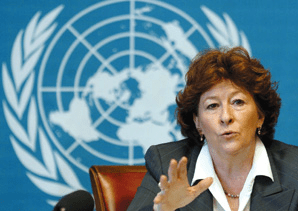
louise-arbour                                                                                                    Louise Arbour, the tribunal’s former chief prosecutor at ICTR

A United Nations criminal tribunal was so hobbled by the hostility of the Rwandan government that it was unable to investigate “very credible allegations” of crimes by the forces of President Paul Kagame, says Louise Arbour, the tribunal’s former chief prosecutor.

Ms. Arbour, a retired Supreme Court of Canada justice, revealed details in an interview with The Globe and Mail of how the Kagame government and its supporters made it difficult for the International Criminal Tribunal for Rwanda to investigate many serious crimes, including the assassination of two presidents – the event that ignited the genocide in which 800,000 Tutsis and moderate Hutus were killed.

The attack on the presidential plane in 1994 was just one of many unsolved crimes in Rwanda before and after the genocide, she said, adding: “I think that remains a very serious failing of international criminal justice.”

Ms. Arbour’s revelations about her three-year stint as the tribunal’s chief prosecutor came after The Globe obtained two documents – a deposition by one of Mr. Kagame’s former top aides and an earlier report by investigators at the UN Rwanda tribunal – pointing to the involvement of Mr. Kagame’s forces in the death of Rwandan president Juvénal Habyarimana.

The missile strike on the night of April 6, 1994, that killed Mr. Habyarimana and Burundian president Cyprien Ntaryamira remains a mystery, but investigating magistrates in France have now reopened their probe to consider the new deposition by the former Kagame aide, who says he heard Mr. Kagame and two other aides admitting that they orchestrated the attack.

The French investigation was precipitated by a case filed by the families of the French crew of the plane carrying the two presidents, but later went into limbo because of a lack of witnesses.

Mr. Habyarimana’s daughter Marie-Rose, now a Canadian citizen, has criticized the UN tribunal for failing to pursue charges in connection with the assassination. “People have closed their eyes,” she told The Globe in an interview this month.

But Ms. Arbour said in her interview that Mr. Kagame’s government “could turn on and off the co-operative tap at will, depending whether they were pleased or not with the work that was being done.”

The tribunal, which closed last December after more than two decades of work, indicted 95 suspects and convicted 61 of them, but all were linked to the former Hutu regime of Mr. Habyarimana, which was driven out of power by Mr. Kagame’s forces after the genocide. Critics have said the tribunal became a form of “victor’s justice.”

The tribunal had the power to investigate crimes during the entire year of 1994, including the period before and after the genocide, but it did not indict anyone linked to Mr. Kagame and his Tutsi-led forces, despite many allegations against them.

“These kinds of very credible allegations have been made time and again,” Ms. Arbour said. “And in the 22 years of its history, the tribunal has never been able to take that on.”

The concerns about the imbalance in the tribunal’s prosecutions are valid, she said.

Ms. Arbour disclosed that she had told her successor, Carla Del Ponte, that the tribunal “had to make some efforts” to investigate “serious allegations of crimes” by “elements or sympathizers” of Mr. Kagame’s forces.

Those investigations “could only be done from outside the country” because of the dangers and difficulties of working inside Rwanda, she told Ms. Del Ponte in 1999, when she left the tribunal to become a Supreme Court justice.

“The office of the prosecutor was sitting right in the middle of the country, where allegedly some of the leadership elements had to be investigated,” Ms. Arbour told The Globe. “That’s not, frankly, very doable.”

Asked whether the tribunal could have investigated the assassination of the two presidents in 1994, she said: “We worked in a very fragile environment. I had a lot of concerns about the safety, the security of our witnesses. I don’t think we had anywhere near the kind of human resources, capacity, know-how, to do that work while we were sitting in that country.”

She drew a comparison to the criminal tribunal for the former Yugoslavia, where she was also the chief prosecutor and where she indicted former Yugoslav president Slobodan Milosevic for war crimes.

“I don’t think we would have managed to do leadership investigations in Yugoslavia had we been, in a sense, hostage to the government of Croatia, Bosnia or Serbia,” she said.

“Without being able to operate safely from the outside [of Rwanda] with a lot of credible, independent, outside investigative support – it’s not an excuse, but it’s in part an explanation as to why maybe this has never been done. It certainly would not have been doable in the first few years of the tribunal.”

The tribunal was “constantly in a conflictual position vis-à-vis President Kagame,” she said. For example, his government insisted that some genocide suspects should be put on trial domestically in Rwanda, rather than sent to the tribunal’s court in neighbouring Tanzania, she said.

“So even in the genocide prosecutions, we were very often – regularly – in conflict with the government, whom we would have thought would have been supportive of our work. So you can imagine what kind of situation we would have been in, sitting in the country needing visas to come in and out. … None of that was feasible without the full co-operation of the government.”

In a forthcoming book by freelance writer Judi Rever, a former senior official at the Rwanda tribunal says it was difficult to ensure the safety of witnesses who had information incriminating Mr. Kagame.

“The problem was that witnesses kept disappearing,” says Douglas Marks Moore, now a judge in Britain who was senior counsel to a team of investigators at the tribunal.

Many witnesses against Mr. Kagame fled to neighbouring countries such as Kenya and Uganda, but were then “extracted, tortured and killed,” he says.

This led to a serious depletion of the witness pool, he says in Ms. Rever’s book, In Praise of Blood, to be published by Random House Canada.

Mr. Marks Moore says it was “unwise” for the tribunal to have prosecuted only “one side” of the crimes in Rwanda.

Another senior investigator at the tribunal, former U.S. Federal Bureau of Investigation agent Jim Lyons, told Ms. Rever that in 1997 the investigators heard detailed evidence from three witnesses who said Mr. Kagame was involved in planning the missile attack that killed the two presidents.

In the forthcoming book, Mr. Lyons says one of the tribunal investigators, Michael Hourigan, took the information to Ms. Arbour in 1997. “Arbour told him to shut down the investigation, that the ICTR had no mandate to investigate the plane crash – it had no jurisdiction,” he says.

Ms. Arbour said she met Mr. Hourigan only once. The information that he brought her about the plane crash “didn’t fall, in my view, within our prosecutorial agenda,” she told The Globe. “I don’t think we had the capacity or the resources, even if I had otherwise felt that we should collect information.”

MICHELLE ZILIO AND GEOFFREY YORK

Source:The Globe and Mail

Hakwiye iperereza ku mitungo ya Paul Kagame

mobile president
Perezida wa Repubulika y’u Rwanda, Paul Kagame, mu mpera z’icyumweru gishize tariki ya 28/052016 yagiye mu gihugu cy’u Butaliyani mu mujyi wa Milan, ngo ajyanywe no kureba umupira w’amaguru.
Ibinyamakuru byinshi byagarutse kuri iyi nkuru ndetse bimwe ugasanga bigaya uru rugendo. Nyamara ariko ibi binyamakuru birasa n’ibishakira ikibazo aho kitari, bitavuze ko ikibazo kidahari! Ubwabyo kuba umuntu yafata akanya ko kwishimisha si ikibazo.
Ahubwo ikibazo ni iki:
  1. Kagame amafaranga afite ayabona mu buryo bufututse?
  2. Ese ajya akorerwa igenzura nk’umukuru w’igihugu ngo ibyerekeranye n’umutungo we bijye ahabona?
  3. Iryo genzura ryerekana iki?
  4. Ese ingendo nk’izi zo kujya kwishimisha zishyurwa na nde?
  5. Aramutse ari amafranga ye, yabonye mu buryo bufututse nta mpungenge byatera.

Ni ngombwa ko Paul Kagame atanga ibisubizo kuri ibi bibazo kugira ngo abaturage babone koko ko umukuru wabo atari umunyamurengwe wokamwe n’ingeso yo gukorakora agasabikwa no gusesagura umutungo w’igihugu.

Iyo umukuru w’igihugu adatanga urubuga rw’ubwisanzure ngo inzego zibishinzwe zimukorere Igenzura, zimenye umutungo we n’uburyo ucungwamo, haba hari impungenge ko ashobora gukoresha umwanya afite agasesagura umutungo w’igihugu akenshi uba waturutse mu misoro cyangwa mu nguzanyo igihugu cyafashe zikazishyurwa na buri mwenegihugu. Nko mu minsi ishize byagaragaye ko isanduku ya keta yabuzemo amafranga arenga miliyoni 200 n’imisago, nyamara nta perereza ryakozwe ngo ababikoze babiryozwe. Ni iki cyemeza ko Kagame atakoze muri aya?

Hari inyandiko nyinshi zagiye zigaragazwa n’abamwegereye zigaragaza uburyo uyu mugabo Paul Kagame yaba yigwizaho imitungo kandi akayisesagura mu gihe umuturage usanzwe atabasha kubona ibyo kurya bimuhagije, igihe abakozi badahembwa,igihe abanyeshuri badahabwa inguzanyo ngo babashe kwiga, igihe igihugu gikomeje gutega amaboko inkunga z’amahanga ngo kibashe guhuza icyuho mu ngengo y’imari.
Igitangaje ni uko ingendo z’uyu mukuru w’igihugu ziba zihenze cyane kuko agenda mu ndege ya wenyine (private jet) yishyurwa akayabo, aho ihagarikwa mu gihe imutegereje naho hakishyurirwa, hoteli araramo ikaba ihenze cyane( hagati y’ibihumbi 15 na 20 by’amadolari ku ijoro rimwe),…Ikindi kandi iyi ndege imutwara yanditse ku izina rye, ni ukuvuga ko Leta iyikodesha amafranga akajya kuri compte ye!
Ibi byose iyo byikusanyije niho usanga urugendo rwose akoze rukurura impaka. Hiyongeraho ko muri raporo zimaze iminsi zisohoka zerekana ibigo by’imari bya Paul Kagame bifite amafaranga menshi abitse hanze y’igihugu mu buryo budasobanutse. Kagame ntiyigeze agira icyo abivugaho wenda akibwira ko bizacira aho!?
Umuti:
Ntawe umubujije kwishimisha kuko ni ngombwa mu buzima. Ariko hagomba kubaho urubuga rw’ubwisanzure mu gihugu abantu bakamubaza ibi bibazo nawe akabisubiza niba yumva ntacyo yishisha. Nareke opposition ikore mu bwisanzure izamufasha kwikosora kuko ariyo yonyine yasaba ko audit yigenga ikorwa maze iyo mitungo ye ndetse n’iy’abandi bategetsi ikagaragara ko itanyuze mu bujura n’amanyanga.
Kubera ko mu gihugu hari ubukene bwinshi, ariko bikaba bigaragara ko perezida we butamugeraho, kandi buri wese yifuza kuva mu bukene, byatuma buri wese ashaka kuba perezida wa repubulika. Ibaze abantu miliyoni 12 bose barwanira ubukire ni ukuvuga bashaka kuba ba perezida wa repubulika! Ibi bisobanura intambara mu gihugu ishobora guhanganisha abakize n’abakennye, bamwe bashaka gukomeza kwigwizaho imitungo mu gihe abandi baharanira kuyigira.
Nta majyambere arambye ashoboka mu gihe hatabayeho transparency mu micungire y’imari no mu mitegekere yigihugu.
Ubwanditsi.

Paul Kagame, intangarugero(rubi) mu kunyereza umutungo w’igihugu

05eec-1wj1kwiuwayaomplhcj7h5q

Muri iyi minsi haravugwa ibyerekeranye no gusahura imitungo ya rubanda bajya guhunika mu bihugu by’amahanga byishyuza umusoro muto cyane w’ayo mafaranga aba yazanywe kubitswa aho, aribyo bita mu rurimi rw’igifaransa “Paradis fiscal” cyangwa mu cyongereza “tax haven“. Ikivugwa cyane ubu niscandale des paradis fiscaux bise “Panama Papers” aribyo bishatse kuvuga mu kinyarwanda “Impapuro z’i Panama” igaragaramo n’agatsiko k’i Kigali karangajwe imbere na Paul Kagame. Ariko ntibitangaje kuko abanyarwanda ntibahwemye kubivuga .

Ndibuka ko nko muri 2013 nigeze kwandika mvuga ziriya ndege zikiri ebyiri zabaga muri Afrika y’Epfo zikaba zarahageze biciye muri imwe mu masosiete ya Kagame atungwa agatoki n’iriya “Panama Papers” yitwa Repli Investments N° 29 (Pty) Ltd. Iyi “sosiyeti ya baringa” (société écran) niyo yajyanye bene ziriya ndege ebyiri za mbere muri Afrika y’Epfo muri compagnie y’indege yitwa “ExecuJet“. Rapport ya “Panama Papers” yasohotse mu kinyamakuru cyo mu Budage kivugamo ziriya. Byahiriranye n’uko tumaze iminsi tubivuga ! Uretse iyo sosiyete y’agatsiko ka Kagame hari n’izindi zizwi navuga nka BCI Group,Capital BrokersCrystal VenturesIntersec SecurityInyangeMutara EntreprisesNexus, n’izindi ntarondoye zizaza ubutaha muri “Panama Papers“. Reka twibukiranye turebe muri make ibyo nari nanditse :  Nari natangiye nsubiza ko Kagame nta gihe atazerera… ko biteye agahinda kumva ngo umukuru w’igihugu asesagura ataretse no gusahura ibya rubanda mu gihe abaturage bishwe n’inzara bikubitiyeho n’ubukene. Narakomeje nti ku byerekeye izo ndege ebyiri ze Kagame yazisahuye kw’ imari y’igihugu akaba anazikodesha na Leta y’u Rwanda yarazihungishije muri Afrika y’Epfo nyuma byamukomerana akazihungisha muri Turikiya zikanagera mu Bugereki. Ku iyindi paragraphe nagize ntya : Ese izo ndege ni izihe ? Ubwo nahise nzisobanura amavu n’amavuko yayo : Mu ntangiriro z’umwaka w’2003 nibwo Kagame yanyarukiye mu ruganda rukora indege arirwo rwita “Bombardier Aerospace” rufite icyicaro mu mujyi wa Toronto ahagura imwe muri izo zari zisanzwe zikora (ikoreshwa n’uruganda) yakozwe mu kwa 04/2000 ikaguruka bwa mbere kuri 27/04/2000 ifite nimero zo muri Canada C-GGJJ ikaba ariyo mu bwoko bwa Bombardier Global Express. Nyuma mu kwa 08/2000 abayobozi bakuru b’urwo ruganda bakomeje kuyikoresha ariko muri Amerika ifite nimero yaho N16FX kugeza ubwo Paul Kagame ayiguze. Niyo ya mbere yari aguze ubwo hari ku ya 8/04/2003. Ubwo ya sosiyete ye yitwa Repli Investments N°29 (Pty) Ltd ifitwe na ba J-Paul NyirubutamwaManasseh Nshuti na Hatari Sekoko (uyu aragaragara muri “Panama Papers”) aba ariyo iyigeza muri Afrika y’Epfo ikambikwa indi nimero zaho ZS-ESA. Nyuma bayinjiza muri sosiyete y’indege ikorera i Lanseria muri Johannesburg ariyo yitwa ExecuJet.

Indi ya kabiri nayo ni Bombardier Global Express yaguzwe ku wa 6/11/2008 ijya muri ya masosiyete navuze haruguru ifite nimero zaho ZS-XRS nyuma yuko nayo yarakoreshejwe kuva yasohoka mu ruganda rwayo i Toronto kuwa 3/08/2007. Icyo gihe isohoka mu ruganda bwa mbere yari ifite nimero zo muri Canada C-FMND nyuma y’ukwezi kuwa 25/09/2007uruganda ruyigurisha mu mujyi wa Richardson muri Texas ifite nimero zo muri Amerika N74ZZ mbere y’uko igurwa na Paul Kagame mu kwa 11/2008. Izo ndege  ebyiri muri Afrika y’Epfo zitwaga ko ari i za Leta y’u Rwanda mu by’ukuri ntaho byanditswe. Banyirazo bashakaga kutishyura imisoro. Kuva aho abantu bari bazi banyirazo batangiye kubitangaza ku mugaragaro nka Lt Gen Kayumba Nyamwasa (Rwanda Briefing) bikaba kimwe mubyo bashakaga kumuhora ngo bamwivugane (28/02/2010) nyirazo w’ukuli n’ibisumizi bye byahise bishya ubwoba ubwo n’Afrika y’Epfo imenya banyirazo itangira kubishyuza n’uko abatypes bahita bazihungisha babanza muri Turikiya bakurikizayo mu Bugereki. Icyo gihe zari zigifite za nimero zo muli Afrika y’epfo : ZS-ESA na ZS-XRS. Muli uko kuzihisha ngo zitazagirwa ingwate na Afrika y’epfo ya société yitwa “ExecuJet” yazikodeshaga yari yatangiye gushaka umuguzi uzagura iriya ya mbere ifite nimero ZS-ESA. Nyuma kuwa 22/04/2011 babonye uyifataho ubukode buzarangira kuwa 30/04/2017 ariyo société ibarizwa mu mujyi wa Jacksonville muli Floride (USA) ariyo “Al Ruchaid Aviation Ltd ”. Ubu yambaye nimero zo muli Amerika N1AR.  Indi yo (ZS-XRS) bari bashoboye kuyibonera sosiyete nayo isa nkaho ari “baringa” (écran) izakoreramo ibarizwa i Athène mu Bugereki yitwa “Gain Jet Aviation” mu kwa12/2010 ikaba ifite nimero zo muli icyo gihugu SX-GJN. Iyo ndege “Bombardier Global Express” (SX-GJN) niyo Mme Kagame cyangwa inshuuti ze ziza nazo gusahura. Izo ngendo zose zikishyurwa na Leta y’u Rwanda amafaranga ajya mw’isanduka ya Kagame. Ubushize twabonye uko ingendo zingana Kagame yakoze azerera isi. Muri make muri uyu mwaka 2016 duhereye kw’itariki ya04/01/2016 kugeza kuri 09/03/2016 twabonye ko amaze kugira igendo zigera 8 bingana n’amasaha 187 indege iguruka. Ikiguzi cyayo kikaba cyaratwaye € 1.212.600 (US$ 1.358.896,81) ubwo bingana n’amanyarwanda arenga Miliyali imwe na miliyoni cumi n’umunani n’ibihumbi magana cyenda makumyabiri ni umwe magana inani mirongo icyenda na tanu (RwF 1.018.921.895,81) ! Umwaka ushize 2015 Kagame yagize igendo zigera 37 bihwanye n’amasaha 514 indege iguruka : 514h x € 8.600 (kw’isaha) = € 4.420.400 (US$ 4.952.949,77) ubwo bingana n’amanyarwanda arenga Miliyali eshatu miliyoni magana rindwi na cumi nane n’ibihumbi magana tatu mirongo itandatu na karindwi na magana rindwi mirongo itandatu na kabiri (RwF 3.714.367.762,36).

Turebe no neho ingendo Kagame yakoze umwaka 2014 n’amasaha byatwaye aguruka :

1. Hagati y’amatariki ya 14 – 15/01/2014 Kagame yagaragaye i Luanda muriAngola mu nama ya 5 isanzwe y’abakuru ba Leta na za guverinoma byo mu karere k’ibiyaga bigari (5e Sommet des Chefs d’Etat et de Gouvernement de la Région des Grands Lacs).

2. Hagati y’amatariki ya 20 – 21/01/2014 Kagame yagaragaye i Naivasha muriKenya mu nama yahuje abakuru b’intara (47) aho bigaga ubufatanye n’imiyoborere myiza (Media Group Governors’ Summit).

3. Hagati y’amatariki ya 22 – 24/01/2014 Kagame yakomereje i Davos muBusuwisi mu nama ya “World Economioc Forum“.

4. Hagati y’amatariki ya 29 – 31/01/2014 Kagame yagaragaye i Addis Abebamuri Ethiopia mu nama ya 22 y’abakuru b’ibihugu na za guverinoma b’umuryango w’Afrika (African Union Summit).

5. Hagati y’amatariki ya 4 – 5/02/2014 Kagame yagaragaye i Praia muri Cape Verde mu nama nyafrika ngarukamwaka ku guhanga ibishya (Africa Innovation Summit).

6. Tariki ya 12/02/2014 Kagame yagaragaye i Los Angeles muri Amerika aho yasuye Fondation Shoah (Shoah Foundation) no munama yiswe “Los Angeles World Affairs Council“.

7. Hagati y’amatariki ya 13 – 14/02/2014 Kagame yakomereje i San Francescoaho yasuye Kaminuza yaho (University of California).

8. Hagati y’amatariki ya 19 – 20/02/2014 Kagame yagaragaye i Kampala muriUganda mu nama ya 4 y’imishinga y’ubufatanye mu muhora w’amajyaruguru (4th Summit of the Northern Corridor integration Projects).

9. Hagati y’amatariki ya 22 – 23/03/2014 Kagame yagaragaye i Dublin muriIrlande mu nama yahuje abagize akanama gashinzwe kwihutisha ikoranabuhanga rya internet inyaruka ku isi (UN Broadband Commission Meeting).

10. Tariki ya 25/03/2014 Kagame yagaragaye kw’incuru ya kabiri i Luanda muriAngola mu nama y’abakuru b’ibihugu byo mu karere k’ibiyaga bigari (Sommet des Chefs d’Etat de la Région des Grands Lacs).

11. Hagati y’amatariki ya 2 – 3/04/2014 Kagame yagaragaye i Bruxelles m’uBubiligi mu nama ya 4 yahuje umuryango w’ubumwe bw’u Burayi n’ibihugu by’Afrika (4e sommet UE-Afrique).

12. Hagati y’amatariki ya 22 – 23/04/2014 Kagame yagaragaye i Boston muriAmerika aho yasuye “Massachusetts Institute of Technology“.

13. Tariki ya 25/04/2014 Kagame yakomereje i San Francisco aho muri Amerikamuri “Stanford Global Speaker Series“.

14. Tariki ya 26/04/2014 Kagame yanyarukiye mu mujyi wa Lake Forest imwe igize akarere ka Los Angeles aho yagaragaye mu Rusengero (Saddleback Church) ruyoborwa n’incuti ye Rick Warren ngo mu gikorwa cyo kwibuka kunshuro ya 20 génocide ibaye mu Rwanda.

15. Hagati y’amatariki ya 27 – 29/04/2014 Kagame yakomeje kuba i Los Angelesmuri Amerika agaragara muri “Milken Institute Conference“.

16. Tariki ya 1/05/2014 Kagame yagaragaye i Nairobi muri Kenya mu nama ya 5 y’imishinga y’ubufatanye mu muhora w’amajyaruguru (5th Summit of the Northern Corridor integration Projects).

17. Hagati y’amatariki ya 7 – 9/05/2014 Kagame yagaragaye i Abuja muriNigéria mu nama ya 24 yiga kubukungu bw’isi (World Economic Forum).

18. Tariki ya 11/05/2014 Kagame yagaragaye i Nairobi muri Kenya mu gikorwa cyo gusinya amasezerano n’u Bushinwa yo kubaka umuhanda wa gari ya moshi uva Mombasa-Nairobi-Kampala-Kigali ukagera n’i Juba muri Sudani y’Epfo.

19. Tariki ya 16/05/2014 Kagame yagaragaye i Genève mu Busuwisi mu Ikigo mpuzamahanga cy’ikoranabuhanga mu itumanaho (World Telecommunication and Information Society).

20. Tariki ya 23/05/2014 Kagame yagaragaye i Libreville muri Gabon mu nama yiswe “New York Forum Africa“.

21. Tariki ya 27/05/2014 Kagame yagaragaye i New-York muri Amerika mu nama rusange y’Inama y’Umuryango w’Abibumbye yita ku bukungu n’imibereho myiza (Economic Social Council Meeting on Sustainable urbanization).

22. Hagati y’amatariki ya 25 – 27/06/2014 Kagame yagaragaye i Malabo muriGuinée Equatorial mu nama ya 23 y’abakuru b’ibihugu na za guverinoma mu muryango w’Afrika yunze ubumwe (23rd Ordinary session of African Union assembly).

23. Tariki ya 8/07/2014 Kagame yagaragaye i Accra muri Ghana ubwo Wole Soyinka yamurikaga igitabo cye yise : “Crucible of the Ages – Essays in Honour of Wole Soyinka at 80“.

24. Hagati y’amatariki ya 3 – 7/08/2014 Kagame yagaragaye i Washington D.C.muri Amerika mu nama y’abayobozi b’ibihugu by’Afrika n’abayobozi ba Leta Zunze Ubumwe z’Amerika (USA-Africa Leaders Summit).

25. Hagati y’amatariki ya 19 – 20/09/2014 Kagame yagaragaye i Atlanta muriAmerika muri “Rwanda Day”.

26. Hagati y’amatariki ya 20 – 27/09/2014 Kagame yakomereje i New-York muriAmerika mu nama Rusange ya Loni (United Nation General Assembly).

27. Tariki ya 1/10/2014 Kagame yakomereje i Dubai mu barabu mu nama ya “Global Business Forum“.

28. Tariki ya 6/10/2014 Kagame yagaragaye i Trieste mu Butaliyani muri yubile y’imyaka 50 y’ikigo mpuzamahanga ku Bugenge cyitiriwe Abdus Salam (50th Anniversary of Abdus Salam international Centre for Theoritical Physics).

29. Hagati y’amatariki ya 7 – 9/10/2014 Kagame yakomereje i Kampala muriUganda aho yitabiriye inama ya 3 igamije gusuzumira hamwe uko hakongerwa ingufu mu bucuruzi n’ishoramari hagati y’Uganda n’u Rwanda (3rd Uganda Rwanda Business Forum) yitabira n’inama ya 7 y’umuhora wa ruguru (7th Northern Corridor Integration Projects Summit) ndetse n’ibirori byo kwizihiza isabukuru ya 52 y’ubwigenge bwa Uganda (52th Anniversary of Uganda Independence).

30. Hagati y’amatariki ya 20 – 22/10/2014 Kagame yagaragaye i London muBwongereza mu nama ku ishoramari mpuzamahanga muri Afrika (Global African Investment Summit).

31. Tariki ya 26/10/2014 Kagame yakomereje i Abu Dhabi mu barabu ari kumwe anaganira n’Igikomangoma cy’Ingoma y’Abu Dhabi akaba na Minisitiri w’Ingabo Sheikh Mohamed bin Zayed Al Nahyan.

32. Tariki ya 28/10/2014 Kagame yakomereje i Busan muri Koreya y’Epfo mu nama ya 19 y’umuryango mpuzamahanga ushinzwe ibijyanye n’ikoranabuhanga n’itumanaho (ITU).

33. Tariki ya 29/10/2014 Kagame yakomereje i Seoul muri Koreya y’Epfo asura ikicaro gikuru cy’itumanaho “Korea Telecom Headquarters“.

34. Tariki ya 31/10/2014 Kagame yakomereje i Jakarta muri Indonesia m’uruzinduko rw’akazi (Visite d’Etat).

35. Hagati y’amatariki ya 4 – 5/11/2014 Kagame yakomereje i New Delhi muBuhinde mu nama mpuzamahanga y’ubukungu “World Economic Forum“.

36. Hagati y’amatariki ya 11 – 12/12/2014 Kagame yagaragaye i Nairobi muriKenya mu nama ya 8 y’umuhora wa ruguru (8th Northern Corridor Integration Projects Summit) ndetse n’ibirori byo kwizihiza isabukuru y’ubwigenge bwa Kenya (Jamhuri Day).

37. Tariki ya 17/12/2014 Kagame yagaragaye i Luanda muri Angolam’uruzinduko rw’akazi (Visite d’Etat).

Amasaha indege yagurutse kuri izi gendo 37 bihwanye n’amasaha 591591h€ 8.600 (kw’isaha) = € 5.082.600 (US$ 5.796.134,88) ubwo bingana n’amanyarwanda arenga Miliyali enye na miliyoni magana abiri mirongo icyenda na tatu n’ibihumbi magana inani mirongo itanu n’icyenda na magana rindwi na makumyabiri (RwF 4.293.859.720,55)

Flavien Lizinde 

Source: The Rwandan 02 Mai 2016

Here Comes Kagame’s Lunatic Express To Dar Es Salaam

Kagame: building his railway to Dar?

I have borrowed the term “The Lunatic Express” from Charles Miller. His humorous book is about the building of the Mombasa-Nairobi-Lake Victoria Railway — the massive British undertaking. In his book, The Lunatic Express, Miller provides details of all sorts of problems the project suffered from: derailments, collisions, disease, tribal raids and the assaults of wild animals. The British managed to complete the railway at a considerable cost — said to be more than £5,000,000.

Kagame, too, has been dreaming about building his own lunatic express from Kigali to Dar Es Salaam. Here is timelines of Kagame’s lunatic express.

Yellow line is Kagame’s lunatic express
  • 1998: The authorities of Rwanda, Tanzania, Burundi expressed an interest in building a railroad to Dar Es Salaam via Isaka that is already connected.
  • 2003: The three countries reaffirmed need for a new Isaka-Kigali/Keza-Musongati railway line.
  • 2006: Kagame recruits an American railway operator and builder, Burlington Northern Santa Fe (BNSF) to build the Kigali to Isaka railway.
  • 2008: Kagame announces that the building of his lunatic railway will soon commence.
  • 2008: US Trade Development Agency provides a grant to support preliminary work performed by BNSF.
  • 2009: Stakeholders meet in Kigali to endorse the lunatic express.
  • 2010: Kagame forgets his lunatic express — goes into violent elections.
  • 2012: Kikwete and his South African counterpart destroy Kagame’s M23 in DRC.
  • 2013: Kagame announces he will hit Kikwete at an opportune moment.
  • 2014: Kagame, Museveni, and Kenya create the coalition of the willing — announce Kigali-Kampala-Nairobi-Mombasa railway.
  • 2016: Coalition of the willing dead. Kagame is dumped by Uganda and Kenya.
  • 2016: Kagame remembers his lunatic express — Rwanda, Tanzania, and Burundi become friends again.

But there is one problem. How will Burundi’s Nkurunziza and Rwanda’s Kagame build a railway, while the latter is sponsoring a militia to remove the former?

I want my lunatic railway

So, will Kagame get his lunatic express? I don’t think so — he has to finish Kigali Convention Centre, Bugesera International Airport, and hopefully build a sewage system — not to mention his war in Burundi.

Source: David Himbara

Talking Policy: Anjan Sundaram on Rwanda

Anjan

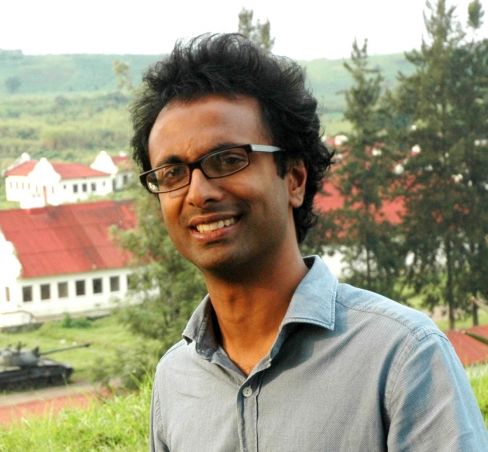
Anjan Sundarama has worked as a journalist in Rwanda for years.  He has his story to share: “ The underlying tension that caused the genocide has not been addressed. Kagame’s solution was to say that ethnicity was an invention of the Belgian colonial powers that ruled Rwanda for many decades. And so there’s been a de facto ban on speaking about ethnicity in Rwanda…. but…in private Hutus and Tutsis still speak extremely violently and aggressively about the others’ ethnicity. So I would not say there has been a great deal of true reconciliation in Rwanda”.

Following is his interview with The World Policy Journal.

WORLD POLICY JOURNAL: What did you consider your role or your responsibility to be as a foreign journalist working in Rwanda, and how did the restrictions on the local journalists affect this?

ANJAN SUNDARAM: Local journalists and I worked in very different positions. The local journalists were fighting for their own freedom, and they were taking greater risks than I was because their lives were in danger and their families were in danger. They were hoping that their children could live in a better and freer Rwanda.

My own experience was rather different. I had sympathy for my students, so when my students were in trouble I wanted to help them. Of course I was in less danger than they were, but that also meant that I could take greater risks. So during most of my time in Rwanda I did not publish press articles for fear that I would be thrown out of the country and would not be able to help my colleagues and my students. And that was the biggest trade-off; I had to keep silent for a long time. This book is the result of the information and interviews and experiences I gathered during many years of silence in Rwanda, collecting information patiently trying to help [my journalists] as best as I could.

WPJ: You draw parallels between Rwanda’s current political dynamics and those that existed leading up to the genocide in 1994, particularly in terms of the enforcement of a single state-directed narrative and the silencing of alternative voices. What does this suggest about the degree of change that’s happened in the country since the genocide?

AS: On the surface it looks like there’s been a lot of change and a great deal of progress. There’s a lot of calm in Rwanda, it seems stable, and it’s held up by many foreign donors as the island of stability in a troubled region. But the reality is that the same structures that were in place prior to and during the genocide are still in place today, and they’re being reinforced. And this obviously does not augur well for the Rwandan people.

The level of control is extreme—there is no free press, there are no institutions to speak of. Last week President Kagame announced he would run for a third term, violating previous promises to respect what had been a two-term limit in the constitution. Now he’s saying the country needs him and people have asked him to stay on, like many dictators do. But really Rwanda today is a structurally unstable place and there’s very little likelihood that there’ll be a transfer of power without violence.

WPJ: Kagame played a prominent role at the time of the genocide, and he’s still the main figure in the country now. So how much of the problem is tied directly to him, and how much is just how the system operates?

AS: It’s all tied directly to him, he’s the central power in Rwanda and his power is almost absolute, and even his supporters—those who claim he is somewhat democratic and is doing good for Rwanda—would admit that his power is almost absolute. He’s responsible for all the structures that are in place today in Rwanda. And he is directly responsible for the continuation of the system of control that was used to conduct the genocide. He says he is now using that system, or a similar system, for good, but the risk is always that he might make a bad decision, or leadership in Rwanda might change and that the system in place is incredibly powerful and incredibly catastrophic, as we saw during the genocide in 1994. It’s all very well for Kagame to say he’s a good person and is leading the country with good intentions. The reality is that there are almost no checks and balances, and his government and he are capable of doing a great deal of harm, which goes unreported in Rwanda.

WPJ: Do you think Rwandan society has recovered to any extent from the genocide, to whatever degree that’s even possible, even if the state might not have not changed much at its core?

AS: I think there’s very little sense among Rwandans of the existence of individuals with rights, with possibilities. There’s a small elite in the country who feel the sense of possibility, but for the majority they are under the control of the state and their lives are highly restricted. I think there’s been a natural healing process in the last 20 years coming to terms with what’s happened and understanding why that’s happened, and there is a genuine desire among Rwandans that it does not happen again. I think that’s at the root of the obedience toward the current government—[the people] are worried that were they to oppose the government, or were there to be a rebellion, there would be renewed violence. They’re so traumatized by the experience of extreme violence that they accept a great deal of control and repression from the Rwandan state without fighting back or pushing back. The underlying tension that caused the genocide has not been addressed. Kagame’s solution was to say that ethnicity was an invention of the Belgian colonial powers that ruled Rwanda for many decades. And so there’s been a de facto ban on speaking about ethnicity in Rwanda. That unfortunately has not helped reconcile many of the tensions that led to the genocide, and in private Hutus and Tutsis still speak extremely violently and aggressively about the others’ ethnicity. So I would not say there has been a great deal of true reconciliation in Rwanda.

WPJ: Another issue that you bring up in the book is the role of foreign embassies in supporting the Rwandan government and its repression by providing large sums of aid. What do you think foreign governments should be doing about the current situation in Rwanda, and why are they not doing it?

AS: I think foreign governments are very well aware of the repression in Rwanda, I think there’s a perverse situation right now in which foreign governments are hard pressed to find aid that delivers results worldwide. And Rwanda is one of the few countries where aid plans are actually executed according to plan, largely because of the repressive government. For aid agencies this is a paradise—they come in with their plans and their plans are executed almost as they’ve been drawn up. It’s led to a perverse situation where aid agencies and foreign governments benefit from the repression, so they have no interest in disrupting it. Foreign aid officials are getting promotions and receiving plaudits for excellent management of aid programs, so the repression is actually serving foreign governments’ interests.

The real question is why is the world financing a dictatorship. In the case of an emergency there is no excuse for not intervening. But Rwanda is not in emergency today. The aid that is being provided is for long-term development, and most of it is being channeled through the Rwandan government or for government-supported projects. Foreign donors providing this aid could influence the Rwandan government a great deal but choose not to. Aid that is sent directly to NGOs and independent organizations on the ground would not reinforce the government’s repressive mechanisms in the same way. That already would always be a huge improvement in the way that aid is managed. I think donors or foreign governments have not even begun to assess that they might be doing harm and bolstering the Rwandan government. If there was a way to support the Rwandan people who need support—by alleviating poverty and improving health—without directly going through the Rwandan government, that might be a far more effective and less fraught way of providing foreign aid.

WPJ: The period that the book covers ends in late 2013. Has the state of independent journalism changed at all since that time?

AS: Not at all, there is no free press in the country today. When the Rwandan government held a referendum in the country to decide whether the two-term limit on presidents should be removed, apparently only 10 Rwandans in a country of more than 10 million opposed his run for a third term. This speaks volumes about how little freedom of speech there is in Rwanda, how few people actually dare to speak up. There are good journalists in Rwanda who know how journalism should be practiced, but unfortunately they’re all too scared. They’ve seen too many of their colleagues murdered, imprisoned, tortured, or having to flee the country to save their lives.

The Rwandan government does not understand the benefits that free press would provide to the country’s development. It doesn’t understand how free press needs certain protection and that a free press would criticize the government, and that this is a good thing. It also makes the argument that free press—particularly radio broadcasts—contributed to the genocide in 1994. This is a false argument because while the genocide was happening, any media that spoke up against the killing was shut down. There was only a single voice in the country, much as there is now. During the genocide, that single voice was advocating genocide, and people who opposed it were killed or imprisoned. There’s a very similar situation in Rwanda today, where the government’s voice is the only voice in the country, and journalists know that were they to oppose that voice, the consequences would be dire.

WPJ: Based on your description of the narrative that’s carefully crafted by President Kagame’s regime, your book represents a disruption to the way that the country is typically portrayed, both in domestic media in Rwanda and in international media. What do you think the response in Rwanda—and particularly the government’s response—will  be?

AS: Historically the government has allowed English press to exist in Rwanda, even that which is critical of the government, because English is only spoken by a tiny minority of elite with very little incentive to disrupt the current power structure. I know that my book is being read in Rwanda because I am receiving emails from people who have somehow obtained copies. Because of Kagame’s announcement last week that he will stand for a third term, this is a particularly sensitive time in Rwanda, and the book is disruptive in that sense.

I thought there was almost an obligation to write about what I experienced, even if it’s merely to put on the record what happened. Most of the repression is forgotten. Most of the journalists who have been killed or exiled are simply forgotten. There are many great people who stood up to the Rwandan government, who saw the increasing repression, and knew that this was not the direction in which the country should be heading, particularly in a country with a history of genocide. They knew that the risk was great and they were brave enough to stand up to the government, and they suffered for it. And now they’re mostly forgotten. I wanted to correct that in some way, and record as much as I could of their stories.

Source: World Policy Journal

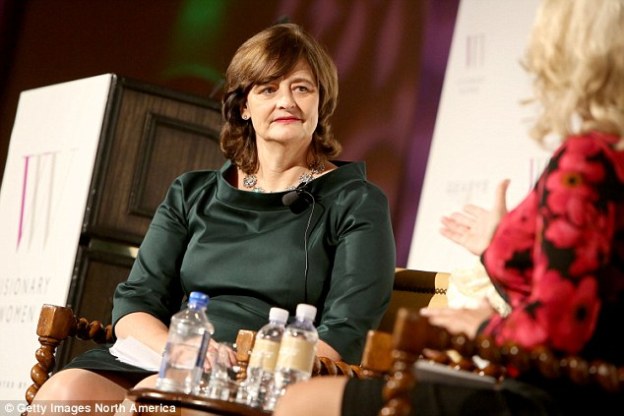
How Cherie cashed in by acting for a ‘war criminal’: Blair’s wife represented Rwandan General accused of ordering massacres

Trading on his impeccable connections in order to earn millions of pounds, Blair soon discovered that life after Downing Street could be a dangerously grubby business.

So when dealing with corrupt governments and companies, he took care to try to distance himself from any public controversy.

Notably, he initally denied having dealings with Qatar — a corrupt dictatorship that supported extremist Muslim groups, suppressed freedom of the Press and was accused of offering bribes to win the FIFA football World Cup in 2022.cherie

In fact, the Qataris had hired Cherie. Amid some acrimony, she resigned from Matrix Chambers — where she worked as a barrister — after her husband ceased to be Prime Minister.

Like him, she’d established two charities — in her case, the Cherie Blair Foundation For Women and the Africa Justice Foundation — alongside a lucrative money- making venture.

With Omnia Strategy, her new commercial business, she then reinvented herself as a consultant advising Middle Eastern and African governments.

Among those grateful for her help was Sheikha Mozah bint Nasser al-Missned, the wife of a Qatari royal.

In 2009, on her behalf, Cherie bombarded Hillary Clinton, then U.S. Secretary of State, with requests to engage in a woman-to-woman meeting to improve relations between the countries.

After an exchange of 19 emails, Clinton finally agreed.

Cherie was jubilant. ‘When I see what a difference you are making,’ she wrote unctuously to Clinton, ‘it reminds me why politics is too important to be left to the bad people.’

Making millions — for their charities or their swelling bank accounts — is a family business for the Blairs.

With her husband’s help, Cherie made it onto the Albanian payroll — an honour she shared with Alastair Campbell — for advice to prime minister Edi Rama.

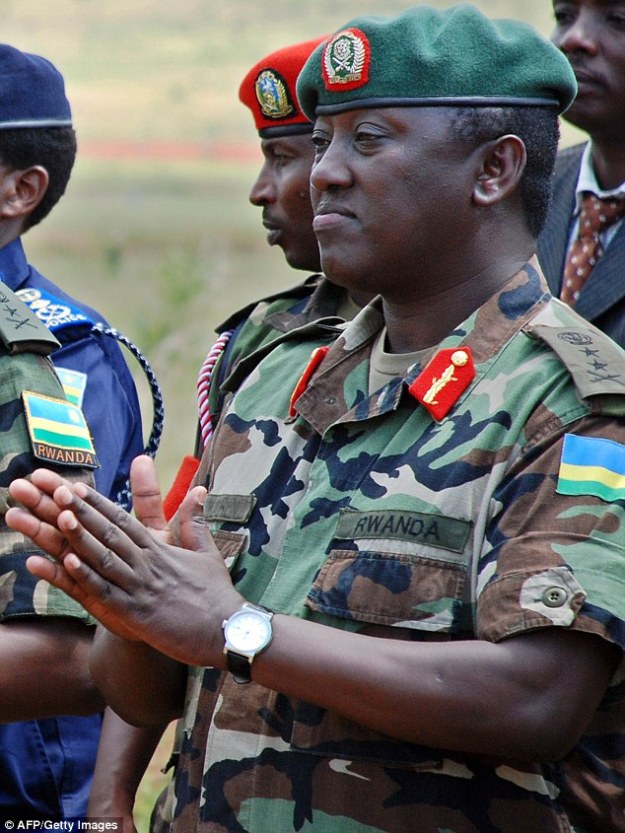
KARENZI

Cherie also represented Rwandan General Karenzi Karake in court following his arrest for on international warrant for ‘war crimes against civilians.

One of the Blairs’ earliest clients was bagged in October 2007.

Cherie had been due to meet the President of Rwanda, Paul Kagame, who was widely accused of being a mass murderer, to discuss the creation of a justice ministry in his impoverished country.

But she didn’t show up to their planned dinner in London. Instead she explained she had an ‘emergency’. ‘I can’t come,’ she said, ‘but Tony says he’d happily join you.’

At the dinner, Blair set out his stall. ‘You are a man with a vision, a leader I’ve always admired,’ he told Kagame. ‘Now you need advisers to show you how to run a government, and I’m your man.’

Kagame agreed to welcome Blair’s team. In return, he was also introduced to the international circuit of leaders’ conferences across America and in Davos, where Blair presented him as Africa’s ‘Mr Clean’.

No one mentioned the continuing massacre of Hutus in the neighbouring Congo by militia dispatched by Kagame.

Nor did they refer to the systematic theft by Kagame’s armed forces of diamonds and gold from Congo.

The following year, Blair visited Kigali, the Rwandan capital, and was flown home on Kagame’s $30 million Bombardier BD-700 ‘Global Express’.

The cost of the round-trip flight? About £280,000. Rwanda’s 11 million people earn an average daily wage of £1.40.

By the time he returned to Kigali again in 2009, the country was in uproar. Any journalist or businessman who was critical of the government was being beaten up, and a UN investigation was due to report that the President was guilty of genocide in Congo.

Blair’s friend won the Rwanda election in 2010 — but the beheaded corpses of leaders of the small opposition party were found strewn about the countryside.

Blair ignored all this and hailed his protégé’s success.

And what of Cherie? Did she see the report sent to Blair by the U.S. Department of State in 2014, describing the murderous oppression in Rwanda? Did she follow the 2015 Congressional hearings in Washington, which denounced the murder of Kagame’s opponents?

That year, General Karenzi Karake, the head of Rwanda’s intelligence service, arrived at Heathrow on an official visit.

To his surprise, he was arrested on an international warrant for ‘war crimes against civilians’, issued in Spain.

To resist his extradition to Spain, he hired… Cherie Blair. She told the magistrate that Karake was ‘a hero in Rwanda and they want him home as soon as possible’.

Karake was released on bail of £1 million. Two months later, he was freed on a legal technicality before the charges could be heard, and flew home.

His opponents were shocked. But Cherie, like her husband, was hailed by Kagame as a hero.

Source: http://www.dailymail.co.uk/news/article-3470400/How-Cherie-cashed-acting-war-criminal.html

Burundi: CNDD/FDD Uragiriza Perezida Kagame

cnddUmugambwe uri ku butegetsi mu Burundi CNDD/FDD wagiriza Umukuru w’ igihugu c’u Rwanda Paul Kagame ko ariwe yishe Perezida Cyprien Ntaryamira yararongoye Uburundi mu mwaka w’i 1994.
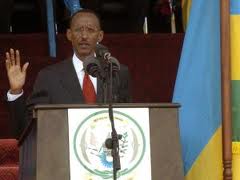
Perezida Ntaryamira yaguye mu mpanuka y’indege imwe na mugenzi we w’u Rwanda Juvenal Havyarimana kw’igenekerezo rya gatandatu y’ukwezi kwa kane 1994 mu micungararo y’umugwa mukuru w’u Rwanda Kigali.

Ivyo birego bikubiye mw’itangazo umugambwe CNDD/FDD uhejeje gusohora ku muhingamo wo kuruyu wa gatatu. Umushingantahe Gelase Daniel Ndabirabe, Umuvugizi wa CNDD/FDD ni we yashyikirije iryo tangazo.

Amatora ya 2017: Impamvu zatumye hajyaho ingingo ya 101 y’itegekonshinga ziracyahari.

téléchargement (3)

“Njyewe Paul Kagame, ndahiriye u Rwanda ku mugaragaro…ko nzakurikiza nkanarinda Itegeko Nshinga n’andi mategeko…Nintatira iyi ndahiro nzabihanirwe n’amategeko. Imana ibimfashemo”

Muri iyi minsi hari ibiganiro mu Banyarwanda kimwe no mu bakurikiranira hafi politiki y’u Rwanda byibanda ku mpinduka zo mu mwaka wa 2017 ubwo hateganyijwe amatora. Mu by’ukuri insanganyamatsiko y’ibi  biganiro ni ukumenya niba perezida Paul Kagame azubahiriza itegekonshinga nk’uko yabirahiriye cyangwa se niba azanangira umutima. Ingingo ya 101 y’itegekonshinga ryatowe mu mwaka w’2003 igira iti:

“Perezida wa Repubulika atorerwa manda y’imyaka irindwi. Ashobora kongera gutorwa inshuro imwe. Nta na rimwe umuntu yemererwa gutorerwa manda zirenze ebyiri ku mwanya wa Perezida wa Repubulika”.

Ubundi nta mpungenge zikwiye kubaho nta n’ikibazo cyakagombye kwibazwa iyo Paul Kagame aba azwi nk’umuntu w’inyangamugayo. Ariko rero Kagame yagaragaye kenshi akora ibintu binyuranyije n’ubunyangamugayo. Ibi byemezwa cyane cyane na bamwe mu bahoze ari inkoramutima ze za hafi. Na Kagame ubwe ntiyihishira cyangwa se ngo agaragaze wenda ko ibyo ashinjwa ari ibinyoma, ahita yiyerekana akabita amazirantoki, isazi,…n’andi mazina menshi umu gentleman atagombye gusohora mu kanwa ke. Ibi rero bituma abantu batekereza ko koko n’itegekonshinga yarikandagira akikomereza urugendo nk’aho nta cyabaye.

Nyamara Paul Kagame yarahiriye imbere y’Imana , abanyarwanda ndetse n’abanyamahanga ko azubahiriza akanarinda itegekonshinga n’andi mategeko. Dore uko yabivuze:

«Jyewe, Paul Kagame, ndahiriye u Rwanda ku mugaragaro:

     ko nzakorana umurava imirimo nshinzwe;

     ko ntazahemukira Repubulika y’u Rwanda;

3°     ko nzakurikiza nkanarinda Itegeko Nshinga n’andi mategeko;

     ko nzaharanira amahoro n’ubusugire bw’Igihugu kandi ko nzashimangira ubumwe bw’Abanyarwanda;

     ko nzubahiriza mbikuye ku mutima inshingano zanjye nta vangura iryo ari ryo ryose;

     ko ntazigera nkoresha ububasha nahawe mu nyungu zanjye bwite;

     ko nzaharanira iyubahirizwa ry’ubwigenge n’uburenganzira bw’ibanze bwa muntu n’ibyagirira akamaro Abanyarwanda bose.

 Nintatira iyi ndahiro nzabihanirwe n’amategeko. Imana ibimfashemo. »

Kagame ashobora rwose kuba atakibuka ibyo yarahiriye kimwe n’uburemere bwabyo. Cyakora yabyibuka cyangwa atabyibuka, Imana ntizabura kubimubaza ndetse n’amategeko ntazabura kubimuhanira. Abamubeshya ko ari we bashaka ntibazamufasha guhanwa.

Abenshi mu nkundarubyino n’abazi kogeza bakomeje kuvuga ko itegekonshinga nta cyaribuza guhinduka, bagendera ku ngingo ya 193 y’itegekonshinga igika cyayo cya kabiri kigira kiti:

“(2)Ariko iyo iryo vugururwa ryerekeye manda ya Perezida wa Repubulika, ubutegetsi bwa demokarasi ishingiye ku bitekerezo binyuranye cyangwa ku bwoko bw’ubutegetsi buteganyijwe n’iri Tegeko Nshinga cyane cyane ku butegetsi bwa Leta bushingiye kuri Repubulika n’ubusugire bw’Igihugu, rigomba kwemezwa na referendumu, rimaze gutorwa na buri Mutwe w’Inteko Ishinga Amategeko”.

Nta mpamvu n’imwe ifatika itangwa yatuma ingingo ya 101 ihinduka cyangwa ngo ivanweho. Birababaje kumva abantu bagomba gusubira mu matora ya referendum ategurwa agatwara igihe n’amafaranga menshi mu gihugu gikennye kigendera ku mfashanyo, hagamijwe ikintu kimwe gusa: Kugira ngo umugabo umwe witwa Paul Kagame yice itegekonshinga yarahiriye kuzarinda no gukurikiza. Twibuke ko atigeze arahirira kuzarihindura!

Ikindi umuntu yakwibaza ni ukuntu muri miliyoni 11 z’Abanyarwanda, harimo abafite ubunararibonye, abafite imyamyabumenyi zihanitse,…habura undi muntu utorwa ndetse ngo ayobore igihugu. Ikindi Reka twibutse ko umuntu avuka agasanga igihugu kiriho, iyo abaye intwari atanga umusanzu we ngo uko yagisanze azasige ari cyiza kurushaho ubundi yarangiza agapfa kandi isi igakomeza igatembera. Igihugu ntigipfa ngo ni uko umuntu runaka atakiriho. Cyakora umuntu ashobora kwitwara nabi igihugu akagisiga ahabi haruta aho yagisanze, ndabona na Kagame ariho ashaka.

Uko byagenda kose nta muntu kamara ubaho, ndetse iri ni ihame Abanyarwanda bagomba gushyira mu mutwe wabo. Mu myaka ya za 1959 abanyarwanda benshi bari bafite impungenge ko u Rwanda rutazongera kugwamo imvura ngo ni uko nta mwami ruzongera kugira. Imvura si ukugwa ye ahubwo iyo batagira umuganda isuri yari ikoze ibara. Ikindi bari barabwiwe ni uko nta nka zizongera gukamwa ko ndetse nta mugore uzongera kubyara. Inka zarororotse ahubwo abantu baragenda bagira ibikumba n’ibikumba. Ababyeyi barabyaye rwose batega urugori uretse ko  abenshi muri bo intambara zabagize inshike.

Dore ahubwo icyari gikwiye kugibwaho impaka:

Impamvu yatumye hajyaho ingingo 101

Ubundi itegeko rigira impamvu ituma rishyirwaho ku buryo izo mpamvu iyo zitariho n’itegeko ritaba ngombwa. Kugeza uyu munsi abo bose basaba ko itegekonshinga rihindurwa cyane cyane iriya ngingo ya 101 ntibashobora gutinyuka kuvuga impamvu yatumye iriya ngingo ijyaho, ngo bityo wenda babe bahera aho batwereka ko izo mpamvu zavuyeho.  Reka twibutse ko iri tegekonshinga ryateguwe na FPR Inkotanyi ndetse uwari ukuriye komisiyo yo kurishyiraho akaba ari Mzee Tito Rutaremara uzwi nk’umwe mu bacurabwenge b’imena ba FPR.

Mu biganiro yazungurutse igihugu atanga, Honorable Tito Rutaremara yasobanuye impamvu iyi ngingo ya 101 yashyizweho. Yavuze ko kwari ukugira ngo u Rwanda ruce ukubiri n’umuco w’abantu bumva ko ubutegetsi ari akarima kabo.

Bityo byari byiza ko umuntu ajya ategeka manda imwe bamutora  bwa kabiri akongera akayobora indi imwe ubundi agacyura igihe, akaruhuka. Tito Rutaremara yongeragaho ko badashaka kuzongera kugira abategetsi nka ba Habyarimana bamaze ku ntebe imyaka irenga 20 bagakurwaho n’urupfu. Ikindi yongeragaho ni uko bwari uburyo bwo gutoza abanyarwanda kwimakaza demokarasi.

Koko rero kuva mu gihe cy’ubwami kugeza n’uyu munsi U Rwanda ntirwagize amahirwe y’uko umukuru w’igihugu asimburwa adapfuye cyangwa atishwe. Mu gihe cya cyami umwami yimaga ari uko ise amaze gupfa. Habyarimana yagiye ku butegetsi  abwambuye Kayibanda ndetse aranamwica. Kagame yagiye ku butegetsi ari uko Habyarimana apfuye ndetse hari amakuru auga ko ari Kagame ugomba kubazwa iby’urwo rupfu.

Icyagaragaye ni uko imyaka 7 yari myinshi ugereranyije n’imyaka 5 igenwa n’amategeko yo mu bihugu duturanye. None yikubye kabiri bamwe bati ni ukongeraho indi, bakirengagiza impamvu yatumye iyo ngingo ijyaho.

Icyo nakwibutsa ni uko impamvu zatumye ingingo ya 101 ijyaho zitazigera zivaho. Izo mpamvu ni uguca ukubiri n’umuco w’abantu bumva ko ubutegetsi ari akarima kabo kimwe no gutoza abanyarwanda kwimakaza demokarasi. Niyo mpamvu kuyikuraho cyangwa kuyihindura ari igikorwa kigayitse abakunda demokarasi bose bazarwanya bivuye inyuma.

Mbifurije ubushishozi n’ubutwari bwo kwanga kwica itegekonshinga.

Chaste Gahunde

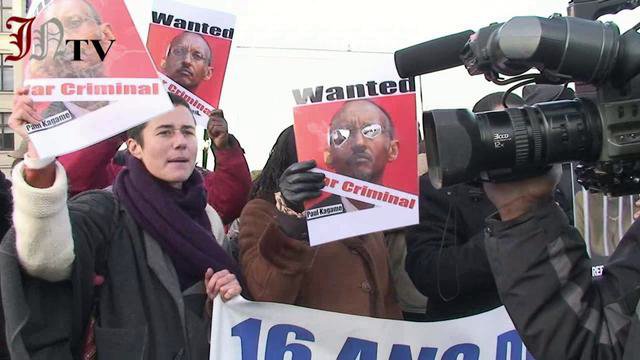
PARIS: APPEL A LA MANIFESTATION DU 27/02/2015 CONTRE LA VENUE DU DICTATEUR PAUL KAGAME

109642234_640

POUR PROTESTER CONTRE LA VENUE A L’UNESCO DU DICTATEUR –SANGUINAIRE PAUL KAGAME CE 27 FÉVRIER 2015.

LES ASSOCIATIONS ET ORGANISATIONS DE LA COMMUNAUTÉ FRANCO-RWANDAISE

En partenariat avec les organisations et associations congolaises et rwandaises de France et de Belgique

ORGANISENT

UNE MANIFESTATION A PARIS

VENDREDI 27 FÉVRIER 2015 A PARTIR DE 13H00

Rassemblement à l’angle de l’avenue de Saxe et l’avenue de Ségur Métro Ségur et Cambronne

PROGRAMME:

Manifestations, déploiement de banderoles et de pancartes, distribution de tracts, REMISE de mémorandum au Directeur Général de l’UNESCO.

OBJET:

  • ALERTER l’opinion française et internationale sur les crimes contre l’humanité, les crimes de guerre et les actes de génocide commis par le FPR de Paul Kagame au Rwanda et en République Démocratique du Congo ;
  • PROTESTER contre la venue à l’UNESCO du président rwandais Paul Kagame, accusé des pires crimes contre l’humanité, au Rwanda et en RD Congo;
  • DÉNONCER les crimes graves en COURS au Rwanda et les immixtions politiques dans les procédures judiciaires engagées par le juge d’instruction français contre Kagame et ses proches collaborateurs dans l’affaire de l’attentat terroriste contre l’avion présidentiel le 6 avril 1994 ;
  • EXIGER que la France, pays des droits de l’homme et membre du Conseil de sécurité de l’ONU, apporte tout son appui politique et diplomatique au Rapport Mapping publié le 1er octobre 2010 par le Haut Commissaire des Nations Unies pour les droits de l’homme, lequel rapport accuse les troupes du général Kagame de crimes contre l’humanité, de crimes de guerre et d’actes de génocide en RDC de 1993 à 2003 et préconise la création d’un Tribunal international ad hoc chargé de poursuivre et de juger les criminels mis en cause par ce rapport ;
  • DEMANDER l’arrêt des harcèlements et assassinats d’opposants politiques ;
  • EXIGER l’expulsion immédiate des escadrons de la mort dits INTORE envoyés par Paul Kagame pour traquer ses opposants dans l’Hexagone et dans les autres pays de l’Union européenne ;
  • EXIGER la libération immédiate et sans condition de tous les prisonniers politiques ;
  • EXIGER l’ouverture du dialogue politique entre le gouvernement rwandais et son opposition y compris les FDLR en vue de résoudre définitivement le problème rwandais.

Fait à Paris le 23 février 2015.

Pour le Comité d’organisation,

Augustin Sebahakwa (sé)

Président du COVIGLA

Collectif des victimes des crimes de masse commis dans la région de grands lacs africains.

Contacts France : +33615731510, +33620832528, +33659222780.  Contact Belgique     : +32485625007

E-mail : covigla@gmail.com