Category Archives: Rwanda

BUGESERA: Umuturage yari yirengeje umuyobozi w’umurenge bapfa amafaranga y’irondo!

Abanyarwanda bamaze kuzinukwa imisanzu ya hato nahato bakwa n’ubutegetsi bwa FPR-Inkotanyi kuburyo hari n’abatangiye kwihebera ku bayobozi baza kubishyuza iyo misanzu ubusanzwe babona ko ari nko kubakoresha uburetwa kandi ubukene bubageze kure.

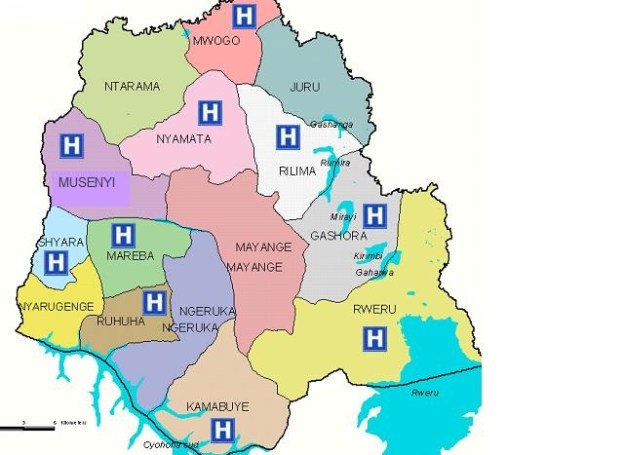
Mu gitondo cyo kuri uyu wa Kabiri taliki ya 26 Gashyantare 2019 Umuturage witwa Daniel BAGARAGAZA yakubise isuka Bwana NIYONZIMA Eliab Umuyobozi w’Umudugudu wa Kibirizi  uri mu Kagari ka Kibirizi ho mu Murenge wa Mayange mu Karere ka Bugesera,Intara y’Uburasirazuba.

Bagaragaza yazindutse ajya guhinga nk’uko bisanzwe, mu gihe umuyobozi w’Umudugudu Niyonzima we yazindutse azenguruka mu bantu yishyuza amafaranga y’irondo ry’Umwuga dore ko n’ukwezi gusigaje iminsi mike kukarangira, ageze kwa Bagaragaza yasanze yagiye guhinga maze yigira inama yo ku musangayo.

Amakuru Ijisho ry’Abaryankuna mu Karere ka Bugesera ryamenye ni uko Bagaragaza yamubwiye ko ntayo afite umuyobozi w’Umudugudu akamubwira ko uyu munsi ari Nyirantarengwa ko niba atayafite agomba kujya kureba icyo agurisha cyangwa bakamujyana kuri polisi. Yakomeje kumuhatiriza amubwira ko atamusiga,nibwo undi gufatwa n’ubushungu,bashungurana ubwo isuka aba arayimwashije!

Abaturage batabaye bahamagara n’abashinzwe umutekano Bagaragaza bamujyana ku biro by’Umurenge wa Mayange naho Niyonzima we yihutanywe ku Kigoderabuzima cya Mayange.

Abaturage bo mu Murenge wa Mayange usibye abo mu kiciro cya mbere, batanga amafaranga 1,000 kuri buri rygo, y’irondo ry’umwuga ( mu gihugu gifite umutekano kurusha ibindi muri Afurika ndetse kikaba kiri no mu byambere ku isi!)

Ayo mafaranga aza yiyongera ku mafaranga 3,000 ya mutuelle kuri buri muntu kubari mu kiciro cya kabiri n’icya gatatu ni mugihe abari mu cya 4 ari 7,000 ku muntu. Si ayo gusa kuko hiyongeraho n’indi misanzu inyuranye nk’ayitwa ay “Umuryango” (FPR-Inkotanyi) n’andi bakwa igihe habayeho igikorwa runaka nk’amatora n’ibindi.

Kuba uyu mugabo yakubise isuka umuyobozi w’umudugudu si urugomo cyangwa kunanirana kundi kuko  yari mu Nyangamugayo mu Kagari akaba yari “Umurokore” ndetse atari n’umurokore usanzwe kuko yari Mwalimu mu Itorero rya ADEPR Karambo,ahubwo abaturage barambiwe ubuzima bwo kuba mu gihugu bagitangamo imisanzu y’umurengera nk’aho ari ingaruzwamuheto.

Ibyabaye none bishobora kuzarushaho kuba niba nta  gikozwe ngo ubu butegetsi buhindurwe kuko kunanirwa ko bwananiwe kera kandi abaturage baraburambiwe kuburyo budasubirwaho!

UWAMWEZI Cécile

Source :Abaryankuna
Kagame’s Vision City 2020 Became A Ghost Town

General Paul Kagame had a dream — build an ultra-modern city-within-a-city to showcase Rwanda’s socioeconomic transformation. The ultra-modern city-within-a-city would comprise of a variety of housing units, shopping malls, recreational and leisure facilities, restaurants, sports facilities, a three-star hotel, and a conference center. Kagame named his city-within-a-city Vision City 2020 which would be Africa’s housing wonderland with 4,500 units, including luxury villas and apartments with a capacity to accommodate over 22,000 people.

Construction began in 2013, and was completed in 2017-2018. By 2019, however, Kagame’s Vision City 2020 remained mostly empty — a ghost town. There were no buyers. The original prices of the housing units that ranged from US$179,000 to US$560,000 were sharply reduced but to no avail. General Kagame forgot one thing. In a country where most people earn less than US$1.90 a day, few can afford houses in his now ghost town.

The biggest losers in this fiasco are Rwandan workers. The money that built Kagame’s ghost town came from Rwandan workers’ pension fund — no less than US$150 million.

Source : David Himbara

“Abatwa barababeshyera: abasigajwe inyuma n’amateka ni Inkotanyi ” Mme Claire KASINGE

Mu rwego rwo kumenyesha abanyarwanda amashyaka ya politike aharanira kuyobora u Rwanda, ikinyamakuru IHAME.ORG twihaye gahunda yo kuvugana n’abanyepolitike ndetse abo tutazabasha kubona ngo basobanurire abanyarwanda ibihereranye n’imigabo n’imigambi by’ishyaka ryabo tuzajya twifashisha inararibonye zidufashe gusobanukirwa iby’iryo shyaka.

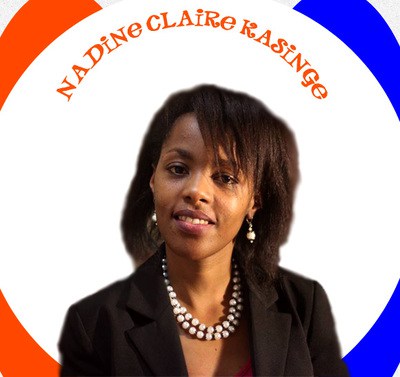
Uyu munsi twabahitiyemo Ishyaka ISHEMA bityo tuvugana n’Umuyobozi waryo Nadine Claire Kasinge.

Yagerageje inshuro 2 zose kuza gukorera Politike, we n’abagenzi be bafatanije kuyobora Ishyaka Ishema, mu Rwanda ariko bashinja FPR Inkotanyi kubakoma mu nkokora bakababuza gutaha mu gihugu cyabo. Nimukurikire ikiganiro twagiranye:

(1)IHAME.org: Mwatangira mwibwira abasomyi bacu?

Nadine Claire KASINGE: Amazina yanjye ni Nadine Claire KASINGE. Ndi umunyarwandaKazi wo mu bwoko bw’Abahutu. Nkaba naravuye mu Rwanda muw i 1994 nk impunzi nerekeza muri ZAIRE (Repuburika iharanira Demokarasi ya Congo y ubu) aho naje kuva ,nanone, nerekeza ahitwa Firenze mu gihugu cy u BUTALIANI  ari naho  nabyirukiye.  Ubu nkaba mbarizwa mu gihugu cya CANADA mu Ntara ya QUEBEC.

(2) IHAME.org: Abantu bakuzi nk’umwe mubagaragara cyane muri politike nyarwanda, mwatubwira uko mwinjiye muri politike nyarwanda n’amashyaka mwaba mwarabayemo?

Nadine Claire KASINGE : Mbere yo kwinjira muri politique nyarwanda, nabanje kuba actif igihe kirekire  muri politique yaho nari ntuye m’ u BUTALIANI.

Muri make, nkigera m’ u BUTALIANI, ninjiye mu ba SCOUT Cathorique nk ‘uburyo bwo kwimenyereza igihugu gishyashya. Nyuma y imyaka itatu, naje kwisanga mu rubyiruko rwa Coalition politique y icyitwaga MARIGARITA cyaje kubyara il Partito Democratico Italiano : PDI.

Mu ba scout catholiquebabataliani, mu ndahiro yabo yo kwinjira , urangiza urahira kuzarwanirira ishyaka igihugu cyawe igihe cyose.

Kuva nagera mu butaliani nabaye nk umuntu uhuze cyane kuburyo ntongeye gukurikirana ibyaberaga mu Rwanda.

Ni mumwaka w 2010 ubwo Madame Victoire INGABIRE UMUHOZA yagarukaga gukorera politique mu Rwanda, agafungwa azizwa ubusa, nongeye gukurikirana ibyo mu Rwanda. Muri make ifungwa rya INGABIRE ryarambabaje cyane ariko rinaba n’umuhamagaro uranguruye  kuri njye. Nibwo niyemeje ko nzaharanira   kurwanya akarengane gashingiye kunyungu za politique mu RWANDA igihe cyose nzaba ngihumeka. Hamwe na bagenzi banjye tariki ya 28 MUTARAMA 2013 twashinze ishyaka ishema ry’u Rwanda.

Kimwe mubirango by’ishyaka ISHEMA

(3) IHAME.org: Ishyaka Ishema mubereye Umuyobozi ubu ryaba riteganya kujya kwiyandikisha mu Rwanda no gukorerayo politike?

Nadine Claire KASINGE:Eh Cyane, ubu nibyo duhugiyemo tuzabagarukira mu minsi mike iri imbere…mu mwaka wa 2016 nuwa 2017 FPR Inkotanyi yabujije indege zose kutugarura mu Rwatubyaye gukorerayo politique, ariko ni AKATINDIJWE KAZAZA.  U Rwanda ni igihugu cyacu twavukiyemo kandi dukunda cyane,n ubureganzira bwacu rero, kukibamo no kugikoreramo politque mu bwisanzure, FPR yabishaka itabishaka .

(4) IHAME.org: Ishyaka Ishema rigitangizwa ryatangiranye icyo mwitaga Amakipe Ishema yagombaga gukorera mu Rwanda; ayo makipe yaje gukomeza kubaho? Mwatubwira amaze kuba amakipe angahe mu Rwanda n’imiterere yayo?

Nadine Claire KASINGE: Uko byatangiye ninako bimeze. Abataripfana Ni bamutarambirwa…. Ngo aho BARYAMIYE IJANJA.

(5) IHAME.org: Ishyaka Ishema rizwi kuba rifite Perezida w’icyo mwise Guverinoma y’uRwanda ikorera m’ubuhungiro; mubona iyo guverinoma iyobowe na Thomas Nahimana haricyo imaze kugeraho kuva yashyirwaho?

Nadine Claire KASINGE:Gukorera mu rwego rwa Gouvernement Y u RWANDA ‘’ Ikorera mu buhungiro’’ byaduhaye isura n’ingufufu muri communication no muri diplomacie natwe ubwacu tutari twatekereje igihe twayishyizeho. Ubu ntago tugikeneye gusobanura byinshi. Utazi cyangwa uwabeshywe ku Rwanda rwa FPR arangiza gusoma izina ryayo udu ‘’questions marques ku RWANDA twamubanye iryaguye … Burya Ministre aba ari Ministre da! Uzabimbaze.

(6) IHAME.ORG:Ishyaka Ishema mu minsi mike ishize yagiye irangwa n’isezera ry’abarwanashaka b’ikubitiro mubarishinze ese byaba byaratewe n’iki?

Nadine Claire KASINGE:Kwinjira no gusohoka mw ishyaka ubundi ni n ibintu bisanzwe. Gukorera politique mu buhungiro bisaba ubwitange bwinshi, haba mu gihe haba mu mutungo cyane cyane ko turi abakorana bushake baba bagomba no gukora indi mirimo ngo bibesheho. Akenshi na kenshi habaho gufata akaruhuko, arinayo mpanvu nko mwishyaka Ishema nta mu Rwanashyaka w ikubitiro ushobora kwirukanwa…. Igihe cyose washaka kugenda wagenda igihe cyose ushaka kugaruka wagaruka. Umutaripfana ahora ari mutaripfana aho ari hose.

(7)IHAME.org: Amwe mu mashyaka arwanya Ubutegetsi bwa FPR Inkotanyi yishyize hamwe ari 5 akora Ihuriro bise P5. Hari n’andi mashyaka 3 yishyize hamwe  ashinga icyo bise MRCD namwe duheruka mwari mucyitwa Nouvelle Generation ese iryo huriro ryanyu riracyariho?Hari impamvu ibabuza kwishyira hamwe nayo mahuriro yandi murwego rwo kwongera imbaraga?

Nadine Claire KASINGE:Birunvikana ko nta mpanvu ibaho yabuza ishyaka iryariryo ryose gushaka imbaraga z inyongera.

Ishyaka ryose riba rifite imirongo migari rigenderaho. Urugamba rw abatariphana kuva mw’ ikubitiro ni inzira y amahoro : la non-violence.

Urebye navugako nk’ abagendera kuri no violence, ntago twemera intambara nk uburyo bwo gukemura ibibazo politique. Dushyize imbere inzira y amahoro mukunvikanisha ibitekerezo byacu, mu kurwanya akarengane no guhangana n’abo dushyamiranye. Navuga ko mubihe byashize uwo mwimerere wacu wakunze kuba imbogamizi hagati yacu nabo duhuje “adversaire”. Ubungubu iyo mbogamizi n ibisigisigi.  Nfite ikizere gikomeye ko opposition nyarwanda ishyize hamwe iri mu nzira zidatinze.

Kimwe mubirango by’ishyaka ISHEMA

(8) IHAME.org: Ishyaka Ishema ryari ryaratangije icyo mwitaga “Revolisiyo ikaramu” iza gusa n’izimye. Ese byaba byaratewe n’uko mwasanze ntacyo igeraho?

HAHAAA…Niba kuri wowe ”Revolution y ikaramu”yarazimye  bimbwira ko utari wunvise mu byukuri icyo iyo REVOLUTION yari igamije. Hari umunyamahanga w inshuti yanjye ukunze kumara igihe kinini mu Rwanda dukunze kuganira,  umunsi umwe yarambwiye ati…. En tout cas, vous avez libere la parole….

Nyuma ya Revolution y ikaramu ubu turabandanyije muri ”Marche de révolution” ari nayo objectif y’iyi manda

(9) IHAME.org: Mu ishyaka Ishema mwaba mugihagaze kuri politiki mwigeze kwita y’Impanga? Mwayisobanurira abanyarwanda?

Nadine Claire KASINGE: Ni Formule dukomeyeho cyane nk igisubizo cyagarura ituze n amahoro hagati y Abanyarwanda. Muri make, nkuko amateka abitwigisha, ubutegesti bwose bwabayeho mu RWANDA kugeza ubu,uko  bwagiye busimburamwa, kuva kubw ABAHINZA kugeza kubwa none bw’INKOTANYI unyuze kubw’ ABAMI na za REPUBULICA zombi, byaranzwe  na politique ya ‘’Vamo Njyemo’’ y’amoko.

Politique y impanga rero ishingiye kuri formule yatuma buri bwoko bw abanyrwanda buhagararirwa mu nzego zose cyane cyane ariko mu nzego zifata ibyemezo biyobora igihugu, hagamijwe kugirango abanyarwanda bose babwibonemo,mu moko yabo atandukanye.

(10) IHAME.org: Ishyaka ryanyu ryigeze kumvikana risaba  miliyoni y’amadolari kugira ngo ibashe gukuraho Ubutegetsi bw’Inkotanyi, ese uwo mushinga ugezehe? Mwabashije kwegeranya angahe?

Nadine Claire KASINGE:Turacyayisaba! ruhande niba ishyaka ryarashoboye gukora ibikorwa binyuranye muri manda yayo ishize, ni  uko hari abanyarwanda bitanze bikomeye mu bikorwa. Ibyo ndabibashimira mbikuye k’umutima…. Nkaba mboneyeho gukomeza kubashishikariza kudutera inkunga yabo muri “Marche ya revolution”  twatangiye … Aluta continua, mbega.

(11) IHAME.org: Haba hari ibikorwa Ishyaka ryanyu riteganya ubu vuba mu rwego rwo kotsa igitutu ubutegetsi bwa Paulo Kagame? Mwabitumenyesha?

Nadine Claire KASINGE: Bitabaye ibyo ubwo twaba turigukora iki kindi nk’ishyaka rya opposition? FPR ikwiye gushyira ubwenge ku gihe ikemera kuganira n abandi banyarwanda mu maguru mashya. Kuko nitabikora igifite ubutegetsi ntago izabikora bufitwe n abandi.

(12) IHAME.org: Ubu Ishyaka rya FPR Inkotanyi ribahamagariye imyanya m’ubutegetsi i Kigali mwayemera?

Nadine Claire KASINGE: Mu myumvire yacu imyanya itangwa n abaturage, bakayiha ishyaka bumva riharanira inyungu zabo. Ntabwo ari ishyaka runaka ryakagombye gutanga imyanya. FPR nifungure urubuga rwa politique ababyifuza bose, biyumvamo impano yo gutanga umusanzu wabo muri politique mu kubaka igihugu cyacu, bandikishe amashyaka yabo mu bwisanzure, Basobanurire abaturage  imigabo n’imigambi y amashyaka yabo, hanyuma abaturage bihitiremo abo babikwiye. U Rwanda si akarima ka FPR.

(13) IHAME.org: N’iki ishyaka urimo ubu rinenga FPR Inkotanyi?

Nadine Claire KASINGE:Nye mbona ABATWA bababeshyera : abasigajwe nyuma n amateka mu Rwanda mbona ari inkotanyi!

FPR ni DÉMODE cyane mu bikorwa no mubitekerezo……Ni gute wakumva muri 2019 wakomeza kugendera ku butegesti bw igitugu bukenesha abaturage bugashyira ibyiza by igihugu mu mabako y agastiko gato mu gihugu nk u Rwanda? Amateka ntacyo abigisha?

(14) IHAME.org: N’iki kindi mwifuza kubwira abanyarwanda n’abarwanashyaka banyu bari busome iki kiganiro twagiranye?

Nadine Claire KASINGE: Narangiza nshimangira inzira y amahoro twahisemo nk uburyo bwonyine abanyarwanda dufite bwo gukemura ibibazo by ingutu bikomeje kumena amaraso y Abanyarwanda, arinako bizambya ejo hazaza h igihugu cyacu. Reka ndeke Martin Luther king abivuge neza kundusha :

‘’ Inzira y amahoro 

n’ intwaro ifite ingufu karahabutaka kandi zitarenganya,

n’i ntwaro ikata ariko idakomeresta,

n’intwaro ihesha ishema uyikoresha,

n’ intwaro y ubugi buvura’’.

Murakoze

Nyuma y’iki kiganiro twagiranye n’Umuyobozi w’ishyaka Ishema twegereye Thomas Sankara Habyarimana tumubaza uburyo abona ishyaka Ishema n’umugambi w’iryo shyaka wo gutaha gukorera Politike mu Rwanda n’uko agira ati:

“Ishyaka Ishema iyabaga bakoreraga politiki iburayi cyangwa mu bihugu bindi byateye imbere, umuntu yabumva, kuko ubona ari abasore bafite gahunda.

Ukabona kandi ari ab’administrateurs bakeneye umu leader ufite ibintu bimurimo atari ugukurikiza gahunda yasomye mu bitabo.
Padiri ni umucivile butwi, uhanganye n’inyeshyamba butwi. Rero ntibavuga ururimi rumwe. Ishyaka Ishema arijyanye mu Rwanda yaba agiye gutesha umwanya ziriya nyeshyamba, zikirirwa zimukina imikino atigeze asoma no mubitabo, bagirango birinde kumufunga bidateza akavuyo. Bikazajya kurangira yarabaye nayubu.
Utazi inyeshyamba arazibarirwa.

Igihe kimwe afande Bagabo, yigeze gukurura ukuboko Lt Col Nzungize wo muri ex-far, wari muri wa mutwe wa GOM, umwe warushinzwe gucunga ibya ceasefire mu mpande zombi zarwanaga. Aramujyana amukuye mubandi, bagirango hari icyo ashaka ko baganira, bageze hirya gato nko muri metero 5 aramubwira ati mfasha imboro nyare Nzungi! Nzungize agaruka yijujuta, bagenzi be bagirango yasaze bayoberwa ikimubayeho. Iyi ni inkuru nahagazeho.
Padiri rero bajya bamukorera ibintu atazi ko bibaho agacanganyikirwa, kandi noneho nta nicyo yaba amariye rubanda nyamwinshi kuko abafungirwa ingengabitekerezo ya jenoside barushaho kwiyongera, abasigaye bagacisha macye.
Mbona Ishyaka Ishema   ari ingirakamaro kubuyobozi bw’ejo hazaza, aho batoranywamo ab’administrateur bakubaka igihugu gikorera abanyarwanda neza.”

Byakiriwe na JMV Kazubwenge

Ihame.org

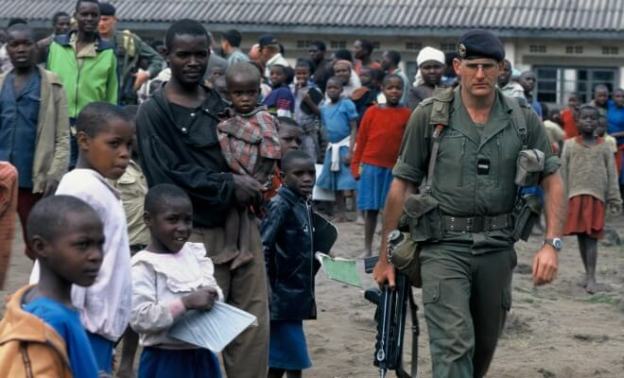
OPEX Turquoise (Rwanda ): Communiqué of Général Jean Claude LAFOURCADE, former Commander

A requirement of truth

The Turquoise Force is regularly accused of having protected the Rwandan government by acting and of facilitating its escape in July 1994, a charge that is systematically repeated by the media. I denounce an amalgam and a counter truth.

While this government was composed of 21 people, only two members passed through the Turquoise zone from 16 to 17 July before moving to Zaire. These are:

Dr. Theodore Sindikuwabo, Speaker of the National Assembly and Acting President of the Rwandese Republic from 9 April to 19 July 1994 (died in 1998 in Bukavu).
Jerome Bicamumpaka Minister of Foreign Affairs (arrested in 1999, transferred to the ICTR, acquitted of all charges on 30 September 2011 and released.
Two out of twenty-one people do not constitute a “government” but they are mere isolated and uninfluenced individuals, one of whom has been laundered by the ICTR. It is therefore wrong to say that the Rwandan interim government passed through the Turquoise zone.

In addition, the Turquoise Force could not arrest prominent foreign government officials who were still members of the UN Security Council at the time. She had neither the mandate nor the legal capacity.

As the anniversary of the genocide begins, It is important that French journalists, in accordance with their professional ethics charter, implement the principles of this charter by checking the information provided by pressure groups before relay without discernment or hindsight. Otherwise, they participate in a misinformation company.

General Jean Claude LAFOURCADE
Former Commander of Operation Turquoise (Rwanda)

The ASAF expresses its unwavering support to the French soldiers who were engaged in Operation Turquoise in 1994.
It denounces the lies and manipulations of Paul Kagame, tyrant and genocidal, president of Rwanda for a quarter of a century, which unfortunately enjoys the complicity of some French media.

Reissued on the ASAF website: http://www.asafrance.fr
https://www.asafrance.fr/item/opex-turquoise-rwanda-communique-du-general-jean-claude-lafourcade-ancien-commandant.html

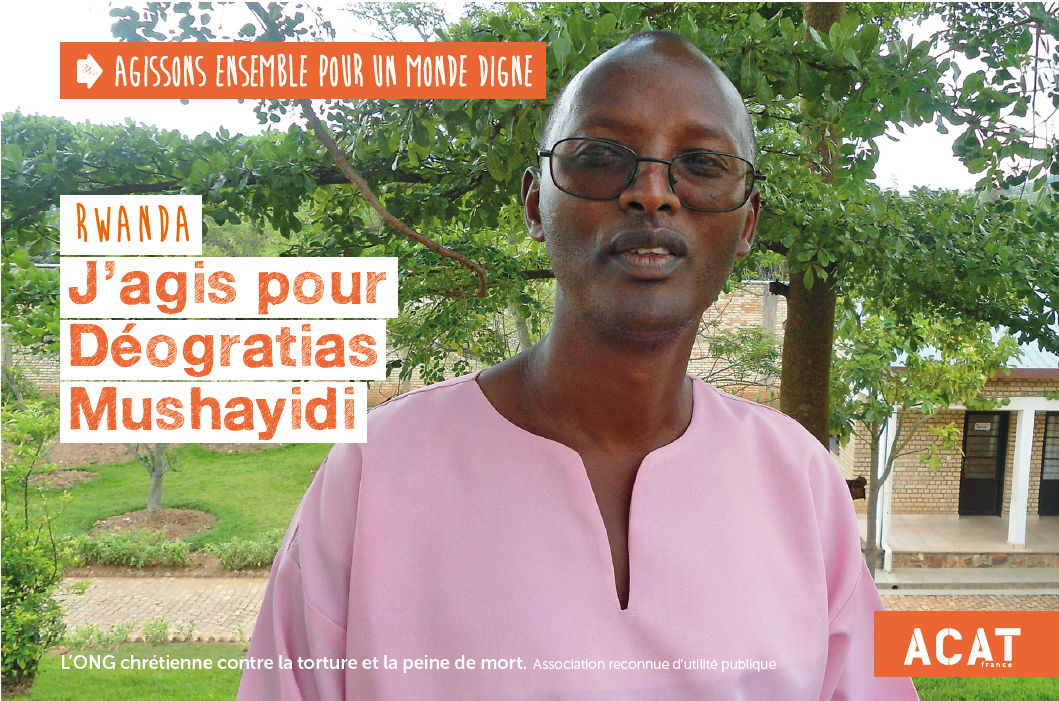
J’agis pour Déogratias MUSHAYIDI

AM 2019-03 Deo Mushayidi couv
Le 19 / 02 / 2019Militer pour la paix

Déogratias Mushayidi  a toujours milité de manière non-violente en faveur de la paix et la démocratie au Rwanda. Tutsi, il a perdu sa famille durant le génocide de 1994, où plus de 800 000 Tutsis ont été massacrés. M. Mushayidi était alors le représentant en Suisse du Front Patriotique Rwandais (FPR), la rébellion armée dont Paul Kagamé – aujourd’hui président de la République – était l’un des principaux leaders politiques. À la fin de la guerre, M. Mushayidi  rejoint le secrétariat général du FPR au Rwanda. Constatant des exécutions extra-judiciaires commises en toute impunité par le FPR, il décide au bout de 6 mois de quitter son poste. Il entame alors une carrière de journaliste au Rwanda et critique ouvertement les dérives autoritaires du FPR.

Sous le poids des menaces, il s’exile en Belgique en 2000 et obtient le statut de réfugié. En Europe, il se mobilise pour rassembler Hutus et Tutsis en vue d’un changement politique pacifique au Rwanda. En novembre 2008, il fonde en Belgique, le parti Pacte de défense du peuple (PDP), dont il devient président.

L’année suivante, il rejoint le continent africain et tente de rassembler la diaspora rwandaise. Son voyage s’arrête en mars 2010 où il est arrêté en Tanzanie avec un visa périmé sur un faux passeport burundais. Il est transféré successivement au Burundi puis au Rwanda.

Un prisonnier oublié dans les geôles rwandaises

M. Mushayidi est condamné six mois plus tard, le 17 septembre 2010, à la prison à perpétuité par la Haute Cour de justice après avoir été reconnu coupable, au cours d’un procès expéditif sans témoin à charge, de « fausse déclaration pour l’obtention d’un passeport burundais, propagation de rumeurs incitant à la désobéissance civile et recrutement d’une armée pour agresser le pouvoir en place ». Il fait appel de ce procès politique. En février 2012, la Cour Suprême confirme sa peine.

Depuis, M. Mushayidi se comporte de manière exemplaire en prison. Sans famille au Rwanda (sa femme et ses deux enfants habitent au Canada), il reçoit peu de visite. La communauté internationale et la société civile l’ont oublié et ne plaident plus sa cause depuis que sa détention a été officialisée au Rwanda. Alors que l’opposante Victoire Ingabire, a été libérée le 15 septembre 2018 (en même temps que 2 140 autres détenus), M. Mushayidi  reste désespérément emprisonné. Pourtant, il n’a jamais été violent et a toujours plaidé pour une nation rwandaise unie dans la paix. Ensemble,  exigeons la libération de Déogratias Mushayidi.

Source : ACAT

RWANDA 2019 : ANNÉE DE LA MARCHE DE LA RÉVOLUTION

Gouvernement du Peuple Rwandais en Exil

Discours du Président à l’occasion du Nouvel an 2019

RWANDA 2019 : Année de la Révolution

I. Mes chers compatriotes rwandais,

Chers voisins et amis du Rwanda,

1. Permettez-moi d’entamer cette courte allocution par vous formuler mes vœux les meilleurs pour l’année nouvelle qui commence en ce moment même.

2. Il ne serait d’ailleurs pas du tout superflu de rappeler que l’’année de 2018 qui s’en va, fut un temps riche en rebondissements et fort en émotions. Nous ne citerons ici que les trois moments les plus mémorables :

3. Primo : La libération, même provisoire ou conditionnelle, des prisonniers politiques les plus emblématiques de l’opposition à savoir Madame Victoire INGABIRE, Monsieur Kizito MIHIGO , Mademoiselle Diane SHIMA RWIGARA et sa maman fut le summum des événements qui auront profondément marqué cette année politique unique en son genre. Ainsi, grâce au courage exceptionnel de ces filles de notre peuple, nous avons vu la terreur battre en retraite et laisser renaître l’espoir que le changement est toujours possible au Rwanda.

4. Secundo : Les conflits désormais trainés sur la place publique, avec les pays voisins du Rwanda, en premier lieu le Burundi, ont marqué un tournant décisif dans la diplomatie régionale qui ne supporte plus le triste jeu de cache-cache criminel, marque déposée du régime de Paul Kagame ! Dorénavant, le gouvernement de Paul Kagame, est non pas le Rwanda en tant que pays-nation, est publiquement déclaré « ennemi » du peuple burundais ! Qualificatif dangereux et déshonorant dont le peuple frère du Rwanda ne voudra être affublé plus longtemps  encore! Les fauteurs de troubles devront être amenés à répondre de leurs actes en leurs propres noms et cesser de ternir l’image de notre peuple, pour des intérêts égoistes et criminels.

5. Tertio : Le semblant de réchauffement des relations diplomatiques entre Paris et le dictateur Paul Kagame , au détriment de la justice tant attendue, nous aura réveillé et en même temps informé qu’aucun pays étranger, fût-il puissant voire ami de longue date, ne saura garantir et protéger les intérêts réels et légitimes du peuple rwandais. Qu’au contraire, le Rwanda ne pourra compter que sur l’intelligence et la détermination de ses propres filles et fils pour résister efficacement à l’oppression et se libérer du régime tyrannique assez supporté depuis bientôt 25 ans.

II. Voilà pourquoi l’année 2019 qui arrive à grands pas devra être pour nous l’année des bouleversements politiques sans précédents et du retournement de la situation en faveur de la libération du peuple rwandais et de la pacification décisive de la Région des grands lacs.

6. En d’autres termes, notre ferme volonté est de faire de l’année 2019 une année hautement révolutionnaire. Et cette révolution populaire que nous appelons de nos vœux connaîtra , à notre humble analyse, trois phases majeures :

a. L’urgente réorganisation de l’opposition démocratique rwandaise qui verra nos diverses organisations politiques et citoyennes se doter rapidement d’un nouveau cadre de concertation, d’une feuille de route claire et d’un comité exécutif plus représentatif.

b. Ensuite, et si besoin est, la mise en place de moyens de pressions nouvelles, mieux coordonnées et plus intelligentes.

c.Et enfin, une vraie stratégie et une réelle volonté politique d’engager des pourparlers avec le dictateur Paul Kagame en vue de construire ensemble des solutions efficaces et durables aux problèmes majeurs qui secouent notre peuple  dont :

(1)L’ouverture de l’espace politique

(2)La libérétion de tous les prisonniers politiques

(3)Le retour pacifique et digne de tous les réfugiés rwandais

III. Mes très chers compatriotes,

7. Levons-nous et faisons tout ce qu’il y a à faire pour que l’année 2019 soit l’année des solutions. Vous êtes certainement sans l’ignorer, pour réussir, chacun devra accepter d’y apporter généreusement sa contribution.

8. Et dans ce cadre, le Gouvernement du Peuple Rwandais en exil que j’ai l’honneur de présider ne ménagera aucun effort pour que prenne corps l’unité de l’opposition démocratique rwandaise afin qu’éclose cette révolution constructive que le menu peuple attend depuis déjà bien longtemps.

A vous tous citoyens rwandais , au pays comme en exil, j’adresse mes voeux les meilleurs.

Aux peuples des pays voisins, je souhaite une année de paix et de prospérité.

A toutes les forces de l’opposition rwandaise, sans distinction aucune, RENDEZ-VOUS à KIGALI, avant fin de 2019.

Vive la République

Qu’émerge le Rwanda Moderne et Réconcilié.

Thomas Nahimana,

Président

IMG-20170619-WA0005

Rwandan Gov in Exile Media

Portrait of Paul Kagame – President of the Republic of Rwanda

Portrait KP

Paul Kagame is not just any other African dictator. He seems to hold the keys to modernity. He enjoys, or at least has long enjoyed, a positive aura on the international scene. He governs Rwanda, which was home to one of the most horrible nightmares known by Humanity in recent decades. Too equanimous a writer would not have been suitable to discuss such a personality, particularly in such a context. Gérard Prunier’s portrait reflects both the passion of a man who is sensitive to the dramas occurring in the area and the science of a great historian of Africa’s Great Lakes region.

Michel Duclos, Geopolitical Special Advisor, editor of this series

In the twilight of the 20th century, the Rwandan genocide of 1994 appears as the worrying token of a world that we hoped would end with the opening of another, one that would bring hope. The last century had been one of horror, but the recent fall of the “Evil Empire” seemed to symbolically close it. Yet Rwanda suddenly cast a gloomy light on this brand new optimism, which we tried to conceal with a poorly constructed historical parallel. In this small, obscure country, of which almost no one had ever heard, there had been an outbreak of “tropical Nazism”. Yet, among the two great terrors of the 20th century (Westerners never succeeded in conceiving universal history as anything other than exotic declinations of their own history, the only one that counts and marks the world’s true scansions), the two worst horrors had been Nazism and Stalinism. And here came the “filthy beast”, resurfacing in Africa and rekindling our worst memories.

The problem is that this historical parallel was not adequate. President Habyarimana was not very Hitlerian (and he had died at the time of the genocide). France was jumping up and down frantically to explain that no, this was not something it had ever wanted, and that, in any case, it hadn’t done anything. The United Nations, symbol of the post-1945 mantra “never again”, were indeed present in Rwanda, but hadn’t done anything either. Meanwhile, the African Union, i.e. the continent’s self-proclaimed conscience, was entrenched in a deafening silence. But fortunately, there was the Rwandan Patriotic Front (RPF) – the good guys! – and their leader, who vaguely looked like some kind of warrior monk, Major Paul Kagame. What a relief. The tragedy had a hero, and the global public opinion welcomed him, finally relieved to find a savior in the midst of all this horror. But who was he really? Nobody knew. Not to mention that the general ignorance towards pre-genocide Rwanda was abyssal. The result was an unknown hero against a backdrop of African clichés.

Kagame very unconventional “military career” lasted 16 years and got him involved in some of the most extraordinary events of the century.

Paul Kagame was 36 years old at the time, and he was not really Rwandan. Having grown up in Uganda as the son of refugees since the age of four, he was a Major in the Ugandan army and a citizen of his host country. His trajectory was quite atypical for a refugee. Shortly after graduating from high school, he had joined the uprising guerrilla war in Uganda at the age of 20, as the Tanzanian army entered the country in 1978 to overthrow dictator Idi Amin Dada. His very unconventional “military career” lasted 16 years and got him involved in some of the most extraordinary events of the century.

He was profoundly shaped by this period of his life – his “Ugandan” life. Uganda in the 1970s and 1980s was a jungle dotted with corpses, where everyone betrayed everyone. The international community, which had rightly vilified Idi Amin, was walking away now that he had disappeared. It didn’t matter that dictator Milton Obote, elected in a rigged election approved by the British and Commonwealth authorities, killed more people than Idi Amin (more than 300,000 deaths between 1981 and 1986). What mattered was that, in the context of the Cold War, Obote was “a friend of the West”, even if he used North Korean artillery. In fact, this allowed Western powers to avoid getting their hands dirty in trying to keep the country together by their own means.

The West helped survivors to survive through international aid, and a division of labor that Kagame would later reproduce, first in Rwanda, and then in Congo. His contempt for the “international community”, his diplomatic cynicism and his humanitarian hypocrisy can be explained by his experience of the Ugandan civil wars between 1978 and 1986. So can his vision of the “hero”. Indeed, in January 1986, Kagame entered Kampala as a winner, alongside his leader Yoweri Museveni.That was before he saw this advocate of the extreme anti-colonialist left become, through a series of opportunist shifts, the perfect duplicate of what he had fought all his youth.

In 32 years, Museveni’s reformist power mutated into an authoritarian and corrupt State, and the former main opponent of the regime was the former head of the guerrilla’s medical services. Kagame reproduced exactly the same pattern, to the point that he now finds himself in conflict with an opposition composed by 80% of his former comrades in arms during the struggle of the 1990s (and not of ex-genocidaires as he suggests). First, of course, he served in the Ugandan regular army after the victory. Kagame, the chief’s loyal follower, became head of the army’s secret service. His profile was interesting to Museveni: Kagame was basically a foreigner, even after his years of war in Uganda. Some groups such as the Baganda or his own ethnic group, the Banyankole, constantly reminded him of this.

His contempt for the “international community”, his diplomatic cynicism and his humanitarian hypocrisy can be explained by his experience of the Ugandan civil wars between 1978 and 1986. So can his vision of the “hero”.

After all, there were only two “Rwandans” among the first 17 insurgents of 1981, the other being Fred Rwigyema, who became Chief of Staff of the Ugandan army. Two “foreigners” at the head of the country’s military establishment: what better way to prevent a coup? Kagame kept quiet, observed, learned. And he noticed the pursuit of the same humanitarian ambiguity that served Obote so well in his time. Amnesty International sent a mission to Uganda in order to criticize Museveni for his brutal treatment of imprisoned insurgents from northern ethnic groups, who supported Obote during the civil war and who continued to fight sporadically. The NGO called for the creation of a justice system able to deal with cases of detention of captives from the guerrillas. The President passed the problem on to Kagame, who was appointed President of the Armed Forces Itinerant Tribunal. He was perfect at the job, and the corpses resulting from the Tribunal’s convictions, which he brought back to Kampala, were always in excellent condition and showed no signs of abuse. The man is cold and merciless, but he is efficient and knows how to respect procedures.

In 1987, he began to extend his contacts within the Rwandan diaspora, who took advantage of his position in Uganda to set up a political military structure aiming to overthrow the Hutu regime in Kigali. However, anti-Rwandan pressure escalated in Uganda, where Museveni was forced to slowly marginalize an entire generation of refugees and their children who had supported his rise to power. After a brief hesitation, General Rwigyema, who, as a Ugandan, felt bitter and betrayed, switched sides and decided to join the RPF. For Kagame, this was a disaster: Rwigyema was very popular in the diaspora, while Kagame was not. Moreover, their two Rwandan affiliations were entirely antinomic: Rwigyema was the heir to the Banyingina royal family, while Kagame came from the Ababega clan, which overthrew and killed the King during the German colonial conquest in 1896.

The man is cold and merciless, but he is efficient and knows how to respect procedures.

A warm and friendly heir to the royal family versus the austere descendant of an usurping clan. The invasion of Rwanda that they were planning together was marked from the outset by personal and political ambiguity. Rwigyema was aware of the difficulty of having the Hutu majority accept a “liberation” led by the Tutsi minority. Even if the Habyarimana regime was a dictatorship, and even if its Hutu opponents were many. He relied on his charisma and his openness to the Hutus of the opposition to overcome the “feudal restoration” of which Habyarimana later spoke.

The RPF attacked Rwanda on 1 October 1990, and on 2 October, Fred Rwigyema, who had commanded the invasion forces, was killed by one of his own officers. The RPF will always deny the circumstances of this death, attributing it “to the fighting”. But apart from the fact that there was only one killed that day – the Commander-in-Chief – and that the given details of his death are contradictory, a worrying shadow hangs over the murder of the RPF leader. In fact, Museveni, who discreetly supported the invasion, also had Rwigyema’s two adjutants arrested and executed. Like many other episodes paving Paul Kagame’s road to power, this one will never be clarified. The war lasted four years, and burst into a genocide triggered by the assassination of President Habyarimana. The genocide was obviously planned by the most radical circles of Hutu power, but many accused Kagame of being the perpetrator of the attack. The most specific accusations came from former Tutsi members of the RPF, some of whom became active opponents of the Kagame regime. But the global impact of the genocide somewhat mesmerized the international community, which refused to think the unthinkable about the genocide’s liberator being an element of that same genocide. Yet, as Canadian General Dallaire, commander of the UN’s inactive forces, pointed out, the RPF leader did not seem overly moved by the passivity of the international community. Nor by the genocide itself. Dallaire, who was struggling with New York to get an order for intervention, felt more committed than the Rwandan. It actually seems like Kagame has never been too concerned about his fellow citizens. Among them, there were 80,000 Hutus, who were later “forgotten” in the commemorations of the genocide – which became known as “the genocide of the Tutsi”. As for the Tutsi deaths – between 700 and 800,000 – they seem to have been considered more as the “collateral damage” of the modernization process implemented later by the new post-genocidal power in Rwanda.

To realize this, one should have a conversation with members of Tutsi survivor associations, who are under no illusions regarding this issue. For Kagame, the genocide was a huge political opportunity, of which he managed to skillfully take advantage. He succeeded in exchanging a population of “indigenous” Tutsis, rooted in the complex and ambiguous Rwandan reality, for another population of diaspora Tutsi, much more educated, militarized and disciplined, who ended up being the ideal people for the RPF project.

Kagame had a plan for Rwanda. A plan similar to him: cold, efficient, entirely focused on technical success, not particular about the means employed. He managed to sell it to a relieved international public to whom he promised fundamental changes – an honest administration, security, urban cleanliness, improved transport and public health – as well as a few gadgets that always please Westerners, such as Internet access on buses or a ban on plastic bags.

Kagame, shrouded in the aura granted by his status as anti-genocidal hero, led the offensive and overthrew the old tyrant.

Protected by the genocidal shield, he knew he could practically do whatever he wanted. Moreover, he had always won in the past: escaping the fate of a stateless refugee to gain access to the highest levels of power in Uganda, taking control of the RPF, winning a second civil war in Rwanda by concealing his own violence thanks to the genocidal apocalypse, creating a government of “national unity” after the genocide, then abolishing it during a massacre committed by his own troops (Kibeho, 1995), and, finally, consolidating his absolute power thanks to election scores worthy of Stalin’s (95% in 2003, 93% in 2010 and 99% in 2017). He didn’t even need to cheat, everyone did actually vote for him. Fear was such that obedience became real. And the international community, trapped in its remorse and seduced by the progress he introduced, nodded along. He nonetheless did make a big mistake: invading Congo. It had all started so well: the surviving genocidaires, who had taken refuge just a few kilometres from the border, were constantly launching harassment raids on Rwanda, which were both unnecessary and deadly.

After two years of preparation, Kagame succeeded in gathering a coalition of African States, supported by the United States, which wanted to get rid of its old accomplice from the Cold War, Mobutu Sese Seko. Kagame, shrouded in the aura granted by his status as anti-genocidal hero, led the offensive and overthrew the old tyrant. This event was followed by President Clinton’s visit to Kigali, where the latter apologized for his country’s passive attitude during the genocide. The apology was justified, but the timing was not right. Kagame is steady-handed, but he is also extremely self-confident.

Encouraged by what he already saw as yet another success, a few months later, he took an unnecessary risk by attacking both some of his allies and the regime he had just succeeded to set up in Kinshasa. The war that ensued (1998-2002) shook the entire African continent and killed nearly three million people. At that moment, the “hero” had gone a little beyond his diplomatic comfort zone and had to leave the field. His failure even had unexpected side effects, as the international community finally dared to take a closer look at what the RPF had done since coming to power.

Kagame became President of the African Union in January 2018, which has allowed him to lecture his peers, for whom he only has limited respect.

When the International Criminal Tribunal for Rwanda was created, public opinion tried to do so but the Attorney General, the Canadian Louise Arbour, prohibited any investigation. It is only in June 2009 that the UN Mapping Report was published…on the Congo war! It did mention the “Rwandan army”, but only in a foreign perspective. Not a word about Rwanda itself, and thus of course nothing about its leader Paul Kagame.

Fascinated by Kagame’s heroic image, it seems like the international community hasn’t read this report, which is 500 pages long and highly documented, and continues to be indulgent towards the one Professor Filip Reyntjens from the University of Antwerp calls “the greatest war criminal in power today“. Kagame’s self-confidence was boosted by the disdain the international community displayed for the truth when, for example, the Paris Public Prosecutor requested a dismissal (13 October 2018) of the case against his associates who had been involved in the attack that cost Habyarimana his life.

Kagame became President of the African Union in January 2018, which has allowed him to lecture his peers, for whom he only has limited respect. The opposition had long been disciplined through robust methods. MP Léonard Hitimana and former President of the Court of Cassation Augustin Cyiza disappeared without trace. The Vice President of the Green Party (opposition) was found dead after being tortured. The journalist Jean-Léonard Rugambage, who was investigating the case of General Kayumba Nyamwasa, who had switched to the opposition, was killed in 2010 after Kayumba himself had been the target of two assassination attempts. Former Security Chief Patrick Karegeya was found strangled in a South African hotel room on 1 January 2014. Opposition journalist Charles Ingabire, a genocide survivor, was shot dead in the street in Kampala in November 2011. And so on and so forth.

Violence has even become “democratized” since 2016, with the summary executions of dozens of petty criminals (cow thieves, smugglers, fishermen using illegal nets…) killed by the army for no other reason than to frighten people in order to “keep order”. On her recent release, Victoire Ingabire, who had been sentenced to life imprisonment for daring to run in the elections against Kagame, said: “I hope this is the beginning of the opening of the Rwandan political sphere”. Unfortunately, this seems highly unlikely.

Kagame is an iron man. Yet even iron eventually rusts away. A few years ago, he faced all the challenges with a cool temper we could qualify as “British”, but that we call “itonde” in Kinyarwanda. When Colonel Tauzin declared, while defending Gikongoro, “that he would “give no quarter” if the RPF attacked and that an officer translated (Kagame did not understand the French expression “faire de quartier”) by saying: “it means that he will kill all the wounded”, he simply observed: “It is a little hostile, isn’t it?” Today, the same man is seen shouting at his bodyguards, slapping a secretary or trampling underfoot a Minister who crossed him. Many of his former comrades from 30 years ago have joined the opposition and live in exile. He and Museveni have hated each other since the Ugandan President investigated Rwigyema’s death and today, he helps a guerrilla group that has infiltrated the Nyungwe forest and entrenched itself there. Today, Paul Kagame is the master of Rwanda, the only African head of State who can speak as an equal with the world’s great leaders, and who can influence the decisions of most international tribunals. This involves a massive and solitary power, and absolute power is absolutely solitary.

gerard-prunier

By Gérard Prunier, Historian Horn of Africa specialist

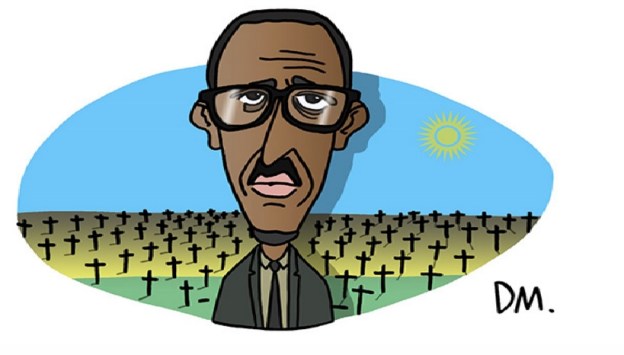
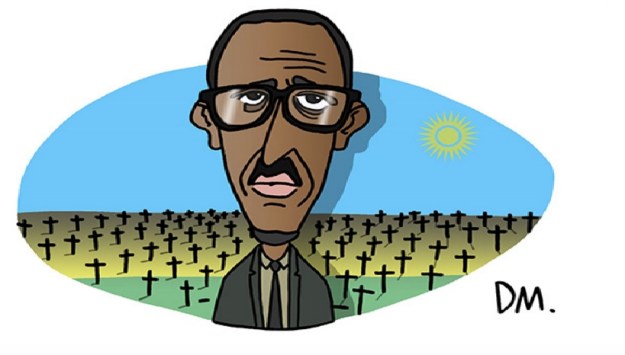
Illustration : David MARTIN for Institut Montaigne

Source: Institut Montaigne

Rwanda: l’opposante Diane Rwigara acquittée

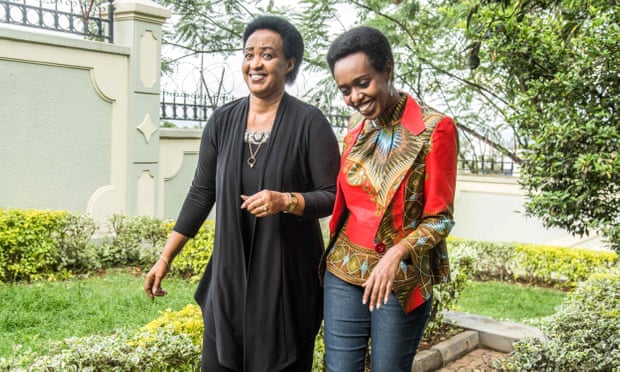
Diane &MotherL’opposante rwandaise Diane Rwigara, critique du président Paul Kagame, a été acquittée jeudi par un tribunal de Kigali d’incitation à l’insurrection et falsification de documents, des charges qui lui ont valu d’être emprisonnée pendant plus d’un an et dénoncées comme politiques par l’intéressée.
“Les charges retenues par l’accusation sont sans fondement”, a déclaré le juge président Xavier Ndahayo. La salle d’audience bondée, dans laquelle avaient notamment pris place des membres de la famille Rwigara, a laissé exploser sa joie une fois la lecture de la décision achevée. Les cinq coaccusés de Diane Rwigara dans cette affaire, dont sa mère Adeline, ont également été acquittés. “C’est la preuve que toutes ces charges retenues contre moi, ma mère et des membres de ma famille étaient montées de toute pièce”, a réagi Diane Rwigara auprès de l’AFP. “J’ai l’énergie et le zèle pour continuer à me battre pour la liberté d’expression et les droits de l’Homme au Rwanda.”

Le tribunal a estimé que les critiques de Diane Rwigara contre le gouvernement ne constituaient pas une “incitation à l’insurrection” car elles s’inscrivent dans le cadre de son droit à la liberté d’expression garantie par la Constitution rwandaise et les lois internationales. Les juges ont également estimé que l’accusation n’avait pas prouvé que Diane Rwigara avait falsifié des signatures de partisans dans le dossier présenté à la commission électorale en vue de sa participation à la présidentielle de 2017. Le rejet de cette candidature avait été critiqué par des gouvernements occidentaux et des groupes de défense des droits de l’Homme.

Le Figaro.fr avec AFP

Rwandan who challenged president faces 22 years in jail as trial opens

Diane Rwigara denies forgery and inciting insurrection in court in Kigali as prosecutors call for 22-year jail term

The trial of Rwanda’s leading dissident politician has opened with a demand from prosecutors that she be sentenced to 22 years in prison for inciting insurrection and forgery.

Diane Rwigara denies the charges, dismissing them as politically motivated after her blocked attempt to challenge the country’s president, Paul Kagame, in last year’s elections.

The 37-year-old appeared in court in Kigali, the capital, on Wednesday alongside her mother, who faces a similar sentence for alleged insurrection and promoting ethnic hatred.

The two women had spent more than a year behind bars before being released on bail last month ahead of their trial.

Kagame has won international praise for the stability and economic development he has brought to Rwanda since the 1994 genocide, when an estimated 800,000 people were killed, but he has also been accused of running an authoritarian, one-party state.

The 61-year-old former soldier won a landslide victory last year, securing a third term in office with 99% of the vote. His ruling Rwandan Patriotic Front remains unchallenged, and has developed substantial economic interests.

In court, Rwigara was defiant, insisting she had only spoken the truth about Rwanda and so could not be guilty of inciting the masses through falsehoods as the prosecution alleged.

“I stand by my remarks,” she told the court’s three judges. “They reflect my political journey, coupled with calling on Rwandans to resist fear and speak for our country.”

Rwigara denied forging signatures on electoral documents in an attempt to win a place on last year’s presidential ballot, an accusation she says was designed to derail her challenge to Kagame.

Watching proceedings in court was Victoire Ingabire, another woman who sought to run for the presidency in 2010, but was blocked from competing, arrested, tried and spent six years in jail before her release in September.

Ingabire was among more than 2,000 prisoners freed this month

Since Rwigara’s arrest last year, her brothers and sister have been interrogated, family assets have been forcibly auctioned to pay off a multi-million dollar tax claim, while a hotel the family owned was demolished for allegedly failing to abide by city guidelines.

Despite some discontent over unemployment and other domestic issues, and a controversial reputation overseas, Kagame appears to be genuinely popular in Rwanda, which has had some of the fastest economic growth rates in Africa and has become known for its stability in a deeply troubled region.

However, opposition activists, many in exile, say he runs a “police state”, jailing journalists and assassinating dissidents, even overseas. Others question the reliability of the economic statistics showing growth and allege that increasing cronyism could undermine economic progress.

Speaking to AFP earlier this week, Rwigara said Rwanda felt “like a prison”.

“The prison guard is none other than the ruling party … dictating to us how to live, what to do and what to say,” she said in an interview at her home in the capital Kigali.

Although the opposition Green party won its first-ever parliamentary seats earlier this year, Kagame and his party dominate and Rwigara is one of the very few openly critical voices in the country.

The high court is due to issue its verdict, and any sentence, on 6 December.

The Guardian