Présentation du Major Jean Marie Micombero durant le colloque sur le Rwanda tenu le 1er Avril 2014 au Sénat de France.

Présentation du Major Jean Marie Micombero durant le colloque sur le Rwanda tenu le 1er Avril 2014 au Sénat de France.

The persecution of Hutu Rwandans did not begin yesterday or today. It is rooted in the Tutsi monarchy XVI th century and the period of African independence in the 1950s through the European colonization.
Indeed, the Hutu Rwandans have been subjected, abused, persecuted and massacred without thank you, the so-called civilized countries of the planet Earth and the so-called international community playing the role of interested observers. If one starts from the earliest period when the RPF and Inyenzi-INKOTANYI attacked RWANDA Monday, October 1, 1990 from Uganda, the report is damning. They called themselves inyenzi INKOTANYI RWANDA invaded from the customs in Kagitumba Prefecture BYUMBA giving border with Uganda. In three and a half years, the RPF-INKOTANYI had killed 650,000 innocent ethnic Hutu BYUMBA Prefecture alone without including others that were killed elsewhere in the prefectures of Ruhengeri, Gisenyi, Kibungo and Kigali . This carnage was perpetrated under the complacent eye of the so-called international community and the perpetrators of this grisly task were not worried to date!
In 1994, 6 April, the Presidents of Rwanda and Burundi MM. Juvenal HABYALIMANA and Cyprien Ntaryamira, attendants, pilots and those who followed them were killed by the RPF of Kagame supported by certain powers of this world. The book group of international experts, ” SILENT ON ATTACK “on page .67 stresses that” foreign power “that helped the RPF shoot down the plane was actually Uganda …. The first and second meeting was used to plan the attack took place in Uganda, respectively, in the towns of Kabale and MBARARA.Une third meeting in which Kagame was present took place in March 1994 in Bobo-Dioulasso in BURKINA FASO. “Until to date the major powers involved have not yet leaked about the RPF-Inkotanyi of Kagame.
With the takeover of Kigali 19 July 1994 by the RPF-INKOTANYI, it has used the genocide to kill over 250,000 innocent Hutu Rwandans still under the complacent eye of the International Community (cfr YOUNG AMERICA No. 1822 07-13 December 1995 – Edition Black Africa ). A week later, then Prime Minister Faustin TWAGIRAMUNGU the RPF government-INKOTANYI himself said in BRUSSELS have “irrefutable evidence that more than 250,000 people had been killed since the RPF took power-Inkotanyi.”

In 1995, April 22, at Kibeho in Gikongoro in southern RWANDA, five thousand (5000) war displaced Hutus were massacred in cold blood in broad daylight the soldiers of the Rwandan Patriotic Army (RPA) under the Kagame eyes of UN observers. (Cfr the book by Maurice NIWESE “THE PEOPLE OF RWANDA ONE FOOT IN THE GRAVE” (p.206). These Hutus were from the prefectures of Butare, Kigali, BYUMBA, Kibungo and GITARAMA. They are grouped in Kibeho from IDP camps Kaduha Musange Mbaza (Rukondo) Cyanika (KARAMA) KAMANA and Munin (Mubuga).
They were killed by RPF soldiers under the command of Col. FRED Ibinga, Commander of the axis Butare-Gikongoro CYANGUGU-then-by shooting, and nobody ever cared about the fate which was reserved, even the President of the Republic of the time Mr. Shepherd spoke BIZIMUNGU some three hundred (300) individuals! In 1995, KANAME (MAHOKO in the prefecture of Gisenyi), many thousands of Rwandan Hutus were massacred by the RPF-Inkotanyi of Kagame in the presence of the great of this world (cf. YOUNG AMERICA No.1811 21-27 September 1995 (p.11).

In 1996, the camps of Rwandan Hutu refugees in eastern Zaire (now DRC) contained more than two million (2,000,000) people. The RPF-INKOTANYI destroyed them with heavy weapons and many of these refugees have been massacred, others were forcibly repatriated in RWANDA. The 653,000 survivors were scattered in the jungles of Zaire as stipulated in newspaper ” WORLD “of February 26, 1997.
There are more than ten years a Western witness said in a report to the Security Council of the United Nations that the Tutsi rebels have carried out killings. Among these refugees escaped between 200,000 and 250,000 have reached TING TINGS and their fate remains unclear Hutu refugees, while 400,000 have failed to call for all had been massacred by the RPF-Kagame INKOTANYI of which boast the world and pretending be powerless. The Worse is that the RPF-Inkotanyi, Paul Kagame and his lieutenants who have committed these crimes in Rwanda where the Hutu were not prosecuted. By cons, Ignace Murwanashyaka and STRATON MUSONI, respectively President and Vice-President of the FDLR who were trying to speak for the voiceless survivors of the massacres of Hutu RPF-Inkotanyi is breaking with their families and eventually arrested by the great of this world. As referenced in the book HONORS Ngbanda Nzambo ” ORGANIZED CRIME IN CENTRAL AFRICA “(p.130), I quote:” If you do not join the RPF today, tomorrow will be too late when the body is in HABYALIMANA the streets of Kigali and his staff dragged before the courts told them Americans . Other people moving Goodwill understand the cause of the Rwandan Hutu are being hunted by the lobbying groups in the pay of the regime of Kagame.
In 1997, May 13, M’bandaka to many thousands of Rwandan Hutu refugees were slaughtered like cattle into the slaughterhouse by soldiers of the RPF-INKOTANYI of Kagame commanded by Commander the one who loved DAVID is called < > (Cf. the journal “LIFE” No.2722 of 30 October 1997 (p. Gilbert Perrin.
In 1998, in January-February, in the caves of Kaname and Mukingo, respectively in the provinces of West and North of RWANDA. More than 5,000 (five miles) Rwandan Hutus have been grouped, locked up and massacred by the RPF of Kagame. Until now no power in this world only wants someone mentions the plight of these innocent Hutus in Rwanda.
What to say Hutu languishing in jails Rwandan death houses since 1994 to date and without criminal records established?? Many people have lost their lives. Do not forget the Arusha tribunal (ICTR), which condemns the innocent on the basis of false testimony prefabricated and / or assembled from scratch by the RPF-Inkotanyi and its network of informers as Ibuka! Furthermore, those trying to flee the continued RWANDA, abused if not killed by death squads of DMI Paul Kagame in the country of refuge in BURUNDI, in UGANDA, KENYA, Belgium, etc … . Recall that these bully poor countries Hutu refugees once there, otherwise reject them forcefully in the face of their tormentors in RWANDA Oh! Great people of this world, international community and humanitarian organizations who take pleasure in such crimes of Kagame and his regime continue to let you destroy the Hutu Rwandan across the globe and is an open secret for now!
We urge you to reconsider your strategies if the history and God Almighty, the Great Judge, you will condemn leaders bloodshed of innocent Hutus.
Conclude with these words of Albert Einstein: ” The world will not be destroyed by those who do evil, but by those who look and refuse to act . “!
To all the people for the human misery and injustice to the poor and the weak, know that war does not build that simply exacerbate the hatred!
Story of a Rwandan, an eyewitness to the tragedy of his people.
Habimana Rukundo
University of Michigan
Michigan Indiana USA
Email: habimanarukundo@gmail.com
Facebook: https://www.facebook.com/habimana.rukundo
Twitter: https://twitter.com/HabimanaRukundo
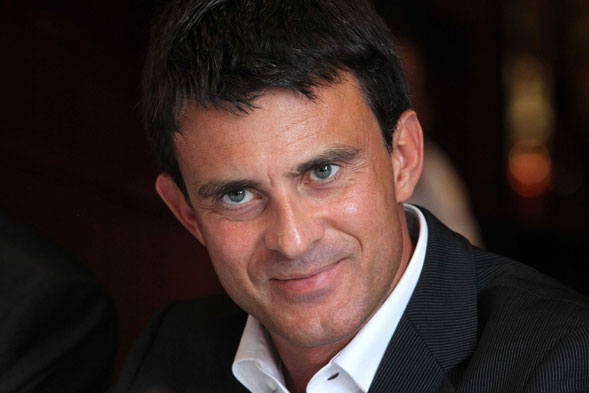
The shooting down of the president’s plane over Kigali late on April 6, 1994 was the event that triggered 100 days of meticulously-planned slaughter that claimed 800,000 lives, mainly of the Tutsi minority.
His comments came amid a bitter spat over allegations by Kigali of Paris’ complicity in the bloodshed. “I do not accept the unjust accusations suggesting that France was an accomplice in the Rwandan genocide,” Valls told parliament in his first policy speech since being named prime minister. He said France’s aim “had always been to separate the warring sides”. The row revolves around France’s role prior to the genocide as a close ally of the Hutu nationalist regime of Juvenal Habyarimana. The shooting down of the president’s plane over Kigali late on April 6, 1994 was the event that triggered 100 days of meticulously-planned slaughter that claimed 800,000 lives, mainly of the Tutsi minority. France is accused of missing or ignoring the warning signs, and of training soldiers and militia who carried out the killings. When the genocide was in full swing, France was accused of using its diplomatic clout to stall effective action. France maintains its deployment stopped the killings and saved thousands of lives. French officials insist that any guilt for failing to prevent the genocide is shared by the entire international community, and in turn accuse Rwandan President Paul Kagame of only raising the issue to distract attention from what they say is his own poor human rights record. (AFP)
Par:Edmond Munyangaju

Tariki ya 7 mata, abanyarwanda twibutse ku nshuro ya 20 jenoside yaduhekuye. Iki gihe ni umwanya mwiza wo gusubiza amaso inyuma tukamenya aho tuvuye n’aho tugeze, bikaba byanadushushanyiriza aho tugana. Mbere ariko yo gufatanya uyu umwitozo utoroshye, tubanje gufata mu mugongo uwo ari we wese wabuze abe muri jenoside no mu bundi bwicanyi butiswe jenoside. Muri iyi myaka 20 duteye umugongo, hari byinshi twari twizeye ko bijya ahagaragara, none turacyategereje ko izuba ribirasiraho. Hari n’ibindi twibwiraga ko umwijima wabipfukiranye burundu, none biragaragara ko utazatsinda urumuri. Reka tubirebere hamwe.
1. Jenoside yabaye Nzamwitakuze.
Mu kinyarwanda iyo umubyeyi yabyaraga apfusha, hari ubwo yageragaho umwana akamwita Nzamwitakuze. Ni nko kuvuga ngo iri zina ni iry’agateganyo, nakura nzamushakira irya burundu. Jenoside na yo yabaye nzamwitakuze. Loni ari na yo ifite inshingano zo kwemeza niba ubwicanyi ari jenoside, yatangiye iyita jenoside y’abanyarwanda. Byasobanuraga ko ari abayikorewe n’abayikoze bose ari abanyarwanda. Ni na byo koko, kuko nka jenoside y’abayahudi yakozwe n’abanyaburayi. Mu Rwanda ho ubutegetsi bwa FPR bwahisemo kuyihindura nzamwitakuze. Yabanje kwitwa itsembabwoko n’itsembatsemba, nyuma ihinduka itsembabwoko, irakomeza yitwa jenoside y’abatutsi, none ubu ni jenoside yakorewe abatutsi. Uwakwibeshya ni uwakwibwira ko noneho iretse kuba nzamwitakuze, ko urutonde rw’amazina rugiyeho akadomo. Urebye intambwe ya “ndi umunyarwanda” ushobora kwibaza niba tutazakanguka tugasanga bayise “jenoside yakozwe n’abahutu”, nibikomeza nk’uko Kagame yabitangaje muri iki cyumweru izaba “Jenoside yakozwe n’abahutu bafatanyije n’abafaransa”, nyuma ishobora kuba “jenoside yakozwe n’abahutu bafatanyije n’abafaransa na Kiliziya Gatolika ”, cyangwa “jenoside yakozwe n’interahamwe n’abafaransa”...inzira ya nzamwitakuze iracyari ndende.
2. Umubare w’abishwe n’abarokotse wabaye Vuguziga.
Mu kinyarwanda kwita umwana Vuguziga byashushanyaga ubushake bwo kuvuga ukuri ugera, ngo hatagira inyungu zawe zihangirikira, iteka ukagira icyo usiga inyuma. Dore bijya gutangira ubutegetsi bwa FPR bwatanze imibare muri Loni ko ngo jenoside yahitanye abantu 800.000. Aba barimo abatutsi n’abandi banyarwanda. FPR ku mpamvu izi yonyine yubakishije urwibutso hafi muri buri kagari n’imibare y’abahashyinguwe irandikwa. Byaje kuba urujijo kuko uteranyije iyo mibare usanga jenoside yarahitanye abasaga miliyoni enye. Nibwo hadutse Gacaca yaje yanzikiye gucukumbura, ihereye ku mibare yo kuri buri musozi. Hashize imyaka 2 irangiye. Nyamara ikibazo cy’umubare w’abahitanywe na jenoside n’abarokotse cyakomeje kuba Vuguziga. Umwanzuro wabaye gusiba imibare yanditse ku nzibutso, na none ku mpamvu zizwi na FPR n’abayo! Hagati aho imvaburayi Dogiteri Senateri Umwanditsi n’Umusesenguzi Bizimana Jean Damascène, mu kwezi gushize yashyize ahagaragara igitabo gikubiyemo ubushakashatsi rutsindangogo. Cyitwa “Inzira ya Jenoside yakorewe abatutsi mu Rwanda”. Muri make ngo jenoside yahitanye abatutsi 1.364.020. (avec précision!). Igitangaje ni ukuntu Gacaca yakusanyije amakuru yaruciye ikarumira, none Bizimana aravumbuye. Ibi na byo utareba kure yagira ngo birarangiye. Nategereze ejo hazaza hahishe ibindi. Bizimana ni umusogongero, umusomyo nturaza.
3. Jenoside y’Imburagihe.
Ku bwa Loni, jenoside yatangiye tariki 1/1/ 1994. Icyemezo gishyiraho TPIR cyemeza ko ibyaha bizakurikiranwa ari ibyakozwe guhera kuri iyo tariki. Aha ni ho bamwe bahera bakibwira ko Loni yemeje ko ihanurwa ry’indege ya Habyarimana atari yo ntangiriro ya jenoside. Kubyumva gutya byaba ari ukwihuta mu magambo. Ahubwo kuba ihanurwa ry’indege ari yo nsiriri ya jenoside, ni cyo gisobanura impamvu Loni yafashe itariki ya 1 mutarama 1994. Yari ifite amakuru rubanda rwa giseseka tutari tuzi nk’uko nyuma byaje kugaragara. Aho umucamanza w’umufaransa Jean Louis Bourguière asohoreye raporo ye, yerekanye ko imyiteguro yo guhanura indege ya Habyarimana yakozwe hagati ya mutarama na mata 1994. Iyi rero ni imwe mu mpamvu zateye Loni gufatira intangiro ya jenoside ku itariki ya 1 mutarama 1994, kugira ngo n’ibikorwa bya FPR byaje kubyara ihanurwa ry’indege ari yo yabaye imbarutso bijye mu rutonde rw’ibigomba gukurikiranwa.
Ibya FPR kuri iki kibazo byo ni agatereranzamba. Ubu hemejwe kwibuka abatutsi ngo bazize jenoside kuva 1959. Na Senateri Bizimana abigarukaho. Igisobanuro ngo ni uko kuva icyo gihe jenoside yateguwe na MDR, ababiligi na Kiliziya, nyuma hiyongeraho abafaransa mu kuyishyira mu bikorwa. Ku bya Kiliziya ho ararye ari menge. Muri 1959, 95% by’abapadiri bari abatutsi. Ubwo ni bo bagize uruhare mu gutegura jenoside yagombaga guhitana ababo! Ahandi ho FPR yemeza ko ari yo yatangije jenoside umunsi itera u Rwanda. Mu Itegeko Nshinga ryo ku wa 26 gicurasi 2003, ingingo yaryo ya 14 iragira iti: “Leta, mu bushobozi bwayo, iteganya ibikorwa byihariye bigamije imibereho myiza y’abasizwe iheruheru na jenoside yabaye mu Rwanda kuva ku wa 1 Ukwakira 1990 kugeza ku wa 31 Ukuboza 1994, abantu bafite ubumuga, abatindi nyakujya, abageze mu zabukuru n’abandi batagira kivurira”.
Ni byiza kwibukiranya uko ibintu byakurikiranye muri iriya minsi. Tariki ya 1 ukwakira 1990, bamwe mu basirikari b’ingabo za Uganda baremye umutwe bise FPR Inkotanyi batera u Rwanda binjiriye Kagitumba. Bahanganye n’ingabo zari muri ako gace, ndetse bukeye bwaho bakubitwa inshuro bihindira muri Uganda. Ni uwo munsi Fred Rwigema yapfuyeho. Tariki 5 z’uko kwezi, ni ho Kigali hafashwe abantu barafungwa bashinjwa kuba ibyitso by’inkotanyi. Ibi mbyibukije ngira ngo nerekane ko nta kindi gikorwa cyabaye tariki 1 ukwakira 1990 twashingiraho dufata iyo tariki nk’intangiriro ya jenoside.
Biragoye kumenya uwashyize iriya ngingo mu itegeko nshinga icyo yari agamije. Iyo wenda aza kuvuga tariki 2 ukwakira 1990. Byari kwitwa ko intambara yateye noneho mu Rwanda bakihimura bica abatutsi. Ku itariki ya mbere ukwakira nta n’umututsi witsamuye, keretse uwari urwaye ibicurane. Uwahisemo iriya ngingo yari agamije iki? Hari bibiri umuntu yakeka.
Birashoboka ko yashakaga kwemeza ko FPR ari yo yatangije jenoside. Ntibyaba bitangaje kuko FPR ifite abanzi benshi mu bo yita abanywanyi bayo. Nk’uko byanakunze kugaragara, hari abo ishyira imbere nyamara buje ubuswa no guhubuka, icyo kikaba ari kimwe mu biyigejeje aharindimuka. Ikindi gishoboka ariko, ni uko FPR yaba yarabikoze ibizi kandi ibishaka, ikaba yari igamije kuninora abatutsi ko ibyababayeho ari yo yabitangije. Si n’ubwa mbere FPR yishongora ku barokotse jenoside nk’uko nigeze kubyerekana mu yindi nyandiko. Uwumva arumve. Ngo “Kadakenga yaranyereye avunika ugutwi, yongeye kunyerera avunika ijosi, ati urupfu rurancira amarenga nkaba umwana”. Ukuri kwa FPR ni uko jenoside yatangiye tariki 1 ukwakira 1990 itangijwe na FPR. Usibye igitero yagabye uwo munsi, nta kindi cyabaye cyatuma iyo tariki ifatwa nk’intangiro ya jenoside. Niba hari ufite ikindi gisobanuro, namubwira iki.
4. Icyunamo gihoraho n’ishyingura ritarangira.
Nyuma y’imyaka 20 turacyakora icyunamo. Mu kinyarwanda kimwe no mu yindi mico ku isi, icyunamo ni mwanya wo gusenyuka ku basigaye bitewe n’uwabo washoje urugendo. Impamvu ni uko uwacu ugiye burya haba hari igipande cyacu kijyanye na we: amateka twasangiye, imiruho n’ibyishimo…tuba dukeneye igihe cyo gupfana na we. Gusa na none, ikiba kigamijwe si uguheranwa n’urupfu. Tuba tugira ngo ibyo nibirangira tuzuke, tweguke dukomeze urugendo, kuko twebwe igihe tukiriho, tugomba kubaho. Ni yo mpamvu icyunamo kiba kigomba kugira aho kirangirira ngo abantu bongere biyubake. Ibyo ntibibabuza nyuma guhora bakibuka. Kwibuka aho bitandukaniye n’icyunamo, abantu ntibahuzwa no kuririra uwagiye, bibuka ubupfura bwe, ubwitange, umurava n’ibindi byose bidakwiye kwabagirana.
Mu rwa Gasabo ho FPR yashyizeho icyunamo kidashira. Nyuma y’imyaka 20 ngo turacyakora icyunamo cya buri mwaka. Igisobanuro ngo ni uko amahano yabaye arenze urugero (kandi koko ni byo) icyunamo cyayo kikaba kitamera nk’icy’urupfu rusanzwe. Uko wagoragoza kose, ni amahano kumara imyaka 20 mu cyunamo. Twakagombye kuba twaratangiye kwibuka. Mu rwego rwo gutinza iyo mpinduka, FPR yashyizeho ishyingura ritarangira. Hari imibiri imaze gutabururwa no kwimurwa incuro nk’eshanu. N’ubu kuyangaza imisozi ntibirarangira. Ikindi kidasanzwe ni ukwanika uduhanga tw’abantu ku nzibutso. Igisobanuro ngo ni ukugira ngo bitazibagirana. Ntaho byabaye. Kuko no gushyingurwa biri mu burenganzira bwa muntu. Ushatse ibimenyetso hari amafoto n’ubudi buhanga bwakoreshwa. FPR yo yarahiye ko abacu batazaruhukira mu mahoro igihe cyose igikeneye kubabyaza umusaruro. Abaganira na Kagame muzamubwire niba abishima, azatange urugero. Nka buriya afashe ibisigazwa bya nyirasenge Gicanda akabyanika ku muryango w’urwibutso rwa Nyanza twamenya koko ko ibyo akorera abandi atabikoreshwa n’izindi nyungu no gushinyagura. Cyakora ikibimutera turakizi: gucuruza ibyago n’amarira y’abandi!
5. Abarokotse jenoside babaye Imbyeyi idateka.
Uwashaka kumenya uburyo bamaze imyaka 20 bakamwa amafaranga akiza agatsiko, yasoma inyandiko yasohotse mu kinyamakuru igihe.com mu cyumweru gishize. Yerekanaga uburyo amafaranga ya FARG hari abanzikiye kuyarira kuyamara. Iyo nyandiko aragira iti:
“Ubugenzuzi bwakozwe n’Urwego rw’Umuvunyi mu Kwakira 2012 kugeza muri Mata 2013, bugashyirwa muri raporo yashyikirijwe Minisitiri w’Intebe Dr Habumuremyi Pierre Damien, ndetse n’Inteko Ishinga Amategeko, bugaragaza ko hari ibikoresho by’ishuri byaguzwe na FARG bigenewe abanyeshuri bacitse ku icumu byandagaye hirya no hino mu Turere bitigeze bishyikirizwa abo bigenewe nk’uko byari biteganyijwe. Iyi raporo kandi igaragaza ko mu mafaranga yagenewe FARG agera kuri miliyoni 130 n’ibuhumbi 783 n’amafaranga 706, ubuyobozi bwa FARG butabasha gusobanura imikoreshereze yayo ndetse n’amafaranga arenga miliyoni 86 n’ibihumbi 854 n’amafaranga 947 yakoreshejwe indi mirimo idafite aho ihuriye n’ibikorwa biterwa inkunga na FARG. Ubu bugenzuzi kandi bukomeza bwerekana ko hari n’ibigo by’amashuri byo mu turere icyenda, FARG ibereyemo umwenda ungana na 41,810,138 biba byarahaye ubumenyi n’abana FARG ibereye umubyeyi ariko byakwandikira FARG byishyuza ikavunira ibiti mu matwi”.http://www.igihe.com/amakuru/u-rwanda/article/farg-na-minaloc-ibisobanuro
Iyo ufashe miliyoni 130 zari zigenwe, ugakuramo 86 zakoreshejwe ngo ibitagize aho bihuriye na FARG. Hasigara miliyoni 44. Wakuramo miliyoni 41 zari zigenewe ibigo by’amashuri zitishyuwe (zagiye ahatazwi) hasigara miliyoni 3 gusa. Izi eshatu ni zo zageze ku barokotse. Niba hari uhakana ko ibi atari ugucuruza abarokotse jenoside natubwire uko we abyita.
6. TPIR isize amapfundo.
Ikindi cyaranze iyi myaka 20 ni urukiko mpuzamahanga rwashyiriweho guca imanza, TPIR. N’ubwo rwari rufite inshingano yo gukurikirana ibyaha byose ku mpande zombi zarwanaga, rurangiye aba FPR bakidegembya. Benshi barugaya kubogama. Iyaba ibi byari ukuri, Kagame n’amashumi ye twakagombye kubabonana umucyo mu maso. Nyamara si ko bimeze. Uko bukeye barushaho guta umutwe kugeza n’aho ubakuriye Museveni yigamba ko bafite umushinga wo kurimbura “bantous”. Ku muntu witambukira mu nzira, TPIR yakingiye ikibaba FPR. Ku muntu ureba kure, TPIR isize imanitse ibya jenoside mu kirere. Bishobora guhanuka igihe icyo ari cyo cyose, kandi umwe mu bafite amahirwe menshi ko byamugwira ni FPR. Reka nisobanure.
Kugeza ubu ntawe urahamwa no gutegura jenoside.
TPIR isize yemeje jenoside itagira uwayiteguye. Byarabanje babyumvisha Kambanda ngo yemere ko guverinoma yari ayoboye ari yo yayiteguye, biyibagiza ko iyi guvernoma yagiyeho jenoside yaratangiye ! FPR yanditse mu Itegeko Nshinga ko ngo jenoside yatangiye ku ya 1 ukwakira 1990. Loni yo ngo yatangiye tariki 1 mutarama 1994. Ufashe ibya Loni igipindi gihita gisenyuka kuko Guverinoma y’abatabazi ntiyategura jenoside yayitanze kubaho ho amezi ane. Ufashe ibya FPR bwo waba ushyize ibintu i Rudubi. Uwari witezwe ni Bagosora. Urukiko rugiye kubyica rumuhamya ibyaha byose ariko rumuhanaguraho icyo gutegura jenoside. Nguwo umutego uzashibukana FPR ejo hazaza. Umunsi zahinduye imirishyo, iki cyuho cy’uwateguye tuzi uzakijyamo: FPR. Aha wahahera wumva icyo Mugesera azira. FPR irifuza ko yakwemera ko muri MRND bateguye jenoside. Yababereye ibamba. None amaso yaheze mu kirere.
Guverinoma y’abatabazi nta jenoside yakoze.
Ubivuze gutya abantu bashobora kwikanga, nyamara usesenguye imanza za Arusha ni wo mwanzuro ugeraho. Icyo urukiko rwa Arusha rwemeje, ni uko mu bari bagize guverinoma y’abatabazi hari abahamwa n’iki cyaha. Nyamara kibahama buri wese ku giti cye. Ntabwo gihama guverinoma muri rusange nk’itsinda. Gihamya ni uko babiri mu bari bayigize bagizwe abere. Abo ni Andereya Ntagerura wari minisitiri w’itumanaho no gutwara ibintu na Andereya Rwamakuba wari minisitiri w’uburezi. Kandi koko icyagaragaye mu manza, nta nyandiko, nta nama cyangwa ikindi kigaragaza aho guverinoma yateranye igashishikariza abantu gukora jenoside. N’abakatiwe byaturutse ku bikorwa byabo ku giti cyabo mu duce tunyuranye tw’igihugu. Mu yandi magambo, icyaha nticyabahamye nk’abaminisitiri cyabahamye nk’abantu ku giti cyabo.
Ingabo z’u Rwanda(FAR) jenoside ntizihama.
Uko byagendekeye guverinoma y’abatabazi ni na ko bimeze mu bari ingabo z’igihugu. Abahamijwe icyaha byaturutse ku bikorwa by’umuntu ku giti cye, ariko bitavuze ko hari umugambi ingabo zagize wo gukora jenoside. Ikimenyimenyi, ni uko abari bazikuriye ku nzego zo hejuru bagizwe abere. Twafata nk’urugero rwa Gratiyani Kabiligi wari G3, ni ukuvuga umuyobozi ku rwego rwa gatatu ushinzwe ibikorwa bya gisirikari. Twavuga na Ndindiliyimana wari uyoboye Jandarumori. Kugirwa abere kw’aba bantu ni ubutumwa bukomeye ko ingabo nta kigaragaza ko zagize umugambi, cyangwa amabwiriza yo gukora jenoside. Gusa hari abayishoyemo ku giti cyabo.
Ibi byose birerekana ko Arusha, n’ubwo yabogamiye ku Nkotanyi, nyamara isize umuryango ufunguye. Ibi biratanga uburyo ko mu gihe kiri imbere, FPR nimara guhirima, ibyuho byagaragaraga mu manza za jenoside byazagira uburyo bwo gusibwa. Ikindi ni uko kuba ingabo na guverinoma y’abatabazi jenoside itabahama muri rusange, ejo n’ejobundi bizafasha kumva neza amateka ya jenoside bitambutse uyu murongo ntayega waciwe na FPR.
7. Kagame imbeho iragenda irushaho kumubana ubutita.
Ibi byose tumaze kuvuga Kagame na FPR barabizi, n’amahanga arabibona. Wahera aha ukumva akato Kagame agenda yinjiramo buri munsi, n’impamvu arushaho guta umutwe no kuvuga amateshwa. Mu myaka yashize, mu cyunamo i Kigali byabaga ari uruvunganzoka rw’abashyitsi biganjemo abakuru b’ibihugu n’aba za guverinoma. Uwitegereje uyu mwaka yabonye uburyo byitabiriwe n’abayobozi bacyuye igihe kurusha abakiri mu mirimo. Nyamara FPR yari yatangije icyunamo mu kwa mbere mu kureba ko uyu mwaka wayibera umwihariko. Umwihariko warabaye ariko si uwari witezwe. Hari hitezwe abashyitsi batabarika, none haje mbarwa. Abanyaburayi bamaze gukuramo akabo karenge, keretse nka Blair Tony na we kubera imirimo arangiriza muri RDB. Abakuru b’ibihugu na guverinoma bari mbwarwa ( Yoweri Museveni wa Uganda, Uhuru Kenyatta wa Kenya, Ali Bongo Ondimba wa Gabon, Ibrahim Boubacar Keïta wa Mali, Denis Sassou Nguesso wa Congo, Hassan Sheikh Mohamud wa Somalia, na Hailemariam Desalegn wa Etiyopiya).
Ibi ntibiterwa n’uko amahanga atagiha agaciro jenoside, ahubwo arishisha Kagame n’ubucuruzi ayibyaza. Mu myaka yashize barahururaga kuko yari akibabeshya ko ari Nyirubutungane na Mukiza. Aho bamariye kuvumbura ko ari Bihemu na Kirimbuzi, ntawe ugishaka gusohoka ku ifoto imwe na we. Aho abayobozi bo ku isi, cyane cyane i Burayi na Amerika batangiye kumuhunga, yiyuburuyemo umwarimu wa za Collège zo muri Amerika. Kuko nyine abayobozi batakimutumira, arikora akazenguruka Amerika ngo atanga ibiganiro muri za Collège. Muribuka umwaka ushize ubwo yasiganwaga na Kikwete. Gusa ingendo zabo zari zihabanye. Mu gihe Kikwete yakirwaga n’Inteko Ishinga Amategeko y’Amerika, Kagame yari muri College tutazi. Quelque part sur la terre!! Aho akigerageza gukandira ni muri EAC (East African Community). Na byo mu cyumweru gitaha tuzabereka uburyo bitarimo kumuhira nk’uko bamwe babikeka.
8. Abambari ba Kagame mu ihurizo rya Nzamugwinyuma.
Abambari ba Kagame na bo bageze mu gihirahiro. Umugani w’Abarundi, babuze ayo bacira n’ayo bamira. Ku ruhande rumwe baramukeneye kuko bamuriraho. Ku rundi ruhande barabona ko amarembera agenda yagereza. Hagati ya Zibukira na Nzamugwinyuma (nzamugwimbere ku bwa minisitiri Mussa Fazil) ihurizo ni ryose. Mu kubafasha kwihangana no kuzirikana amaherezo yabo, reka mbature aka karirimbo ka nyakwigendera Georges Moustaki, yakise “Chanson cri” (Intabaza). Ndayandukura uko iri ngo ntamwicira inganzo, nyuma nyishyire mu kinyarwanda ku batumva ururimi rwa bene madamu:
Je veux que ma chanson soit comme un cri d’alarme
Entre un air à la mode et un chanteur de charme
Et même si je ne chante pas assez fort
Qu’on veuille m’écouter trois minutes encore…
Je dis que le bateau prend l’eau de tout coté
Il est temps qu’on essaye de le colmater
Victime ou criminel les deux sont concernés
Et s’il y a un coupable on est tous condamnés
Ndifuza ko iyi ndirimbo yanjye yababera nk’impuruza
Wenda ntigezweho cyangwa ngo ibashimishe
Ndabizi ko ijwi ryanjye ritarangurura bihambaye
Ariko nyabuneka nimunyumve byibura iminota itatu…
Dore ubwato buratobotse kandi amazi arabinjirana impande zose
Iki cyari igihe gikwiye cyo kubusana imitutu
Waba umwicanyi cyangwa urengana mwese birabareba
Kuko niba hari uwo icyaha gihama mwese muzafatanya kwishyura.
Mugire amahoro,
Edmond Munyangaju.

Ingeso mbi ntirara bushyitsi! Muri iki gihe cyo kwibuka génocide mu Rwanda ku ncuro ya 20 yatewe na Kagame Paul ubwe ubwo yagaba igitero ku Rwanda ku italiki ya 1/10/1990 akongera agakoma imbarutso ya rurangiza ahanura indege yarimo abakuru b’ibihugu 2 : Habyarimana Juvénal w’u Rwanda na Ntaryamira Cypriani w’igihugu cy’u Burundi, hagakurikiraho amahano y’ubwicanyi butagira izina bwakozwe n’interahamwe zivanzemo inkotanyi, nyuma FPR igakomeza ubwo bwicanyi mu Rwanda hose yica abahutu ikanabakurikirana muri Congo no mu bindi bihugu kugeza kuri uyu munota ikaba ikiri kwica , noneho kuri iyi ncuro ya 20 yo kwibuka ayo mahano yose Kagame Paul yakuye agahu ku…kuko ari kwica umuntu wese uri gutinyuka kuvuga ayo mahano yakoze n’abatutsi barimo! Reka tubahe ingero nke cyane ziri kuvugwa muri iyi minsi mike icyunamo gitangiye z’abamaze gupfa no kuzimira :
1.Nk’uko byumvikanye kuri radio itahuka kuri uyu mugoroba wo kuwa Gatatu tariki ya 9 Mata 2014, umunyamakuru Jean Paul Turayishimye yavuze ko kuva kuwa Gatandatu tariki ya 5 Mata 2014, Bwana Kizito Mihigo yaburiwe irengero.Nyuma y’uko Kizito ahamagajwe mu nama y’abakuru ba FPR agaterwa ubwoba cyane, DMI ngo yakomeje gucukumbura icyaba kihishe inyuma y’indirimbo ye « igisobanuro cy’urupfu », kuko Paul Kagame we ngo yumva ko nta kindi cyaba cyaramuteye kuririmba kuriya uretse impamvu za politiki.Amakuru arimo avugwa mu binyamakuru binyuranye ngo Jack Nziza yabwiye Paul Kagame, ko afite ibimenyetso ko Kizito Mihigo ngo yaba yarashinze umutwe urwanya leta mu ibanga. Ngo uwo mutwe wa Kizito ugizwe n’abasore n’inkumi, bahoze mu Rwanda ni ukuvuga abo bita « Abasopecya ».
2.Kuwa mbere tariki ya 7 Mata 2014 nibwo Umuyobozi wa Radio ya Gikirisitu” ubuntu butangaje” benshi bita “Amazing Grace” Ntamuhanga Cassien w’imyaka 35 yaburiwe irengero. Kuri uyu wa kabiri Polisi yadutangarije ko yamenye iyi nkuru ndetse ikaba yatangiye iperereza. Imodoka ye yari amaranye amezi abiri ndetse yari ataramara kwishyura nk’uko tubikesha abayimugurishije,niyo yabashije kuzanwa n’abantu batazwi bayigeza ku kazi ke. Amakuru veritasinfo ifite ni uko uyu Ntamuhanga yari amaze iminsi ahatwa ibibazo na polisi y’u Rwanda byerekeranye n’uko amasengesho ye avuga kuri radio ayobora yumvikanamo no gusabira abahutu bishwe mu gihe cya génocide!
Yaba Kizito yaba Ntamuhanga bombi ni abatutsi bacitse ku icumu bihaye kuvuga ko n’abahutu bishwe nabo ari abantu kandi kubwa Kagame batagomba kwibukwa, ubusanzwe umututsi unyuranyije n’ibyifuzo bya Kagame ahabwa igihano cyo kwicwa. Ntabwo twakwemeza ko aba banyarwanda bombi bishwe ariko birazwi ko inzira ari 3 ku muntu washyizwe mu majwi na FPR: Kwicwa, Gufungwa cyangwa Guhunga! Imana ibarinde babe bakiri bazima aho gukomeza kongera amarira kuyandi abanyarwanda bamaranye iyi myaka 20 yose !
3.Uyu munsi kuwa kane taliki ya 10/04/2014 Umuntu utaramenyekana yabonetse mu kizenga cy’amazi yapfuye acuritsemo i Kigali. Polisi yashoboye gukura umurambo we mu mazi, gusa amazina ye ntaramenyekana. Polisi yasanze ari umugabo uri mu kigero cy’imyaka 20 na 25, kandi hari bamwe mu baturage bari bashungereye bavuze ko bari basanzwe bamubona akora nk’umukarani mu gakinjiro ka Gisozi. Umunyamakuru wa IGIHE aravuga ko yabonye uwo muntu asa n’uwakubiswe ikintu gikomeye inyuma ku mutwe.

4.Umutaliyani Francesco benshi bakundaga kwita Franco, yasanzwe yapfiriye mu nzu yari anacumbitsemo ahitwa mu Kiyovu cy’abakire mu Mujyi wa Kigali. Ku gicamunsi cyo kuwa Kane tariki ya 9 Mata nibwo Franco, wari ufite akabari kazwi ku izina rya New Mangaroca mu mujyi rwagati, hafi y’ahitwa kwa Rubangura, yasanzwe mu nzu ifunze kandi yapfiriyemo. Twizere ko uyu mutaliyani atahawe utuzi twa Nziza kubera kugira ingengabitekerezo ya kiliziya Gatolika yateje génocide mu Rwanda! Gusa ikizwi ni uko uyu mutaliyani yafatwaga n’inzego z’iperereza za Paul Kagame nk’umuntu woherezaga hanze y’igihugu amakuru mu ibanga ku bikorwa bibi by’ubutegetsi bwa Paul Kagame! Nta nubwo icyamwishe kizigera kimenyekana kuko bizwi nyine n’ubwo butegetsi gusa !
Ariko uko byagenda kose ,izi mpfu ntabwo ari ubusambo, ni impfu za politiki yamenyerewe mu Rwanda yo kwica umuntu wese ubonwa ko afite imyumvire idahuje n’iyabayobora igihugu muri iki gihe! None se ibyo Kagame yivugiye sibyo ? les faits sont têtus ! Ibi byose biragaragaza aho agejeje u Rwanda akazarusiga mu muvu w’amaraso nk’uko yarufashe amaraso ari gutemba!
Imana ibe hafi y’abanyarwanda!
Ubwanditsi bwa Veritasinfo kuwa 10 Mata 2014.

Comment jugez-vous la montée des tensions entre la France et le Rwanda, et notamment les accusations du président Kagame?
Je pense tout d’abord que le gouvernement français n’a pas suffisamment réagi à cette insulte, car c’en est une, il n’y a pas d’autres mots. Nous aurions dû aller beaucoup plus loin et plus fort. On pouvait par exemple éviter toute représentation de la République française aux commémorations. C’était à nous, de notre propre chef, de n’envoyer personne, pas même l’ambassadeur. Je suis scandalisé que l’on remette en cause l’opération Turquoise que j’ai menée, avec l’appui de François Mitterrand, d’Edouard Balladur et d’Alain Juppé (respectivement Président, Premier ministre et ministre des Affaires étrangères, Ndlr). Cette opération était extrêmement compliquée et nous sommes aujourd’hui accusés de façon infamante par ce monsieur. Paul Kagame agit ainsi pour se sortir d’une passe diplomatique et intérieure difficile. C’est un petit dictateur comme malheureusement un certain nombre de pays en ont produit.
Y a-t-il eu pour autant des “erreurs” ou un “aveuglement” de la France par rapport à ces massacres, comme l’a reconnu Nicolas Sarkozy en 2010?
Je crois qu’on a eu tort de dire cela à ce régime dictatorial. Pour une question d’honneur et de dignité, on devait être beaucoup plus dur. Il y a des moments où la République française doit se faire respecter. En 1994, l’émotion était très grande dans le monde et nous avons été les seuls à intervenir. C’est quand même scandaleux que cela retombe sur nous. Nous n’avons aucune excuse à faire à M. Kagame.
«C’est une réécriture de l’Histoire que de croire que la France avait connaissance d’une volonté de génocide»
Avant même le début de l’opération militaire française au Rwanda, la France est accusée par Paul Kagame d’avoir “préparé le génocide”. Cela repose la question des relations de Paris avec le régime rwandais d’alors…
Je n’ai pas l’intention de juger ce qui a pu être fait avant ma nomination dans le gouvernement d’Edouard Balladur. Mais je me souviens des discussions que j’ai pu avoir avec François Mitterrand. Il y avait une réflexion, de la part du Président, fondée sur le passé quant aux rapports entre les pays anglophones et le Rwanda. Cette conception prévalait lors qu’il y a eu une infiltration dans ce pays francophone venue du nord (la rébellion tutsie menée par Paul Kagame, le FPR, avait été créé quelques années plus tôt en Ouganda, Ndlr).
Le gouvernement auquel vous apparteniez n’a pas soutenu le régime génocidaire?
Je n’ai pas le sentiment que c’était le cas. Il y avait certainement la volonté de freiner l’avancée du FPR sur Kigali. Mais c’est une réécriture de l’Histoire que de croire que la France avait connaissance d’une volonté de génocide. C’est absurde. Il n’y avait certainement pas de complicité. Quant au passé, j’ai dû mal à me prononcer car je n’ai pas tous les éléments d’information. Je souhaite d’ailleurs qu’ils soient aujourd’hui ouverts.
Vous êtes donc favorable à la levée du secret défense dans ces événements, à l’instar d’Edouard Balladur?
A chaque fois que la France est mise en cause de façon aussi malhonnête, je pense que nous avons tout intérêt à ouvrir les dossiers, tant qu’il n’y a pas de menaces sur nos forces ou sur le pays, ce qui ne semble pas le cas ici. Nos soldats ont été exceptionnels, ils ont fait un travail incroyable et ont sauvé des milliers de vie. Qu’ils se fassent aujourd’hui cracher dessus, c’est aberrant. Et que le gouvernement ne les défende pas davantage, cela me choque beaucoup.

Rwandan youths carry a flame of remembrance to a ceremony in the town of Kirehe, where villagers from surrounding areas gathered to hear genocide recollections, the symbolic fire is travelling the country as the nation prepares to mark 20 years since the horrific killings that claimed more than 1 million lives. Twenty years after the genocide, the massacres of Hutu civilians who fled across the border into the DR Congo remain a taboo subject in Kigali. PHOTO | FILE
Kigali. Twenty years after the genocide of Rwanda’s Tutsi minority, the massacres of Hutu civilians who fled across the border into the DR Congo remain a taboo subject in Kigali.
In DR Congo’s restive east, however, the memories are painfully acute, of families rounded up and murdered, bodies dumped in mass graves, pregnant women disembowelled.
The Tutsi-led Rwandan government sees as tantamount to negationism any suggestion that the victims of genocide were themselves responsible for mass ethnic killings in 1996-97. Kinshasa has never truly investigated the subject.
But Roberto Garreton of Chile, the first to investigate the slaughter on behalf of the United Nations in April 1997, says he concluded fairly quickly that around 150,000 people had been slain on Congolese soil.
The killings are blamed on forces of the post-genocide government in Kigali who backed a rebel movement led by Laurent-Desire Kabila, the late father of current DR Congo President Joseph Kabila.
“There were many clues showing that the goal was to exterminate those who committed the genocide” against the Tutsis, Garreton told AFP by telephone from Santiago.
But, he added: “It wasn’t possible to say with certainty that there was a genocide,” that is, the wilful extermination of an ethnic group.
Here in Rutshuru in the country’s east, a Congolese Hutu told AFP: “They killed many! They set up barricades and if you had a Hutu name they took you away (and) they killed you!”
A woman who gave her name only as Chiza said: “I saw a pregnant woman whose stomach had been cut open, and the baby was beside her, still attached by the umbilical cord. The woman’s belly was full of flies.”
Located some 50 kilometres (30 miles) from the regional mining hub Goma, Rutshuru and its surrounding area was a major target of killings in 1996.
That was when Laurent-Desire Kabila kicked off his rebellion in North and South Kivu provinces in what was then Zaire.
Kabila’s rebel ADFL army, which would succeed in overthrowing the dictator Mobutu Sese Seko in 1997, was backed by Rwandan troops who poured across the border, where hundreds of thousands of Rwandan Hutu refugees had fled in 1994.
Hiding among them were genocide perpetrators, the so-called Interahamwe militiamen, members of the former Rwandan military and other civilians who took an active part in mass killings. (AFP)
At the same time the Rwandan Patriotic Front, the minority Tutsi force that halted the genocide in Rwanda and took power in Kigali, mounted an operation to halt cross-border incursions into Rwanda by the Interahamwe.
When Kabila’s rebellion took off, the Rwandan soldiers who flooded into Zaire did not simply track down the Interahamwe; according to many residents, they targeted Rwandan as well as Congolese Hutus indiscriminately, including civilians — men, women, old and young alike.
The soldiers from Kigali are accused of having staged phoney reconciliation meetings, only to rob people and then kill them or recruit them as cannon fodder to fight for Kabila.
“A pastor told his flock that if they stayed together in a house Rwandan soldiers would do nothing. But they burned down the house,” recalls one resident.
– No prosecutions –
Later, around 1,500 families at a camp for displaced Hutus in Nyongera, just north of Rutshuru “were all killed,” said Chiza, who belongs to a women’s association.
“They killed educated people. They killed the youth of Rutshuru!”
A Congolese Hutu civil servant recalled how, in late 1996, several dozen people were rounded up one evening at a local official’s house.
“They took groups of five or 10 people, tied them up, brought them here, and killed them with a hoe.”
The man, who requested anonymity, pointed to a spot where the executions allegedly took place and where the bodies were thrown — now covered with weeds.
The bones were excavated in 2005.
Another said he escaped a “planned massacre” at the end of 1996 in Rwanguba, east of Rutshuru.
“One morning, when we came back, we found those who didn’t escape: they were bound, and their brains had been hacked out with a hatchet,” he said.
Like others, he said attacks sometimes targeted non-Hutus.
Hutus were allegedly hunted down elsewhere as Kabila’s AFDL fighters advanced on Kinshasa, some 1,000 kilometres (600 miles) to the west.
Hundreds of thousands of Hutus fled ever deeper into the DR Congo for weeks, and mass graves can be found along their route.
The UN probe, which faced continual obstruction from Kinshasa, took years before finally concluding in 2010 that “the apparent systematic and widespread attacks” perpetrated by the AFDL and Rwandan soldiers “reveal a number of inculpatory elements that, if proven before a competent court, could be characterised as crimes of genocide.”
But no prosecutions resulted from the probe, and nearly 20 years later, those responsible for the crimes have not been brought to justice.

Sandrine De Vincent, Africanada Miss Social Media 2013
Twenty years ago, it feels like yesterday, many of us lost our childhood innocence, and now those horrible memories are being replayed again. Many of us we will forever have scars of the Rwandan genocide. As I see the children of Central African Republic, of South Sudan crying for help, it tears me to realize that that was me twenty years ago. Rwandan genocide is not a word or an ideology or some numbers, it is our brothers and sisters. They are the doctors and lawyers that Rwanda as a country lost.
The Rwandan genocide was preventable, the failure of the world to act, unforgivable, and the event for most Rwandans, forever unforgettable. Today, let’s pray for peace and healing for the many people who have been affected by war, especially for the many children who are crying for help. And above all, let us not plant seeds for war and genocide.
The spirit of resiliency among many Rwandan genocide survivors is a torch of hope to the world, and may those who lost their lives rest in peace.

Biragaragara ko wa mucukuzi w’imisarani(Bamporiki)noneho yiyuburuyemo umukinnyi w’ikinamico, kuko nyine ntacyo agitinya, akaba yishakiraga na we kugaragara amahanga yateranye kandi yabigezeho ubwo yihangishagaho ibyo guhahamuka bakamutwaraga intambike, ngo yari agamije kwereka abazungu ingaruka za Jenoside ! Ishyano riragwira ni ukuri . Ubu se koko iyi “theatre” hari indi mbuto yakwera uretse gukina ku mubyimba abasizwe iheruheru n’ubwicanyi abandi bungukiramo ? Gusa ntihagire uwihutira guseka Bamporiki kuko mu by’ukuri ari umunyabwenge cyane : yumvise neza ko ba Shebuja bibereye mu “ikinamico” risa, ni uko na we abona ataviramo aho. Biranashoboka ariko ko mu minsi iri imbere twazamubona yazamuwe mu ntera, akaba Ministri cyangwa Perezida w’INTEKO, kuko ashobora kuba yakinnye neza “role” ba Shebuja na Nyirabuja bari bamuhaye gukina muri iriya mihango. U Rwanda rugeze iwandabaga koko !
Ngaho nawe isomere iyo nkuru ya Rushyashya, uzirikane n’ibyo yirinze gutangaza ku mugaragaro.(Ubwanditsi)
Mu masaha ya mu gitondo cyo kwibuka jenoside yakorewe Abatutsi muri Mata 1994, uyu muhango ku ncuro ya 20 wabereye kuri stade Amahoro k’umunsi w’ejo, ahari imbaga y’abantu baturutse ku isi yose baje kwifatanya n’abanyarwanda kunamira ababo bazize uko baremwe, habonetse udushya.
Mu gihe hatangwaga ubuhamya bw’uwarokotse Jenoside ukomoka mucyahoze ari Gikongoro akaba yararokokeye I Nyamirambo.Abacitse ku icumu bari muri stade amahoro batangiye kugaragaza ibimenyetso by’ihungabana humvikanaga akaruru n’umuborogo by’abarokotse Jenoside muri bo habonetsemo na Nyakubahwa Depite Edouard Bamporiki wahungabanye agatwarwa igitaraganya ateruwe n’abasilikare.
Nkuko ababibonye n’ amaso yabo bari bicaye hafi n’ iyi ntumwa ya rubanda, mugihe yahungabanaga babitangarije Rushyashya.net banemeza aya makuru y’ ihungabana rya Depite Bamporiki, banavuga ko yahise aterurwa akajyanwa kwa muganga nubwo hataramenyekana ibitaro byamwakiriye cyangwa se abashinzwe ubutabazi ngo batangaze niba yaje koroherwa.
Abakurikiranira hafi ibya Depite Bamporiki bavugako amaze iminsi afitanye ibibazo n’itorero ADEPR, iyi nayo ikaba ari imwe mu mpamvu yatuma ahungabana .
Kurundi ruhande ariko hari ababwiye Rushyashya.net ko amateka ya Bamporiki, nayo yamutera ihungabana ngo kuba ababyeyi be baragize uruhare muri jenoside bikaza kumuviramo kwandika igitabo “Icyaha kuri bo, Ikimwaro kuri njye” ko ari byo byaba byamuteye ihahamuka.
Ntibisanzwe mu Rwanda kumva umuyobozi runaka byongeyeho kuba ari Intumwa ya rubanda kugira ikibazo cy’ ihungana imbere y’imbaga y’abantu bangana kuriya n’imbere y’abashyitsi, bikageza aho atwarwa mu maboko, ese depite Edouard Bamporiki udafite umutima ukomeye nk’ umuyobozi ufite umwanya mu Nteko Inshingamategeko ni gute azabasha kuvugutira umuti abafite ibibazo nyabyo by’ihungabana barokotse Jonoside ? Ese umunsi yongeye kugira ikibazo nk’ iki yicaye mu nteko bizagenda bite ? Abanyarwanda n’ abo bazaba bicaranye bazabyakira bate ?
Hon. Bamporiki yageze mu Nteko Inshingamategeko kubera impano ye yo kuvuga imivugo n’igitekerezo yazanye cyo kuzenguruka amagereza yigisha abishe gusaba imbabazi. Yaje no gutanga ubuhamya avuga uko yabonye Abahutu b’iwabo I Cyangugu bica Abatutsi.
Ibyo kuvugisha ukuri no gutanga ubuhamya nk’ umuntu wavutse mu miryango y’ abakoze jenoside, akaza gushyiraho ishyirahamwe ryitwa “Art for Peace” no kujya mu ntara z’ igihugu yigisha urubyiruko kuvuga ibyo rwabonye no gusaba imbabazi bya muhaye ticket yo kwinjira munteko ishingamategeko nk’umudepite wa RPF-Inkotanyi.
Rushyashya.net
Source :http://rushyashya.net/amakuru/mu-rwanda/hon-edouard-bamporiki.html
Par:Musemakweri Jean de Dieu

Nabo tubibuke
1. FPR ikora byinshi bihabanye n’umuco wa Kinyarwanda
1.1. Kwihoorera byabagaho mu muco wa kinyarwanda, ariko byari ibintu bibi kuko bivugakwica inzirakarengane imwe yo mu muryango w’uwakwiciye. Kubera ko Interahamwe zigizwe n’Abahutu, ariko atari Abahutu bose, zishe Abatutsi batageze kuri miliyoni 1, FPR yabahoreye yica miliyoni na miliyoni z’Abahutu b’inzirakarengane, n’ubu kandi irumva gukomeza kubica ari uburenganzira bwayo, ndetse bikaba n’inshingano yiyemeje. Ibyo FPR ikora biteye isoni kuko binyuranyije n’amategeko yagengaga umuco mubi wo guhoora ; kandi aho ibihe bigereye aha, uwo muco wagombye kuvaho, ntihagire uwihanira, ntihagire uwihorera, byose bigashyikirizwa ubucamanza.
1.2. Kugirango umwuka mubi hagati y’abantu n’imiryango yabo bitabyara inzigo, mu muco nyarwanda habagaho Gacaca zigamije kwunga ababaga bagize ibyo bapfa. Urebye uko Gacaca nyarwanda yari imeze, usanga ibyo ingirwa-Gacaca za FPR zakoze biteye isoni. Ntizunze Abanyarwanda, ahubwo zabahembereyemo inzigo.
1.3. Mu kinyarwanda ububwa buri ukubiri : Kwima uwaguhaye no gusaba uwo wimye. Hari Abatutsi benshi bakijijwe n’Abahutu bahaze amagara yabo kugirango babashe kubigeraho. FPR yatoje abo bacikacumu kutazongera kuvuga ko hari Umuhutu n’umwe wakijije Umututsi n’umwe. Ikongera iti : “Niba hari Umuhutu wabashaga gukiza Umututsi, ubwo ni uko yakoranaga n’Interahamwe”. Erega ubwo uwo Muhutu akaba arafunzwe, yambuwe ibye cyangwa aranishwe kubera ineza yakoze ! FPR rero izatubwire niba Abanyaburayi bagize ubutwari bwo guhisha no gukiza Abayahudi igihe cya Hiltler (les justes parmi les nations) barakoranaga n’AbaNazi ba Hitler nyine. Bamwe muri abo Bahutu bakijije Abatutsi bishwe n’Inkotanyi. Impfubyi basize zajya kwa ba bantu bakijijwe n’ababyeyi bazo, bakazirukanira kure. Ubwo si ubunyarwanda, ubwo si ubupfura ; ni ubunyamaswa, ni ubupfunya, ni ubunyanda FPR yigisha abambari bayo. Kuba hari Umututsi n’umwe ukiriho, ni uko Abahutu bose batishoye mu bwicanyi. Iyo babijyamo uko banganaga bose, Abatutsi baba barashize burundu mu Rwanda.
Ubundi bubwa ni ugusaba uwo wimye. FPR yimye Abahutu benshi b’inzirakarengane uburenganzira bwo kwishyira bakizana, ibajugunya mu munyururu, aho baborera. Yarangiza ikabasaba kwemera ibyaha batakoze kugirango bagabanirizwe ibihano, ariko nayo ibonereho kwemeza ko nta Muhutu n’umwe utarishe.
1.4. FPR irakungura. Abarundi baravuga ngo “Atawe avugana ingya mu kanwa”, icyo ni ikinyabupfura gisanzwe. Ariko “nta n’umwana wonka arira”. Iyo hari umwana ubyadukanye, babimucaho hakiri kare kuko ari ukugira ikinyabupfura gike no gukungura. Kirazira kandi ko abana, yewe se n’abantu bakuru, basubiranamo bari gufungura. Ngaho rero bafashe ibyuma, amakanya, ibiyiko n’indosho barishaga, bakabihindura intwaro zo kurwana ! Ibyo bintu byose bizira, FPR ni byo ikora gusa. Kuri yo, gutegeka igihugu ni “ukukirya ucyicayeho”. Nta n’ubwo nabigereranya no kwonka, ahubwo ni nko gukama, ariko ugakama n’ayo mu ihembe, ni ukunyunyuza imitsi y’Abanyarwanda. Uko FPR iriho imiragura, ni nako induru n’imiborogo byayirenze ngo hatagira undi Munyarwanda usaba kugira nawe uburenganzira n’uruhare ku byiza by’igihugu cyamubyaye. Biteye isoni.
1.5. Gukunda ibintu, kugira inda nini kandi mbi bya FPR bigaragarira no mu cyunamo cya buri mwaka. Mu muco wa kinyarwanda, habaho icyunamo. Kimara igihe cyagenywe, kikarangira. Kuki FPR ikora uko ishoboye ngo ihoze Abanyarwanda mu cyunamo ? Ni uko umuntu uri mu cyunamo yubahwa, agasigasirwa kandi agasurwa. Abaje kumusura ariko ntibaza imbokoboko. Buri wese aza hari ikintu yitwaje : sheki (chèques) z’amafaranga, inkunga n’imfashanyo z’ubwoko bwinshi, gutuma FPR ivugwa n’ibindi. Ngiyo impamvu FPR ikunda icyunamo. Gukunda ibintu, ukagera n’aho ujya kubishakira mu cyunamo biteye isoni.
1.6. FPR ifite imyumvire yayo yihariye y’amateka y’u Rwanda. Ikibabaje ni uko ari imyumvire icuramye, kandi FPR ikaba ariyo yigisha urubyiruko, ikaba ariyo yubakiraho politiki yayo. Ibyo byongeye kugaragara ku buryo budashikanywa muri disikuru z’urukozasoni za Museveni na Kagame ejobundi le 7 Mata 2014 i Kigali, ku munsi wo kwibuka. Iyo myumvire ni iyo FPR ihatira abantu bose. Uyihinyura wese, kabone n’ubwo yaba ari Umututsi, aba abaye umwanzi nyagupfa wa FPR. Urugero rutari kure ni umuhanzi Kizito Mihigo FPR isigaye yanga urunuka kumva aho ahimbiye indirimbo ye yise igisobanuro cy’urupfu.
Mu nyomeko y’iyi nyandiko turabagezaho amagambo y’iyo ndirimbo, maze buri wese arebe niba hari ikirimo gikwiye urupfu cyangwa burundu y’akato.
2. Inyeshyamba za FPR zateye u Rwanda mu w’1990 zivuga ngo zirifuza kuzana ubutegetsi bwiza kurusha ubwariho. Zazanye ingoma mbi kurusha izabayeho zose kugeza ubu mu Rwanda.
3. Zavugaga ko zigiye kubohora ahanini Abatutsi, baba impunzi cyangwa abari mu Rwanda. Igihe kigeze, ntiyazuyaje kubuza amahanga kubatabara ubwo Interahamwe zariho zibica ubutitsa. Ibyo FPR yabikoreye ko, iyo amahanga atabara, itari gufata ubutegetsi bwose nk’uko yabyifuzaga. Nta n’ubwo yazuyaje kurimbura nayo ubwayo Abatutsi bamwe (itaretse nanone Abahutu, Abatwa n’Abazungu) kugirango igere kuri ubwo butegetsi. Ibi ntabwo ari amagambo gusa. Uwifuza kubimenya by’imvaho muri make ariko meza yakwegera ababyeyi, inshuti, abavandimwe, n’abaturanyi b’Abatutsi FPR yishe nkana, ibizi neza kandi ibishaka, cyangwa agasoma igitabo cya Jean Marie Vianney Ndagijimana, Paul Kagame a sacrifié les Tutsi, Editions La Pagaie, Collection Ibuka-Bose, Orléans, 2009.
4. Ubwo FPR yatangiye iteza ubwega, ivuza iya bahanda ngo icyatumye Interahamwe zirara mu Batutsi zikabicira hafi kubamara, ngo ni urwango karande Abahutu bose (!) baamwe bafitiye Abatutsi. Iki ni ikinyoma cyambaye ubusa. Aya mahano yatewe n’uko FPR yari imaze kwica perezida Yuvenali Habyarimana w’u Rwanda, Sipiriyani Ntaryamira w’u Burundi n’abari kumwe nabo bose mu ndege yari ibavanye muri Tanzaniya. Ubwo kandi hari hashize amezi make FPR yishe perezida Melkiyor Ndadaye, abafasha be ba hafi benshi, ndetse n’abandi bantu barimo umugore wa Bwana Silivestiri Ntibantunganya wari ministiri w’ububanyi n’amahanga w’uburundi mu Ukwakira 1993. Uwo mubyeyi FPR yamwishe ari ku kiriri kuko yari amaze iminsi mike abyaye. Ngicyo icyateye amahano yagwiririye u Rwanda mu w’1994.
5. Imaze gufatira ubutegetsi mu mivu y’amaraso, FPR yaciye iteka ko amoko (Abahutu, Abatutsi n’Abatwa) aciwe mu Rwanda. Irondakoko ryo ryarakomeje ndetse amahano yagwiririye u Rwanda mu w’1994 akomeza guhindurirwa amazina nk’uko uruvu ruhindura amabara, kugera ubwo asigaye yitwa “jenoside yakorewe Abatutsi” kandi nta moko akibaho mu Rwanda. Kuri iyi ngingo, ntitwabura gushimira urubuga leprophete.fr kuko ari rwo rwatinyutse mu w’2011 kwongera gukoresha imvugo “Abahutu, Abatwa n’Abatutsi”, kwerekana ko amoko atari ikintu kibi, ko ahubwo ikibi ari irondakoko.
6. Muri Kamena 2013, noneho mu ijwi rya Kagame umukuru wayo, FPR yareruye ivuga ko amoko abaho, ariko Abahutu bakaba bafite ubugome muri kamere yabo, buri Muhutu wese, n’uzavuka akaba agomba gusaba imbabazi Umututsi wese kuberako Abahutu bishe Abatutsi. Nyamara mu mateka y’u Rwanda kugeza ubu, Abatutsi ni bo bishe Abahutu kurusha uko Abahutu bishe Abatutsi ; kandi ntawica uwo akunda. N’imibare irabyerekana, kandi imibare ntibeshya, usibye nyine bene ya yindi FPR “itekinika”. Muri 2013 FPR yatangije gahunda ibyo kwigiriza nkana ku Bahutu bigomba gukorwamo, iyo gahunda ikaba yariswe “Ndi umunyarwanda”. Ariko rero, nk’uko twabibonye mu ntangiriro y’iyi nyandiko, ibyo FPR ikora binyuranyije n’umuco wa Kinyarwanda kandi biteye isoni.
Igisobanuro cy’urupfu KIZITO MIHIGO
Inyikirizo : Urupfu ni cyo kibi kiruta ibindi, ariko rutubera inzira igana icyiza kiruta ibindi.
Ibitero :
4. Ishema n’ urukundo byanjye si ibyo mvana mu buzima bw’aha munsi, si n’ibyo mvana mu bintu, ahubwo mfite ishema ry’ubumuntu. “Ndi umunyarwanda” ijye ibanzirizwa na “Ndi umuntu”.
6. Urupfu ku bw’abantu ni Imana yabahanze bakaba mu rukundo rwuzuye rwa Data. Urwo rukundo ni cyo cyanga cy’ubuzima bwanjye, urwo rukundo ni yo mizero y’ubugingo, urwo rukundo ni cyo cyerekezo cy’ubuzima. Amen

