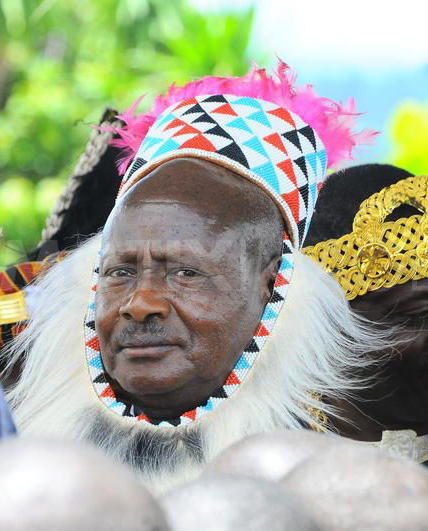
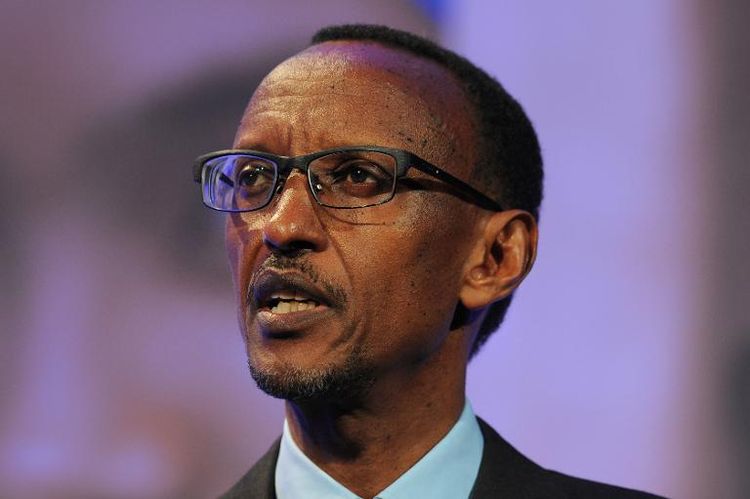
In his speech during the 20th anniversary of the Rwandan genocide, which was held in Kigali on Monday April 7th, 2014, Ugandan president Joweri Museveni uttered that the first Rwandan president Gregoire Kayibanda was a traitor for emancipating his Hutu people from slavery imposed on them by Tutsi and their parasite feudal system.
He explains that people of the Great lakes region lived in a symbiotic relation before the Europeans came. He elaborates that they are found in places such as Rwanda, along with Burundi, Uganda, parts of North Western Tanzania, Eastern Congo, and Eastern Kenya. This region “has, since several millennia, been occupied by the inter-lacustrine Bantus, Nilotics, and the Sudanic peoples. The Rwanda people themselves are Bantu, part of the inter-lacustrine Bantus.”
Though he treats former feudal rulers from before independence in the region as parasites who practiced some sort of exploitation at the base of society, he is neither kind to those among ordinary Bantu oppressed people who came together to free themselves from that repressive system.
“…it is, therefore, a historic crime that external forces, working with local traitors, could turn a symbiotic society into the theatre of the most fiendish reactionary crimes – genocide.”
Where he refers to patriotism and Pan-Africanism, in my understanding it is when rulers are ruthlessly claiming in the face of the world that they are defending their countries’ interests, because they are pressurized to change their abuses on their own people on the one hand, and or they are equally working with imperialist forces to destroy African lives and plunder mineral resources of other countries on the other.
The speech characterizes as traitors all those that apparently are resisting Museveni’s regional ambitions. While he accuses other of committing genocides and assassinations, it is like blaming them for what he has been doing for the whole time he has been in power – 28 years: genocide of Baganda people in the Luwero Triangle during his bush war from 1981 to 1986 [500,000]; genocide of Acholi people in northen Uganda [1,500,000]; genocide in Rwanda [between 500,000 and 800,000 for fully backing his officer of intelligence Paul Kagame]; genocide in Democratic Republic of Congo [with more than 6,000,000].
“All that did not save those traitors. Where they still exist, it is on account of the mistakes of the International community.” It is like blaming the latter for any effort made for not letting him accomplish his plans. His assertion here made me think at the presence of MONUSCO and the International Brigade of Intervention which defeated M23 that he and Kagame supported entirely.
He ends his remarks by warning all the traitors and genocidaires for any resistance.
“As a veteran patriot of this area, I would like to warn those who hobnob with the genocidaires to know that they will have to contend with the patriotic forces that defeated the traitors with their external backers when they were still much weaker. We are now much stronger in every sense of the word, politically, militarily, socially and economically.”
In the face of this warmonger of Museveni, with the information today available about the millions of lives he has massacred directly or facilitated to decimate, Bantu people particularly, and even those of his own family community [because he kills anyone as a matter of strategy] should come together to get rid of him and his main associate in crimes, namely Paul Kagame, president of Rwanda.
We know that:
1) In April 1994, he deliberately killed pan-Africanism in Kampala when he held the last conference of that movement while he was during the same period facilitating the assassination of two African sitting presidents, namely Juvenal Habyarimana of Rwanda, and Cyprian Ntaryamira of Burundi;
2) His military interventions in parts of Uganda, South Sudan, Rwanda and Democratic Republic of Congo have decimated more than 12 million of lives since he rebelled in 1981 after being democratically defeated;
3) The use of violence as strategy of governance and foreign policy that he favors are not conducive to any sustainable development of Africa if this has ever been his genuine intentions;
4) Since 1996, his military forces and militias he funded in Congo have been plundering mineral and other resources from that country for the benefit of multinationals and western powers, and systematically raping hundreds of thousands of Congolese women, girls and children as a strategy of war in Eastern Congo;
5) His associates in different countries have benefited from impunity because of their affiliation with African exploiters, namely US, UK, Belgium, etc who were highly represented at the 20th anniversary of the Rwandan genocide;
6) His circles of people’s oppressors have siphoned all the wealth of their respective countries at the expense of ordinary citizens who today are living in abject poverty while the exploiters become millionaires.
It is up to Bantu people and those that Museveni pretends to represent in the Great Lakes region to take up the challenge of removing him from power and his protégé Paul Kagame. These criminals need to be stopped if we their antagonists want or strongly wish some peaceful and harmonious future as human communities. They have sufficiently siphoned people blood. Giving up on these monsters of leaders would be denying our common sense of humanity.
FIGAROVOX/OPINION – Jacques Hogard, militaire français qui a vécu le génocide rwandais de l’intérieur, s’insurge contre les accusations portées contre la France par Paul Kagame. Selon lui, le président rwandais a souhaité les massacres pour mieux installer sa dictature.
Le Colonel Jacques Hogard a été commandant du groupement de Légion Étrangère lors de l’opération Turquoise au Rwanda, en 1994. À ce titre, il est membre fondateur de l’association France-Turquoise, dont l’objet principal est le «rétablissement de la vérité sur l’action de l’armée française et des militaires français au Rwanda» suite aux allégations concernant ceux-ci durant le génocide au Rwanda.
Le 6 avril 1994 à la nuit tombante, l’avion transportant Juvénal Habyarimana et Cyprien Ntaryamira, respectivement présidents hutus du Rwanda et du Burundi, de retour d’un sommet régional qui venait de se tenir à Arusha en Tanzanie, était abattu par un missile sol-air alors qu’il se présentait pour atterrir à Kigali, la capitale rwandaise.
Trois heures plus tard, dans le nord est du Rwanda, les colonnes en armes du FPR, la rébellion tutsie, se mettaient en marche pour la dernière étape de leur conquête guerrière du pays. A leur tête, un redoutable stratège et chef de guerre, Paul Kagame, Tutsi issu de l’émigration aristocratique rwandaise en Ouganda et colonel des renseignements de l’armée ougandaise, formé dans les écoles américaines.
A Kigali, au même moment, le bataillon du FPR stationné dans l’ancien parlement rwandais au titre des accords d’Arusha d’octobre 1993, se mettait également aussitôt en mouvement dans la capitale.
Le lendemain, débutaient des massacres d’une horreur indescriptible qui allaient ensanglanter le pays des mille collines pendant une centaine de jours, des habitants hutus tuant sans relâche leurs compatriotes tutsis dans des conditions abominables.
Le génocide des Tutsis commençait et avec lui, le malheur de ce petit pays des Grands Lacs qui, vingt après, vit sous un régime totalitaire où la démocratie et les libertés élémentaires sont un rêve pour le moment inaccessible.
Ce génocide ne restera pas seul. Aux 800 000 victimes tutsies de 1994, succéderont hélas entre 1995 et 1997 quelques 400 000 victimes hutues, pourchassées et décimées dans les forêts orientales de l’actuelle RDC, sans parler des centaines de milliers de Congolais de toutes ethnies, massacrés eux aussi dans des combats et des tueries qui durent encore de nos jours.
Il y a quelques jours, à la veille du vingtième anniversaire du génocide, le président Kagame dans un violent discours s’en prenait une fois encore à la France qu’il accuse avec persévérance depuis vint ans de complicité de génocide, quand il ne dit pas tout simplement qu’elle en est quasiment l’unique responsable!
Devant le caractère intolérable de telles accusations énoncées en dépit des faits et de l’Histoire, hier 6 avril, la France a donc renoncé à déléguer un ministre de son Gouvernement aux cérémonies officielles organisées à Kigali.
En rétorsion, le président Kagame a alors décidé d’interdire à notre ambassadeur au Rwanda d’assister à ces cérémonies auxquelles cependant était présent un ex-ministre français en la personne du controversé Bernard Kouchner, ami de longue date du potentat rwandais.
Comment expliquer une telle impasse entre la France et le Rwanda d’aujourd’hui?
Certes il y a l’Histoire. L’Histoire contemporaine commencée dès l’établissement d’une coopération militaire entre le Rwanda et la France au début du septennat de Valery Giscard d’Estaing alors que Juvénal Habyarimana était depuis quelques années au pouvoir au Rwanda.
C’est en effet au nom de ces accords que le même président Habyarimana en octobre 1990 décide de faire appel à la France pour contrer les éléments armés en tenue ougandaise et dotés de matériels militaires ougandais qui pénètrent dans le nord du pays. C’est l’époque de l’opération Noroit qui consiste avec deux ou trois compagnies d’infanterie à protéger nos ressortissants et assurer la stabilité de la capitale. C’est aussi l’époque où la coopération militaire française va assurer la remise à niveau des FAR (Forces armées rwandaises) face au FPR.
Ceci on s’en doute, ne nous attire guère les faveurs du guerillero tutsi!
Mais ce soutien de la France au Président Habyarimana ne se fait pas sans contrepartie. Nous sommes quelques mois après le Discours de La Baule et cette contrepartie, exigée et obtenue par la France, est la démocratisation du régime, l’abandon du monopartisme, l’adoption du multipartisme et l’ouverture du dialogue tant avec l’opposition intérieure qu’avec la rébellion armée du FPR.
Au point que Habyarimana doit ainsi entrer dans une période de cohabitation où sa position devient difficile.
Les Accords d’Arusha signés en octobre 1993 consacrent cette évolution tout en mettant officiellement un terme au soutien militaire de la France qui retire donc toutes ses unités militaires du Rwanda, laissant la place à une force de l’ONU, la MINUAR commandée par le général canadien Roméo Dallaire.
C’est donc cette force de plus de 2000 hommes qui, par décision de l’ONU, sera amputée des 9/10èmes de ses effectifs, dix jours seulement après le déclenchement du génocide début avril 1994!
C’est donc cette force, et derrière elle, l’ONU, mais plus encore la Communauté internationale qui assistent sans intervenir, comme impuissants, au déroulement du génocide de 800 000 Tutsis, en ce sinistre printemps de 1994.
Or, c’est bien la France qui par la bouche de son ministre des affaires étrangères de l’époque, Alain Juppé, est la première à appeler le génocide par son nom, pour le dénoncer et demander l’envoi d’une force internationale qui mette fin aux massacres.
Mais les Etats-Unis notamment, par la bouche de Madeleine Albright, s’y opposent de tout leur poids.
Il faudra donc attendre fin juin pour qu’à force de pressions, l’ONU vote la résolution autorisant la France à mener une opération limitée à deux mois au Rwanda, afin d’y mettre un terme au génocide.
C’est l’opération Turquoise (22 juin/22 août 1994) pendant laquelle moins de 2000 hommes s’emploieront à rétablir ordre et sécurité pour tous dans le sud-ouest du Rwanda, tandis que s’effondre le régime hutu radical qui a succédé au président Habyarimana et à son gouvernement d’opposition. Cette opération s’effectue dans un contexte de grande tension avivée par la débandade du gouvernement intérimaire et de l’administration et le délitement des FAR soumises depuis des mois à un strict embargo des armes et des munitions. En face se déploie alors la force militaire d’un FPR puissamment armé et soutenu par l’Ouganda au moins. En quelques semaines le pays est conquis, à l’exception de cette zone humanitaire sûre (ZHS) constituée par la France avec l’aval de l’ONU dans le sud-ouest du pays.
A l’époque il faut se souvenir que Kagame, depuis des semaines, menace la France de ses foudres si elle s’avise
d’intervenir au Rwanda et de perturber ainsi la conquête du territoire.
En ce mois de juillet 1994, on connaît déjà bien, par ailleurs, la nature totalitaire du FPR et ses pratiques et c’est donc avec une posture très militaire, et dotée de moyens de combats significatifs que la Force Turquoise s’installe au Rwanda.
La fureur de Kagame qui n’a jamais porté dans son cœur la France et les Français, est grande.
Après quelques escarmouches, le général tutsi renoncera cependant, malgré ses rodomontades, à affronter les troupes françaises. Lesquelles pourront ainsi faire leur travail et sauver alors quelques milliers de Tutsis encore cachés dans les campagnes rwandaises.
Fin août 1994, Turquoise passe la main aux unités africaines, notamment éthiopiennes de la MINUAR II.
Les Français quittent définitivement le Rwanda après deux mois d’un mandat intense où ils n’auront pas ménagé leur peine pour pacifier une région grande comme un département français, et de convaincre d’y rester des centaines de milliers de Hutus tentés par l’exil dans les pays voisins, Burundi et Zaïre.
Dès lors, la propagande de Kagame se déchaîne contre les forces françaises accusées d’avoir protégé les génocidaires, d’avoir favorisé les milices hutues et pourquoi pas d’avoir participé elles même aux massacres!
La surprise est alors immense pour le soldat que je suis, immense parce que je suis de retour en France parmi les miens au terme d’une opération à laquelle je suis particulièrement fier d’avoir participé, estimant en effet y avoir fait de mon mieux, de même que chacun de mes hommes, de mes pairs et de mes chefs, pour ramener un peu d’ordre, de stabilité et de paix dans ce pays dévasté par la haine et la barbarie.
Mais ma surprise est d’autant plus grande que je découvre aussi des lobbies français et européens, disposant de solides moyens médiatiques et financiers, qui relaient alors sans vergogne, pour quels intérêts?, les accusations abominables contre la France et son armée proférées depuis Kigali par le FPR vainqueur au Rwanda.
En vingt ans, les choses se sont beaucoup décantées.
Et personne de bonne foi ne peut aujourd’hui ignorer la sombre réalité du FPR au pouvoir au Rwanda depuis 1994: disparitions, assassinats, emprisonnements, jugements sommaires, exécutions, tortures, humiliations, contraintes morales et psychologiques, camps de rééducation et d’autocritiques…etc.
Comment ne pas citer par exemple les noms de l’héroïque Victoire Ingabire Umuhoza, l’ «Aung San Suu Kyi rwandaise», opposante démocratique à Kagame et comme telle condamnée après tortures de toutes sortes à la prison à vie, et celui de Théodore Munyangabe, sous-préfet, «Juste parmi les Justes», Hutu sauveur de Tutsis au péril de son existence, condamné lui aussi à la prison à vie pour seul crime d’avoir été mon ami et collaborateur le plus engagé et courageux à Cyangugu durant l’été 1994?
Kagame a provoqué le génocide de 1994. Il le souhaitait, car les massacres à grande ampleur des Tutsis de l’intérieur, étaient pour lui le seul moyen d’échapper à la démocratie qui ne lui aurait définitivement laissé qu’un second rôle, le seul moyen de reprendre la lutte armée et de légitimer cette dernière, le seul moyen de prendre le contrôle du Rwanda et d’asseoir son régime d’une main de fer pour des décennies.
Lâché aujourd’hui visiblement par ses alliés américains, certainement du fait de ses frasques guerrières trop visibles en RDC et de son trop évident mépris pour les valeurs démocratiques, l’instrumentalisation du génocide est aujourd’hui la seule et dernière carte qui lui reste pour se maintenir au pouvoir.
Voilà pourquoi il fallait cet incident subit avec la France.
Ce n’est pas moi qui le dit mais ses frères d’armes tutsis, anciens déçus du FPR qui ont fui le Rwanda lorsqu’ils en ont constaté la dérive totalitaire, le général Kayumba Niamwasa, le docteur Théogène Rudasingwa, le procureur Gerald Gahima, le major Jean-Marie Micombero; ces mêmes Tutsis courageux poursuivis par la haine de Kagame où qu’ils se trouvent dans le monde et cela parfois jusqu’au sacrifice de leur vie comme le colonel Patrice Karegeya assassiné le 1er janvier dernier en Afrique du Sud.
Ce sont ces mêmes hauts dignitaires tutsis en exil qui accusent formellement Kagame avec luxe de détails et de témoignages de l’assassinat programmé de son prédécesseur.
Ce sont ces mêmes hauts dignitaires tutsis en exil qui accusent formellement Kagame d’avoir cyniquement bâti sa stratégie de conquête du pouvoir sur le sang de ses compatriotes.
Ce sont ces mêmes haut dignitaires tutsis qui lui prédisent comme à tous les dictateurs de l’Histoire, une fin prochaine et terrible.
Alors devant tout cela, il ne reste à Kagame que la fuite en avant, que les accusations outrancières, que les méthodes les moins démocratiques…
Ses déclarations aussi violentes que mensongères, réitérées la semaine dernière à la veille des commémorations du génocide de 1994, n’avaient pour but que d’éviter à tout prix tout contact avec la France: c’est qu’il peut être dangereux à terme pour un potentat de trop fréquenter les démocraties et de trop s’habituer par capillarité aux valeurs de l’Esprit!
Colonel (er) Jacques Hogard
Ancien commandant du Groupement Sud de l’Opération Turquoise
Kuri uyu wa 7 Mata 2014 u Rwanda rwibukaga ubwicanyi bwabereye mu Rwanda kuva ku itariki ya 1 Ukwakira 1990 bugategurira ubwabaye ku itariki ya 6 Mata 1994 ndetse bukaba n’ubu bugikomeza. Imihango yabaye yaranzwe n’ibintu bibiri by’ingenzi:1. kwivuga amacumu ko Museveni na Kagame n’inkotanyi zabo bamaze abantu kugira ngo bagere ku butegetsi, 2. kuyobya uburari kugira ngo hatazagira uryozwa ibyangritse.
Iyi mihango ibaye mu gihe Kagame yari amaze iminsi ibiri yongeye gushinja Abafransa ko bakoze jenoside. (Iby’ibi birego tuzabigarukaho).Admin
Icyaranze umuhango wo kwibuka jenoside ku ncuro ya 20, ni amagambo y’urukozasoni y’abagabo babiri aribo Perezida Kaguta Museveni na Paul Kagame!
Museveni niwe wabanje gufata ijambo yivugira uko abo yita “Bantous” bo mu karere kose k’ibiyaga bigari ari bantu babi, badakwiye kuba muri ako karere! Ariko yarushijeho kwivamo nk’inopfu ubwo yaturaga agashimira ingabo za FPR-Inkotanyi kuba zaratsinze kandi zikarimbura bidasubirwaho (defeat) Abahutu bo mu Rwanda ngo kandi zikaba zigomba gukora ibishoboka byose ngo ntibazongera gusubirana ubutegetsi bibaho . Yavuze ngo “twatsinze ba bantous …kandi noneho ubu turabarusha ingufu mu nzego zose: mu rwego rwa gisilikari, muri politiki, mu bukungu….” Muri make ibyabo byararangiye!
Iri jambo ryafashwe na benshi nka gashozantambara, ndetse hari abakomeje kwibaza impamvu ryavugiwe muri uyu muhango wibutsa akababaro kakiri kenshi mu mitima. Hari abaribonyemo ikimenyetso cy’uko Museveni ashaje akaba atakigira rutangira mu magabo: ubundi imigambi mibisha nk’iyi umuntu ayihisha mu mutima we , ntayivugire mu ruhame . Hari n’abibajije niba iri jambo ridashyize ahagaragara wa mugambi mubisha wakunze kuvugwa wo kurema “Empire Hima”, dore ko Museveni yari amaze kurondora ibihugu iyo Empire igomba gushingamo ibirindiro habanje kwirukanwa les Bantous : Rwanda, Uganda, Kenya, Tanzaniya, Uburundi , Kongo na Sudani y’amajyepfo !
Muri make, kuri Museveni Abanyarwanda bishwe guhere taliki ya 1/10/1990, Abahutu n’Abatutsi, ntacyo bamubwiye na gato, icy’ingenzi ni uko We na Kagame, n’Udutsiko twabo babibonyemo icyambu cyo kwifatira ubutegetsi, ubu bakaba bibereyeho mu mudabagiro, batitaye ku bapfakazi n’imfubyi bakomeje kuririra mu myotsi ! Mu by’ukuri iyi disikuru ya Museveni nta kindi yagezeho kitari ugushinyagurira Abanyarwanda barokotse no kubakina ku mubyimba .
Reka twibutse ko Museveni ari we wari Perezida w’igihugu cya Uganda ubwo ingabo ze zagabaga igitero ku Rwanda taliki ya 1/10/1990, iyo ntambara yiswe iy’Inkotanyi, akaba ariyo yabaye intandaro y’ubwicanyi ndengakamere bwasenye u Rwanda guhera icyo gihe, igikorwa cy’iterabwoba cy’ukuraswa kw’indege yari itwaye Perezida Habyarimana mu mugoroba w’iya 6/4/1994, Ugutsembwa kw’Abatutsi n’ukurimburwa k’Abahutu. Iyo ntambara niyo NYIRABAYAZANA, kubiceceka cyangwa kubica iruhande ni ukugoreka amateka nkana.
2. Paul Kagame we ati “Uko dukora ntibisanzwe”!
Ntibisanzwe koko! Nyuma yo gushimira Abanyarwanda n’abashyitsi bya nyirarureshwa, Perezida Paul Kagame yahise ajya ku ngingo nyamukuru. Ikidasanzwe yari agambiriye ni ukwerekana ko “jenoside yakorewe Abatutsi bonyine yateguwe ikanashyirwa mu bikorwa n’Abamisiyoneri b’Abafaransa, Leta y’Ububiligi n’Inzego za Kiliziya Gatolika”! Ngo ni nabo bazanye amoko y’Abayarwanda: Abahutu, Abatutsi n’Abatwa. Gusa Kagame ntashobora no kubona ko aya mazina ubwayo atari igifaransa! Icyo ashaka kuvuga mu yandi magambo ni uko FPR-Inkotanyi ya Kagame ni intagatifu cyane, nta ruhare na ruto rugomab kuyibarwaho mu marorerwa yakorewe mu Rwanda, nta muntu n’umwe ingabo za FPR zigeze zica, ahubwo zarokoye Abatutsi , zihagarika na Jenoside ! Kuri Kagame, byose byakozwe n’Abahutu bafatanyije n’Ababiligi, Abafaransa na Kiliziya Gatolika ! Imikorere nk’iyi ntisanzwe koko ariko itangiye gutera benshi iseseme. Ikinyoma nk’iki ninde uzakomeza kucyihanganira?
Mu ijambo rye, Paul Kagame yikomye by’umwihariko “igihugu cyiyita igihangange” ngo gishaka guhindura amateka y’u Rwanda, ageza n’ubwo abivuga mu rurimi rw’igifaransa asanzwe yanga urunuka ngo“Les faits sont têtus”! Abo yashakaga kubwira ni Abafaransa dore ko yabihanagurijeho mu kinyamakuru cya Jeuneafrique cyasohotse kuri iki cyumweru taliki ya 5/4/2014, akaba abashinja ku mugaragaro ko bateguye bakanagira uruhare mu bikorwa bya jenoside . Icyo kinyoma cyateye Abategetsi b’Ubufaransa kwivumbura, bahagarika gahunda yo kohereza mu Rwanda Ministri wabo w’ubutabera mu muhango wo kwibuka ku ncuro ya 20. N’ubwo Ubufaransa bwifuje guhagararirwa na Ambasaderi wabwo i Kigali, Kagame yatanze itegeko ko bamubuza kuhakandagiza ikirenge nka Personna non GratImikorere nk’iyi ikoza isoni igihugu cy’u Rwanda mu ruhando rw’amahanga kuko bihita bigaragaza ko kiyobowe n’Inyeshyamba zitazi umuco mwiza w’abantu “Civilisés”.
Kagame ariko ntiyabuze no kugaragaza ubwoba budasanzwe atewe n’abo yise“AbaLeaders batoranyijwe n’abo bantu”. Afite ubwoba budasanzwe bw’uko abazungu n’ibihugu bikomeye byo muri Afurika ngo byaba biri gutegura “Aba Leaders” bo kumusimbura. Nuko nka Herodi akaba ashishikajwe no kubamenya no kubafata ngo abajanjagure bwangu nk’uko yabyivugiye mu ntangiriro y’uyu mwaka w’2014.
Abashishoza barasanga aya makimbirane Kagame yongeye kubyutse ku bwende hagati ye n’Ubufaransa noneho ashobora kumugiraho ingaruka za politiki zidasanzwe. Reka tubihange amaso.
Nyuma yo guhimba indirimbo yise Igisobanuro cy’Urupfu, igamije ubumwe n’ubwiyunge, aho agaragaza ko ivangura ubutegetsi bwa FPR bukorera abapfuye urupfu rutaritwa Jenoside ritakijyanye n’igihe, ko abapfushije bose bababara kimwe, ko n’abishwe n’urugomo rw’abihorera nabo bakwiye kwibukwa….Kizito Mihigo akimara gusohora iyo ndirimbo itagira uko isa yabaye nk’ukojeje agati mu ntozi maze Abatutsi b’Abahezanguni nka Tom Ndahiro bahita bamugabaho ibitero, bamutukagura, bamushyiraho iterabwoba ridasanzwe, baramutongera bishyira kera , baramupfukamisha ngo nasabe imbabazi Abahezanguni, none birangiye atagaragaye mu muhango wo kwibuka ku ncuro ya 20, n’indirimbo yari yahimbiye uyu munsi bayibujije guhita. Muri make, umututsi warokotse utangiye guhumuka, akumva neza uruhare FPR Inkotanyi yagize mu marorerwa yagwiririye u Rwanda, agasobanukirwa neza ko ivangura rikorerwa Abahutu ntaho rizageza igihugu uretse kugisubiza mu mwiryane, ahita ahabwa akato, iyo ataburiwe irengero cyangwa ngo anigishwe ikiziriko. Kizito Mihigo ararye ari menge, n’ubu wakumva ko yakoze impanuka cyangwa akazira indwara y’umutima!
Gusa ikibazo kiri mu mitwe ya benshi ni iki ngiki : Abatutsi bashyira mu gaciro bazakomeza kwemera kugirwa ingwate z’umwicanyi Paul Kagame kugeza ryari ? Biteguye se kuzasangira na we igihembo cy’ibyaha ndengakamere yakoze, ko igihe cyegereje cyo kubiryozwa? Nibahitemo KUREBA KURE…igihe ni iki.
(1) Ko ukurimburwa kw’Abanyarwanda (Abahutu n’Abatutsi) n’Abanyekongo ari gahunda yateguwe na ba MUTIMAMUKE bari bagamije kwifatira ubutegetsi gusa, ubu bakaba bishimira ko babigezeho.
(2) “Stratégie” yabo yo kuramba ku butegetsi akaba ari ugushinja abandi ibyaha bo ubwabo bakoze, mbese nk’uko Adolphe Hitler ubwe yabigenzaga ! Kagame na Kaguta nibo bicanyi kabuhariwe, bazwi n’isi yose, bateguye bakanashyira mu bikorwa intambara zarimbuye kandi n’ubu zikirimbura Abanyarwanda n’Abanyekongo. Gushinja Abafaransa , Ababiligi na Kiliziya gatolika, ni uburyo bwo kurangaza abantu no kugerageza kubashyiraho iterabwoba kugira ngo badahagaruka bagatera hejuru “Abajenosideri nyakuri” bafite inyungu zigaragara muri ayo marorerwa aribo Kaguta Museveni na Paul Kagame.
Museveniarasa n’utabona ko iminsi imugeze kure imuguguna, kwihambira ku butegetsi bikaba bitazamubuza no gupfa naramuka agize amahirwe ntabukurweho ngo ajyanwe imbere y’inkiko, ibyo yakoze bizwi na bose bikamukoraho.
Paul Kagamearibwira ahari ko akiri muri Nyakanga 1994, aho isi yose yamufataga bajeyi: politiki ya “cira aha nikubite’’ bari baramumenyereje ntishobora kurenza cyane imyaka 20 amaze ku butegetsi afunga, akubita, yambura rubanda, yica, atsemba abaturage bo mu Rwanda na Kongo ntawe umukoma mu nkokora! Ibihe byahindutse,“the wind of change is blowing ” ,nategereze gato yirebere uko agiye kuryozwa amaraso yose yamennye: “les faits sont têtus”, bien évidemment.
Biragaragara ko, uyu munsi, aba bagabo bombi batambutse mu kibuga bikunkumura nk’ikimasa kiriwe n’ikibugu, kugira ngo rubanda ikangarane igire ngo intare ziracyafite amakari nk’aya kera , byahe byo kajya! Ahubwo nibyuvikane ko aba bagabo bombi bari mu mazi abira, kubera amarorerwa bakoze, isi yose ikaba itagishoboye kubihanganira, iminsi yabo ikaba ibarirwa ku ntoki ! Mu myaka mike cyane iri imbere aha, bazaba barabaye amateka.
Umwanzuro
Mu by’ukuri uyu muhango wo kwibuka wateshejwe agaciro n’amagambo ya Perezida Yoweli Kaguta Museveni kimwe n’ubushotoranyi bugamije kwiyoberanya bwa Paul Kagame. Abishwe bazira jenoside bashinyaguriwe, abarokotse nabo bakomerekejwe na biriya Bihangange bibishimira hejuru kuko byabatanzeho igitambo gitwikwa kugira ngo byifatire ubutegetsi mu nyungu zabyo bwite.
Niba Kagame yibwira ko gutuka no kwenderanya ku Bafaransa , Ababiligi na Kiliziya Gatolika biratera imbabazi Abanyamerika n’Abongereza bamuzi kurusha uko yiyizi bakareka gukomeza kumwitaza, bakongera bakamwicaza ku bibero nk’igitambambuga, ashobora kuba yibeshyaga noneho akaba agiye kumenya ko Abazungu ari bamwe, ko inyungu z’ibihugu byabo zirusha kure ubuzima bwa Kagame w’umwicanyi agaciro.
Niba Kagame yibwira ko guhimbukira ku Bafaransa, Kiliziya Gatolika n’Ababiligi byafasha kwibagiza Abanyarwanda n’amahanga uko ABICANYI BE bambutse umupaka bakavogera igihugu cy’Afurika y’Epfo bakica rubi Patrick Karegeya , bagahusha Kayumba Nyamwasa, agashotora Perezida Kikwete wa Tanzaniya avuga ko azamwubikira akamukocora, agateza intambara ndimburambaga mu burasirazuba bwa Kongo, none akaba ashaka guhindura itegekonshinga ry’u Rwanda ngo yongere yibe rubanda ubutegetsi mu matora y’2017 abone uko akomeza guteza akaduruvayo mu Karere…aribeshya cyane. Ahubwo wabona noneho akoze mu mwobo w’impiri yishukaga ngo arakina akazungu, nk’uko yabimenyereye ! Nakenyere akomeze…amazi ntakiri yayandi.
Invitée ce matin sur France-Inter, la Ministre des affaires étrangères rwandaises, Louise Mushikiwabo, a affirmé qu’une conférence de négationnistes du génocide rwandais s’était tenue au Sénat, à Paris, le 1er avril dernier. Président de la mission parlementaire sur le Rwanda en 1998, le socialiste Paul Quilès a ouvert cette conférence. Il réagit aux propos de la responsable de la diplomatie rwandaise
Marianne : Ce matin, sur France Inter,Louise Mushikiwabo, la ministre des Affaires étrangères du Rwanda a évoqué une conférence de « négationnistes » qui se serait tenue au Sénat le 1er avril 2014. Vous avez ouvert cette conférence en tant que président de la mission d’information sur le Rwanda en 1998, comment réagissez-vous à ces accusations ?
Paul Quilès : Lors de ce colloque, dont j’ai fait effectivement l’ouverture, tous les intervenants ont fait mention du génocide. Mais ils ont aussi mentionné les crimes dont est soupçonné le Front Patriotique Rwandais (FPR). Nous avons donné tous les détails : comment on en est arrivés là, ce qui a été fait, ce qui n’a pas été fait, ce qui aurait dû être fait. A quel moment a-t-on nié le génocide ? Les Rwandais qui étaient présents à ce colloque ne l’ont pas fait. En revanche, c’est vrai qu’ils ont nié le caractère démocratique du régime de Kagamé. Cela explique sans doute cette sortie de la ministre des Affaires étrangères rwandaises. C’est typique de ces « idiots utiles » qui utilisent des expressions qui tuent le débat. Une fois que vous avez utilisé le mot « négationnisme », c’est fini, on ne peut plus discuter avec un négationniste !
Vous vous attendiez à un tel feu nourri de déclarations de Kagamé et de sa diplomatie au moment de la célébration des 20 ans du génocide ?
Pas du tout. Kagamé est parti dans cette voie pour faire oublier ses propres turpitudes. Ce qui se passe depuis quelques temps au Rwanda inquiète sans doute Kagamé. Ce sont des sorties qui ont pour but de détourner l’attention des observateurs des soupçons pesant sur le régime du président rwandais, notamment au sujet d’assassinats d’opposants à l’étranger. Je pense à l’ancien chef des services de renseignement extérieur du Rwanda, Patrick Karegeya, un opposant notable au président Kagamé, qui a été retrouvé mort dans un hôtel de Johannesburg au début du mois de janvier. Kagamé ne s’en cache pas ce matin dans Libération. Il le dit: « Ne comptez pas sur moi pour faire semblant d’être triste ou pour faire son deuil. (…) J’ai dit que ceux qui menacent le Rwanda, tuent des gens ici et se mettent à l’abri dans un pays étranger seront redevables de leurs actes ». C’est assez clair, ça veut dire qu’il assume les assassinats politiques. Depuis ces assassinats, des pays européens ont suspendu leur aide au Rwanda et ses relations avec l’Afrique du Sud et les Etats-Unis se sont nettement refroidies. J’imagine que ça l’inquiète.
Cela fait partie des inepties qui courent en ce moment. Bernard Kouchner se réfère au rapport commandé par Kagamé lui-même en 2008 qui était un tissu d’horreurs. On y accusait les militaires français d’avoir tué des Tutsis et des médecins d’avoir procédé à des amputations volontaires. Pour ce qui est de l’opération turquoise, ce militaire oublie que l’opération est lancée le 22 juin 1994. La date de début du génocide est le 7 avril 1994. Malheureusement quand l’opération Turquoise arrive, au moins 90% du génocide a déjà eu lieu.
Emmanuelle Cosse, la présidente d’Europe Ecologie – Les Verts a demandé la création d’une nouvelle commission d’enquête sur l’action de la France au Rwanda, réclamant la déclassification de documents officiels. Comment réagit le président de la mission d’information sur le rôle de la France au Rwanda ?
C’est irresponsable et honteux. Je l’ai fait savoir à la direction du parti EELV. Ce sont des gens qui ne connaissent rien au dossier. Ils n’ont pas lu le début d’un rapport. Ils ne savent pas qu’à l’époque, on a obtenu la déclassification de 7 500 documents classés «secret défense». Cela participe du style complotiste, ça sous entend que Kagamé a raison, mais que des forces « obscures » empêcheraient de le faire savoir. Ils ne savent pas non plus qu’il y a eu d’autres enquêtes de l’Organisation de l’Unité Africaine (OUA) et du Tribunal Pénal International pour le Rwanda (TPIR). J’ai moi-même demandé, en 2008, au secrétaire général de l’Onu, Ban Ki Moon, de « soumettre l’ensemble des travaux conduits jusqu’à présent sur les causes, le déroulement et les conséquences du génocide du Rwanda à une commission indépendante ».
«Il serait aujourd’hui intolérable que nous soyons désignés comme les principaux coupables. J’appelle le président de la République et le gouvernement français à défendre sans ambiguïté l’honneur de la France, l’honneur de son armée, l’honneur de ses diplomates», a écrit Alain Juppé sur son blog.
Les déclarations du président rwandais Paul Kagame accusant la France d’avoir pris part aux massacres du génocide de 1994 dans son pays ont choqué la scène politique française, certains politiques regrettant toutefois l’absence de la France aux commémorations.
Paul Kagame, un ex-rebel qui a sacrifié les Tutsis pour s’emparer du pouvoir et détruire la puissance française dans la région Africaine des grands lacs. Il est plus que grand temps de corriger les erreurs de la France de minimiser les propos de Kigali. (note de l’administrateur de blog).
Dans une interview à Jeune Afrique parue dimanche, le président du Rwanda Paul Kagame a accusé la France d’avoir joué, de même que l’ex-puissance coloniale belge, un «rôle direct dans la préparation du génocide» qui a fait environ 800.000 morts essentiellement dans la minorité tutsi, et d’avoir participé «à son exécution même».
Pour Paris, qui a annulé le déplacement prévu lundi à Kigali de la ministre de la Justice Christiane Taubira, ces déclarations «sont en contradiction avec le processus de dialogue et de réconciliation engagé depuis plusieurs années».
Alain Juppé, ministre des Affaires étrangères à l’époque du génocide au Rwanda en 1994, avait réagi vivement samedi en appelant François Hollande «à défendre l’honneur de la France», face à ce qu’il qualifie d’«inacceptable mise en cause de la France».
«Il serait aujourd’hui intolérable que nous soyons désignés comme les principaux coupables. J’appelle le président de la République et le gouvernement français à défendre sans ambiguïté l’honneur de la France, l’honneur de son armée, l’honneur de ses diplomates», a écrit Alain Juppé sur son blog.
«La communauté internationale a failli, c’est un fait. Elle a été incapable de prévenir et d’arrêter le génocide», admet Alain Juppé. «Mais la communauté internationale, ce n’est pas la France seule», et «la France a été la seule puissance à agir».
Même réaction pour l’ex-président de la mission parlementaire française d’information sur le génocide du Rwanda, Paul Quilès qui a qualifié d’«ignomineuses» les accusations de¨Paul Kagame. «Les victimes, la mémoire du génocide du Rwanda méritent mieux qu’une accusation, que je considère comme ignominieuse (…) au regard des faits», a déclaré l’ancien ministre socialiste de la Défense.
«On peut accuser beaucoup la France sur les erreurs politiques qui ont été commises, sur la façon dont cela s’est déroulé, sûrement (…) mais +participation directe+, ça je n’y crois pas», a déclaré l’ex-chef de la diplomatie française Bernard Kouchner, artisan du rapprochement entre Paris et Kigali en 2010.
L’ancien ministre et député UMP Laurent Wauquiez s’est également indigné. «Je ne peux pas accepter que notre pays soit insulté comme il l’a été par le président Kagame. Au-delà de toute polémique de partis, je soutiens ce qu’a été la réaction du gouvernement et de François Hollande, c’était la seule bonne réaction : ne pas aller aux commémorations», a-t-il dit sur France 3.
– D’autres voix se sont fait entendre –
D’autres voix se faisaient cependant entendre pour déplorer que la France ne participe pas aux commémorations du 20e anniversaire, une décision qualifiée par les Jeunes Socialistes du MJS «d’erreur indigne de la France».
«Par cette décision la France laisse encore une fois entendre qu’elle ne reconnaît pas son implication dans le génocide des Tutsi au Rwanda qui est pourtant établie par les historiens. Malgré la dureté des déclarations du président rwandais Paula Kagame, la gauche au pouvoir rate une occasion de faire la lumière sur ses fautes passées», écrivent-ils dans un communiqué.
Pour Jean-Vincent Placé, chef de file des sénateurs écologistes, «nous aurions dû intervenir plus vite, mais vingt ans plus tard, c’est facile à dire. Très sincèrement je pense qu’il fallait qu’il y ait une représentation de la France, au moins au niveau gouvernemental. Peut-être pas le président ou le Premier ministre mais quelqu’un des Affaires étrangères».
La décision de la France est «violente» pour les victimes, ont regretté dimanche des associations en installant une stèle symbolique en leur mémoire. «Les victimes sont prises en otage, c’est une honte», a estimé Marcel Kabanda, président d’Ibuka France qui milite pour la mémoire du génocide.
Europe Ecologie-Les verts a demandé la «déclassification et la publication de tous les documents se rapportant à l’action de la France au Rwanda de 1990 à 1994» et proposé de «refaire une commission d’enquête».
France’s ambassador to Rwanda said on Monday that he has been barred from attending events marking the 20th anniversary of the genocide, amid a major diplomatic row surrounding France’s controversial role in the events of 1994.
“Yesterday night the Rwandan foreign ministry telephoned to inform me that I was no longer accredited for the ceremonies,” said the French ambassador, Michel Flesch.
French Justice Minister Christiane Taubira had pulled out of attending Monday’s events after Rwandan President Paul Kagame repeated his accusation of French “participation” in the murder of 800,000 ethnic Tutsis.
France, an ally of the Hutu nationalist government prior to the 1994 killings, has repeatedly denied any complicity in the genocide.
Although choosing not to send a minister, France had said its ambassador would attend in a major diplomatic downgrading of its attendance.
Rwandan Foreign Minister Louise Mushikiwabo on Sunday told France to face up to the “difficult truth” over its actions two decades ago.
“For our two countries to really start getting along, we will have to face the truth, the truth is difficult, the truth of being close to anybody who is associated with genocide understandably is a very difficult truth to accept,” Mushikiwabo said.
À 67 ans, alors qu’on le dit malade, Paul Barril, ancien membre de la cellule antiterroriste de l’Élysée sous le premier septennat deFrançois Mitterrand, n’a apparemment rien perdu de son assurance. “Si Paul Kagame s’en prend à la France pour les commémorations du 20e anniversaire du génocide rwandais, c’est qu’il est au courant de la sortie de mon livre, Le capitaine Barril brise le silence, lâche-t-il, sans modestie. C’est un président très affaibli, lâché par les Tutsi. Il sait que plusieurs de ses anciens proches collaborateurs, aujourd’hui en exil, me rencontrent.”
Alors qu’il est lui-même visé par deux instructions liées au génocide rwandais, Paul Barril ne cesse de répéter que Paul Kagame est l’instigateur de l’attentat qui a coûté la vie, le 6 avril 1994, au président rwandais Juvénal Habyarimana, et à son homologue du Burundi, Cyprien Ntaryamira. Leur avion, un Falcon 50, a été abattu par deux missiles qui auraient été tirés, selon Paul Barril, par le Front patriotique rwandais (FPR). “Si je n’avais pas déposé une plainte, il n’y aurait pas eu d’enquête sur cet attentat de la part de la France. Alors qu’il y avait trois Français dans l’appareil, le pilote, le copilote et un mécanicien. Le lendemain, deux adjudants-chefs de la gendarmerie et leurs épouses ont également été tués”, s’insurge le capitaine Barril.
L’homme, qui vivrait entre Londres, Doha et Dubai, ne parle pas de “génocide”, mais de “massacre”, dont les précurseurs seraient les Tutsi, coupables d’avoir assassiné en octobre 1993 le président du Burundi et massacré 100 000 Hutu. “Un crime de masse passé aux oubliettes de l’histoire. Les Hutu du Rwanda, terrorisés, pensaient que le même sort les attendait s’ils ne réagissaient pas. Ils ont tué avant qu’on ne les tue.” Interview.
Le Point.fr : Comment avez-vous rencontré Paul Kagame en 1993 ?
Paul Barril : J’avais reçu pour mission, de la part de François de Grossouvre, le conseiller de François Mitterrand, d’infiltrer le FPR. C’est dans ce cadre que je me suis entretenu en septembre 1993 à Paris avec Paul Kagame. Il voulait se procurer des télécommandes pour faire exploser des charges à distance ! C’est un homme très intelligent, mais un manipulateur. Avant de revenir au Rwanda, il était chef des services secrets d’Ouganda. L’attentat a eu lieu le 6 avril 1994 et François de Grossouvre est mort le lendemain, le 7 avril, d’une balle dans la tête dans son bureau de l’Élysée.
Malgré tout, quand on évoque le génocide, votre nom y est souvent associé. Il existe même une plainte contre vous pour “complicité de génocide”.
On a prétendu que j’étais au Rwanda en avril 1994. C’est faux, j’étais alors à New York. On prétend aussi que j’aurais livré des armes aux Hutu. Faux également, j’en apporte la preuve dans mon livre. J’ai été perquisitionné à quatre reprises. En fait, le juge antiterroriste Marc Trévidic, en charge de l’enquête sur l’attentat, m’a dans le collimateur, car il considère que j’appartiens au clan de son prédécesseur, le juge Jean-Louis Bruguière. Et Trévidic veut “tuer” Bruguière.
Vous déclarez que Paul Kagame “se planque” derrière le génocide. Mais, quelles que soient ses responsabilités, il y a bien eu 800 000 morts.
Je ne conteste pas ce massacre, mais je considère que Paul Kagame est l’homme qui est à l’origine de ce drame atroce. Il faut garder en mémoire que l’armée ougandaise, assistée par des rebelles tutsi, a attaqué par surprise le Rwanda en octobre 1990. Après l’échec de cette offensive, grâce à l’intervention de l’armée française, le FPR n’a jamais cessé d’exacerber les tensions entre Hutu et Tutsi : assassinats, enlèvements, attentats à la bombe, massacres dans les églises. Enfin, n’oubliez pas que les Hutu, anciens esclaves des Tutsi, en ont une peur viscérale. Seule la France s’est impliquée pour limiter le carnage. Elle n’a pas à rougir de son action, contrairement aux Américains et aux Anglais, qui soutenaient le FPR.
Kimwe mu biranga ubutegetsi bw’agatsiko ni ukurenganya abaturage. Iyo umuturage agize ngo arabaza mu nzego z’ubutabera, zihita zica urubanza zemeza ko umuturage atsinzwe. Agatsiko-sajya kazobereye mu gutwara amasambu ibibanza n’amazu y’abenegihugu bahoze mu gihugu mbere y’umwaka wa 1990. Koko na Tito Rutaremara witwaga umuvunyi asisibiranye umupfakazi?? Harahagazwe!
Isomere iyi nkuru dukesha igihe.com
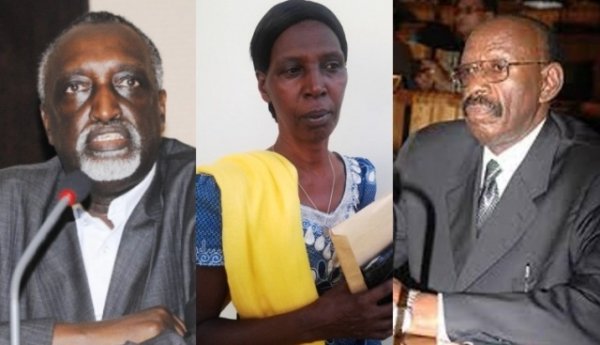
Depite Mudidi Emmanuel na Senateri Tito Rutaremara n’umupfakazi witwa Mukamutende Isabel batangiye kuburana mu Rukiko Rukuru kuri uyu wa Kane, bapfa ikibanza cya metero kare 912 giherereye mu Kagari ka Rugenge, Umurenge wa Muhima, Akarere ka Nyarugenge.
Depite Mudidi na Senateri Tito bavuga ko Mukamutende yabahuguje ikibanza bahawe n’ubuyobozi bw’Akarere ka Nyarugenge nk’uko Me Rukundo Emile wunganira aba bagabo bombi yabitangaje mu Rukiko Rukuru naho Mukamutende we akavuga ko iki kibanza ari icye guhera mu mwaka w’1982 nk’uko ibyangombwa by’ubutaka Mukamutende afite bibigaragaza.
Iki kibazo kimaze imyaka igera kuri 12 kibahanganishije cyazanywe mu Rukiko Rukuru na Mukamutende nyuma y’aho aboneye imyanzuro y’Urukiko rwisumbuye rwa Nyarugenge imusaba ko yasubiza mu gihe kitarenze iminsi 15 ibyangombwa by’ubutaka mu Kigo cy’igihugu cy’ubutaka bigahindurwa, kuko ubutaka yiyandikishijeho bwose atari ubwe.
Me Rukundo Emile wunganira Senateri Tito na Depite Mudidi yatangiye agaragaza ko Mukamutende yahuguje abakiriya be, ko nta shingiro afite yo kujuririra uru rubanza rwaburanishijwe n’Urukiko rwisumbuye rwa Nyarugenge mu gihe atigeze arwitaba.
Me. Rukundo yakomeje avuga ko ikibanza nimero 5,664 cya Depite Mudidi na Senateri Tito nta hantu gihuriye na gato n’ikibanza nimero 2,841 cya Mukamutende, asaba ko bakwiye kurenganurwa bakandikwa ku kibanza cyabo.
Me. Uwamungu Vianney wunganira Mukamutende we yasabye urukiko ko rwabanza rugakurikirana neza niba Mukamutende yaba yarigeze atumizwa mu rubanza byibuza umunsi umwe, hakamenyekana ko Urukiko rwisumbuye rwa Nyarugenge rwaraburanishije urubanza Mukamutende atabizi, akabimenya haciyemo umwaka urenga imyanzuro yarafashwe.
Me Uwamungu yakomeje asaba urukiko ko yabaza impamvu Me. Rukundo ashingiraho avuga ko Mukamutende nta shingiro afite ryo kujurira, kandi buri muntu abyemererwa n’amategeko mu gihe atanyuzwe.
Me Uwamungu wunganira Mukamutende yakomeje asaba urukiko ko rwakwigana ubushishozi imyanzuro y’urubanza rwisumbuye rwa Nyarugenge, bakareba uburyo ikubiyemo kwivuguruza ndetse aho bavuga ko bambuwe ikibanza kiri mu murenge wa Rugenge, Akarere ka Kicukiro n’ibindi.
Urukiko rwatangaje ko imyanzuro y’ibyo ababuranyi bombi bagaragaje izasomwa kuwa 18 Mata 2014.
Mukamutende avuga ko yatuye aho aburana muri 1982, ibyangombwa bya burundu abibona mu mwaka 1989.
Gen. Paul Kagame — even corporate media are now re-evaluating the narrative placing him as “savior”
[The Rwanda Calamity In Perspective]
April 6 marks exactly 20 years since the cataclysmic massacres that claimed hundreds of thousands of lives in Rwanda.
Rwandan Refugees in other East African countries and Diaspora who had enrolled into Uganda President Yoweri Museveni’s National Resistance Army (NRA), now the Uganda People’s Defense Force (UPDF) invaded Rwanda on October 1, 1990.
At the time of the invasion Paul Kagame, who is now President of Rwanda, was the chief of Military Intelligence in Uganda and had been sent by Museveni for U.S. training at Fort Leavenworth, Kansas.
The invasion sparked a destructive chain, including the recurrent invasions of the Democratic Republic of Congo (DRC), that all told may have cost the lives of six million or more Rwandans and Congolese.
To contextualize the calamity, this writer caught up with Peter Erlinder, a law professor at William Mitchell Law College in Saint Paul, Minnesota. Erlinder has a new book “The Accidental Genocide,” that covers the period before and after the massacres that started on April 7, 1994 after the plane carrying the president of Rwanda Juvenal Habyarimana, and Burundi’s Cyprien Ntaryamira was shot down with a missile. Prof. Erlinder’s book relies on U.S. documents and documents from the International Criminal Tribunal for Rwanda (ICTR) where he was a lead defense counsel for the Hutu defendants tried after the war.
The American law professor has been critical of what he calls the “victors’ justice in Rwanda,” contending that RPF soldiers and commanders were never tried for the war crimes that they committed and only the defeated army of Habyarimana.
Erlinder had been arrested in Rwanda where he had traveled to defend the presidential aspiring candidate Victoire Ingabire Umuhoza who had been charged with “genocide denial ideology”.
He tells me: “The winners of the war have told their side of the story, but there is another story, which is reflected in the UN, and the US documents but never came to light”.
Erlinder contends both sides committed the crimes but that a story told by the winner doesn’t reflect the level of culpability.
That’s what he says his book does. The book contains evidence that used in the ICTR trials; copies of the originally suppressed UN and US Government documents related to the assassination of two heads of state, President Habyarimana of Rwanda and Ntaryamira.
The day after the assassination large-scale massacre started and estimates of those killed in the next 100 days range from 800,000 to a million. Later the genocidal killings were exported to the neighbourineighboringc Republic of Congo, the former Zaire; the killings continue in the Congo.
The assassination and the 100 days of killings shattered the Arusha Peace Accord which has established a transitional government of national unity with power-sharing between Habyarimana’s party, another opposition party, and the RPF, which ultimately seized the power.
Q: As we are getting closer to the 20th anniversary of Rwandan Genocide; what does this mean to you?
A: During the past 20 years, we have learned that a UN Tribunal charged with prosecuting all crimes that were committed in Rwanda during 1994 has prosecuted only crimes charged to the defeated and none have been charged to the victors. This means the four-year war of aggression and invasion of the RPF supported by Uganda [about which there is no dispute] is the first in history in which only the defending side committed crimes, or like Nuremberg and the Tokyo Tribunals, the supposedly neutral UN Tribunal was actually a victor’s tribunal. As former U.S. Secretary of [Defense] Robert McNamara admitted in the documentary The Fog of War ‘Had the Japanese won the war, those of us who planned the gasoline bombing of Tokyo would have been the war criminals.’ Until a fair assignment of mutual responsibility is reached, long-lasting peace in Rwanda and central Africa will be difficult to achieve.
Q: How would you like people to look at this eventful day April 6 which many believe to have triggered the 1994 genocide and today’s debate and narrative?
A: As early as 1997 UN Prosecutors recommended that Paul Kagame be prosecuted for the assassinations of Presidents Habyarimana and Ntaryamira. The U.S. removed U.N Prosecutor Del Ponte from office when she insisted on doing so on May 15, 2003. Former Chief of Staff to Kagame, Dr. Theogene Rudesingwa has admitted being involved in the cover-up. The detailed testimony in the ICTR Military-1 case resulted in every Trial Chamber, and the Appeal Chamber, agreeing that the former Rwandan military were not engaged in any criminal conspiracy before the assassination of President Habyarimana…. that would include the assassination itself. I would like people to look at the same evidence that convinced ALL of the ICTR judges.
Q: People wonder and would like to understand why very few people accused of being perpetrators of Rwandan Genocide have actually been convicted?
A: Many, if not most, have been convicted of crimes committed after the assassination of President Habyarimana. All national leaders have been acquitted of crimes of conspiracy and planning before the assassination because the Kagame regime and UN Prosecutors have no evidence to support their claim that a long-planned conspiracy to commit genocide against Tutsi, or any other civilians actually existed.
Q: Since you were privy to a lot of documents regarding the events that were taking place during the 100 days. Can you give a brief picture of what could have happened based on the documents you managed to access?
A: The main point, according to the UN documents, not me, is that the RPF was the dominant military force capable of seizing power as of February 1993. This is confirmed by Gen. Dallaire’s Recon Report of September 1993 long before UNAMIR arrived in Rwanda. U.S. documents show it was the RPF that blocked power-sharing in late March 1994, not Habyarimana. The assassinations were committed on the order of Kagame which he was told by the U.S. Ambassador would bring mass violence like Burundi after President Ndadaye was assassinated in October 1993. The RPF assault from April 6 to April 20 took over eastern half of country in a long-planned Blitzkrieg. Only RPF had military power to stop the killings by stopping their military advance….Dallaire said they refused to do so because Kagame was winning the war.
Q: There are people wondering that — how come that the winners of the 1990s Rwandan war lost many people than the losers. How can you explain this theory that, the winner lost many people in the battle whilst the loser lost very few?
A: Actual numbers from Rwandan government and all NGO reports, compiled by [Christian] Davenport and [Allan] Stamm, show that twice as many Hutus were victims as Tutsi — these are best numbers I am aware of.
Q: There are people who still want to get a clear picture. By April 6, what percentage of the country was occupied by the RPF?
A: Less than 10% on April 6. About half on April 20th…entire eastern half.
Q: There were these disturbing images; which I believe you have seen before. If you revisit your TV images of bodies of Rwandese were floating on Lake Victoria. People who witnessed these bodies claim this style was common during the National Resistance Army (NRA). There is a general belief that this style of killing could have been borrowed from the NRA war of Luwero in Uganda in the early 1980s. As a person who has gone through many documents that include intelligence information is there a possibility that the RPF could have borrowed this style? Or who trained the Hutus to use the same Luwero style?
A: I am not aware of this comparison but I have heard reports from former RPF fighters that using farm implements rather than bullets was preferred to save ammunition for military battles.
Q: Knowing the geographic area of River Akagera in Rwanda and how its waters flow how did the Hutu manage to kill the Tutsi, ferry the bodies into Akagera River, which is in an area then occupied by the RPF?
A: Because RPF controlled eastern half of Rwanda no later than April 20, it is reasonable that bodies in Akagera are RPF’s responsibility. On May 17, 1994, a UNHCR report makes this explicit by reporting mass killings and bodies floating in the river. The document is in my book.
Q: There are people out there who want to get the facts, which are consistent with realities. Do you know what was the population of Rwanda? Do you have the knowledge of what was the percentage of Hutus out of the entire population before the genocide?
A: Yes this is in my book, too. And, in the Dallaire Recon Report. The 1991 census and estimates given Dallaire by the parties in 1993 are not too different.
Q: As a person who accessed several documents during your time at the ICTR Court, what arrangements have you made to enable people to know what really transpired in Rwanda?
Q: Some people claim that the current Rwandan authority has invested hugely to hunt down and eliminate those perceived to be with the different version from the official known version. How true is this claim? Are there some examples to backup this claim that Kagame has invested hugely to hunt down those who disagree with his views that the Hutus committed the genocide?
Madam Victoire Ingabire Umuhoza’s analysis of the Rwandan genocide. She believes there were double genocide and all the perpetrators should be held to account for their respective actions. Ms. Ingabire also believes that most Gacaca Courts have been used or influenced by Kagame to settle political scores than bringing justice. What is your comment about Ingabire’s analysis?
A: Ms. Ingabire is essentially correct. The problem with the double genocide theory is that it implies planning on both sides. There is no evidence this is true. There is evidence for mass violence committed against Tutsi after the assassination of Habyarimana and Ntaryamira which was predicted to occur, as it did, after the assassination of Ndadaye, but this was not planned, in Burundi or Rwanda. The mass killing of Hutu in Burundi was a government operation and was genocide by the army. The RPF consciously planned for the mass-violence against Tutsi to occur in Rwanda to justify resuming the war and making use of their superior military power, rather than give-up power through the Arusha peace process…This is clear from U.S. State Department documents of April 1, 1994.
Q: Madam Carla De Ponte wrote a book in which she claimed to have advised the arrest and prosecution of RPF officials but was removed from office. It is also believed she went to Washington to tell Obama to investigate Clinton’s behavior and role in the 1994 Rwandan genocide. Why do you think Madam Carla Del Ponte was ignored?
A: She was not only ignored, we know she was removed from office. Her press conference in Arusha announcing Kagame had killed Habyarimana and the RPF had committed mass crimes is what got me interested in the ICTR in the first place in 2003.
Q: We know that the International Criminal Court for Rwanda (ICTR) tried almost all the former Hutu Military and political leaders, but why didn’t it convict anybody of organizing the genocide?
A: Because there is no evidence that the ‘genocide was organized.’ Col Bagosora the supposed architect was convicted of crimes committed by soldiers he did not command, committed on April 7, 8, 9.
Q: For those who want to access the literature of the Rwandan War where can they find it?
A: Most tells the common story, but can be read for background. Robin Philpot’s recent book, Dr. [Helmut[ Strizek, Dr. Davenport, Dr. Stam, Dr. Filip Reyntjens‘ articles and my recent book are the beginning of the narrative based on the acquittals at the ICTR and solid evidence.
The BBC documentary on assassinations in South Africa was quite good, on March 27th I think.
The Accidental Genocide is available for public purchase in hardcopy Research Edition format on Amazon.com
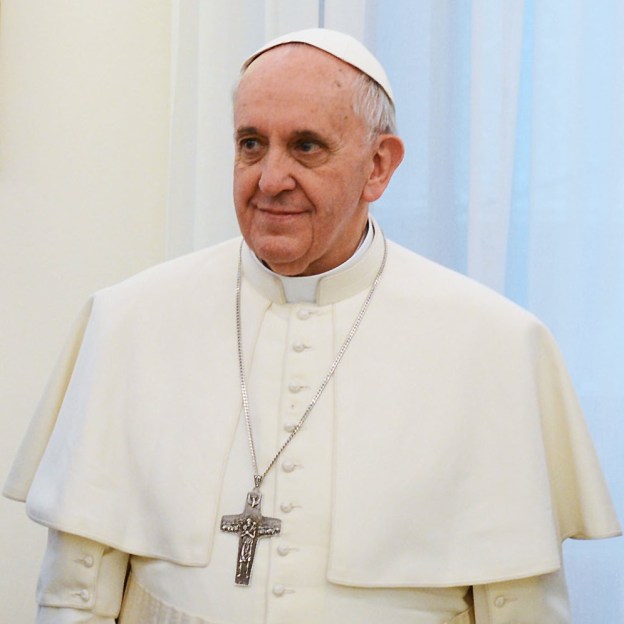
DISCOURS DU PAPE FRANÇOIS
À LA CONFÉRENCE ÉPISCOPALE DU RWANDA
EN VISITE AD LIMINA APOSTOLORUM
Jeudi 3 avril 2014
Chers Frères Evêques,
Je vous souhaite la bienvenue à Rome, à l’occasion de votre visite ad limina Apostolorum. Je souhaite de tout cœur qu’à l’intercession de saint Pierre et de saint Paul et à la lumière de leur témoignage, vous puissiez renouveler en vos cœurs la foi et le courage nécessaires à votre exigeante mission pastorale. Je remercie S.E. Mgr Smaragde Mbonyintege, Président de votre Conférence épiscopale, pour le cordial message qu’il vient de m’adresser. À travers vous j’exprime ma profonde affection aux prêtres, aux religieux et religieuses, aux fidèles laïcs de vos diocèses ainsi qu’à tous les habitants de votre pays.
Le Rwanda va commémorer dans quelques jours le vingtième anniversaire du début de l’épouvantable génocide qui a provoqué tant de souffrances et de blessures qui sont encore loin d’être refermées. Je m’associe de tout cœur au deuil national, et je vous assure de ma prière pour vous-mêmes, pour vos communautés souvent déchirées, pour toutes les victimes et leurs familles, pour tout le peuple rwandais, sans distinction de religion, d’ethnie ou d’option politique.
Vingt ans après ces tragiques évènements, la réconciliation et la guérison des blessures restent certainement la priorité de l’Église au Rwanda. Et je vous encourage à persévérer dans cet engagement, que vous assumez déjà par de nombreuses initiatives. Le pardon des offenses et la réconciliation authentique, qui pourraient sembler impossibles à vue humaine après tant de souffrances, sont cependant un don qu’il est possible de recevoir du Christ, par la vie de foi et la prière, même si le chemin est long et demande patience, respect réciproque et dialogue. L’Église a donc toute sa place dans la reconstruction d’une société rwandaise réconciliée ; avec tout le dynamisme de votre foi et de l’espérance chrétienne, allez donc résolument de l’avant, en rendant sans cesse témoignage à la vérité.
Mais nous devons nous rappeler que c’est seulement en étant unis dans l’amour que nous pouvons faire en sorte que l’Évangile touche et convertisse les cœurs en profondeur : « Qu’ils deviennent parfaitement un, afin que le monde sache que tu m’as envoyé, et que tu les as aimés comme tu m’as aimé » (Jn 17,23) nous dit Jésus. Il est donc important que, dépassant les préjugés et les divisions ethniques, l’Église parle d’une seule voix, manifeste son unité et raffermisse sa communion avec l’Église universelle et avec le successeur de Pierre.
Dans cette perspective de réconciliation nationale, il est aussi nécessaire de renforcer des relations de confiance entre l’Église et l’État. La célébration, le six juin prochain, du cinquantième anniversaire de l’instauration des relations diplomatiques entre le Rwanda et le Saint Siège, peut être l’occasion de rappeler les fruits bénéfiques que tous peuvent attendre de telles relations, pour le bien du peuple rwandais. Un dialogue constructif et authentique avec les Autorités ne pourra que favoriser l’œuvre commune de réconciliation et de reconstruction de la société autour des valeurs de dignité humaine, de justice et de paix. Soyez une Église « en sortie » qui sache prendre l’initiative (cf. Evangelii gaudiumn.24) et établir la confiance.
Ne craignez pas de mettre en relief l’apport irremplaçable de l’Église au bien commun. Je sais que le travail accompli, en particulier dans les domaines de l’éducation et de la santé, est considérable. Et je salue, à ce propos, l’œuvre persévérante des Instituts religieux, qui, avec tant de personnes de bonne volonté, se dévouent auprès de tous ceux que la guerre a blessés, dans leur âme ou dans le corps, en particulier les veuves et les orphelins, mais aussi auprès des personnes âgées, des malades, des enfants. La vie religieuse, par l’offrande de son adoration et de sa prière, rend crédible le témoignage que l’Église rend au Christ ressuscité et à son amour pour tous les hommes, en particulier les plus pauvres.
L’éducation de la jeunesse est la clé de l’avenir dans un pays où la population se renouvelle rapidement. « Cette jeunesse est un don et un trésor de Dieu dont toute l’Église est reconnaissante au Maître de la vie. Il faut aimer cette jeunesse, l’estimer et la respecter » (Africae munus, n. 60). Aussi est-il du devoir de l’Église de former les enfants et les jeunes aux valeurs évangéliques qu’ils trouveront en particulier dans la familiarité avec la Parole de Dieu, qui sera alors pour eux comme une boussole leur indiquant la route à suivre. Qu’ils apprennent à être des membres actifs et généreux de la société, car c’est sur eux que repose son avenir. Pour cela il convient de renforcer la pastorale à l’Université et dans les écoles, catholiques et publiques, en cherchant toujours à relier la mission éducative et l’annonce explicite de l’Evangile, qui ne doivent pas être séparées (cf. Evangelii gaudium, nn. 132,134).
Dans la tâche d’évangélisation et de reconstruction à accomplir, les laïcs ont une rôle primordial. Et je voudrais ici d’abord remercier chaleureusement tous les catéchistes pour leur engagement généreux et persévérant. Les laïcs sont fortement impliqués dans la vie des Communautés Ecclésiales de Base, dans les mouvements, les écoles, les œuvres caritatives, ainsi que dans divers domaines de la vie sociale. Une attention particulière doit donc être portée à leur formation et à leur soutien, tant dans leur vie spirituelle que dans leur formation humaine et intellectuelle qui doit être de grande qualité. En effet, leur engagement dans la société sera crédible dans la mesure où ils seront compétents et honnêtes.
Une vigilance toute particulière doit être portée aux familles, qui sont les cellules vitales de la société et de l’Église, alors qu’elles se trouvent aujourd’hui très menacées par le processus de sécularisation et que, dans votre pays, tant de familles ont été déchirées et recomposées. Elles ont besoin de votre sollicitude, de votre proximité et de vos encouragements. C’est d’abord au sein même des familles que les jeunes peuvent expérimenter les valeurs authentiquement chrétiennes d’intégrité, de fidélité, d’honnêteté, de don de soi qui permettent de connaître le vrai bonheur selon le cœur de Dieu.
Je tiens enfin à exprimer ma gratitude aux prêtres qui se donnent généreusement dans le ministère. Leur tâche est d’autant plus lourde qu’ils ne sont pas encore assez nombreux. Je vous engage à perfectionner sans cesse la formation humaine, intellectuelle et spirituelle des séminaristes. Qu’ils aient toujours comme formateurs des modèles joyeux d’accomplissement sacerdotal. Soyez très attentifs à vous faire proches de vos prêtres, à les écouter, à être disponibles. Leur tâche est difficile et ils ont absolument besoin de votre soutien et de vos encouragements personnels. Ne négligez pas leur formation permanente et je vous engage à multiplier les occasions de rencontre et de contacts fraternels.
Chers Frères, je vous renouvelle l’assurance de mon attachement pour vous-mêmes, pour vos communautés diocésaines, pour le Rwanda tout entier, et je vous confie tous à la protection maternelle de la Vierge Marie. La Mère de Jésus a voulu se manifester dans votre pays à des enfants, leur rappelant l’efficacité du jeûne et de la prière, en particulier la prière du Rosaire. Je forme le vœu ardent que vous puissiez faire en sorte que le Sanctuaire de Kibeho rayonne davantage encore l’amour de Marie pour tous ses enfants, en particulier pour les plus pauvres et les plus blessés, et qu’il soit pour l’Église du Rwanda, et au-delà, un appel à se tourner avec confiance vers « Notre Dame des Douleurs », pour qu’elle accompagne chacun dans sa marche et lui obtienne le don de la réconciliation et de la paix. Je vous donne de tout cœur la Bénédiction apostolique.