Category Archives: Politiki

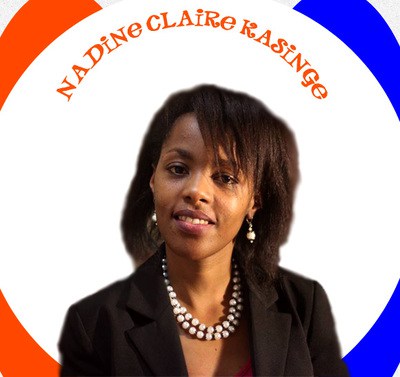
“Abatwa barababeshyera: abasigajwe inyuma n’amateka ni Inkotanyi ” Mme Claire KASINGE

Mu rwego rwo kumenyesha abanyarwanda amashyaka ya politike aharanira kuyobora u Rwanda, ikinyamakuru IHAME.ORG twihaye gahunda yo kuvugana n’abanyepolitike ndetse abo tutazabasha kubona ngo basobanurire abanyarwanda ibihereranye n’imigabo n’imigambi by’ishyaka ryabo tuzajya twifashisha inararibonye zidufashe gusobanukirwa iby’iryo shyaka.

Uyu munsi twabahitiyemo Ishyaka ISHEMA bityo tuvugana n’Umuyobozi waryo Nadine Claire Kasinge.

Yagerageje inshuro 2 zose kuza gukorera Politike, we n’abagenzi be bafatanije kuyobora Ishyaka Ishema, mu Rwanda ariko bashinja FPR Inkotanyi kubakoma mu nkokora bakababuza gutaha mu gihugu cyabo. Nimukurikire ikiganiro twagiranye:

(1)IHAME.org: Mwatangira mwibwira abasomyi bacu?

Nadine Claire KASINGE: Amazina yanjye ni Nadine Claire KASINGE. Ndi umunyarwandaKazi wo mu bwoko bw’Abahutu. Nkaba naravuye mu Rwanda muw i 1994 nk impunzi nerekeza muri ZAIRE (Repuburika iharanira Demokarasi ya Congo y ubu) aho naje kuva ,nanone, nerekeza ahitwa Firenze mu gihugu cy u BUTALIANI  ari naho  nabyirukiye.  Ubu nkaba mbarizwa mu gihugu cya CANADA mu Ntara ya QUEBEC.

(2) IHAME.org: Abantu bakuzi nk’umwe mubagaragara cyane muri politike nyarwanda, mwatubwira uko mwinjiye muri politike nyarwanda n’amashyaka mwaba mwarabayemo?

Nadine Claire KASINGE : Mbere yo kwinjira muri politique nyarwanda, nabanje kuba actif igihe kirekire  muri politique yaho nari ntuye m’ u BUTALIANI.

Muri make, nkigera m’ u BUTALIANI, ninjiye mu ba SCOUT Cathorique nk ‘uburyo bwo kwimenyereza igihugu gishyashya. Nyuma y imyaka itatu, naje kwisanga mu rubyiruko rwa Coalition politique y icyitwaga MARIGARITA cyaje kubyara il Partito Democratico Italiano : PDI.

Mu ba scout catholiquebabataliani, mu ndahiro yabo yo kwinjira , urangiza urahira kuzarwanirira ishyaka igihugu cyawe igihe cyose.

Kuva nagera mu butaliani nabaye nk umuntu uhuze cyane kuburyo ntongeye gukurikirana ibyaberaga mu Rwanda.

Ni mumwaka w 2010 ubwo Madame Victoire INGABIRE UMUHOZA yagarukaga gukorera politique mu Rwanda, agafungwa azizwa ubusa, nongeye gukurikirana ibyo mu Rwanda. Muri make ifungwa rya INGABIRE ryarambabaje cyane ariko rinaba n’umuhamagaro uranguruye  kuri njye. Nibwo niyemeje ko nzaharanira   kurwanya akarengane gashingiye kunyungu za politique mu RWANDA igihe cyose nzaba ngihumeka. Hamwe na bagenzi banjye tariki ya 28 MUTARAMA 2013 twashinze ishyaka ishema ry’u Rwanda.

Kimwe mubirango by’ishyaka ISHEMA

(3) IHAME.org: Ishyaka Ishema mubereye Umuyobozi ubu ryaba riteganya kujya kwiyandikisha mu Rwanda no gukorerayo politike?

Nadine Claire KASINGE:Eh Cyane, ubu nibyo duhugiyemo tuzabagarukira mu minsi mike iri imbere…mu mwaka wa 2016 nuwa 2017 FPR Inkotanyi yabujije indege zose kutugarura mu Rwatubyaye gukorerayo politique, ariko ni AKATINDIJWE KAZAZA.  U Rwanda ni igihugu cyacu twavukiyemo kandi dukunda cyane,n ubureganzira bwacu rero, kukibamo no kugikoreramo politque mu bwisanzure, FPR yabishaka itabishaka .

(4) IHAME.org: Ishyaka Ishema rigitangizwa ryatangiranye icyo mwitaga Amakipe Ishema yagombaga gukorera mu Rwanda; ayo makipe yaje gukomeza kubaho? Mwatubwira amaze kuba amakipe angahe mu Rwanda n’imiterere yayo?

Nadine Claire KASINGE: Uko byatangiye ninako bimeze. Abataripfana Ni bamutarambirwa…. Ngo aho BARYAMIYE IJANJA.

(5) IHAME.org: Ishyaka Ishema rizwi kuba rifite Perezida w’icyo mwise Guverinoma y’uRwanda ikorera m’ubuhungiro; mubona iyo guverinoma iyobowe na Thomas Nahimana haricyo imaze kugeraho kuva yashyirwaho?

Nadine Claire KASINGE:Gukorera mu rwego rwa Gouvernement Y u RWANDA ‘’ Ikorera mu buhungiro’’ byaduhaye isura n’ingufufu muri communication no muri diplomacie natwe ubwacu tutari twatekereje igihe twayishyizeho. Ubu ntago tugikeneye gusobanura byinshi. Utazi cyangwa uwabeshywe ku Rwanda rwa FPR arangiza gusoma izina ryayo udu ‘’questions marques ku RWANDA twamubanye iryaguye … Burya Ministre aba ari Ministre da! Uzabimbaze.

(6) IHAME.ORG:Ishyaka Ishema mu minsi mike ishize yagiye irangwa n’isezera ry’abarwanashaka b’ikubitiro mubarishinze ese byaba byaratewe n’iki?

Nadine Claire KASINGE:Kwinjira no gusohoka mw ishyaka ubundi ni n ibintu bisanzwe. Gukorera politique mu buhungiro bisaba ubwitange bwinshi, haba mu gihe haba mu mutungo cyane cyane ko turi abakorana bushake baba bagomba no gukora indi mirimo ngo bibesheho. Akenshi na kenshi habaho gufata akaruhuko, arinayo mpanvu nko mwishyaka Ishema nta mu Rwanashyaka w ikubitiro ushobora kwirukanwa…. Igihe cyose washaka kugenda wagenda igihe cyose ushaka kugaruka wagaruka. Umutaripfana ahora ari mutaripfana aho ari hose.

(7)IHAME.org: Amwe mu mashyaka arwanya Ubutegetsi bwa FPR Inkotanyi yishyize hamwe ari 5 akora Ihuriro bise P5. Hari n’andi mashyaka 3 yishyize hamwe  ashinga icyo bise MRCD namwe duheruka mwari mucyitwa Nouvelle Generation ese iryo huriro ryanyu riracyariho?Hari impamvu ibabuza kwishyira hamwe nayo mahuriro yandi murwego rwo kwongera imbaraga?

Nadine Claire KASINGE:Birunvikana ko nta mpanvu ibaho yabuza ishyaka iryariryo ryose gushaka imbaraga z inyongera.

Ishyaka ryose riba rifite imirongo migari rigenderaho. Urugamba rw abatariphana kuva mw’ ikubitiro ni inzira y amahoro : la non-violence.

Urebye navugako nk’ abagendera kuri no violence, ntago twemera intambara nk uburyo bwo gukemura ibibazo politique. Dushyize imbere inzira y amahoro mukunvikanisha ibitekerezo byacu, mu kurwanya akarengane no guhangana n’abo dushyamiranye. Navuga ko mubihe byashize uwo mwimerere wacu wakunze kuba imbogamizi hagati yacu nabo duhuje “adversaire”. Ubungubu iyo mbogamizi n ibisigisigi.  Nfite ikizere gikomeye ko opposition nyarwanda ishyize hamwe iri mu nzira zidatinze.

Kimwe mubirango by’ishyaka ISHEMA

(8) IHAME.org: Ishyaka Ishema ryari ryaratangije icyo mwitaga “Revolisiyo ikaramu” iza gusa n’izimye. Ese byaba byaratewe n’uko mwasanze ntacyo igeraho?

HAHAAA…Niba kuri wowe ”Revolution y ikaramu”yarazimye  bimbwira ko utari wunvise mu byukuri icyo iyo REVOLUTION yari igamije. Hari umunyamahanga w inshuti yanjye ukunze kumara igihe kinini mu Rwanda dukunze kuganira,  umunsi umwe yarambwiye ati…. En tout cas, vous avez libere la parole….

Nyuma ya Revolution y ikaramu ubu turabandanyije muri ”Marche de révolution” ari nayo objectif y’iyi manda

(9) IHAME.org: Mu ishyaka Ishema mwaba mugihagaze kuri politiki mwigeze kwita y’Impanga? Mwayisobanurira abanyarwanda?

Nadine Claire KASINGE: Ni Formule dukomeyeho cyane nk igisubizo cyagarura ituze n amahoro hagati y Abanyarwanda. Muri make, nkuko amateka abitwigisha, ubutegesti bwose bwabayeho mu RWANDA kugeza ubu,uko  bwagiye busimburamwa, kuva kubw ABAHINZA kugeza kubwa none bw’INKOTANYI unyuze kubw’ ABAMI na za REPUBULICA zombi, byaranzwe  na politique ya ‘’Vamo Njyemo’’ y’amoko.

Politique y impanga rero ishingiye kuri formule yatuma buri bwoko bw abanyrwanda buhagararirwa mu nzego zose cyane cyane ariko mu nzego zifata ibyemezo biyobora igihugu, hagamijwe kugirango abanyarwanda bose babwibonemo,mu moko yabo atandukanye.

(10) IHAME.org: Ishyaka ryanyu ryigeze kumvikana risaba  miliyoni y’amadolari kugira ngo ibashe gukuraho Ubutegetsi bw’Inkotanyi, ese uwo mushinga ugezehe? Mwabashije kwegeranya angahe?

Nadine Claire KASINGE:Turacyayisaba! ruhande niba ishyaka ryarashoboye gukora ibikorwa binyuranye muri manda yayo ishize, ni  uko hari abanyarwanda bitanze bikomeye mu bikorwa. Ibyo ndabibashimira mbikuye k’umutima…. Nkaba mboneyeho gukomeza kubashishikariza kudutera inkunga yabo muri “Marche ya revolution”  twatangiye … Aluta continua, mbega.

(11) IHAME.org: Haba hari ibikorwa Ishyaka ryanyu riteganya ubu vuba mu rwego rwo kotsa igitutu ubutegetsi bwa Paulo Kagame? Mwabitumenyesha?

Nadine Claire KASINGE: Bitabaye ibyo ubwo twaba turigukora iki kindi nk’ishyaka rya opposition? FPR ikwiye gushyira ubwenge ku gihe ikemera kuganira n abandi banyarwanda mu maguru mashya. Kuko nitabikora igifite ubutegetsi ntago izabikora bufitwe n abandi.

(12) IHAME.org: Ubu Ishyaka rya FPR Inkotanyi ribahamagariye imyanya m’ubutegetsi i Kigali mwayemera?

Nadine Claire KASINGE: Mu myumvire yacu imyanya itangwa n abaturage, bakayiha ishyaka bumva riharanira inyungu zabo. Ntabwo ari ishyaka runaka ryakagombye gutanga imyanya. FPR nifungure urubuga rwa politique ababyifuza bose, biyumvamo impano yo gutanga umusanzu wabo muri politique mu kubaka igihugu cyacu, bandikishe amashyaka yabo mu bwisanzure, Basobanurire abaturage  imigabo n’imigambi y amashyaka yabo, hanyuma abaturage bihitiremo abo babikwiye. U Rwanda si akarima ka FPR.

(13) IHAME.org: N’iki ishyaka urimo ubu rinenga FPR Inkotanyi?

Nadine Claire KASINGE:Nye mbona ABATWA bababeshyera : abasigajwe nyuma n amateka mu Rwanda mbona ari inkotanyi!

FPR ni DÉMODE cyane mu bikorwa no mubitekerezo……Ni gute wakumva muri 2019 wakomeza kugendera ku butegesti bw igitugu bukenesha abaturage bugashyira ibyiza by igihugu mu mabako y agastiko gato mu gihugu nk u Rwanda? Amateka ntacyo abigisha?

(14) IHAME.org: N’iki kindi mwifuza kubwira abanyarwanda n’abarwanashyaka banyu bari busome iki kiganiro twagiranye?

Nadine Claire KASINGE: Narangiza nshimangira inzira y amahoro twahisemo nk uburyo bwonyine abanyarwanda dufite bwo gukemura ibibazo by ingutu bikomeje kumena amaraso y Abanyarwanda, arinako bizambya ejo hazaza h igihugu cyacu. Reka ndeke Martin Luther king abivuge neza kundusha :

‘’ Inzira y amahoro 

n’ intwaro ifite ingufu karahabutaka kandi zitarenganya,

n’i ntwaro ikata ariko idakomeresta,

n’intwaro ihesha ishema uyikoresha,

n’ intwaro y ubugi buvura’’.

Murakoze

Nyuma y’iki kiganiro twagiranye n’Umuyobozi w’ishyaka Ishema twegereye Thomas Sankara Habyarimana tumubaza uburyo abona ishyaka Ishema n’umugambi w’iryo shyaka wo gutaha gukorera Politike mu Rwanda n’uko agira ati:

“Ishyaka Ishema iyabaga bakoreraga politiki iburayi cyangwa mu bihugu bindi byateye imbere, umuntu yabumva, kuko ubona ari abasore bafite gahunda.

Ukabona kandi ari ab’administrateurs bakeneye umu leader ufite ibintu bimurimo atari ugukurikiza gahunda yasomye mu bitabo.
Padiri ni umucivile butwi, uhanganye n’inyeshyamba butwi. Rero ntibavuga ururimi rumwe. Ishyaka Ishema arijyanye mu Rwanda yaba agiye gutesha umwanya ziriya nyeshyamba, zikirirwa zimukina imikino atigeze asoma no mubitabo, bagirango birinde kumufunga bidateza akavuyo. Bikazajya kurangira yarabaye nayubu.
Utazi inyeshyamba arazibarirwa.

Igihe kimwe afande Bagabo, yigeze gukurura ukuboko Lt Col Nzungize wo muri ex-far, wari muri wa mutwe wa GOM, umwe warushinzwe gucunga ibya ceasefire mu mpande zombi zarwanaga. Aramujyana amukuye mubandi, bagirango hari icyo ashaka ko baganira, bageze hirya gato nko muri metero 5 aramubwira ati mfasha imboro nyare Nzungi! Nzungize agaruka yijujuta, bagenzi be bagirango yasaze bayoberwa ikimubayeho. Iyi ni inkuru nahagazeho.
Padiri rero bajya bamukorera ibintu atazi ko bibaho agacanganyikirwa, kandi noneho nta nicyo yaba amariye rubanda nyamwinshi kuko abafungirwa ingengabitekerezo ya jenoside barushaho kwiyongera, abasigaye bagacisha macye.
Mbona Ishyaka Ishema   ari ingirakamaro kubuyobozi bw’ejo hazaza, aho batoranywamo ab’administrateur bakubaka igihugu gikorera abanyarwanda neza.”

Byakiriwe na JMV Kazubwenge
Ihame.org

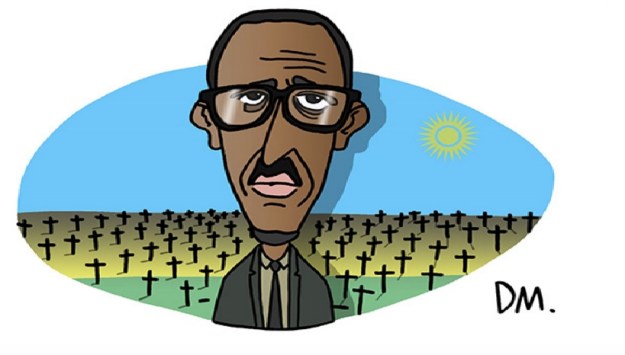
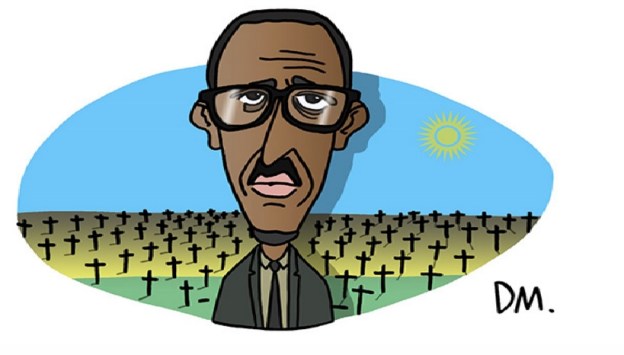
Portrait of Paul Kagame – President of the Republic of Rwanda

Portrait KP

Paul Kagame is not just any other African dictator. He seems to hold the keys to modernity. He enjoys, or at least has long enjoyed, a positive aura on the international scene. He governs Rwanda, which was home to one of the most horrible nightmares known by Humanity in recent decades. Too equanimous a writer would not have been suitable to discuss such a personality, particularly in such a context. Gérard Prunier’s portrait reflects both the passion of a man who is sensitive to the dramas occurring in the area and the science of a great historian of Africa’s Great Lakes region.

Michel Duclos, Geopolitical Special Advisor, editor of this series

In the twilight of the 20th century, the Rwandan genocide of 1994 appears as the worrying token of a world that we hoped would end with the opening of another, one that would bring hope. The last century had been one of horror, but the recent fall of the “Evil Empire” seemed to symbolically close it. Yet Rwanda suddenly cast a gloomy light on this brand new optimism, which we tried to conceal with a poorly constructed historical parallel. In this small, obscure country, of which almost no one had ever heard, there had been an outbreak of “tropical Nazism”. Yet, among the two great terrors of the 20th century (Westerners never succeeded in conceiving universal history as anything other than exotic declinations of their own history, the only one that counts and marks the world’s true scansions), the two worst horrors had been Nazism and Stalinism. And here came the “filthy beast”, resurfacing in Africa and rekindling our worst memories.

The problem is that this historical parallel was not adequate. President Habyarimana was not very Hitlerian (and he had died at the time of the genocide). France was jumping up and down frantically to explain that no, this was not something it had ever wanted, and that, in any case, it hadn’t done anything. The United Nations, symbol of the post-1945 mantra “never again”, were indeed present in Rwanda, but hadn’t done anything either. Meanwhile, the African Union, i.e. the continent’s self-proclaimed conscience, was entrenched in a deafening silence. But fortunately, there was the Rwandan Patriotic Front (RPF) – the good guys! – and their leader, who vaguely looked like some kind of warrior monk, Major Paul Kagame. What a relief. The tragedy had a hero, and the global public opinion welcomed him, finally relieved to find a savior in the midst of all this horror. But who was he really? Nobody knew. Not to mention that the general ignorance towards pre-genocide Rwanda was abyssal. The result was an unknown hero against a backdrop of African clichés.

Kagame very unconventional “military career” lasted 16 years and got him involved in some of the most extraordinary events of the century.

Paul Kagame was 36 years old at the time, and he was not really Rwandan. Having grown up in Uganda as the son of refugees since the age of four, he was a Major in the Ugandan army and a citizen of his host country. His trajectory was quite atypical for a refugee. Shortly after graduating from high school, he had joined the uprising guerrilla war in Uganda at the age of 20, as the Tanzanian army entered the country in 1978 to overthrow dictator Idi Amin Dada. His very unconventional “military career” lasted 16 years and got him involved in some of the most extraordinary events of the century.

He was profoundly shaped by this period of his life – his “Ugandan” life. Uganda in the 1970s and 1980s was a jungle dotted with corpses, where everyone betrayed everyone. The international community, which had rightly vilified Idi Amin, was walking away now that he had disappeared. It didn’t matter that dictator Milton Obote, elected in a rigged election approved by the British and Commonwealth authorities, killed more people than Idi Amin (more than 300,000 deaths between 1981 and 1986). What mattered was that, in the context of the Cold War, Obote was “a friend of the West”, even if he used North Korean artillery. In fact, this allowed Western powers to avoid getting their hands dirty in trying to keep the country together by their own means.

The West helped survivors to survive through international aid, and a division of labor that Kagame would later reproduce, first in Rwanda, and then in Congo. His contempt for the “international community”, his diplomatic cynicism and his humanitarian hypocrisy can be explained by his experience of the Ugandan civil wars between 1978 and 1986. So can his vision of the “hero”. Indeed, in January 1986, Kagame entered Kampala as a winner, alongside his leader Yoweri Museveni.That was before he saw this advocate of the extreme anti-colonialist left become, through a series of opportunist shifts, the perfect duplicate of what he had fought all his youth.

In 32 years, Museveni’s reformist power mutated into an authoritarian and corrupt State, and the former main opponent of the regime was the former head of the guerrilla’s medical services. Kagame reproduced exactly the same pattern, to the point that he now finds himself in conflict with an opposition composed by 80% of his former comrades in arms during the struggle of the 1990s (and not of ex-genocidaires as he suggests). First, of course, he served in the Ugandan regular army after the victory. Kagame, the chief’s loyal follower, became head of the army’s secret service. His profile was interesting to Museveni: Kagame was basically a foreigner, even after his years of war in Uganda. Some groups such as the Baganda or his own ethnic group, the Banyankole, constantly reminded him of this.

His contempt for the “international community”, his diplomatic cynicism and his humanitarian hypocrisy can be explained by his experience of the Ugandan civil wars between 1978 and 1986. So can his vision of the “hero”.

After all, there were only two “Rwandans” among the first 17 insurgents of 1981, the other being Fred Rwigyema, who became Chief of Staff of the Ugandan army. Two “foreigners” at the head of the country’s military establishment: what better way to prevent a coup? Kagame kept quiet, observed, learned. And he noticed the pursuit of the same humanitarian ambiguity that served Obote so well in his time. Amnesty International sent a mission to Uganda in order to criticize Museveni for his brutal treatment of imprisoned insurgents from northern ethnic groups, who supported Obote during the civil war and who continued to fight sporadically. The NGO called for the creation of a justice system able to deal with cases of detention of captives from the guerrillas. The President passed the problem on to Kagame, who was appointed President of the Armed Forces Itinerant Tribunal. He was perfect at the job, and the corpses resulting from the Tribunal’s convictions, which he brought back to Kampala, were always in excellent condition and showed no signs of abuse. The man is cold and merciless, but he is efficient and knows how to respect procedures.

In 1987, he began to extend his contacts within the Rwandan diaspora, who took advantage of his position in Uganda to set up a political military structure aiming to overthrow the Hutu regime in Kigali. However, anti-Rwandan pressure escalated in Uganda, where Museveni was forced to slowly marginalize an entire generation of refugees and their children who had supported his rise to power. After a brief hesitation, General Rwigyema, who, as a Ugandan, felt bitter and betrayed, switched sides and decided to join the RPF. For Kagame, this was a disaster: Rwigyema was very popular in the diaspora, while Kagame was not. Moreover, their two Rwandan affiliations were entirely antinomic: Rwigyema was the heir to the Banyingina royal family, while Kagame came from the Ababega clan, which overthrew and killed the King during the German colonial conquest in 1896.

The man is cold and merciless, but he is efficient and knows how to respect procedures.

A warm and friendly heir to the royal family versus the austere descendant of an usurping clan. The invasion of Rwanda that they were planning together was marked from the outset by personal and political ambiguity. Rwigyema was aware of the difficulty of having the Hutu majority accept a “liberation” led by the Tutsi minority. Even if the Habyarimana regime was a dictatorship, and even if its Hutu opponents were many. He relied on his charisma and his openness to the Hutus of the opposition to overcome the “feudal restoration” of which Habyarimana later spoke.

The RPF attacked Rwanda on 1 October 1990, and on 2 October, Fred Rwigyema, who had commanded the invasion forces, was killed by one of his own officers. The RPF will always deny the circumstances of this death, attributing it “to the fighting”. But apart from the fact that there was only one killed that day – the Commander-in-Chief – and that the given details of his death are contradictory, a worrying shadow hangs over the murder of the RPF leader. In fact, Museveni, who discreetly supported the invasion, also had Rwigyema’s two adjutants arrested and executed. Like many other episodes paving Paul Kagame’s road to power, this one will never be clarified. The war lasted four years, and burst into a genocide triggered by the assassination of President Habyarimana. The genocide was obviously planned by the most radical circles of Hutu power, but many accused Kagame of being the perpetrator of the attack. The most specific accusations came from former Tutsi members of the RPF, some of whom became active opponents of the Kagame regime. But the global impact of the genocide somewhat mesmerized the international community, which refused to think the unthinkable about the genocide’s liberator being an element of that same genocide. Yet, as Canadian General Dallaire, commander of the UN’s inactive forces, pointed out, the RPF leader did not seem overly moved by the passivity of the international community. Nor by the genocide itself. Dallaire, who was struggling with New York to get an order for intervention, felt more committed than the Rwandan. It actually seems like Kagame has never been too concerned about his fellow citizens. Among them, there were 80,000 Hutus, who were later “forgotten” in the commemorations of the genocide – which became known as “the genocide of the Tutsi”. As for the Tutsi deaths – between 700 and 800,000 – they seem to have been considered more as the “collateral damage” of the modernization process implemented later by the new post-genocidal power in Rwanda.

To realize this, one should have a conversation with members of Tutsi survivor associations, who are under no illusions regarding this issue. For Kagame, the genocide was a huge political opportunity, of which he managed to skillfully take advantage. He succeeded in exchanging a population of “indigenous” Tutsis, rooted in the complex and ambiguous Rwandan reality, for another population of diaspora Tutsi, much more educated, militarized and disciplined, who ended up being the ideal people for the RPF project.

Kagame had a plan for Rwanda. A plan similar to him: cold, efficient, entirely focused on technical success, not particular about the means employed. He managed to sell it to a relieved international public to whom he promised fundamental changes – an honest administration, security, urban cleanliness, improved transport and public health – as well as a few gadgets that always please Westerners, such as Internet access on buses or a ban on plastic bags.

Kagame, shrouded in the aura granted by his status as anti-genocidal hero, led the offensive and overthrew the old tyrant.

Protected by the genocidal shield, he knew he could practically do whatever he wanted. Moreover, he had always won in the past: escaping the fate of a stateless refugee to gain access to the highest levels of power in Uganda, taking control of the RPF, winning a second civil war in Rwanda by concealing his own violence thanks to the genocidal apocalypse, creating a government of “national unity” after the genocide, then abolishing it during a massacre committed by his own troops (Kibeho, 1995), and, finally, consolidating his absolute power thanks to election scores worthy of Stalin’s (95% in 2003, 93% in 2010 and 99% in 2017). He didn’t even need to cheat, everyone did actually vote for him. Fear was such that obedience became real. And the international community, trapped in its remorse and seduced by the progress he introduced, nodded along. He nonetheless did make a big mistake: invading Congo. It had all started so well: the surviving genocidaires, who had taken refuge just a few kilometres from the border, were constantly launching harassment raids on Rwanda, which were both unnecessary and deadly.

After two years of preparation, Kagame succeeded in gathering a coalition of African States, supported by the United States, which wanted to get rid of its old accomplice from the Cold War, Mobutu Sese Seko. Kagame, shrouded in the aura granted by his status as anti-genocidal hero, led the offensive and overthrew the old tyrant. This event was followed by President Clinton’s visit to Kigali, where the latter apologized for his country’s passive attitude during the genocide. The apology was justified, but the timing was not right. Kagame is steady-handed, but he is also extremely self-confident.

Encouraged by what he already saw as yet another success, a few months later, he took an unnecessary risk by attacking both some of his allies and the regime he had just succeeded to set up in Kinshasa. The war that ensued (1998-2002) shook the entire African continent and killed nearly three million people. At that moment, the “hero” had gone a little beyond his diplomatic comfort zone and had to leave the field. His failure even had unexpected side effects, as the international community finally dared to take a closer look at what the RPF had done since coming to power.

Kagame became President of the African Union in January 2018, which has allowed him to lecture his peers, for whom he only has limited respect.

When the International Criminal Tribunal for Rwanda was created, public opinion tried to do so but the Attorney General, the Canadian Louise Arbour, prohibited any investigation. It is only in June 2009 that the UN Mapping Report was published…on the Congo war! It did mention the “Rwandan army”, but only in a foreign perspective. Not a word about Rwanda itself, and thus of course nothing about its leader Paul Kagame.

Fascinated by Kagame’s heroic image, it seems like the international community hasn’t read this report, which is 500 pages long and highly documented, and continues to be indulgent towards the one Professor Filip Reyntjens from the University of Antwerp calls “the greatest war criminal in power today“. Kagame’s self-confidence was boosted by the disdain the international community displayed for the truth when, for example, the Paris Public Prosecutor requested a dismissal (13 October 2018) of the case against his associates who had been involved in the attack that cost Habyarimana his life.

Kagame became President of the African Union in January 2018, which has allowed him to lecture his peers, for whom he only has limited respect. The opposition had long been disciplined through robust methods. MP Léonard Hitimana and former President of the Court of Cassation Augustin Cyiza disappeared without trace. The Vice President of the Green Party (opposition) was found dead after being tortured. The journalist Jean-Léonard Rugambage, who was investigating the case of General Kayumba Nyamwasa, who had switched to the opposition, was killed in 2010 after Kayumba himself had been the target of two assassination attempts. Former Security Chief Patrick Karegeya was found strangled in a South African hotel room on 1 January 2014. Opposition journalist Charles Ingabire, a genocide survivor, was shot dead in the street in Kampala in November 2011. And so on and so forth.

Violence has even become “democratized” since 2016, with the summary executions of dozens of petty criminals (cow thieves, smugglers, fishermen using illegal nets…) killed by the army for no other reason than to frighten people in order to “keep order”. On her recent release, Victoire Ingabire, who had been sentenced to life imprisonment for daring to run in the elections against Kagame, said: “I hope this is the beginning of the opening of the Rwandan political sphere”. Unfortunately, this seems highly unlikely.

Kagame is an iron man. Yet even iron eventually rusts away. A few years ago, he faced all the challenges with a cool temper we could qualify as “British”, but that we call “itonde” in Kinyarwanda. When Colonel Tauzin declared, while defending Gikongoro, “that he would “give no quarter” if the RPF attacked and that an officer translated (Kagame did not understand the French expression “faire de quartier”) by saying: “it means that he will kill all the wounded”, he simply observed: “It is a little hostile, isn’t it?” Today, the same man is seen shouting at his bodyguards, slapping a secretary or trampling underfoot a Minister who crossed him. Many of his former comrades from 30 years ago have joined the opposition and live in exile. He and Museveni have hated each other since the Ugandan President investigated Rwigyema’s death and today, he helps a guerrilla group that has infiltrated the Nyungwe forest and entrenched itself there. Today, Paul Kagame is the master of Rwanda, the only African head of State who can speak as an equal with the world’s great leaders, and who can influence the decisions of most international tribunals. This involves a massive and solitary power, and absolute power is absolutely solitary.

gerard-prunier

By Gérard Prunier, Historian Horn of Africa specialist

Illustration : David MARTIN for Institut Montaigne

Source: Institut Montaigne

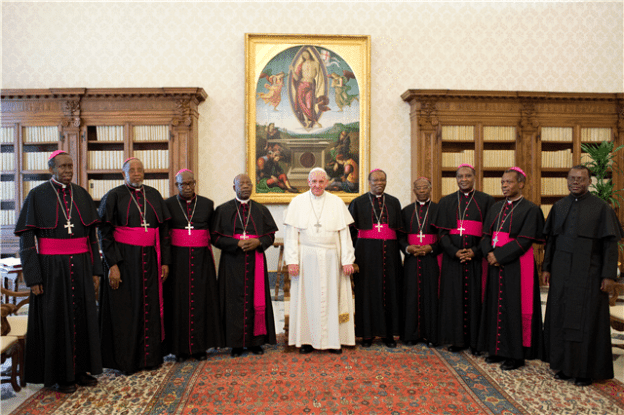
JEANNE MUKAMURENZI ARAHAMAGARIRA ABEPISKOPI GATOLIKA B’U RWANDA KUGIRA UBUTWARI BWO KURENGERA RUBANDIGOKA

Ibaruwa ifunguye ya banyiricyubahiro Abepiskopi ba kilizaya gatulika mu Rwanda.

Ba Nyiricyubahiro, ndabasuhuje.

Ndagirango ngire icyo mvuga ku ibaruwa yanyu mwanditse mwamagana itegeko ryo gukuramo inda mukanayishyiraho imikono taliki 19 Ukwakira 2018.

Ba Nyiricyubahiro,

Iyi baruwa yagombaga kwandikwa igihe abazunguzayi barimo bakubitwa na Daso.

Iyi baruwa yagombaga kwandikwa igihe Umubyeyi Tewodonsiya Uwamahoro yicwaga ubwo yari yagiye kuzunguza agataro mumujyi wa Kigali mu buryo bwo gushaka icyatunga abana be, yishwe n’abashinzwe umutekano ahetse umwana kugeza na n’ubu ntawe uzi uko impfubyi yasize zibayeho.

Iyi baruwa yagombaga kwandikwa igihe abana 3 batwikirwaga muri ruhurura babiri bakahasiga ubuzima undi umwe agashya bikomeye ngo hagamijwe gukora isuku muri Kigali.

Iyi baruwa yagombaga kwandikwa ibaza ubuyobozi bw’URwanda irengero rya Illuminée Iragena waburiwe irengero kugeza magingo aya azira gusa ko yagemuriraga victoire Ingabire, umuryango we ugizwe n’umugabo n’abana bakameneshwa batamenye irengero ry’umuntu wabo.

Iyi baruwa yagombaga kwandikwa yamagana ubutegetsi burandura imyaka y’abaturage, bakabuzwa guhinga ibyo bashaka mu mirima yabo n’abagize amahirwe yo guhinga bakabuzwa kubisarura bikaborera mu mirima (ibirayi) cyangwa bikababorana byabuze isoko kubera politiki mbi y’ubutegetsi bwa FPR ishaka kugena uko umuturage abaho bikaviramo uduce tumwe kwibasirwa n’inzara ahandi imyaka iborera mu mirima cyangwa mu kusanyirizo.

Iyi baruwa yagombaga kwandikwa yamagana akarengane k’imfungwa zuzuye muri gereza zimazemo imyaka zizira ubusa.

Iyi baruwa yagombaga kwandikwa yamagana igikorwa cyo gufungira ababyeyi ibyara batahaye uburenganzira abaribafungiye.

Ba Nyiricyubahiro,

Iyi baruwa yagombaga kwandikwa yamagana kuzamurwa mu mapeti abasirikare barimbaguye imbaga, barimo Fred Ibingira wishe abihaye Imana bagenzi banyu i Gakurazo akabicana n’umwana muto Richard Sheja.

Iyi baruwa yagombaga kwandikwa isaba ko Abepiskopi biciwe i Gakurazo bashyingurwa mu cyubahiro.

Ba Nyiricyubahiro, mwanditse mwamagana abakuramo inda zitaravuka, hari abavutse bicwa buri munsi mu Rwanda. Ese ababica bazamaganwa na nde Ba Nyiricyubahiro?

Ese abicwa ntibavukiye kubaho, ubuzima bwabo bukubahwa ntibuvogerwe?

Ba Nyiricyubahiro, ntarirarenga kuko akarengane karacyari kose mu Rwanda.

Nk’uko mwamaganye itegeko ryo gukuramo inda, nimwamagana ubutegetsi bwica abene gihugu buri munsi, nimusabe ubutegetsi buhotora rubanda gusubiza inkota mu rwubati.

Nimwamagane politike ikenesha abaturage.

Ni mwamagane politike ishyira abaturage mu byiciro by’ubudehe batarimo bituma abakene nyakujya badafashwa ngo kuko bari mu cyiciro cy’abifashije mu gihe badafite n’urwara rwo kwishima.

Ni mwamagane politike y’urugomo irandura imyaka y’abaturage.

Ni mwamagane politike irobanura impfubyi, aho imfubyi zimwe zifashwa izindi ntizifashwe.

Nimwamagane politike y’urugomo isenyera abaturage.

Nimwamagane politike ishimuta abaturage, igatuma imiryango myinshi ihorana impagarara za mbonye ndamuka sinzi uko ndibwiriwe cyangwa ndara.

Ni mwamagane politike irasa abaturage ku manywa y’ihangu.

Nimwamagane agatsiko k’abayobozi gasahura umutungo w’igihugu mu gihe rubanda ikomeza kwicwa n’inzara.

Ni mwamagane politike iheza abanyarwanda hanze.

Ni mwamagane abayobozi batsimbarara ku butegetsi bakica, bagafunga bakanatoteza undi munyapolitike cyangwa umunyarwanda wese utabona ibintu kimwe nabo.

Nimwamagane politike ya gashoza ntambara mu bihugu by’abaturanyi biviramo abanyarwanda kutarenga imipaka ngo bahahirane n’ibihugu by’abaturanyi.

Ba Nyiricyubahiro, aho ubuzima bw’igihugu cyacu bugeze, birasaba ijwi ryanyu rya kibyeyi gutakamba, ritabariza abarengana rikamagana abarenganya Intama z’Imana.

Amajwi yanyu ntarangirire mu kwamagana abashyiraho itegeko ryo gukuramo inda. Ni murangurure amajwi yanyu mwamagane abica abavutse.

Ba Nyiricyubahiro, ibaruwa mwanditse ibe ikimenyetso cy’uko nta munyarwanda uzongera kwicwa ngo muceceke mutabyamaganye,

Nta muturage uzarandurirwa imyaka ye, agasenyerwa mugaceceka, abantu bagafungirwa ubusa mugaceceka.

Bibe ikimenyetso cy’uko Ba Nyiricyubahiro bagiye kurwanya akarengane gakorerwa rubanda. Ibe ikimenyetso cy’uko Ba Nyiricyubahiro batazarebera mu gihe abaturage bahimbirwa ibyaha bagafungirwa ubusa.

Ibe ikimenyetso cy’uko intama zigiye kwisanzura mu rwuri kuko zizi ko zihagarariwe n’abashumba bazitayeho, urwuri zirimo ari ntavogerwa.

Ba Nyiricyubahiro, reka ndangize mbashimira ubushishozi muzakirana iyi baruwa.

Mbifurije kuyikuramo agasemburo gatuma murushaho kuba amajwi ndetse n’amaso y’abarengana mu gihugu cyacu bose.

Mugire amahoro y Imana.

Jeanne Mukamurenzi

TUGIYE GUTANGIZA « MARCHE DE LA REVOLUTION »

Itangazo rigenewe itangazamakuru

TUGIYE GUTANGIZA « MARCHE DE LA REVOLUTION »

Nyuma y’ifungurwa rya Madamu Victoire Ingabire UMUHOZA ryo ku itariki ya 14/09/2018, Ishyaka Ishema ry’u Rwanda ryishimiye gutangariza Abanyarwanda inshuti z’u Rwanda n’imiryango mpuzamahanga ibi bikurikira :

1. Twishimiye ko Madamu Victoire INGABIRE UMUHOZA yafunguwe akavanwa mu buroko yari amazemo imyaka umunani azira akamama. Gusa ibi byishimo ntibikuraho icyaha gikomeye uyu mutegarugori yakorewe cyo kwamburwa uburenganzira bwe bwo guhatanira amatora ya Perezida wa Repubulika mu mwaka w’2010. Birakwiye ko abagize uruhare mu kugambanira, gushinja ibinyoma no guca urubanza rwo kubamba Ingabire Victoire UMUHOZA bagenerwa ibihano ntangarugero kugira ngo umuco wo kurenganya abenegihugu uranga ubutegetsi bwa FPR Inkotanyi ucike burundu.
2. Dushyigikiye byimazeyo umugambi wo gukorera politiki imbere mu gihugu kugirango hafungurwe urubuga rwa politiki kandi haboneke inzira ihamye yo kubohoza rubandigoka, imaze guhindurwa inkomamashyi n’abagererwa, nk’uko byahozeho mbere ya Revolution ya Rubanda yo muri 1959.


3. Tuributsa ko umugambi wo gucira INGABIRE Victoire ishyanga Kagame yashyize ahagaragara tariki ya 19 /09/2018 yawugeragereje ku ikipe y’Abataripfana yari igizwe na Padiri Thomas NAHIMANA, Madamu Claire Nadine KASINGE, Bwana Venant NKURURNZIZA na Bwana Skyler KEJO  ku matariki tariki ya 23/11/2016, na 22/02/2017. Mu gihe aba Bataripfana biyemezaga kujya gukorera politiki mu gihugu gakondo cy’abasogukuruza babo, KAGAME yanze ko binjira ku mbibi z’u Rwanda. Politiki yo kwishongora ya Bwana Paul Kagame no gucira ishyanga abanyarwanda batavuga rumwe na we, ni amahano ku benegihugu twese, tukaba tugomba kuyirwanya no kuyamaganira kure.
4. Mu rwego rwo guca iyi « politiki ya mucirishyanga » yadukanywe na Paul Kagame n’agatsiko k’ Abanyamurengwebagashize akuriye, Abataripfana biyemeje gusubukura umugambi wabo wo kwerekeza mu gihugu cy’abakurambere bemye mu rugendo bise « Urugendo rwa Revolusiyo » (Marche de la Revolution).

Bityo rero turasaba abanyarwanda bose

A. gufatana urunana muri uru « rugendo rwa Revolution » kugirango umugambi wo guhagurukira gufunguza urubuga rwa politiki no kubohoza rubandigoka ugerweho byihuse

B. Gukomeza gushyigikira no gukurikirana ibikorwa by’abalideri bahagurukiye by’ukuri uru rugamba rwo gutabara Rubandigoka yatawe ku munigo n’agatsiko k’Abanyamurengwebagashize

C. Kudakangwa n’imvugo z’iterabwoba z’umunyagitugu Paul Kagame ahubwo buri munyarwanda akamenya ko afite uburenganzira n’inshingano zo kutemera gukomeza kugirwa inkomamashyi n’umugererwa mu gihugu cyamwibarutse.

D. Kwemera kwitangira igihugu cyawe kabone nubwo wakimenera amaraso nibibangombwa no guhaguruka nk’abitsamuye tugatera ingabo mu bitugu Madame INGABIRE UMUHOZA Victoire, ukomeje kugaragaza ubutwari ntangarugero.

Turashimira abakomeje kutugaragariza ko bashishikajwe n’ubufatanye mu bikorwa byo kwihutisha Revolution ya Rubanda igamije gukuraho ubutegetsi bw’agatsiko k’Abanyamurengwebagashize no kwimika bidasubirwaho ubutegetsi bwa Rubanda, bushyizweho na Rubanda kandi bukorera Rubanda.
Urugendo rwa Revolusiyo twese ruratureba

Bikorewe Montreal kuwa 23/09/2018

Mme Nadine Claire Kasinge,
Presidente w’Ishyaka Ishema ry’u Rwanda

Inquiétudes autour de la candidature rwandaise à la tête de l’OIF

louise_mushikiwabo_0
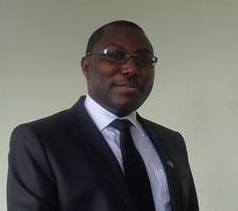
Louise MUSHIKIWABO, la ministre rwandaise des affaires étrangères 
Après avoir reçu d’importants soutiens et en l’absence d’autres concurrents déclarés, Louise Mushikiwabo, la ministre des Affaires étrangères du Rwanda, a toutes les chances de devenir la prochaine secrétaire générale de l’Organisation internationale de la francophonie (OIF). Reporters sans frontières (RSF) s’inquiète de cette candidature issue de l’un des pires régimes en matière de liberté de la presse.

Louise Mushikiwabo est à ce jour la seule candidate en lice pour contester un deuxième mandat à Michaëlle Jean à la tête de l’Organisation internationale de la francophonie. L’actuelle ministre des Affaires étrangères et porte-parole du gouvernement rwandais a déjà reçu le soutien public du président français Emmanuel Macron et de l’Union africaine. Le prochain secrétaire général de l’organisation sera désigné lors d’un sommet à Erevan en Arménie prévu les 11 et 12 octobre prochains.

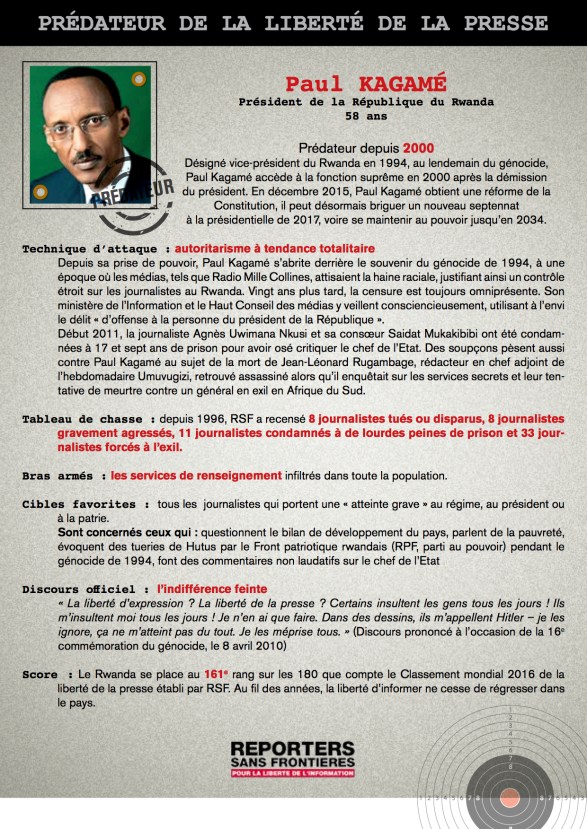
Au Classement mondial de la liberté de la presse établi par RSF en 2018, le Rwanda est 154e. Parmi les 58 Etats membres de l’OIF, seuls cinq pays ont un bilan pire que le Rwanda en matière de liberté d’information. Censure, menaces, arrestations, violences, assassinats… Le régime dirigé d’une main de fer par Paul Kagamé depuis 2000, et dont Louise Mushikiwabo est ministre depuis près de 10 ans, dispose de l’un des pires systèmes de répression à l’égard des médias et des journalistes. Son président occupe une place de choix dans la galerie des prédateurs de la presse constituée par RSF.

Kagame Prédateur

“Comment l’Organisation internationale de la francophonie (OIF) va-t-elle pouvoir favoriser le pluralisme des médias et la liberté de la presse conformément à ses objectifs en matière de droits de l’Homme, si elle est dirigée par l’une des principales dirigeantes d’un Etat qui piétine le droit à l’information et réprime les journalistes depuis 18 ans, s’inquiète Christophe Deloire, secrétaire général de RSF. C’est la capacité de l’OIF à défendre les médias et les journalistes libres comme acteurs incontournables du développement dans l’espace francophone qui est en jeu”.

Depuis 1996, huit journalistes ont été tués ou sont portés disparus et 35 ont été contraints à l’exil. Ces dernières années, le nombre d’exactions enregistrées par notre organisation a baissé mais la censure reste omniprésente et l’autocensure la règle pour éviter de faire partie du tableau de chasse du régime. Les programmes très écoutés de la BBC en Kinyarwanda sont suspendus depuis 2015, après que la chaîne a diffusé un documentaire évoquant des massacres provoqués par le Front patriotique rwandais (FPR) au moment du génocide des Tutsis de 1994.

Lors du XVIe sommet de la Francophonie à Antananarivo en novembre 2016, les chefs d’Etat et de gouvernement avaient rappelé leur engagement à “garantir la protection effective des journalistes et la liberté de la presse”.

Chaque année, l’OIF décerne le Prix francophone de l’innovation dans les médias avec RSF et RFI.

Source: Reporters Sans Frontières

Rwanda: Paradis Infernal

rwanda-1513
Paradis infernal, maladie australe
Zizanie ancestrale, apostasie fatale
Démocratie artisanale, propagande si pâle
Logorrhées sempiternelles, démagogie banale

Shirt of shame
Paradis pathétique, maladie gasabolique
Apparences canoniques, réalités apocalyptiques
Turbulences sarcastiques, coupables atypiques
Des justices dogmatiques aux logiques épileptiques

Victoire-Ingabire-handcuffed-in-court
Paradis infernal, maladie australe
Des sommes si colossales aux urnes,
Des primes si minimales pour pain diurne
Des épis rouges aux tapis rouges, tout pour le look,
Des ventres vides crevant fort comme nues autoroutes,
Des graines pour veines cédant aux pérennes injustes peines,
Les dus de base servent au show comme des guitares basses sur scène !

Ignorants errants matin-midi-soir sans cause,
Des pères et mères assis souvent seuls sans chose
Des lâches défaillants applaudis toujours à deux mains sans dose
Des sages vaillants maudits du jour au lendemain sans pause,
Beaucoup vivant ailleurs comme des morts en trouille sans prose,
Le reste demeure museaux cousus sous patrouille, rouillés sans glucose !

Des demains douteux, affreux sans garantie commode,
Pourtant tous étant pris pour des nantis nés pour la mode
par nos voisins prétendant que nous on fait une douche chaude ;
Des absurdités voilées jamais démenties soumises aux codes,
Des vérités vraies compromises en fait comme des antipodes,
Même les caboches pépites préfèrent la trêve avant qu’on ne les corrode.
Paradis infernal, maladie australe
Monde aux divers, Monde à l’envers Où :
Qui dit opinion dit punition
Qui dit émission dit démission
Qui dit apparition dit disparition
Qui dit ambition dit inhibition
Qui dit proposition dit opposition
Qui dit guérison dit trahison
Qui dit réunion dit coalition
Qui dit proportion dit division
Apparemment, ça ne fait que tourner en rond sans vision !
Pratiquement, on ne fait que bouffer à fond sans provision !
O losange des Mille collines, O Minable figurine !
D’où viens-tu- Où vas-tu comme ça sans discipline ?
Des substances grises privées de libres-triples pensées,
Des blessures saignant sans qu’elles ne soient pansées sans pour autant dépenser,
On pleure, tous écœurés, ballant sans bagage ni courage
On se dit que tout ira sans place ni parole,
Beaucoup étant d’ailleurs des acteurs fugaces sans un rôle
On jubile corps évidés tenant le coup sans gloire,
On soupire, cœurs abîmés, les coups baissés sans savoir ni pouvoir !
Mais, Quousque tandem ?
Ma plume creusant, son encre s’étiolant
Ma brune se vidant, sa mousse m’aiguillonnant ;
Je ne peux plus jamais baisser la tête
Malgré ceux qui me blessent et guettent,
Malgré ce qui me stresse et maltraite
Je ne veux plus jamais gâcher la fête
Malgré des requêtes-enquêtes qui s’apprêtent,
Malgré les cris des bêtes traîtres qui m’embêtent !
O Losange des mille collines qui nous parraine,
Je te félicite pour le pas franchis quand même,
Mais ta dignité mérite plus que ça comme per diem
Il est temps que les tiens ne vivent plus que du/par carême,
Il est grand temps que seule la transparence redevienne ton emblème
Que le suprême te maudisse tout aveugle engouement et l’abus des termes,
Que tes enfants se hissent pour l’unité et la franchise comme purs thèmes sans ces pires peines!
Ensemble pour une nation sereine & Plus ensemble pour un monde meilleur !

A suivre

RWANDA : QUELLE SOLUTION AU PROBLÈME HUTU-TUTSI ?

Le_Mwami_Kigeri_et_deux_de_ces_miliciens_01 (1) (1)

Qu’on le veuille ou non, les problèmes politiques du Rwanda, avec leurs corollaires, trouvent leurs origines dans le conflit Hutu-Tutsi dans leur lutte pour le pouvoir économique et politique.

Il nous semble intéressant de se pencher sur la façon dont les différentes puissances et régimes successifs qui ont régné sur le pays ont tenté de résoudre ce problème récurrent. Nous allons également tenter de comprendre pourquoi ces tentatives ont toutes échoué. C’est l’occasion aussi de se demander si la solution proposée par l’actuel régime du FPR qui règne sur le Rwanda depuis 1994 serait la bonne.

Le problème est ancien : la période allemande (1894-1916)

Le premier résident impérial allemand, le Dr Richard Kandt nommé en 1907 note dans son ouvrage « Caput Nili » qu’il avait reçu des plaintes des Hutu sur leurs mauvais traitements et leur marginalisation par les Tutsi.

Bien avant lui, les missionnaires et le Comte Von Gotzen avaient rapporté les plaintes des Hutu relatives aux humiliations et à l’exclusion qu’ils subissaient de la part de la monarchie tutsi.

Les Allemands, maîtres du Rwanda, se sont alors contentés d’une administration indirecte. Ils ont maintenu le régime oligarchique et ségrégationniste et l’ont même renforcé en apportant leur soutien aux efforts du régime pour soumettre les régions encore rebelles.

La première tentative pour résoudre le problème hutu-tutsi fut la révolte de Ndungutse, déclenchée en 1912. Celui-ci exigeait la suppression des corvées obligatoires auxquelles étaient soumis les Hutu. La révolte fut réprimée dans le sang par les troupes impériales allemandes ?

La période belge

Après la défaite de l’Allemagne, la Belgique reçut de la Société des Nations, ancêtre de l’ONU, le mandat d’administrer le Ruanda-Urundi. Les Belges continuèrent la politique menée par les Allemands. Ils iront même plus loin dans le renforcement de la domination Tutsi sur des Hutu.

Ainsi en 1926, le Gouverneur Charles Voisin concentra, sous la même autorité du sous-chef tutsi, les pouvoirs relatifs au bétail et à la terre étendit le système à toutes les régions du pays.

C’est sous ce gouvernorat que l’  « uburetwa » (travaux forcés non rémunérés) fut imposé aux régions dans lesquelles les corvées féodales n’existaient pas.

Et pour clore le tout, l’autorité tutélaire introduisit une carte d’identité avec mention de l’ethnie et du clan pour pouvoir déceler les Hutu qui tenteraient de se hisser aux rangs et aux fonctions auxquels ils ne seraient pas destinés de par leurs origines. Les Tutsi ne protestèrent pas contre cette classification. Et pour cause : elle renforçait le monopole sur leurs privilèges.

Après la deuxième guerre mondiale, le régime de mandat attribué à la Belgique par le Traité de Versailles en 1919 fut remplacé par celui de tutelle. Cette décision ordonnait à la Belgique d’assurer le développement politique, social et économique du Rwanda en vue d’éduquer la population à la démocratie, delà même à l’autonomie et à l’indépendance.

Sous la pression de la communauté internationale, la Belgique organisa des élections pour former des conseils dans les structures administratives du pays. Les Hutu s’adjugèrent des 30 à 80% des représentations dans ces conseils.

Les Tutsi comprirent que le suffrage universel direct était un danger pour leur régime. Le Conseil Supérieur du Pays, sorte de Parlement autochtone, qui était dominé par les Tutsi, prit peur et adressa à l’autorité de Tutelle et l’ONU un document appelé « Mise au point ».

Dans cette « mise au point », ils revendiquaient notamment l’accroissement des pouvoirs du roi et du Conseil Supérieur du Pays. C’est en réaction à ce texte que le 24 mars 1957, neuf intellectuels hutu publièrent le « Manifeste des Bahutu » dans lequel ils réclamaient notamment l’abolition du principe de l’administration indirecte, la suppression des corvées, la liberté d’expression, l’accès équitable à l’enseignement secondaire et à la promotion des Hutu aux fonctions publiques, bref plus d’égalité et de partage du pouvoir.

La solution proposée par le Mwami Mutara Rudahigwa

Le 30 mars 1958, le Mwami Mutara nomma une commission paritaire composée de 12 membres, six Hutu et six Tutsi pour étudier la question hutu-tutsi.

Avant que le Conseil Supérieur du Pays ne se réunisse pour débattre du problème, le 17 mai 1958 les « grands dignitaires de la Cour » donnèrent à la délégation conduite par Joseph Habyarimana Gitera, la réponse suivante : « L’on peut se demander comment les Bahutu réclament maintenant leurs droits au partage du patrimoine commun. Ceux qui réclament le partage du patrimoine sont ceux qui ont entre eux des liens de parenté. Or, les relations entre nous (Tutsi) et eux (Hutu) ont été de tout temps jusqu’à présent basées sur le servage. Il n’y a donc entre eux et nous aucun fondement de fraternité puisque nos rois ont conquis les pays hutu. Comment maintenant ceux-ci peuvent-ils prétendre être nos frères ? ».

Le roi lui-même avait pris une décision avant la tenue de la session du Conseil Supérieur du Pays, et dans des termes menaçants et péremptoires, disait : « On nous a posé un problème, après examen attentif nous déclarons qu’il n’y pas de problème. Et que prenne garde ceux qui disent le contraire,… ».

Rudahigwa mourra en 1959 laissant au Rwanda sa recette pour résoudre le problème hutu-tutsi, à savoir : « Il n’y pas de problème ». Et pourtant…!

La République

La République fut proclamée à Gitarama le 28 janvier 1961 par un congrès composé de Bourgmestres et de Conseillers élus en juin et juillet 1960 ainsi que des députés désignés proportionnellement à leur poids électoral lors des élections communales. Dès 1959, un certain nombre de Tutsi s’étaient réfugiés dans les pays limitrophes d’où ils ont mené des opérations de reconquête avant d’abandonner (provisoirement) les velléités belliqueuses en 1967. Ce ne sera que partie remise car ils vont réattaquer cette fois-ci avec succès en 1990 pour enfin reconquérir le pouvoir, après une guerre meurtrière de plus de 3 ans

La solution proposée par le régime Kayibanda (1961-1973)

Dès son entrée en fonction, le Président Grégoire Kayibanda n’a cessé de marteler que les Tutsi devaient accepter la démocratie et de ne plus prétendre à leur suprématie naturelle pour vivre harmonieusement avec les autres composantes de la société rwandaise.

Les appels répétitifs au retour du Président Kayibanda en 1963 et 1964 allaient dans ce sens. En définitive, Kayibanda croyait que la résolution du problème hutu-tutsi serait résolu par la démocratie.

Ainsi donc, tout comme Rudahigwa qui a décrété, en 1958, qu’il n’y avait pas de problème hutu-tutsi, le régime Kayibanda qui croyait aux vertus de la démocratie populaire pour résoudre le problème l’a laissé toujours pendant. En clair, ce fut un échec sur toute la ligne.

Le régime Habyarimana (1973-1994)

Il faut rappeler et insister, au risque de heurter certaines certitudes politiques, que Habyarimana est arrivé au pouvoir dans un sursaut de rétablir la paix et la sécurité de la population et plus concrètement en mettant un terme à une vague anti-tutsi qui s’était abattue sur le pays en 1973.

Le régime Habyarimana, tout en reconnaissant l’existence des ethnies, prit pour devise « Paix et Unité nationale ». Il la fera endosser par la formation politique qui fut mise sur pied pour asseoir son régime, à savoir le « Mouvement révolutionnaire National pour le Développement » (MRND).

Dans la mise en pratique de ces principes, le régime décréta la politique d’équilibre notamment ethnique. En clair il fallait que dans tous les domaines et à tous les échelons, chaque ethnie y soit représentée proportionnellement à son poids démographique.

Cette politique fut plus tard dénoncée par certains de ceux-là même elle était censée favoriser, comme une politique raciste et présentée comme la preuve du caractère discriminatoire du régime. Une fois de plus, la solution proposée n’était pas la bonne

Le régime FPR

Des éléments en provenance de l’armée ougandaise attaquent le Rwanda le 1 octobre 1990. Grâce à une bonne préparation médiatique, l’agression fut présentée comme « un retour des réfugiés dans leur pays ». Pourtant d’après les conventions internationales, l’attaque était bel et bien une agression extérieure.

Après quatre années de guerre les anciens ‘‘réfugiés’’ s’emparent du pouvoir à Kigali. Ils vont remodeler le pays à leur bon vouloir et édicter des lois liberticides et censées pérenniser leur régime.

Pour résoudre définitivement, croit-il, le problème hutu-tutsi, le régime FPR ne cherchera pas bien loin. Il va tout simplement décréter que les ethnies n’existent plus. Evoquer l’existence des Hutu ou des Tutsi sera considéré comme « divisionnisme » et sanctionné comme tel. Cette solution simpliste semble vouée à l’échec. Le mwami Rudahigwa qui avait la même position, été contredit par les événements quand éclata la révolte populaire qui mit fin à une monarchie féodale vieille de quatre siècles.

L’exemple du Burundi est parlant

Voisin du Rwanda et pays jumeau, le Burundi connaît le problème hutu-tutsi depuis la nuit des temps. Sa  »politique d’autruche » consistant à nier l’existence des groupes ethniques a très vite cédé au réalisme.

Au milieu des années 70, après le massacre des Hutu par l’armée gouvernementale dominée par les Tutsi en 1972, le régime du Colonel Bagaza qui, lors d’une révolution de palais, a succédé au Général Micombero, s’empressa de décréter que le fait d’évoquer le problème hutu-tutsi constituent une atteinte à la sécurité de l’Etat. Il dut très vite déchanter, puisque ce problème persista mais encore sera à la base d’une guerre civile sanglante. L’arrêt de celle-ci ne fut possible qu’en étalant le problème hutu-tutsi au grand jour et en emmenant les Burundais sur une table de négociations sur cette base.

Aujourd’hui le Burundi est régie par des textes issus de ces négociations et qui consacrent le partage du pouvoir entre Hutu et Tutsi dans tous les domaines et à tous les échelons.

Ne pas persévérer dans l’erreur

Ainsi donc va l’histoire. Les Allemands comme les Belges ont échoué à résoudre le problème hutu-tutsi parce qu’ils l’ont abordé d’un mauvais côté, celui qui les avantageait leur rendait la vie facile : maintenir et même renforcer la domination des uns par les autres.

Le mwami Mutara Rudahigwa essuya le même échec pour avoir cru qu’en occultant le problème, celui-ci disparaîtrait de lui-même.

Le président Grégoire Kayibanda, qui était un pur produit de la Révolution populaire, était mal placé pour proposer une solution acceptable au problème hutu-tutsi. Pour les unes il était leur libérateur, pour les autres leur ennemi. Il était entre le marteau et l’enclume.

Son successeur le Président Habyarimana a raté l’occasion d’entrer dans l’Histoire comme celui qui aurait résolu une fois pour toutes le problème hutu-tutsi. Ayant pris le pouvoir à la suite des troubles interethniques et s’étant fixé pour but de ramener la paix et l’unité au pays, son crédit était immense tant du côté des Hutu que des Tutsi. Les premiers étaient las d’assister aux intrigues d’un régime fatigué et sans vision, tandis que les seconds, les Tutsi, ils se voyaient enfin reconnus comme citoyens à part entière et comme tel jouissant d’une même protection de la part du pouvoir.

Pour n’avoir pas compris que le conflit était avant tout politique et que les Tutsi ambitionnaient avant tout le pouvoir, le régime Habyarimana ne parvint jamais à les rassurer et encore moins à les satisfaire même quand ils tenaient en leurs mains le pouvoir économique. La politique de la paix et de l’unité nationale prônée par le régime Habyarimana ne fit pas le poids face aux ambitions des ‘‘réfugiés’’ tutsi qui eux ne rêvaient qu’à reconquérir le pouvoir dans leur pays d’origine. Donc échec sur toute la ligne.

Le régime FPR compte sur le lavage des cerveaux (ingando), l’élimination d’une tranche de la population (celle éduquée dans ‘‘le cadre de l’idéologie du génocide’’, c’est-à-dire entre 1959 et 1994) pour créer une nouvelle population rwandaise qui ignoreraient ce que c’est un Hutu et un Tutsi et ce qui les a toujours opposé.

Le hic est que les initiateurs et les animateurs de cette politique n’ont comme but que de faire durer la domination de la bande d’aventuriers qui s’est emparé du pouvoir à Kigali en 1994.

L’échec de cette solution est certaine et le régime FPR viendra grossir les rangs de tous ceux qui, par opportunisme, ignorance ou naïveté politique, n’ont réussi à administrer le bon remède pour sauver le Rwanda de la maladie « conflit hutu-tutsi ».

Quelle solution ?

En ce qui nous concerne, nous préconisons l’approche burundaise qui consiste à emmener les Hutu et les Tutsi, comme tels, à une même table de négociations et à parler de ceux qui les opposent pour dégager les bases d’une coexistence pacifique dans leur pays commun, étant entendu que la pomme de discorde reste le partage du pouvoir politique.

Source: Archives

IMPINDUKA MURI GUVERINOMA Y’U RWANDA IKORERA MU BUHUNGIRO

Itangazo rigenewe Itangazamakuru

ITANGAZO NO GREX/2018/05/001 :  GUVERINOMA Y’U RWANDA IKORERA MU BUHUNGIRO YIVUGURUYE

I.Mu rwego rwo kubahiriza « CHARTE ya Guverinoma y’u Rwanda ikorera mu buhungiro » (Guverinoma ya Rubanda) yashyizweho umukono taliki ya 20/03/2018,

II.Muri gahunda yo gushyiraho inzego ziteganywa n’iyo CHARTE no kuzirahiza kugira ngo zishobore gutangira imirimo yazo,

III. Ashingiye ku bubasha ahabwa na Charte ya Guverinoma y’u Rwanda ikorera mu buhungiro cyane cyane mu ngingo zayo:  14; 15; 16; 37;

IV.Nyuma yo kugisha inama abagize « Inama Yaguye ya Guverinoma » yateranye ku wagatandatu taliki ya 5 Gicurasi 2018;

Perezida wa Repubulika, Padiri Thomas NAHIMANA, yashyizeho :

A. Ministre w’Intebe mushya : Madame Speciosa MUJAWAYEZU

Madame Speciosa Mujawayezu, (La Haye, Pays-Bas)

B. Abandi bagize  Guverinoma y’u Rwanda ikorera mu buhungiro  bahawe inshingano mu buryo bukurikira:

  1. Ministre w’Intebe wungirije: Madame Nadine Claire KASINGE
  2. Ministre w’Urubyiruko: Bwana Patrice NIYONZIMA
  3. Ministre w’Itangazamakuru no guhugura rubanda: Bwana Chaste GAHUNDE
  4. Ministre w’Umuryango,Umuco n’Iterambere ry’Abari n’Abategarugori : Madame Victoire INGABIRE UMUHOZA , uhagarariwe na Madame Nadine Claire KASINGE
  5. Ministre w’Igenamigambi, Imari n’Ubucuruzi: Madame Marine UWIMANA
  6. Ministre w’Ubutabera : Bwana Deogratias MUSHAYIDI, uhagarariwe na Bwana Venant NKURUNZIZA
  7. Ministre w’Ubutegetsi bw’igihugu n’umutekano: Bwana Joseph NAHAYO
  8. Ministre w’imibereho myiza y’abaturage  n’Iterambere ry’Umurenge : Madame Virginie NAKURE
  9. Ministre w’Ubutaka n’imiturire : Bwana Justin SAFARI
  10. Umuhuzabikorwa w’Inama Nkuru y’Urubyiruko : Madame Marie Médiatrice INGABIRE
  11. Umuhuzabikorwa w’INTEKO Y’INARARIBONYE: Madamu Marie Claire MUKAMUGEMA.
  12. Abavugizi b’Inama ya Guverinoma : (1) Madame Marine UWIMANA, (2)Marie Médiatrice INGABIRE, (3) Chaste GAHUNDE

Bwana Patrice Niyonzima( Bujumbura, Burundi).Ministre w’Urubyiruko

V. Ubu hafunguwe ukwezi ko kwiga imishinga ya buri Ministeri, kunoza Ingamba n’Iteganyabikorwa rusange rya Guverinoma ya Rubanda.

Madame Marie Médiatrice INGABIRE (Paris, France). Umuhuzabikorwa w Inama Nkuru y ‘Urubyiruko


Marie Claire Mukamugema, (Bruxelles, Belgique).Umuhuzabikorwa w’Inteko y’Inararibonye.


« Ibyifuzo bya rubanda niko gushaka kw’Imana »


Bikorewe i Paris, taliki ya 10/05/2018

Marine UWIMANA,

Umuvugizi w’Inama ya Guverinoma


Ishema ry’u Rwanda: Nadine Kasinge, Umuyobozi mukuru mushya

ITANGAZO RIGENEWE ITANGAZAMAKURU

Itangazo N° Ishema 2018/05/002

« Ni koko guharanira impinduka bitangirira mu gikari »

  1. Nk’uko byari byatangajwe kuwa gatanu tariki ya 04/05/2018, ku cyumweru tariki ya 06/05/2018 abagize ubuyobozi bw’ishyaka Ishema ry’u Rwanda bateraniye mu mwiherero udasanzwe mu mujyi wa Paris mu Bufaransa.
  2. Bamaze kungurana ibitekerezo ku bibazo by’ingutu bikomereye abanyarwanda muri iki gihe, Abagize ubuyobozi basanze ari ngombwa gukomeza umurego mu rugamba twiyemeje kugira ngo mu Rwanda hashyirweho ubutegetsi bushyize imbere inyungu rusange kandi bushingiye ku mahame ya demokarasi binyujijwe mu ndangagaciro z’ukuri, ubutwari n’ugusaranganya ibyiza by’igihugu.
  3. Hatowe kandi Komite nshya y’ubuyobozi bukuru bw’ishyaka Ishema ry’u Rwanda ku buryo bukurikira :

NadineK

Perezidante : Madamu Nadine Claire KASINGE

Visi Perezida : Bwana Chaste GAHUNDE

Umunyamabanga nshingwabikorwa : Bwana Vénant NKURUNZIZA

Umubitsi : Madamu Virginie NAKURE


  1. Abagize Komite nshya bamaze kurahira bahise batangira imirimo batorewe, ndetse basabwa gushyiraho Amakomisiyo ya ngombwa mu gihe cya vuba.


Tubifurije imirimo myiza.

Harakabaho Demokarasi mu Rwanda

Harakabaho Repubulika y’u Rwanda

Harakabaho umuco mwiza w’ubutaripfana


Bikorewe i Paris, kuwa 06/05/2018

Bwana Vénant NKURUNZIZA

Umunyamabanga Nshingwabikorwa