How Museveni Killed Democracy In Uganda
Leave a reply

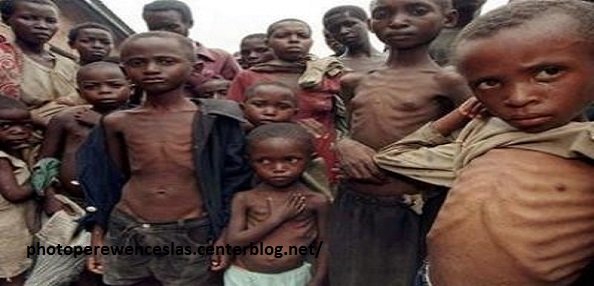
Abaturage barimo gusuhuka berekeza I Bugande kubera inzara yibasiye iyo ntara. Uretse iburasirazuba gusa, nkuko bigaragalira buri wese utuye hano mu rwa Gasabo, inzara irimo kuvuza ubuhuha hafi impande zose z’igihugu aho Leta ya FPR ivuga ko ayo mapfa yatewe n’izuba ryacanye cyane cyane mu Turere twa Nyagatare, Kayonza, Kirehe na Rwinkwavu ho mu ntara y’uburasirazuba. Andi mapfa akaba yumvikana mu ntara y’amajyepfo mu bice by’amayaga I Nyanza, Ruhango na Kamonyi basanzwe bazwiho kweza igihingwa cy’imyumbati, bavuga ko imyumbati yabo yajemo indwara bita »Kabore ». Bamwe mu baturage batuye muli utwo turere, dore ko n’abakihabarizwa bavuga ko ari ukubura aho berekeza, bakaba baratangiye gusuhuka bajya gushakira imibereho hanze mu bihugu by’ibituranyi.
By’umwihariko,dukomeje Ibiza biterwa n’ayo mapfa mu ntara y’iburasirazuba, ntibyibasiye abaturage gusa ahubwo n’amatungo yaho ntiyorohewe aho inka zipfa zikabura abazirya, ugasanga ziragurishwa amafranga ubusanzwe yakaguze inkoko kuko inka yapfuye igura ibihumbi bitanu (5.000f) naho ikilo kimwe cy’inyama kikagura 200f; izo ngorane zose kuli ayo matungo zikaba ziterwa n’ikibazo cy’amazi cyabaye akarande muli iriya ntara kuva kera, aho amatungo akoresha amasaha arenga atanu ngo agere ahari amazi, muri urwo rugendo inyinshi zigapfira mu nzira kubera kudandabirana, nazo zikaribwa zidapimwe ariyo ntandaro y’ibiciro byagabanutse, byongeye kandi bikaba bishobora no kugira ingaruka k’ubuzima bw’abazirya.
Aborozi mu ntara y’iburasirazuba bavuga ko Ministère mu nshingano zayo ntacyo ibamariye ko yabatereranye kandi bafite uruhare rukomeye mu iterambere ry’igihugu, bityo amatungo yabo akaba yicwa mu buryo bukomeye kubera ibura ry’amazi, bakaba bashinja Leta uburangare bwo kutabitaho.Abaturage twaganiriye bakomeza bavuga ko nta mazi Leta ya FPR yigeze igeza ku borozi batuye iyi ntara ko bayaheruka hakiri imishinga y’abaterankunga yatangaga amazi k’uborozi mbere ya 1994. Tubibutse ko 40% by’inka igihugu cyacu gitunze bibarizwa mu ntara y’iburasirazuba.
Umuturage witwa Burakari Yohani ni umushumba muli ako gace yagize ati ’’tubona nta ministère y’ubworozi ibaho mu Rwanda! baratwirengagije cyane, ati kera wabonaga Leta ifasha aborozi kandi byari byiza, yacukuraga ibyuzi mu gihe k’izuba ntitugire ikibazo aliko ubu batuvanyeho amaboko nitwe borozi tujya kwishakira amazi n’ibindi byose birebana n’ubworozi’’ .
Ministre Géraldine ushinzwe ubuhinzi n’ubworozi mu nshingano ze nawe akaba yiyemerera ko ikibazo gikomeye ati aliko nta mwanzuro twagifatira muli iki gihe.
Umukuru w’intara y’iburasirazuba Mme Uwamariya Odette we akaba asaba aborozi bafite inka zirembye kuzigurisha zitarabapfira ubusa kandi bagahagarara gitore mu gufatanya na Leta gushaka igisubizo cy’ayo mapfa.
Banyarwanda banyarwandakazi, nkulikije ibisubizo by’abo banyapolitiki nsanga Leta ya FPR yarahisemo kwicisha inzara abaturage ku mpamvu z’inyungu zayo za politiki, bityo abanyarwanda bakaba bari bakwiye guhumuka kuko igihe cyo kubaho kiracyahari.
Banyarwanda banyarwandakazi, mu gihe abo baturage bugarijwe n’ayo makuba yose wibaza kuli budget itagereranywa imaze iminsi ikoreshwa mu ngirwamatora atarangwamo indorerezi nimwe ituruka mu mahanga! ukwongeraho n’ingendo za Prezida Kagame adasibamo mu mahanga icyo zimariye abanyarwanda! ubundi umutware w’urugo iyo asanga ibintu bicika niho agerageza kujya iyo bweze akagira nicyo atahukana kirengera urugo! kuli Prezida Kagame we si uko aba agiye kwishyilira ubwenge ku gihe ngo arebe uko guteknica bihagaze! Ni akumiro pe! Leta ya FPR-KAGAME sinzi icyo yaba itegereje ngo ibise abanyarwanda!
Mugire amahoro.
Byanditswe kuwa 27/02/2016, na :
A.BEN NTUYENABO, KIGALI-RWANDA
http://www.amakuruki.com/20160228-rwanda-inzara-iravuza-ubuhuha-mu-ntara-yiburasirazuba
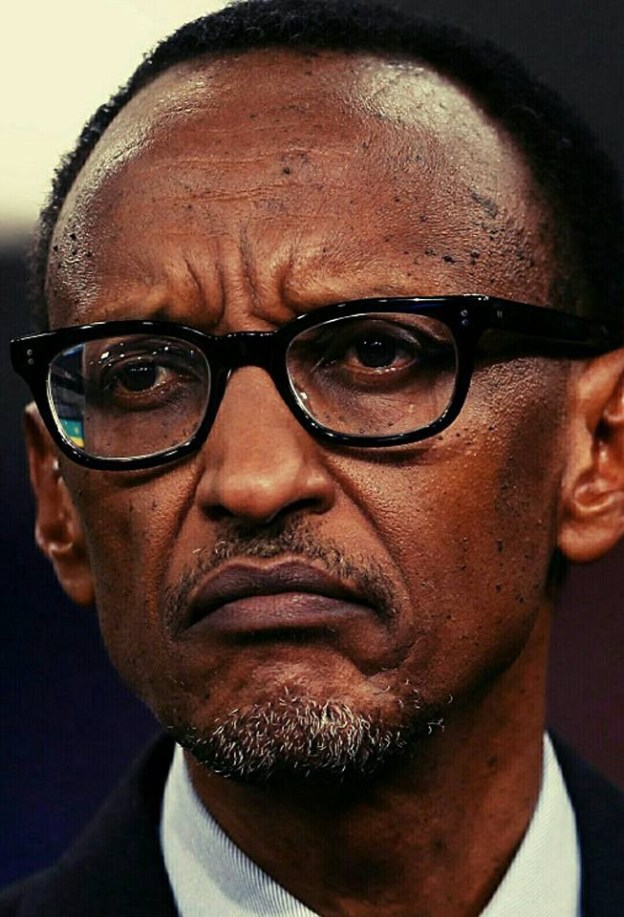
In its Country Report No. 16/24 dated January 2016, the IMF offers some bad economic news for Rwanda. The bad news are mainly centered on three things:
Here is what the IMF actually states with regards to King Paul’s economy in January 2016:
“Due to imports growing faster than exports both trade and current account deficits have increased gradually, exacerbated by a trend from external grants to loans. Recent trends in mining contributed to weak exports in 2015 and should continue to do so in 2016… Monetary and exchange rate policies should help contain private import demand, but the purchases and leases of aircraft by RwandAir and imports for the Kigali Convention Center (KCC) will lead to a temporary spike in imports in 2016. Financing for government imports will be provided by donors’ agreement to accelerate 2017 budget support into the second half of 2016, and nonconcessional loans for RwandAir and KCC.”
The table below shows Rwanda imports and exports for selected months in 2012, 2013, 2014, and 2015, according to the IMF data. The red line represents imports while the black line indicates exports. King Paul’s Singapore of Africa looks more like an illusion.

In their letter of the IMF Managing Director Christine Largarde dated December 17, 2015, Rwanda’s Finance Minister Claver Gatete, and Central Bank Governor John Rwangombwa confirmed this grim reality. According to the two, “an unanticipated external shock to Rwanda’s main commodity export has begun to unfold this year. A sharp drop in mineral prices and in global demand for those products has resulted in an unexpected significant loss of export receipts and international reserves of the banking system…”
Gatete and Rwangombwa in their letter to the IMF add more bad news as follows: “Based on export performance for the first three quarters, in particular a halving of mineral export receipts, export projections for 2015 have been revised downward, from US$742 to US$664… The central bank realized the full programmed use of its reserves, which were US$986 million at the beginning of 2015, falling to US$853.4 million by end June. Thanks to some large disbursements of donor budget support that will be moved forward into CY 2015, central bank reserves are expected to meet the end-December program floor of US$ 879 million. However, to sustain imports and activity, commercial banks were also obliged to use a significant amount of reserves. Commercial banks’ NFA of US$ 150.6 million at end December 2014 was reduced to US$92.9 million by end-June and are projected to remain at this level till end December 2015.”
Meanwhile, in its current economic update on Rwanda, the World Bank states the following: “Going forward, the private sector, which is still largely informal, will have to play a bigger role in ensuring economic growth. Poor infrastructure and lack of access to electricity are some of the major constraints to private investment. In addition, reducing the country dependency on foreign aid (30% to 40% of the budget) through domestic resource mobilization is critical.”
In its operational plan for 2011–2016, UK’s Department for International Development (DFID) has an even gloomier picture. In its own words, despite economic growth rates, “huge challenges remain. 63% of the population live on less than $1.25 a day…. Poverty is largely rural and is geographically concentrated and, as a result of population growth, the number of poor people has reduced only marginally. Inequality is reducing, but it is still high and it is constraining sustainable growth and poverty reduction…Given low levels of international investment and a less-than-vibrant private sector it is not clear how much wealth growth will continue to deliver to a fast growing and largely unskilled population.”
The year 2016 should be interesting for King Paul. Let us watch the tragic drama.
David Himbara.

Imirenge imwe n’imwe mu turere twa Kayonza, Ngoma na Kirehe iravugwamo inzara ahanini yatewe n’uruzuba rwacanye biturutse kuri El Nino nk’uko leta y’u Rwanda imaze iminsi ibitangaje. Ubu hamwe na hamwe abaturage bafite aho basuhukira batangiye gusuhuka.
Uruzuba rwinshi nirwo ntandaro y’iyi nzara yatumye abaturage barumbya imyaka yabo bityo abari batunzwe n’ubuhinzi bibaviramo gusonza abashoboye bafite aho basuhukira barasuhuka. Ngo abenshi bahungiye iyi nzara muri Uganda abandi bayihungira mu Mutara.
Bamwe mu baturage bo mu murenge wa Rwinkwavu babwiye abanyamakuru ko bafite ikibazo cy’inzara kubera kurumbya.

Martha Ndererimana w’imyaka 60 utuye muri uyu murenge ati “Inzara yaratwishe bamwe barasuhutse bagiye Buganda abandi bagiye mu Umutara gupagasa mbese ubuzima ntabwo”.
Mugenzi we witwa Muhirwa Deo ati “Turahinga ariko niyo bimeze bikagera igihe cy’ururabo (ibishyimbo)bigahita byuma, ubu nuko twe tudafite aho dusuhukira tuba natwe twaragiye”.
Ku rundi ruhande ubuyobozi bw’intara y’u Burasirazu buremeza aya makuru y’inzara ariko bugasaba abahuye n’inzara kwihangana bagahagarara gitore mu gihe hagishakwa izindi ngamba zo kuyihashya.

Umuyobozi w’iyi ntara Madame Uwamaliya Odette yabwiye Umuseke ko iki kibazo gihangayikishije Intara gusa ngo hakaba hagiye gushakwa ingamba zirambye.
Ati “Turabizi ko hari ibice binini byahuye n’izuba ryinshi ariko nakubwira ko ubu aricyo kibazo turiho kuri iyi saha. Turimo kureba uko twagikemura ku buryo burambye hatunganywa ibishanga hakaboneka amazi ahoraho, gusa twari twagerageje guha ibiribwa abari bashonje cyane(bamwe)”.
Guverineri Uwamaliya agaya bamwe mu baturage bahungiye mu bindi bihungu, ngo bari bakwiye guhagarara gitore bagafataniyiriza hamwe nk’abanyarwanda hagashakwa igisubizo cy’iyi nzara.
Iki kibazo cy’amapfa cyugarije abatuye cyane cyane mu mirenge ine y’Akarere ka Kayonza ariyo Rwinkwavu, Murama, Mwili na Kabare naho mu karere ka Kirehe aho ivugwa cyane ni mu mirenge ya Nasho na Mpanga, hamwe n’akarere ka Ngoma mu murenge wa Rukumberi.
Alphonse Munyankindi / Bwiza.com

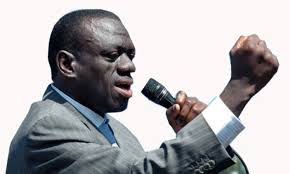
Dr KIIZA BESIGYE, Umukandida wa FDC
Twakomeje gukurikiranira hafi akarasisi karanze amatora aherutse kuba mu gihugu cy’abaturanyi cya UGANDA, hari taliki ya 18/2/2016.Twashimye by’umwihariko ibiganiro-mpaka bibiri byahuje abakandida bahataniraga umwanya wa Perezida wa Repubulika : Icyambere cyabaye taliki ya 15/1/2016, icyakabiri kiba ku itariki ya 13/2/2016. Twaribwiraga tuti wabona igihugu cya Uganda giciye agahigo kikaba intangarugero muri demokarasi, abaturage bagasubizwa uburenganzira bwabo bwo kwihitiramo abayobozi bashatse binyuze mu matora adafifitse. Twarishukaga ngo wabona Perezida KAGUTA Museveni umaze imyaka 30 yose ku butegetsi noneho yibutse rya jambo rikomeye yavuze mu mwaka w’1986 ngo » Icyorezo gikomeye kizahaje Afurika si abaturage b’ibihugu ahubwo ni abaperezida bihambira ku butegetsi mu buryo buteye isoni « . Twari twaheranywe n’inzozi twihenda ngo n’ubwo Museveni yahindaguye itegekonshinshinga rya Uganda kenshi kugirango arambe ku butegetsi, ubu noneho nk’umukambwe wabonye ibipfa n’ibikira yashyira mu gaciro akereka abanya Uganda n’isi yose ko inyota y’ubutegetsi nayo igira iherezo.
Twarihendaga.
Nk’uko bigaragarira buri wese, Museveni yiyatse amahirwe yo gusezera ku butegetsi mu nzira yari kuzamuhesha icyubahiro mu minsi itari myinshi asigaje kuri iyi si, none ahisemo kwiyandikisha bidasubirwaho ku rutonde rw’abakuru b’ibihugu badashobotse, barangwa n’ikinyoma gusa, bubakira byose ku kwikunda, igitugu n’iterabwoba, badashishikajwe n’inyungu rusange, batunzwe no gusahura ibya rubanda, bahonyora uburenganzira shingiro bw’abenegihugu, mbese bene babandi bazahora bibukirwa ku mahano y’urukozasoni yaranze ubutegetsi bwabo.
Mu gutekinika amatora yo mu 2016 , mu kogera uburimiro ku mukandida DR KIIZA BESIGYE no guhohotera abo muri Opozisiyo , abarasa, abakubita, abafungira ubusa… Museveni yeretse urubyiruko rwa Uganda ndetse n’urw’Akarere kose k’Ibiyaga bigari ko nta cyizere na gito bakwiye kongera kugirira aba bayobozi bafashe ubutegetsi bamaze kugarika ingogo ! Ahubwo Museveni abaye nk’uhagamariye urubyiruko rukunda Dr KIIZA BESIGYE kurushaho kwisuganya no guhagurukana umuriri bagahangana bagashyirwa bahangamuye ubutegetsi BWIBA AMAJWI izuba riva, bugasuzugura ibyifuzo nyakuri by’abenegihugu.

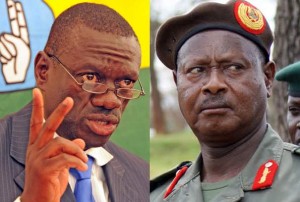
Dr Besigye (ibumoso) na Kaguta Museveni
Muri make, ibidakorwa Perezida Museveni ariho akora i Bugande muri iki gihe, bimutesheje agaciro bidasubirwaho ndetse birasa n’ibitangije ibihe bidasanzwe bya Revolisiyo ya rubanda itazabura guhitana umukambwe Kaguta Museveni ndetse n’abandi banyagitugu nka we bo mu Karere.
Nanone kandi byumvikane ko ibiri kubera mu gihugu cya Uganda bifite igisobanuro n’amasomo menshi arenga kure imbibi z’icyo gihugu . Umuryango mpuzamahanga wo warangije kurunguruka umunyagitugu Museveni no kumukura ho amaboko. Ariko igiteye inkeke kurushaho ni uko Urubyiruko rw’ibihugu bigize Akarere ka Afurika y’Uburasirazuba (EAC) rwarangije kumva neza ko ari ngombwa kwitabaza INTWARO kugira ngo bariya bategetsi bigize INDAKOREKA n’IBIGIRWAMANA bashobore kwigizwayo no gushyirwa mu mwanya bakwiye .
Umwanzuro
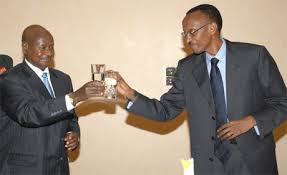
Kaguta Museveni na Kagame Pahulo (iburyo)
Nkatwe twiyemeje guharanira gufasha Abanyarwanda kugera ku mpinduka nziza bakeneye dushyize imbere inzira y’amahoro , turareba tugasanga ibiriho kubera i Bugande bigenura urudutegereje! Niba mu mpera z’umwaka wa 2015, Perezida Pahulo Kagame yarariye isoni akagerageza guhindura Itegekonshinga ( n ‘ubwo byakozwe uko atabishakaga!)kugirango azagwe ku butegetsi, nta cyemeza ko mu matora ya 2017 azibuza kugenza nka Sewabo KAGUTA Museveni ndetse no gukora ibirenzeho kugirango akunde anige ijwi rya rubanda itakimukeneye, bityo akomeze ategeke abatamushaka.Niyo mpamvu rero abifuza kwitangira impinduka nzima mu Rwanda dukwiye gukomeza urugendo nta mususu ariko tukanakura isomo ku biri kubera i Bugande maze tukarushaho kunoza intego n’ingendo kugira ngo tutazatungurwa! Ndongera guhamagarira cyane cyane urubyiruko rw’u Rwanda, ari abari mu gihugu no hanze yacyo, kwitabira » « RASSEMBLEMENT ANTI-TROISIEME MANDAT » kugira ngo duhamye « Stratégies » zikwiye guhangamura ingoma y’igitugu y’Agatsiko kiyemeje kuduhindura Indorerezi n’Abagereerwa mu gihugu cyacu.
Turashima UBUTWARI bwa Dr BESIGYE n’urubyiruko rwa Uganda rumushyigikiye kandi tukaba tubifuriza ko bakomeza umutsi bagaharanira uburenganzira bwabo batitaye ku bikangisho bya Perezida Museveni kandi ntibakangwa ubugome bwose bashobora kagirirwa. Abafaransa babivuze ukuri ngo : « A vaincre sans péril on triomphe sans gloire ». Tubahanze amaso kandi turabashyigikiye.
Padiri Thomas Nahimana,
Umukandida w’Ishyaka ISHEMA na Nouvelle Génération mu matora ya Perezida wa Repubulika yo mu mwaka wa 2017.
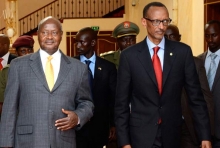

President Yoweri Museveni displays his inked finger after casting his vote during presidential elections on 18 February. Photograph: James Akena/Reuters
Yoweri Museveni has had a good run. Having seized power in Uganda in 1986, he has held the presidency ever since. As guerrilla leader turned politician-statesman, Museveni fitted the late 20th-century leadership profile that predominated in post-colonial Africa. Where once the heinous dictatorship of Idi Amin held sway, the Museveni era brought a democratic reformation. Where once chaos reigned, his strong grip on the fledgling state brought stability and, for many Ugandans, a degree of economic security and gradual social progress.
It is a pity Museveni is jeopardising all that now. By grabbing at a fifth consecutive term at the age of 71, while security forces simultaneously oppress his rivals, beat their supporters and disrupt voting, he risks tarnishing a legacy of achievement that, though modest, might have ensured him a respected place in Uganda’s history. He just cannot let go of power, it seems. He may thus come to be remembered for less creditable reasons.
The disconnect between Uganda’s past and present is obvious. The average age of the country’s 38 million people is 15. Most Ugandans were not even born when Museveni took office. The priorities of this electorate include jobs, education, free speech and open debate, an end to corruption and engagement with the world. They barely know the old man in the State House. His outlook and prejudices, including his notorious anti-gay record, belong to another age. These new citizens take the stability he established for granted, while increasingly balking at the means used to maintain it.
Kizza Besigye, who apparently came second to Museveni in last week’s presidential election, was briefly arrested shortly before the vote. He has already promised a campaign of “defiance” if, as seems certain, he deems the polls not free and fair. Opposition rallies have been disrupted, social media shut down and independent news organisations intimidated and harassed. There appear to have been serious irregularities in the opposition strongholds of Kampala and Wakiso, where voting was delayed or did not proceed at all. On Friday, police raided Besigye’s party headquarters, detaining him again for specious reasons.
Uganda has been here before. Protests after the previous presidential election in 2011 produced a violent security crackdown. Given the apparent margin of the president’s victory, stemming from his traditional, strong support in rural areas where 80% of Ugandans live, and given the extensive state security apparatus – 150,000 military, police and auxiliaries were deployed during the polls – it seems unlikely at this stage that Uganda will suffer the sort of lethal meltdown witnessed in nearby Burundi after elections last year. Besigye and the other leading opposition candidate, Amama Mbabazi, a former prime minister sacked by Museveni, will certainly strive to avoid the sort of extreme divisions seen in South Sudan.
But if the situation deteriorates, and given Museveni’s high-handedness, it is possible that Uganda will face the sort of long-running, damaging post-election instability seen in neighbouring Kenya in 2007 and 2013. Addressing a rally in eastern Uganda last month, Besigye indicated his Forum for Democratic Change party would continue to challenge what he characterised as a complacent, corrupt presidency for life. Besigye lampooned Museveni’s famous slogan celebrating Uganda’s steady progress. “I have not met someone as cynical as Museveni,” he said. “This massive poverty all over the country, he calls it ‘steady progress’. When you go to a hospital and there are no drugs, ‘steady progress’. All the roads are bad, ‘steady progress’.” As Kenyans might testify, making a mockery of a humourless hardman such as Museveni, a latter-day Daniel arap Moi, is a dangerous game.
Museveni’s clinging to power would not matter so much if he were offering a fresh programme mapping Uganda’s road ahead. Instead, he offers more of the same. By dismissing Mbabazi, a respected party technocrat once seen as his heir, he squandered the chance of an orderly transition within the ruling National Resistance Movement. By failing to quash suspicions that he may promote his wife, Janet, or son, Muhoozi Kainerugaba, as successor, he risks accusations of dynasty politics like the Mugabes in Zimbabwe (or the Bushes and Clintons). Like another eternal president, Paul Kagame in next-door Rwanda, Museveni sets a poor example for African democracy and governance. By obstructing Uganda’s changing needs and aspirations with his grimly immovable presence, he does the nation a disservice.


Press Statement
The United States commends the Ugandan people for participating actively and peacefully in the February 18 elections. While the vote occurred without major unrest, we must acknowledge numerous reports of irregularities and official conduct that are deeply inconsistent with international standards and expectations for any democratic process.
Delays in the delivery of voting materials, reports of pre-checked ballots and vote buying, ongoing blockage of social media sites, and excessive use of force by the police, collectively undermine the integrity of the electoral process. The Ugandan people deserved better. We are also concerned by the continued house arrest of opposition presidential candidate Kizza Besigye. We call for his immediate release and the restoration of access to all social media sites.
We encourage those who wish to contest the election results to do so peacefully and in accordance with Uganda’s laws and judicial process, and urge the Ugandan government to respect the rights and freedoms of its people and refrain from interference in those processes.
Source: US Department of State

On February 18, Ugandans went to the polls with high hopes that the country had turned the proverbial corner, following the political maturity exhibited during the three months when the presidential candidates ran largely issue-based campaigns.
Coming in after the 2011 elections that were characterised by voter apathy and low turnout, these elections promised to be different and the excitement of a people eager to choose their leaders was palpable. The social media was abuzz, with Ugandans rallying their friends and family members to turn up and exercise their democratic right.
Unfortunately, the outright mismanagement of the voting process by the Electoral Commission and the arrests and harassment of opposition leaders even before the announcement of the final results (the incumbent, unsurprisingly, was declared the winner) dampened the spirits of citizens and cast doubts on the Uganda government’s commitment to a transparent and credible election.
On Thursday voters, many of whom turned up at their polling stations before the 7.00am (0400 GMT) opening time, spent hours in long queues waiting for the voting to start after materials arrived late.
Some of the delays were simply inexcusable: How do you explain failure to deliver polling materials on time to a station that is 200 metres away from the headquarters of the Electoral Commission? In the end, some of the voters gave up and left. Voters in some 38 polling stations had to return the next day to vote, an inconvenience they had not anticipated.
In some polling stations, thousands of voters’ names were not in the voters’ register, which locked them out of the exercise. The net effect of the delays and hitches is that thousands of voters were disenfranchised.
As former Nigerian president and head of the Commonwealth Observer Mission Olusegun Obasanjo observed, delays of three, four, five and even six hours, especially in Kampala, were absolutely inexcusable and did not inspire trust in the system or process.
In addition to the mismanagement of the polling process, the aftermath of the voting has been anything but civil. Leaders of the opposition were harassed, arrested and their offices and homes raided, forcing at least one foreign mission to caution its citizens to stay indoors.
The vote-tallying process also left a lot to be desired. There were reports of candidates’ agents being denied access to the results coming into the national tallying centre from the districts. Matters were made worse by claims that some of the results being announced at the national tallying centre differed from those announced at polling centres.
Elections should provide an opportunity for people to choose the leaders they want, and reject those they don’t want. It would be unfortunate if it turns out the 2016 election failed to offer Ugandans this democratic right.
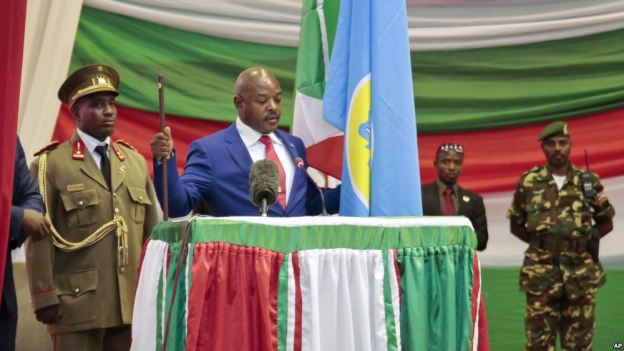
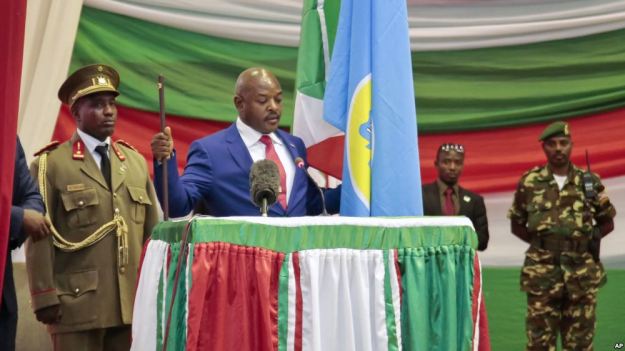 Umugambwe uri ku butegetsi mu Burundi CNDD/FDD wagiriza Umukuru w’ igihugu c’u Rwanda Paul Kagame ko ariwe yishe Perezida Cyprien Ntaryamira yararongoye Uburundi mu mwaka w’i 1994.
Perezida Ntaryamira yaguye mu mpanuka y’indege imwe na mugenzi we w’u Rwanda Juvenal Havyarimana kw’igenekerezo rya gatandatu y’ukwezi kwa kane 1994 mu micungararo y’umugwa mukuru w’u Rwanda Kigali.
Ivyo birego bikubiye mw’itangazo umugambwe CNDD/FDD uhejeje gusohora ku muhingamo wo kuruyu wa gatatu. Umushingantahe Gelase Daniel Ndabirabe, Umuvugizi wa CNDD/FDD ni we yashyikirije iryo tangazo.
 GAHUNDE