Dieudonne Niyonsenga, whose YouTube channel has more than 15 million views was sentenced to seven years in prison.
A Rwandan who used his YouTube channel to criticise the government has been sentenced to seven years in prison by a court in Kigali, amid a growing crackdown on dissidents in the tightly controlled East African nation.
Dieudonne Niyonsenga, whose YouTube channel Ishema TV had amassed more than 15 million views, was found guilty on Thursday on four charges including forgery, impersonation, and “humiliating” state officials.
“We are appealing this verdict against Niyonsenga with immediate effect. It is simply not right,” his lawyer Gatera Gashabana said on Friday.
The court found Niyonsenga to have committed the crimes intentionally and coupled the verdict with a fine of five million Rwandan francs ($4,900).
“Due to the adverse consequences that his crimes have had on Rwandan society, the court orders that Dieudonne Niyonsenga be immediately arrested and taken to serve his jail sentence,” the judge said in delivering the verdict.
Niyonsenga, better known by his YouTube persona Cyuma, which means “Iron”, was known for discussing human rights abuses on his channel.
Shortly after the verdict, the YouTube star said police had surrounded his home. Police and prison officials have not confirmed whether Niyonsenga has been taken into custody after being sentenced in absentia.
His jailing comes weeks after another high-profile critic with a YouTube following was sent to prison.
Last month, Rwandan authorities arrested six people including a journalist and members of an opposition party accused of publishing rumours allegedly intended to start an uprising.
Theoneste Nsengimana, who runs Umubavu TV – an online Youtube channel that often airs content critical of the government, was among those arrested.
Niyonsenga has already been arrested in April 2020, after broadcasting a series of videos accusing soldiers of serious abuses against slum dwellers during the enforcement of a strict coronavirus lockdown.
Shortly afterwards, he was charged with violating the lockdown and impersonating a journalist and sent to prison.
He was acquitted and released 11 months later but prosecutors appealed to a higher court.
The crackdown on YouTube creators has had a chilling effect in Rwanda, where independent media has been quashed and other forms of free expression are strictly monitored by the government.
Critics have accused President Paul Kagame’s government of human rights abuses although it has had support from Western donors for restoring stability in the years after the genocide, and boosting economic growth.
In March, Human Rights Watch voiced alarm about the crackdown. Kagame has denied accusations of abuse.
Présenté par le régime de Kigali et par les médias comme le « cerveau du génocide » du Rwanda, le colonel Théoneste Bagosora vient de mourir à l’âge de 81 ans dans la prison du Mali où il purgeait une peine de 35 années de détention.
Arrêté au Cameroun au mois de mars 1996, défendu par Maître Raphaël Constant, avocat réputé du barreau de la Martinique, son procès (TPIR-98-41-T) débuta au mois d’avril 2002. Ce ne fut cependant qu’au mois d’octobre 2004, après un délai surréaliste de neuf années de détention préventive, que le Procureur fut en mesure de soutenir son acte d’accusation. Construit sur le postulat qui était que le colonel Bagosora fut le maître d’œuvre du génocide, cet acte d’accusation reposait sur un « trou » de quelques heures dans son emploi du temps, entre 01h 30 et 06 heures du matin dans la nuit du 6 au 7 avril 1994, durant lequel l’accusé aurait « allumé la mèche du génocide » !!!
N’ayant fait aucune vérification, ni aucune enquête sérieuse, sous la pression constante du régime du général Kagamé et de ses porte-voix médiatiques, le Procureur ancra son acte d’accusation sur cette abstraite construction intellectuelle.
Expert assermenté devant le TPIR (Tribunal pénal international pour le Rwanda), j’ai travaillé durant plusieurs années sur ce dossier et, dans le volumineux rapport d’expertise que j’ai défendu devant la Cour (Lugan, TPIR-98-41-T), j’ai notamment minutieusement reconstitué l’emploi du temps du colonel (voir l’intégralité de mon rapport publié dans Dix ans d’expertises devant le Tribunal pénal international pour le Rwanda), faisant effondrer comme un château de cartes l’artificielle construction idéologique du Procureur.
Dans leur jugement, les juges rejetèrent donc tout naturellement les éléments de « preuve » avancés par le Procureur, infligeant ainsi un camouflet d’une rare puissance à l’Accusation et à la thèse officielle. Au terme d’un procès fleuve rythmé par 409 jours d’audience, par les déclarations de 242 témoins à charge et à décharge remplissant 30 000 pages de compte rendus d’audience, par 1 600 pièces à conviction, par 4 500 pages de conclusions et par 300 décisions écrites, la Cour, dans son jugement en date du 18 décembre 2008, déclara en effet le colonel Bagosora non coupable « d’entente en vue de commettre un génocide ».
Ce jugement faisait donc voler en éclats les bases de l’histoire officielle postulant que le génocide avait été programmé puisque les 40 éléments présentés par le Procureur pour tenter de prouver sa planification ne furent pas considérés comme probants par les juges (Résumé du jugement rendu en l’affaire Bagosora et consorts, TPIR-98-41-T, jugement 18 décembre 2008, page 1) :
« Plusieurs éléments qui ont servi de base à la thèse développée par le Procureur sur l’entente (en vue de commettre le génocide) n’ont pas été étayés par des témoignages suffisamment fiables (…) En conséquence, la Chambre n’est pas convaincue que le Procureur a établi au-delà du doute raisonnable que la seule conclusion raisonnable qui se puisse tirer des éléments de preuve produits est que les quatre accusés se sont entendus entre eux, ou avec d’autres, pour commettre le génocide (…) » (Résumé du jugement rendu en l’affaire Bagosora et consorts,TPIR-98-41-T, jugement 18 décembre 2008, pages 16-18).
Le colonel Bagosora fut néanmoins condamné à l’emprisonnement à perpétuité pour des crimes commis par des hommes supposés avoir été ses subordonnés, entre le 6 et le 9 avril 1994. Le colonel Bagosora interjeta appel de ce jugement.
Le 14 décembre 2011, la Chambre d’Appel du Tribunal Pénal International pour le Rwanda réduisit à 35 ans la peine de perpétuité infligée en première instance au colonel Théoneste Bagosora, les juges d’appel n’estimant pas qu’il avait ordonné les crimes pour lesquels il avait été condamné en première instance, et ils le condamnèrent uniquement parce que, en tant que supérieur hiérarchique postulé, alors qu’il était à la retraite, il n’aurait rien fait pour les prévenir ou en punir les auteurs. Compte tenu des pressions exercées par le régime de Kigali, par les Etats-Unis et par la Grande-Bretagne, il n’était en effet politiquement pas possible aux juges d’acquitter purement et simplement l’accusé-phare du TPIR, celui qui, durant des années, avait été présenté comme le « cerveau » d’un génocide programmé, mais qui ne l’avait pas été puisque son déclencheur fut l’attentat du 6 avril 1994 qui coûta la vie au président Habyarimana. Voir à ce sujet les articles extrêmement détaillés publiés dans la revue « Le Fana de l’aviation » n° 619, 620 et 621 (2021), qui expliquent avec une grande minutie et une rare précision le déroulé de cet attentat, et dans lesquels le FPR du général Kagamé est clairement accusé d’en être l’auteur. Pour l’état des connaissances scientifiques concernant ce génocide, ses origines et son déroulé, on se reportera à mon livre « Rwanda, un génocide en questions », éditions du Rocher, nouvelle édition 2021.
Controlling the historical narrative in Rwanda is key to the regime’s power
By Tom ZoellnerTom Zoellner is professor of English at Chapman University and the author of “Island on Fire: The Revolt That Ended Slavery in the British Empire.”July 12, 2021 at 6:00 a.m. EDT2
Tucker Carlson recently went on an attention-grabbing screed about how America’s history of racism gets taught. He garnered headlines by calling Gen. Mark Milley, chairman of the Joint Chiefs Staff, “stupid” and “a pig” for defending a class on the subject taught at the U.S. Military Academy. Carlson then made a comparison of America to another country that managed to be both absurd — and surprisingly apt:
“The question is, and this is the question we should be meditating on, day in and day out, is how do we get out of this vortex, the cycle, before it’s too late? How do we save this country before we become Rwanda?”
The absurd part is what Carlson was trying to say: that the teaching of critical race theory in schools and universities would lead to oppressed people of color picking up machetes to slaughter White people, an ethnic cleansing that would resemble the 1994 genocide in the small East African nation of Rwanda, in which 800,000 people were slaughtered at the urging of a government made up of the majority Hutu ethnicity.
Rwanda holds an important lesson for America’s culture wars today, but not in the way Carlson thinks. Rather, in Rwanda, political leaders have rewritten the country’s history to gain political power, just as the right wing is now attempting to do in the United States. In fact, the greatest asset of the dictatorship in today’s Rwanda is its mastery of the past. “Within Rwanda today, hegemonic power relies for much of its justification on a certain reading of history,” the Smith College scholar David Newbury has concluded.
UN Human Rights Council: Universal Periodic Review Adoption – Rwanda
The UK’s International Ambassador for Human Rights, Rita French, delivered this statement during the Universal Periodic Review Adoption for Rwanda.
Thank you, Madam President.
The United Kingdom welcomes Rwanda’s engagement with the UPR, including collaboration between the Government and civil society on human rights. The UK reiterates its commitment to work constructively with Rwanda to support UPR implementation.
The UK is pleased that Rwanda fully supports our recommendation to protect and enable journalists to work freely, without fear of retribution, and ensure that State authorities comply with the access to information law. This is an important step to promote freedom of speech, including allowing space for critical voices.
We regret that Rwanda did not support our recommendation, which was also made by other States, to conduct transparent, credible and independent investigations into allegations of human rights violations including deaths in custody and torture.
We welcome that Rwanda accepted recommendations from other countries on combatting human trafficking, but we were disappointed that Rwanda did not support the UK recommendation to screen, identify and provide support to trafficking victims, including those held in Government transit centres. In recognising the progress made by Rwanda, the UK encourages Rwanda to submit an optional mid-term report to provide an update on implementation of recommendations, between reviews.
Dushingiye ku ngingo za 46, 50, 51 na 52 z’Itegeko-shingiro ryo kuwa 28/4/2013 zigena ububasha n’inshingano za Kongere y’Ishyaka Ishema ry’u Rwanda, n’ingingo za 59, 60, 61 na 62 z’Itegeko Ngengamikorere ryo kuwa 28/01/2018 nk’uko ryavuguruwe kugeza ubu,
Kutava ku izima ngo duhare uburenganzira bwacu bwo kujya gukorera politiki mu Rwanda kugeza ubutegetsi busubijwe Rubanda. Bityo ntituzigera na rimwe tuzibukira urubuga rwa politiki nk’uko Inkotanyi zibyifuza.
Guhatanira ubuyobozi bw’igihugu mu matora yose. Dutoye kandi tweretse rubanda Umukandida uzahagararira Ishyaka Ishema mu matora y’Umukuru w’igihuguku azaba mu mwaka wa 2024, ari we Madame NADINE Claire KASINGE.
Tuvuguruye umushinga wa Demokarasi y’impanga mu rwego rwo kurangiza burundu amakimbirane ashingiye ku kunanirwa gusangira ubutegetsi hagati y’Abahutu n’Abatutsi.
Bumwe mu buryo bwo kumenya neza ibyabaye mu mateka, ni ugusoma ibyandikwaga muri icyo gihe no kumva ibihangano ( indirimbo, imivugo n’ibisigo) byahimbwaga. Uramutse wumvise indirimbo ivuga MRND wamenya ko itahimbwe mbere y’itariki ya 5 Nyakanga 1975.
Ubu mu Rwanda hari ikibazo cy’ubwisanzure bubangamirwa mu ngeri zose z’ubuzima kugeza no ku bahanzi batinya kuririmba ubuzima nyakuri bw’igihugu, kuko ngo uvuze ibitagenda neza aba arwanya igihugu. Usanga abenshi baririmba urukundo rw’Imana, urukundo rw’abantu, ariko bakirinda kuvuga ibibazo biriho muri sosiyete.
Umuhanzi Gihanze Musasizi amaze gushyira mu majwi n’inshurango igitekerezo yise “Iromba rya Musenyeri ryamurinze kubambwa”. Asobanura ko mu gihe habaga imanza za jenoside, hari umubikira washinje Musenyeri ko yamuhinduye umugore yitwaje ko ari umututsikazi. Ngo mu gihe cy’amezi atatu Musenyeri yaba yarafataga ku ngufu uwo mubikira.
Mu kwiregura, Musenyeri yasabye urukiko kubaza Ma Sœur ubumuga yaba yaramusanganye cyane ko nta muntu bwaca mu rihumye. Umubikira yavuze ko nta bwo rwose ngo ko Musenyeri ari umugabo nk’abandi. Musenyeri mu kumubeshyuza , yazamuye igishura yereka abari bahateraniye , basanga afite iromba, umubikira aramwara.
Koko rero muri ibi bintu bya jenoside , hari abantu benshi bigize abashinjabinyoma cyangwa bategekwa gutanga ubuhamya bw’ibinyoma, ariko bakaba hari utuntu batazi tubakubita hasi mu gihe habonetse ubutabera nyabwo koko. Hari abashinja ibintu bavuga ko bahagazeho, wababaza aho bari bari ugatungutwa no kumva ngo ” nari nihishe muri plafond yo kwa Mugemana, numva abantu basakuza, ndeba hanze mbona Kamanzi atemagura Mukakalisa ku ga centre mu Nganzo”. Wareba intera iri hagati y’aho hantu, ugasanga nta muntu ushobora kuhabona uhagaze mu rugo rwa Mugemana. Ikibabaza ni uko ababeshyera abandi ntawe ubahana. Nk’umubikira wabeshyeye Musenyeri nta wabura kwibaza niba hari igihano yagenewe.
Birakwiye ko abakoze ibyaha babihanirwa cyangwa bakababarirwa niba bafite ukwicuza. Ariko na none ababeshyera abandi bagamije kubabambisha bakwiye guhanwa by’intangarugero niba koko dushaka kubaka umuryango nyarwanda.
Reka twumve uko Iromba rya Musenyeri ritari rizwi na Ma Sœur ryatumye habaho ubutabera.
The Kagame Regime is the enemy of free-thinking Rwandans. On almost every occasion that someone — Rwandan or otherwise– has spoken up about the repression by the regime, the government builds a case for a smear campaign against critics.
Following smear campaigns are disappearances, prison sentences, and assassinations. In countless cases, the Kagame regime has combined prison sentences and assassinations.
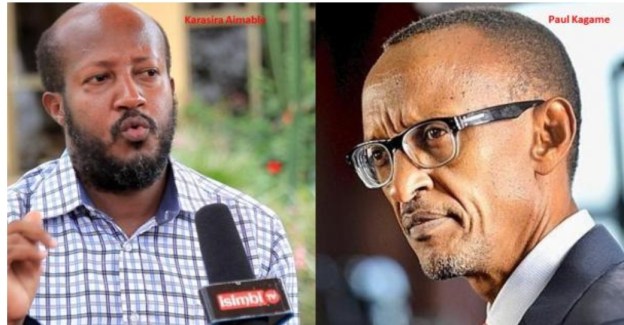
Such is the case of Aimable Karasira, a university professor, musician, and famous YouTuber who speaks out on issues affecting ordinary Rwandans. He is bold and energetic, charismatic, and charming. He is also fearless, humane, and compassionate. His human values and compassion are demonstrated in the platform he built and used to address injustices affecting his fellow citizens within Rwanda. Unfortunately, Aimable Karasira has been a target of formal and informal smear campaigns and demonization by the RPF since 2019.
How Does Rwanda Smear & Outcast Dissenters?
Demonization and smear campaigns are run formally (by the government) and informally (by Kagame’s or his regime’s supporters). Formal smear campaigns typically utilize government tabloids and propaganda newspapers as well as known agents of the Rwandese Patriotic Front. In a coordinated attack, publications run articles demonizing and smearing Kagame critics while RPF agents take to social media to slander the victim. Inside the country, intelligence services track people down to express free thought against the Kagame regime.
Meanwhile, domestic and global supporters of Paul Kagame run informal smear campaigns. Those operating outside of the country compliment formal Kagame agents by spreading rumors about the victim and using “innocent criticism” to fuel anti-victim sentiments. They often claim the victim is too radical and should temper their criticism of the government, meanwhile overlooking blatant governmental abuses of power. They feign support while spreading the idea that the victim will eventually be “punished” for speaking out and us the fear of punishment as their reasons not to speak out against the regime.
Channels withing the government of Rwanda such as The Rwanda Diaspora also known as The Rwandan Community Abroad (RCA), the Center for the Fight Against Genocide (CNLG) and Ibuka often spearhead these informal movements. Even though CNLG is an official govenrment entity, the RCA and Ibuka present themselves as unaffiliated with the government. These channels seem harmless and front as anti-genocide and genocide survivor advocates. However, their demonstrated commitment to the Kagame regime and erasure of Rwandan Genocide survivors who do not align with the regime prove otherwise. Ibuka and CNLG serve as attack dogs for the Kagame regime, often using the 1994 genocide as blackmail against the victims of their smear campaigns. Abroad, RCA and Ibuka members conduct community surveillance and are coordinated and financed by Rwandan embassies in countries they operate in. They harass critics globally and infiltrate with the intent to destroy groups that are critical of the government. This isn’t conspiracy talk, either. It is a well-known fact among Rwandans that this happens. Global journalists, such as those at the New York Times, are also beginning to pick up on these tactics. Kagame’s advisor, general James Kabarebe stated recently in a vitriolic speech that they conduct these types of activities abroad intending to destroy exiles and refugees or Rwanda.
These cover-ups work two ways. First, they distract the general population from the abuses of power under the Kagame regime, including the ongoing killings within the country and the Congo (including babies). Second, these slur campaigns scare others into refraining from discussing the issues for fear of what will happen to them. The cycle continues in Rwanda until the newest targeted victim is willfully disappeared by government agents, indefinitely imprisoned, assassinated, or a combination of one or more of these events.
About Aimable Karasira
Aimable Karasira is a survivor of the Rwandan genocide that took place in 1994. The RPF won the war during which the genocide occurred, and the party claimed to stabilize the country. However, during their “stabilization efforts,” the RPF massacred hundreds of thousands of people– including Karasira’s parents and two siblings who had survived the initial genocide. Talking about his family and what was done to them by the RPF after the genocide has brought the hammer of government newspapers, the groups mentioned above, agents, and sympathizers of the government onto Aimable Karasira’s shoulders.
Supporters of the Kagame regime have even accused him of denying the genocide, which he has openly talked about surviving. In Rwanda, denying the genocide is a crime. Misinformation and false rumors by RPF agents about his genocide denial increased calls for imprisonment across the country. This all culminated in Karasira being arrested on May 31st, 2021.
For three weeks, Karasira has been held without a single appearance in court. During this time, he has reportedly been held in the Kicukiro jail without contact with other inmates. Rwandan law states he is supposed to appear in court within three days of his arrest, so his detainment without court appearance is unlawful.
On the weekend of June 19th, Karasira was moved to an unknown location with the claim that he contracted Coronavirus. Readers and defenders of global justice worldwide should be worried about this. Karasira has been quarantined for the last three weeks in a jail cell by himself, begging the question of how and where he picked up the virus. Those who have a working knowledge of the injustices of the Kagame regime understand this news is likely grim. The government might have detained Karasira to a torture chamber. It’s also possible that they plan on assassinating him and covering up the death as a coronavirus death. His safety has been in danger for years now, but he may be in much greater danger of being assassinated with this claim.
This would not be the first of such inmate deaths at the hands of the government. Countless outspoken critics of the Kagame regime have been assassinated in Rwandan jails. Kizito Mihigo died in police custody, and the government of Rwanda claimed that he committed suicide. There are dozens of cases of prisoners who the government has shot, and the government attempted to cover up the deaths by claiming they were trying to flee jail or prison. Many of these victims were shot while handcuffed.
What Can Be Done To Stop This?
Citizens of donor nations are generally unaware of their governments supporting repressive regimes like the one in Rwanda. One thing they can do is to share this article widely to ensure the rest of the world or their networks are informed about this issue.
Knowing about the injustices and human rights violations done by the Kagame regime, donor nations such as the US and the UK must withhold aid to Rwanda and be wary of accounts about dissidents coming from the government. The Netherlands, in particular, funds Rwanda’s judicial system — a system that has been proven to be broken. Their withholding of aid would go a long way to spark change at the government level. When criminals such as Kagame are given resources, they commit more crimes. Holding off on aid sends a message that human rights violations will never be rewarded and begs the regime to change its standards.
Donor nations must call for an immediate release of Aimable Karasira and other prisoners of conscience and political prisoners. These include Paul Rusesabagina (the real-life hero of the Hollywood film Hotel Rwanda), Deo Mushayidi, Mitsindo Viateur and many more innocent Rwandans languishing in prisons. They must also produce poet Bahati Musa who has been missing since early February 2021.
It’s unclear precisely how Paul Rusesabagina ended up in Rwanda after flying from U.S. to Dubai.
Paul Rusesabagina appears in front of the media at the headquarters of the Rwanda Bureau of Investigations building in Kigali in August 2020. Rwandan prosecutors on Thursday requested a life sentence for Rusesabagina, who inspired the film Hotel Rwanda after saving hundreds of people from the 1994 Rwandan genocide. He has been charged with terrorism, but his family says he’s facing mistreatment and an unfair trial. (The Associated Press).
Rwandan prosecutors on Thursday requested a life sentence for the man who inspired the film Hotel Rwanda as he faces terrorism charges, while his family asserts that he faces mistreatment and an unfair trial.
Paul Rusesabagina, once praised for saving hundreds of ethnic Tutsis from Rwanda’s 1994 genocide as a hotel manager, faces charges related to attacks by an armed group inside Rwanda in 2018 and 2019.
The nine charges include the formation of an irregular armed group, membership in a terrorist group and financing terrorism. Prosecutors seek to link him to activities that killed at least nine people.
Rusesabagina, a Belgian citizen and Texas resident, has denied the charges, arguing his case is politically motivated in response to his criticism of Rwanda’s longtime President Paul Kagame.
Abduction alleged
Rusesabagina alleges that he was abducted last year while visiting Dubai and taken to Rwanda, where he was charged. But a court ruled that he was not kidnapped when he was tricked into boarding a chartered flight.
Rwanda’s government has asserted that Rusesabagina was going to Burundi to co-ordinate with armed groups based there and in neighbouring Congo.
“My father Paul Rusesabagina is a political prisoner. He is accused of invented charges, and zero evidence against him has been presented in the Rwandan kangaroo court,” daughter Carina Kanimba tweeted after the prosecution sought the life sentence.
The family also has said Rusesabagina was being denied access to food and water, but Rwanda’s prison authority has denied it.
Global attention
Rusesabagina’s case has received global attention.
This month the Lantos Foundation for Human Rights and Justice said it had filed a formal submission in the U.S. recommending sanctions against Rwandan Justice Minister Johnston Busingye and the head of the Rwanda Investigation Bureau, Col. Jeannot Ruhunga, for their role in Rusesabagina’s detention.
Rusesabagina stopped appearing in court in March, saying he doesn’t expect justice after his request to postpone the trial to prepare his defence was rejected.
His attorney, Felix Rudakemwa, has asserted that Rusesabagina’s legal papers were confiscated by prison authorities.
The Oscar-nominated 2004 film Hotel Rwanda starred Don Cheadle as Rusesabagina. A year later, president George W. Bush awarded Rusesabagina the Presidential Medal of Freedom.
Hari abantu babaye kuri iyi si bakagira ibyo bayisigaho nk’urwibutso, ku buryo umuntu wese uzabaho nyuma yabo azajya abibuka, akabafataho urugero, cyangwa akishimira ko akomoka mu muryango wamenyanye na bo. Bamwe muri abo bantu bagize amahirwe yo gusiga amafoto ku buryo uwo ari we wese yabibuka, bagira imva zizwi bashyinguwemo, ubishoboye akaba yashyiraho ururabyo. Hakizimana Appolos ni umwe mu bantu benshi ushobora gushakira ifoto ukazarinda urangiza ubuzima bwawe utarusa ikivi watangiye. Impamvu? Yishwe na FPR-Inkotanyi muri jenoside yakorewe abahutu. Abasigaye bo mu muryango avukamo bahorana ubwoba bwinshi bwo kumuvuga ngo batabizira.
Hakizimana Appolos ni muntu ki?
Ni mwene Hakizimana Déogratias na Léonilla akaba umwana wa kabiri mu muryango w’abana umunani. Yavukiye i Mushubati ahahoze hari ikigo kizwi nka Foyer. Aha niho habaye Komine ya mbere mu gihe Repubuika yasimburaga ubwami, mu bwitange bukomeye bw’abakurambere ba Parmehutu. Se umubyara wo mu bwoko bw’abahutu yari umukozi wa Leta (Umunyamabanga wa Komine) nyuma yo kurangiza imirimo nk’umusirikare mu ngabo z’igihugu zahanganye n’ibitero by’Inyenzi. Mu gihe cy’intambara yatangijwe na FPR – Inkotanyi mu mwaka wa 1990, Bwana Hakizimana Déogratias yari umunyamabanga wa Komine Mabanza. Umufasha we, Leonilla (nyina wa Appolos) akomoka mu bwoko bw’abatutsi. Appolos yize mashuri yisumbuye i Nyamasheke arangiza mu mwaka wa 1991 ahita atangira kwigisha mu mashuri abanza. Yari azwiho kuba umusore mwiza, ugendera amafiyeri, agakundwa n’abakobwa bose, akamenya gukina neza umupira w’amaguru, ndetse yakinaga mu ikipe ya Segiteri Mushubati.
Kuri njye, Appolos yari nka mukuru wanjye. Ababyeyi be n’abanjye bari inshuti cyane, ndetse mushiki we witwaga Ingabire Immaculée ( atari inshinzi y’i Bwami ariko) mama yari yaramubyaye muri batisimu. Undi mushiki we mutoya witwaga Kaneza Rosine, twari mu kigero kimwe, tukanuzura by’abana.
Nyuma y’ihanurwa ry’indege ya Habyarimana, Hakizimana Déogratias yakoze uko ashoboye ngo arwane ku mugore we ( nk’uko twabivuze haruguru, ni umututsikazi). Yanahishe kandi arokora abatutsi benshi cyane bamuhungiyeho, abandi akajya kubakura mu mibyuko y’amasaka akabacumbikishiriza. Igihe abasirikare b’Abafaransa bageraga i Goma, Hakizimana Déo, yatangiye kujya aherekeza abatutsi yari yarahishe hirya no hino akabageza mu Bafaransa. Nk’umuntu wari warabaye umusirikare akaba kandi umunyamabanga wa Komine, yari yarasabye gutunga imbunda arayihabwa, akaba ari nayo yamufashije mu kurinda umuryango we, no kurokora abatutsi benshi. Muri Nyakanga 1994, Déogratias Hakizimana n’umuryango we wose bahungiye muri Zayire, batura mu nkambi ya Kashusha. Ababaye muri quartier ya 6 baramwibuka. Icyo gihe njye nari ntuye muri quartier ya 12 mbere y’uko njya mu zindi nkambi. Nyuma yaje gucyurwa ku ngufu mu gihe inkambi zasenywaga mu mwaka wa 1996, ageze mu Rwanda ahita afungwa, aza gucibwa urubanza rwa munyangire akatirwa burundu, n’ubu aracyafunzwe.
Hakizimana Appolos yishwe ate? yazize iki?
Appolos akigera kuri Collège Alfajiri muri Zayire, yasezeye ku babyeyi be avuga ko we atashye mu Rwanda, ko akeka ko FPR ntacyo izamutwara. Yageze i Mabanza ntiyatinda i Mushubati, ahita ajya gutura i Kigali hamwe na bashiki be bo kwa se wabo. Ni bwo yaje gutangira umwuga w’ubunyamakuru, ndetse aza gushinga ikinyamakuru akita Umuravumba. Abazi uburyo umuravumba urura ariko ugakiza indwara nyinshi, bahita bumva icyerekezo uyu musore ari yihaye.
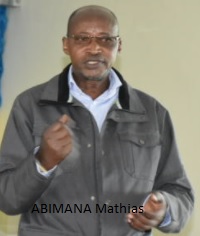
Muri icyo gihe Komine Mabanza yategekwaga na Bwana ABIMANA Mathias, umututsi warokotse jenoside. Ababaye i Mabanza muri ibyo bihe baribuka umubare utagira ingano w’abahutu bishwe ku itegeko ry’Abimana muri jenoside yakorewe abahutu. Muri aba , sinabura kuvuga abo mu muryango wanjye bishwe urw’agashinyaguro, n’abaturanyi bishwe gusa bazira ko ari abahutu. Bayahore Benoit yari data wacu, yari umucuruzi kuri centre ya Mushubati hepfo y’ikigo nderabuzima. Yishwe atwikishijwe amapine hamwe n’abantu barenga ijana. Biciwe mu nsi ya Paruwasi Mushubati, hepfo ya centre “Mubyiruke” imbere y’ishuri ryari CERAI ryaje kuba iryisumbuye ryayoborwaga n’ababikira ba Mutagatifu Faransisiko w’Asizi. Abandi bishwe ni, Boasi Gakombe, Ndindabahizi Stefano, Ukunzwenabake, Hitimana Gaspard, n’abandi benshi cyane.
Abandi bagiye bicirwa muri kasho ya Komine, n’ikigo cya IGA (Ikigo Gihugura Abaturage) cya Rubengera. Burugumesitiri Abimana Mathias, yoherezaga abasore b’abatutsi kujya mu byo bitaga “gukora”, akabaha imbunda, bakajyana n’abari mu gisirikare cy’Inkotanyi na ba Kadogo. Baragendaga bagafata umusore wese n’umugabo bagahondagura bakabohera amaboko mu mugongo, bakagenda babakubita kugeza kuri Komine Mabanza, Abimana agahita aza kureba abaje uko bangana agategeka ko bashyirwa muri kasho. Iyo bwamaraga kwira, ba basore baragarukaga, bakajya barobamo abo bajyana kwica urubozo kugeza banogotse. Iyo bwacyaga mu gitondo, abagore bazaga gusura abagabo babo bazanye ibyo kurya. Uwasangaga uwe yapfuye, yasabwaga gusubirayo gushaka amafaranga kugira ngo bamuhe umurambo we. Bakakwicira no kuguha umurambo ukawugura. Ntikica kagira mubi!
Appolos akimara kumenya ibiri kubera iwabo ku ivuko, yanyarukiyeyo ajya kubaza abaturanyi bamuha amakuru yose. Icyo gihe yasohoye nimero yavugaga kuri ubwo bwicanyi abasirikare ba FPR Inkotanyi bafatanyagamo n’abasivili b’abatutsi. Iyo nimero ikimara gusohoka, Appolos yahise ashyirwa ku rutonde rw’abantu bagombaga kwicwa vuba. Mbere y’uko yicwa, Appolos yari yanditse indi nimero yavugaga amazina y’abantu bari bafite uruhare mu iyicwa ry’abahutu bo muri Komine Mabanza. Abimana yakoze uko ashoboye abifashwamo n’abasirikare iyo nimero yose ifatirwa itarakwira ahantu hose. Nuko tariki ya 10 Mata 1997, ahagana mu ma saa mbiri z’umugoroba, abantu batatu bambaye ibikote birebire batangira Appolo atashye i Nyamirambo, umwe muri bo aramurasa ahita apfa. Icyo gihe abo mu muryango we bose bari bakiri muri Zayire, baje kumenya iyo nkuru batashye.
Hakizimana Appolos yishwe na nde?
“Ndi uburozi Gasirabo yasize buzamara abahutu”, iki ni icyivugo cy’umwe mu bahitanye Appolos HAKIZIMANA. Azwi nka Bitemeri, akazina yari yarahawe akiri mutoya kubera iminwa ye yari iteye nk’umutemeri w’inkangara, maze ababyeyi be bakamubyinirira bati ni Bitemeri, rimufata rityo. Ubusanzwe amazina ye ni Karenzi Théoneste mwene Gasirabo Boniface (RIP) na Mukankwiro Véronique ( RIP), ubu ni umugabo. Yari umwe mu bana Abimana yari yarahaye uruhushya rwo kwica abahutu. Mu kubica, Karenzi yabashinjaga ko ngo aribo bamwiciye umuryango nyamara bizwi neza ko muryango we wiciwe muri stade ku Kibuye. Aho muri stadeya Kibuye izwi ku izina rya Gatwaro ni ho yarokokeye, aza guherekezwa na Hakizimana Déogratias amugeza mu Bafaransa aho yagumye kugeza yinjiye muri Kadogo za FPR. We ubwe yaje kwigamba uburyo yishe Appolos HAKIZIMANA. Yishe n’abandi benshi tuzagarukaho ubutaha. Muri iki gihe akora mu biro bikuru by’ubushinjacyaha akaba ashinzwe guhimba amadosiye no gutoza abajya gushinja abahutu ngo bakoze jenoside. Akenshi nawe ajyana n’abajya gushinja ibinyoma ndetse we na Abimana bari mu itsinda ryagiye gushinja Bagirishema Ignace wabaye Burugumesitiri mbere ya 1994, bageze mu rukiko rwa Arusha, abunganira Bagirishema babahata ibibazo bata umutwe, uwaregwaga aba umwere, dore ko nta n’ikibi uwo mugabo w’inyangamugayo azwiho muri Mabanza yose, ngo kuba umuhutu ni cyo cyaha cye.
Karenzi Théoneste yarokowe na Hakizimana Déogratias, amwitura kumwicira ikirondamfura no kumufungisha burundu y’umwihariko. Koko uwiturwa ineza n’uwo yayigiriye aba agira Imana.
Abimana Mathias, ni we kizigenza muri ubu bwicanyi. Koko rero, yari amaze imyaka itatu ariwe uha amabwiriza abasore b’abatutsi ngo bajye kwica abahutu. Nawe ubwe bivugwa ko hari abo yiyiciye harimo umugabo wari waramurokoye akamutwara mu bwato akamwambutsa ikiyaga cya Kivu. Uwo mugabo yatahutse avuye muri Zayire yumvise ko Abimana ari we Burugumesitiri arishima ati ninjye wamurokoye azamvuganira. Nyamara si ko byagenze. Nyuma yo kuva ku butegetsi bwa Komini, Abimana afite ijambo rikomeye ahahoze ari muri Komine ye, kandi FPR yamugororeye kuyobora amashyirahamwe y’abahinzi ba Kawa , umuhungu we agabirwa kuyobora ikigo cya RBC (Rwanda Biomedical Centre) nyamara bizwi ko ari umuswa cyane.
Abimana Mathias yishe abahutu batagira umubare muri Mabanza na Rutsiro.
Muri iyi minsi abatutsi bahoze mu Rwanda mbere y’umwaduko wa FPR Inkotanyi bakomeje kwitandukanya na yo, ndetse bakayamagana ku bwicanyi bwa jenoside yakorewe abahutu. Binubira uburyo abahutu bagirirwa nabi kandi wareba ugasanga ahubwo abahutu bakoze ubwicanyi aribo bakorana neza na FPR. Kizito yaririmbye igisobanuro cy’urupfu aricwa, Idamange Iryamugwiza yamaganye ubucuruzi bukorerwa amagufa y’abazize jenoside y’abatutsi none arafunzwe, Aimable Karasira yamaganye FPR yamwiciye ababyeyi none nawe arafunzwe. Aho bukera, nimubona umuntu warokotse jenoside yakorewe batutsi wanze kwitandukanya nayo, mujye mugira amakenga: aba yaragize uruhare muri jenoside yakorewe abahutu, akaba afite ubwoba ko FPR niva ku butegetsi agahuru k’imbwa kazaba gahiye. Abantu nka ba Abimana Mathias, umuhungu we Nsanzimana Sabin, Karenzi Théoneste alias Bitemeri, n’abandi bafite amaraso y’abahutu ajejeta ku biganza byabo, ni bo bazasigara ari abayoboke ba FPR. Koko babivuze ukuri ngo ibisa birasabirana.
Paul Kagame speaking to a military detachment of his army.
A group of Rwandan defense forces have kidnaped a Ugandan soldier at Cyanika border in Kisororo district in what officials say is an act of provocation.
Private Baruku Muhuhu a Uganda people defense force soldier attached to 32 battalion Nyakabande detach is suspected to have been kidnapped by the Rwanda peoples force last evening 12-June-2021at 550pm.
Security in Kisoro District says during a daily routine patrol along Chanika border in Chanika Town council, Baruku was left behind easing himself but never returned back which forced his fellow soldiers on duty to go back and search him but all in vein.
Baruku fell in an ambush by Rwandan soldiers who had crossed to the Ugandan side.
Security is reported to have deployed along Chanika border as efforts by Kampala to contact its Kigali counterparts to produce Pte. Baruku are still underway.
In recent past, Rwandan soldiers have been illegally crossing the international border into Uganda to abduct Ugandans living along the border sometimes for ransom.
Hundreds of Ugandans have lost their lives at the hands of the ruthless Rwandan soldiers with orders of shoot to kill Ugandans.
Currently, it is illegal for Ugandans to stay or work in Rwanda if you are not willing to talk ill against President Museveni and his government.
Most victims who have managed to come back to Uganda alive say if you cannot be anti-Uganda government in Kigali you risk being framed using trumped up charges like rape, defilement, drug abuse by the Rwandan security forces.
The lucky ones are arrested and declared prohibited migrants and dumped at the borders while others are sent to jails without trial or killed.
Despite the hostile treatment of the Ugandans by the Rwandan establishment, Kampala has remained open to solving the impasse diplomatically.









 GAHUNDE