Les réactions ne cessent de tomber après la déclaration du président rwandais Paul Kagame sur deux médias français .
A son tour , la MONUSCO réaffirme que « le rapport Mapping parle de lui-même et documente de manière très claire des violations graves des droits de l’homme de 1993 à 2003.»
Réagissant aux propos tenus à Paris par le président rwandais, Paul Kagame, le porte-parole de la MONUSCO, Mathias Gillmann, a affirmé mercredi 19 mai que ces violations graves avaient continué et continuent même à se commettre en RDC.
« Le rapport Mapping documente de manière très claire des violations graves des droits de l’homme, du droit humanitaire international sur la période qu’il couvrait, c’est-à-dire, de 1993 à 2003. Donc, pour nous, ce rapport parle de lui-même. Nous avons travaillé ici avec les autorités congolaises pour documenter toutes ces violations », a déclaré le porte-parole de la mission onusienne.
Selon Matthias Gillmann, c’est le Bureau conjoint des Nations unies aux droits de l’homme qui documente et qui partage toutes ces informations avec les autorités congolaises. Et tout comme le rapport Mapping a également été remis au gouvernement congolais de l’époque.
Dans une interview accordée la veille à RFI et France 24, Paul Kagame a affirmé qu’«il n’y a pas eu de crimes. Absolument pas. C’est la théorie du double génocide qui est à l’œuvre. »
Le rapport Mapping, publié par le Haut-Commissariat des Nations unies aux droits de l’homme en 2010, recense par ordre chronologique et par province 617 « incidents », des crimes de guerre, des crimes contre l’humanité et de possibles crimes de génocide commis entre 1993 et 2003. Cette période couvre les deux guerres de la RDC, qui avaient impliqué jusqu’à neuf armées étrangères, dont les troupes rwandaises.
Dignité, justice et réparation sont les seules réponses appropriées face au négationnisme de Kagame
Paul Kagame a nié l’existence des crimes commis par les troupes rwandaises dans l’Est de la République démocratique du Congo. C’était lors d’un entretien accordé, le lundi 17 mai, aux médias français RFI et France 24. Le président rwandais a également contesté la justesse des conclusions du Rapport du projet mapping du Haut-commissariat des Nations unies aux Droits de l’homme (HCNUDH). Des propos accueillis dans l’indifférence totale et le silence assourdissant du gouvernement congolais et ce, malgré une grande protestation et une immense indignation des Congolais toutes tendances confondues face à cette énième tentative de négationnisme érigé en stratégie de politique étrangère.
Les annales de l’Histoire retiennent cependant, de manière factuelle, que, à titre indicatif, du 5 au 10 juin 2000, les armées rwandaise et ougandaise se sont affrontées à Kisangani, sur le sol congolais, tuant un millier de civils, pillant et détruisant des biens. Ces faits sont indéniables et incontestables. Ils sont ainsi inscrits dans la mémoire collective congolaise. Et les victimes de ce qu’on appelle communément la « guerre de six jours » et leurs familles continuent d’exiger justice, vérité et réparation. En 2005, la Cour internationale de justice avait d’ailleurs reconnu la responsabilité de Kampala dans les exactions commises par ses troupes entre 1997 et 2003 dans la partie Nord-Est de la RDC, mais ne s’était pas prononcée sur le cas du Rwanda, Kigali ne reconnaissant pas sa compétence.
Aujourd’hui, les propos du président Kagame n’ébranlent ni des faits suffisamment documentés ni la détermination des victimes d’obtenir un jour justice. Ils marquent en revanche une profonde régression par rapport aux avancées des conversations sous-régionales, notamment dans le cadre des mécanismes de suivi de l’Accord-cadre pour la paix, la sécurité et la coopération pour la RDC et la région, dit Accord d’Addis-Abeba.
La tentative consistant à minimiser la portée des massacres perpétrés en RDC, y compris par les forces armées rwandaises ou leurs supplétifs locaux, ne sert ni la paix, ni la sécurité et la coopération régionale. Elle ne parvient pas non plus à démentir des faits largement documentés depuis vingt ans tant par la société civile et le gouvernement congolais dans ses livres blancs que par des instances internationales, à l’instar de l’ONU.
Kasika, Makobola, Tingi-Tingi, Mbandaka, Kisangani sont des espaces où ont été perpétrés des massacres sur le sol congolais. Ce ne sont que des exemples du lourd tribut que paie la population congolaise après avoir accepté de recevoir sur son sol des réfugiés rwandais, fuyant le génocide. Ces milieux et les massacres qui s’y sont déroulés restent des cicatrices que des Congolais patriotes portent dans leur chair et qu’ils n’oublieront sous aucun prétexte fallacieux.
Les morts congolais méritent le respect. Les femmes violées méritent le respect. Les familles endeuillées, les enfants traumatisés et les communautés désarticulées méritent respect, justice et réparation. L’indifférence a trop duré ! Depuis plus de vingt ans, des morts congolais se comptent par centaines de milliers, mais nos propres dirigeants et la communauté internationale font la sourde oreille ou ne réagissent guère à la hauteur de cette situation dramatique. En face, Paul Kagame, lui, ne s’arrête plus à mépriser nos morts et nos souffrances, il s’en prend désormais au Docteur Denis Mukwege, prix Nobel 2018. Une posture qui laisse transparaître sa peur face à un homme mondialement reconnu pour son engagement auprès des victimes congolaises. Mais cela ne suffira point, car Dr Mukwege est simplement aux prises avec les stigmates des victimes et demeure le porte-voix, dans le bouillonnement silencieux, des millions des Congolais.
Avec force, nous disons non au négationnisme ! Il s’agit ici d’une évidence que les propos blessants de M. Kagame, truffés de déni, ne peuvent rien changer. Face à cette ignominie, se battre pour que justice soit rendue un jour au nom des victimes doit devenir désormais une cause nationale. Cette tribune, c’est pour que nul ne l’ignore et pour la postérité. Qui d’autres que nous, si ce n’est pas à nous de nous indigner contre les mensonges du président Kagame. Qui d’autres que nous, si ce n’est pas à nous d’appeler les autorités congolaises à rompre le silence et à réagir. Notre indignation tout comme celle des Congolaises et Congolais qui fourmillent d’une colère légitime marque une nouvelle page dans la prise de conscience, dans la lutte contre la falsification de l’histoire et sa réécriture au gré de sentiments et non de la vérité historique.
Les faits et la vérité sont têtus et nous sommes confiants qu’un jour les responsables des crimes et massacres des citoyens congolais répondront de leurs actes. Ce jour arrivera. Le Congo n’oubliera pas. Nous n’oublierons jamais le sang de nos frères et sœurs qui continue à crier en nous et qui criera pour nos enfants. Vingt ans de silence coupable, de mensonge, de pillage, de vol et de viol ne disparaîtront pas du fait de quelques mots prononcés devant des journalistes. Nos morts sont présents en nous et alimentent chaque jour notre soif de justice et de vérité. Nous en sommes convaincus, un jour face à l’Histoire, mort ou vivant, chacun rendra compte de ses crimes, n’en déplaise à M.Kagame. Car la dignité, la justice et l’honneur d’un peuple n’ont pas de prix.
Signataires
Jacquemain Shabani Lukoo, avocat et Président de la Commission Électorale Permanente de l’UDPS
Fred Bauma, activiste
Mohombi Moupondo, artiste engagé
Jean-Claude Mputu, professeur des universités
Floribert Anzuluni, activiste
Trésor Kibangula, analyste politique
Claudel André Lubaya, député national
Delly Sesanga Hipungu Dja Kaseng Kapitu, député national
Christelle Vuanga, député national
Juvénal Munubo, député national
Jean-Jacques Lumumba, activiste
Dismas Kitenge, défenseur des droits de l’Homme
Nick Elebe, juriste, écrivain et expert en droit international pénal
Sinzo Aanza, écrivain
Jean-Claude Tshilumbayi, député provincial
André Mbata, député national
Florimond Muteba, professeur des universités
Yangu Kiakwakama, activiste
Yves Makwambala, activiste
Vianney Bisimwa, activiste
Bob Kabamba, professeur des universités
Paulisi Muteba kcreascence, activiste
Eliezer Ntambwe, député national
Ados Ndombasi, député national
Bienvenu Matumo, doctorant et militant
Justin Bahirwe, avocat
Maud-Salomé Ekila, activiste
Jean-Claude Maswana, professeur des universités
Rebecca Kavugho, activiste
Rev. Eric NSENGA, coordonnateur national du Consortium des confessions religieuses pour la Justice transitionnelle en RDC
Tatiana Mukanire, activiste
Kambale Musavuli, activiste
Chris Shematsi, juriste
Vava Tampa, activist, Save the Congo
Jean-Claude Maswana, professeur d’économie
Roger Puati, théologien, philosophe, historien et auteur
Alphonse Maindo, professeur de science politique
Christian Liongo, fiscaliste, Président Africa Rise
Blaise Pascal Zirimwabagabo Migabo, enseignant de droit, Université Officielle de Bukavu
Providence Ngoy W, doctorant en Droit, Université de Genève
Youyou Muntu Mosi, activiste
Bénédicte Kumbi Ndjoko, historienne, chargée d’enseignement, Activiste des droits humains
Dom-Martin Puludisu, chercheur, Université Paris II
Hygin-Hervé Luwawu, ICT Specialist
Célestin Mputu, juriste spécialiste en droits humains
Garry Iwele, journaliste et défenseur des droits humains
Jonathan Mboyo Esole, professeur des universités
Jacques Issongo, activiste
Chantal Faida, activiste
Madame Eugénie Kikango, juriste
Joseph BAYOKO LOKONDO, activiste
Fabien Mayani, défenseur des droits humains
Jean Pierre Okenda, avocat
Jimmy Kande, activiste
Francine Mukwaya, activiste
Freddy KASONGO, activiste et défenseur des droits de l’homme
Patrick Mbeko, géopoliticien, auteur
Marie Madeleine Kalala, militante droits des femmes
Le 22 avril 1995 : Le jour où Paul Kagame ordonna le massacre gratuit de 8000 civils Hutus rwandais
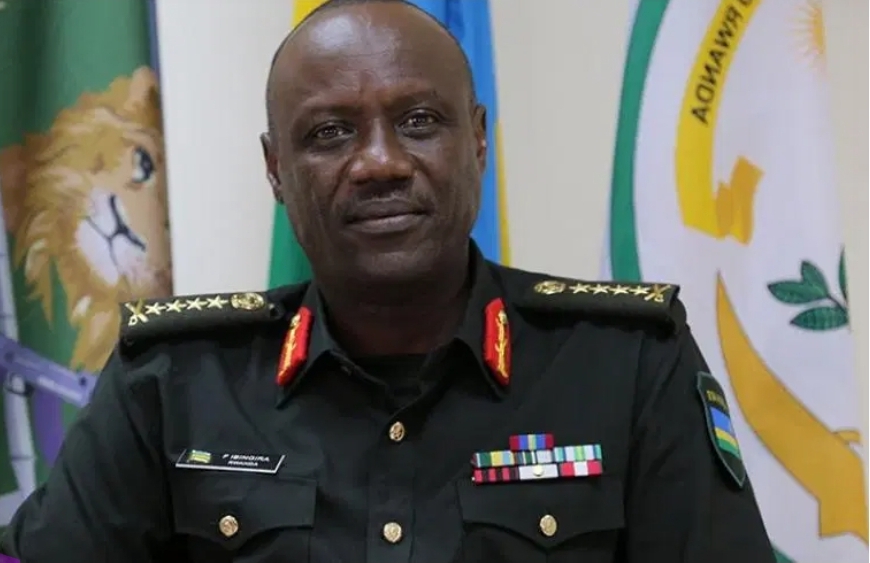
Au Rwanda, le génocide ne s’est pas arrêté en juillet 1994. L’extermination des Hutus s’est poursuivie les mois et les années qui ont suivi. Le 22 avril 1995, l’Armée patriotique rwandaise (APR) a massacré des milliers d’hommes, de femmes et d’enfants se trouvant dans le camp des réfugiés de Kibeho. Le carnage s’est déroulé sous le regard ahuri d’une demi-douzaine d’agences de l’ONU et des casques bleus de la MINUAR ayant reçu l’ordre de ne pas intervenir. Selon plusieurs sources, plus de 8000 civils Hutus ont été tués durant cette opération de nettoyage. Les rescapés au nombre de 60 000, selon l’Integrated Operation Center (IOC), la centrale humanitaire de l’ONU, ont plus tard été interceptés sur leur chemin de retour puis achevés par les hommes du lieutenant-colonel Fred Ibingira, officier de l’APR.
Fred IBINGIRA qui a massacré les Hutus à Kibeho est aujourd’hui promu au grade de Général dans l’armée du FPR. Il est aussi l’auteur du génocide de Gakurazo où trois évêques catholiques ont péri avec une centaine de membres du clergé.
Thierry Pickard, un militaire australien de la MINUAR ayant assisté au massacre, a détaillé dans un livre ce qu’il a vu ce jour-là. Son témoignage est effrayant : « Les militaires de l’APR tuaient les rescapés des bombardements avec des baïonnettes pour épargner leurs balles. Dans ce massacre, personne n’était épargné. Même des bébés sur le dos de leurs mères étaient tués. D’autres avaient la gorge coupée. C’est la première fois où je voyais, dans ma vie de militaire, des hommes devenir des cibles de tir à l’arme lourde comme dans les exercices militaires ».
Troublé par le comportement de l’APR, Thierry Pickard se tourna vers un soldat zambien de la MINUAR et lui demanda ce qu’il pensait, en tant qu’Africain, de cette barbarie. Le Zambien lui rétorqua : « Les soldats du FPR ne sont pas des hommes, mais des animaux qui savent se servir des armes à feu ».
Certains observateurs estiment que si les casques bleus de la MINUAR n’étaient pas présents, l’APR aurait certainement fait un plus grand nombre de victimes. Un commandant australien devait déclarer à ses hommes : « Il n’y a absolument aucun doute que si nous n’avions pas été à Kibeho, tout le camp, soit environ 100 000 personnes, aurait probablement été massacré et le monde n’en aurait rien su ».
Inutile de vous dire que l’ONU a couvert ce crime contre l’humanité.
Dans cette rocambolesque histoire qui a mis en évidence toute l’animosité que voue le FPR à l’égard des Hutus, le meilleur avocat du gouvernement rwandais a été l’ambassadeur du Canada au Kenya, Bernard Dussault, dont la juridiction couvrait toute l’Afrique centrale. C’est lui qui a eu la « merveilleuse » idée de proposer une commission d’enquête internationale entièrement dirigée par le pouvoir rwandais pour faire non pas la lumière, mais l’obscurité sur les évènements de Kibeho. Un rapport bidon a été produit et l’affaire a été enterrée. Après tout, que vaut la vie d’un Hutu ?
Patrick MBEKO
Archives Facebook.
Le génocide des Hutus commenté par la télévision française au lendemain du carnage.
On April 8th, 2021, as Rwanda just entered the Commemoration Week, a certain Lonzen RUGIRA released a paper called “ISO NI NDE? The relentlessness of genocide deniers” in what seems to be a rebuttal to JAMBO asbl members, which he considers as “the resurgence of denial of the genocide against the Tutsi”.
First and foremost, let us put the record straight. The attacks on JAMBO asbl have nothing to do with fighting “genocide denial” or “genocide ideology” as it has been repeated ad nauseam these last few years. Had that been the case, The Rwandan Government, CNLG or IBUKA or at least one person in this world, would have already filed a complaint against JAMBO asbl in Belgian courts!
In reality, JAMBO asbl is under constant media attacks since it has been, for over a decade now, one of the most “relentless” exposers, in Europe, of RPF-Inkotanyi mass crimes and Human Rights abuses.
Yet RUGIRA’s paper, published on panafricanreview.rw platform, would have gone unnoticed if the Rwandan Minister of Justice, Johnston BUSINGYE and Communication Advisor in the President’s office, Yolande MAKOLO, had not quoted him in their Tweets.
It is not the first time that Lonzen RUGIRA’s public opinion is valued by the very highest authorities of the Rwandan state. Last year in April 2020, he exposed a Minister of State who dared to express his conception of what a genuine KWIBUKA should mean. A few days later, that Minister was fired by presidential order.
Even the members of the President’s family like and retweet his posts, especially Ange KAGAME, whenever it comes to sustaining RPF’s ideology.
This time, Lonzen RUGIRA is reviling JAMBO asbl and its members while paradoxically inviting them to “embrace the truth as the “currency of forgiveness”” and to enter a “virtuous circle as credible and trusted members deserving the community’s good fortune”.
Before reaching this benevolent conclusion, RUGIRA posed the question “Iso ni nde? (who is your father?)” and developed a cumbersome argumentation trying to reconcile the concept of “individual criminality” with the dogma of “collective responsibility” that JAMBO asbl members should bear.
Once decoded, RUGIRA’s complex paper is revealed to be a message to JAMBO asbl members, which is inviting them to ask for forgiveness for what their parents are supposedly accused of, and thus, avoid social and community consequences, as well as preserve their own descendants from being cursed…
This is interesting. But what if this was a concern for a whole generation and not only for JAMBO asbl members?
A generation whose ascendents are wrongfully or rightfully accused of having committed serious crimes including genocides, crimes against Humanity, war crimes and countless political assassinations.
The good news for JAMBO asbl members is that they are very much familiar with the question “Iso ni nde” and they perfectly know how to deal with it. It seems the more they answer it, the less it gets asked …
RUGIRA’s concern should therefore shift towards the offspring of the “mass murderers” identified by the Mapping Report for instance.
What would the descendants of “genocide perpetrators” indicted in the arrest warrants of the Spanish Judge Fernando MEIRELLES reply to the question: “Iso ni nde”?
What kind of mobilization are they doing to “cleanse their forebearers of the responsibility for genocide”?
What about the heirs of those who are proud to murder anyone who betrays “Umuryango” on the excuse that a famous red line has been crossed?
What are the children of those who shot the presidential plane on April 6, 1994 answer concerning their forebearers?
“Iso ni nde” is a question that will be asked to every Rwandan more than once in their life, and the offspring of today’s or yesterday’s RPA/RPF criminals will not escape from it.
If Lonzen RUGIRA is truly concerned about answers from descendants of “killer parents and grandparents”, maybe he should write an essay about those whose parents are still killing to remain in power today?
I am sure all Rwandans, at home or abroad, would be interested to read such a paper.
Who would not want to know how children reacted after their father had confessed on national TV that he was not “apologetic” for murdering former comrades?
Reading Lonzen RUGIRA’s article with a dispassionate mind is an eye-opener. He has nailed a difficult, yet needed debate that must take place between generations, especially within the RPF-Inkotanyi circles.
The key question being: how to preserve innocent children from bearing the criminal record of their forebearers, and ultimately, how to prevent political criminality from passing from a generation to another?
Instead of wasting intellectual energy with virtual assaults against inexistant genocide deniers – is there really anyone refuting that Tutsi in Rwanda were victims of a genocide in 1994? – perhaps RUGIRA should reflect on how the RPF-Inkotanyi will bequeath its criminal record to the next generation, as this is probably the biggest threat to a truly reconciled Rwandan society.
"Jambo kids/political entrepreneurs seek to hold the entire ethnicity hostage, conceiving it as a human shield for their private interests, shielding the forebears from criminal responsibility by means of which they access political power" by @LonzenRugirahttps://t.co/GqdEvIEK1z
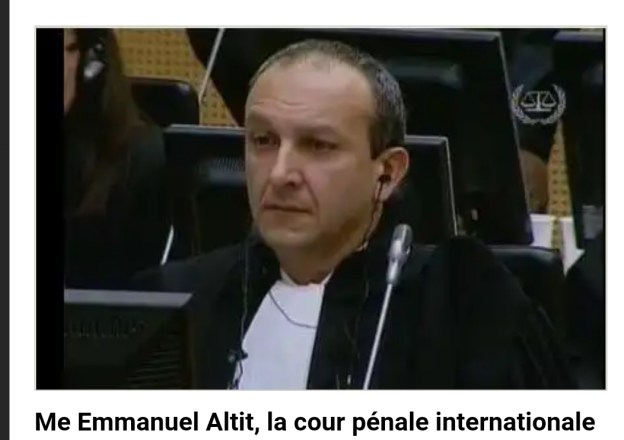
We, the children of Felicien Kabuga are greatly discouraged by out father’s deteriorating health and the lack of information that is shared with us by his court-appointed lawyer, Emmanuel Altit.
On 1 April 2021, the Trial Chamber of the United Nations International Mechanism for Criminal Tribunals issued a decision refusing to dismiss Me. Altit as the lawyer for Felicien Kabuga. Felicien Kabuga had requested that Me. Altit be removed because he refused to share information on his medical condition, and the steps he is taking to protect Mr. Kabuga’s interests, with his children.
Donatien Nshimyumuremyi, the eldest son of Felicien Kabuga, said, “Our father’s health has been deteriorating since he arrived in The Hague and his lawyer, Emmanuel Altit, has not been in contact with our father or his children for more than two months, even after he had an accident within the detention unit and had to go through a major surgery. We feel that our father is being held hostage by his lawyer, who refuses to communicate with him or his family and is not defending him in his best interests.”
We have consulted several international criminal lawyers and have been advised that it is possible, with the consent of our father and the Trial Chamber, for our father’s lawyer to share information on his medical condition, and what he is doing about it, with us. The children have been primarily responsible for the care of their father during recent years and it has been very painful to be excluded by someone who is supposed to be looking out for our father’s best interest.
We note with great concern that our father remains hospitalized in The Hague for more than a month and is so weak and confused that the last status conference had to be only through writing because he was not able to appear. That means, as the lawyer had not seen him for a long time that our father is completely excluded from a proceeding deciding about his fate. He appears to be completely unfit to stand trial. To be without an advocate who can provide us proper information about our father, and what is being done to protect his health and rights, has been devastating. We fear that the lawyer is working with the authorities to put our father on trial regardless of his physical and mental conditions and that our father’s and our human rights are being violated.
We ask that the proceedings in our father’s case be conducted with greater transparency and that he be allowed to have a lawyer who he trusts and who we can be sure will look out for his best interests.
On behalf of Félicien Kabuga Family Donatien Nshimyumuremyi
L’ancien président du Burundi et ex-haut représentant de l’Union africaine pour le Mali et le Sahel est décédé à 71 ans. Il est mort cette nuit alors qu’il était en train de rejoindre un hôpital parisien.
Pierre Buyoya, 71 ans, avait contracté le coronavirus alors qu’il se trouvait à Bamako au Mali. Il était hospitalisé depuis une semaine à la clinique Pasteur dans la capitale malienne, placé sous respirateur artificiel. Son état de santé s’est brusquement dégradé, selon une source familiale.
Il a finalement été évacué par un avion médicalisé vers Paris jeudi en début d’après-midi et est arrivé dans la capitale française dans la soirée. Trop tard puisqu’il est décédé durant son transfert en ambulance d’un aéroport parisien vers l’hôpital Américain de Neuilly, où il était suivi depuis longtemps pour des problèmes de santé.
Difficile pour l’instant de savoir où et quand l’ancien chef de l’État sera inhumé. Les relations entre l’ancien chef de l’état et le pouvoir burundais étaient au plus mal depuis le début de la crise de 2015, due à la décision du président Pierre Nkurunziza, décédé en juin, de briguer un troisième mandat. Des membres de sa famille sont déjà en route pour la France et devraient arriver à Paris ce vendredi pour décider de la suite.
Il y a trois semaines, Pierre Buyoya avait démissionné de son poste de haut représentant de l’Union africaine pour le Mali et le Sahel. Une fonction qu’il occupait depuis 2012. Il avait remis sa démission après avoir été condamné à la prison à perpétuité dans un procès qui s’est tenu en son absence au Burundi, condamné pour avoir fomenté en 1993. y a 27 ans, l’assassinat de Melchior Ndadaye qui était alors président du Burundi.
Pierre Buyoya avait qualifié ce procès de parodie de justice, de mascarade politique. Il expliquait fin novembre démissionner de son poste de haut représentant de l’UA afin de pouvoir « se défendre et laver son honneur ».
En date du 14 novembre 2020 on apprenait le retrait d’un des membres de la “Commission de recherche sur les archives françaises relatives au Rwanda et au génocide des Tutsi (1990-1994)”. Cette commission mise sur pied par le président Emmanuel Macron a pour but d’éplucher les archives et déterminer quel a(urait) été le rôle de la France dans le conflit rwandais qui a culminé en génocide de 1994. Un travail très délicat si l’on considère les implications diplomatiques et politiques du sujet. Les acteurs de la société civile et universitaires d’origine rwandaise réunis sous Groupe d’Initiative France Rwanda (GIFR) avaient partagé par avance avec cette commission leurs inquiétudes avant de soumettre des recommandations. Les membres du GIFR pressentent les tentatives de manipulations de la commission par le FPR à travers les trous que la démocratie française pourrait naïvement offrir à la dictature rwandaise.
Leur lettre est reprise ci-bas.
Note à la Commission de recherche sur les archives françaises relatives au Rwanda et au génocide des Tutsi (1990-1994)
Mesdames, Messieurs, membres de la Commission ;
Le Groupe d’Initiative France Rwanda (GIFR) salue votre dévouement et votre bon travail pour atteindre les objectifs définis lors de la création de la Commission de recherche sur les archives françaises relatives au Rwanda et au génocide des Tutsi (1990-1994). Le monde entier en général, la France et le Rwanda en particulier attendent de vous les réponses aux questions qui, jusqu’ici, n’ont pas eu de réponses définitives et convaincantes sur le rôle qu’aurait joué la France dans la tragédie rwandaise il y a 26 ans.
En tant que Rwandais et Français d’origine rwandaise vivant en France, nous avons suivi ce dossier de près car il nous est indéniable que seule la vérité sur ce qui s’est réellement passé, pourra nous permettre de renforcer les relations bilatérales entre les deux pays dans un esprit de respect mutuel. Pour les Rwandais spécialement, il nous sera enfin possible de nous réconcilier avec notre passé, de rendre justice à tous ceux qui en ont soif depuis déjà trop longtemps, de mettre un point à notre deuil, et d’avancer en envisageant un avenir durable.
Par cette note nous nous permettons d’apporter notre observation en termes de contribution et soutien au travail qui vous est confié et qui requiert l’objectivité, l’éthique et le professionnalisme. Nos apports sont fondés et soutenus par nos expériences en tant qu’acteurs de la société civile rwandaise et acteurs politiques, universitaires et/ ou témoins de certains événements de la période concernée par votre travail.
Des objectifs précis mais aux antipodes de la politique menée par le Front Patriotique Rwandais (FPR).
Les objectifs de cette mission sont très clairs et concis ne laissant aucune fenêtre au moindre doute, et le résultat reflètera la position de la France à ce sujet et guidera les décisions et actions dans l’avenir. Cependant, il est commode de souligner que le FPR a déjà sa version des faits, une version que le régime de Kigali est prêt à défendre, une hypothèse que le régime fera tout pour qu’elle soit confirmée. Selon cette hypothèse, la France est complice dans le génocide et au moins 13 anciens dirigeants français sont incriminés[1]. Par exemple, selon la conclusion du rapport “MUCYO” de la Commission nationale chargée de rassembler les preuves montrant l’implication de l’état français dans le génocide perpétré au Rwanda en 1994 « Durant toute la période du génocide, la France a soutenu diplomatiquement et militairement le gouvernement intérimaire qui, au su du monde entier, en temps réel, était en train d’organiser et d’exécuter un génocide [2]».
Et dans ses recommandations, la même Commission encourage l’Etat rwandais de soutenir toute action individuelle ou collective de victimes qui souhaiteraient porter plainte pour le préjudice causé par l’Etat français. La Commission ajoute que, cependant, le gouvernement rwandais pourrait se contenter d’un arrangement diplomatique avec l’Etat français pour trouver une solution à cette question. Ceci, dit la Commission, dépendrait de la décision de l’Etat français de reconnaître toutes ses responsabilités dans le génocide et de procéder à des réparations[3].
Bien que les méthodologie et témoignages utilisés par la Commission étaient vivement critiqués, les conclusions de l’enquête ont été saluées par le Gouvernement Rwandais. Le rapport constitue un instrument important et une arme pour mettre à genoux la France. Aucun travail de professionnels aussi intègre qu’il soit ne saura faire bouger le FPR de sa position, car il s’agit d’une cause existentielle.
Une démarche scientifique versus une pratique machiavélique
Lors de la composition de votre Commission, le Président Emmanuel Macron s’est basé sur vos valeurs et professionnalisme confirmés par vos travaux et succès dans vos missions du passé. Pour cela, les membres du GIFR n’ont aucun doute sur vos neutralité et sincérité. Pourtant, votre démarche scientifique est une chose inexistante au Rwanda. Le FPR utilise toute sorte de pression et n’épargne rien, y compris le mensonge, la manipulation de statistiques[4] et les méthodes les plus illégales, pour arriver à ses fins. Les chercheurs[5] les plus fidèles à leurs carrières sont victimes de chantage et terrorisme orchestrés par les services secrets rwandais pour les contraindre à revenir aux conclusions de leurs travaux qui contredisent la version officielle de Kigali. Tel a été le modus operandi du FPR, et ça a marché dans plusieurs cas.
Dans son jeu, le FPR paie des lobbies et média pour véhiculer le faux narratif en sa faveur, ce qui en partie façonne l’opinion internationale susceptible d’influencer les conclusions si on adopte la démarche scientifique. En effet, la littérature sur le sujet est pleine de ce genre de sources. Un exemple frappant concerne la thèse du génocide contre les Tutsis qui aurait été planifié, une thèse qui continue d’être répétée même par les chercheurs sérieux alors que même le Tribunal Pénal International pour le Rwanda (TPIR) n’a pas reconnu cette planification par le gouvernement rwandais de l’époque[6]. Aujourd’hui la France est encore accusée de complicité dans cette « prétendue » planification.
L’on pourrait aussi citer l’assertion de « la communauté internationale qui a manqué à ses responsabilités d’intervenir pour assister aux Tutsis qui faisaient massacrer en 1994 ». Or, c’est bien le FPR qui s’est opposé au déploiement de la force onusienne, car, le mouvement rebelle craignait qu’une telle intervention aurait pu empêcher sa conquête militaire qui s’annonçait inévitable[7]. Et des observateurs avisés estiment que les décisions de l’Etat français prises par rapport au dossier du génocide rwandais, tendent à céder au chantage de l’Etat rwandais[8]. Ainsi, quand on s’attendait à la vérité, c’est la realpolitik qui a été privilégiée.
La démocratie française au service de la dictature rwandaise
La démocratie française et ses nobles valeurs offrent une porte d’entrée exploitable par la dictature rwandaise. En effet, au moment où tous les témoignages au Rwanda sont manipulés, la liberté d’expression est garantie à chacun en France. Nous avons observé des associations françaises, des universitaires, des médias, ou de simples citoyens[9] défendre les intérêts du Rwanda au détriment de leur pays, seulement parce qu’ils sont tombés sur une source attractive mais mensongère, ou qu’ils ont cru naïvement en la version officielle de Kigali, ou qu’ils sont payés pour ça.
Bien qu’il y ait pas mal de suspicions sur les relations qu’entretiennent certaines associations et le régime de Kigali, aucune enquête sérieuse n’est menée par des instances habilitées pour déterminer à quel point ça pourrait constituer un danger à la démocratie. Ces associations et individus au service du FPR créeront une sorte de populisme et serviront en tant que groupes de pression sur n’importe quelle Commission pour faire triompher la version de Kigali. Ils iraient même jusqu’à dire que les archives ont été altérées s’il arrivait que les résultats ne correspondent pas aux attentes du FPR.
Cas de l’Association Survie
Lors de la sortie de votre note intermédiaire[10], l’association Survie a fait une réaction avec indignation comme quoi « la grande lessive a déjà commencé[11]». Toujours en quête de protéger la bonne relation entre Survie et le FPR, la stratégie utilisée reste inchangée : partir d’une réalité, la sortir de son contexte temporaire, légal et légitime, pour en faire une situation tout à fait différente, horrible et condamnable. Il s’ensuit de faire beaucoup de bruit à ce sujet dans des actions encouragés par le FPR, premier profiteur de la situation. Mais à en juger de plus près, Survie n’a aucune autorité morale dans cette affaire pour des raisons bien connues.
En effet, le FPR et Survie marchent main dans la main depuis un peu avant 1994. Se présentant comme une association contre la néo-colonisation française en Afrique, Survie propose ses services au FPR. En 1994, le fondateur de l’association, Monsieur Jean Carbonare devient Conseiller du Président Pasteur BIZIMUNGU. Son rôle principal était de faire la promotion de l’image du nouveau régime post-génocide et sera impliqué dans plusieurs projets à caractère commercial contrairement aux objectifs de l’association Survie. L’héritage de Monsieur Carbonare sera ( Ndlr: et reste) bien entretenu après sa mort.
Recommandations
La France était présente au Rwanda et a encouragé le multipartisme et les négociations entre les deux camps opposés dans la guerre lancée par le FPR en 1990, néanmoins, force est de constater que les acteurs dans ce conflit étaient plus nombreux. Pour cela, malgré l’importance que les archives françaises représentent, elles ne peuvent pas à elles seules expliquer les actions et réactions des deux camps. C’est dans cette optique qu’il serait judicieux de consulter, dans la mesure du possible, les archives de l’Ouganda, des Etats Unis d’Amérique, de Belgique, du Canada, et de l’Organisation des Nations Unies.
L’Etat rwandais vous invite à consulter les « chercheurs » rwandais pour avoir une vue complète de toute la situation. Cependant, le FPR n’était pas aux affaires pendant la période concernée et la totalité d’archives a été détruite pendant la guerre. Cette lacune pourrait être en partie comblée par les entretiens avec les personnes qui ont servi dans la diplomatie rwandaise de l’époque, mieux placés que le FPR.
[2] Commission nationale indépendante chargée de rassembler les preuves montrant l’implication de l’Etat français dans le génocide perpétré au Rwanda en 1994, p. 328
For years, UN investigators secretly compiled evidence that implicated Rwandan President Paul Kagame and other high-level officials in mass killings before, during and after the 1994 Rwandan genocide.
The explosive evidence came from Tutsi soldiers who broke with the regime and risked their lives to expose what they knew. Their sworn testimony to a UN court contradicted the dominant story about the country’s brutal descent into violence, which depicted Kagame and his RPF as the country’s saviours.
Despite the testimonies, a UN war crimes tribunal — on the recommendation of the United States — never prosecuted Kagame and his commanders. Now, for the first time, a significant portion of the UN evidence is revealed, in redacted form.
In early July 1994, as the genocide in Rwanda was nearing its end, Christophe, whose real name and location are being withheld for safety reasons, was recruited by the Tutsi-led Rwandan Patriotic Front (RPF).
Christophe, a medical student before the war, was assigned to care for wounded RPF soldiers in Masaka, a neighborhood in the southeast of Rwanda’s capital, Kigali.
The RPF was on the brink of winning the war. It was the culmination of a bloody campaign that began in 1990 when its forces invaded Rwanda from their base in Uganda, where their Tutsi families had been forced into exile for three decades.
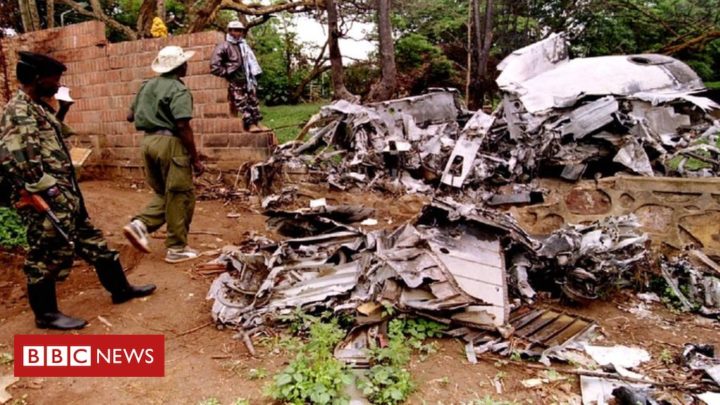
Their struggle for political power in Rwanda took a drastic turn on 6 April 1994, when a plane carrying Rwanda’s then president Juvénal Habyarimana, a Hutu, was shot down in Kigali, killing everyone aboard, and abruptly ending a power-sharing deal that was supposed to end three-and-a-half years of violence. The plane attack set off a killing spree that left hundreds of thousands of Tutsis dead, mostly at the hands of their Hutu countrymen. By mid-July, the RPF had routed the former Hutu government, and purportedly put an end to the massacres.
Blame game: RPF soldiers investigate the site of the plane crash that killed then Rwandan president Juvénal Habyarimana in 1994. One theory suggests that Hutu hardliners shot down the plane, but RPF informants have told the ICTR that the RPF planned and executed the attack. (Photo: Scott Peterson/Liaison)
From his battle clinic in Masaka, though, Christophe saw that the killings were continuing. “People were disappearing,” he recently told the Mail & Guardian. Many of the new recruits Christophe treated began to share sobering details about what they were being ordered to do to Hutu civilians — men, women and children who had no apparent connection to the killing of Tutsis. These Hutus were being arrested in different areas of the capital by RPF officials, they said, and brought to a nearby orphanage called Sainte Agathe, where they were summarily executed.
The young recruits told Christophe that they were being forced by their RPF superiors to tie up civilians and kill them with hammers and hoes, before burning the victims on site and burying their ashes. It was grisly, traumatising work conducted daily, they told him.
Many of the soldiers asked Christophe to provide them with a sick leave note to avoid taking part in the killings. “They didn’t want to kill anybody,” he said. One of the recruits told Christophe that over a mere five days, more than 6 000 people were slaughtered at the orphanage.
In late July, the RPF sent Christophe and thousands of other recruits to Gabiro, a military training camp located in eastern Rwanda, on the edge of the vast wilderness that made up Akagera National Park. The rebel army had established a base there earlier in the war, and it was off limits to international nongovernmental organisations, United Nations personnel, and journalists.
The RPF had begun to recruit Hutu men, promising them safety if they joined the RPF cause. Many heeded the call. But at Gabiro, Christophe saw that these new Hutu recruits had been deceived. Instead of receiving training, on arrival they were screened by military intelligence agents, taken to a field and shot.
Even Tutsi recruits from Congo, Burundi and Uganda, whom military intelligence considered disloyal or suspect, were disappearing, he said.
Even more chilling, though, were the truckloads of Hutu civilians Christophe witnessed arriving in another part of the camp, in an area he could see from a distance. Every day, for months on end, he said, RPF soldiers killed these Hutus and then burned the bodies. Backhoes — which Christophe referred to by their brand name, Caterpillar — worked day and night burying their remains. “You could see the trucks, you could see the smoke. You could smell burning flesh,” Christophe told M&G. “All those lorries were bringing people to be killed. I saw the Caterpillar and could hear it. They were doing it in a very professional way.”
As the massacres continued, Christophe became worried that as a witness he, too, could be a target. Some soldiers, traumatised by what they were forced to do, tried to escape Gabiro. But they were caught and executed, he said. To his relief, in April 1995, he was transferred out of Gabiro, and a week later, he fled Rwanda and never returned.
Several years after leaving, Christophe began speaking to investigators from the UN International Criminal Tribunal for Rwanda (ICTR). The tribunal, set up in the aftermath of the genocide, was tasked with prosecuting the most serious crimes committed in 1994. Publicly, the tribunal focused exclusively on prosecuting high-level Hutu figures suspected of organising and committing genocide against Tutsis. But privately, a clandestine entity within the ICTR, known as the Special Investigations Unit (SIU), gathered evidence of crimes committed by the RPF. By 2003, investigators at the SIU had recruited hundreds of sources, with dozens giving sworn statements.
According to a summary report submitted to the ICTR’s chief prosecutor in 2003, the SIU’s investigative team had gathered explosive evidence against the RPF. Numerous witnesses corroborated Christophe’s testimony that the RPF had engaged in massacres of Hutu civilians in Gabiro and elsewhere before, during, and after the genocide. Sources testified to the SIU that the RPF was behind the 6 April 1994 attack on Habyarimana’s plane.
Former soldiers even told investigators that RPF commandos undertook false flag operations. Some commandos, operating in civilian clothes, had allegedly infiltrated Hutu militias, known as Interahamwe, to incite even more killings of Tutsis in a bid to further demonise the Hutu regime and bolster the RPF’s moral authority in the eyes of the international community.
In the report, UN investigators listed potential RPF targets for indictment, including President Paul Kagame himself. But when the tribunal officially wound down in 2015, the more than 60 individuals who were convicted and jailed for genocide and other war crimes were all linked to the former Hutu-led regime. Not a single indictment of the RPF was ever issued by the UN; all evidence of RPF wrongdoing was effectively buried.
Christophe met with investigators three times, and provided a written, sworn testimony to the tribunal, but for nearly two decades, his testimony, together with that of dozens of other RPF soldiers who witnessed RPF crimes, have remained sealed in the tribunal’s archive.
Behind bars: A crowd of prisoners stand at mealtime in the Giterama prison in Rwanda. The prison, 50km outside Kigali, was built to house 1 000 people, but in 1995 held 6 000 men and women accused by the RPF of complicity in the 1994 genocide. (Photo: Malcolm Linton/Liaison)
In this exclusive report, the Mail & Guardianis publishing 31 documents based on testimonies the witnesses provided to UN investigators. The documents were leaked to M&G by various sources with extensive experience at the tribunal. The witness statements, which contain identifying information, have been redacted by the tribunal and by the M&G to protect the informants’ privacy and safety.
The informants who testified against the RPF to the tribunal faced serious risks, and some were kidnapped, according to the investigators. However, it is widely believed by our sources that the unredacted witness statements are already in the possession of the RPF. One statement is unredacted because the witness died in 2010.
Since 1994, many human rights researchers, journalists, academics and legal experts at the ICTR have contended that the crimes committed by the RPF were not comparable in nature, scope, or organisation to the Hutu-led atrocities against Tutsis.
The Rwandan government has asserted that any crimes committed by members of the RPF were only acts of revenge that have already been tried by the competent Rwandan authorities.
These testimonies, which include gruesome details about RPF massacres — often from soldiers who directly participated in the killings — challenge that understanding. Although these accounts do not in any way prove culpability, they may constitute prima facie evidence needed for indictments.
Taken as a whole, the evidence collected by the SIU suggests that RPF killings were not a reaction to the killing of Tutsis but instead were highly organised and strategic in nature. If proven by a court, the RPF not only played a seminal role in triggering the genocide by shooting down Habyarimana’s plane; its senior members also engaged in widespread, targeted massacres of civilians before, during and after the genocide.
Many of the RPF commanders implicated in the crimes documented by the SIU have held, or continue to hold, important positions in the Rwandan government and military. Kagame, who was the leader of the RPF at the time of the 1994 genocide, has been the president of Rwanda since 2000 and remains a close ally of the United States.
General Patrick Nyamvumba, who was head of the Gabiro training camp, served as the head of the Rwandan military from 2013 until 2019, and before that, from 2009 until 2013, as commander of Unamid, the joint UN-Africa Union peacekeeping force in Sudan. He was also minister of internal security until April 2020.
Lieutenant Colonel James Kabarebe, whom witnesses cited for his leading role in massacres in northern Rwanda and in planning the assassination of Habyarimana, was Rwanda’s minister of defence from 2010 until 2018 and remains a senior adviser to Kagame. General Kayumba Nyamwasa, who was head of the RPF’s military intelligence during the genocide, is alleged to have conceived and organised the RPF infiltration of Hutu militia and the mass killings of Hutu civilians throughout Rwanda. Nyamwasa fled the country in 2010 and is a major figure in the Rwandan opposition in exile.
Neither the RPF, the Rwandan president’s office, the Rwandan Media High Council, nor Nyamwasa responded when asked for comment on the documents. On Twitter, Yolande Makolo, an adviser to Kagame, dismissed an M&G query about the documents and called the questions “ridiculous”.
Filip Reyntjens, a Belgian political scientist who has spent decades studying Rwanda and provided expert testimony to the ICTR, said the RPF’s legitimacy is based on saving Tutsis and stopping the genocide, and that any critical examination of its real record would undermine that official narrative.
“The legitimacy of the RPF is in large part based on its image as representing and defending the victims of the 1994 genocide against the Tutsi. They are the ‘good guys.’ Any evidence that points to the RPF committing massive crimes or having a role in shooting down the presidential plane, an act that sparked the genocide, challenges that legitimacy, which is why they have to fight it tooth and nail,” Reyntjens told the M&G.
Christophe, whose statements and interviews with the M&G are corroborated by other witnesses who offered similar testimony, said he believed the killings that he witnessed at Gabiro could not have been carried out as revenge for the crimes individual Hutus committed during the genocide.
The killings by the RPF went on “for too long [ and] were too programmed and well organised,” to amount to retaliation, he said.
The Gabiro massacres
Other witnesses bolstered Christopher’s account, providing testimony that the RPF began killing at Gabiro in April 1994, shortly after Habyarimana was assassinated. Speaking to investigators in French, one witness, a former soldier who joined the RPF in 1992, told investigators that displaced Hutu civilians from villages in northern Rwanda were brought to Gabiro aboard tractor-trailer trucks, and left at a residential complex called the House of Habyarimana, 3km from the military camp.
The intelligence officer selected the intelligence staff and instructors to execute the people brought by trucks … The soldiers tied their elbows behind their backs, and one by one, made them walk to a ‘grave site’ above the House of Habyarimana, where they were shot … These summary executions were done day and night between four and five weeks that I was there … By the end of April, early May, after two weeks of summary executions, the smell of corpses reached the Gabiro camp. Two bulldozers were used to bury the bodies.
The witness said he participated in burning bodies using a mixture of oil and gasoline to turn the corpses into ash in a forest near another training camp called Gako. The soldier in question said a lieutenant called Silas Gasana who was in charge of security for a man referred to as “PC-Afandi”, oversaw the killings at Gabiro. “PC-Afandi” is a military moniker for Kagame, according to former members of the RPF who were separately interviewed on the topic.
The witness told investigators that Gasana was in communication with Nyamvumba, who at the time was the operations commander and chief instructor at Gabiro.
Another former RPF soldier who was sent to Gabiro in mid-April 1994 told the tribunal:
Many trucks came from different regions around the camp. Recruits who went to get firewood could see these trucks pass. In two instances, while I was about a kilometre from our camp looking for wood, I personally observed these trucks. They were tractor-trailers, or semi-trailers. The vehicles had 18 or 24 wheels with no licence plates. They drove past me, very close. They were full of men, women, children and old people. They were brought to an area near the houses of the former head of state, near the Gabiro airstrip, and massacred.
The witness said the victims were from northern areas of Rwanda and were killed so that Tutsi refugees living in Uganda could acquire their land. The testimony highlighted the RPF’s alleged practice of falsely blaming Hutus for atrocities they didn’t commit.
The main objective of these massacres … was to prepare the land and pastures for the people who had been [Tutsi] refugees in Uganda and who were repatriated. Until today, anyone [that is Hutus] who might think of living there without having returned from Uganda, would run the risk of being accused of being an Interahamwe.
Other witnesses spoke of killings at the military camp on the edge of the park. A former intelligence officer described Gabiro as a main “killing hub”.
The officer took part in operations in Giti, in northern Rwanda, from April 1994, in an area where no Tutsis had been killed during the genocide. Despite the commune being safe for Tutsis, RPF special forces killed up to 3 000 Hutus there, he testified.
Between two and three thousand [civilians] were executed in the commune of Giti, and were buried in mass graves and latrines. Thousands of other victims were brought to Gabiro. It was a killing hub, above all isolated and near Akagera Park … At one point, victims from areas surrounding Giti began to arrive in military trucks, on their way to Gabiro, where they were simply eliminated.
Massacres in northern Rwanda before the Genocide
Anumber of former RPF soldiers testified that Hutu civilians were attacked prior to the genocide, in particular in northern Rwanda.
One soldier said that as soon as the RPF seized an area — which he referred to as a “liberated zone” — Hutus living there were systematically slaughtered.
The [RPF] was convinced that Hutus were uncontrollable, so it was better to get rid of them. That’s why a systematic ethnic cleansing was organised in these ‘liberated zones’. Two methods were used to achieve this goal. The RPF would organise murderous attacks, where hundreds of Hutu peasants were killed. The survivors would then flee and empty the zone. The RPF would also spread rumours about imminent attacks, a tactic that would cause peasants to flee.
A RPF soldier who served in the northwestern region near Ruhengeri testified that in 1993, the purpose of his unit was to “kill the enemy and bury or burn their corpses.” The soldier said he was part of this unit until August 1994.
The goal of our group was to kill Hutus. That included women and children. We killed many people, maybe 100 000. Our unit killed on average between 150 and 200 people a day. People were killed with a cord [around their neck], a plastic bag [over their head], a hammer, a knife, or with traditional weapons [machete, panga]. The bodies were then put into mass graves or sometimes burned.
In their summary report, SIU investigators cited a host of methods used by the RPF to kill victims, including strangling them with cords, smothering them with bags, pouring burning plastic on their skin, and hacking Rwandans with hoes and bayonets.
The RPF infiltration of Interahamwe
According to three testimonies, RPF soldiers wore uniforms seized from the [Hutu government] Rwandan Armed Forces (FAR) and used government-issued weapons to commit crimes in false flag operations. One former RPF soldier described the logic behind RPF attacks against civilians in a demilitarised zone before the genocide:
The most important task was to destabilise the regime by killing civilians. Once they [the RPF] withdrew, they spread the rumour that the [Habyarimana] regime was incapable of protecting civilians.
These RPF commandos, known as “technicians”, embedded within the Interahamwe, were stationed in zones controlled by the Interahamwe and participated in killing civilians at road blocks during the genocide, according to the witness. “They even killed Tutsis,” said one former RPF soldier.
Coalition: Then Rwandan president Pasteur Bizimungu and his deputy, Paul Kagame, in July 1994. Photo: Alexander Joe/AFP/Getty Images
Another former RPF soldier, who was based in Kigali from April to July 1994, witnessed similar events. He told investigators that RPF commandos dressed up as government soldiers or disguised themselves as members of the Interahamwe, and used machetes to kill Tutsi civilians at roadblocks. The witness claimed the RPF deployed more than two battalions of these commandos in the capital alone.
They checked IDs [and] killed people by machete exactly like the Interahamwe, so no one would be suspicious.
False flag operations continued until well after the end of the genocide, according to various testimonies.
Triggering the bloodbath
Early on in the genocide, it was widely believed that Hutu hardliners were responsible for shooting down the president’s plane in a bid to hold on to power. The belief in this hypothesis remains widespread. However, RPF informants told the tribunal that the RPF planned and executed the attack on Habyarimana’s plane.
A number of former RPF soldiers said the RPF unearthed secret weapons caches immediately preceding the 6 April attack to prepare for battle. Sources told the SIU that Kagame and his senior commanders held three meetings to prepare the attack. In the summary report, UN investigators “confirmed” the existence of a RPF team in charge of surface-to-air missiles, which were allegedly transported to Kigali from the RPF’s military headquarters in northern Rwanda, near the Ugandan border. SIU documents named the individuals who allegedly brought the missiles into the capital, hid them and fired them on April 6, 1994, and included Kagame and Nyamwasa as potential targets for indictment.
One witness testified that before the attack on the plane, on the night of 6 April, RPF soldiers were told to get ready:
On 6 April 1994 at 19:00 hours, the order was received from Kayonga to be on ‘stand-by one’. This meant to be in full battle dress and ready for an attack. All the companies moved outside the camp into the trenches … At approximately 20:30 hours, I saw the president’s plane crash.
Another witness was later told by an intelligence agent that the RPF was indeed behind the plane attack:
He told me that it was the RPF who shot down Habyarimana’s plane. When he realised his indiscretion, he threatened me with reprisals if I didn’t keep it to myself.
The testimonies support the work of an earlier investigation undertaken in 1997 by the ICTR, by a lawyer called Michael Hourigan, who collected evidence indicating that the RPF was behind the plane attack. Louise Arbour, the UN tribunal’s chief prosecutor at the time, shut down the probe and told Hourigan that she did not have the mandate to investigate acts of terror, according to a number of interviews Hourigan gave after he quit his job in frustration with her decision. In later years, Arbour told The Globe and Mail newspaper that Kagame’s government blocked efforts to investigate RPF crimes and the tribunal did not have the resources to carry out such an inquiry safely.
In 2000, Carla Del Ponte, who took over after Arbour, made it clear she intended to indict the RPF. “For me, a victim is a victim, a crime falling within my mandate as the [Rwanda tribunal’s] prosecutor is a crime, irrespective of the identity or ethnicity or the political ideas of the person who committed the said crimes,” she said in a speech in 2002. “If it was Kagame who had shot down the plane, then Kagame would have been the person most responsible for the genocide,” she later said at a symposium organised by the French Senate.https://www.youtube.com/embed/mzSGKIF2rYs?feature=oembed&enablejsapi=1
But in 2003, the US government warned Del Ponte that if she went ahead with her plans to indict the RPF, she would be fired, according to her memoir. Within a few months of a tense meeting she had with Pierre-Richard Prosper — then US Ambassador for War Crimes Issues, who had served as a prosecutor for the ICTR from 1996 to 1998 — Del Ponte was removed from the ICTR.
According to this leaked memo, dated 2003, Prosper struck a deal with the court to transfer jurisdiction for prosecuting RPF crimes — and evidence of RPF crimes collected by UN investigators — from the UN tribunal to the Rwandan government.
Prosper is currently a partner at Arent Fox, where he advises and represents the Rwandan government in international arbitration and litigation, according to the firm’s website . Prosper did not respond to our request for comment.
Hassan Jallow, Del Ponte’s successor, who oversaw the court’s prosecution until it closed in 2015, was ultimately unwilling to indict the RPF. In 2005, he defended the ICTR’s decision not to prosecute the RPF, writing that Kagame’s army had “waged a war of liberation and defeated the Hutu government of the day, putting an end to genocide.”
Since 1994, several other UN agencies have investigated RPF attacks on Hutu civilians, both inside Rwanda and in neighbouring countries. These reports were also suppressed, or became the focus of vigorous denials from Kigali. Although they address other alleged crimes of the RPF, they corroborate the SIU’s general findings that the RPF committed widespread, targeted crimes against Hutus.
Robert Gersony, a US consultant, was hired by the UN High Commissioner for Refugees in the summer of 1994 to assess whether it was safe for Hutu refugees who had fled Rwanda to neighbouring countries to return home. Gersony’s 1994 report was never officially made public, but according a version that was leaked in 2010, investigators concluded that the RPF killing of Hutus during the genocide was “systematic” and resulted in the death of tens of thousands of civilians.
Taking the capital: RPF soldiers gather on a road on 26 May 1994 to prepare to march into Kigali. Photo: Scott Peterson/Liaison
A senior official of the UN’s peacekeeping force in Rwanda said Gersony gave a verbal briefing in which he put forward evidence that the RPF had carried out a “calculated, pre-planned and systematic genocide against the Hutus.”
The UN Mapping Report, which investigated abuses committed by pro-Rwandan forces in the DRC between March 1993 and June 2003, concluded that attacks against Hutu civilians in that country, “if proven before a competent court, could be characterised as crimes of genocide.”
Efforts by France to investigate the shooting down of Habyarimana’s plane have similarly failed to establish any accountability. In 2006, after a lengthy investigation, a French judge issued arrest warrants for several RPF officials in connection with the assassination of the Rwandan president, a move that triggered a diplomatic row between Kigali and Paris.
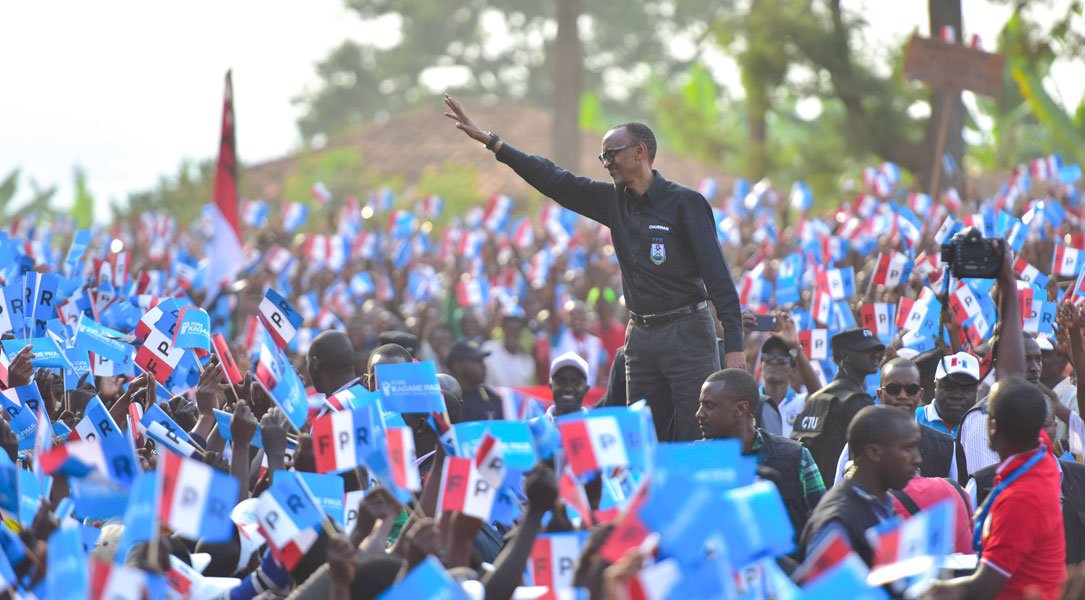
Supporters of incumbent President Paul Kagame carry a large photograph of him during the campaign’s closing rally in Kigali, on August 2, 2017. (Marco Longari/AFP)
In December 2018, a court dismissed the case against the RPF, citing insufficient evidence to proceed to a trial and, on 3 July this year, an appeals court in Paris confirmed the decision and agreed not to reopen an investigation.
Researchers have recently attempted to estimate the number of victims of violence, both Tutsi and Hutu. In January, the Journal of Genocide Researchpublished several studies that estimated between 500 000 to 600 000 Tutsis were killed during the genocide, and between 400 000 and 550 000 Hutus lost their lives in the 1990s.
Marijke Verpoorten, an academic at the University of Antwerp, says it remains impossible to establish a reliable death toll of the killings of Hutus. Instead, she attempts to estimate how many Hutu lives were lost in the 1990s, either as a direct result of violence, or indirectly, after the rapid spread of contagious diseases in refugee camps, and the dire war conditions. She arrives at a “guesstimate” of 542 000, although admits there is a very large uncertainty interval.
Yet only one ethnic group has been internationally recognised as victims. Inside Rwanda, community-based gacaca courts tried more than 1.2-million alleged perpetrators of the Tutsi genocide. An official genocide survivor fund does not recognise Hutus who were killed, even if they lost their lives trying to protect Tutsis. Hutus are not allowed to publicly grieve their loved ones or request justice for RPF crimes in Rwanda.
After formally closing, the ICTR became a residual tribunal — now called the International Residual Mechanism for Criminal Tribunals (MICT) — and continues to search for high-profile, alleged Hutu génocidaires. In May, French police arrested 87-year-old Félicien Kabuga, who had lived in hiding for 26 years. He stands accused of financing the genocide against Tutsis by funding an extremist radio station. Kabuga has denied the allegations and is currently in the Hague awaiting a trial.
The MICT did not respond when asked for comment on prosecuting RPF officials.
Never indicted: Rwandan President Paul Kagame greets a crowd after addressing supporters at the closing rally of his presidential campaign in Kigali in August 2017. (Photo: Marco Longari/AFP)
PHOTO ROBERT SKINNER, ARCHIVES LA PRESSELéon Mugesera a été expulsé du Canada en 2012 au terme d’une saga judiciaire portant sur son immigration au pays, en 1993 ; il a ensuite été jugé au Rwanda pour incitation au génocide.
Le Rwanda s’est livré à un « traitement cruel, inhumain et dégradant » à l’égard de l’ancien résidant canadien Léon Mugesera, a statué vendredi la Cour africaine des droits de l’homme et des peuples.
Le jugement ne change pas la condamnation à la prison à vie de Léon Mugesera, reconnu coupable d’incitation au génocide par un tribunal rwandais en 2016, mais blâme Kigali pour ses conditions de détention.
La Cour africaine conclut également que le Rwanda a violé le droit à la vie et le droit à la famille de l’ancien résidant de Québec.
En revanche, l’État rwandais n’a pas violé le droit à la défense de Léon Mugesera, tel que l’alléguait la poursuite déposée en 2017 devant le tribunal basé à Arusha, en Tanzanie.
« Nous sommes très contents que la souffrance de Léon soit reconnue enfin », a déclaré à La Presse sa femme, Gemma Uwamariya.
La famille espère un jour « revoir vivant celui qui [lui] a sauvé la vie » en lui faisant fuir le Rwanda à l’aube du génocide de 1994, confie Mme Uwamariya.
Nous implorons le Canada de s’assure que le Rwanda cesse immédiatement les souffrances cruelles dont Léon est victime.
Gemma Uwamariya, la femme de Léon Mugesera
Le cabinet du ministre des Affaires étrangères du Canada, François-Philippe Champagne, n’avait pas réagi au jugement au moment d’écrire ces lignes.
Dédommagement de 32 000 $
Dans son jugement, la Cour africaine des droits de l’homme et des peuples condamne le Rwanda à verser 25 millions de francs rwandais, soit près de 33 000 $, à Léon Mugesera et sa famille, dont 10 millions à titre de préjudice moral.
Elle ordonne également qu’un médecin indépendant soit désigné pour évaluer l’état de santé de Léon Mugesera et déterminer les « mesures nécessaires à son assistance ».
Le tribunal a aussi rejeté la demande de Léon Mugesera d’ordonner sa remise en liberté et l’annulation de sa condamnation pour incitation au génocide, estimant que le litige portait sur ses conditions de détention et non pas sur la légalité de sa détention.
La Cour africaine a refusé également d’ordonner au Rwanda d’entamer des discussions avec le Canada pour que Léon Mugesera puisse purger le reste de sa peine d’emprisonnement à perpétuité au Canada, affirmant que cela relève de la compétence des États concernés et non du tribunal.
Léon Mugesera a été expulsé du Canada en 2012 au terme d’une saga judiciaire portant sur son immigration au pays, en 1993 ; il a ensuite été jugé au Rwanda pour incitation au génocide.
Au terme d’un procès jugé inéquitable par ses avocats, Léon Mugesera a été déclaré en 2016 coupable d’incitation publique à commettre un génocide, de persécution et d’enseignement de la haine basée sur l’ethnicité par la Haute Cour du Rwanda, qui l’a en revanche acquitté des chefs d’accusation de complot et de complicité de génocide.
Les dates clés de Léon Mugesera
– 1987 : Il obtient son doctorat à l’Université Laval, à Québec.
– Novembre 1992 : Il prononce, dans le nord-ouest du Rwanda, le discours qui lui a valu d’être accusé d’incitation au génocide.
– Août 1993 : Il arrive au Canada avec son épouse et leurs cinq enfants mineurs. Ils ont tous le statut de réfugiés.
– Juillet 1996 : La Commission de l’immigration et du statut de réfugié du Canada (CISR) ordonne son expulsion, considérant que le discours de 1992 constituait une incitation au meurtre, une incitation au génocide et à la haine ainsi qu’un crime contre l’humanité.
– Janvier 2012 : Après des années de démarches judiciaires, il est finalement renvoyé au Rwanda par le Canada.
– Janvier 2013 : Début de son procès pour incitation au génocide à Kigali, au Rwanda.
– Avril 2016 : Il est condamné à l’emprisonnement à perpétuité.
Sur son site web, Rwanda Broadcasting Agency (RBA) a sorti une liste d’une trentaine de médecins de l’Hôpital universitaire de Butare censés avoir participé dans le génocide rwandais de 1994. Cette liste est un recyclage d’une vieille liste sortie par une certaine Rakiya Omaar d’Africa Rights et qui était payée par le gouvernement rwandais pour fabriquer ces accusations. Les compromissions entre Rakiya Omaar et le FPR furent découvertes et étalés au grand public. Prise de honte, elle qui se disait militer pour les droits de l’homme, Rakiya Omaar disparut dans la nature. Que Jean Damascène Bizimana du CNLG (Commission nationale de lutte contre le génocide) sorte de nouveau la liste, c’est de bonne guerre mais ça ne convainc personne. C’est plutôt la loi du moindre effort et une façon ostentatoire de montrer qu’il travaille et que le budget colossal alloué au Centre qu’il préside se justifie.
Une petite historique de l’usage de listes montre que le FPR (Front patriotique rwandais, parti au pouvoir au Rwanda) y fait régulièrement recours pour traquer ses opposants politiques ou ceux dont il soupçonne de n’être pas d’accord avec sa politique. Il a donc imaginé ce raccourci de listes de « génocidaires ». C’est une arme politique redoutable et qui a été utilisée avec succès par l’UNAR (Union Nationale Rwandaise) ancêtre du FPR.
L’usage de listes à des fins criminelles date de novembre 1959. Cette année, des extrémistes du parti UNAR (Union Nationale Rwandaise, ancêtre du FPR) y ont eu recours pour désigner les Hutu à abattre. Ceux qui avaient commencé à manifester leur ras-le-bol avec le système féodal en vigueur furent listés et qualifiés d’« abaporosoma », membres du parti APROSOMA (Association pour la Promotion Sociale de la Masse) de Joseph Habyarimana Gitera (Temps Nouveaux, 1/11/1959). Il est vrai que bon nombre des ces avant-gardistes étaient des leaders de ce parti. Ils furent pourchassés et assassinés atrocement.
Le système de listes ayant fait ses preuves, il fut adopté par le FPR durant la préparation de la guerre. Ainsi, parallèlement aux attaques qu’il menait, le FPR élaborait des listes des personnes à abattre. Déjà en mars 1993, en pleine négociation d’Arusha, il avait fourni une liste des autorités administratives et politiques à relever de leurs fonctions. La plupart ont été assassinées. Après la descente de l’avion du Président Habyarimana, tout au début du mois d’avril 1994, le FPR envoya à bon nombre de pays et de chancelleries ce qu’il appela la « CDR list », contenant selon lui les noms de ceux qui étaient impliqués dans des massacres. La liste comprend même des personnes inexistantes ou qui ne vivaient pas au pays depuis de longues années.
Après sa prise de pouvoir en 1994, le FPR officialisa le système de listes. En 1995, un projet de loi révisant le code pénal pour y introduire le crime de génocide fut préparé par feu Alphonse Marie Nkubito, alors ministre de la justice. Parallèlement, un autre projet fut initié par les services du FPR. Ils proposaient la mise sur liste des suspects du génocide, leur catégorisation et le principe de plaidoyer de culpabilité. Pour donner une force à son projet et enterrer celui du ministère de la justice, le FPR organisa à Kigali un symposium international en décembre 1995 dont les recommandations allaient dans le sens de son projet de loi. Après l’éviction de Nkubito, sa remplaçante, Marthe Mukamurenzi, endossa le projet mais au moment d’aller le défendre au Parlement, elle fut remplacée par Charles Muligande, alors Ministre des Transports et Secrétaire Général du FPR.
Sitôt arrivé à Kigali, le FPR lança une liste de 428 personnes. Elle fut revue et enrichie jusqu’à 1946 personnes et publiée au Journal Officiel la République Rwandaise comme « Liste n°1 de la première catégorie prescrite par la loi organique n°8/96 du 30/08/1996 ».
La liste du 30/08/1996, comme par ailleurs toutes les précédentes, condamne avant même de juger et pêche contre le principe de la présomption d’innocence. Elle a fait des ravages en particulier dans l’intelligentsia hutu. Pourtant, les critiques qui lui sont faites lui ôte pratiquement toute sa valeur.
En effet, on y retrouve par exemple des personnes mortes avant 1990 et d’autres mortes avant 1994. Parmi celles-ci se retrouvent même des victimes du FPR d’avril 1994 dont notamment Théoneste Mujyanama assassiné par le FPR à Kigali, ancien ministre de la justice; Sylvestre Baliyanga, ancien Préfet de Kibuye et de Ruhengeri, assassiné par le FPR avec sa famille chez lui à Remera, à Kigali; Jean Hategekimana, ancien Président du Tribunal de Première Instance de Kigali et sa famille assassinés par le FPR à Kigali.
La liste contient aussi par des fautes de forme inexcusables dans une matière aussi grave. A certains endroits, la numérotation manque ou les numéros sont repris deux fois. L’identification des personnes est incomplète vu qu’elle ne fait mention, dans la plupart des cas, que des noms et prénoms sans autres coordonnées. Certaines personnes sont même identifiées uniquement par leurs prénoms. A certains numéros, on retrouve les mêmes personnes mais identifiées avec des données différentes.
Appelé à s’expliquer par une certaine opinion nationale choquée par la grossièreté des erreurs de la liste qui dépassaient tout entendement, le Procureur Général Siméon Rwagasore, signataire de la liste, a été obligé d’avouer, dans une interview au journal Intego (n° 25, décembre II, 1996), que la liste n’avait pas la valeur qu’on voulait lui prêter. Pourtant au Rwanda, des centaines de personnes ont été arrêtées et emprisonnées par le fait même qu’elles figuraient sur la liste, malgré des discours officiels rassurants (Amiel Nkuliza, Le Partisan, n° 40, janvier 1997).
Fort heureusement, certains Etats démocratiques se sont aperçus du manque de sérieux de cette liste et ont accordé l’asile politique à certaines personnes qu’elle reprend. Pouvait-il en être autrement puisque même le pouvoir de Kigali a affecté aux hautes fonctions des personnalités figurant sur la liste.
La liste du 30/08/1996 a été actualisée le 31 décembre 1999. Elle contenait les mêmes erreurs que la précédente malgré un vernis qui ne pouvait tromper personne. Elle pêchait toujours contre la présomption d’innocence. Elle condamnait avant jugement.
La liste mentionnait même le nom de Juvénal Habyarimana. Pourtant le FPR est désigné par plusieurs sources comme le commanditaire de son assassinat.
Le 19 mars 2001 la liste fut portée à 2898 noms. 36 noms avaient disparu et 801 nouveaux noms y étaient apparus ; Pierre Célestin Rwigema qui a été chef du gouvernement du FPR pendant 5 ans y figurait en bonne place.
Leur rôle était de recenser les réfugiés hutu se trouvant dans ces pays. A partir des informations qu’ils transmettaient régulièrement, une liste de 93 hutu vivant à l’étranger fut élaborée et transmise à bon nombre de pays ainsi qu’à INTERPOL.
Le système de listes fut utilisé dans les Tribunaux Gacaca. Un million de personnes furent recensées : des hommes et des femmes encore valides, des leaders d’opinion, des intellectuels (enseignants, agronomes, infirmiers,…). Le même travail fut fait à l’étranger et la liste arrêtée contenait plus de 40000 personnes.
Le système de listes a fait ses preuves. Le FPR y fait recours pour maintenir et consolider son pouvoir dictatorial et criminel, en tentant d’intimider quiconque est susceptible de porter un jugement sur sa gestion bananière du pouvoir.

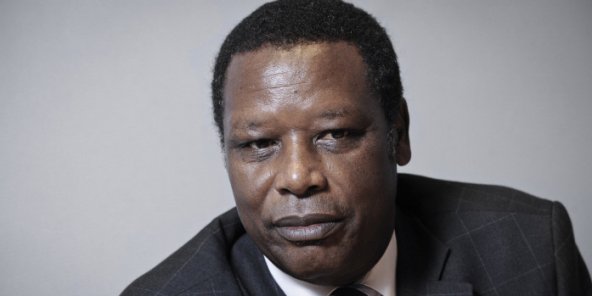
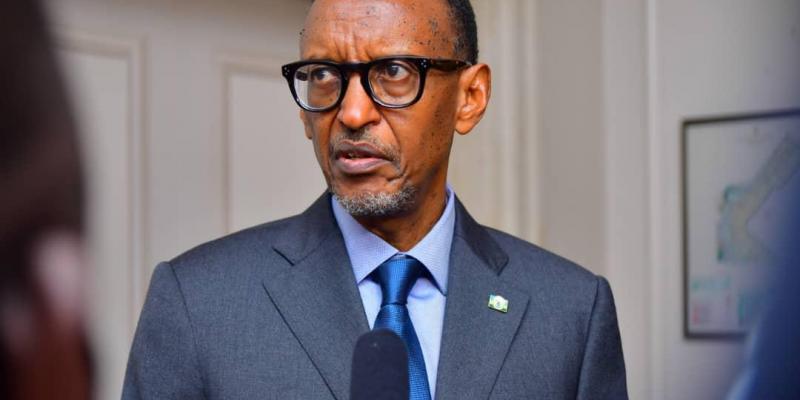 Paul Kagame, Président du Rwanda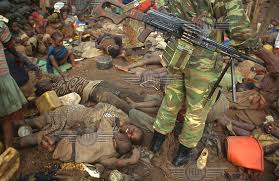






 GAHUNDE